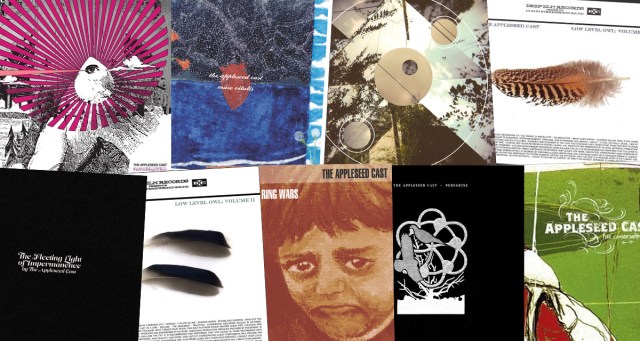
The Appleseed Cast has quietly been one of the lasting emo and/or post-rock and/or indie rock bands of the last few decades. And for a band that evolved their sound so much, it’s hard to believe they don’t have any garbage albums among them. Typically when a band explores and ripens their sound, fans have a tendency to instinctually turn on them. Humans fear change, so naturally we fear Appleseed Cast’s evolution. But thankfully they’ve never let us down. Here’s how their ever-evolving albums stack up against each other.
9. The Fleeting Light of Impermanence (2019)
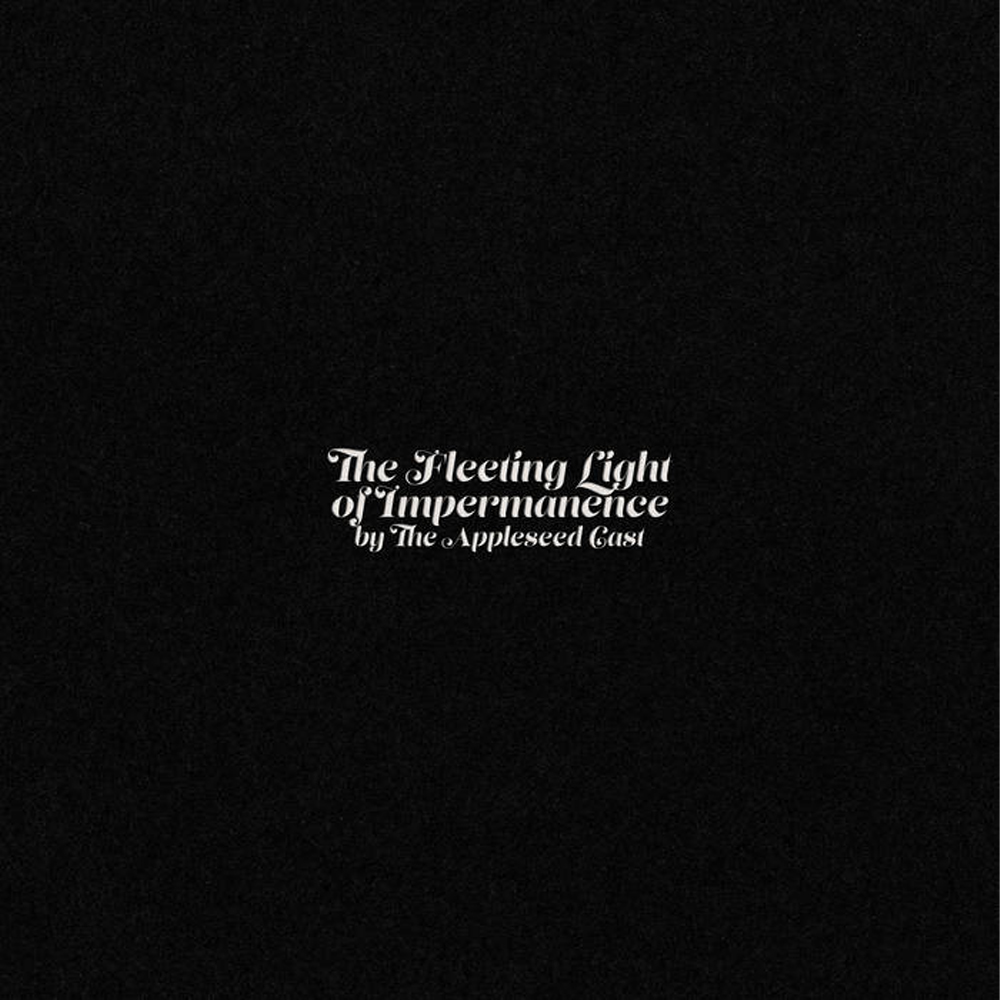 The main problem with this band is how long they took to write albums in the last decade. They’ve assembled six perfect studio albums in the 2000s, but only two since. What are you doing here? Give us music. In fact, this is the only album on this list that is under 10 tracks. Simply unacceptable. The Appleseed Cast is the only band that can loop the same three notes over and over again for eight consecutive minutes and I will still repeat the track after it’s finished. Give me more of that already. Immaculate album otherwise.
Play it again: “Chaotic Waves,” “Collision,” “Last Words and Final Celebrations”
Skip it: Skip whatever Spotify-assembled playlist you’re currently listening to and put on this album.
8. Low Level Owl: Volume II (2001)
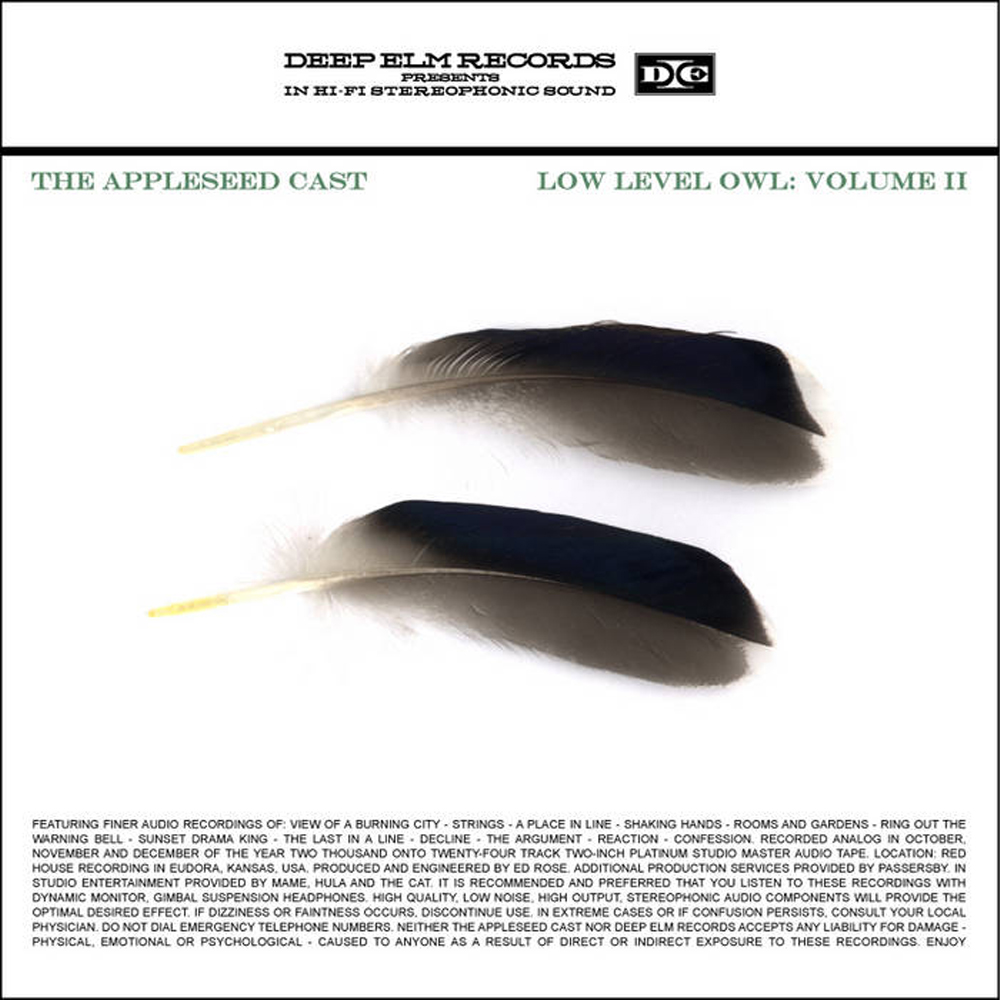 It must be stressed that this album is actually quite excellent and should not be discredited, despite placing so low on this completely objective ranking system. It’s a nice continuation of “Low Level Owl: Volume I” and respectfully ambitious, but sometimes almost feels like the B-side version of its counterpart. Not a bad thing. Not a good thing either. Just a thing.
Play it again: “Ring out the Warning Bell,” “A Place in Line,” “The Last in a Line”
Skip it: Skip that salad you were just about to eat, order pizza instead, and listen to this album.
7. The End of the Ring Wars (1998)
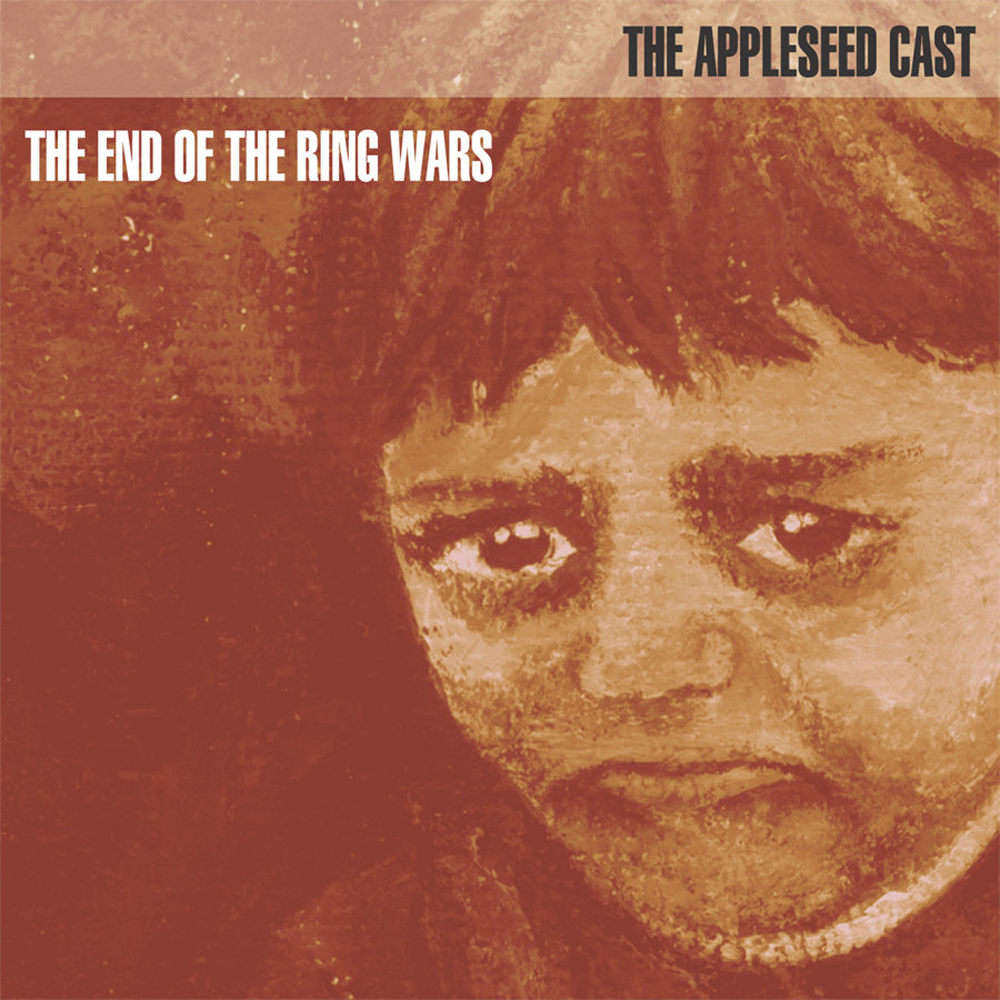 “The End of the Ring Wars” is a very difficult release to rank when standing next to the band’s entire discography. Sure, it’s an emo classic, but it seems like it belongs more in Sunny Day Real Estate’s catalog when considering what Appleseed Cast wrote after. If you’re like, “You fool, this album should be first,” you might be right. If you think, “You fool, this album is deservedly the worst,” you might be right again. But if you’re like, “Wait, who are these guys?” then you’re absolutely correct yet again. There are no wrong answers when listening to this album.
Play it again: “Marigold & Patchwork,” “Antihero,” “On Sidewalks”
Skip it: Skip your job right now and take a mental health day. You deserve it.
6. Peregrine (2006)
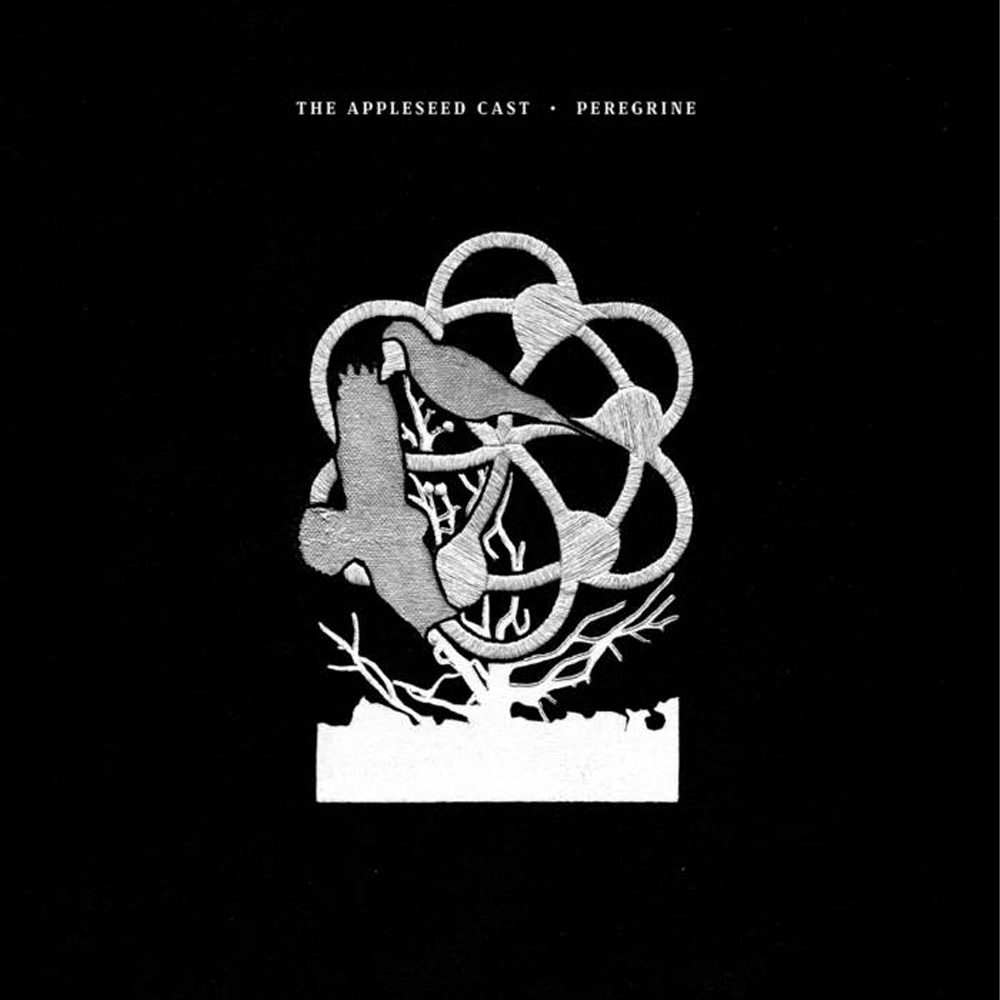 Have you ever been personally ranking one of your favorite band’s discographies and come across a “Peregrine” where it could be, depending on the day, as high as “second best” or as low as “you forgot to include it because it’s not one of the immediate ones you think of when you’re in an Appleseed Cast mood”? That’s the inner turmoil known as this album. Impeccable on a Tuesday, but not top of mind by Thursday.
Play it again: “Ceremony,” “Sunlit Ascending,” “Here We Are (Family In The Hallways)”
Skip it: Skip your grandmother’s funeral and put on this instead.
5. Sagarmatha (2009)
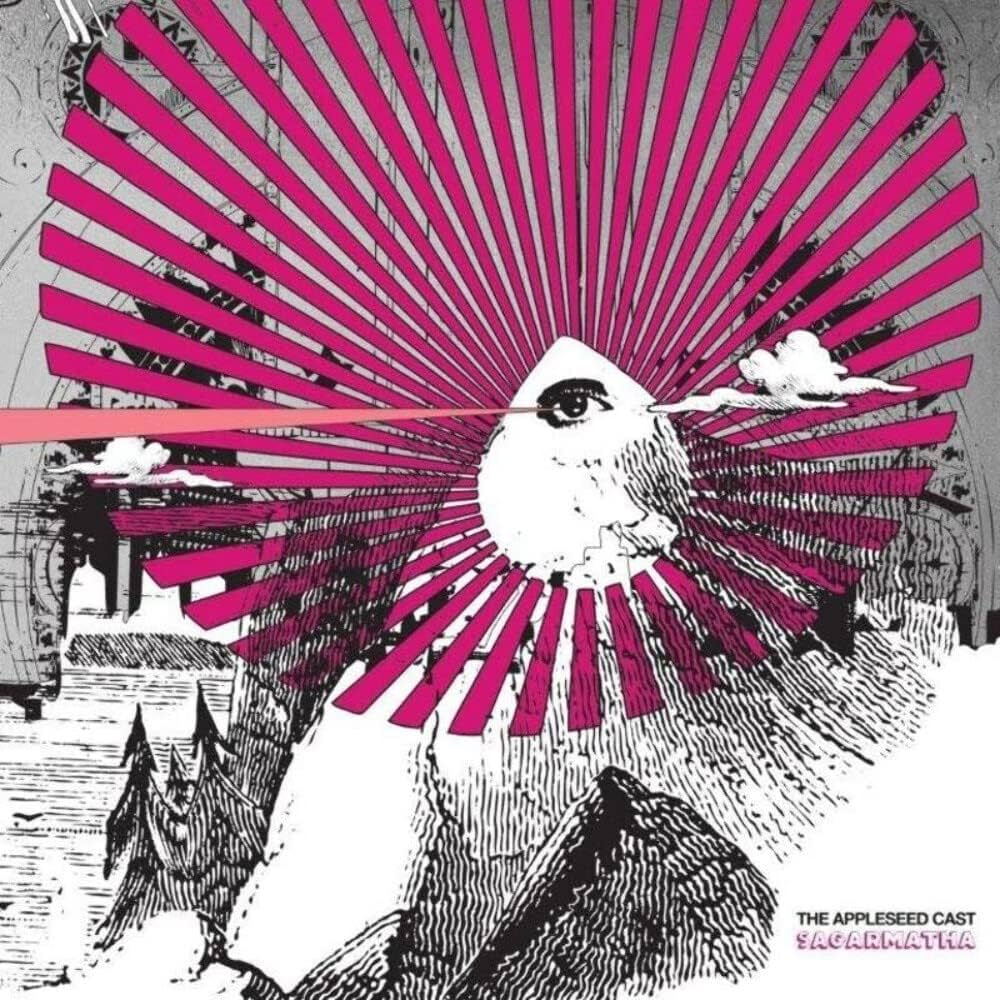 “Sagarmatha” starts out white hot as a quintessential post-rock album. The first three tracks are all over seven minutes long each and there are hardly any vocals, which just gets in the way of all that juicy repetition that gives your brain the soothing recurring patterns it craves so deeply. That’s why the mind neurogically gravitates toward post-rock. That’s just science. Or psychology. One of those.
Play it again: “As the Little Things Go,” “The Summer Before,” “A Bright Light”
Skip it: Skip your dentist appointment and listen to this album. You were going to skip it anyway.
4. Two Conversations (2003)
 “Two Conversations” is far less interlude-y than its previous “Low Level Owl” records, so it seems more accessible. It’s like the band experimented with their sound on LLO, regretted it, and tried to atone for their iterative ways by giving us “Two Conversations.” Either that or they simply grew organically in a direction that felt natural for them and it’s actually the music critics who need to get their shit together and respect the band’s musical choices. Probably the latter.
Play it again: “Innocent Vigilant Ordinary,” “Hanging Marionette,” “Ice Heavy Branches”
Skip it: Skip this album if you’re not that into the Appleseed Cast.
3. Illumination Ritual (2013)
 Typically, a band’s eighth studio album has no business being top three anything, but this one is extremely late in the band’s discography yet quietly satisfying. It’s got everything you want on an album. It’s sonically pretty, percussively elegant, rhythmically ethereal, celestially layered, goosebump-inducing at times, and I couldn’t tell you a single lyric on the album despite listening to it on repeat. Perfect record.
Play it again: “Clearing Life,” “30 Degrees 3 AM,” “Cathedral Rings”
Skip it: Yeah, no.
2. Low Level Owl: Volume I (2001)
 There is a remarkable amount of musicianship happening on this album. For instance, I am not quite sure what exactly is going on in the track “Steps and Numbers” that makes me feel like I am ascending into another plane of harmonized existence nor do I really need to know. The great thing about post-rock is that if you are really into one particular part of a song, chances are you’ll hear it for a good three minutes before it moves on to the next progression. It’s nice that the Appleseed Cast gave the fans what they wanted over and over and over again, whether we knew we wanted it or not.
Play it again: “Steps and Numbers,” “On Reflection,” “Sentence”
Skip it: Don’t you dare.
1. Mare Vitalis (2000)
 “Mare Vitalis” is Latin for “sea of life” and this album somehow perfectly captures the feeling of being stranded in the middle of the ocean, I think. There are calm before the storm moments between times where your life feels like you’re at the mercy of the potentially ominous oceanic tides ahead of you, yet it also can feel like there might just be hope after all despite all signs pointing to your inevitable death where eventually the seagulls will be picking away at your lifeless corpse. To conclude, “Mare Vitalis” is an emo classic, a post-rock classic, an indie classic, and a seafarer’s classic alike.
Play it again: Play it all again.
Skip it: Skip going in the ocean. Nothing good happens there.

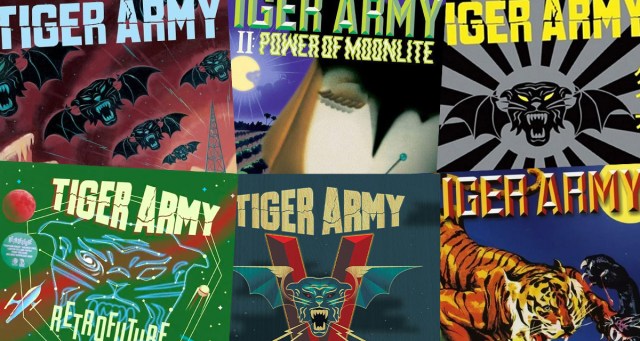
 Yes, we know this is a country album and not technically released under the official Tiger Army brand. If you’re that bothered by it, scroll down a little and you’ll find the psychobilly reviews you’re so hungry for. The rest of us can appreciate that Tiger Army has always been heavily influenced by country/western music. Nick 13 dropped the decidedly un-psycho “Outlaw Heart” into his band’s first album, and it’s still their most popular song 25 years later. His solo project is not the twangy alt-country that hypes up crowds at the county fair. It’s a sincere and well polished collection of Americana by an artist who clearly knows and loves it. Tiger Army classics “Cupid’s Victim” and “In The Orchard” both get the country treatment here. The former sounds like one of those mashups where they change the genre of a song with AI. If you and your country-loving coworker can’t agree on what to play in the car while you drive him to work after the court took his license away, this is a decent compromise.
 This was a tough one. “Retrofuture” is a wide-ranging sampler of genres. There’s some rock, Americana, a little psychobilly. There’s even a love ballad about the moon that’s entirely in Spanish. The songs all work. Nothing feels forced or like it was included just for the sake of adding another genre to the list. It all feels like a Tiger Army Album. But this showcase of Nick 13’s range is exactly what puts it last on this list. It is one of those albums that so clearly separates a band’s “new stuff” from their “old stuff”. If you’ve been a fan of Tiger Army since the beginning, this isn’t psychobilly enough to meet your expectations. And if you haven’t been a fan since the beginning, what made you start with their new album, in 2019? Overall, it’s good, but something has to be last on this list, and it honestly came down to semantics.
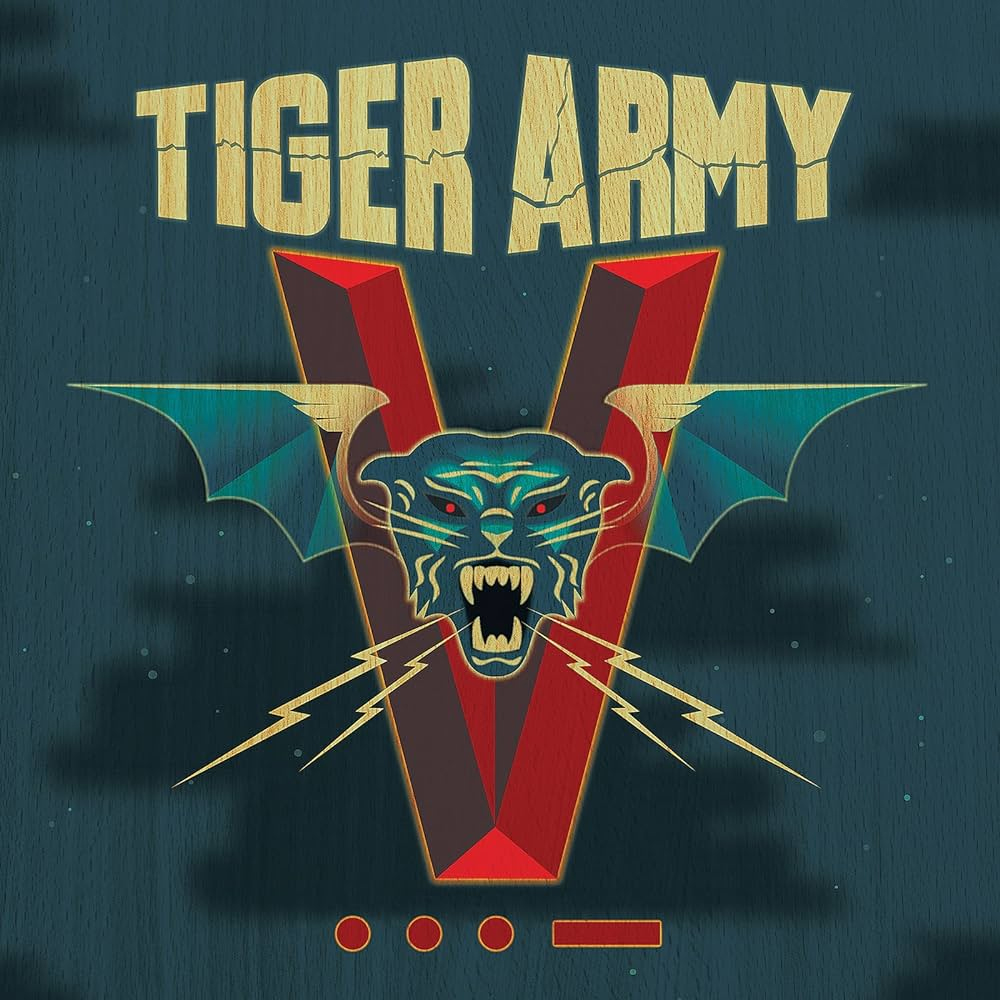 This is their fifth album. Its name is derived from the Roman numeral V, representing the number 5, and the corresponding morse code for the letter V, not the number 5, which would have been too logical. We ranked it 5th overall because this was confusing and also because their first four albums were better than this one. “V” has a more relaxed bluesy style than previous Tiger Army offerings, and way more piano. Neither of these take away from the quality of the album, but it’s not exactly what the cuffed-jeans-and-flat-top crowd gets excited about. Nick 13, with yet another brand new lineup, chose dark ominous tones more often than the dark ominous lyrics typical of his contemporaries. Tiger Army’s music is mostly free of the usual tropes about zombies, banging dead people, or just how awesome horror movies are in general, and “V” is no exception. Any talk of haunting is in reference to the dreams of a lover, not ghouls.
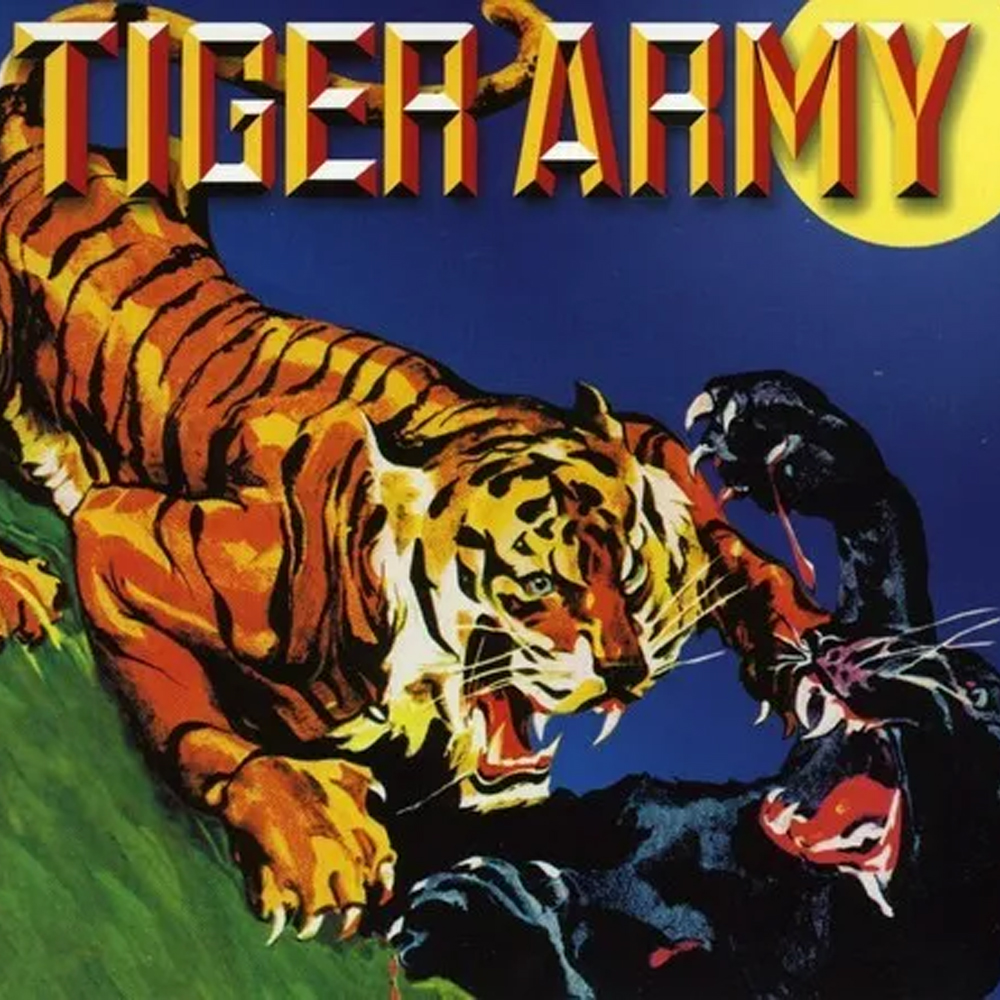 We could have just ranked these all in reverse chronological order. And there’s maybe a good argument to be made in favor of that. But that seemed too “their first album was better” of us, so we decided to nitpick production quality on these early ones. This self-titled debut goes hard from the beginning, with the clacking double bass intro on “Nocturnal” prepping us for a textbook example of late-1990s/early-2000s psychobilly. “Tiger Army” does a better job than most of using show-not-tell lyrics about fog and the night rather than gore and body horror to tell its story. The only real problem with this album comes about three or four songs in when you realize that double bass CLICK is not just a choice they made for the opening song, but rather the result of sound mixing that left it way too prominent in the final product. It’s distracting enough that this album gets knocked down several ranks for this alone.
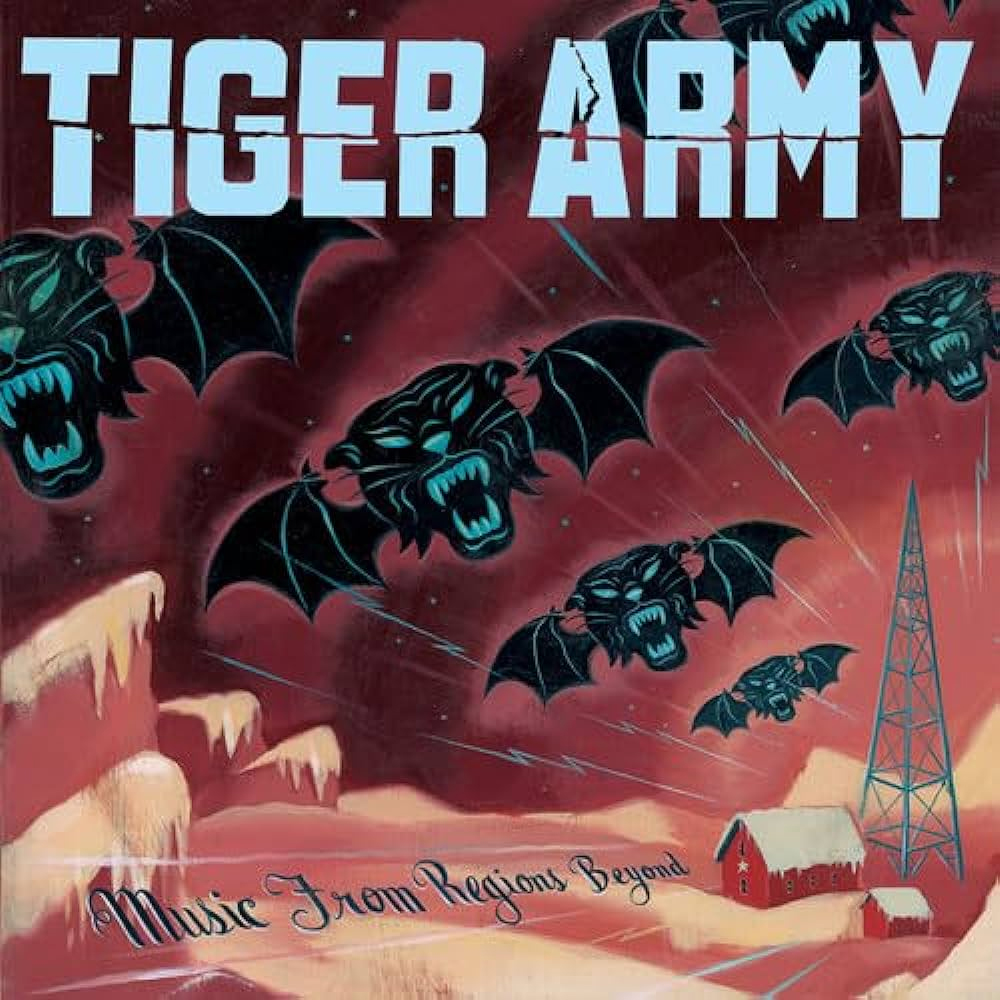 This was the first album Tiger Army released since their debut that didn’t have Roman numerals in its name. It was at the time the cleanest sounding record they had released. It lives in the uncanny valley between their faster early albums and Nick 13’s more experimental later work with its lengthy love ballads and Spanish guitar. This fourth album meant a fourth personnel change as well. Nick 13 is the only remaining member of Tiger Army’s original lineup. It’s impressive that they kept a fairly consistent style through these first few albums, but that goes to show how much this band has always just been singer/songwriter/guitarist Nick 13 with a rotating assortment of backing musicians on bass and drums. “Regions Beyond” continued the trend started by “Ghost Tigers” of Tiger Army getting more mellow with age. It’s not entirely without punk energy – there are a few screamo bits in “Hotprowl,” for example – but this album lacks the energy of their earlier work.
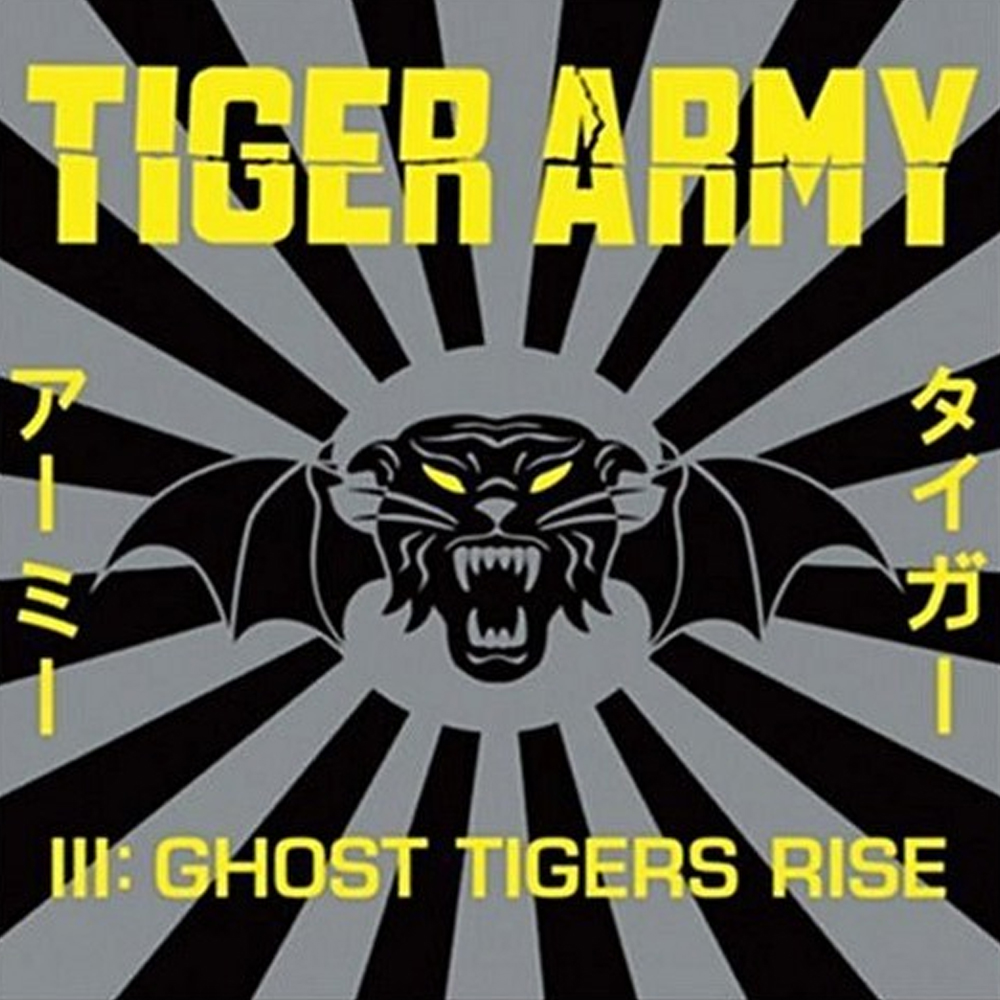 Do you hear it? That click is back. What’s with the ever-changing sound levels between each of these first four records? “Power of Moonlight,” for example, has almost no detectable bass click. And the same person is credited on bass for both albums (a record at the time for any of the 7 current or former backing members of this 3-piece group) but each sounds completely different. It’s one of life’s great mysteries. Anyways, “Ghost Tigers” starts out as an indisputable psychobilly record before shifting gradually into a calmer, genre-bending jam session. We’re shown an Americana-influenced sound that focuses more than its predecessors on Nick 13’s soothing vocals. If you’re upset that this album wasn’t first on our list, you probably would have enjoyed Nick 13’s country album had you not skipped it when we tried to bring it up earlier. You should go back and listen to “Nick 13” before you read the next entry. We’ll wait for you.
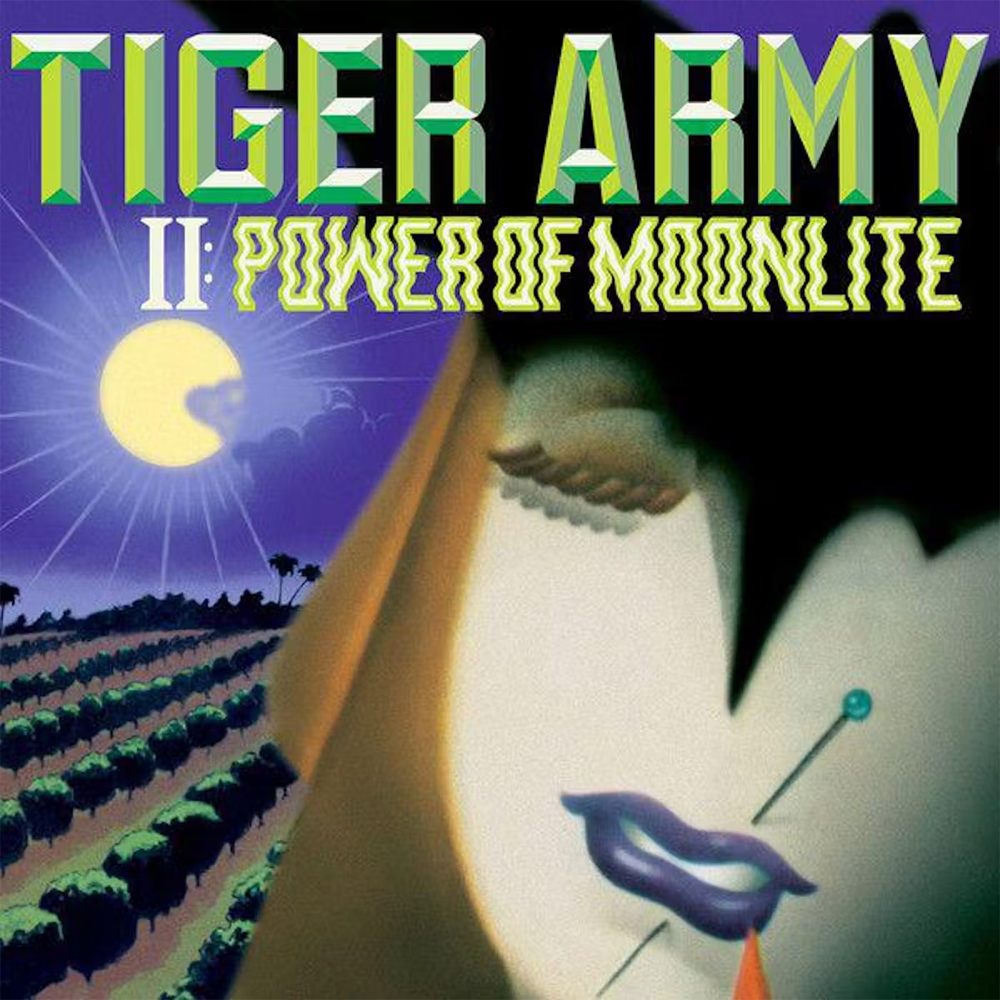 Welcome back. Does the steel guitar on “In The Orchard” make more sense now? Oh, you still didn’t listen to the country album? Of course you didn’t. More importantly, doesn’t this remind you of early AFI? It should, since it features loads of guest vocals from Davey Havok, as well as the bass support of AFI’s recently separated Geoff Kresge. If one of your friends suddenly started wearing creepers and a pompadour in 2002, “Power of Moonlight” is likely the album that got them into the psycho scene. It perfectly blends Nick 13’s punk roots with his affinity for any style that can be played on an upright bass. At a punk-appropriate runtime of 13 tracks and under 40 minutes, this album had no room for duds or filler. “When the Night Comes Down”, in particular, sets a high bar for future psychobilly acts to follow when they, too, write their scene-mandated songs about being in love with vampires.