
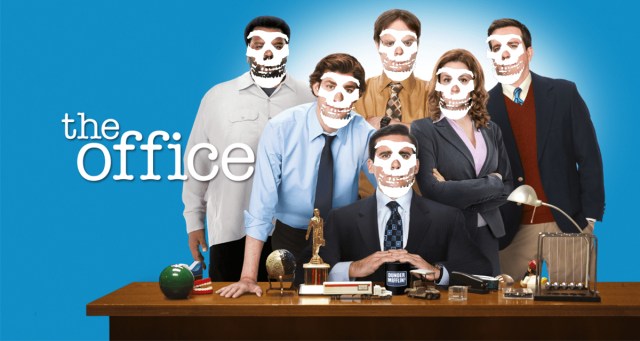
Halloween is creeping up on us faster than you might expect and that spooky holiday means two things: free candy and Misfits cover bands. Since I’m a full grown adult I have trouble convincing my neighbors to give me sweet treats. They say “You’re too old for this,” “You’re scaring all the kids,” and “We are calling the police.” Since candy is off the table it’s time for me to start recruiting talent for a Misfits cover band. I already have the perfect name, it’s Teenagers From Mars. Do NOT steal that.
I realized I’ve alienated most of my actual friends, so I have to recruit my band from a talent pool that is with me all the time in my basement apartment. That is of course the cast of “The Office.” So who is going to make the cut. Read on.
(For clarity, this is not every single person to ever appear on the show. They are people with speaking roles that appeared in more than one episode.)
56. Angela Martin
 Putting Angela in a Misfits cover band would be musical malpractice. There is no way she would be on board with the “Dead cats hanging from poles” line, and not to mention she’s openly Christian so she would get pretty uptight about all the demon references.
55. Robert California
 I’m not going to lie, on paper Robert California is a good candidate for this band. He’s charismatic, probably knows a guy that can do merch for cheap, and knows about spooky stuff, but there is one big problem. This isn’t a Graves-era cover band. No replacement players. Keep moving Bobby.
54. Cathy Simms
 Cathy is one of the most hated characters in the history of the show. I just can’t be associated with her. I’m already on thin ice after I backed my car into my neighbor’s pool and then left without telling anyone. Being seen with Cathy is a death sentence.
53. Robert Lipton
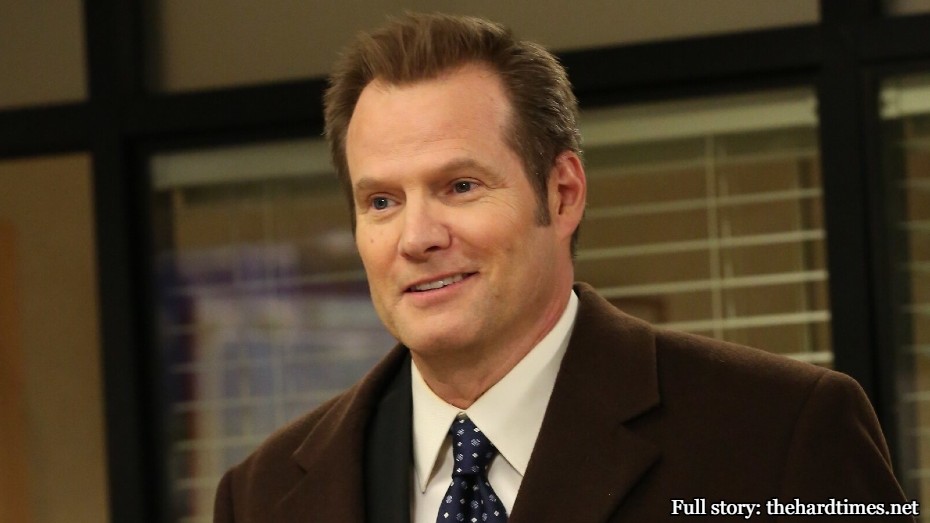 Being an elected official already rules you out of being a part of this project. I’m going to need full dedication, I want someone that is willing to quit their job so we can make sure we know “Where Eagles Dare” backward and forward. There is no way a politician would be willing to work that hard for one night of glory.
52. Brian Wittle
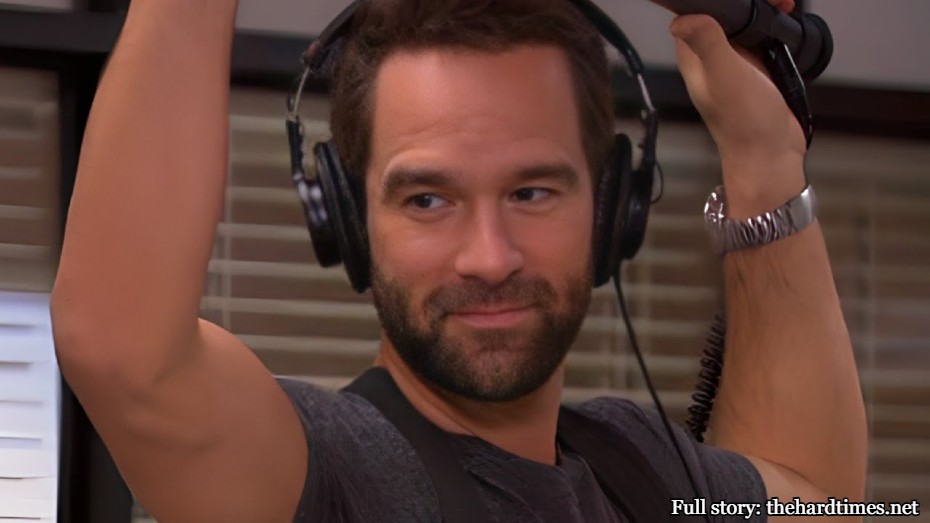 This man can’t be trusted. He might be a solid worker and a great bandmate, but in the back of my head I’ll keep thinking he’s just using the band to get close to my wife so he can steal her away. Now it’s true that I don’t have a wife, or a girlfriend, and I haven’t felt the touch of a woman in over a decade. But still.
51. Nick
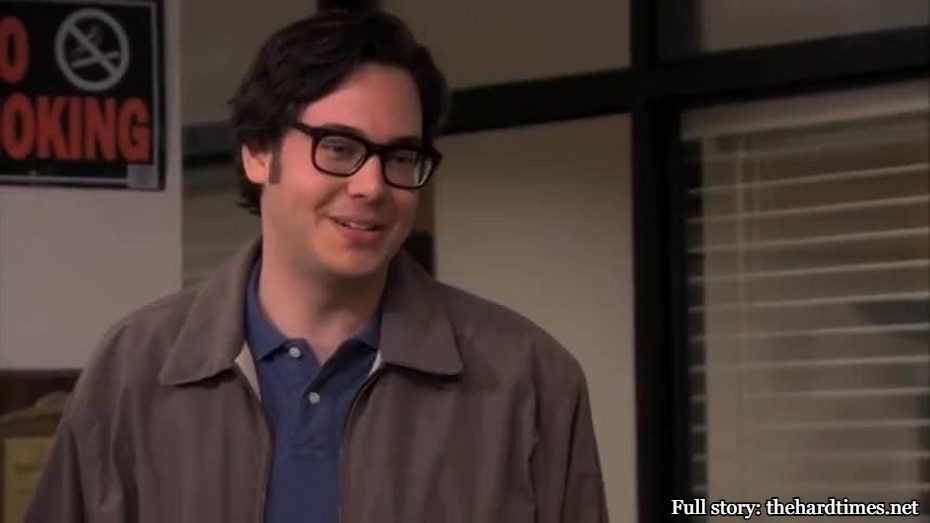 I don’t even know why I hate this guy, but I do. He just looks like the type of guy that would tell me about all the movies that Misfits songs reference. Newsflash buddy, I don’t give a rip. Stay away from me and stay inside on Halloween you creep.
50. Katy Moore
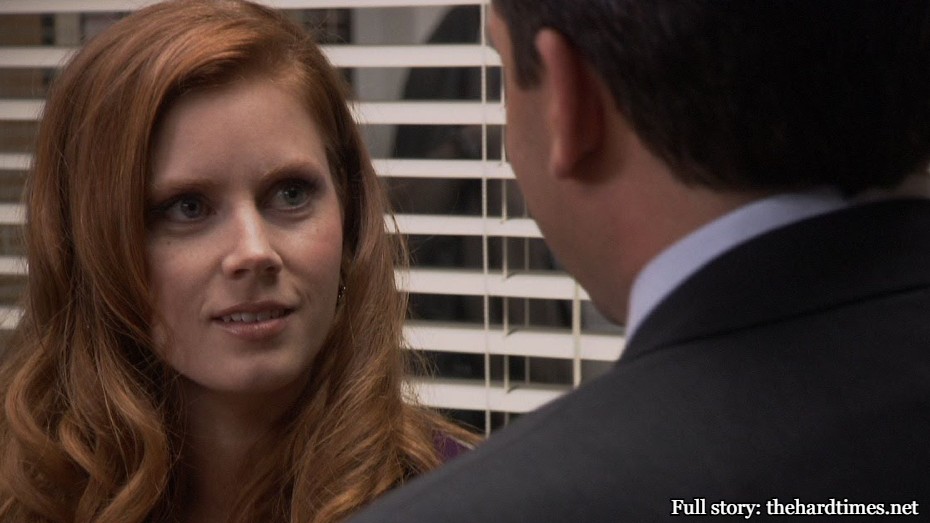 There is no way that someone who names “Legally Blonde” as their favorite movie is going to know anything about the Misfits. Plus, there is no way she’s going to be willing to dye her hair black and wear a devilock.
49. Rolf Ahl
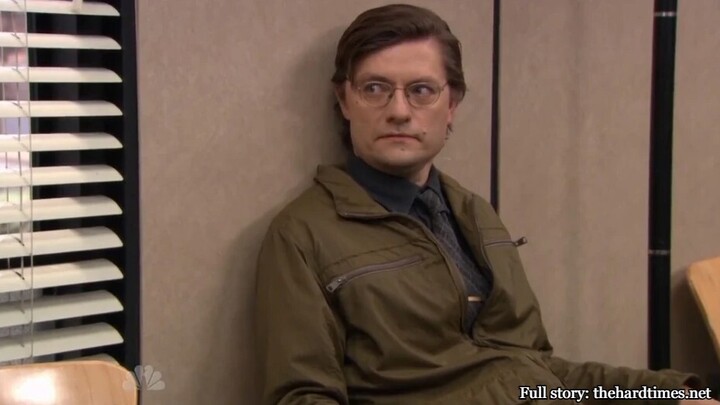 Rolf is a loose cannon, and that might seem like a decent quality you want in a punk bandmate. But I don’t want to be on stage, in front of tens of people on our big night and have somebody smash me in the head with a stage monitor because I suggest we skip playing “20 Eyes.”
48. Charles Miner
 Charles has all the physical attributes I want in a band member, mainly it’s someone who is big and could easily beat the crap out of anyone who makes fun of our tight pants. But Charles is a corporate shill, I want someone willing to quit their job so they can dedicate their life to this important project.
47. Irene
 She might be the closest in age to the real-life Misfits and since she lives in Florida she probably has some of the same politics. But I don’t want to have to worry about one of our members breaking a hip mid-set.
46. Clark Green
 Clark is the type of guy that would be like “You play in a Misfits cover band? Yeah, I listened to them when I was 12 then I grew up.” And then he would talk about how underrated Guided by Voices is for the next two hours.

 That fucking song. You can see how it happened – some fan of theirs told them “I could listen to that rhythm section all day” and they said “No problem!” Look, if you were forced to spend a day with a rhythm section you want it to be this one – but to single out one song on a Shellac album as unusual is so contradictory you might think we just used it as an easy excuse to put something in last place. The prog-rock “Tomorrowland” cover art doesn’t help either, so we’ll blame that too.
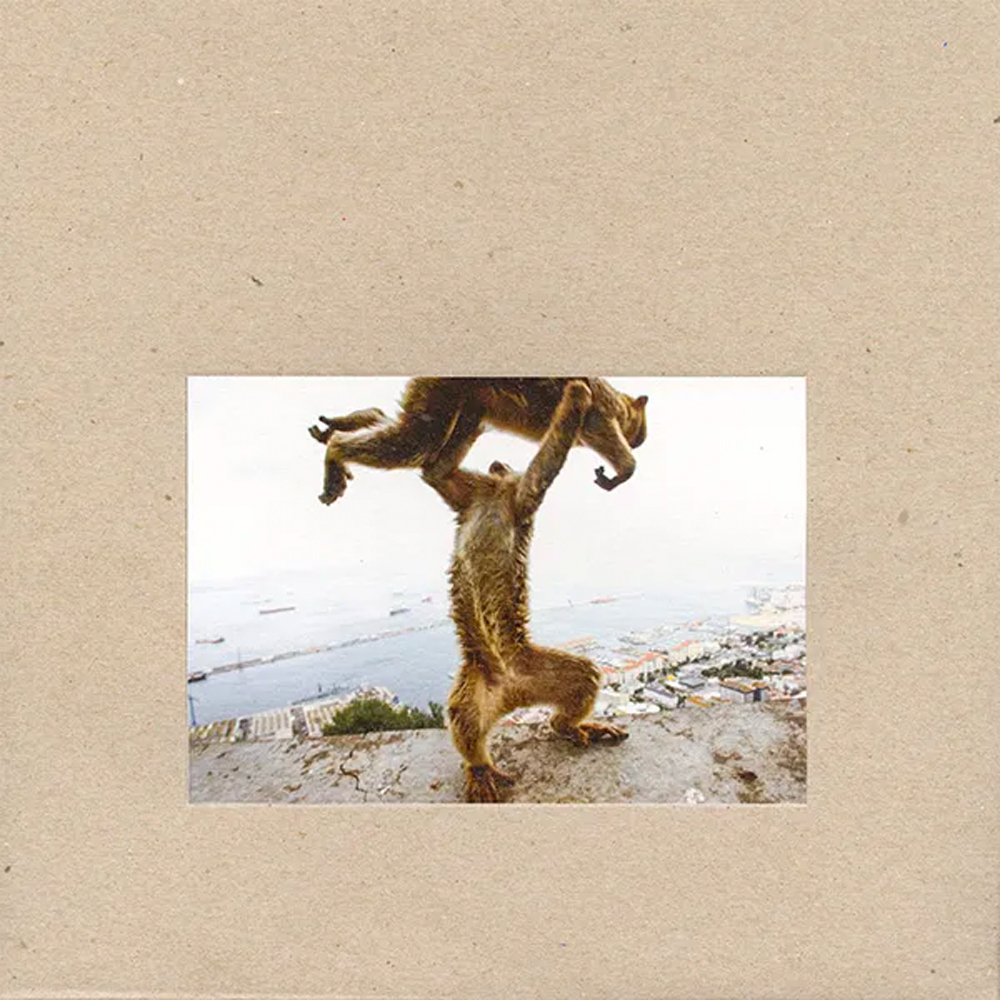 The title track that kicks off Shellac’s most recent full-length is perhaps the trio at their most “normal rock band,” even with the 7/4 time and story about a family of horny gibbons or whatever. Much of the rest is obsessed with surveyors – disgraced Colonial soldier George Washington was a surveyor, the mayor of Chicago is a surveyor, there’s even an instrumental that’s somehow about doing surveys. How likely are you to recommend this album to a friend? Less so with each passing song about surveys.
 Now this is cover art! Uffizi, the eponymous superb pooch, looks pleased as punch to be posed amongst prop produce on the album’s cover. Like the cutie-pie canine, Shellac can seem a bit chilled out on this record – “Kittypants” is the loveliest goddamn thing – but you’re not safe yet. Some of this fruit and veg has gone off, and it won’t be long until this stellar pupperino gets tired of sitting around and leaves us to sit alone with the rot. Guest appearances include Strong Bad, so the album is a little dated.
 To refer to “At Action Park” as a seminal noise record is a little tired at this point, and there are far too many mentions of cum in Shellac’s lyrics to be comfortable referring to anything in this piece as “seminal.” This band emerged from the womb fully formed presenting a song-as-concept approach to guitar rock; one that flips off and makes perverse any attempts to add concepts to the established song structure. You absolutely cannot fake this.
 Imagine releasing an album in 2023 and starting it off with a guest vocal from Taylor Swift. That’s almost at the level of starting your 2000 album with the crooning tones of Philip Baker “Jimmy Gator” Hall, and that move alone gets “1000 Hurts” the top spot. Deadly songs about JFK, squirrels, shoes and watches work as hard as they can to ensure the victory. The drums are Jovian and the bass is dirtier than a shit farmer’s boots. The steelwork guitar slashes constantly at your throat – never more than when mourning a recently departed mother. Perfect.


 Isis popped out this debut before they really found their own sound; that special noise that makes you think you’re walking on Mars, traversing through the jungle, or traversing through a jungle on Mars. Although this comes across more as a mid-tier homage to Neurosis rather than the four masterpieces that follow, there is plenty of substance to hold your attention. From the opening riff of “Deconstructing Towers,” you instantly feel as if you want to join a demolition crew and start swinging a sledgehammer into random buildings. This song will get your blood pumping and make you headbutt a cactus. The biggest problem with this record is that it isn’t “Panopticon,” “In the Absence of Truth,” or “Oceanic.”
 This effort stepped away significantly from their past gritty entries and instead leaned on a slick and smooth performance instead. As they shied away from early Cult of Luna territory and leaned more into Explosions in the Sky country here, the quality didn’t suffer. Aaron Harris’ drumming is absolutely hypnotic to the point where you will feel as if you are in a trance for the majority of the hour then you come out of it realizing you robbed a liquor store, but just for the beef jerky so it’s not that bad. Anyway, it’s Harris’ best performance as he steals the show for sure, along with the ethereal, electronic soundscapes. This is a shiny re-birth for Isis; perhaps it’s the only set of melodies you can listen to comfortably in business casual clothes.
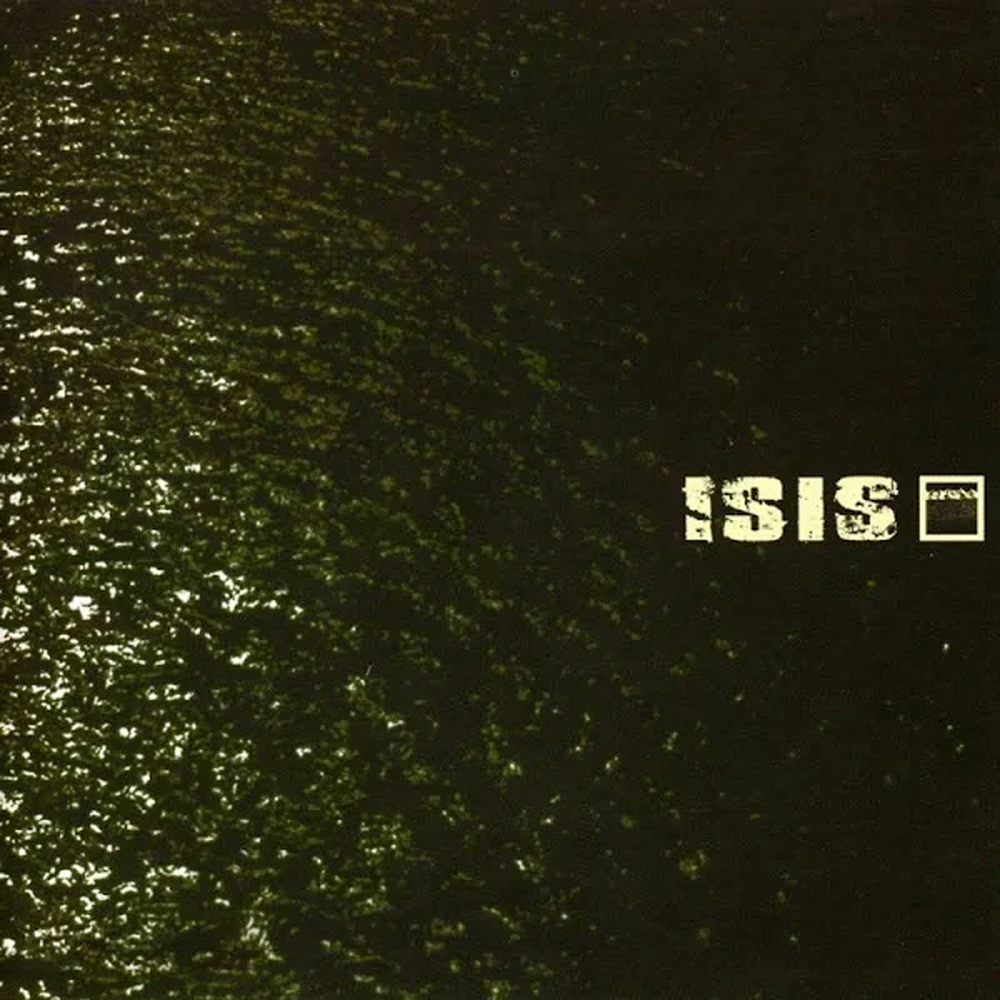 I can confidently say this is their breakthrough album. It’s everything “Celestial” wanted to be, and bassist Jeff Caxide’s booming sound repeatedly wears out his strings to make that abundantly clear. Rarely does an album bookend itself with the best tracks, but Isis manages to do that here. It knocks you on your ass from the first second and keeps you there until the last one. This 9-song collection could easily go second, or even first. Hell, it would be the best album for a lot of groups out there. But honestly, what choice do I have considering their next two productions?
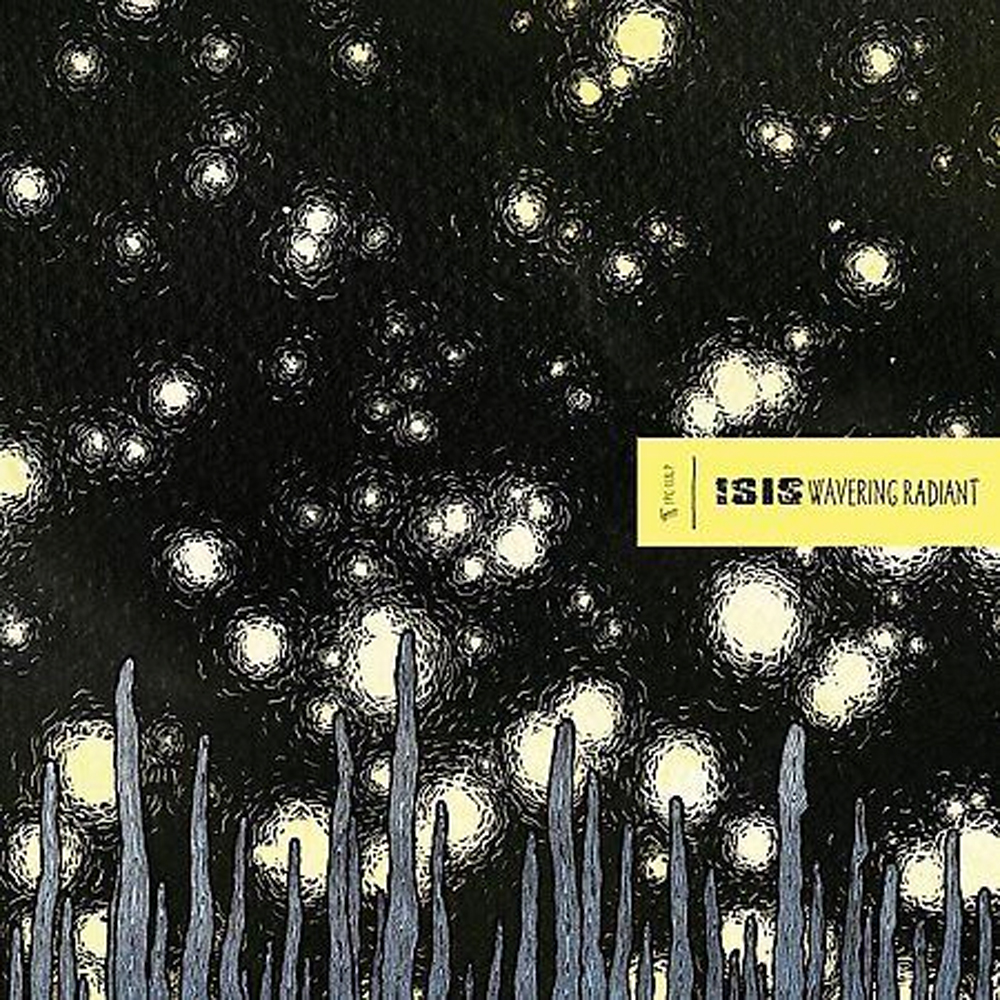 What would a good album ranking do without causing a little controversy? While every Isis fan will probably eviscerate me for putting this album above “Oceanic,” I think it is justified. They took the best from their previous work and weaved them seamlessly together here, where the clean textures of “In the Absence of Truth” complement the powerful chugs from “Oceanic.” Together, every one constructed a perfect swan song; they definitely went out on top. When the last song, and thus their musical career, ends, you want nothing more than Aaron Turner to wrap you in a blanket cocoon and rock you gently back and forth while the two of you sway together in a rocking chair.
 Come on. Was there any other choice here? Well, yes, actually. Every Isis album except for “Celestial” has a case for being at the top. In fact, they definitely all have been my favorite album at some point. Still, I consider this to be their magnum opus. If you listen to one post-metal album in your entire life, make it this one. Aaron Turner’s throaty gusts immediately set the tone from “So Did We” to “Grinning Mouths.” Even when you can’t understand his lyrics, you can tell that Isis means business here. This stroke of perfection has something for every Isis fan. If you don’t agree, there is definitely something wrong with you.


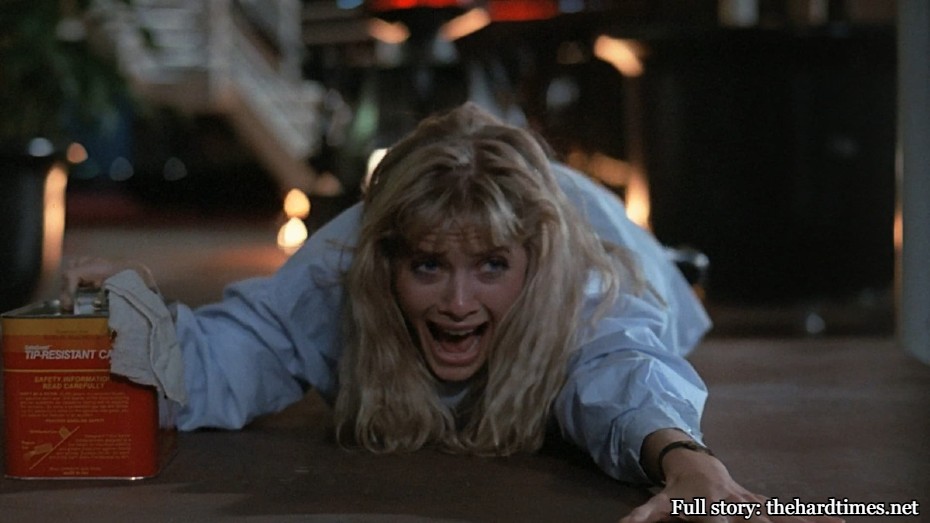 Not the most extreme movie on the list, but I figure I’ll start them off with some lite, campy fun, and there’s still a head explosion here that’s bound to make them lose at least a little sleep.
 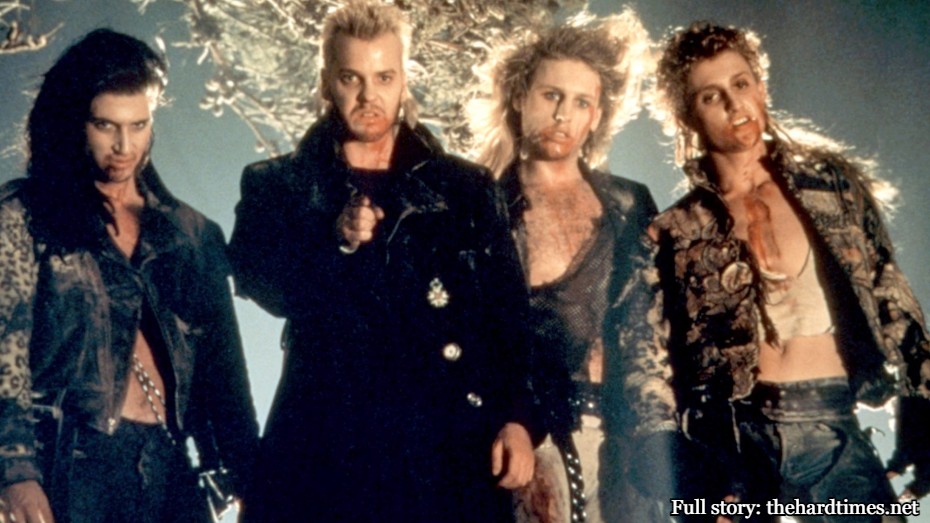 An absolute classic, and with plenty of genuine scares. It only ranks low on my list because of the Frog brothers. I’m worried that they’ll make the kids think they have any chance of defeating a vampire, which they totally don’t.
 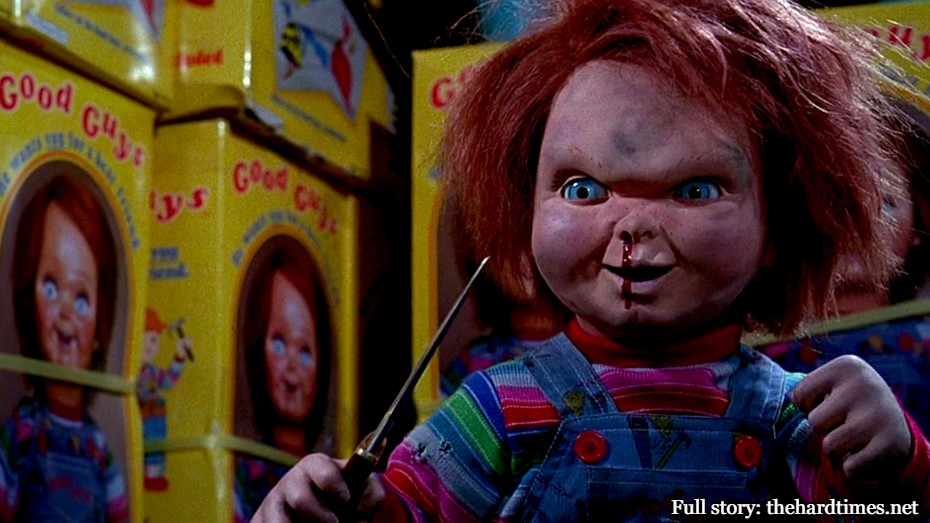 The first one is a pretty solid horror movie, but the real psychological damage will come in the later installments when the kids need to reconcile that two haunted puppets somehow got to the bone zone and make a kid.
 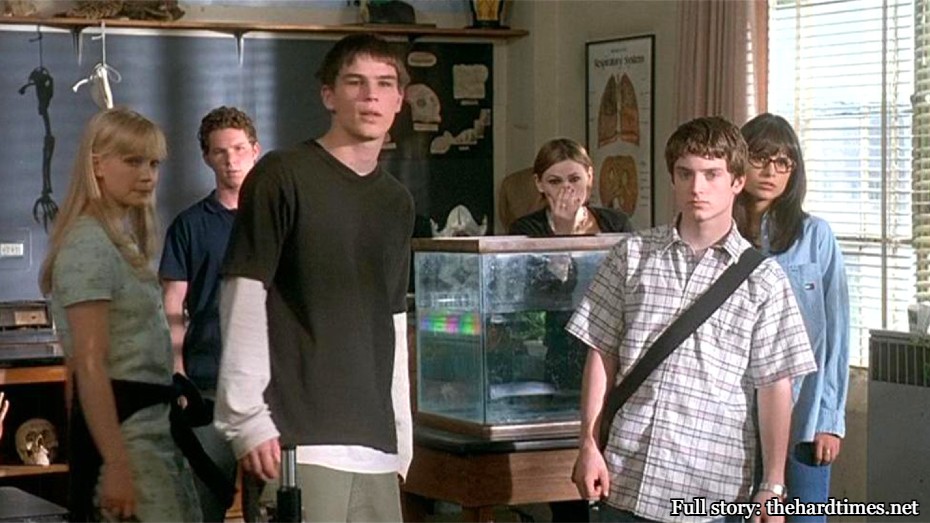 Gotta start that mistrust of authority while they’re young, it will serve them well in the years to come.
 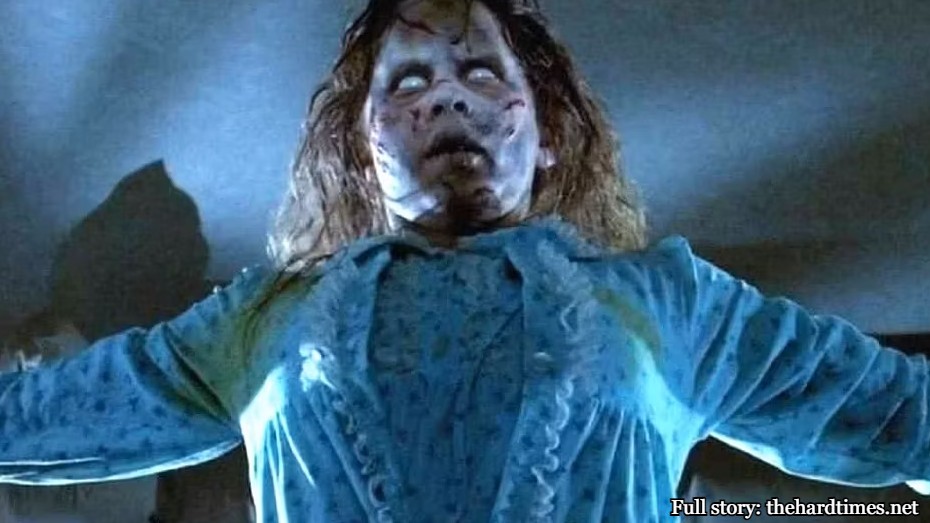 This one’s lost a bit of punch, what with the fact that we live in godless times and all. Luckily, Aunt Judy sent the kids to a catholic elementary school to give them “proper values,” so it should do the trick.
 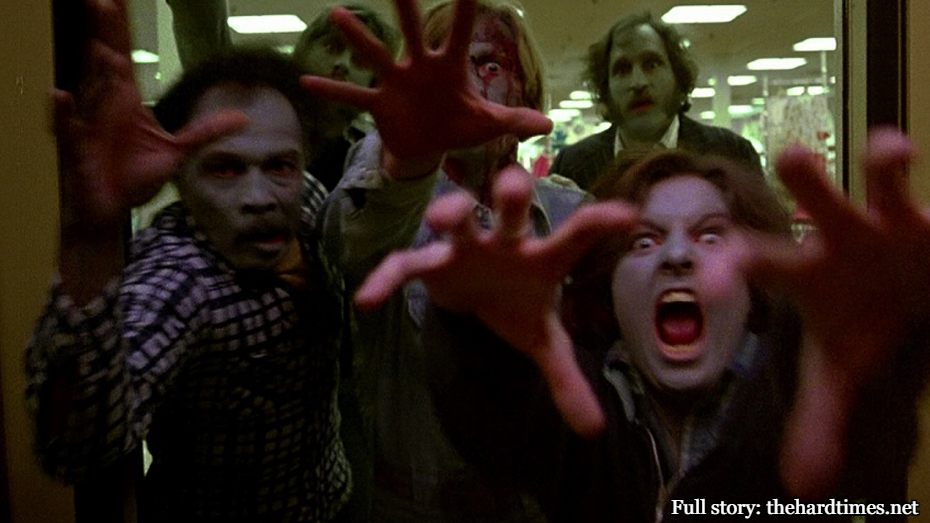 It’s my honor to introduce these whiny snots to the films of George Romero the way they were meant to be seen: way too young at the behest of a dipshit older relative.
 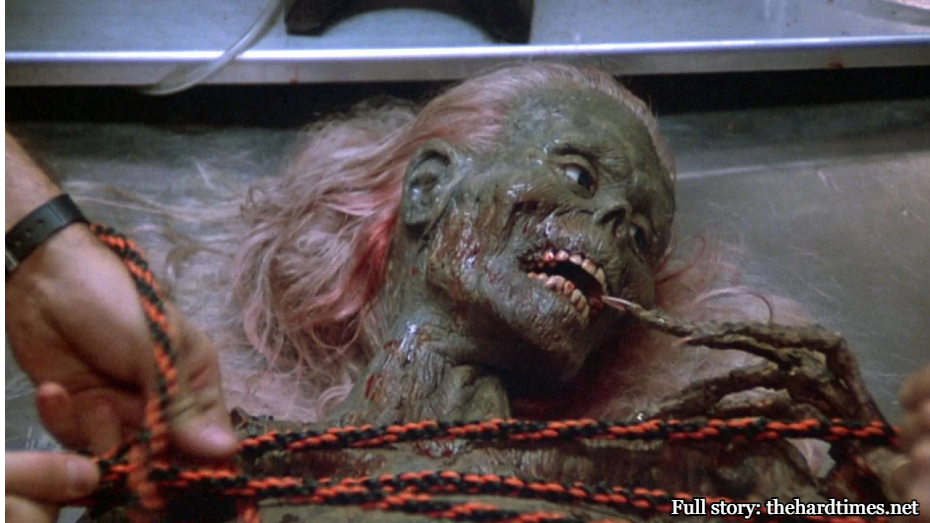 Did you know that this movie marks the first instance of zombies saying “brains”? Did you know that it also marks the first time my 12-year-old cousin Mark has pissed himself since his training wheels came off? What a picture!
 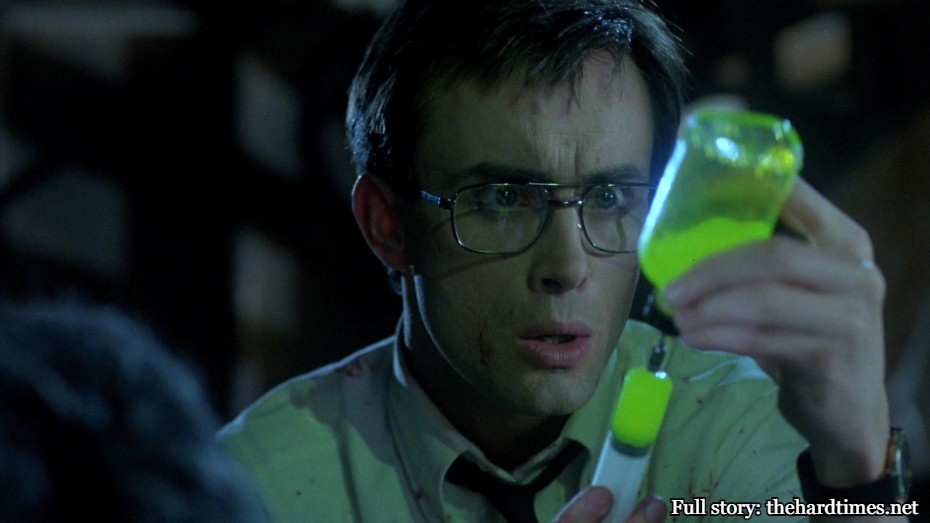 Towing the line a bit here with my “nothing overtly sexual” rule, but Re-animator is a stone-cold classic. Besides, the kids should be old enough to know that severed heads can’t really go down on chicks by now. I feel like I learned that in the third grade.
  The kids love watching those ‘Home Alone’ movies every holiday season, so I’m betting after they see this they’ll pretty much never trust anyone again.
 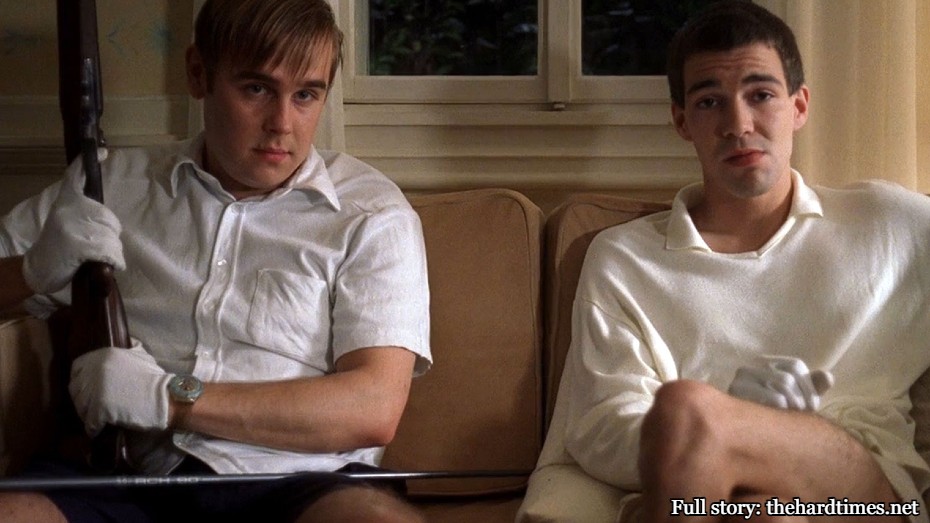 What a privilege it is to instill a fear in these children that will be with them the rest of their lives, home invasion! I hope Aunt Judy enjoys running up and down the stairs all night, triple checking that the doors and windows are locked at bedtime for the foreseeable future.
 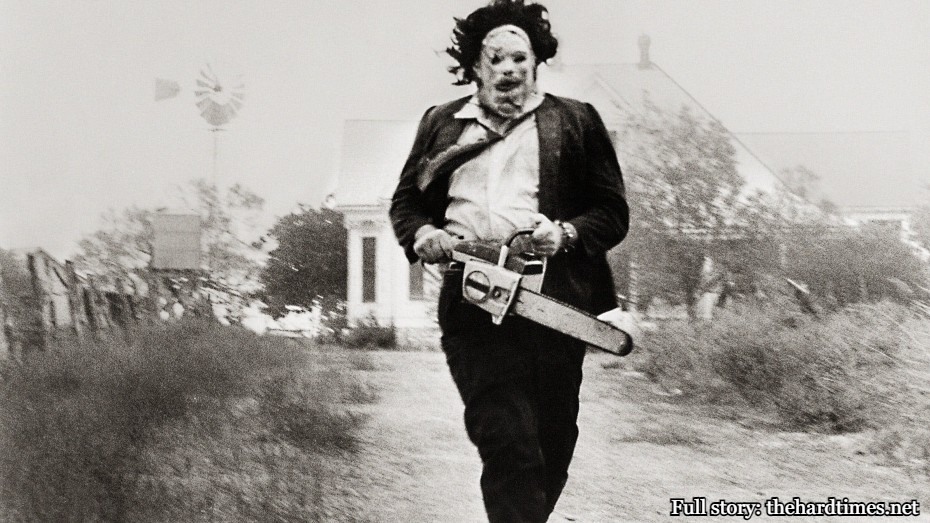 While this is a movie most would consider irresponsible to screen for children, again, I maintain that I’m actually doing my young cousins a service here. Texas is hell, and they should learn to stay far away from it.
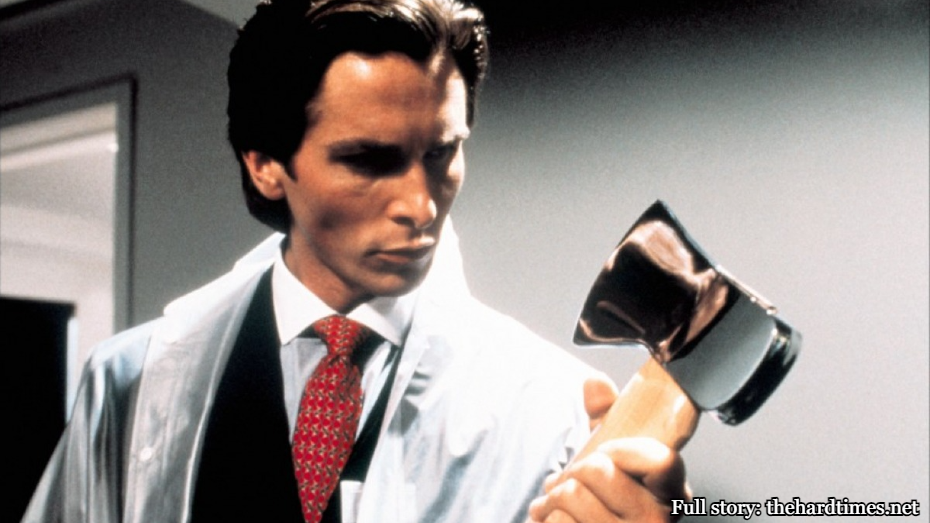 My nightly bloodlust has overflown into my babysitting. I feel lethal, on the verge of frenzy. I think my mask of “responsible adult who can be trusted to watch children” is about to slip.
  I know a lot of you are going to say this one is dumb or overrated, but that’s because you watched it as an adult who grew up with White Zombie videos. Trust me, this is going to screw them up.
  Now that the kids have a firm grasp on zombies, it’s time to show them something a little bit closer to the real-life pandemics we all know and love. While they’re hiding under the covers, I’m laughing over how hard it’s going to be to get them on the subway for any New York field trip from here on out.
  “The Faculty” taught my cousins to be paranoid about their teachers. This movie will teach them to be paranoid about everyone else. I can’t wait to steal whatever pills they wind up on.
 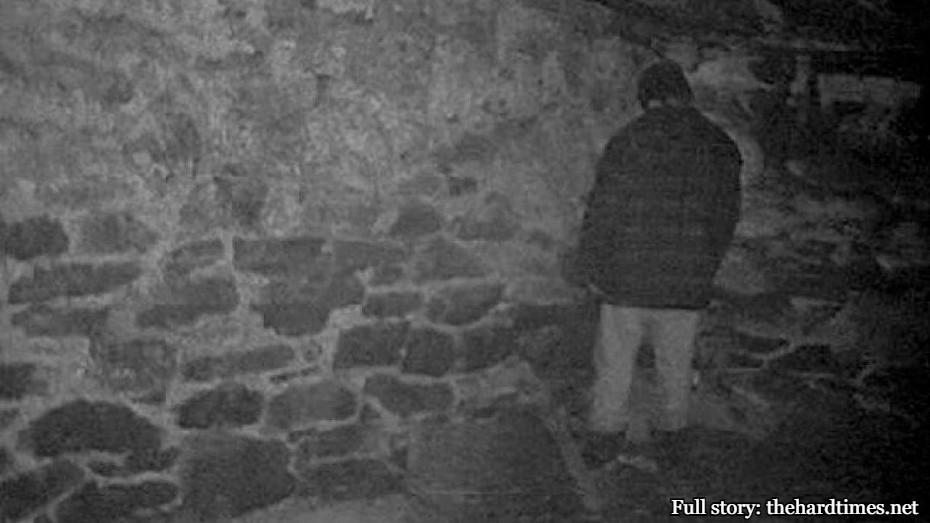 I have it on good authority that the kids have never heard of this movie, so I might actually be able to sell them on the whole “found footage” angle. If I can convince these little dweebs that I just found this thing at a thrift shop and witches are real, it will be the proudest achievement of my life.
 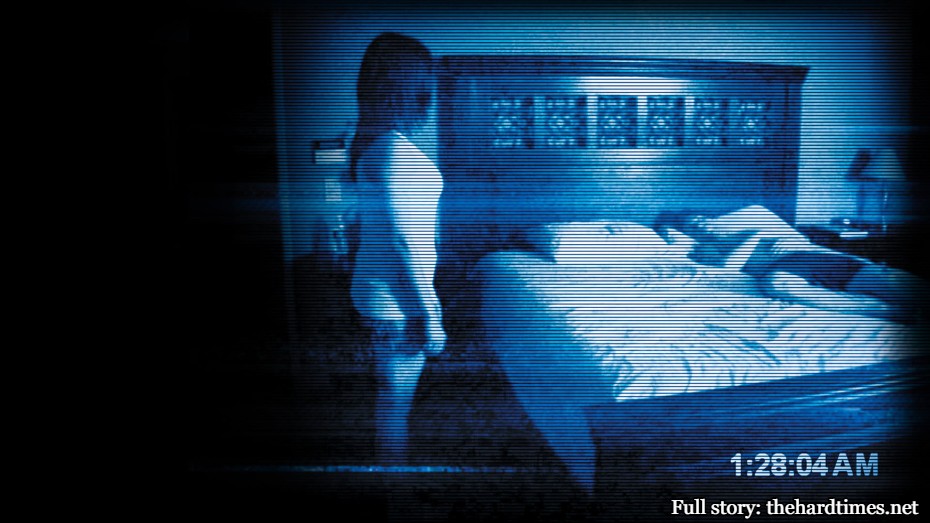 While they were watching this I snuck off and moved a bunch of random crap all over the house. I’ve always wanted to see someone hyperventilate.
 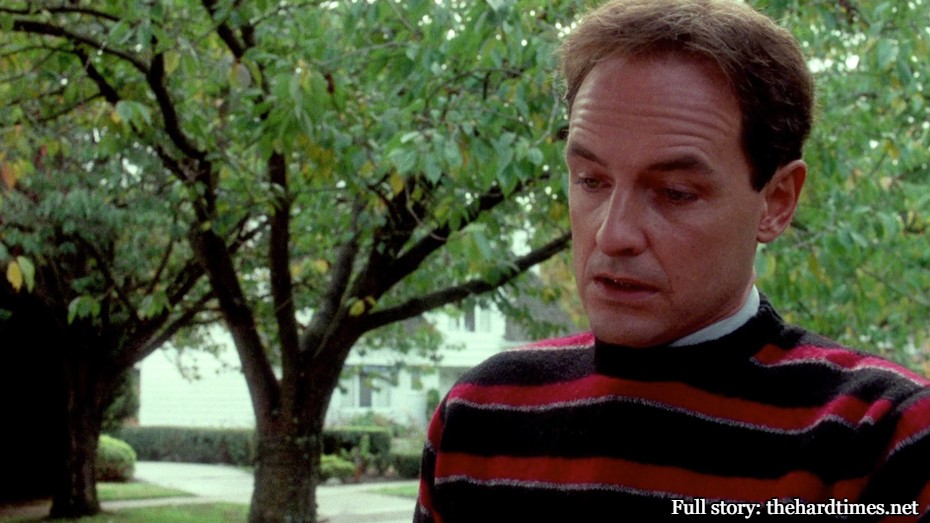 Honestly, I just don’t trust Aunt Judy’s new boyfriend. Homeboy rocks a lot of American flag variant shirts, and I figured showing her kids this movie is the best way to get them to steer clear and stay vigilant.
 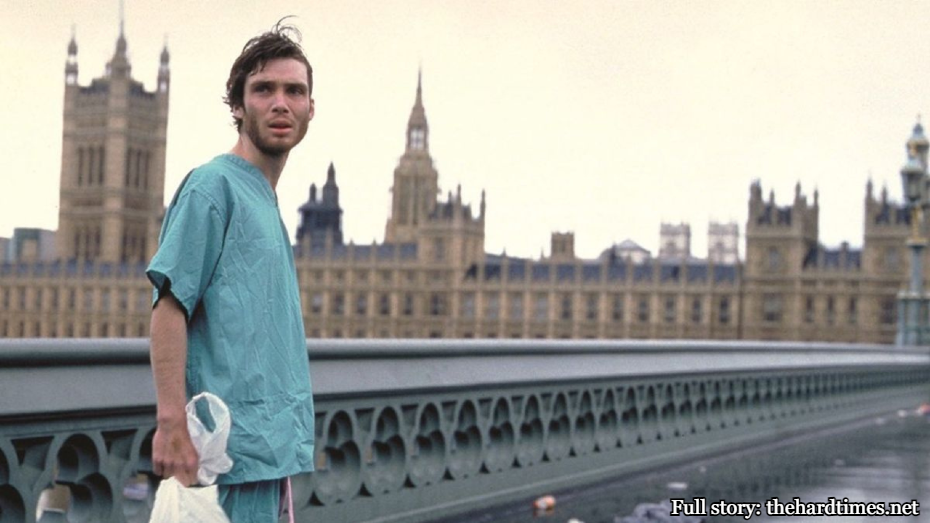 With Covid fresh in their young, impressionable minds this one is bound to do some serious damage. To add to the effect I’m going to spend the whole movie complaining of vague flu-like symptoms and periodically screaming for no reason.
 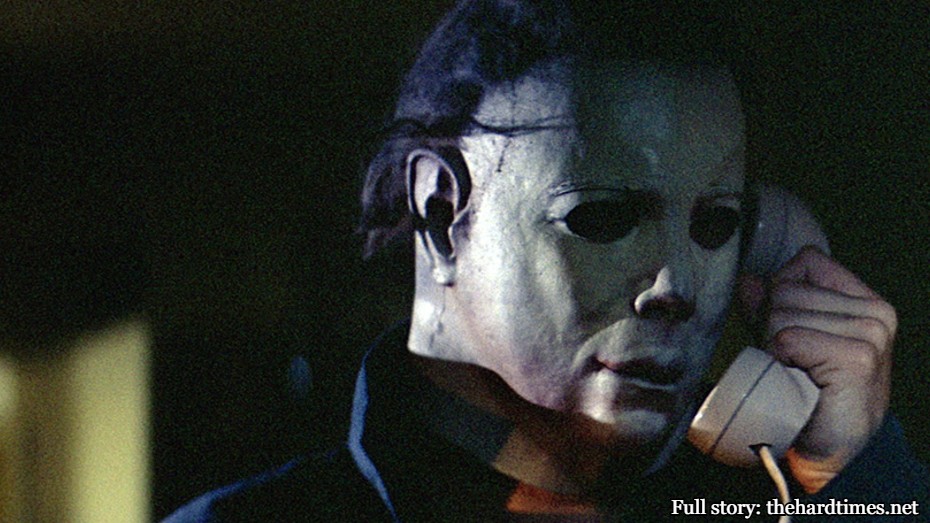 If you’re a babysitter and you’re not showing your kids Halloween, you are missing out on one of the greatest opportunities to terrorize that life has to offer.