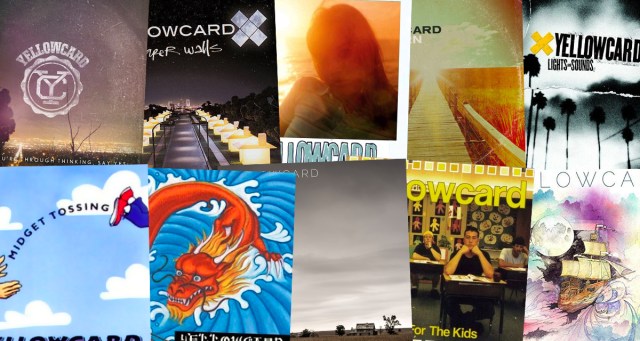
Lots of bands create comeback releases after a brief (or long) hiatus, but not so many do it twice; Yellowcard managed to fly and reintroduce its colors proudly in both 2010 and 2022 as the true Comeback Kids. 2023 is truly their year as the band is releasing a new EP called “Childhood Eyes” via Equal Vision Records at the end of July, and the title track is a great listen if you want to hear a combination of nostalgia and growth. If not, you are stuck in the past and fucking suck. Also, it will also come as a shock to many YC casual fans that the band has TEN (more on that number later) full-length records, and that “Ocean Avenue” isn’t their only song. It’s true! This article ranks all ten of these albums and no EPs, live albums, compilation records, acoustic re-imagined records, or the like are on this list. They’re way away; zing.
Anyway, we won’t be making any jokes about them having a violin player even though it is objectively corny, read on.
10. Midget Tossing (1997)
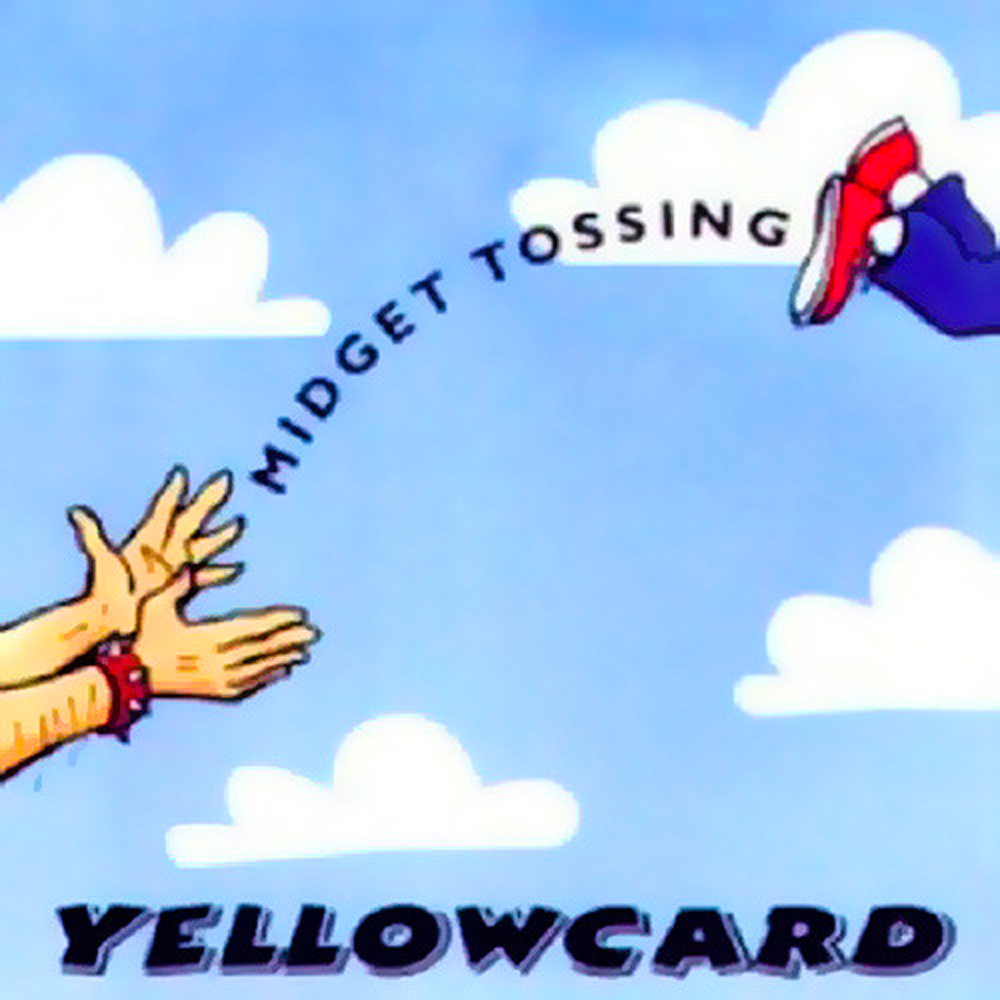 Despite nostalgia being quite an addictive drug, debut albums aren’t always a band’s most requested or revered listen. This album is only on this list because it is technically a Yellowcard album, and we at The Hard Times are sticklers for accuracy. Plus, this not-so-politically correct album title could never pass in 2023, and this album wouldn’t likely create a rabid fanbase the year that it was released either. The best part of this LP is, and this may come off like a backhanded compliment, that it shows that a band can truly grow, and it does two albums later with new lead singer and guitarist Ryan Key.
Play it again: “Sue”
Skip it: “Interlewd”
9. Where We Stand (1999)
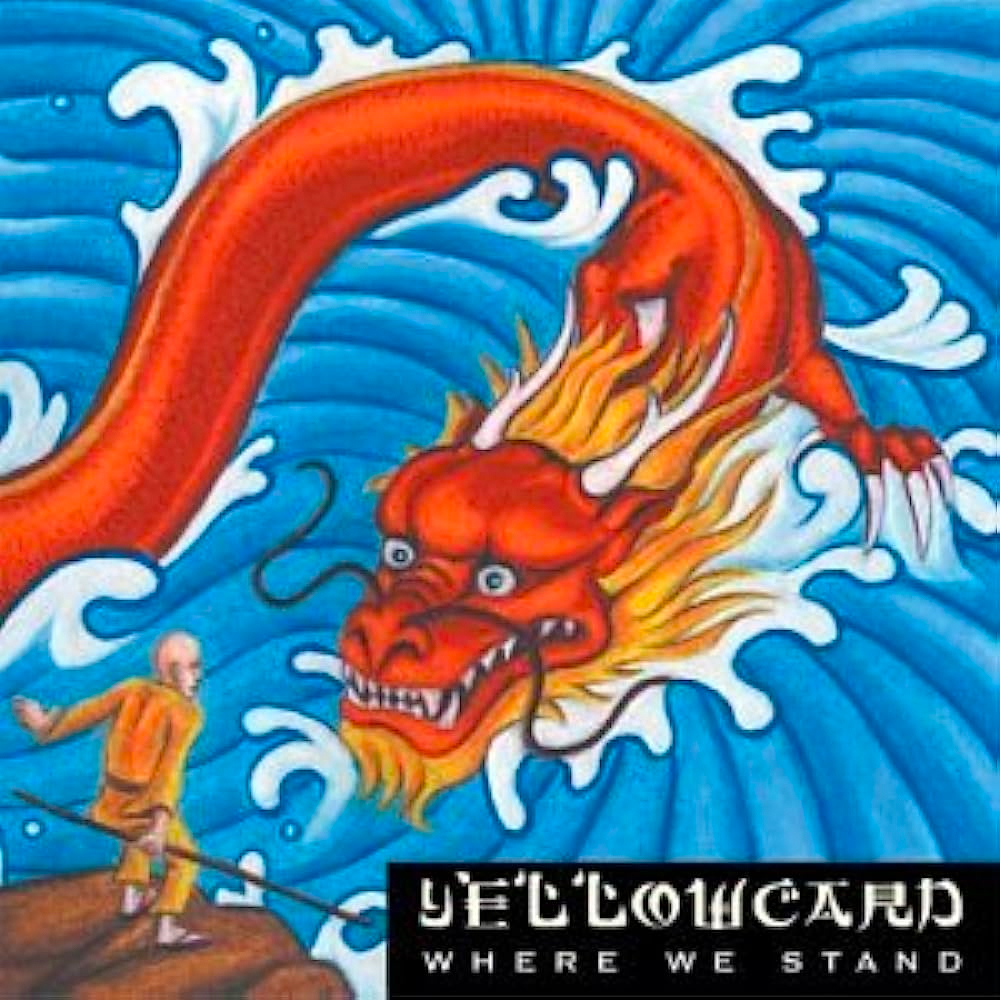 Well, where we stand on this one is that this LP isn’t that much better than its predecessor. However, the previous record is happily not even on streaming platforms and this is Yellowcard’s oldest release to be featured on them; lesson learned. Like we stated above, this is the last Yellowcard record to feature then-vocalist Ben Dodson, but many in the scene likely were saying things in the vein of, “Sorry Try Again.” Thankfully, they did.
Play it again: “Uphill Both Ways”
Skip it: Whatever you want to call the “Bonus Track”
8. Self-Titled (2016)
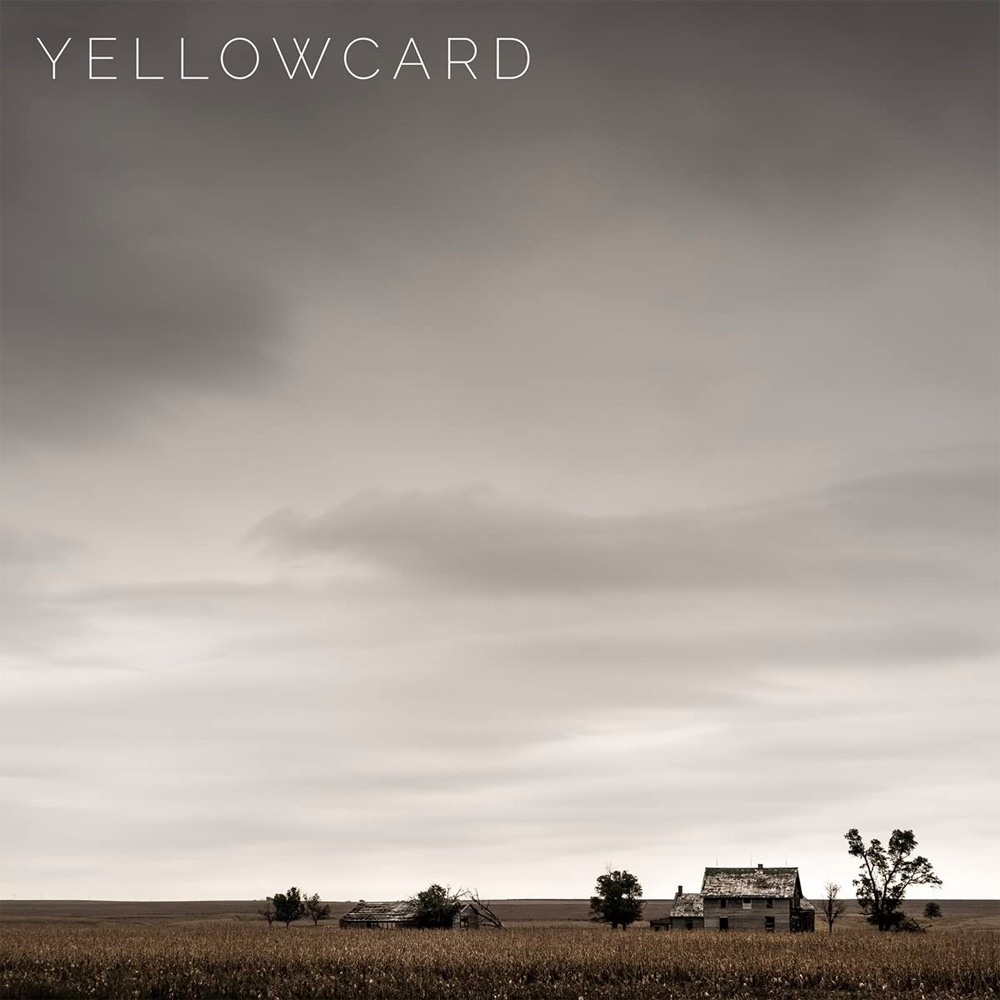 Self-titled albums are often a return to form, but this final LP (for now?) has too many songs that feel long just for the sake of being long. It’s an overall slow listen, which might be intentional, but a redemptive quality is that the musicianship is truly solid on all cylinders. We like every song on this but don’t really love many. However, the album’s closer “Fields & Fences” is a solid and invigorating swan song track. Insert clever violin or violence joke here.
Play it again: “Fields & Fences”
Skip it: “I’m A Wrecking Ball”
7. One for the Kids (2001)
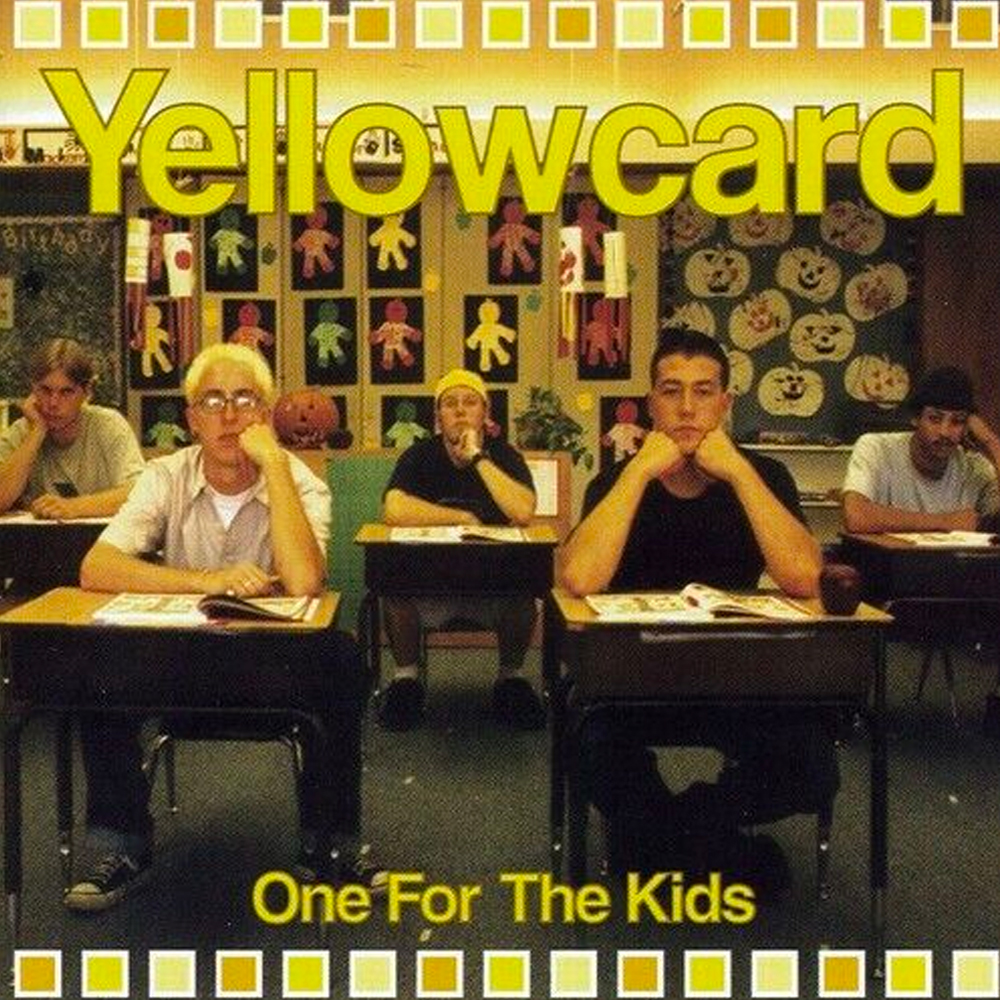 We know: This should be number one on the list. Actually, no: You’re dumb and likely starstruck by misplaced memories of your shitty youth. It should be number seven, for Pete’s sake. “One for the Kids” is a fun listen front to back and could benefit from a modern re-recording and/or reimagining with the band’s current lineup, if it feels so inclined. However, the indie album has a youthful feel that may be best left that way. Fun fact: Their next album “Ocean Avenue” (more on that LP later) would be on Capitol Records, the same label as ABBA and the fucking Beatles. No biggie.
Play it again: “Starstruck”
Skip it: “Untitled Hidden Track” (seriously, go on Apple Music and listen to all 1:59 of it; it’s literally NOTHING)
6. Lift a Sail (2014)
 Imagine that Yellowcard listened to a lot of The Smashing Pumpkins and other ‘90s epic fuzzy grunge in the studio whilst making this record and you’ve got the polarizing (and sole release for Razor & Tie, the label that brought you Kidz Bop and Starset) “Lift a Sail.” It may sound out of place for a band that many know as pure pop-punk, but somehow it works quite well and is solid from its opening track till the very end. Give it another listen if you haven’t in a while. It’s PERFECT PCH bicycling music.
Play it again: “Transmission Home”
Skip it: “Madrid”
5. Paper Walls (2007)
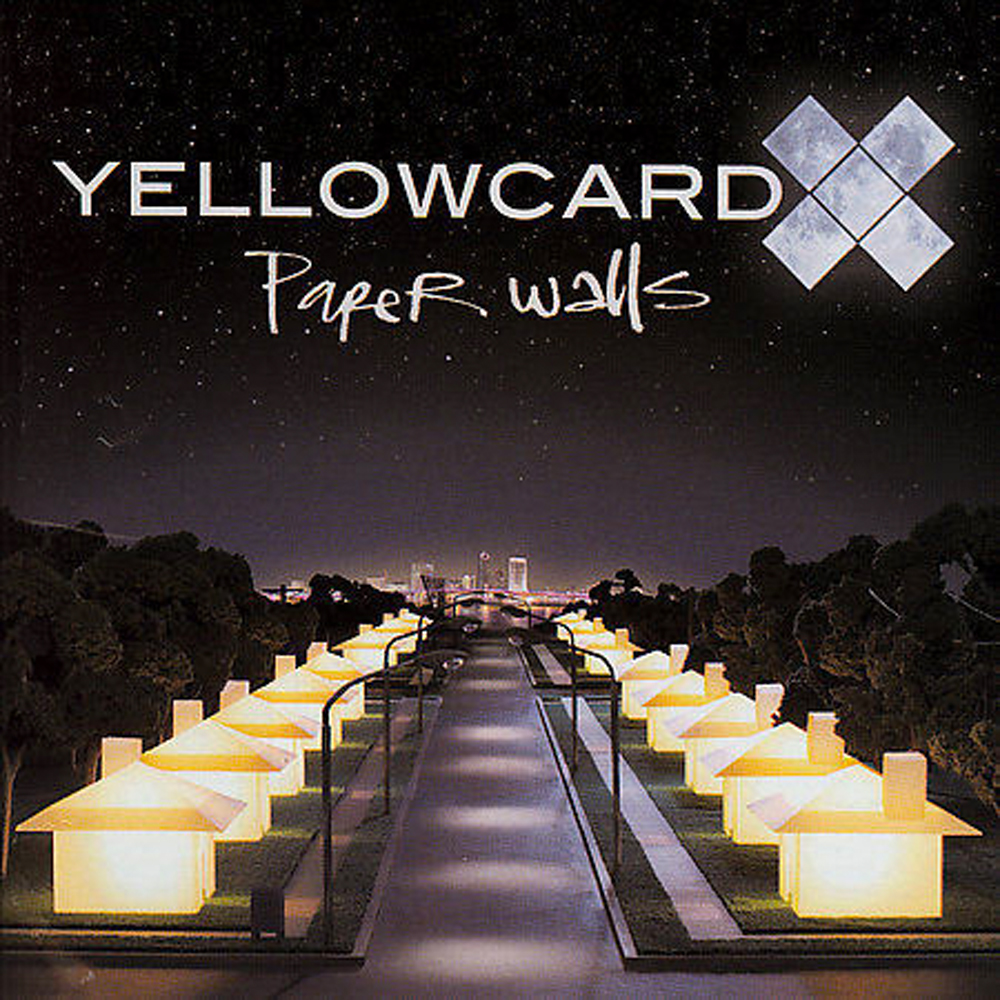 We firmly believe that if this album came out immediately after 2003’s “Ocean Avenue,” “Paper Walls” wouldn’t have been the band’s last release on Capitol Records. Also, maybe it would’ve ranked higher if “Light Up The Sky” WASN’T the first and only single. Yep. 2007 was a tough year for many in the “scene” as there were SO MANY new releases in that sonic vein, so this LP likely got caught in the shuffle. Still, it’s a cult favorite amongst Yellowcard fans that will yell at us for making it number 5 on this list. We’re afraid.
Play it again: “Five Becomes Four”
Skip it: “Light Up the Sky”
4. When You’re Through Thinking, Say Yes (2011)
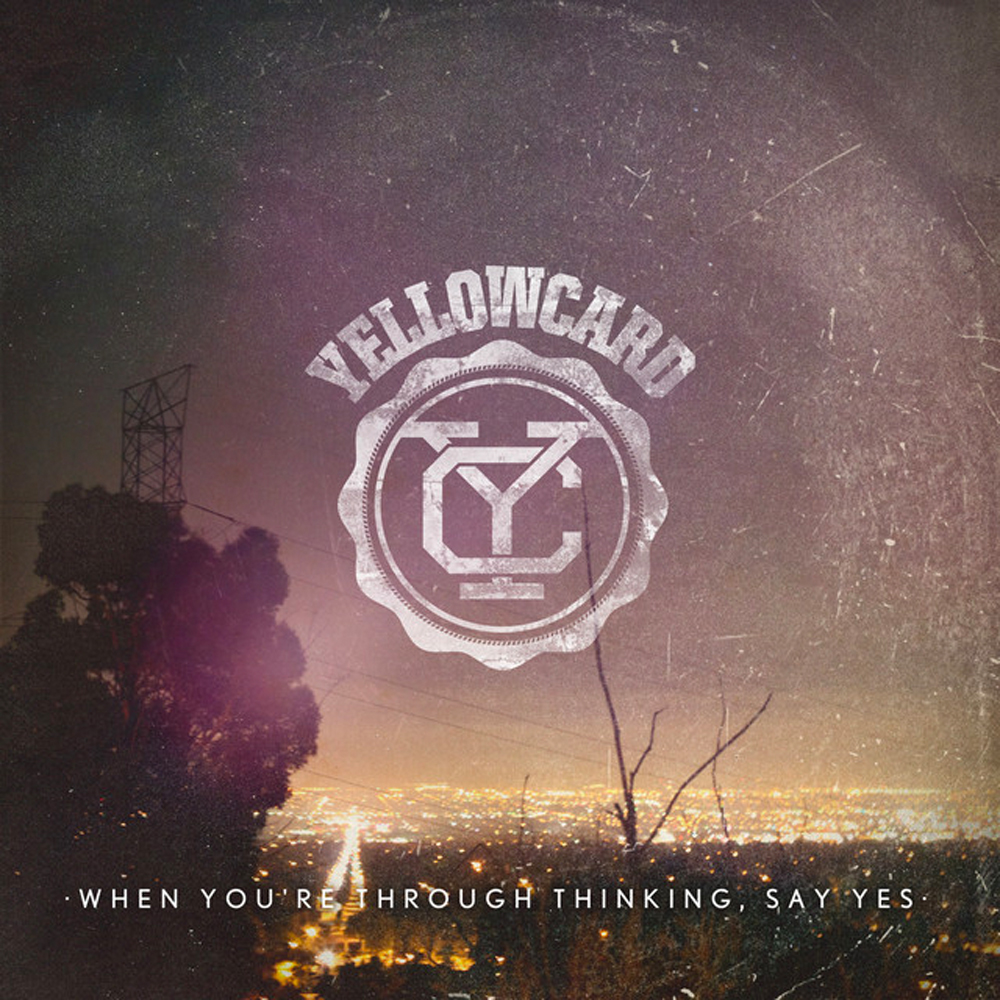 After a four-year LP drought and a short hiatus from all things Yellowcard, the band released a sequel to the record above and came back with a ten-track banger known as 2011’s “When You’re Through Thinking, Say Yes.” This was the band’s first of two, so far; re-read the intro, comeback releases and first album on Hopeless Records. At this point the band members were practically pop-punk’s elder statesmen, and this record cemented such without counterargument. When you’re through listening front-to-back, check out the acoustic version front-to-back for a different beachy vibe with the same songs.
Play it again: “With You Around”
Skip it: “See Me Smiling”
3. Ocean Avenue (2003)
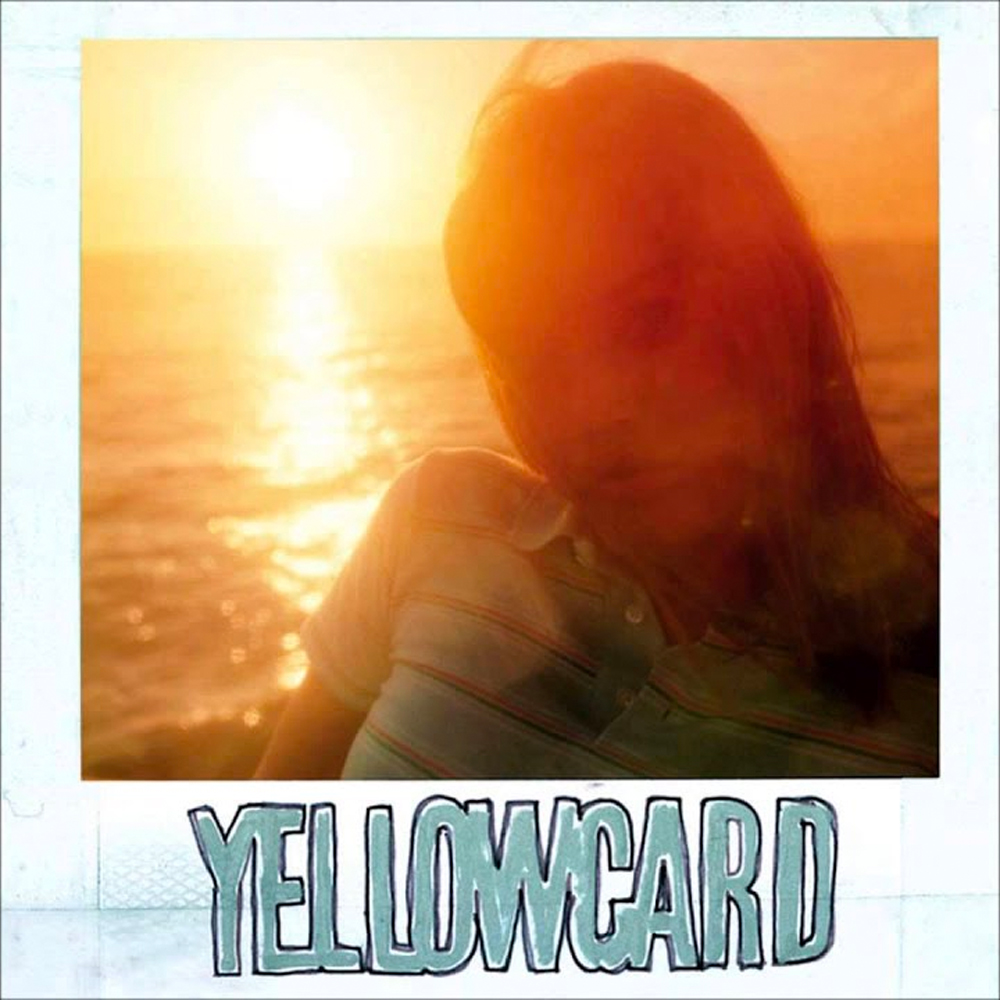 Both Radio Disney AND Warped Tour approved? Check. Both MTV VMA award-winning AND platinum record sales? Check. What more could be said about this record that hasn’t already been said by many on LiveJournal or MySpace? Well, like the album listed above, once you re-listen (you know you’ve played this album on repeat; stop acting hard, crust punks), you should check out the acoustic version front-to-back for a stripped-down ambiance that works just as well. Believe.
Play it again: “Only One”
Skip it: “One Year, Six Months”
2. Southern Air (2012)
 This record is without a doubt the band’s second most underrated album (more on that next), but it is most certainly their most slept-on release. Like “When You’re Through Thinking, Say Yes,” the album that came out just one year before it, “Southern Air” is a perfect ten-track-wham-bam-thank-you-ma’am masterpiece. It needs to be said: 2011 and 2012 are critical quality years for Yellowcard that deserve and need more public love. Help? And if you’re in the mood to cry right now, listen to “Ten.” Gut punch of a vicious kind.
Play it again: “Ten”
Skip it: “Rivertown Blues”
1. Lights and Sounds (2006)
 Like Weezer’s sophomore album “Pinkerton,” Yellowcard’s sophomore major-label album (and fifth overall record) “Lights and Sounds” was quite a dark and misunderstood departure from its predecessor (in the best way). Sadly, many of the bitter critics and sunny “Ocean Avenue” fans just didn’t get this moody release, and album sales were FAR less than all parties wanted given how huge the last one was. Still, people seem to “get” this album more and more each year AND the title track is without hesitation the band’s best and most rocking single. Don’t @ us.
Play it again: “Lights and Sounds”
Skip it: This is tough as it is an incredible listen throughout the album’s diverse fourteen tracks but it’s gotta be “Grey”

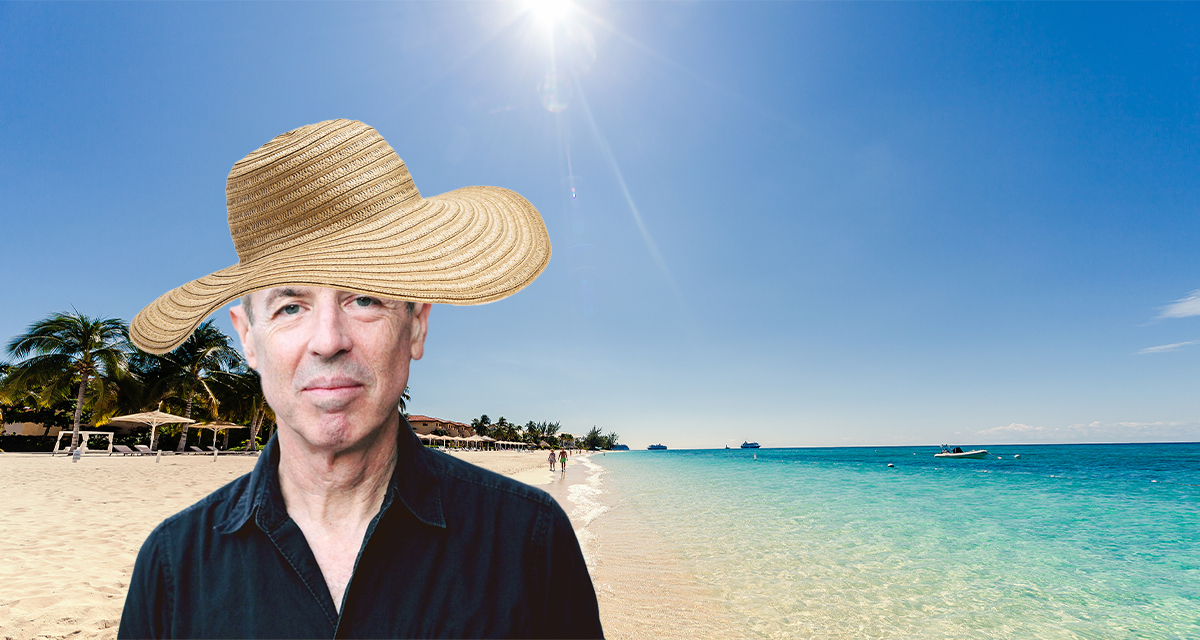 Lookout cofounder Larry Livermore was never shy to take credit for the label’s numerous early successes, at one point going so far as to buy a frilly cape, a scepter and a crown with the phrase “I Made Green Day! Me!” engraved in it, which he would frequently wear around the office. However, the impresario has been noticeably terse about his frequent visits to the Cayman Islands, many of which were by a private jet, and once, the recently hijacked Goodyear blimp. Several former Lookout employees have posited that these “business” trips were actually a front to smuggle unsold Crimpshrine EPs out of the country to avoid the embarrassment of still having them. However, others have speculated that the trips were actually a way for Livermore to indulge his crippling addiction of gambling on illegal zebra fighting, which at that time was only accessible in international waters and all of Texas. Additionally, by the late ‘90s the whole of the Bay area had fallen under the control of a local political boss named “Capricorn Jack,” who would go on to influence some of the label’s most nefarious later dealings.
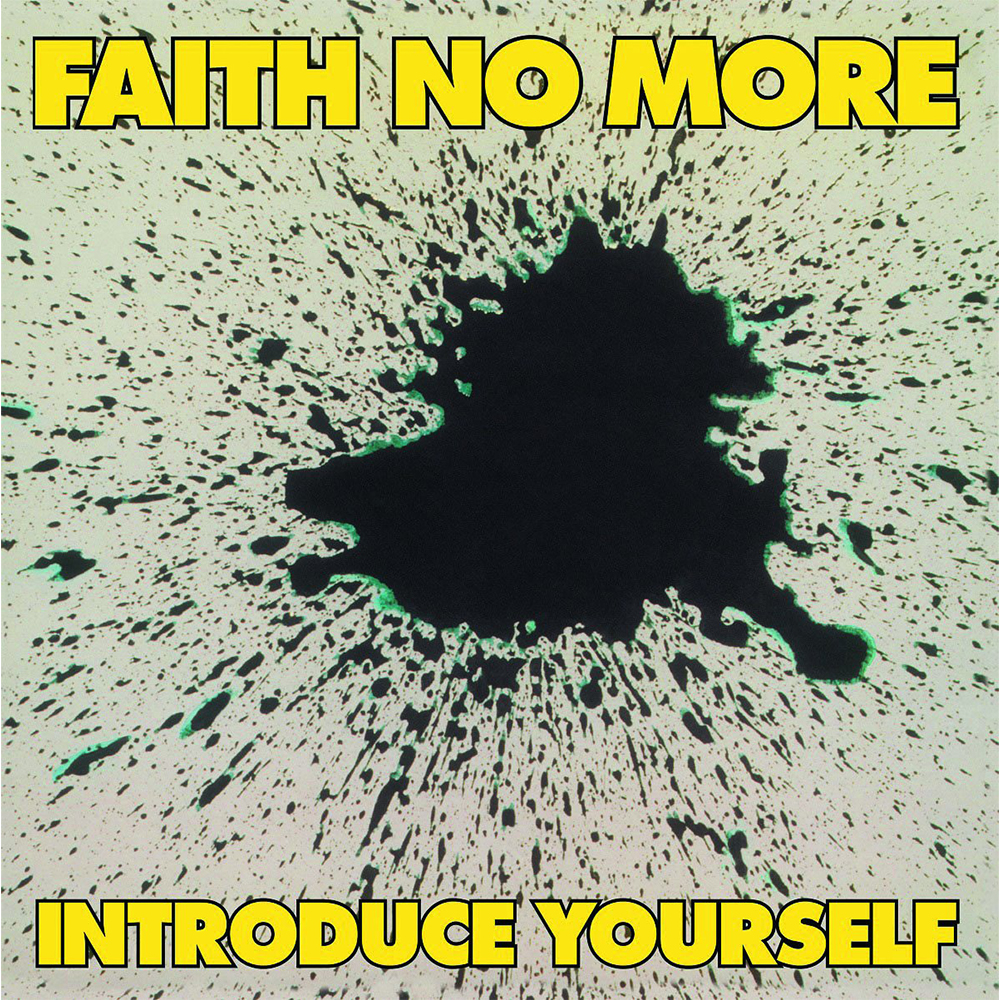 Despite the name, this isn’t the band’s debut, but their sophomore album. This collection of sometimes interesting but mostly half-baked funk-metal songs includes a more energized but unnecessary re-recording of “We Care a Lot” (from their debut). While not much of a singer in the traditional sense (especially when compared with successor Mike Patton), what Chuck Mosley lacked in pitch he made up for with a fuck-it punk enthusiasm.
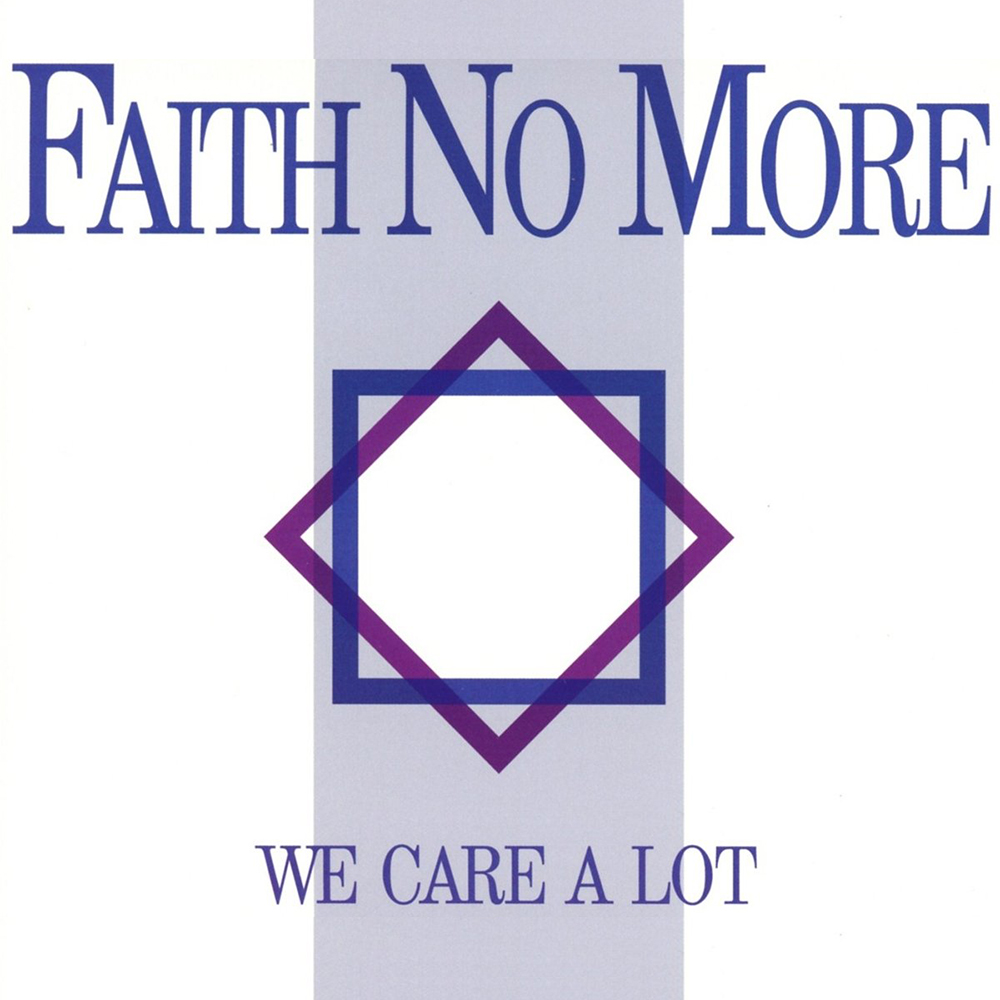 The exceptional title track might be best known as the theme of the show “Dirty Jobs” (hosted by amiable everyman turned Fox News turd Mike Rowe). The charming naivety and rawness of this debut help it just barely edge out its follow-up. There are moments that hint at what FNM would one day become, but Mosley’s singing is once again the weak link, holding the album’s better songs back from being welcomed to Bangersville.
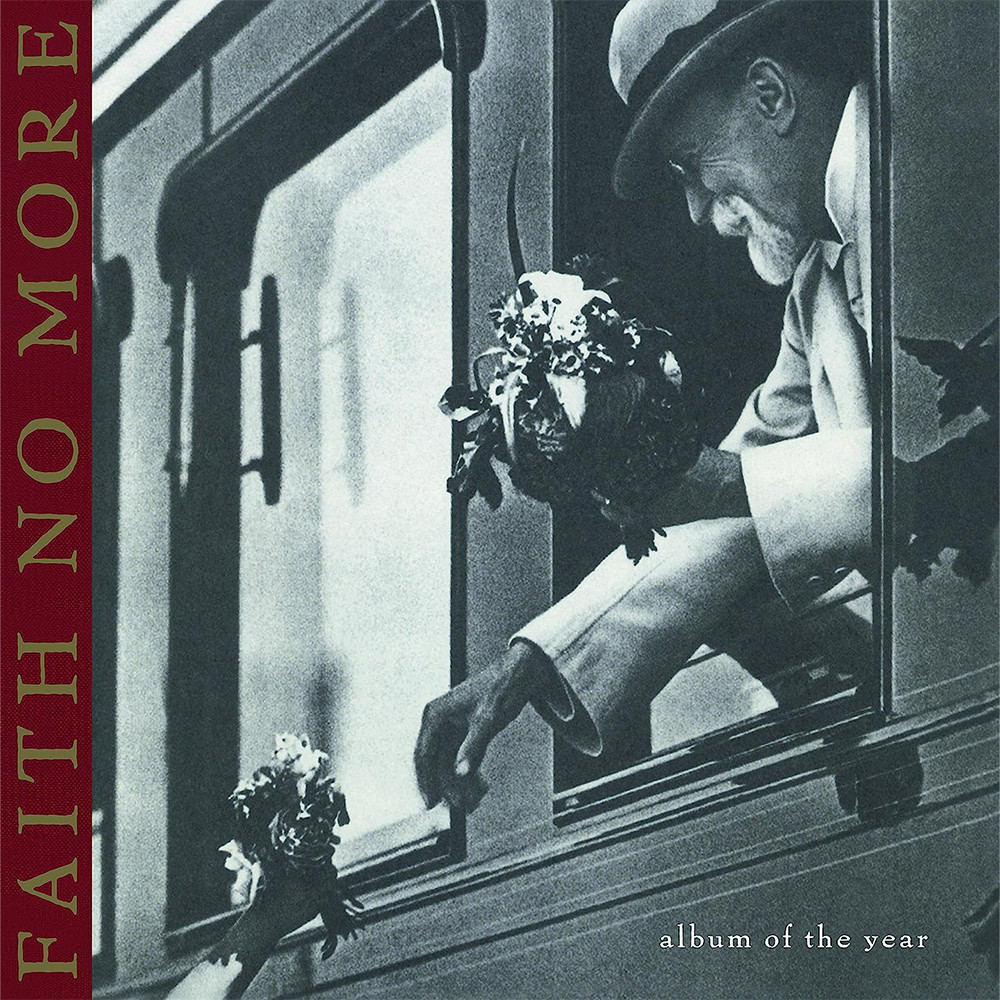 On their final album before a lengthy hiatus, we find the band treading familiar ground, continuing to sprinkle their zany genre digressions alongside synthy-groove metal. There’s an exhausted feel to this album, as though the band’s effort at defying genre had itself become a formula. The metal riffs of songs like “Naked in Front of the Computer” give it a shot in the arm, and Patton’s creepy crooning is as powerful as ever on such tracks as “Last Cup of Sorrow.” Patton himself said (perhaps too harshly) that the band split after this album because they’d started to make “bad music” and it was “time to pull the plug”.
 18 years after their previous album, FNM returned refreshed and invigorated, with the reunited band sounding excited to be making music together again. The stylistic explorations are reined in a bit, which helps keep the album from becoming as wacky as some earlier works. Tracks like “Separation Anxiety” and the explosive “Black Friday” show the band is still pretty adventurous for a bunch of guys that need to schedule regular colonoscopies.
 Ditching original singer Mosley, the band poached a baby Mike Patton from Mr. Bungle, who reportedly wrote the album’s lyrics in just two weeks. “The Real Thing” could probably be considered the rap-rock urtext, though that transgression can be forgiven due to the hook-heavy, slickly produced and strange album it is. Is it goofy? At times, very much so. However, that silliness is tempered by Jim Martin’s metal influence and the band’s increasingly sophisticated songwriting. Patton leans hard on his bratty, nasal delivery, which can quickly become obnoxious.
 Jim Martin’s signature riffage is absent, as the guitarist fucked off to become a farmer, apparently unhappy with the band’s broadening musical direction (allegedly accusing FNM of playing “gay disco”). The genre-hopping sometimes veers too far into kitsch (“Star A.D.”, but when the stylistic forays work, they’re fun, as heard in the smooth jazz of “Evidence”. The spasmodic utterances on “Cuckoo for Caca” make it plain to see why Patton was hired to provide zombie screams for “Left 4 Dead.”
 Already realizing the rap-rock schtick was a dead end, the band jettisoned it to make way for the eclectic batch of songs found here. Patton outgrew the snotty vocal style of “The Real Thing” and was reborn as a consummate frontman with a wide stylistic range. Each player is given ample space to showcase their strengths, from Roddy Boddum’s synths to Billy Gould’s twanging bass, while Jim Martin grounds it all with his solid thrash playing. The album was probably a bit shocking to fans of earlier radio-friendly singles, with Patton’s shrieking and pig-squealing (“Smaller and Smaller”, “Malpractice”), fellatio instruction (“Be Aggressive”) and intentionally offensive song titles (“Crack Hitler,” “Jizzlobber”).