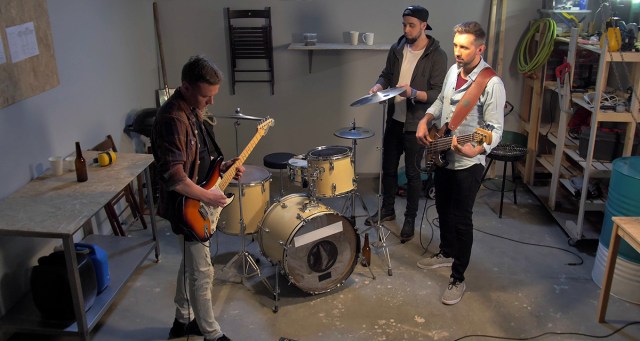
IOWA CITY, Iowa — The members of local prog metal band Miscreations are embroiled in debate as to whether their name is “Miscreations” or “The Miscreations,” embarrassed friends confirmed.
“I noticed that when our bassist Hunter made our TikTok, he named the account ‘TheMiscreations’ which is definitely not our name,” said guitarist and vocalist Paul Killian. “I looked back at emails we’ve all sent, and I think it’s a 50/50 split between the four of us. But I refuse to broach the subject. This could open a Pandora’s Box that ends our band permanently; we do not handle confrontation well. Our fight over the color of our first show flier led to us not talking to each other for four months.”
This issue of ambiguity regarding plural band names plagues local bands and major-label legends alike.
“I have no fuckin’ idea if we’re The Misfits or just Misfits,” admitted Doyle Wolfgang von Frankenstein, power chord engineer of the iconic New Jersey horror punks. “I’ve only confided this with some other musicians in the same predicament, like Chino from Deftones and King Buzzo from The Melvins. Or is it ‘The Deftones’ and just ‘Melvins?’ I lost our trademark certificate back in 1981 so I can’t look there. Please don’t tell Glenn about that.”
Experts in the Artists and Repertoire field stress the importance of achieving consistent branding with your outfit’s name.
“You know in The Social Network when that testicle-looking Justin Timberlake says to drop the ‘the?’ That was inspired by me,” boasted Gary Klein, longtime A&R rep at Capitol Records. “I make a salary in the upper six figures telling 17-year-olds to drop the ‘the,’ it’s that important. And I don’t do shit else. Don’t even listen to their music. Not really a music fan myself. Anyways, you don’t generally want to muck up your band name with unnecessary articles unless it’s 2001 or you’re a tryhard CBGB wannabe punk band. Or if you’re so broke, you can’t afford the shorter domain name. Now excuse me, I have a date in a few minutes, and her name is cocaine.”
As of press time, all non-vocalist members of Miscreations have demanded printed copies of the band’s otherwise indecipherable lyrics.
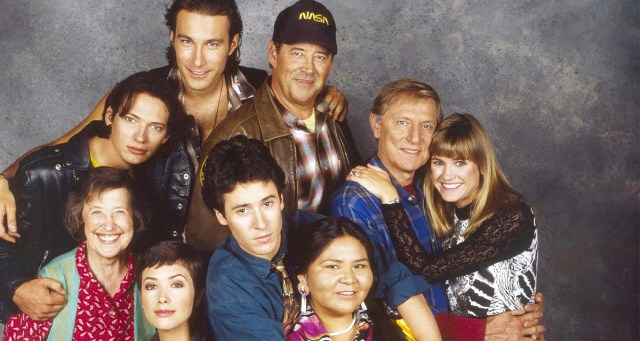
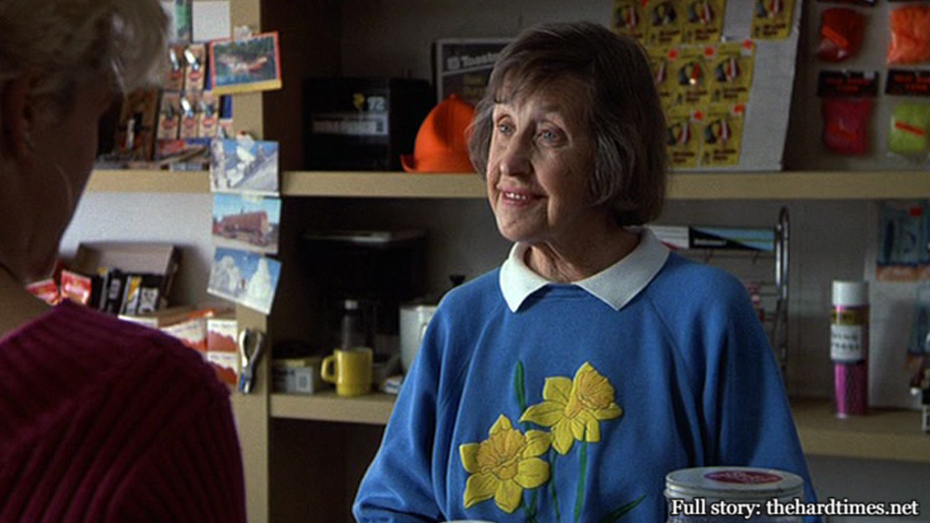 Ruth-Anne’s no-nonsense attitude and maternal warmth would endear her to Sub Pop, but her music would likely be too wholesome for the label’s grunge aesthetic. She’d be better suited to the coffeehouse circuit, singing heartfelt ballads about community and friendship.
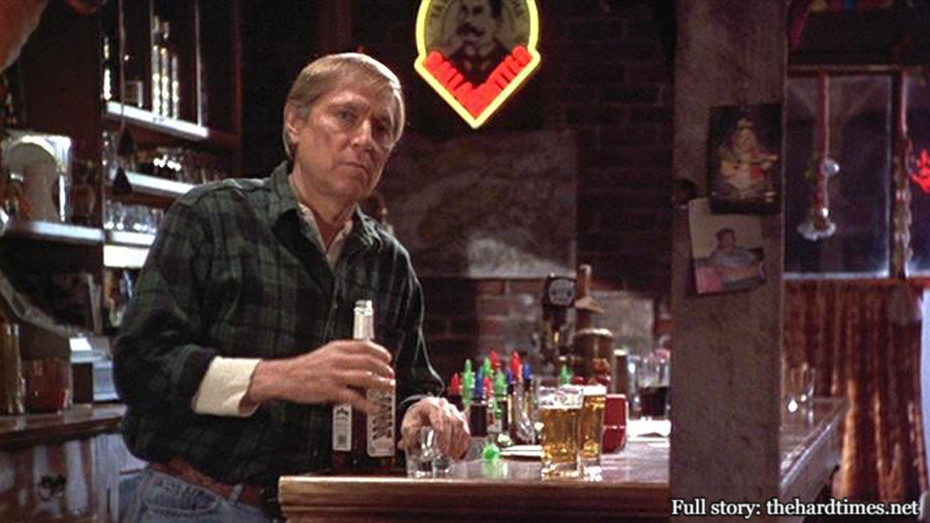 Holling’s rugged charm and life experience could earn him a spot on Sub Pop, but his music would lean more towards traditional folk, with songs about love lost and the wisdom gained from decades of living in the wilderness. He would do better on a label like Topic Records.
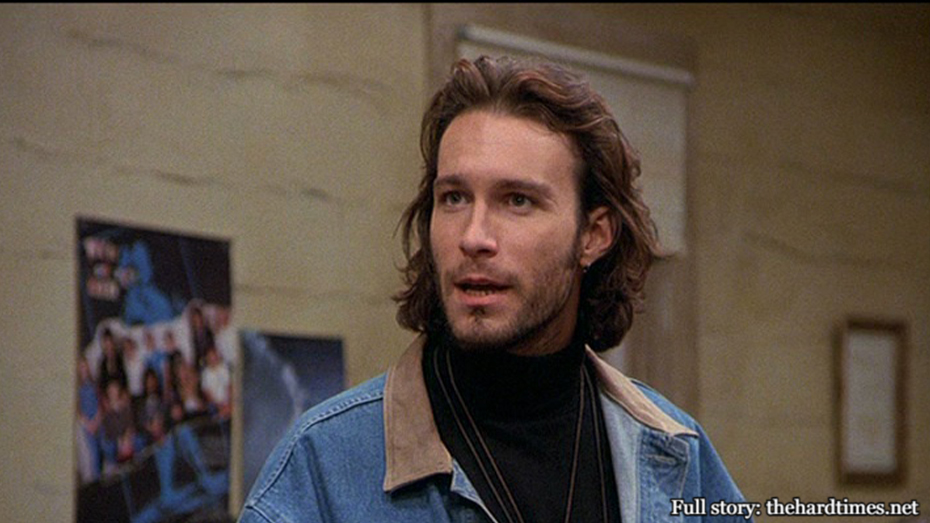 With his eclectic taste in music and penchant for philosophical musings, one might think Chris would be Sub Pop’s poster child. However, even after he inundated Sub Pop with a mountain of demo tapes, he would swiftly be sniffed out as a poser. He would fit better in one of the “post-grunge” bands like LIVE or Candlebox when major labels went on a feeding frenzy signing bands and the genre got bloated.
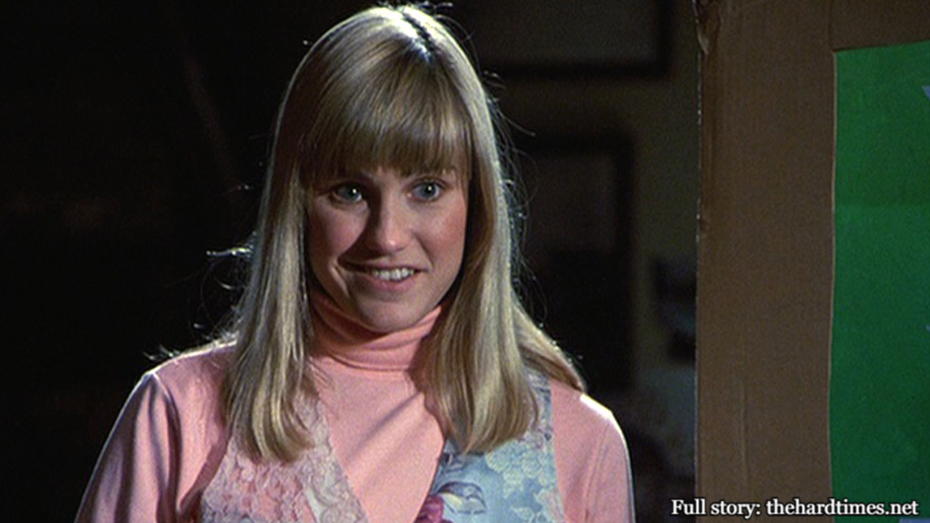 Shelly’s bubbly personality and love for all things kitsch would land her a gig on Sub Pop, but she’d likely be relegated to novelty songs about moose burgers and quirky small-town life played on a ukulele. When her music career floundered, she would pivot to acting in films directed by the likes of Wim Wenders and Gus Van Sant.
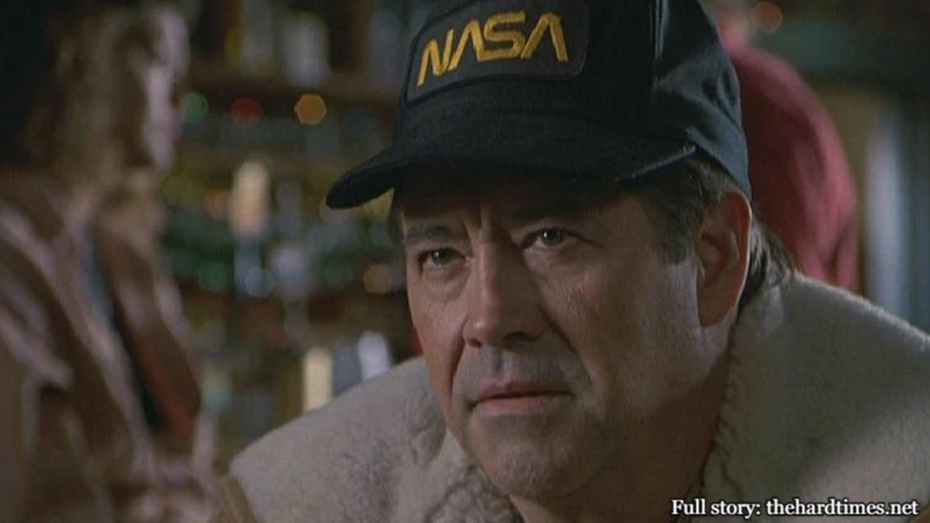 Maurice’s entrepreneurial spirit and determination get him a deal in no time, but his music would be more like corporate rock, complete with ballads about rugged Alaskan landscapes and the power of capitalism. His album would tank but he would use his connections to start managing other Sub Pop bands only to disappear with all their money.
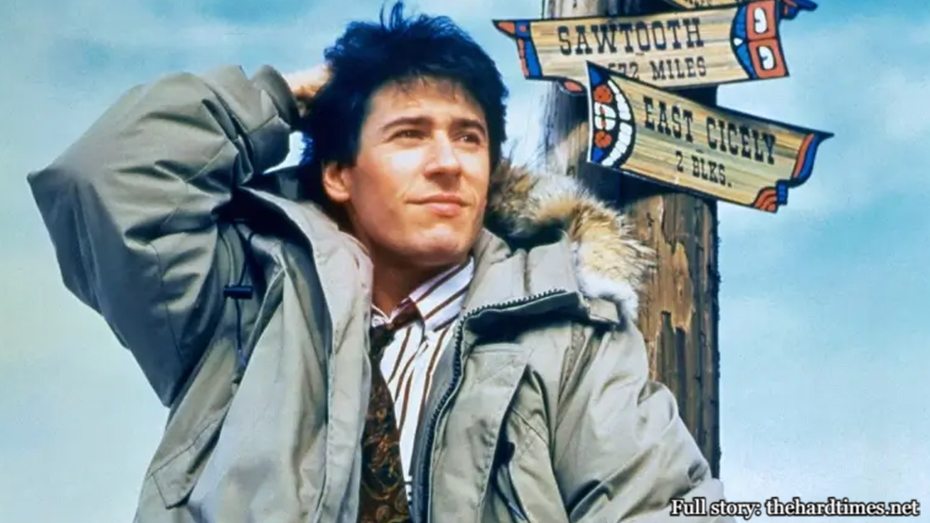 Joel’s neurotic tendencies might not scream rock star, but his fish-out-of-water experiences in Cicely could inspire some poignant indie songs. Think acoustic ballads being a New Yorker in Alaska. His music wouldn’t do well at the time and he would go back to being a doctor in Seattle. However, he would be rediscovered in the early 2000s and become a talking head for countless documentaries about music in the 1990s.
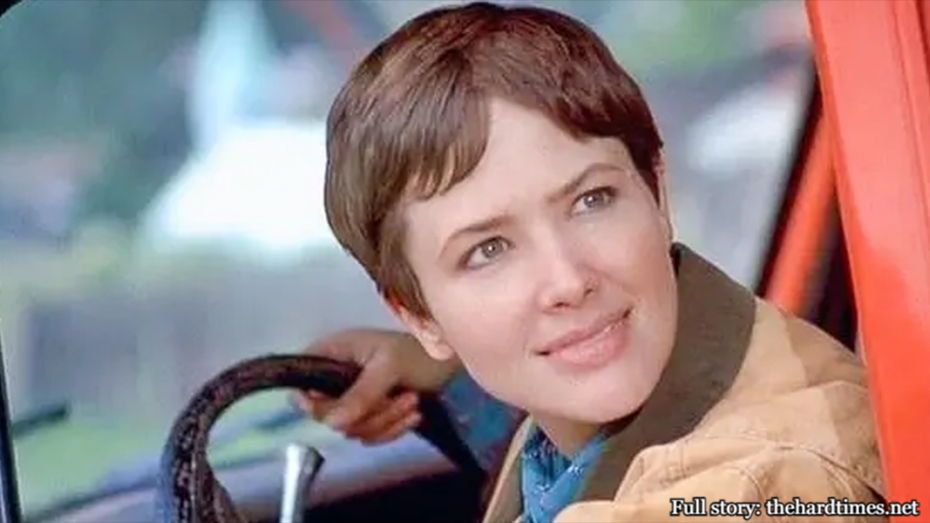 Maggie’s tough exterior and love for the outdoors might make her seem like a good fit for Sub Pop, but her music would probably be too earnest and mainstream for the label’s taste. Her anger would soon volcano, leading to a fallout with the label. She would return fronting a Riot Grrl band on the Kill Rock Stars label. They would have one massive hit but struggle to make waves again. She would use her fame as a one-hit wonder to push for equality for female musicians.
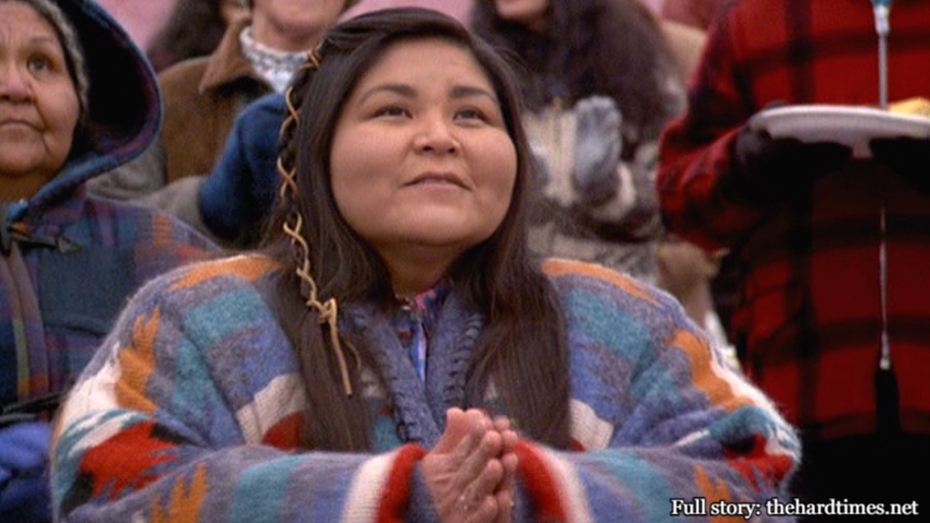 Marilyn’s enigmatic presence and deep connection to her Native American heritage, would likely find herself amid Cicely’s grunge scene. However, her reserved nature and mysterious aura might make her a bit of an outlier in the Sub Pop world. While she might not be the most obvious candidate for a Sub Pop signing, her introspective lyrics and haunting melodies could certainly find a niche audience within the label’s diverse roster.
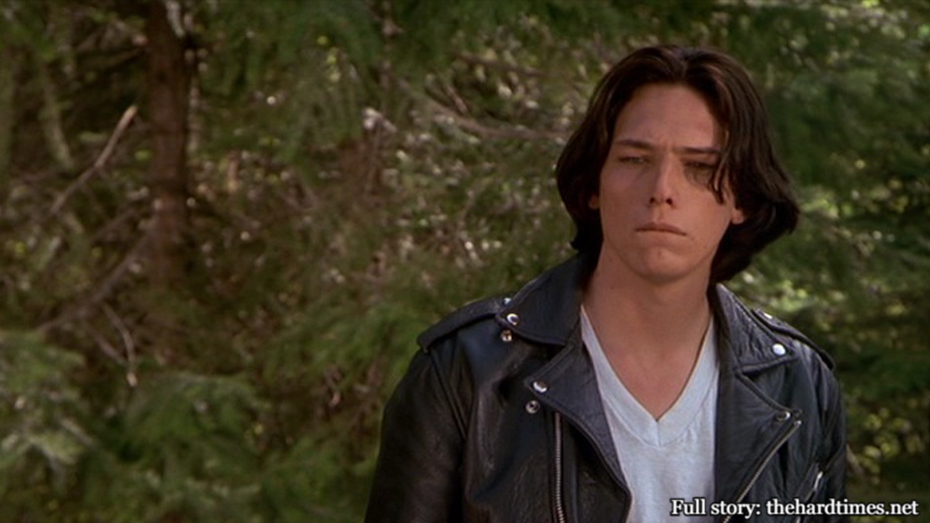 Ed’s quirky personality and love for Native American culture would make him a cult favorite on Sub Pop. He’d blend traditional drumming with distorted guitar riffs, creating a sound that’s both mystical and grungy. He would become one of the giant stars of the grunge scene with his name listed among Cobain, Cornell, and Vedder. However, his naivety would allow him to become taken advantage of and the musician lifestyle would quickly catch up with him. He would flame out in spectacular, public fashion only to retreat back to Cicely and never make public appearances again. Until 2012 when he would release an acoustic album and do a single performance at Riot Fest.