A lot of people want to make the most of summer while it’s here, and whether it’s by going for hikes, spending days at the beach, or going on road trips, those people are wrong.
Think about it, do you actually LIKE summer? The heat, the mugginess, the bugs? No, of course you don’t, you like weed and air conditioning. The only reason you get jazzed on summertime is that your lizard brain still thinks you don’t have to do homework anymore.
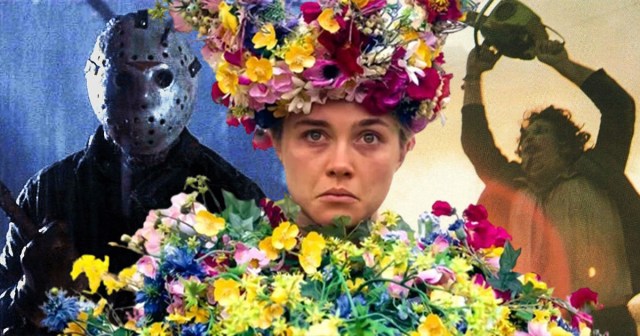
Pay no mind to all those influencers, health nuts, and “concerned loved ones” who insist you need to go outside and “live your best life.” Your best life is here, inside, where the TV is. And hey, why not binge this list of cautionary tales that confirm stepping out into the sun is a categorically bad idea? Here are the 38 best summer-set horror movies of all time:
38. Creature from the Black Lagoon
 This one is for the true OG goth sun-avoiders, the black-clad pale-skinned shut-ins who want to watch something in theme for the season but can’t even handle color in their movies.
37. Fear Street Part Two: 1979
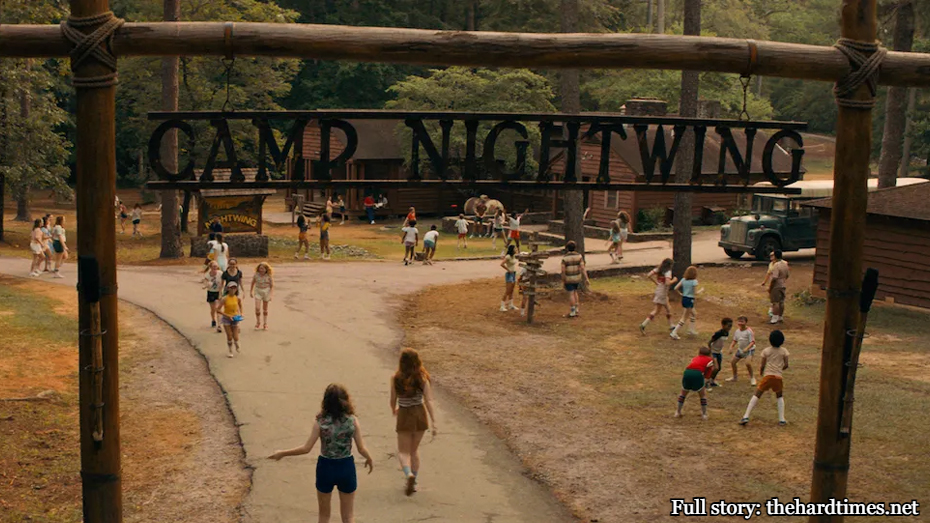 The camp slasher entry of the Fear Street series offers the brutal gore of the genre tapered with the coziness of a Goosebumps novel. It’s weird. There is something uniquely jarring about hardcore violence written young-adult. One character is addicted to “drugs,” not any particular drug just drugs, literally a handful of cartoonishly colorful pills in all different shapes and sizes that she eats at random. Going from that after-school special-level reality to someone getting their head put through a meat slicer is kind of a strange ride.
36. Cabin Fever
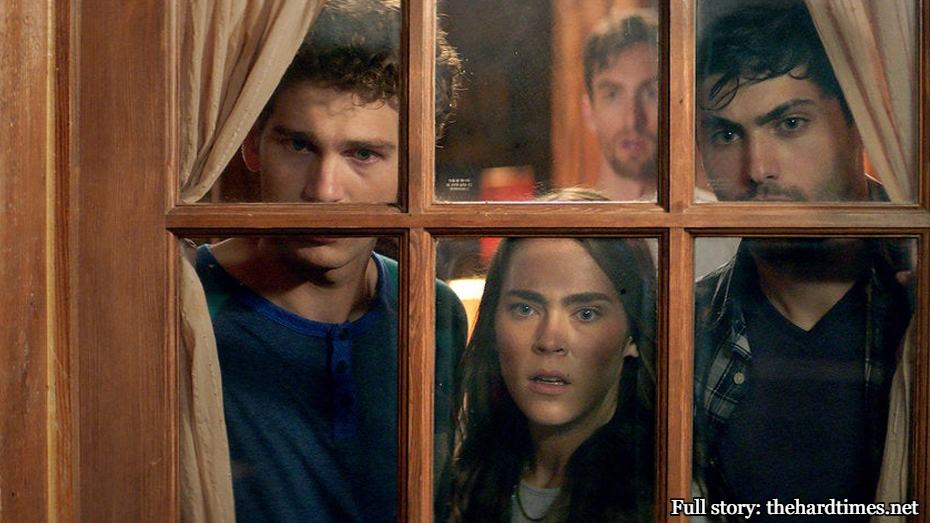 A poignant reminder to stay inside all summer so you don’t get infected! Does the flesh-eating virus from this movie really exist? No, not yet, not to our knowledge anyway, but at one point no one thought Covid existed, and look what happened—Covid! Best to play things safe.
35. Tourist Trap
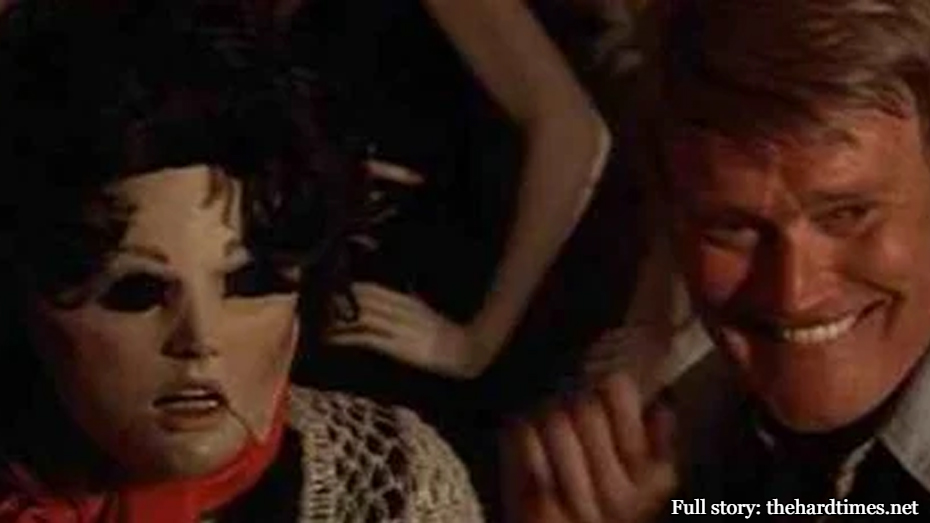 The first of several “Road trips are a super bad idea” movies on our list, “Tourist Trap” posits that you could fall victim to a telekinetic killer who uses their mind to puppet museum props into murdering you. Not the most likely scenario we admit, but hey, just to be safe, let’s spend the summer inside with the air conditioner blitzed on edibles instead.
34. The Town That Dreaded Sundown
 This one is not for those who can’t handle ’70s pacing, but it’s noteworthy because the original look of Jason Voorhees was based on the killer in this movie, and it’s based on true events. So, to summarize, Jason is confirmed real. Makes you wonder why anyone goes outside, ever.
33. Nightmare Beach
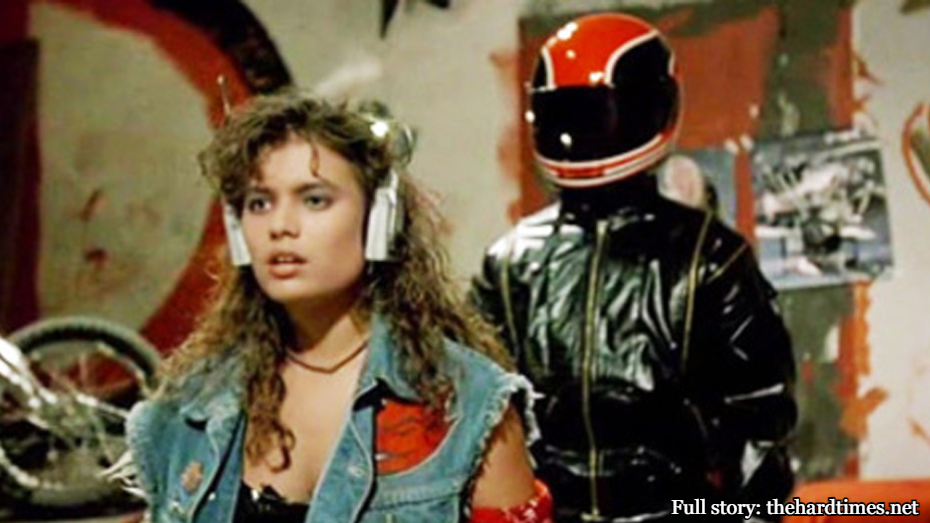 Who is the mysterious motorcycle killer terrorizing a Florida beach full of sinful teens? Well, it’s exactly who you think it is in the first like 10 minutes of the movie. It’s predictable, but still a uniquely stylized ’80s slasher and still no excuse to try dragging me to a real beach, where the sun lives.
32. Just Before Dawn
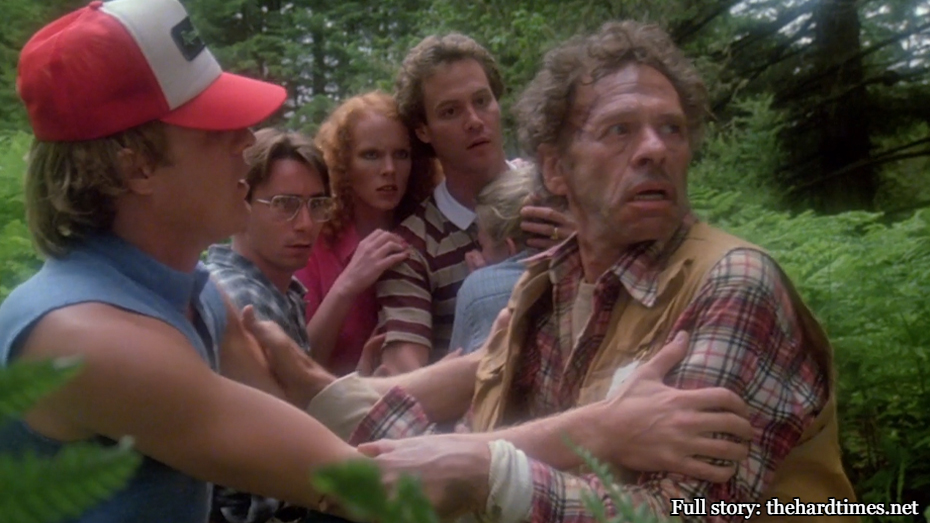 Remember, when someone talks about roughing it in the woods to get away from “technology,” they mean getting away from everything separating you from the blades of creepy redneck inbred murder brothers. We’ll take the loud, bright, go-go pace of the modern world over that any day.
31. Summer Camp Nightmare
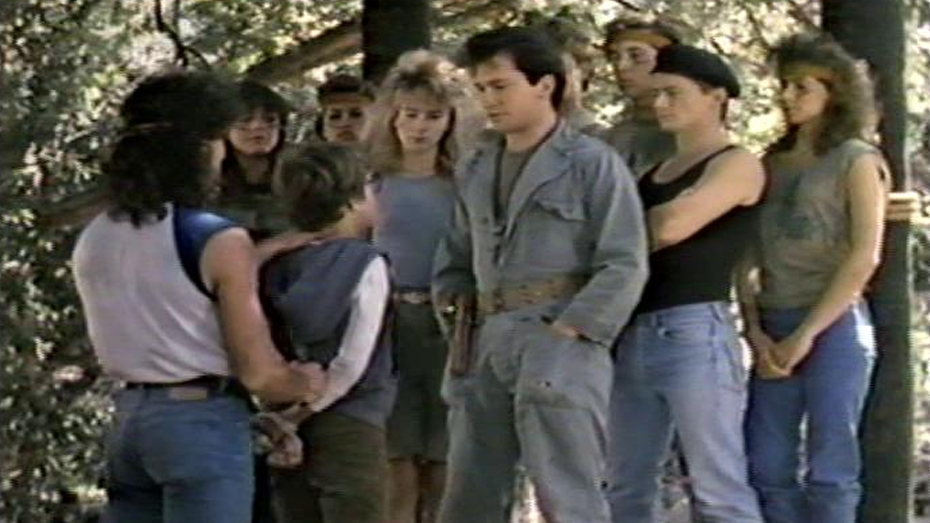 From what we can make out on social media the world is very much becoming one giant summer camp taken over by tough sadistic mean kids.
30. Piranha
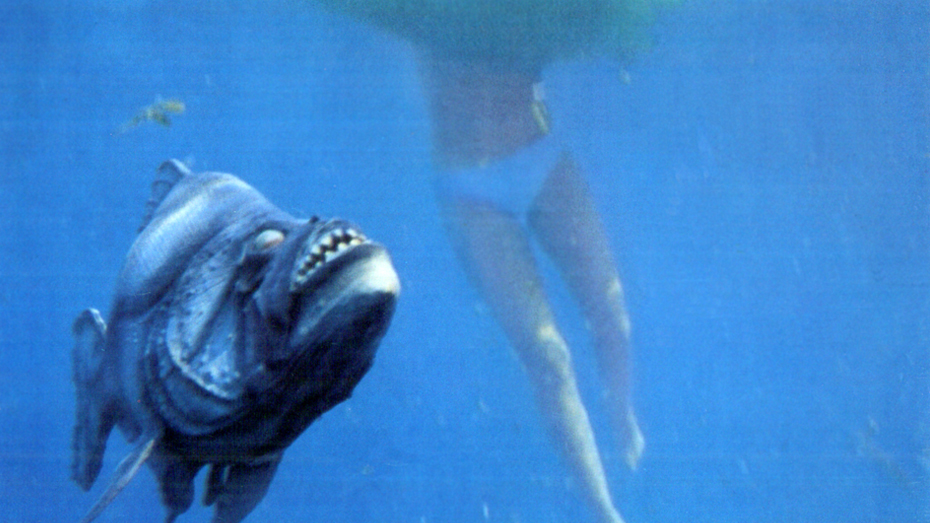 Thinking of beating the heat with a dip in the river? This movie will have you thinking again! As you’ll see, going anywhere near water could put you face to face with a fish THAT HAS ARMS AND LEGS! And then, something else could happen, with regular fish, and you’ll be like “Damn, I really wanna know the deal with that walking mutant fish, but I guess we gotta take care of this real fish problem first!” and then after an hour or so you’ll realize you’re never going to circle back to the mutant fish, it just happened and that’s it. Scary stuff.
29. Friday the 13th Part 5
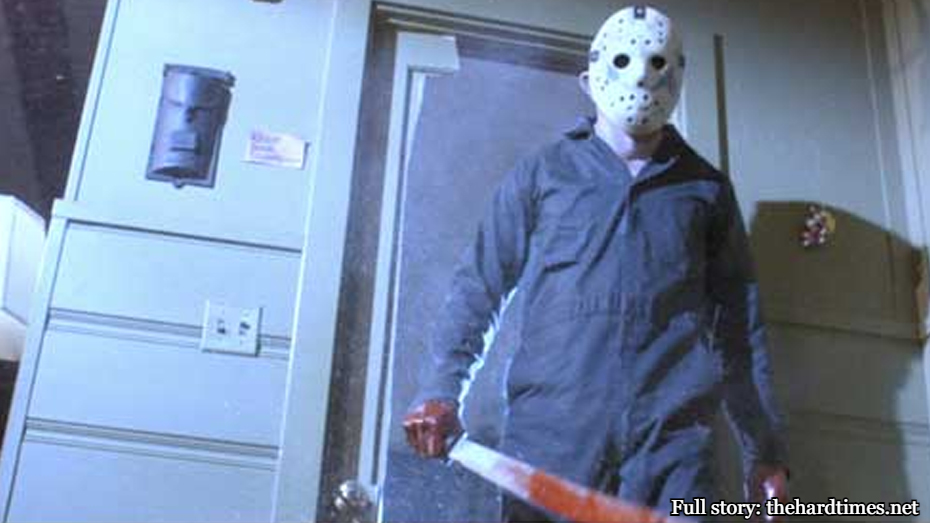 The sleaziest entry in the Friday the 13th series ranks lowest on our list, but it’s still worth a watch. It features a copycat killer pretending to be Jason Voorhees killing everyone in sight, but where this one really stands apart is how the killer isn’t even the craziest character in the movie! Everyone in this film is an unbridled psychopath, reminding you that just because someone isn’t waving a machete around in a hockey mask doesn’t mean you should go out and hang with them.
28. Dead Alive
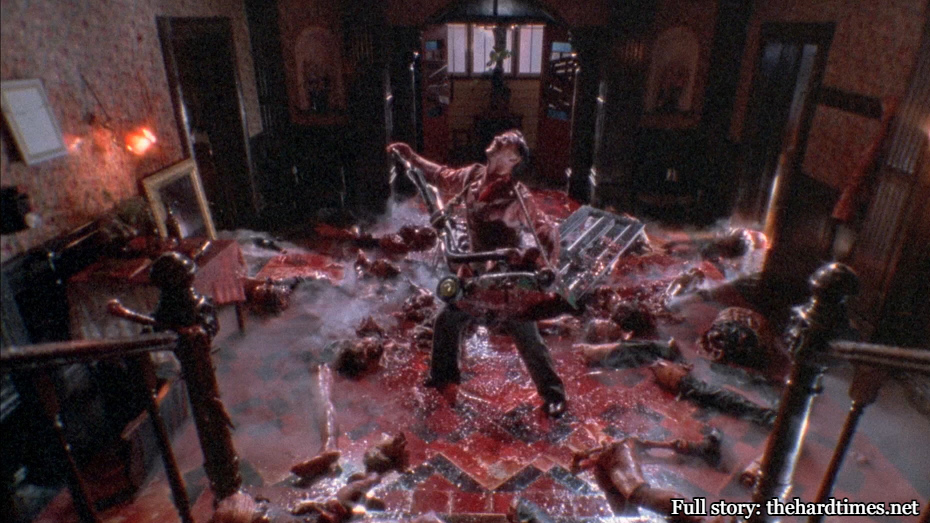 It takes place during the summer and it’s undeniably one of the best gory horror movies ever made. The reason it doesn’t rank higher here is because it has less of a summer feel and more of a “face the trauma of your overbearing codependent mother” vibe. We prefer to binge our mommy-issue horror in early spring when the cherry blossoms bloom and the looming guilt trip of Mother’s Day starts to set.
27. Cheerleader Camp
 AKA “Bloody PomPoms,” this movie features two things we like on paper, but never quite know what to do with—the sunny outdoors and women’s breasts.
26. Tremors
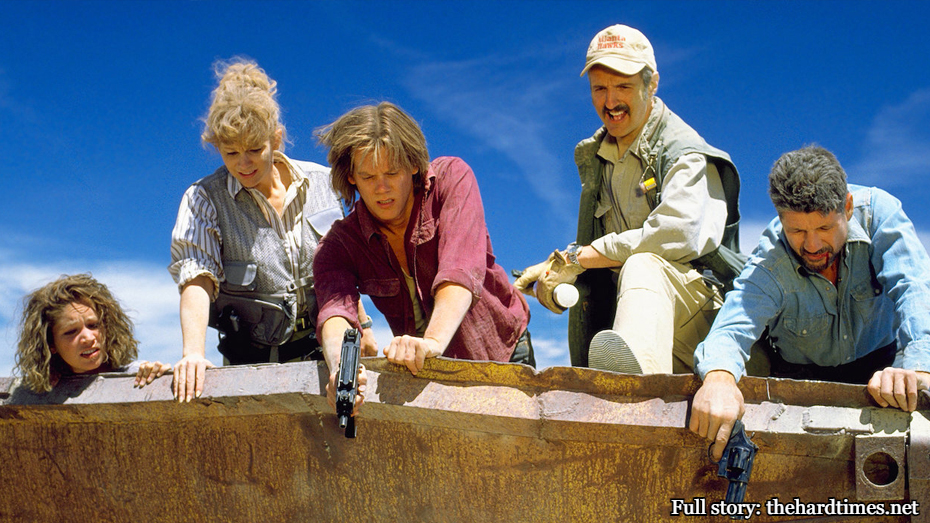 When the sun is shining through your blinds and the birds are chirping and you find yourself tempted to peek your head out the door and see what vitamin D is like, just remember one word—graboids. Let Kevin Bacon deal with that shit, you stay inside where it’s safe.
25. The Final Girls
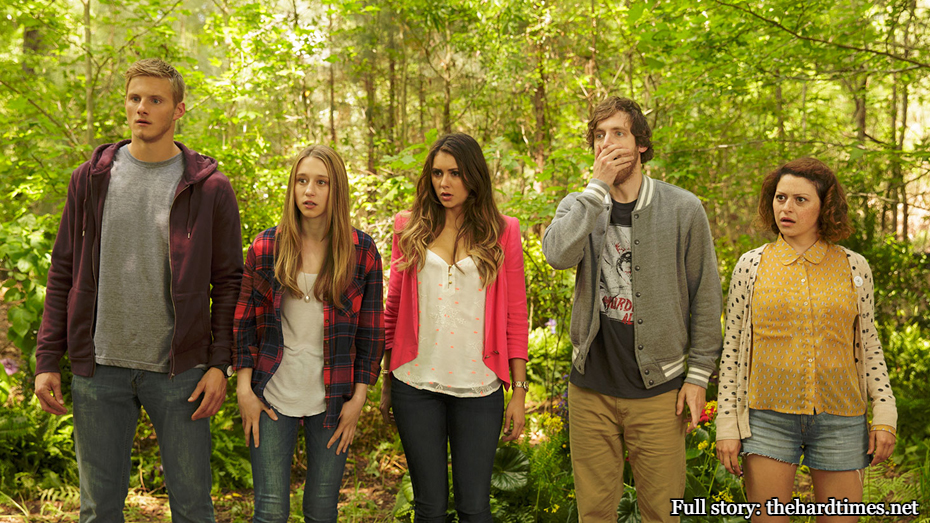 This meta summer camp slasher/comedy isn’t quite as fun as it looks on paper but it has its moments and is overall a good time. Way more than you can say for actually camping.
24. Tie: It (original and remake)
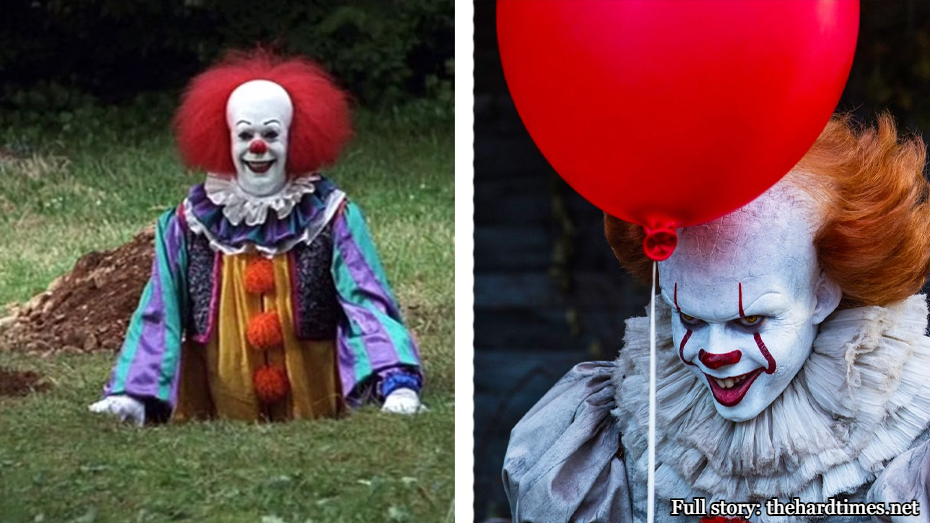 No, we’re not saying they are both just as good, the original is better, don’t @ us. Honestly, we just didn’t want to have to write two “It” blurbs. It’s so hot out thinking hurts. Anyway, Pennywise is great, and kids on bikes, and nostalgia. All the feels, 5 stars. Passing out now.
23. Return of the Living Dead
 Even punks partying it up in a graveyard at night aren’t safe from the horrors of summer.
22. Madman
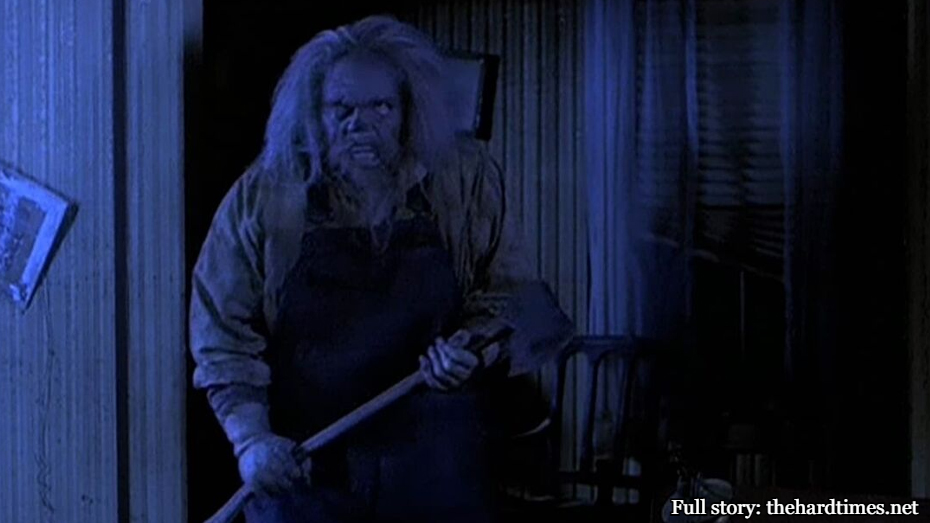 This mid-tier ’80s slasher inspired by the legend of Cropsy doesn’t re-invent the wheel or anything but it’s a surprisingly competent reminder that the people you hear outside cracking wise around a fire pit are all doomed made on a very small budget, so it deserves props.
21. Blood Beach
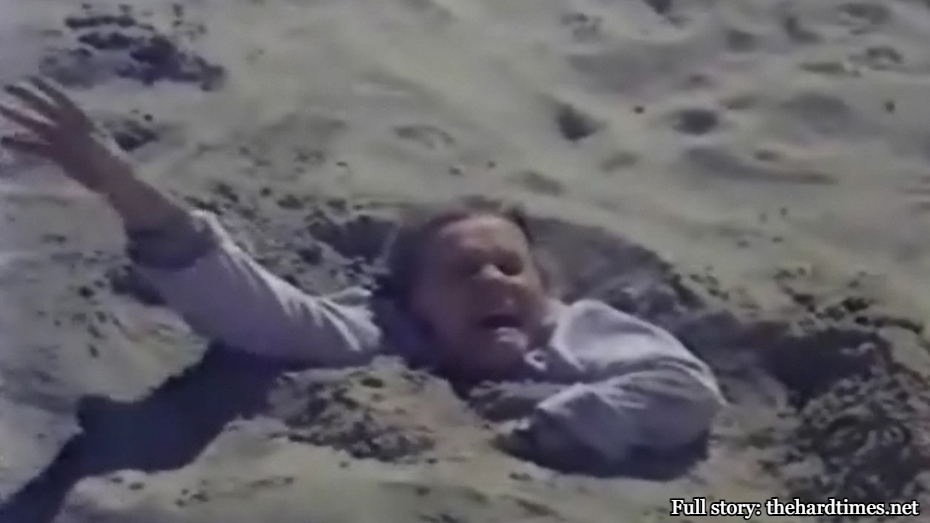 Nothing says good bad movie like John Saxon and Burt Young. Not to be confused with the motorcycle killer film “Nightmare Beach” (also starring Saxon,) “Blood Beach” deals with a sand-dwelling creature that pulls beachgoers underground and eats them in a conveniently low-budget effect. We know such creatures don’t actually exist, but they are a solid metaphor for the very real horrors waiting for you at Venice Beach or the Santa Monica Pier.