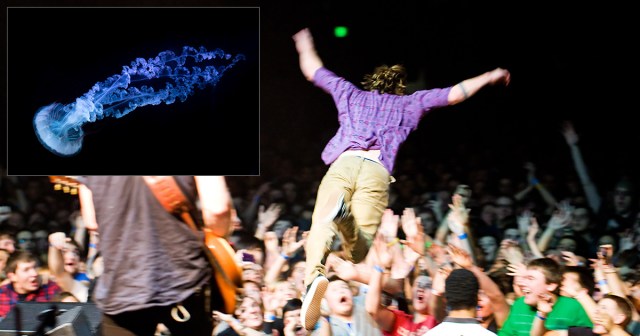
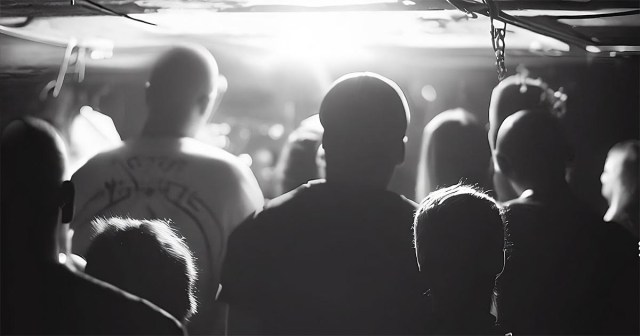
DANVERS, Mass. — An especially deep stage dive by local Garry Beverling established contact with long-fabled unsettling bioluminescent punks who thrive down there, sources confirmed amid shudders of fear.
“I had always heard of these wonders of the pit, but had never gotten a chance to see them with my own eyes. I took that leap from the stage, and got pushed further and further down, until I was face-to-face with these hideous, yet beautiful creatures. Glowing, with huge protruding teeth, and stark naked since they had never been able to make it to a merch table in their lives,” said DIY adventurer Beverling. “Oh, and I just want to say a big fat ‘I told you so’ to everyone who ever made fun of me for showing up to shows in an old-timey scuba suit. I knew it would pay off one day.”
One of the creatures in question delivered a message of curiosity by using a translation device provided by the American Oceanography Institute.
“The surface is a place we’ve long feared to tread. With its searing hot stage lights, and disconcerting rhythmic pulsations, we bottom dwellers know not of the land of live shows. We prefer the safety of the darkness down here…that’s what we tell ourselves, anyway,” remarked Deep Undercrowd Test Subject #1, codename ‘DUTS.’ “I must admit that someday I would very much like to feel the sour beer-encrusted air on my gills, and yell an ironic cover song for the ones onstage to play, and possibly elicit a faint chuckle from the one or two of my audience brethren. But for now, I’ll lurk on. For these depths are my home, and home is good. Plus, the drinks seem super overpriced up there. ”
Local wharf worker and known “old salt” Captain Harrison Bristols was quick to offer a tour of the under-pit to those who wish to venture there.
“Ay, to be sure, I can bring ye Hardened Timers a whole slew of those denizens o’ the deep fer interviewin’…for a price, that is! Why, me hearty crew of stout ‘n sturdy men are chomping at the bit to plumb whatever briny depths thar be to plumb,” said Bristols, as he twirled a harpoon just a bit too lackadaisically. “The brinier the better, we say! And plumb we shall, even the most treacherous of mosh pits in the most unkempt of basements. If the price is right, that is! And that right price? Oh…how about 60 bucks and whatever change we find down there? Sound good? Tight.”
At press time, the giant sperm whale that had gone unnoticed in the pit was eating half the audience.
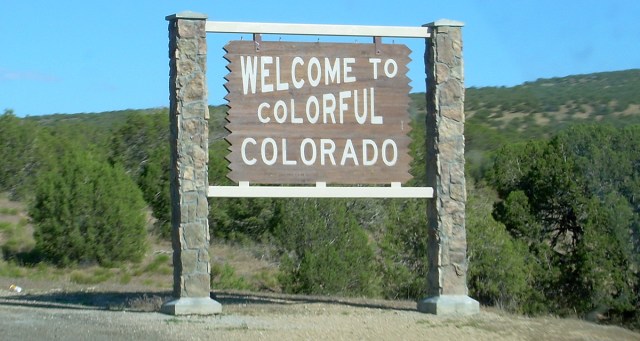
Colorado has a reputation for having a population of active, happy people doing active, happy things in their beautiful state. It’s also known for hippies. Lots and lots of hippies. Filling the air with the scent of incense and B.O. and the awful sound of jam bands.
On paper, it doesn’t seem like a place that would have any kind of punk or hardcore scene at all. But much like how it somehow produced both John Denver and Lauren Boebert it is full of contradictions and not only has a scene but a thriving one. We scoured Colorado from the eastern plains, over the Continental Divide to whatever it is on the west side to find some of the best bands that call it home. And yes, I know John Denver wasn’t actually from Colorado but get the fuck out of here with your facts.
Angel Hair
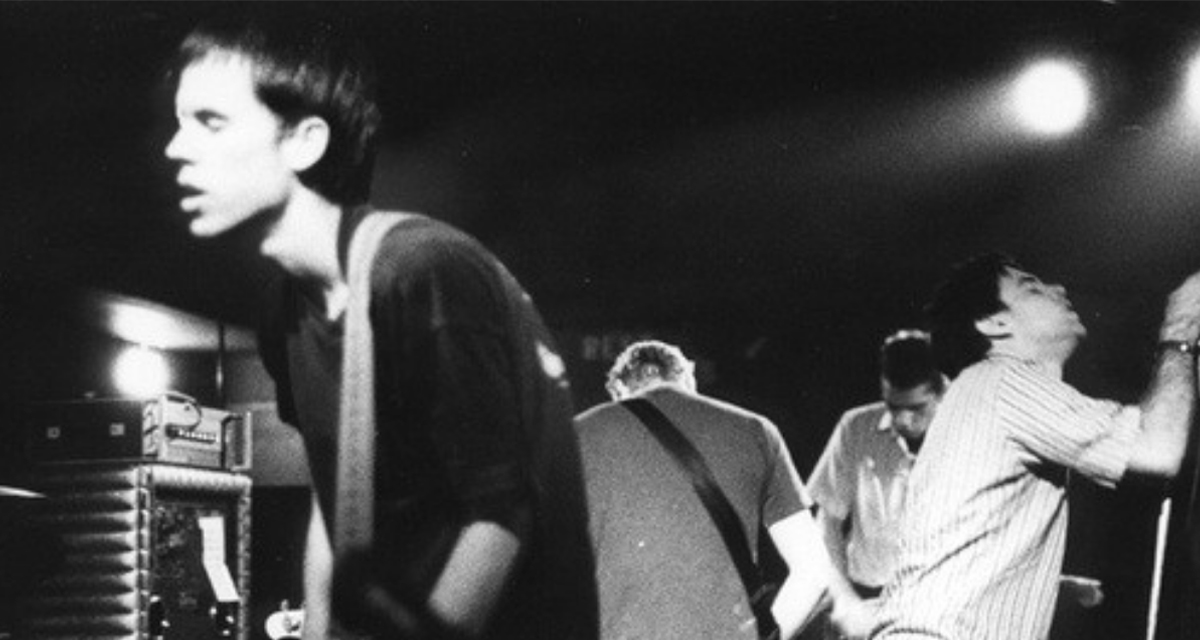
Somewhere between art rock and screamo lived Angel Hair. They were an awesomely weird band and the fact that they were from hippie-ass Boulder and not the screamo headquarters of San Diego makes them even weirder and more awesomer.
Christie Front Drive
Photo by denverkid
Even though they were only briefly active, Denver’s Christie Front Drive were a major influence on the midwest emo scene of the ‘90s. There’s an infamous story of them being offered a major label deal and declining it only to suggest their emo colleagues Jimmy Eat World. I want to believe it’s true. They also made our list of the 50 best emo songs of the ‘90s.
d.biddle
Duncan Barlow spent his youth in Louisville, Kentucky playing in quite a few notable hardcore bands like Endpoint, Guilt, and By The Grace Of God. But as an adult, he moved to Denver, got himself a fancy new hat, and began d.biddle fusing a type of alt-country with stringed instrumentation and emo.
Descendents/ALL
Photo by AppalachianCentrist
Ok, yes Descendents are famously originally from southern California but they moved to Fort Collins in the mid-’90s and Bill Stevenson started his recording studio The Blasting Room there where every Descendents and All album has been recorded for over 25 years. So I’d say that makes them a Colorado band. So suck it, California. You can have Blink-182.
Faim
There have been a lot more female-fronted political hardcore bands lately. It’s almost as if on a daily basis our society slips further into a Handmaiden-esque dystopia which for some reason has made a number of women angry, go figure. Keeping the flames of the discontent burning is relative newcomers Faim. Their brand of raw, politically-charged hardcore serves as a soundtrack to smashing the fuck out of the patriarchy.
Fear Before The March of Flames
There came a time in the early 2000s when the math-y, hectic style of hardcore started to reach embarrassing lows (remember those fucking “crabcore” bands?) But there were some bands still holding it down and destroying stages and eardrums. Fear Before The March Of Flames was one of those bands.
The Gamits
Photo by Dawnftlp
The Gamits have had quite a revolving door of members throughout the years with main songwriter and singer Chris Fogal serving as the only member who has been around since the band’s inception. 25+ years on The Gamits continue to be the centerpiece of Denver’s pop-punk scene.
Nathaniel Ratliffe and the Night Sweats
Probably the only band on this list your mom approves of. And while they may sound like a cross between Sam Cooke and the sound of a craft distillery opening, they have deep roots in the indie and punk scenes of Denver. We dare you not to toe-tap along to their denim-drenched jams.
Native Daughters
Not only do instrumental riff lords Native Daughters have not one, but two, drummers, both drummers play upfront live. They do a post-metal style much in the vein of Pelican and Isis but with the percussive elements taking literal center stage.
Omega Point
Photo by Photo by Kevin Lysaght
Omega Point recorded the first four songs of a concept album in 2003 and then took a brief twenty-year hiatus. They reformed in 2023 and recorded the remaining songs combining elements of black metal, mathcore, and the story-telling aspects of Slint.
Planes Mistaken For Stars
Oh look, yet another Colorado band that made our top 50 emo list. Sure seems to be a lot of emo bands from Colorado. Not really sure why. You would think with all that sunshine and fresh air there’d be nothing to write sad songs about. Sadly both guitarist Matt Bellinger and frontman Gared O’Donnell passed away in 2017 and 2021 respectively.
Primitive Man
Photo by Grywnn
The heaviest band on our list and possibly the heaviest band from Colorado ever. These dudes ain’t fucking around. This is the band on this list that your mom approves of the least.
Small Dog Frenzy
Even though their name might make them seem like a juvenile pop-punk band with songs about farting on your mom or whatever, this three-piece from Boulder was pretty serious. Their driving melodic guitar riffs coupled with Aaron Hobbs’ distinctive voice made them stand out from the other emo-tinged bands of the time. Two of the members would later form the more austerely named Acrobat Down.
Snake Rattle Rattle Snake
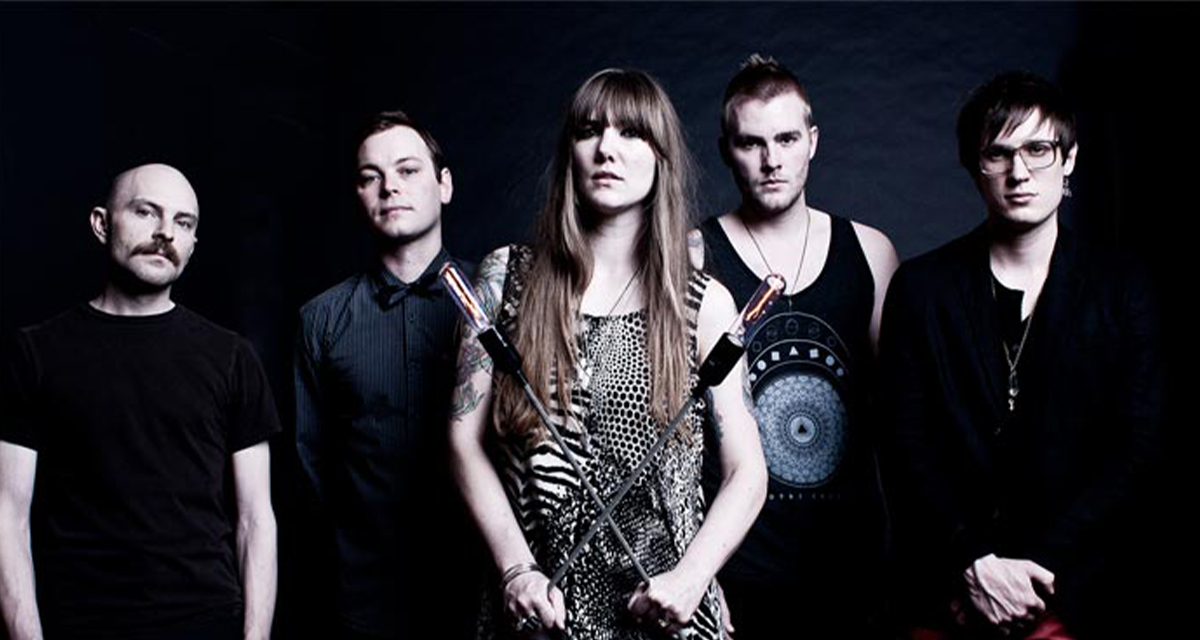
The hardcore world was first introduced to Haley Helmericks with her backing vocals on Open Hand’s “Tough Girl.” She would later bring her deep atmospheric voice to form the dark-wave-infused Snake Rattle Rattle Snake and much like the actual rattlesnakes of the Colorado landscape, SRRS’ music feels like it could attack if you fuck with it too much.
Vaux
Photo by Jeff Strahl
If you went to basically any show that happened in the early oughts you probably saw Vaux play. They toured extensively including several hauls on the unending hell that was Warped Tour. They eventually signed to Atlantic Records subsidiary Lava and recorded an album with the single “Are You With Me” which got traction with its video and was even in the end credits of the not-great John Travolta movie From Paris With Love.
PRESCOTT, Ariz. — Local metal enthusiast Griff Nilsson asked his doctor to adjust the persistent ringing in his ears to a pitch that was more in line with the kind of music he enjoys, sources who are tired of repeating themselves report.
“I’ve come to more or less accept the tinnitus,” said Nilsson while cranking up the volume on his white noise machine. “I go to a lot of loud shows and it just comes with the territory. I’ll always hear a constant tone—but why does it have to be such a wussy note? I was thinking it would be super cool if the ringing were like a heavy drone instead. Something real doomy, kind of like an early Earth gig in my brain at all times. At least then I might enjoy it.”
Audiologist Dr. Eric Earhardt agreed to initially evaluate Nilsson.
“A few years ago, I would’ve told Mr. Nilsson he was out of luck,” said Dr. Earhardt. “But thanks to recent advances with microsurgical instruments, in some instances we are able to tune a patient’s tinnitus to a more desirable pitch. A very low D note, in Mr. Nilsson’s case. He has also asked for the tone to be distorted. He played some selections by a musical group called Sunn O))) for me as a reference. It is certainly an unusual request, but I told him I would do my best. I just wish these dummies would wear hearing protection in the first place.”
Not everyone agrees that surgical intervention is the best way to deal with persistent tinnitus.
“This whole thing strikes me as daft,” said Devon Salisbury, lead guitarist for new-wave British heavy metal legends Piss Crypt. “Me n’ me mates have been dealing with this affliction for decades and have come up with a few tried and true methods for coping with it. For instance, if you get yourself good an’ blitzed on gin and cocaine, and then toss back a couple of ‘ludes, I guarantee you won’t hear no ringing no more—at least not till you come down. I also know of a veterinarian who makes a pharmaceutical cocktail that will turn your tallywacker into Cleopatra’s Needle, if you follow. What was we talking about again, guv?”
As of press time, Nilsson reportedly asked his doctor if it would be possible to rearrange his varicose veins so that they’d resemble the Darkthrone logo.
I’m a sales rep for a storage solutions company which isn’t too bad as far as jobs go, I’m just on the road a lot. One night I was on a long stretch of the Mass Pike, scrolling through Spotify on my phone on a 2000s Pop channel, and the song “Jesus, Take The Wheel” by Carrie Underwood comes up. I’d heard the phrase before, but never knew it was a song. As I was clicking away, I veered into another lane, I hear a horn and the headlights just get brighter and brighter and the next thing I knew I was buckled into the passenger seat with Jesus himself: robes, beard, and all driving my Altima. This would be a shock to anyone, let alone someone like me who would be considered agnostic at best. My heart was pounding, I found myself hyperventilating, and I couldn’t form words.
He saw my state and said, “I got it from here, Bro” and kept his eyes on the road. I was going through a crisis of faith with millions of questions going through my head, but the immediate situation was bringing up more: Jesus is real? Jesus can drive? Is Jesus listening to Southern Rock?
I worked up the courage to address him directly, but before I could open my mouth, he said, “Chill, this is my jam,” before turning up “Whipping Post” by the Allman Brothers. This kept going, I would try to learn a little more about the mysteries of the universe, but he would put up a “shush finger” as he vibed out to another noodly jam.
Since I didn’t pay for Spotify, I waited for a commercial as an opening, but he just snapped his fingers and the next song would play. Another miracle, sure, but come on, let me know what’s up with Heaven and stuff.
After another couple tracks, I work up the courage to turn the dial and say, “Excuse me, Mr. Christ, can you please explain what’s going on?” He just says, “You were about to die and I couldn’t let that happen. So let’s just take this drive together and you just enjoy the miracles, okay?” Maybe I should’ve chilled on the subject, but I said “Sorry, I just have a million questions about the afterlife and everything.” He just turned up the music and said, “That’s what I do for work. On road trips, I just like to zone out.” And back to the dad rock jams.
I guess I started to nod off because the next thing I knew I was behind the driver’s seat parked in my driveway. I don’t know if it was a dream or what, but whatever it was saved my life and fucked up my algorithm.
If you’re alive reading this then congratulations! You’ve made it all the way to the dawn of the end times.
One of the very, very few perks to living in a future dystopian world of crumbling social structure, technology gone mad and an increasingly inhospitable environment is that we get to look back on all the movies that predicted how this would all go down and see how close they got to getting it right!
Here are 50 terrifying visions of the future ranked by accuracy:
50. Battlefield Earth
Truth be told, we have no idea what actually happens in this movie based on a novel by Scientology founder L. Ron Hubbard. We have seen it, more than once, we just don’t understand what the hell is going on.
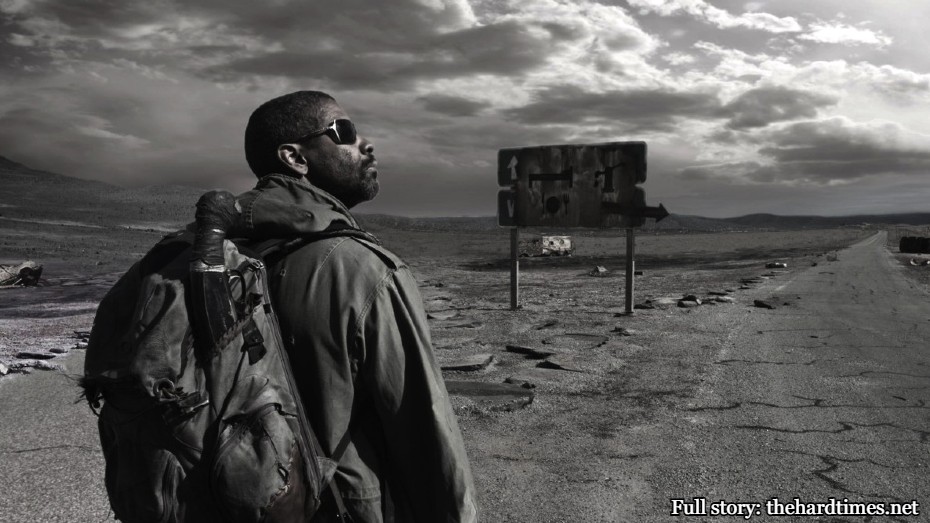
49. Book of Eli
In a brutal post-apocalyptic wasteland, one man is burdened with safeguarding humanity’s last hope — the last copy of The Bible. Well, the end times have begun, and there is certainly no short supply of assholes waving Bibles in your face.
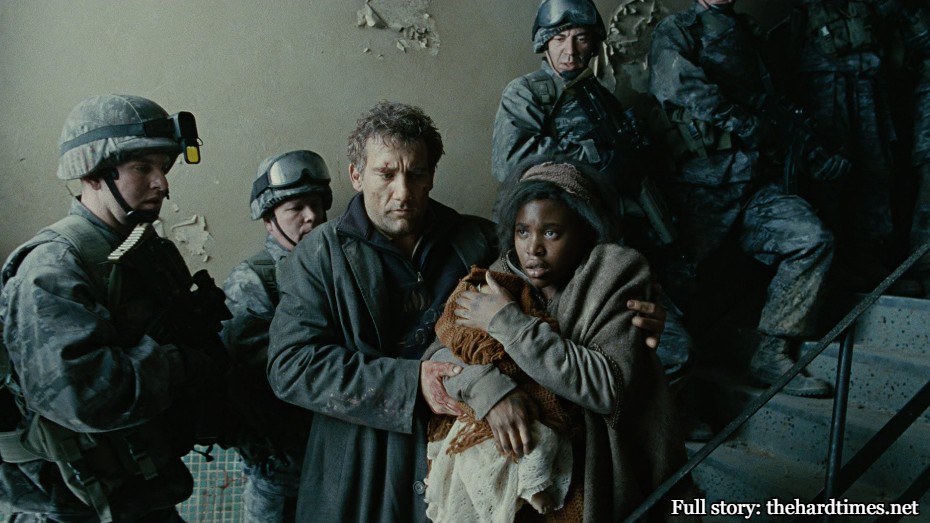
48. Children of Men
In this movie women stop being able to have babies instead of being forced to have them like in real life. Considering the fact that some states force women to stay pregnant even if it threatens their lives, we’re gonna go ahead and call this one way off.
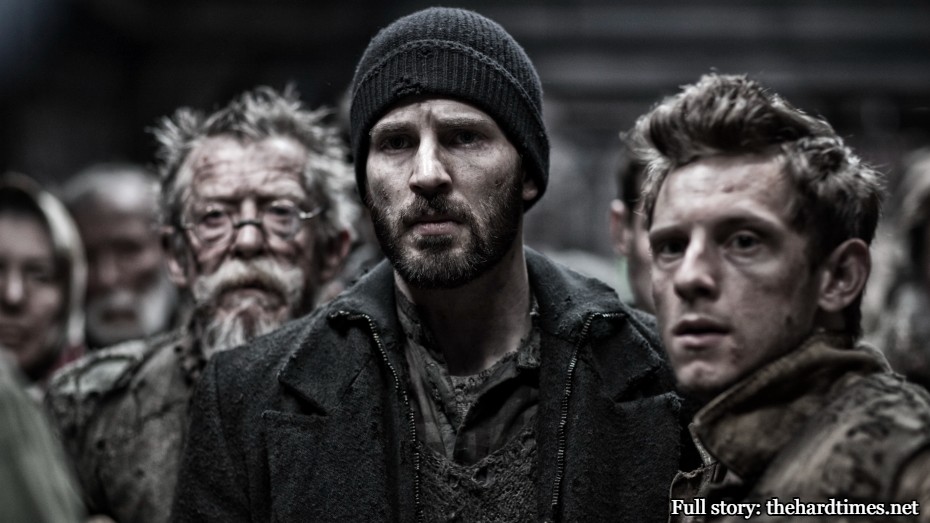
47. Snowpiercer
While this movie’s central prediction that global warming will trigger another ice age is sure to pass any day now, it ranks low for its prediction that public transportation and infrastructure will be the last things to survive. We’re barely in the end times and trains are already derailing left and right.
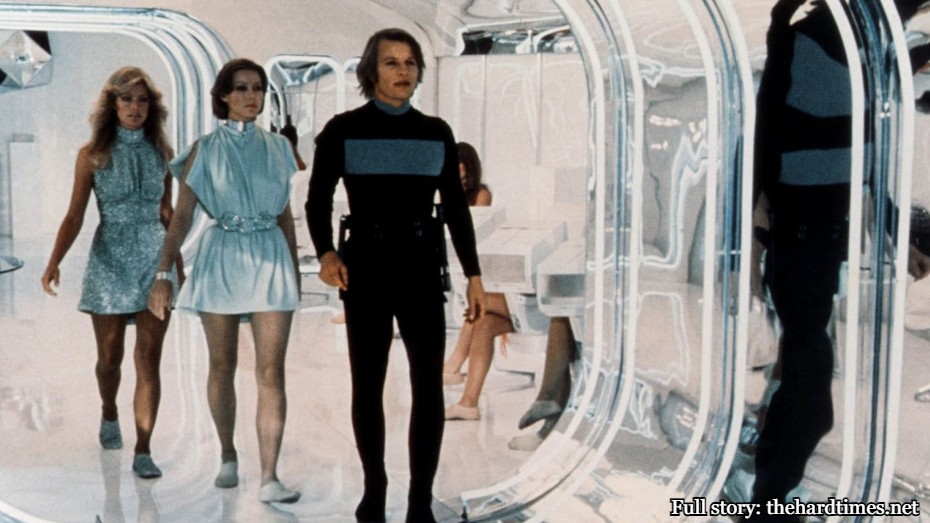
46. Logan’s Run
We WISH we had the problems in “Logan’s Run.” This movie’s prediction that being older than 30 would become illegal turned out to be way off. In fact, if a Sandman came and rounded up all the oldsters in Washington it would reverse a lot of the issues we currently deal with.
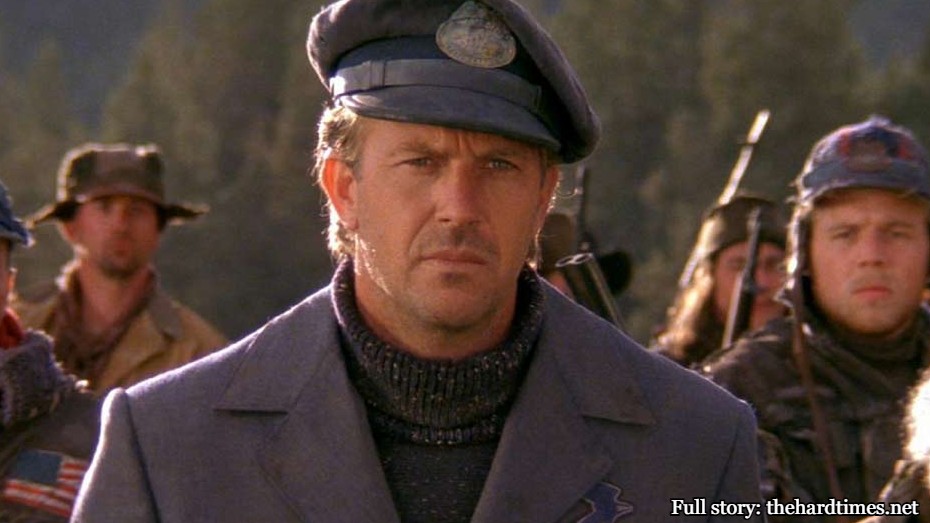
45. The Postman
One of two Kevin Costner vehicles on this list, this one posits that society as we know it is held together by physical mail. The world moved on from snail mail decades before the real apocalypse started, so, swing and a miss buddy.
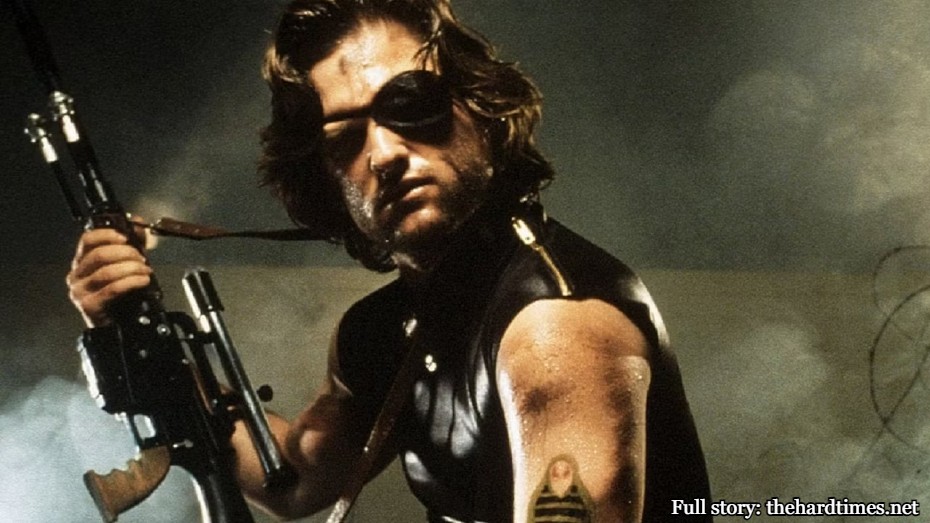
44. Escape From New York
As this list will remind you several times, this isn’t a ranking of how good these movies are. “Escape From New York” is widely regarded as one of John Carpenter’s finest, and we’re not here to disagree. However, in terms of accuracy, it’s hard to believe someone is going to need to escape a city we’ve spent our whole lives trying and failing to afford to live in.
43. Death Race 2000
One of many “totalitarian government appeasing the masses through violent game” movies on this list, and maybe the most fun of the lot. Unfortunately, aside from the NFL’s continued lack of concern for CTE, this concept doesn’t have a ton of real-world parallels. This one ranks the lowest because we already have a car race sport where people die and it’s boring as hell.
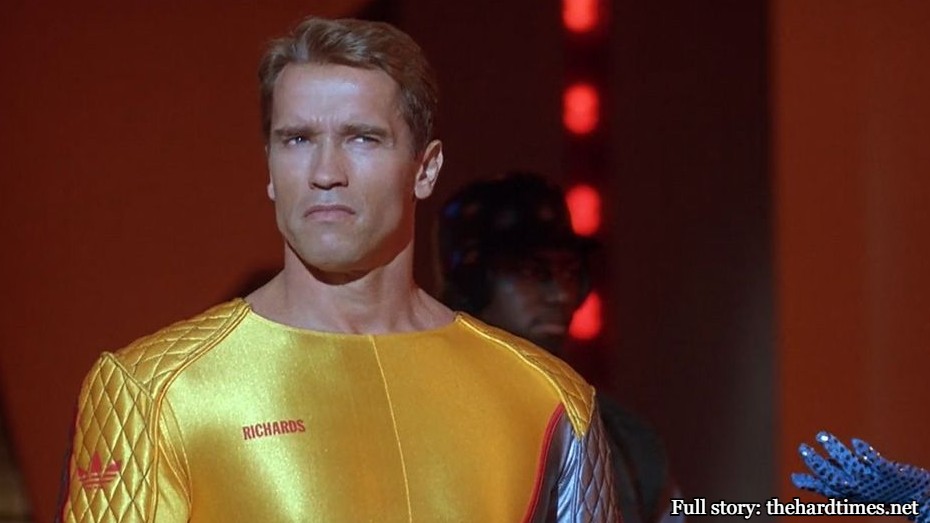
42. The Running Man
This movie was extremely prescient about a lot of things. Reality TV, deep fakes, and lines like “Get me the President’s agent!” to name a few. Still, something about the “American Gladiators” meets “American Idol” meets murder of it all feels more like the dystopia of yesteryear, not the one we know and love today.
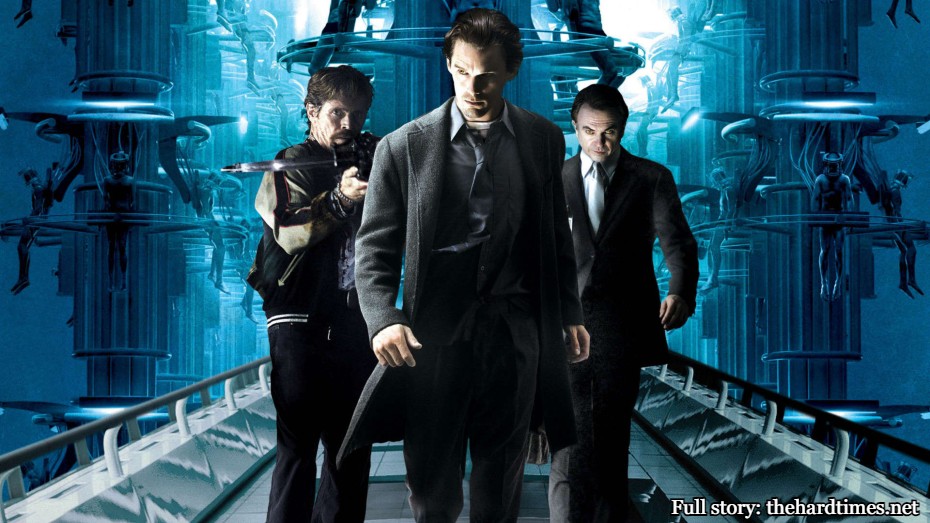
41. Daybreakers
In this dystopian sci-fi action movie most of the world’s population has been turned into vampires, which leads to a global blood shortage as the last remnants of humanity are hunted to extinction. There could be a lot of relevant stuff to unpack here — classism, overpopulation, and dwindling resources. The film however takes a pretty solid “we’re not trying to comment on anything, this is just a cool vampire-world movie” approach.
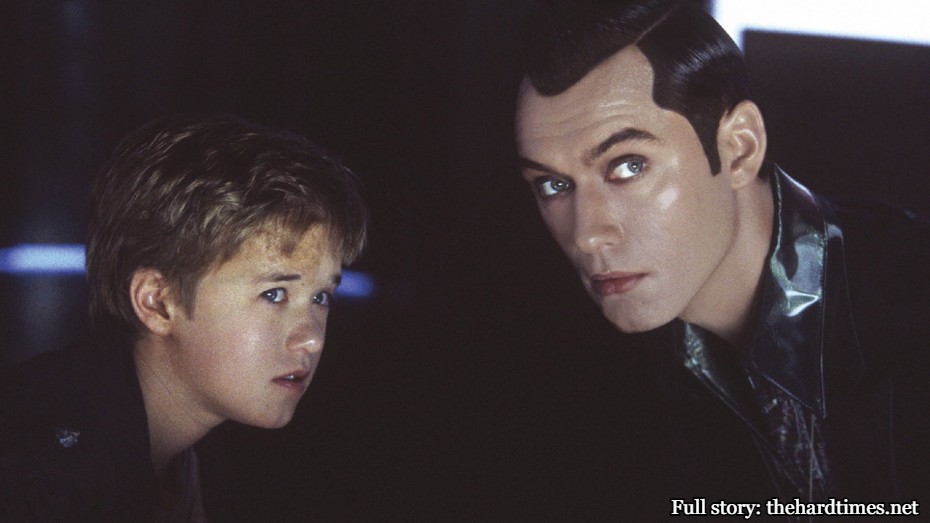
40. A.I: Artificial Intelligence
In this movie the world’s most advanced A.I. robot boy struggles to fulfill his need to be loved, but guys like Elon Musk and Mark Zuckerberg don’t even have that need and they’re technically human.
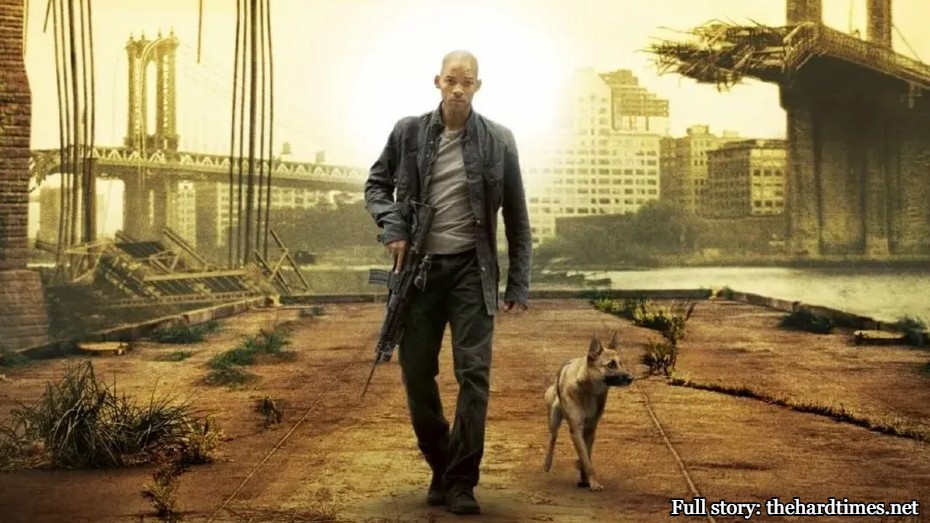
39. I Am Legend
One of two movies on this list based on the novel of the same name by Richard Matherson. Its prediction of a virus that turns almost everyone in the world into a monster isn’t necessarily inaccurate, but it ranks low because “Omega Man” is way the hell better.
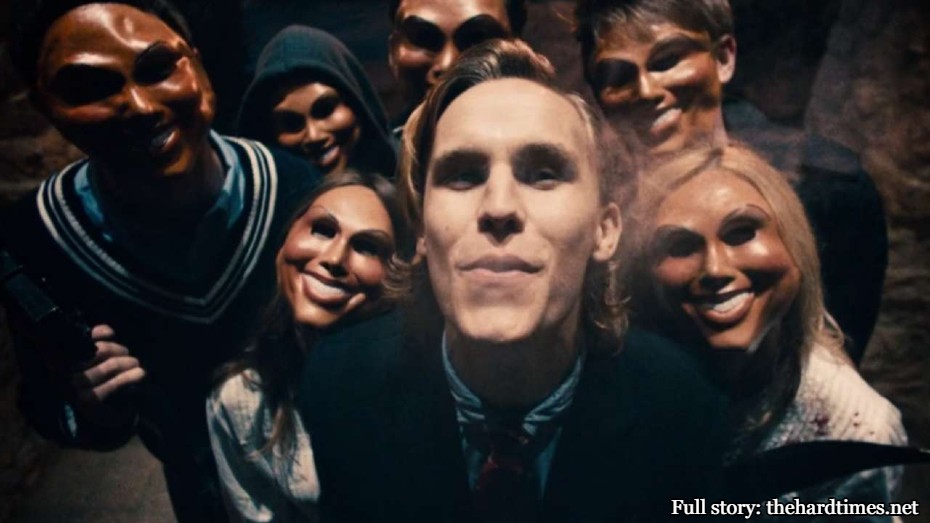
38. The Purge
Big points for highlighting how the rich and powerful manipulate the lower classes into killing each other, but the idea that Americans could cram all of their bloodlust into one day is still pretty fanciful.
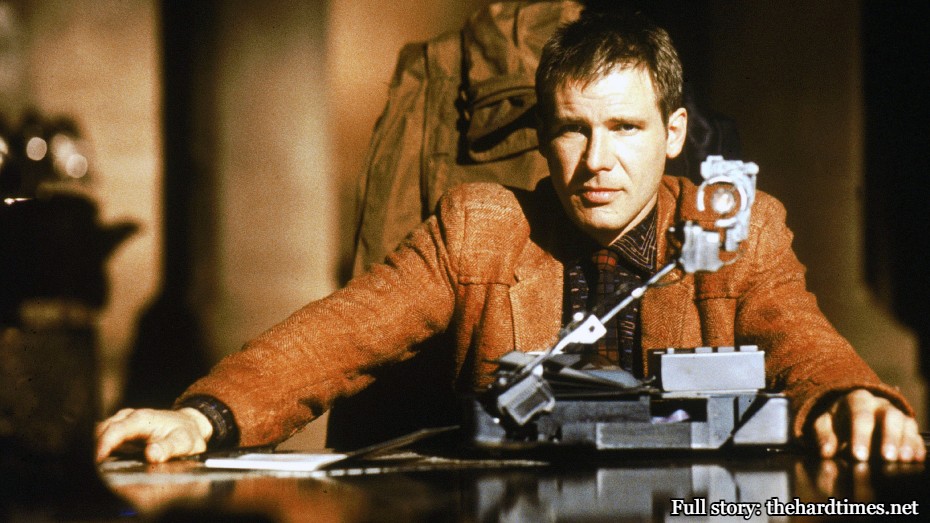
37. Blade Runner (1982)
While a good portion of our time these days is in fact spent wondering if the people we’re talking to are humans or robots, you never see Chat GPT waxing poetic about “tears in the rain.”
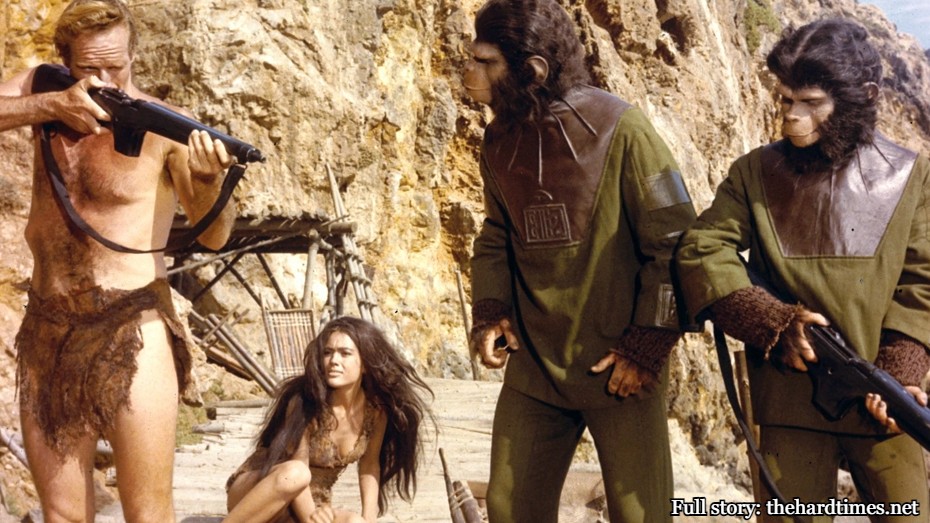
36. Planet of the Apes (1968)
While this iconic sci-fi classic offers some profound insights into the human condition, its notion that any animal will even survive the next century, let alone surpass us, is pretty laughable.
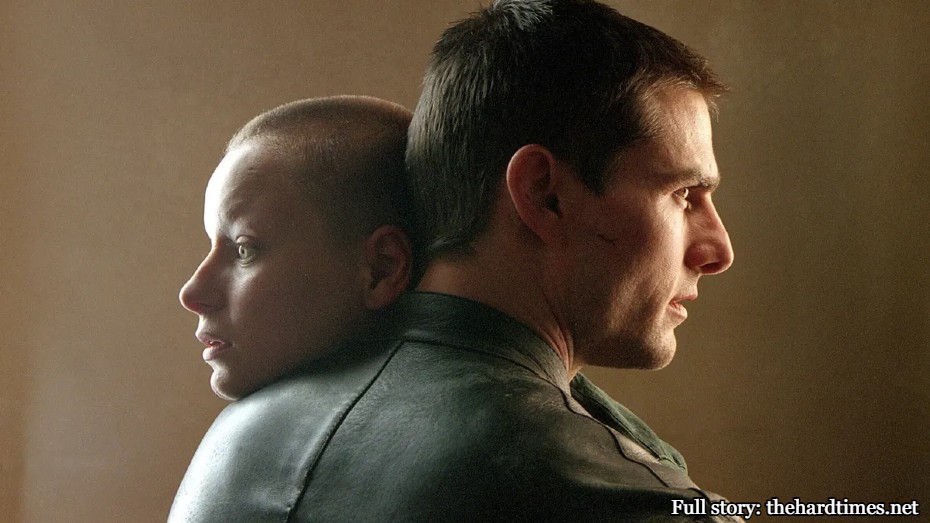
35. Minority Report
This movie nailed the whole police militarization thing and the tendency for modern law enforcement to detain people before they have committed any crime, but it loses a lot of points because in the movie the cops are right.
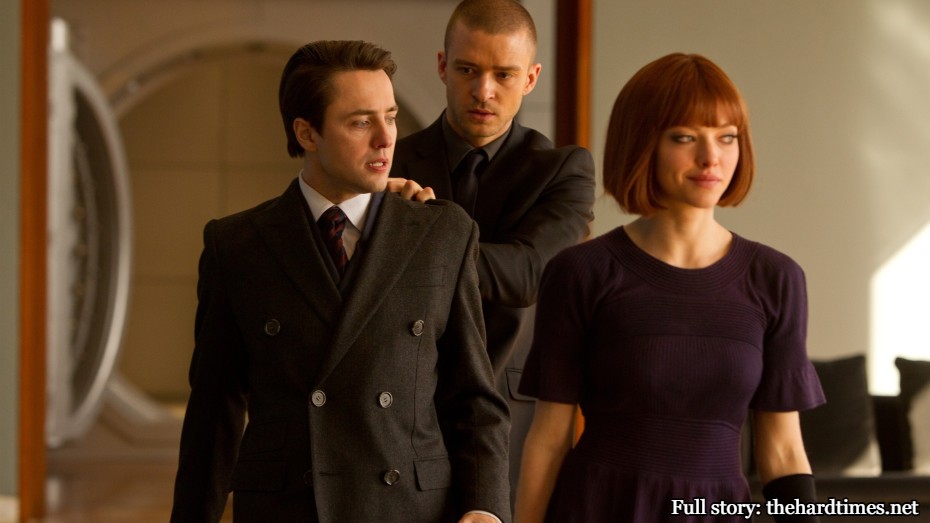
34. In Time
In this fantasy disease and aging have been done away with, and all you need to do is buy time on the clock counting down on your arm to stay alive. In reality, you need to buy so many more things than that to keep living.
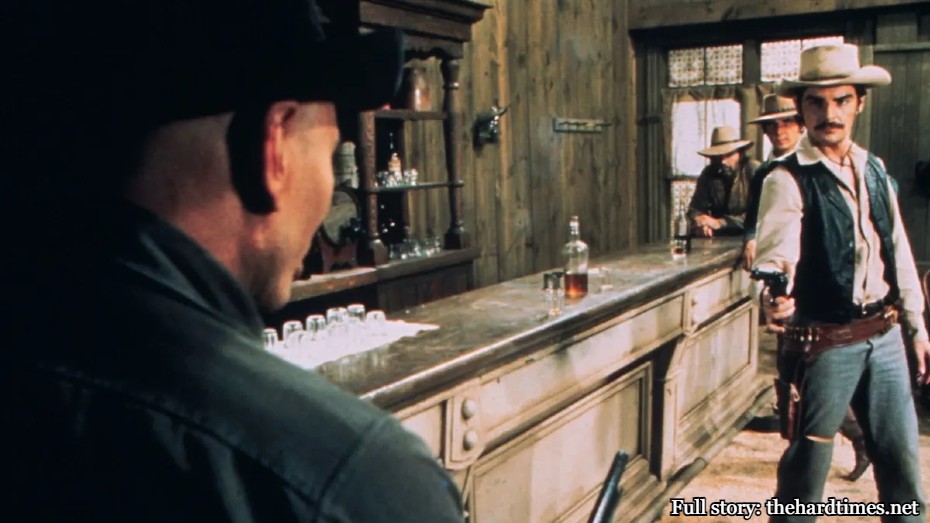
33. West World (1973)
A theme park robotic cowboy goes haywire and embarks on a murder spree. Totally bogus because Yul Brynner looks nothing like a Boston Dynamics droid.
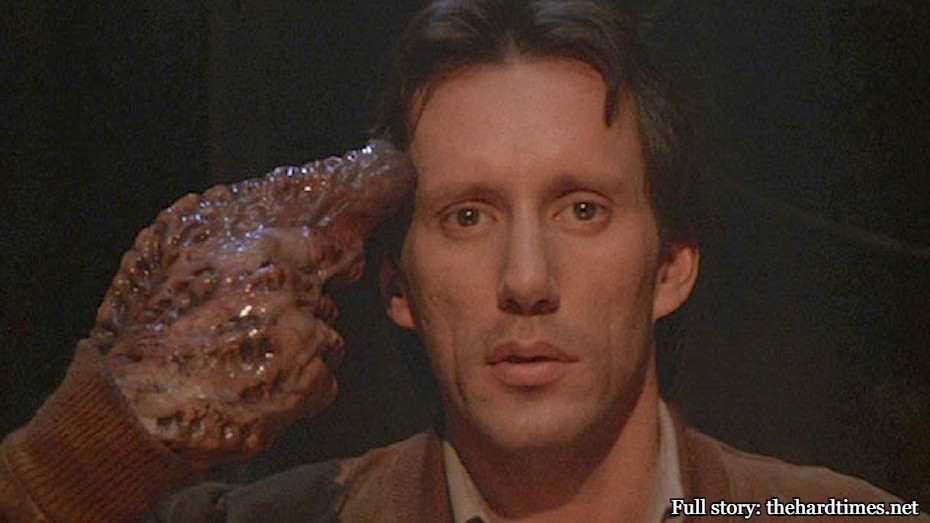
32. Videodrome
Underneath all the body horror, snuff film conspiracy, and James Woodsness, Videodrome is about the disastrous effects of technology on the human psyche. As a society, we passed that threshold about 5 cake fart videos ago.
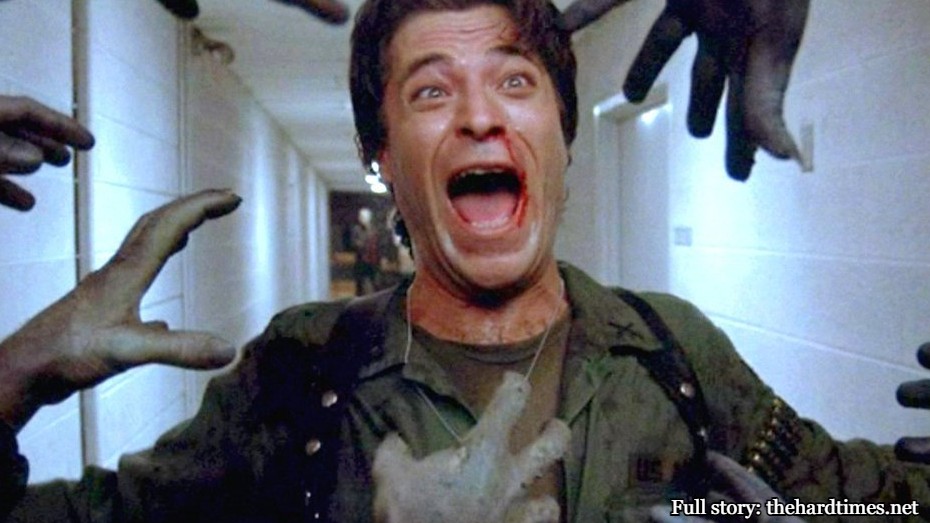
31. Day of the Dead
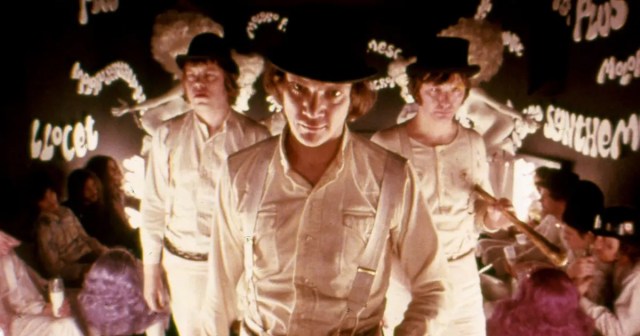
While “Dawn of the Dead” is probably the best of the Romero zombie movies, “Day of the Dead” serves as a meditation on how different personality types deal with the end of the world, and how none of that matters because the military is a bunch of dickheads.
CAPE MAY, N.J. — Local Punk Steve Tillman’s nerves were quickly put to ease recently after realizing the trumpets he heard blaring were merely angels sounding off the end of the world and not a band playing ska music, repenting sources report.
“I was at my apartment taking a piss when all of a sudden I could hear trumpets blasting as if they were right outside my window,” Tillman explained, adding he lives across the street from a venue that books “annoying” bands all the time. “The first thought I had was, ‘Goddamnit. It’s my only day off this week, and now I gotta hear shitty ska music at 8:30 in the morning.’ Then I quickly noticed the fire and blood rain, and then the four horsemen riding in the sky. I thanked my lucky stars it wasn’t a Reel Big Fish tour or some shit. I’m just glad my lease is up this month.”
The Angel who sounded the first trumpet had an inkling that this misunderstanding might occur.
“This is so embarrassing. I knew we should have proclaimed the end times with seven sick shredding guitar solos or something,” the Angel explained. “It was pretty obvious the inhabitants of this realm were going to confuse the six other Angels and I for a third wave ska band, and now we have to have that in the back of our minds while we cleans the Earth of sinners. The whole trumpet idea was perfect until about 25 years ago.”
Ska fan Dwayne Kilbourne talks about his own experiences with his preferred music genre and the religious world.
“Seems like every two years or so, there will be a few weeks where evangelical Christians will gather outside our band’s jam space,” Kilbourne said. “They must hear our horn section and think it’s the Apocalypse or something, because they all just stand there with their heads facing up, staring into the sun. I saw a seagull crap on some guy’s face one time, it was awesome. Where’s your god now, birdshit-brows?”
At press time, a second blow of the trumpets was eventually revealed to be Tillman’s downstairs neighbor watching the “Sanford and Son” opening credits at a very high volume.
LINCOLN, Neb. — Local post-punk revival band Shadow Impaction played to a record 128 mostly unwilling patrons at Frankie’s Den following a local tornado warning for the surrounding towns, report sources who wish they’d just stayed outside to be swept up by a fatal funnel cloud instead.
“Best night ever,” proclaimed Shadow Impaction’s oblivious lead singer, Tyson Overhill. “At first it was just the guys from the other bands in here and the one weird dude we always get. But then two songs in, all these people kept rushing in the door like they just HAD to see what this sick band was all about. Lots of them were really old, and a few were praying and crying for some reason. They just huddled in the stairwell, but we made more money than in the past 12 shows and hopefully they signed up for our email list, at least!”
Trapped attendees were appalled by the band and venue’s opportunistic approach to the weather emergency.
“Those criminals still charged for tickets!” fumed Marlene Kennett, Lincoln resident and grandmother of six, standing sandwiched between a graffitied pillar and an overflowing trashcan. “This place is a dump and I’ve never heard of Shatter Impact or whatever. As soon as I got the text alert, I ducked in here and it might be the biggest mistake I’ve ever made in my life. Their music sounds worse than the tornado sirens outside. And then they had the audacity to price-gouge on shirts when they saw some people come in bleeding!”
Disaster preparedness expert Darren Pickering said that when a tornado hits, a packed, rickety basement music venue with numerous probable code violations is generally a poor shelter choice.
“Sure, you’re underground. But between the cheap extension cords dangling everywhere, the lack of exits, and the floors and walls weakened by years of disgusting liquids soaking in, I cannot recommend it,” he explained. “Plus, if it’s an F-5 headed straight at you and you’re going to die anyway, do you really want to go out listening to pretentious mediocre music sung by some guy in black skinny jeans like it’s 2004?”
At press time, Shadow Impaction had switched to playing acoustic renditions of its songs mid-set after the building was struck by lightning and lost power.
I’m the first to admit my band’s set last night was bad. Guitar solos were flubbed, vocals were way off key and the only pocket our drummer cared about was the hot pocket he’d munch on between every song. We’ve all agreed that from now on we’ll spend practice practicing songs instead of comparing fantasy basketball drafts.
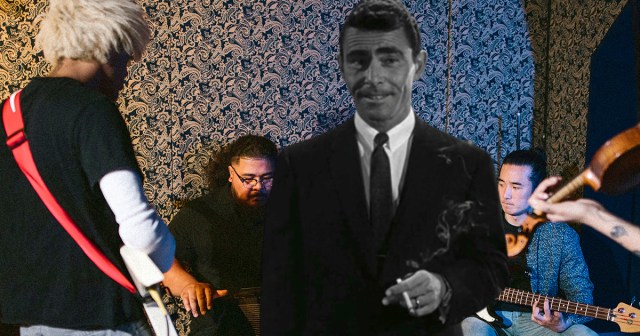
All that said, we were not bad enough to warrant Rod Serling coming on stage and monologuing to the crowd about the karmic repercussions of man’s hubris.
I first saw Rod in the crowd during the back half of our set since he was the only one smoking a cigarette wearing a full three-piece suit at a basement pop punk. His arms were crossed, and you could tell on his face that he was going to soliloquize us into the fucking stone age.
Sure enough, Rod got on stage as we tore down and said, “Submitted for your complete lack of approval, a nightmare in five songs, each one tuned to the key of D, for despair. It was a ghastly performance by four inept musicians stranded on the shores of saccharine mediocrity like a quartet of tone-deaf beached whales. Consider it just another show at that moribund venue known as The Twilight Zone.”
First of all, ouch. Second, I don’t care if he created “The Twilight Zone,” no venue should just let some random guy grab the mic and start shitting on someone’s set. More distressing still was that the other bands were happy to let him talk into their set.
The lowest point of the night was our cover of “Welcome to the Black Parade,” which went tits up because our bassist exaggerated their piano skills. Rod seemed especially offended by this, saying, “ Humanity once again proves itself the moth to the flame of failure. Any band, any musician, any artist which fails to recognize the worth, the dignity, the power of a My Chemical Romance cover…that band is obsolete. A case to be filed under ‘P” for “Posers.’”
Rod then made some Icarus comparisons, but those were a stretch. There was no attempt to ‘fly to the sun.’ All of the other songs had like, two fucking chords.
Once our rhythm guitarist was fully in tears, Rod ended the monologue by saying that there’s “There’s no moral, no message, no prophetic tract, just a simple statement of fact: This band is ass.”
I tried to confront Serling after the show, but the entire venue suddenly turned into a German bunker, and I was Adolf Hitler.
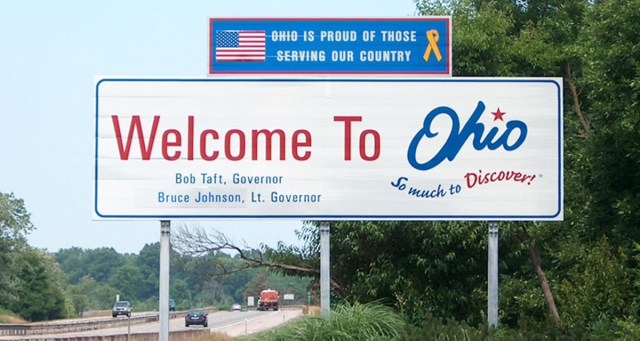
A lot has been said about Ohio. Most of it is disparaging and unflattering. If you are to believe all the memes you’ve read about the state and its residents, you likely have an image of a mountainless area filled to the brim with slovenly, bored, and uneducated farmers. That’s if you even believe the state exists at all. We won’t stand for this slander as we’re pretty sure at least one of our writers grew up in Dayton. To set the record straight, here are a handful of bands that call Ohio home when they aren’t on tour or living in a different state altogether.
Guided By Voices
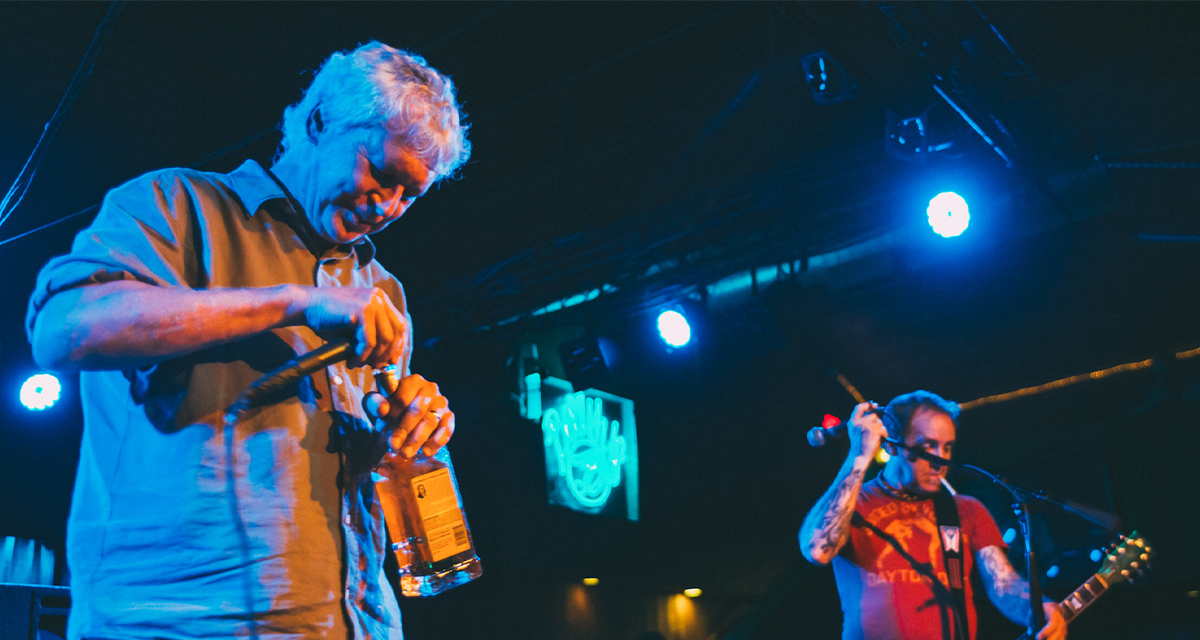
Photo by Tristan Loper
Former school teacher and current ‘genius,’ Robert Pollard, has reportedly written over 1,600 songs. At least 500 of those went to his lo-fi project, Guided By Voices. It’s rumored that a minimum of 22 of the latter are actually listenable. It’s said that if you click the heels of your Chuck Taylor’s three times while repeating ‘I Am A Scientist’ you will be transported to a dive bar in Dayton, Ohio. There, a forty-something guy in a flannel with a neck tattoo will buy you a shot, but only if you can name three GBV songs that aren’t ‘Teenage FBI,’ and no: you can’t use ‘I Am A Scientist’ again.
Devo
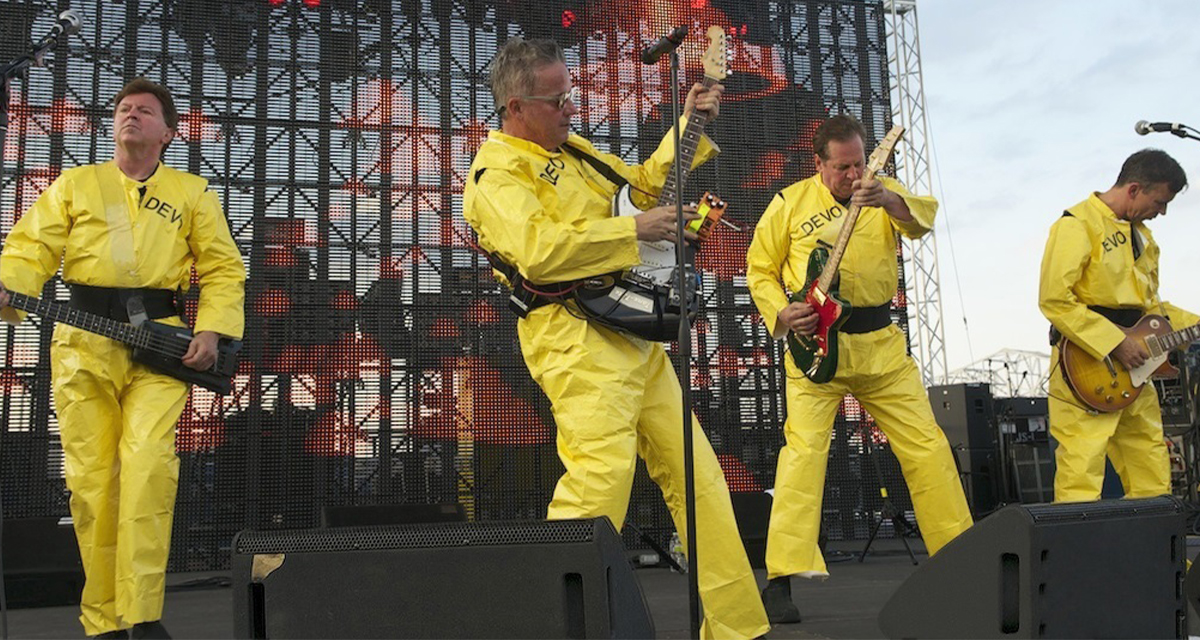
Photo by C Michael Stewart
What’s that you were saying about Ohio never producing anything cool or memorable, you smug asshole? That’s what I thought. Famed New Wave heroes, Devo, were founded by Kent State University students in Akron. The varied political leanings of the Midwestern swing state they call home likely provided fertile inspirational ground for the satirical social commentary that permeates their discography. Muses aside, Devo stands to this day as one of the state’s finest exports, second only to sweet corn.
Brainiac
Dayton may be the ‘Birthplace of Aviation,’ but no one really cares about that anymore. Arguably more exciting is the fact that Dayton is the birthplace of Brainiac (or 3RAN1AC if you want to be a dick about it). Before their five-year run was cut tragically short by the untimely death of lead singer, Tim Taylor, they pushed the envelope on nearly every subgenre of punk and hardcore in existence. The band’s out-of-control sound has been cited to have influenced countless bands including, but not limited to; Nine Inch Nails, The Mars Volta, The Blood Brothers, and somehow even Muse (when they were good, we assume).
The Dopamines
Photo by Owen Parrish
Cincinnati is a mecca of energetic punk music, and none represents this fact more than the Dopamines. A band so renowned that even Mikey Erg moonlights as their second guitarist from time to time. Armed with extremely catchy hooks, power-chord anthems, and chant-along choruses, their output matches their namesake to a tee. One listen will immediately whisk you away to a sweaty basement on a college campus as you chug Rheingeist and scream your lungs out until some asshole cop shuts down the show and ruins your night.
The Breeders
Photo by Step101
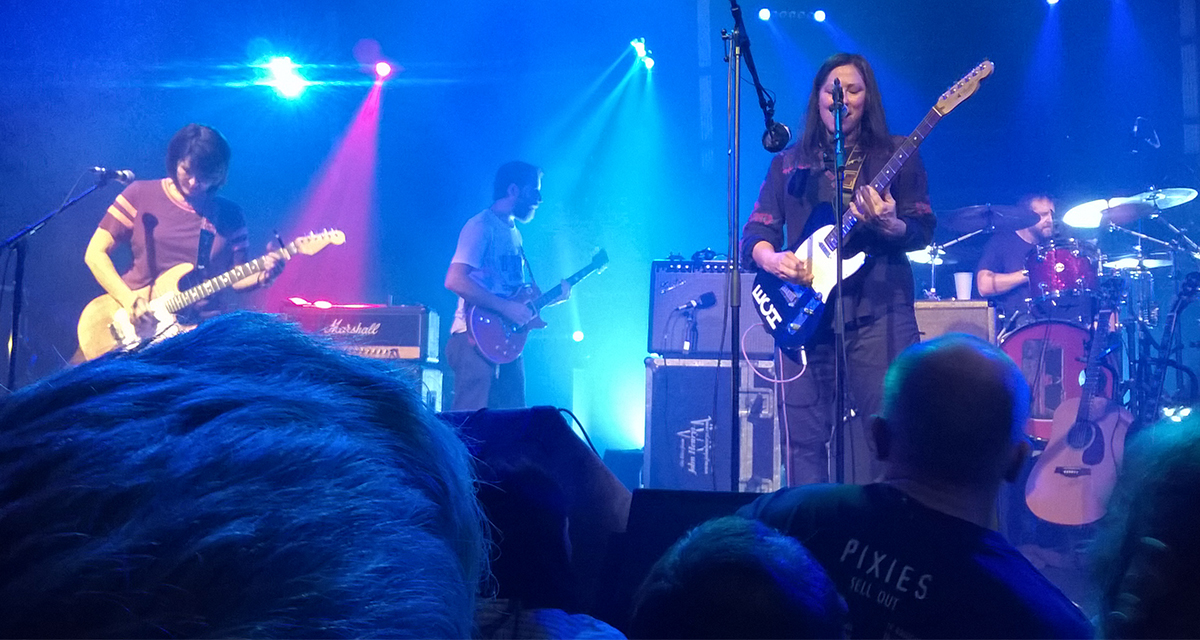
Everyone loves Pixies, but studied listeners know that Dayton resident Kim Deal’s The Breeders are the better band. Started initially as a side project while Deal devoted the majority of her time slinging bass and vocals for Pixies, The Breeders quickly rose to a prominence worthy of matching the latter’s. Incorporating Deal’s twin sister Kelley as well as a revolving door of players featuring members of Fear, Slint, and The Perfect Disaster, the band essentially serves as a ‘90s alt-rock supergroup depending on the era you are perusing. Kurt Cobain once listed ‘Pod’ as one of his favorite albums, and he was right to do so. That shit rips.
Defiance, Ohio
Photo by Thomas Moran
Florida has their Against Me! and Ohio has their Defiance, Ohio. Initially formed as a three-piece in Columbus, and stealing their name from a small town in the northern part of the state, the group quickly became legends in the folk-punk scene. Their DIY ethic and anti-capitalistic lyrical themes were so strongly incorporated, the band famously found themselves having to explain their actions after deciding to allow famed indie label, No Idea Records, to release their second album ‘The Great Depression.’ That’s right, not only does Ohio actually exist, but its folk-punk scene also runs on clout.
Cloud Nothings
Photo by digboston
Started as one in a lengthy series of fake bands created by Cleveland local, wunderkind, and lead singer/songwriter Dylan Baldi, Cloud Nothings quickly rose to prominence by infusing elements of indie and pop-punk with the sounds of their home city’s hardcore scene. Combined, those influences craft a heavy as fuck sound without sacrificing that sweet Midwestern charm their home state is known for. Imagine the Strokes as a post-hardcore band that for some reason was tasked with performing a gig at the Gates of Hell, and you’ll be in the ballpark.
Dead Boys
Among the first wave of punk acts to emerge in the late ‘70s, Dead Boys from Cleveland made their mark as one of the most chaotic and violent groups of the fledgling genre. Not unlike the multitude of Ohio residents who have never left their hometowns, the original iteration of the band would ultimately fall apart after releasing only two albums. An event equating to an unfortunate waste of a mountain of potential. Still their influence and legacy lives on, spawning sporadic reunions as a fresh lineup has been teasing new music since 2017.
Lung
Have you ever wondered what System Of A Down would sound like if they consisted of just a cello player and a drummer? Quit dreaming and listen to Cincinnati’s very own Lung. Performing as just a two-piece, the band manages to craft a lush and chaotic sound thanks to Kate Wakefield’s shredding effects-driven cello and operatic voice. Drummer Daisy Caplan holds down the fort with thudding dramatic beats. Together they make a racket so righteous you’d think they were from a respectable state.
The Afghan Whigs
Photo by Greg Neate
Hailing from Cincinnati, The Afghan Whigs hold the honor of being the second-ever non-PNW-based band to be signed to Sub Pop Records. How’s that for boring old Ohio? The band blends elements of grunge, R&B, and punk to form a vehicle for lead singer Greg Dulli dark and professorial lyrics. That’s not to say you need an English Degree from UC to understand their output, but they are certainly not for casual listeners like our standard uneducated readers.
Nine Inch Nails
Genre-bending pioneers and horndog legends Nine Inch Nails originated as the brainchild of Cleveland’s Trent Reznor. Despite Ohio’s legacy of agricultural innovation, Nine Inch Nails is largely responsible for popularizing and propelling Industrial Rock into the mainstream, though you would be apt to not mention that in front of Reznor or a farmer. The next time you listen to ‘Closer’ alone in your car like a depraved psychopath, consider how truly challenging it must have been for Trent to overcome such instilled Midwestern reservation to deliver the sex jam of the century.
Mushroomhead
A full two years before the masked metal band Slipknot emerged, Mushroomhead was already ahead of the curve regarding their costumed concept. In fact, the commonalities between the bands coupled with the suspected plagiarism committed by Slipknot lead to a chaotic feud that erupted in a violent 1999 tour-stop in Mushroomhead’s hometown of Cleveland, OH. As Slipknot took the stage, a horde of angry concertgoers began pelting the band with anything they could get their hands on, including (allegedly) a padlock that struck bassist Paul Dedrick Gray square in the face. All of this is apparently water under the bridge as each band claims fandom of the other, but one thing remains clear: Don’t fuck with Cleveland or you’ll get the padlock.
All Dogs
Columbus’s All Dogs formed as a bit of a supergroup featuring members of local legends, Delay, Saintseneca, and Slaughter Beach, Dog. Their sugary hooks mixed with their vulnerable lyricism made their debut album, ‘Kicking Every Day,’ an instant hit among those yearning for the next pop-punk explosion. While the band would essentially disappear for eight years after that review, rumblings in their camp have suggested a comeback may be on the horizon.
The National
You don’t have to be a divorced middle-aged Dad to thoroughly enjoy The National, but it helps. Though technically formed in Brooklyn, New York circa 1999, the original lineup of the band was comprised entirely of members that claim Cincinnati as their home base. Since Brooklyn already has enough bands, we likely won’t get too much pushback here by rightfully claiming them for the Buckeye State. With captivating lyrics and delicately produced backbeats, The National remains one of the most revered contemporary alt-rock bands among very sad Midwesterners, and likely will for years to come.
Hawthorne Heights
This one is probably pretty obvious considering their massively popular and genre-defying single “Ohio Is For Lovers.” While Hawthorne Heights in no way invented or pioneered Midwestern Emo, we want to give Ohio a win here and fill our comment section with inflammatory retorts, so we’ll just go ahead and say it: Emo music did not exist until Hawthorne Heights released ‘The Silence In Black In White,’ making Ohio not just the birthplace for modern Emo, but the entire genre as a whole.
In the years prior to 1983 (give or take), many fans of hard rock and heavy metal were trapped with the ultimate crisis: the need for a genre of music that combined the edge and crushing riffs of the NWOBHM movement, Judas Priest and Motorhead, and the ferocity and attitude that comes with punk/hardcore music. Heshers all over the world were chomping at the bit for the heaviest bands, then bands heavier than that, then heavier than even that etc.
Without a doubt this was the biggest crisis the world faced during the 1980s, the solution came along in the early part of the decade, and heavy music was never the same. I’m talking about the birth of blistering, neck-breaking, beer swilling, cut-off-the-sleeves-of-every-piece-of-clothing -I-own thrash metal.
Call it thrash, call it speed, call it whatever you please. No matter what you call it, we can agree that it was the opposition to all those lame glam bands of the era that were tarnishing the name of metal, so therefore a list of the best thrash songs of the decade is in store.
Note: This list may cause neck injury, bangovers, and the defacing of thrift store denim jackets.
50. Znöwhite “Baptized by Fire”
We start this list off with Chicago thrash legends Znöwhite. Yeah, the album cover to “Act of God” is atrocious, but if the phrase “don’t judge an album by how fucking dumb it’s cover is” was ever true, it’s with this one.
49. Demolition Hammer “Infectious Hospital Waste”
A metal song about gross hospital garbage floating in the sea. Sounds pretty fucking heavy, right?
48. Toxik “Social Overload”
Toxik are one of those thrash bands from this era that aren’t known very well, but pretty much check all the boxes. Socially conscious lyrics? Check. Roadrunner/Roadracer records? Check. Ed Repka cover art? Check. Check them out.
47. Evildead “Annihilation of Civilization”
Oh look, more Ed Repka art! Named after the classic film “The Evil Dead,” Evildead are a classic band in their own right, but not quite on the same level as the film. Basically what I’m saying is: this album could use more chainsaws, but still worthy of this last overall.
46. Opprobrium (Incubus) “Voices From the Grave”
Before they changed their name, Opprobrium went by the name of Incubus. Imagine looking for a copy of “Serpent Temptation” in a record shop and only seeing copies of “Make Yourself.” The world can be so cruel.
45. Artillery “The Almighty”
Giant bombs + lightning fast riffs + cartoon guy holding a big ass gun on the cover = Danish thrash metal perfection!
44. Vectom “Too Fast for Hell”
Anyone can be “Too Fast for Love,” but only Vectom can be “Too Fast for Hell.” Is there a speed limit in hell? Are there “Slow Demons at Play” road signs? Who knows….
43. Nasty Savage “Metal Knights”
Nasty Savage are one of those bands who gets lumped in with the thrash genre, but one could certainly argue against it. But one thing everyone can agree on is this: smashing a TV over your head on stage is about as metal as it gets.
42. Onslaught “Thrash Till the Death”
Onslaught are one of the few thrash bands to emerge out of Britain and one of the many bands to have a song based on thrashing yourself to death. It’s almost like thrash bands of the ‘80s were trying to convince their fans to kill themselves with their preferred music choice. What a concept!
41. Death Angel “Evil Priest”
With their drummer only being 14, and the rest of the band all being 20 years old at the time, “The Ultra-Violence” is basically Kidz Bop goes metal before Kidz Bop was a thing.
40. Forbidden “Step by Step”
Okay, so this one is technically 1990, but it has ‘80s thrash written all over it and technically it’s the 10th year of the ‘80s because we didn’t start counting at 0. Plus it’s entitled “Step by Step” and contains no Patrick Duffy, so that’s another plus.
39. Anthrax “Metal Thrashing Mad”
This song was released when Anthrax didn’t look so happy when they played. But surely they became more respectable as time went on…..NOT.
38. Tankard “(Empty) Tankard”
Oh no! Tankard’s tankard is empty! Germans love their thrash just as much as their beer, and Tankard does a fine job of combining the two. A total anthem for any metalhead who has had to scrub crusted vomit off their denim vest from the night before.
37. Whiplash “Power Thrashing Death”
Another vicious thrash assault released on Roadrunner Records. If your brain doesn’t feel like the bean-headed guy in the robot’s grip on the cover after listening to this song, then you’re doing it wrong.
36. Dark Angel “Hunger of the Undead”
Dark Angel are the very definition of how vicious thrash metal could get. That viciousness is pretty much summed up in this one song, and you can almost feel yourself being ripped apart by the undead as you listen to it. Ouch.
35. Sacrifice “Burned at the Stake”
Who said all Canadians were nice? Maybe the members of Sacrifice are, I’ve never met them. But this song, or the whole album for that matter, certainly is not “nice.” It’s one of the more stripped-down, vicious thrash metal albums of the ‘80s.
34. Coroner “Masked Jackal”
Coroner is a technical thrash band that doesn’t get too techy to the point of being boring. There are a few bands I can think of that missed this list that fall under that category, but this is a list of best thrash metal songs, and metal fans have always been respectful to bands they don’t like.
33. Bulldozer “Cut Throat”
Italian speed metal at its absolute finest. The singer looks a bit like a “Flash Gordon” villain, but that doesn’t take much away from the greatness of this song or record. Perhaps it enhances the greatness, even.
32. Sacred Reich “Surf Nicaragua”
Sacred Reich are a bit hit-or-miss really, but they do have the title of being the only thrash metal band to be featured on the “Encino Man” soundtrack. And that’s something every band should aspire to.
31. Warrant “The Enforcer”
More German speed! Yes, the German Warrant, not that other band with the same name. Come to think of it, that happens a lot in metal, huh? Anyways, blast this, stay clear of that.
 Somewhere between art rock and screamo lived Angel Hair. They were an awesomely weird band and the fact that they were from hippie-ass Boulder and not the screamo headquarters of San Diego makes them even weirder and more awesomer.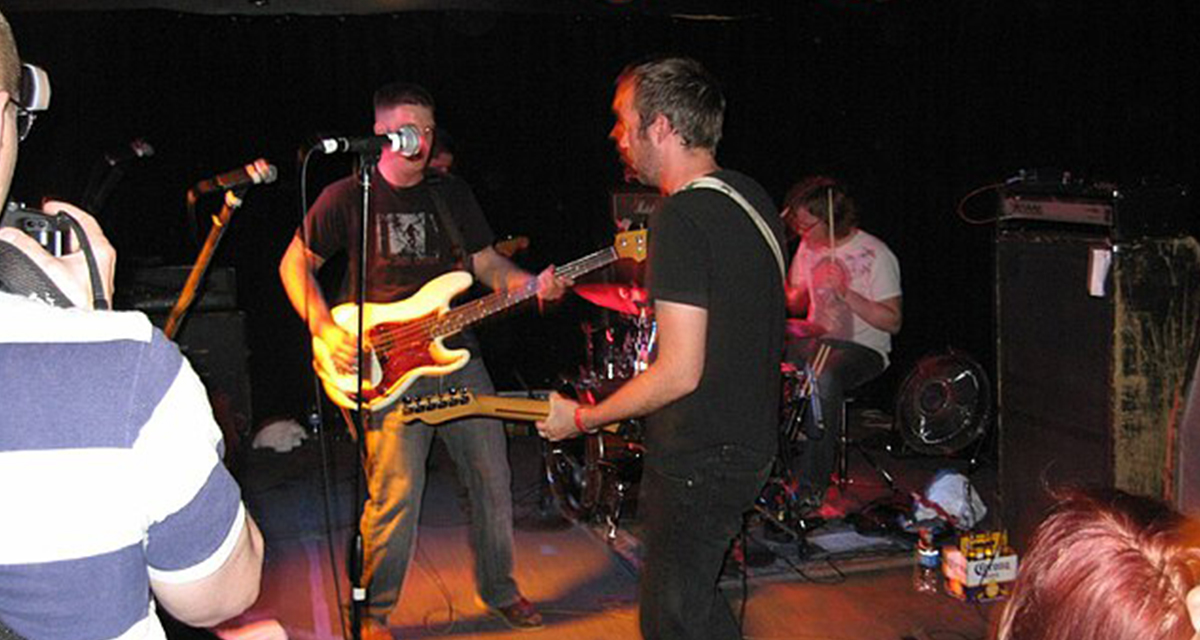
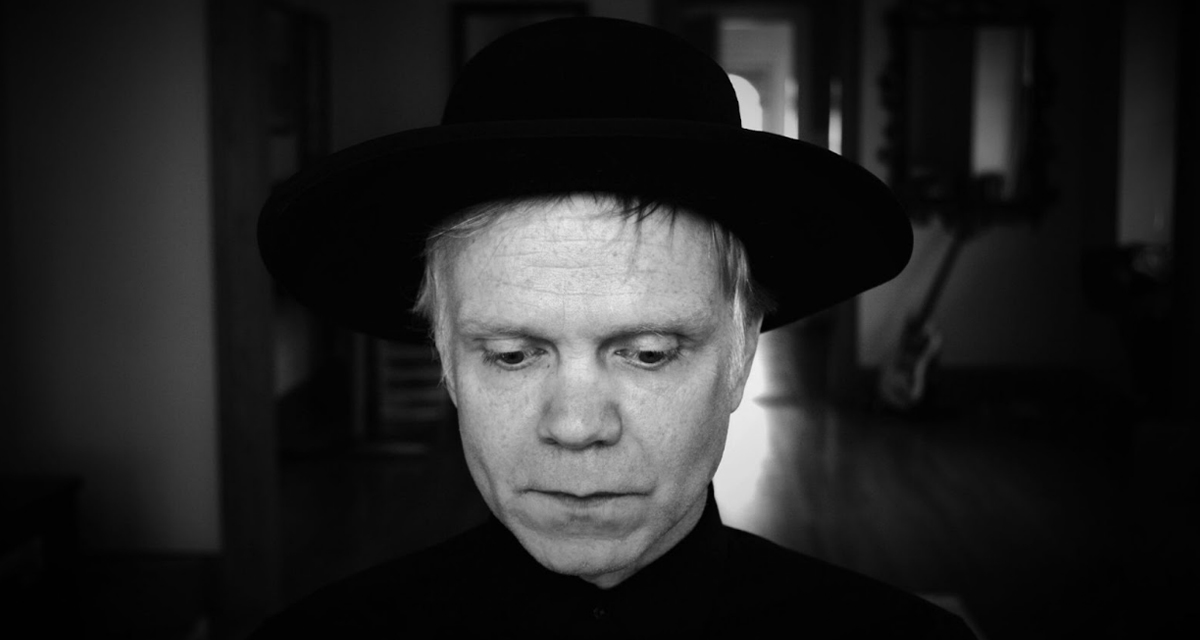 Duncan Barlow spent his youth in Louisville, Kentucky playing in quite a few notable hardcore bands like Endpoint, Guilt, and By The Grace Of God. But as an adult, he moved to Denver, got himself a fancy new hat, and began d.biddle fusing a type of alt-country with stringed instrumentation and emo.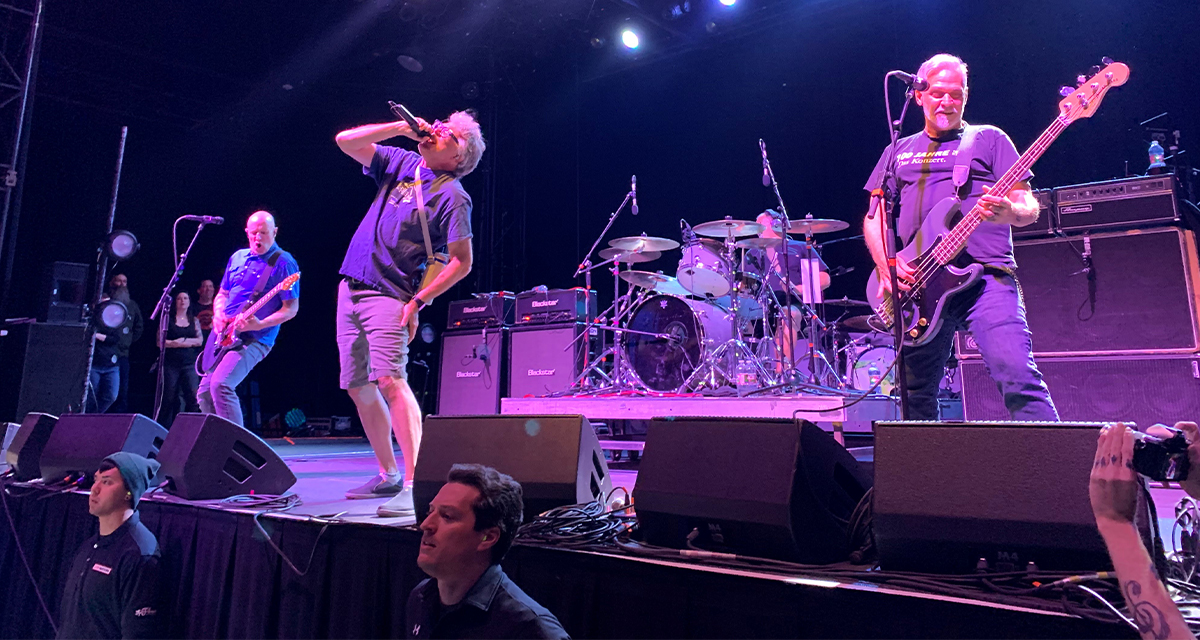
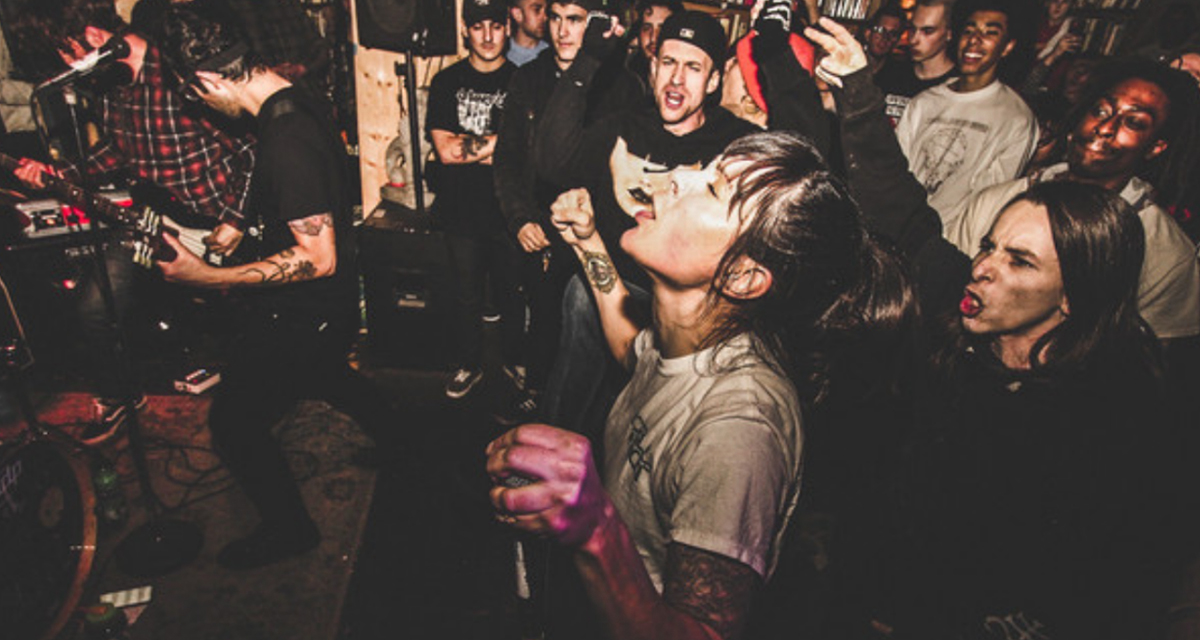 There have been a lot more female-fronted political hardcore bands lately. It’s almost as if on a daily basis our society slips further into a Handmaiden-esque dystopia which for some reason has made a number of women angry, go figure. Keeping the flames of the discontent burning is relative newcomers Faim. Their brand of raw, politically-charged hardcore serves as a soundtrack to smashing the fuck out of the patriarchy.
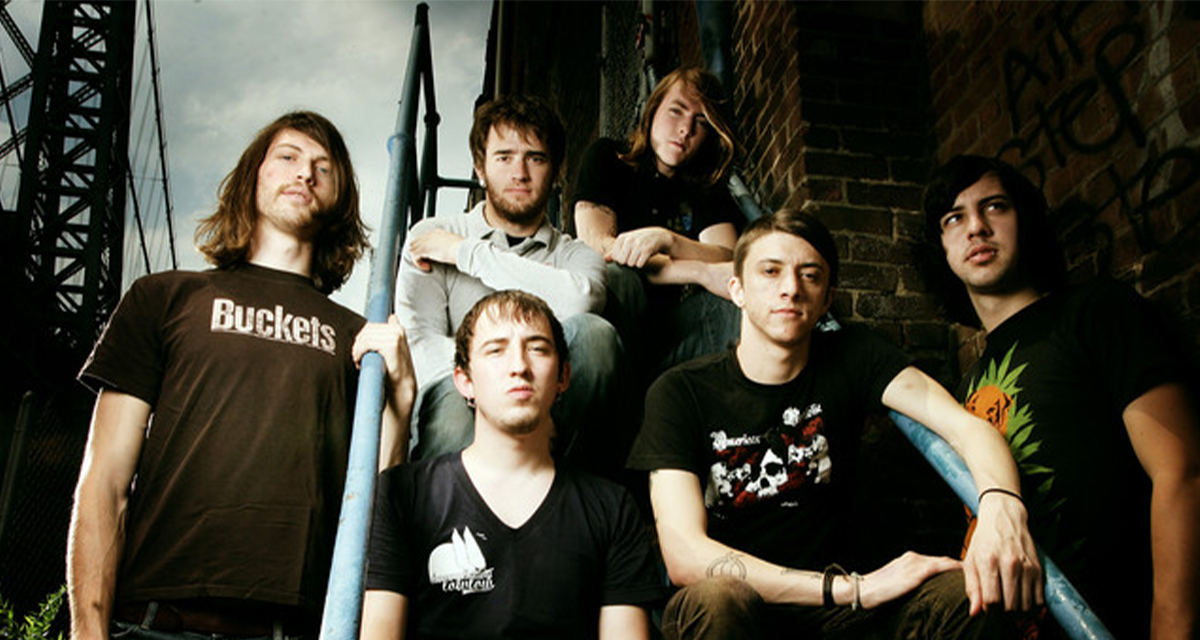 There came a time in the early 2000s when the math-y, hectic style of hardcore started to reach embarrassing lows (remember those fucking “crabcore” bands?) But there were some bands still holding it down and destroying stages and eardrums. Fear Before The March Of Flames was one of those bands.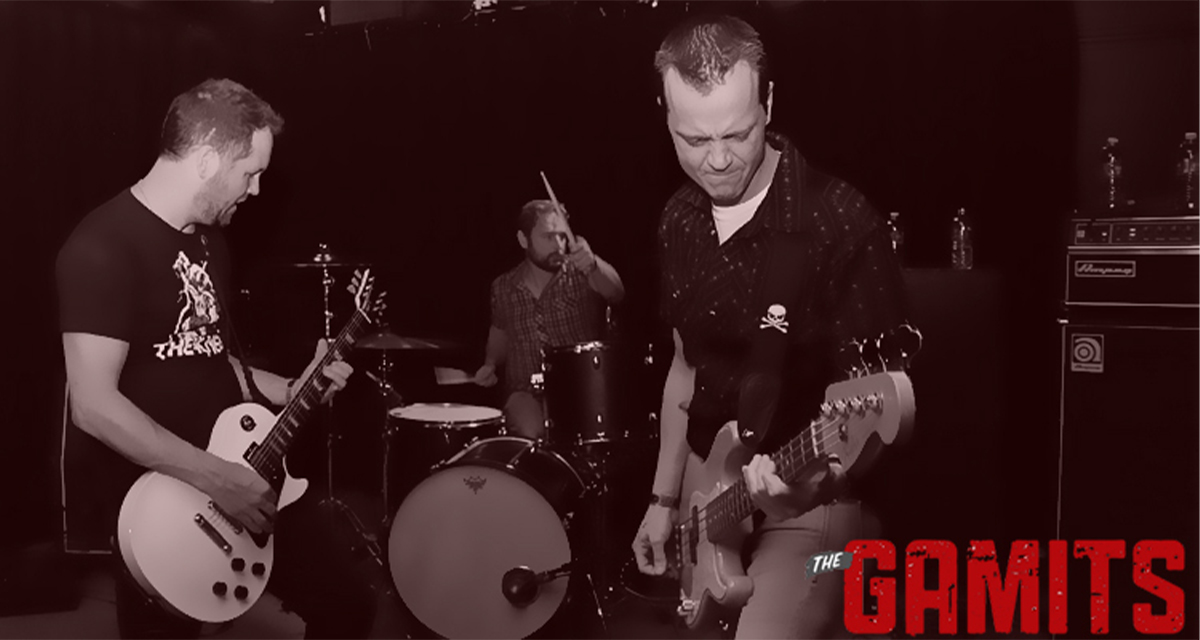
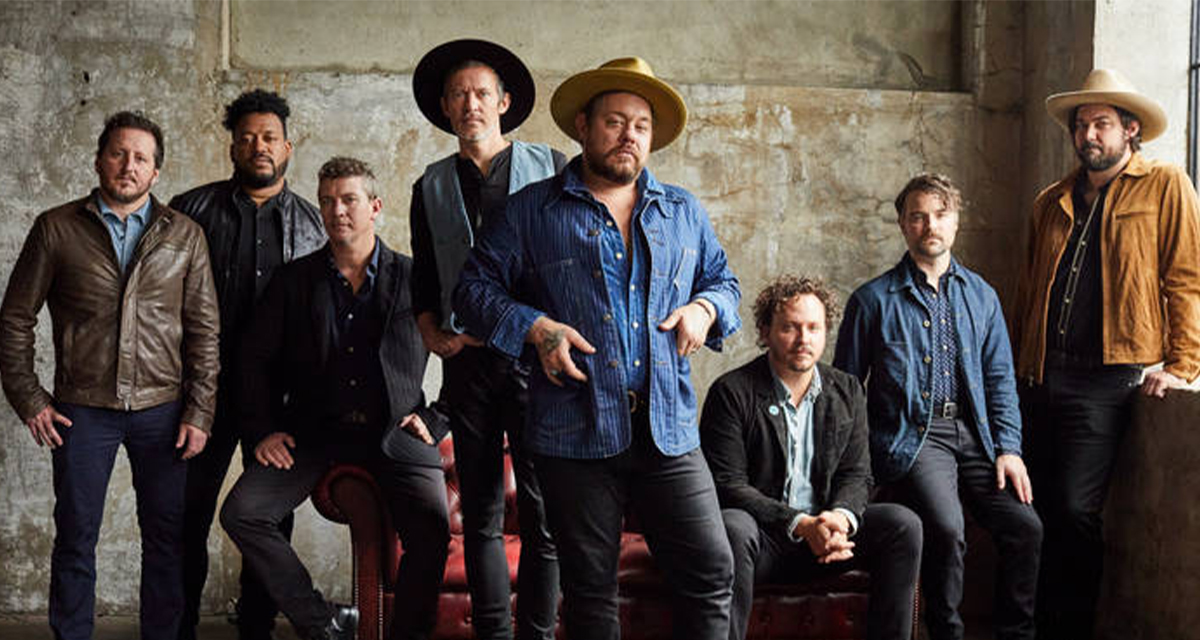 Probably the only band on this list your mom approves of. And while they may sound like a cross between Sam Cooke and the sound of a craft distillery opening, they have deep roots in the indie and punk scenes of Denver. We dare you not to toe-tap along to their denim-drenched jams.
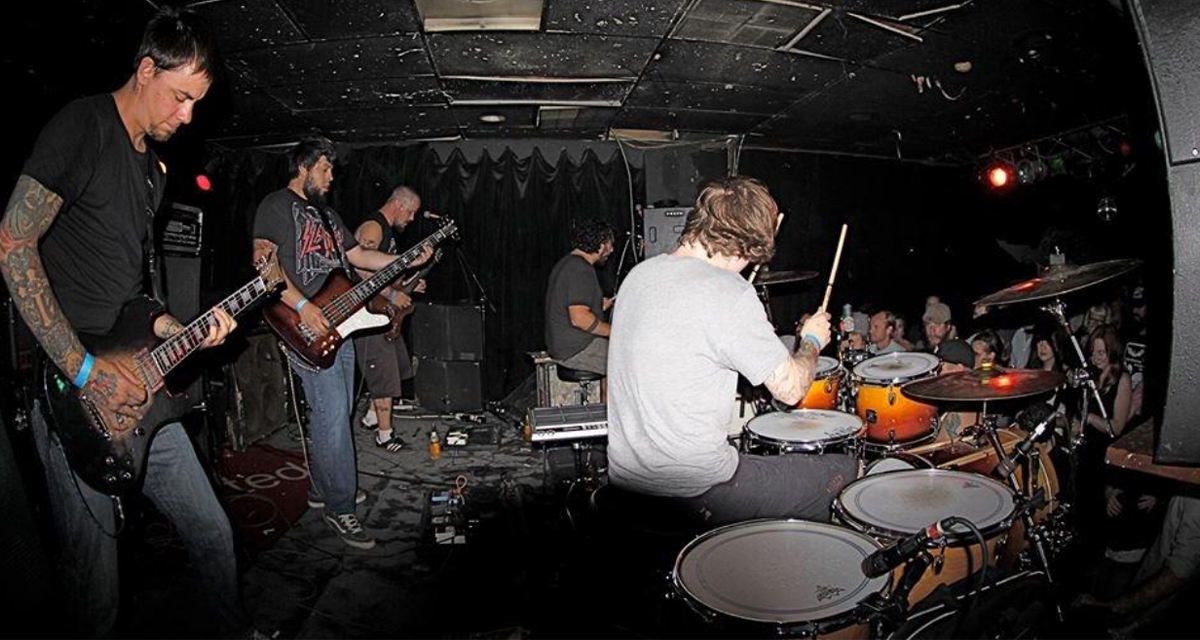 Not only do instrumental riff lords Native Daughters have not one, but two, drummers, both drummers play upfront live. They do a post-metal style much in the vein of Pelican and Isis but with the percussive elements taking literal center stage.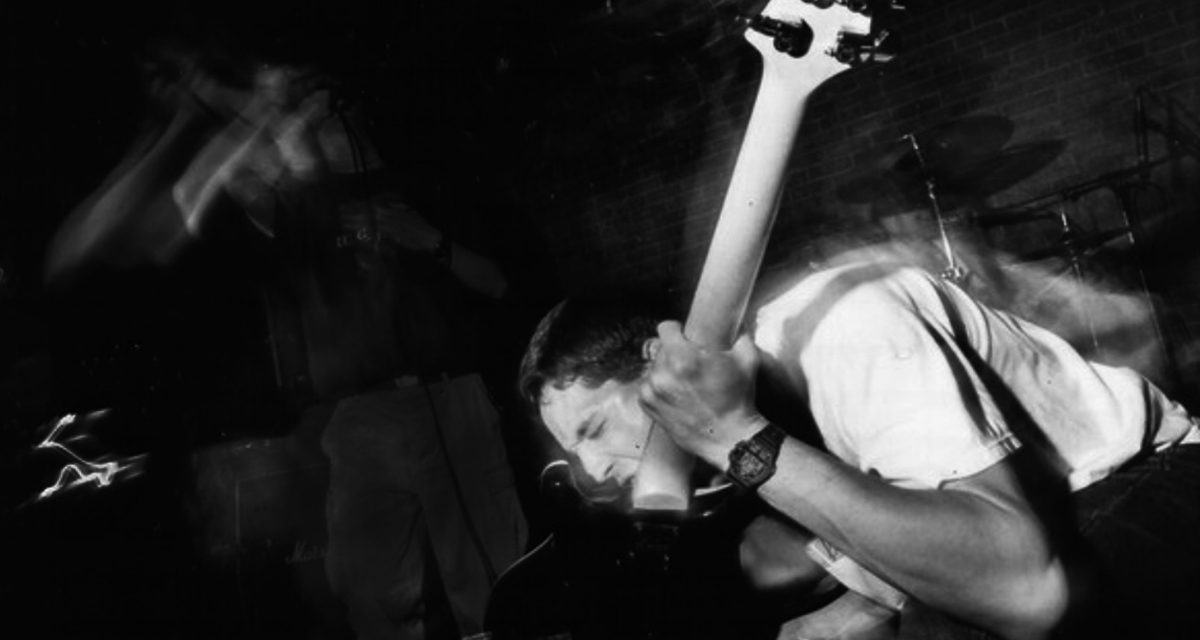
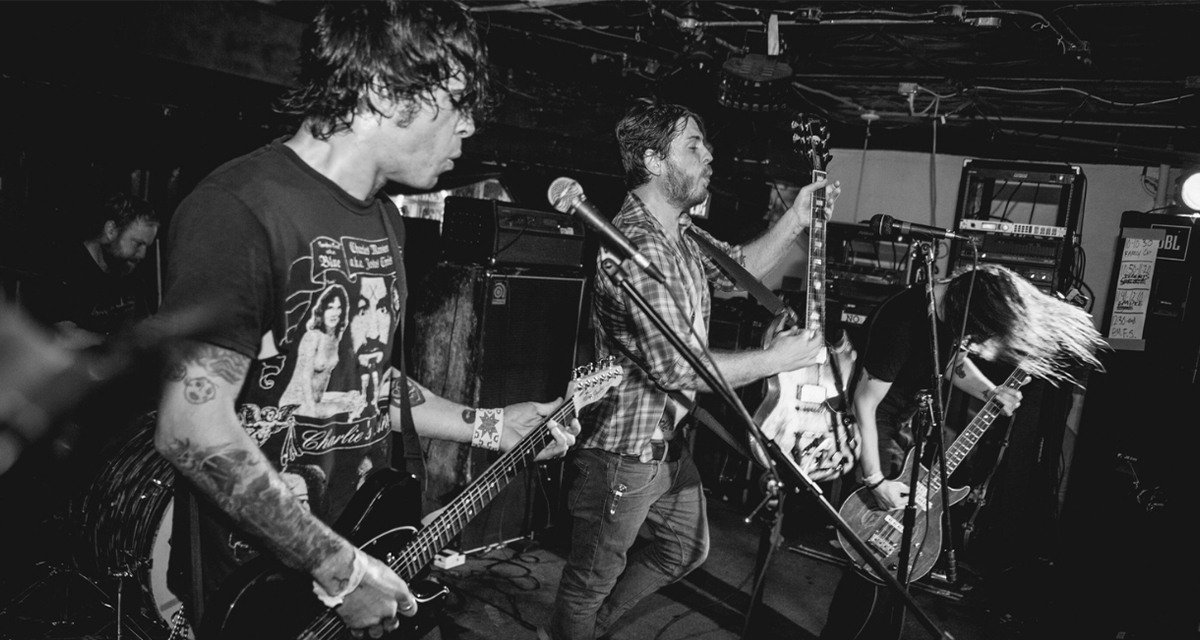 Oh look, yet another Colorado band that made our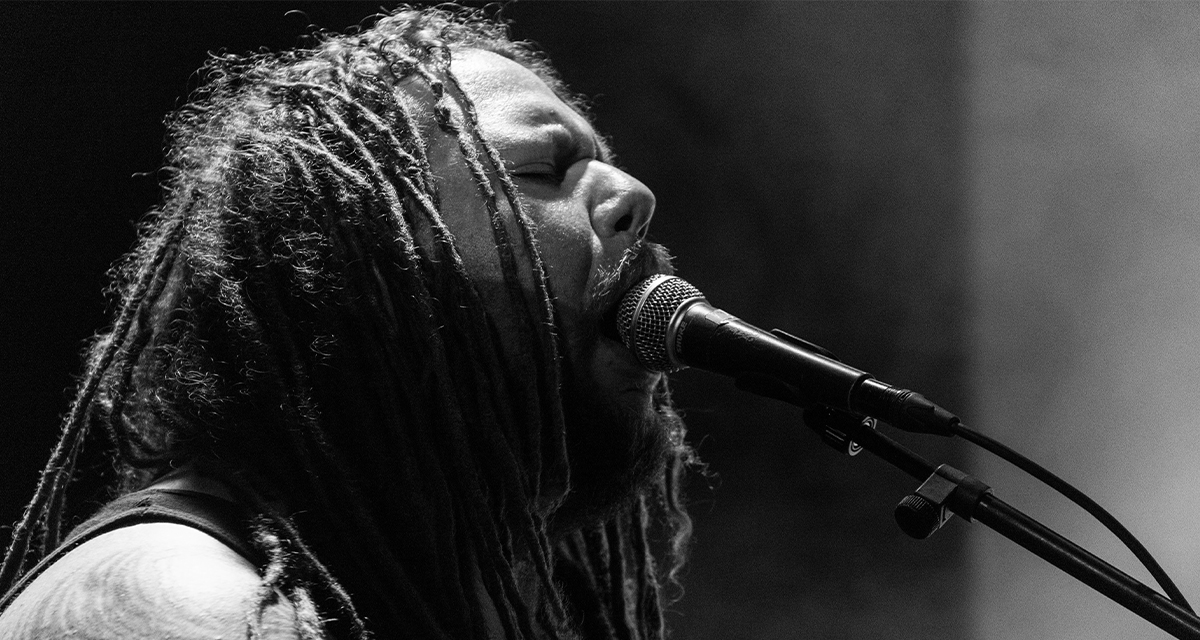
 Even though their name might make them seem like a juvenile pop-punk band with songs about farting on your mom or whatever, this three-piece from Boulder was pretty serious. Their driving melodic guitar riffs coupled with Aaron Hobbs’ distinctive voice made them stand out from the other emo-tinged bands of the time. Two of the members would later form the more austerely named Acrobat Down.
 The hardcore world was first introduced to Haley Helmericks with her backing vocals on Open Hand’s “Tough Girl.” She would later bring her deep atmospheric voice to form the dark-wave-infused Snake Rattle Rattle Snake and much like the actual rattlesnakes of the Colorado landscape, SRRS’ music feels like it could attack if you fuck with it too much.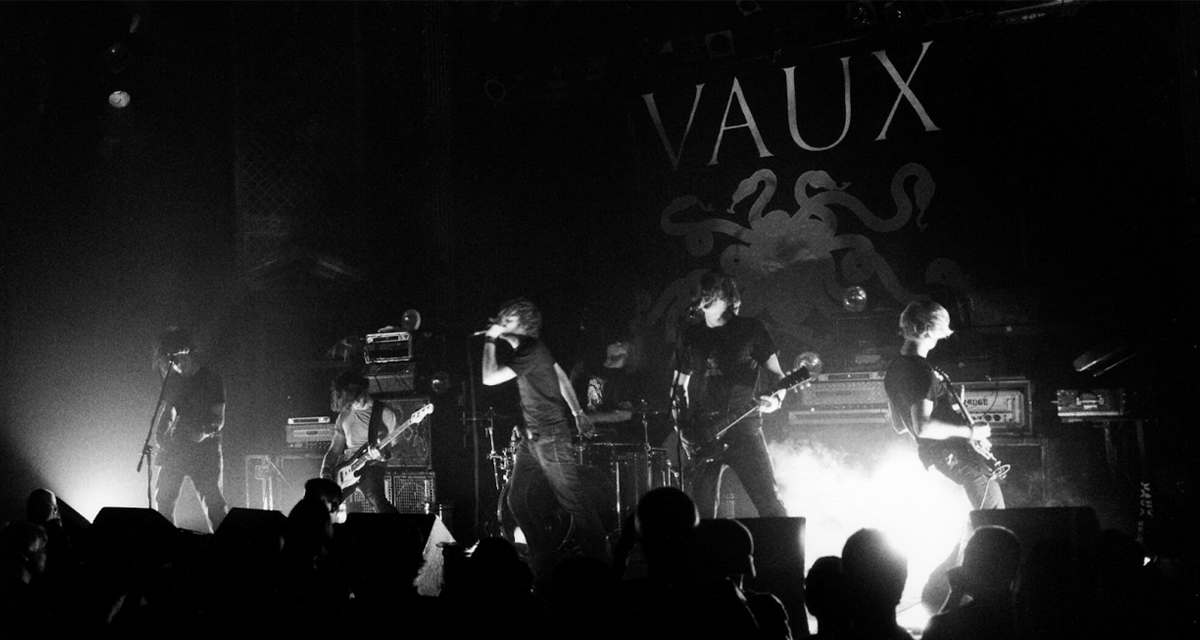



 While “Dawn of the Dead” is probably the best of the Romero zombie movies, “Day of the Dead” serves as a meditation on how different personality types deal with the end of the world, and how none of that matters because the military is a bunch of dickheads.
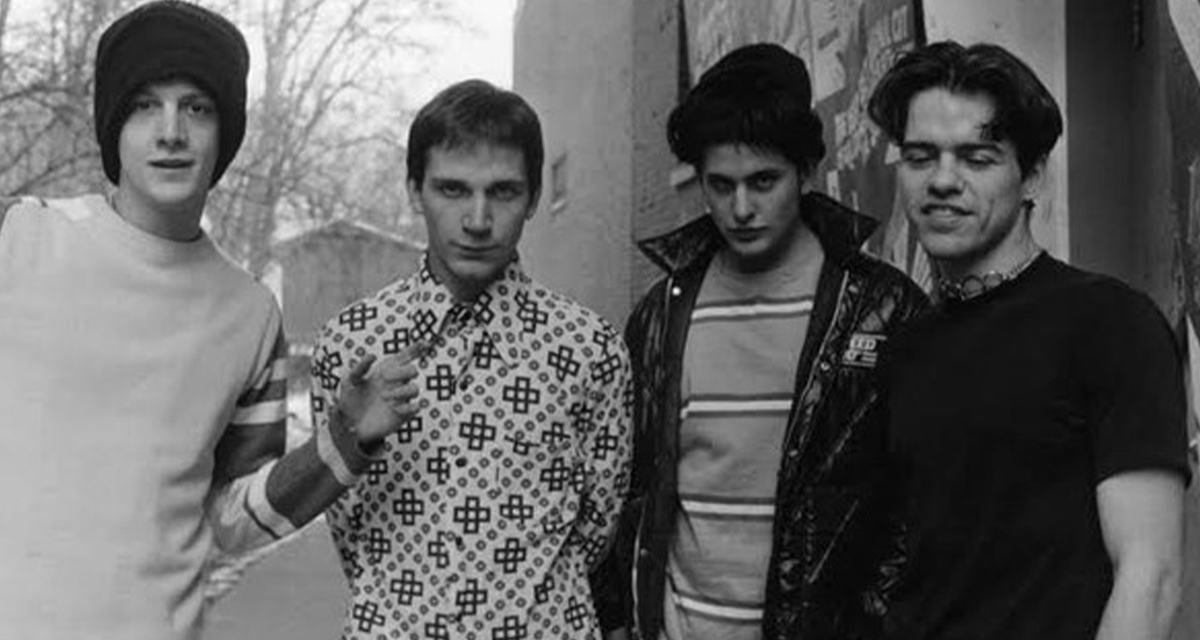 Dayton may be the ‘Birthplace of Aviation,’ but no one really cares about that anymore. Arguably more exciting is the fact that Dayton is the birthplace of Brainiac (or 3RAN1AC if you want to be a dick about it). Before their five-year run was cut tragically short by the untimely death of lead singer, Tim Taylor, they pushed the envelope on nearly every subgenre of punk and hardcore in existence. The band’s out-of-control sound has been cited to have influenced countless bands including, but not limited to; Nine Inch Nails, The Mars Volta, The Blood Brothers, and somehow even Muse (when they were good, we assume).
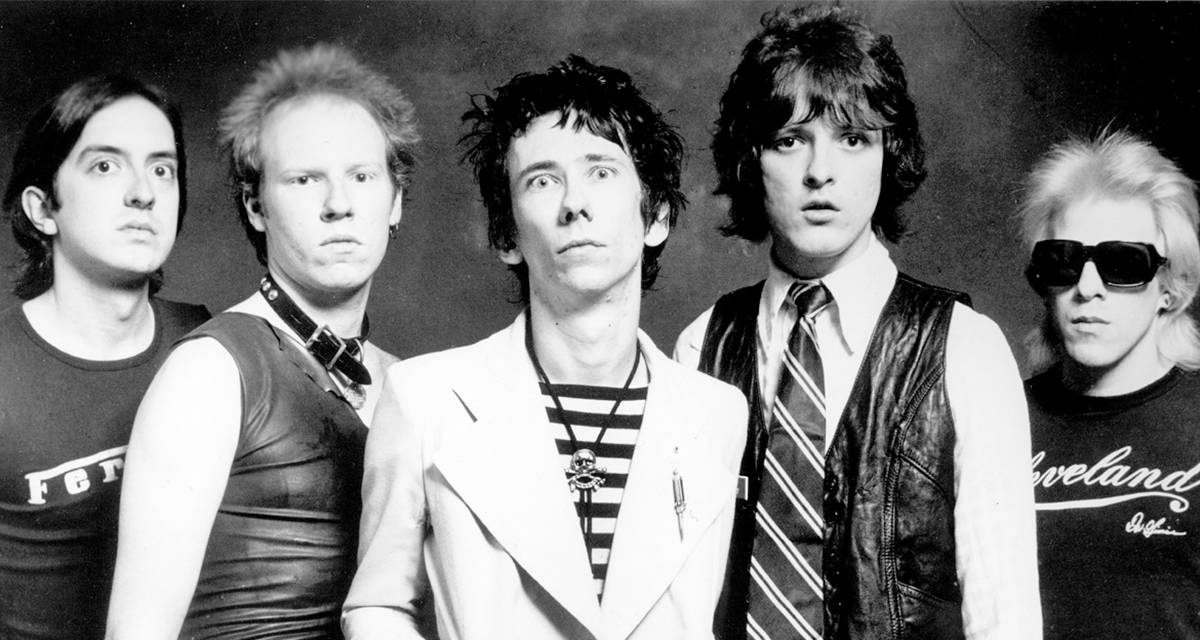 Among the first wave of punk acts to emerge in the late ‘70s, Dead Boys from Cleveland made their mark as one of the most chaotic and violent groups of the fledgling genre. Not unlike the multitude of Ohio residents who have never left their hometowns, the original iteration of the band would ultimately fall apart after releasing only two albums. An event equating to an unfortunate waste of a mountain of potential. Still their influence and legacy lives on, spawning sporadic reunions as a fresh lineup has been teasing new music since 2017.
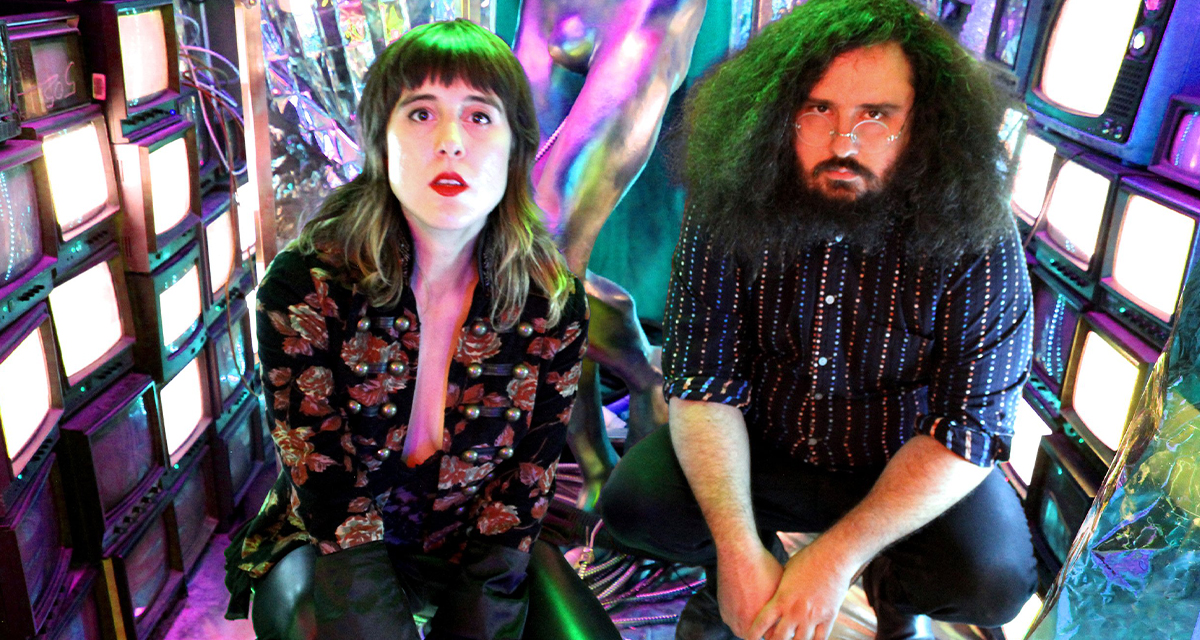 Have you ever wondered what System Of A Down would sound like if they consisted of just a cello player and a drummer? Quit dreaming and listen to Cincinnati’s very own Lung. Performing as just a two-piece, the band manages to craft a lush and chaotic sound thanks to Kate Wakefield’s shredding effects-driven cello and operatic voice. Drummer Daisy Caplan holds down the fort with thudding dramatic beats. Together they make a racket so righteous you’d think they were from a respectable state.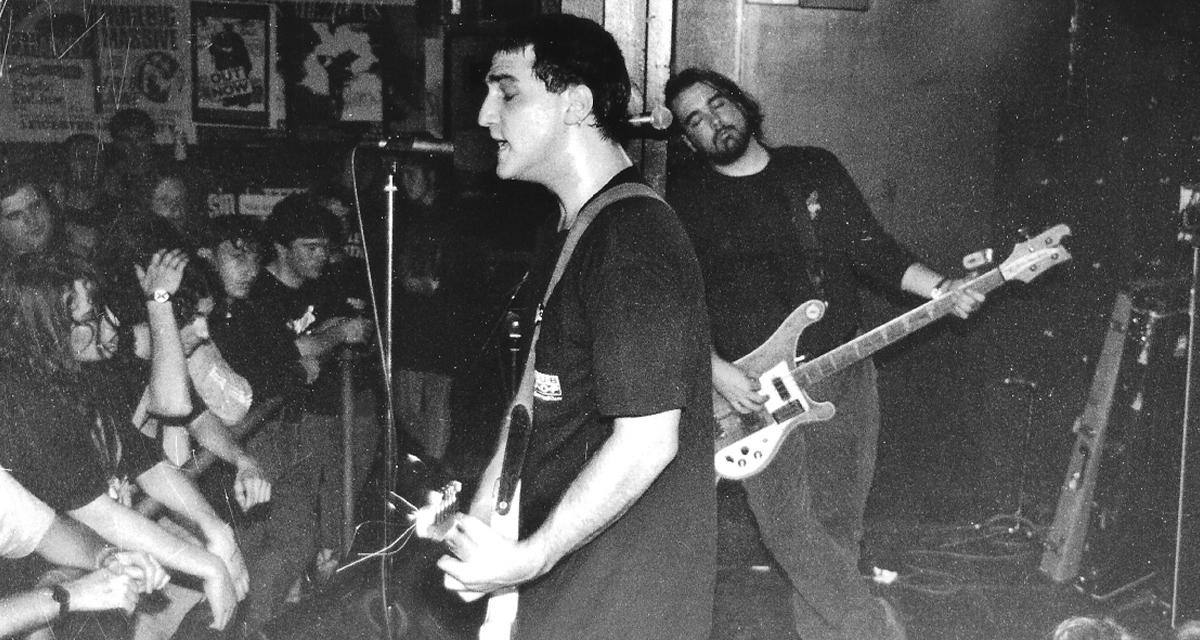
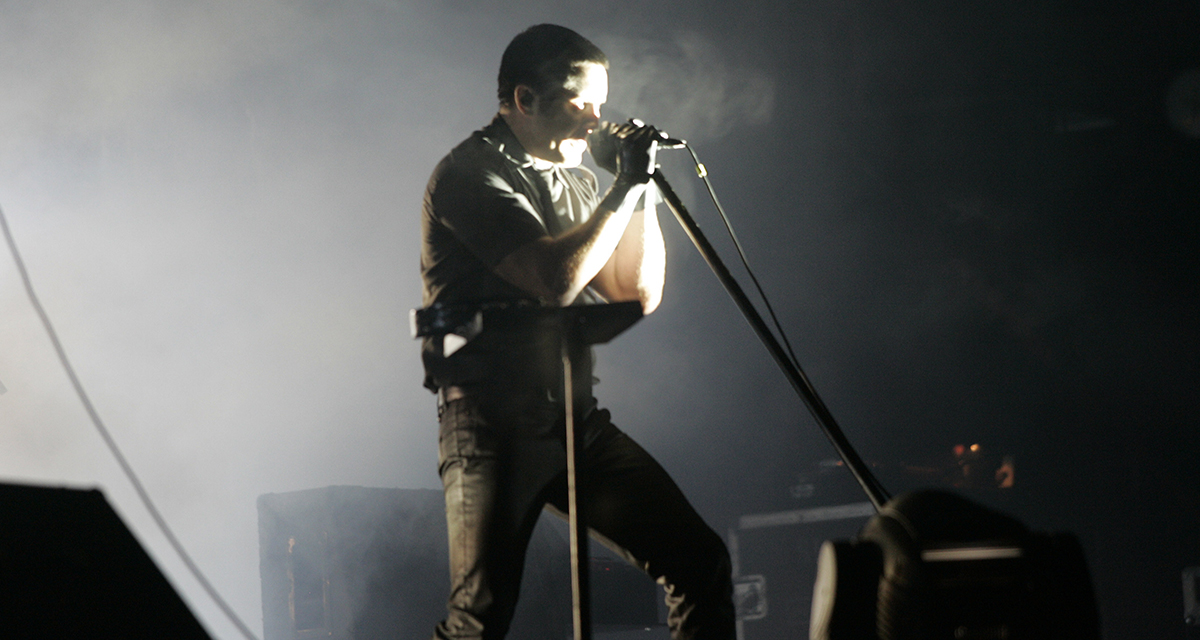 Genre-bending pioneers and horndog legends Nine Inch Nails originated as the brainchild of Cleveland’s Trent Reznor. Despite Ohio’s legacy of agricultural innovation, Nine Inch Nails is largely responsible for popularizing and propelling Industrial Rock into the mainstream, though you would be apt to not mention that in front of Reznor or a farmer. The next time you listen to ‘Closer’ alone in your car like a depraved psychopath, consider how truly challenging it must have been for Trent to overcome such instilled Midwestern reservation to deliver the sex jam of the century.
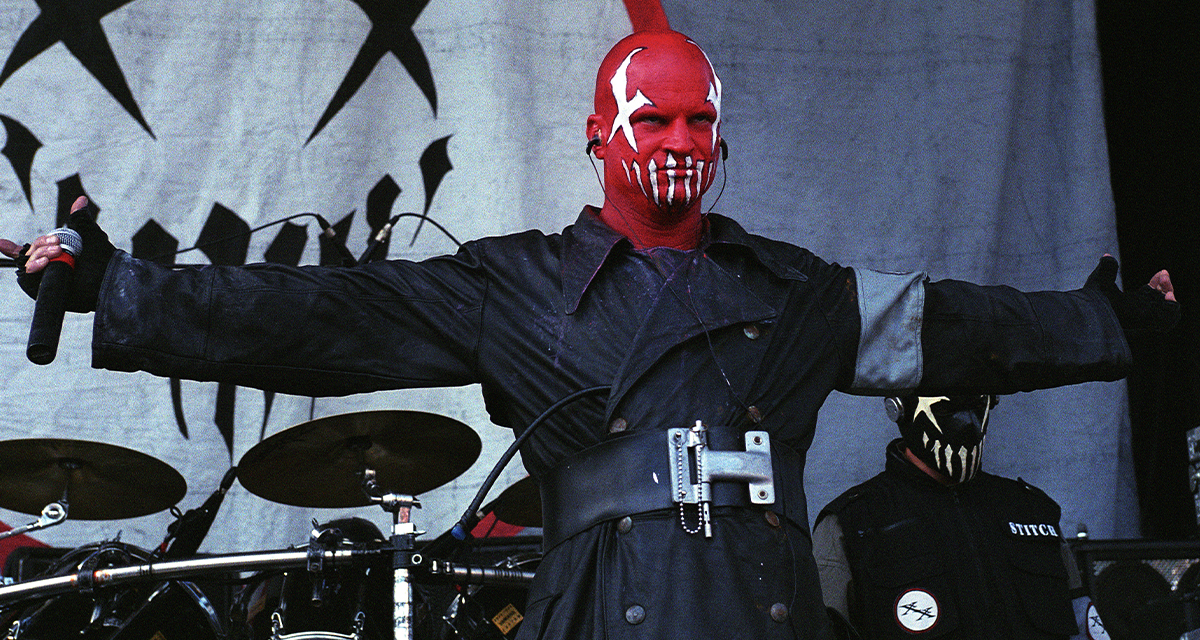 A full two years before the masked metal band Slipknot emerged, Mushroomhead was already ahead of the curve regarding their costumed concept. In fact, the commonalities between the bands coupled with the suspected plagiarism committed by Slipknot lead to a chaotic feud that erupted in a violent 1999 tour-stop in Mushroomhead’s hometown of Cleveland, OH. As Slipknot took the stage, a horde of angry concertgoers began pelting the band with anything they could get their hands on, including (allegedly) a padlock that struck bassist Paul Dedrick Gray square in the face. All of this is apparently water under the bridge as each band claims fandom of the other, but one thing remains clear: Don’t fuck with Cleveland or you’ll get the padlock.
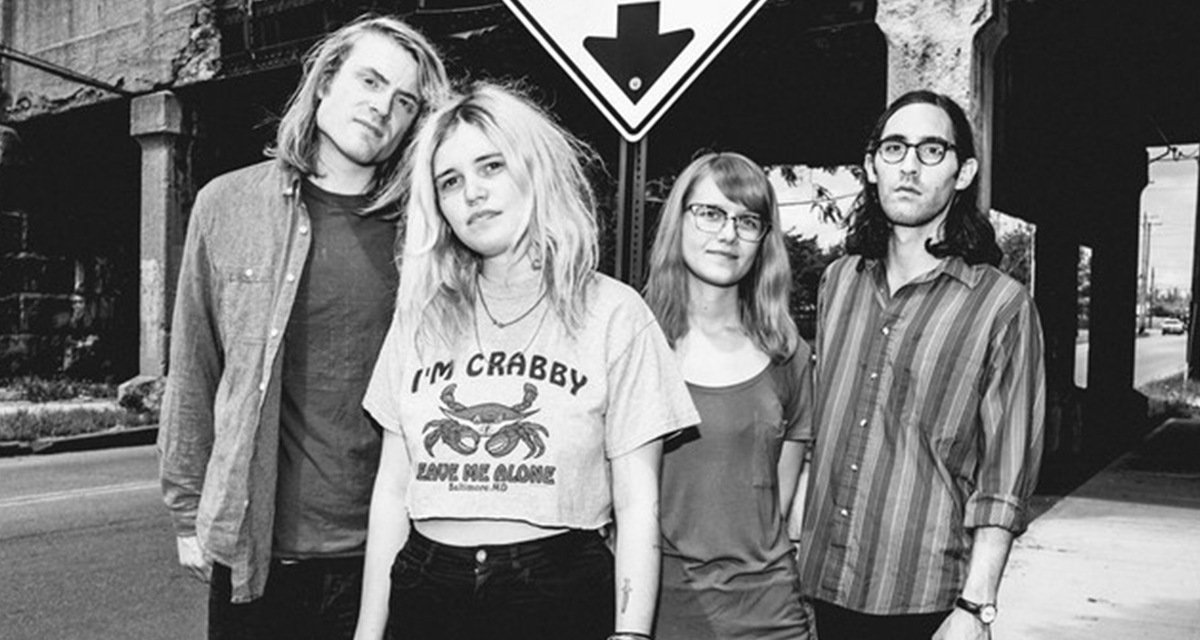 Columbus’s All Dogs formed as a bit of a supergroup featuring members of local legends, Delay, Saintseneca, and Slaughter Beach, Dog. Their sugary hooks mixed with their vulnerable lyricism made their debut album, ‘Kicking Every Day,’ an instant hit among those yearning for the next pop-punk explosion. While the band would essentially disappear for eight years after that review, rumblings in their camp have suggested a comeback may be on the horizon.
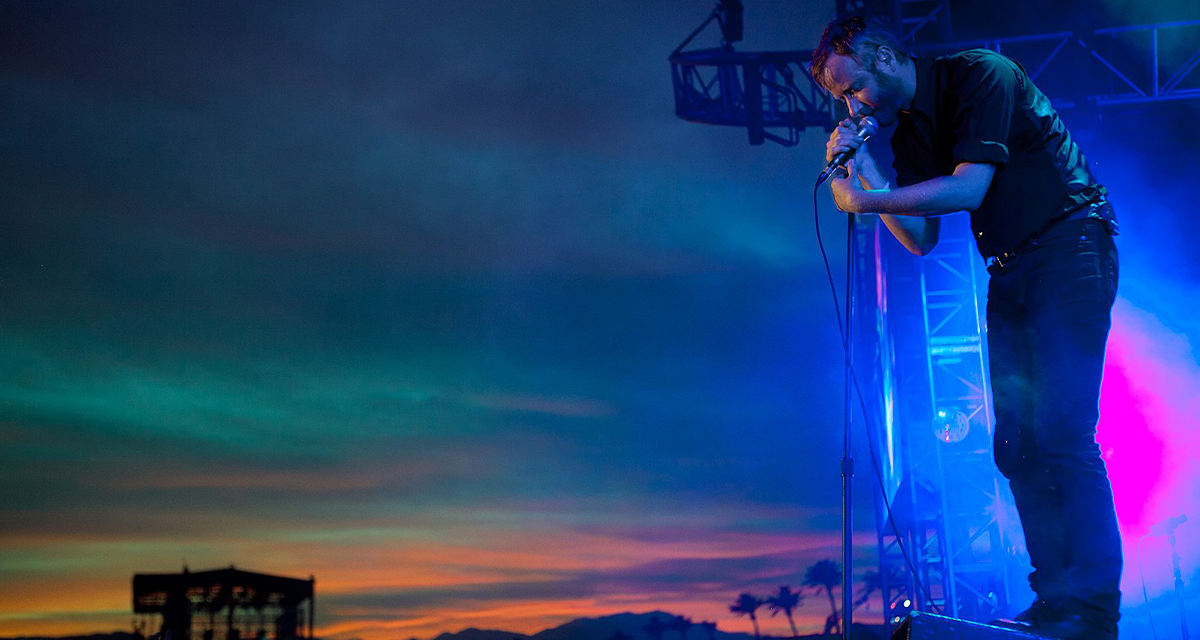 You don’t have to be a divorced middle-aged Dad to thoroughly enjoy The National, but it helps. Though technically formed in Brooklyn, New York circa 1999, the original lineup of the band was comprised entirely of members that claim Cincinnati as their home base. Since Brooklyn already has enough bands, we likely won’t get too much pushback here by rightfully claiming them for the Buckeye State. With captivating lyrics and delicately produced backbeats, The National remains one of the most revered contemporary alt-rock bands among very sad Midwesterners, and likely will for years to come.
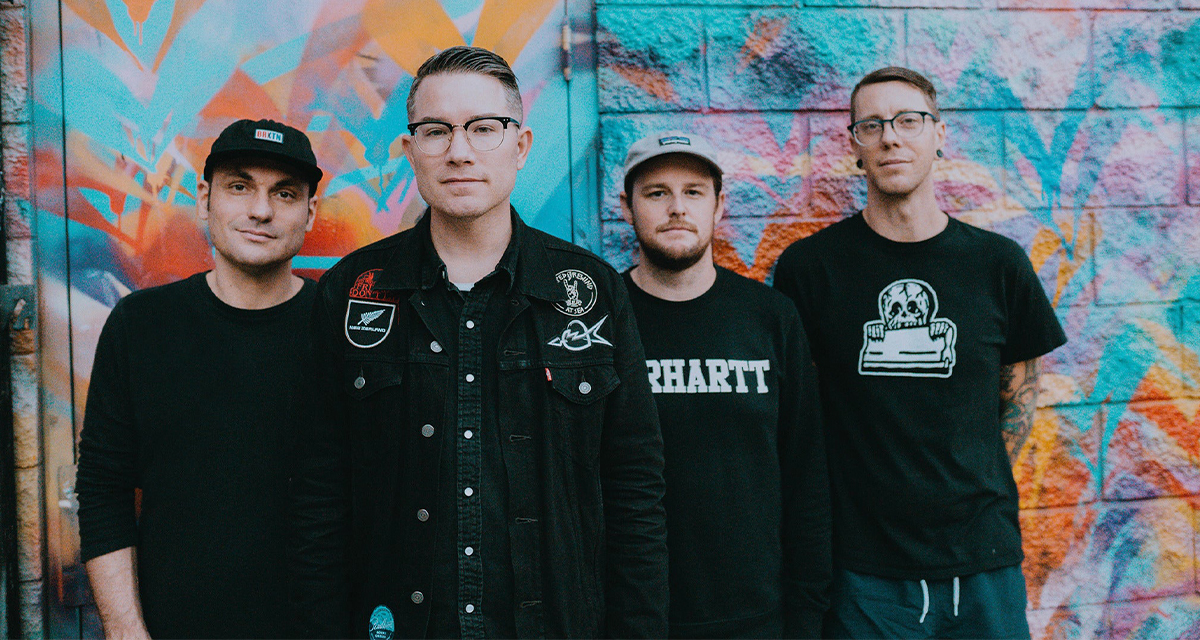 This one is probably pretty obvious considering their massively popular and genre-defying single “Ohio Is For Lovers.” While Hawthorne Heights in no way invented or pioneered Midwestern Emo, we want to give Ohio a win here and fill our comment section with inflammatory retorts, so we’ll just go ahead and say it: Emo music did not exist until Hawthorne Heights released ‘The Silence In Black In White,’ making Ohio not just the birthplace for modern Emo, but the entire genre as a whole.