You might not know this, but before they were part of Wings and the Plastic Ono Band, Paul McCartney and John Lennon had a group called—
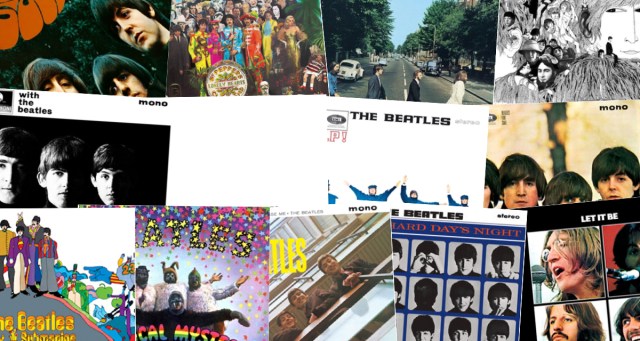
OK, you know what? We can’t even bring ourselves to do this cute little “Let’s pretend the Beatles are an obscure band!” thing we had planned. They’re inarguably the most influential and successful band in rock history. Not just in terms of music, though definitely that, but also in terms of fashion, language, cultural allusion, and the very notion of popular music as art. They have 13 studio albums, and we have ranked them in such a way that you will surely take no issue with.
13. Yellow Submarine (1969)
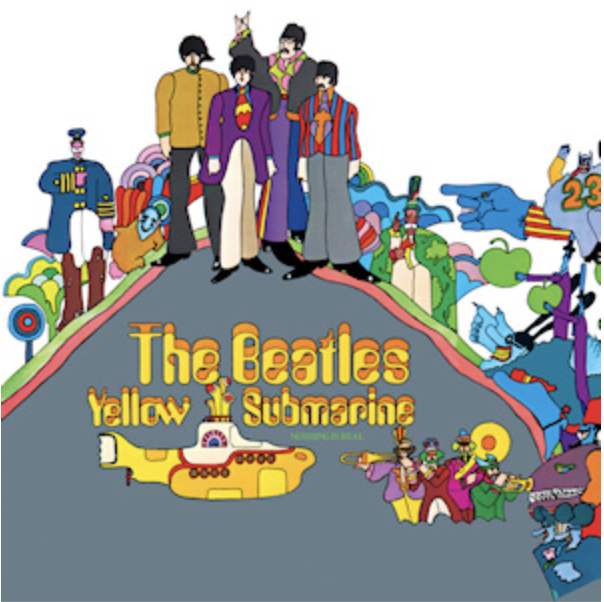
This album exists solely because of contractual obligations and it shows. It is very bad. Its one slightly redeeming song, “All You Need is Love” was irrevocably ruined by its use in the third-tackiest plotline in the 2003 rom-com “Love, Actually.”
Play It Again: Nothing, this album sucks
Skip it: All of it, this album sucks
12. Please Please Me (1963)

Now that “Yellow Submarine” is out of the way, we can focus on Beatles albums that matter, and we are already at the point where almost any ranking order would be fine, we guess, but also, we’re pretty sure no one’s picking this for #1. Their debut album has some classic singles like “Love Me Do” and the title track, both of which, despite being on an album that we’re ranking in the double-digits, easily outclassed quite a bit of other pop music being made in 1963. This thing kicks off with “I Saw Her Standing There,” which, despite the slightly creepy announcement that Paul is lusting after a 17-year-old, is a rock standard for very good reason.
Play It Again: Everything mentioned above, plus “Twist and Shout”; it’s a cover, sure, as are several other songs on this record, but you know it will make you think about Ferris Bueller and smile.
Skip It: “There’s a Place”
11. Magical Mystery Tour (1967)
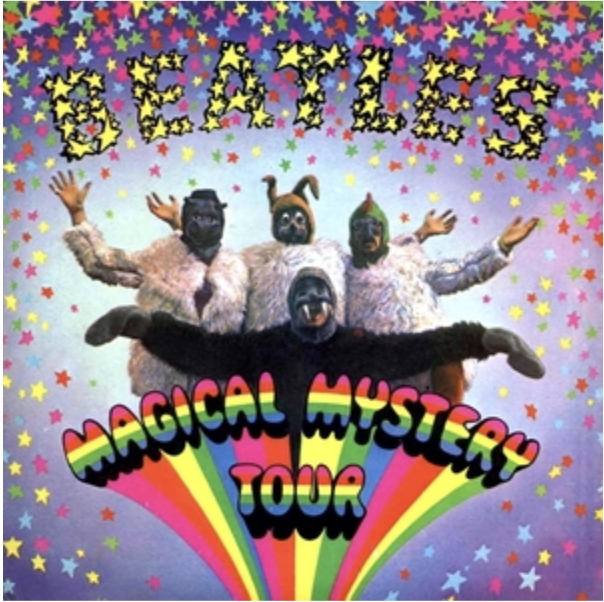
On the one hand, it’s like they said “What if we took the psychedelic thing we did with “Sgt. Pepper” and just went completely off the deep end with it?” The cover art is so absurd and campy that it’s a little hard to believe it’s associated with the most important rock band ever. On the other hand, this album has “Penny Lane” and “Strawberry Fields Forever,” which are so beautiful and pure and good that, excuse us, we just have something in our eye…
Play It Again: Those two songs that definitely did not make us weep.
Skip It: “I am the Walrus.” This song is good for exactly one thing, and that’s Steve Buscemi’s over-enunciation of its title in “The Big Lebowski.”
10. With the Beatles (1963)
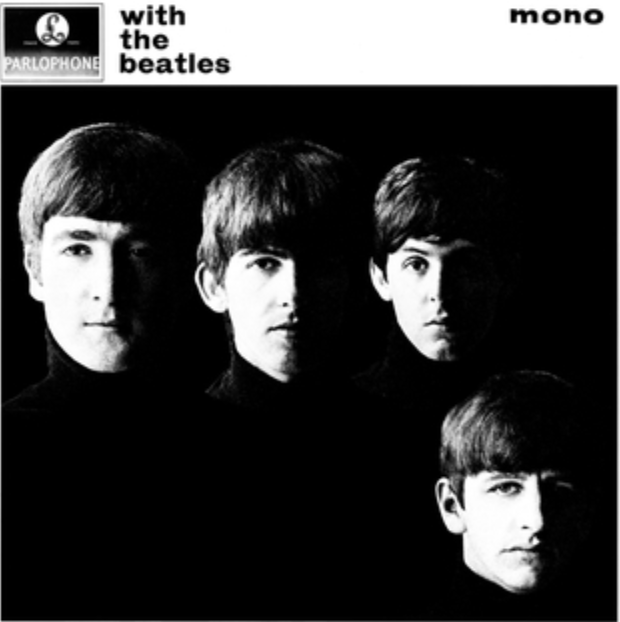
Don’t ask why this one is officially considered part of the band’s discography and “Meet the Beatles” isn’t. It’s a whole big thing about what was released in the UK versus the US and it’s not that interesting. The important part is that it’s another mix of originals and covers, but it’s a little better than “Please Please Me,” and the cover art is beyond iconic.
Play It Again: “Don’t Bother Me.” George Harrison was criminally overshadowed by Lennon and McCartney’s egos, but when he wrote a song, he wrote a good one. In fact, his solo track “My Sweet Lord” from 1971 is better than all of Lennon and McCartney’s post-Beatles output combined.
Skip It: “You Really Got a Hold on Me.” Sorry, but four guys from Liverpool had no business covering Smokey Robinson.
9. Beatles for Sale (1964)

This is where the band gets a little moody and mean-spirited. Usually, “Rubber Soul” and “Revolver” are (rightly) cited as the big turning points in their sound, but they are already moving toward making rock and roll into something artistic and important with this record. Still…a lot of covers.
Play It Again: “Baby’s in Black” and “Eight Days a Week”
Skip It: “Rock and Roll Music.” Four guys from Liverpool also had no business covering Chuck Berry.
8. Let it Be (1970)
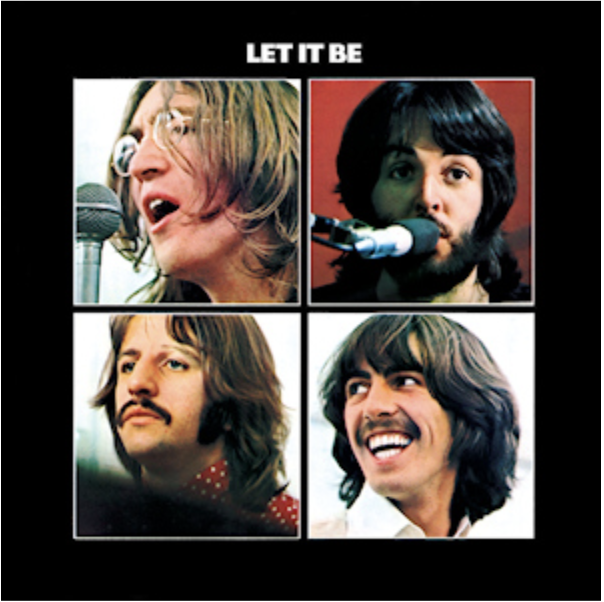
Some iconic stuff on the band’s swan song album, but the production is a mess and the title track is almost as saccharine and annoying as Lennon’s “Imagine.” Almost. Hiring Phil Spector to do his wall of sound thing, as great as it was for the Ronettes, was not one of the Beatles’ best choices. Even Paul, who painstakingly de-Spectorized it in a 2003 remix/remaster, could admit as much.
Play It Again: “Dig a Pony”
Skip It: “Get Back.” We’re sorry. It’s just not that great.
7. A Hard Day’s Night (1964)
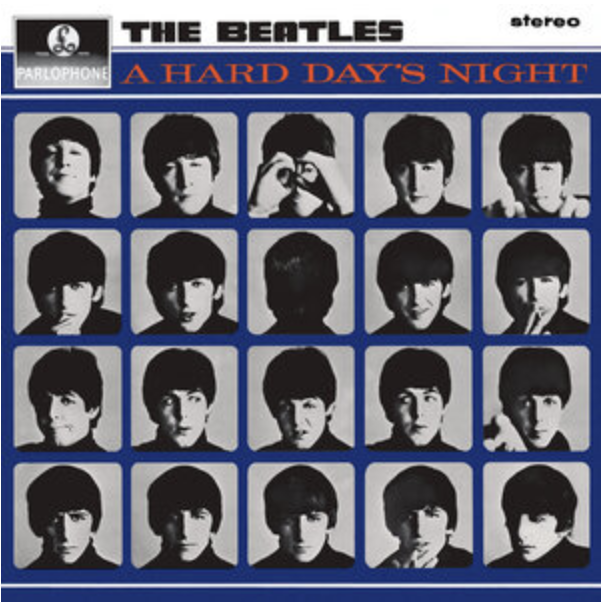
The band’s third album (sort of; again with the UK vs. US release thing) is their first to contain all original material, and it is very good. That iconic opening chord on the title track is like an announcement to the world that something important is about to happen, and hot damn do they deliver. George Harrison’s 12-string lead guitar work was like a first draft of the uneasy truce between folk and rock that Dylan cemented at Newport the following year.
Play It Again: “I Should Have Known Better” and “And I Love Her”
Skip It: Most of side 2, to be perfectly honest. Lots of B-side material here. Not bad, not great.
6. Help! (1965)
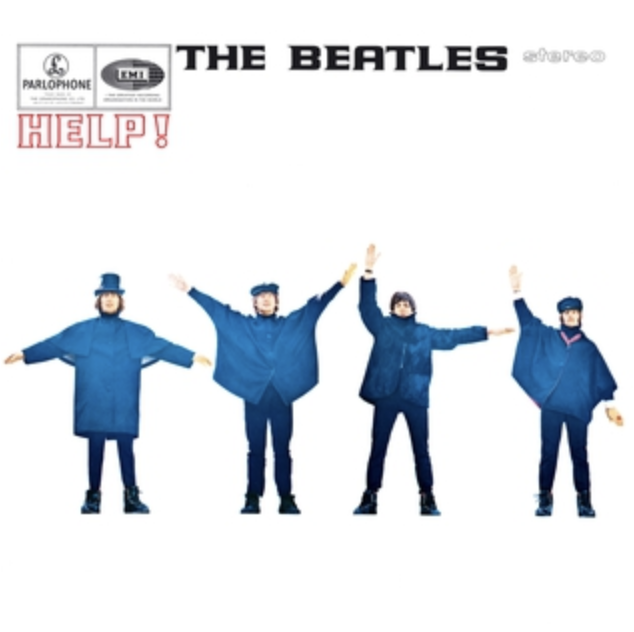
Do you hear that sound? That’s the sound of Lennon and McCartney coming into their own as one of the greatest songwriting duos of all time. Every original song on here is perfectly-composed, catchy, and just deeply pleasant to listen to. Easily the best collection of songs from the Beatles’ early output, while they were still just four handsome mop-topped lads who wanted to hold your hand.
Play It Again: Any of the first 13 tracks, but gun to our head? “You’ve Got to Hide Your Love Away” and “It’s Only Love” and “I’ve Just Seen a Face.” It’s not a skip, but “Yesterday” is really overrated.
Skip It: “Dizzy Miss Lizzy”; this wholly unnecessary, half-assed cover of yet another late-50s rock & roll classic is the only blemish on an otherwise-perfect record.
Honorable Mention: Past Masters, parts 1 & 2
Imagine being such a successful band that some of your most iconic songs don’t even make it onto LPs, but instead are just casually released as singles and then later as a compilation that holds up among your best studio albums. That’s what we’ve got here, including a German-language version of “I Wanna Hold Your Hand,” which translates to the highly-singable phrase “Komm, gib mir deine Hand.” Also your one-stop-shop for “Hey Jude,” a song that is widely beloved despite being mostly a grinding repetition of “Nah nah nah” and thematically based on comforting your bandmate’s neglected kid while said bandmate commits adultery. Very touching!
Play It Again: “Day Tripper” and “We Can Work it Out” and “Sie liebt dich” (“She Loves You”)
Skip It: “The Ballad of John and Yoko”
5. Abbey Road (1969)
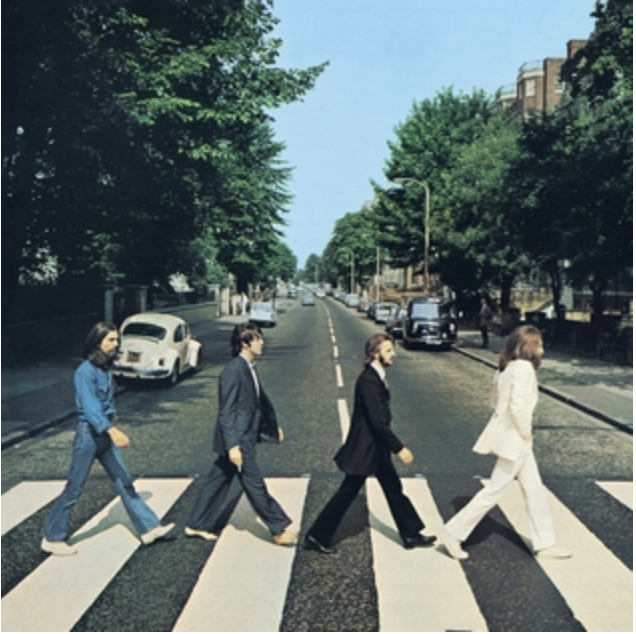
This is where it gets really hard. Put this one and the next four in any order you like. By all reports, the creation of this album (their final one, sort of, depending on whom you ask) was the happiest and most cooperative recording session the band had had for years. And it shows, with several uptempo songs, more than one of which alludes to the awesomeness of the sun. Iconic cover art and an all-killer-no-filler approach to song selection that was, um, not always a thing for the Beatles.
Play It Again: The unstoppable three-part suite of “Mean Mr. Mustard” and “Polythene Pam” and “She Came in Through the Bathroom Window.” Also the terribly-underrated “I Want You (She’s So Heavy)”
Skip It: Nothing to skip here
4. Sgt. Pepper’s Lonely Hearts Club Band (1967)
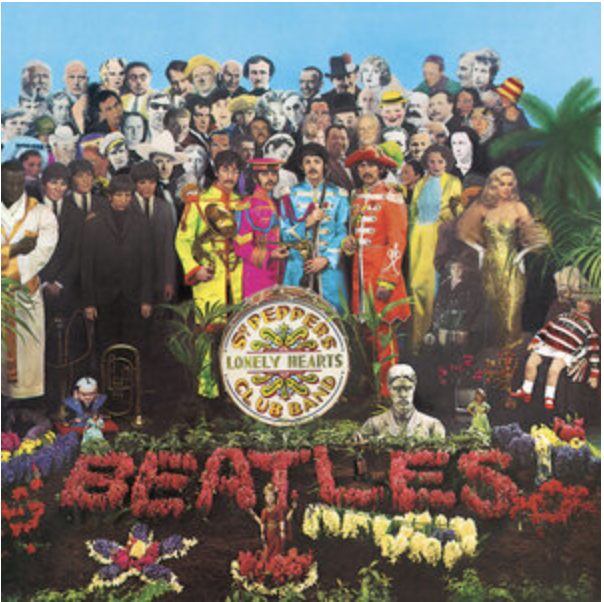
So here’s what we’re pretty sure happened: Brian Wilson released “Pet Sounds” the year before, and John and Paul were like “Oh, HELL no, there’s only room for one generation-defining art-rock concept album in this town, mister.” The fact that one of the Beatles’ most masterful records was based on the definitely-not-related-to-drugs premise of “What if we pretend to be an Edwardian military band?”—and it WORKED—is a testament to how precisely they had their finger on the pulse of the zeitgeist in 1967. This is hippie counterculture writ large.
Play It Again: “A Day in the Life” and the title track
Skip It: “Being for the Benefit of Mr. Kite”
3. Self-Titled (1968)
AKA “The White Album,” a record whose legacy is half musical and half the very idea of nicknaming a self-titled album after a color. It’s also the result of the band members pretty much hating each other and is closely related to the era in which the Beatles, in the words of the immortal Hank Hill, “went nuts in India.” This is the band’s postmodern pastiche album, frantically shifting from ragtime to pop ditty to rock anthem to vaudeville and back again. It’s a hell of a ride, and while it’s definitely more of a “mostly-killer-but-with-substantial-filler” sort of situation, the strength of the good songs, which includes some of the goofier ones like “Rocky Raccoon,” is so immense that you can sort of let the lesser ones slide.
Play It Again: “While My Guitar Gently Weeps” and “Happiness is a Warm Gun” make up probably the best consecutive 7-and-a-half minutes in the band’s catalog.
Skip It: “Revolution 9”—if you listen closely, you can hear Yoko whispering “I’m gonna break up this band LOL”
2. Revolver (1966)
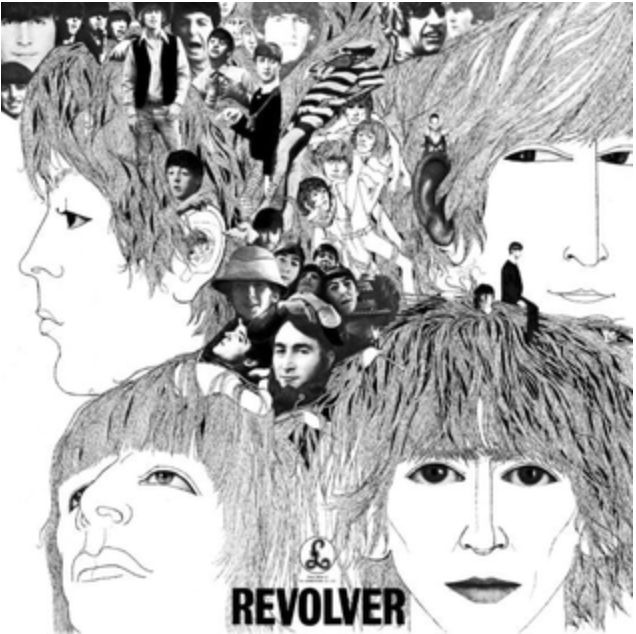
AKA “The Beatles Discover LSD,” this is the first album that really dives into genre-bending songwriting, but in a leaner and more focused way than “The White Album.” It’s rock, it’s pop, it’s psychedelic, it’s ambient tape loop drones, it’s sitars, it’s an early example of using the studio itself as a creative landscape, and it’s a masterpiece of work from a band that knew they wanted to reinvent themselves and did so with rock-solid confidence.
Play It Again: “Here, There and Everywhere” and “She Said She Said”
Skip It: “Yellow Submarine.” Yeah, they put it here too.
1. Rubber Soul (1965)

AKA “The Beatles Discover Marijuana.” Putting this at #1 might be controversial, and there might still be some skippable tracks, but this is such a drastic pivot from the first phase of their career that we’re going to call it not just the best, but the most consequential record they made. It fuses folk, pop, rock, and early psychedelia almost flawlessly. Subsequent albums might have left a bigger footprint on music history, but don’t kid yourself: This had to come first.
Play It Again: “I’m Looking Through You” and “You Won’t See Me” and “In My Life” (the harpsichord solo alone is worthy of as much exaltation as anything they ever made)
Skip It: “Michelle”—OK Paul, we get it, you hooked up with a French girl.



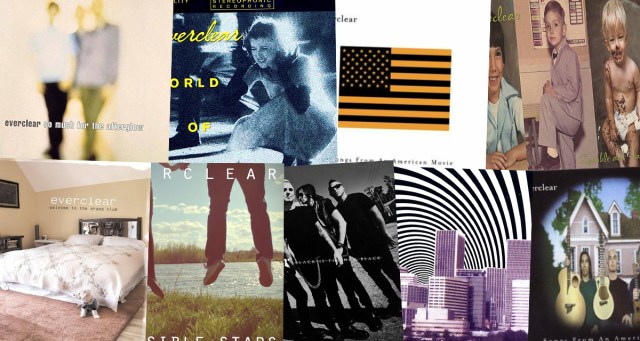
 There’s an age-old axiom that says something in the way of “if your whole band decides to quit all at once after your last record, maybe it’s time to hit the pause button on this project for a while, Art.” Everclear’s “Welcome to the Drama Club” is a prime example of not following that advice. Though the effort put forth by Alexakis and whoever all the new guys are is apparent, the album as a whole just doesn’t feel substantial, and it’s fair for all but the most ardent of Everclear fans to give it a miss.
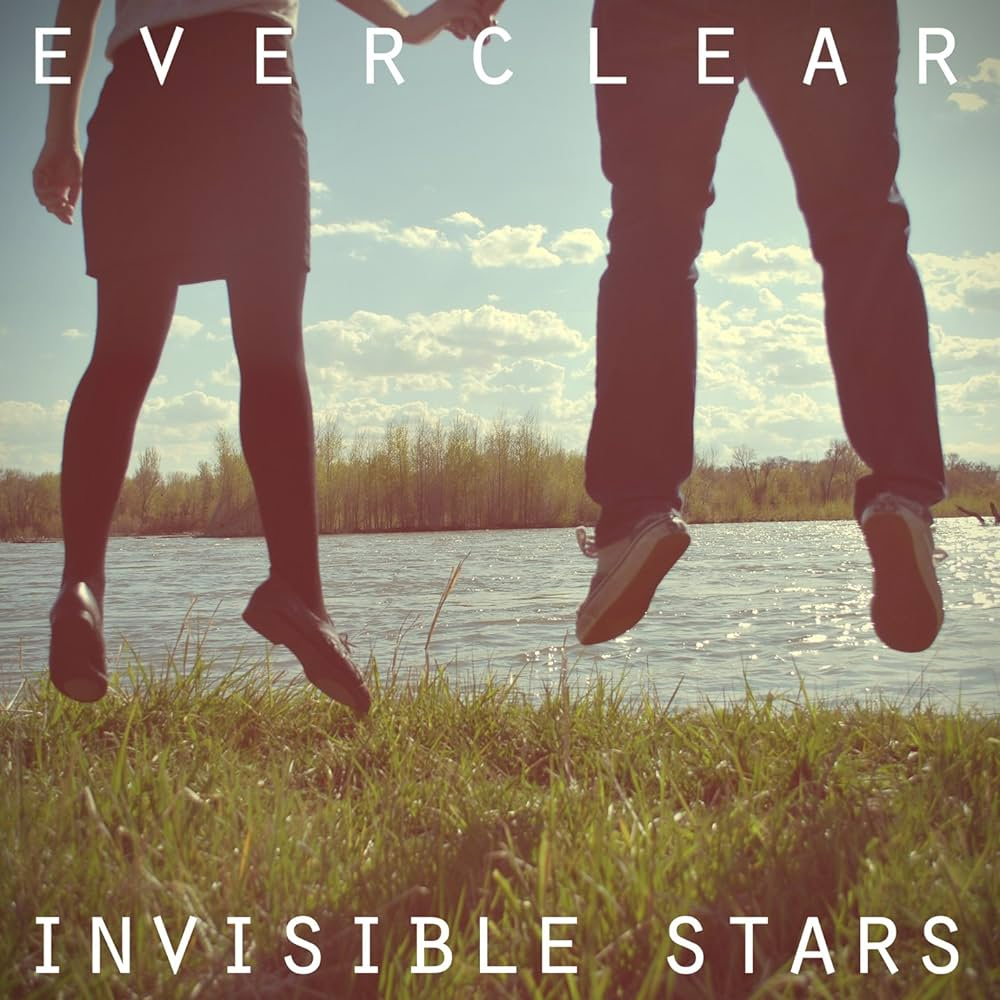 If we were to ask Neil deGrasse Tyson about “Invisible Stars,” he’d probably tell us some bullshit about how “stars are inherently not visible as they have in fact burned out many millennia before now and what we perceive to be stars are merely refracted light beams from long dead celestial entities.” And then we’d say “no, Neil. We mean the Everclear album ‘Invisible Stars.’” To which he would probably respond with something like “…meh …no thanks.”
 In a way, it’s heartening to see a band that entered its greatest hits era decades ago still pumping out some fresh songs every now and again. Heartening – not particularly interesting or good by nearly any standard – but heartening. That’s what “Black Is the New Black” is. Heartening.
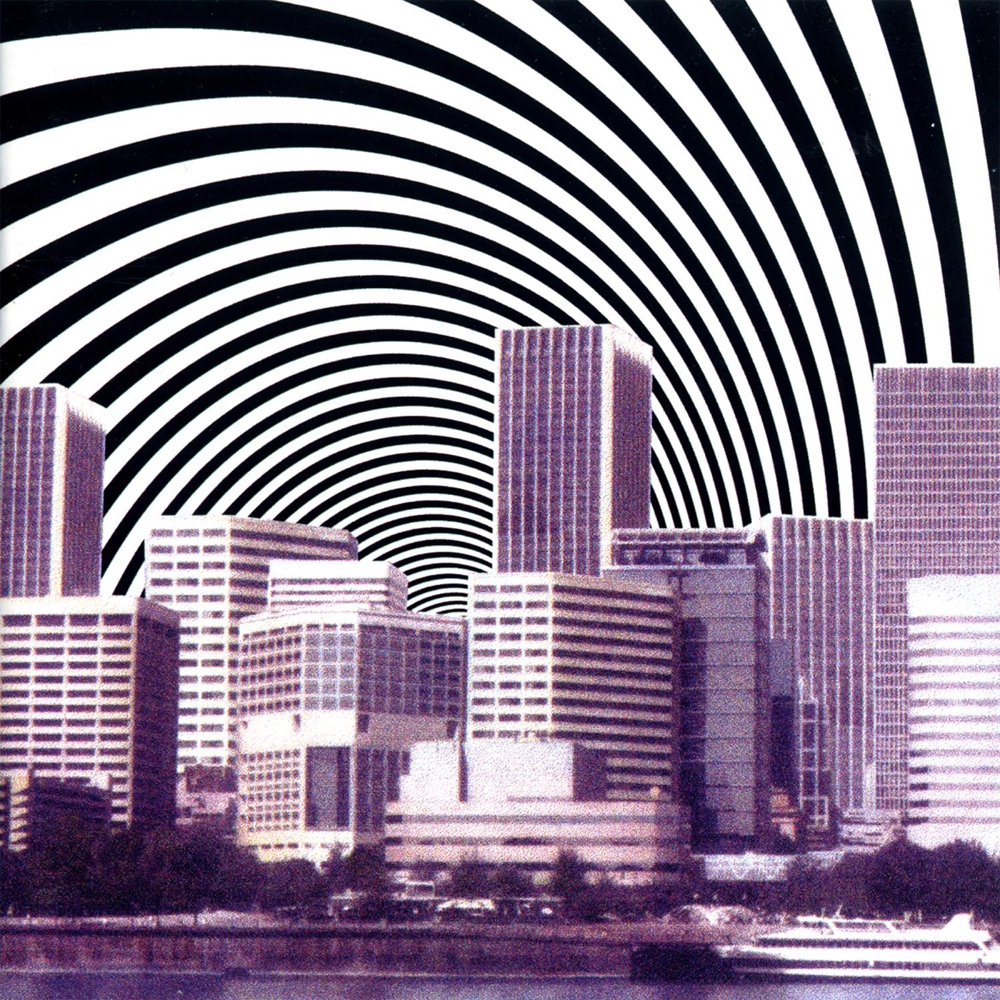 “Slow Motion Daydream” came about in that weird period of swelling nostalgia for the suburbs that was the early 2000s. It’s also when the band was at their (inarguably) most creatively exhausted and in desperate need of some time to refresh (see “Welcome To the Drama Club” above to recall how that turned out). But even at their absolute end, this last record from the classic Everclear lineup does have a few high points that are worth revisiting.
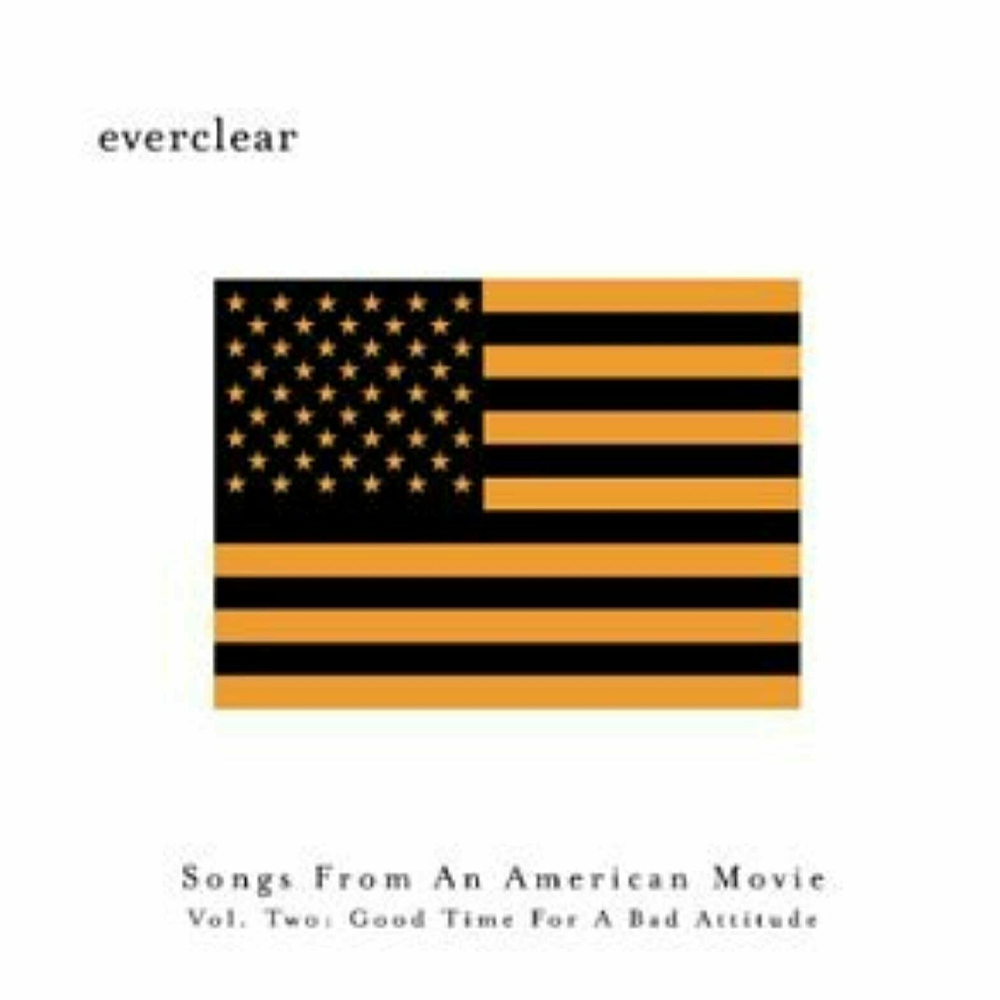 Alright, we’re just gonna say this: that “Rock Star” movie with Mark Wahlberg in it ruined that fucking song. Like, the song wasn’t phenomenal otherwise, but that movie absolutely wrecked it. We suppose we should be thankful that it was that song and not one of the multiple much better songs on this record that Marky Mark decided to rear-end, but still, fuck that movie.
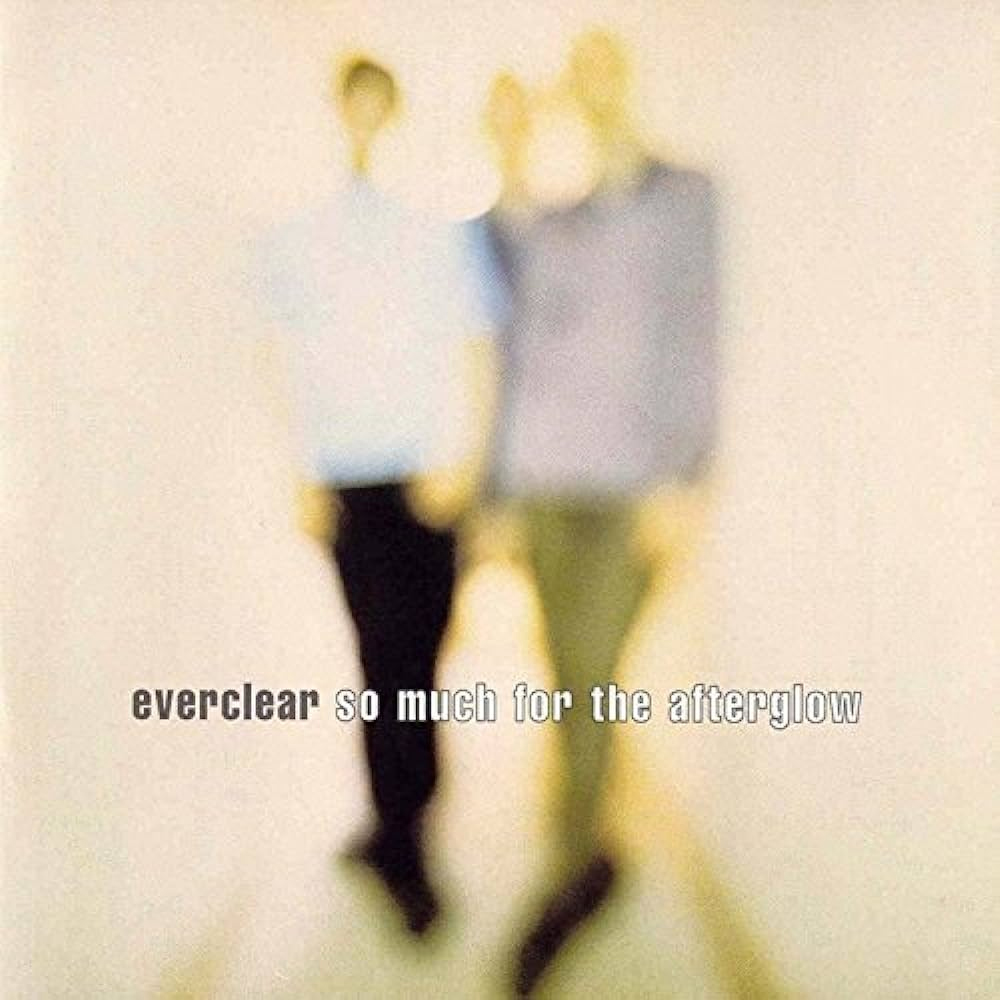 “So Much For the Afterglow” is an altogether good album. It executes the band’s familiar sound well and includes a couple of the band’s biggest hits. However, it suffers from a condition that we in the music business call “same old shit but, like, just a bit worse -itis.” This is a common affliction for band’s attempting to capitalize on their previous success (most likely because they didn’t realize just how quickly mortgage payments can stack up). Still, this record does what it does well enough that it is worth many re-listens for anyone willing to lower their standards slightly.
 The phrase “criminally underrated” actually doesn’t get thrown around enough these days. But if it were to be applicable anywhere it’s definitely Everclear’s debut album “World of Noise.” Though it has remained largely unknown to the general public, even after the band’s later success, almost no other record better embodies society’s three-month-long interest in cowpunk (and what the hell was up with that era?). But mainly this album shows off a band with tremendous potential to write some really good rock songs in their career.
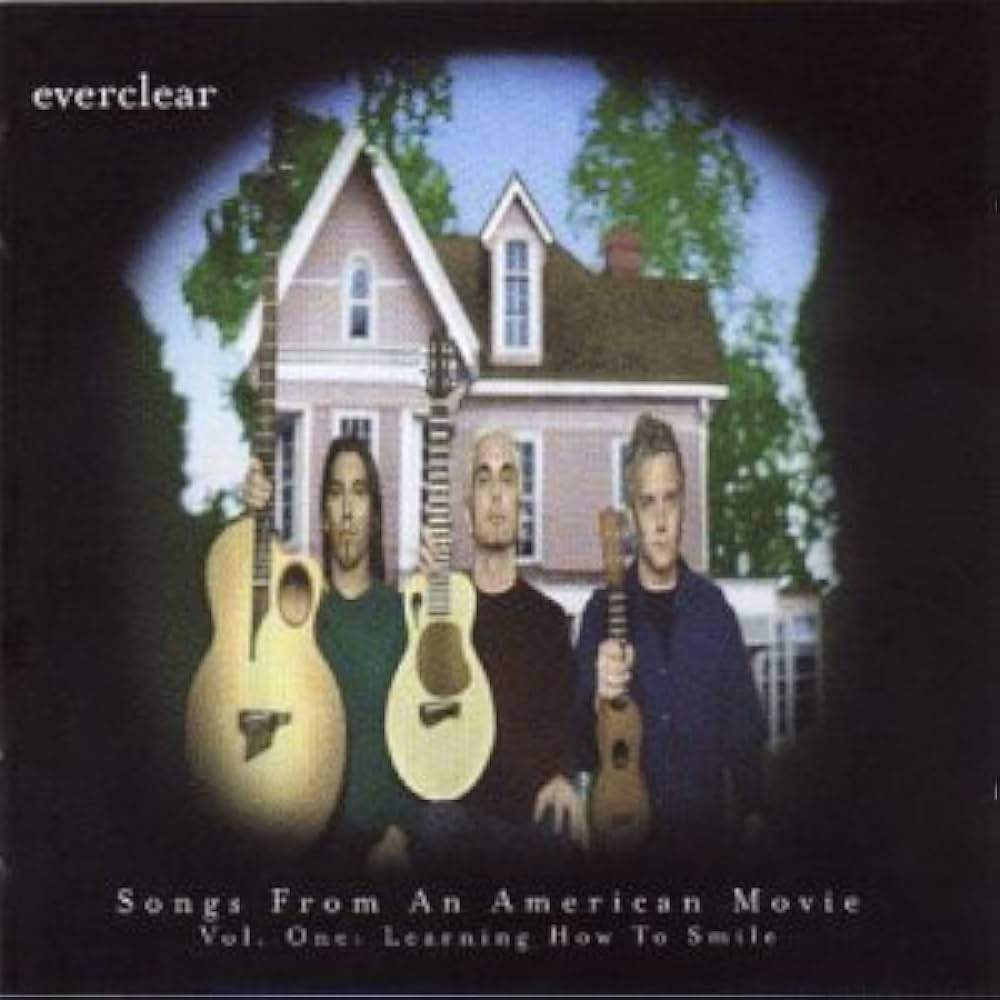 The first installment in Alexakis’ “find yourself” phase was a well-executed reinvention of Everclear’s previously established sound. After years of perfecting the vaguely-punk alterna-cow branch of the grunge movement, the band came back with this series of pop-infused songs that manage to be equal parts “laid back melodies” and “punishingly depressing lyrics.” “Songs from an American Movie Vol. One” is songwriting at its finest, and an excellent example of how to ward off creative stagnation after your band has been around for the better part of a decade.
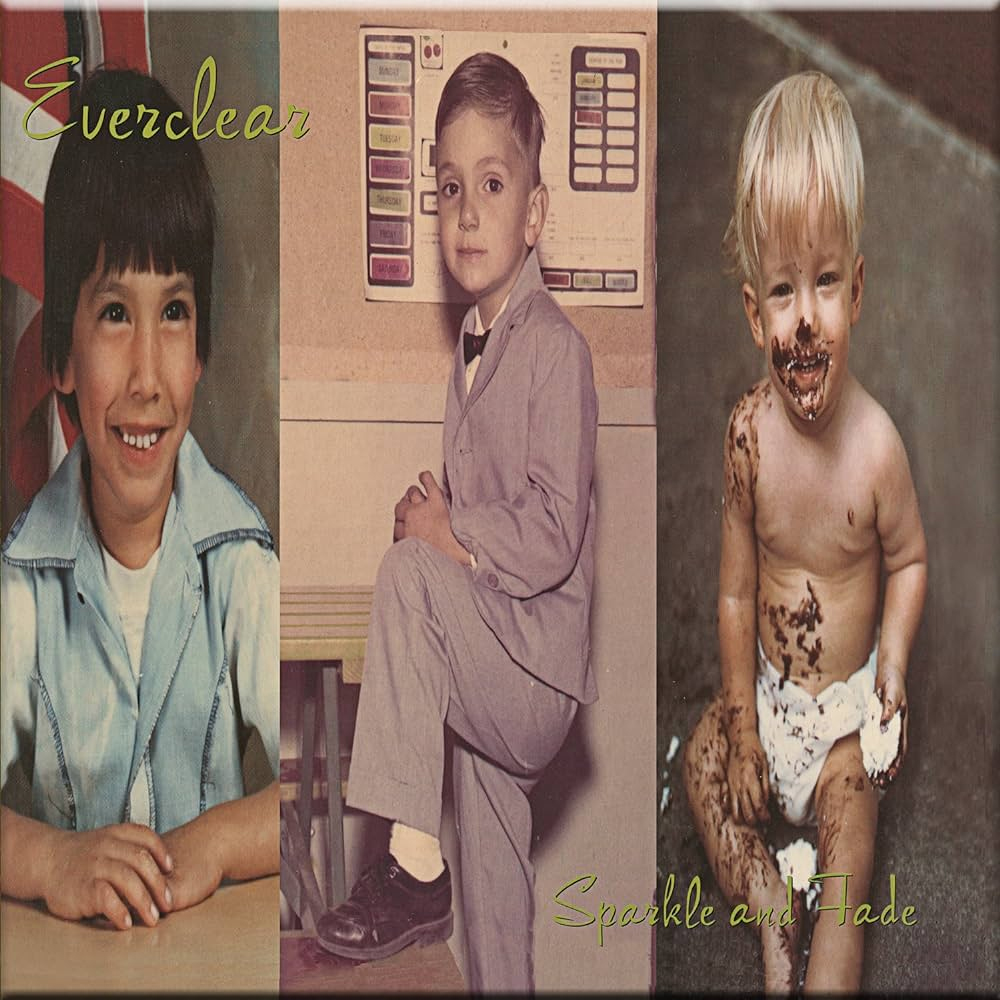 Here we have the sweet spot that a lot of band’s from this time found themselves in. Not yet famous but hungry and capable, and riding the crest of the alternative rock wave that was flooding the mainstream. Everclear brought it all together on this one, combining their cowpunk roots (and again, what the hell was up with that era?) with developed songwriting and catchy rock riffs that produced some of the band’s most insightful songs to date. And yes, this is the record with “Santa Monica” on it, so if you’re a fairweather Everclear fan who needs no other reason why this should be in the number one spot, there you go.