Goldfinger formed in 1994, just as the punk rock boom took America by storm with stalwarts like Green Day, The Offspring, and “The Lion King” soundtrack leading the charge, and released a self-titled full-length studio album just two years later at the literal perfect time to do so. Question: Any particular reason why? Answers here: Sublime and No Doubt both blew the hell up around this time, and third-wave ska-punk or whatever the hell you want to call it became actual mainstream music. Too late? If only. GF, by proxy and talent, joined said club along with The Mighty Mighty Bosstones, Reel Big Fish, Rotting Christ, and other upstroke-y pick-it-up pick-it-up pork pie hat oversized suit-wearing bands. We attempted to rank all eight LPs below, and this is the first and last time that we will bring Tony Hawk up moving forward:
8. Disconnection Notice (2005)
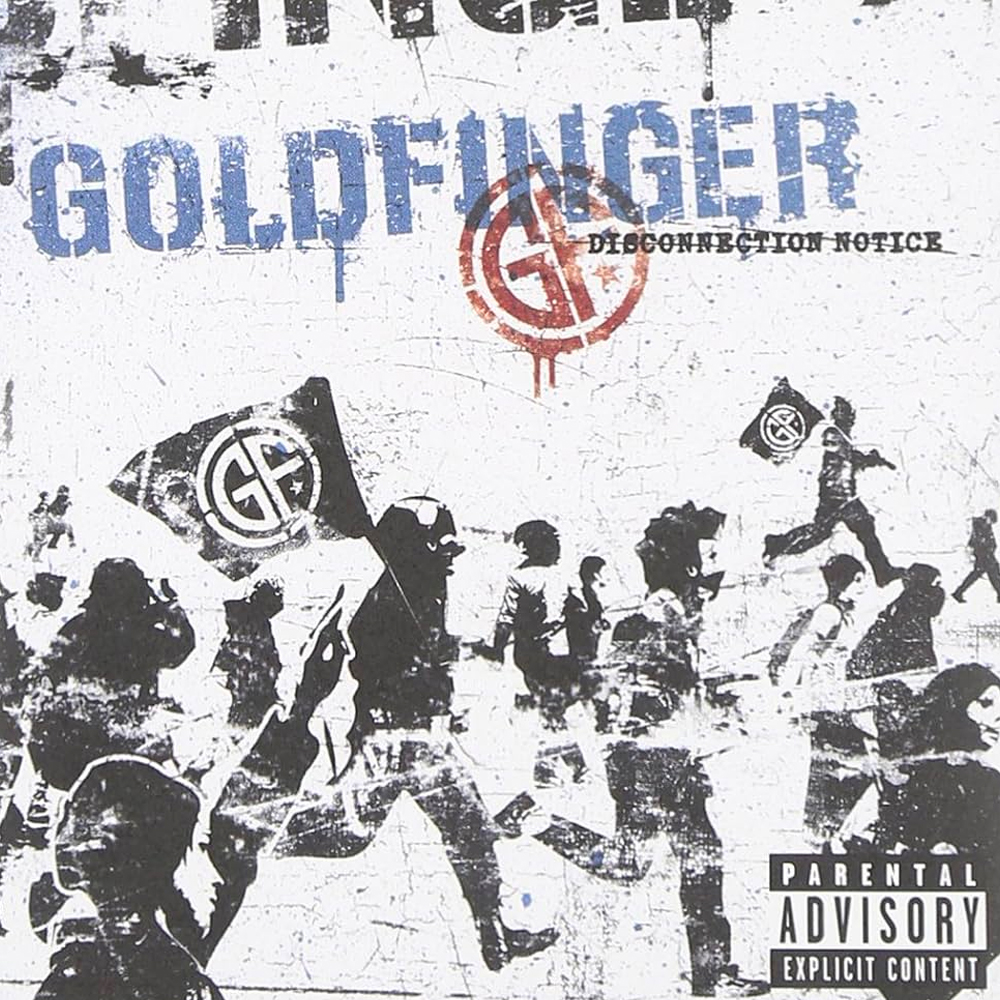 2005 was a sort-of-not-as-good-sequel to 1994 in that many bands with the word “punk” in their description blew the hell up to the point of being on TRL often; Fall Out Boy, My Chemical Romance, and John Denver all put the “pop” in “pop-punk” or any other subgenre that is synonymous with this world in the mid-aughts. Sadly, Goldfinger didn’t really get any bigger this year, and this LP and other external factors about the post-Napster industry are both likely to blame for such. Honestly, albums one through four are the band’s peak LPs, but their fifth and last major label LP, “Disconnection Notice, ” likely, for lack of a better word disconnected, and in a witty non-Black Flag reference, damaged hardcore GF fans sans any notice altogether. Luckily the band’s 2008 record we are discussing next, and its two other 2010-and-beyond follow-ups weren’t as uncomfortable of a listen.
Play it again: “My Everything”
Skip it: “Faith”
7. Hello Destiny… (2008)
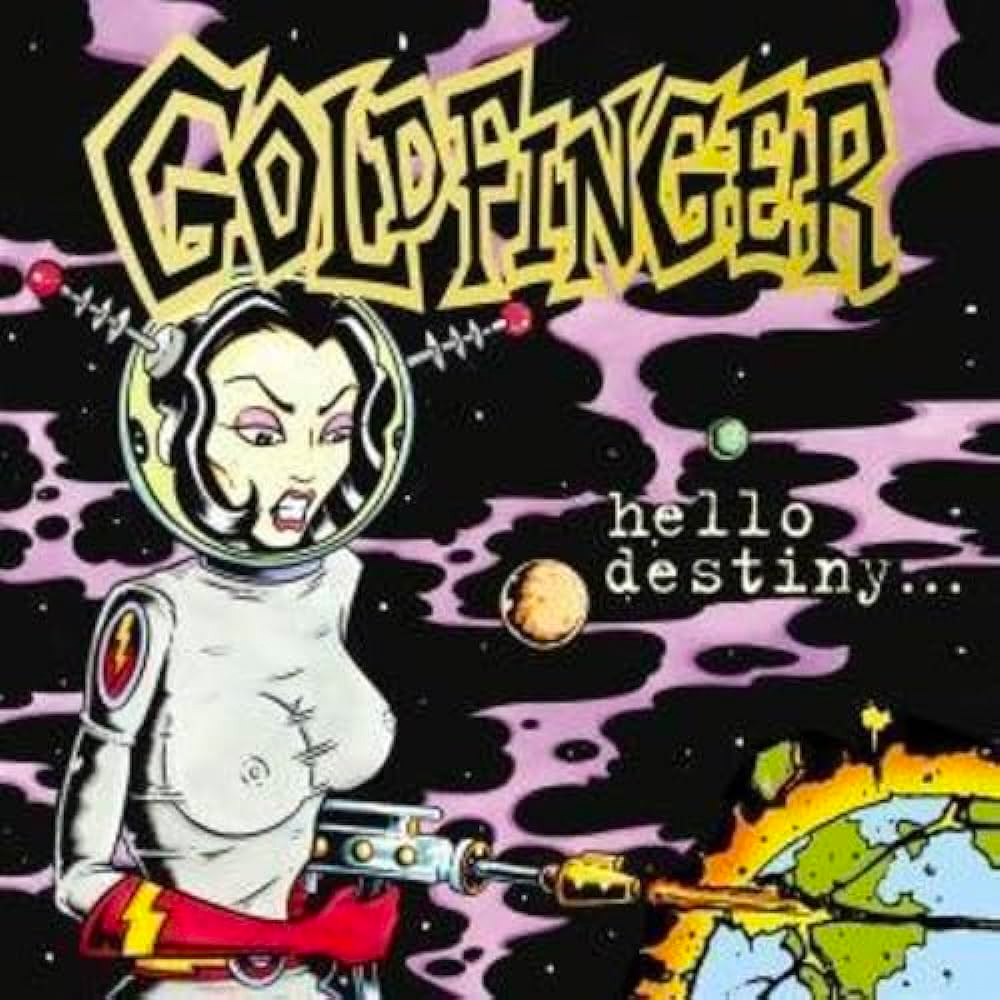 Goldfinger’s sixth album “Hello Destiny…” features an ellipsis as well as Bert McCracken of The Used, Monique Powell of Save Ferris, and Sergei “Punk AF” Rachmaninoff of Winger. The record is also the first/last GF release to come out via SideOneDummy Records, former home to The Gaslight Anthem, Jeff Rosenstock, and current home to an idiot laying on his side. Also, there is another feature that we won’t shout out because the singer is a deplorable cum dump, and that’s putting it EXTREMELY mildly, but Google and Wikipedia are both fun ventures, so take a gander if you’re feeling frisky; you likely won’t be very amused and you will eventually say goodbye to the idea of this individual being considered a human. Anyway, “Hello Destiny…” is definitely closer to the Goldfinger that you know/love like a milkshake, but the next six LPs to be mentioned are far better.
Play it again: “Get Up”
Skip it: “War” purely for its aforementioned feature
6. The Knife (2017)
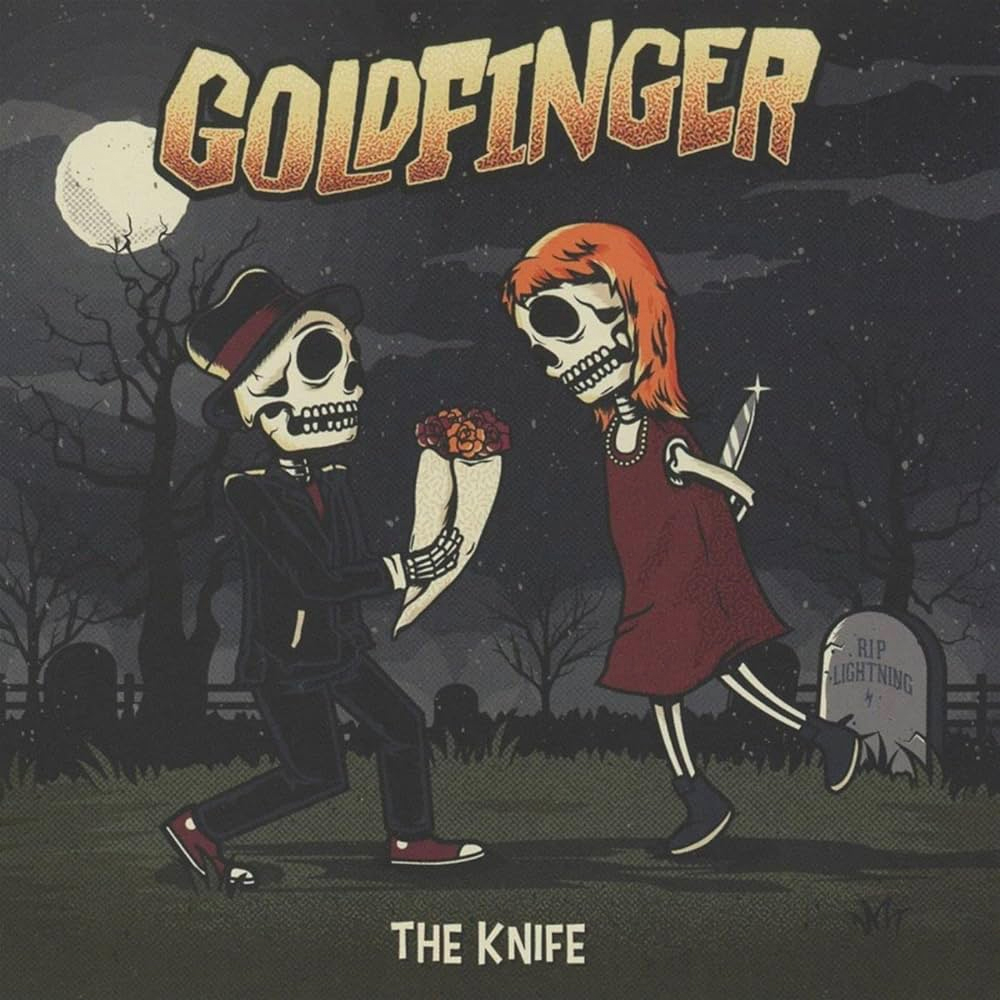 We hear that this is John Feldmann’s favorite Goldfinger album, and while we can’t fault him for such, we won’t say the same one out loud, and we hope that this ranking gets you what you need. Goldfinger became such a tight supergroup that one cannot cut ‘em with a knife on, err, “The Knife,” and new members Philip “Moon Valjean” Sneed formerly of Story of the Year rocks it on guitar/vocals, Mike Herrera currently/likely always of MxPx kills it on bass/vocals, and Travis Barker of hip-hop fame beats hits the drums hard. Eventually, Nick Gross of girlfriends joined the fold along with former/now current GF lead guitarist Charlie Paulson just one album later. Speaking of features, this record is a ska-punk hippity hop LP with members of One OK Rock, 311, blink-182, and Blue Oyster Cult playing the silver triangle like only Will Ferrell can.
Play it again: “Tijuana Sunrise”
Skip it: “Orthodontist Girl” (featuring Josh Dun of Twenty One Pilots)
5. Never Look Back (2020)
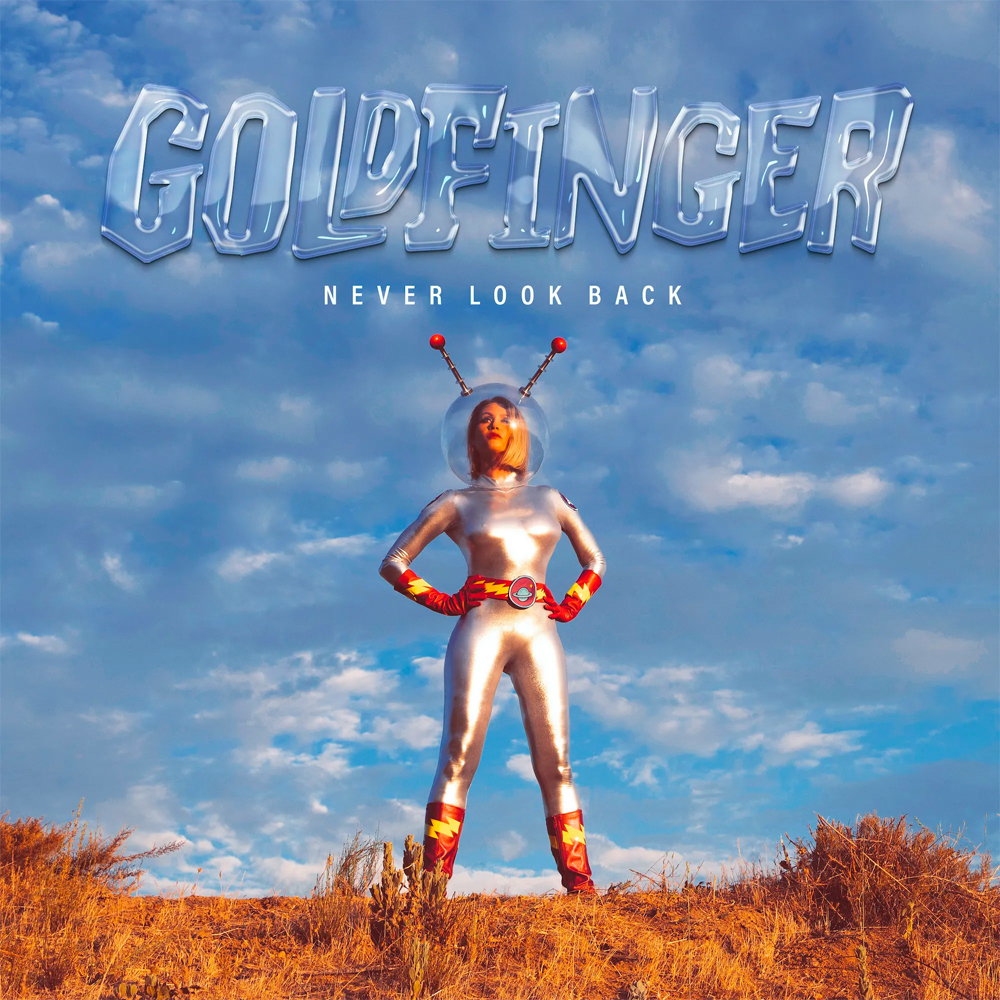 Goldfingers newest and eighth LP, and first for Feldy’s, Nick Gross’, and former Vagrant Records’ executive Jon Cohen’s label Big Noise, is the band’s best since 2002, and that is not a joke! Big Noise also features The Used, 408, and The Shirelles, and has its own publishing and sync team, making the label a force in 2023 and beyond… An infinite one! Back to “Never Look”: Feldy must really like Save Ferris’ Monique Powell, as she proved that she was so much more than a Dexys Midnight Runners cover on both this and “Hello Destiny…” with a feature that hearkens to the golden days of the late-90s. Careful what you wish for, eh? Sowry for such a dumb question. We can’t wait for GF’s ninth album “Always Ignore Front,” which will be released in late-2024 after diarrhea stain Captain Covfefe wins in 2024.
Play it again: “Infinite”
Skip it: “Dumb”
4. Stomping Ground (2000)
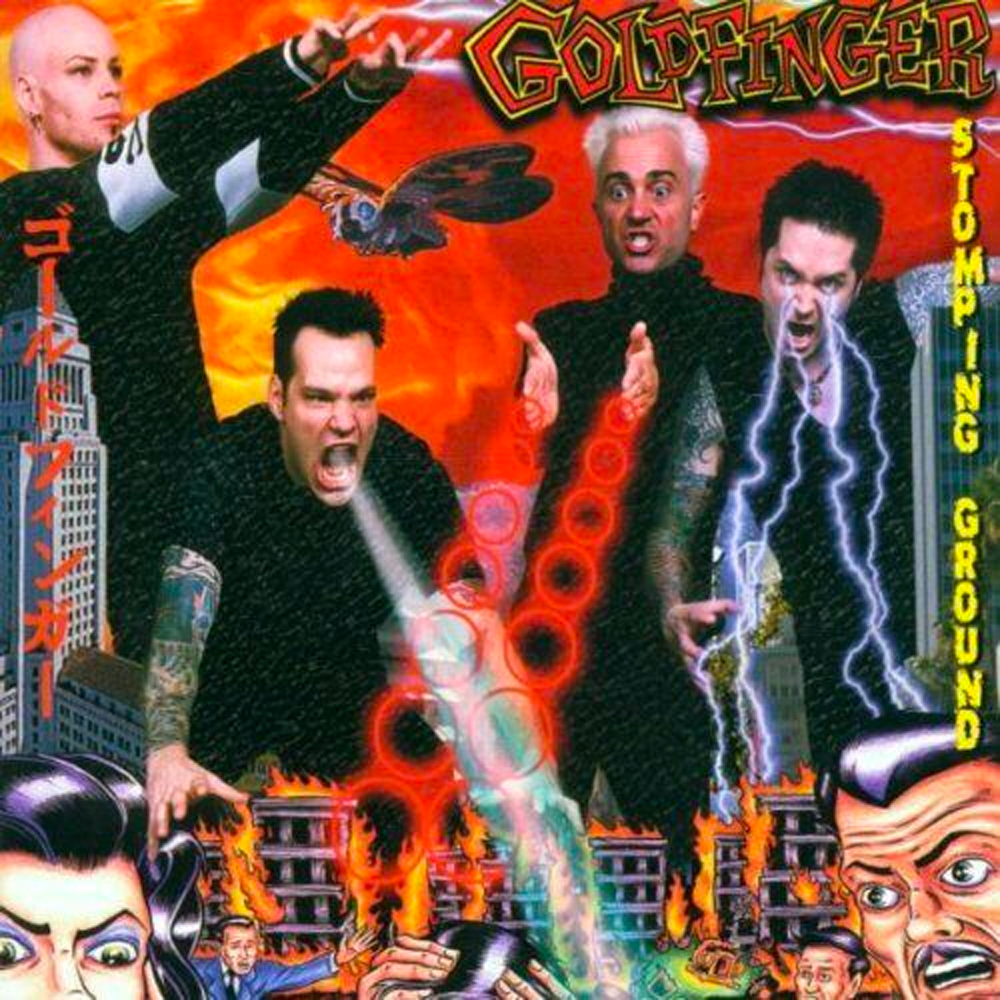 In late-1999 Goldfinger released the epically to some, and meh for others cover record titled “Darrin’s Coconut Ass: Live from Omaha,” which has a sterling and satisfying cover of The Police’s underrated gem “Man in a Suitcase” from their also-underappreciated 1980 LP “Zenyatta Mondatta,” which, food for thought, is a mish-mosh title that apparently means “everything,” and just a few months later in March 2000 GF’s third LP “Stomping Ground” hit stores. Fun fact: The Japanese version of “Stomping Ground” also features some cover songs consisting of former drummer Darrin Pfeiffer’s booty, The Who, The Specials, and Morbid Angel. Back TO the US but not IN the USSR: Tracks one through six would’ve also made a sick EP, and if you think it’s a joke, bro, you are going to need some forgiveness, so get away and don’t say goodbye unless you want to pick a fight with us.
Play it again: “Counting the Days”
Skip it: “Margaret Ann”
3. Open Your Eyes (2002)
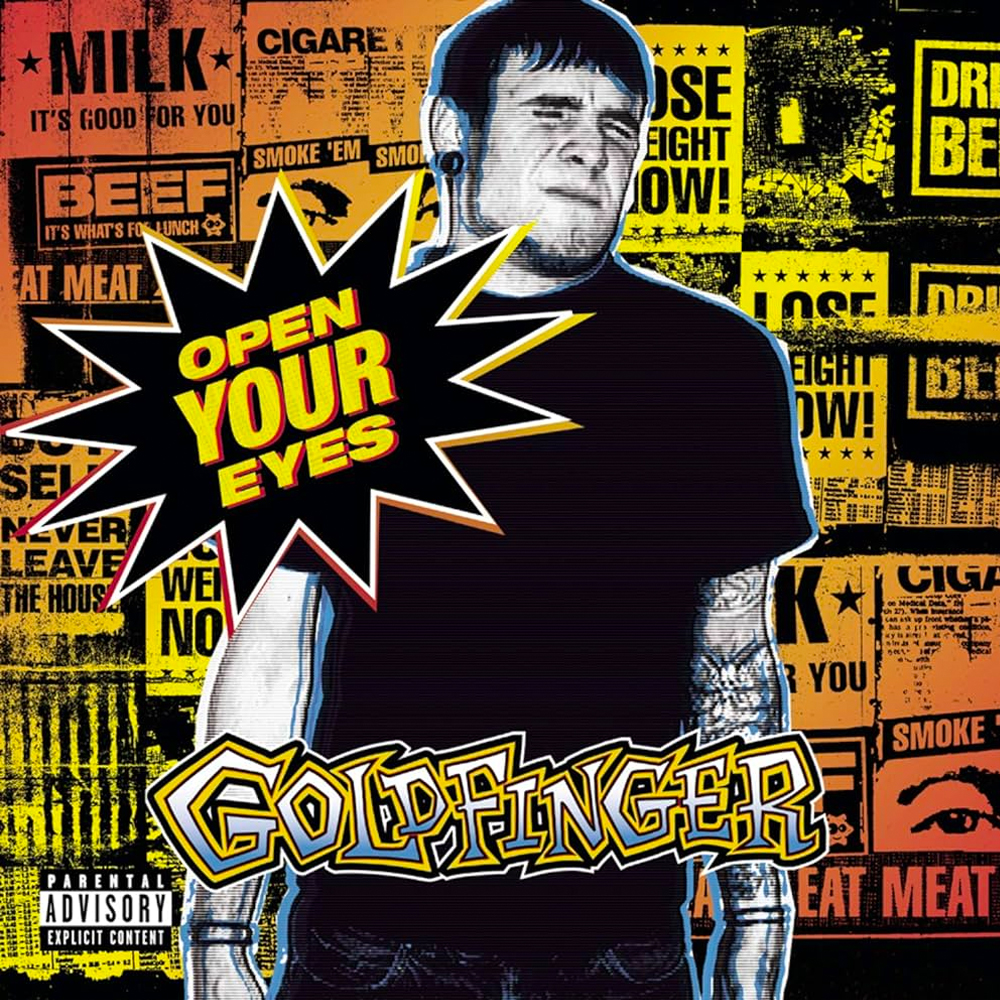 Angry Goldfinger is truly good Goldfinger, and “Open Your Eyes,” the band’s fourth album, is without question the band’s best LP from this century. Here is a youthful thesis statement for fathers from the band that encompasses many of the visually and aurally biting themes from “Open Your Eyes”: Fuck dads, love Wayne Gretzky, and utilize your spank bank every January… It’s good for your life! Furthermore, it’s also quite cool that over twenty years later in the year of our lord known as 2023, the band still opens some shows with our “play it again” track “Spokesman,” which cuts wood quicker than a woodchuck could ever hope to. On a serious note, the title track “Open Your Eyes” is a sad-but-true animal rights song explicitly listing the horrors of animal agriculture. Still, regardless of whether you’re a vegan, vegetarian, pescatarian, or carnivore, this album has something for everyone, except Ted Nugent.
Play it again: “Spokesman”
Skip it: “Spank Bank”
2. Self-Titled (1996)
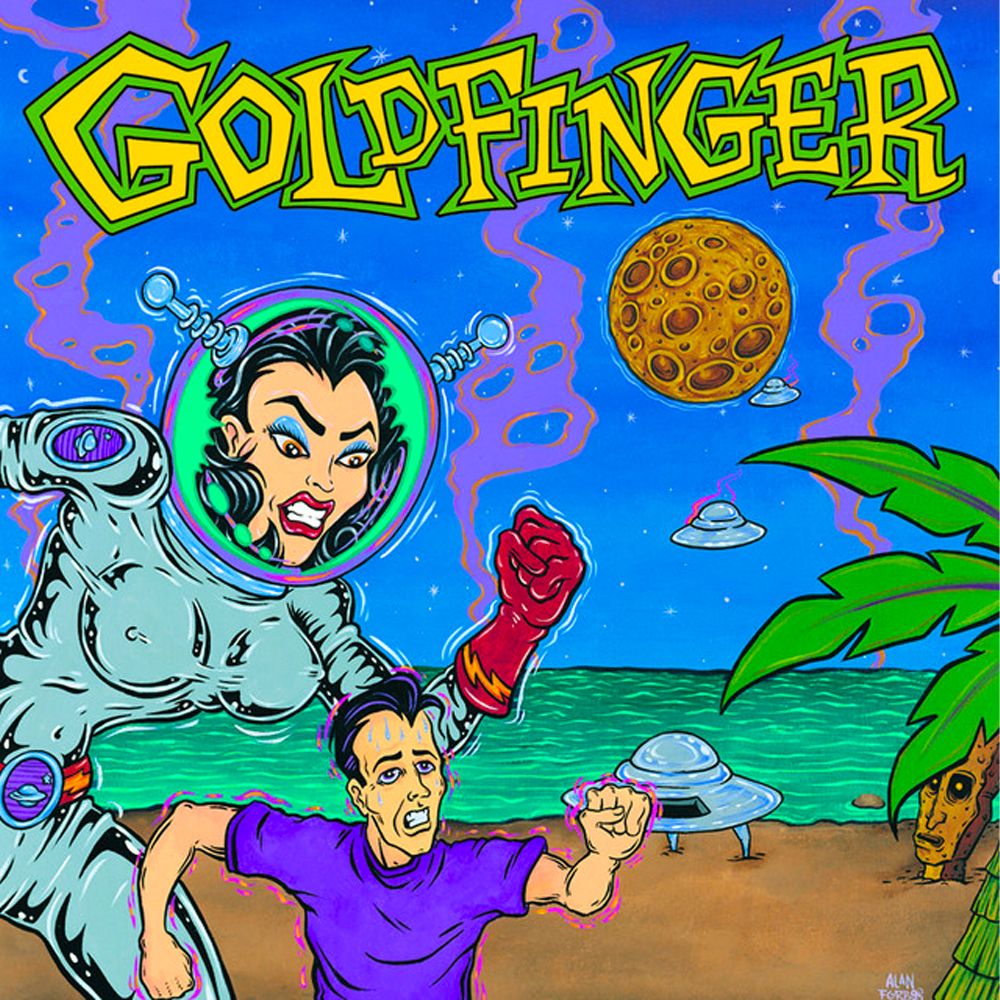 This is the one that started it all, and it still really holds up! The only non-Feldy produced Goldfinger LP is self-titled for a reason. Easter egg for all denominations: Nearly twenty-five years after “Goldfinger” came out, the alien babe from its album cover also appears on the band’s newest LP “Never Look Back,” thus bookending the space lady as queen for a day, month, year, and century! Also, “Here In Your Bedroom,” featuring one of the coolest and poorly covered bass lines of all time, was a legit hit for the four-piece, and “Mable,” featuring puppy dogs, flowers, trees, Charlie’s package, and curly hair reminiscent of Annie, was a minor one. To showcase our love for this perfect LP and its follow-up below, there are no “skip it” tracks listed for either. Please stay.
Play it again: “Mind’s Eye” to the very, very end
Skip it: A random Jerky Boys song on any other Jerky Boys LP after their third record, which surprisingly went gold, and in an even more shocking fashion, the prolific duo’s first and second both went platinum; Sol Rosenberg could never happen today, by the way
1. Hang-Ups (1997)
Since we are the gospel of truth and authority on all things music, film, and rotary phones: “Hang-Ups” is so good that electricity, the act of love, and swine worship every song and hidden track, of which there are several bonus goodies. Goldfinger’s sophomore album is far from a slump, your humps, or a tree stump, and it isn’t just us who agree; it’s every superhero except for the creepy, creepy imp soaked in various liquids known as Aquaman. It’s never too late to discover and/or revisit this LP, and we need to know if you agree with us in the comments. Normally said verbiage is a lonely place of dark depression and flawed insight, so please change such. Or don’t; if only you had a brain. All kidding for you, or lack of kidding for everyone else aside, “Hang-Ups” is one of the better albums from the ‘90s.
Play it again: “Superman” to the very, very end
Skip it: Aquaman




 The Golden God’s road rage knows no bounds. He also claims to drive women to the airport all the time “because of the implication.” Can’t quite figure out what that means, and somehow the car ride over would be more stressful than the airport security line. That’s not the kind of untethered energy I want to kick off my semiannual vacation to Tulsa, Oklahoma.
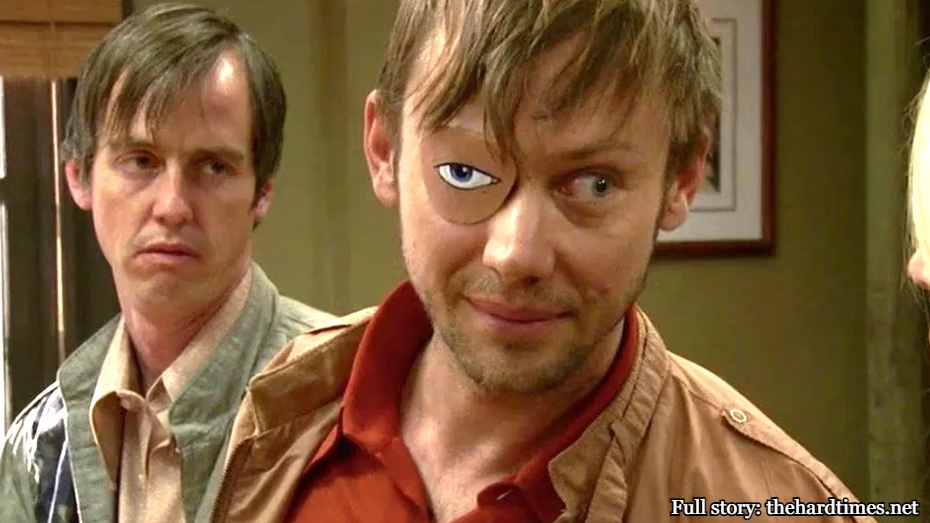 Liam wears a flesh-tone eye patch with a drawing of an eyeball on it so no one notices. While it’s effective in more ways than one, he keeps complaining about his depth perception. I generally want someone who can see all three dimensions on my ride to the airport. Two dimensions at minimum.
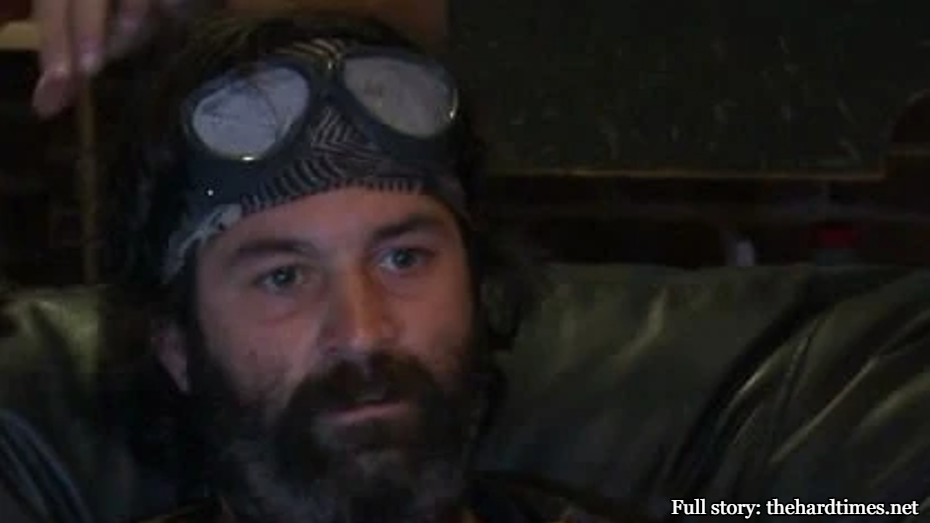 Duncan runs around with a wild crowd who all hang out under some bridge and listen to underground Hawaiian trip hop while hosting a luau. While I won’t judge anyone on who they hang out with, I will come down hard on the location. Untrustworthy.
 Gail the Snail wouldn’t be able to get off from her shift at the Wawa to drive me. Good thing too. I don’t want to be packing extra salt on the ride just in case. You never know.
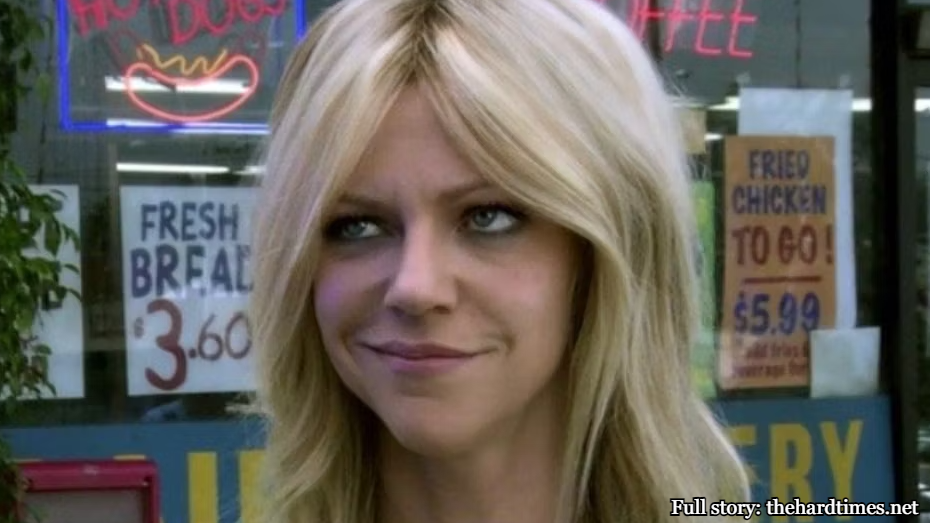 The gang destroyed Dee’s last four or five vehicles, so she’s between cars right now. That pretty much disqualifies her.
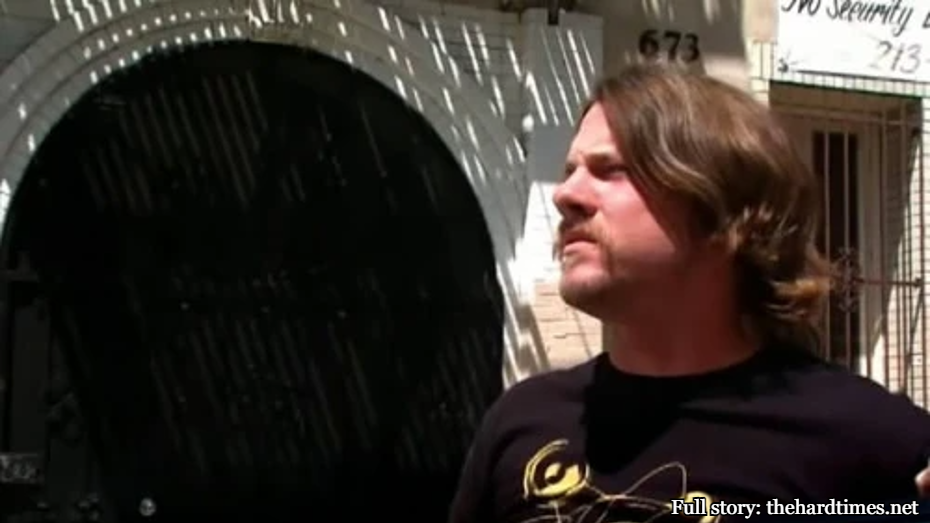 The gang destroyed this guy’s vehicle too (see Dee Reynolds).
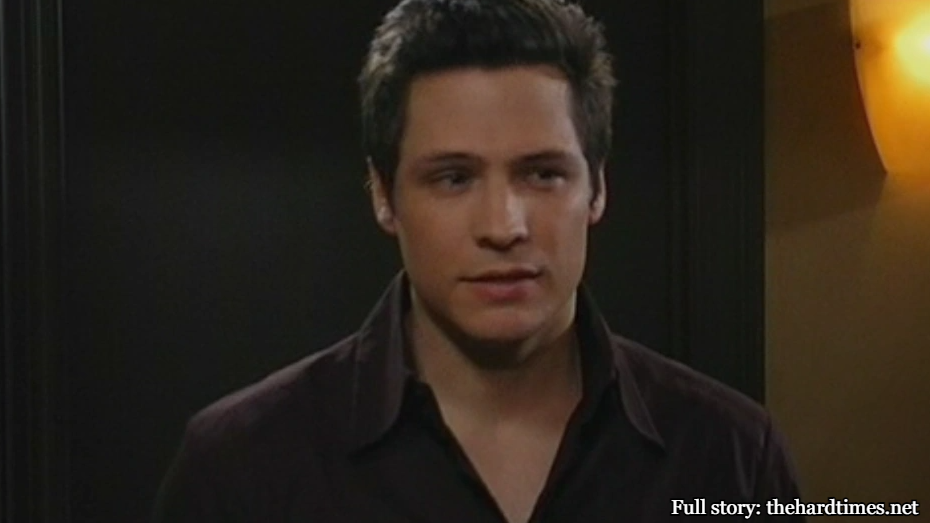 Brad is a little too into revenge. That sort of personality quirk doesn’t translate well into favors. However, if I needed to enact vengeance on someone for refusing to drive me by sending them, say, a box full of hornets, I know exactly who to call first.
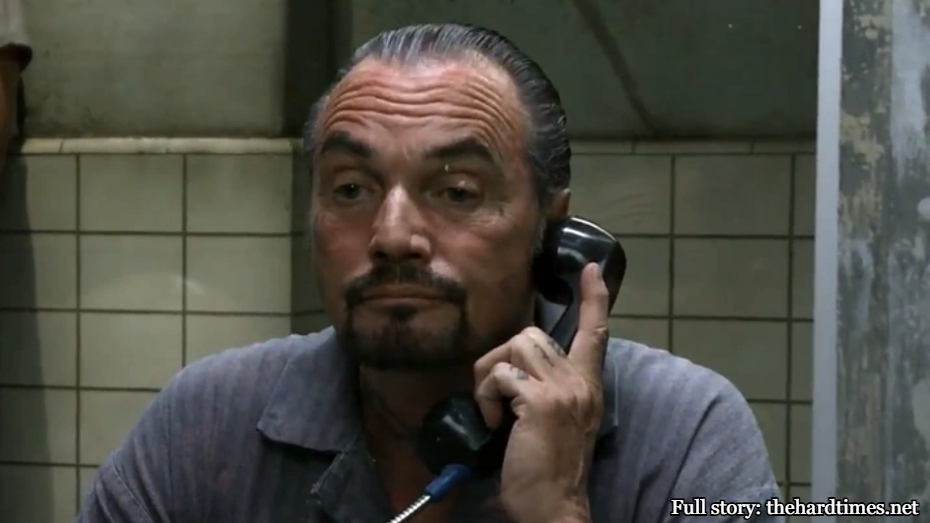 I have never seen this man blink. While that’s probably a good thing when you’re driving because it allows you to see the entire road ahead of you and give it an ocular pat down, it just makes for an uneasy car ride.
 Ingrid has her own clothing line. That means she’s going to talk about entrepreneurship the whole time, and I’m just not up on buzzwords like “ROI.” I need someone less ambitious for this task.
 As a Mets fan, I simply cannot get behind this one out of principle.
 Hwang would only drive me to the airport if I paid him handsomely because he’s a landlord and those types of people have a documented history of exploiting basic needs for their financial gain. Not cool.
 Cats can’t drive. At least that’s the excuse she is going to use. I really can’t argue with that thought process.
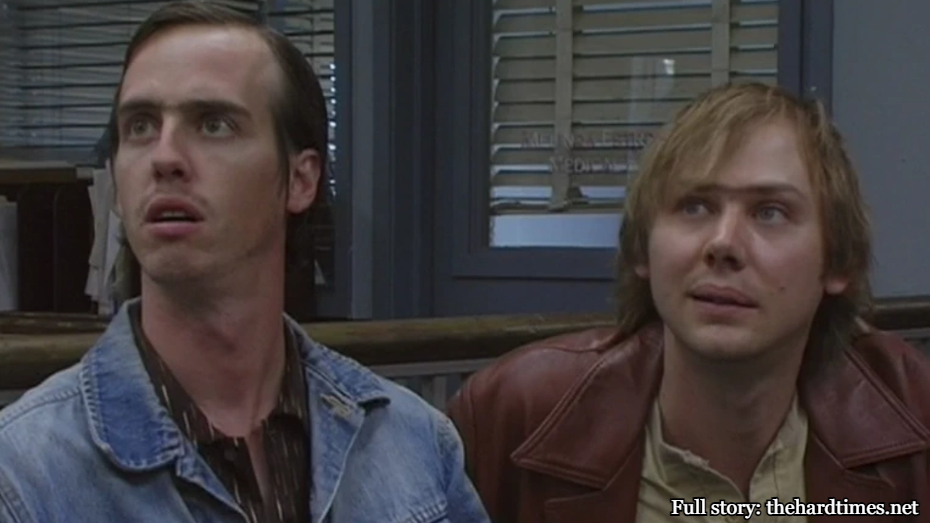 Ryan would somehow be drinking milk in the car the entire way. Not from a carton. Not from a hydro flask. A glass from his kitchen. What disturbs me most is that he rests it in the center console’s cup holder as if it’s not going to spill everywhere.
 Uncle Jack would try to pass off comically large fake hands as his own, one of which would be one of those giant foam fingers from a sporting event. It’d be hard to watch, especially since I have the same exact anxiety, and his fake hands are larger than my fake hands.
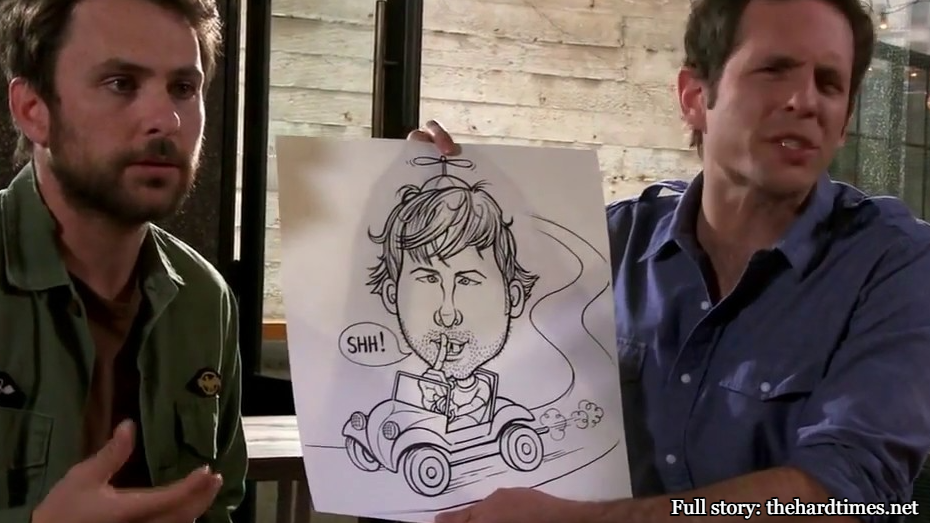 Anyone who believes shushing is an acceptable form of communication in a functioning society shouldn’t be allowed to be in public. We all know that it’s much healthier to keep your interpersonal grievances to yourself and only address them when you’re no less than eight beers deep.
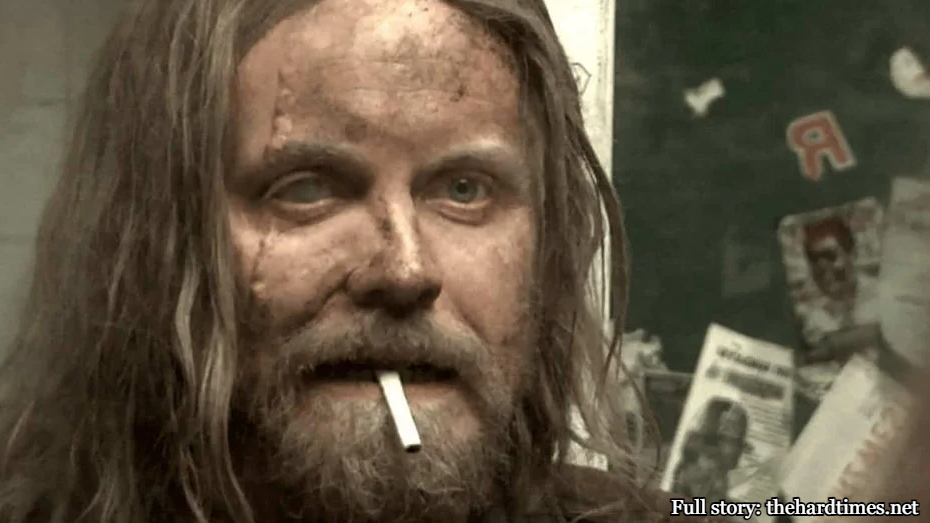 While Cricket has a lot of stories about his days living in a crawl space and he “brought enough PCP for all of us,” there’s just something about him that I don’t trust behind the wheel. Can’t put my finger on it.
 Jackie is part of the mainstream media, so it’d be like getting a ride from Wolf Blitzer. I don’t know if that’d be a good thing or a bad thing, but I don’t want to be the one who finds out.
 This man would bring various small woodland creatures along with him on the ride. While I’m normally fine with that, he wouldn’t address it in the slightest. Are they even his? Am I the only one seeing them? Does he think I’m taking them with me on my flight? I don’t think they’ll let me have a dozen emotional support animals with me.
 I don’t trust anyone who owns an establishment that would have a door marked “pirate” on it. Just can’t get passed that.
 Sometimes you just want to prank the person who agreed to drive you to the airport by tying their shoelaces together when they aren’t looking. Only the waiter would find that “reckless” because he “has to focus on the road.” Man, can’t anyone take a joke that puts our lives in immediate danger anymore?
 I’d likely be coming in too hot for this guy. He was hoping for a more relaxed ride while I’m more like a “have an unsheathed sword in the passenger seat in case we need to defend ourselves from other vehicles” kind of guy. Our energies probably wouldn’t mix well.
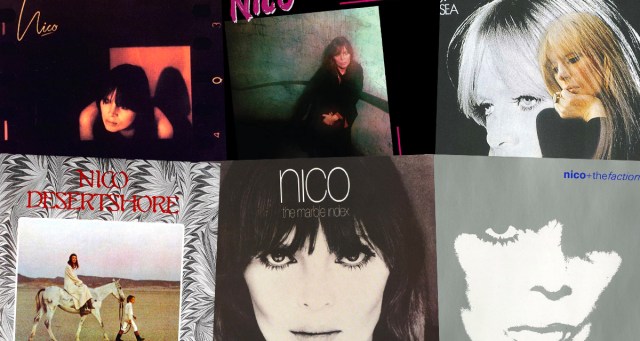
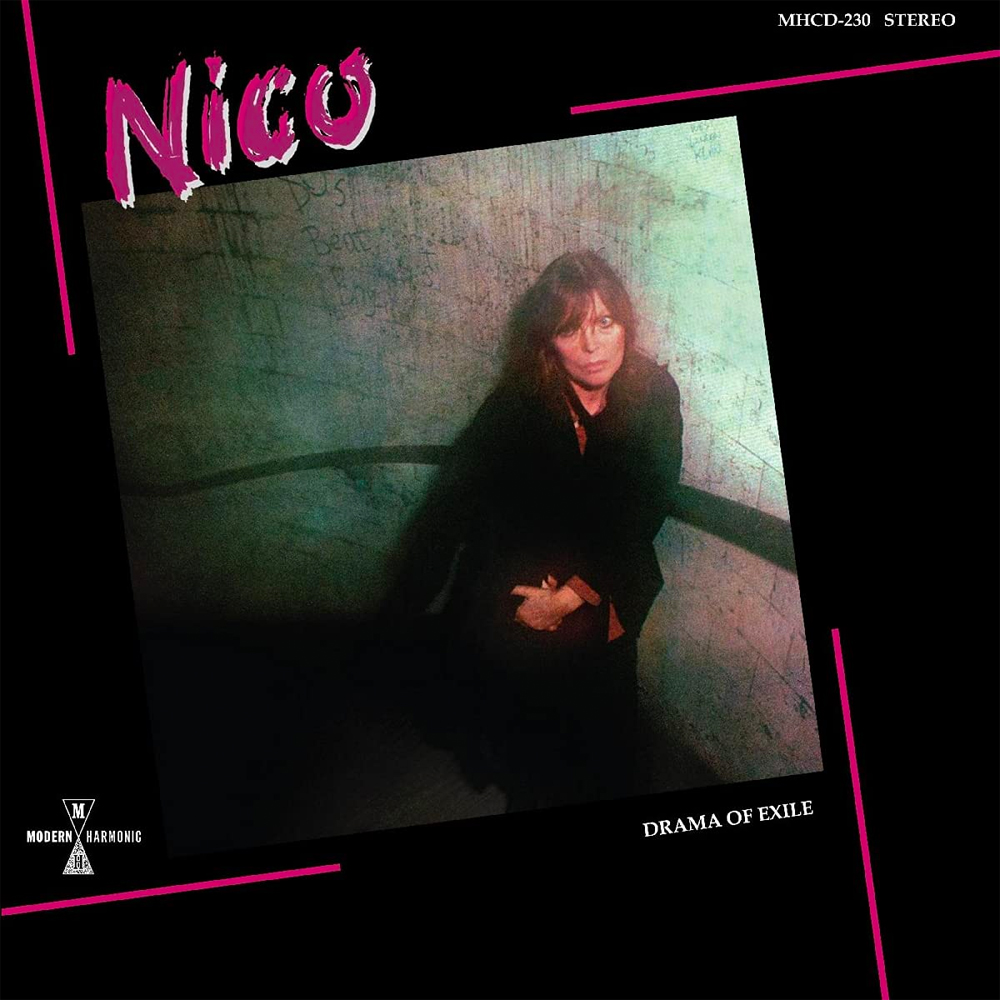 There’s an interesting sort of thing that happens whenever baby boomer rockers make comeback albums. Because on these albums, they’re not just reckoning with their own sound, but reckoning with the groups that have come after them and taken influence. Much like how Christopher Nolan made “Oppenheimer” to reckon with the legions of douchebags that gravitated towards “Joker” for surrogate personalities. That’s the feel of “Drama of Exile,” a faster goth-rock and punk-forward record that feels touched by groups like Siouxsie and the Banshees, while also taking on a more ‘80s flavor. The result here, much like guacamole made by a depressive… is sadly mixed.
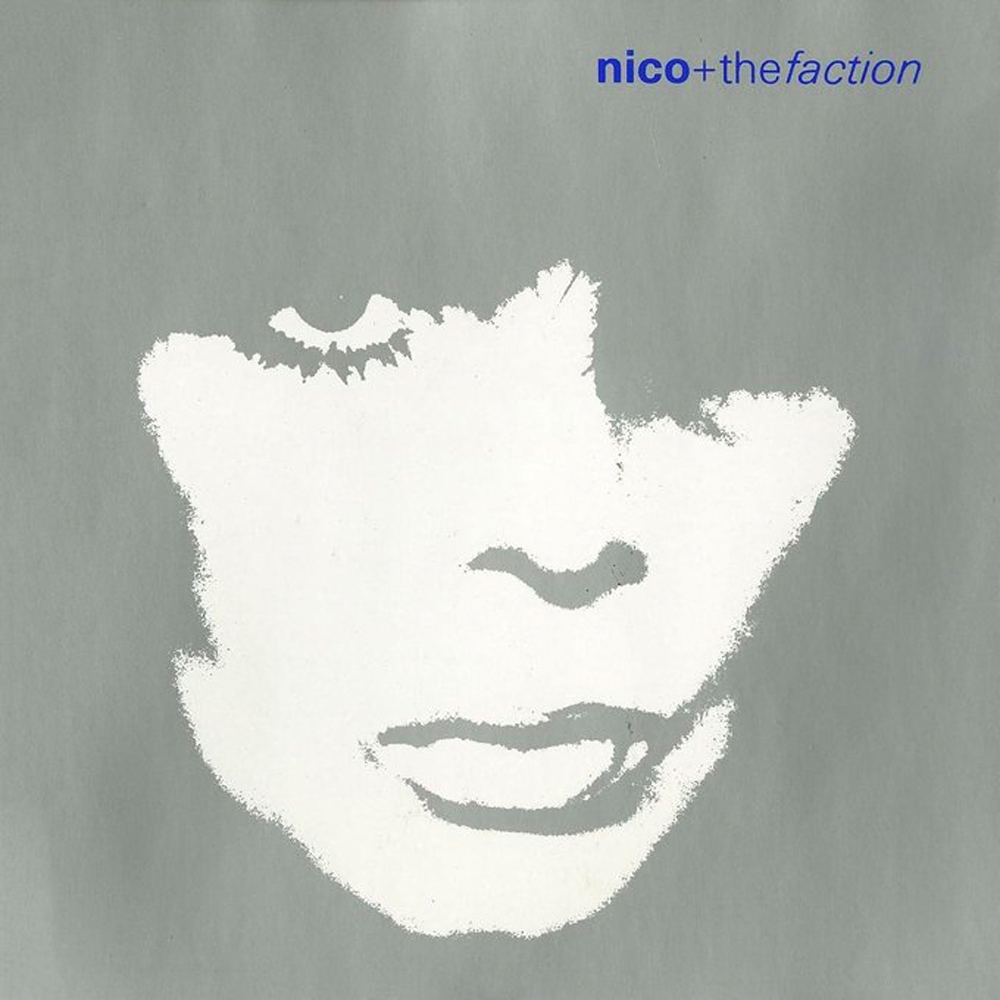 There is a really excellent scene in the biopic “Nico, 1988” (probably one of the only music biopics that does anything remotely creative or interesting) in which Nico (Trine Dyrholm) performs the song “My Heart is Empty” at an underground venue in Soviet East-Berlin, while her management flees from armed guards. That’s the flavor of Nico’s jazz-infused final album. It’s a record that doesn’t give up its secrets easily and seems to have the head-up-assness of some of the most pretentious new-wave acts. But there are some genuinely great moments in this one if one has the patience to look.
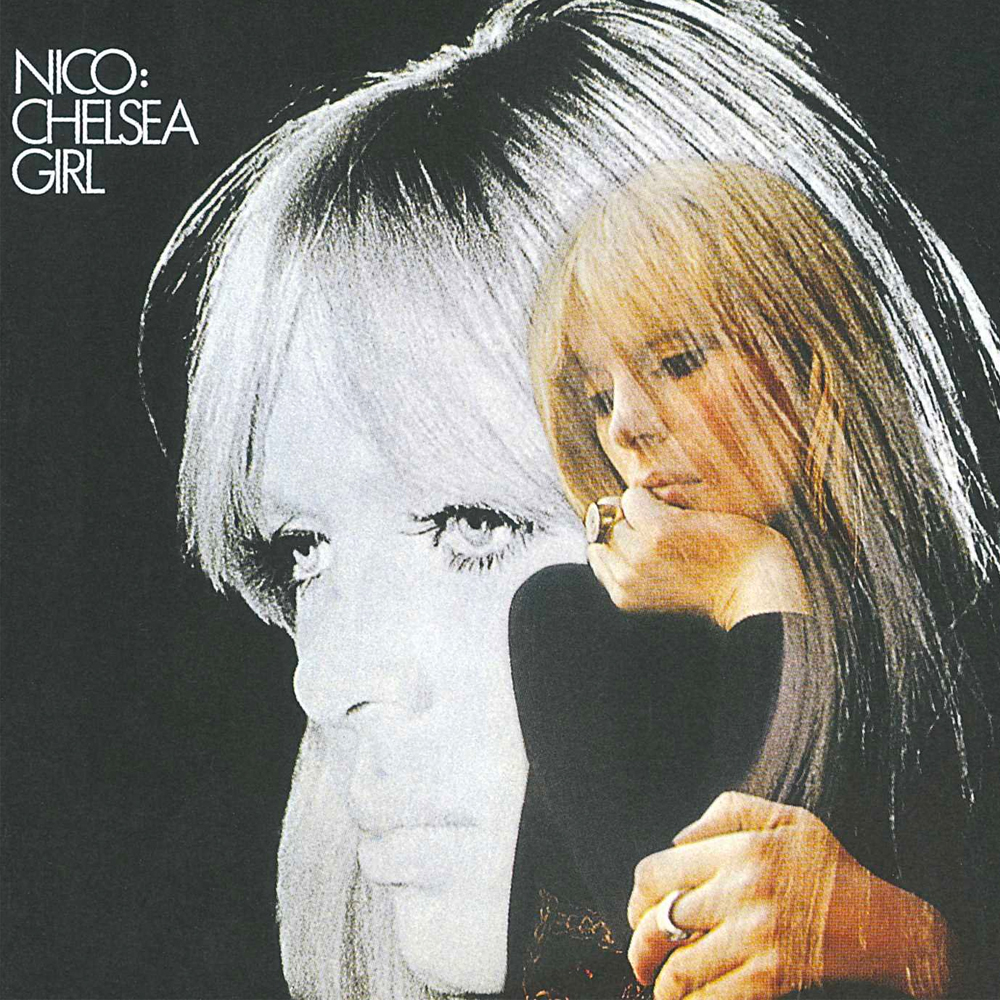 Speaking of excellent movie scenes, who can forget that moment in “The Royal Tenenbaums” when Gwyneth Paltrow’s Margot steps off the bus only to be greeted by her incest-driven adopted brother (Luke Wilson) and “These Days” starts to play? We certainly didn’t. “Chelsea Girl” is a classic. But maybe… just maybe, it’s a classic for some of the wrong reasons. The songs on here seem to showcase how others felt Nico’s career should go, with songs penned by folk icons like Jackson Brown and Bob Dylan and even some more avant-garde tracks by former V.U. bandmates. It’s a great album, it sounds good, it’s cozy. But there are deeper places Nico could go.
 The last of Nico’s great gothic trilogy (and the darkest of them by far), “The End…” is a collection of moanings, wailings, tortures, hauntings, and banshee keenings. And you know something? I love it. Essentially a eulogy for Nico’s songwriting mentor Jim Morrison, this album features a creepy truly, creepy cover of “The End” by the Doors and “You Forgot to Answer” an account of Nico trying to reach Morrison just before she was informed of his death. This album is probably Nico’s most ambitious work, but much like a lasagna with a weird extra ingredient (probably zucchini or some shit) it’s too messy to be perfect. But then again, Nico is a V.U. vet. And what’s more Velvet Underground than a mess?
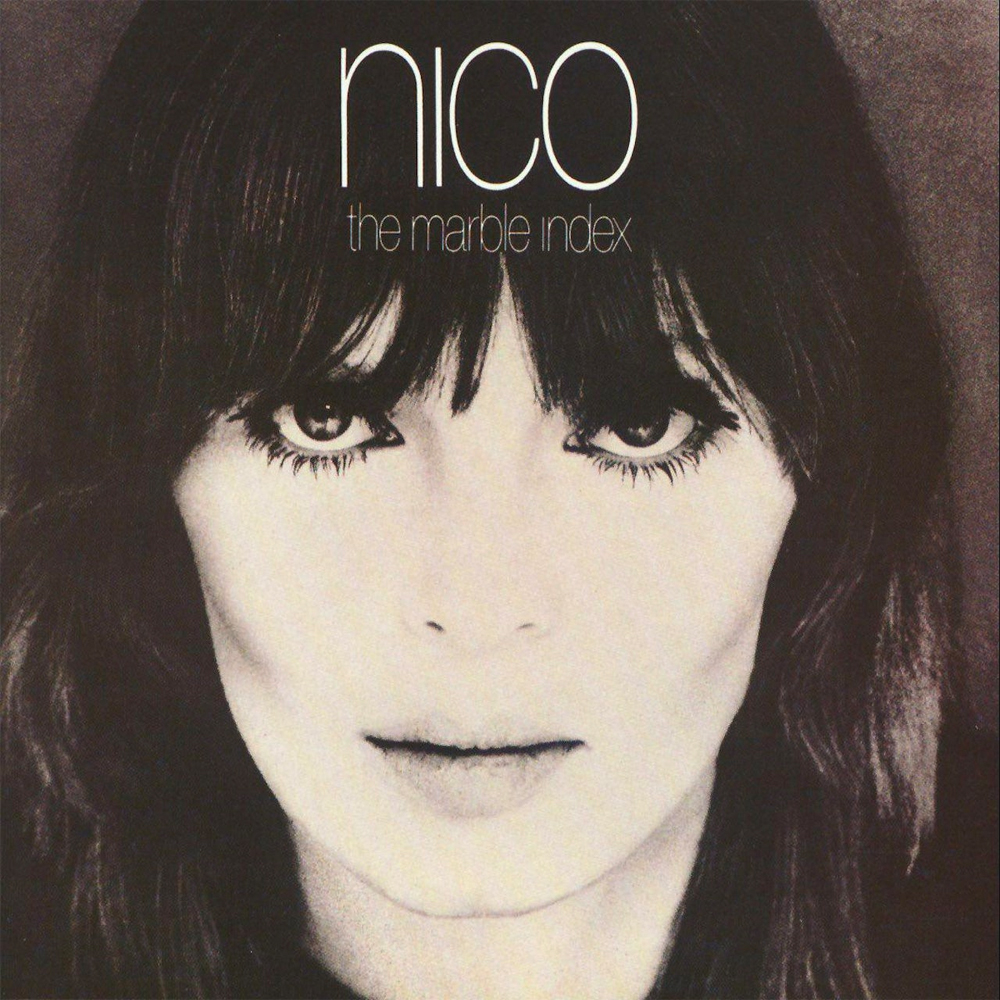 The launchpad to the Nico we know best, “The Marble Index” is, without doubt, one of the creepiest albums ever written. And its best song “Evening of Light” is so psychologically unnerving (with droning mandolins and monotone singing) that it’s honestly inadvisable to listen to it if you’re alone after dark. Still, many of Nico’s greatest… hits?… are on this record, including “Frozen Warnings” and “No One is There.” Ah yes. Nico’s greatest hits. You know how you always hear them on the radio? Those songs with the dissonant violins and the singing about demons? Songs of the summer here, folks.
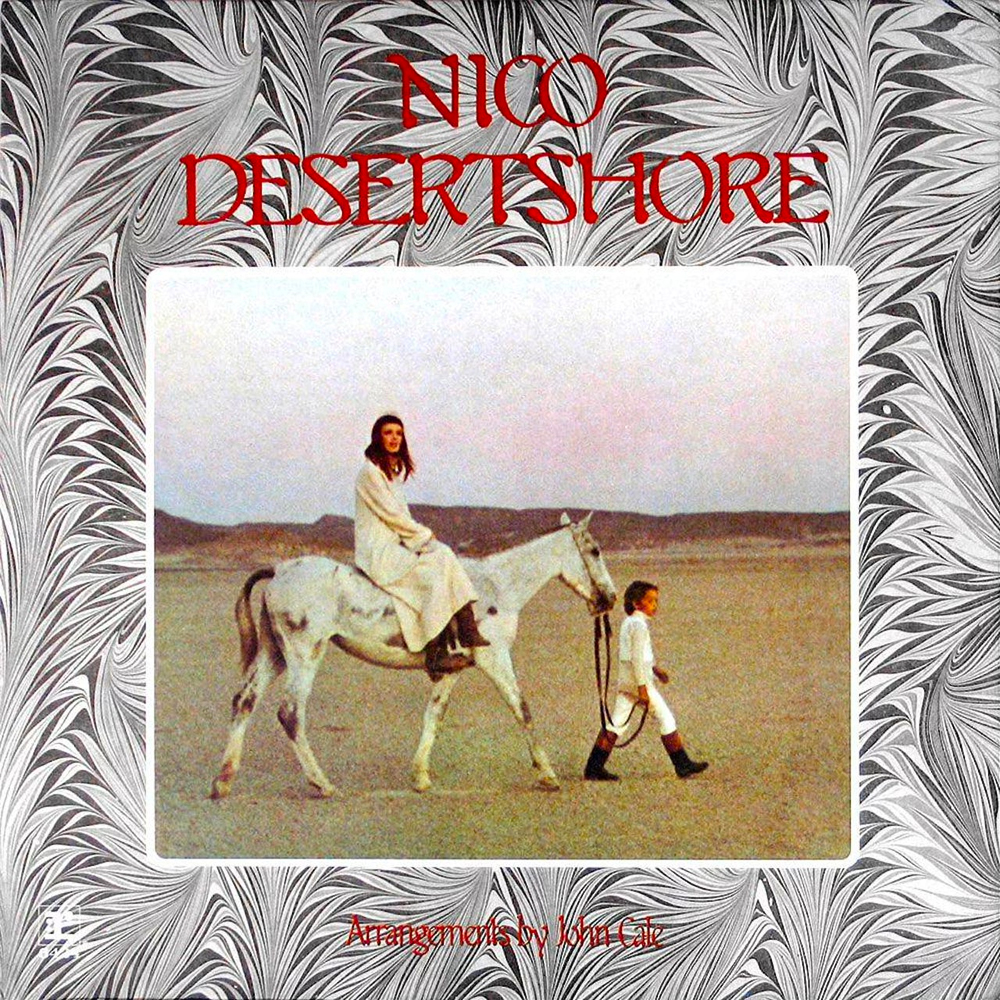 As every middle-aged man points out before trying either Hims or truck-stop dick pills… it’s not the size that counts. It’s how you use it. In this case, Nico uses a not-quite-29-minute record to make her greatest cultural footprint. So much so that the English group Throbbing Gristle launched “The Desertshore Collective” a multi-day live performance of songs on this album. Which is perfect, both as an artistic vision and as a version of the Bad Place for the people who got trapped at Burning Man this year.


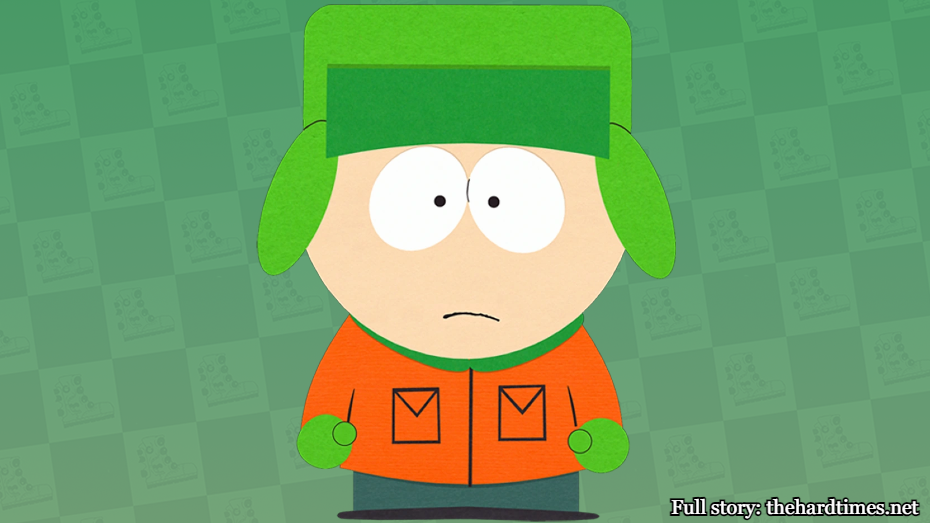 Kyle is a good friend and a virtuous person, which is exactly why he’s the last person you want to confide in with this. His strong moral compass will lead him to encourage you to report it to the police. And if you don’t, he probably will. Tattletale.
 Of course Terrance would NEVER condone the cover-up of a death! How could you not know that?!
 This morally strong son of a “Lord of the Rings” fan would not assist you in the burying of a body. If you sought his help, he’d open the door, take one look at the mess you got yourself into, wordlessly shake his head, and close the door. Hey, at least he wouldn’t tattle on you like Kyle.
 Even at her most Cartmanette-esque, Heidi wouldn’t get herself involved. But don’t worry, she won’t be babbling about it on social media any time soon. You should probably just get out of here before her jacked dad hears you.
 No way. Gobbles is too pure.
 Timmy is one of the most morally-fortified characters in South Park. If you told him you needed help hiding a body, he’d be shocked. He’d sit you down and have a long talk with you about taking responsibility for your actions and calmly hand you a phone with “911” already dialed. He could never snitch either, but for different reasons than some of the other people on this list.
 This private school snob wouldn’t deign to lift a finger and help another person unless it got him lots of clout for his politics. Disgusting. We bet he’s definitely had a few bodies buried for him though.
 Baby Fark McGeezax (or “McG” for short) would absolutely tell you he’ll help you hide a body. That is, until he reveals that it was all part of a long con to see your true nature and what you’re capable of. Because of you, humanity will never get to join the intergalactic federation of planets. Thanks a lot.
 Liane has a strict moral code so she would never cross such a line. Unless you’re her little poopsie-kins. In that case, she’ll do the killing, the burying, and the jail time if necessary.
 Despite the alarming amount of firesetting and laughing at others’ misery, Kenny actually lives a pretty moral life and would be likely to talk you through your problems. He’d encourage you to go to the authorities but he’d also give you a few good ideas for hiding spots.
 Funnybot is the best comedian to come out of Germany since Michael Mittermeier. Sure, he’s no Olaf Schubert, but Funnybot can make any crowd uber-lachen. Unfortunately, he won’t help you hide a body. Who do you think he is, Bülent Ceylan?!
 You all know the song! “Mr. Hankey, the Christmas poo. He loves me and I love you. Therefore he’ll help you hide a body.” With lyrics like that, you’d think this choo-choo riding poo-poo would be the first one with a shovel at the ready. But Mr. Hankey is more talk than walk. Besides, he’s always working. He’s the type to say yes to something he knows damn well he can’t fully commit to.
 This cluster of deus-ex-crustaceans will stop at nothing to take over the human race, assuming we can’t think of who else it might be. They will happily hide any human body, but pretty soon they’ll be hiding yours too.
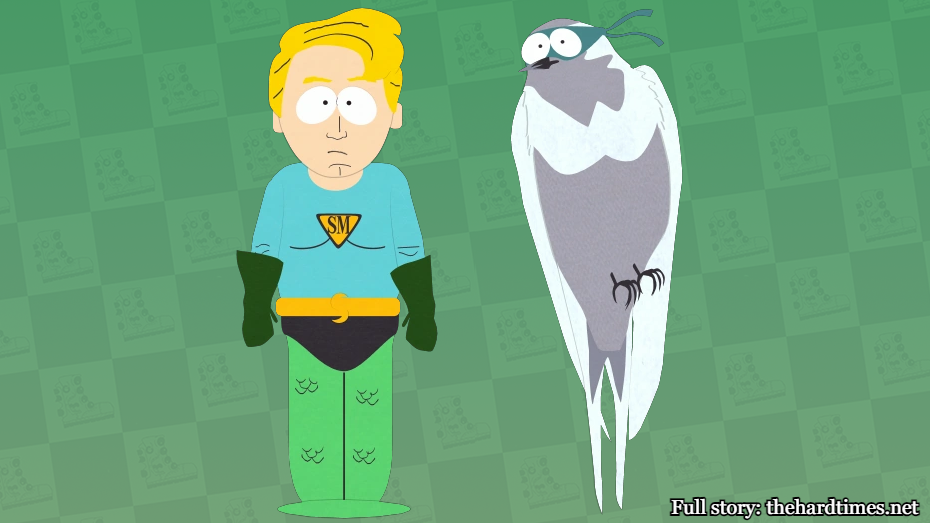 Sea-Man is a superhero bound by the code of the Super Best Friends. A defender of truth and virtue, Sea-Man would never agree to take on your load. Heh. Along with his life partner, Swallow, Sea-Man would instead cleanse you with his salty seafoam and blow you dry with the force of Neptune himself. Swallow would help you out though.
 We’re not saying Captain Hindsight wouldn’t help hide a body. We’re just saying he’d get too caught up on how we should have done things differently so that we didn’t end up in this situation to begin with.
 Always one to stand up for what’s right, Wendy Testaburger would not sit idly by as a crime went unreported. She’d tell you she’s gonna help out, but that’s just luring you into a trap for law enforcement. However, if she believed law enforcement was corrupt and that you were just a patsy, taking the fall for a corrupt mayor, cop, or hall monitor, then she’d at least keep lookout.
 All jokes aside—which may be tough for the hilarious Jimmy Valmer—Jimmy is a stand-up guy. He’d keep your secret but he’s not helping you hide that body unless it’s gonna help him either win a comedy award or get some strange.
 While his best friend Kyle may be iron-clad in his belief system, Stan Marsh is more of a blank page when it comes to morality. Sometimes his decisions are based on self-interest. But often, they are for the greater good, even if it means making a personal sacrifice. Stan might help you hide a dead body, but you better have a good reason for it being dead.
 With few exceptions, Chef is the only adult in South Park who’s looking out for the children’s best interest. This one’s simple. If you’re a kid, Chef will do anything to keep you protected even if it means breaking a few laws. But if you’re an adult, you can go fudge yourself now.
 Linda has proven her willingness and ability to cover up capital offenses on several occasions. However, these were all instances of self-interest. She’d definitely help you hide her piece of shit husband’s body though. Hell, she might even provide the body.
 Bebe is yet another South Park resident who has gone to dangerous and illegal lengths to keep a conspiracy secret. So unless you’re hiding the body of some busybody elementary schooler who can’t keep their trap shut, Bebe’s not the one.