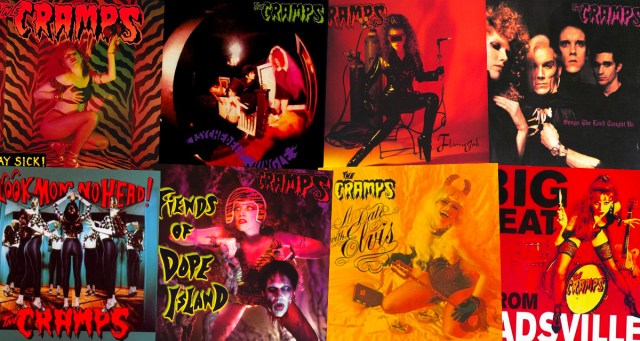
The more rock interviews you read, the more you start to notice the almighty Cramps popping up, Forrest Gump-like, in an insane number of notable figures’ musical trajectories. Like that first Velvet Underground album before them, attending a Cramps live show ignited interest in pursuing the punk lifestyle in such folks like Ian MacKaye, John Dwyer, and even Big Star’s Alex Chilton. Chances are, if you’re reading this, Lux and Ivy’s psoothing, pscintillating psychobilly has comfortably dug its claws deep into you too, so today we’re ranking all their studio albums (so cue everyone’s “No Bad Music For Bad People??” “This is Gravest Hits erasure and I won’t stand for it” comments in 3…2…) Enjoy!
8. Look Mom No Head! (1991)
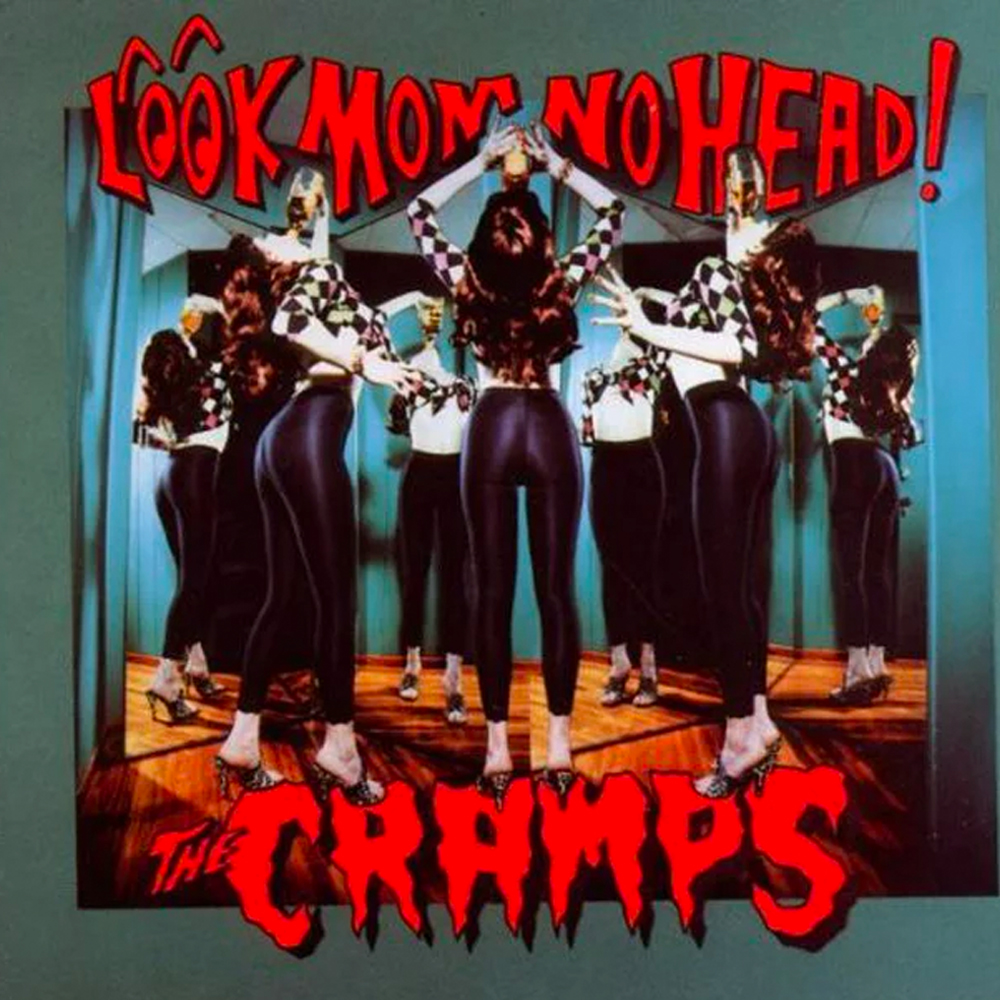 Honestly, it’s tough picking the worst Cramps album. They’re so consistently the SAME that it’s a real chore to consider what’s the bottom of the barrel (or in their case, dynamite powderkeg) “Look Mom No Head” fills the role though, in just being the most “more of the same” offering they ever served up. But, there are positives: An Iggy Pop appearance on “Miniskirt Blues” is fun, where he trades snotty vocals with Interior like two kids on the playground. Poison Ivy really cooks on tracks like “Eyeballs in my Martini.” Lux livens up his standard yowy-growly vocals by sometimes sounding like a wayward Cookie Monster who requires his cookies with a side of hooch. But, overall this one’s as “computer, load up a Cramps album” as they come.
Play It Again: “Dames, Booze, Chains and Boots”
Skip It: “Hardworking Man” is unfortunately a far cry from the original off the “Blue Collar” soundtrack.
7. Fiends of Dope Island (2003)
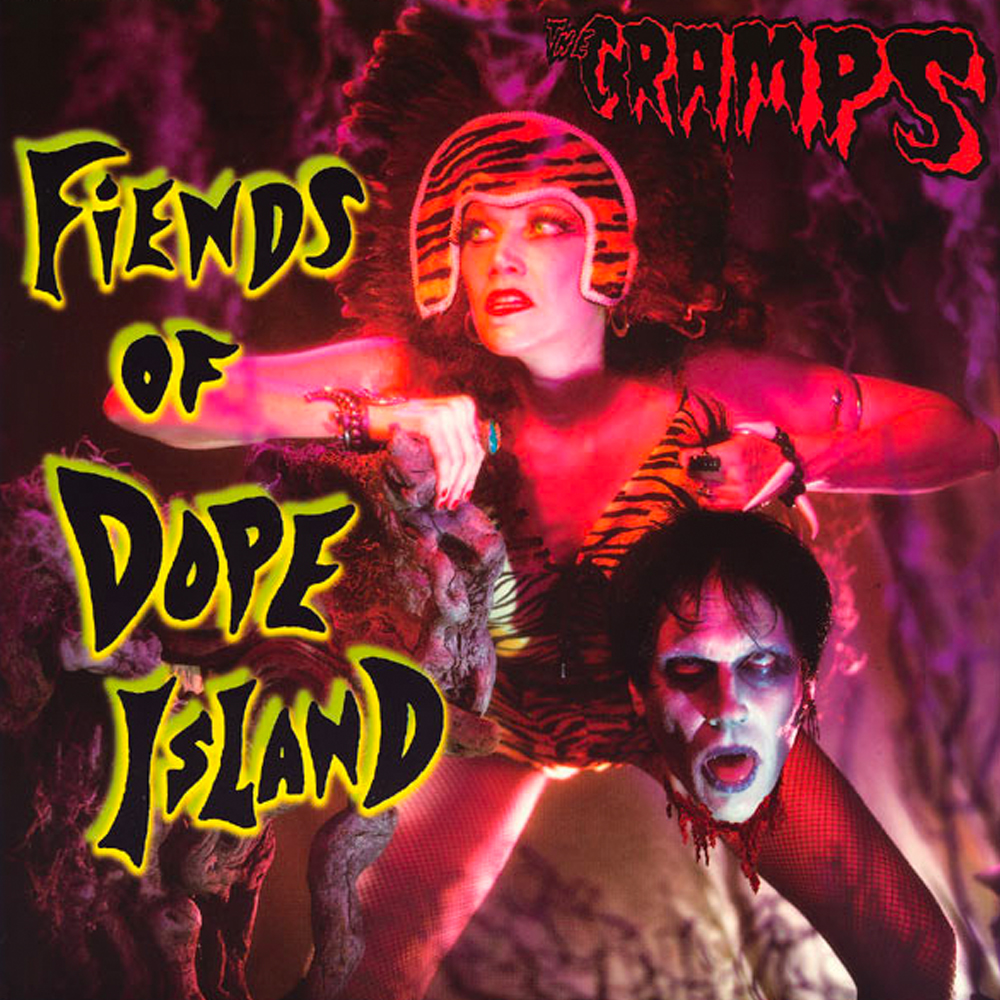 Hey, a middling Cramps album is still a Cramps album, damn it! “Fiends of Dope Island” is what ended up being the final Cramps record before the passing of Lux Interior, and it’s a credit to the group that they can still sound the same as ever after all those years. Convincingly aping juvenile delinquents while theoretically being able to use a senior citizen discount has gotta be difficult, but Lux and Ivy make it look easy. If you can ignore the lame ChatGPT-vibes cover art, this is a more-than-respectable final transmission from one of rock’s most enduring oddballs…but c’mon, we’re not going to put it above second-to-last place!
Play It Again: “Wrong Way Ticket”
Skip It: “Doctor Fucker, M.D”
6. A Date With Elvis (1986)
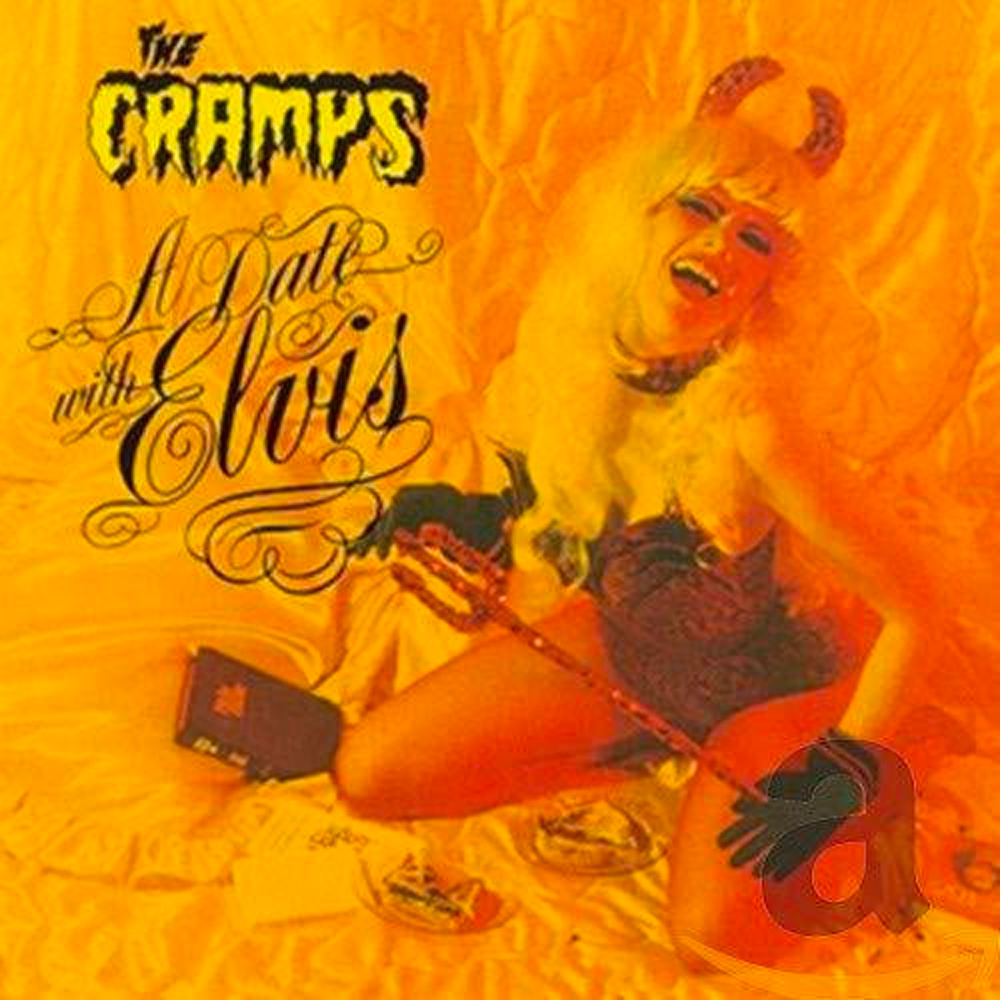 Recorded after a far-too-long label dispute, “A Date with Elvis” shows the Cramps’ interests turning from the trash-horror subject matter of their infancy, to the trash-sexploitation stuff that would guide them through the rest of their careers, as if they started hanging out with a different crowd in the summer break between elementary and middle school. Highlights this go-round are that we finally get to hear Poison Ivy sing a little bit (delightfully off-key) on “Kizmiaz” and “Get Off the Road,” and it’s interesting to see a real concerted emphasis on jacked-up country/western with songs like “Cornfed Dames.” But, unlike a real date with Elvis Presley, this unfortunately won’t leave you feeling quite as satisfied as a belly full of Monte Cristos.
Play It Again: “The Hot Pearl Snatch”
Skip It: “It’s Just That Song” should be titled “It’s Just That Slog”
5. Big Beat From Badsville (1997)
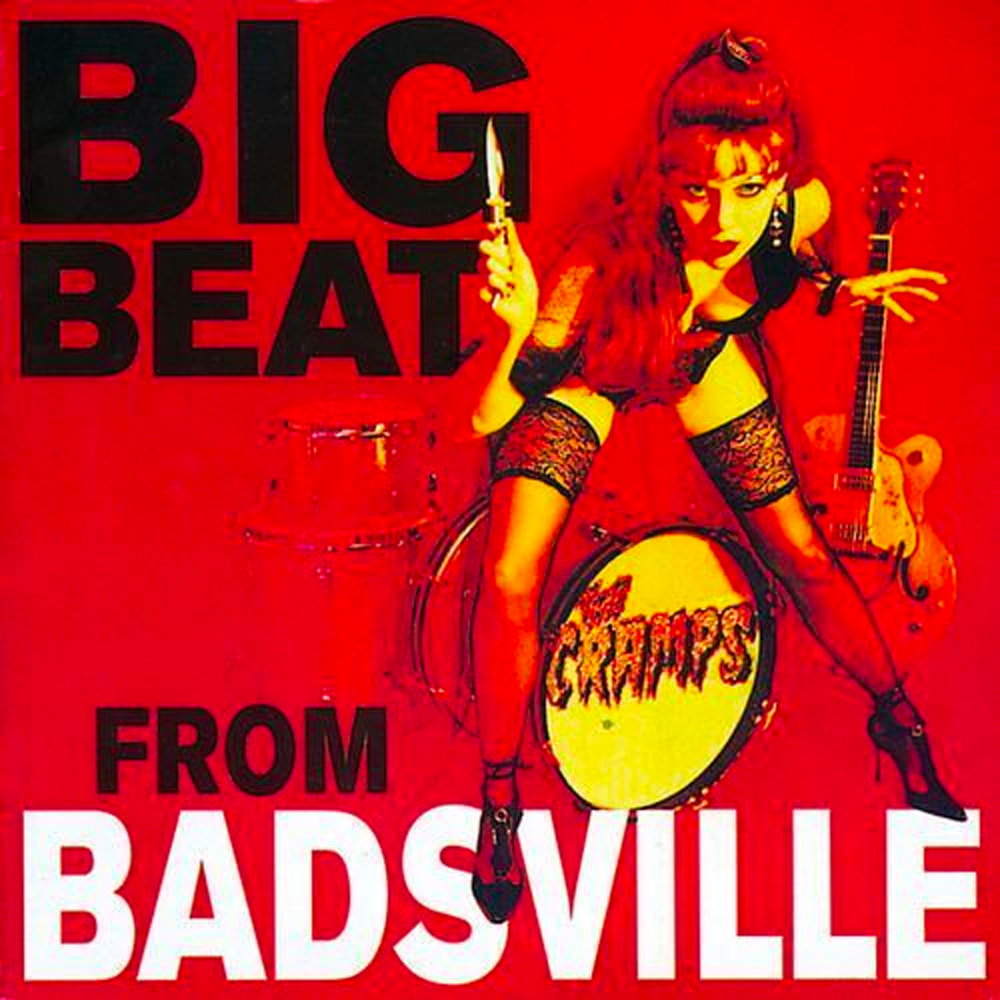 Another batch of tunes that would make John Waters weep with trashy joy, “Big Beat From Badsville” proves yet again that the Cramps didn’t mess with their successful formula. With a tracklist that includes more animal songs than a Raffi concert (come to think of it, what a shame we never got a Cramps rendition of “Baby Beluga”) Badsville historically remains the only Cramps LP to consist of entirely original material. And for a band that clings to their covers more than a kid who thinks there’s a monster under the bed, we take our hats off to them!
Play It Again: “It Thing Hard On” absolutely RIPS
Skip It: “Monkey With Your Tail”
4. Stay Sick! (1990)
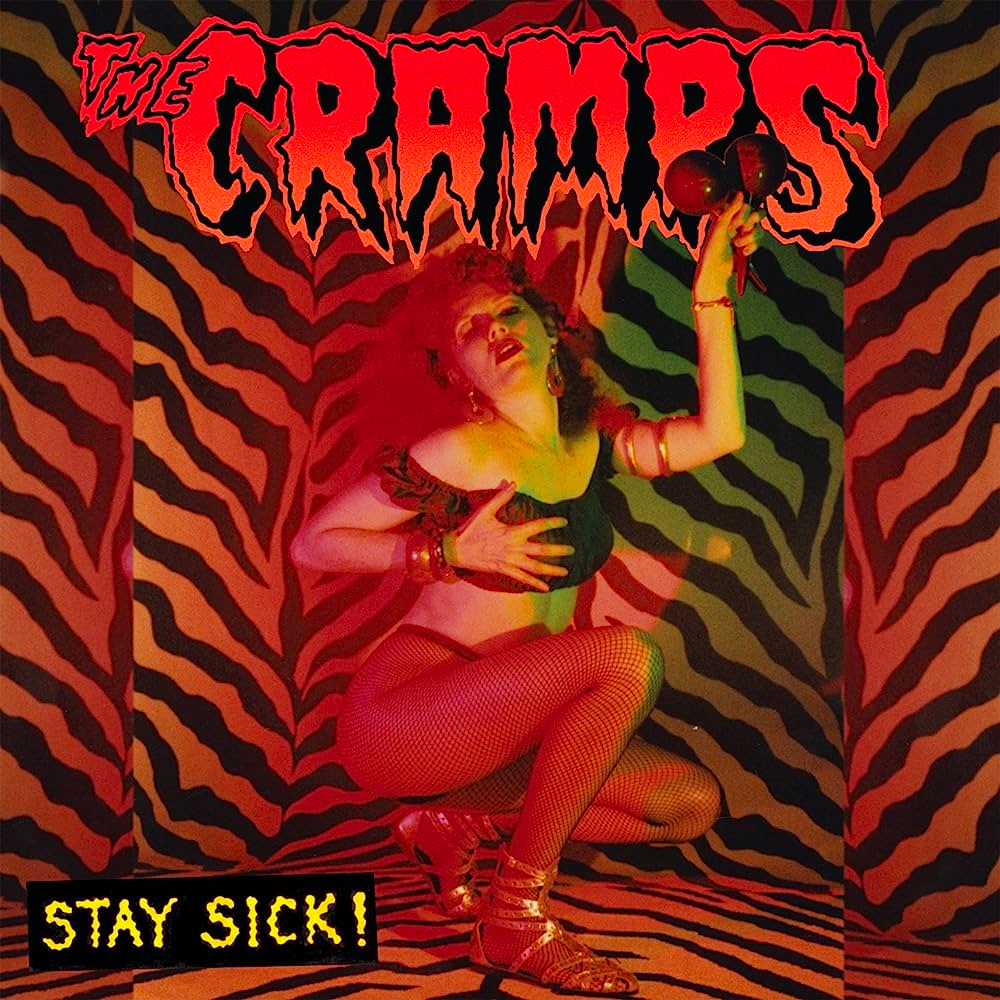 An apt title to say the least, this one’s sick indeed! The last album with their incredibly stoic drummer Nick Knox, the Cramps burst down the door of the ‘90s full force with “Stay Sick!” The band is in absurdly fine form, with “God Damn Rock ‘n Roll” sounding like they’re snidely turning that one Bob Seger track upside down and dangling it over a highway overpass. Ivy’s production is appropriately ‘50s drenched, and she makes Interior sound exactly like he’s using exclusively those rectangular “crooner” style microphones the entire time. Good luck swallowing one of those, Lux!
Play It Again: “Bikini Girls with Machine Guns”
Skip It: “Everything Goes”
3. Psychedelic Jungle (1981)
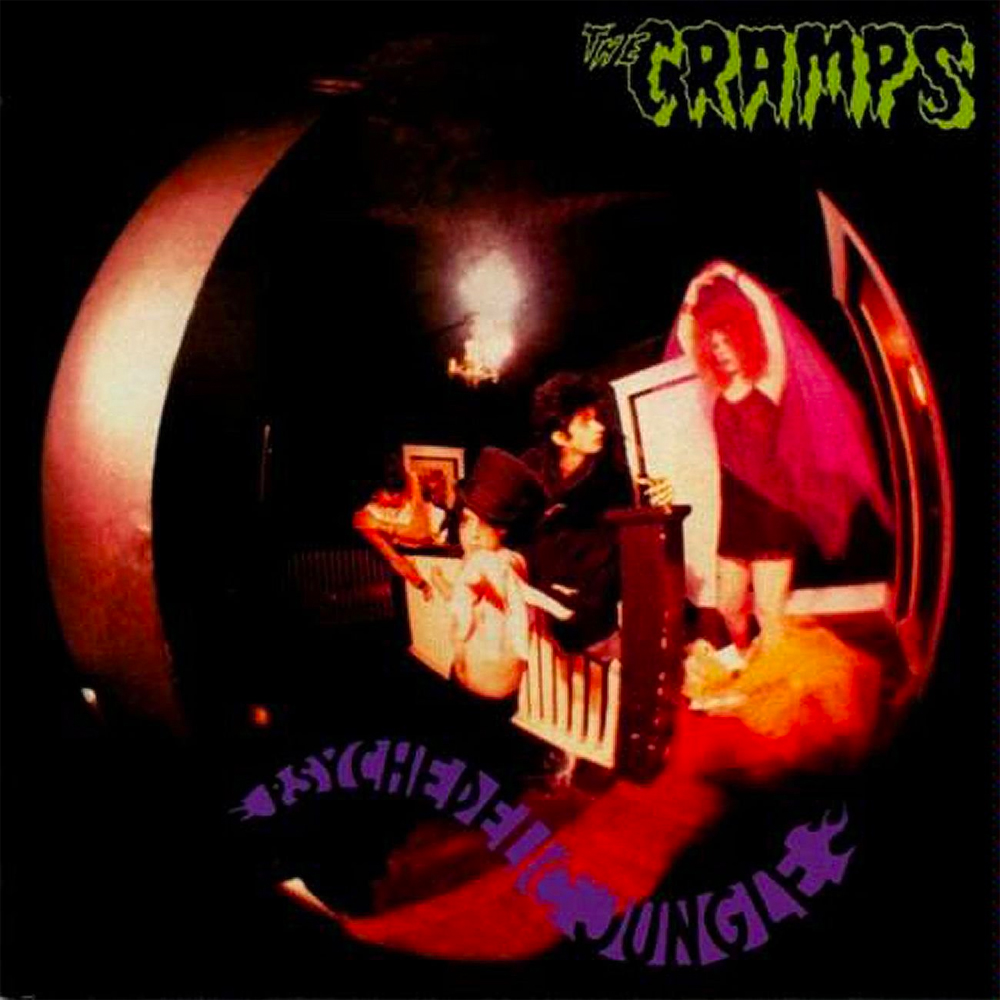 Coming to the Cramps for nuance is like going to a pet store for airline tickets, and while their second album is light on variety (let’s face it, most Cramps albums are and we love them for it), it more than makes up in pure slimy style. Every track oozes effortlessly into the next one, proving you don’t need to play at a breakneck pace to break necks (you can break them from nodding “hell yeah” too much in this case.) Plus, it even doles out sage advice in the process…I mean, you really shouldn’t eat stuff off the sidewalk…Thanks, Lux ‘n Ivy!
Play It Again: “Goo Goo Muck”
Skip It: “Jungle Hop” (Look up the Don & Dewey original instead)
2. Flamejob (1994)
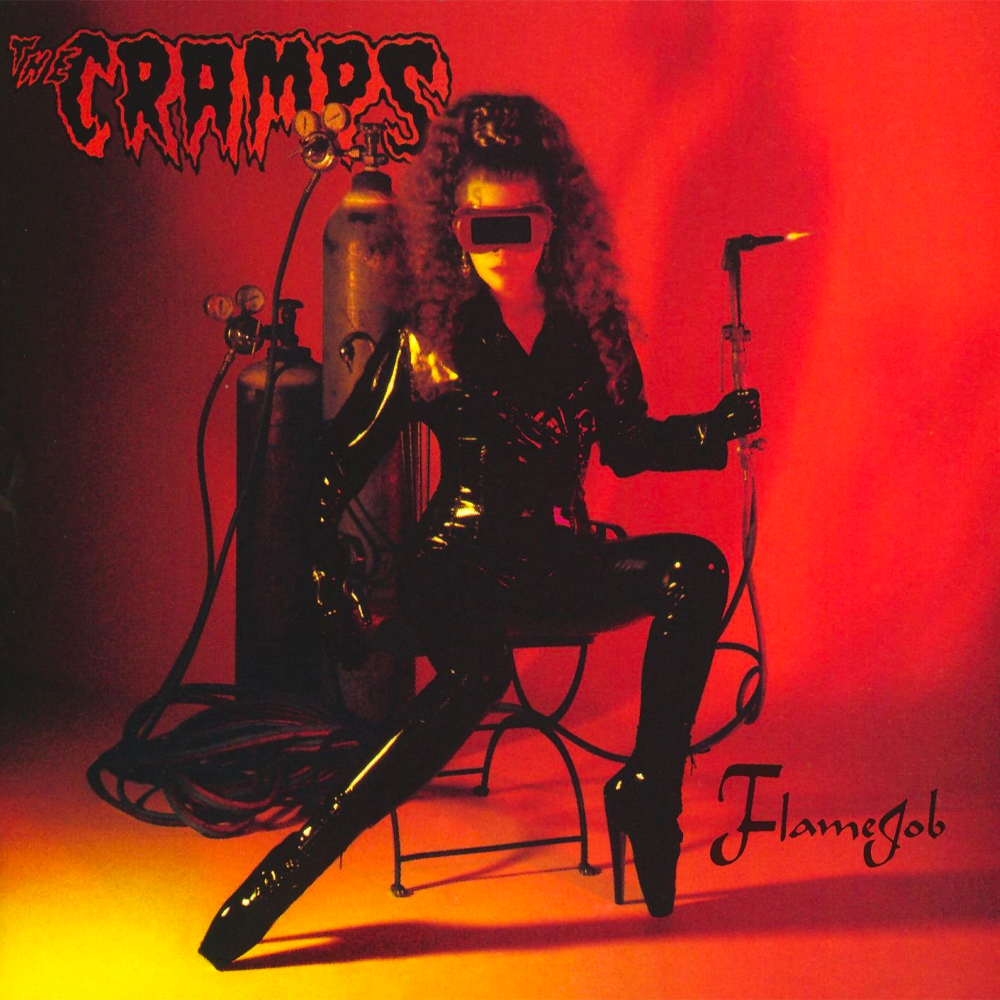 It’s certainly apt that Flamejob is packed with its fair share of automotive songs, because it absolutely makes you want to crank up while hauling ass down the open highway. Incorporating some hauntingly faithful covers like “Strange Love,” and their take on “Route 66” that sounds uncannily like something you’d hear while being shuffled out of a dive bar at last call, with pint glasses sneakily tucked into your pockets. There’s just something about “Flamejob” that edges it over ‘Psychedelic Jungle,” and if you don’t agree, who cares – we’re already 30 miles down the road in a cloud of dust.
Play It Again: “Sado County Auto Show”
Skip It: “Ultra Twist” but only because you should watch the clip of them performing it on Conan O’Brien instead.
1. Songs the Lord Taught Us (1980)
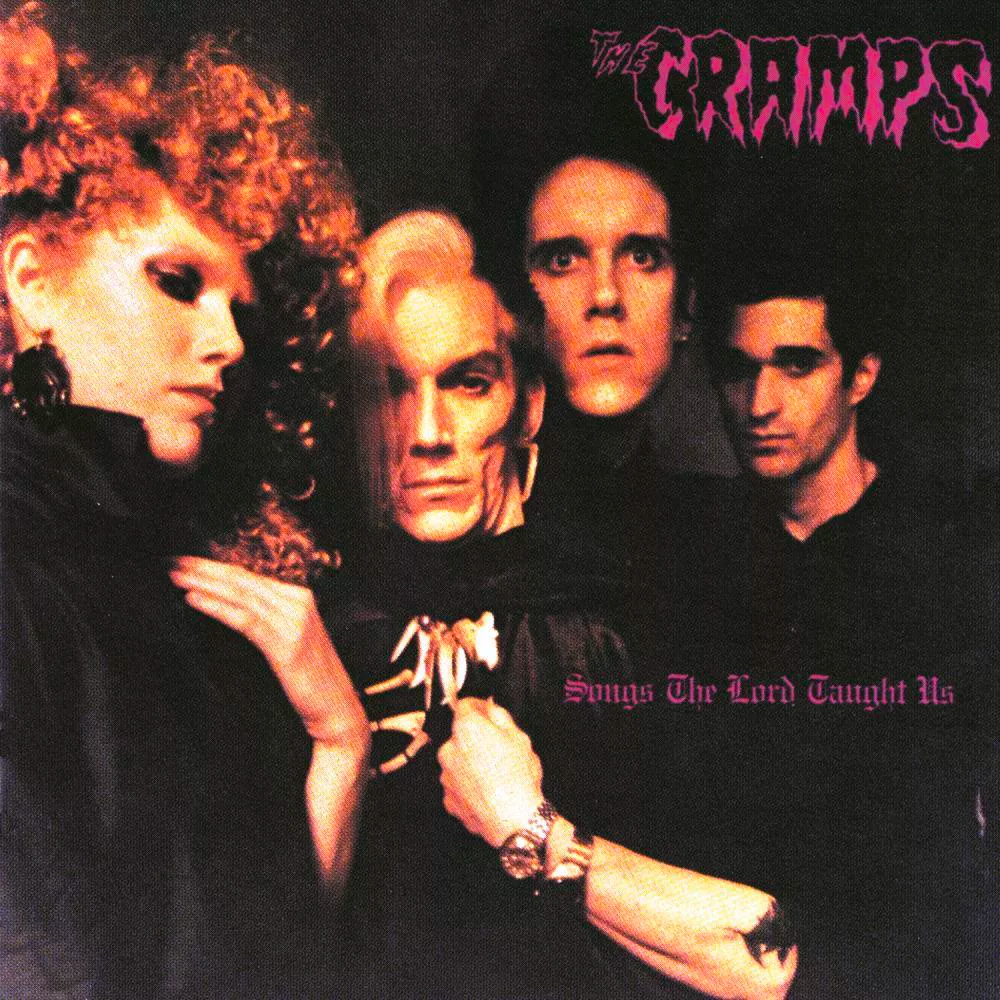 The Cramps burst (or, rather, slithered) onto the scene with this incredible collection of electrified sleaze that cemented them as punk mainstays. Inventing psychobilly seemingly without batting an eye, they throw the ultimate party with a guest list teeming with werewolves, zombies, sanitation trucks…the gang’s all here! Somehow they managed to dumb down a Sonics song even further, which is a salutable feat in anyone’s book. “Songs the Lord Taught Us” may have been named ironically, but if you ask us, there’s no question that this record is sent from heaven.
Play It Again: If you don’t get “Garbage Man” stuck in your head every time you drag those cans to the curb, I don’t know what to tell you.
Skip It: Look, we’re running out of cute ways to say “Don’t skip any tracks on this one” for these things, so let’s just play the whole album and enjoy ourselves, shall we?
We have more reporting on The Cramps that you should read:

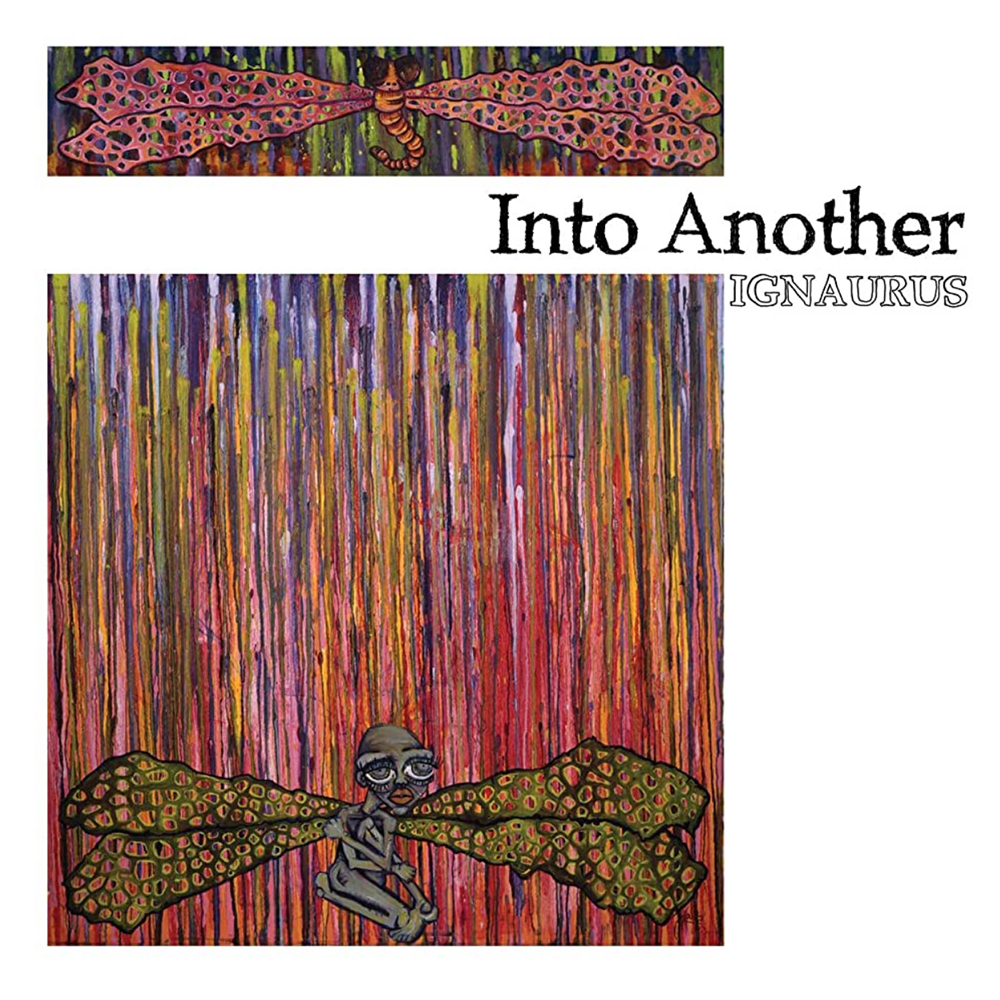 When Into Another first arrived on the scene in 1991 with their self-titled album on Revelation most everyone took one look at their long hair and their shiny shirts and gave it a hearty “Nah, I’m good.” It wasn’t really until “Ignaurus” came out and their sound came together that people really started to take notice. If you can hear that opening chord ringing out in “Drowning” with the running bass and drum lines and you don’t want to do that hand-waiving, side-stutter mosh thing that all the kids were doing back then there is something wrong with you.
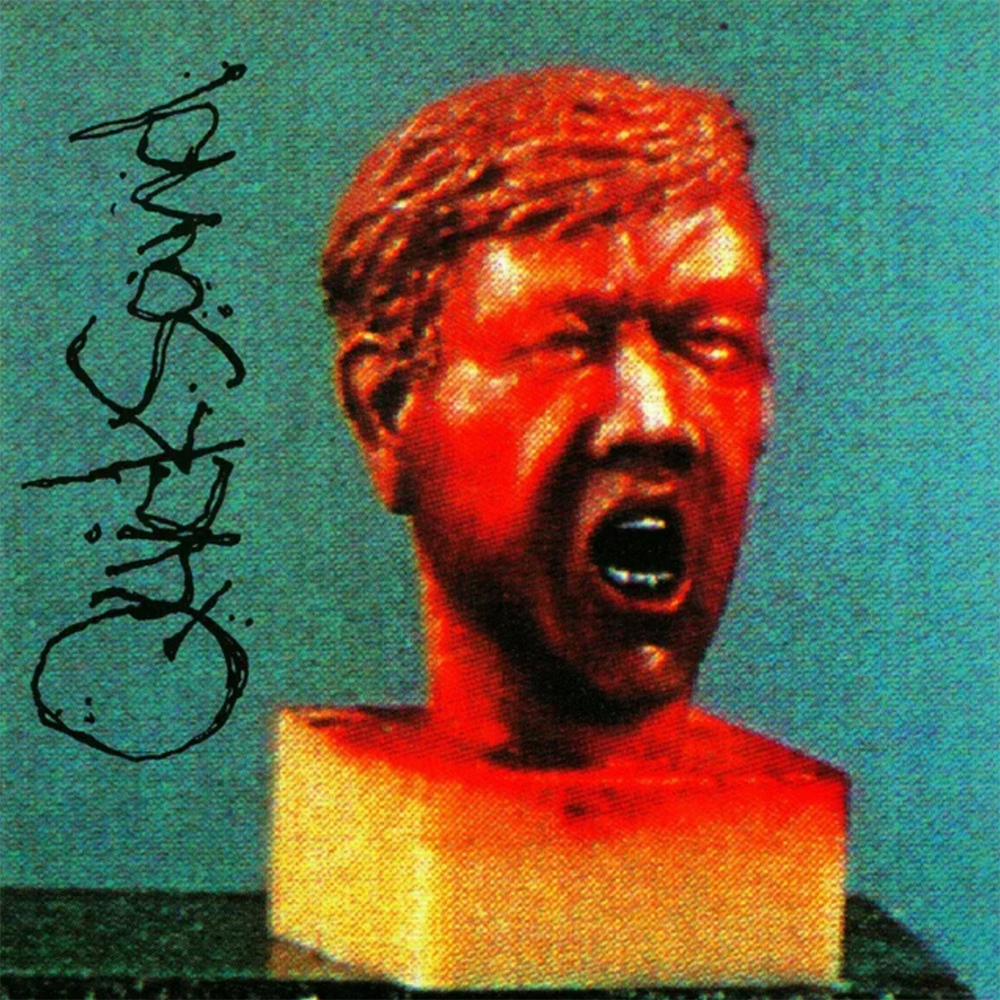 This supergroup of sorts formed from the fallout of several NYHC bands and released this 7” that seemingly invented a new genre. The slower, drop-D grooves must have ruffled some feathers when it first came out but goddamn does it still hold up to this day. And yes, you could probably draw a straight line from this to something like Breaking Benjamin or any of those early 2000’s Matrix-core bands but you can’t really blame Quicksand for letting that post-hardcore genie out of the bottle.
 At the height of posi “society is fucked because of drugs but let’s plaster on a fake smile and pretend we’re all friends” hardcore, these dudes came along to drop some hard truths. This was the soundtrack for a generation of straight edge kids who fantasized about smashing in the face of those partying popular kids in their high school and is really a precursor to the militant X DRUG FREE X chugga bands that would dominate the ‘90s.
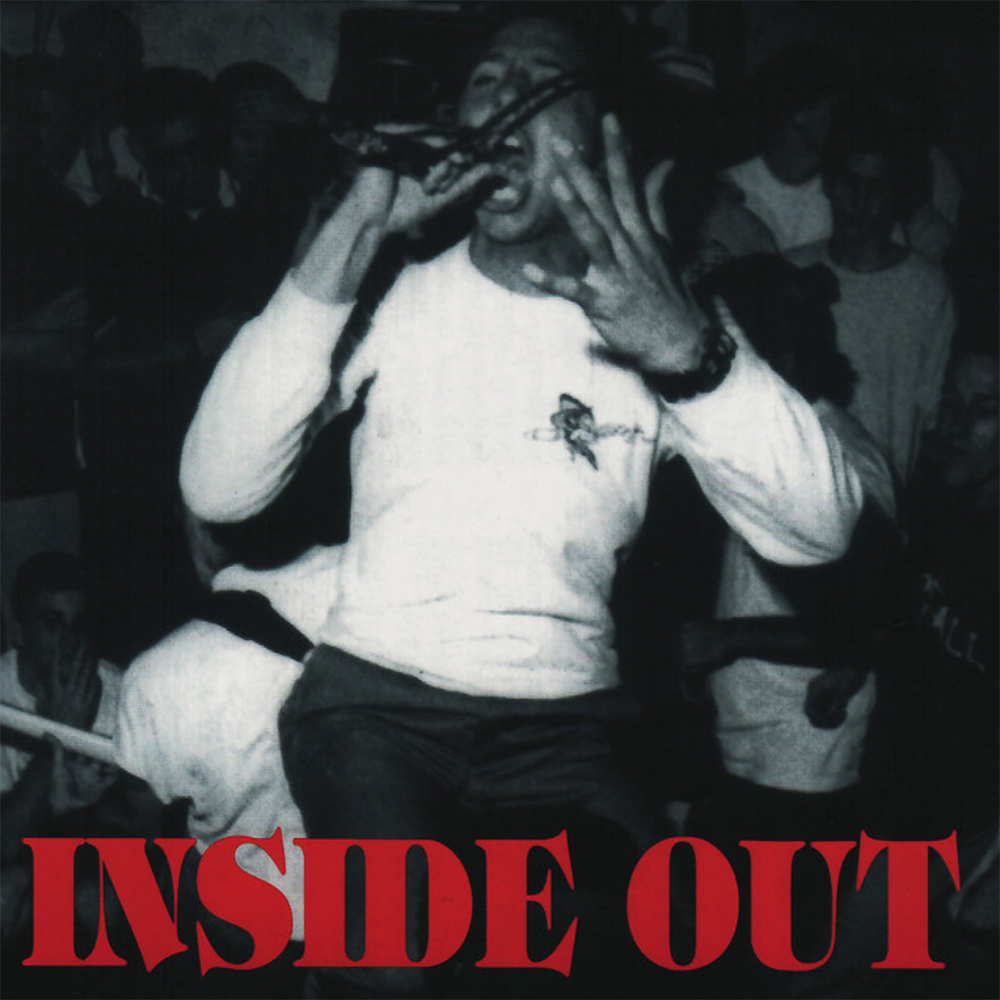 Before Vic Dicara became the angriest Krishna alive and formed 108 and also before Zach de la Rocha started up some rap metal band, there was Inside Out. On their only official release, Dicara’s raw wailing guitar sound mixed with Zach’s pure fucking fury scratched a lot of itches. Out there on the world wide web you can find a live set of theirs with an unreleased song called “Rage Against The Machine” and frankly, we’re glad it went unreleased since anything after these six songs would’ve been a letdown.
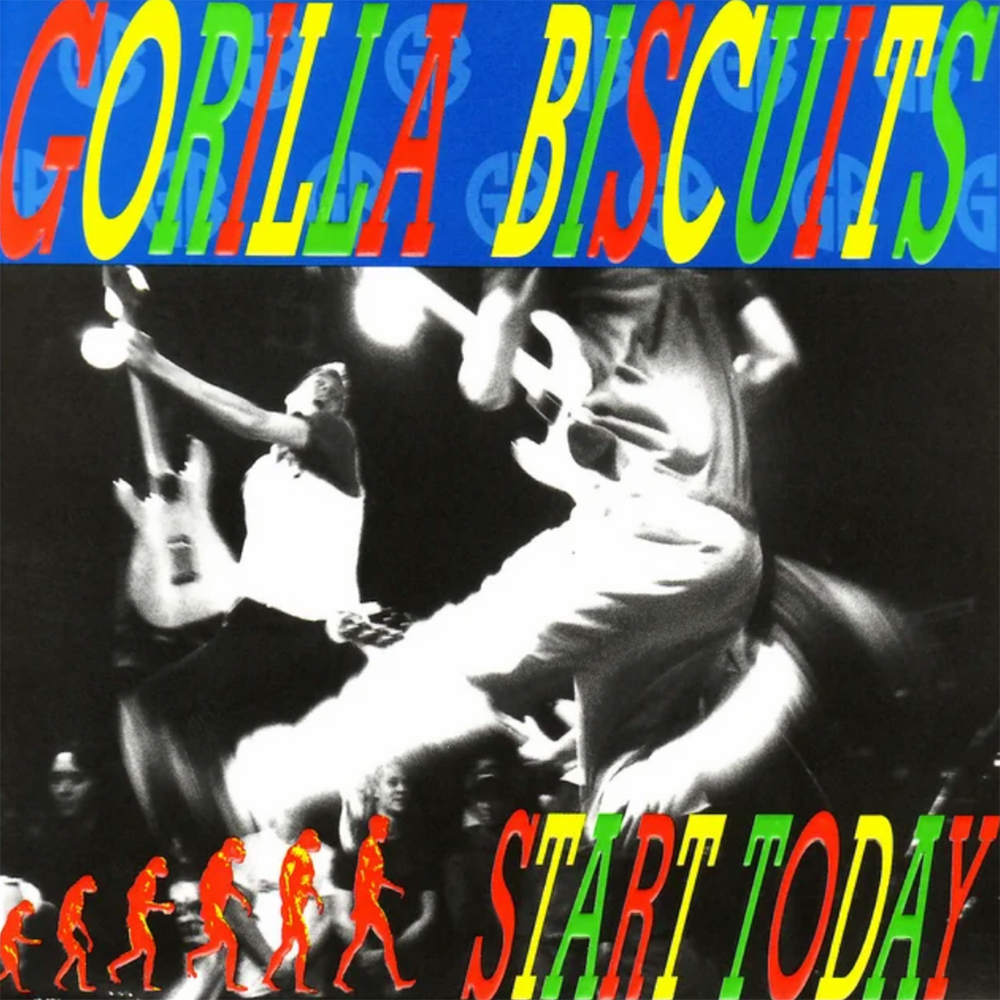 Trumpets, whistling, harmonica – this album’s got it all! In fact, it’s so good that 34+ years later you can still find GB playing sold-out shows to venues full of both the young and old alike (assuming the olds have found a sitter for the night). It’s both fun and serious, melodic and moshy, and the perfect album to remind you stage dives make you feel alive (again, only if you can get a sitter).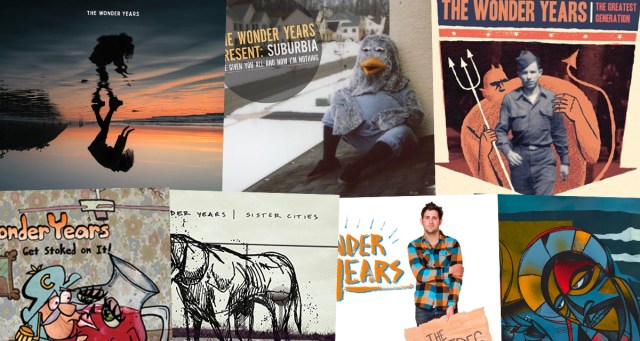
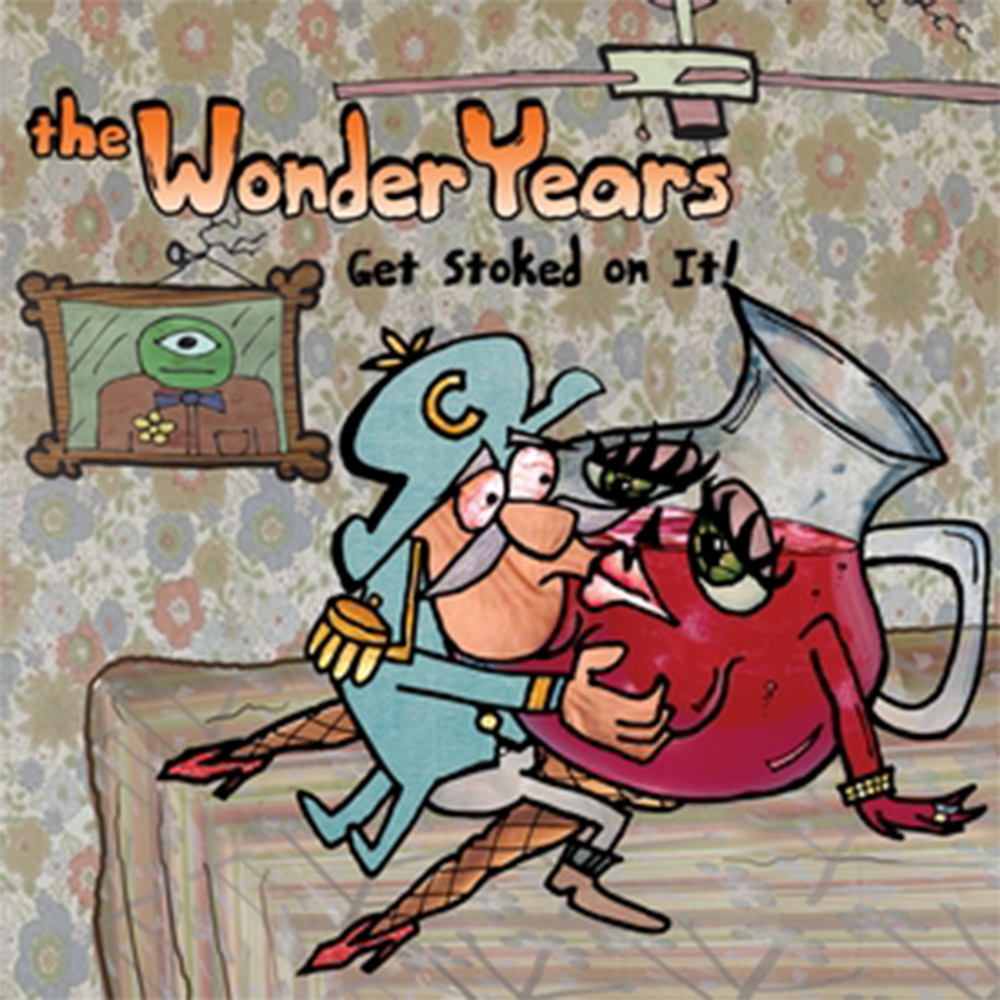 Starting off with an honorable mention, the album that started it all now mainly lives on Microsoft Zunes and bootleg YouTube playlists–and for good reason. Between tacky synths, hilariously bad titles, and extremely-dated suburban white boy hip-hop lingo, this one is painful at best. Years after its release the band would make the mistake of committing to a re-master before realizing how bad of an idea it was. Commenting on the album’s re-release, Campbell said “If you like the record, enjoy the new mixes. If you hate the record, I’m on your side.”
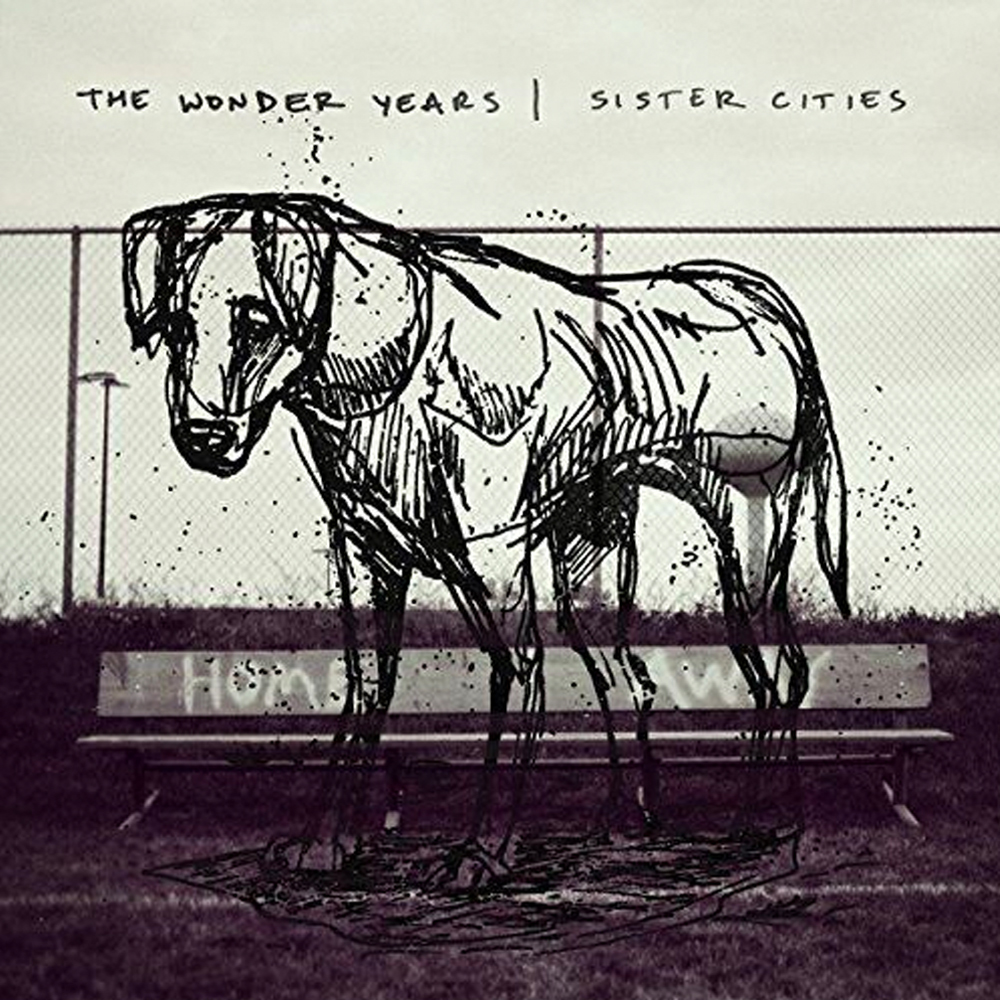 Considering the band started their careers singing about The Kool-Aid Man fighting Cap’n Crunch, this darker, more mature release is actually pretty decent. The problem is, it’s just that. Lyrically it feels less inspired than most, with certain hooks that already lacked depth repeating themselves a few too many times. Unfortunately this album’s lack of standout performances across 44 mins of strained yelling will leave you feeling as sad and empty as the dog on the album cover. Put simply, “Sister Cities” is an enjoyable enough Wonder Years record that is flanked by superior releases. If you love The Wonder Years, you like this record. If you aren’t really a fan, you can skip it.
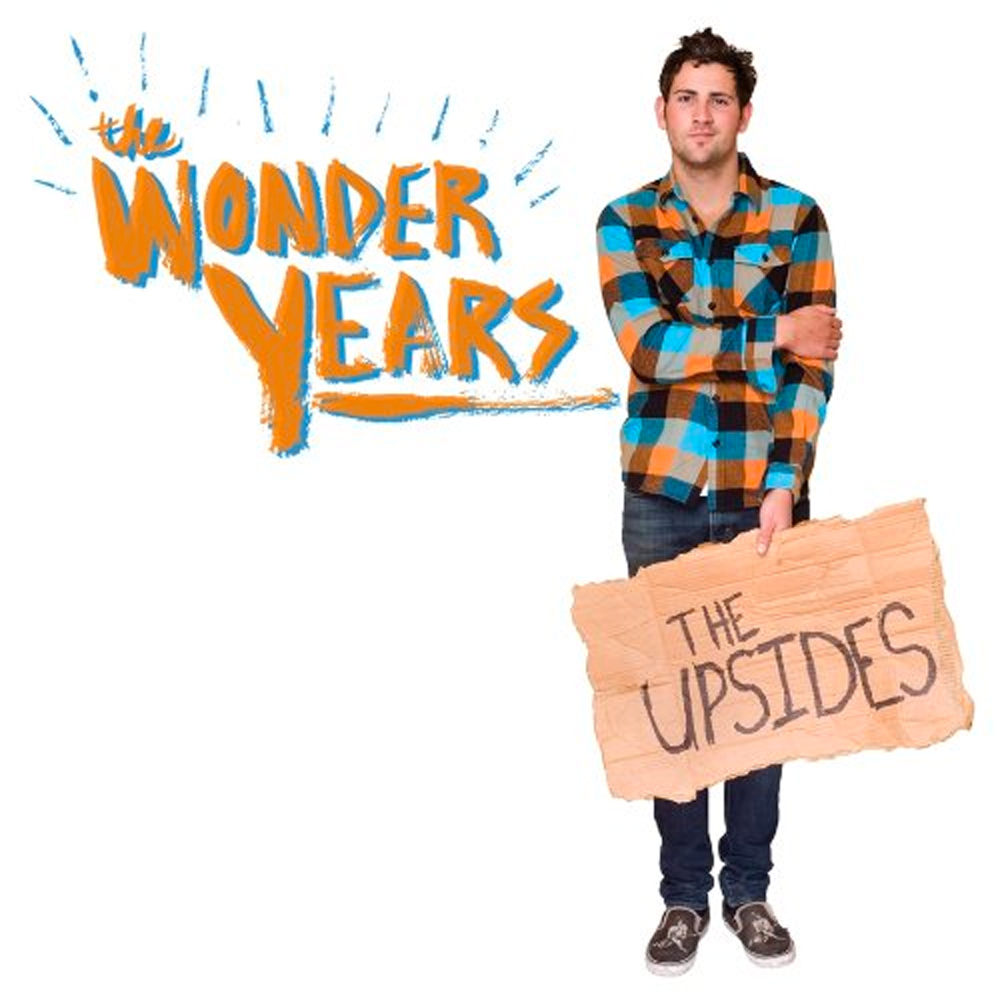 Look, this one is rough around the edges, but it’s deeply important to the band’s history and helped carve out a place for their iconic sound in a burgeoning emo/pop-punk scene. There are still some rowdy tracks that will have you flailing about with angsty teenage spirit while cleaning your one-bedroom apartment, but there is also room for improvement and a definite realization that time has not been super kind to these songs. It’s a good time if you dig their early stuff, but it just doesn’t shine like the releases that immediately followed it.
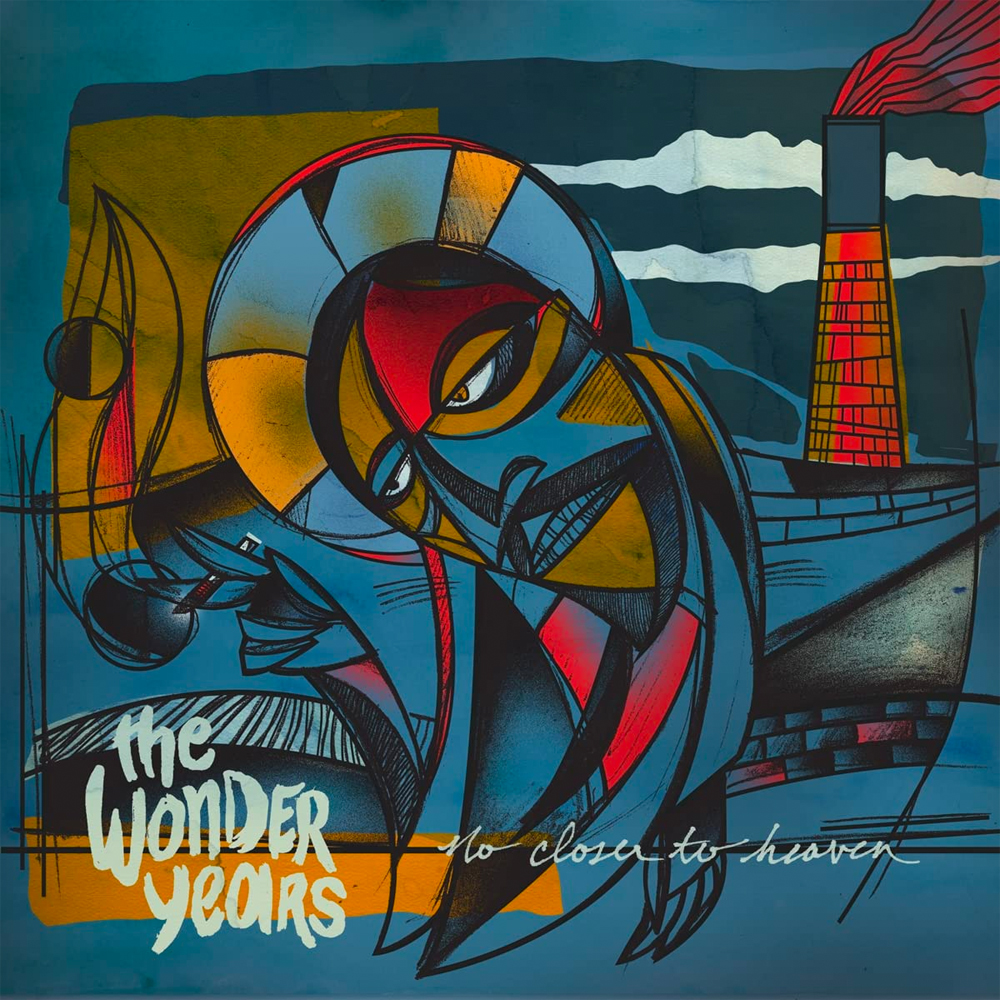 The intro and opening track on this record really sets a powerful tone. One that will give you goosebumps, and also make you want to call your siblings and apologize for being a dickhead between uncontrollable sobs. This record showed the raw power of The Wonder Years in a new, more mature light and sent the band hurling into their next chapter as a sadder, more evolved version of themselves. Too bad the production on this one absolutely blows, because between catchy tunes and an amazing feature from Jason Aalon Butler of letlive., this record is an absolute ripper that makes few mistakes and almost all of them are the goddamn drum mix. Seriously, WHAT THE FUCK?! Can we get a re-master on this one, Soupy?
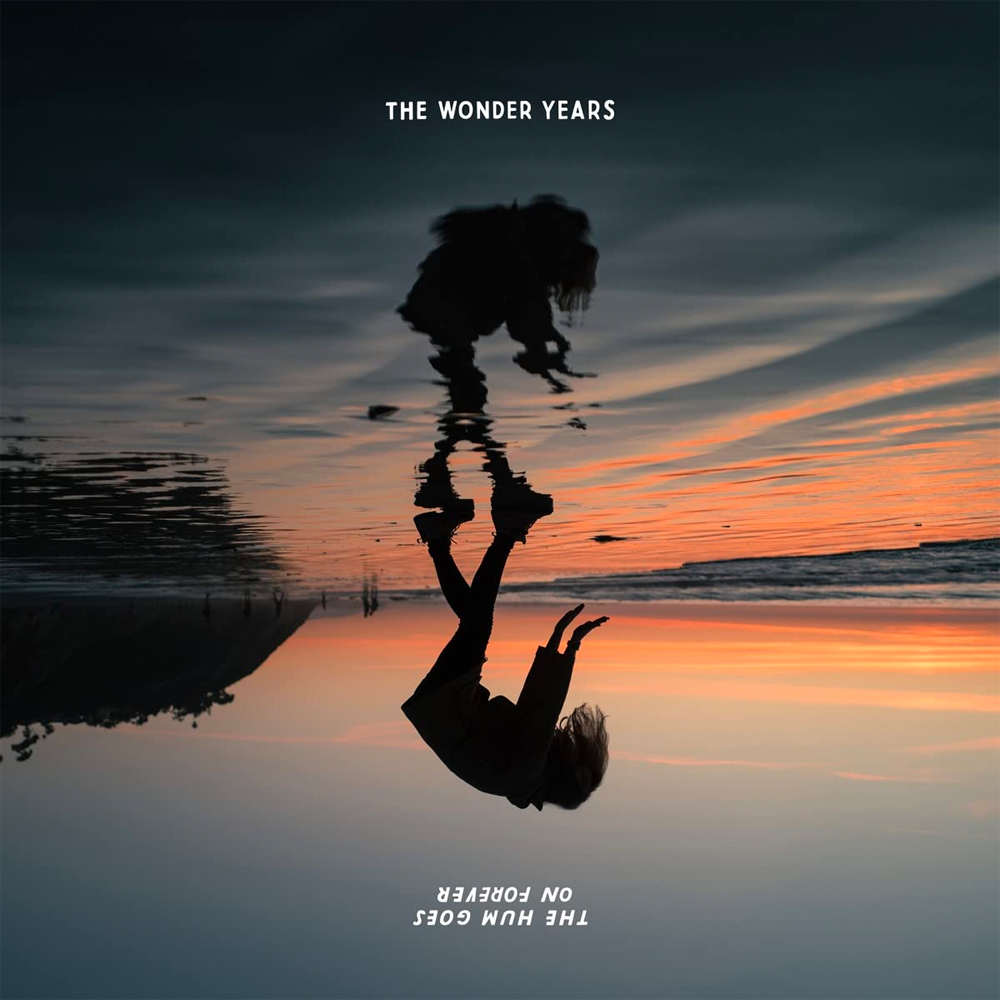 Finally. A well-produced Wonder Years release that combines their newer sound with crippling levels of sadness and nostalgia. “The Hum Goes on Forever” is guaranteed to make any new parent cry at least twice, and that’s a compliment from this emotional masterpiece of post-pop-punk perfection. The band’s latest release is nearly their magnum opus, and certainly the pinnacle of their second chapter. Coming off of a similar project that didn’t quite stick the landing, there is just so much that this record gets right, and that about all you can ask for from a bunch of pop punk dudes in their late thirties still writing songs about being depressed.
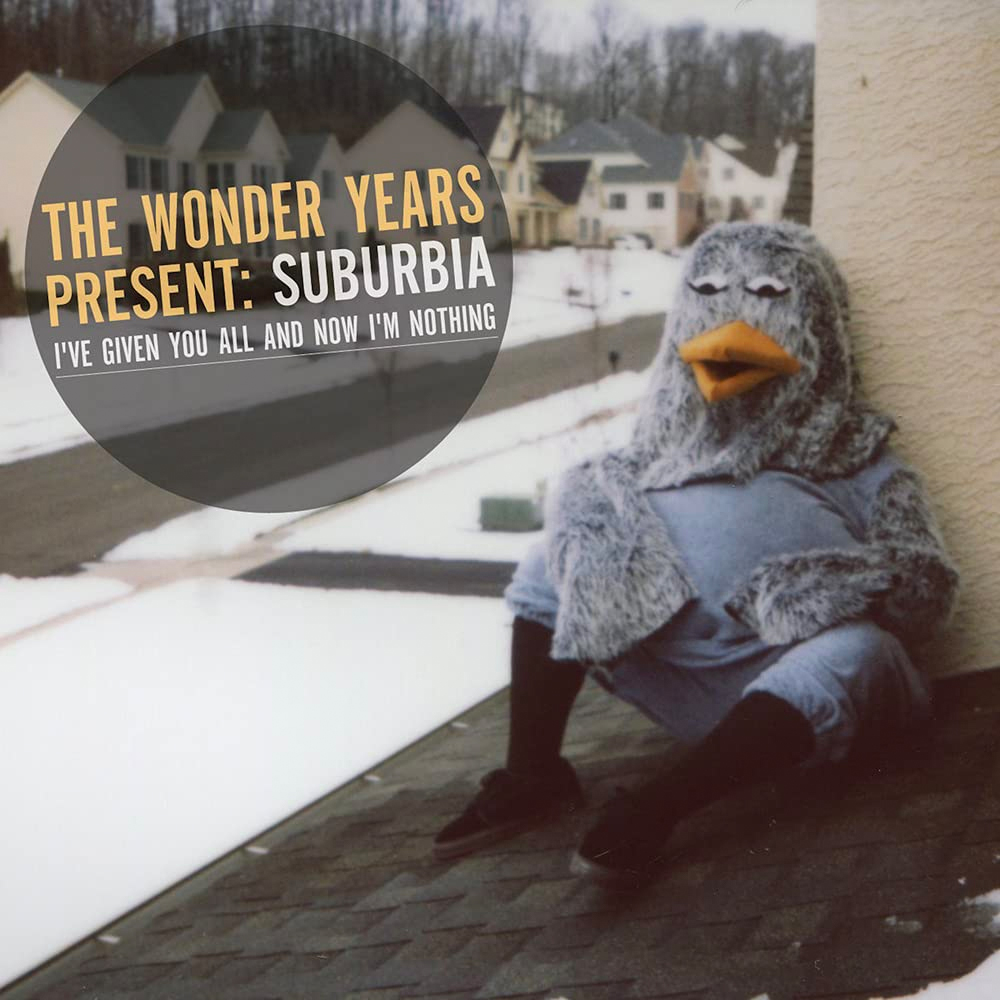 Continuing from the success of “The Upsides” this record saw the band hitting their stride, setting them apart from their peers and giving the kids a nasty string of hard-hitting punk songs about being broke, depressed, and balding while everyone around you gets married. A very strong collection of standout tracks and few relative duds, “Suburbia” plants itself firmly on the band’s upswing into legendary status as it delves into jaded perspectives on organized religion, drug use, and burying a friend. Yeah, it’s mostly sad, but if you’re a Wonder Years fan that’s basically what you sign up for every time you put on their music.
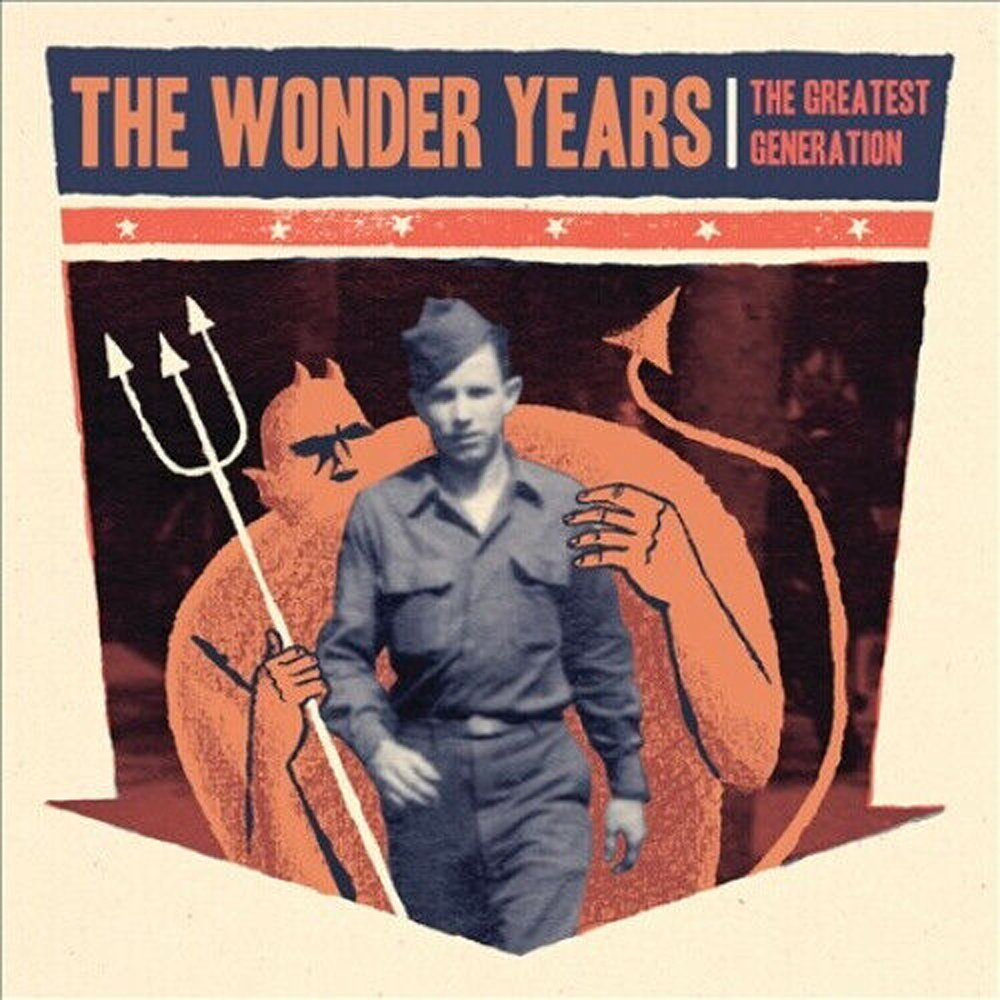 The Greatest Generation is the epitome of a pop punk band reaching relative maturity and finally dating women their own age, or at least close. The pimples of the past have faded as The Wonder Years present the best version of themselves in this relative glow-up that stands the test of time. This record is the farthest you can go while still being called pop-punk, and ushered in the band’s next chapter as the definitive face of the post-punk revival. The subtle harmonies are perfectly placed over the sad poetic passages of Campbell’s writing, and the instrumentation is infinitely smoother as you get taken on a journey through, you guessed it, a series of sad songs about growing older and realizing everything sucks. That said, this is the perfect record for that exact mood which is why we love it.
 1966: 10 Year Old Piano Prodigy Kevin “GG” Allin Suffers Head Injury After Falling From Jungle Gym
 1968: John Fogerty Writes ‘Fortunate Son’
 1971: Jim Morrison Devises Foolproof Plan to Fake Own Death
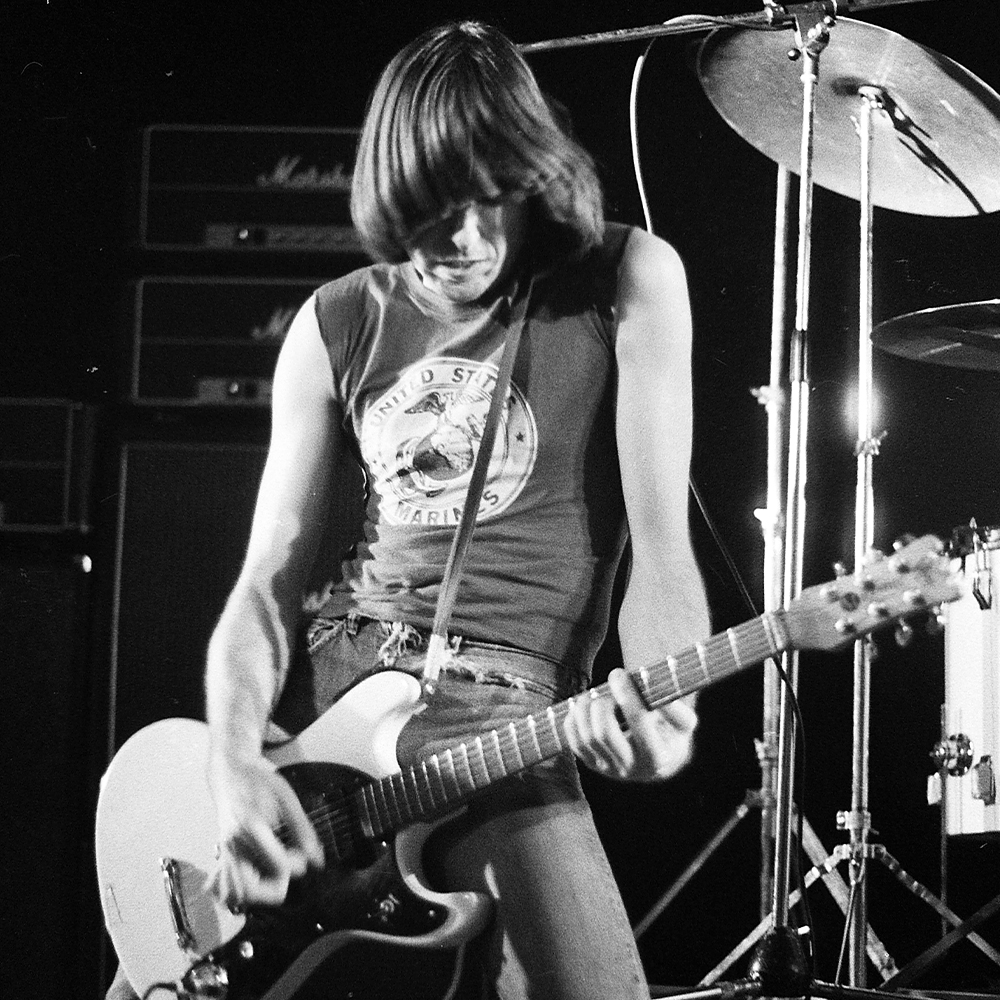 1977: Delighted Johnny Ramone Finds Perfect Bowl to Achieve Dream Haircut
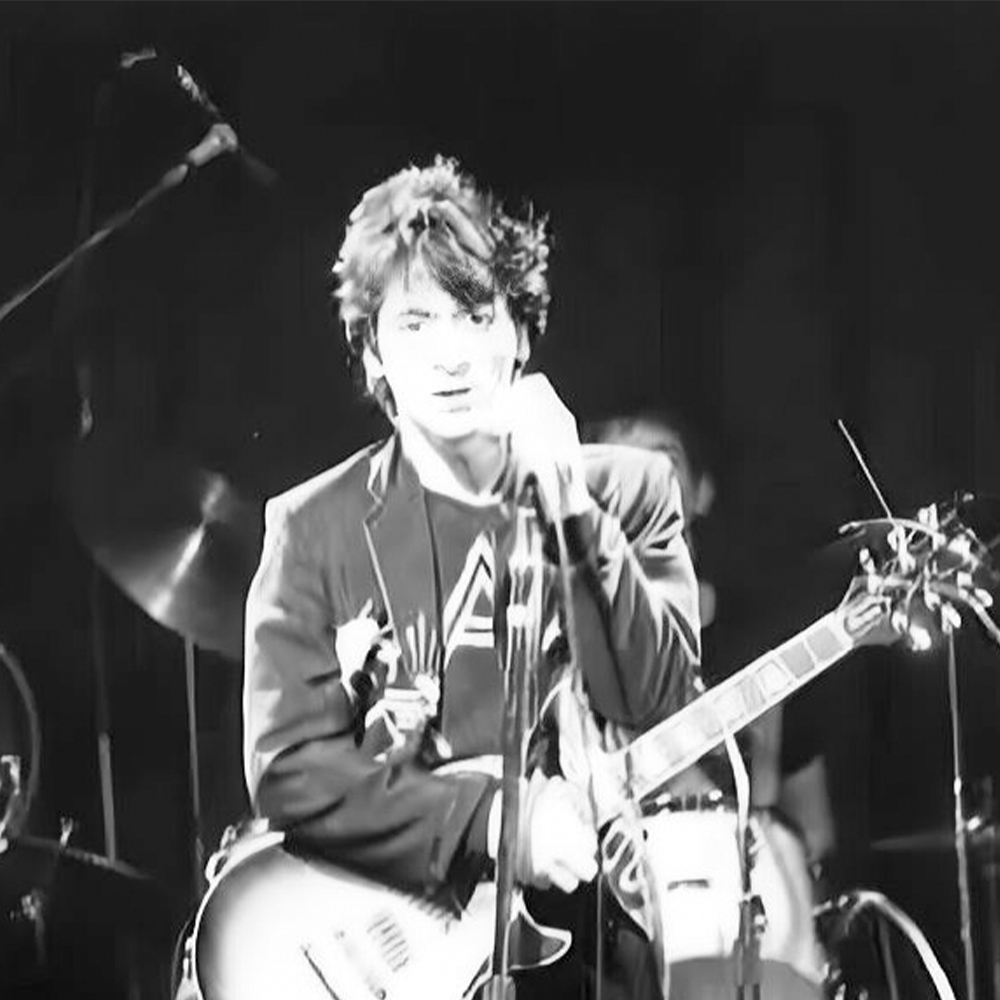 1980: Drug Dealer Mistakenly Delivers Large Amount of Heroin to Tom Petty’s Heartbreakers Instead of Johnny Thunders’ Heartbreakers
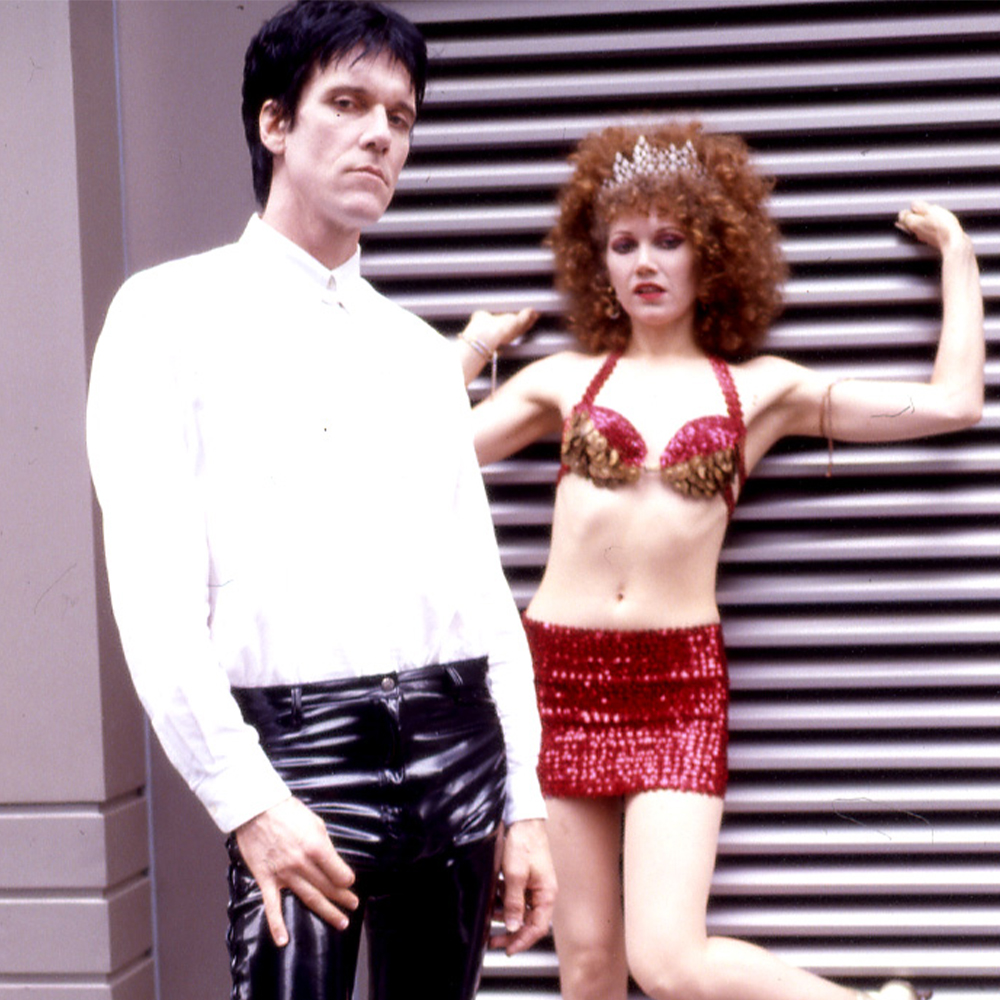 1985: The Cramps Announce Necessity to Tour Normal Rock Clubs as Reagan Administration Shutters More State Psychiatric Hospitals
 1988: Swans’ Michael Gira Inadvertently Sets World Record For Longest Continuous Scowl
 1989: Kid Rock Completes Reverse-Elocution Lessons in Order To Pass as a Redneck
 1992: Supreme Court Strikes Down Law Which Restricted Women in Alt Rock Bands to Only Playing Bass
 1996: Lighting Bolt Announce They Will Henceforth Only Perform on Floor