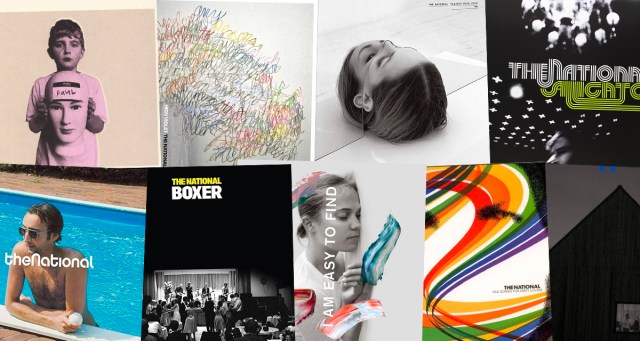
Practically alone among the rock bands of the early 2000s, the National is still going strong with its particular brand of melancholy, brooding guitar rock and sharp suits. Much of their continued success can be attributed to the eternal appeal of the self-loathing poetry of singer Matt Berninger and their base audience turning into depressed dads, but whatever works, man. Like a finely aging wine that is presumably all for someone, The National have only gotten bigger in both its sound and popularity over the years, so we figured now was as good a time as any to make a definitive ranking of all their albums.
9. I Am Easy to Find (2019)
 First things first, is “I Am Easy to Find” even really a National album? Sure, all the standard mope-rock elements are there and the usual suspects are performing, but the band’s eighth album seems less like an enthusiastic effort and more like an attempt to address criticism. After years of The National being accused of being too bro-focused, they recruited Sharon Van Etten, and a slew of other female singers to basically drown out their usual vocalist, and finally gave Matt Berninger’s wife Carin Besser some lyric credits. Not to mention the whole album seemed more like a reason to get filmmaker Mike Mills (no, not the R.E.M. guy) to make a conceptual film about Alicia Vikander playing a woman in every stage of her life. We get it guys, you have a feminine side too.
Play It Again: “Roman Holiday”
Skip It: “I Am Easy to Find” (not often that a title track is the most interminable, but here we are)
8. Self-Titled (2001)
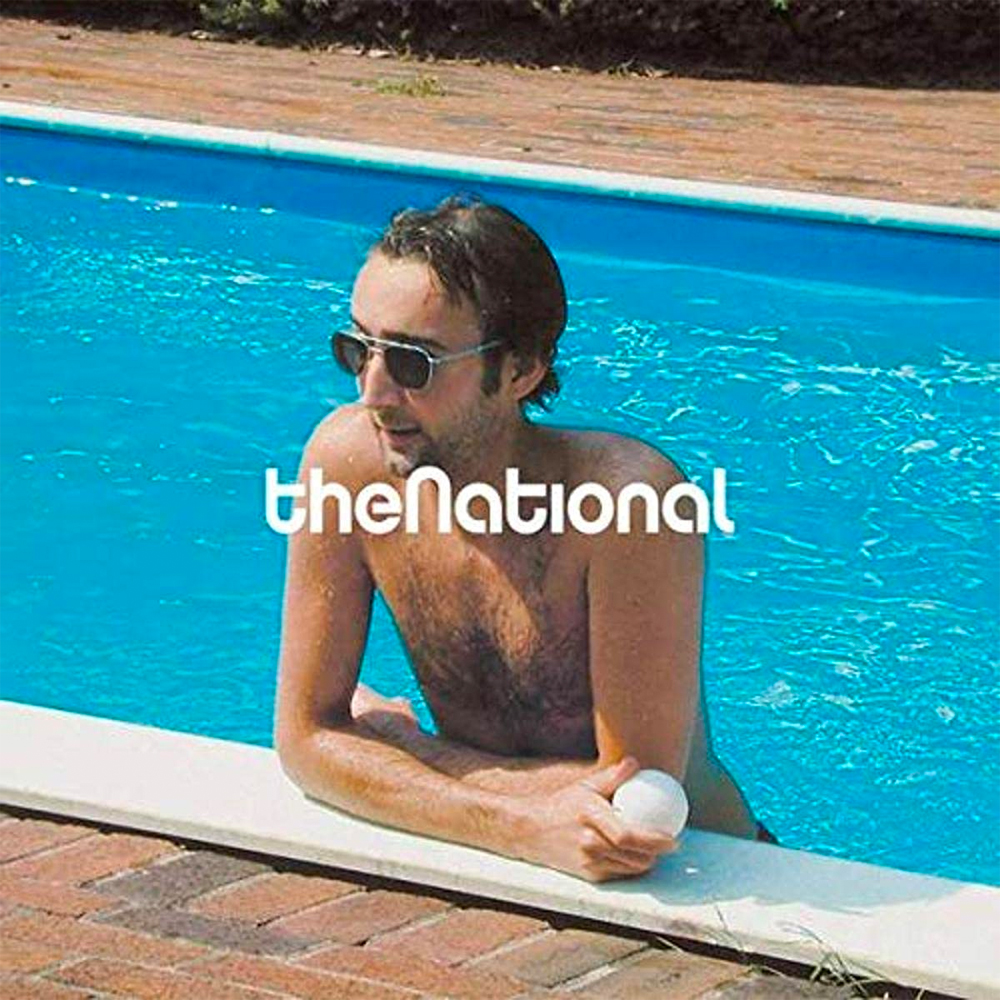 The National’s self-titled album is essentially everything that would someday make the band world-conquering depressives, but with training wheels on. For some reason, “The National” often gets tagged as being somehow adjacent to the alternative country wave that included Whiskeytown and Uncle Tupelo, which just goes to show the lengths people will go to when they listen to Ryan Adams too much. But the album is really simply a collection of embryonically interesting tracks without the lush production the Dessner brothers would soon develop. Just listen to “29 Years” and compare it to the magnificent future track “Slow Show,” and you’ll see how the seeds sprouted.
Play It Again: “American Mary”
Skip It: “Bitters & Absolut”
7. Sad Songs for Dirty Lovers (2003)
 For the second album, The National brought Bryce Dessner aboard as a full-time member, solidifying the line-up of two sets of brothers plus Matt Berninger (which must feel kind of weird for the singer). Just as importantly, producer Peter Katis began working with the band, smoothing out the clunkier edges of the debut and injecting a sonic depth that was sorely needed. Although Berninger still occasionally breaks out into screams on “Sad Songs for Dirty Lovers,” it’s also their sleepiest, most meandering album, which is why it’s hanging out here at #7.
Play It Again: “Cardinal Song”
Skip It: “Trophy Wife”
6. Sleep Well Beast (2017)
 By 2017, The National had pretty much established themselves as one of the premier rock bands of their generation and a go-to for every middle-aged dad with two bourbons and a regret chaser in his belly. So where to go from there? “Sleep Well Beast” answers that by basically adding some electronic frills to the established formula of distorted guitars, piano, and Bryan Devendorf’s underrated, deceptively complex drums. As a victory lap, it’s a decent album, though it doesn’t quite reach the heights the band once did. Still, listen to the Leonard Cohen homage “Dark Side of the Gym” and tell us melancholy isn’t delicious.
Play It Again: “The System Only Dreams in Total Darkness”
Skip It: “Walk It Back” (George W. Bush, guys? Really? In 2017?)
5. First Two Pages of Frankenstein (2023)
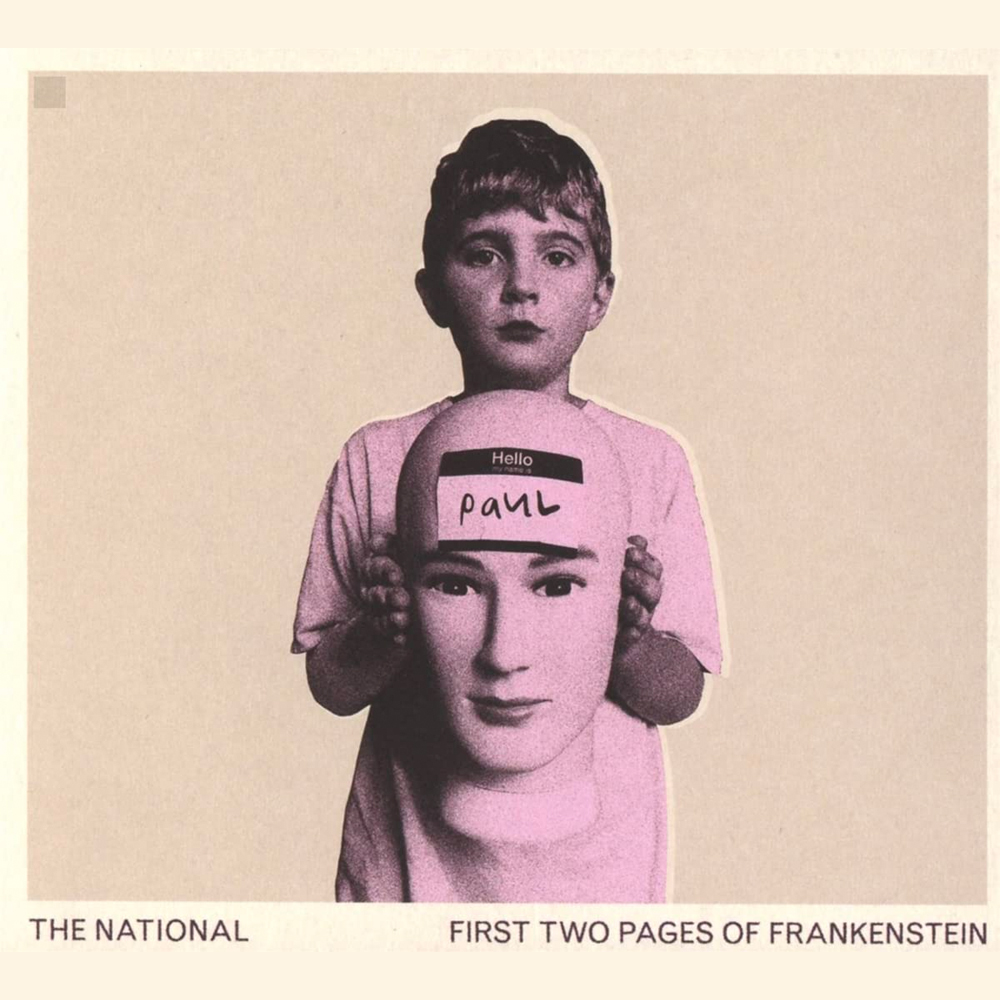 We’re as surprised as anyone that the National’s most recent album is their strongest in years, especially after the confused “I Am Easy to Find,” Matt Berninger’s solo album, and the Dessner brothers having been cursed by an angry witch to collaborate with Taylor Swift until they repent. But “First Two Pages of Frankenstein” has some of the band’s most moving and delicate melodies (particularly the opening “Once Upon A Poolside”) and a focus the band has been missing for some time. Sure, it might be the single worst title an album has ever had, but this is an unquestionable return to form.
Play It Again: “New Order T-Shirt”
Skip It: “This Isn’t Helping”
4. Trouble Will Find Me (2013)
 The Pet Shop Boys’ Neil Tennant once defined a band’s “imperial phase” as the moment when a group’s artistic and commercial zeniths occur simultaneously; basically, it’s when a bunch of musicians working together can’t seem to do wrong. “Trouble Will Find Me” is the tail end of the National’s own imperial phase, a powerful, expertly painful set of tracks that feature some of Matt Berninger’s most playful turns of phrase (“Pink Rabbits), the band’s most Romantically dreamy music (“Hard to Find,”) and depths of feeling )“I Need My Girl.”) Any band would be lucky for this to be their best album, and it’s only at #4 for the National.
Play It Again: “Sea of Love”
Skip It: “Fireproof”
3. Alligator (2005)
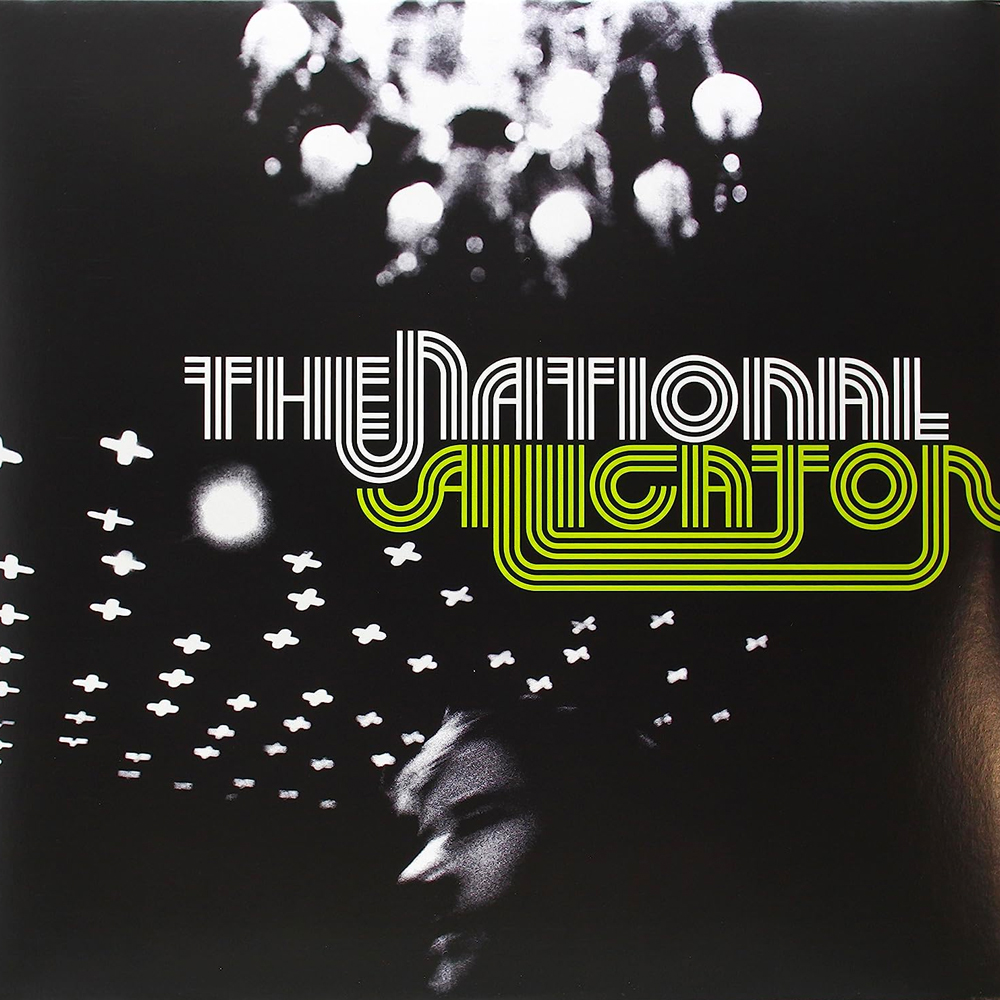 The creative leap forward that the National made with the third album is simply astounding, by any measure. After two fitfully interesting, mostly fine albums, the band abruptly released “Alligator,” which announces its resplendent weirdness immediately with the queasy guitar lines and chant-like backing vocals of “Secret Meeting.” From there, it’s the gloriously impressionistic, horny poetry of “Karen” to the winsomeness of “Daughters of Soho Riots” to the fractured anthem rock of “All the Wine” and “Mr. November.” Things just snapped into place for The National with this one, and no one could call them country rock ever again.
Play It Again: “Karen”
Skip It: “The Geese of Beverly Road”
2. High Violet (2010)
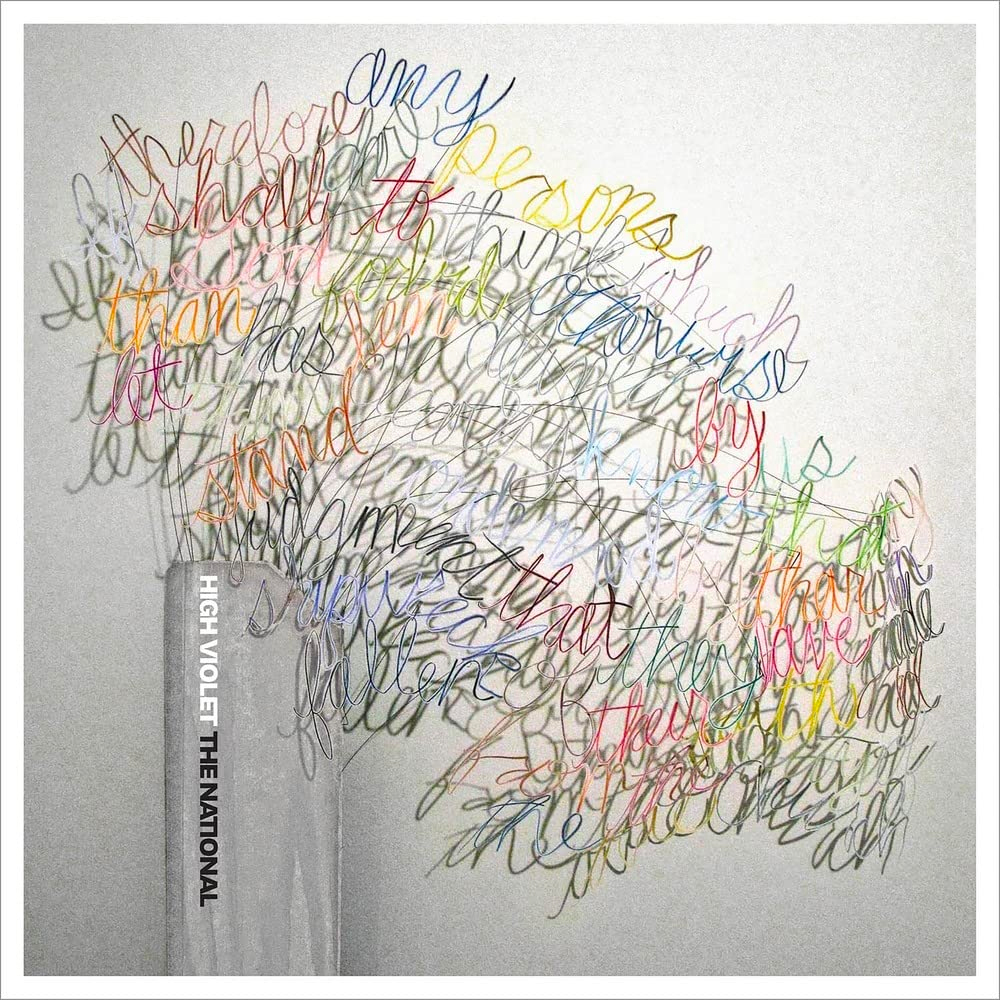 The buzzing, atmospheric guitar tone of “Terrible Love” that opens “High Violet” is somehow bold, elegiac, and hopeful, all at once. In fact, that could probably describe the National as a band, which makes their 2010 album quite nearly their artistic apex. “High Violet” reveals the National as operating from a place of complete confidence, even if Matt Berninger’s lyrics, as ever, dwell on self-doubt and despair. However, he also reaches some of his greatest moments of transcendent, profound absurdity with lines like “I was carried to Ohio in a swarm of bees” (“Bloodbuzz Ohio”) or “Go out at night/ With your headphones on again/ And walk through/ The Manhattan valleys of the dead” (“Anyone’s Ghost). Plus, if you think the band doesn’t have a sense of humor, just listen to that line about eating brains again.
Play It Again: “Bloodbuzz Ohio”
Skip It: “England”
1. Boxer (2007)
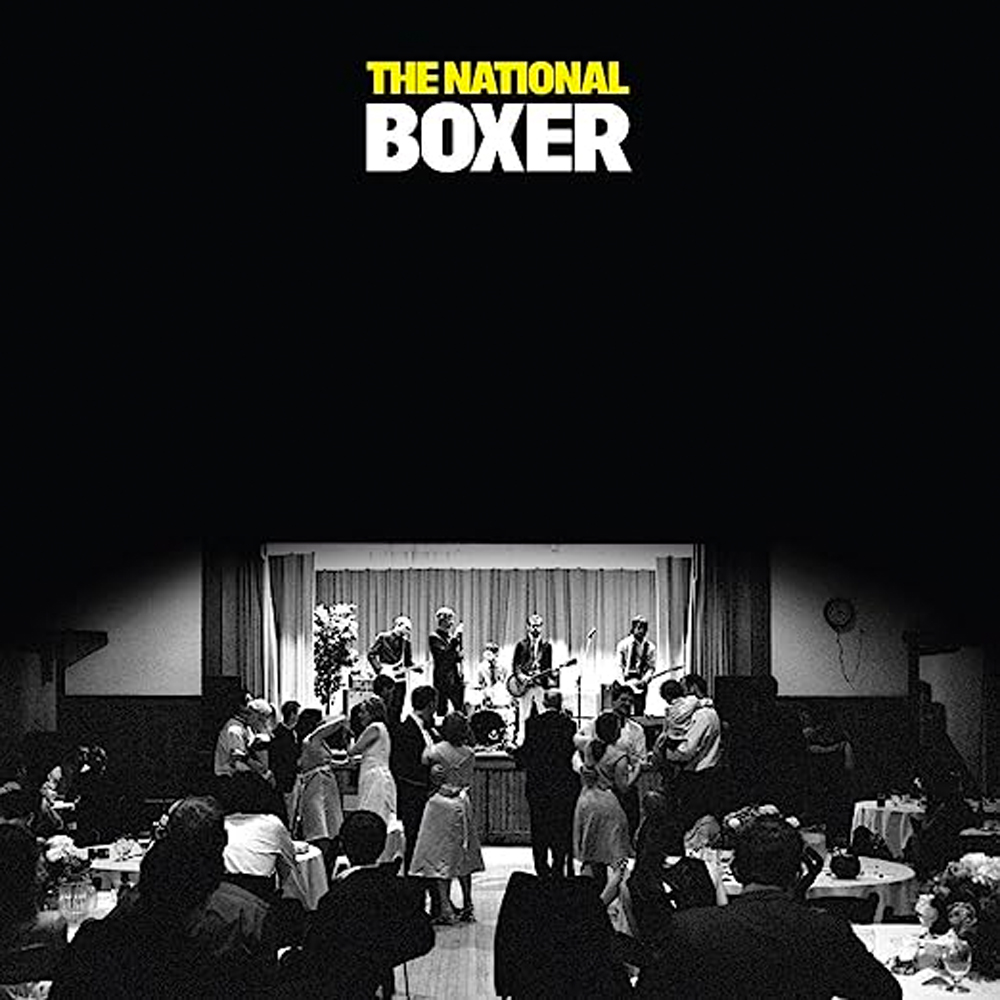 “Boxer” is simply a perfect album, the true sign of a band that has worked out all the kinks and knows exactly what sound fits them. The yearning, fantastically bucolic “Fake Empire” ascends into a clamor of horns; “Mistaken for Strangers” intensifies the alienated frustration that permeates every song they had previously written; “Slow Show” basically codifies the band’s definitive statement: “Can I get a minute of not being nervous/ And not thinking of my dick?” “Boxer” is the band’s greatest moment of cultural relevance, basically soundtracking the cultural paranoia of the mid-00s, while also being the perfect primer for anyone who wants to listen to five white guys make some super-sad music.
Play It Again: Jesus, take your pick.
Skip It: Nope.


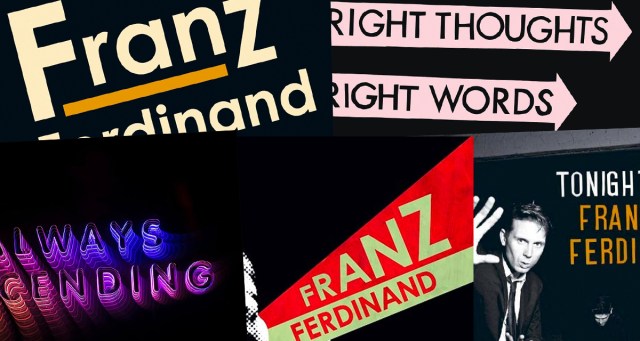
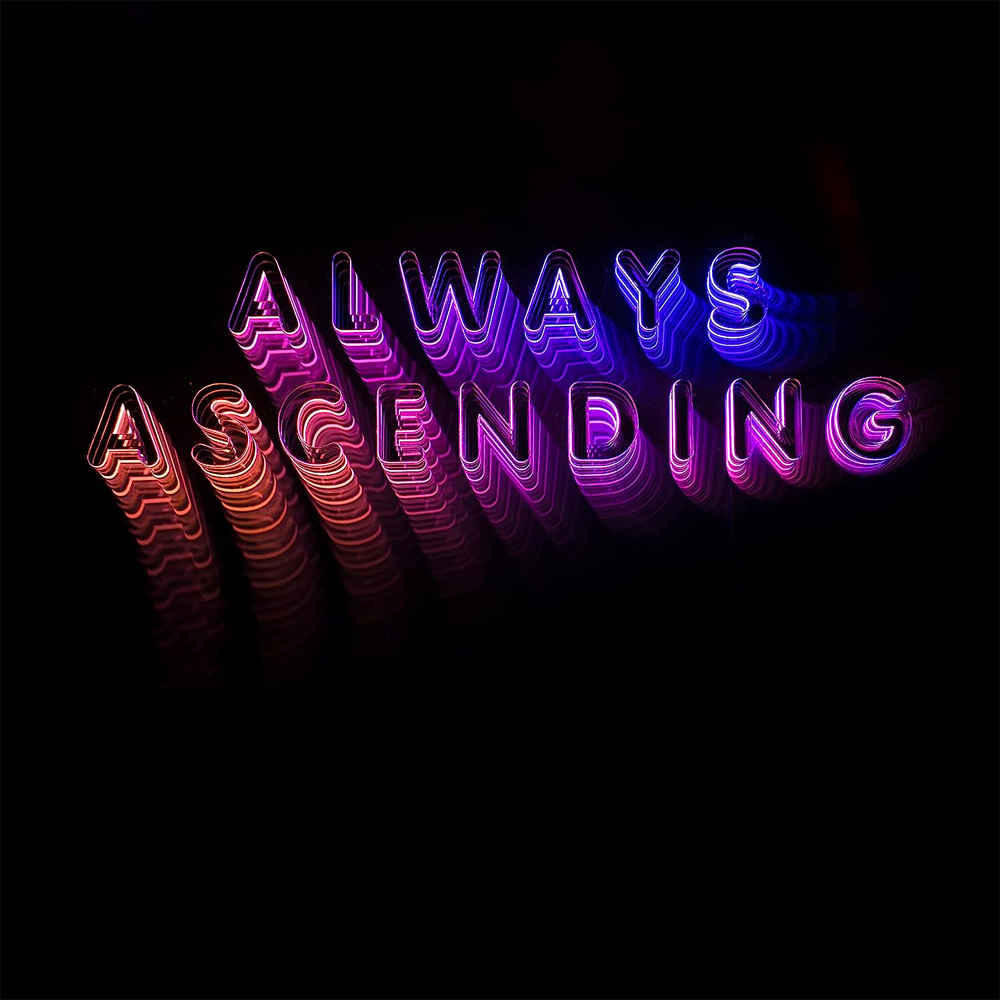 Serving as the most recent Franz Ferdinand full-length and first without founding guitarist Nick McCarthy, ‘Always Ascending’ might be the only true misstep of the band’s career. While the record certainly isn’t devoid of charm, the few and far between highlights are often overshadowed by tracks that sound like amateur remixes of throw-away ideas. Lead singer Alex Kapranos’ reliably bratty voice is confoundingly toothless here, which tragically sounds like an intentional move when considering songs like ‘Lazy Boy.’ Fortunately the band recently released a Greatest Hits record. There you can find the redeemable moments of ‘Ascending’ without having to wade through their unfortunate Talking Heads impressions.
 After releasing three near-perfect albums in a row, it would have been downright rude of us to expect their fourth to be anywhere near as good. Even dance-rock kings need to rest every once in a while. Still, it’s hard to look past the staleness of this record, which constantly seems to be looking back instead of charging forward. Often, the quartet is found rehashing old soundscapes to the effect of an SNL-worthy parody version of the band. You can almost imagine Kapranos breaking and looking directly into the camera like a young Jimmy Fallon, which is obviously not a compliment. When they aren’t cos-playing themselves on this one, they can be heard further experimenting with reggae and dub undertones, but not even in a cool way like on their previous record.
 Arriving just a year after the band’s massively successful debut, ‘You Could Have It So Much Better’ almost sounds too excited for its own good. Classics certainly abound on this one, but a good chunk of the album’s 41-minute runtime is spent eagerly attempting to reinvent the wheel that is ‘Take Me Out.’ Remember that time your friend told that really good joke and you laughed so hard it made their entire week? Now that you have to hear them repeatedly tell it to every friend that wasn’t there, you can’t even remember why you thought it was funny in the first place. That essentially sums up the vibe of this record. While the album holds a few Bond-worthy ballads to separate it from their debut, they are sadly not enough to bolster it as a unified whole.
 You probably expected us to put this in the #1 slot like some pedestrian dweebs who still think ‘This Fire’ was the band’s best single. That’s where you’re wrong, buddy. Real Franz FerdiFans™ like us have class. We wouldn’t dare insult the band by suggesting their first try was their best. Still, as everyone certainly knows, this record is a frenetic and undisputed classic filled to the brim with some of the catchiest and borderline annoying songs ever produced in the aughts. There is certainly no doubt the album is excellent, enduring, and a favorite for most fans. Favorite isn’t always best, though. While definitely good enough to gain the penultimate slot in the hierarchy of their releases, this eponymous album was merely laying the groundwork for a future opus.
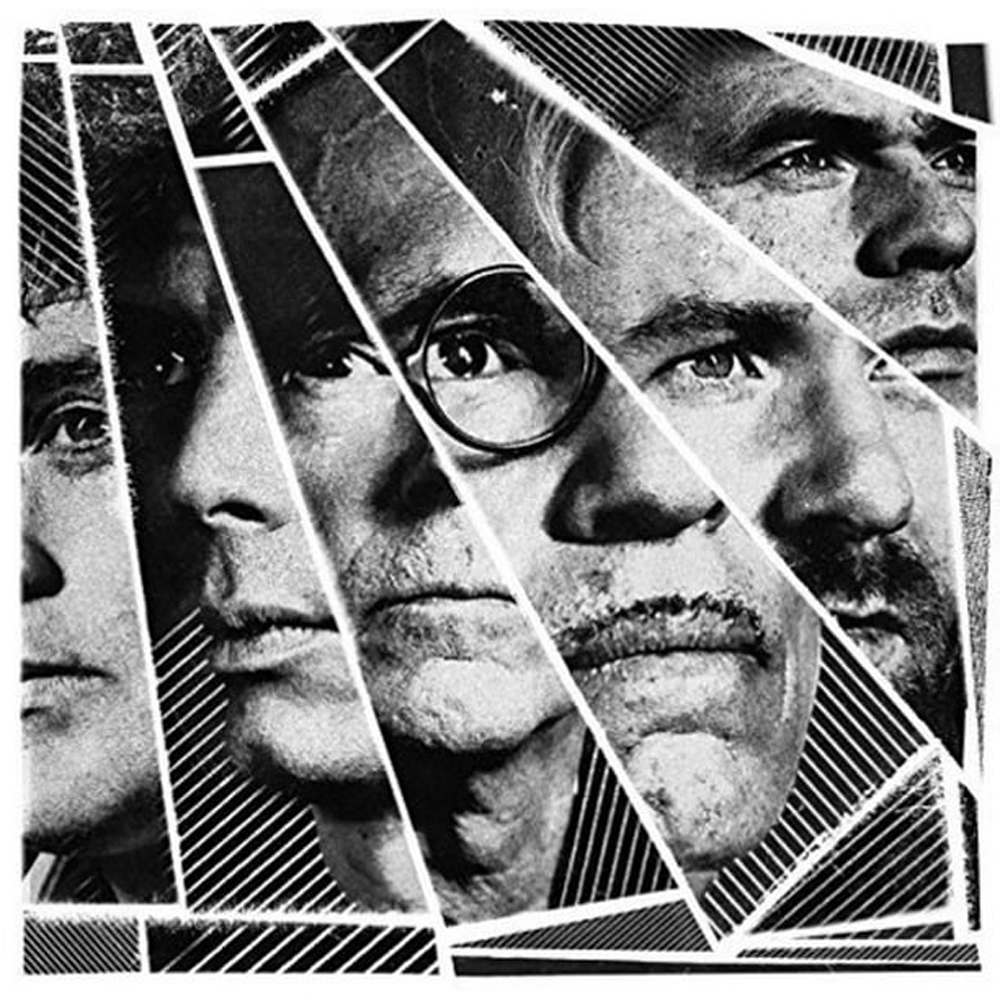 When Franz Ferdinand first broke through American airwaves around 2004, they caught the attention of the legendary and elusive art-pop duo, Sparks. Immediately a mutual admiration society was fostered, as both acts began sharing demos back and forth from across the pond. Talks of collaboration quickly followed, though conflicting schedules would prevent the culmination of a proper album for almost 11 years. To make up for lost time their collaborative project ‘FFS’ was put to tape in a mere fifteen days, which makes that album you’ve been recording for three years even more embarrassing to talk about. Because this is essentially a split release, we can’t in good faith include this one in the official rankings, but that by no means is a reason to not include it in your next Franz Phase.
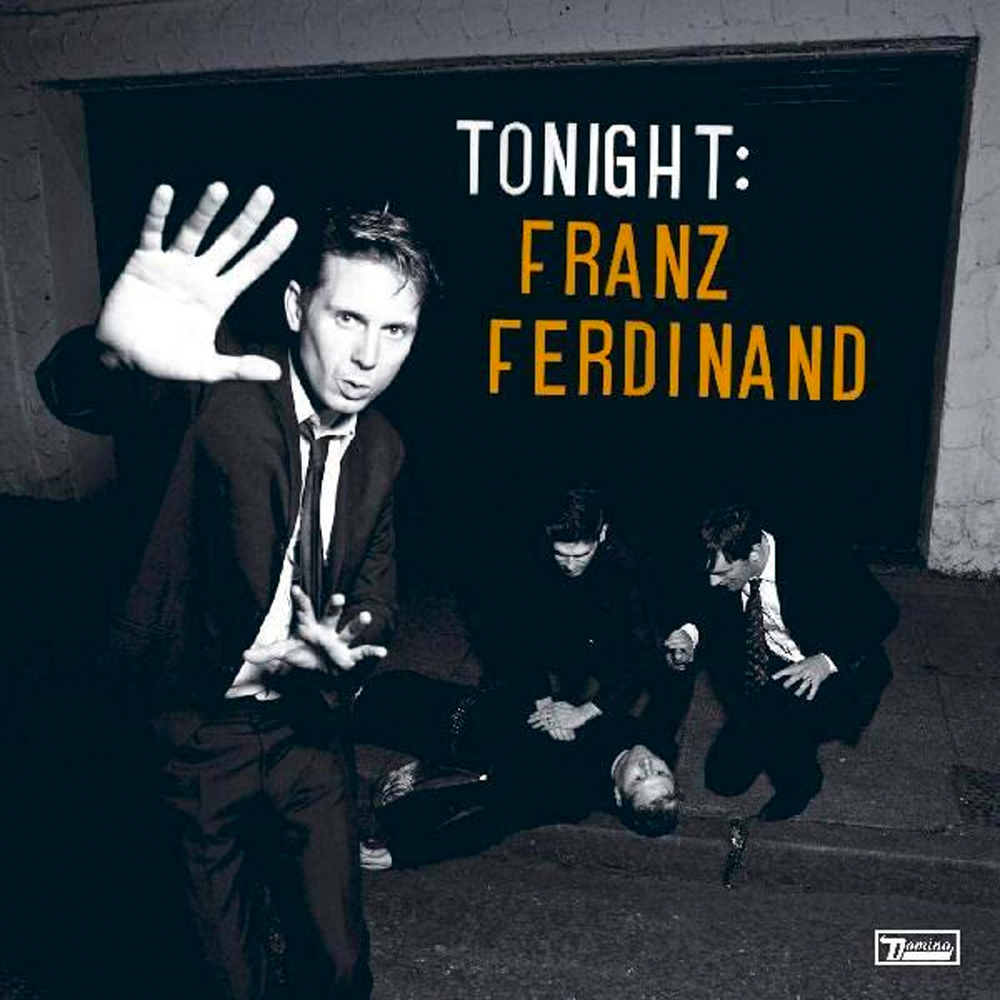 The cover of Franz Ferdinand’s ‘Tonight’ depicts a crime scene in which the band appears to be attempting to revive the lifeless body of bassist Bob Hardy. Upon hearing the opening bars of opening track ‘Ulysses,’ it’s easy to imagine his heart gave out after carrying the entire goddamn record. Not to say the other members didn’t contribute, but fucking damnit Hardy, save some for the rest of them. In addition to absolutely stellar bass lines, ‘Tonight’ showcases a darker side of the band. A side that is suddenly obsessed with murky analog synths and understated but heavy rhythmic backings. It’s also the band’s tightest record thematically and lyrically. The tracks on this album loosely revolve around the theme of a single chaotic night on the town as Kapranos and company take us down darkened alleys that previous records quickly ran by. All of these elements weave together to make an outing stronger than anything the band has released before or since. Put this one on and pretend you have some seductive mystique for once in your life.