
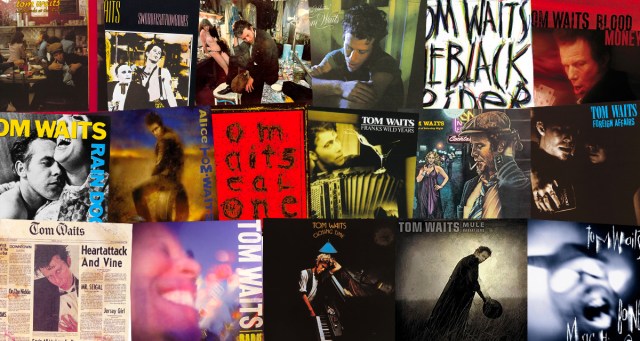
Does your inner monologue sound like it has a bone caught in its throat? Do you dream of living in abject squallor or riding the rails? When you took a high school career aptitude test, was your top recommended job “Circus Freak?” If you answered yes to one or more of these questions, then you already know the pure joy and maddening bliss that is the discography of American singer-songwriter Tom Waits. Along with his wife/writing partner Kathleen Brennan, Waits has developed a sound that’s entirely his own, a cult figure’s cult figure.
Yes, it’s safe to say Tom Waits is our favorite weird little guy. But how do his albums line up? Where’s the best place to start? Well, read on, dear friends, and see for yourself.
17. Heartattack and Vine (1980)
 This album opens with a menacing self-titled track, filled with grit and ugliness. It’s not hard to see why it was covered by shock-rock legend Screamin’ Jay Hawkins. The tragedy is not that its opening song is such a perfect encapsulation of Hollywood seediness, it’s that the album’s remaining eight songs don’t manage to reach the height of its opener. It’s not a bad album, of course, but it lacks the sophistication of ‘70s Waits and the umph of later ‘80s/’90s outputs.
Play It Again: “Heartattack and Vine”
Skip It: “In Shades”
16. Bad As Me (2011)
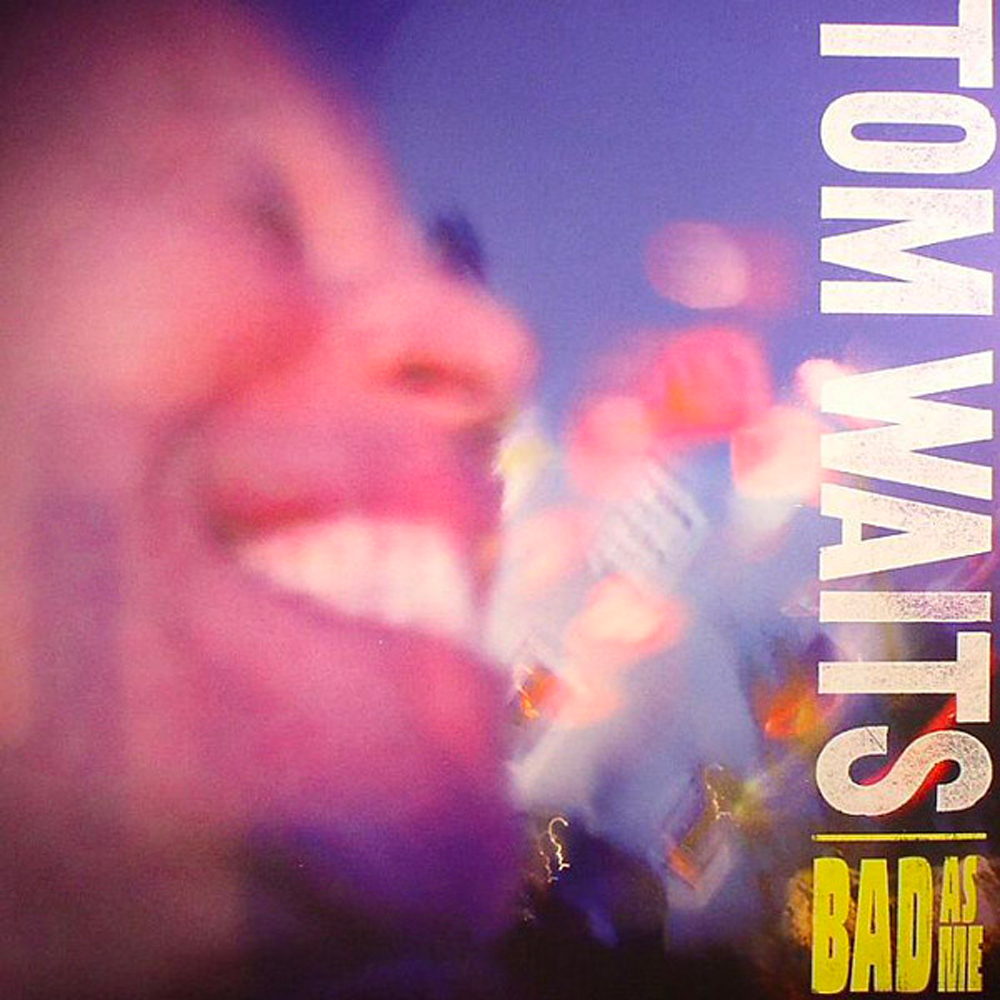 Waits’ most recent (and possibly final) LP, “Bad As Me” seems almost like a career retrospective. Songs like “Last Leaf” harken back to his origins in the spare folk and jazz sounds of the 70s, while reverb-heavy songs like “Talking at the Same Time” or percussive songs like “Get Lost” call to mind songs off of “Rain Dogs.” Ultimately, though, while this album isn’t bad by any means, it fails to quite capture the ambition or sincerity of many of his earlier efforts.
Play It Again: “Talking At the Same Time”
Skip It: “Raised Right Men”
15. Real Gone (2004)
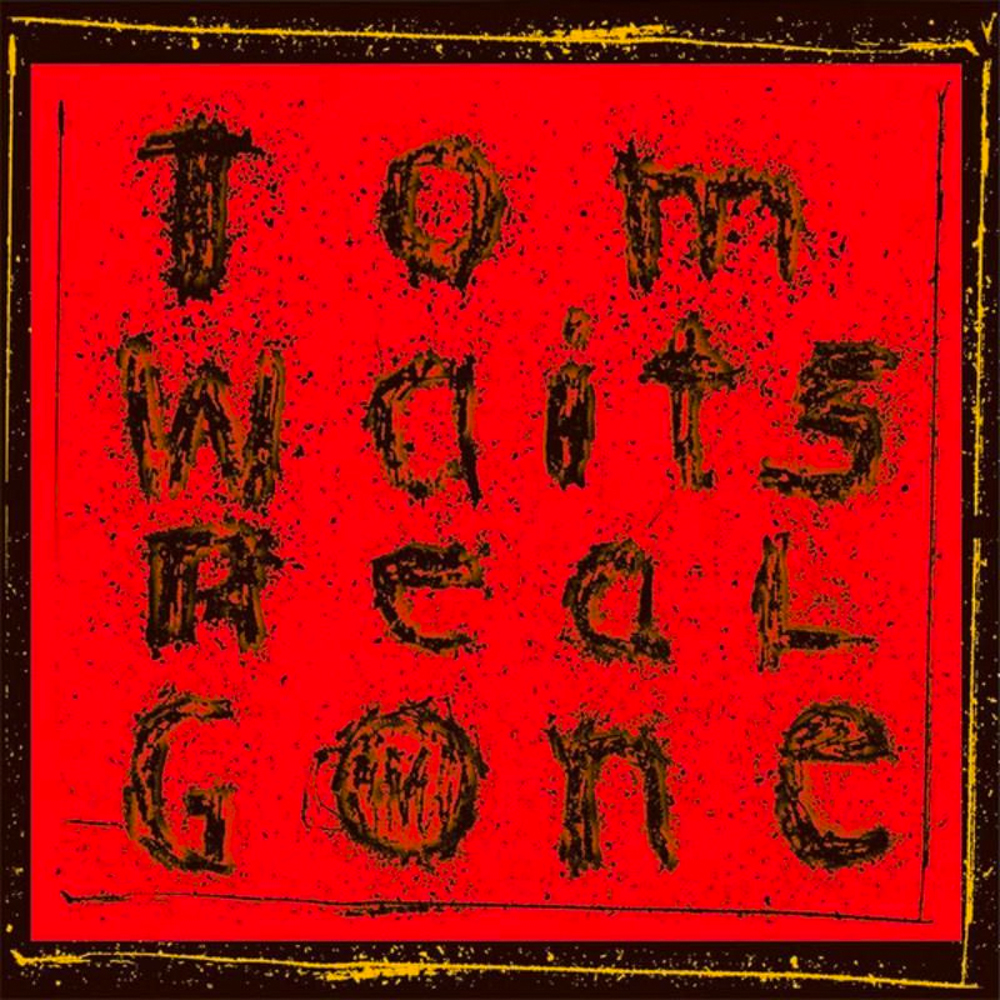 Sure you’ve heard beatboxing, but you’ve never heard Tom Waits beatboxing. Well, guess what, baby, now ya have! And it’s glorious! Now granted, this whole album is a little bit too long, and a little bit too abrasive, like “Bone Machine” or “Black Rider” taken to villainous excess. But ultimately, songs like “Top of the Hill,” “Don’t Go Into That Barn” and “Dead and Lovely” are still there to make it a worthwhile listen and lines like “Night is falling like a bloody axe” remind us why we love Waits’ songwriting.
Play It Again: “Sins of My Father” (Yeah, it’s long. Listen anyway, you babies!)
Skip It: “Metropolitan Glide”
14. The Heart of Saturday Night (1974)
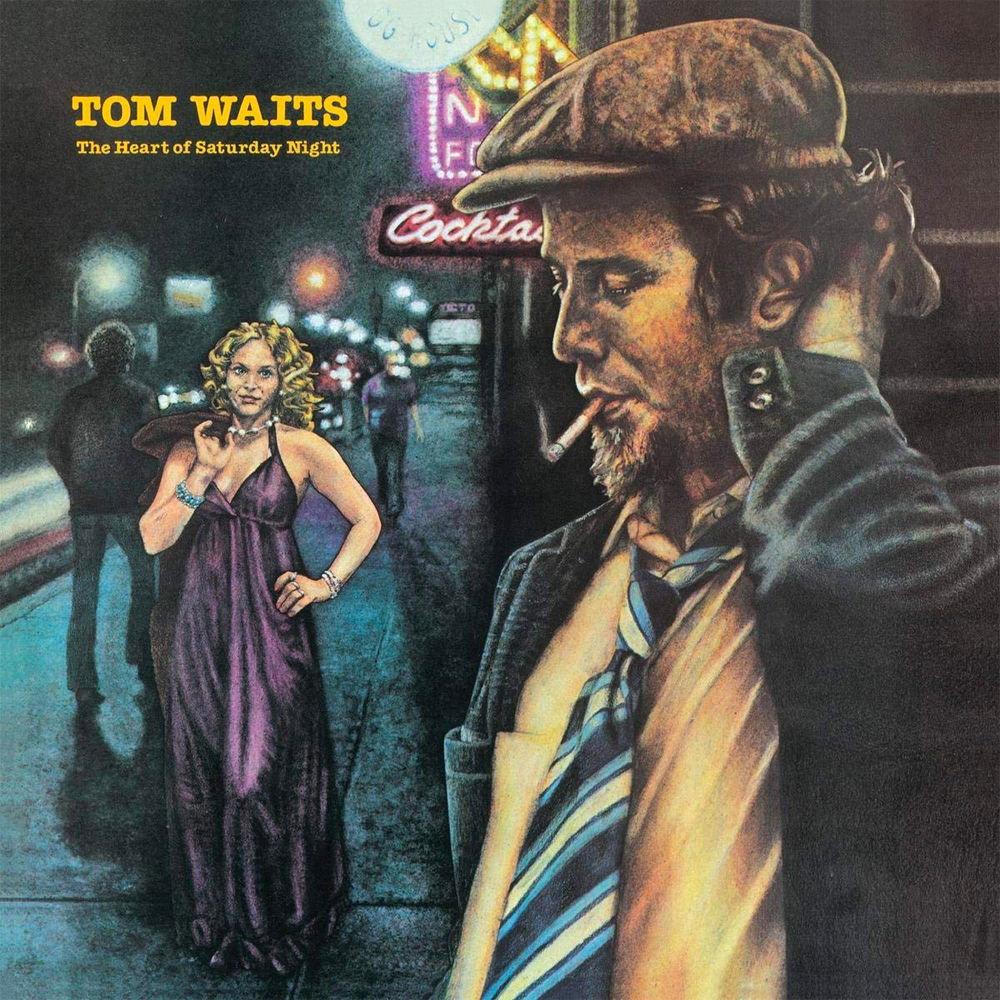 Tom Waits’ sophomore effort is, in many ways, a distillation of his first. A true jazz record, this album opens with “New Coat of Paint,” a seedy, dancy number, before offering an emotional gut punch with “San Diego Serenade.” It’s not as inventive as “Closing Time” was before it or as fun as “Nighthawks at the Diner” right after, but “The Heart of Saturday Night” offers an earnest and beautiful listening experience, an oddly lovely addition to the Waits canon.
Play It Again: “New Coat of Paint”
Skip It: “Diamonds On My Windshield”
13. Foreign Affairs (1977)
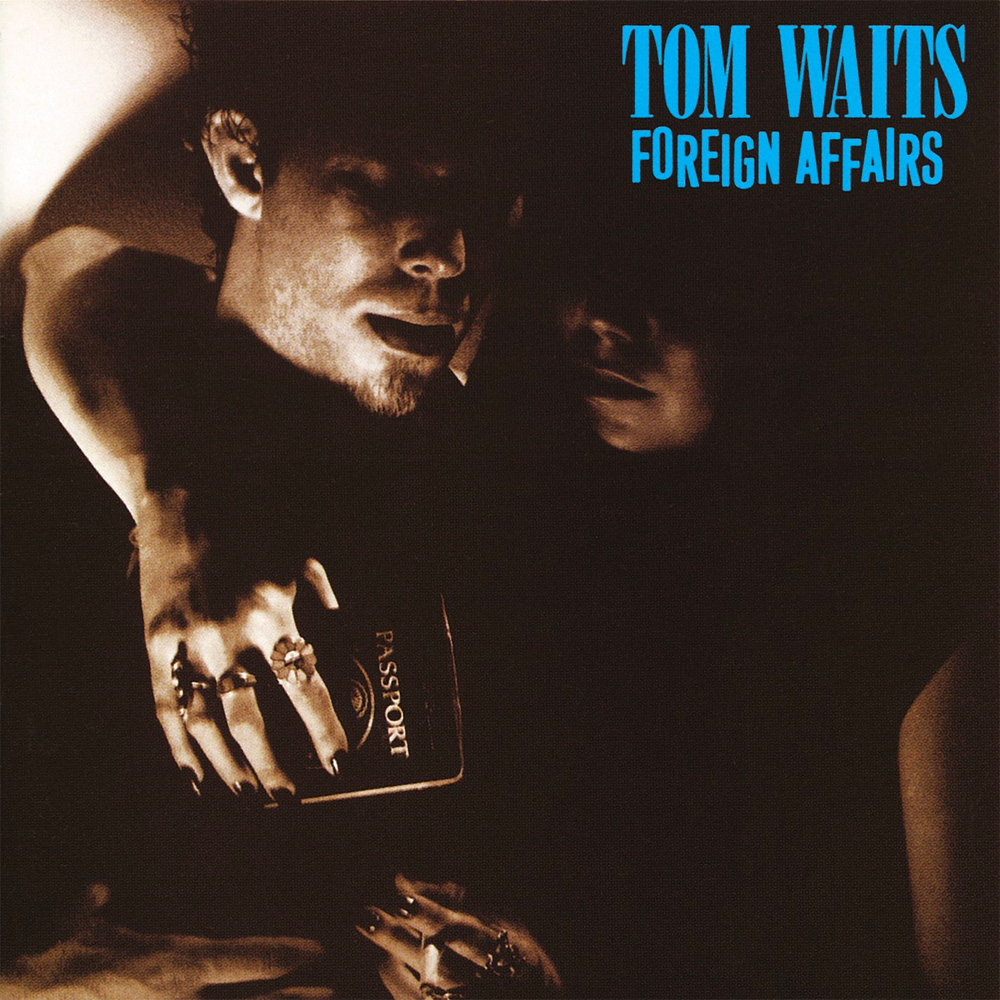 Often written off as Waits’ weakest work, “Foreign Affairs” is an album I will defend to my last, mostly because I firmly believe its messiness is a big part of its charm. The opener “Cinny’s Waltz,” sets the tone for an odd, if deeply relaxing experience, while “I Never Talk To Strangers,” features a rare duet with Waits and his then partner Bette Midler (you read that correctly). Ultimately, it’s not his strongest effort, but there’s never a moment to doubt that it’s vintage Waits, having some incredible fun.
Play It Again: “A Sight For Sore Eyes”
Skip It: “Foreign Affair”
12. Nighthawks at the Diner (1975)
 Waits’ third album is one that’s designed to leave the listener with a sense of “something’s off about this dude, but I don’t know what.” In Nighthawks, Waits recreates the feel of a live recording in the studio, with long, often wryly comedic monologues prefacing each song, a studio audience and improvisation galore, this album feels like a perverse reincarnation of Sarah Vaughan’s “At Mr. Kelly’s,” with lines like “Hubba hubba, ding ding dong, baby it sure didn’t last too long” and “I’m so goddamn horny, the crack of dawn better be careful around me,” strewn in like little gems. Ultimately, though, it is a very long album and one that overstays its welcome quicker than one might like.
Play It Again: “Emotional Weather Report”
Skip It: “Nobody”
11. The Black Rider (1993)
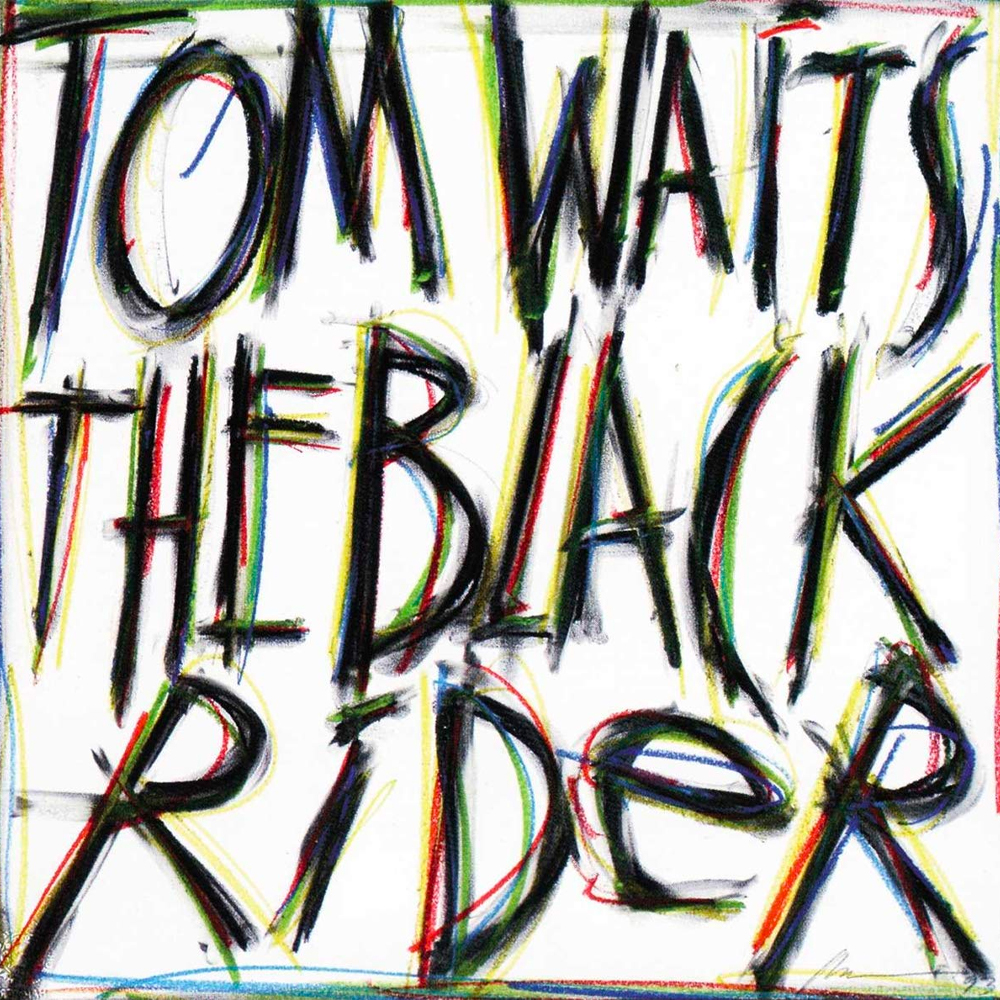 Tom Waits… theater kid? Oh yeah, theater kid. “The Black Rider” is a unique artifact, probably more appreciated than enjoyed. The first collaboration with avant-garde director Robert Wilson, “The Black Rider” is a horror adaptation of a German folktale, and a not so coded “oopsie-poopsie, sorry I shot my own wife, it was the heroin, I swear” apology letter from William S. Burroughs. Ultimately, this album isn’t the easiest to get through, but the run of the first four songs is an absolutely flawless tour of insanity from Waits. So if you think you’d enjoy dark carnival music or simply want to hear Tom Waits sing in a militantly unplaceable European accent, then just come on along with “The Black Rider.”
Play It Again: “November”
Skip It: “‘T’Aint No Sin” (Listen, it’s fun to hear William S. Burroughs whimper this song, but he should’ve probably just stuck to writing terrible books.)
10. Small Change (1976)
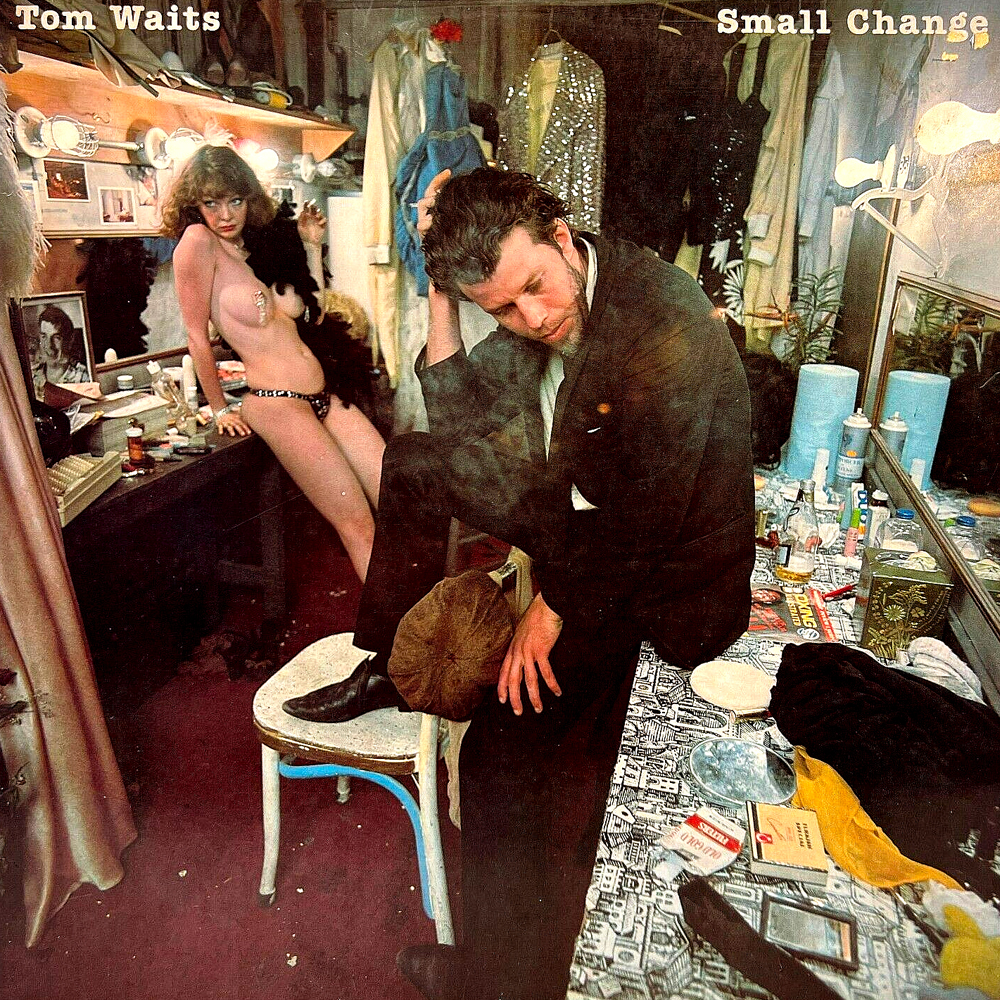 Of all the personas Waits has worn in his career, one of his favorites seems to be “drunk philosopher at the bar who smells like stew and looks potentially rabid.” “Small Change” is perhaps the best portrayal of this character. The opener, “Tom Traubert’s Blues” is a travelogue from Hell, while the infomercial-esque “Step Right Up” allows the bass to have an ecstatic religious vision and “The Piano Has Been Drinking (Not Me) (An Evening With Pete King)” features some of Waits’ best drunken ramblings.
Play It Again: “Tom Traubert’s Blues (Four Sheets to the Wind in Copenhagen)”
Skip It: “The One That Got Away”
9. Blue Valentine (1978)
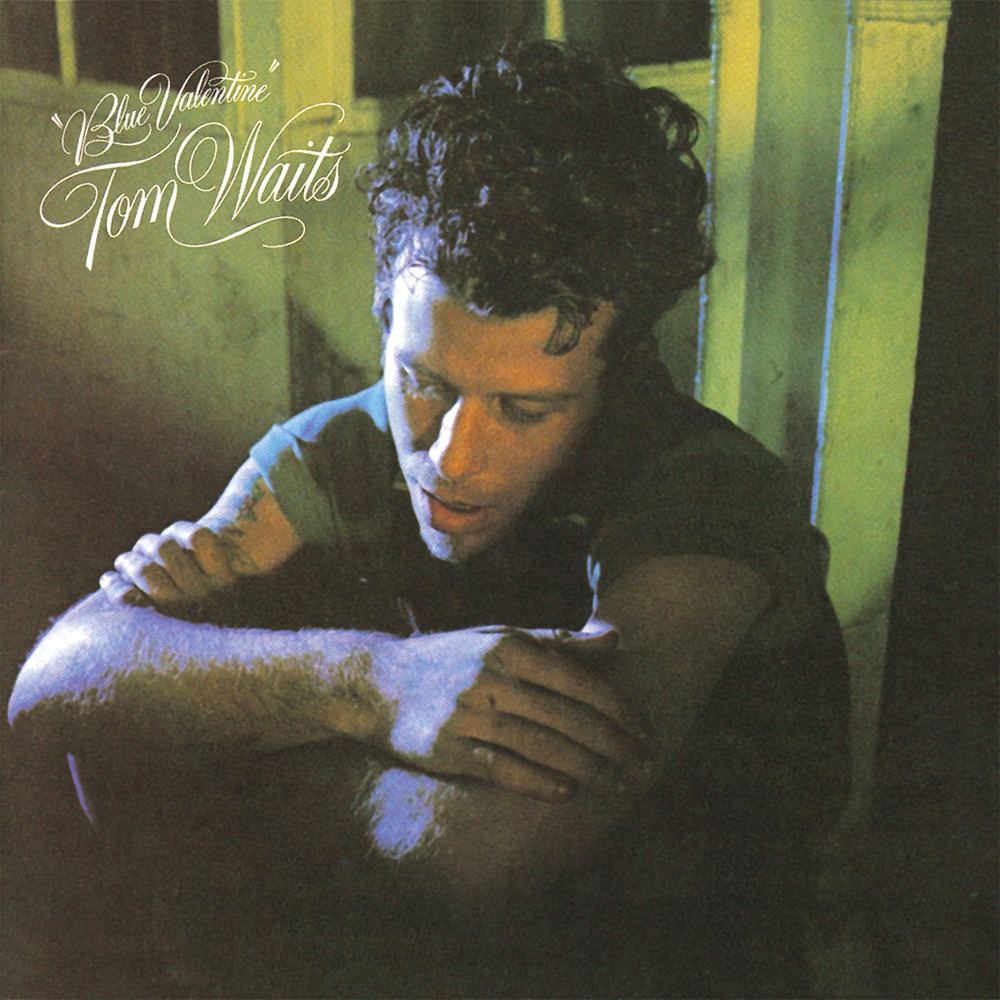 This album marks a transitional period for Waits, a sort of, dare I say… Cosmic Gumbo of his ‘70s jazz and ‘80s avant-rock phase. Like Eugene V. Debs, most of these songs are of a criminal element, which makes it doubly odd to think that the opener is a cover of a song from “West Side Story.” But leave it to Waits to pull it off. Ultimately, though, the album isn’t quite as fun or pleasant as some of his other works and comes off as just slightly overrated in the longrun.
Play It Again: “Christmas Card From a Hooker in Minneapolis”
Skip It: “$29.00”
8. Swordfishtrombones (1983)
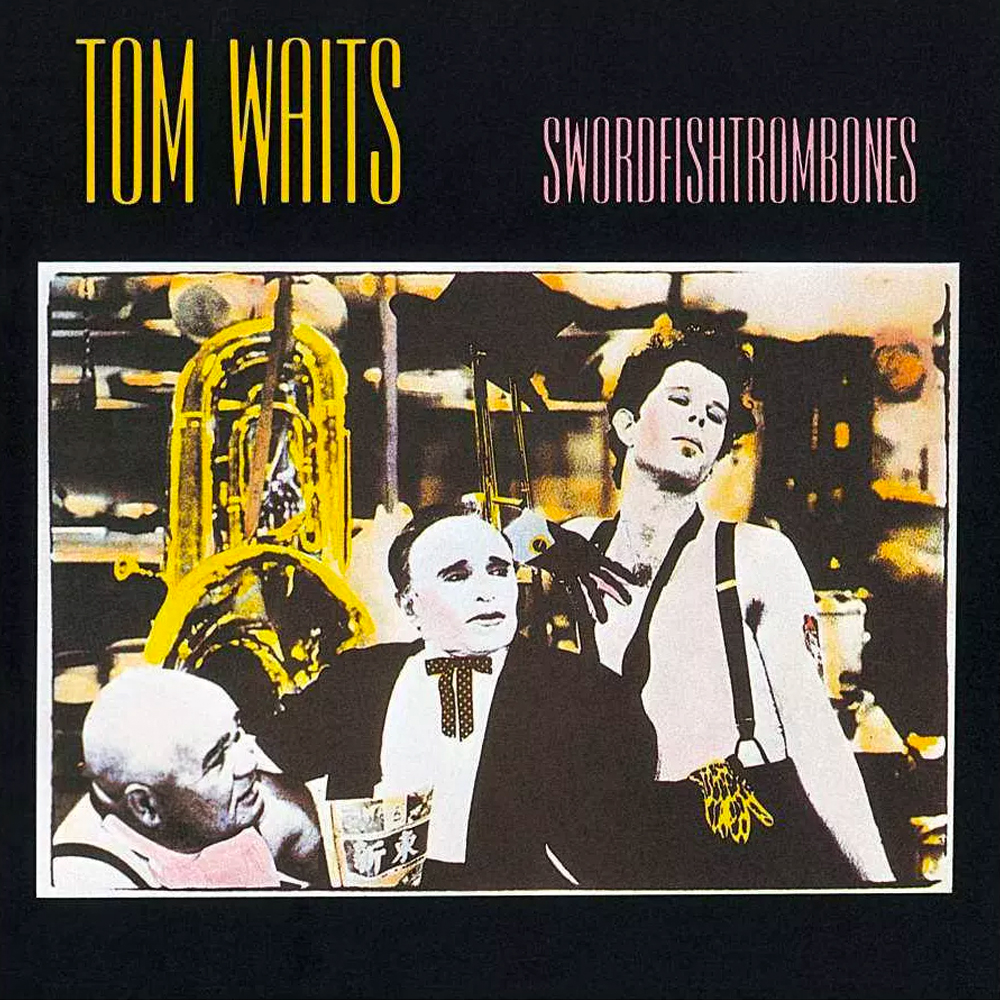 The first of his experimental 80s trilogy, “Swordfishtrombones” truly shows a new side of Waits, a more performative, character-based side than had previously been seen. In “16 Shells From a Thirty-Ought-Six,” he tells the story of a Faustian guitar bargain, while in “In the Neighborhood,” he plays the role of a deranged suburbanite ranting and raving about garbage trucks and butter. While it still feels a little uneven at times, this album is the perfect accompaniment for a dinner party with all the people you hate.
Play It Again: “In the Neighbourhood”
Skip It: “Trouble’s Braids”
7. Blood Money (2002)
 If “Mule Variations” is Waits’ Bergmanian struggle with God, this is his holy war against the devil. This album is yet another theatrical excursion by the Waits/Brennen songwriting team with Robert Wilson for the play “Woyzeck.” Released the same year as the jazzy and balletic “Alice,” this album counters it beautifully with crunchy and evil abrasiveness that begs the question: Should we really get our ten-year-old son that drum set?
Play It Again: “All the World is Green”
Skip It: “Knife Chase”
6. Closing Time (1973)
 A debut for the ages, and a great intro for first time listeners, Waits’ first album features songs like “Grapefruit Moon,” “Martha” and his classic “Ol’ 55,” which served as his first breakout song and was (unfortunately) covered by the Eagles a short time later. Ultimately, while this is a pretty simple folk/country/jazz LP, odd songs like the uptempo (and strangely deeply sexual) “Ice Cream Man” are a welcome indication of the directions Waits would eventually turn towards.
Play It Again: “Rosie”
Skip It: “Little Trip to Heaven (on the Wings of Your Love)”
5. Mule Variations (1999)
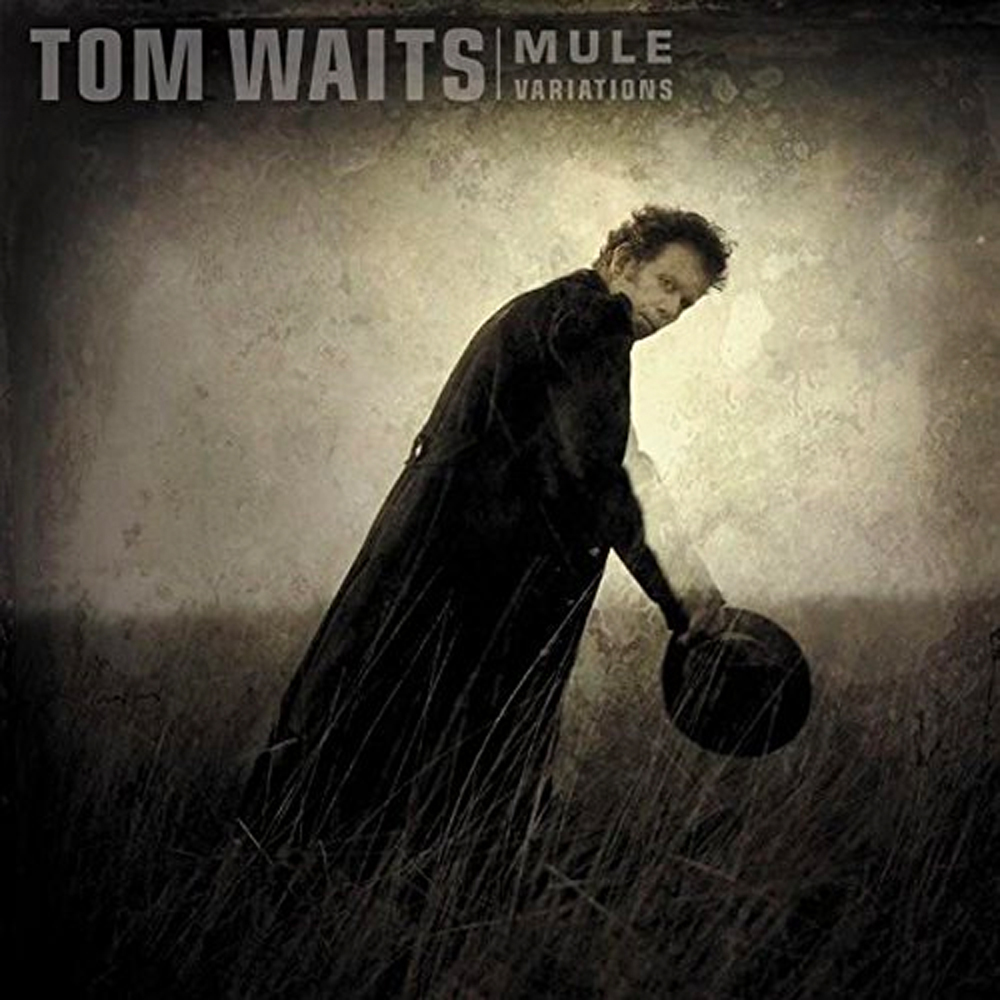 A lot of people would likely argue that “Mule Variations” deserves the top spot on this list. They’re wrong, but they can argue that. Still, “Mule Variations” is an ambitious work, with country and blues sounds featured prominently. This album reckons strongly with religion, with songs like “Georgia Lee” and “Come on Up to the House,” skewer American piety, while “Chocolate Jesus” pokes fun at the commercialization of faith. Ultimately, “Mule Variations” is a masterwork that serves to remind us that while Tom Waits might want to be a circus freak, he is not an unenlightened one.
Play It Again: “Come on up to the House”
Skip It: “Filipino Box Spring Hog”
4. Franks Wild Years (1987)
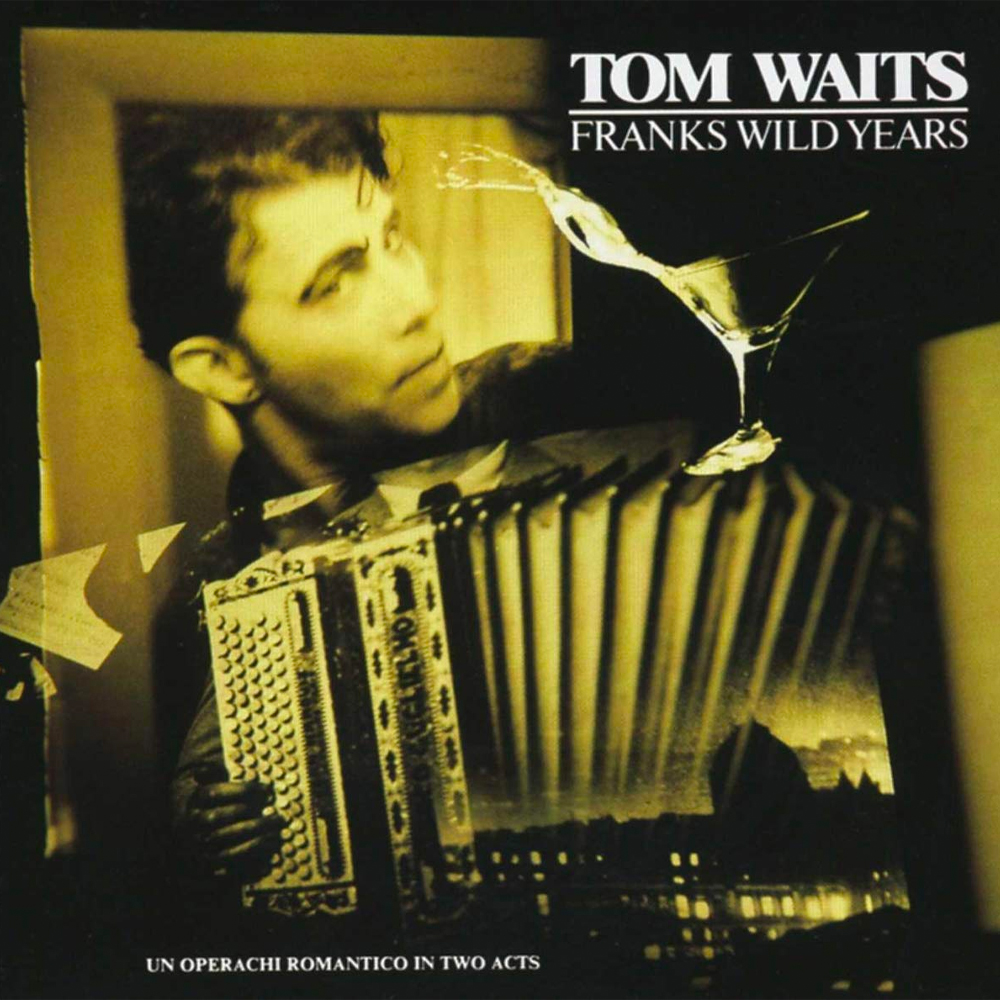 Subtitled “Un Operachi Romantico in Two Acts,” (we don’t know either), this is another one of Waits’ theater soundtracks. This time, it’s to a play that he wrote about his father, which was staged by the Steppenwolf Theater Company. This album is a treat all the way through, with a sort of freedom and looseness of a true artist. “Way Down in the Hole,” is the album’s breakout song, serving as inspiration for Nick Cave’s “Red Right Hand,” and as the theme to “The Wire,” but the entire album is absolutely stunning.
Play It Again: “Temptation”
Skip It: “I’ll Take New York”
3. Alice (2002)
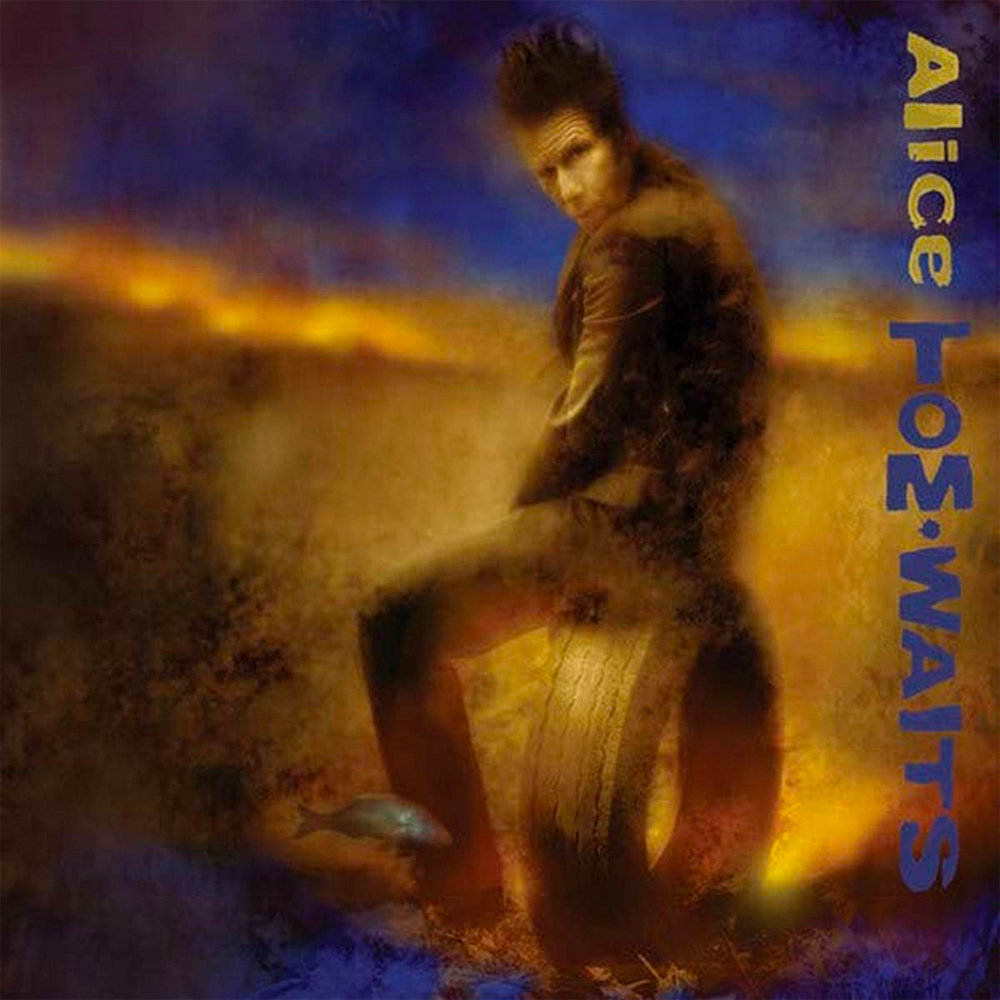 Waits’ second collaboration with theater director Robert Wilson, “Alice” is the soundtrack for a play of the same name, about “Alice in Wonderland” author Lewis Carroll’s obsession with young Alice Liddell and subsequent psychological breakdown. From its wintery, jazzy opener to the raucous fake German rollercoaster of “Kommienezuspadt,” to the dark cabaret sounds of “Reeperbahn,” “Alice” is Waits at his most diabolical and his most elegant. An absolutely rapturous experience, start to finish.
Play It Again: “Kommienezuspadt”
Skip It: “Fish and Bird”
2. Rain Dogs (1985)
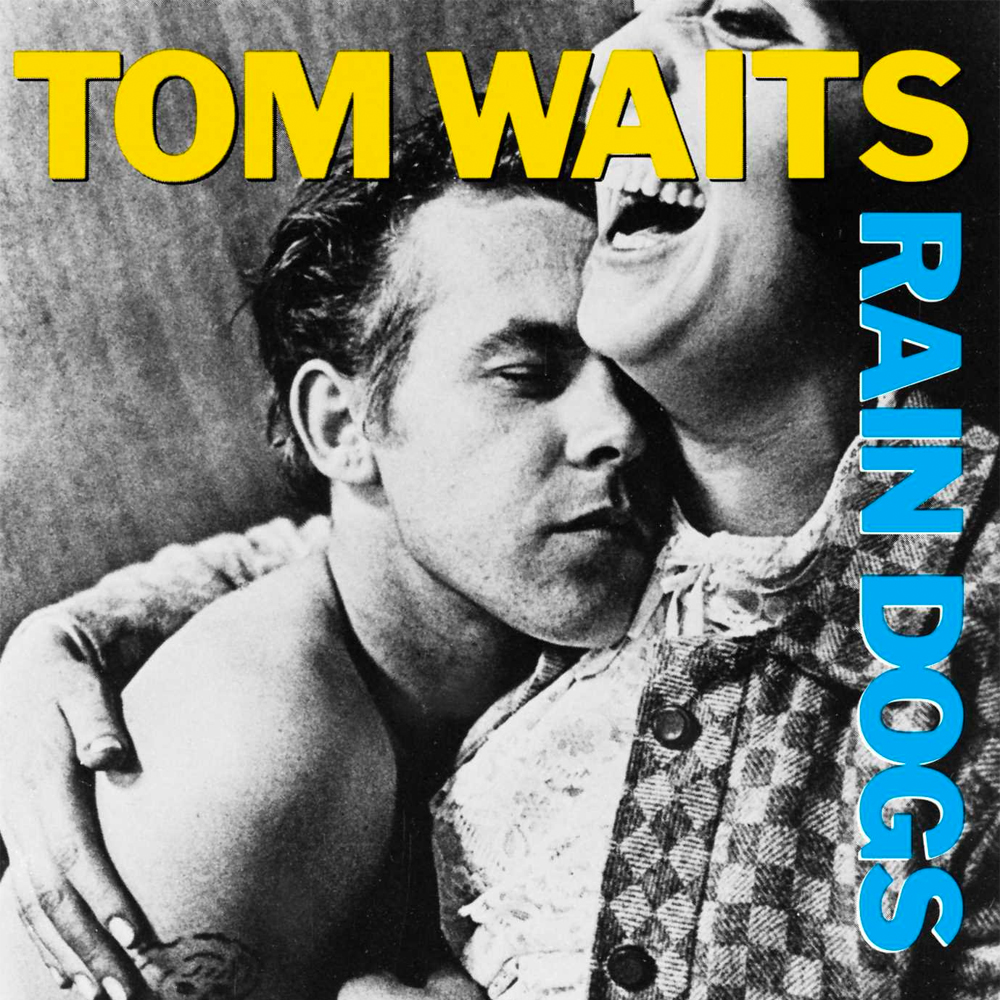 An absolute masterpiece in almost every conceivable way, “Rain Dogs” blends Waits’ avant-garde sensibilities with ‘80s rock almost perfectly. The album kicks off on a magnificently horrifying note with “Singapore,” which sounds like skeleton pirates out on the prowl, and includes songs like “Cemetery Polka,” which takes one through a greed-fueled wonderland of dying family members. Ultimately, though, songs like “Jockey Full of Bourbon,” “Time” and “Downtown Train,” will make the most lasting impressions. This is Waits at the height of his power, churning out an absolutely phenomenal experience, beaten only by one album.
Play It Again: ‘Jockey Full of Bourbon”
Skip It: “Walking Spanish”
1. Bone Machine (1992)
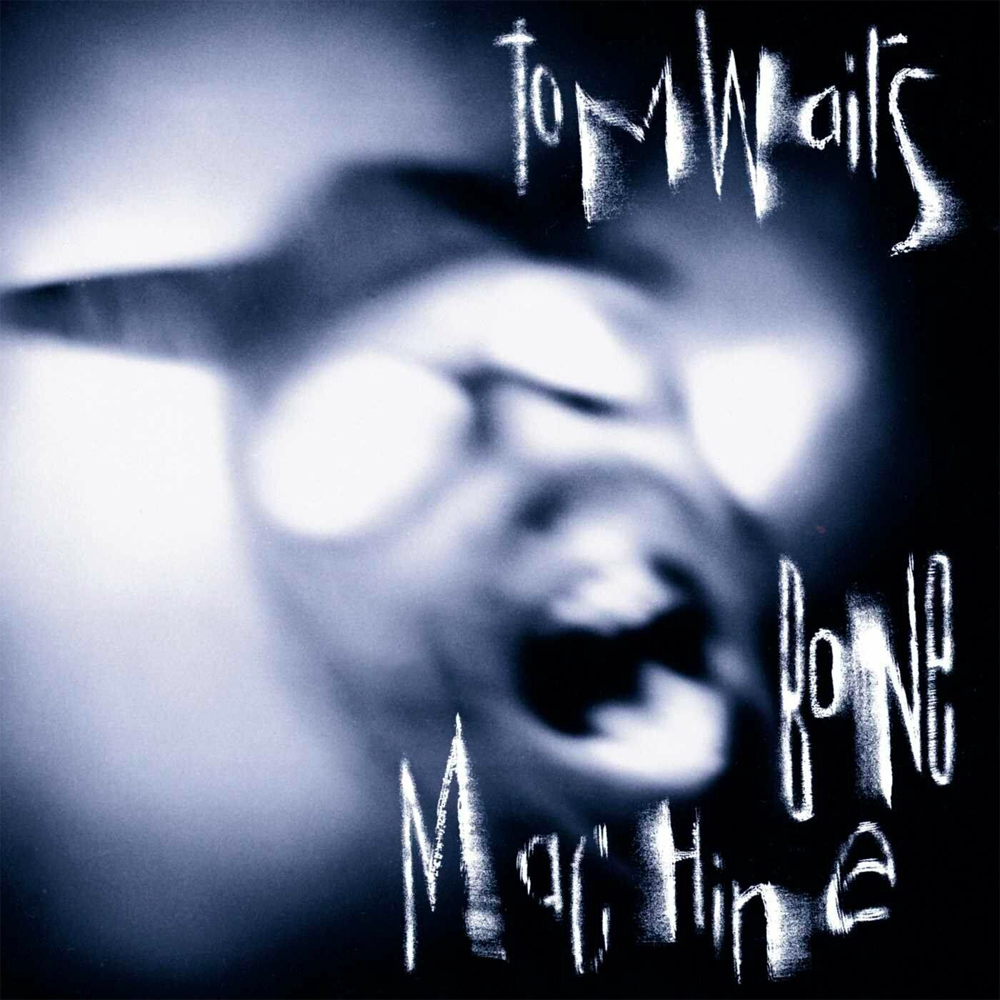 If you absotively, posolutely, need to have a gutting existential experience, “Bone Machine” gets the job done. From its opening abrasiveness on “Earth Died Screaming,” this album is Tom Waits undergoing a midlife crisis with stellar aplomb. There’s your usual fare, like “Dirt in the Ground,” which sounds like a funeral dirge, but there are also soaring songs like “Who Are You” and “Black Wings,” loud cries into the darkness like “I Don’t Wanna Grow Up” and minor tragedies like “Whistle Down the Wind” and “A Little Rain,” which begins surreally and culminates in the murder of a teenage girl. Ultimately, though, it is the album’s closer, “That Feel,” a cry into the darkness, a statement that no matter how horrific life becomes, we can never lose the feel of how wonderful it is to just be alive that makes the whole thing perfect.
Play It Again: “Who Are You”
Skip It: “Let Me Get Up on It”

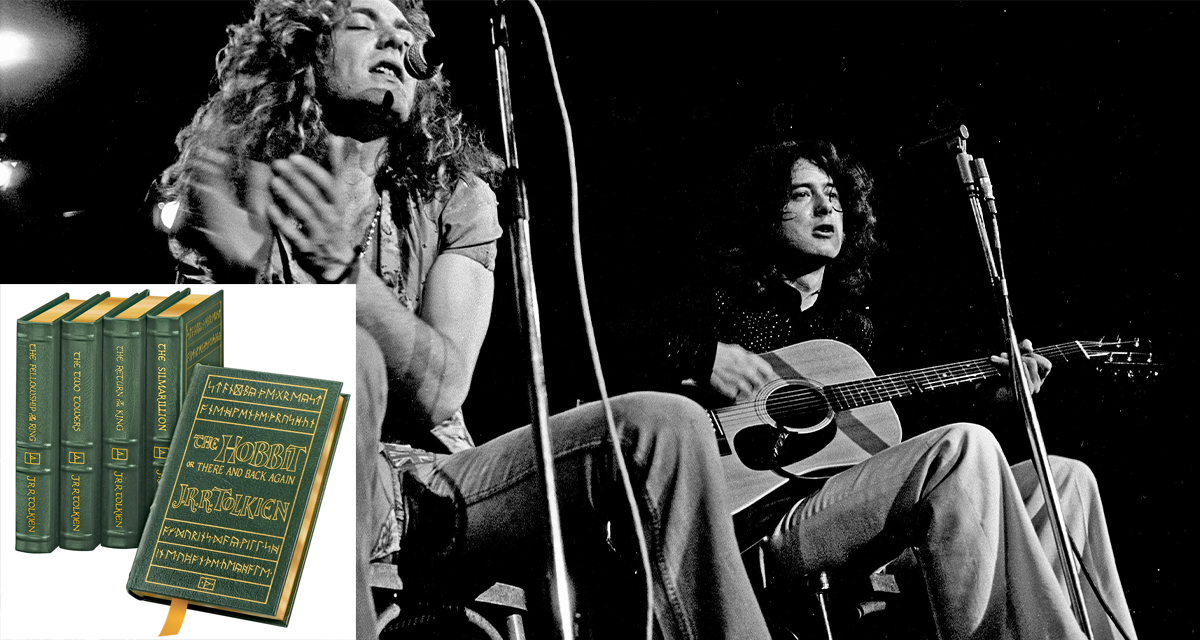 When Robert Plant took a break from singing about the devious and duplicitous nature of women, it was almost always to reflect on the vast and mythical nature of JRR Tolkien’s Middle Earth. Not content to simply steal the blues, Zeppelin also mined Mordor for all it was worth on their eponymous albums II, III, and IV. If you’re thinking “The Lord of the Rings” is such an old book that it’s fair game, keep in mind that the series was only about 15 years old at the time of the band’s heyday — which might explain why the still at large human monster Jimmy Page was interested in them in the first place (look it up.) Eventually the band would get back to more grounded topics like doing drugs and worshiping Satan, but not before they made us all sit through their book reports on “Return of the King.”
 Jeff Mangum was recording Neutral Milk Hotel’s first LP when he picked up “The Diary of Anne Frank,” read it in two days and, according to him, “completely flipped out.” The experience inspired his lo-fi indie rock opus “In the Aeroplane Over the Sea,” which weaves references to Frank throughout the album. Mangum became preoccupied with the young holocaust victim to the point of obsession, the heaviness of which may have contributed to his disappearance from the music industry and public life a few years later. To which we say: please read a second book, Jeff! Maybe one that’s less of a bummer this time? Because as much as we love the radical empathy contained on “Aeroplane,” mostly we’d like some new tunes.
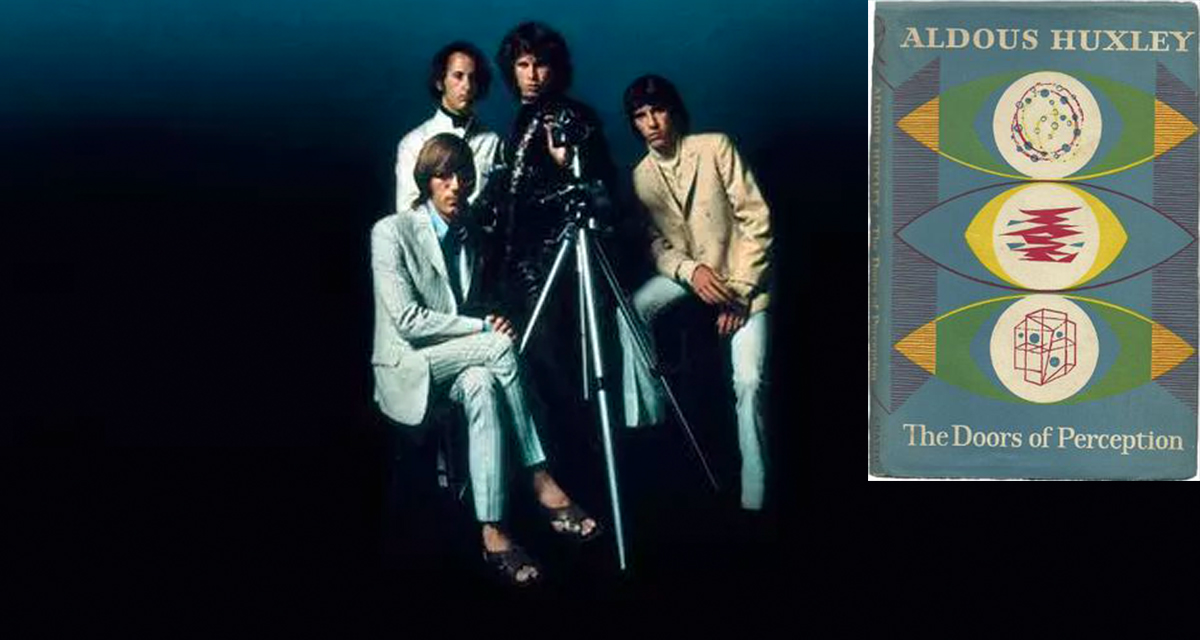 We don’t believe in banning books, but there may have been a case for banning Jim Morrison from reading books — especially the one that would help him start the shittiest band of the 1960s. If Aldous Huxley had known how much keyboard noodling his mescaline scribblings would inspire, he might have gone straight edge.
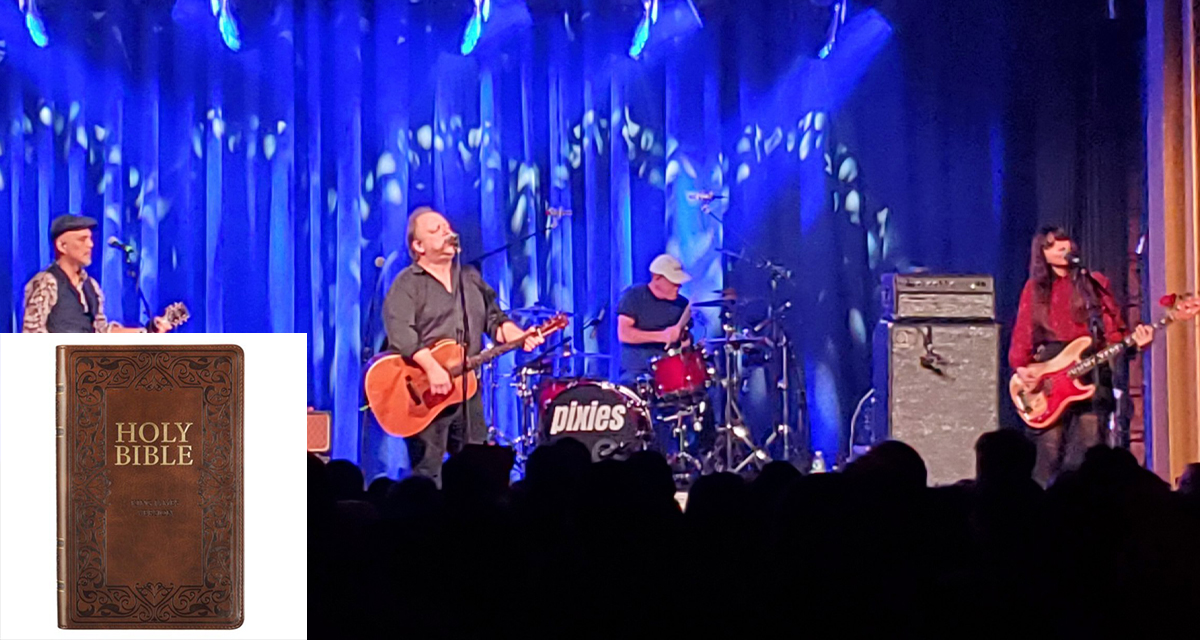 At least the book Frank Black is stealing from is in the public domain, but do we really need another song about Samson and Delilah? Didn’t Leonard Cohen cover this when he did that Shrek song? Pixies’ “Doolittle” contains at least three Sunday School lessons. The aforementioned “Gouge Away” tells the story of Samson’s brutal end. “Dead” warns us all of the possible consequences of being too horny ala David and Bathsheba, and Biblical numerology is used to paint a picture of climate disaster in “Monkey Gone to Heaven.” All three are bangers, but it’s quite a departure from the songs about superheroes and big dicks that populated the band’s previous album “Surfer Rosa.” Church gave us all hang-ups Frank — you don’t have to yell about it!
 These days, George Orwell is most recognizable as a reference used by right-wingers to describe any form of tolerance they don’t like, which is all of them. The leftist, anti-authoritarian author is most known for his novels “Animal Farm” and “1984.” Both books are strong warnings about the dangers of fascism, which modern fascists have interpreted to be about how mad it makes them when they are politely asked to use someone’s preferred pronouns. However, before the conservatives stole him, Orwell belonged to rock ‘n’ roll — so much so that it makes you wonder if musicians have read anything else. Most famously, Pink Floyd took “Animal Farm” and made it into a concept album called “Animals,” an LP that serves as the bridge from the band’s good, lean records to their shitty, overstuffed ones. Bowie got in on the fun, too, with “1984” — a song that nods subtly to the author’s most famous book by stealing its title. In the 1900s and early 2000s, Rage Against the Machine and Radiohead quote Big Brother himself — the former in “Testify” and the latter in “2+2=5” (which, for the record, is not true.) Orwell’s two biggest hits are well-trodden territory at this point, which begs the question — can’t these songwriters dig a little deeper? Orwell had non-fiction too! How about a concept album about the essay collection “Shooting the Elephant”? Or a rap-rock recap of “Homage to Catalonia.” Let’s face it, though: musicians are lazy. If most of them read Orwell at all, it was probably on audiobook.


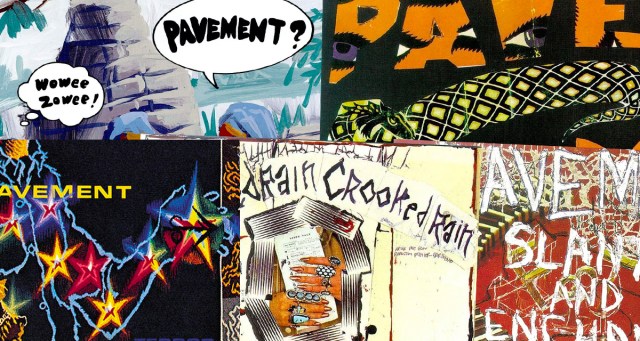
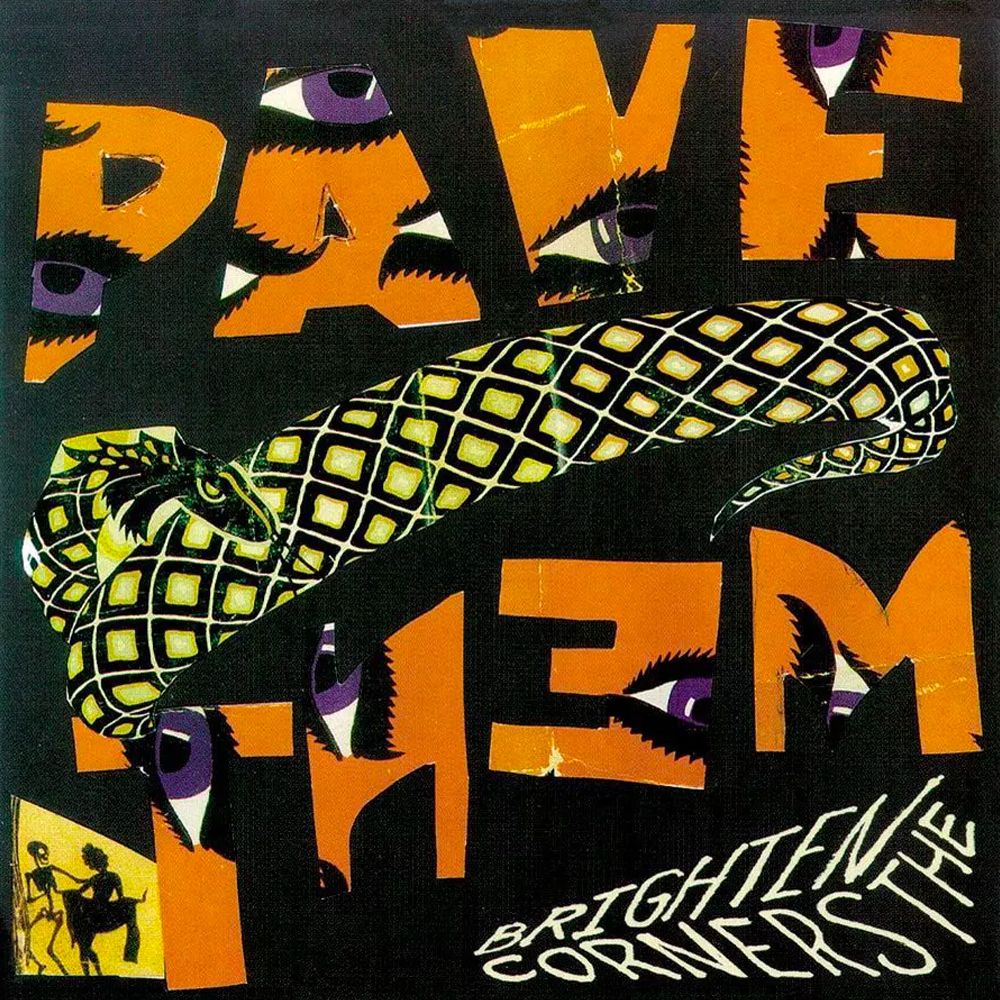 After “Wowee Zowee” perfectly encapsulated everything that made Pavement’s first two albums so great, there had to be a turd in the cereal bowl, and that turd was “Brighten The Corners.” For all intents and purposes, this is essentially the first Stephen Malkmus solo album, (though not the worst…and that’s saying something). This is also where the ideas dried up and things began to feel phoned-in. Plagued with songs so lethargic and uninteresting, even their titles are boring… “Type Slowly?” “Old To Begin?” Yawn! And even if you do dream of owning a Volkswagen Passat and going to IKEA, for god’s sake, don’t write a song about it!
 Unless you were already cooler than everyone else and collecting the early, pre-“Slanted & Enchanted” singles and EPs, you likely didn’t hear these tracks until this compilation came out post-“Slanted,” which serves as sort of a “Slanted” origin story. A handful of songs (“My First Mine,” “Mercy: The Laundromat,” and the enduring fan favorite “Debris Slide”) would fit the “Slanted” vibe. However, most of the rest is on the noisier and weirder side, with mixed results. “Maybe Maybe” and “Price Yeah!” are certainly influenced by their respected peers Royal Trux, while songs like “Forklift” surely gave bands like Trumans Water a template to keep on keepin’ it weird.
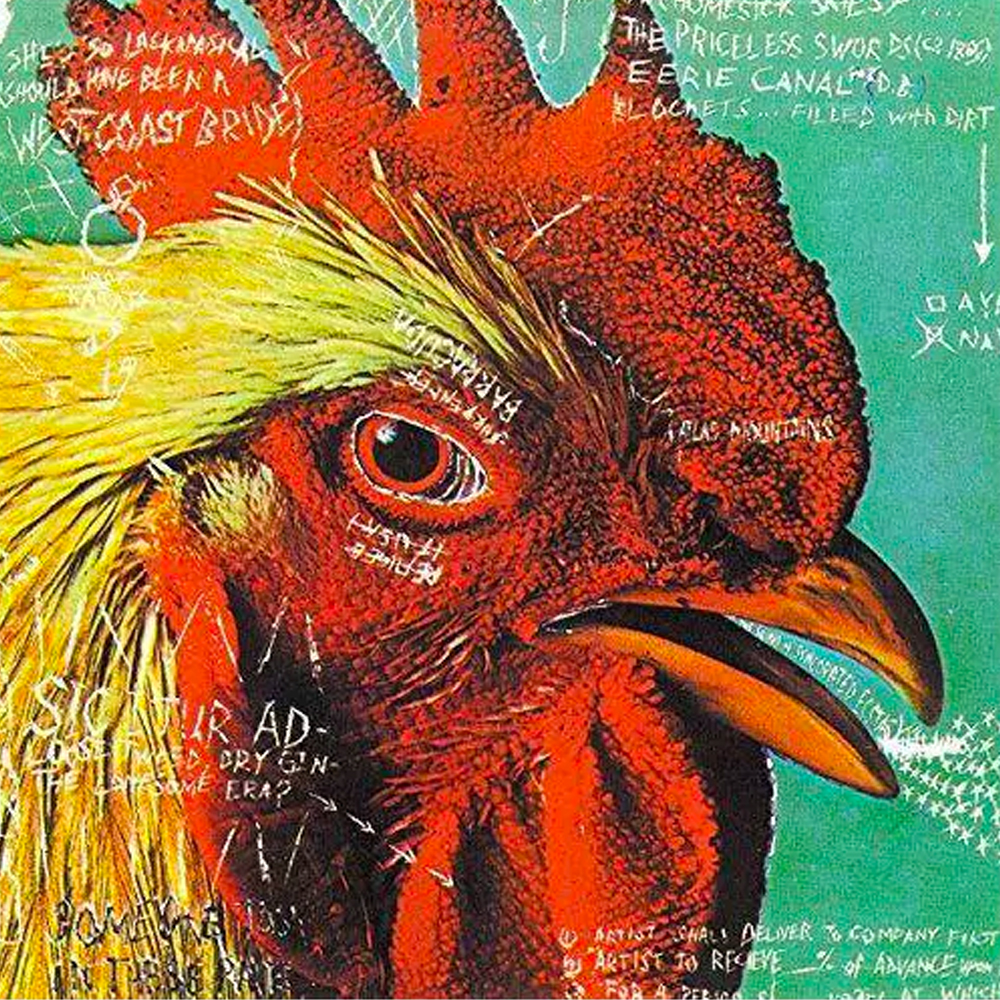 Recorded a year or so after “Slanted & Enchanted” and featuring the touring band for that album, this EP essentially serves as an addendum to that album that neither bests nor worsts anything on it. Just, you know, more of the same. The only exception is “Shoot The Singer (1 Sick Verse),” which alludes to the more produced sound the band would grow into on “Crooked Rain, Crooked Rain.”
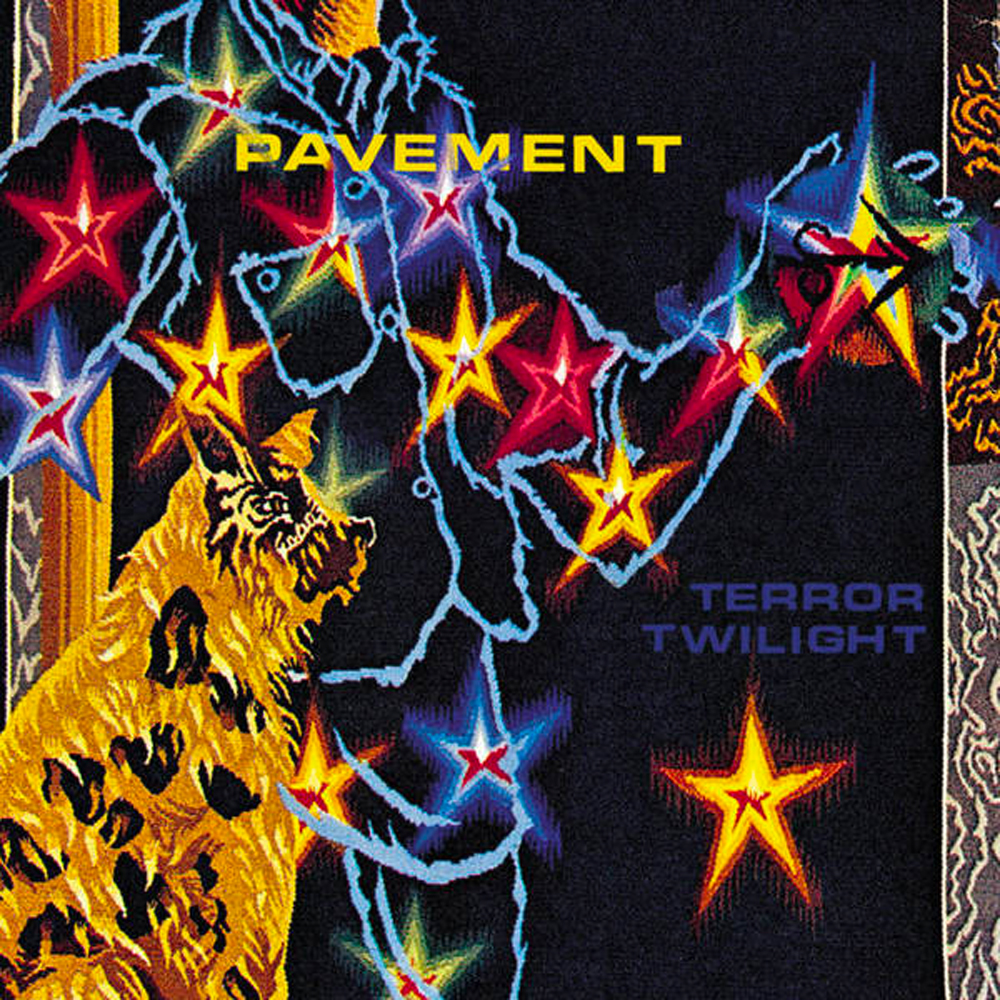 After the snooze-fest of “Brighten The Corners,” things couldn’t really get any worse, and on Pavement’s swan song, they actually get a little better, if still sounding like more Malkmus solo fare. The songs are better and more varied. “The Hexx” is spooky and jammy, while “Carrot Rope” is goofy and fun, with everything else being somewhere in between. Had they listened to producer Nigel Godrich’s suggested song sequence, this would have been a bit stronger of a record. And why they relegated “Harness Your Hopes,” which became a hit over 20 years later, and one of their greatest songs, to a B-side, is anyone’s guess, but it was a bad decision.
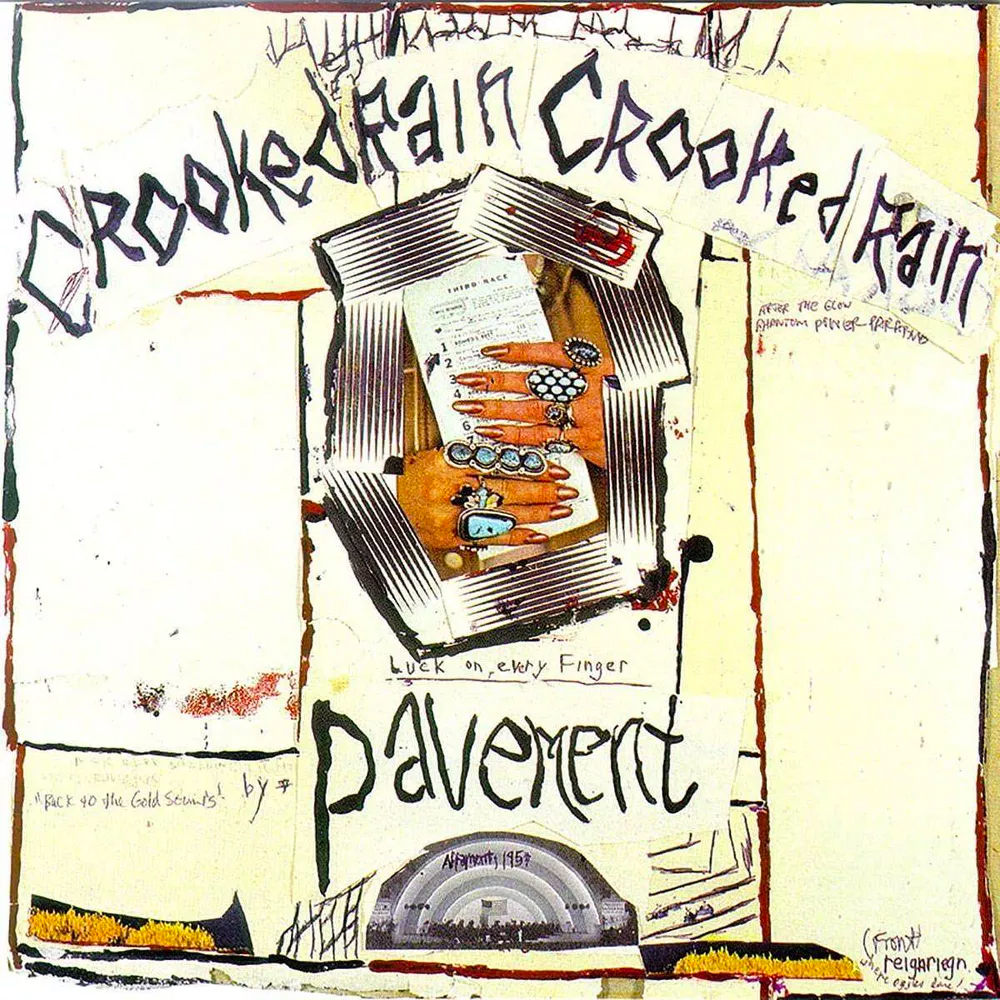 It’s hard to avoid the sophomore slump. But, if you recruit a hipster bass player and especially a drummer who knows what kind of music you want to play, you trade in your Fall records for some Neil Young and Grateful Dead LPs, and let the singer take the lead, it can be done. For an album recorded in NYC, this sure does sound like California. Warm and fuzzy, but still weird and obtuse when necessary (and don’t forget the amazing Smashing Pumpkins diss!). Great for road trips. By not trying to replicate “Slanted & Enchanted,” they avoided being pigeon-holed, and elevated that album to even higher status. Smart move, dudes.
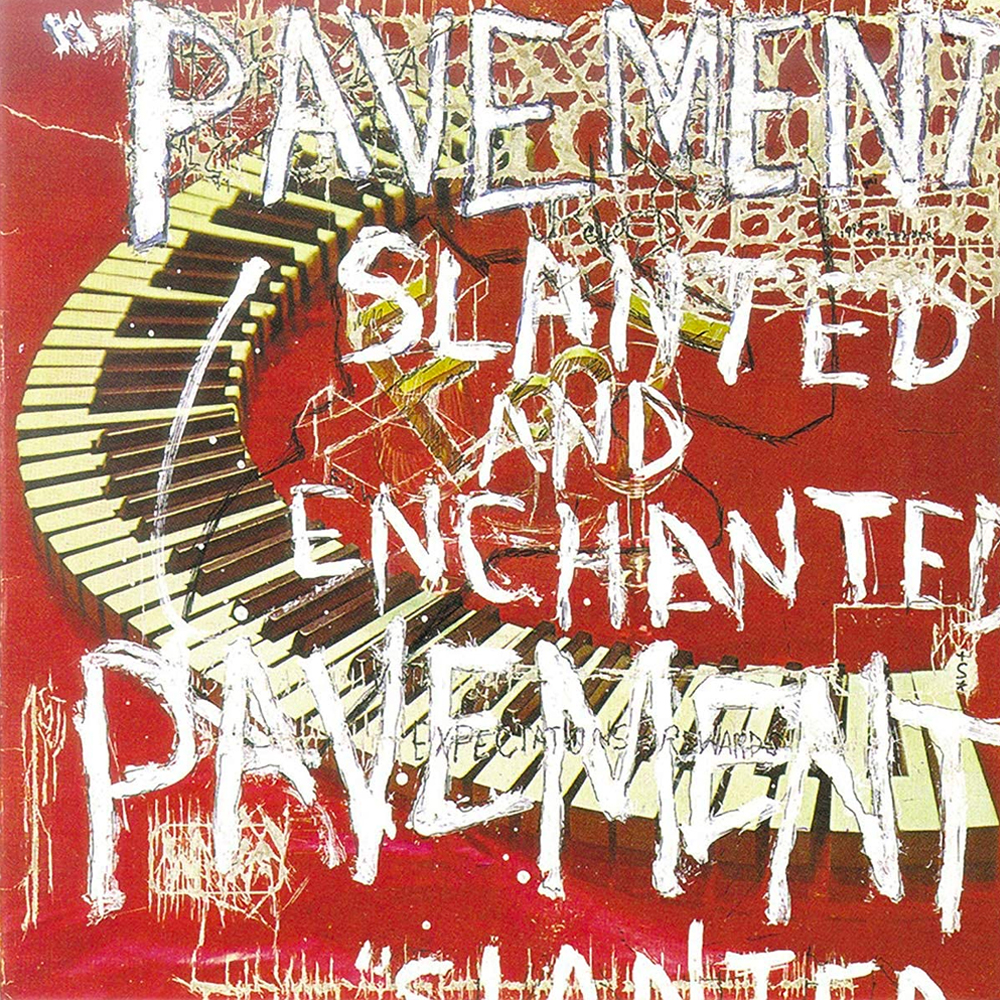 After early tracks like “Debris Slide” or “From Now On,” it wouldn’t have been impossible to predict what might be next. Regardless, “Slanted & Enchanted” seemed to come out of nowhere as a perfect monolith of indie rock. While it would be lazy to describe Pavement at this stage in their development as a cross between Hex Enduction-era Fall and mid-’80s Sonic Youth, sometimes the Ockham’s Razor approach to lazy comparisons gets the job done. Like Guided By Voices’ “Bee Thousand,” Slanted keeps a perfect balance between the songs teetering on the edge of falling apart and staying together long enough to worm their way into your brain forever.
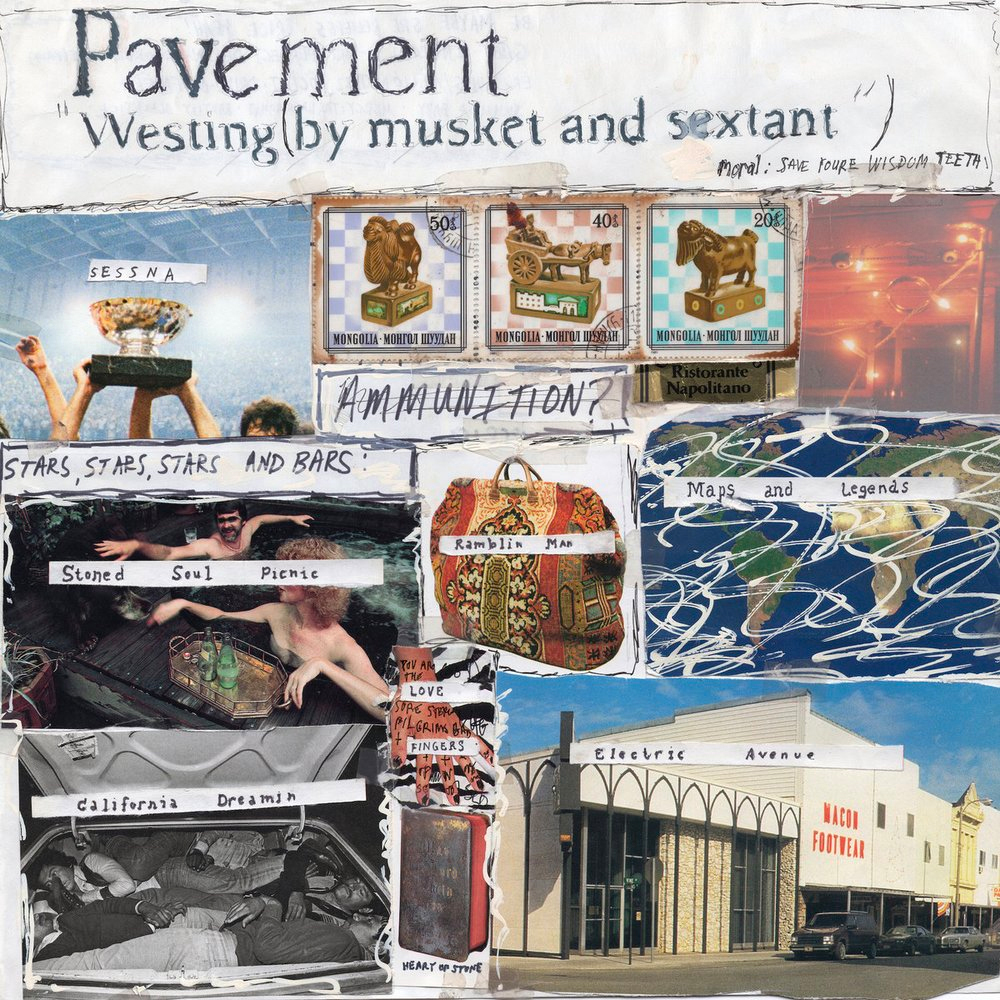
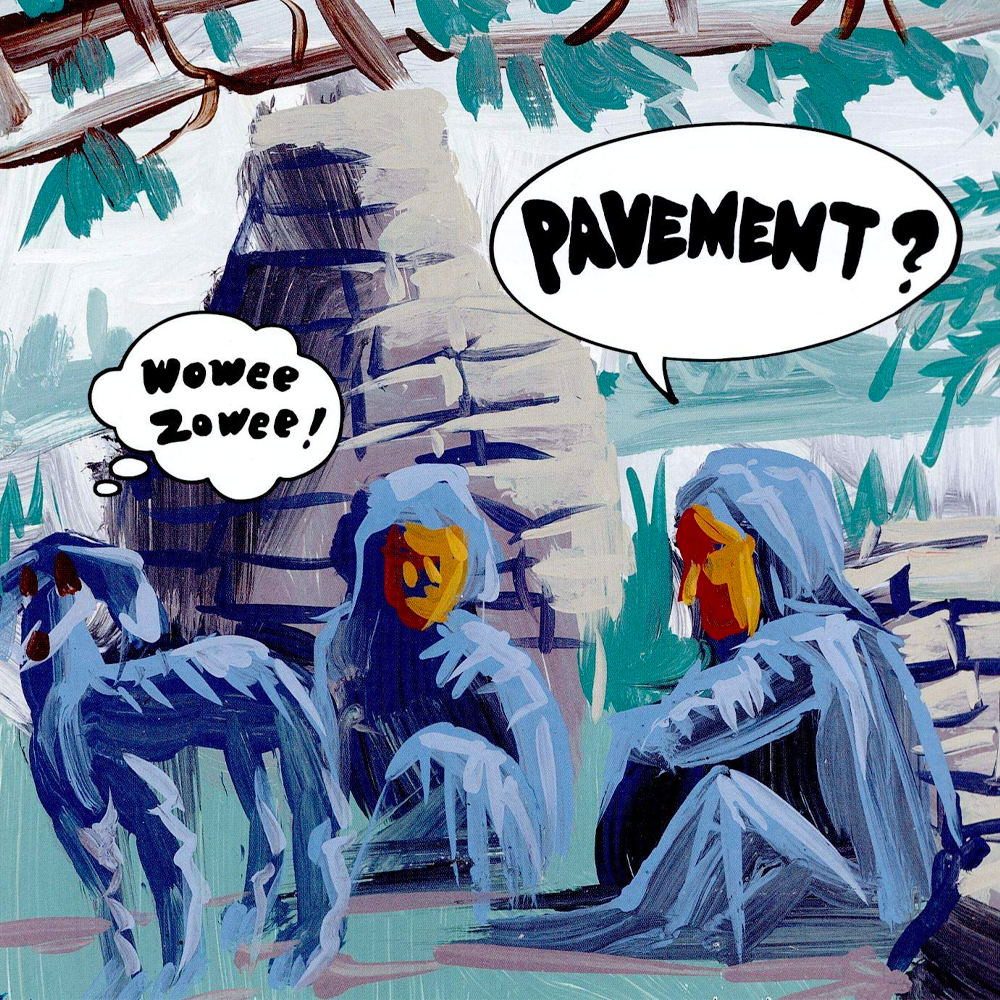 This record could be described as Slanted and Crooked, but thank god they chose a better name. This is the last great Pavement album, and really, the last album as Pavement the band, as opposed to Pavement the songwriting project of Stephen Malkmus. What makes “Wowee Zowee” the best Pavement album is that it has a little of everything in the Pavement arsenal, and even songs that hint at their later albums. It’s like a best-of, but with new songs. The only downside is that these songs fill up THREE SIDES OF VINYL, LEAVING THE FOURTH SIDE BLANK! What am I supposed to do with a blank side of vinyl?! For all the great outtakes and B-sides from this period at their disposal, this just does not compute. This coulda been their “White Album” for chrissakes!! Nonetheless, this should be the go-to Pavement album for fans and curious onlookers, alike.