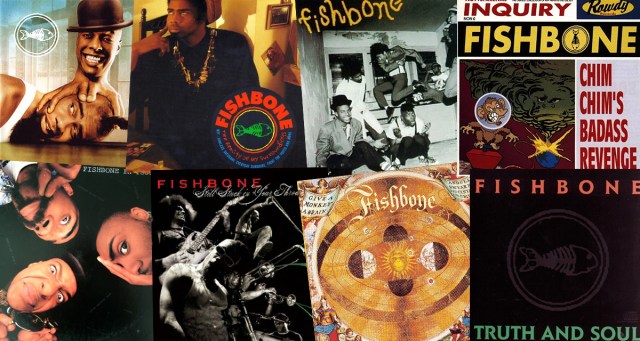
“Oh yeah, Fishbone… I saw them [open for the Beastie Boys/play Lollapalooza/on tour with Parliament, etc. – fill in nearly any rock act], they were insane.” Not only does Fishbone’s live show leave an unforgettable memory, but they have played every genre with every act. But a heavy funk rock, jazz, R&B, and soul influenced band that played ska and reggae songs featuring a theremin, faced a 40-year uphill battle. It might be glib to blame racism, but this is the record industry we’re talking about. Told their sound was too white for urban radio and they were too black for rock radio, promotion and PR threw up their hands rather than find a proper way to market them, while the band continued to build a name and reputation through constant touring, appearing all over pop culture, and delivering high-energy live performances.They were unapologetically political, but frequently sang about butts and farts. Fishbone were goofy, but they weren’t goofs. They could be cartoony, but they weren’t cartoons.
When they can’t define you, they define you as “cult.” Well, here are the rankings of the cult albums from one of the best cult bands:
8. Still Stuck In Your Throat (2007)
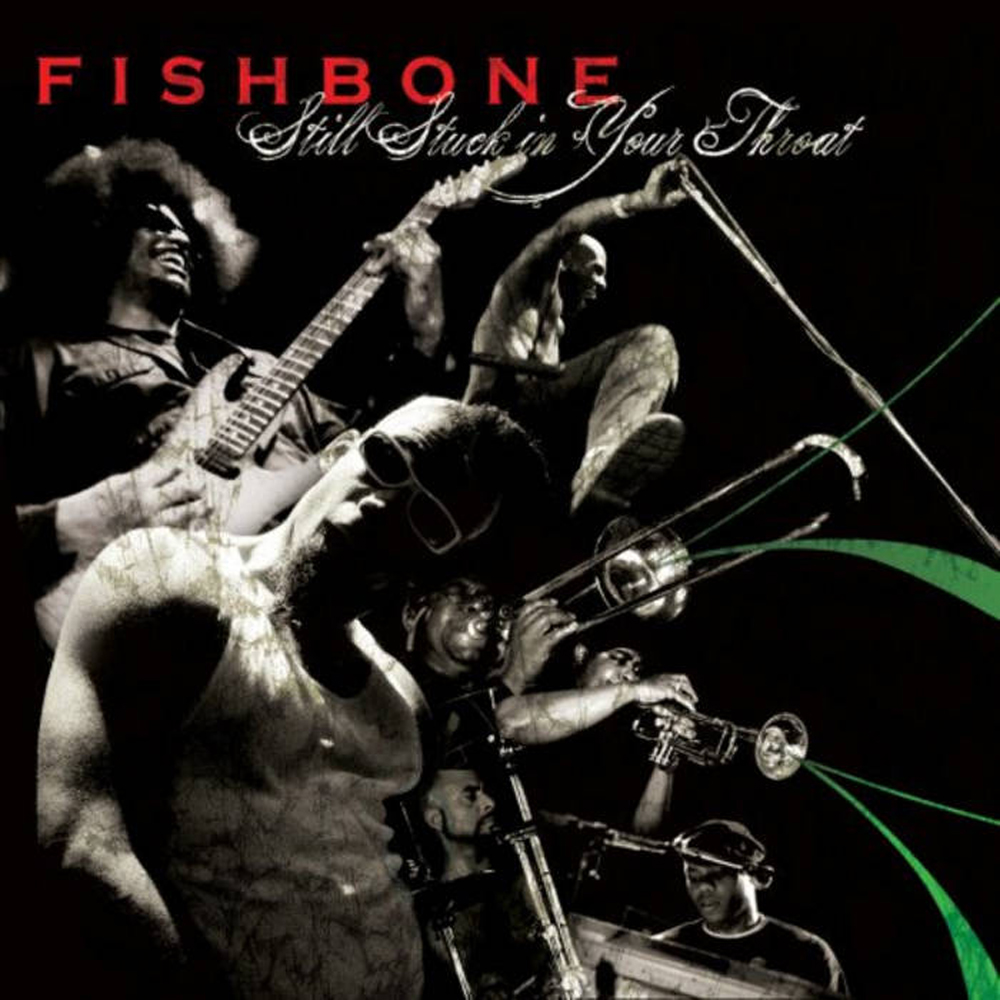 The problem with being a true original is when you do the same thing for 40 years, it comes off tired, even for a band known for their frantic high-energy style. Perhaps because it was a combination of unreleased tracks, including a dated song about Saddam Hussein three years after his death, but this album does not come together. The standout is their cover of Sublime’s “Date Rape.” They add gravitas and a much improved guitar solo to one of the dumbest songs from one of the dumbest bands ever. It’s not so much “their earlier stuff was better,” but they did the same things better earlier.
Play it: “Party With Saddam”
Skip it: “Let Dem Ho’s Fight”
7. Chim Chim’s Badass Revenge (1996)
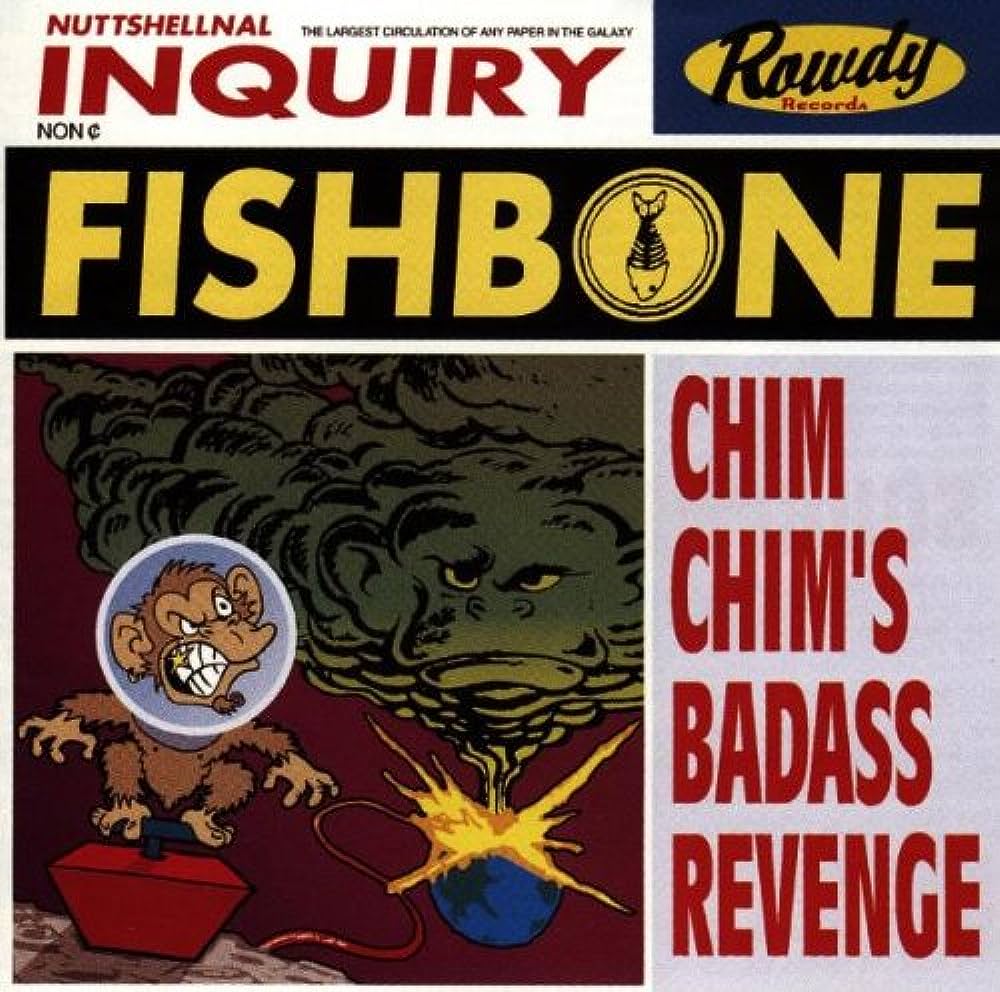 With a long-running band, members have a tendency to get frustrated and quit. Or in Fishbone’s case, quit, join a cult only to have another member try to rescue them and be brought up on kidnapping charges. Nevertheless, this album suffers from the loss of two key songwriters, Chris Dowd and Kendall Jones. Dowd’s departure is painful, but luckily the band still has one of the most charismatic frontmen of all time. Angelo Moore makes Mick Jagger and David Lee Roth look like a stack of bones bound with stringy hair. It’s no surprise he has writing credit on the album’s best two tracks. However, the production is muddled. With a funk influenced band, the bass is the star, and Norwood Fisher is one of the best, but the bass parts are buried! This is a bit of a concept album, but the concept is also completely muddled. The narrative, spread over multiple introductions, interludes, and jams, appears to be about how a space monkey’s genitals are free from corporate overlords.
Play it: “Alcoholic”
Skip it: “Interlude 1,” “Interlude 2”
6. Fishbone and the Familyhood Nextperience Present: The Psychotic Friends Nuttwerx (2000)
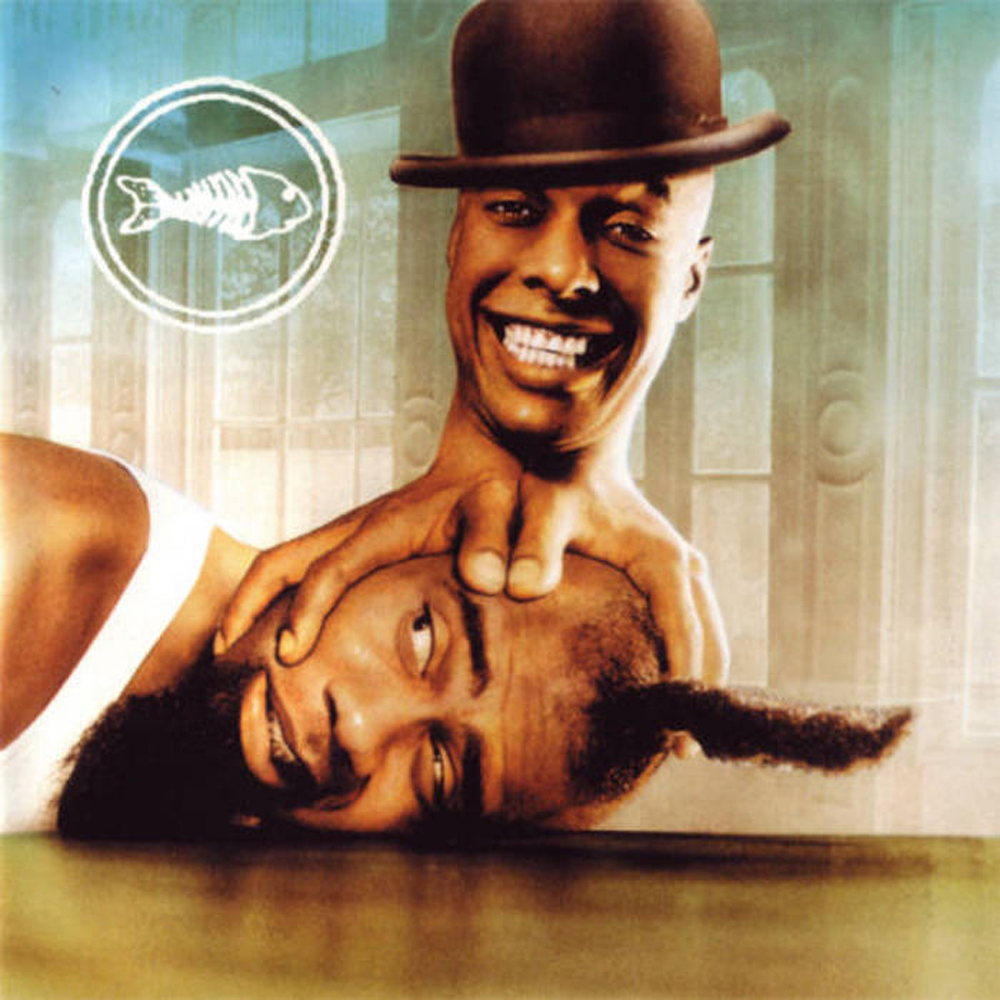 Being innovators was the curse of Fishbone’s career. Album after album they blazed a new trail, only to be discarded by the market, while bands like the Red Hot Chili Peppers steal the playbook and replace their humorous and incisive lyrics with off-key “scabby-dooby California” nonsense. But in this case, the album of reggae, ska, and pop hooks came four years too late. They luckily released a best of compilation to stay top of mind with the ‘90s ska revival, but this could have been a hallmark of third wave ska, with the bass lead reggae groove combined with vaudeville jokes in the Suffering. This album is notable for the variety of guest musicians – Gwen Stefani, George Clinton, the aforementioned RHCP (thankfully only the talented members), and Donnie Osmond, but the album is strictly for friends and fans.
Play it: “Just Allow”
Skip it: “Dear God”
5. In Your Face (1986)
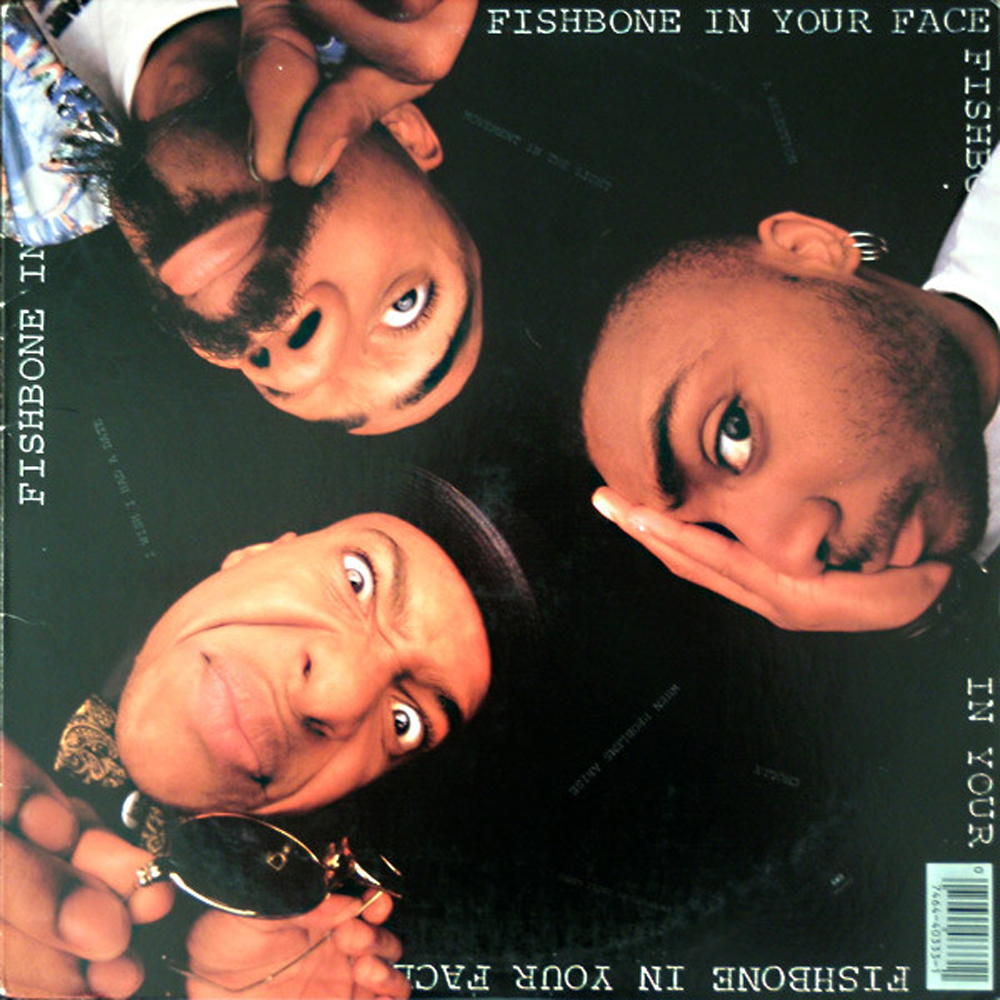 Sophomore releases either stay the course or make a drastic change in their sound, but Fishbone went deeper. Not only musically by adding soul and jazz influences to their ska/funk/rock/reggae/new wave repertoire, but also as a personal exploration of the environment that produced them. Though it’s far from the best track on this album, but if you want to impress people with your knowledge of trivia, tell them “Turn The Other Way” was the original song playing on John Cusack‘s boombox in “Say Anything,” so be prepared to be carried out of the room with a crowd of people chanting your name.
Play it: “A Selection”
Skip it: “Post Cold War Politics”
4. Give a Monkey a Brain and He’ll Swear He’s the Center of the Universe (1993)
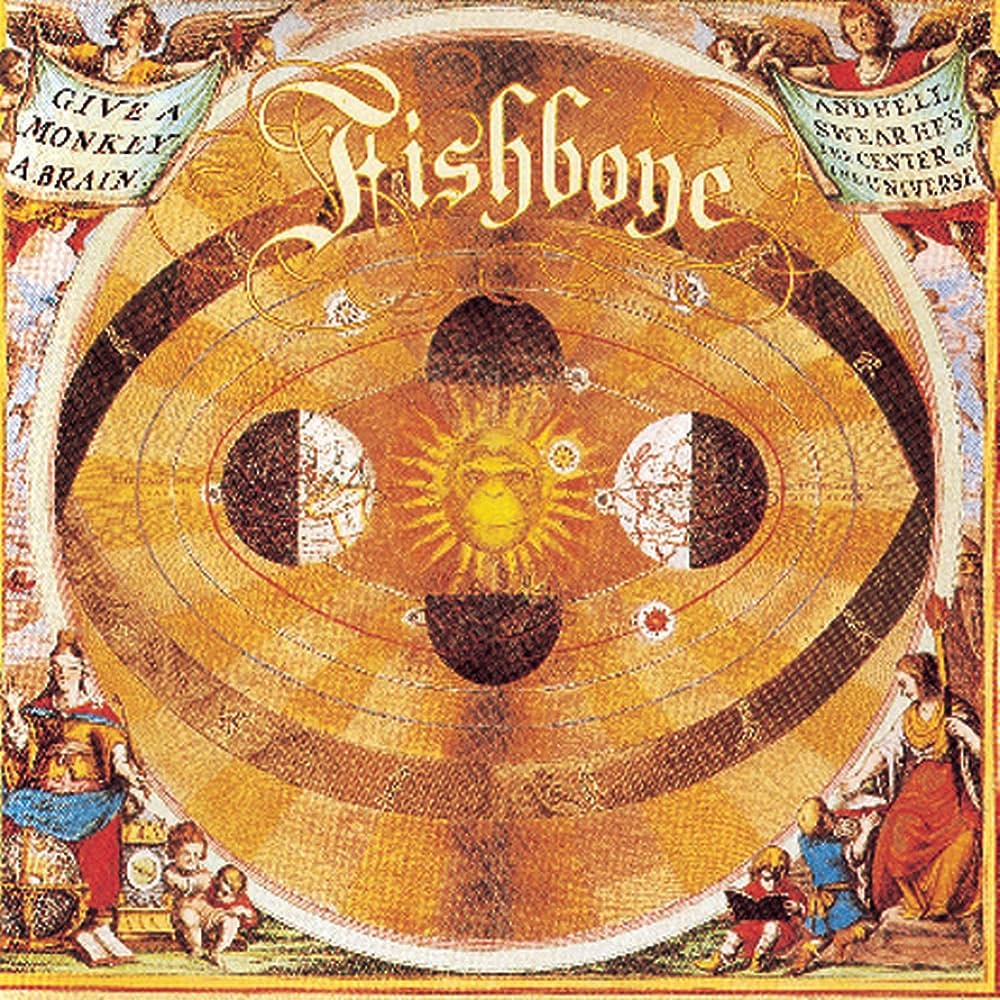 This album is noteworthy for two things: It is the last recording with the six original members, and it is HEAVY. The band does their usual exploration of genre and maturity of style, and even with everyone at the top of their game, the chunky guitar stands out as a giant step into a new world. In retrospect, the cracks in the foundation were starting to show, every member was given the spotlight, but that might have been a peacekeeping measure. The album starts with three metal songs that rock harder than anything on “Headbangers Ball,” before easing into the giddy pop-ska of “Unyielding Conditioning.” This is a stew where every ingredient shines, except the potatoes wanted to go solo and the onions were having a nervous breakdown.
Play it: “Unyielding Conditioning”
Skip it: “Drunk Skitzo”
3. The Reality of My Surroundings (1991)
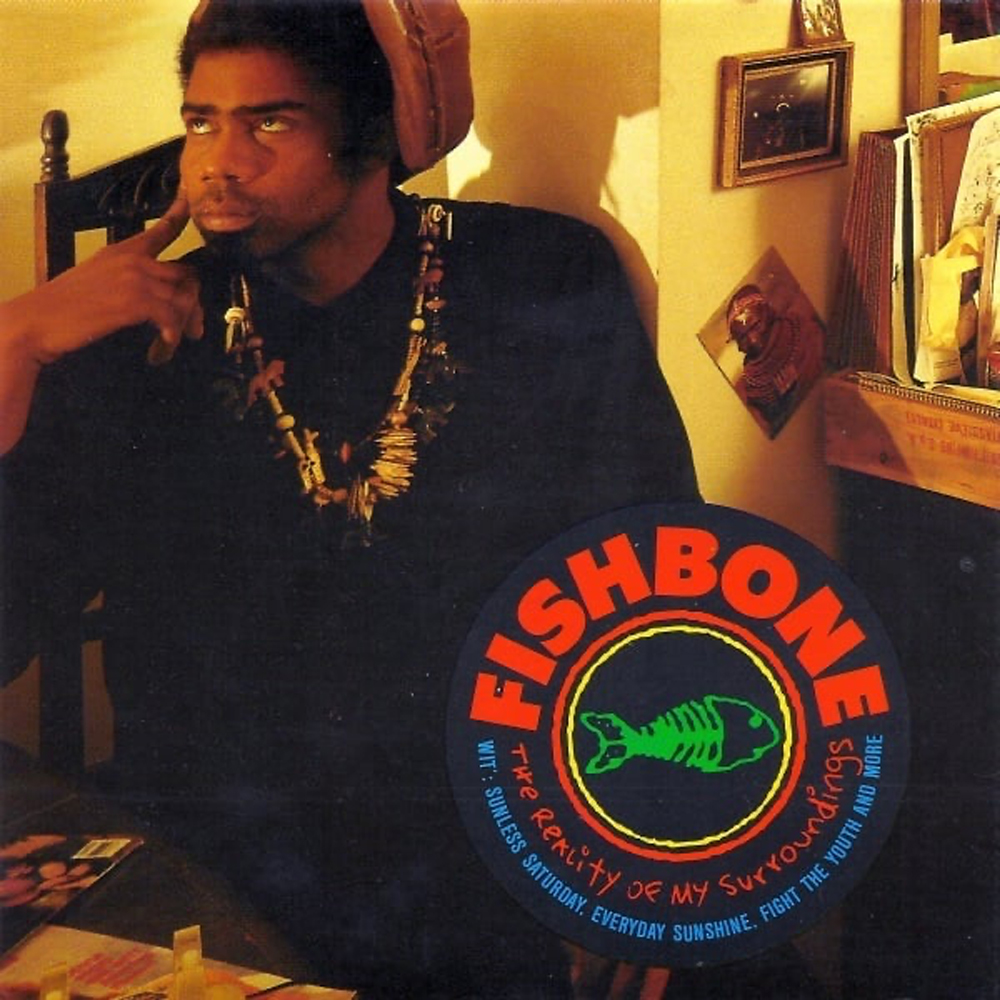 This is Fishbone’s most ambitious and highest charting album, and it’s not hard to see why: the genre blending (and genre bending), the social commentary, the political fearlessness, the energy, the humor, and the musicianship were all presented in a flawless package. Each member plays multiple instruments, but keyboardist/trombonist/vocalist Chris Dowd shines on this outing as the ultimate utility player, getting featured as lead vocalist on a few tracks and proving that keyboards can rock. Shockingly, even the poetry interludes are impressive as Angelo Moore hints at his future controversial Dr. Madd Vibe persona. They pulled out all the stops, having Spike Lee direct their videos and hitting all the late night shows, but once again, being trailblazers hurt them. If released later in the ‘90s, the gospel-influenced “Everyday Sunshine” would have been a Clinton-era ska breakthrough, and “Fight The Youth” would be the lead track on the “Tony Hawk’s Pro Skater” soundtrack. They will have to live on as the t-shirt for every John Cusack character and as a band that can tour forever everywhere to a devoted fanbase.
Play it: “Housework”
Skip it: “Babyhead”
2. Truth and Soul (1988)
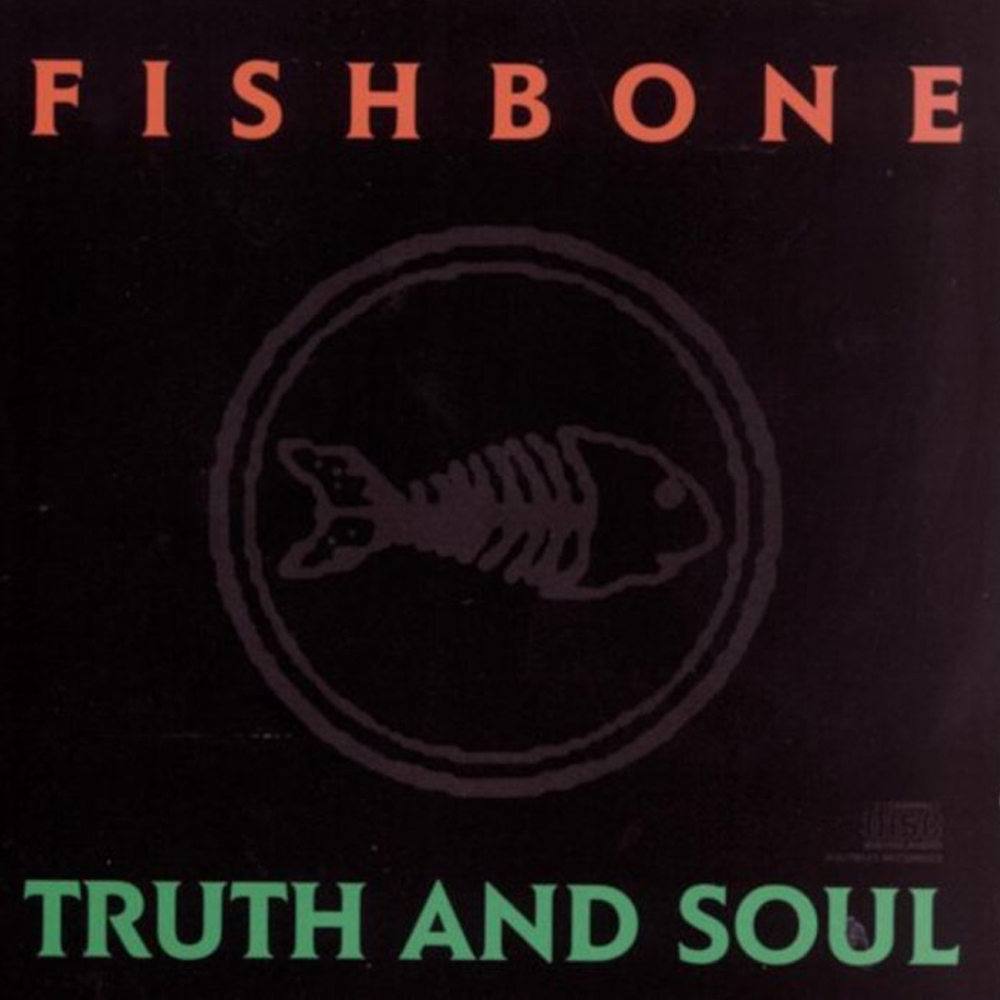 On their second full-length release, Fishbone melded together as a group, as a band, and as a team. Everyone is absolutely at the top of their game from the songwriting to the bass lines, the horns licks, the harder edged guitar solos, and even the ad libs and yelps are on point. They showed how they can interpret a world of influences into their own sound by taking Curtis Mayfield’s classic “Freddy’s Dead” from a funky, mournful lament into a hard-driving cautionary tale. That is the essence of Fishbone: absorb sounds from everywhere, take a lifetime of socially conscious observations, mash it together and create something even better. And then include a song about boning in a boneyard.
Play it: “Ma and Pa”
Skip it: “Deep Inside”
1. Fishbone* (1985)
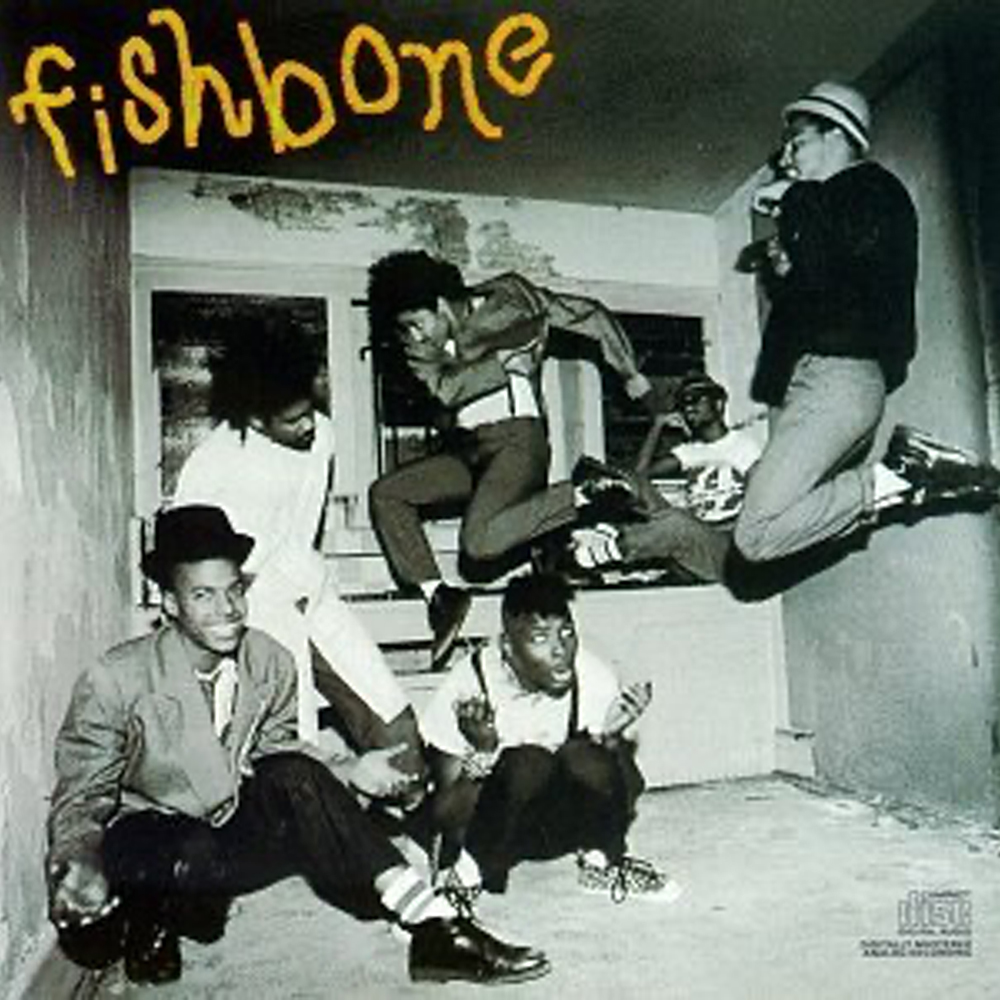 As a rule, these rankings don’t include live albums, compilations, or EPs, but this is Fishbone’s best release. A six song EP contains two of the greatest ska songs ever written, and are guaranteed to win over the biggest ska skeptic. The album turns a cheerleader chant into an anti-Reagan anthem, a sci-fi tinged jam calling out radio stations by name, a pop nugget, a nuclear party epic, a bouncy anti-love song, and a scatalogical gem which debunks the conspiracy that the World War II attacks in Japan weren’t atomic bombs but Godzilla’s farts. The standout is “Lyin’ Ass Bitch,” a song which made headlines when the Roots played it as the entrance music for Republican ghoul Michele Bachman on Jimmy Fallon causing such an uproar that Fallon vowed to never to be political, funny, or interesting.
Play it: “Lyin’ Ass Bitch”
Skip it: “Modern Industry”




 A fully instrumental album dropped, like many other Death Grips projects, by complete surprise. While there are plenty of great cuts to revisit on this project, it seems to have been dropped as a way for the band to thumb their noses at overly eager fans awaiting the second half of “The Powers That B” (i.e. the tracklist spelling out “JENNY DEATH WHEN”). While there are plenty of solid cuts from Zach and Andy on this project, it goes to show the importance of having a manic idealogue shouting over your drumming.
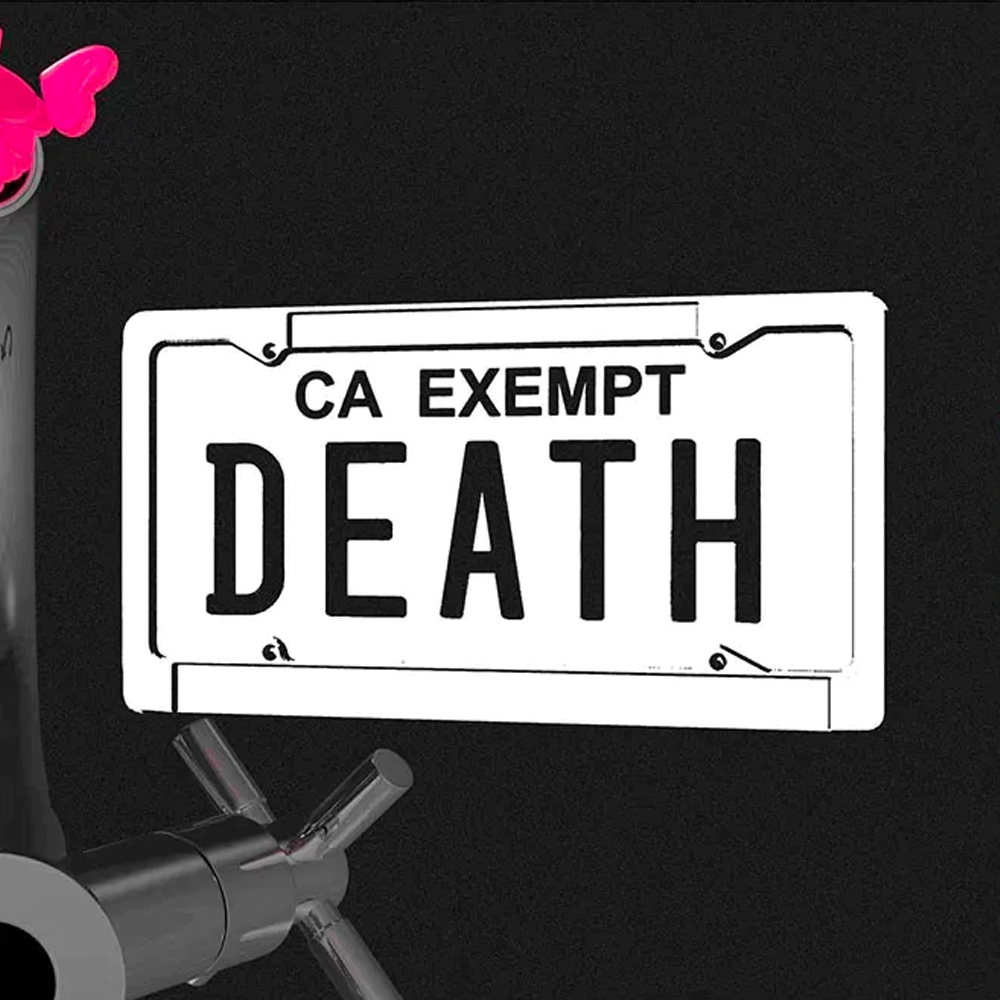 In the wake of their fallout with Epic Records at the end of 2012, Death Grips continued to relish in the electronic with “Government Plates.” The jarring opener is without a doubt one of the most iconic DG tracks, and there are plenty of energizing instrumentals on the album (including a guitar contribution from a fresh off “Twilight: Breaking Dawn Part 2” Robert Pattinson), but the project is ultimately weighed down by a lack of consistency. There are better examples of intense digital production to come on this list.
 By this point in their career, much of the mystique that surrounded the group in their early years had all but given way to the ironic memes and ever-growing fandom that comes with being an internet darling. So what do you do as a band whose identity was forged by jarring noise when the audience is no longer shocked? You get the director of “Shrek” to do a spoken word interlude, I guess. There are fantastic cuts that prove these guys can pump out bangers without issue, but it lacks the same urgency of message that feels present in many of their previous efforts. And when you have a discography this good, something has to be a differentiator.
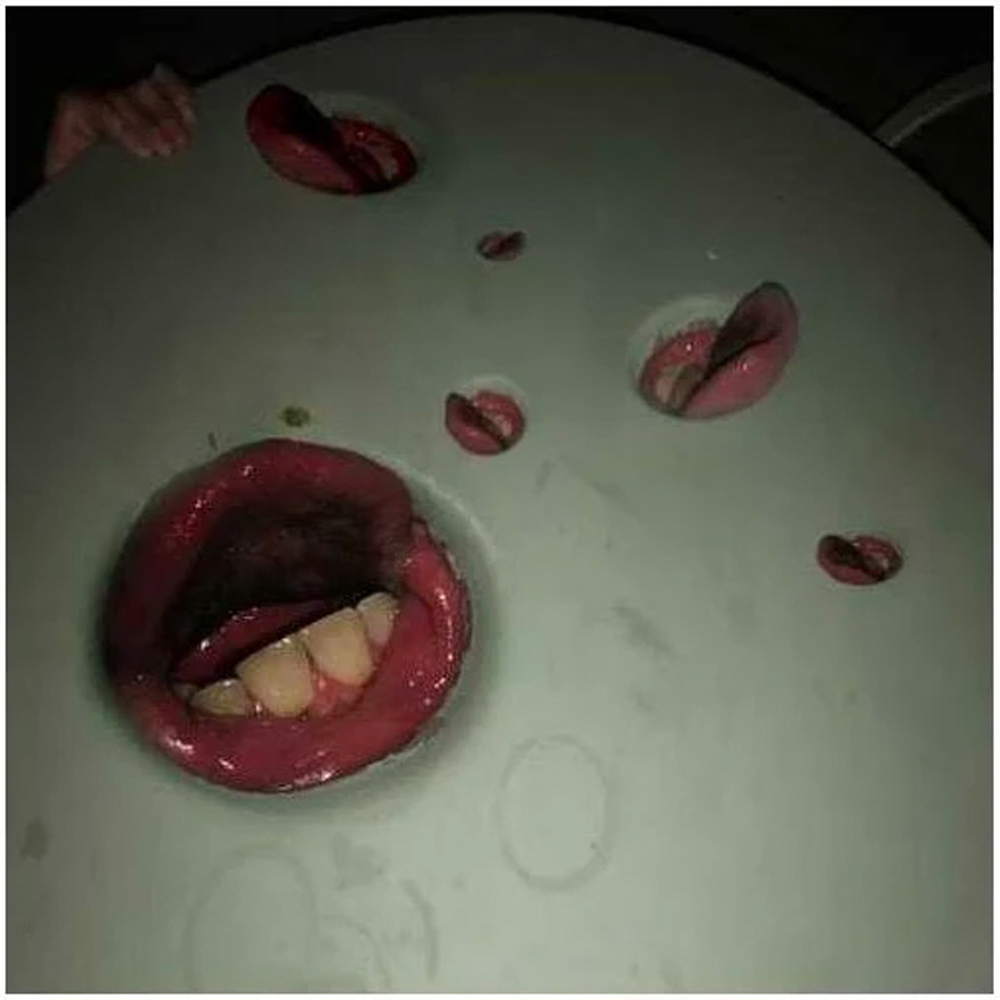
 It’s hard to look past this album when examining the Death Grips discography. Partially because it feels like the musical equivalent of having a paranoid breakdown, but mostly because it has a fucking cock on the cover. This project comes out of the gate like a cannonball with pounding bass on tracks like “Come Up And Get Me” and “No Love” giving way to tinnier, glitching tracks like “Hunger Games.” The rollout of “No Love Deep Web” killed the band’s Epic contract, but not before they could blow their entire advance at the Chateau Marmont and cement their status as cult icons.
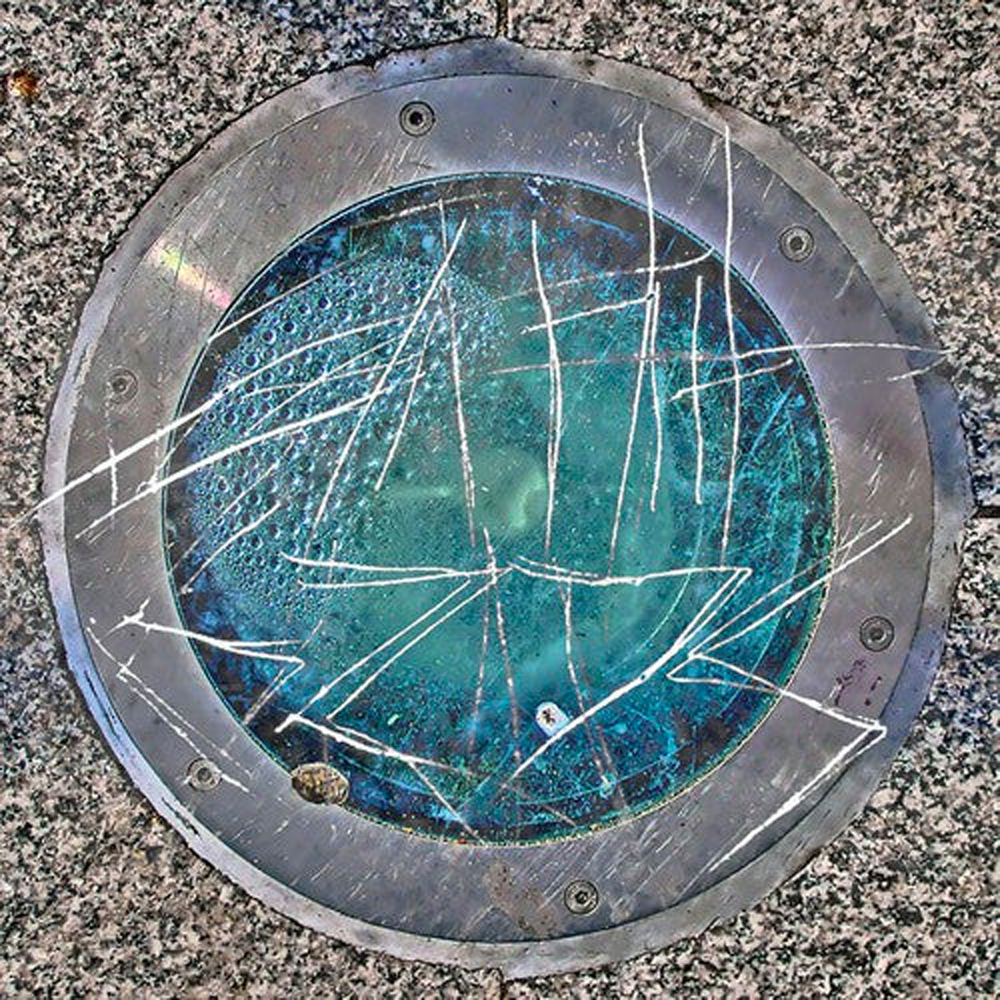 This beast of a double album was released in two halves with a year gap in between. The first disc could be described as an exercise in creative restrictions, with songs laden with percussive samples of Bjork’s voice. The glitchy, avant-garde (even by Death Grips standards) first half gives way to probably the most relentless run of guitar tracks in the discography on “Jenny Death.” The two halves are yin and yang, proof that the band is able to excel in sounds both minimal and maximal. And if they truly had stayed apart after their breakup (which was announced via a note on toilet paper), the suicidal anthem “On GP” would have been a fitting swan song.
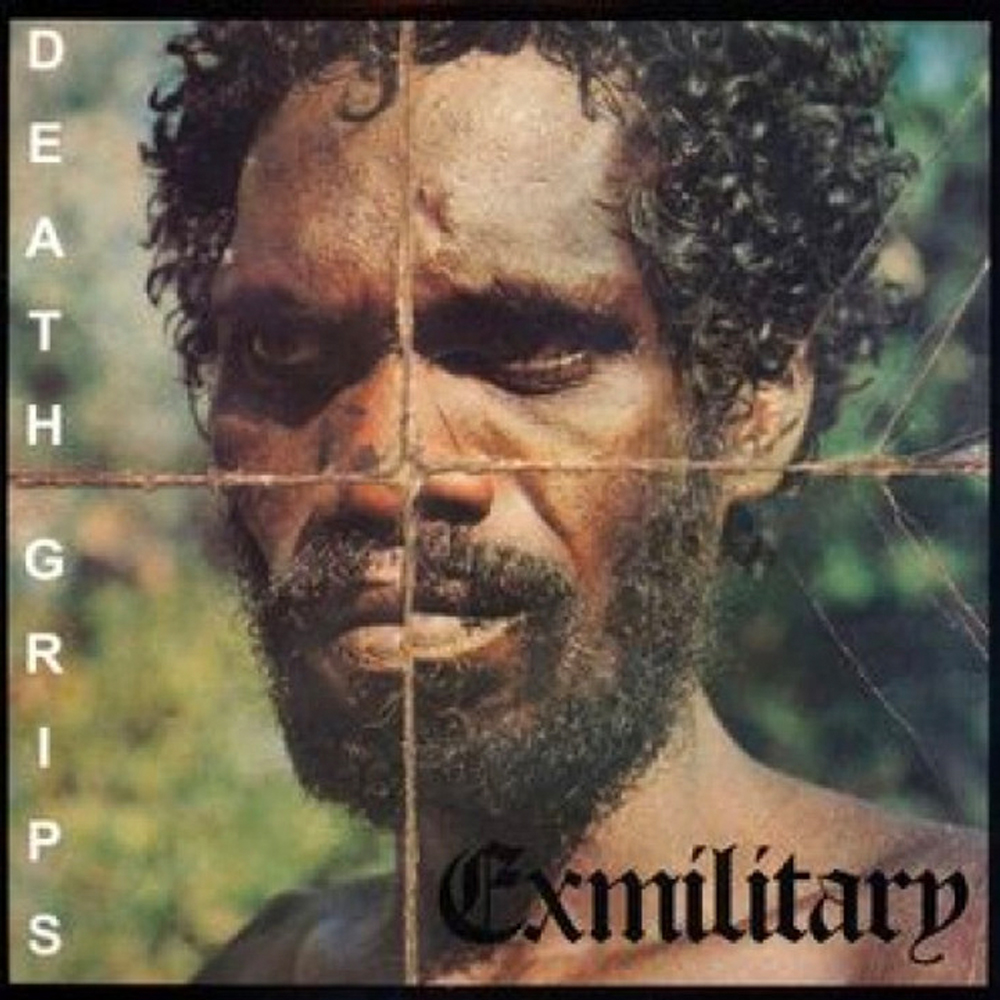 “Exmilitary” exploded into the underground like a flaming bat out of hell, exhibiting a caustic mixture of genres that singed the eyebrows off of anyone listening. The mixtape opens with “Beware,” touting that Charles Manson recording, an ominous Jane’s Addiction sample, and a chorus that sounds like a war chant, setting a dark scene before the album continues its rapid descent into madness. Aggressive – almost primal – vocals, masterfully constructed walls of harsh noise consisting of skull-fucked samples of everything from Black Flag to cult recruitment tapes, and a penchant for mysticism and the occult, Death Grips’ debut is grungy, lo-fi, and has all the devil-may-care attitude that you want in a trailblazing punk record.
 “Bottomless Pit” feels like a culmination of all the elements of sound and fury that Death Grips had sharpened their teeth on in the past. This album is seedy in its themes and lyrics but paired alongside an extremely polished recording. Nick Reinhart returns after his contributions on “Jenny Death” and plays some of the meanest guitar parts I’ve ever heard, a perfect match for Hill’s manic blast beat drumming. Morin’s synths are as visceral as ever and MC Ride’s vocals…well, he’s the same beast he always has been. Perhaps most surprising is how traditional much of this record feels in terms of song construction, especially considering their last project was so obtuse at times. In the words of the man himself, this project “will fuck you in half.”
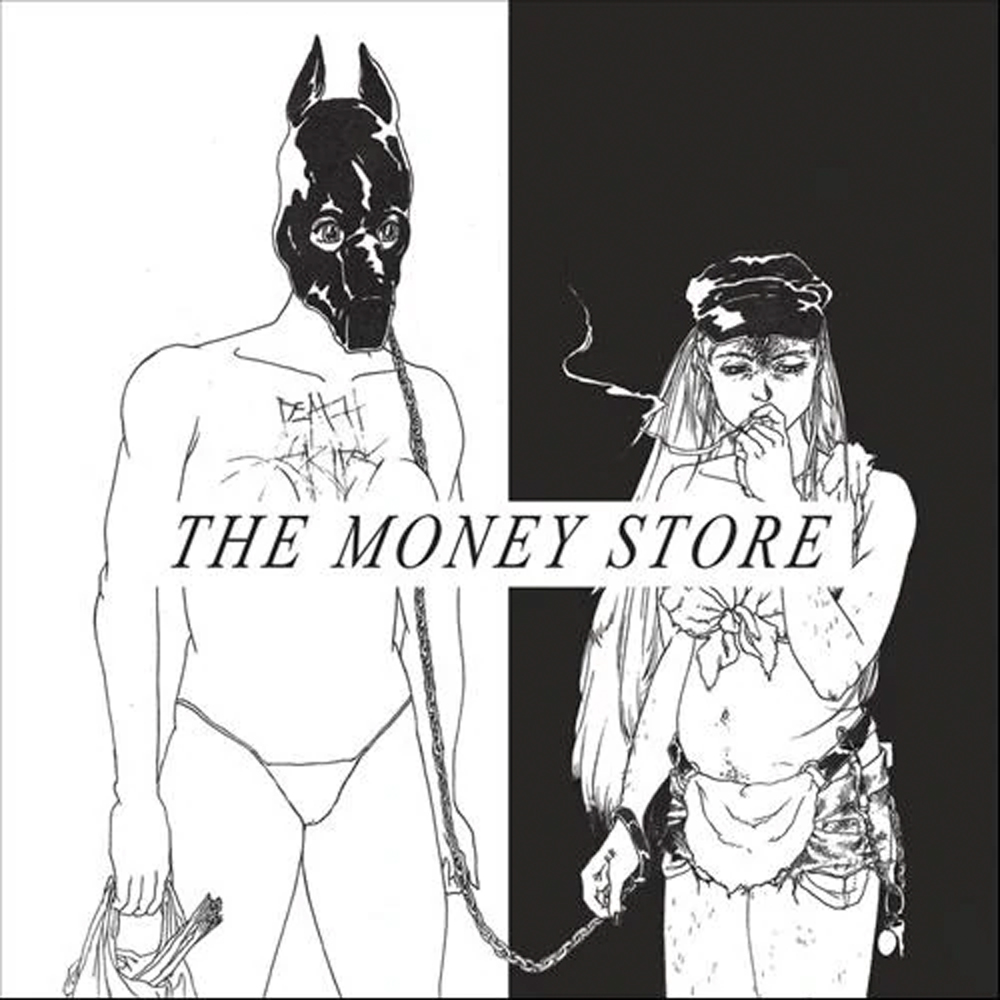 There is not much to say about this album that hasn’t already been said by countless Anthony Fantano viewers. But legions of guys parroting YouTube talking points don’t make this album any less of a modern classic. “The Money Store” was a knockout left hook from a band fresh off a monster uppercut, a relentless tear of pounding drums, thundering synths, and foreboding lyrics painting a dystopian scene of technology and oppressive systems running rampant. The album is a digital grotesquerie filled with hit after hit like the electricity of “Get Got” and the buzzsaw melody of “I’ve Seen Footage.” With “The Money Store,” Death Grips spelled out plainly that anyone making industrial hip-hop was already playing catch-up. Deny it all you want, but this album is singular, quintessential, and most of all, it’s punk as all hell.

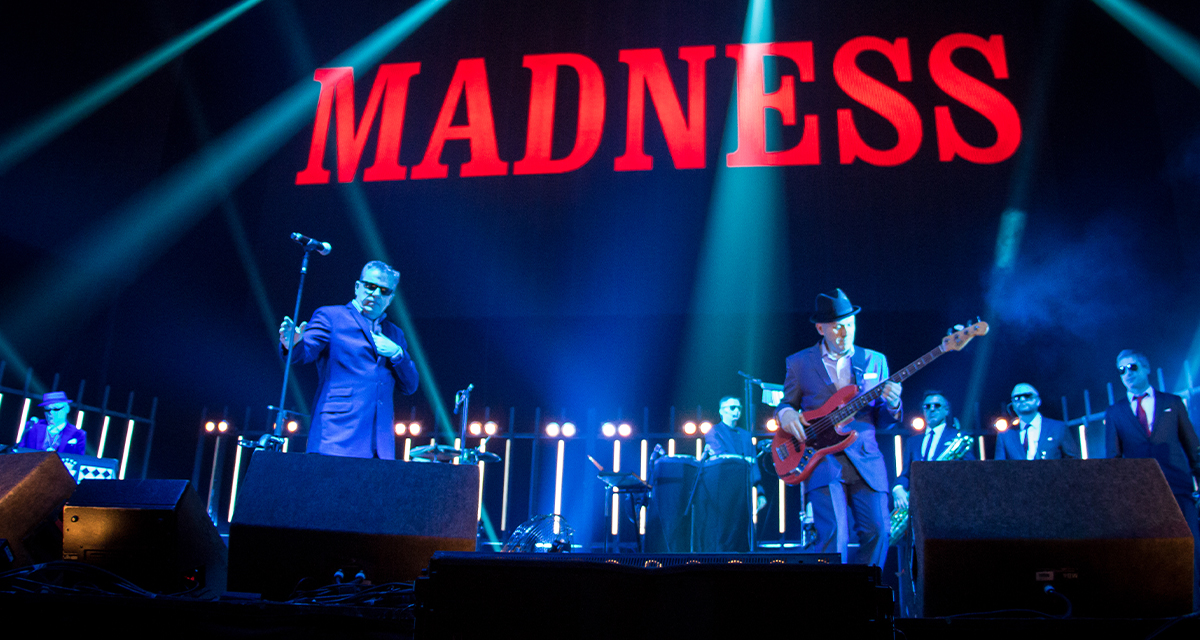 Despite being hailed as “inventing ska” by fabled rock critic Ronald Thomas Clontle, we think they could’ve scaled to even greater heights with a more skapropriate name. Back in 1976, even “Reel Big Fish” was up for grabs—you could’ve probably even snagged the dot com—and yet, they settled for Madness? We can’t help but imagine what could have been if they’d picked something a little more sane.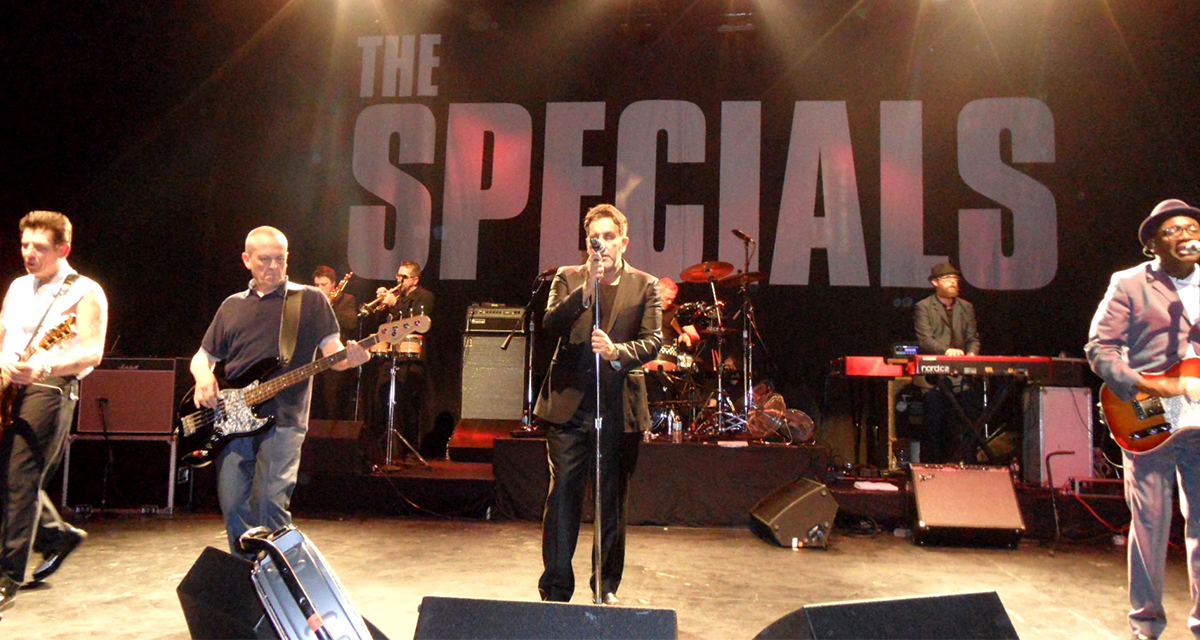
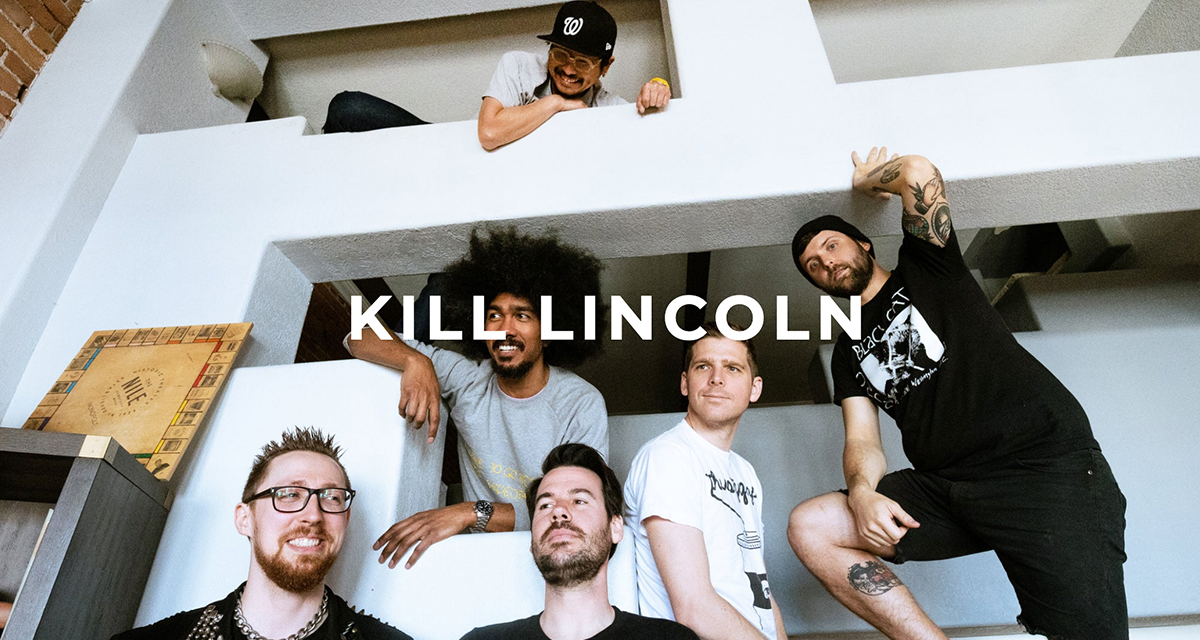 Kill Lincoln? Talk about a mood killer. I don’t know about you, but that name screams THE ASSASSINATION OF A BELOVED PRESIDENT. Ska’s supposed to pick up spirits, not drag ’em down. Why not riff on some other, less tragic presidential history? (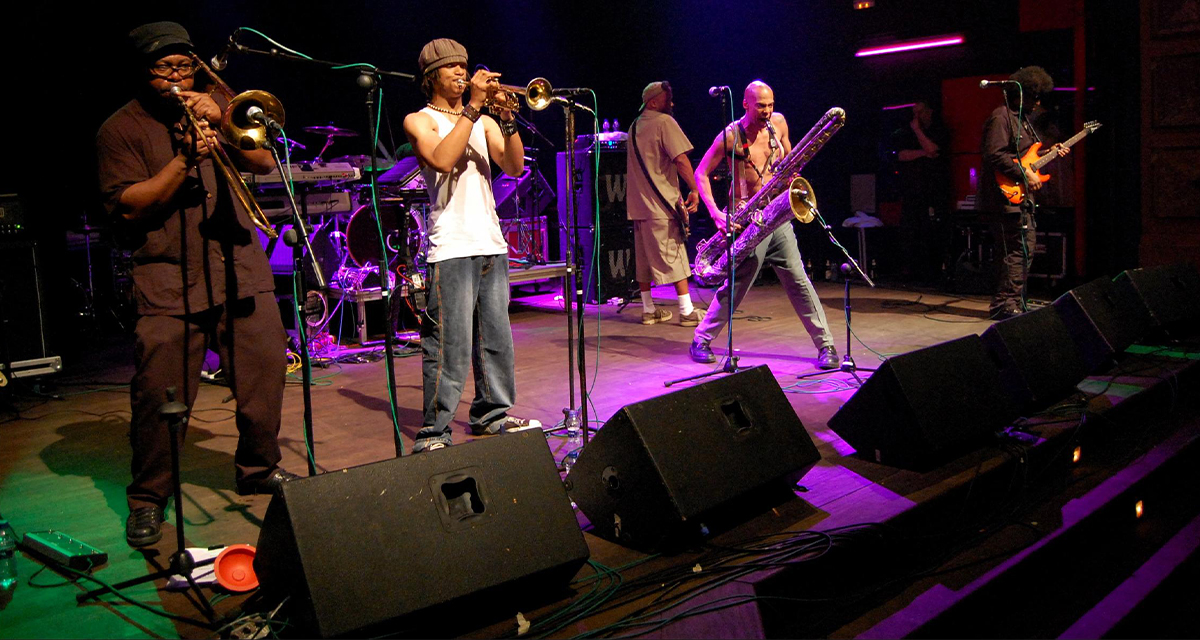
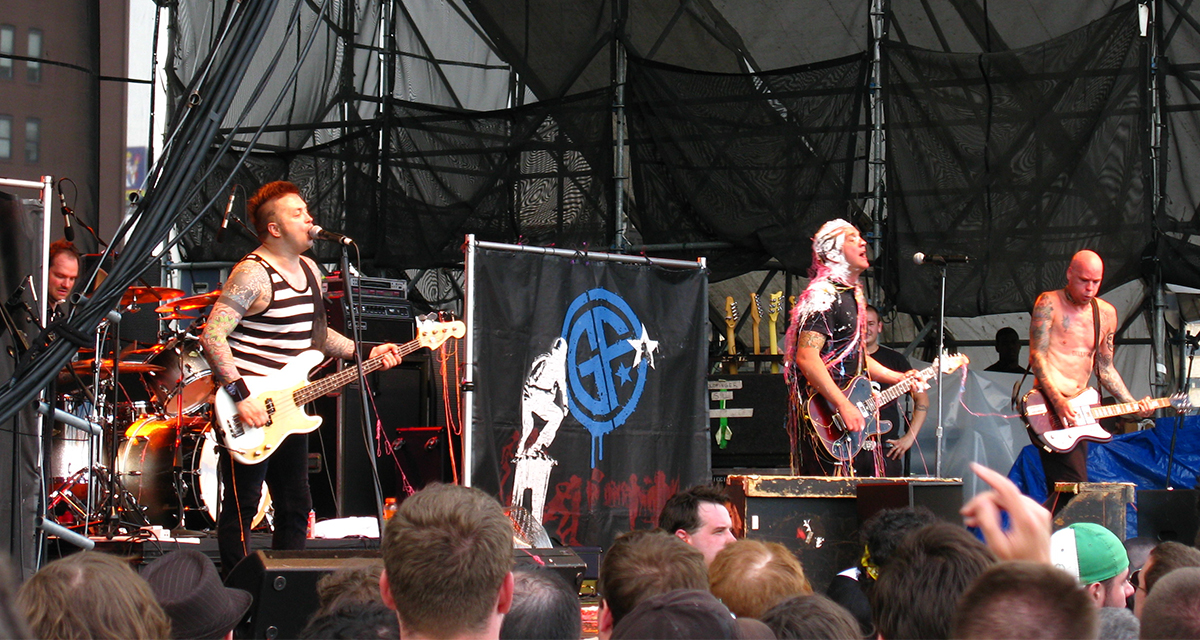
 Emerging from the late ’90s ska scene, Catch 22 quickly asserted themselves as a standout force. The band wholeheartedly embraced the vibrant and energetic spirit of the genre, but they sure didn’t embrace the naming convention! We can fix this though. How about we give a nod to a different classic? Perhaps a J.D. Skalinger novel chock-full of skapportunity?
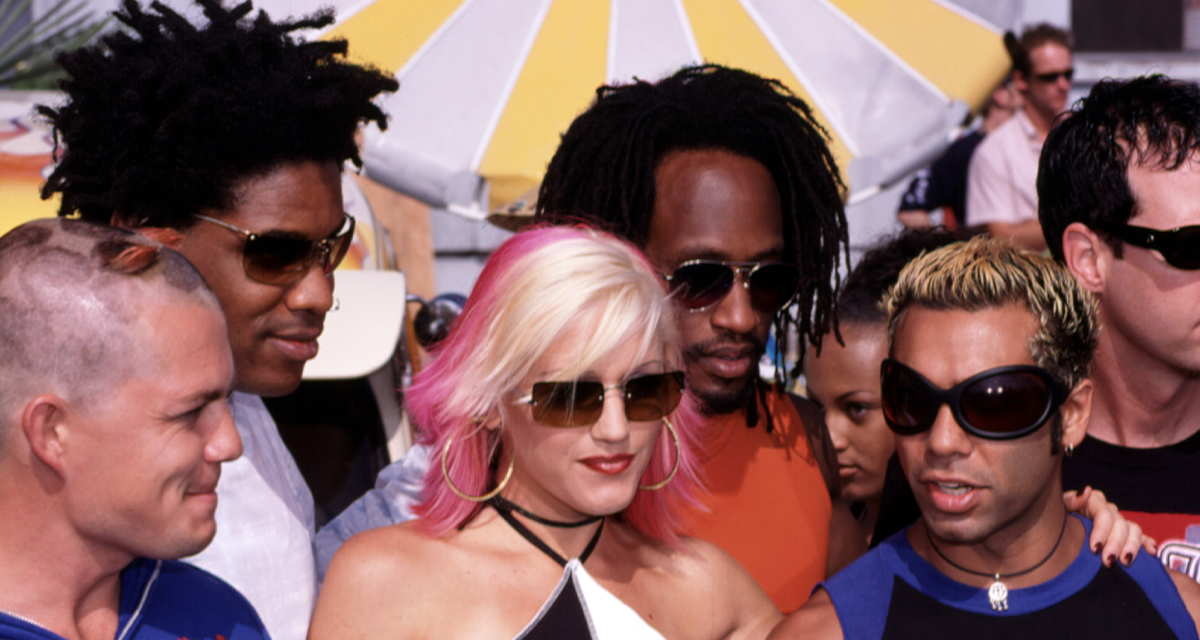 They’ve had plenty of hits, but this name is an absolute miss. It doesn’t even highlight that they have a superstar like Gwen Stefani in the band. I’m sure the other guys wouldn’t mind if she was spotlighted a little more from the start. It’s just good skadvertising.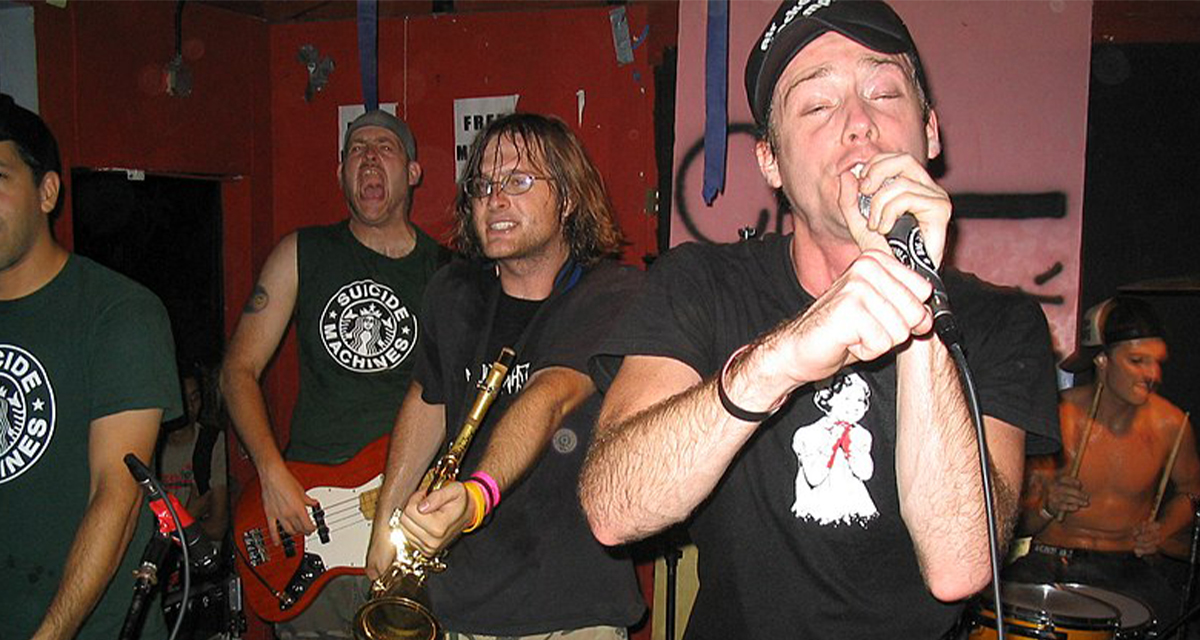
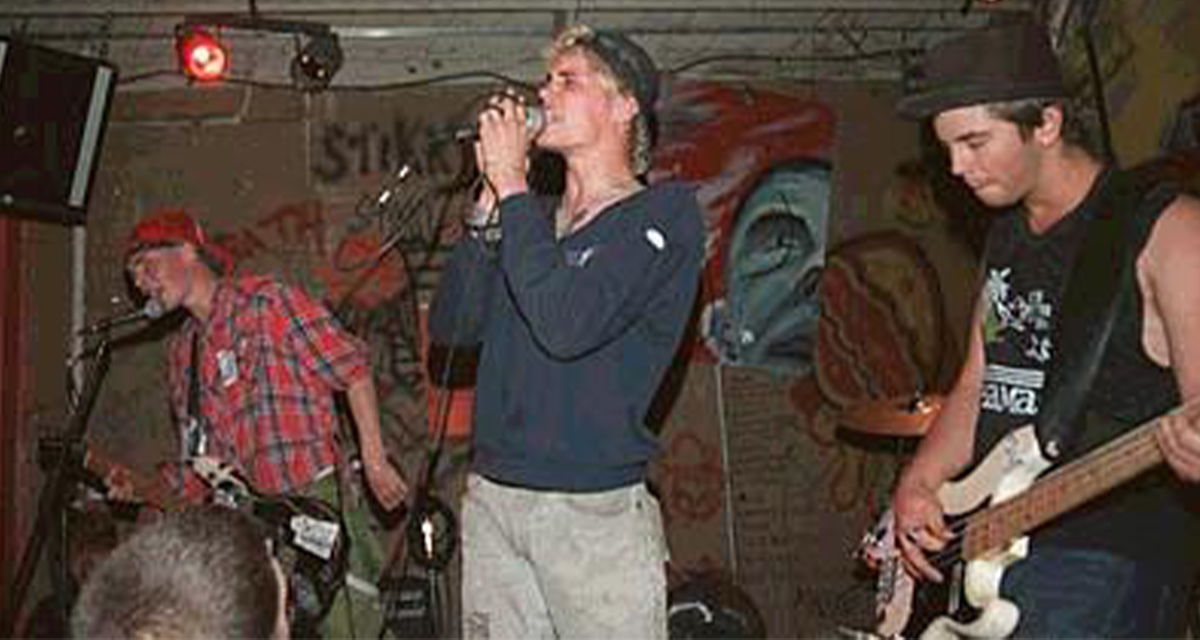 This one is going to be painful. We all love Operation Ivy. They may be one of the reasons we’ve found ourselves 20 years later, writing joke articles for a punk website about ska bands. It’s a name emblazoned on our denim jackets and in our hearts. But rules are rules. And while no one is going to like this, it has to be done. (
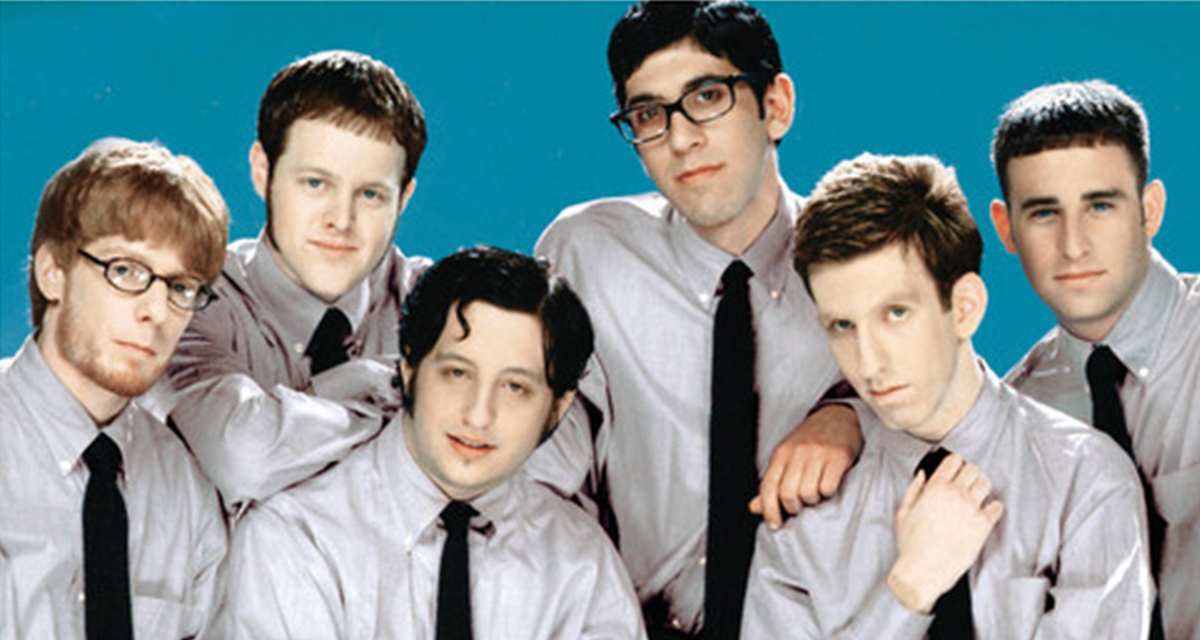 This may be the worst offender. There are so many ska-ready animals. Skanimals, if you will. Let’s skip the niceties and just say: how dare you. Here are ten better ideas off the cuff.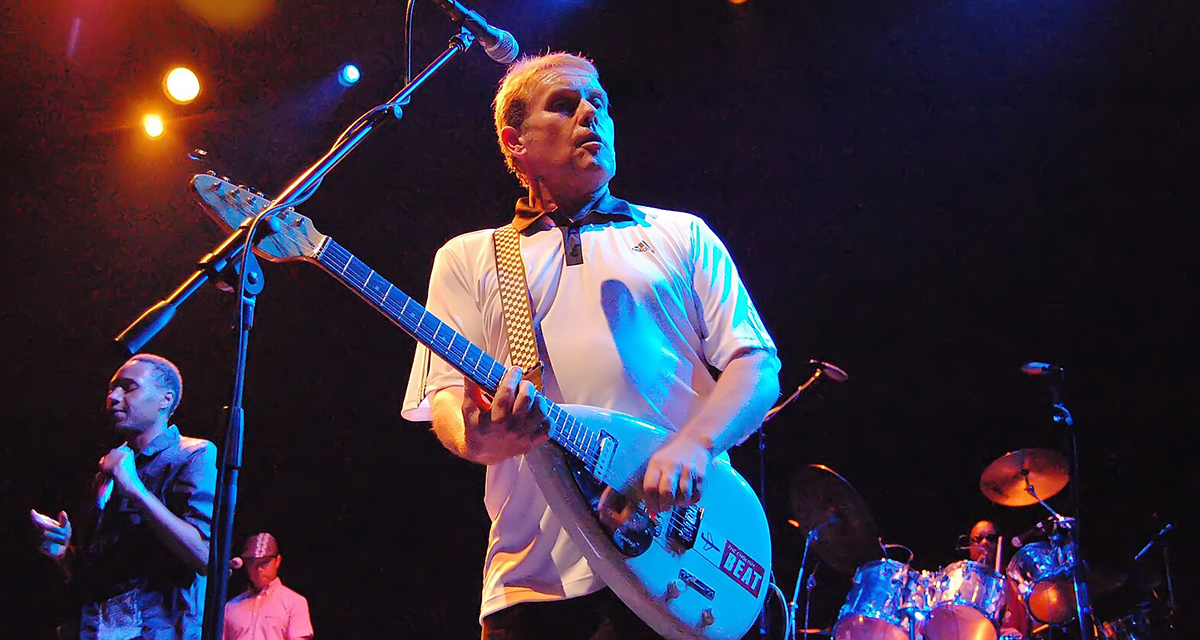
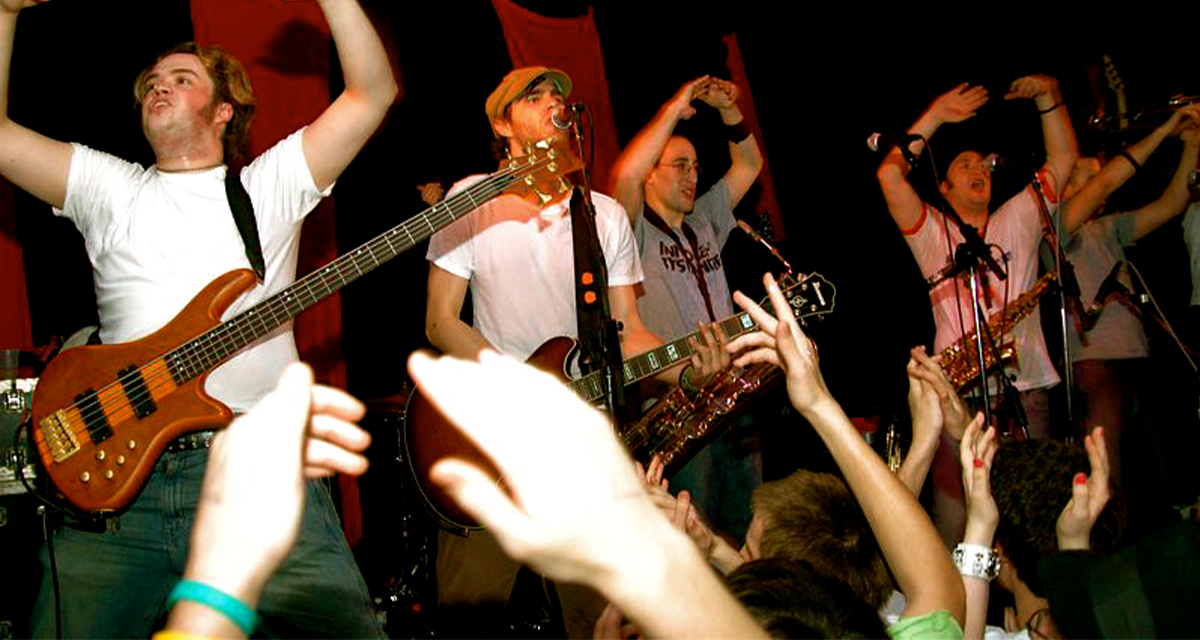
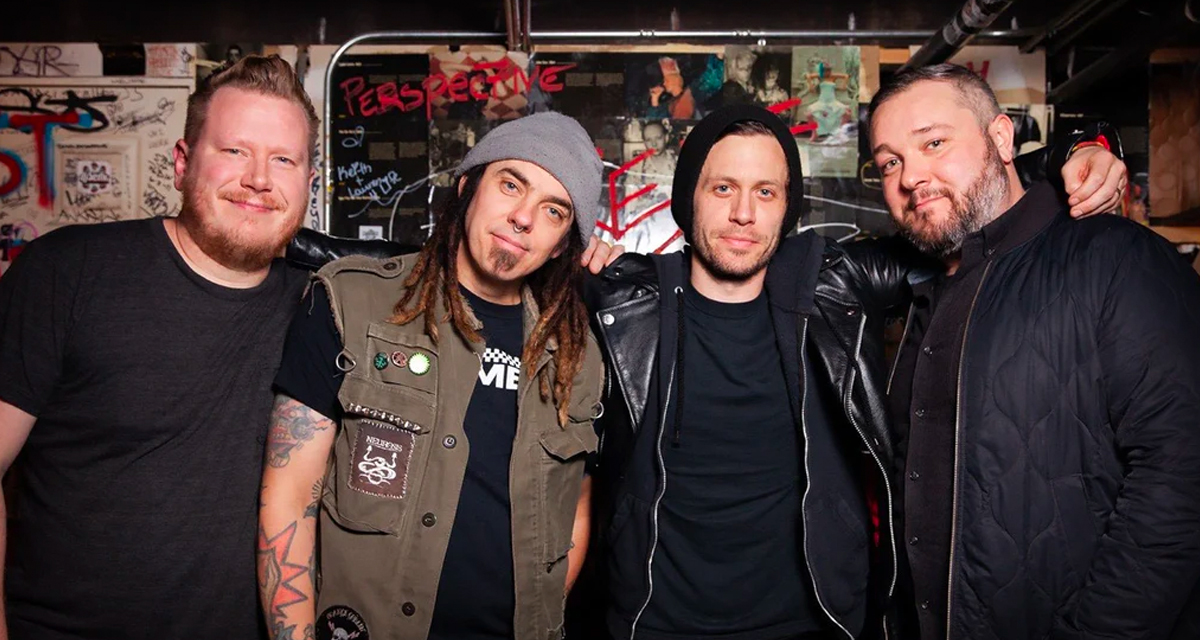 They originally formed as Jack Kevorkian and the Suicide Machines. Oh my god, guys, how long are you going to dance around it?! It’s right there! I guess you just need us to assist you with this. (
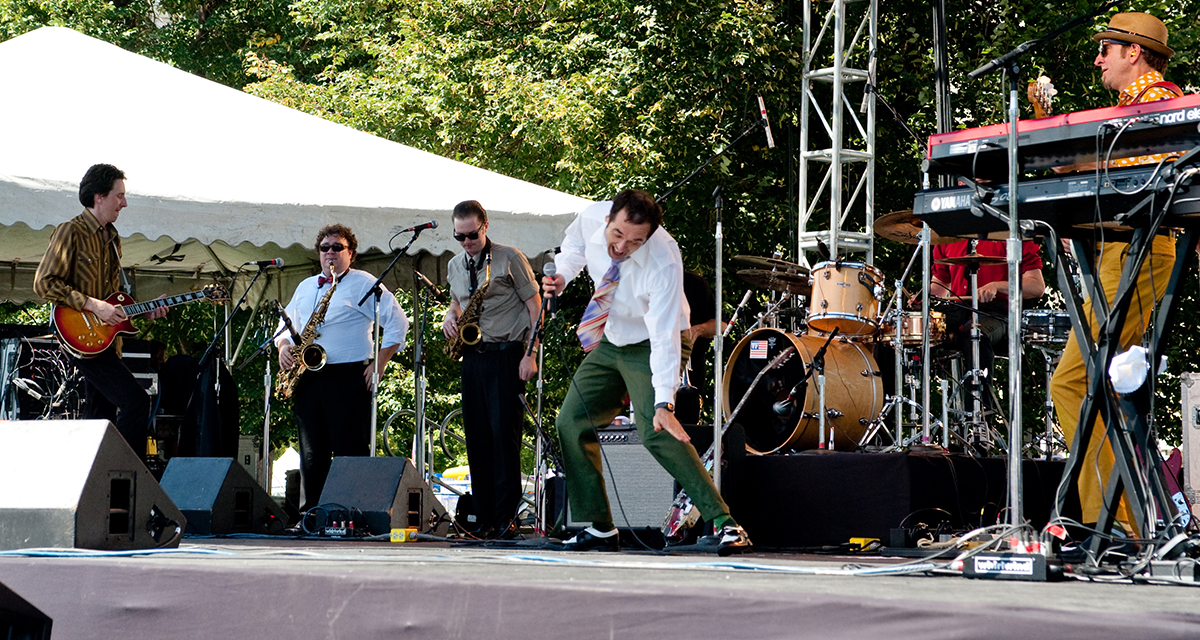 They’re kinda ska, they’re kind of swing. Who cares? This is just an act of charity for the universe to select a new name. Their name is just… ugh, downright gross. I mean, did they pull that from a database of screen names on Chris Hansen’s computer? It doesn’t even have to be a pun. Let’s just think of anything less upsetting.