Music has the power to help us heal and get to the core of our deepest feelings. In fact, many who need honest-to-god-actual therapy often refer to music as their ‘therapist.’ Because you’re not the latter, you’ve recently started the daunting task of taking your mental health seriously. To help ease your nerves, you might be looking toward some of your favorite lyricists to help you express your feelings into words at your next appointment. You’ve always heard that The Blood Brothers have eloquent, visceral, and stirring poetic lyrics. Before you start writing down their couplets to impress your therapist with your emotional intelligence, here are fifteen of their songs that you should avoid at all costs.
“We Ride Skeletal Lightning”
“The only thing that makes our blood feel like blood: stealing cars and watching lightning bolts fuck”
First off, that’s two things, not one. Sounds like you should be seeing a math tutor instead of a therapist. This is without mentioning that even though your shrink has a confidentiality agreement with you, they’re probably a snitch. Keep your predilection for grand theft auto to yourself, bud.
“Doctor! Doctor!”
“I wanna cut the corners off your lips. I wanna shave the angles off your cheeks”
Wooooooooah, buddy. Chances are your therapist doesn’t take too kindly to threats, so you should probably leave this one on the editing room floor. Also, what the fuck does that even mean? Angles off your cheeks? That sounds like something The Joker would say, meaning not only would your therapist think you’re violent, but worse, a total fucking nerd.
“New York Slave”
“Now every dripping chest wound is getting little guilt feelings”
It’s important and sometimes even brave to articulate your emotions via poetry, but this line is borderline psychotic at best. Unless your goal is to be committed, consider softening the language a bit.
“1, 2, 3, 4 Act Two: Now You’re The Bitch…”
“Kiss me, kiss me, kiss me, kiss… kiss me on the mouth”
We’re all human, and unrequited feelings of attraction are part of the experience. Still, there is a time and a place. Needless to say, your bi-weekly counseling appointment is neither, unless you’re finally ready to unravel your fear of vulnerability, which we know you’re not.
“Lift the Veil, Kiss the Tank”
“Hoist up the hag of destitution!”
If anything, we should be lowering the hag of destitution. This is of course with the hope that the lyric is a metaphor in the first place. If it isn’t, that’s not really the healthiest way to talk about your mother. Your therapist will likely want you to explore that.
“Peacock Skeleton With Crooked Feathers”
“There’s a peacock on your shoulder
Pole dancing around your neck
While reciting the Book of Revelation”
The fuck are you on about? Aside from the hallucinatory properties of this line, which will concern your professional immediately, it doesn’t bode well for you symbolically. Peacocks generally represent confidence, a personality trait you’ve been working on. Context is everything though, and you’ve taken it too far with this nonsense.
“1,2,3,4 Guitars”
“I guarantee by spring we’ll either be world-famous or goddamned dead”
Your ‘all or nothing’ mentality recently made work so stressful that you began having episodes of sleep paralysis. It’s why you came to therapy in the first place. Unless you want to unravel months of work and render thousands of dollars wasted, it’s best to avoid uttering this line.
“Time For Tenderness”
“Desolation! I can’t stand to fuck these walls!”
Without getting into the questionable logistics of fornicating with a wall, it seems like there’s a pretty simple solution here: stop getting freaky with the damn walls! Your therapist isn’t in hundreds of thousands of dollars in academic debt to explain simple biology to you. Just Google it.
“Crimes”
“And if we rob the mayor’s mansion
We’ll pawn his modern art and make a fortune”
It’s definitely possible your therapist will be into this plan considering the aforementioned academic debt, but they’d probably chicken out and bail on you at the last second. This is more of a proposition for your shifty-as-fuck dentist, as all dentists are secretly criminals adept in heists.
“Kiss of the Octopus”
“The cloud of humming octopi spin the mucus crown of eternal life!”
While your therapist will be glad to hear that you are applying positive thinking to aid in a more vibrant and happy lifestyle, this choice of metaphor is sure to raise other questions like: ‘these ‘octopi,’ are they in the room with us now?’
“Trash Flavored Trash”
“I wanna see more dirty faces”
Are you referring to the Rorschach test you took last week? If so, your doctor is certainly going to want to take some more notes.
“Guitarmy”
“We doused your TV set in propane, turned up the gain!”
As many science nerds and King of the Hill fans alike know, propane is only a liquid when it is under immense levels of pressure. Therefore, there is no way you can ‘douse’ anything in it. Also, most TV sets don’t have a ‘gain’ setting. Your therapist will have more questions than answers if you let this one out.
“Rat Rider”
“Rat tails just sprout from your scalp”
When you enter therapy, there is a risk of being told things you don’t want to hear. While your first instinct may be to lash out and insult your therapist, it’s not very conducive to your healing. In fact, you may find that you are merely projecting your inner turmoil. Before throwing a jab at your doctor for their hairstyle, stop and consider whether or not it’s you feeling self-conscious about your own hair.
“American Vultures”
“Stumbling from the alleyway walking a vulture
Or is the vulture walking you?”
Are you fucking high? Therapy is not the time for your philosophical bullshit. In fact, we’re pretty sure this existential ‘who’s really in charge?’ stuff is the reason you booked an appointment in the first place. No one is impressed, least of all your therapist.
“USA Nails”
“Can you hear them taking me away?
Don’t tell those fucking guards what I’ve said
And can you see the angels stringing wires through my face?
Meet me next week, same time, same place!”
Chances are if you’re springing this absolutely psychotic passage in the lobby of Dr. Monroe’s office something has gone terribly wrong. What, exactly, we do not know. We can only imagine that there were several de-escalation tactics you could have employed before it got this far though. Why even go to therapy if you aren’t going to apply the lessons?


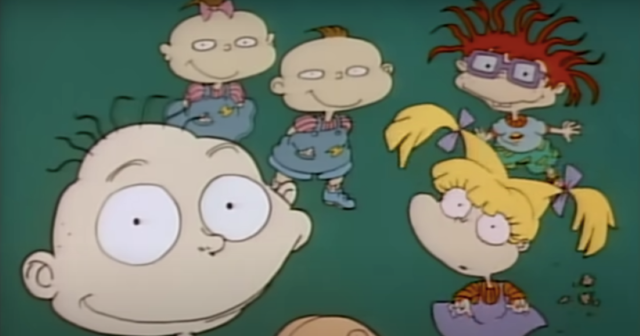
 Through the years we’ve seen Lucy take on a number of roles. She’s a Harvard-educated doctor. She’s a pilot. She’s a gourmet chef. Why does her identity change so often? Her real name is Maxine Cornocova, and she’s on the FBI’s most-wanted list for casino fraud.
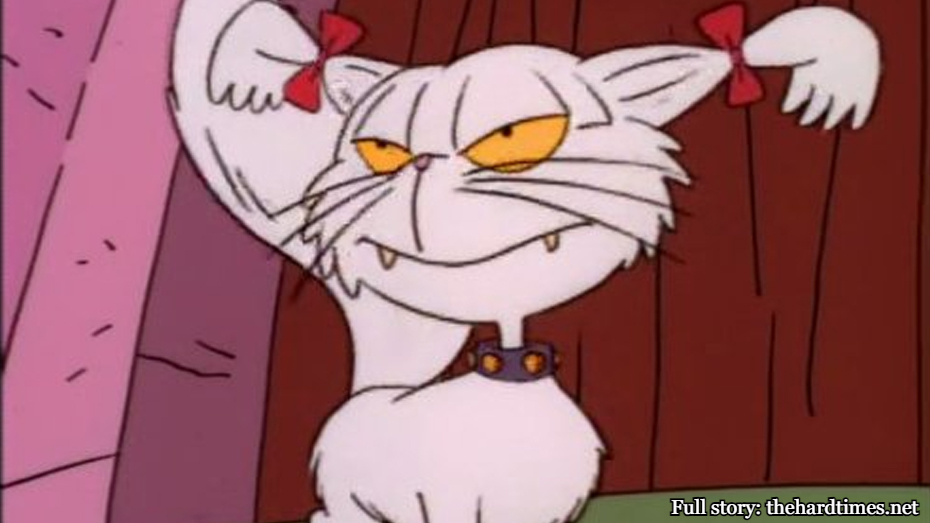 When Angelica was hard up for cash she sold everything she owned to make ends meet. When that wasn’t enough she had to choose between her prized persian cat, or her kneecaps. Fluffy was sold to a good home, but she never recovered from the betrayal.
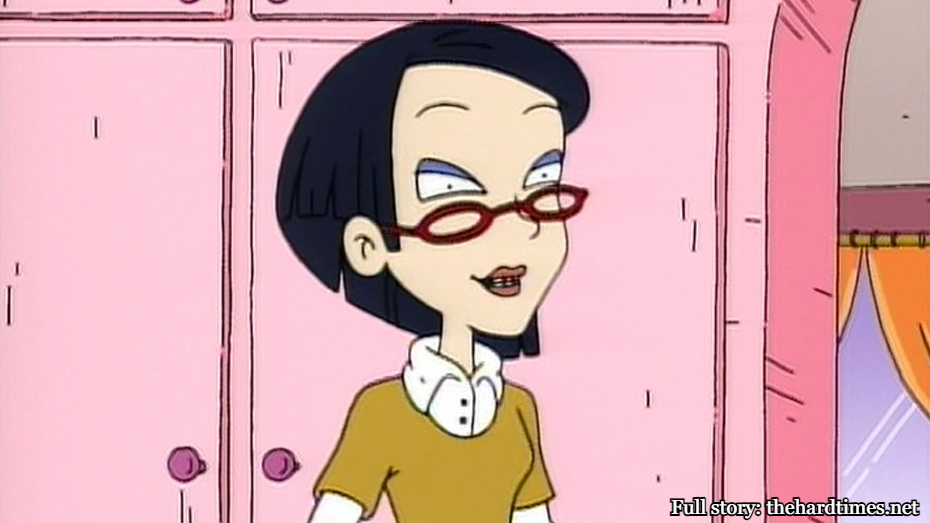 You don’t suddenly fall in love with and move to America for Charles Finster without becoming persona non grata at every casino in Europe first.
 From an early age Kimi was always a fearless sort who tended to lep before she looked. She’s lost it all on black more often than the average person has moved.
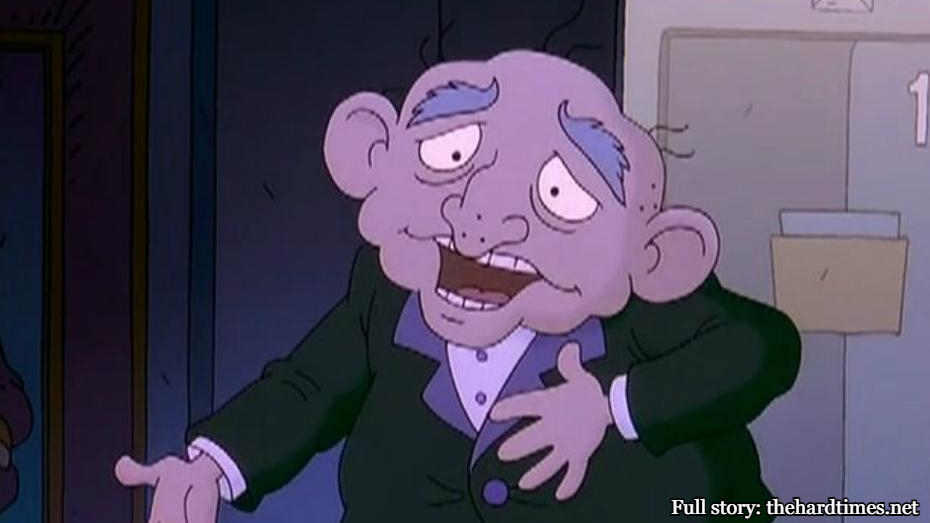 It turns out bingo can get pretty high stakes.
 We’re of course referring to all of the actors in the Reptar suit. They all gamble and none of their lives are going great.
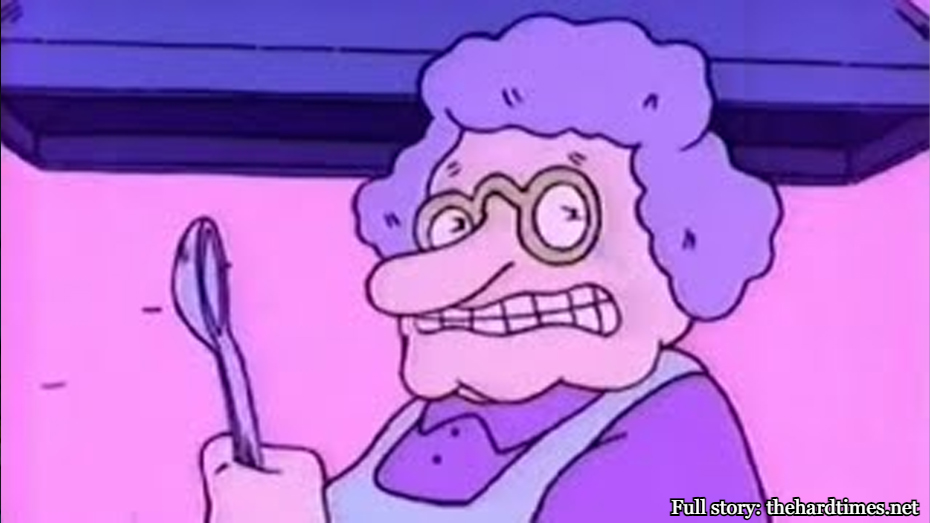 Ever wonder what brought Minka here from the old country to begin with? That’s right, gambling debts.
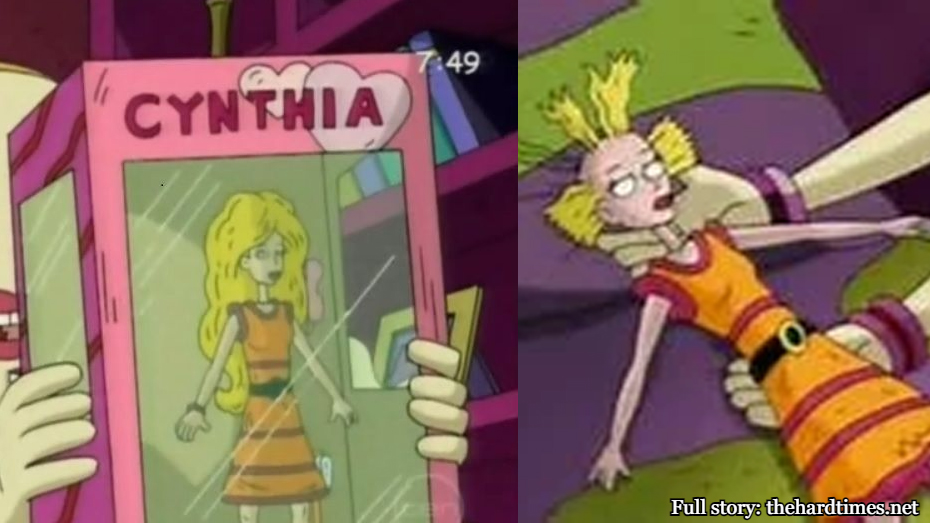 One look at an in-the-box Cynthia doll vs. Angelica’s and you can see this doll is no stranger to hard living.
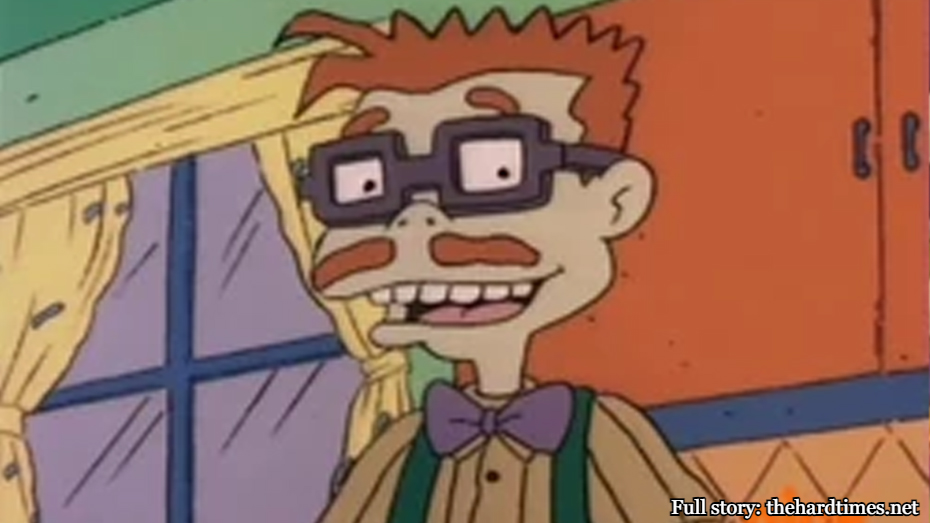 The stresses of single fatherhood coupled with his innate timidness alway made Charles feel like he wasn’t the main character in his own life. Then, one night at a charity event, he discovered that he had a knack for poker. Winning made him feel big, like a real somebody. He has wasted tens of thousands of dollars chasing that high.
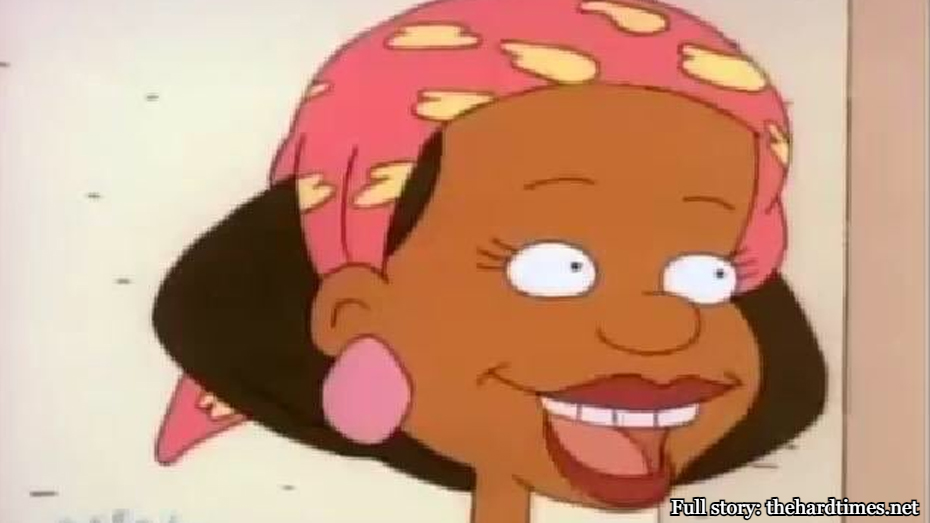
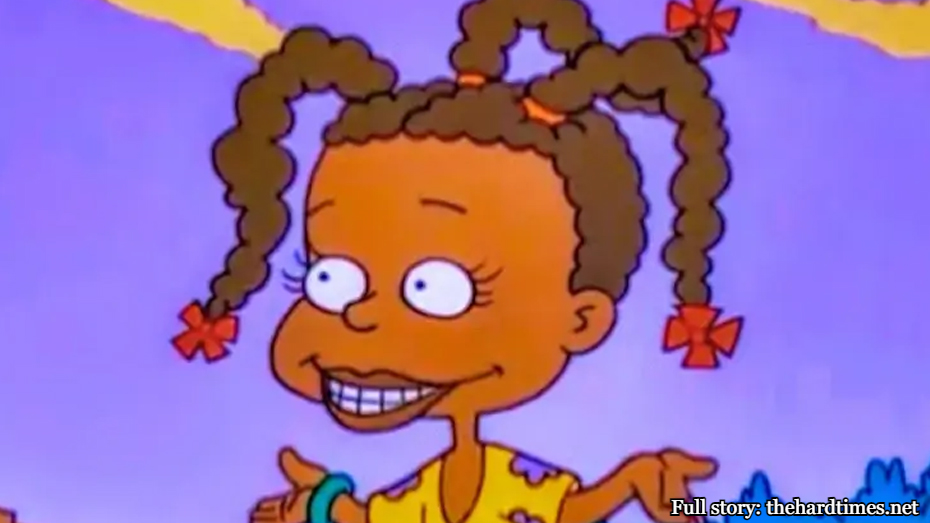 Susie’s singing talents took her all the way to Vegas where her lounge singing would bring her close to fame. Unfortunately her favorite song became the siren call of the slot machines. Before long she was hooked, staying up all hours of the night chasing jackpots and blowing off gigs.
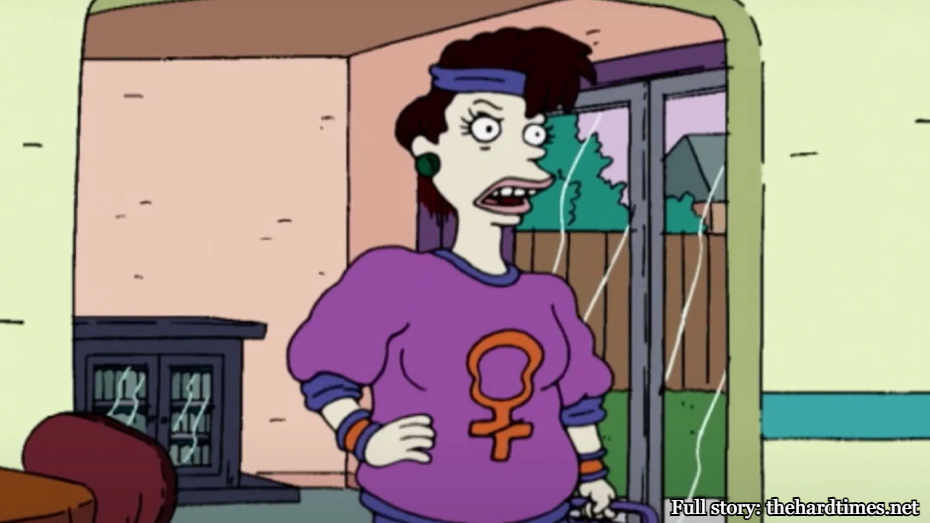 We all know Betty is an avid sports fan. A little too avid. The telltale black eye her husband Howard gets every year when her team get eliminated from the playoffs implies there’s some serious money on the line.
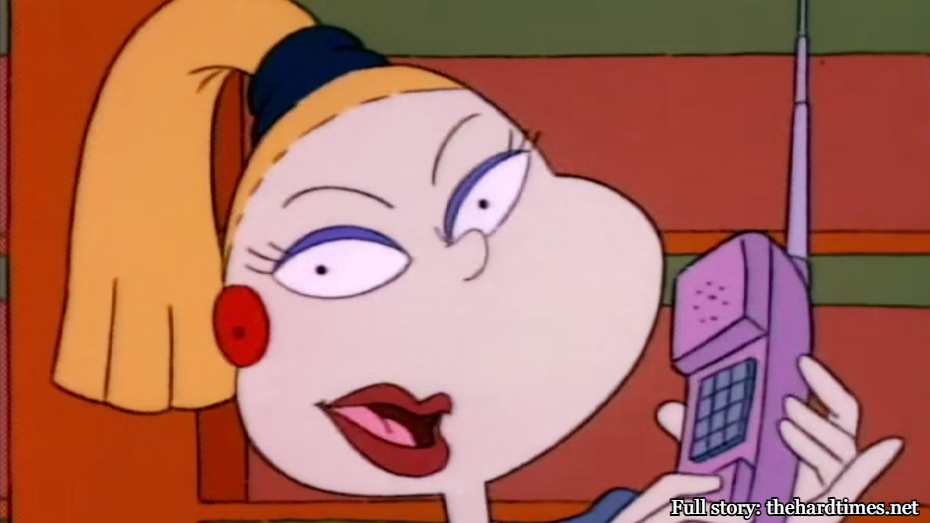 Charlotte’s access to Mega Corp’s books helped her cover her massive gambling losses betting on women’s tennis matches for many years, but eventually the feds caught up with her.
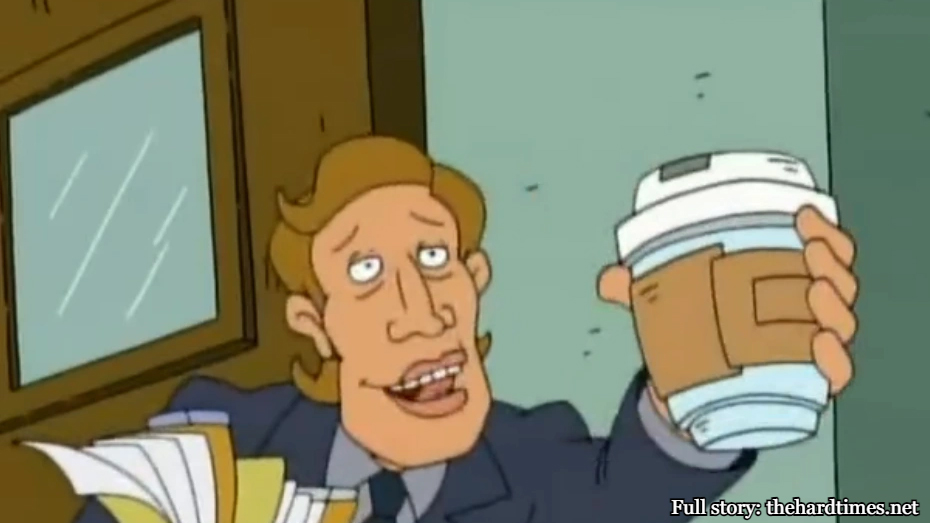 Warn down from years of trying to out-maneuver Charlotte on the corporate ladder, Jonathan sought solace in the one thing that gave him a sense of control—blackjack.
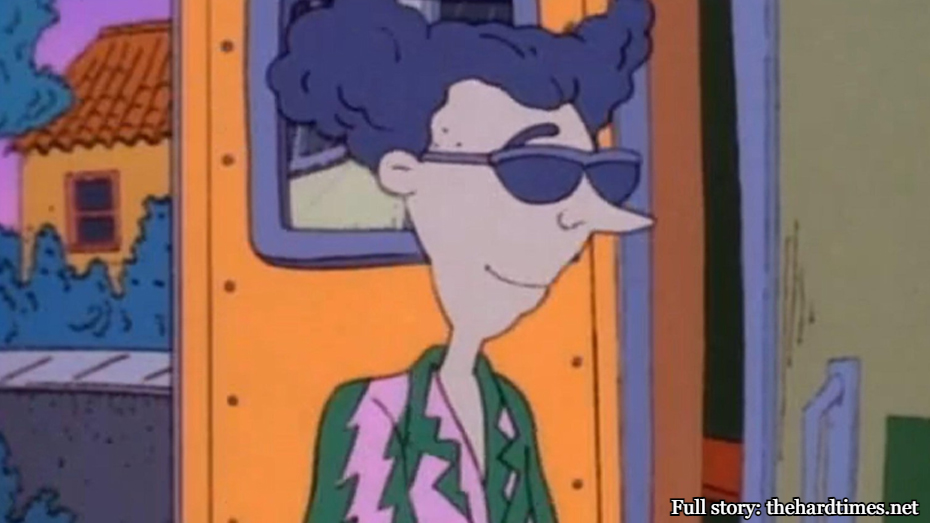 Being a timid person in a relationship with a big personality like Betty can be stressful, so every few months to blow off steam Howard drives to the bad part of town and drops in on a back alley dice game to feel alive. He is usually robbed and beaten, but that’s become a part of it for him.
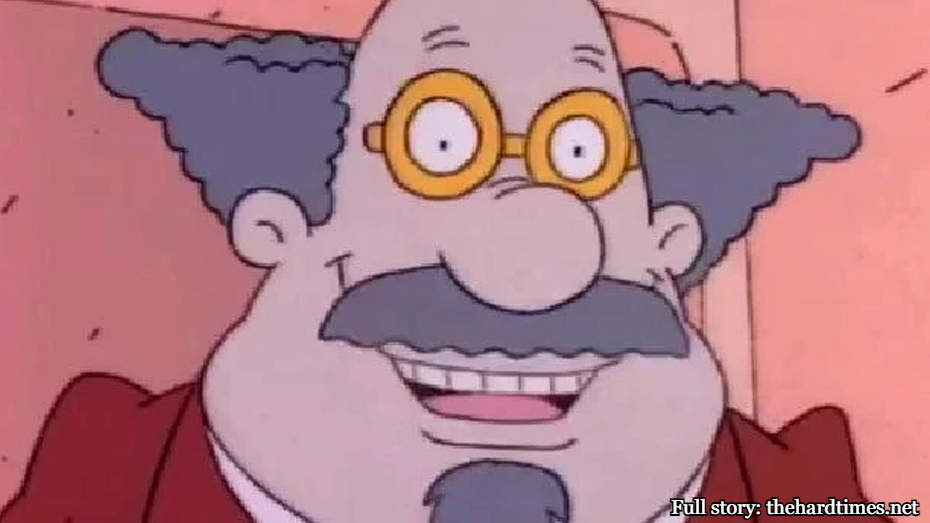 Didi’s favorite child psychologist sure has a lot of products under his belt. Books, videos, his own pay per minute hotline. With all of that money coming in it’s shocking that he still burns through it faster than he can make it. Lipschitz sufferers from a condition known as “Greyhound fever,” and it’s caused him to see the backside of a bookies hand on more than one occasion.

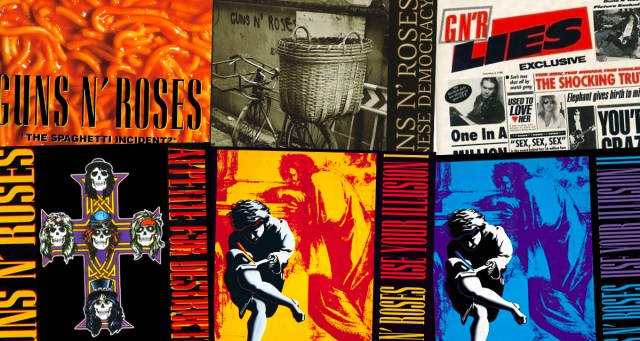
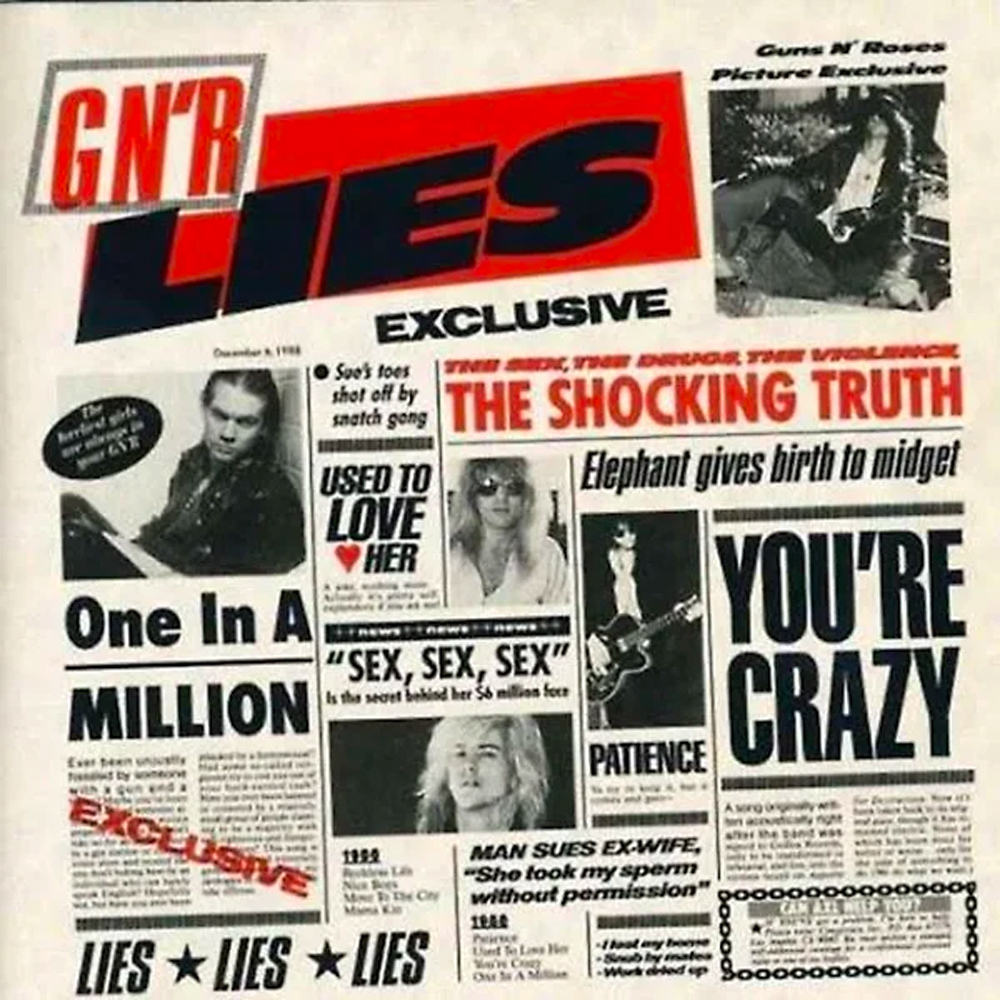 We don’t care if several members of Guns N’ Roses eventually defended a song on this LP after the fact, saying that it was misunderstood, racist and homophobic verbiage is NEVER ok, so this album HAD to be ranked last, and we don’t care if it has one of their ten best singles, “Patience.” Because we don’t have any “patience” (see what we did there?) for bigotry. There is a reason they left that song off future releases. Anyway, onto the fun stuff, which is unfortunately tainted with “Used to Love Her,” which is also offensive in a non-funny way, but way less so than “One in a Million,” “G N’ R Lies” is an album so wild that it includes the band’s initials in its name and that’s all we have to say about that.
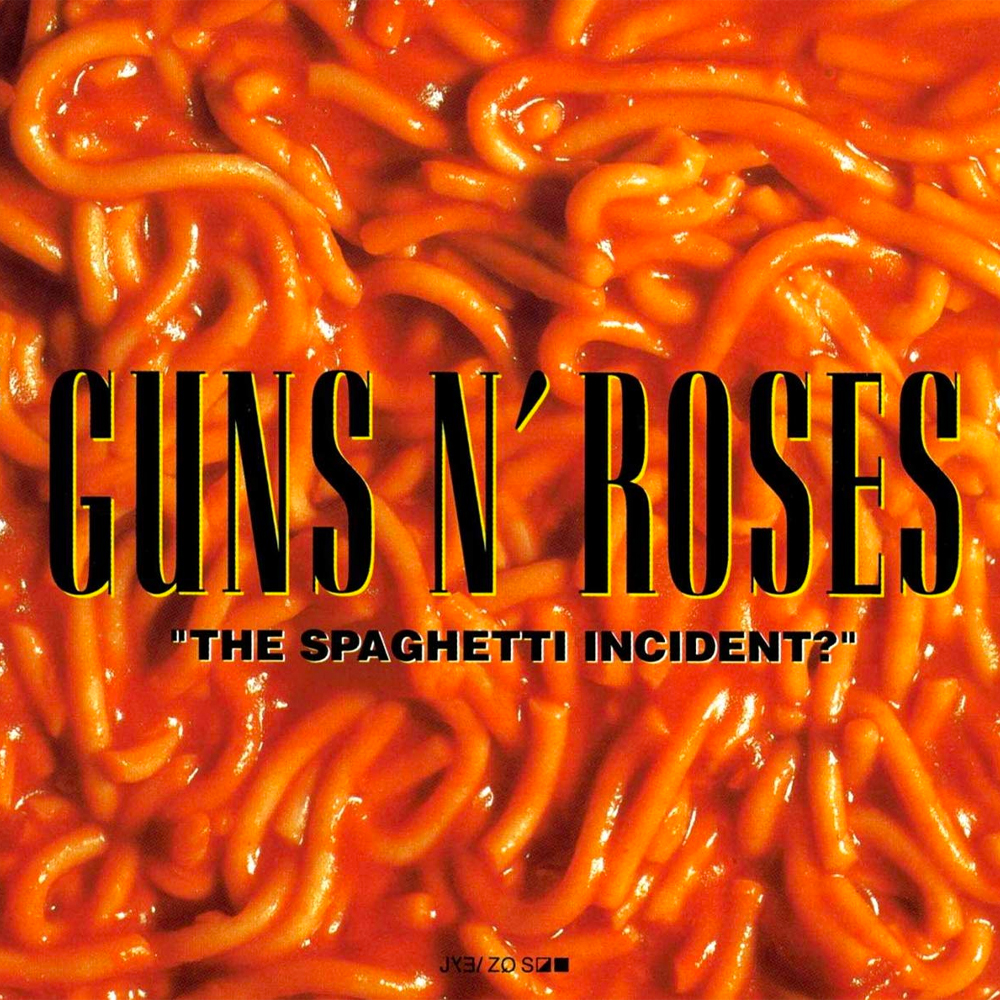 Even though Guns N’ Roses’ fifth studio album “The Spaghetti Incident?” features a question mark in its title, unlike “G N’ R Lies,” there are few things questionable about this fun cover song LP except for its hidden Charles Manson song track, “Look at Your Game, Girl.” We’re quite curious as to what Quentin Tarantino, fan of both spaghetti westerns and writer/director of the underrated film “Once Upon a Time… in Hollywood,” featuring both a fictionalized and truthful account of Manson and the late-Sharon Tate, thinks about this record which features GNR interpretations of songs by The Skyliners and Johann Sebastian Bach’s son, Albie, who surprisingly is not related to the singer of Skid Row, Sebastian Bach Mozart Rachmaninoff Ludwig Ludacris Beethoven. You likely got this CD in a bargain bin, or through Columbia House’s penny priced mail-order music club, but it’s worth at least one thousand times that!
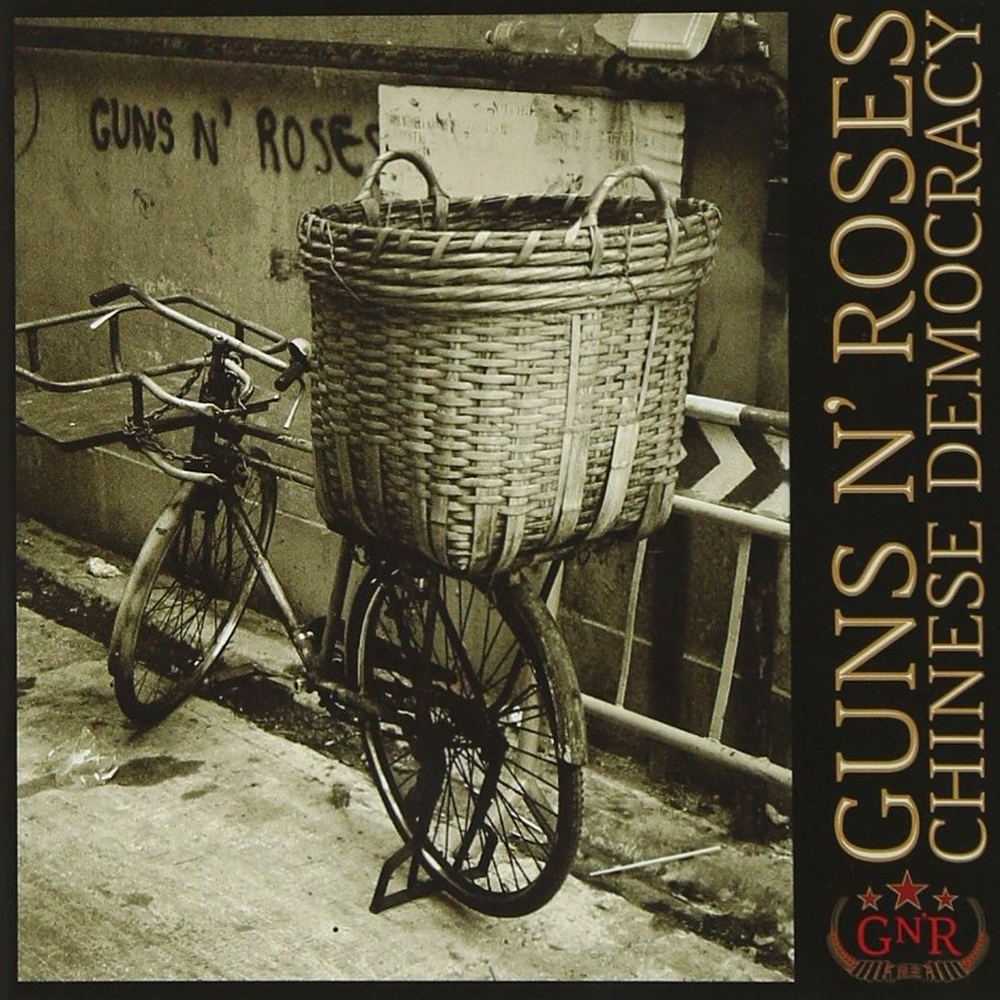 We most certainly know that much about this album’s creation, costs, long-ass history, and often polarizing lore have been publicly and privately maligned since the mid-to-late nineties, and we are not making any predictable low-hanging fruit jokes about the delay. If the entire world only knew how good “Chinese Democracy” is, there would be far better and informed witticisms, and far more streams/sales for this record. Thankfully the band, even though most of its members had nothing to do with this LP, still plays songs from it live, and even the I.R.S., and not Irwin R. Schyster, father of the late, great Bray Wyatt, likely needs to audit newfound royalties from this studio album, which is Guns N’ Roses’ last as of now. In closing, special shoutouts are warranted for Bumblefoot, Buckethead, and Buckcherry for their outstanding musically dense work here!
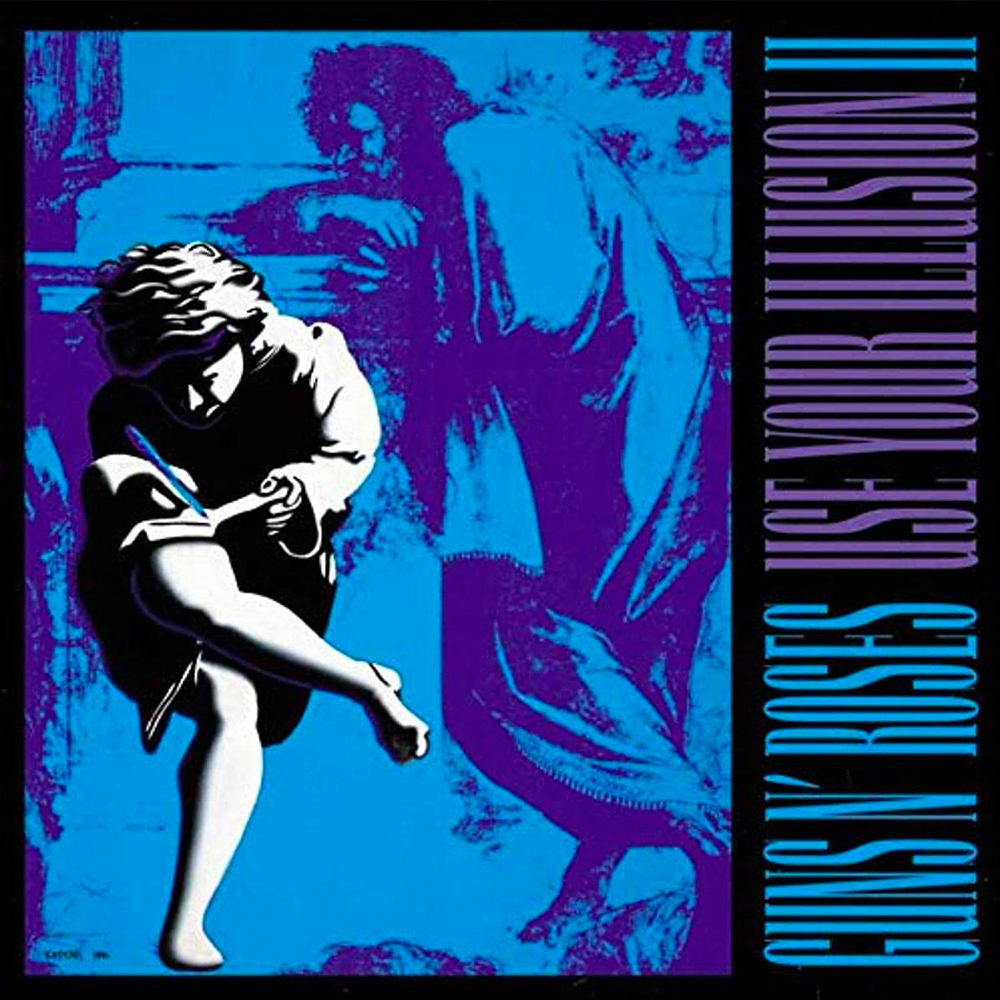 “Use Your Illusion II” is a fantastic, yet slightly worse sequel to its prequel “Use Your Illusion I,” but sadly just isn’t on the level of “Sister Act: Back in the Habit,” in that the Whoopi Goldberg, Lauryn Hill, Jennifer Love Hewitt, and Carrot Top film had no filler whatsoever. None. As you know or now know, Guns N’ Roses is forever marred with controversy, so the overly vulgar, if that’s a thing, song, if it could be called that, as it is more of a diss track, “Get in the Ring” could’ve been nixed along with several others here. One wonders if this LP and “Use Your Illusion I” were both reduced by more than a few songs to just one LP simply called “Use Your Illusion About Numbers That Aren’t Written In Roman Numeral Form” if said record would’ve been ranked at number one here! Don’t cry, alternates!
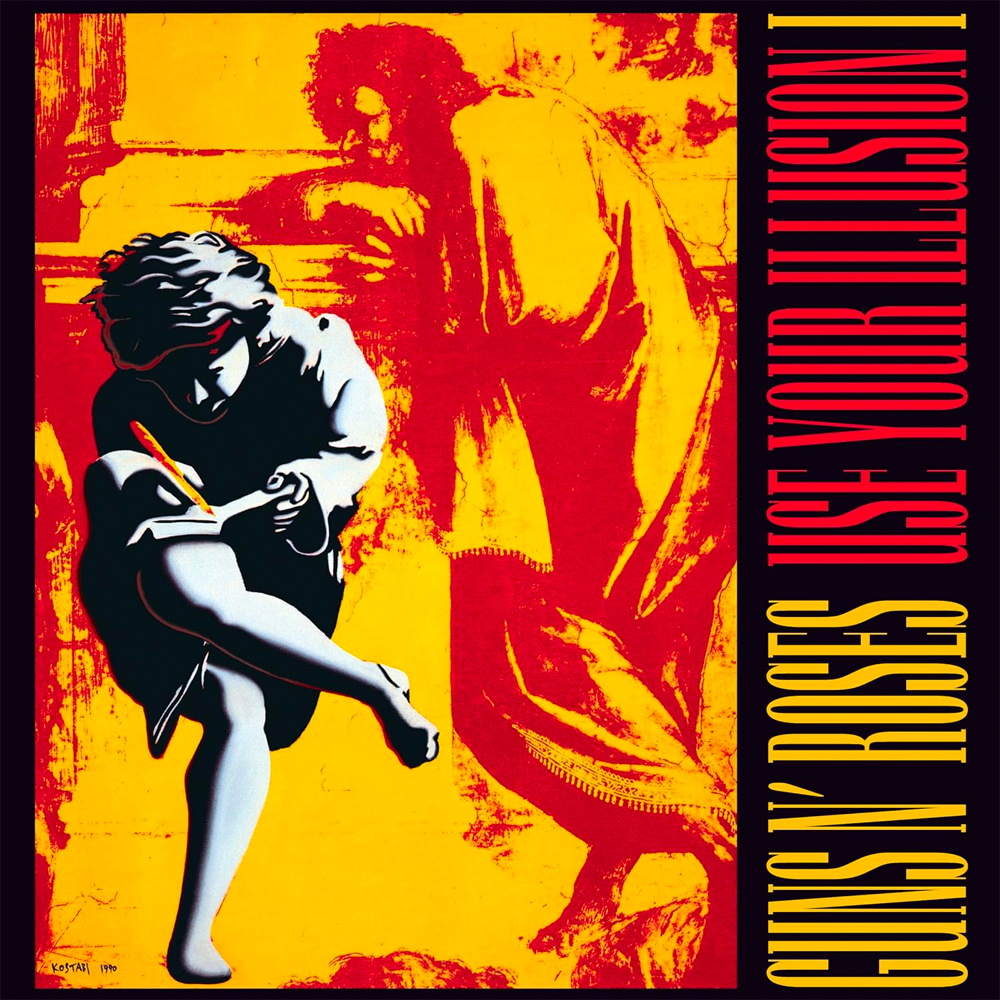 “Use Your Illusion II” may have a better opening song in “Civil War” than “Use Your Illusion I”’s “Right Next Door to Hell,” but I’s closer “Coma” is easily the best final album track in Guns N’ Roses’ catalog, and if we’re being honest, is in their top ten tracks. Said inclusion alone is enough to make I > II, but “November Rain” put this album in an even higher regard. Speaking of said song, and we don’t care if it’s uncool to say this, “November Rain” is the best GNR single, music video, song, and sonnet of the band’s career and don’t damn us for saying such. Like we alluded to before, there is some filler over the course of I and II, but in a form of the perfect crime, the former just had less spoiled/bad apples. Live. And. Let. Die. Don’t cry, originals!
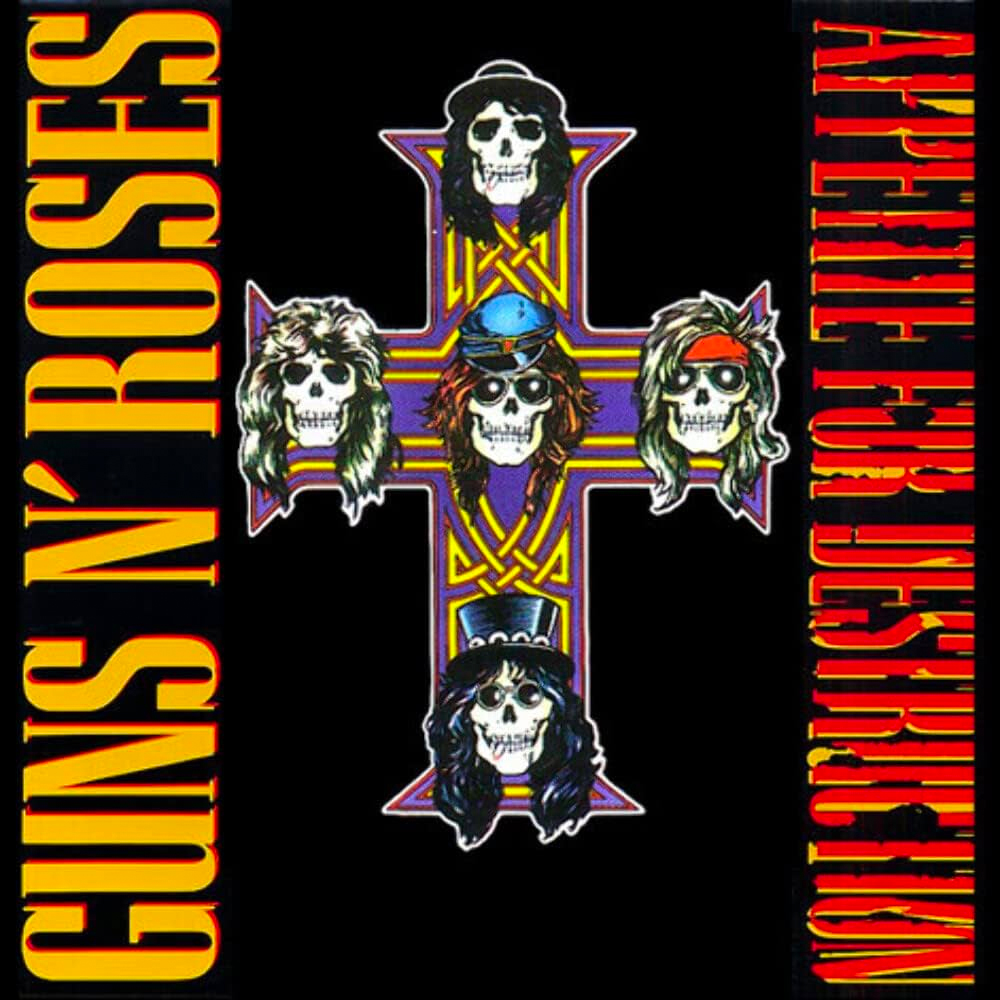 Guns N’ Roses’ “Appetite for Destruction” is one of the best rock albums from the 20th century, and has an insanely insane amount of mega-mega-mega-hit after hit after hit singles, and killer-killer-killer-death after death after death deep cuts, thus making it one of the best debut LPs ever… By far! Because of such, we are listing no “skip it” tracks here, but will personally shout out the OGNR five-piece: W. Axl Rose on lead vocals/whines, Slash on lead guitar/hat, Izzy Stradlin, who eventually quit the group four years later, on rhythm guitar/anger, Duff “Rose” McKagan on bass guitar/being tall, and Steven Adler on drums/other things, who was ousted in 1990. In closing, this album said a huge F.U. to other ‘80s peers who spent way more time utilizing hairspray than rocking out.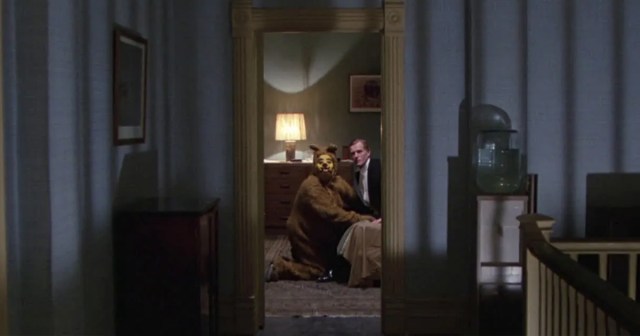
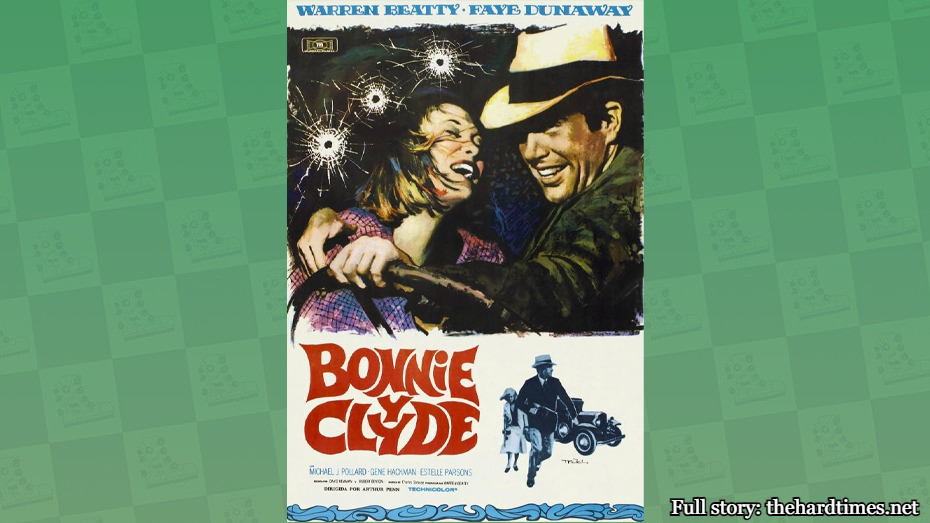 Blowjob Bear’s first credited role was a brief scene in Arthur Penn’s neo-noir crime film, “Bonnie and Clyde.” If you keep a close eye on the bank heist scene in Joplin, Missouri, you can clearly see BB blowing a customer waiting in line before the police arrive for a shootout.
 Aficionados of Neil Simon comedies often consider Blowjob Bear’s supporting role as a frustrated neighbor whose blowjobs keep getting interrupted by Walter Matthau and Jack Lemmon’s antics to be a highlight of the subgenre.
 Reportedly, Blowjob Bear was briefly considered to replace Sean Connery as James Bond, but producer Albert R. Broccoli cast Australian George Lazenby after seeing him in a Fry’s Chocolate Cream ad. BB was given the minor role of a Blofeld henchman, “Blobear,” instead.
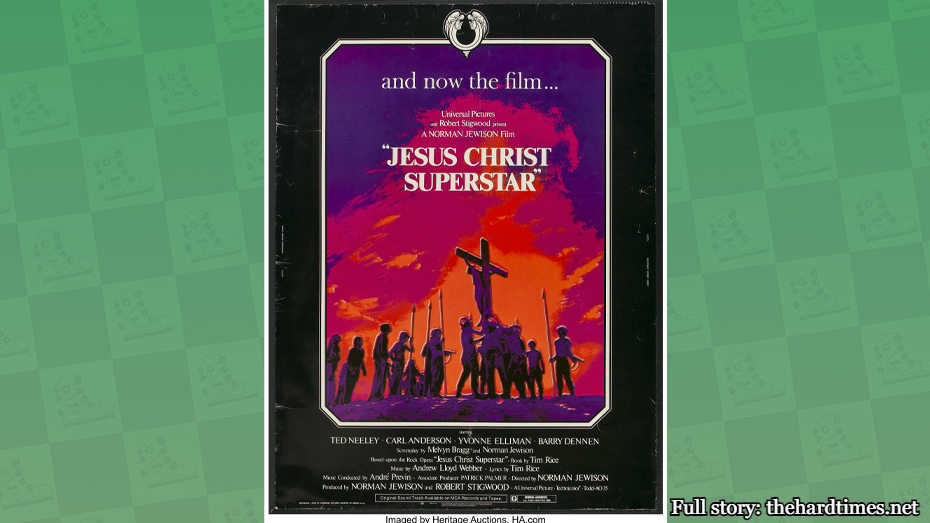 The Norman Jewison adaptation of the smash hit stage musical is known for its stripped-down, nearly abstract set design, but more for Blowjob Bear’s stirring, layered performance as Caiaphas, the high priest and chief giver of head.
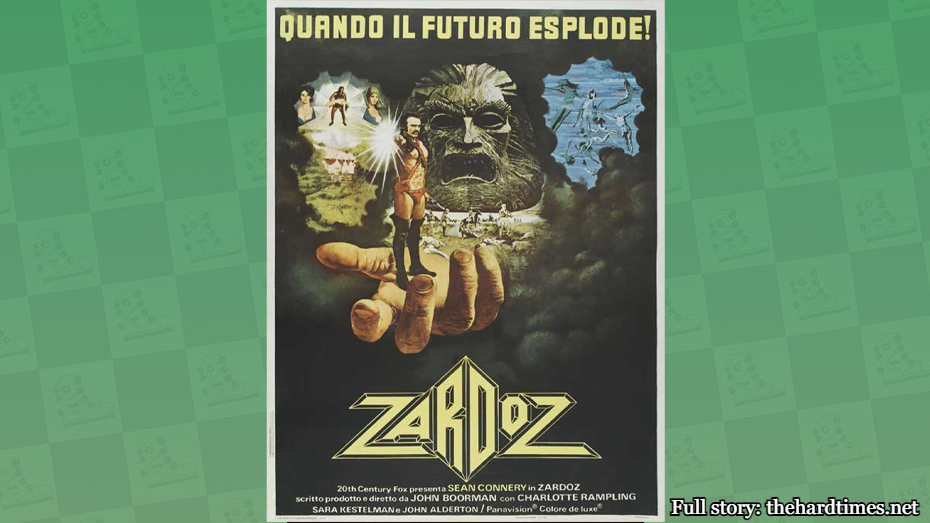 Blowjob Bear later expressed his embarrassment at appearing in the cult science fiction Sean Connery vehicle, but by the end of his life, had begun to speak of the film with more fondness, particularly the blowjobs.
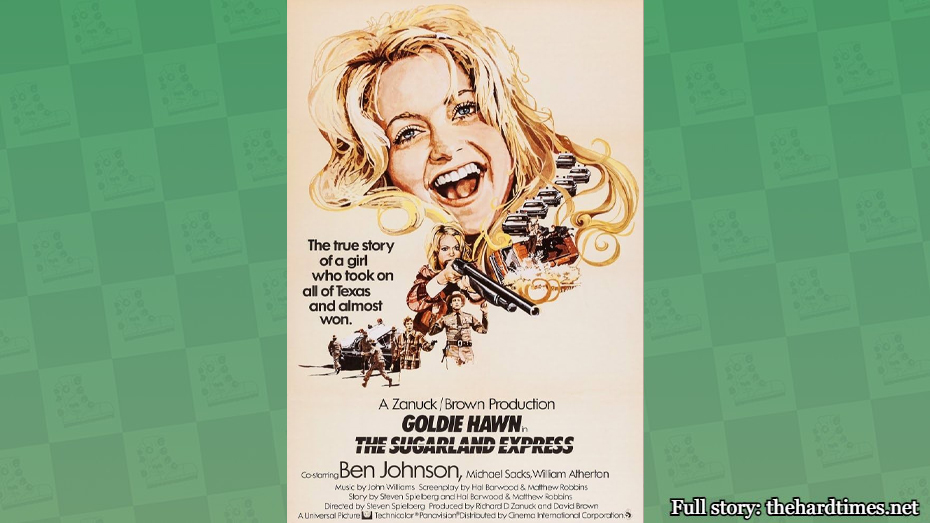 Steven Spielberg made his feature directorial debut with this true-life crime thriller, which starred Goldie Hawn as desperate mother Lou Jean Poplin and Blowjob Bear as a guy in a bear suit who performs oral sex on the ghosts of debauched hotel guests.
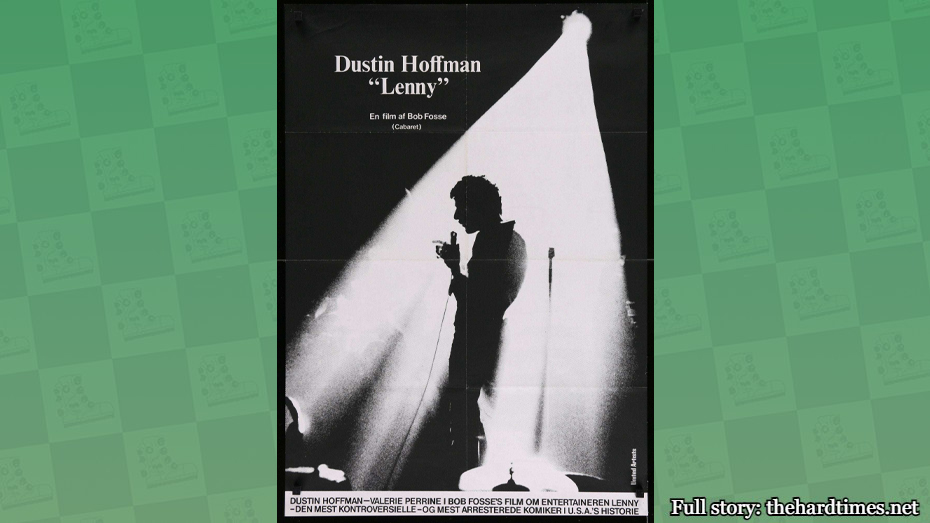 The on-set battles between star Dustin Hoffman and Blowjob Bear were legendary, but not as legendary as BB’s portrayal of a rival standup comedian whose set was exclusively about going down on people while dressed as an animal.
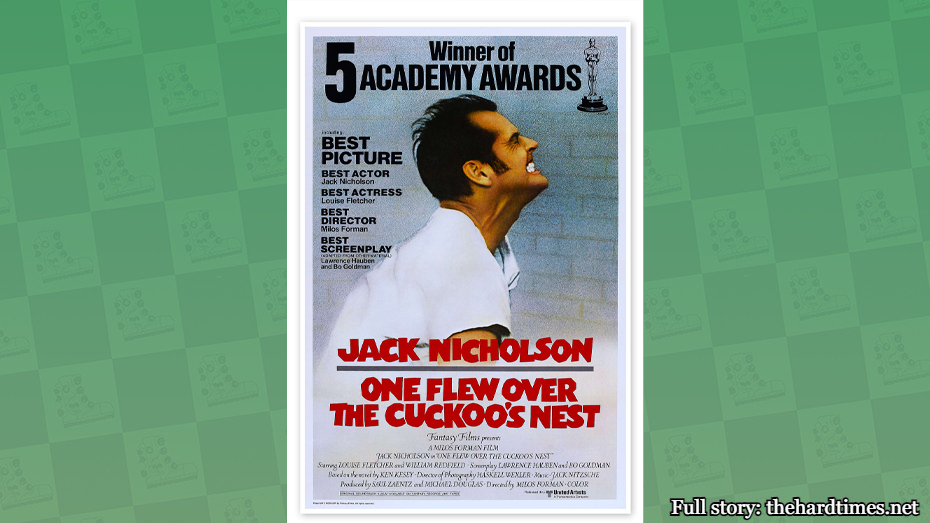 According to Jack Nicholson, he was so impressed by Blowjob Bear’s performance as Nurse Ratched that he personally recommended him to Stanley Kubrick for “The Shining.” Kubrick called it the “worst casting [he] had ever seen.”
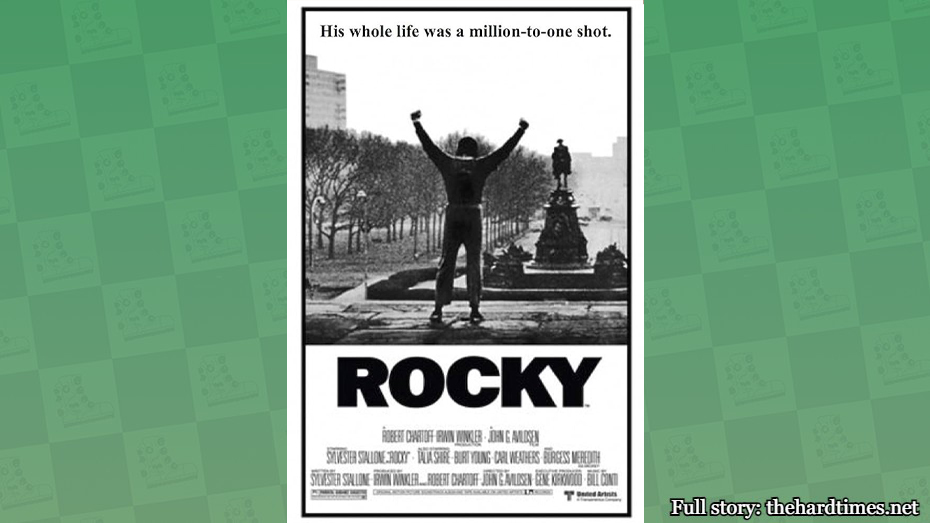 Sylvester Stallone denies Blowjob Bear had any involvement in the Oscar-winning screenplay of “Rocky,” but most film historians believe BB’s one-scene cameo as a fellow boxer and fan of blowjobs was an appreciative gesture for his uncredited script doctoring.
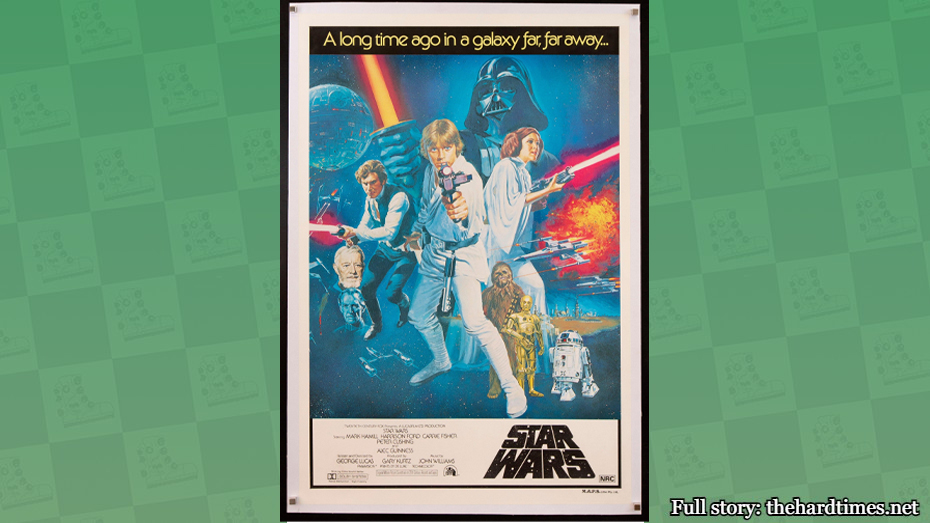 It’s one of the greatest lines of dialogue in Hollywood history: “The Blowjob will be with you. Always.”
 By 1978, Blowjob Bear had fallen on hard times, exacerbated by his worsening addictions to cocaine and increasingly elaborate bear costumes. Still, this is considered one of the better-acted movies of Porn’s Golden Age.
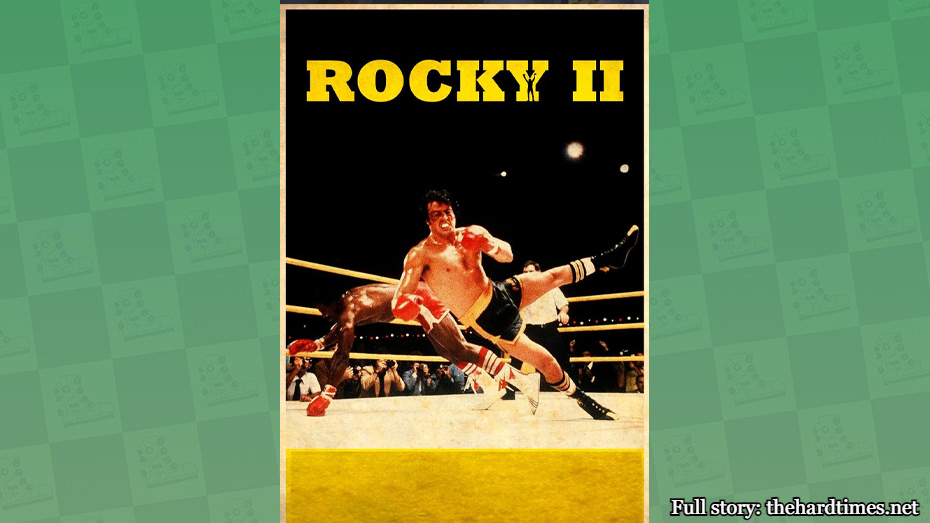 Many critics felt that Stallone’s first “Rocky” sequel lacked the grit and realism of the original, but no less a critic than the New York Times’ Janet Maslin said of the movie: “Damn, that bear can suck dick.”
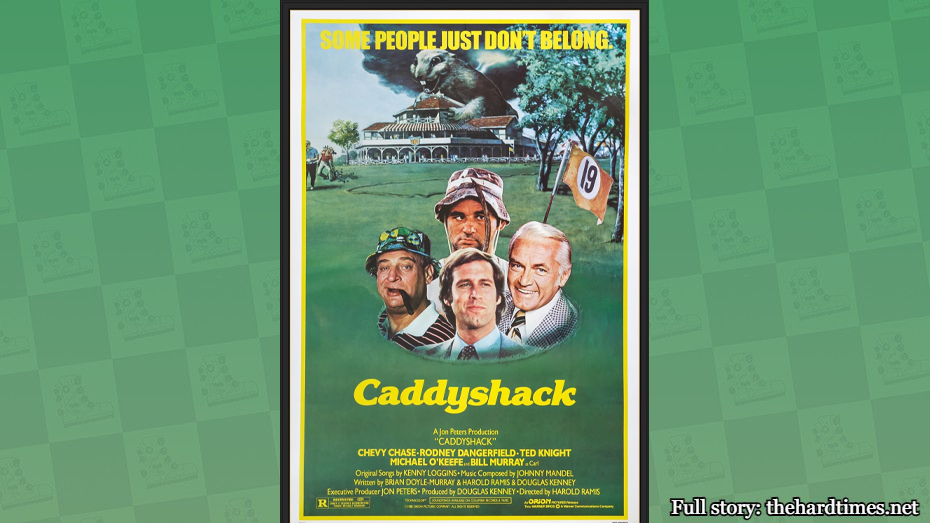 Blowjob Bear was cast in “Caddyshack” as a favor to Chevy Chase’s coke dealer, who just wanted to get him out of his crotch for 15 goddamn minutes.
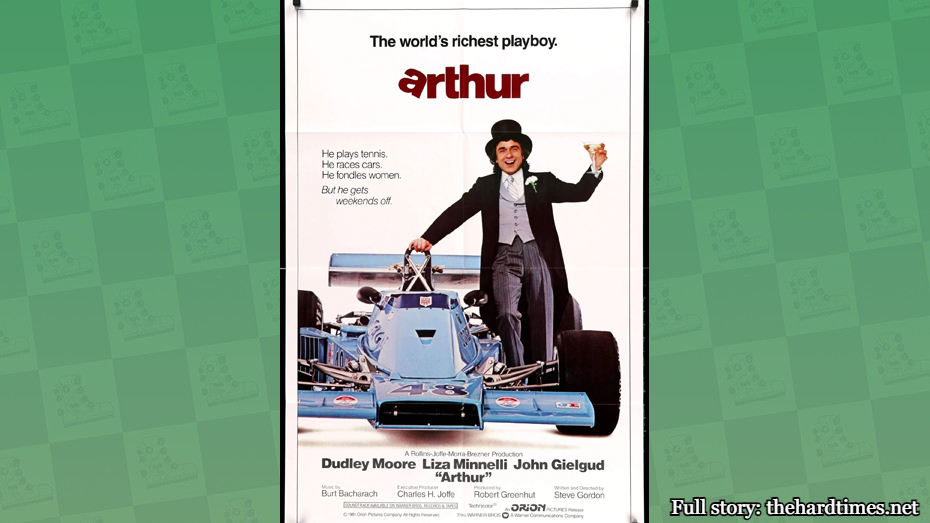 Blowjob Bear’s scene with Dudley Moore reportedly took over 40 takes, but when that waiter turns around, and you see that it’s a bear giving a guy a blowie in a crowded restaurant, it was worth it.
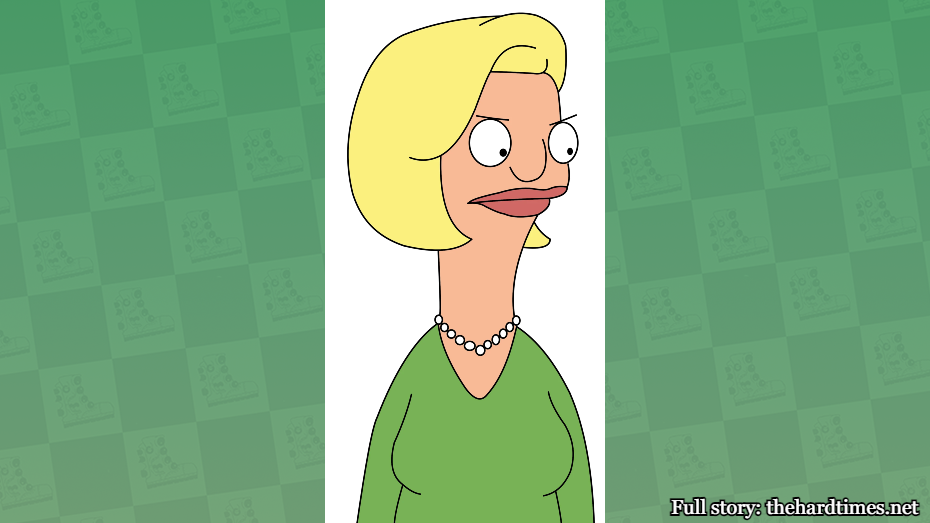 Why would Cynthia get a face tattoo? Can you even imagine what the neighbors would think? No, no, that face tattoo isn’t for her. She’s already confident that the star tattoo on her ankle tells the world that she used to be a pretty bad bitch, if she does say so herself.
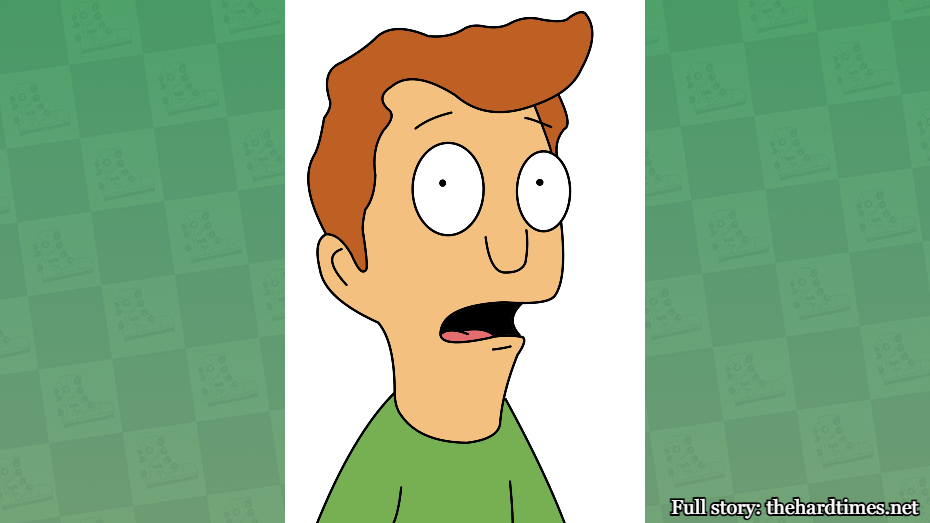 This kid doesn’t even know what a beverage is and you think he’s going to manage to pick out “Only god can judge” or some other Obama quote to tattoo across his forehead?
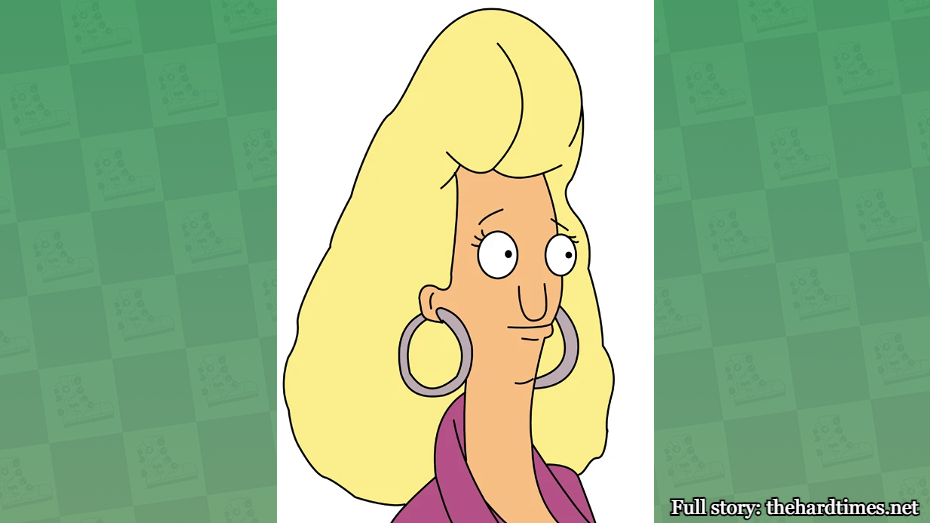 As someone who has never been to New Jersey, I can confidently confirm Colleen Cavielo is the most New Jersey. With her baked Ziti, that accent, and I’m assuming mob boss husband, she fits exactly with my preconceived notions based on the single episode of “The Sopranos” I watched 18 years ago. Anyway, she can’t get a face tattoo. She needs to keep her head down while the feds are sniffing around.
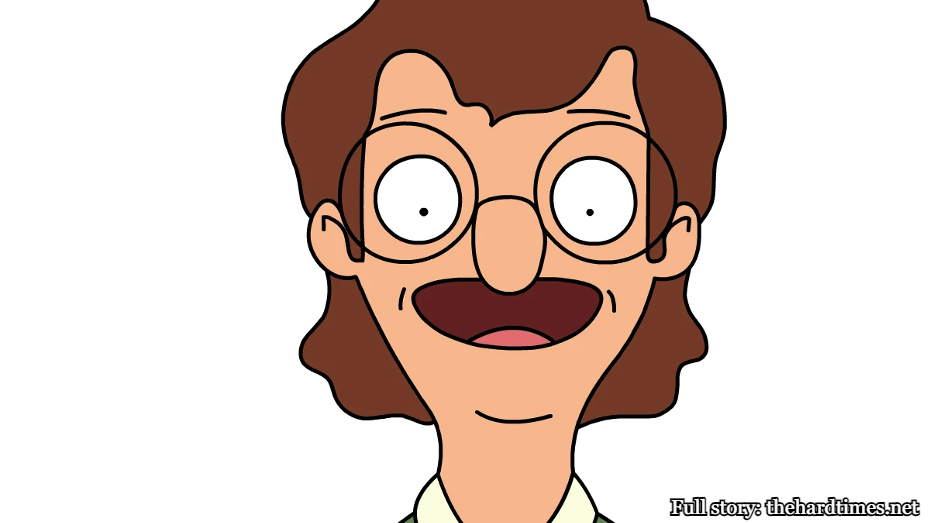 This Patty Daddy is wild as hell. But Patty Daddy wild is getting face paint of a cat tangled in a ball of yarn. Mr. Frond just isn’t cool enough to go for a terrible face tattoo.
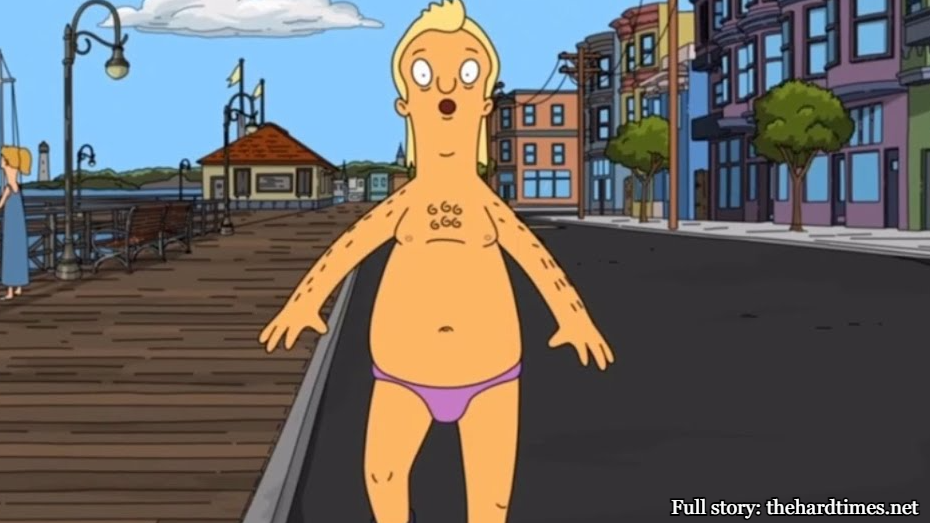 That’s a no. Speedo Guy only wears roller skates and a speedo, that’s it. He just isn’t about covering anything up and when it comes to tattoos he always says “You don’t put bumper stickers on a Cadillac.”
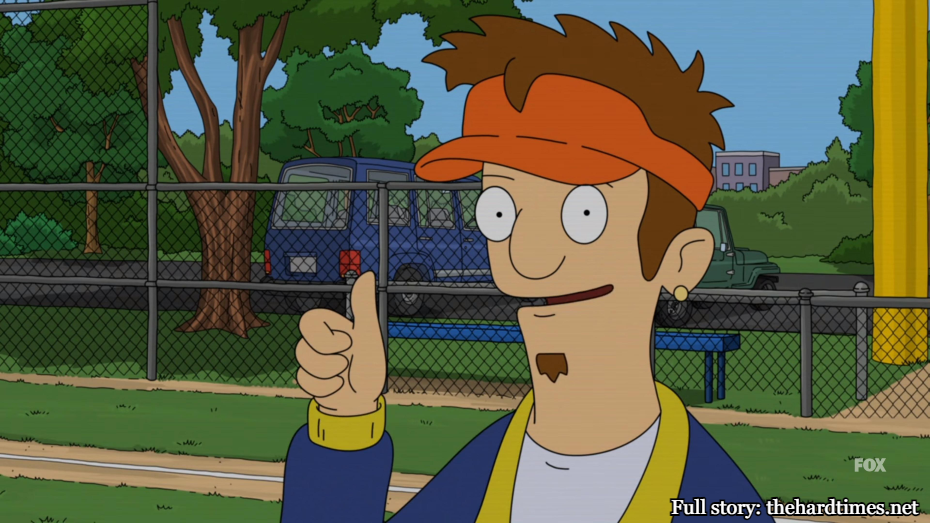 Having a face tattoo limits this guy’s ability to con people in different markets. But I can confidently say he’ll fake a face tattoo for his series on how to get out of jury duty, “Count of Courts.”
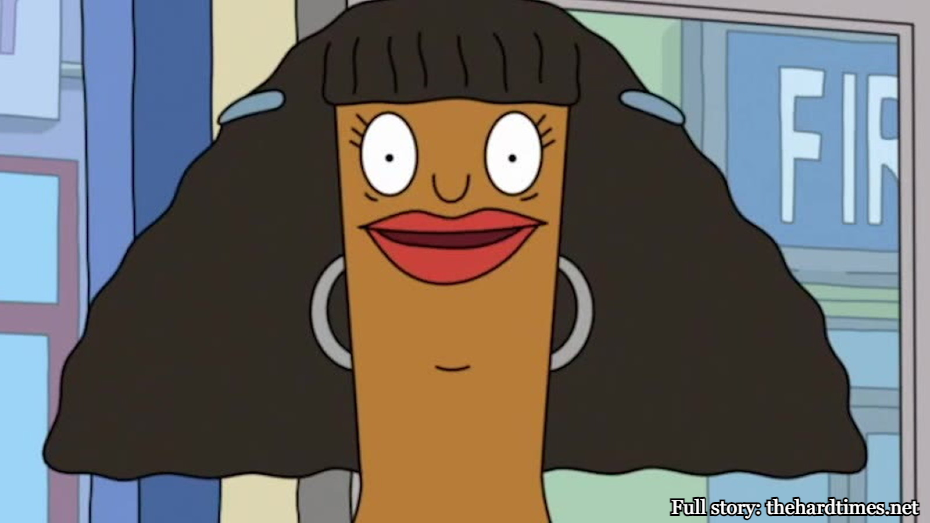 No middle school in 2012 would have been complete without a sea of Tina-branded “I’m a smart, strong, sensual woman” t-shirts. But you know who should have been pictured on that shirt? Marshmallow. Does that mean she’s getting a face tattoo? No. If she wanted a terrible face tattoo, she’d probably have it already.
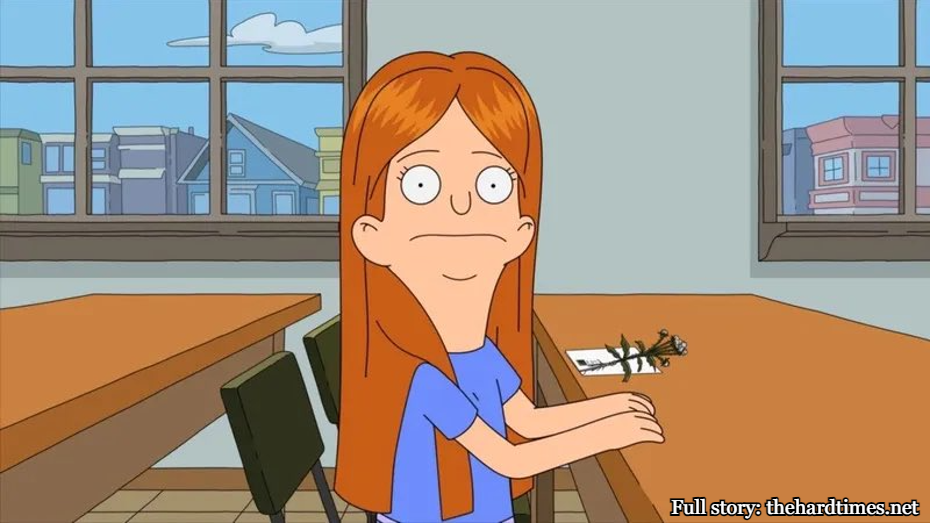 Chloe is the worst. Here’s my impression of Chloe: “me me me. I’m so great. Eww, I’m not gonna get a face tattoo.” That’s what she sounds like. She’s only on this list because Rudy invited her.
 As much as I want to say Tina would get a majestic, anatomically correct horse galloping across her face, I know deep in my heart that it probably won’t happen. Unless of course the writers finally green light my genius spec where Tina displays mood swings and a massive character change because of an undiagnosed tumor. Don’t worry—it’s more upbeat than it sounds, and includes a musical number sung by the tumor. Ball is in your court Fox.
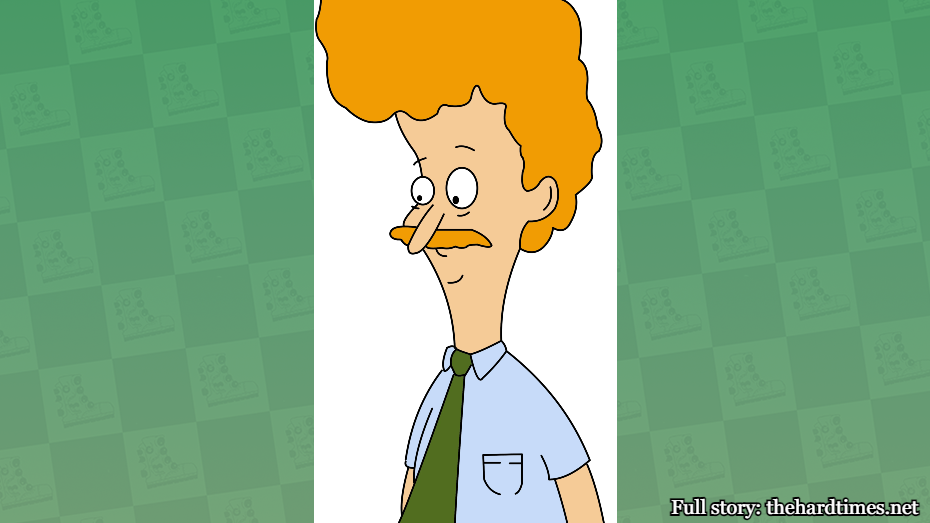 Ron looks just like Donald Sutherland in Invasion of the Body Snatchers to me. Do you know what Sutherland’s occupation was in that movie? Health inspector. Coincidence? I don’t know, but I find it more likely that Ron would be replaced by an alien than have his face tattooed.
 Courtney’s dad makes jingles, and we all know what that means: he’s in “The Industry.” With all the connections her dad has, this industry baby is destined to be a number one star in the musical jingle world. Her future certainly includes sex, drugs, and songs that’ll make Grocery Outlet Bargain Market look like some hack only put a brand name to music. However, industry babies rarely get face tattoos.
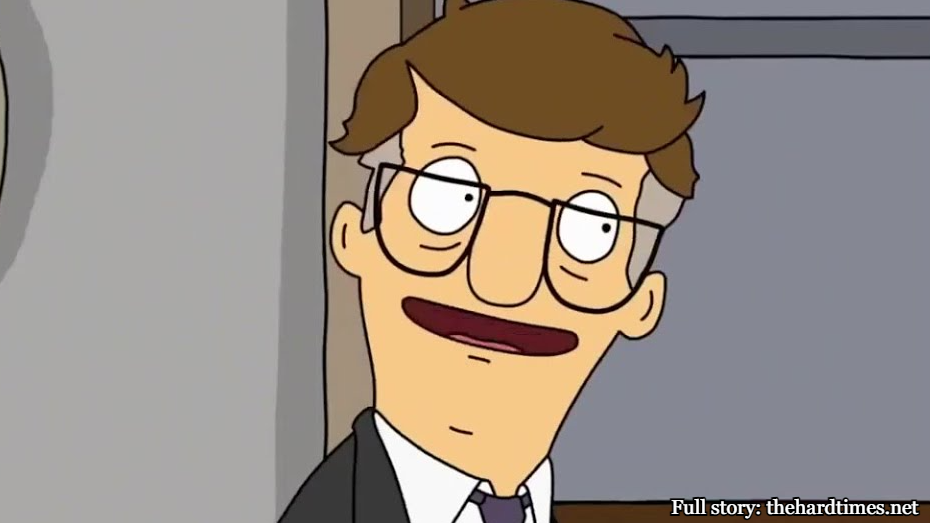 Do I want Mort to embrace the darker side of coroner life and get full Norwegian black metal makeup permanently tattooed on his face? Yes. But would he? Honestly, it doesn’t matter—he’d still be toward the bottom, because this is a list of terrible face tattoos, and I honestly think this would be pretty badass.
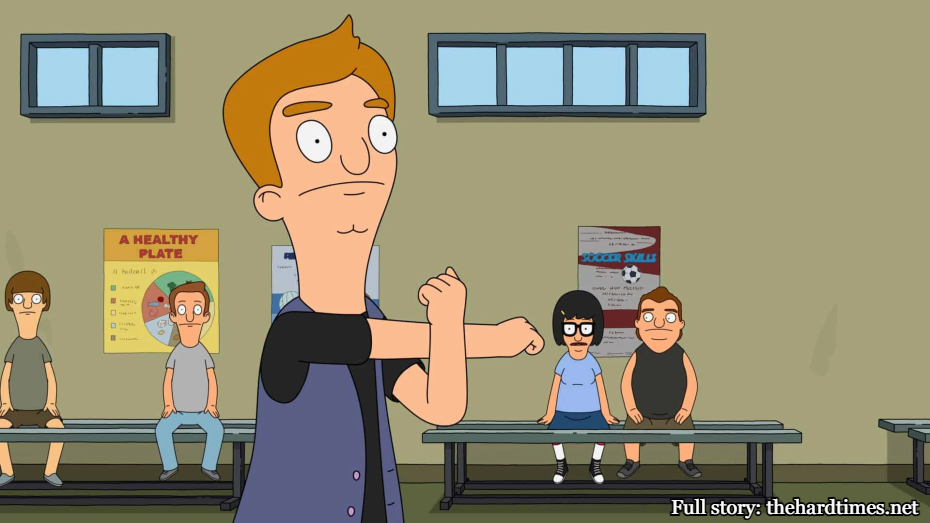 How is J-Ju going to differentiate himself in the competitive world of dance? If you thought face tattoo, you’d be wrong. It’s going to be the tiniest little hot pants. Why get a poorly drawn portrait of Patrick Swayze on your face when you have the raw sex appeal of those big, juicy mounds barely contained in some bright pink spandex?
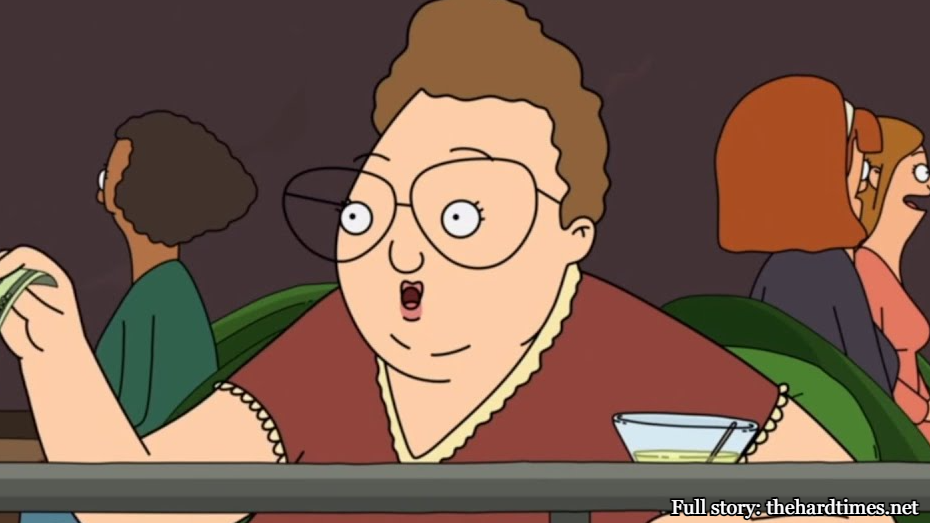 I can’t believe it, but Miss Labonz might be a badass. She’s stealing coffee filters and probably other office supplies from the teacher’s lounge. She’s been caught smoking behind the school. Also, I’m convinced teaching was only supposed to be a day job until her band took off. But thirty years later her dreams have been dashed, and so is any hope of her having McGruff the Crime Dog flashing you from her face.
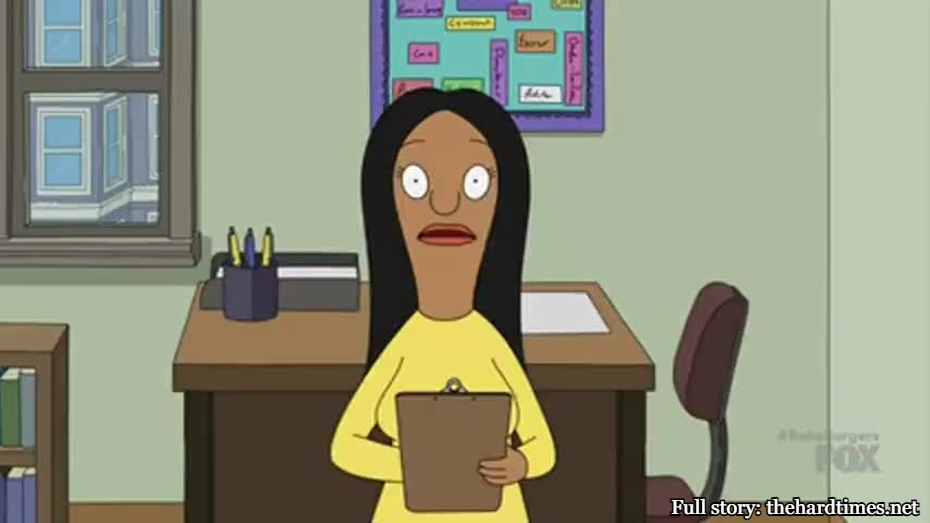 Do you know what teachers are paid? I don’t think Ms. Jacobson could even afford a tattoo. And my unemployed best friend has, like, eight. That’s how little teachers make. Plus, I don’t know if you’re aware, but Ms. Jacobson is ridiculously good looking. Like, wow.
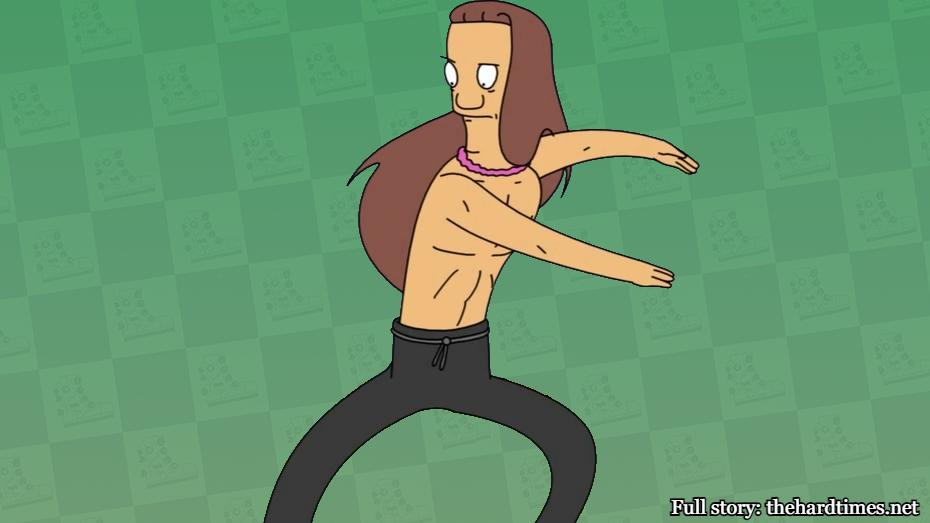 I think we all know the only reason why the staph-infected mats at the Capoeira Center for Capoeira are still in use is because of the Fabio running it. Until Fabio shows up in some Tom of Finland meets discount tattoo parlor romance novel, Jairo probably has to maintain his current look.
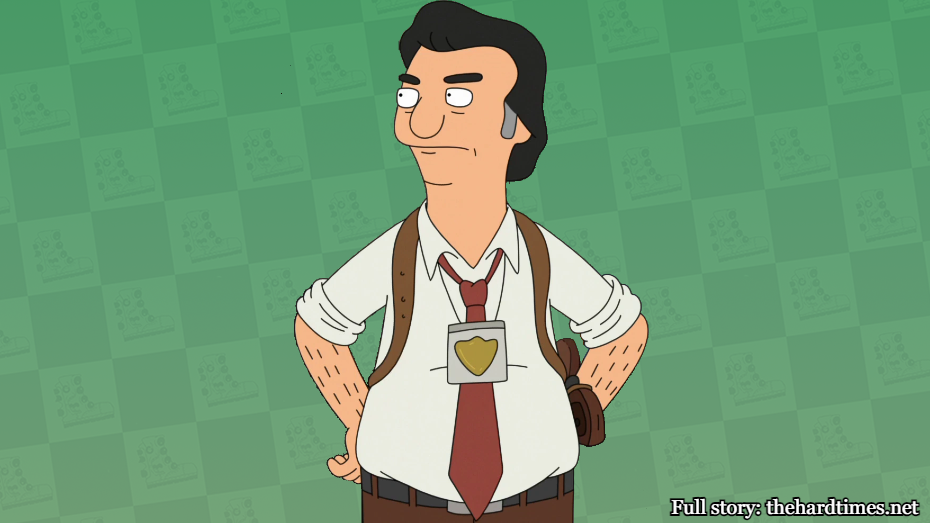 The only way this guy is getting a face tattoo is if he’s going undercover. Which is pretty unlikely because, have you seen this guy? That’s like asking Larry King to pose as a high schooler. I don’t care how young your new wife is, you don’t look 17. Bosco is still going to look like a cop no matter how many veiny one-eyed snakes you put on his face.
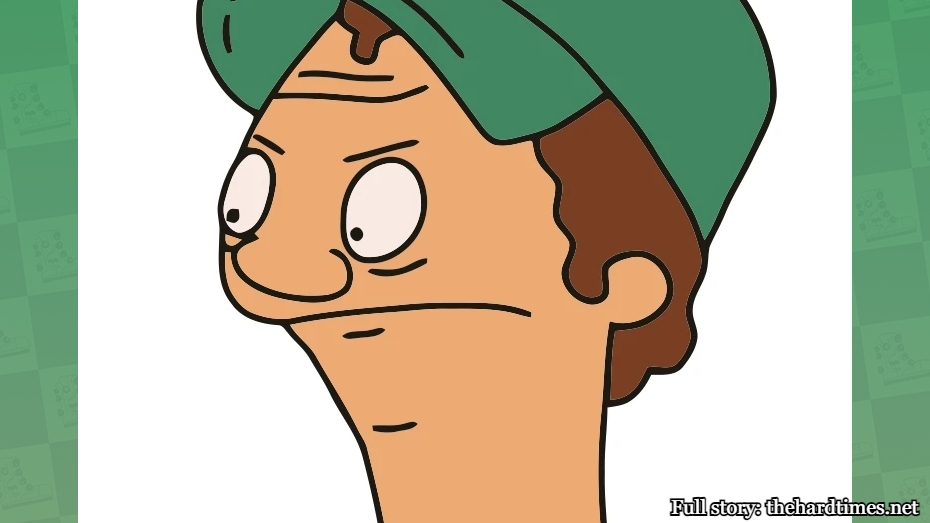 While he’s definitely interested in making a statement that people won’t be able to look away from, his dad is totally going to cut him off if he finally gets that face tattoo of a butchered Ronald McDonald that’s says “would you like fries with that?”
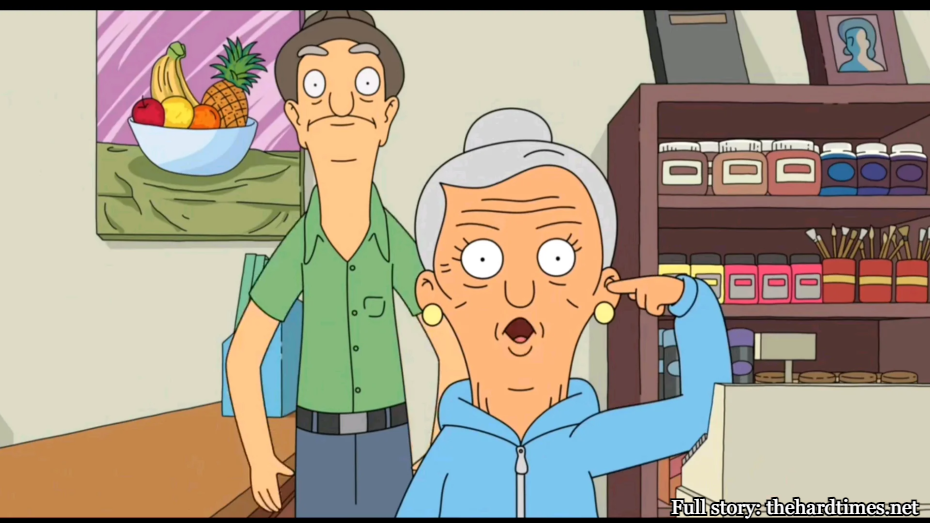 Edith and Harold are pretty close-minded. So it’s unlikely they would ever try butt stuff. And you know what? They’re missing out on a whole portal of pleasures that the good lord gifted us. And if they aren’t even up for a little taint tickling, they’re probably not going for face tattoos.
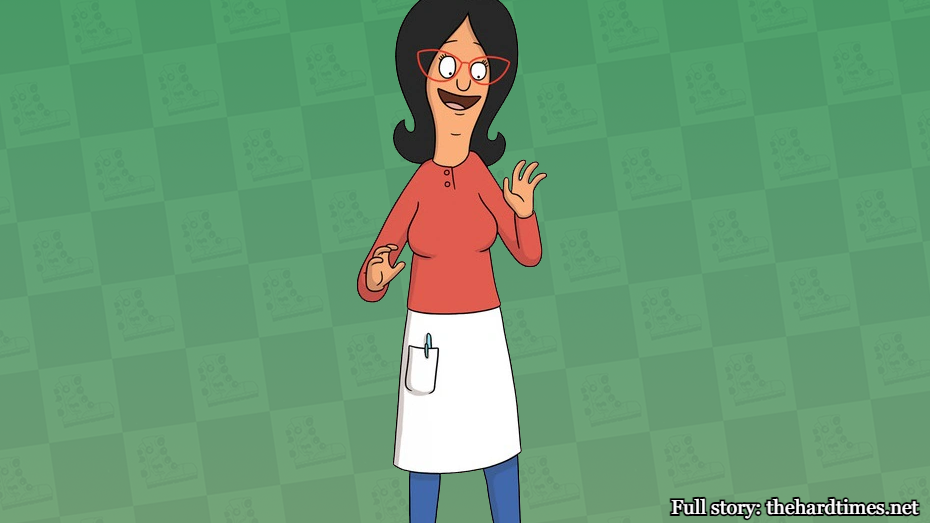 Would Linda straight up get a face tattoo? No, probably not. But would Linda audition for a local theater production as a streetwise gang banger and get one of those “made to fade” tattoos of a Bazooka Joe on her face because she asked for a tattoo that “y’know, a gun guy” might get, but the artist heard “gum guy,” and find out six months later that for some people those tattoos actually don’t fade as much as one might hope? It’s not out of the question.
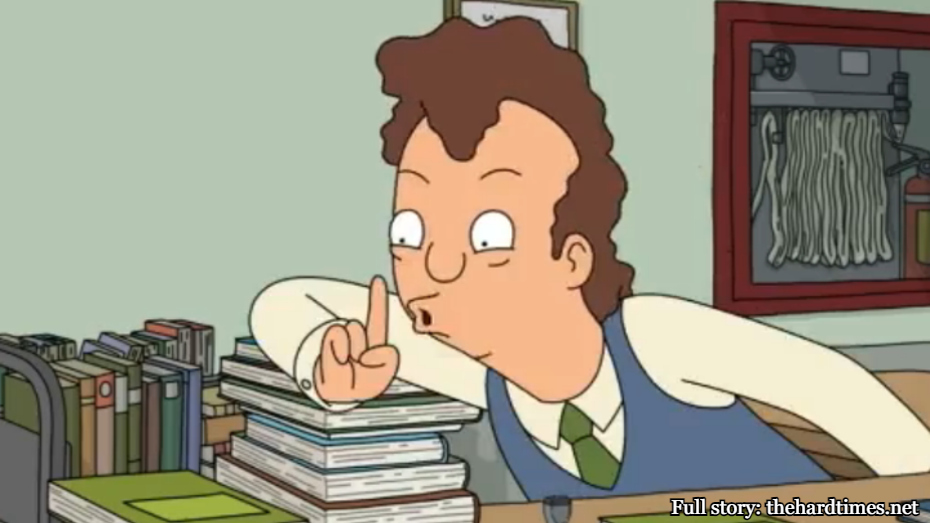 Mr. Ambrose is the librarian we all wish we’d had: a gossipy bitch that doesn’t give a fuck. Mr. Ambrose also practices witchcraft, and if you ask me, that puts him awfully close to going in for some tasteful Wicka symbols around the eyes, but ending up with large Will Ferrell Bewitched-inspired tattoo because the artist found out Mr. Ambrose had been talking shit.