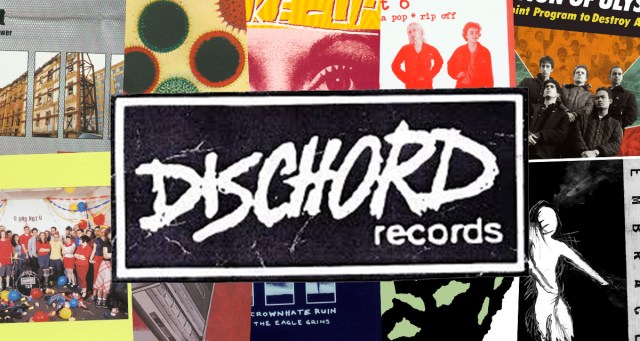
Washington, D.C.’s Dischord Records, which is often spelled incorrectly, was formed by two-fourths of seminal hardcore band Minor Threat, Ian MacKaye and Jeff Nelson, in 1980, and is still active over four decades later, just not as frequently as it was before, which is quite an accomplishment for any label large or small. Still, the record company is one of the more noteworthy ones in the punk rock world to all in the know and some that aren’t, and has put out monumental releases from Minor Threat, Jawbox, Fugazi, Rites of Spring, Shudder to Think, and Dua Lipa. We attempted to list ten underrated albums from DR in alphabetical order, and no bands mentioned above are listed, but, spoiler alert, MAYBE another Ian MacKaye act is. In addition, as architects of accuracy, no EPs or compilations are referenced below as well.
Black Eyes “Self-Titled” (2003)
 Fans of the frenetic Skeleton Key’s “Fantastic Spikes Through Balloon,” a major label album so underrated that it is nowhere to be found on DSPs outside of YouTube despite being Grammy Award-nominated, will clamor for some dark-colored organs of sight courtesy of BE. Formed in 2001, Black Eyes eventually inked a deal with Dischord Records, and released their self-titled studio album two years later to some acclaim, but not enough, and sadly split after just more LP. Pity, as day turned to night much quicker than normal, but not as fast as it does on December 21. Anyway, post-punk had a revival around the time that this LP was released, and Interpol took over inferior publications just one year prior, and The Rapture broke your heart as well. We wish that THIS broke through.
The Crownhate Ruin “Until The Eagle Grins” (1996)
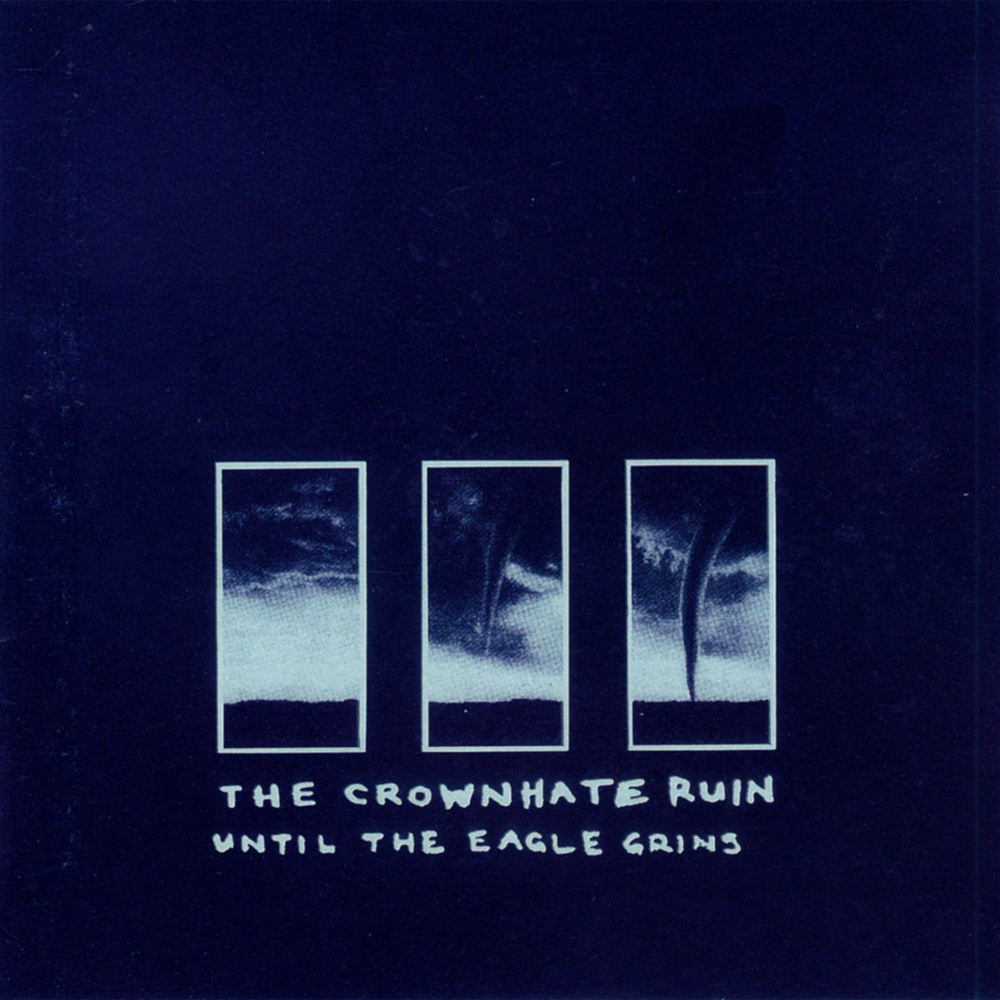 Drive Like Jehu had more of a critical than commercial impact, and the band that called themselves The Crownhate Ruin, who fans of DLJ would love deserved some more affection and non-creepy hugs via both sides as well. Formed in the wake of post-hardcore superstars Hoover, who were also great in their own right, The Crownhate Ruin had a truly short run, and released several singles, and one LP, “Until The Eagle Grins,” only to split up that same year. Maybe it was the band’s meh name that did ‘em in, or maybe the fact that “Until The Eagle Grins” was released in an overly saturated genre in the mid-’90s. Whatever it was, we know that outside of your cool step-brother, a non-blood relative who still lives in your stepmom’s basement, no one in your life knows about this album and band.
Dag Nasty “Can I Say” (1986)
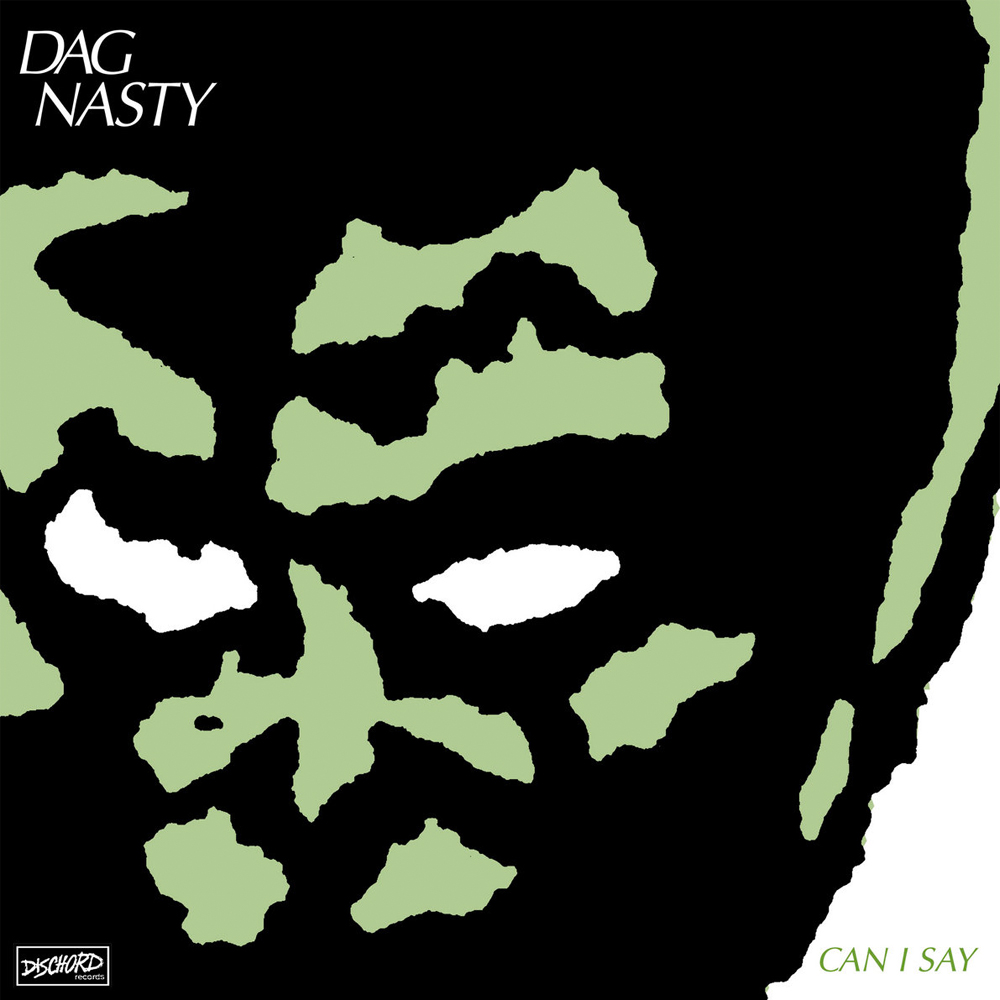 Possibly the most successful effort referenced in this piece, yet still underrated to most pedestrians and most certainly you as well. Dag Nasty’s debut album “Can I Say” inspired a lot of underground chatter when it was first released, and not just because it featured former Minor Threat bassist and current Bad Religion guitarist Brian Baker, but that it acts as a sort of sonic blueprint for melodic hardcore in terms of quality, whatever that means. Anyway, while the band’s history was quite tumultuous in terms of a career start-stop stop-start, overabundance of band members and labels, and for just being NASTY like Brian Knobbs and Jerry Sags, “Can I Say” has stood the test of time via circles and shapes, and was even remastered and re-released by Dischord Records sixteen years after its initial release.
Embrace “Self-Titled” (1987)
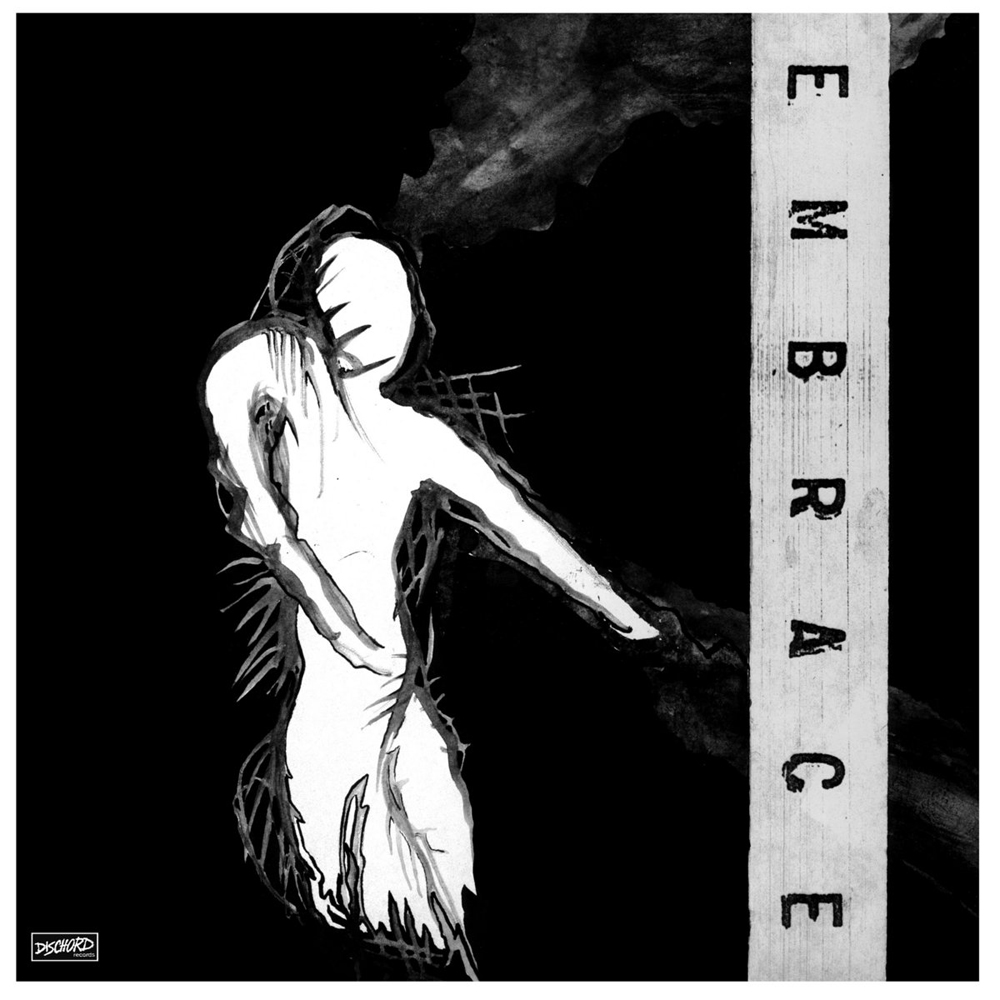 Ian MacKaye’s bands Minor Threat and Fugazi are not mentioned here, as neither act is underrated in any way, shape, or form, but in a sort of loophole, Embrace sure is, and the band’s self-titled and sole full-length studio album was one of the first to be categorized as emotional hardcore, even though its members publicly and privately lambasted said description. While we will forever wish that the band stood the test of time and released more music, it can be said out loud or privately that the band went one for one, and the act you crazy kids call Fugazi may have never existed if not for the fall of Embrace. If you’re a fan of aggressive rock music, do not consider yourself free unless you listen to this album front to back and then some.
Faraquet “The View from This Tower” (2000)
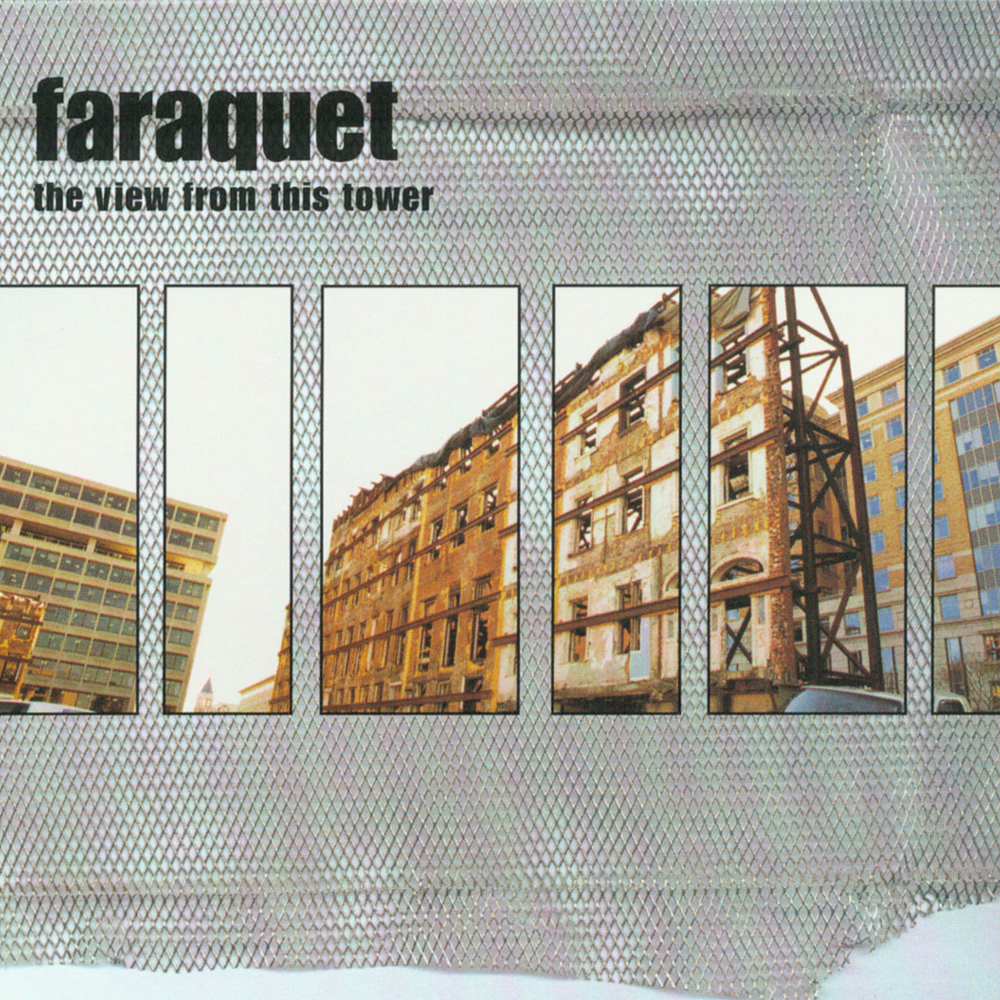 Formed in 1997, Faraquet’s post-hardcore blend of sonic comparisons to former-Dischord Records act Jawbox and a meticulous master’s degree in jazzy mathematics from a Tier 1 university showcased that the view from this tower, which was an unintentional eerie foreshadowing of 9/11, was quite monumental. Like many who call themselves and who are called “underrated,” AND are mentioned here, Faraquet only made one full-length studio album. Still, the band is for sure one of the underappreciated power trios, though we doubt that the band would have ever called themselves “underappreciated” or a “power trio”. Actually, we’re sure, and don’t quote us unless you must for your term paper in MLA format, that they used the term “three piece” instead.
Lungfish “Artificial Horizon” (1998)
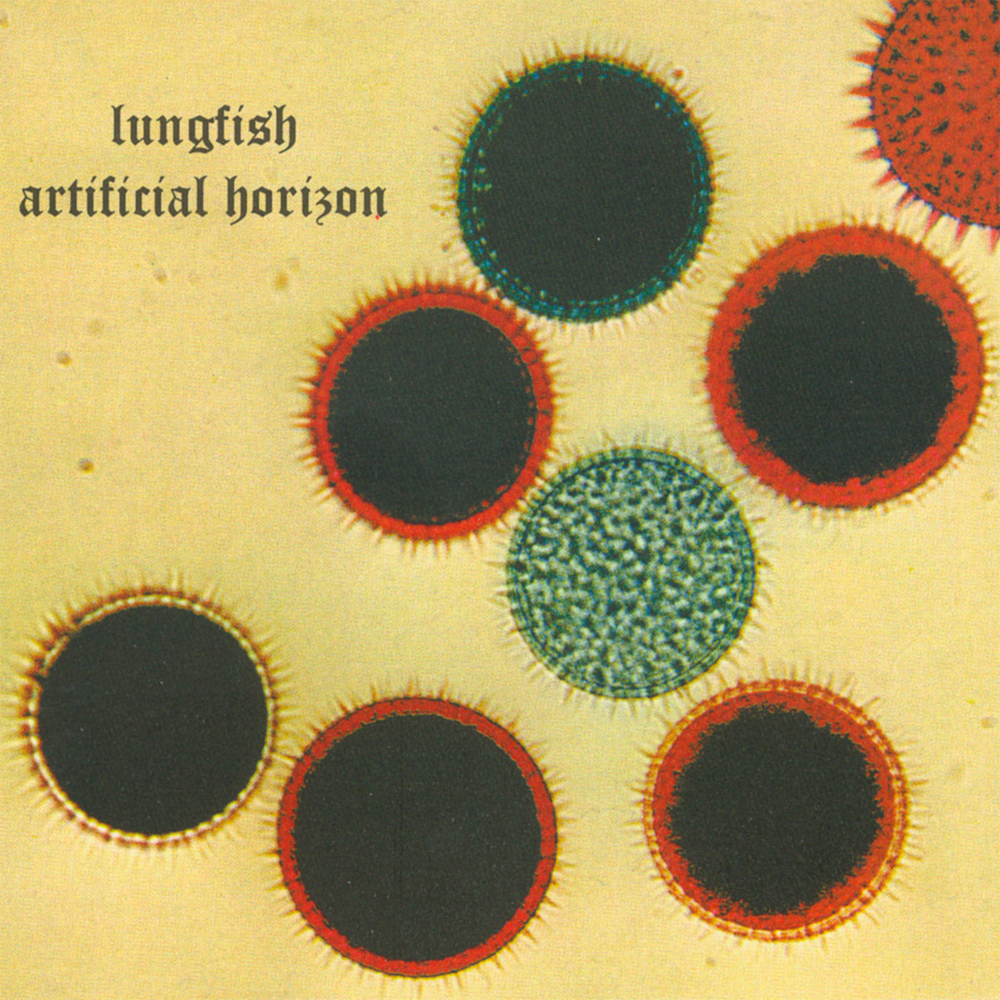 Let’s start this Lungfish mention with a note that may alarm youngsters: This album is NOT a Dance Gavin Dance title. Lungfish is one of the few acts mentioned here that are not from Washington, D.C., but it’s not like Baltimore, Maryland is that far away from the city where Ian MacKaye still resides. Anyway, Dischord Records caught wind of this unique act after their first full-length studio album, and the band subsequently released all of their other works via said label… but this is not about their entire catalog, as “Artificial Horizon” is not only the one that most deserves your time, but outside of DR-heads, many don’t know of this band/record, which is truly sad.
The Make-Up “In Mass Mind” (1998)
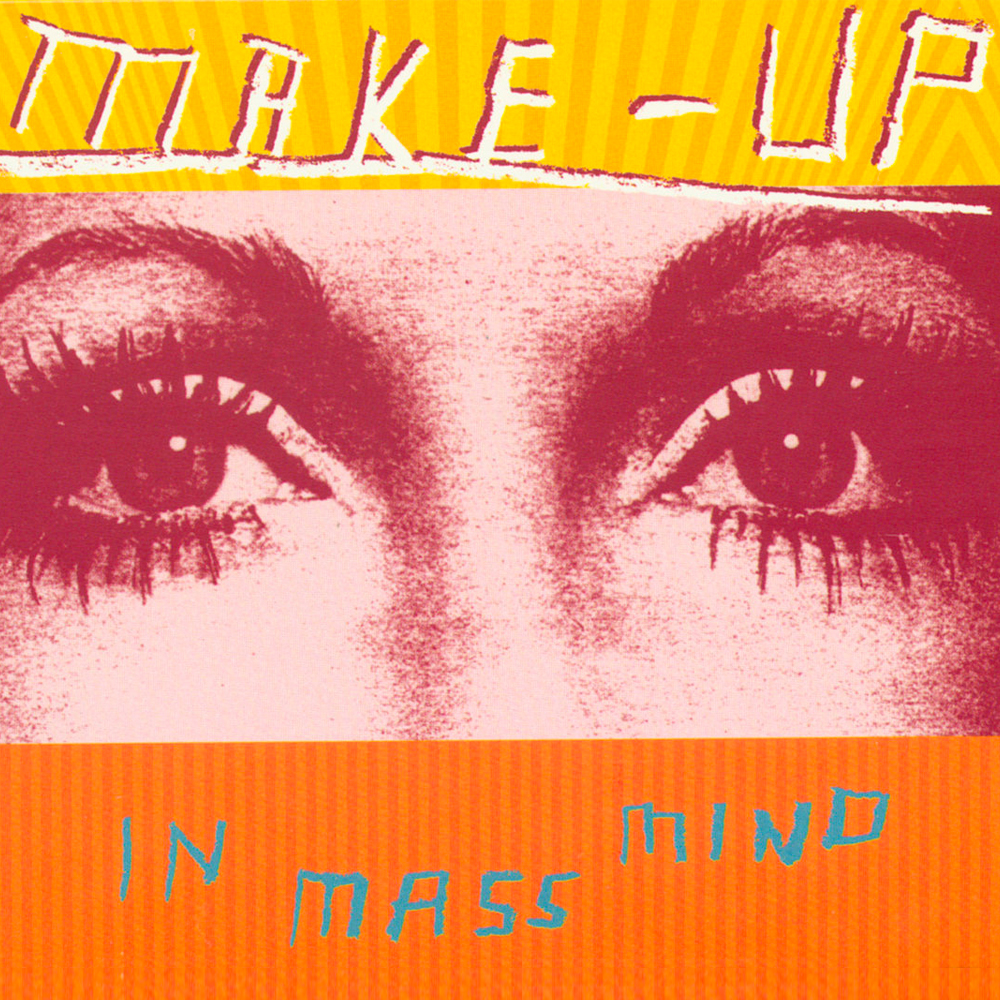 Are you live with us, baby, are you live, are you live in the rhythm hive? Well, we know we are! Hive assemblyman and constituent Ian Folke Svenonius is a man who doesn’t often get enough public flowers, but we are here to give him two, one for his next to be mentioned prequel band Nation of Ulysses and one to its prolific sequel act, The Make-Up. Do you like gospel music? If you do with a splash of garage rock, and buckets of weird, well, The Make-Up is for you. If not, Brokencyde has your number. Serious question sans hyperbole: Have any tracks from this LP been used in a Quentin Tarantino or Martin Scorsese movie-film? We assume no, so if any music supervisors are reading this, and we know that you all are, use your connections/make it happen!
The Nation of Ulysses “13-Point Plan to Destroy America” (1991)
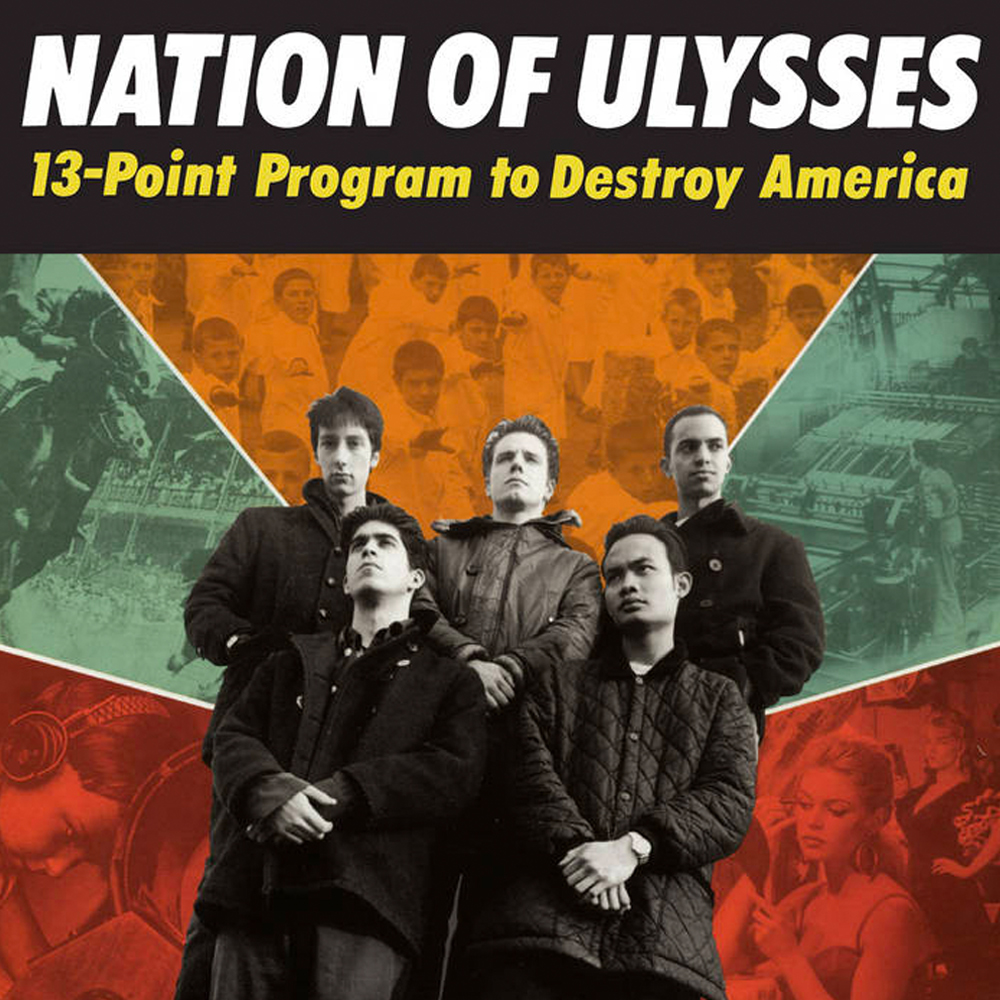 How this reverential and difficult to apply a moniker to act has under 5500 monthly Spotify listeners is far beyond our comprehension and deplorable. If we have a small part in making the figures go up by at least a dozen then we are extremely satisfied but we’d prefer more, much more. The Nation of Ulysses’ debut LP “13-Point Plan to Destroy America” came out the year that Kurt Cobain personally shot hair metal in the head from behind, and Mr. Cobain would certainly think that you are behind if you never heard of TNOU. Fans of punk may prefer The Nation of Ulysses to The Make-Up but fans of odd will definitely choose the latter. Regardless of where you are on the Svenonius spectrum, you cannot deny that this and the former studio album deserve inclusion here, unless you do.
Q and not U “No Kill No Beep Beep” (2000)
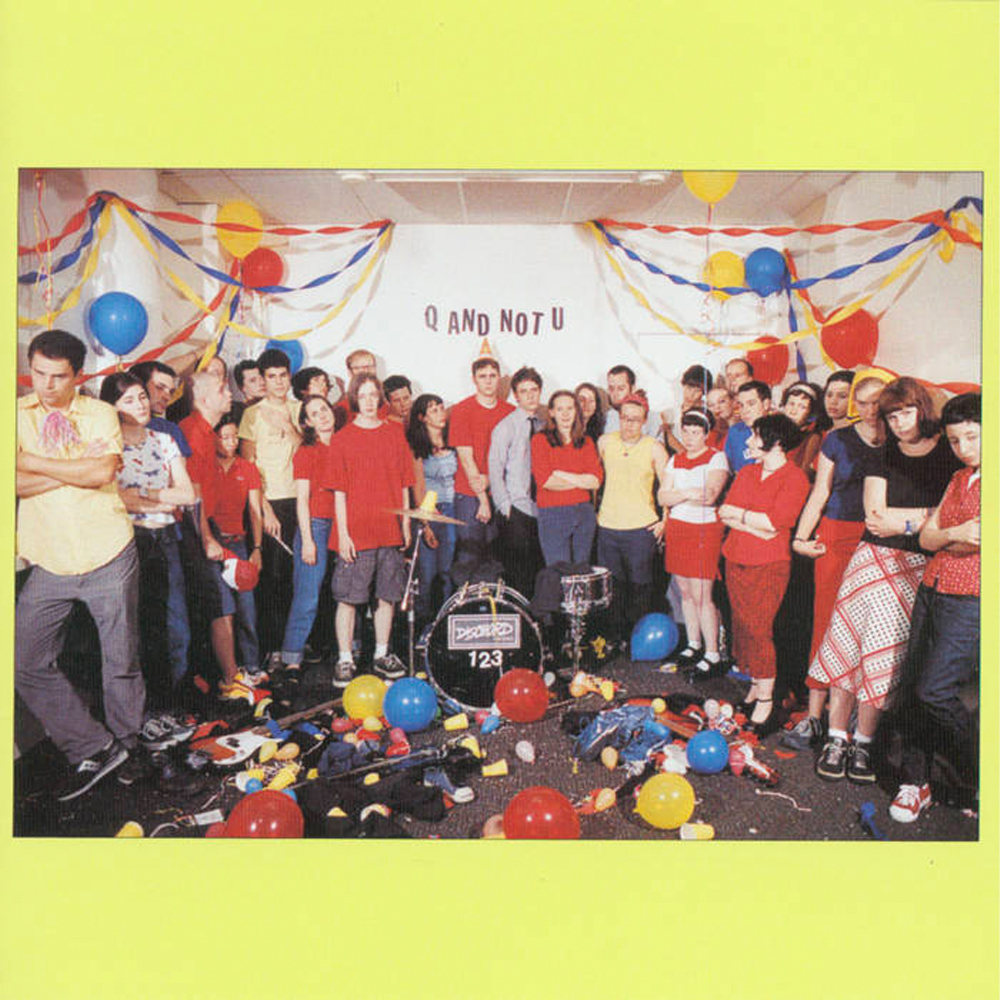 Maybe the third or sixth biggest band listed here, the uniquely named four-piece that eventually became a three piece released their debut full-length studio album, “No Kill No Beep Beep,” via Dischord Records in 2000 just a short two years after forming, and erratically and succinctly danced into the hearts of many hip post-hardcore fans who were looking to boogie. Violent and murderous fans of The Road Runner’s nemesis Wile E. Coyote ardently championed this band and record, albeit not as much now as they did during the aughts. Sadly the band only released two more LPs before hanging their collective fedoras with no signs of reconciliation any time soon. Pity, as the more we got from Q and not U, the more we wanted!
Slant 6 “Soda Pop * Rip Off” (1994)
 Let’s close this piece with a record that not only came out in 1994, the year that punk rock broke with such acts as Green Day, Bad Religion, The Offspring, and Ben E. King conquering Mother Earth, but it freaking contains an asterisk: Slant 6’s “Soda Pop * Rip Off.” The band also has the distinction of being a part of the riot grrrl movement, and no one, we repeat, no one will ever take that away from them, so don’t you ever try. Many call the band’s guitarist/vocalist Christina Billotte one of the better female guitarists in rock, but we here say that the word “female” is not necessary there, Christina is just one of the better GUITARISTS in rock. What kind of a monster are you if you publicly say something different? In closing, the band ended their career just one album later with the epically named “Inzombia”.

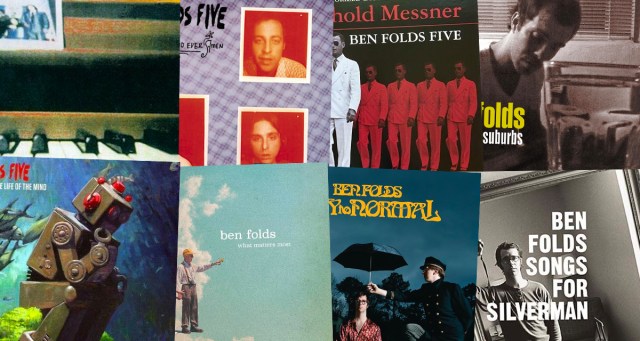
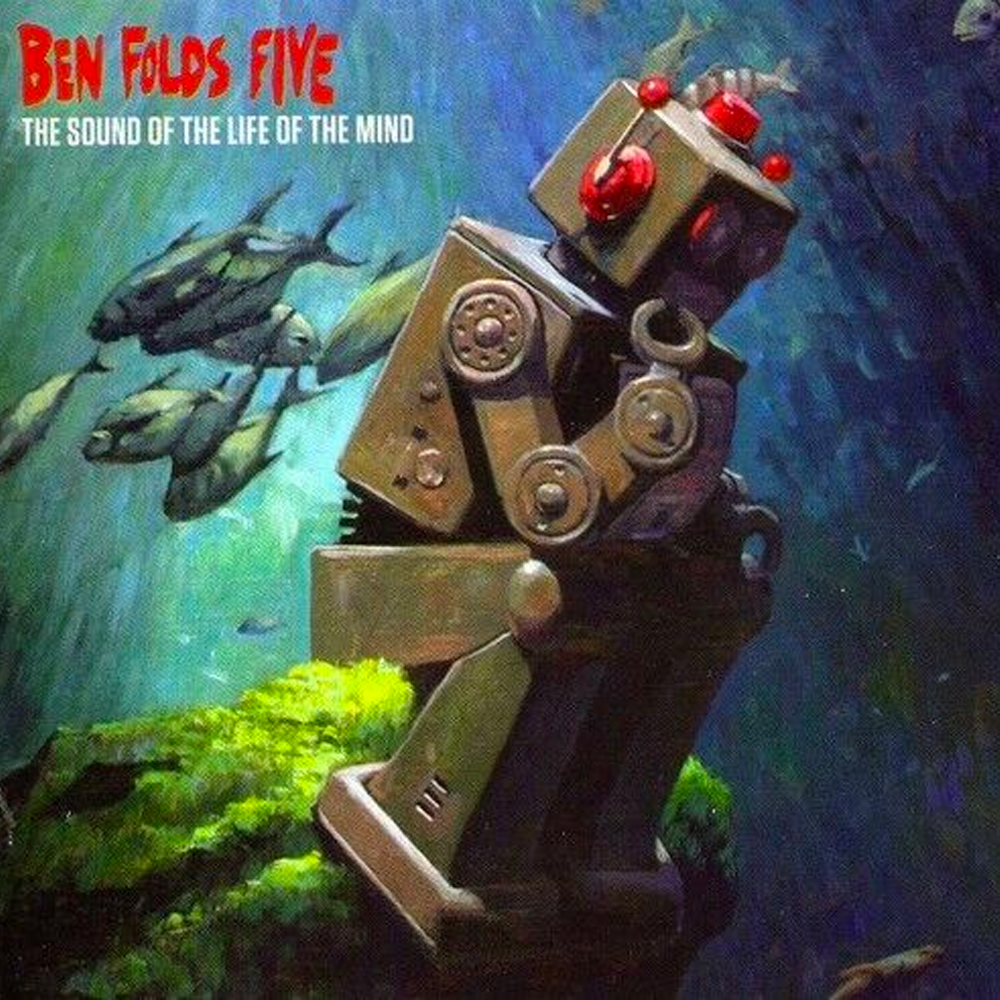 Before we get into the most recent and likely final effort from Ben Folds Five that came out just over a decade ago, which proves the adage that time does in fact fly, the eight full-length studio albums that we are waxing poetic about here are a sort of MySpace Top 8 for nerdy theater kids, and our verbiage on this entry, BF5’s fourth full-length “The Sound of the Life of the Mind” starts now with a short note: sometimes reunion albums should finish before they start. While “The Sound of the Life of the Mind” is Ben Folds Five’s first top ten album on the Billboard 100, and opens with a top twenty BF5 song in “Erase Me,” this LP should have been a reunion EP, and if the band released such, their legacy wouldn’t have had a meh asterisk.
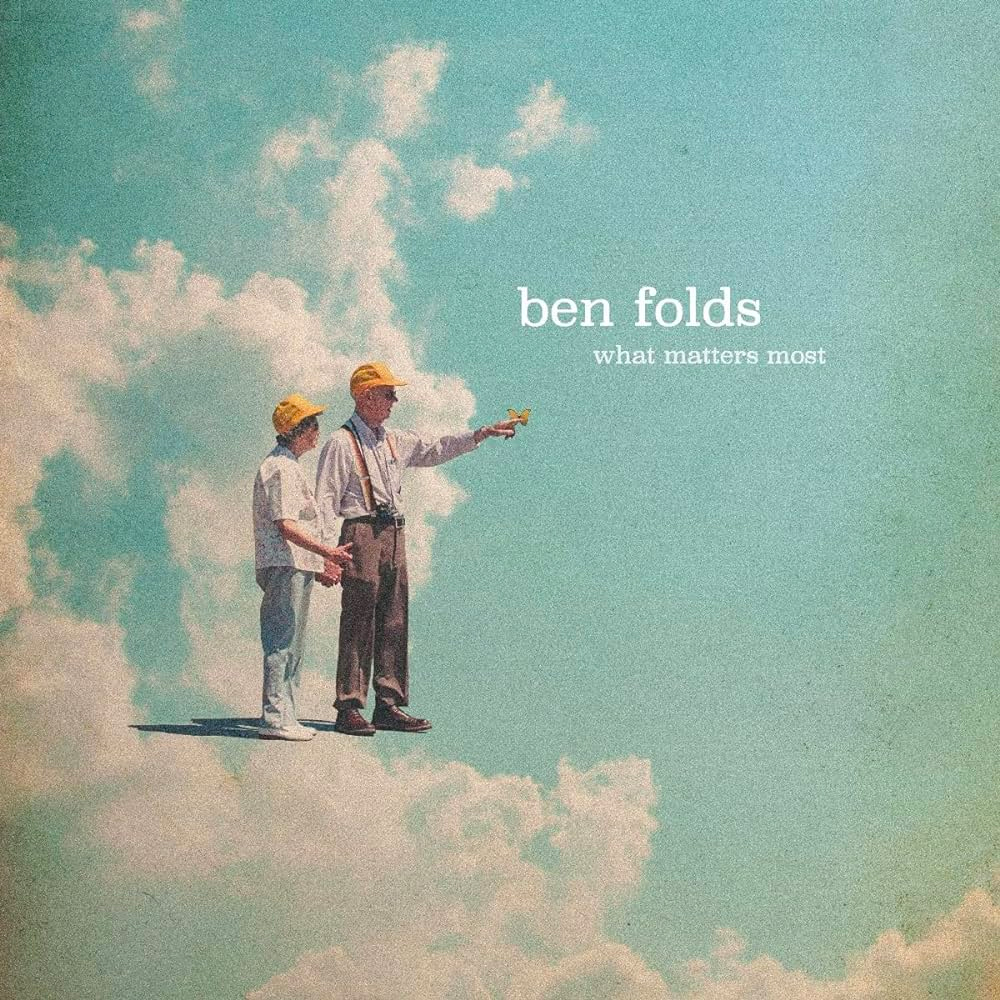 Like the aforementioned “The Sound of the Life of the Mind,” Ben Folds’ most recent full-length solo studio album “What Matters Most” consists of just ten tracks, but unlike the final Ben Fold’s Five release, it has a tad more replay value. Produced by extreme AF multi-instrumentalist Joe Pisapia, formerly of contemporary peer band Guster, “What Matters Most,” uh, matters, and deserves your time and attention. Still, one BF and BF5 had to be listed last, and so this one and its number eight ranking predecessor, land in the not so golden stinker spots, but remember this, a dud from Folds is a gem to most others. We’ll get into it more later, but the best solo and band efforts from Benjamin are “no skip” releases, and that is HARD to do for anyone not named GG Allin.
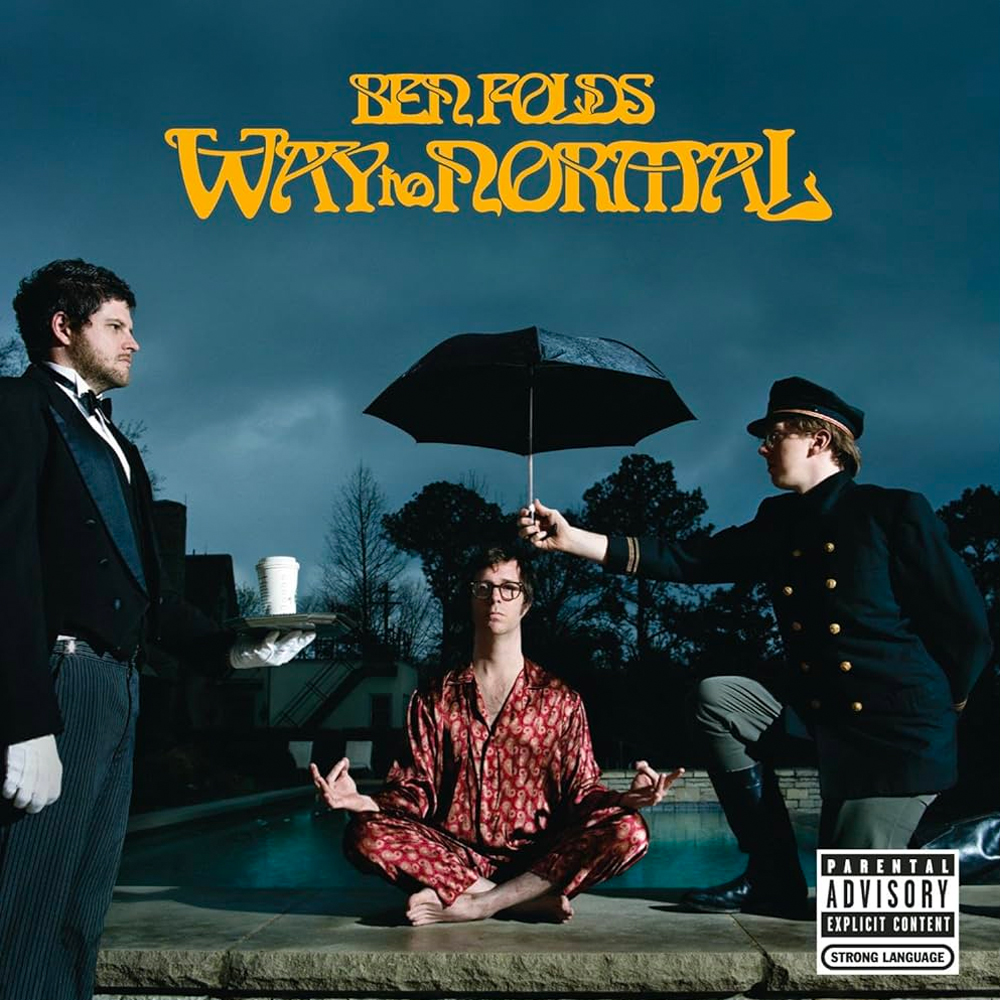 Likely best known for its Regina “Orange Is The New Black” Spektor collaboration, the gorgeous and catchy, “You Don’t Know Me,” “Way to Normal,” Ben Folds’ third full-length studio album without the Five or other acts like author, yMusic, symphony, Nick Hornby, fellow Ben, like Kweller, Lee, or Franklin, and superstar A&R, Marcia Clark, is a fun listen front to back for both fans of Folds and people not in the know like you and all of your grubby friends. Also, “Way to Normal” has Folds’ best song title with “Free Coffee,” and we are totally serious about said assessment unless we aren’t; “Fred Jones Part 2” remains a not-so-close second. Fun fact: The word “Normal” in this album’s title does NOT mean “usual,” “standard,” or “ordinary,” but it IS about “Illinois.”
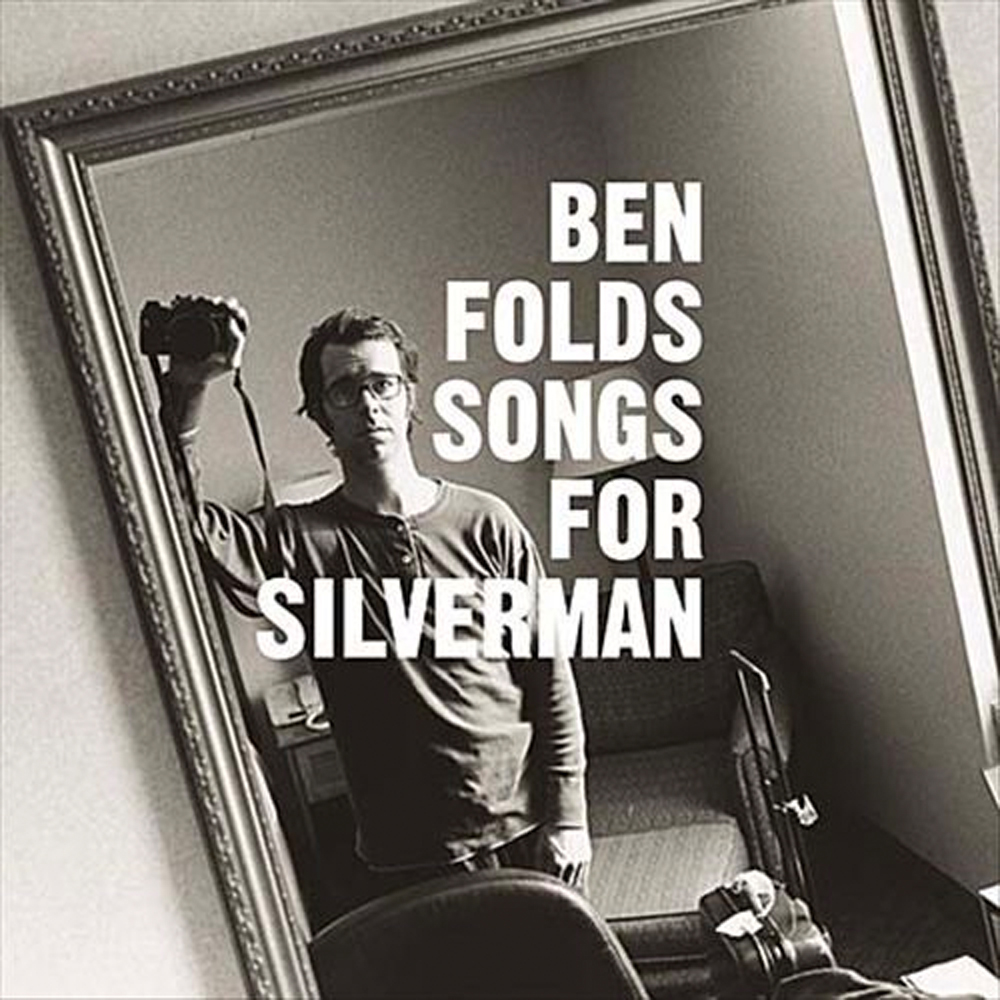 While many were first exposed to this LP via the uncontroversial in every sense of the word Bill Maher’s documentary or “documentary” “Religulous” and its smart and well done placement of our “play it again” song below, “Jesusland,” which came out three years after “Songs for Silverman” hit stores, ardent Folds fans sang this album’s praises before said “Politically Incorrect” endorsement and justifiably so. Also, it says A LOT that one of the better records from this century is ranked FIFTH of eight here, but that’s how the North Carolina cookie crumbled for this studio release, which is the best solo album in Folds’ catalog not named “Rockin’ the Suburbs.” In closing, “Songs for Silverman” contains backing vocals from the man, the myth, and the legacy known as “Weird Al” Yankovic on track ten, “Time”… Ain’t nobody got time for that? Nah, we do!
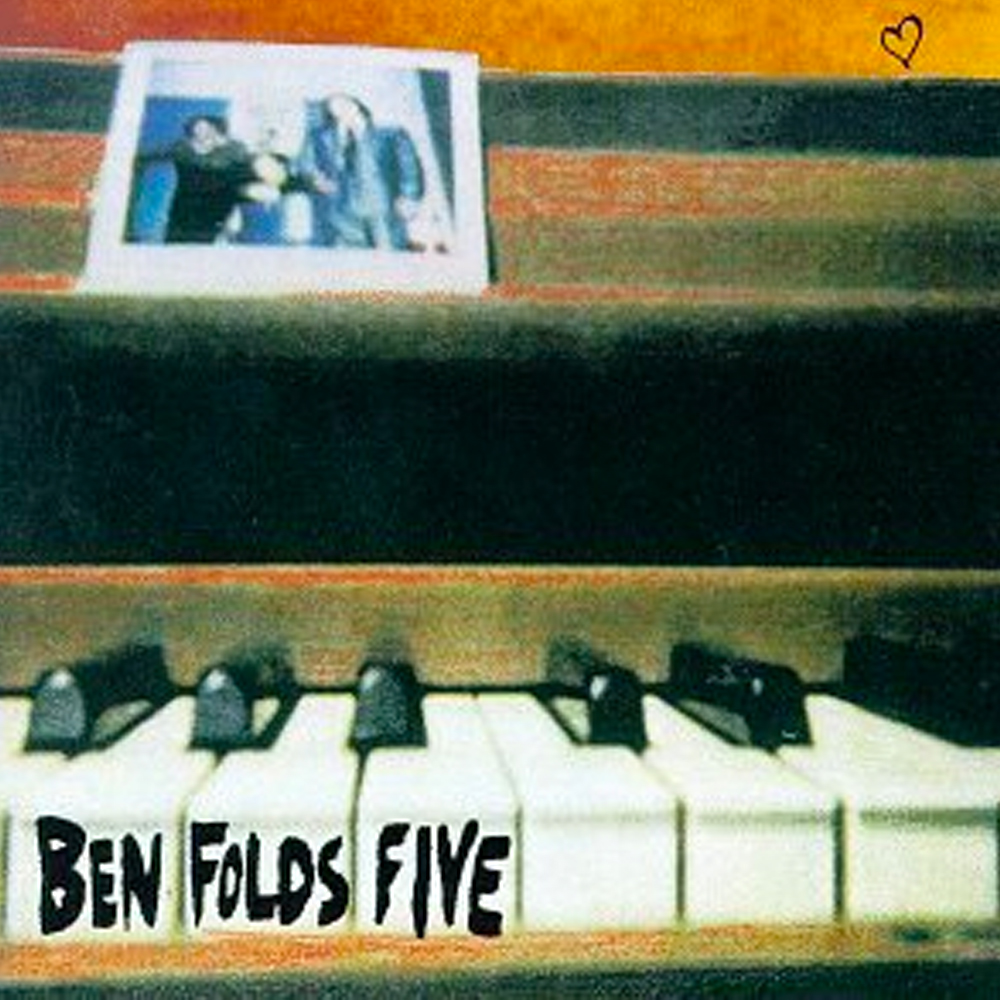 Now we’re at the second half of this sterling piece, which is 75% BF5, 25% BF, and 0% incorrect subjectively OR objectively, and we aren’t taking any questions on the matter: Ben Folds Five’s self-titled debut album stood out and rocked the mid-’90s harder than most three-pieces could, and did so in a unique manner sans grungy guitars with fantastic piano playing, epically fuzzy and intricate bass work, and a solid drummer who kept the quirky songs in line, but that’s just our philosophy. Released via Passenger Records, a boutique subsidiary of Virgin Records/EMI with a strong partnership from Caroline Distribution, “Ben Folds Five,” from, err, Ben Folds Five, inspired an epic bidding war which was ultimately won by Sony on Epic/550. Too much biz for you? Here’s the short version: The band’s next LP, “Whatever and Ever Amen,” was doomed to succeed from the start!
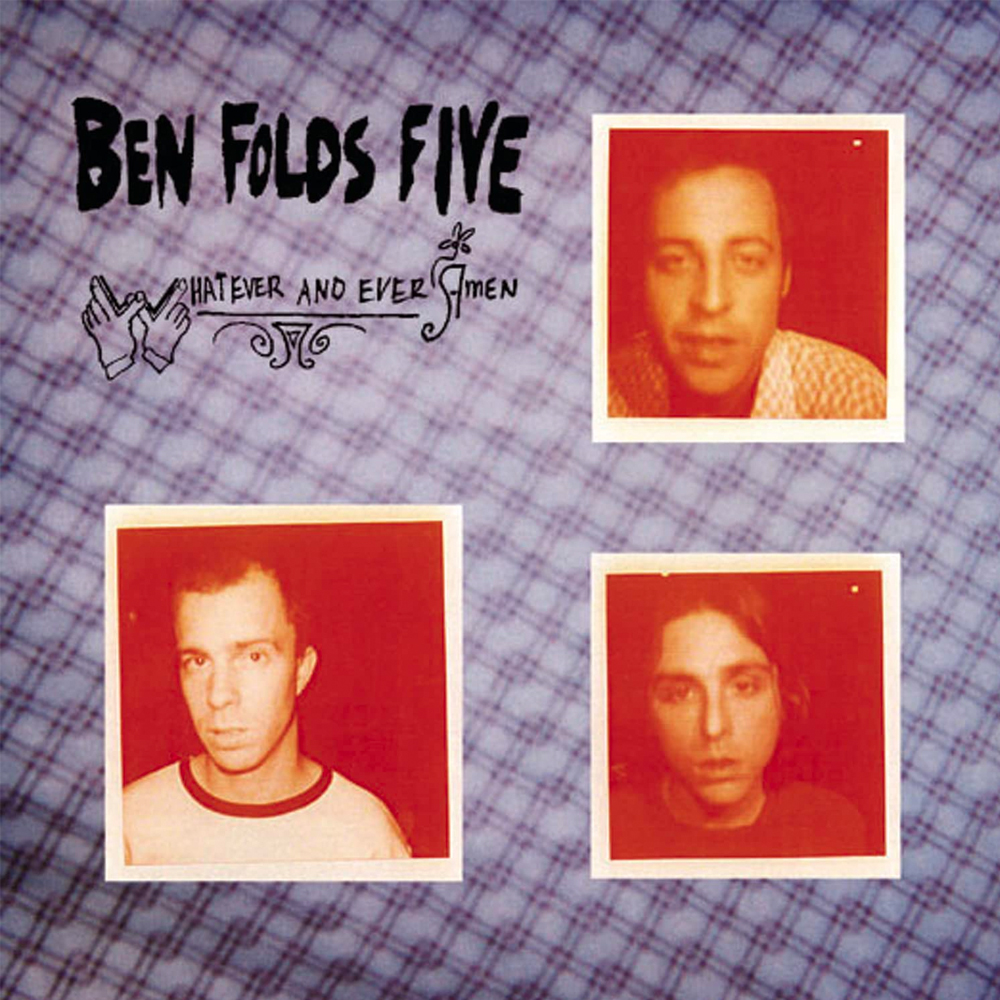 “Brick,” Ben Folds Five’s biggest hit single from this bronze medal entry effort, “Whatever and Ever Amen,” their sophomore full-length studio album, is likely what most pedestrians in this thing that we call life know of as BF5’s only song, and certainly one of the bigger ones referencing an abortion… AND fun(ny) fact: Jonathan Davis of Slipknot talked smack about Ben Folds Five shortly after this album came out, saying that they “sucked” and compared the music to what he would hear on “Cheers.” Funner fact that gets better every single time we think about it: Ben Folds got the band back with a vengeance via the title track to, “Rockin’ the Suburbs,” his debut solo album’s music video, and we will let you watch it for yourselves so you can see his visual clever dig retort involving “Freak On a Leash.”
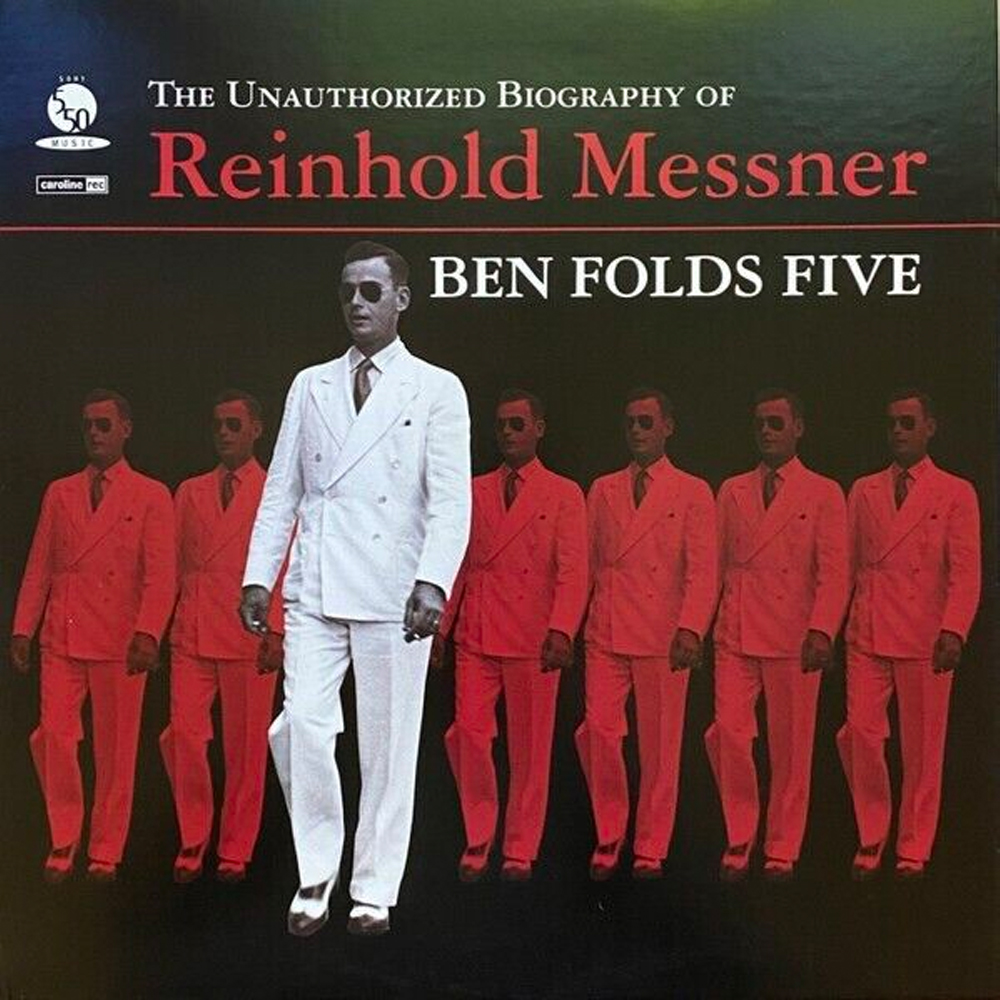 It is extremely difficult to find a bad Ben Folds Five or Ben Folds solo song, at least to your Great Aunt Enid, so it made sense that his highest-ranked band album, the underrated and sad silver medal-winning “The Unauthorized Biography of Reinhold Messner” is a “no skip” effort, as well as the next to be mentioned debut solo studio LP. The homophobic entity known as Chic-fil-A’s reference in this record’s biggest single, the minor hit they call “Army,” is difficult to sing out loud with a, wait for it, STRAIGHT face in 2024, but otherwise a catchy and solid effort. “The Unauthorized Biography of Reinhold Messner” was also quite an orchestral departure from the quirky pop-rock sounds that many knew ‘em for, and that didn’t earn the band too many favors. Still, it’s the band’s most superior work and you know we’re right, unless you don’t.
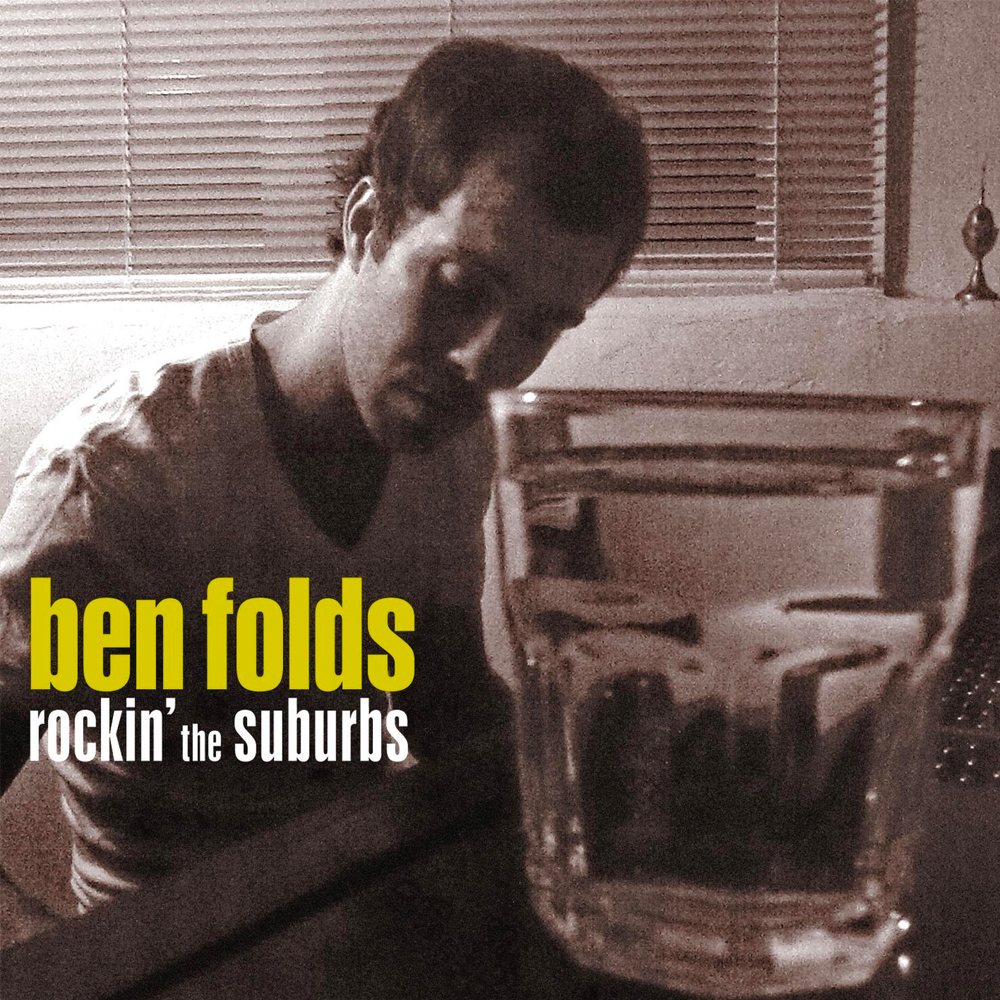 Let’s start this suburban homesick blues entry with an interesting, interesting footnote for your dumb noggins: The subject of this piece, Ben Folds, played the majority of instruments which included piano, keyboards, guitars, bass, drums, and Hurdy Gurdy on this LP, “Rockin’ the Suburbs,” which proved both that he was hip to the kids with the apostrophe in “Rockin’,” and that he was a creative force that way too many slept on in their used Temper-Pedic beds. Ben Folds kickstarted the 21st century with a flawless bang/banger in the form of these twelve tracks, and you will feel like the luckiest, in fact, not the same ever again, if you previously overlooked said record and listened to “Rockin’ the Suburbs” right about now, the funk soul brother. If you were cool in 2001, you should revisit it now, as its replay value grows each and every time.


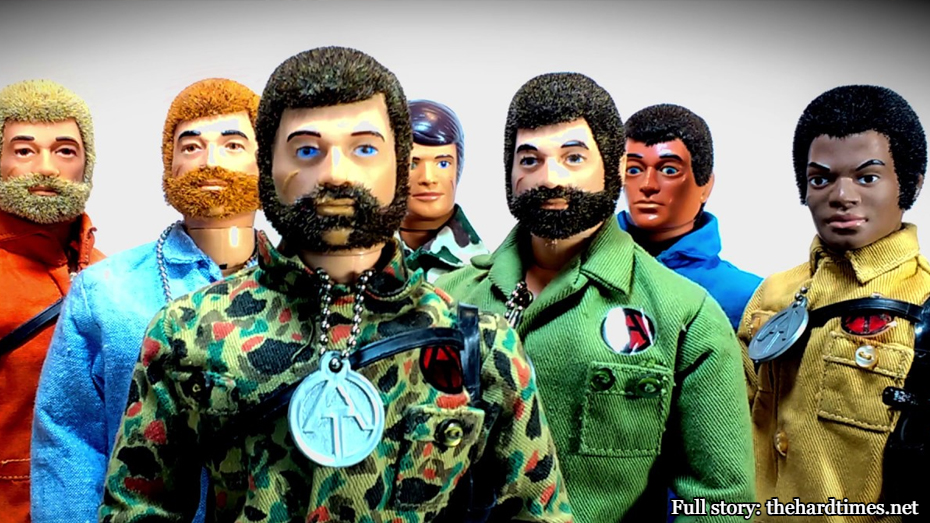 The year was 1970. The Watergate scandal rocked the nation, The Beatles parted ways, and kids across the country were going ballistic over plastic soldier dolls called G.I. Joe. It was the popularity of these toys that eventually created the term “action figure!”
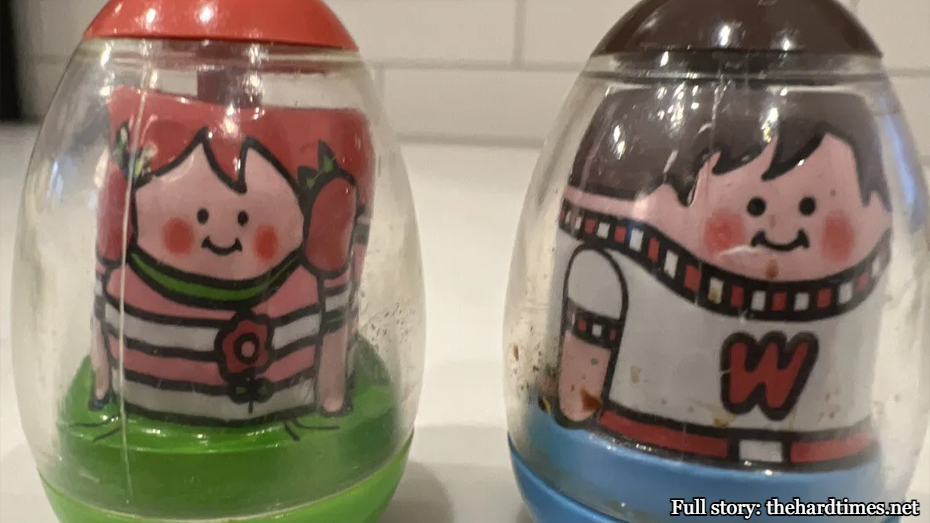 Kids were delighted by the way these adorable little critters would wobble but never fall over! Look at those guys! Aren’t they just the cutest?
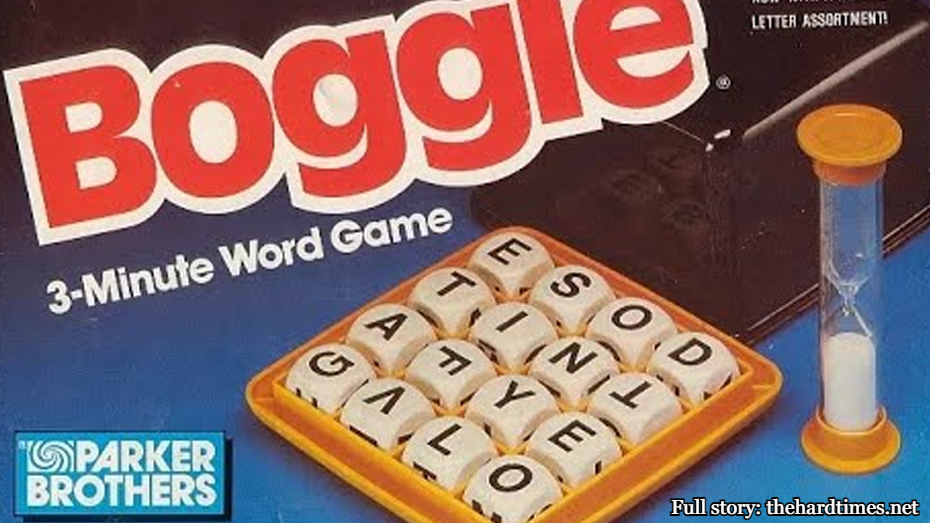 It’s amazing how many of these toys have stood the test of time! It’s almost hard to imagine a world without Boggle, but yes, 1972 was the first year people got their hands on this still popular word game, and as you can imagine it was a sensation!
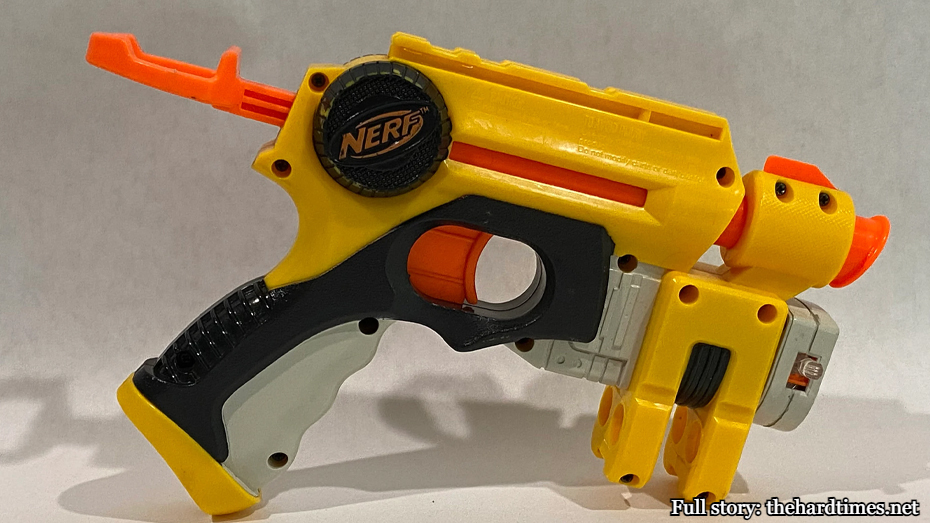 1973 was truly the dawn of a toy empire, as it was the first year consumers could get their hands on non-expanding recreational foam guns, more commonly known as NERF guns. To this day, NERF projectiles remain a staple of American adolescence.
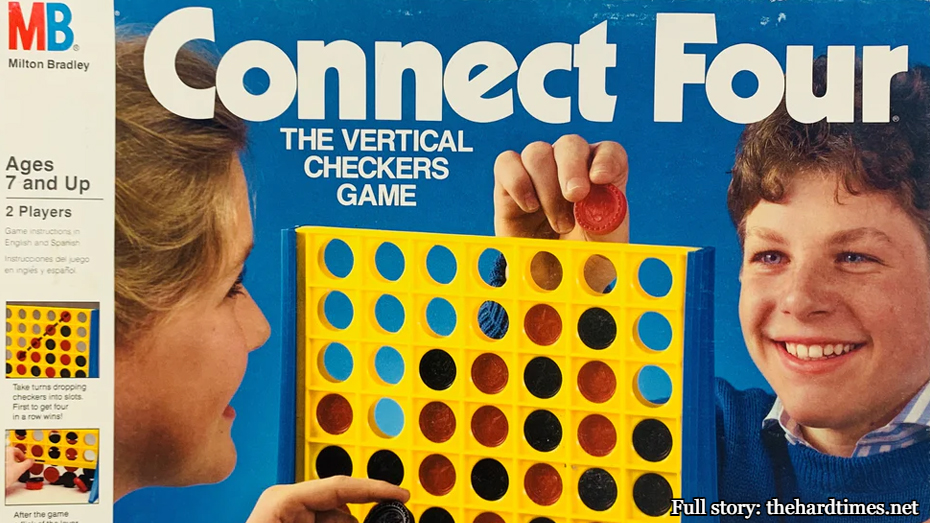 Can you even imagine a rec room without a Connect Four board in it? Needless to say, when the game debuted in 1974 it was an instant sensation and the must-have toy for that Christmas.
 As hard as it is for later generations to grasp, kids in the mid-70s went crazy for the Pet Rock. This ridiculously simple smooth stone with googly eyes is practically the definition of a fad toy.
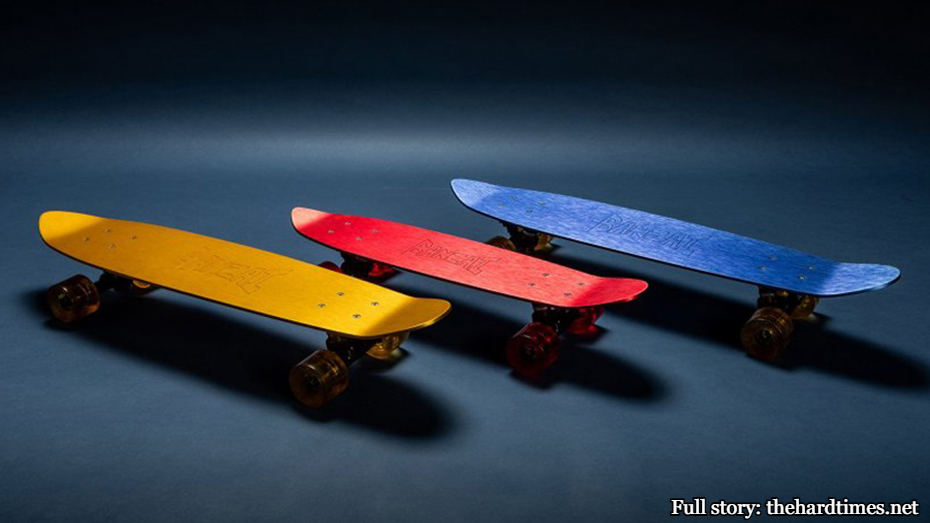 Though some versions of the skateboard have existed since the ‘50s, 1976 saw the invention of polyurethane skate wheels, which is what gives the board the maneuverability we know it for today, catapulting skateboards into the mainstream!
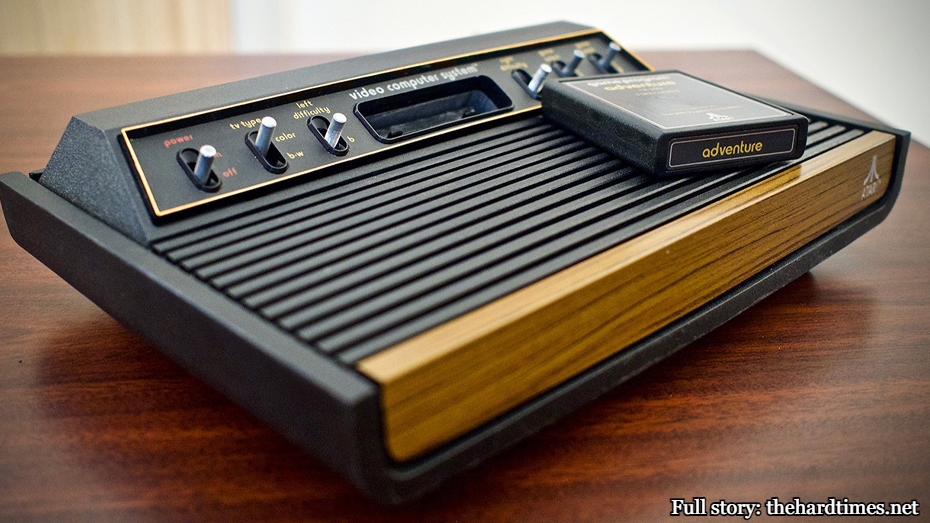 That’s right suck it Mattel Football, the Atari was THE hot ticket item of 1977. While not technically the first home gaming system, it was the first to make use of gaming cartridges allowing users to play games not already built into the console itself, and thus a new generation of gaming was born!
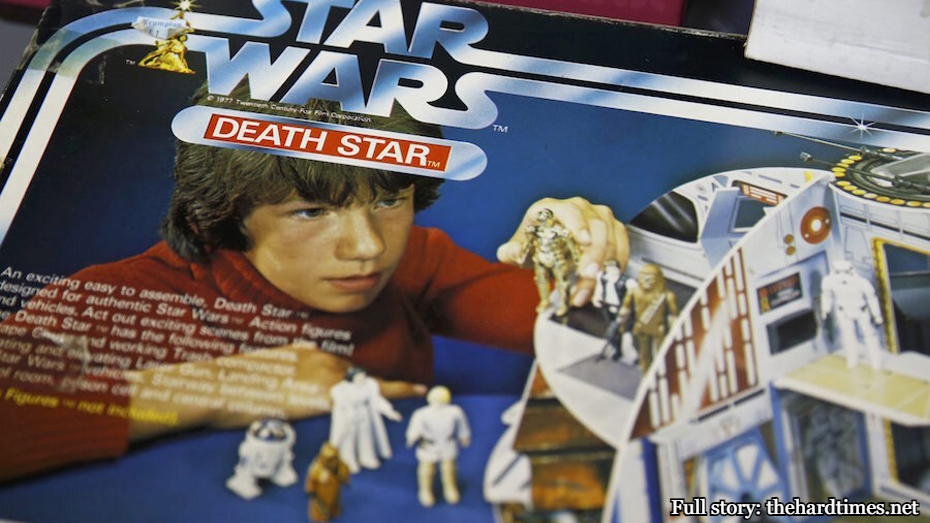 Hungry Hungry Hippos was a close second, but there’s just no denying the phenomenon of Star Wars Toys. They set the template for franchise merchandising as we know it today. These toys were so popular that for Christmas the previous year kids received empty boxes with a certificate from Kenner Toys saying they would get the doll as soon as they were able to produce enough to meet the demand.
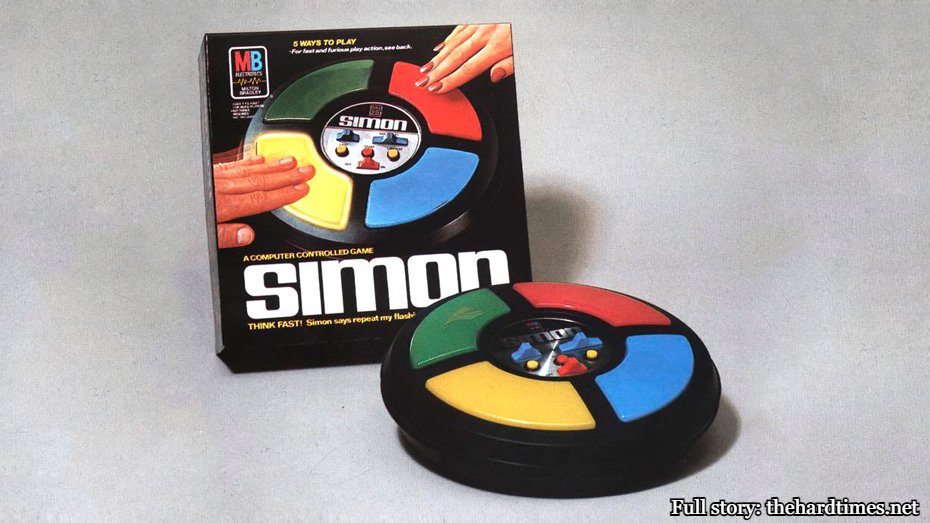 It’s hard to believe now but Simon was once considered an extremely high-tech toy. While it no longer enjoys its status as a wonder of what the computer age can accomplish, it’s still considered one of the most iconic retro games of all time and can still be found on toy shelves across America.
 There are quite a few lists of the best toy per year on the internet and while they aren’t all unanimous, you’ll find they all agree that the Rubik’s Cube was undeniably THE toy of 1980, and would in fact become one of the most iconic artifacts of the decade. We still haven’t solved ours!
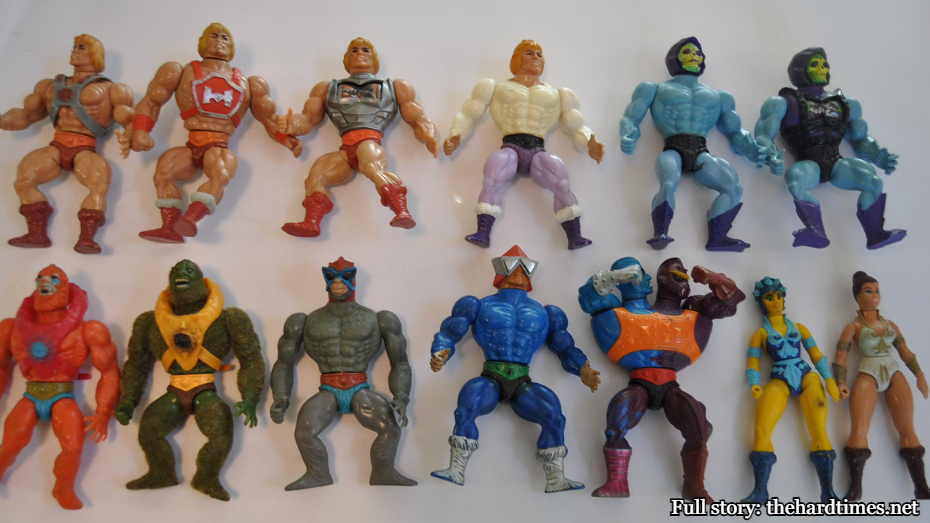 Star Wars and G.I. Joe set the template, but “Masters of the Universe” saw the media-to-advertise-toys formula perfected. While most of our peak demographic wasn’t alive to see the boom of He-Man action figures they remained a staple of toy boxes for the next decade.
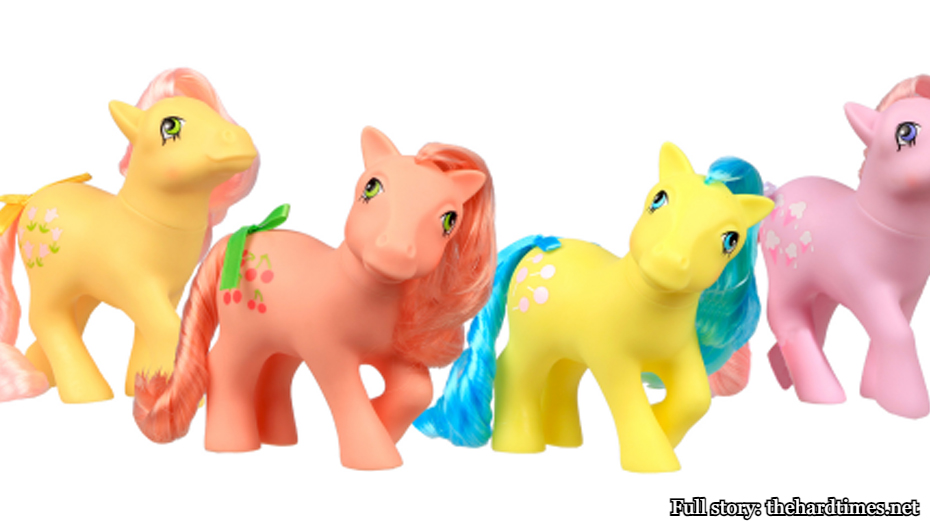 Decades before they would become weirdly sexualized by strange men on the internet, My Little Pony were just cute little horse dolls with brushable hair designed to compete with Barbie.
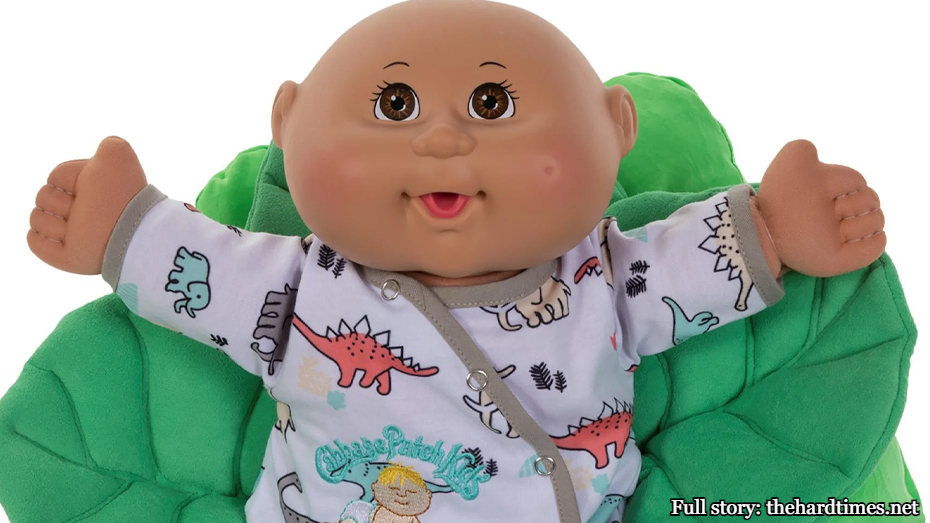 The dolls that crawled so Garbage Pale Kids could walk. This was the must-have toy for Christmas of 1983 and sort of began the phenomenon of media-sensationalized toy crazes as we know them. Parents would wait in lines for hours, bicker and shove each other, desperate to grab one of the coveted dolls for their children in time for the holidays.
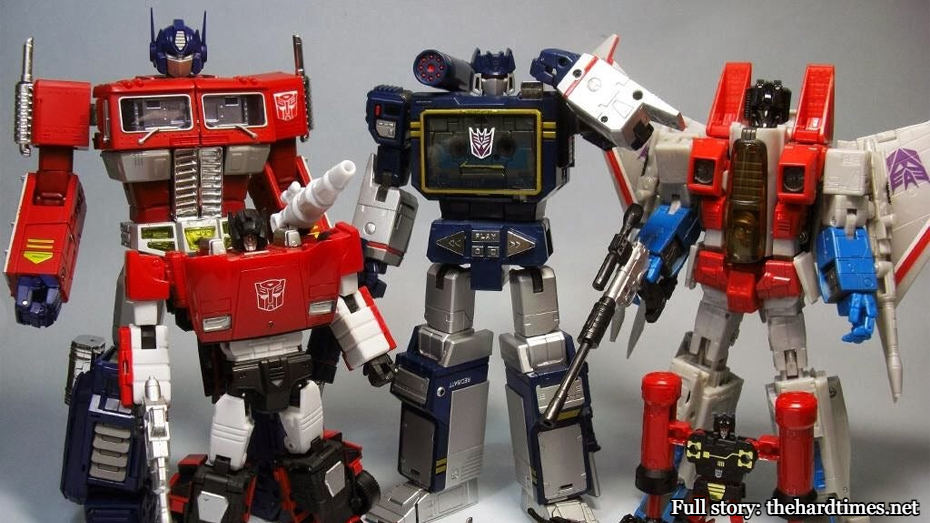 Robots in disguise! Transformers are arguably the most successful media-backed toy franchise of all time, first bolstered by a comic book, then various cartoons, and eventually, a mediocre film franchise still going strong somehow! Maybe it’s because the toys themselves are undeniably cool, cashing in on ‘80s adolescent boys’ two greatest loves, robots and fast cars!
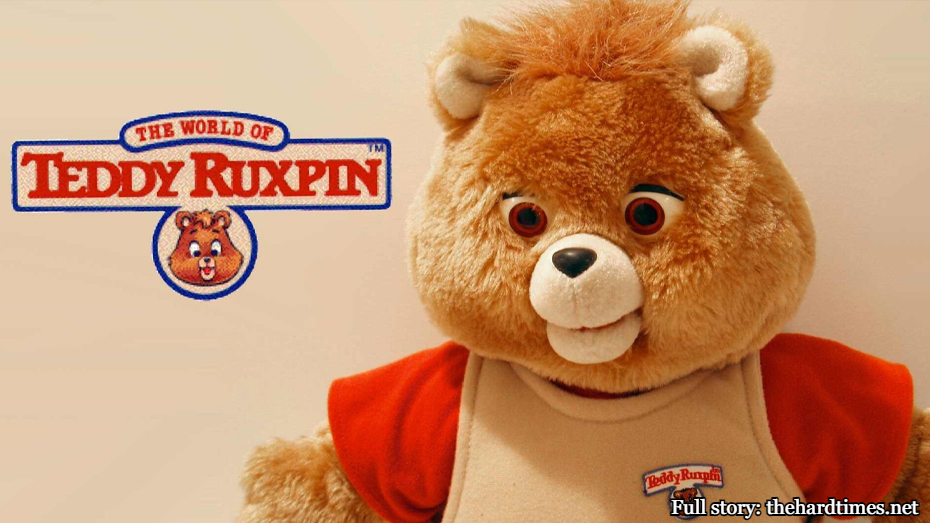 A talking doll with a mouth that actually moves may seem commonplace today, but in 1985 it was a revolutionary sensation! Kids didn’t quite know whether to love Teddy Ruxpin or be terrified of him but either way, they were obsessed!
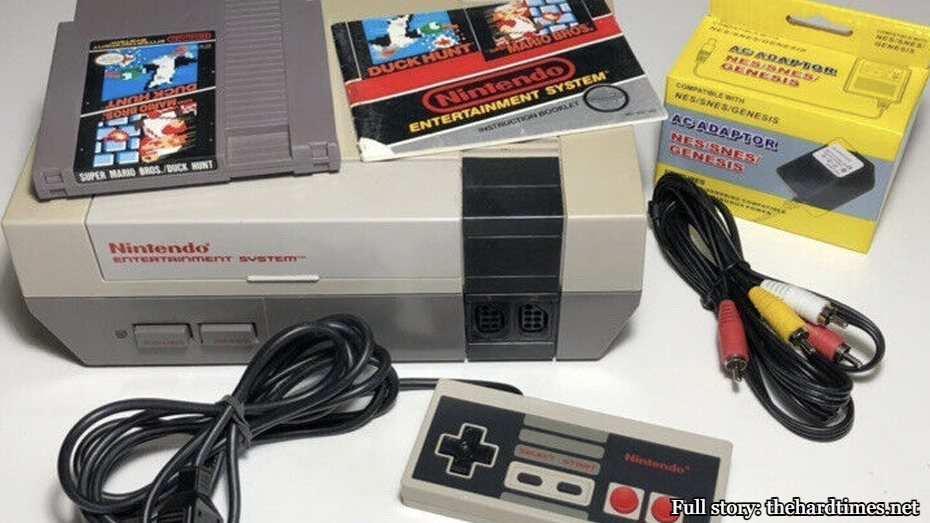 It’s hard to believe now but there was a time in this country when video games seemed to be a passing fad. When the NES hit shelves in 1985 it struggled to stay afloat. Then, in 1986, Super Mario Brothers came out and changed everything. It was the dawn of a gaming empire and for many Americans the beginning of what would become the gamer lifestyle.
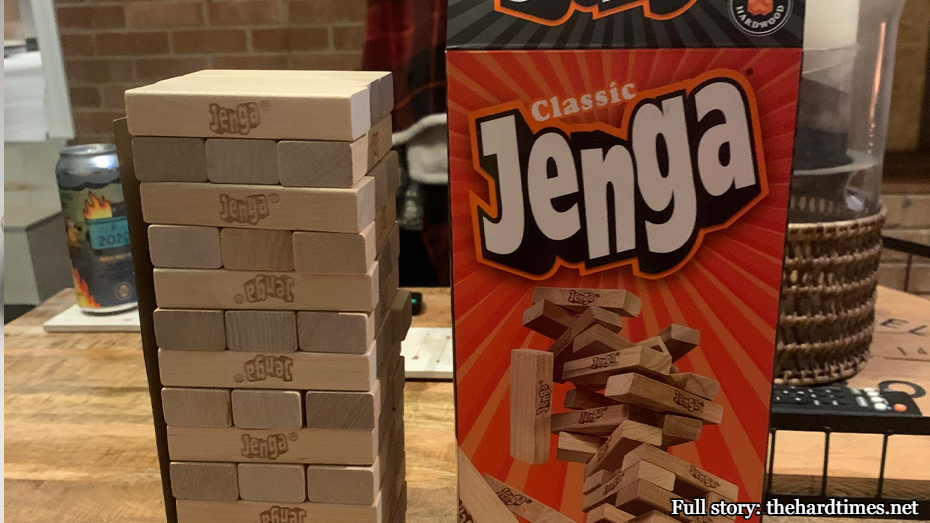 It is estimated that you will walk into a new place and say out loud “Hey, they have Jenga here” three times every year. Whether you’re at a children’s sleepover or the hottest bar in town, Jenga is never out of style, and it all started in 1987!
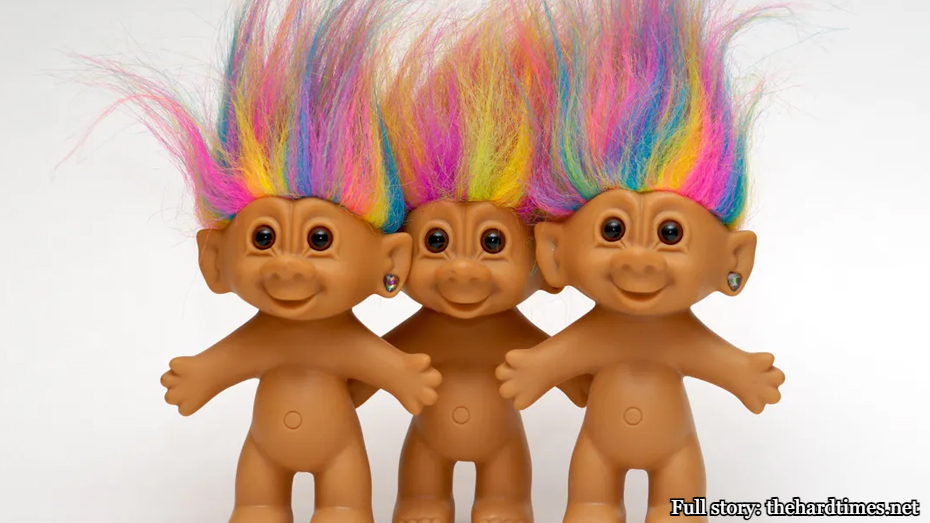 Trolls are probably better known for the series of kid’s movies they’ve inspired today, but in the ‘60s these long colorful-haired little dolls were a sensation. They enjoyed a huge resurgence in the late ‘80s through the ‘90s appealing to both kids and nostalgic adults alike.
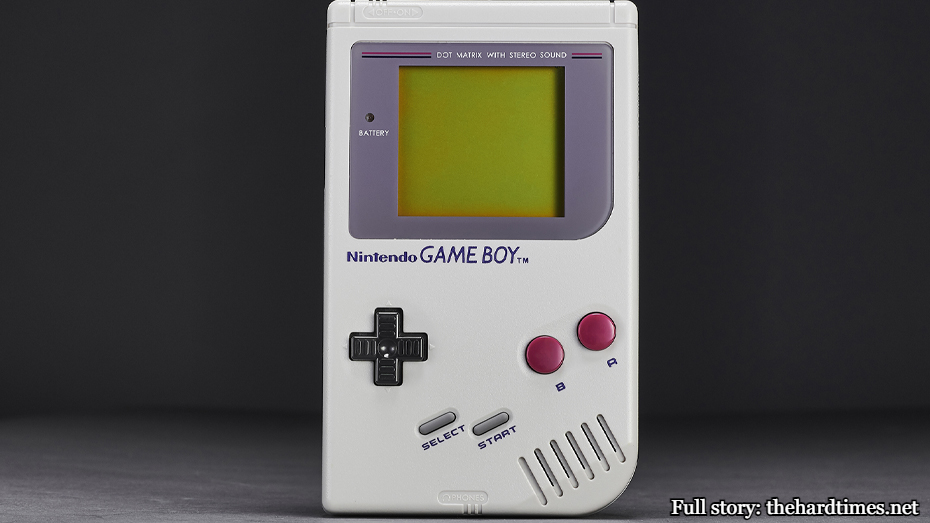 While handheld electronic games had existed for some time by this point, the Game Boy’s cartridge-based gameplay was truly revolutionary. Future iterations of the console are still going strong today, and the original model is still considered a must-have by retro gaming fans.