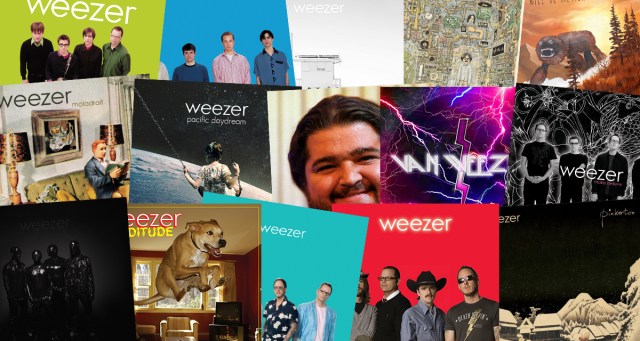
Weezer has 15 albums that we know of. They’re not all going to be winners. We learned this the hard way when we decided to rank the CVS receipt that is their discography. Not everyone may agree with the final results but hopefully, it helps a few poor souls understand the tortured geniuses behind “Africa.” Here’s our definitive ranking of every Weezer album, from the ones we cannot defend to the ones we genuinely love.
Honorable Mentions: SZNZ (2022)
 These don’t count as Weezer albums, and we are eternally grateful for that. Still, it’s important to acknowledge that they exist so listeners understand just how much content Weezer churns out. Rivers Cuomo made an EP for each of the four seasons and still plans to make more Weezer albums soon. He recorded “Christmas With Weezer” and yet he felt the need to record another wintery release with “SZNZ: Winter” over a decade later. “Ride or die” Weezer fans are brave as hell for committing to such a long and inconsistent ride.
15. The Black Album (2019)
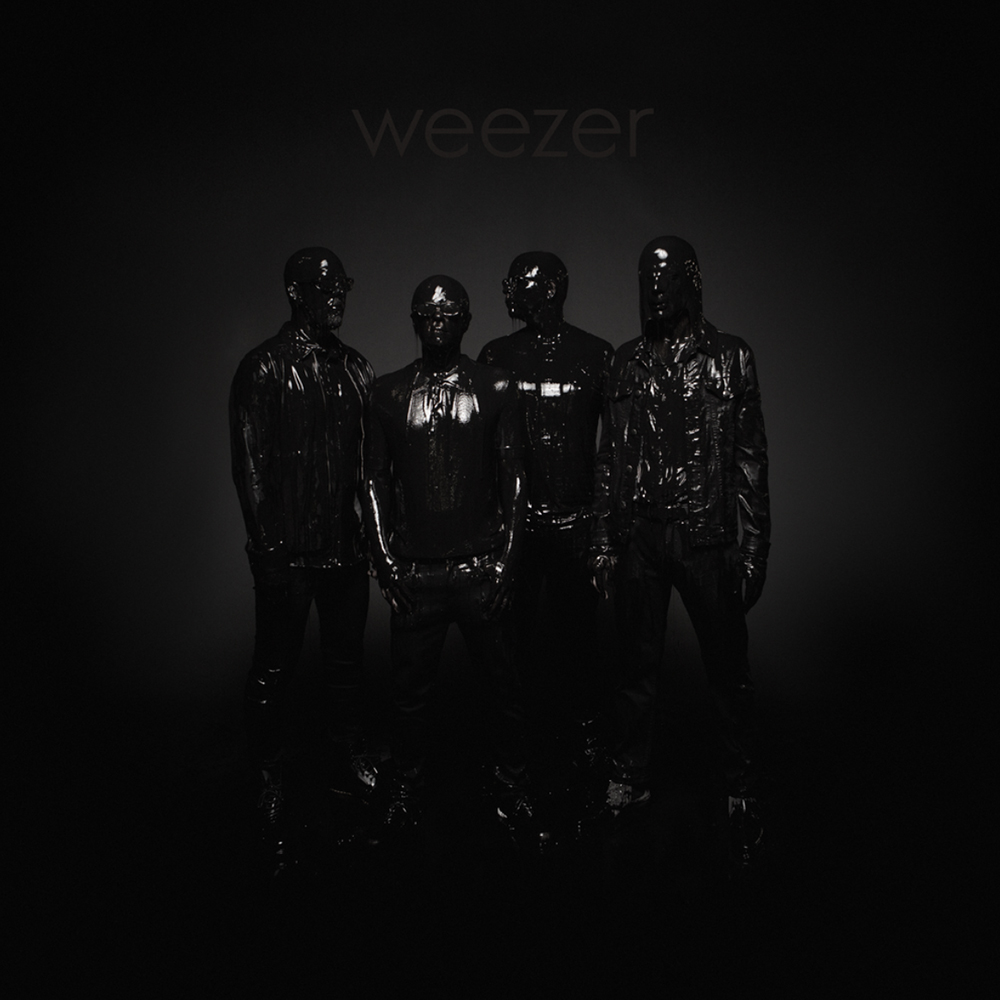 As the proverbial Yin to the excellent White Album’s Yang, we should’ve known this would suck long before the first single dropped. Maybe it would’ve been better if Weezer delayed the album to improve it instead of using their extra time to go on side quests like “Africa” and that tour with The Pixies. It’s almost poetic how these 10 mediocre tracks balance out the band’s better work.
Play It Again: “California Snow”
Skip It: “Piece of Cake”
14. The Teal Album (2019)
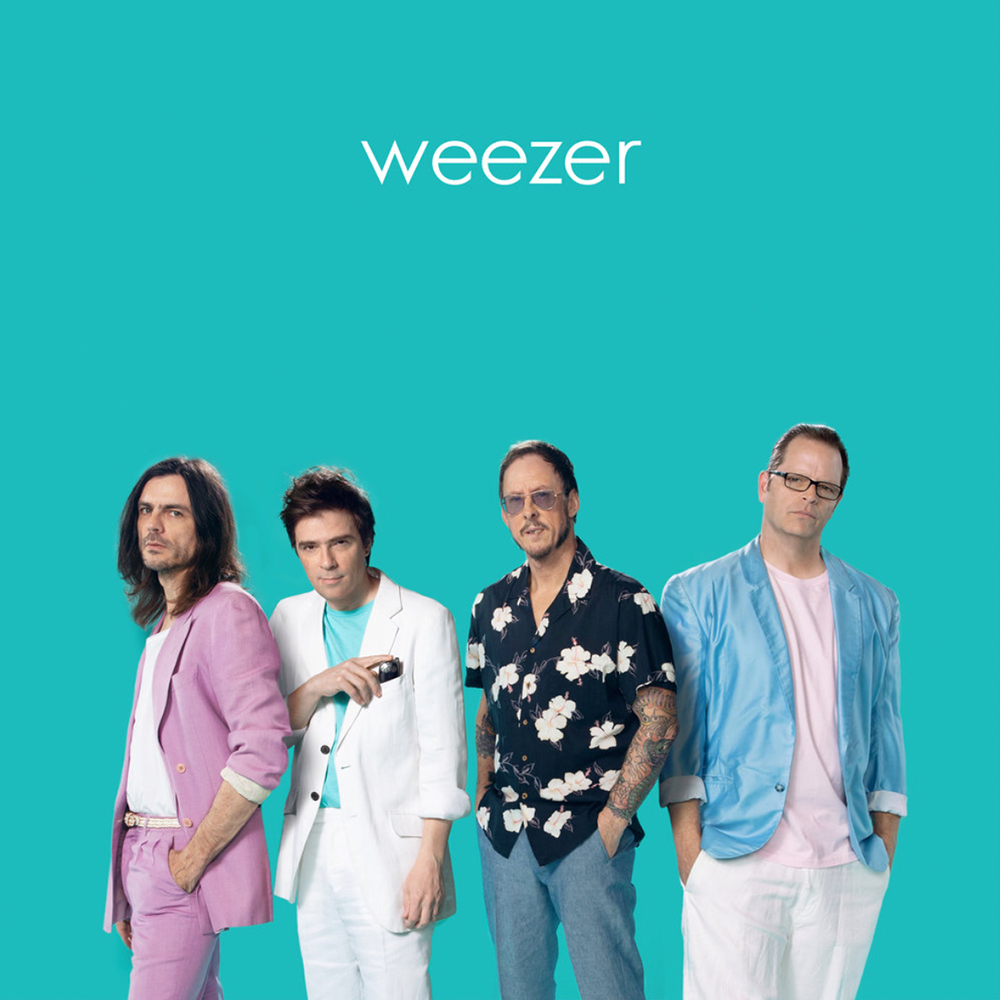 Much like the toxic cycle of giving a mouse a cookie, you can’t ask Weezer to cover “Africa” without Rivers rushing into the studio to record several other tracks that nobody asked for. This sounds more like Weezer going to karaoke night than Weezer going into the studio to make music. We respect their commitment to getting their money’s worth for that party room reservation, but it didn’t need to be an album.
Play It Again: “No Scrubs”
Skip It: “Everybody Wants to Rule the World” (Lorde’s cover is better.)
13. Hurley (2010)
 Nothing sets this apart from other Weezer albums beyond “Lost” star Jorge Garcia’s smiling face on the cover. “Memories” rules yet somehow the “Jackass 3D” credits version hits harder. The album’s lows aren’t terrible but the highs aren’t anything to write home about. Worst of all, it made us rewatch “Lost” and get pissed at the ending all over again.
Play It Again: “Memories” (But try not to get choked up thinking about “Jackass 3D,” you sentimental bastard.)
Skip It: Those six seasons of “Lost” that supposedly explain this album’s title.
12. The Red Album (2008)
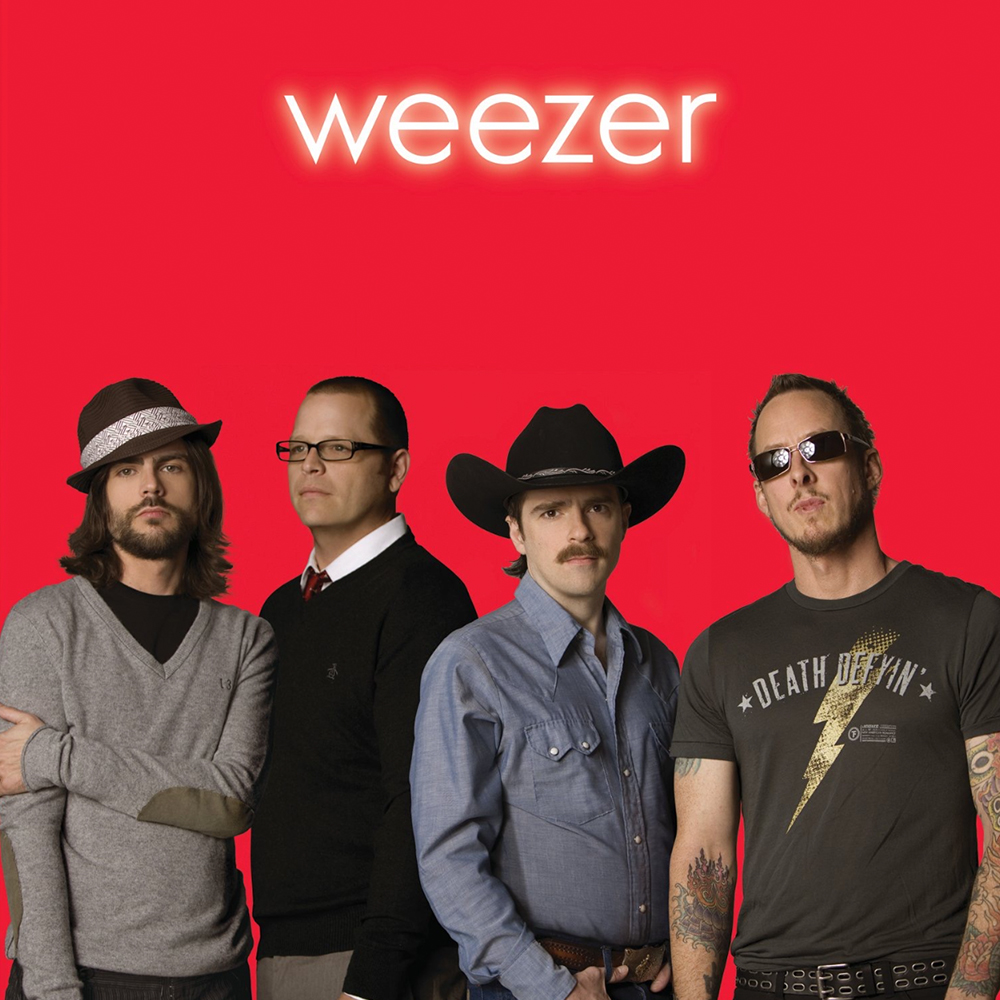 Letting people who are not Rivers Cuomo sing in Weezer seemed like a fun concept in theory. Unfortunately, one of those people was Scott Shriner, a bassist. That isn’t this album’s worst offense — it also helped Weezer win a Grammy. Every time someone refers to Weezer as a Grammy-winning band, they perpetuate falsehoods about this album being good.
Play It Again: “The Greatest Man Who Ever Lived”
Skip It: “Cold Dark World”
11. Make Believe (2006)
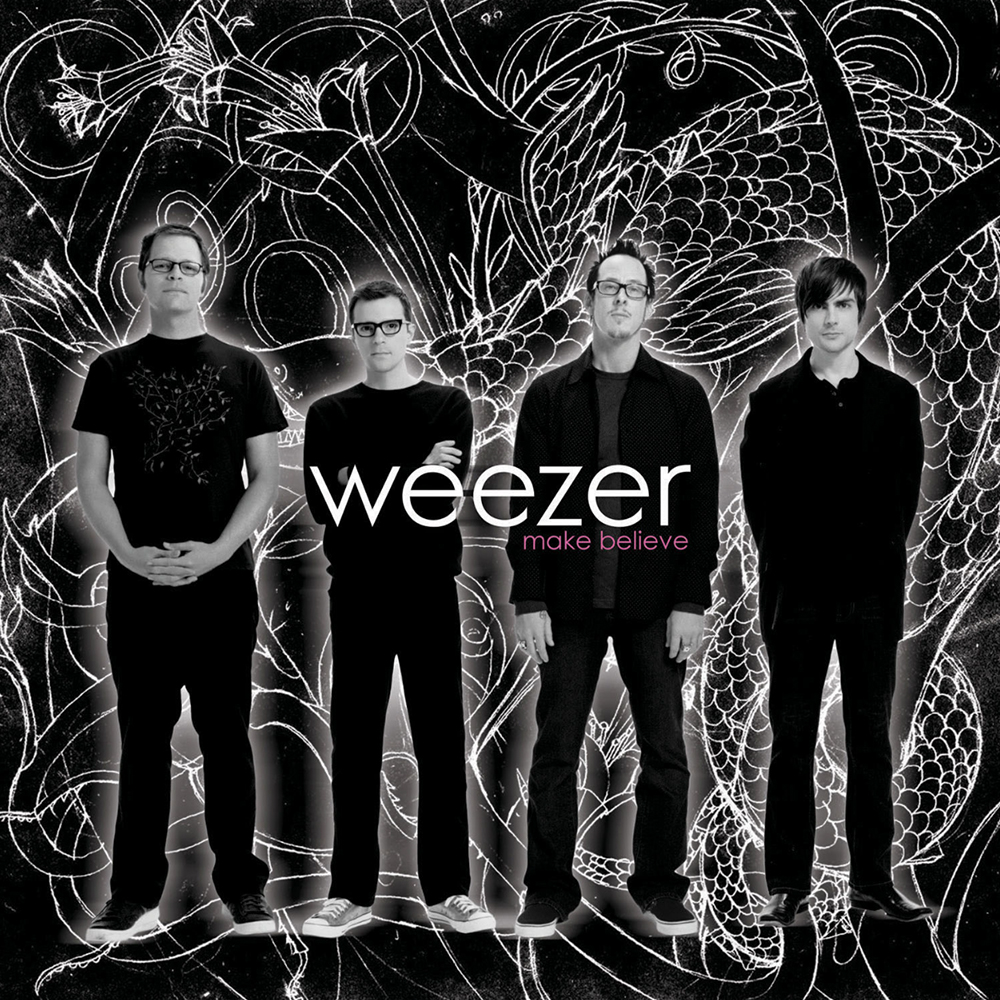 Weezer doesn’t have a good track record with black albums. This one has an uncomfortable song about wanting to comfort an ex-girlfriend after her new partner’s death and a rejected “Shrek 2” track, yet it’s still the lesser of two evils in retrospect. It’s got all the secondhand embarrassment of “Pinkerton” without as many redeeming qualities. When one such quality is a soulless jock jam about Beverly Hills, fans have the right to worry.
Play It Again: “Beverly Hills” (It’s okay to have guilty pleasures.)
Skip It: “The Other Way” (Out of respect for Elliott Smith.)
10. Raditude (2009)
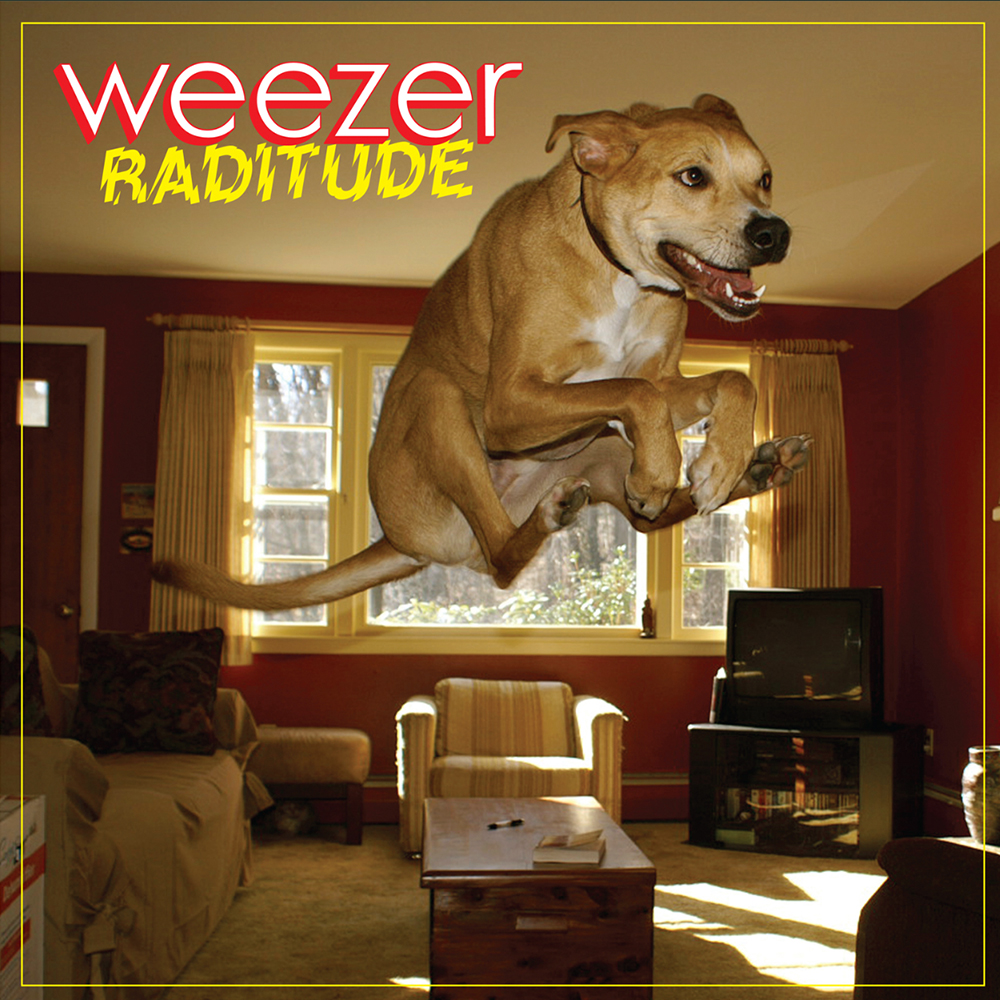 Music doesn’t have to be great to be enjoyable. Sometimes all you need is Lil Wayne saying “Okay bitch, it’s Weezer and it’s Weezy” and a photo of a dog having the time of his life. However, said dog never listened to “Raditude” so take his endorsement with a grain of salt. Most human Weezer fans don’t have that much unconditional love, even for Weezer.
Play It Again: “Can’t Stop Partying”
Skip It: “Love Is The Answer”
9. Pacific Daydream (2017)
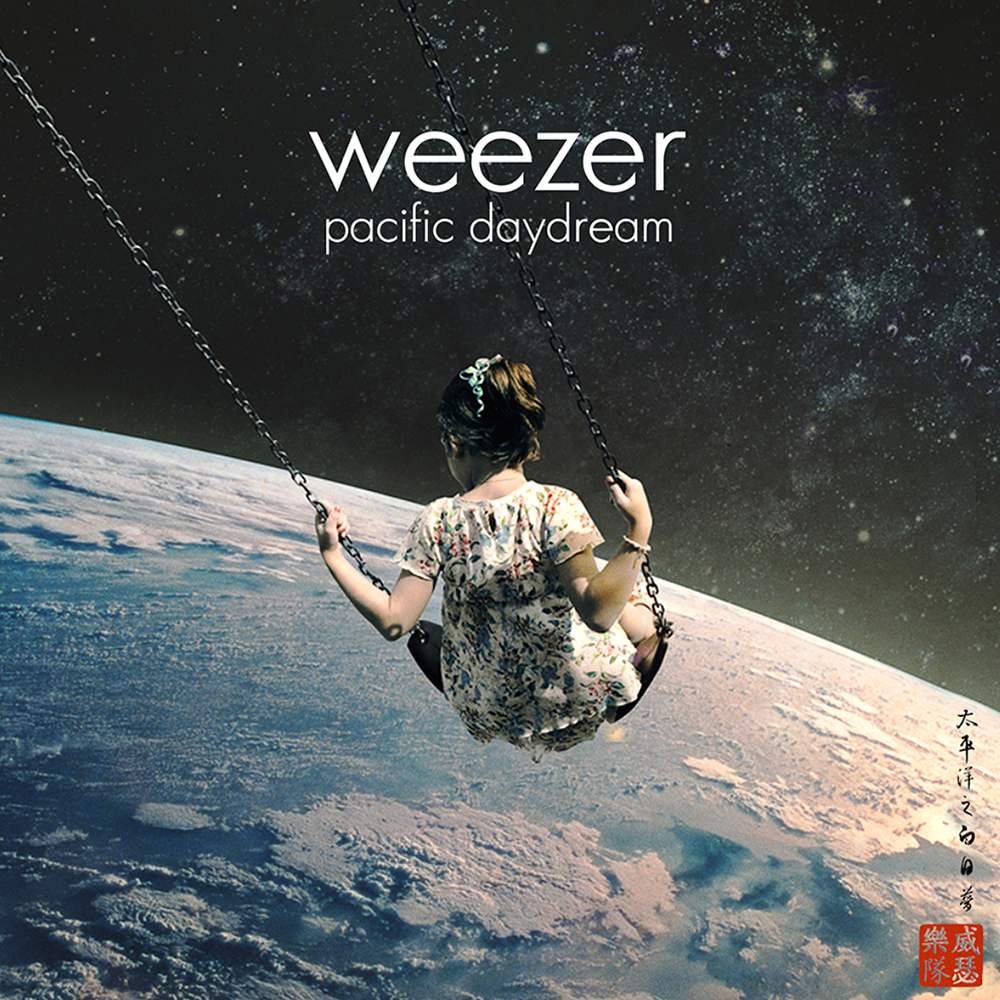 This is definitely a Weezer album that came out in 2017. It tries to ride the high of the White album, and fans of that one will probably like this one too. However, naming songs “Feels Like Summer” and “Beach Boys” doesn’t automatically make them the songs of the summer. The production doesn’t save the album from being compressed into generic power pop. Thankfully, Weezer’s generic power pop shines bright enough for us to forgive that.
Play It Again: “Mexican Fender”
Skip It: “Beach Boys”
8. Maladroit (2002)
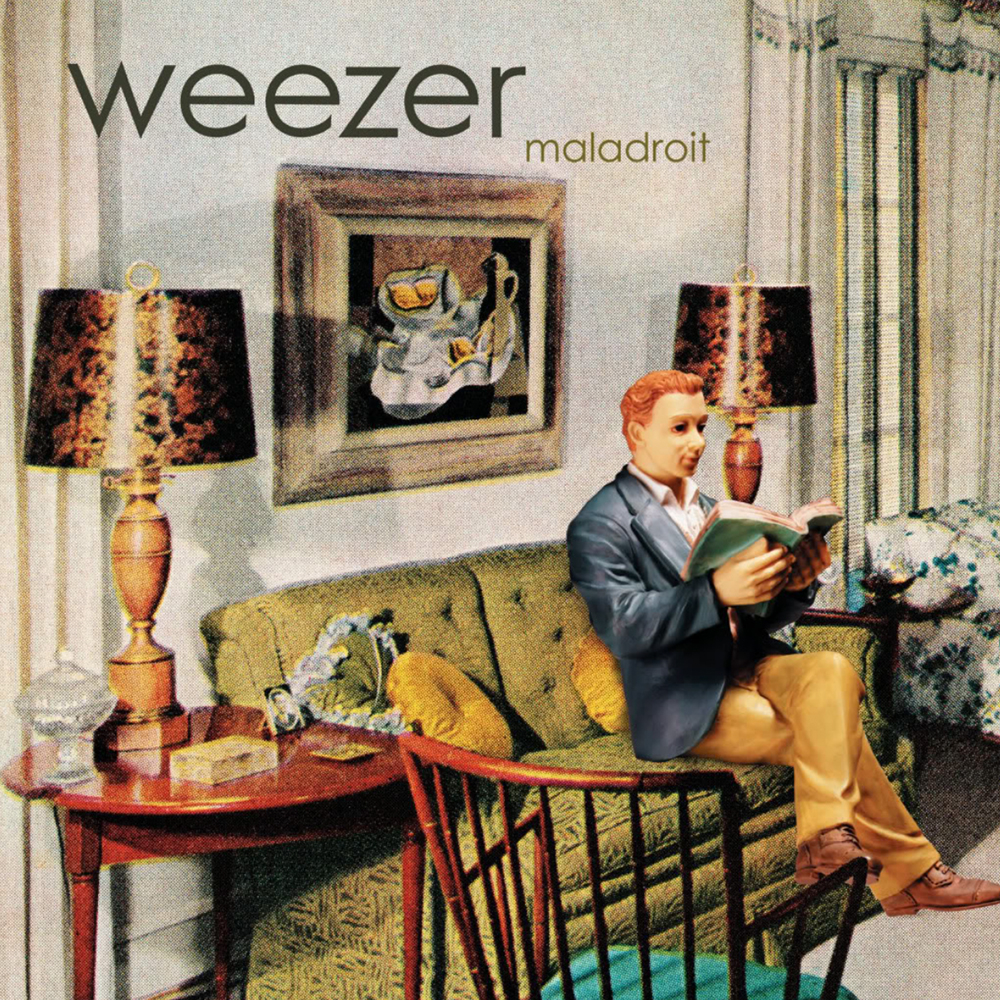 Weezer tried to establish themselves as serious rock musicians during this album’s recording sessions by leaking singles to radio stations without label approval. This angered their label, who demanded an apology, but Weezer never complied because they have no shame. That shamelessness only becomes more obvious with each repetitive riff and desperate attempt to maintain relevancy, culminating in a disastrous “Muppet Show” appearance where Miss Piggy kidnaps and tortures drummer Pat Wilson. True rock stars don’t lose fights to puppets.
Play It Again: “Dope Nose”
Skip It: “Possibilities”
7. The Green Album (2001)
 Weezer’s second self-titled album made us realize they were really committed to the monochrome self-titled album bit, though not as dedicated to making great songs or consistent albums. This one has “Hash Pipe” and “Island In The Sun” so we can’t complain too much. Say what you will about the formulaic B-side but Weezer still isn’t the worst band to write a song called “Photograph” in the early aughts.
Play It Again: “Hash Pipe” (We still can’t tell what Rivers says here.)
Skip It: “Simple Pages”
6. OK Human (2021)
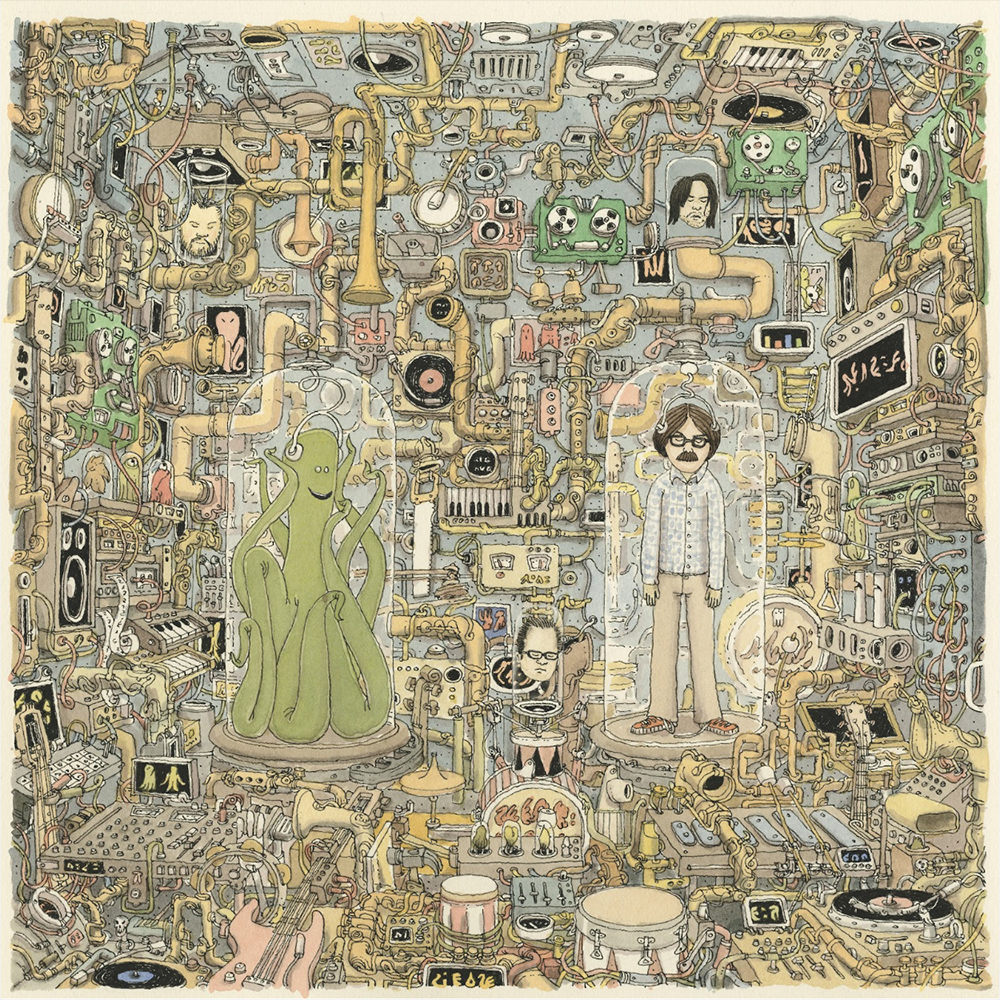 Ever wondered what an orchestral pop Weezer album would sound like? The result is surprisingly decent when Rivers isn’t going off about how technology is bad. We just wish the band started playing with an orchestra sooner. It would do wonders for a potential Broadway residency if enough New Yorkers realized that even a bad Weezer performance is leagues above the average “Cats” matinee.
Play It Again: “Aloo Gobi”
Skip It: “Screens”
5. Van Weezer (2021)
 Without sounding like Matt Damon in that infamous SNL skit, Van Weezer is unironically one of the band’s best works. It’s not the misguided glam rock tribute band at your least favorite bar — it’s a stadium-worthy homage to Van Halen that remains unapologetically Weezy. Even the goofy “Crazy Train” sample goes hard. Call this album a guilty pleasure all you want, but don’t deny its ridiculous joy.
Play It Again: “The End Of The Game”
Skip It: “All The Good Ones”
4. Everything Will Be Alright In The End (2014)
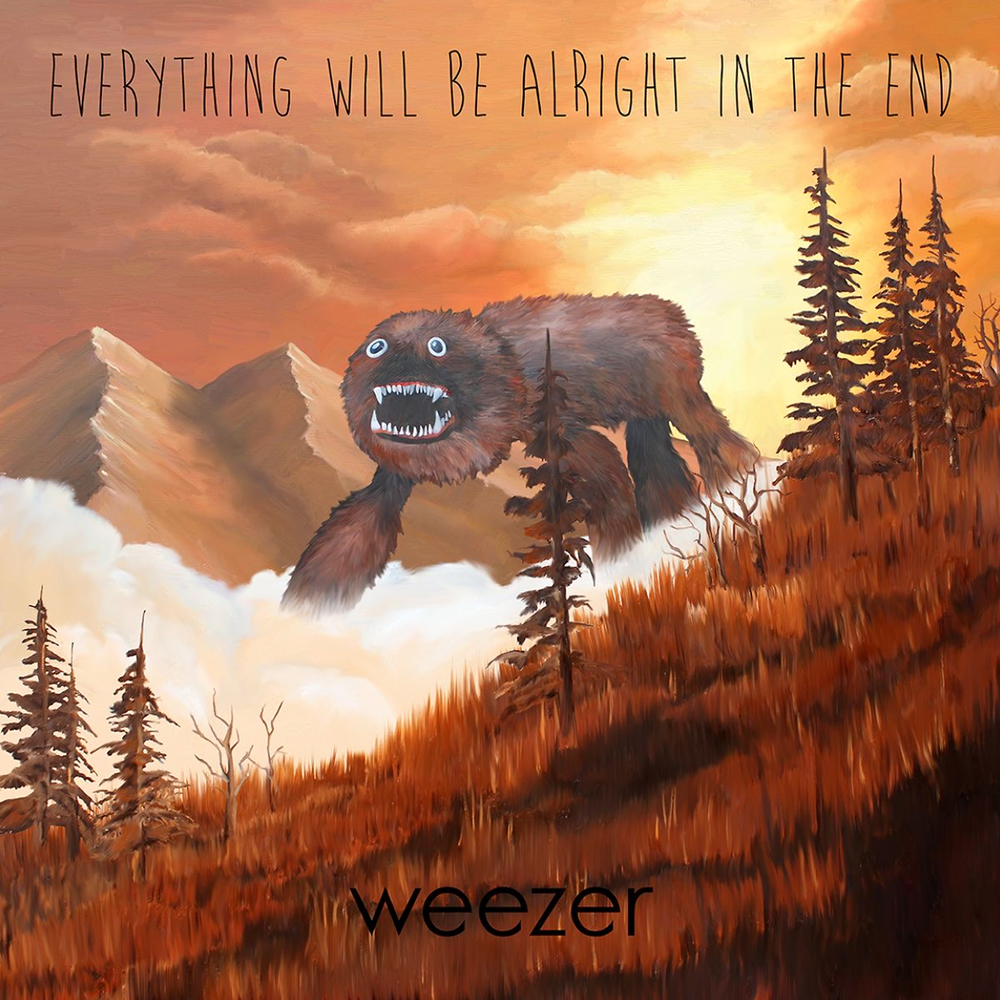 Originally titled “Sorry about the late aughts,” this “Raditude” apology proves that Weezer can indeed stop partying and make good music if they put their minds to it. They even include some lengthy guitar solos for those who want to listen to Weezer without memorizing so many cringeworthy lyrics. While it’s unclear when Weezer’s discography will ever come to an end, these songs prove that might not be a bad thing.
Play It Again: The Futurescope Trilogy
Skip It: “The British Are Coming”
3. The White Album (2016)
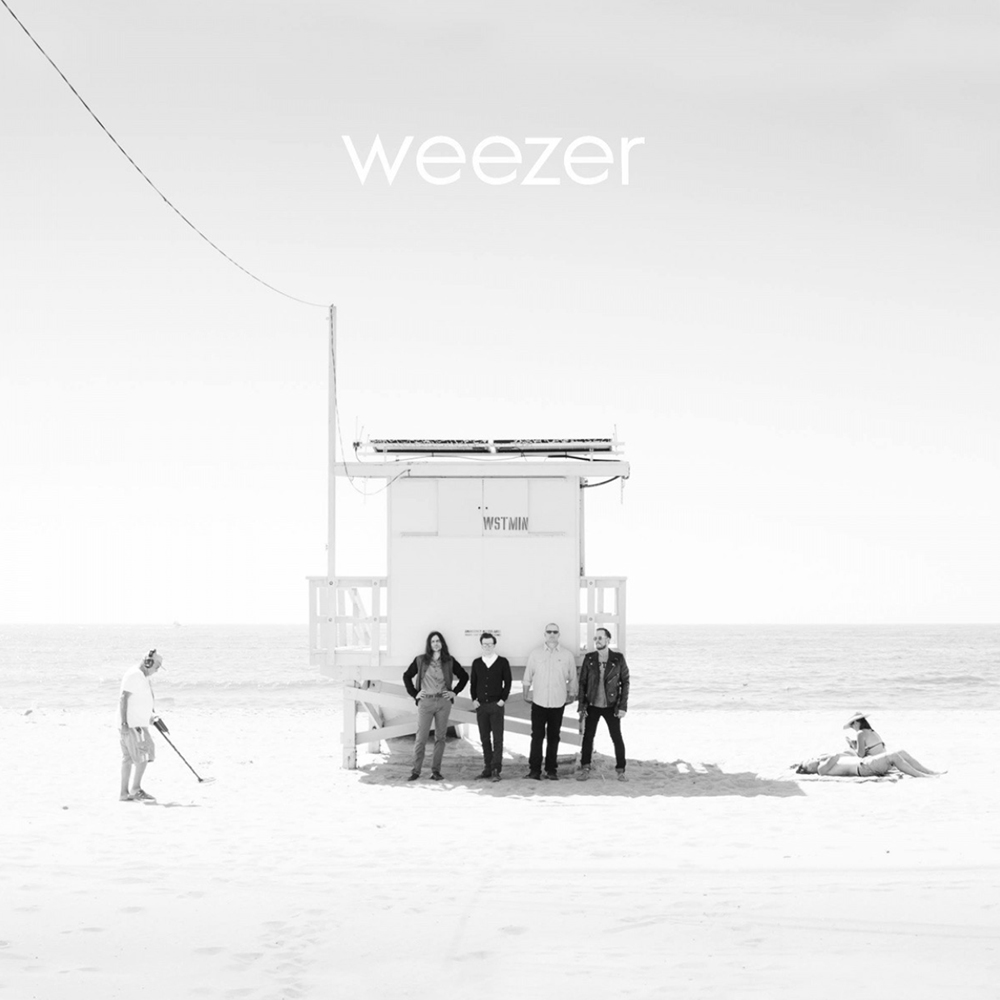 Artists have tried and failed to write songs about California since the beginning of time, yet Weezer accomplished this daunting task by releasing a consistently gorgeous album about the Golden State. Warm, summery, and surprisingly romantic, it’s possibly the only Weezer album that you can play on a date without making things weird. The Red Hot Chili Peppers wish they made this masterpiece.
Play It Again: “Do You Wanna Get High?”
Skip It: “L.A. Girlz”
2. Pinkerton (1996)
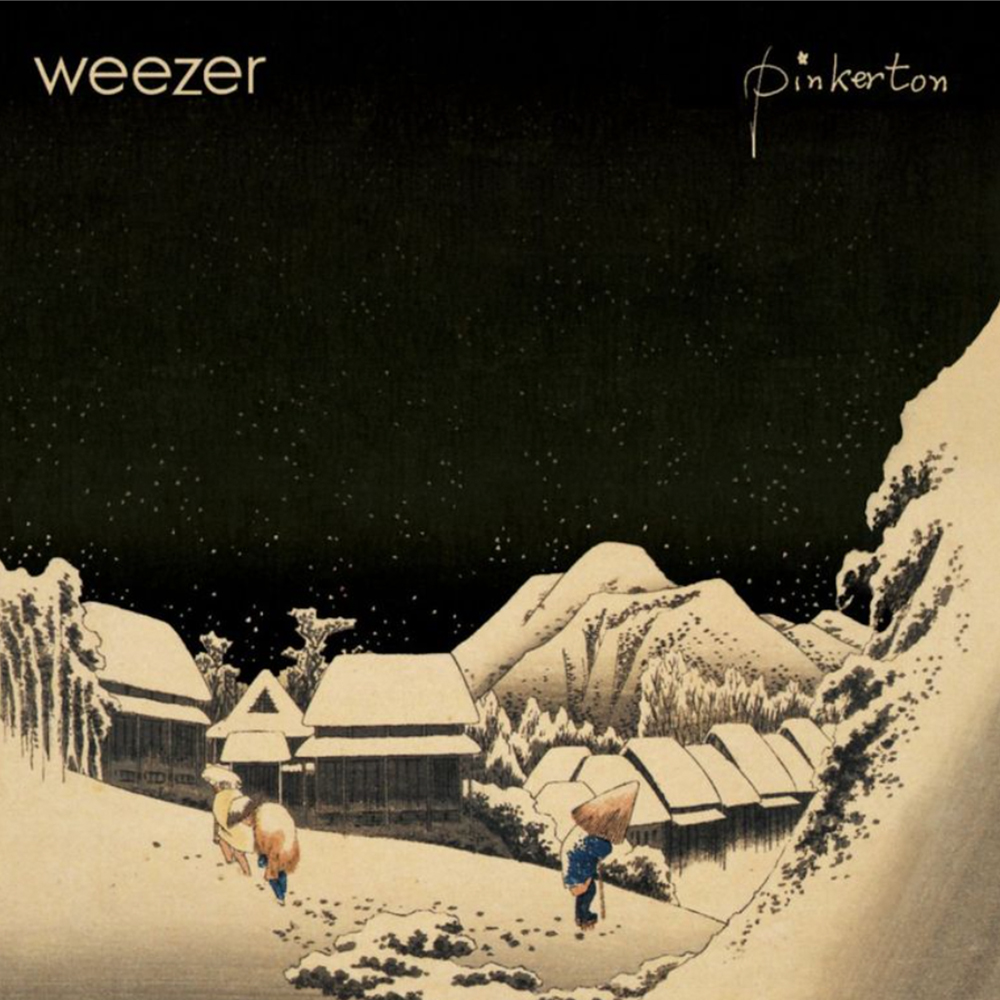 When this album came out, everyone generally agreed it was the second-best Weezer album. That’s still true but now people say that as a compliment. Even those who criticize this record for objectifying women or inspiring a generation of emo bands prefer it over any post-Y2K Weezer release. Music that makes us feel gross is still more interesting than music that makes us feel nothing.
Play It Again: “The Good Life”
Skip It: “Across the Sea” (Especially if you’ve eaten recently.)
1. The Blue Album (1994)
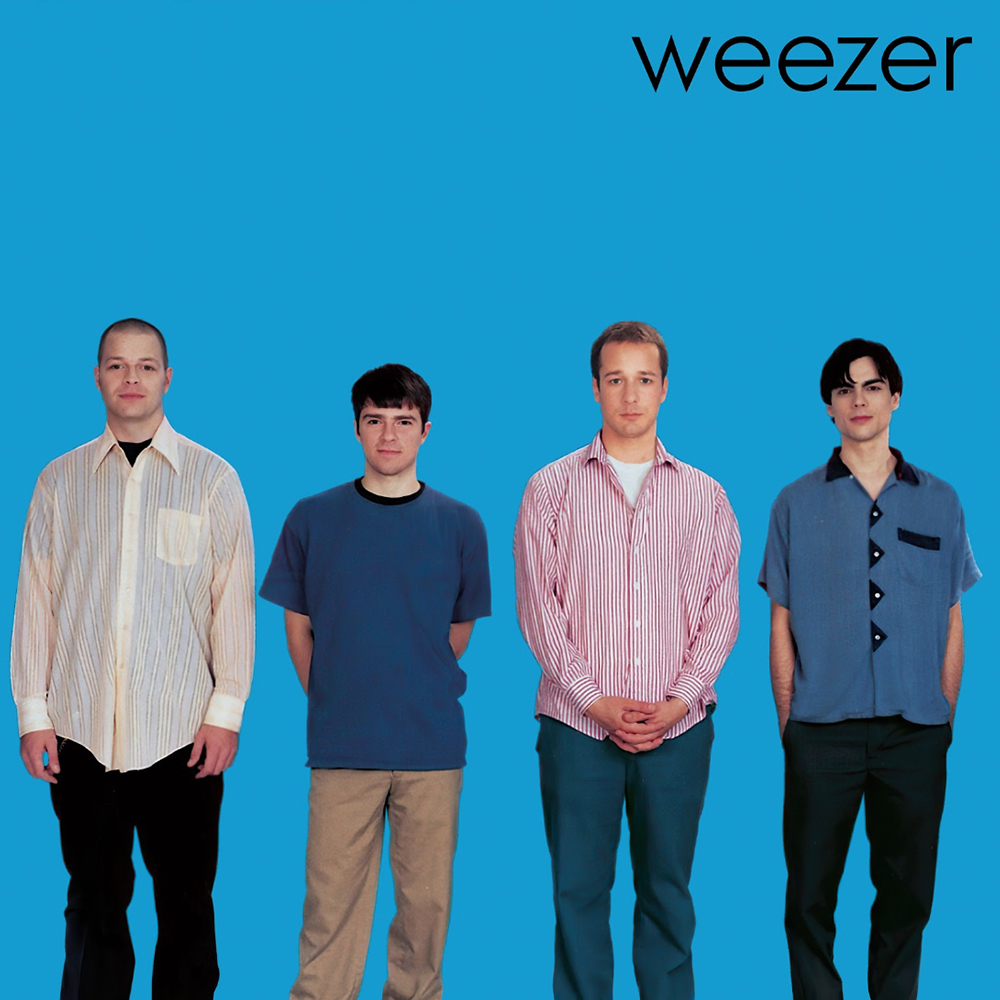 Even if Weezer were a consistent band with 15 good albums, this would remain their magnum opus. Weezer lovers and haters alike can’t resist the urge to sing along to “Buddy Holly” and “Say It Ain’t So” — though to be fair, the Venn diagram between those two groups is a circle. It’s the one truly perfect Weezer album. Good luck trying to convince any record store clerk otherwise. The last guy we sent is still missing.
Play It Again: “Buddy Holly”
Skip It: You shouldn’t, but power to you for saving yourself from the Weezer rabbit hole.