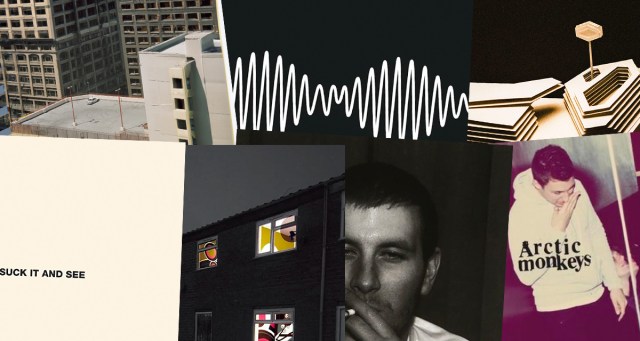
England’s finest indie export has made a full career out of dividing their massive fan base over the course of their sixteen-year and counting run. Each album seems to be more confounding than the last, and just when you’re used to the group’s signature guitar-heavy sound, they suddenly morph into a different band. Because of this, you may be asking yourself: ‘How do I possibly begin to rank their studio output?’ Slow down, buddy. That’s what we’re here for. Before you have an aneurysm attempting to sort through their fantastic discography on your own, we present to you the definitive and totally correct ranking of the Sheffield quartet’s records.
7. Suck It and See (2011)
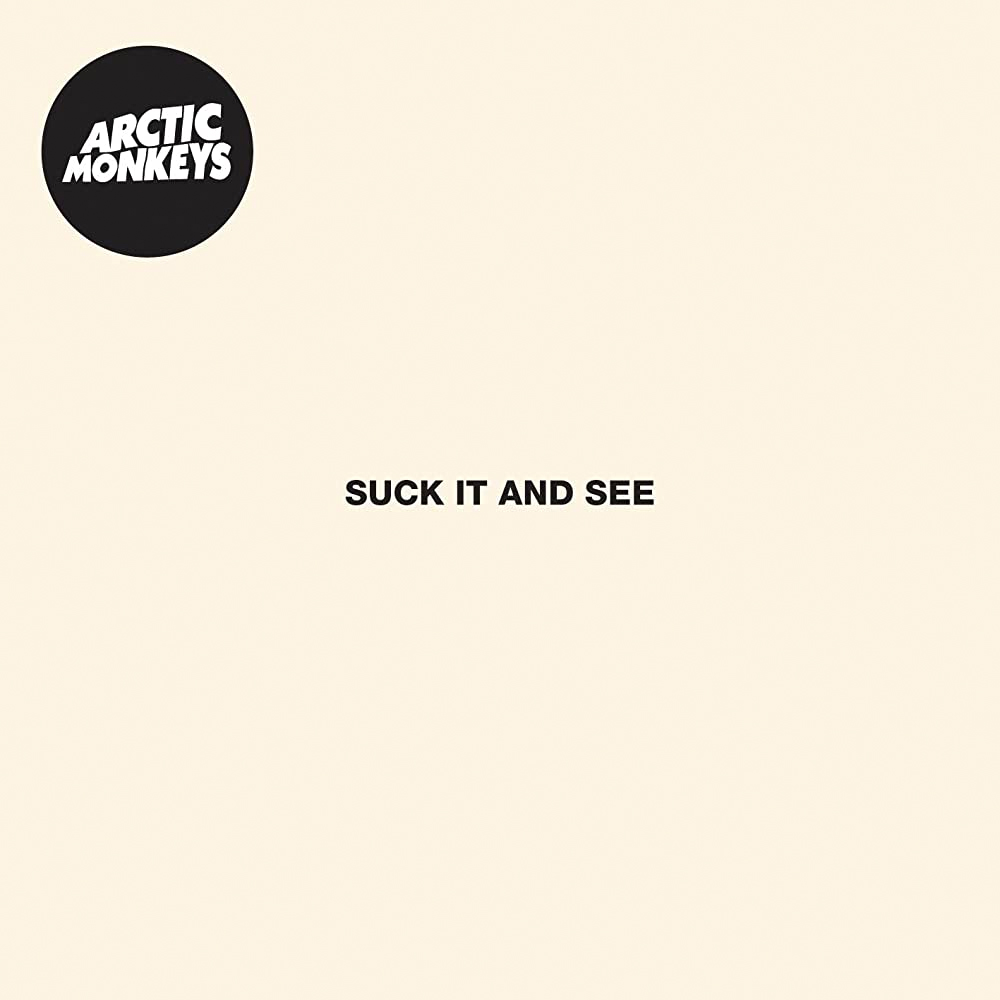 Apparently, this record’s title is a British colloquialism that means ‘give it a try,’ which is the exact amount of effort a listener should be expected to put in here. The band tracked this one mostly live, while inexplicably managing to commit the most expired-sounding version of themselves thus far to tape. Quite the feat considering how well-known they were for their explosive performances at the time. Nobody sounds less excited to be on the record than lead singer and frontman, Alex Turner, who delivers his vocals as if he’s half asleep while sadly only fully waking for some of the album’s weakest tracks. To quote Turner, himself, ‘ipp, dipp, dog-shit rock and roll,’ indeed.
Play it again: “Don’t Sit Down, ‘Cause I’ve Moved Your Chair”
Skip it: “Brick by Brick”
6. Favourite Worst Nightmare (2007)
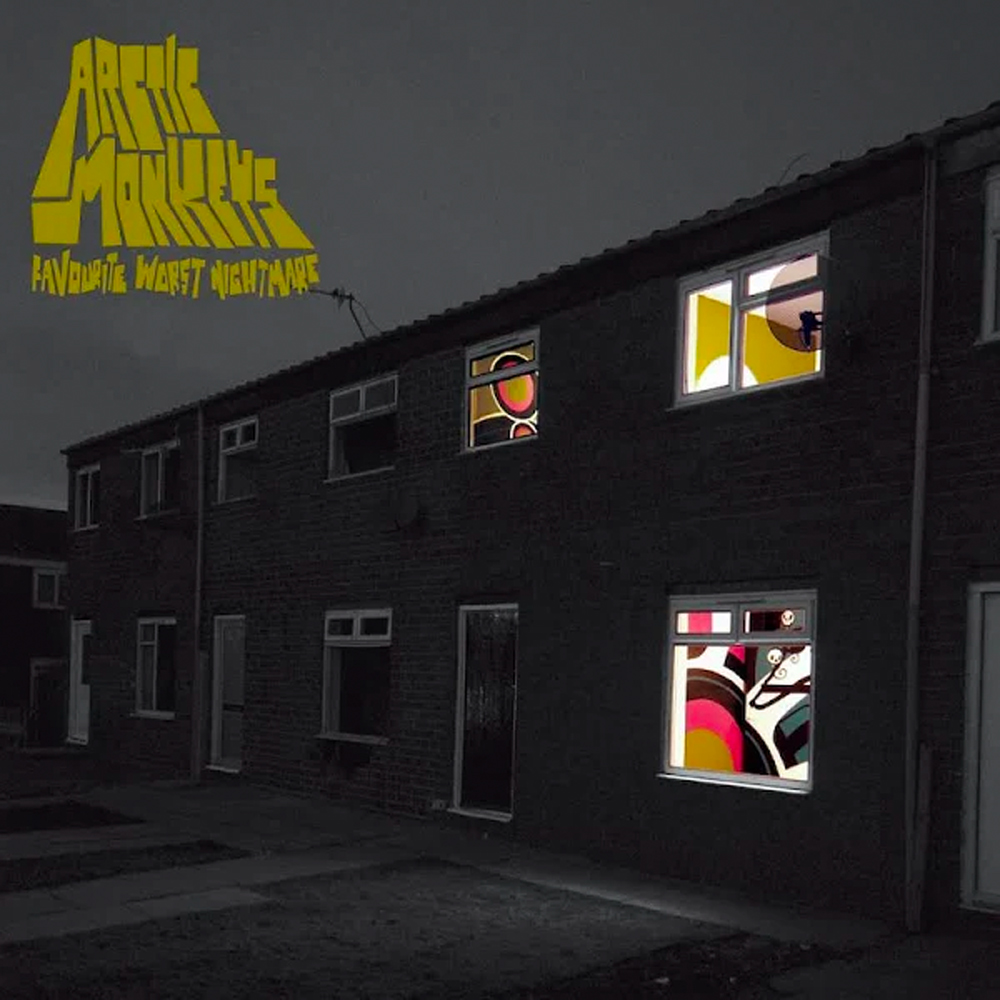 Fresh off their massively successful debut, ‘Whatever People Say I Am, That’s What I’m Not,’ Arctic Monkeys’ sophomore album suffers from the urgent desire to repeat the conditions that led to their newfound adoration. This record is essentially the musical equivalent of that time in high school when you dressed precisely the way your friends did in a failed effort to look like a unique individual. By tapping directly into the British dance-rock scene of the time, ‘Nightmare’ drops the satirical elements of their previous offering by fully committing to the trendy aspects of the genre. Because of this, ‘Nightmare’ is the only album in the band’s discography that sounds as dated as the MySpace pictures look that you took in 2005.
Play it again: “Do Me A Favour”
Skip it: “Only Ones Who Know”
5. The Car (2022)
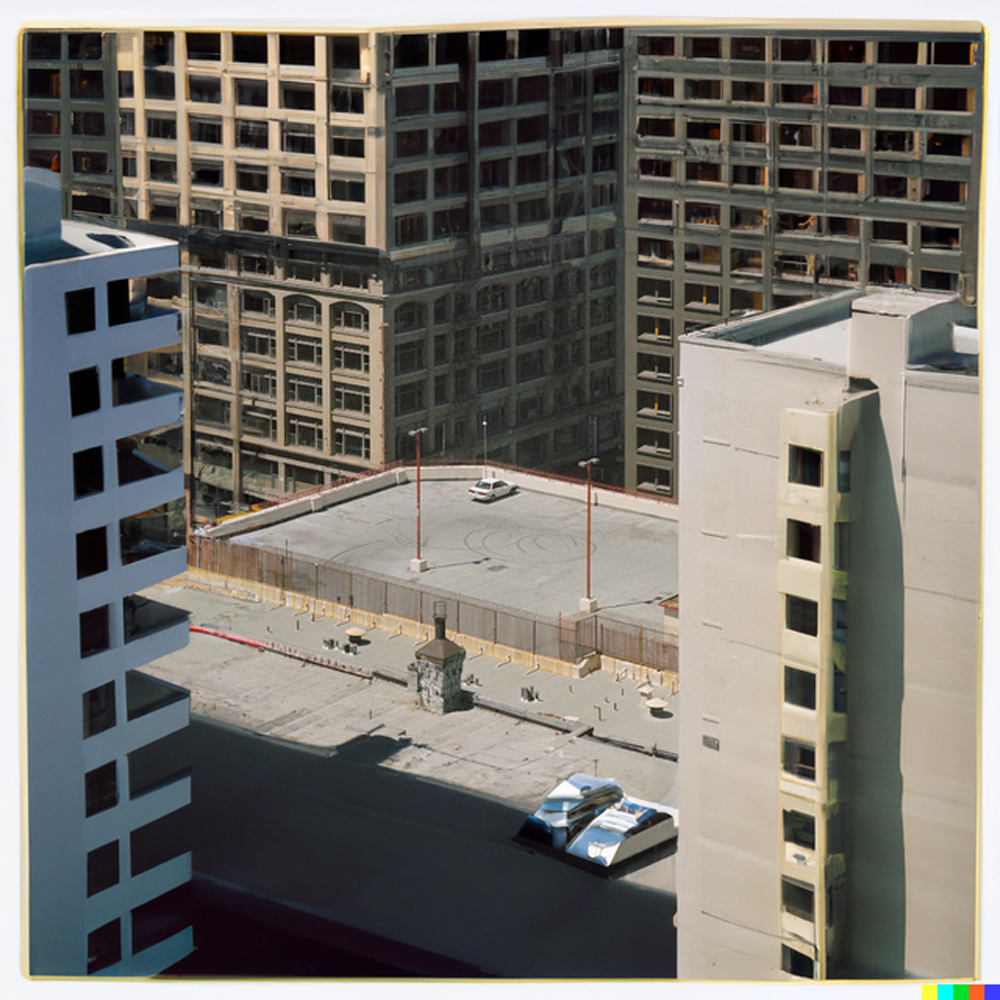 On the band’s most recent album, one thing is abundantly clear: Alex Turner is fucking tired of being Alex Turner. With stunning production and amazing orchestration, ‘The Car’ is certainly not without its charm. Still, the voice on top of it all rarely sounds like it can be bothered with all the pageantry. Turner even goes as far as to admit it in revealing lines like ‘I had big ideas, the band were so excited… but now the orchestra’s got us all surrounded, and I cannot for the life of me remember how they go.’ Much like your old bud from college that still pretends to be ‘indie’ despite earning a six-figure salary, ‘The Car’ nails the aesthetic but lacks the veracity.
Play it again: “Hello You”
Skip it: “The Car”
4. AM (2013)
 This is the album that probably led to a bunch of your friends calling the band ‘sell-outs’ while secretly bobbing their heads to the near-perfect riffs that permeate the entire track listing. This record was so phenomenal that most people didn’t even care how corny the band’s cosplay-Fonzie aesthetic was during its press tour. ‘AM’ finds Turner as the braggadocious, Alexa Chung-dating, Drake-covering, single-gold-chain-wearing frontman he always aspired to be. The transformation was pretty similar to your dad’s recent mid-life crisis but markedly less off-putting.
Play it again: “One For The Road”
Skip it: “Snap Out of It” has a cornball quality to it like the aforementioned “Brick By Brick”
3. Whatever People Say I Am, That’s What I’m Not (2006)
 Considering the multi-faceted aspects of the band’s sound, the title of their excellent debut album may as well be their mission statement. Coming as a shock to all involved, ‘Whatever People Say I Am’ quickly became the fastest-selling debut album in British music history, an accolade it still holds to this day. Thanks to excellent singles like ‘I Bet You Look Good On The Dancefloor,’ Arctic Monkeys steadily became a household name. This would only prove to be a modest beginning for the group, allowing them to annoy music fans that hate to see bands evolve for years to come.
Play it again: “Riot Van” because ACAB
Skip it: “You Probably Couldn’t See For The Lights But You Were Staring Straight At Me”
2. Humbug (2009)
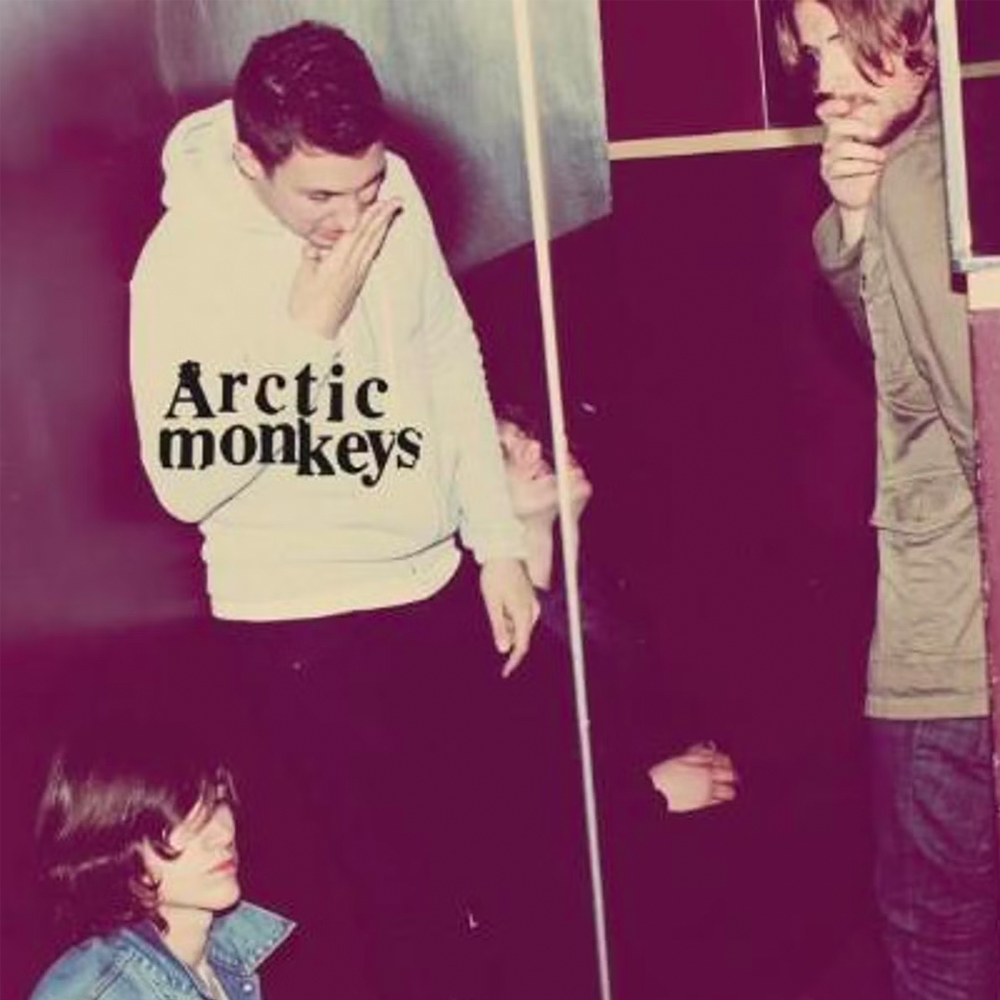 As is tradition, every fledgling sleaze-rock indie band must participate in a rite of passage. One that involves going to a remote location in the desert and cutting a record with Queens of the Stone Age’s Josh Homme. Consider it the modern version of the Crossroads, and yes; that means we are calling Josh Homme the Devil here. ‘Humbug’ marks a dark turn for the band’s sound, trading in their carefully crafted dance-punk sound for something more akin to stoner-metal, but without sacrificing their pop sensibilities. This very well could have been number one, but there’s a strong ‘we just tried weed for the first time’ vibe on this record that occasionally stunts its progression.
Play it again: “Pretty Visitors”
Skip it: “Fire and the Thud” sounds like a QOTSA B-side, and not in a cool way.
1. Tranquility Base Hotel & Casino (2018)
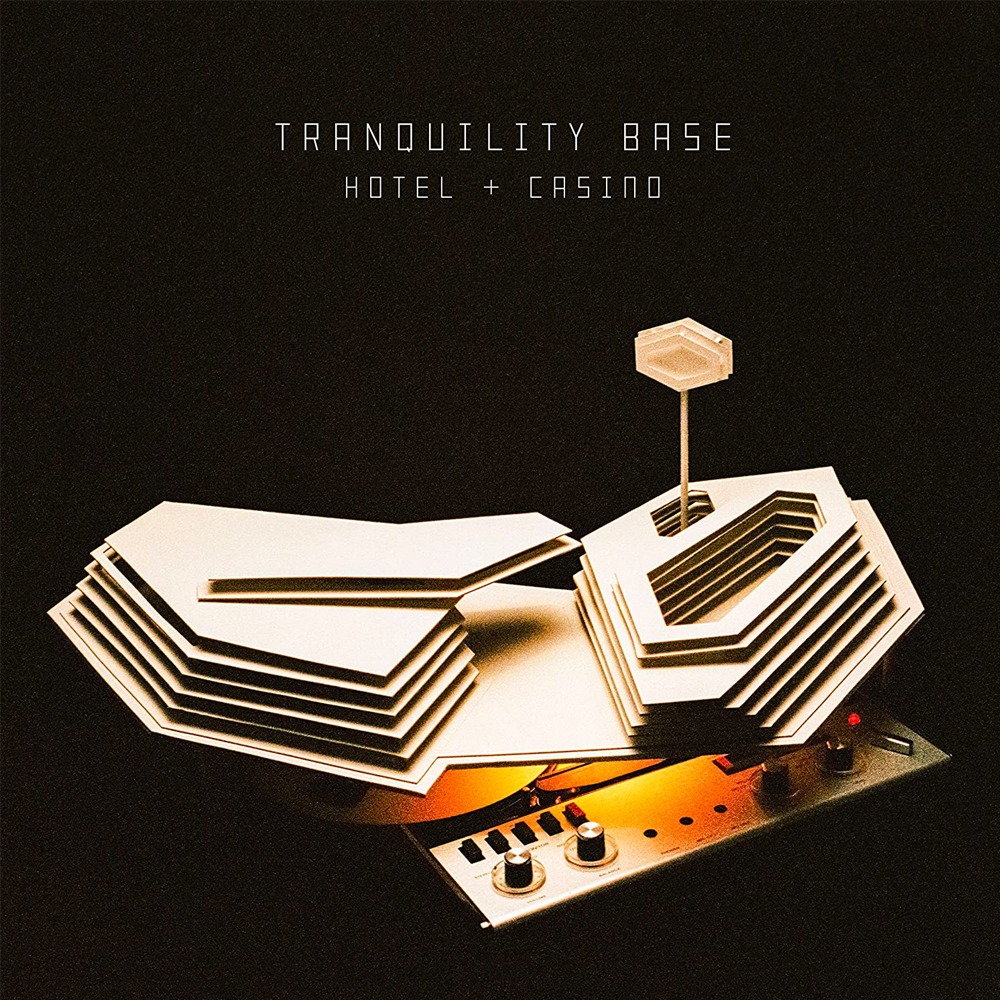 Okay, get it out of your system now and call us idiots for this one, but we only ask that you hold off judgment of this album’s placement until you finally get around to actually listening to it. Some so-called fans of the band will argue that this album is too far of a left-turn, while more observant admirers will tell you that this album is the most the Arctic Monkeys have ever sounded like the Arctic Monkeys. Having made a career out of flirting with Bowie-style arrangements, Turner cranks the sonic and lyrical freak level up to eleven here with a concept record about a high-rise hotel situated on the lunar surface. Many even believe the record somehow predicted the pandemic with its themes of isolation, political extremism, gentrification, and, of course, horniness. Find another of the group’s albums where Turner gets away with a line as cringe as ‘kiss me underneath the moon’s side boob’ and we’ll gladly reconsider this album’s rightful place at the top. This may not be your favorite Monkeys album of all time, but it is unequivocally their masterpiece.
Play it again: It’s a concept record about a hotel on the moon, duh, play it again.
Skip it: Only if you want people to think that your taste hasn’t evolved past 2008.


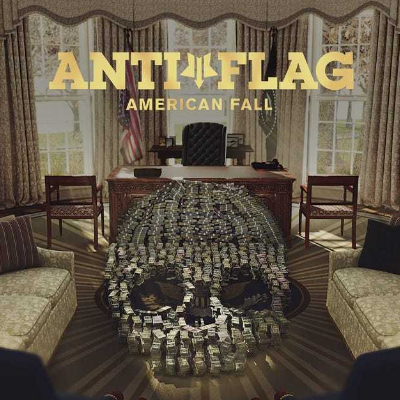
 This record opens with a Trump sample because of course it does. This is a bland collection of typical-sounding A-F songs. This record would be great if Anti-Flag didn’t already exist. It came out in 2020 (surprise!) prior to the presidential election. Good thing they put this record out otherwise we might be dealing with another four years of “Cheeto in Chief” jokes. Thanks, Anti-Flag! This isn’t a bad record, by the way. It’s just their worst.
 Unfortunately, this is yet another collection of Anti-Flag-sounding songs by a band that sounds like Anti-Flag. Even though they used a more diverse variety of instruments on this one, the songs seem uninspired compared to the bulk of their catalog. Maybe they shouldn’t have spent so much time and energy finding creative ways to call George Bush a nazi when the genuine article was right around the corner.
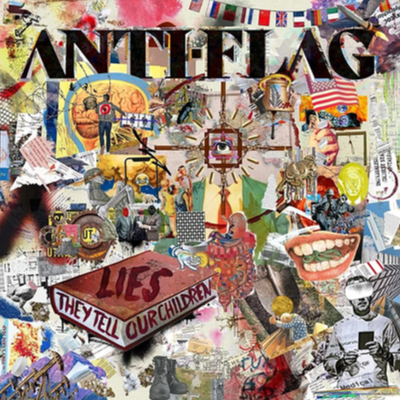 Am I crazy or does this record start with the opening notes of “Baby, I’m an Anarchist” by Against Me!? I mean they did try to sign them back in 2002, inspiring one of the greatest songs ever written (Tonight We’re Gonna Give It 35%). Maybe this was an homage. Either way, super generic album. At least it’s not a bunch of recycled Twitter slogans like the Trump records. There are also a ton of featured artists on the album, which is interesting to hear since Anti-Flag has such a distinct sound. I’d say give this one a listen for that alone.
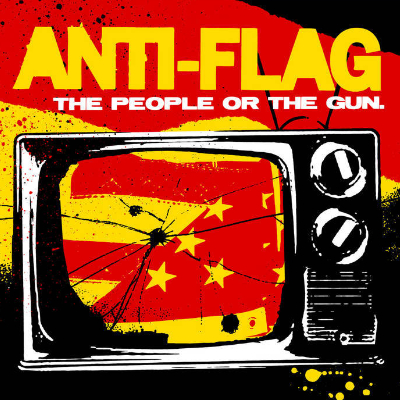 The criticism of those last three records may seem harsh so let’s give credit where credit is due. Anti-Flag has like ten fantastic records. How many bands even have ten records? “The People or the Gun” is a solid selection of catchy political anthems mixed in with some generic filler. Still fun though. I will say that Trump song is cringy. It’s got a real “Hello, fellow young democrats” feel to it.
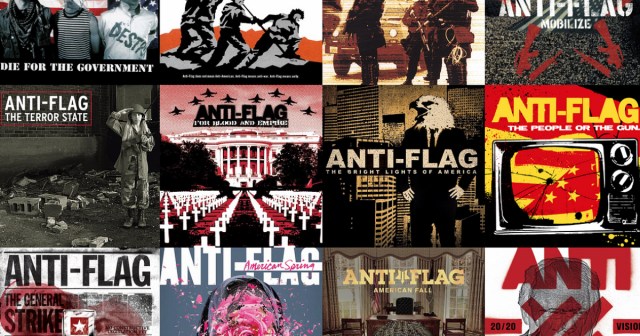
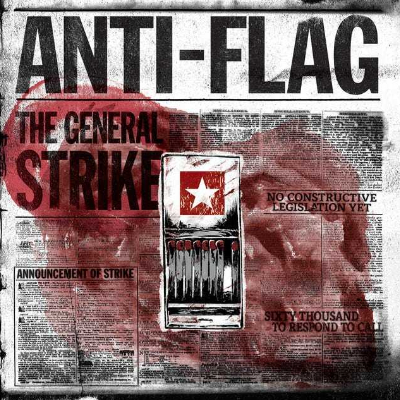 This is one of the better records in the latter half of the A-F discography. While the band tends to borrow from itself, “The General Strike” fuses the tone of “For Blood and Empire” with “The Terror State.” It’s just not as great as those records. This album highlights a particular attribute of every A-F album. Say what you will Anti-Flag, but those spikey-haired 40-year-olds sure as fuck know how to open and close a record.
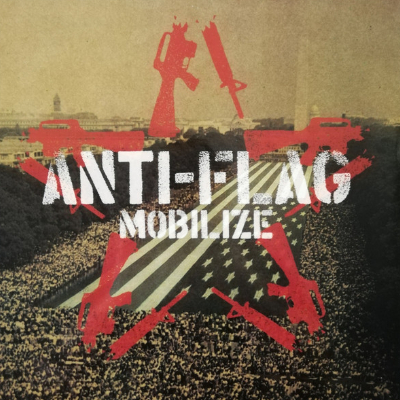 “Mobilize” was created as a direct response to the attacks on 9/11. Released on February 19 the following year, Anti-Flag basically made this record quicker than it took for the towers to come down. The lyrics are super hamfisted, though well-intentioned, but the music is incredible. They really learned how to build a song to a big moment on this record. Not sure why it’s considered a full-length, though. Poorly recorded live songs shouldn’t count.
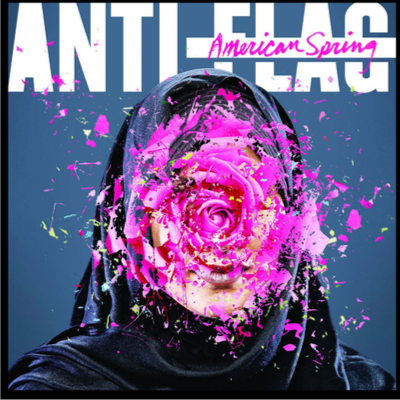 This is hands down the best album in the back half of the A-F discography. “American Spring” combines the classic Anti-Flag sound with a ton of throwback ’90s punk, which is a very underrated era in punk. This album really shows Anti-Flag carrying the punk torch into the next generation. Elephant in the room, A-F put out a ton of records since what most consider to be their golden era and I’d venture to bet that a lot of casual fans just check out the singles. If that’s you, then listen to this record.
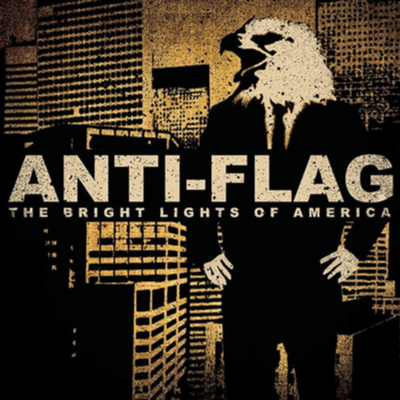 “The Bright Lights of America” is by far the most exploratory record Anti-Flag has ever released. The tone is dark, the instrumentation is diverse, and the lyrics get extremely personal at times. Overall the album is a very successful departure from the band’s usual sound. However, some songs drag on a bit due to length and tempo, putting it just out of the top five.
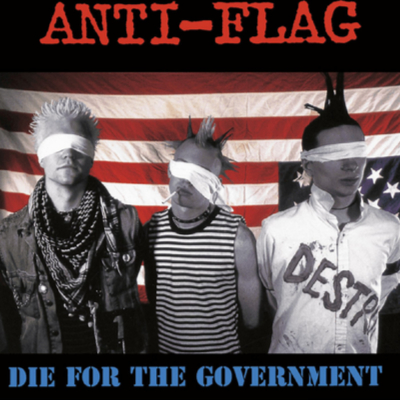 This album launched Anti-Flag and helped shape the entire genre of modern protest punk. “Die for the Government” is as important to punk as it is for the band itself. There’s a mix of great and “eh” throughout this album but you can’t tell me you don’t feel all your blood rushing to your face when you hear Justin Sane’s opening war cry in the title track. This is the only record in this ranking that features original bassist and vocalist “Andy Flag,” which is the perfect cringy punk nickname. It’s just insane. Pathetic, really.
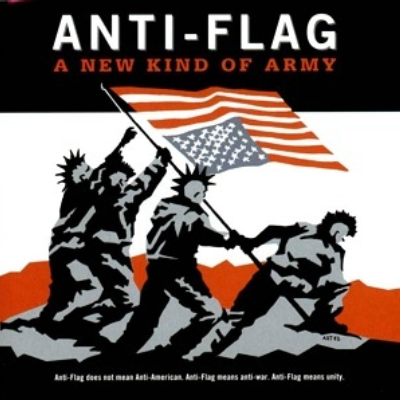 This was probably the first “real” punk album I ever heard. The first time I saw this album cover all I could think was, “Woah. That’s a lotta mohawks.” Anyway, “A New Kind of Army” is made up of iconic songs, chantable lyrics, and couple tracks that are just okay. This was during an era when Anti-Flag was putting out some of their best songs but every record had a handful of duds. They were likely trying to find their sound during this time and wrote a ton of incredible songs in the process. Justin Sane’s vocal tone on this album is absolutely perfect.
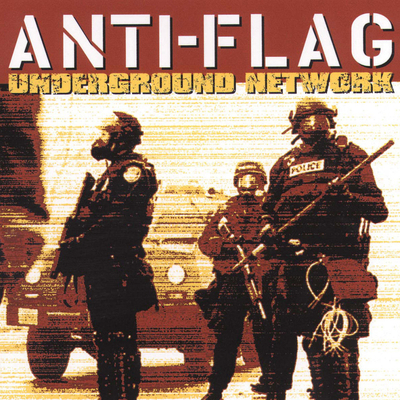 Sometimes art predicts the future. Jules Verne predicted the submarine in Twenty Thousand Leagues Under the Sea. Orson Scott Card predicted internet forums in Ender’s Game. Well, in perfect Anti-Flag fashion, the title track predicted people snarkily complaining about the government on Twitter. If you boiled every A-F at record down to a 6 song EP this would be their best. “Underground Network” has some great coming-of-age songs about growing up punk, which I wish the band would make more of. Unfortunately, “Underground Network” contains a handful of skippable tracks. I feel like I’m repeating myself but we are ranking Anti-Flag records after all.
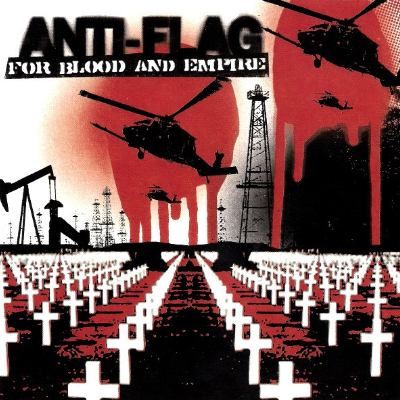 “For Blood and Empire” was a massive hit for the band and propelled them into permanent punk relevance. Upon its release, people were skeptical about the band signing to a major label and worried it would lack the edge of their previous albums. While their pop sensibilities definitely improved on this album, the slight change in sound only served to showcase Anti-Flag at their best: as songwriters. Slicker production and tighter songwriting led to not only a number of iconic A-F songs but also made for a record with no skips. I’d argue that the best tracks from “Underground Network,” “Die for the Government,” and “A New Kind of Army” outshine the best tracks on this album, but as a whole, “For Blood and Empire” is an overall better listen from start to finish.
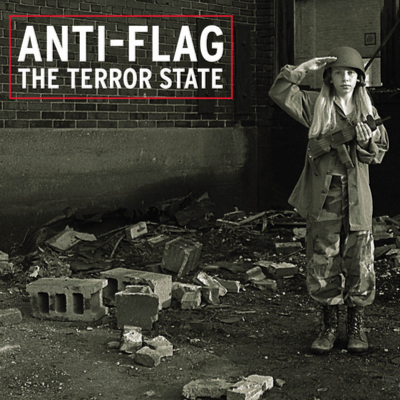 During the post-9/11 political punk explosion, Anti-Flag was seen as a “poser” band. At the time, bands like Against Me! and Leftover Crack were quickly on the rise, making Anti-Flag appear tame and “too popular” in comparison. Hell, on the Against Me! tour DVD they catch footage of some drunk crustie outside of the Ottobar proclaiming, “Anti-Flag?! They’re like… my nemesis.” Illuminating. Anyway, “The Terror State” changed that perception. With its extremely dark tone and violently aggressive lyrics, A-F took inspiration from the new blood in the punk scene and re-established themselves as the kings of punk songwriting. This record is so good you can ignore all the Rock Against Bush lyrics that somehow feel more dated than Dead Kennedys lyrics about Californian politicians from the ’80s. I may not know what any “G-A-double-T”s are but it’s been 20 years since this record came out and I know I damn sure don’t stand for any of those.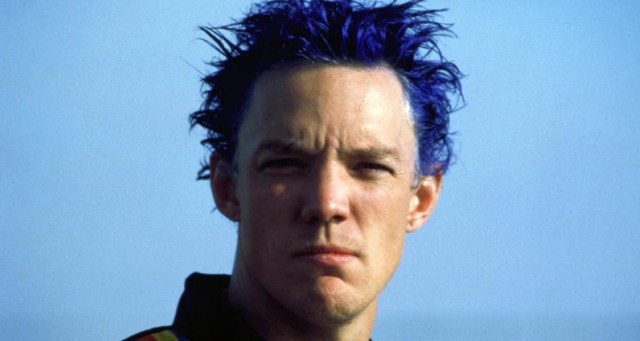
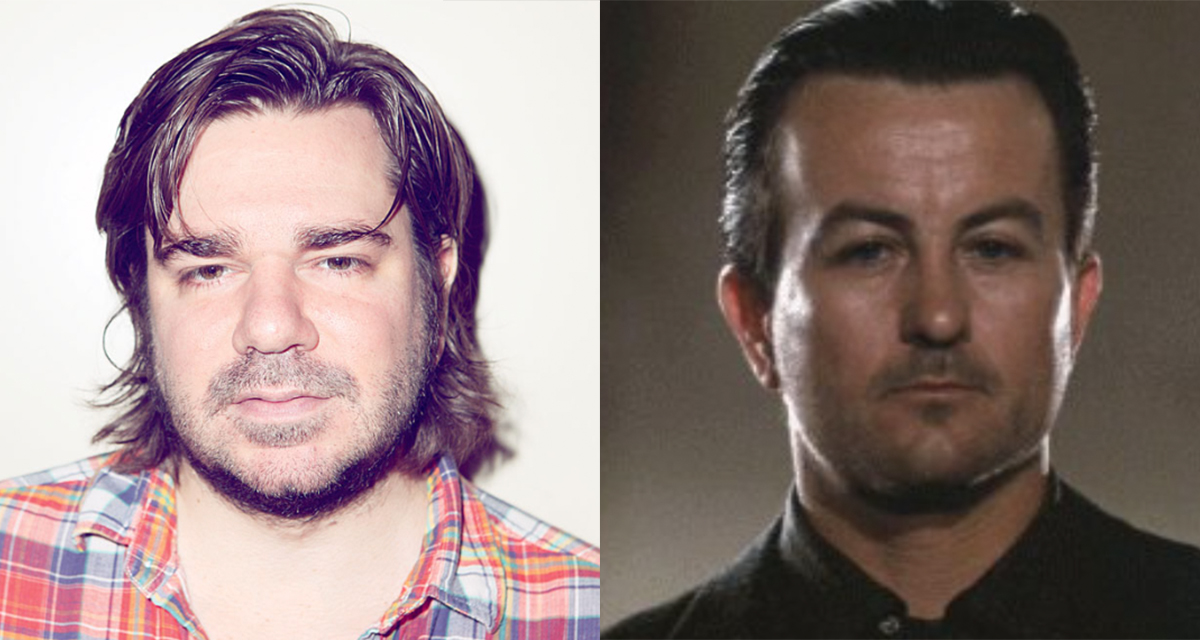 Matt Berry has perfected the character of the arrogant blowhard, so he could easily slip into the role of Lee Ving of Fear. Additionally, as a comedian himself Berry would meld perfectly into a reenactment of Fear’s infamous SNL appearance.
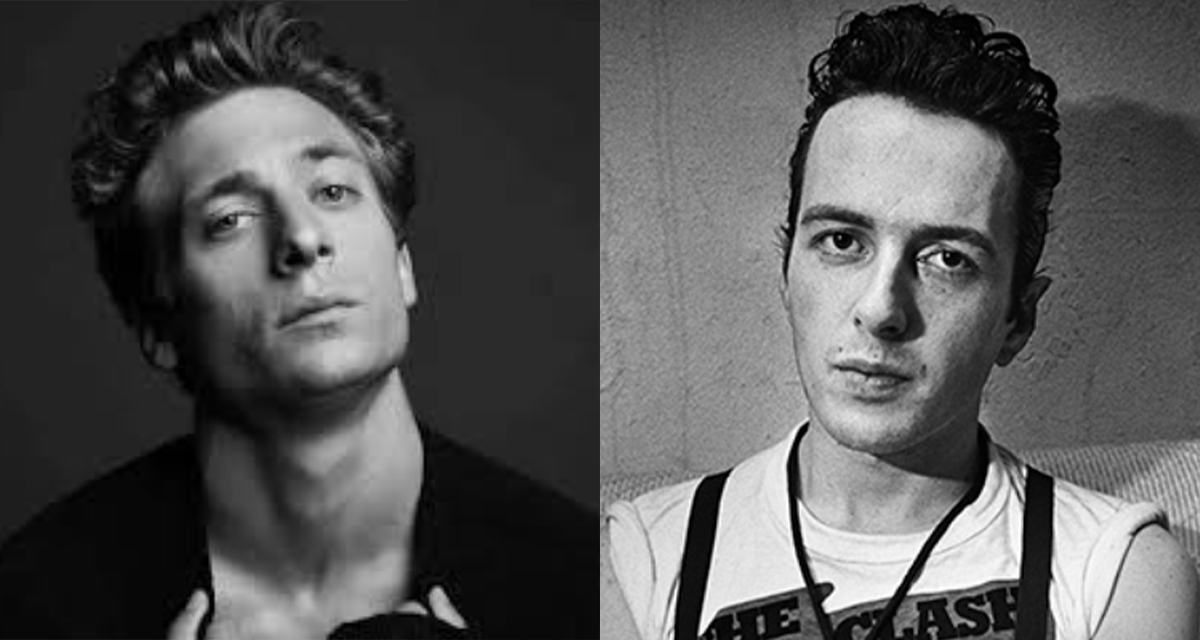 The audience won’t even be able to tell these two gangly but seemingly handsome people apart. Jeremy Allen White could easily play the role of the aloof yet excitable Strummer. Thanks to White’s role on “Shameless,” he should be very comfortable performing the many, many, many sex scenes that will be included in this movie.
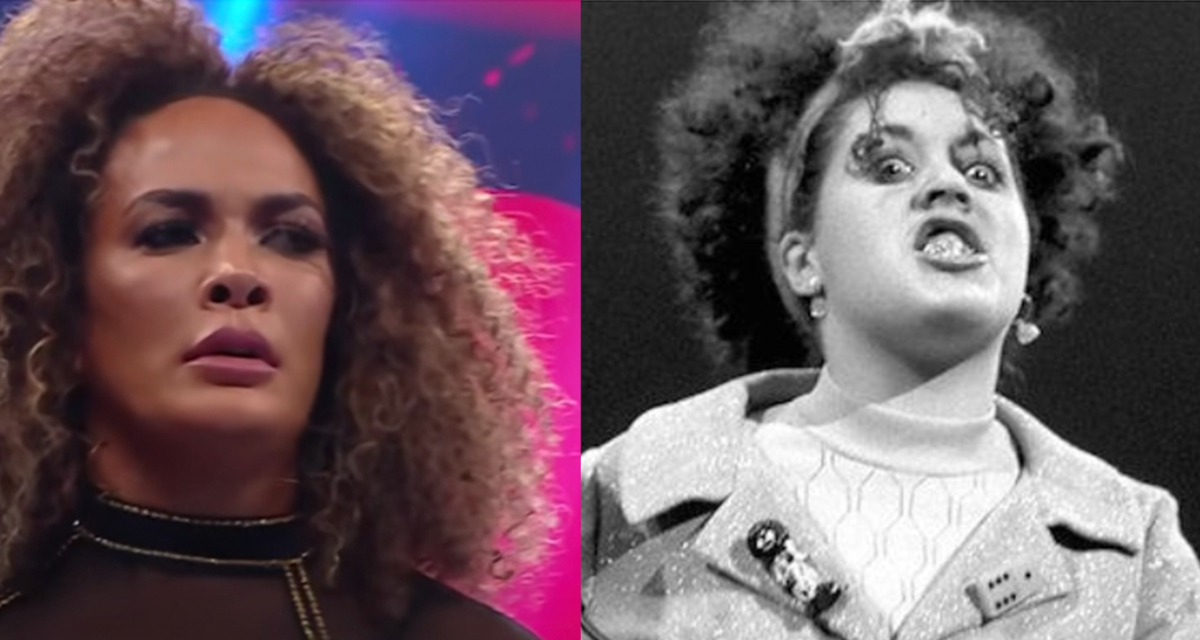 Only an athlete could bring the power and insanity necessary to play X-Ray Spex’s frontwoman Poly Styrene. Nia has been pretty much out of commission wrestling-wise recently, so now would be the perfect time for her to have a run in Hollywood like her cousin The Rock.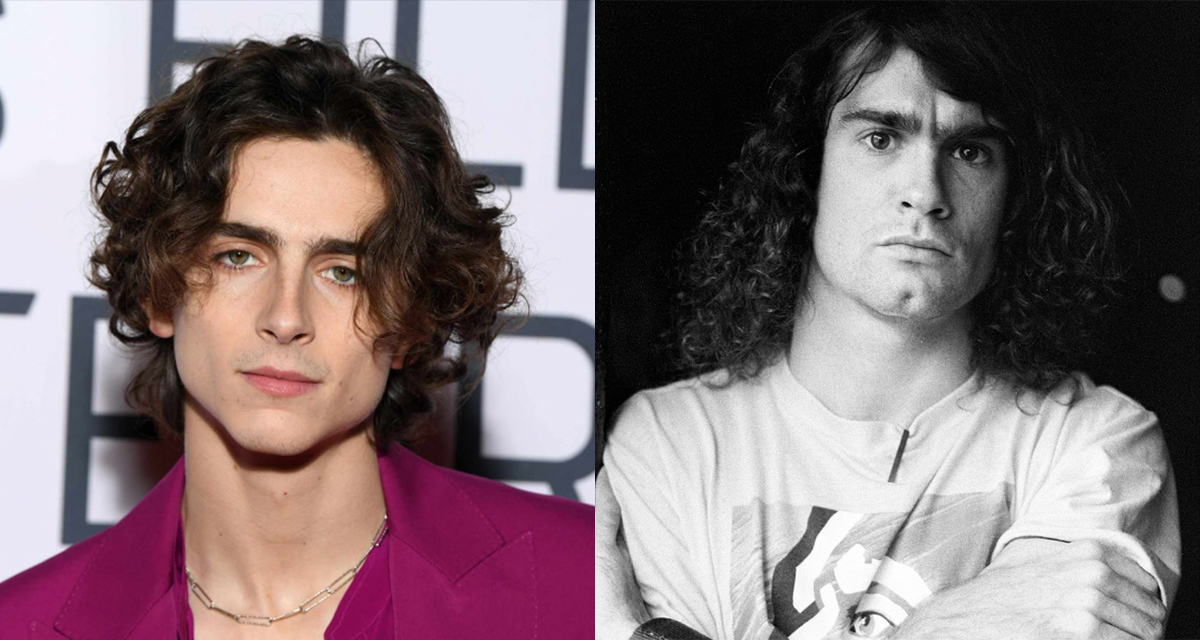
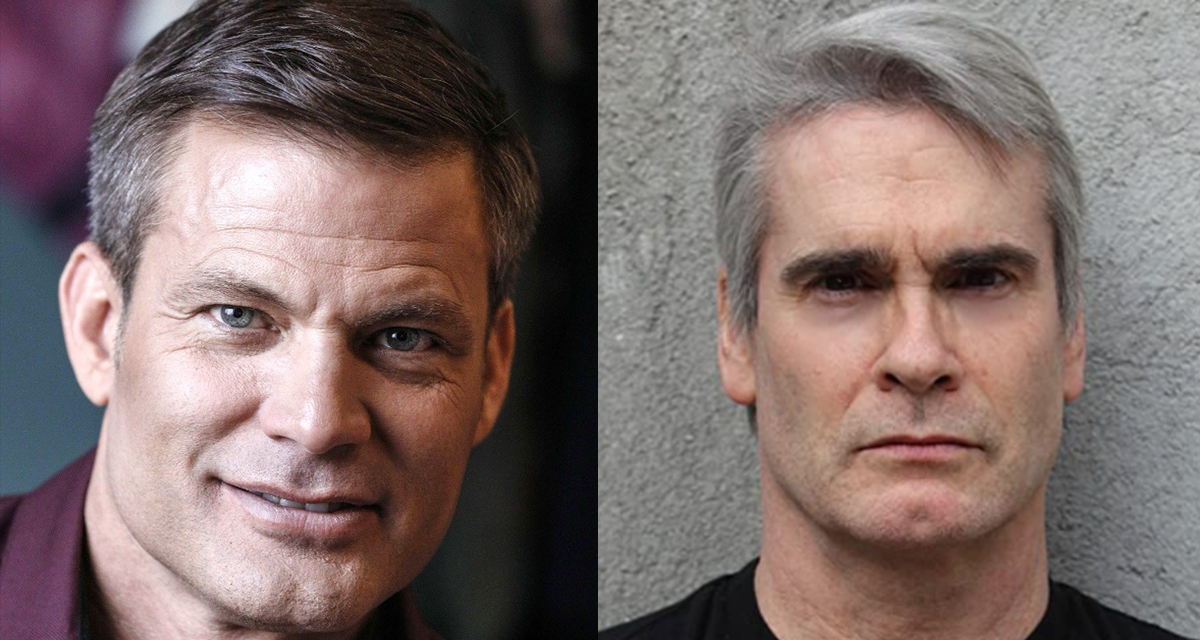 For Henry Rollins we need to do the full “I’m Not There” treatment and have different actors play him at different stages of his life. I don’t know much about this Timothée Chalamet kid but he seems to be pretty good at everything he is in so it only makes sense if we want some box office pop. Plus they both have the “I can’t be bothered to take a photo” glare down perfectly. For the older “spoken word” era Rollins we will have to go with a bulked-up Casper van Dien, if Hugh Jackman can get in shape for Wolverine at 54 why can’t Casper. The world needs a Casper Renaissance.
 Unless we tell the story about Travis Barker quitting The Aquabats no one wants to hear about the early days of “Total Request Live” Blink-182. Audiences want to hear about the breakup, the UFOs, and Skiba. Ira has done cameos in a few films and I think he had the chops to pull off a thoughtful, existential Hoppus the public never gets to see.
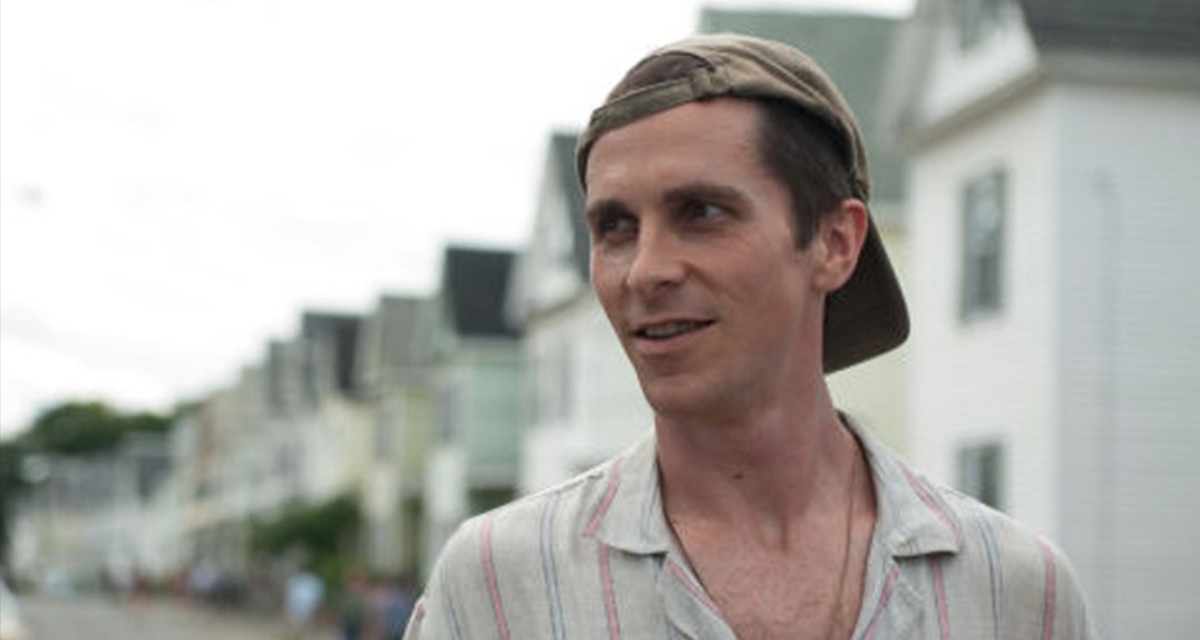 If you are going to set any movie in New York in the 1980s you are contractually obligated to have a scene where the main character is harassed by a roving gang of punk rockers on a graffiti-laden subway car. Even if it is for just one scene, Bale will drop fifty pounds to play a tweaked-out punk with a red mohawk in a leather jacket and a switchblade named something dumb like Landfill Chowder.
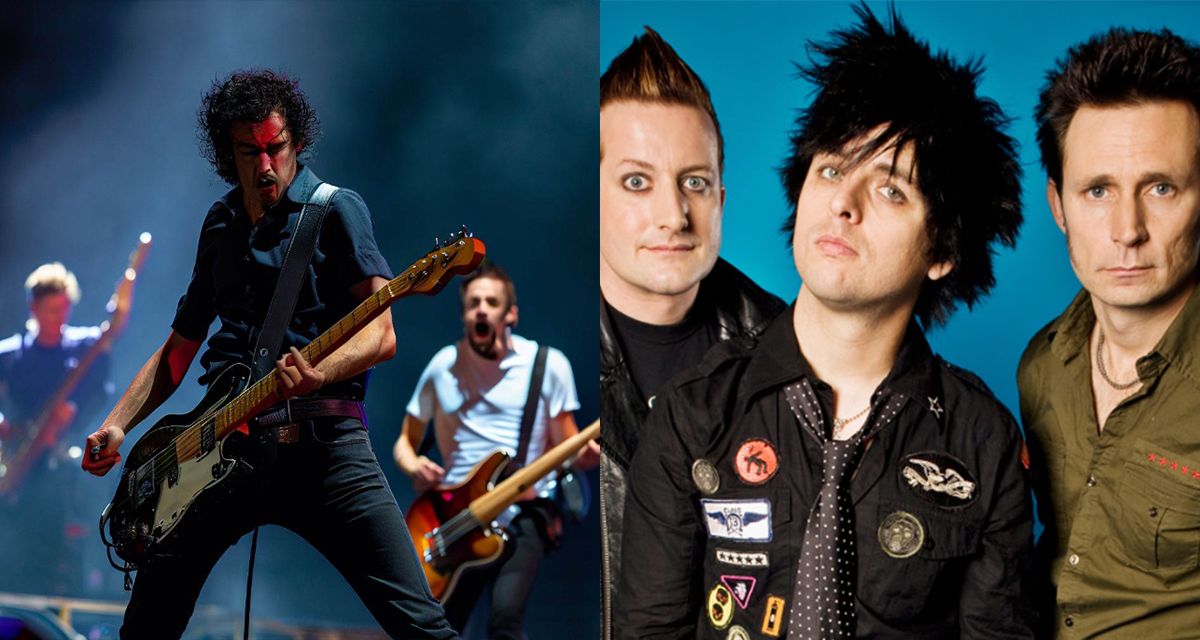 With today’s technology, we could have Adam Drive play Billie, Tre, and Mike all at the same time. I think the guy has the acting chops to do it. I had an AI system come up with what it might look like in the photo above and, to be honest, I don’t hate it. We will put Adam’s head on Andy Serkis in a mo-cap suit and do the rest in post.
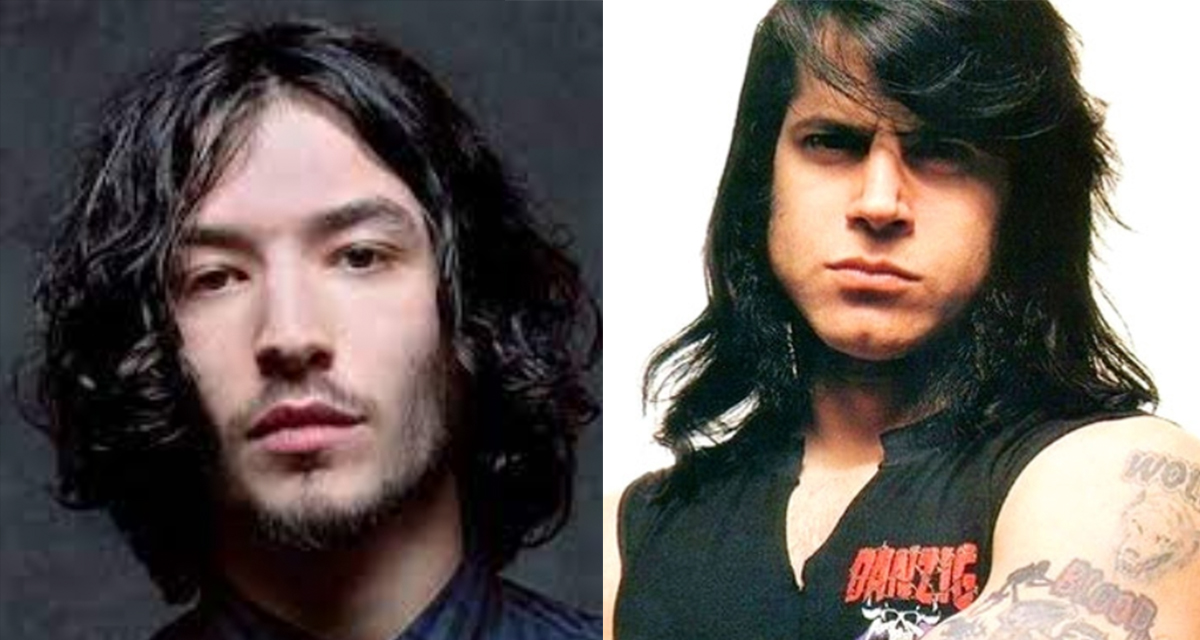 Now hear me out. If we give Ezra the “Chris Pratt” treatment and turn him into a total meathead, he will make the perfect Danzig. If he ends up going to jail he won’t have any time to do anything but work out. These are two guys who take themselves way too seriously and have had run-ins with the law in their own very unique ways. Dave Bautista will play the Northside Kings guy that knocks him out in act 1.
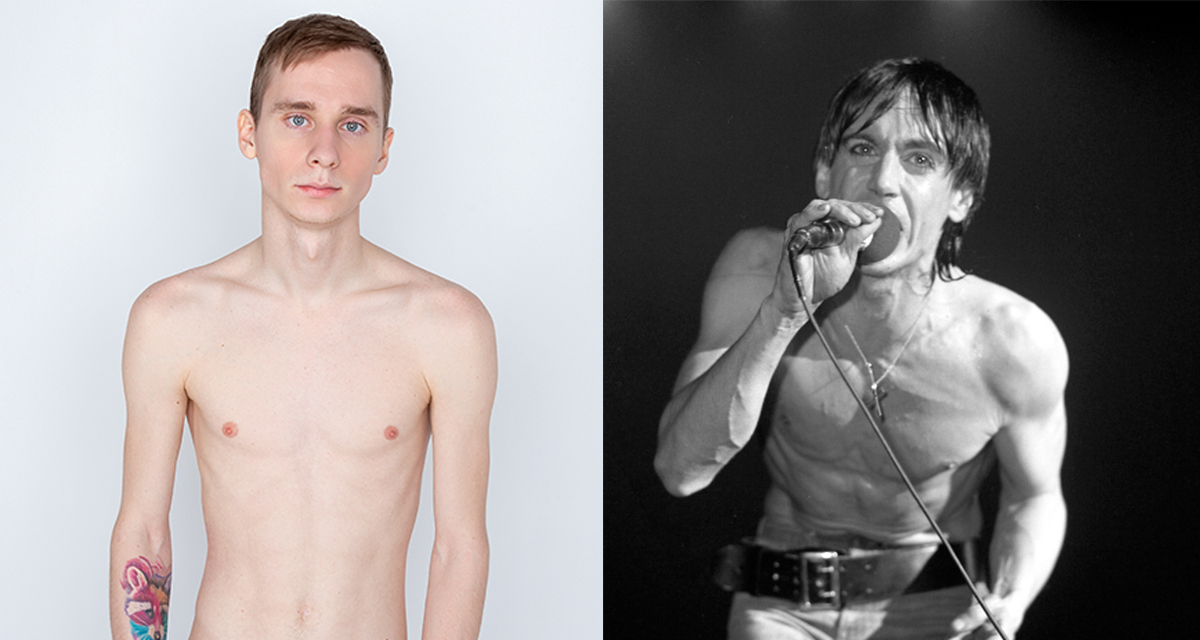 This one kid that hangs out in front of my local AMPM would make the perfect Iggy Pop. He may not be a celebrity per se, but he’s well-known in my town. And I’m pretty sure this guy can act because every time I see him he has some new story as to why he needs five bucks, or a ride downtown, or a cigarette. We better hurry though because he is going to stop looking like young Iggy Pop soon and start looking like current-day Iggy Pop.