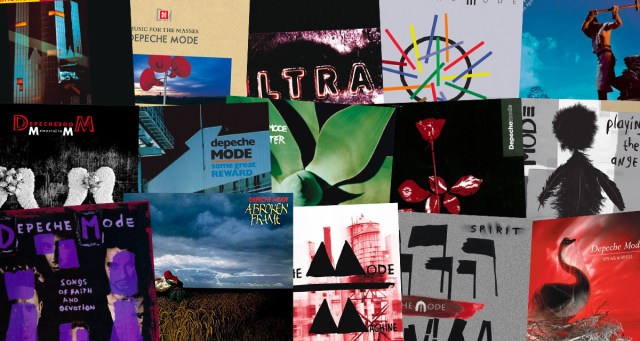
Depeche Mode is one of the greatest synth groups of all time, with a fan base that ranges from goths with a background in theater to theater kids who had a goth phase. The core duo of singer Dave Gahan and songwriter/head weirdo Martin Gore (along with Vince Clarke, Alan Wilder, and the late Andy Fletcher) arguably created the entire darkwave genre, fusing the bright synth-pop of their early years with anthemic stadium rock and goth balladry into a wholly unique sound. Over the course of their lengthy career, the band has produced a number of iconic, genre-defining hits, but all albums about being a skinny dude who likes to wear leather harnesses are not created equal. As such, we locked ourselves in our bedrooms with a bunch of red wine, turned out the lights, and ranked them all.
15. Spirit (2017)
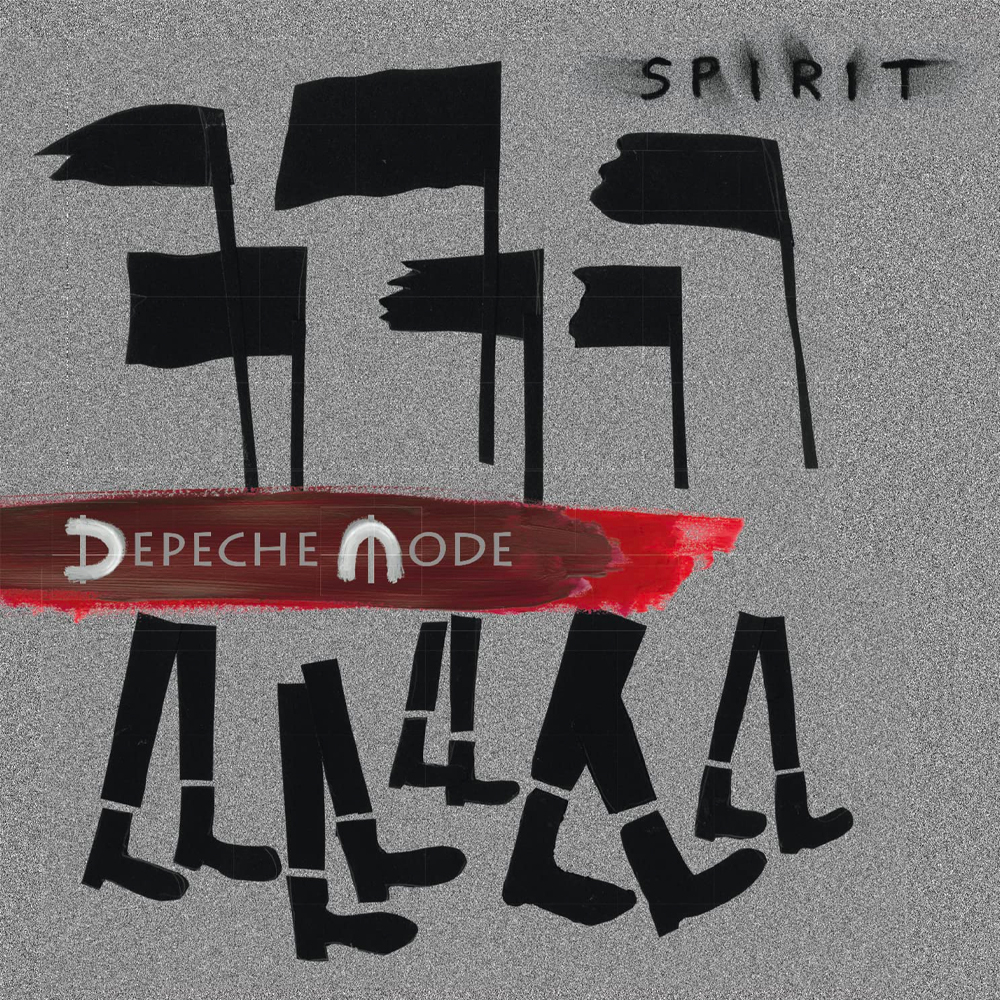 Depeche Mode has often been dismissed as a cultural lightweight, alternatingly for producing mindless pop music or for melodramatically gloomy dirges. It’s pretty weird that the band decided to hit back against that image a full fourteen albums in, producing the politically strident, musically soporific “Spirit.” It’s as if this collection of millionaire goth rock stars were trying to outdo U2 in terms of earnest, Marxist-lite songs about climate change and the Arab Spring, only to somehow wind up even more embarrassing. We’re not saying Depeche Mode needs to stick to songs about weird sexual power dynamics, but if they wanted to get political, the time to do so was a long time before this.
Play It Again: “No More (This Is the Last Time)”
Skip It: “Poorman” (Hey, nobody ever said Martin Gore was subtle)
14. Delta Machine (2013)
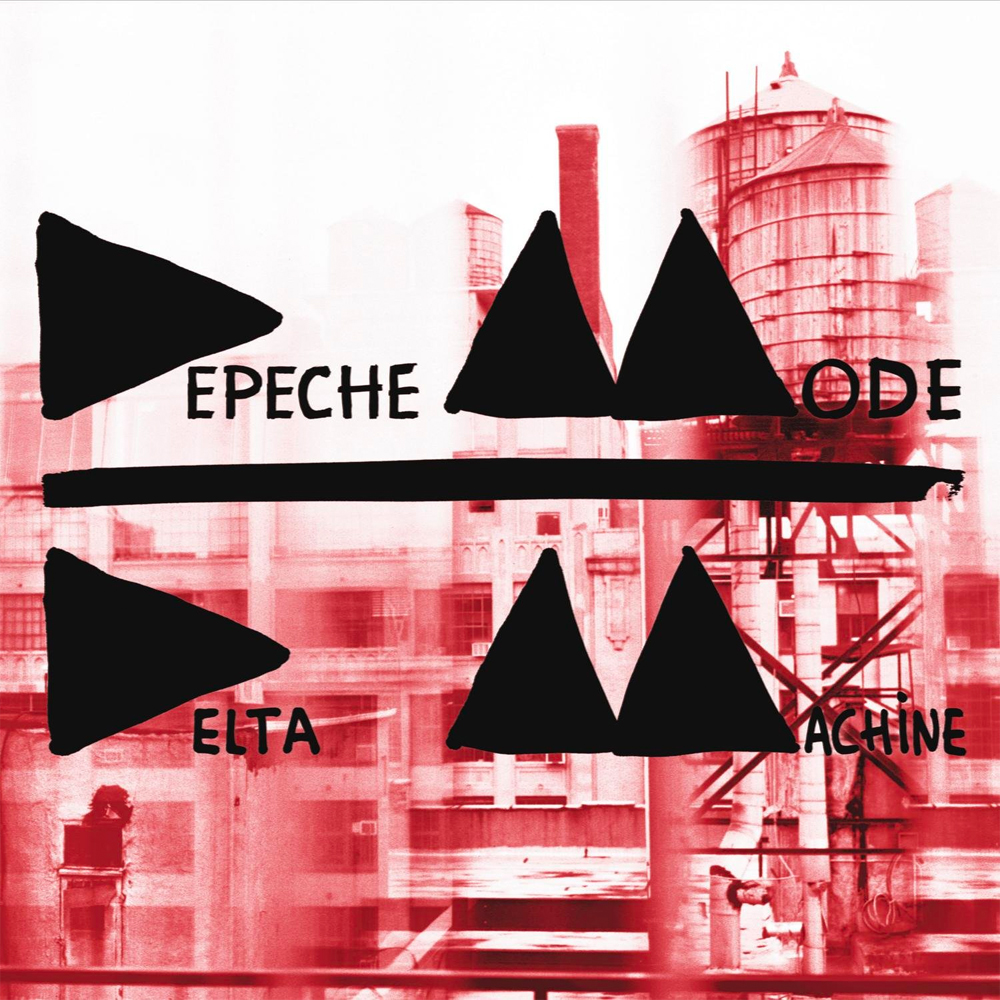 By the 2000s, Depeche Mode’s new album release strategy had become pretty rote: the new collection of songs would be described as the most lyrically personal ever, while returning to their seductively dark analog roots. However, that doesn’t mean that said songs can’t be boring as fuck, like in the case of “Delta Machine,” an album saddled with a title that should rightfully belong to a knockoff Robert Ludlum novel. The band’s thirteenth album is pretty much the definition of resting on one’s laurels, with even the best tracks little but distant reminder of what heights DM can rise to when they’re bothered to.
Play It Again: “Heaven”
Skip It: “Should Be Higher”
13. Memento Mori (2023)
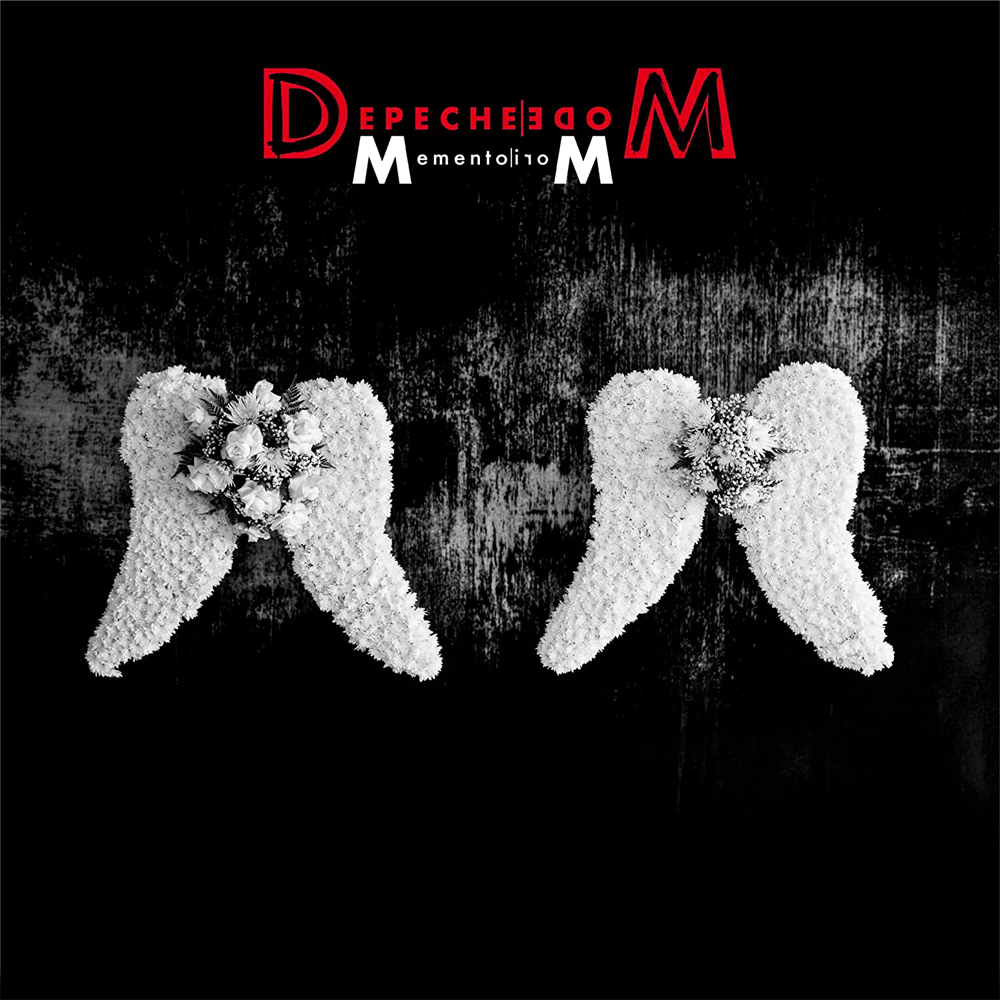 It’s difficult not to read the shocking death of Andy Fletcher into “Memento Mori,” the album released after the longtime member (and reported peacemaker of the band) passed away due to a heart condition. But Depeche Mode has always been inclined to an absurd level of morbid introspection (or navel-gazing, depending on who you ask), so who’s to say how much that truly affected the album? At the very least, the addition of the Psychedelic Furs’ Richard Butler as a co-songwriter added some much-needed fresh blood to the mix, resulting in some of the band’s most energetic music in years.
Play It Again: “Ghosts Again”
Skip It: “Caroline’s Monkey” (the song isn’t great, but the title is awful)
12. Exciter (2001)
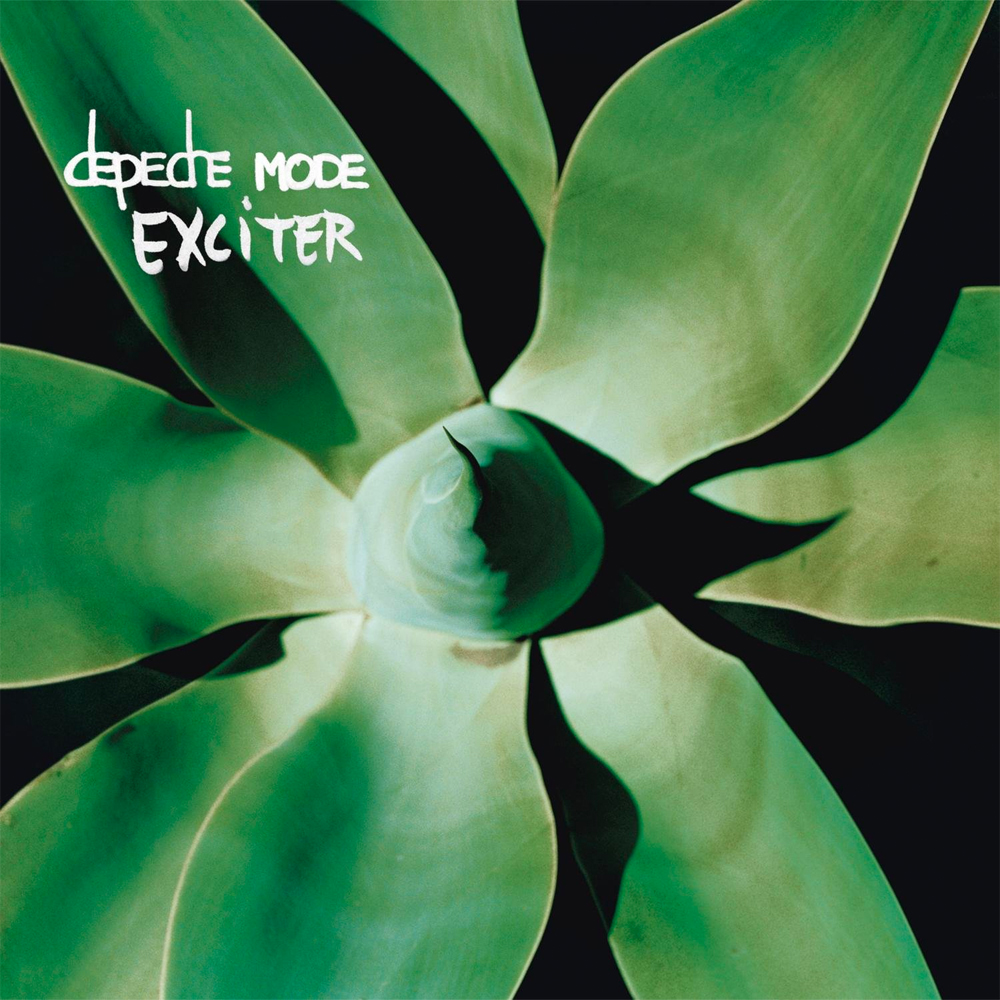 Sometimes it’s easy to tell when a band is ready to cash in on accumulated fan appreciation and just try to recycle the hits. For Depeche Mode, that’s 2001’s “Exciter,” a tired-sounding album that saw the group semi-reusing title ideas like “Freelove” (see: “Strangelove”) and “The Sweetest Condition” (i.e., “The Sweetest Perfection Part 2”). This is a consummately professional album, in that its production sounds about as good as the band ever has and has very little under the hood.
Play It Again: “I Feel Loved”
Skip It: “Comatose”
11. Playing the Angel (2005)
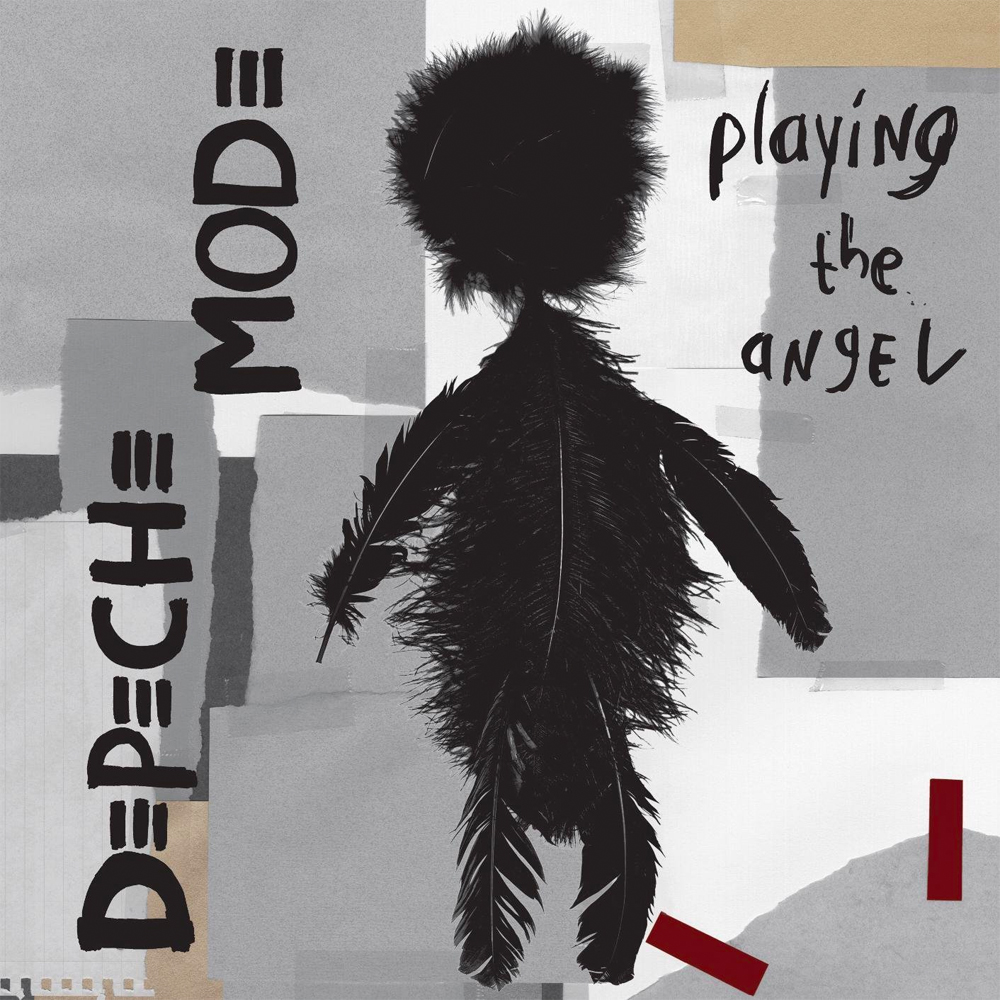 While it’s not going to break the top ten list of any sane Depeche Mode fan, “Playing the Angel” at least sounds like Gore and Gahan weren’t actively falling asleep in the studio. After “Exciter,” we’d take anything we can get, which made the unexpectedly harsh noise blast of opener “A Pain I’m Used To” that much more exciting. Some of that likely has to do with Gahan being allowed to contribute songs for the first time, presumably having years of work stocked up for the day Gore stopped shoving him in a locker after vocals were recorded.
Play It Again: “Precious”
Skip It: “John the Revelator”
10. Sounds of the Universe (2009)
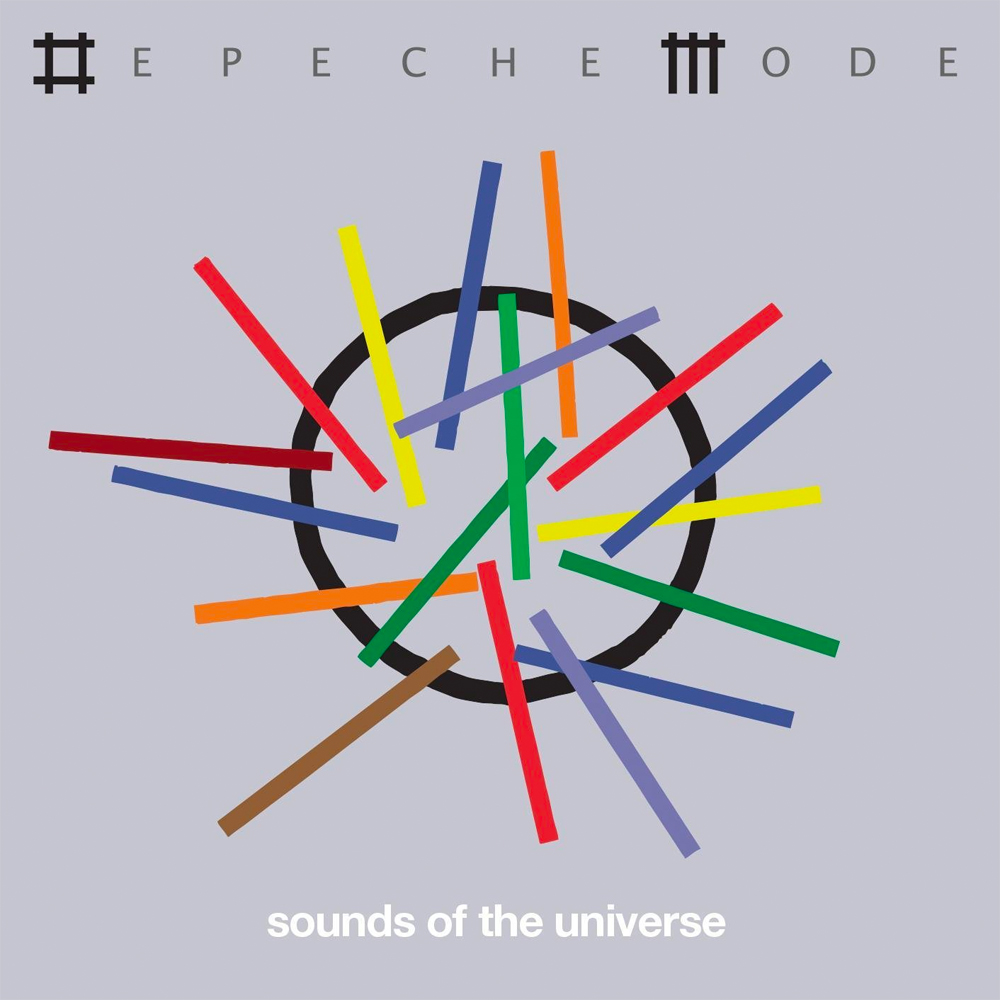 “Sounds of the Universe” picks up on the resurgent energy of “Playing the Angel” and takes it a step further, right down to the opening wave of discordant synth noise on the lead track “In Chains.” Pound for pound, it’s the strongest of Depeche Mode’s latter-day albums, with Gore and Gahan seeming like equals in the studios for perhaps the first time. In particular, the singer sounds in great form, even if someone should have told him that shouting “WRONG” over and over doesn’t constitute a catchy chorus.
Play It Again: “In Chains”
Skip It: “Spacewalker”
9. A Broken Frame (1982)
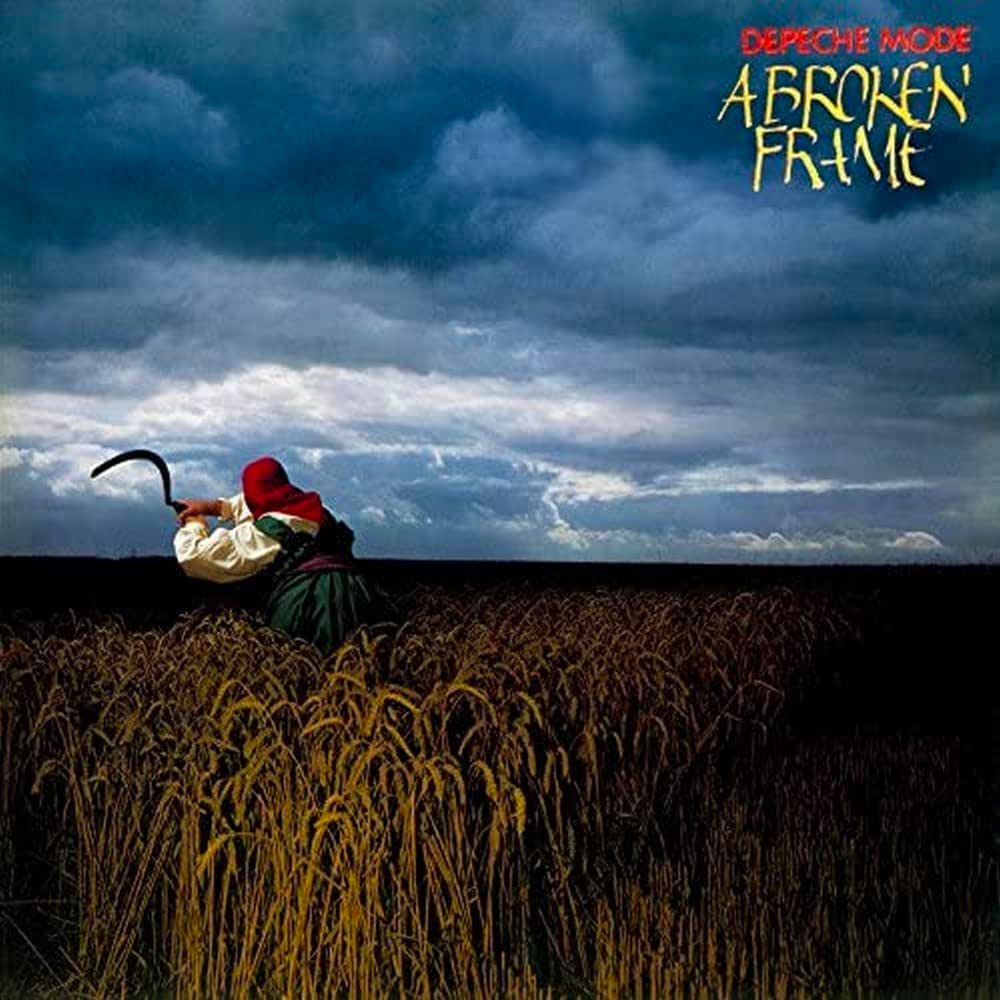 Legendarily, when original bandleader Vince Clarke decided to piss off and start Yaz, the rest of Depeche Mode essentially shrugged and figured they didn’t really need the guy who wrote all the songs anyway. For a band of teenagers unexpectedly having to throw together a sophomore album on their lonesomes, “A Broken Frame” is shockingly strong. The darkness that would eventually become caricature seeps in here, but it’s also the work of a band not quite sure exactly what they’ll be yet.
Play It Again: “Leave in Silence”
Skip It: “Satellite”
8. Ultra (1997)
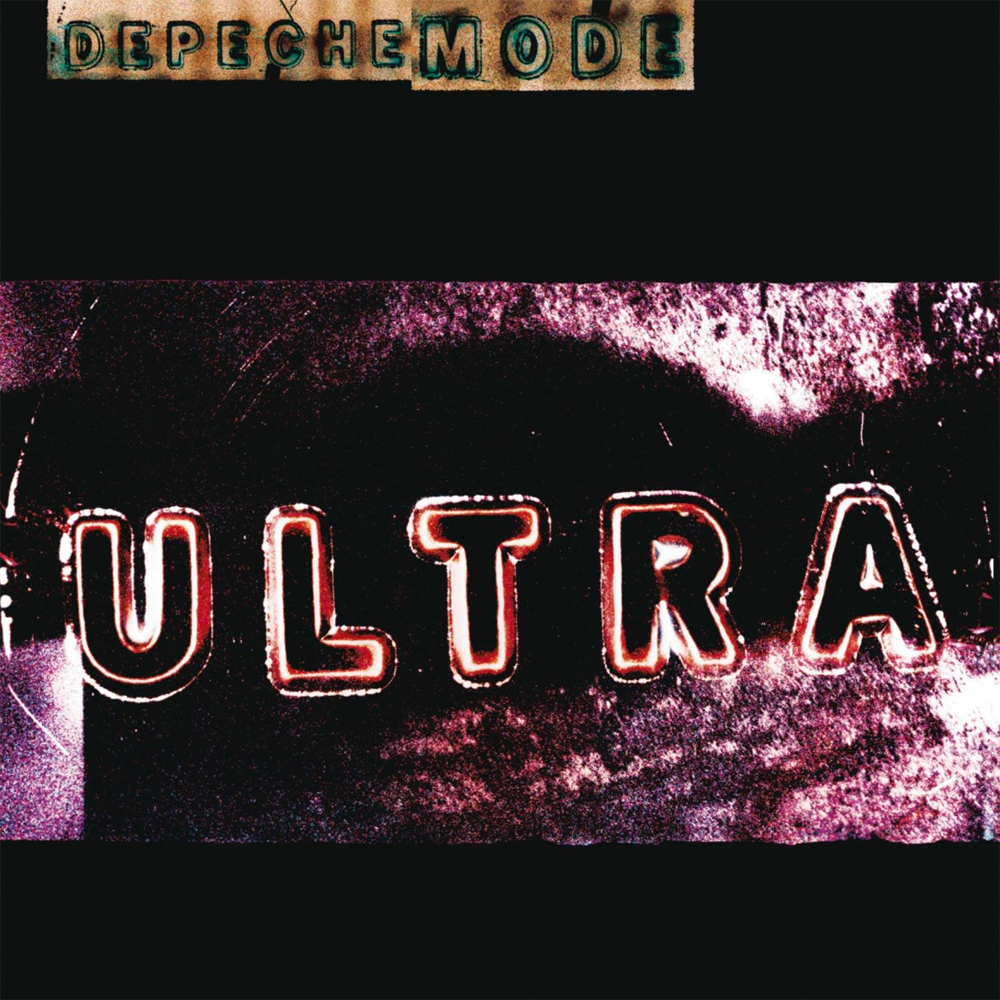 “Ultra” came after Depeche Mode’s titanic commercial successes of the early 1990s, when they transformed from a popular but critically derided synth group to one of the biggest bands in the world. It also came after the departure of Alan Wilder and Gahan’s near-fatal heroin overdose, so it’s safe to say that these were some tumultuous times. It can’t be denied that the eerie groove of “It’s Not Good” is one of the best the band has ever produced, while “Home” sees one of Gore’s finest-ever vocal performances. The band might have been fucked up at the time, but they could still bring it in 1997.
Play It Again: “It’s No Good”
Skip It: “Uselink”
7. Construction Time Again (1983)
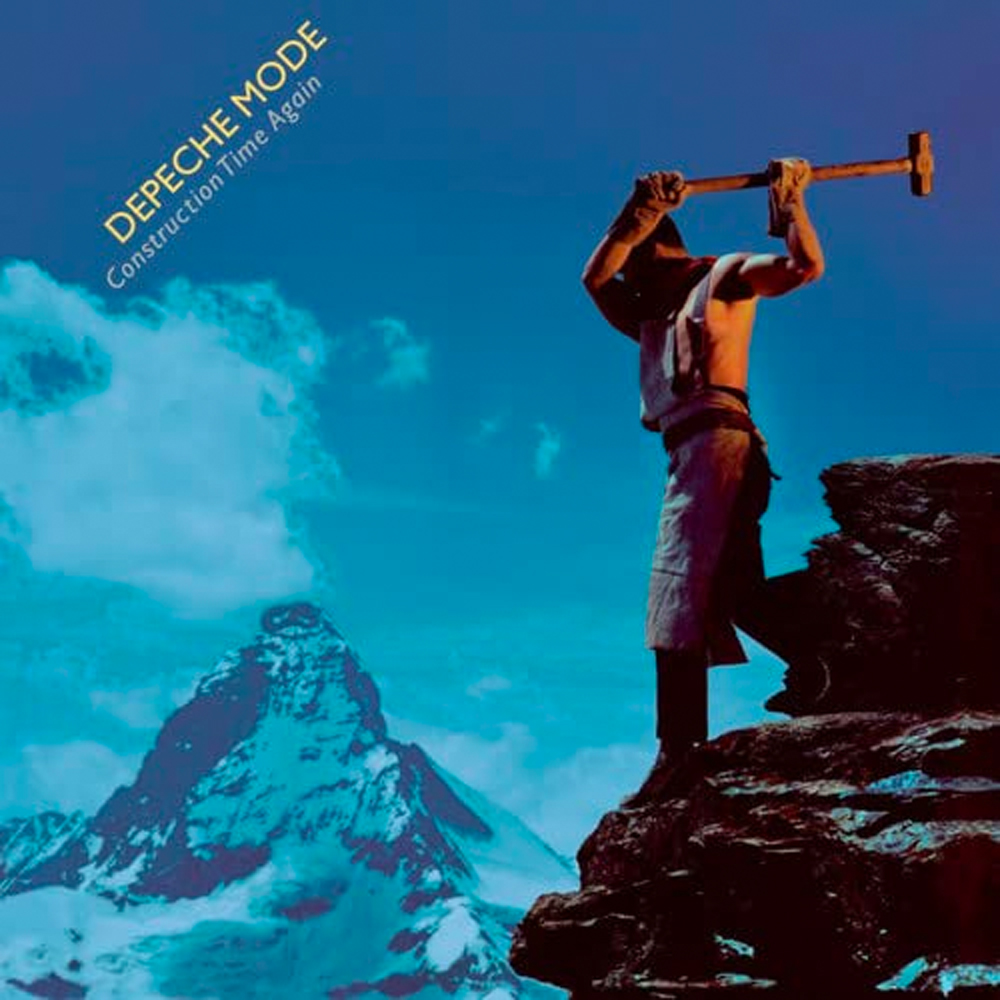 By 1983, Depeche Mode was solidifying into the gloomy, infectiously dance behemoth it would become, and “Construction Time Again” is the proof. Alan Wilder joined the band, bringing in a new level of musical sophistication with his arrangments, while Gore’s songwriting leveled up significantly, particularly on the ridiculously catchy opener “Love, in Itself” and the anthemic “Everything Counts.” After the departure of Clarke, DM was getting weird with some of its experimental sounds, which would eventually lead to even greater gains, but not quite yet.
Play It Again: “Love, in Itself”
Skip It: “The Landscape Is Changing”
Honorable Mention: Get the Balance Right! (1983)
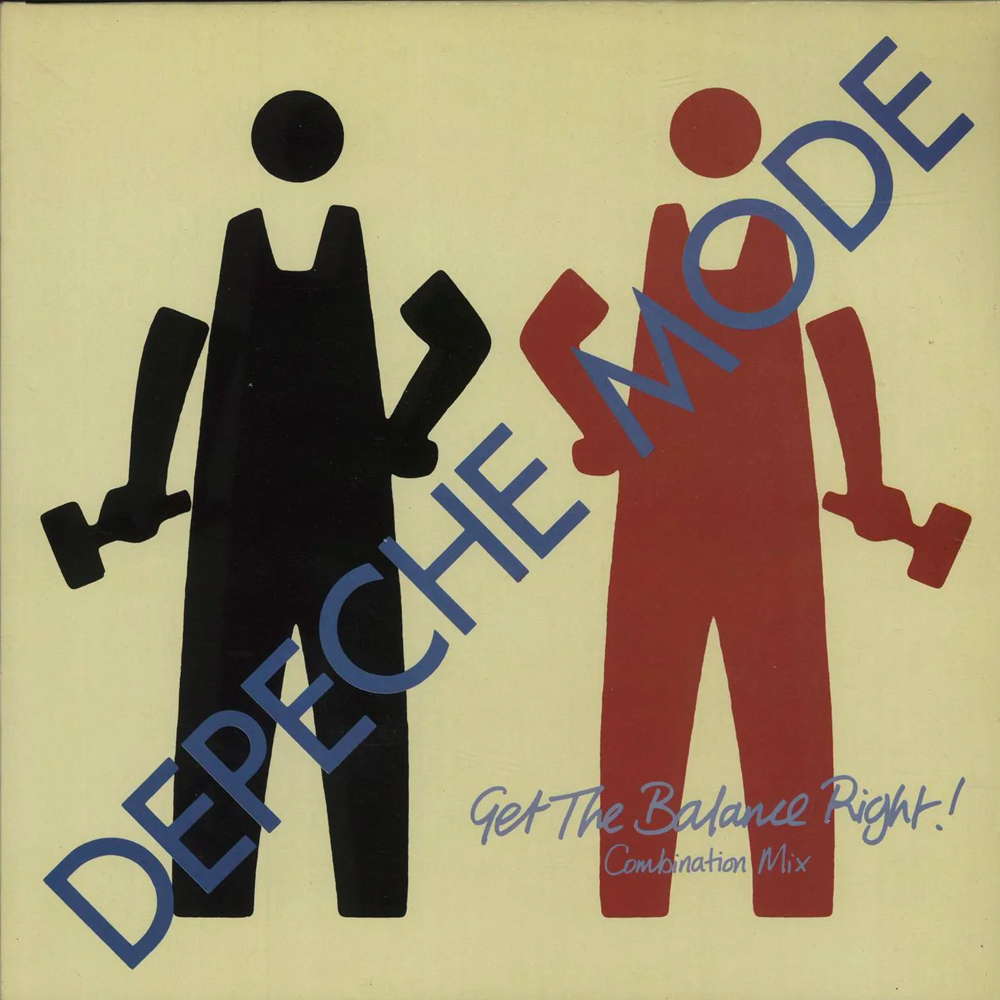 This standalone single is debatably their greatest and most representative work of the period, a perfect suspnesion of post-disco rhythm, Gore’s knack for synth hooks, and Gahan’s increasingly layered, seductive vocals. In other words, it fucking rocks.
6. Songs of Faith and Devotion (1993)
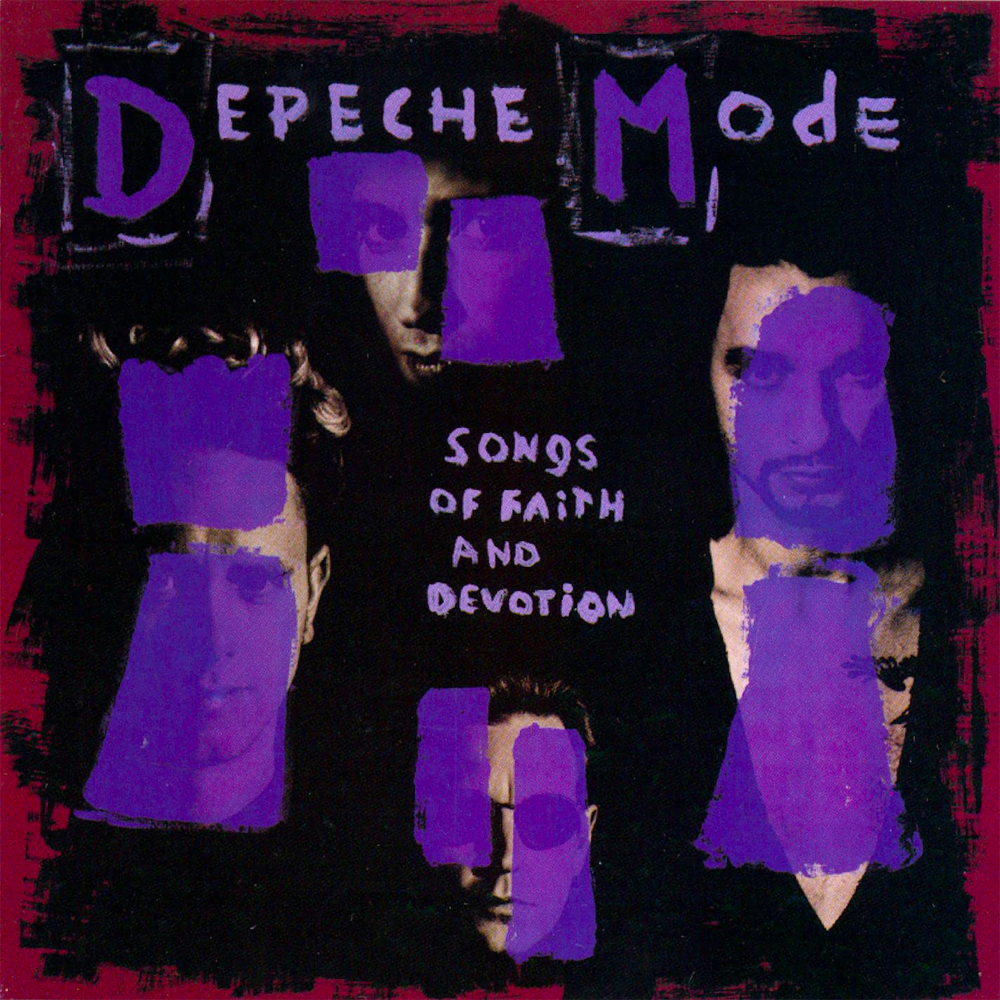 “Songs of Faith and Devotion” is the sound of a band at the absolute peak of its powers, beginning to lose the plot. Despite Gahan’s increasing descent into addiction, the band’s sense of alienation from each other, and the risk of emerging alternative rock turning their synth-heavy sound passé, the songs on this album are some of the most powerful they’ve ever produced, from the gloomy balladry of “In Your Room” to the gospel-inflected “Condemnation” to the chilly hooks of “Walking in My Shoes.” They have pretty much never been quite this good again, but at least we got this before things got really bad for a while.
Play It Again: “Walking in My Shoes”
Skip It: “Rush”
5. Speak & Spell (1981)
 The only album to feature original Depeche Mode mastermind Vince Clarke (also the guy behind Yaz, Erasure, the Assembly, and that one song that goes duh-duh-duh-duh that you can’t get out of your head), “Speak & Spell” is a bit different from the rest. While the irrepressibly effervescent, immortal bop “Just Can’t Get Enough” essentially defines the sound of the original Depeche Mode, there’s enough edge to tracks like “Boys Say Go!” and “Nodisco” that the sharp turn into darkness ahead is not out of nowhere. C’mon, they already had a song called “I Sometimes Wish I Was Dead,” is it all that shocking they went goth?
Play It Again: “Just Can’t Get Enough”
Skip It: “What’s Your Name?”
4. Some Great Reward (1984)
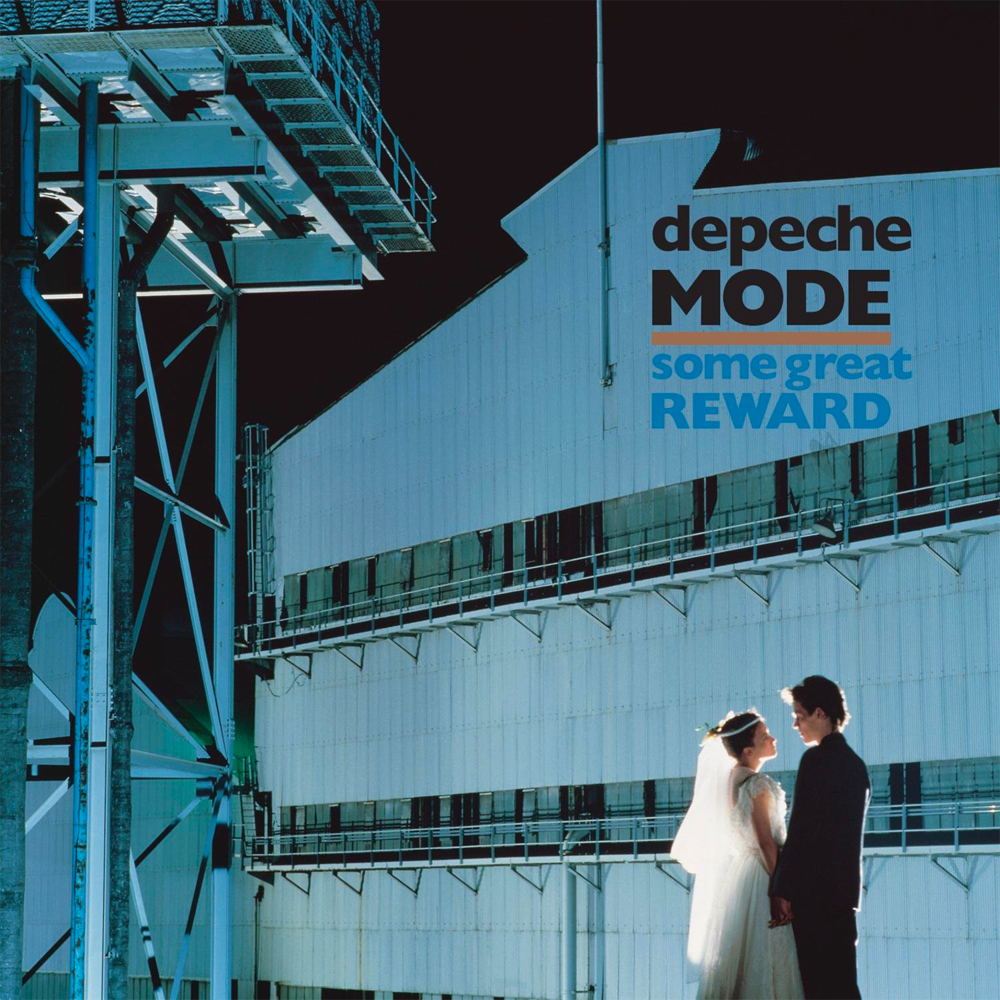 We’ll admit this first, just to get it out of the way: the lyrics to “People Are People” are pretty fucking stupid; even Martin Gore says so. However, the music is as leanly muscular and undeniably catchy as anything the 1980s produced, as is the rest of the album. Try listening to the robotic call-and-response intro of “Master and Servant” and not be astounded by the sheer weirdness of the band at the time. Then sit back and enjoy, perv.
Play It Again: “Blasphemous Rumours”
Skip It: “Stories of Old”
3. Black Celebration (1986)
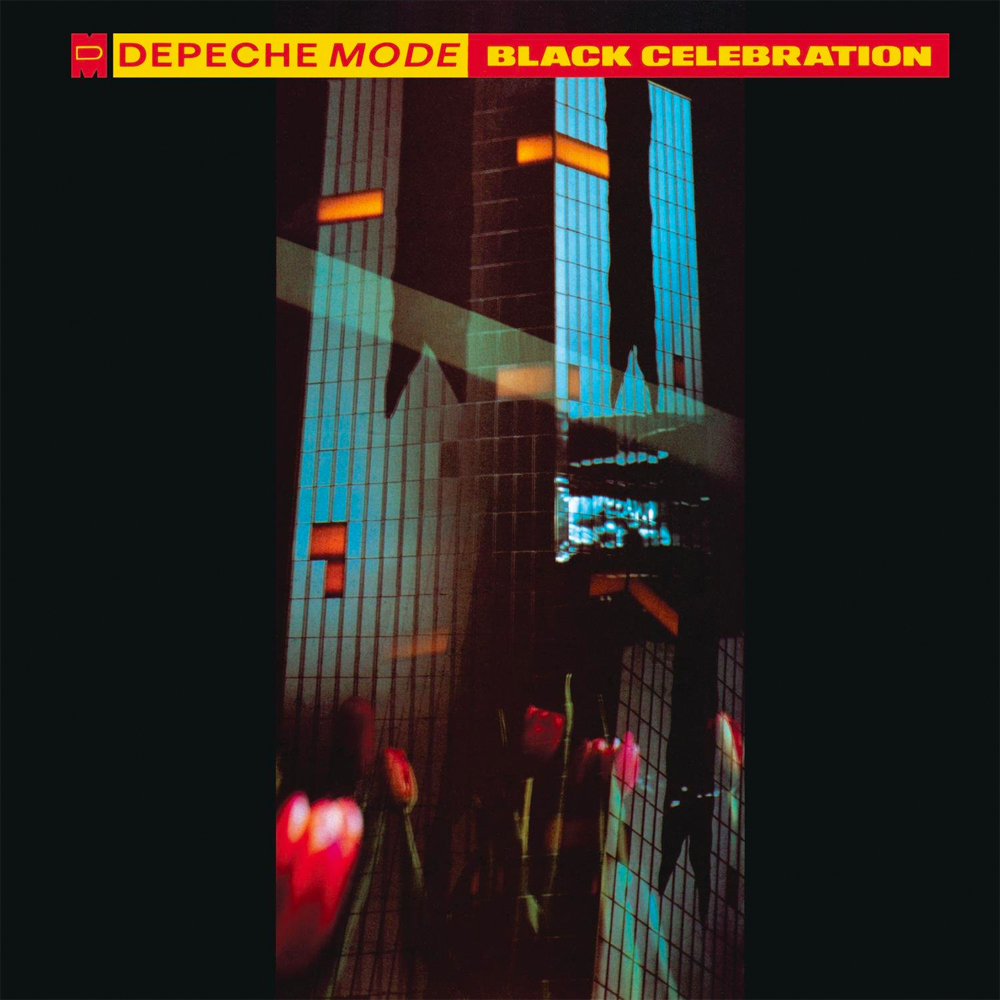 Okay, this is where Depeche Mode stopped fucking around and dived fully into the guilt-sex-drenched psychodrama that has defined the band ever since. “Black Celebration” is 11 tracks of unceasingly gripping melancholia and festering shame, but y’know, in a cool way. Songs like the chugging creep of “Stripped” and “Fly on the Windscreen – Final” are high points for the band, not just an album, while Gore took lead vocals on nearly half the tracks, including the heartbreaking insecurity ballad “A Question of Lust.” The band would make far bigger (both in terms of sales and in sheer sonic grandeur) albums, but never a better one.
Play It Again: “Stripped”
Skip It: “It Doesn’t Matter Two”
2. Music for the Masses (1987)
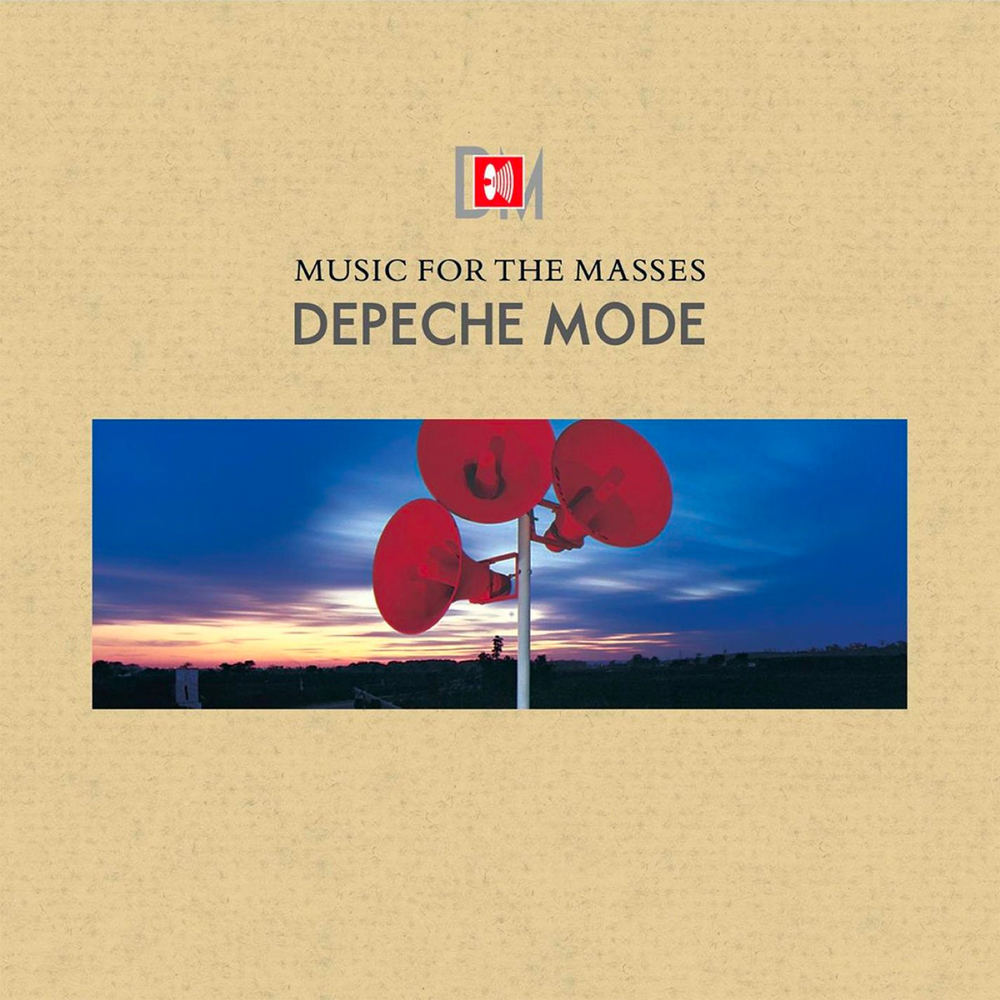 “Music for the Masses” took everything Depeche Mode had done up to that point and cranked it up to 11, then said fuck it, and cranked it up even higher. The band’s sixth album is a massive step up in pretty much every way imaginable, which is especially impressive coming immediately after the triumph of “Black Celebration.” The darkness, the incredible pop hooks, the blend of guitar rock, industrial noise, and synth-pop; all hit a new peak on this album, with all the corresponding fame and success that comes along. Most importantly, Gore finally nailed how to write an anthem that would make a packed stadium sing along, the key part of any world-demolishing group of rock gods.
Play It Again: “Never Let Me Down Again”
Skip It: “I Want You Now”
1. Violator (1990)
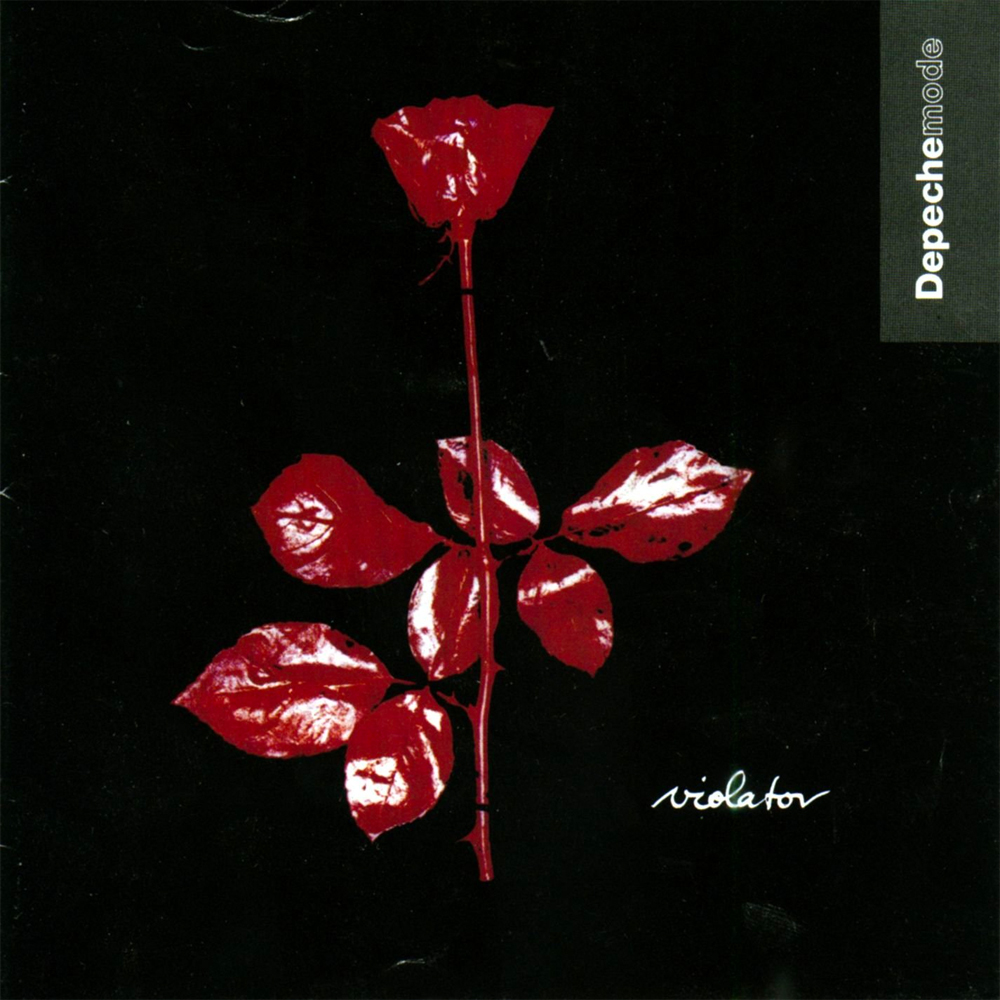 Very few bands get to make a completely perfect statement. For Depeche Mode, it’s “Violator,” the album they will forever (and correctly) known for. There’s really no way to describe the album other than the moment of every element of the band hitting full capacity at the same moment, and achieving a sound unlike anyone else. Nobody else was making something like the bizarre obsessive blues riff and electronic beat of “Personal Jesus” or the ineffable delicacy of “Waiting for the Night.” Nobody else created the insanely compelling intensity of “Halo” or “Policy of Truth,” let alone made their bruised, over-the-top emotionality somehow feel right and true. You think any other band could have made “Enjoy the Silence?” Don’t be silly.
Play It Again: “Enjoy the Silence” (Of course it is)
Skip It: Nope.



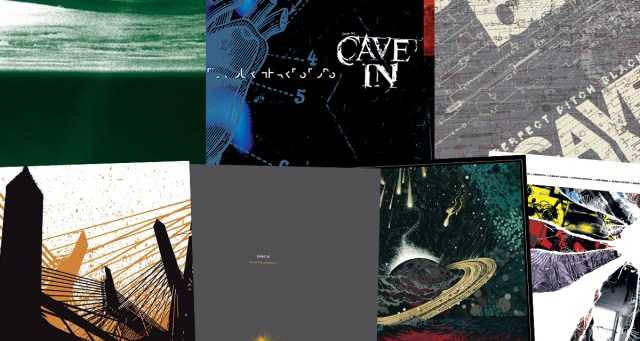
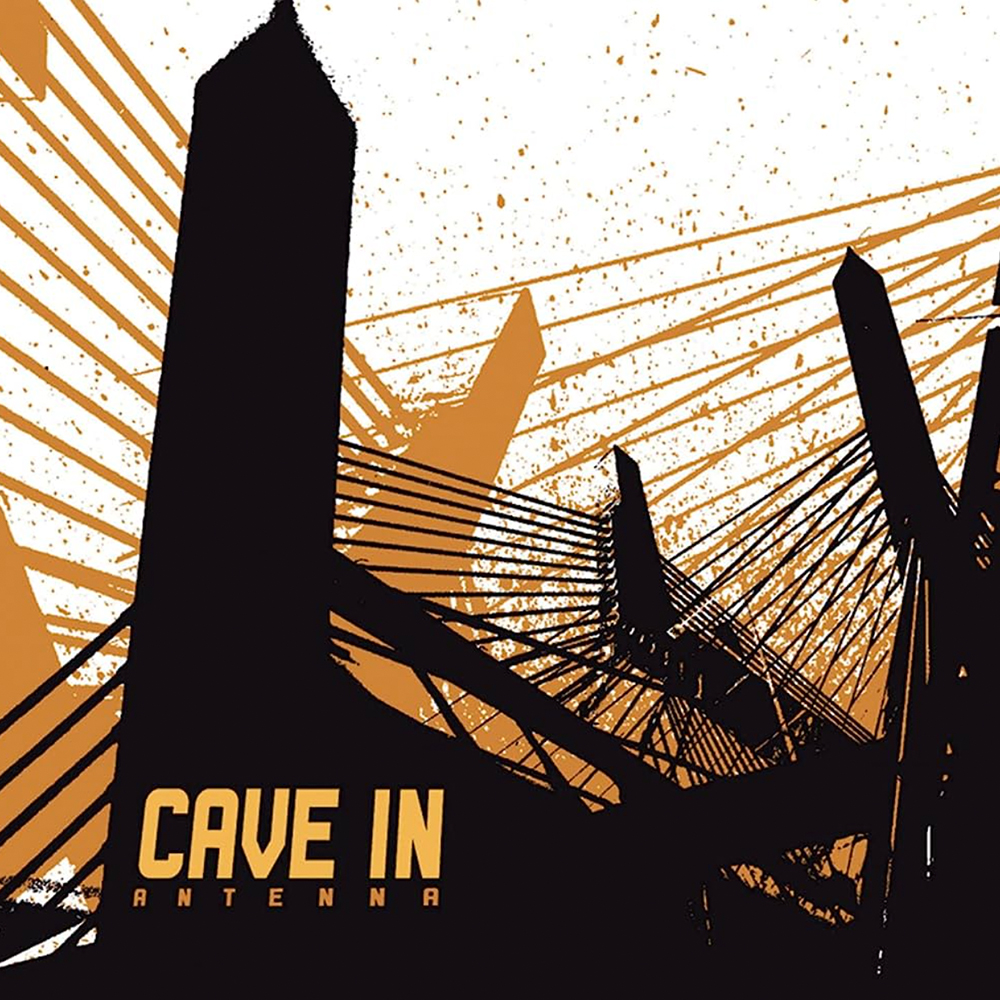 Neckbeard-y hot take incoming: This is the least Cave In sounding Cave In album. How many times have you seen this story? Band known for a certain sound gets signed to major label, releases a too-polished, overly-produced album that does not appeal to wider middle America audience while simultaneously alienating their core fans. “But… but… isn’t this their most popular album?” Yes, and “The Phantom Menace” was the highest-grossing movie of all time until “Avatar” came out and those are both terrible.
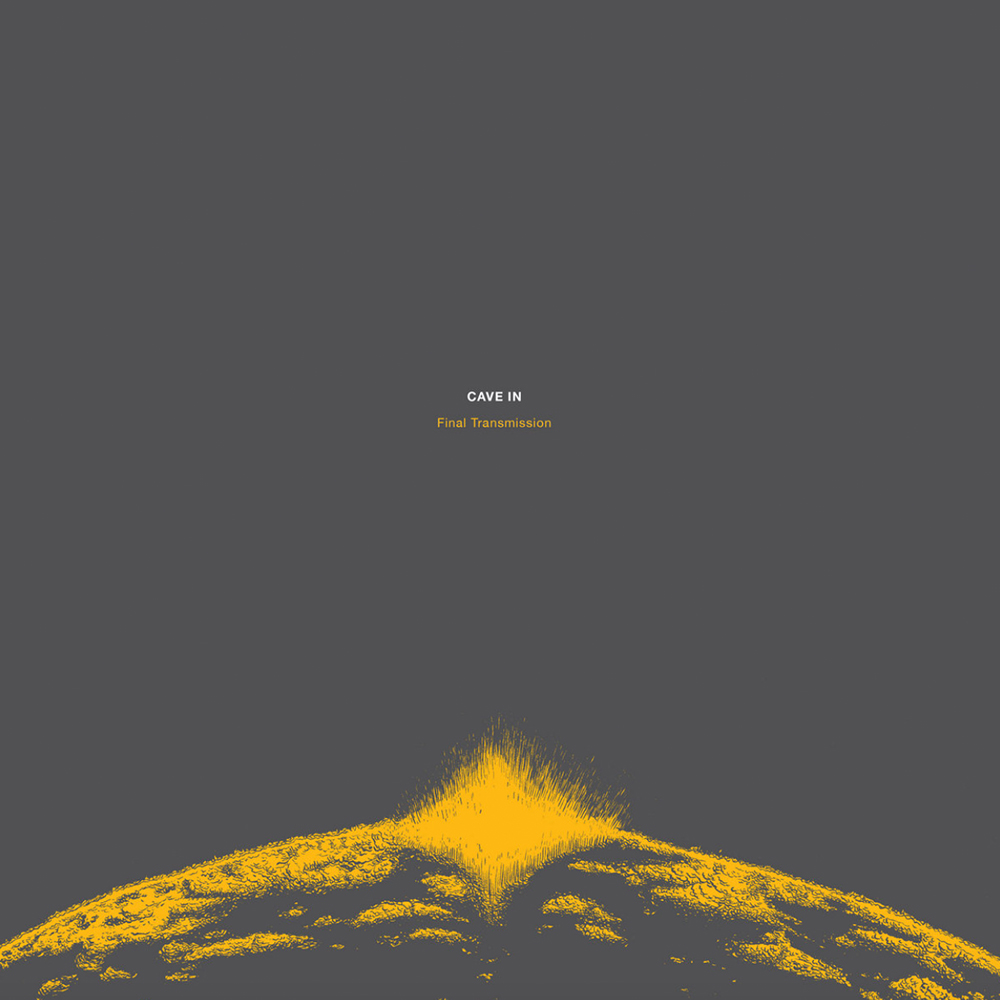 This is a mixed bag of unfinished demos that possibly never got to be refined due to the sudden death of bassist Caleb Scofield. There are still great moments here though, some with an understandably somber tone. On “Shake My Blood” the band’s love of Failure is put on full display. Given time this could’ve been one of their best releases.
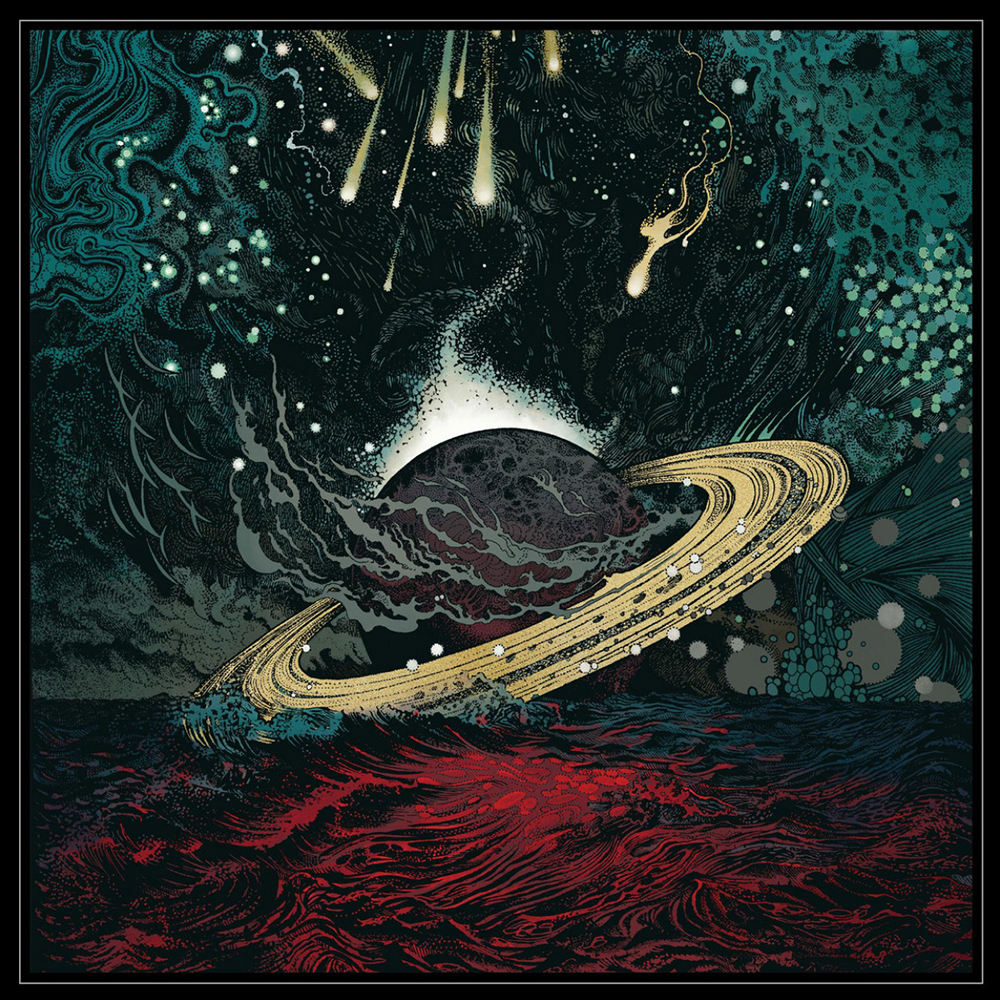 Ok, let’s start with the good news. Cave In are still active and put out an album in 2022, Nate Newton from Converge, Jesuit, and Doomriders amongst others is now playing bass and doing the screaming vocals, the first two songs are absolute ragers. Things start to get a little hit-or-miss afterward though. It’s tough to put on our finger on it but something just feels off in some of these songs. You know like when the cast of an old TV show does some hamfisted reunion and you can just tell everyone is just tired and maybe a little strung out? It’s kinda like that.
 After their brief stint on major label RCA, Cave In spent a year or so licking their wounds from the experience and returned to their home on Hydra Head and to a sound closer to what many fans remembered. They rediscovered the heavier metalcore sound mixed with the spacey operatic elements while dialing up the experimental weirdness a bit. Most bands after their big-time record deal falls apart typically break off to do self-indulgent solo projects or even worse, form a “supergroup.” Luckily they were able to course-correct here though and avoid the cringey burnout phase.
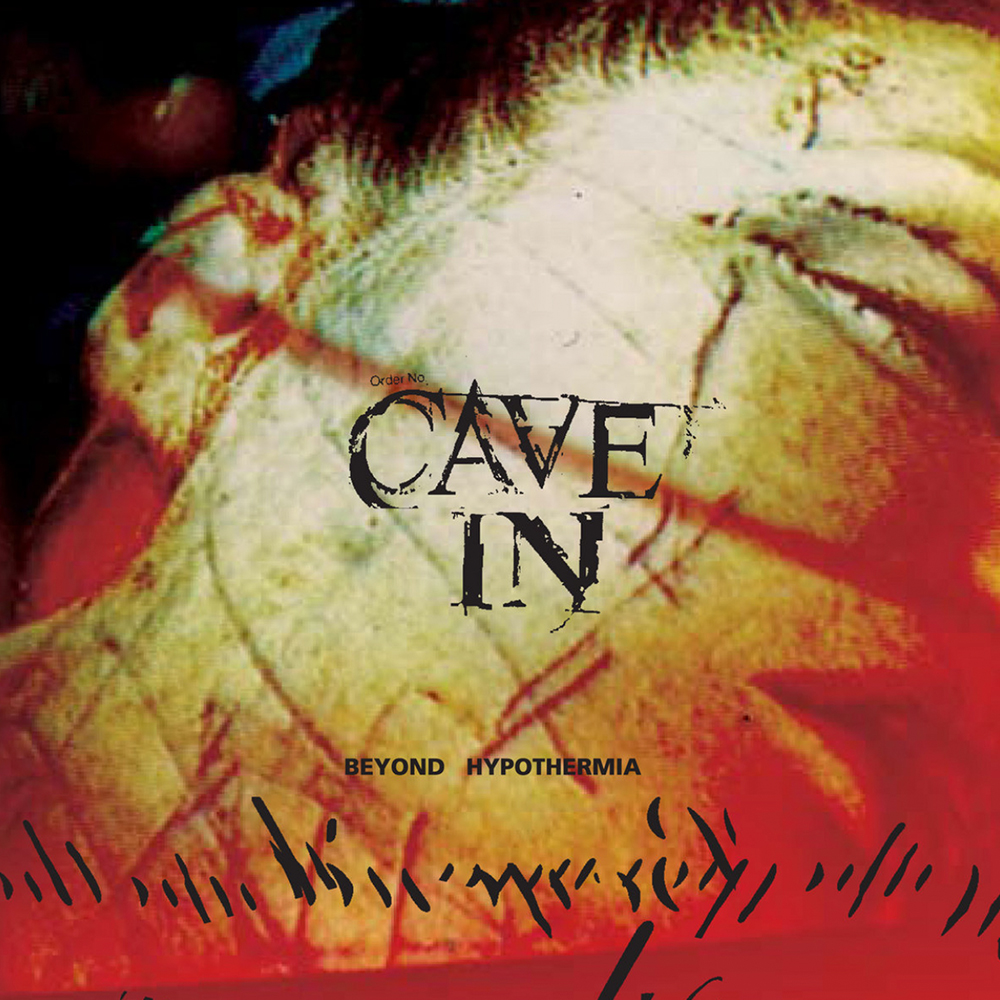 Not included in the ranking since it isn’t a studio album but a collection of their first hardcore-era 7”s and various songs from compilations with a revolving door of vocalists. Most of these songs were written while the band was still in high school which is astonishing when you think about how most high school bands sound like the inside of a Guitar Center on some kind of “play all of our instruments at once” day.
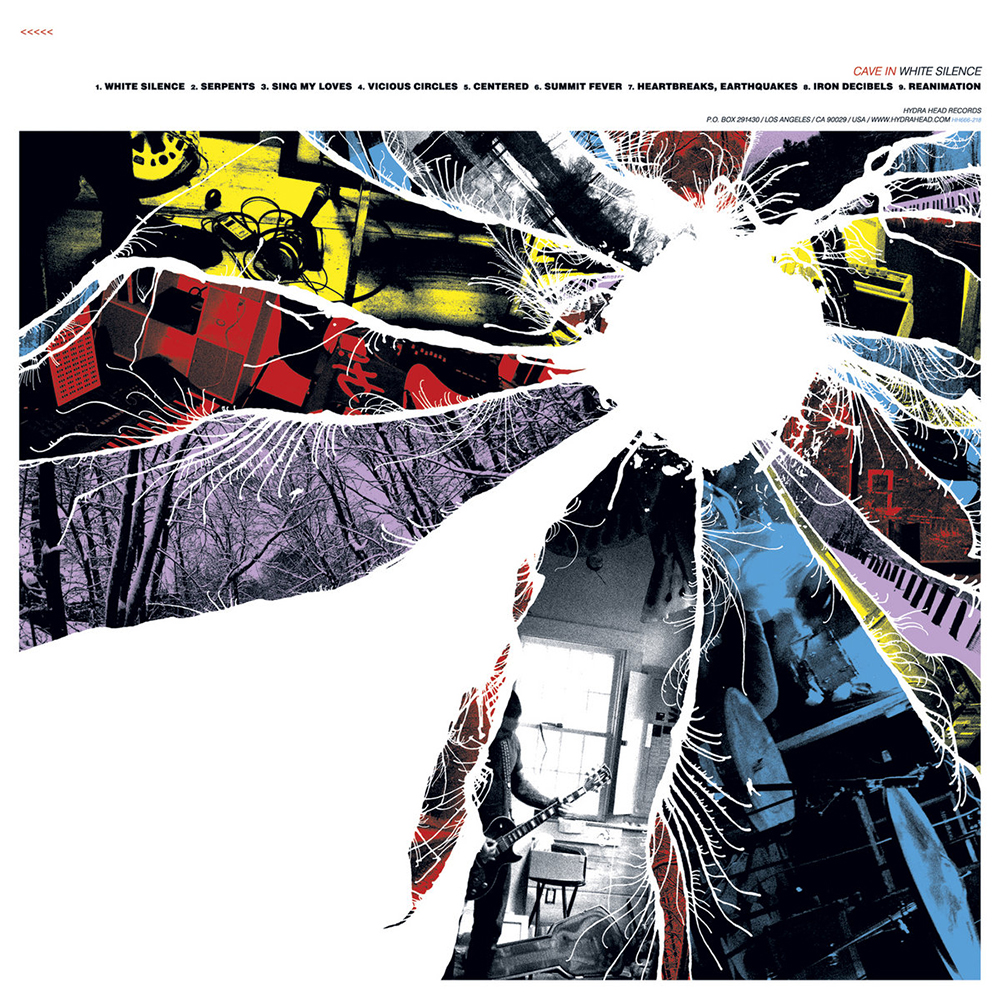 For many die-hard followers of Cave In, this was their least favorite release on first listen. But just like how George Costanza was able to get a woman to be interested in him by repeatedly dropping a little earworm “Cuh-STAN-za,” this started to grow on people also. (Seinfeld references are still relevant, right?) They went to a weirdo realm on this but kept that shit heavy. Stephen Brodsky takes a bit of a backseat on vocals here and lets Scofield’s screams do the heavy (pun intended) lifting.
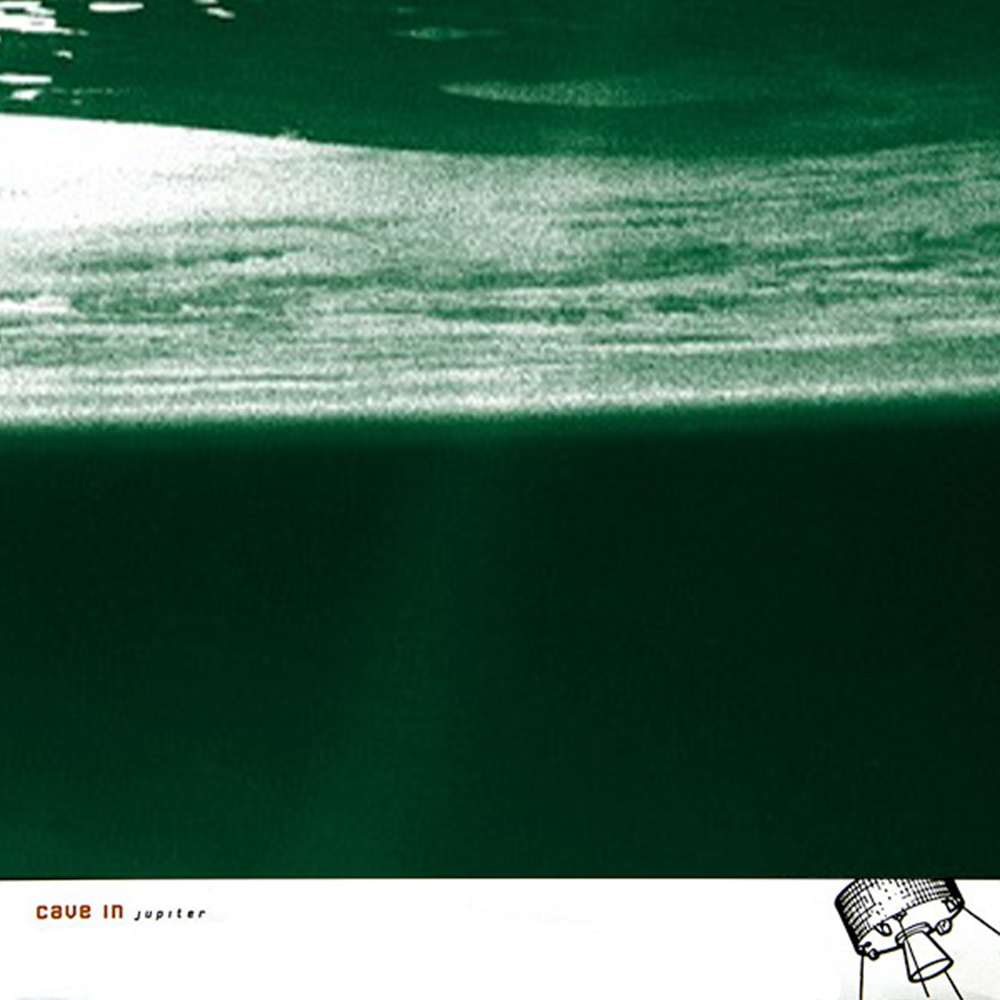 A year prior to “Jupiter” Cave In released the “Creative Eclipses” EP which teased out a new direction the band was heading in musically. “Jupiter” picks up right where “Eclipses” left off and yes, the mosh parts and the screaming were gone but what was left was something entirely new. And much like its namesake Jupiter, the album feels like a massive presence with weight that draws you into its orbit of celestial violence and beauty. (Dear reader, please submit the last line of this blurb to the fine folks who hand out the Pulitzer Prize, they are going to shit themselves.)
 We’re ending this ranking with their first album which probably seems like we’re just being lazy in our writing but (need joke here). After burning through a few frontmen, the group became a four-piece and Brodsky took over vocal duties on both singing and screaming for the first and only time. Not many in the mathy metalcore genre of the time could’ve pulled off an ambitious 8-minute epic space odyssey like “The End of Our Rope is a Noose” without it being a catastro-fucking-phe but Cave In sure did it.
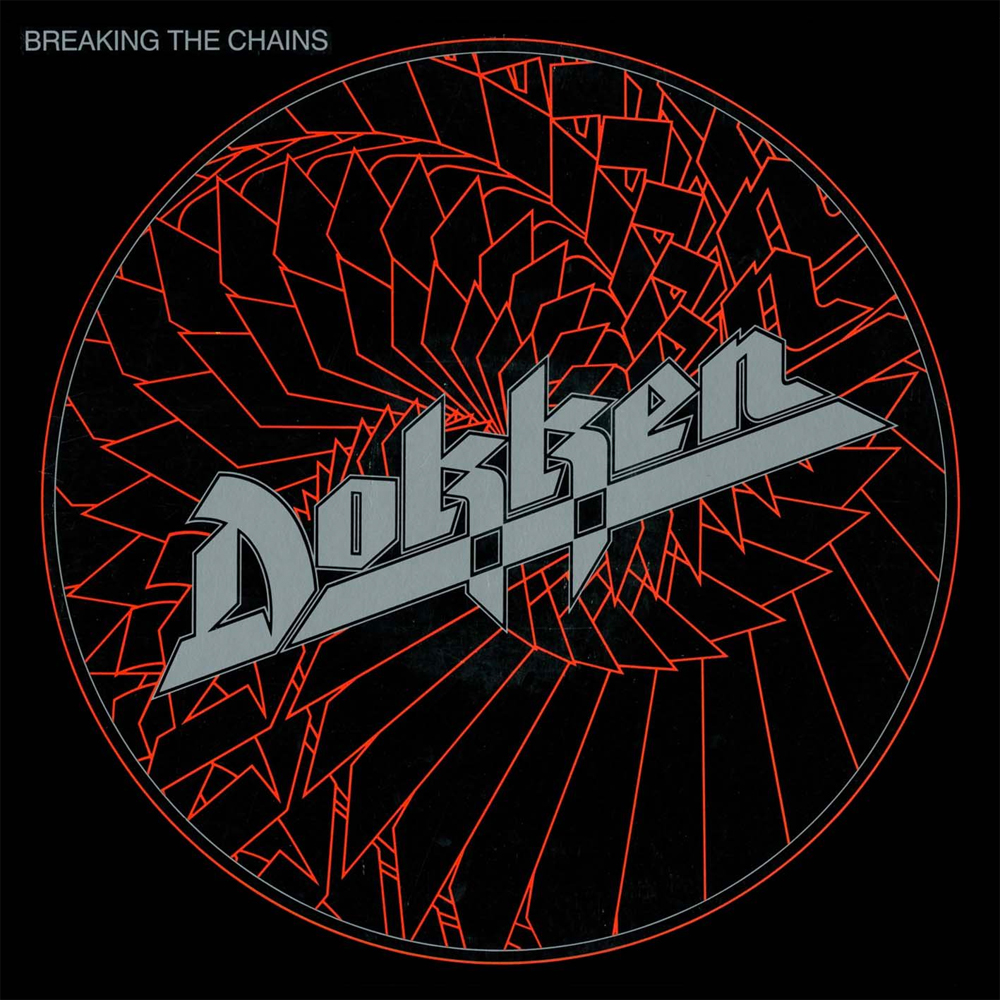 Dokken “Breaking the Chains”
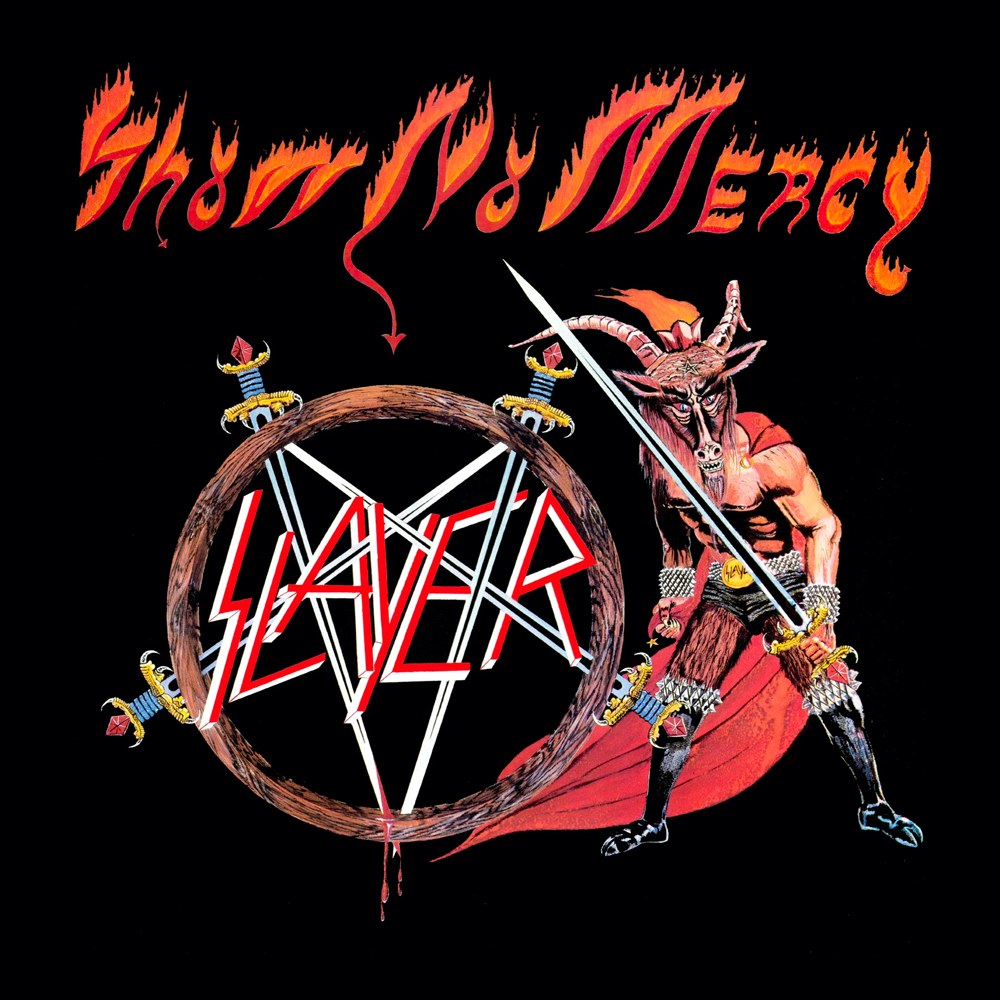 Slayer “Show No Mercy”
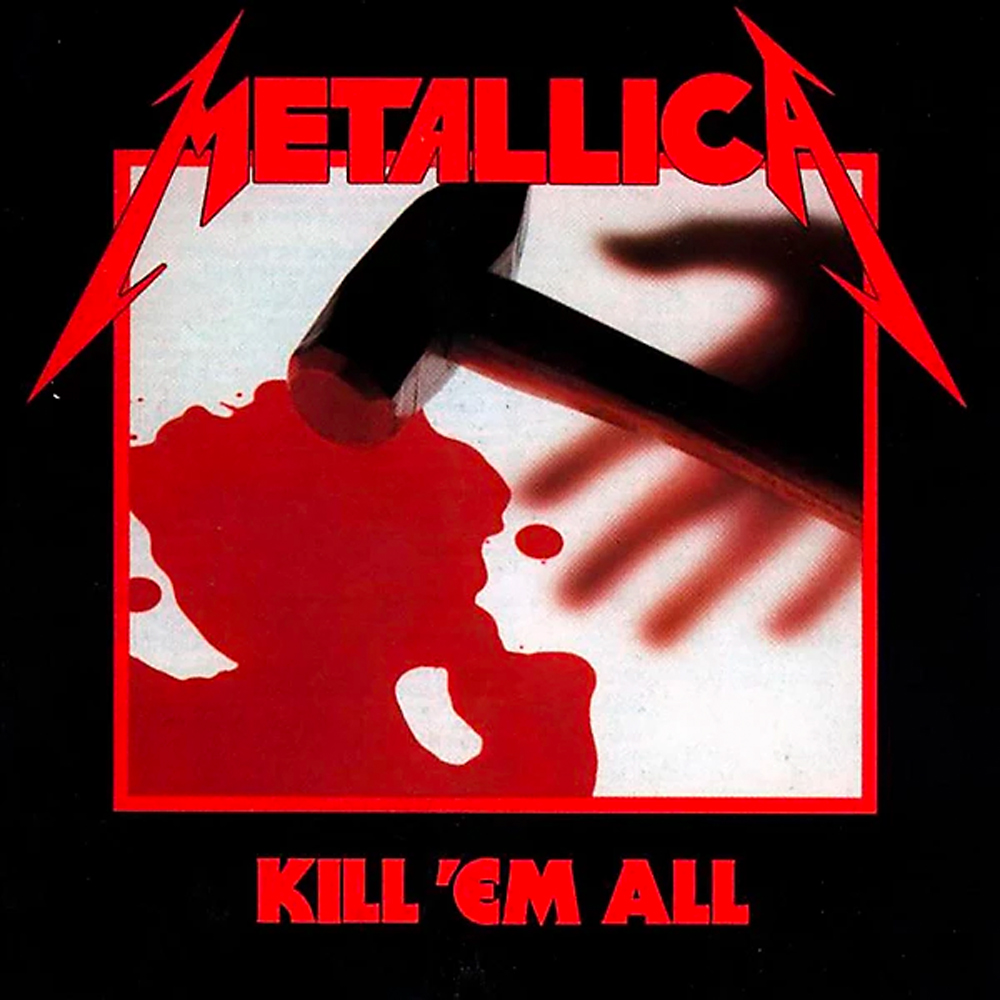 Metallica “Kill Em’ All”
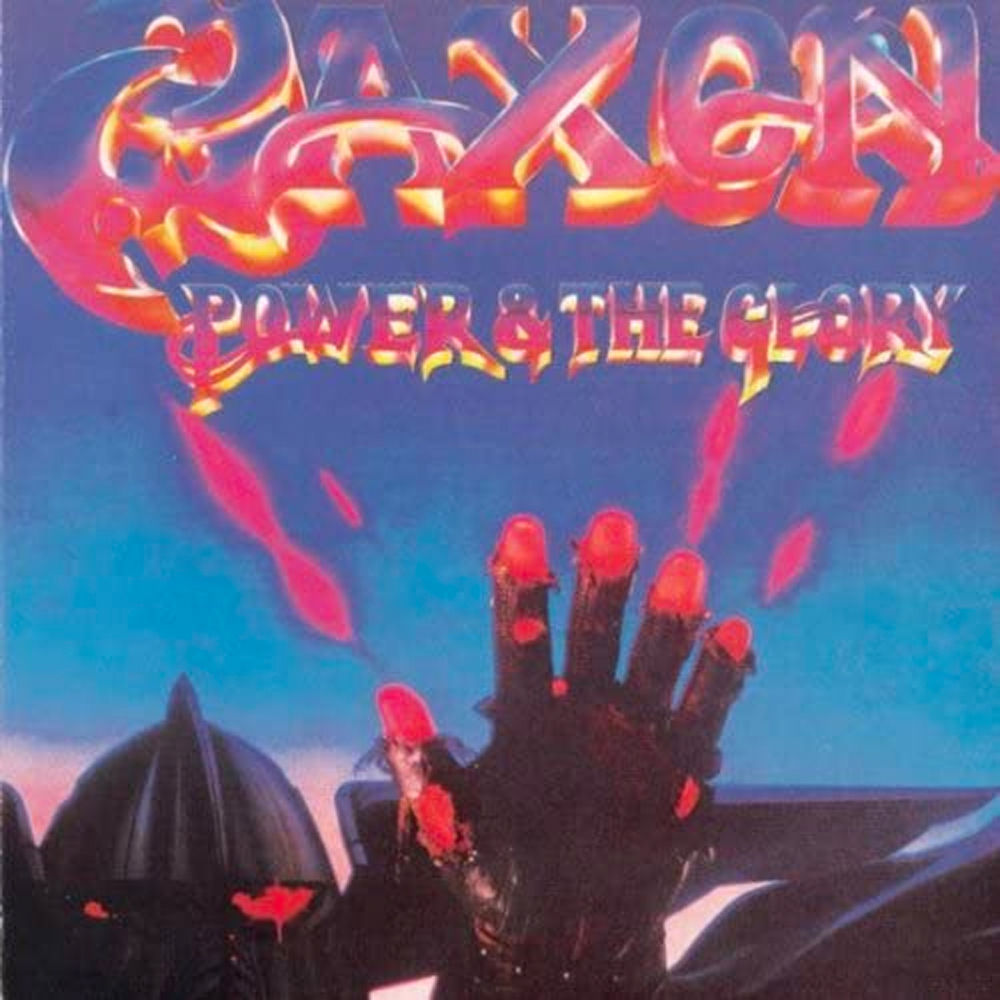 Saxon “Power and the Glory”
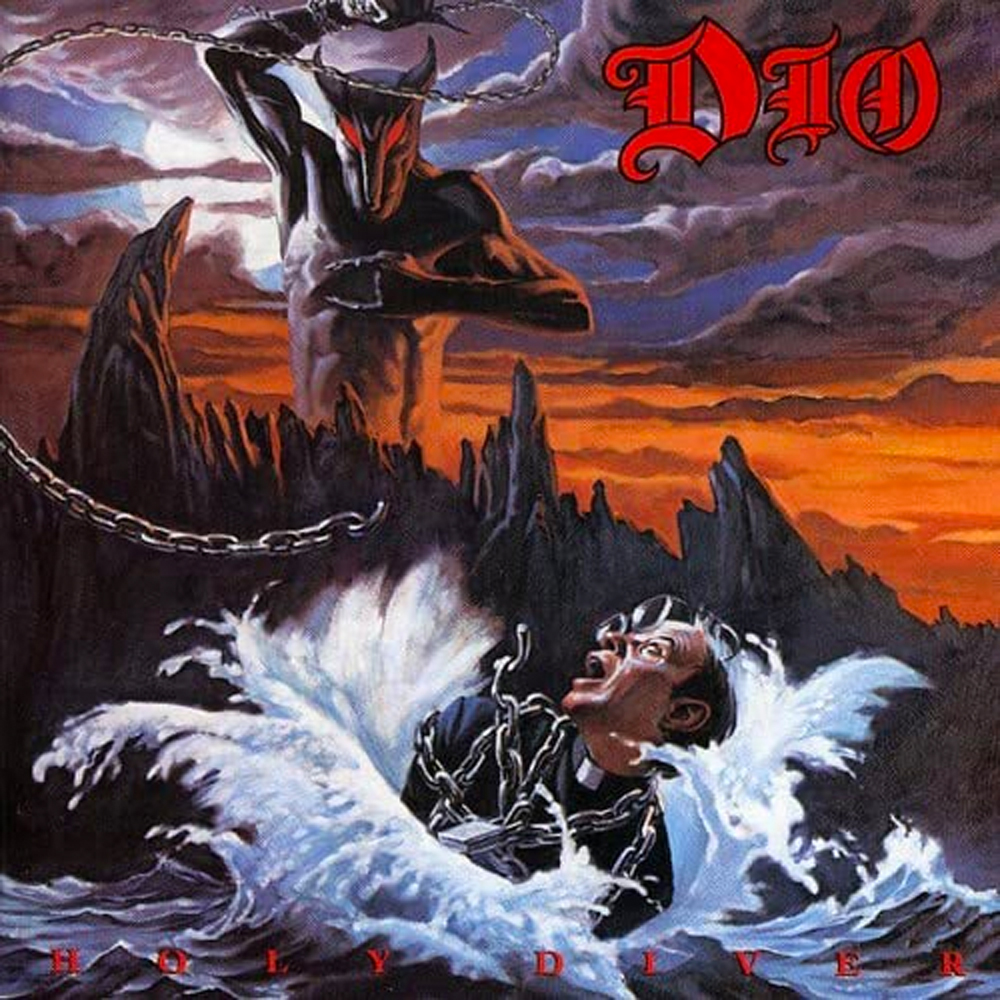 Dio “Holy Diver”
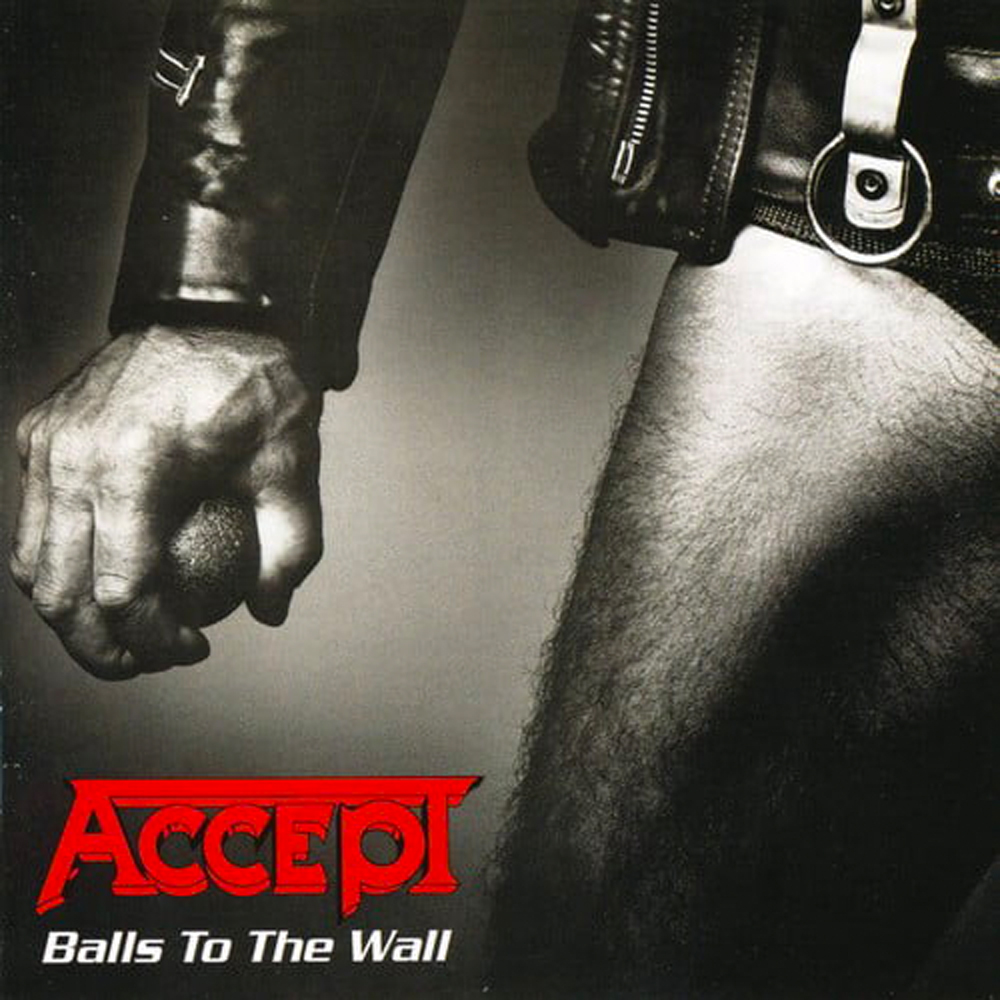 Accept “Balls to the Wall”
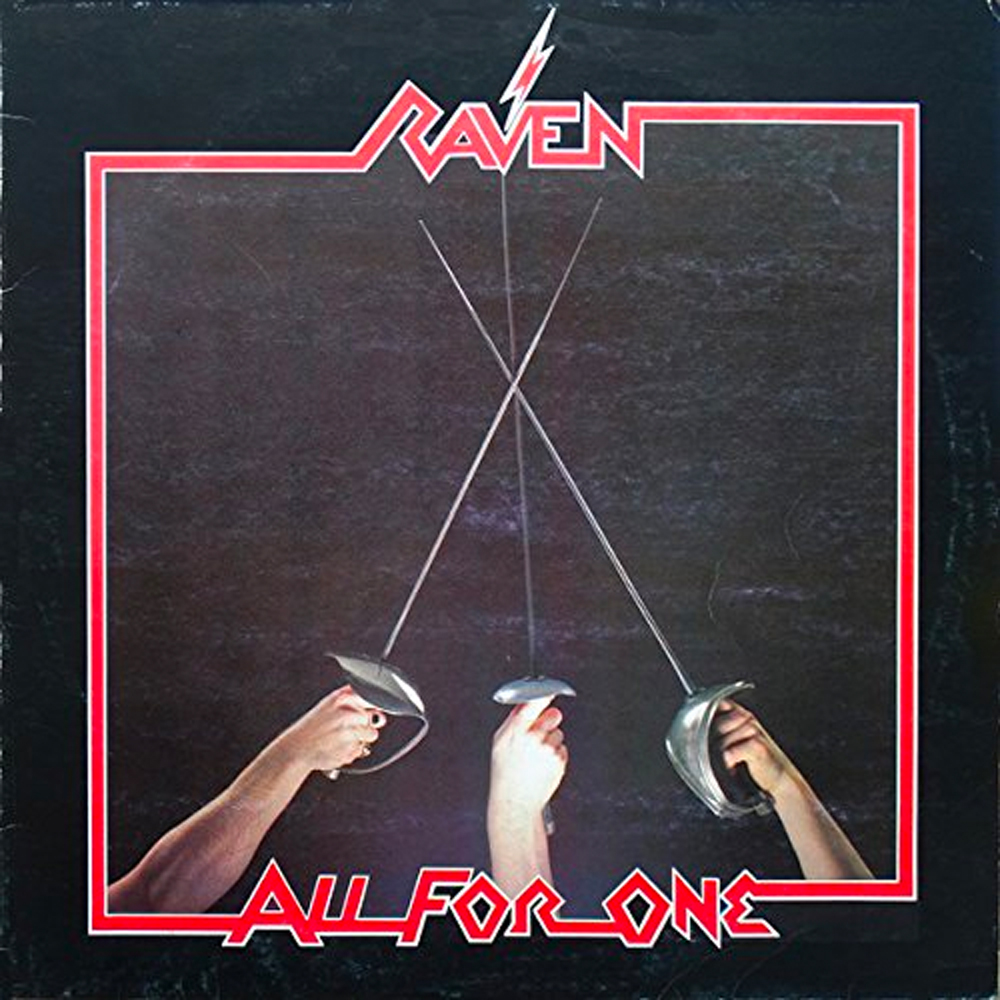 Raven “All for One”
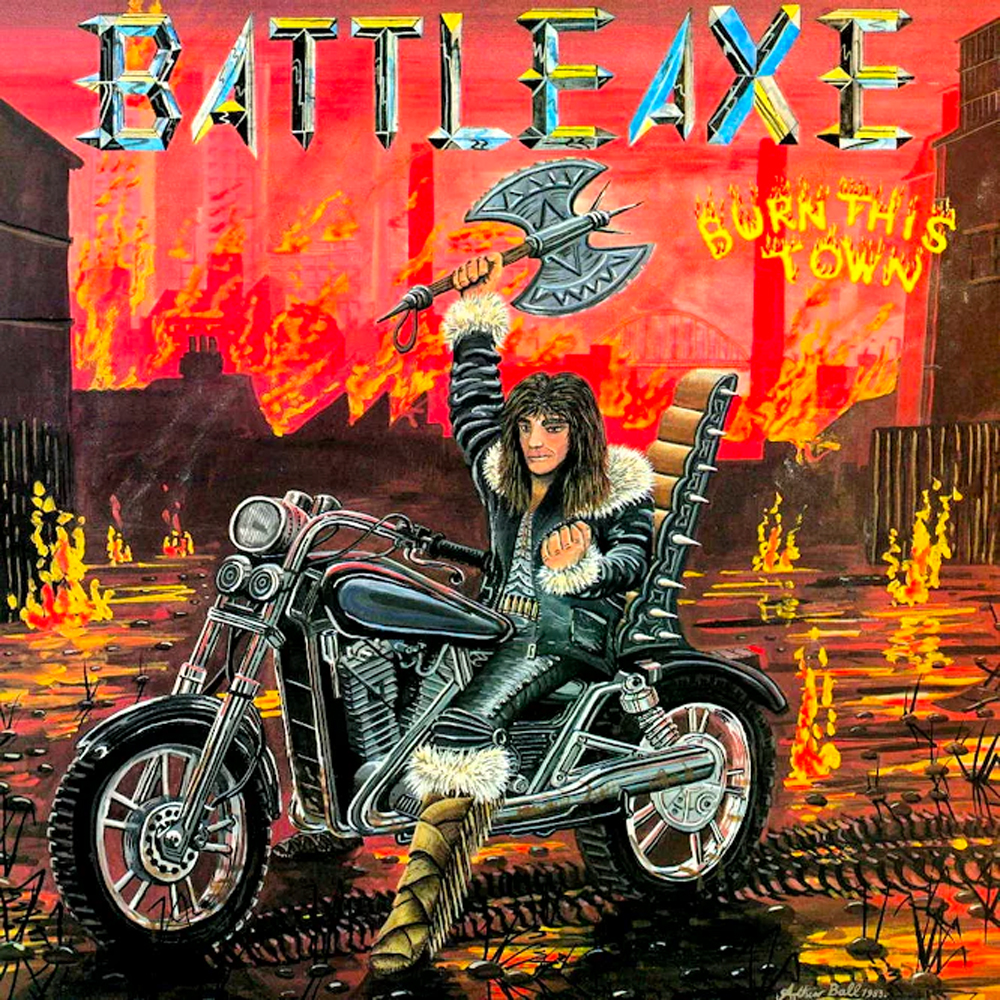 Battleaxe “Burn This Town”
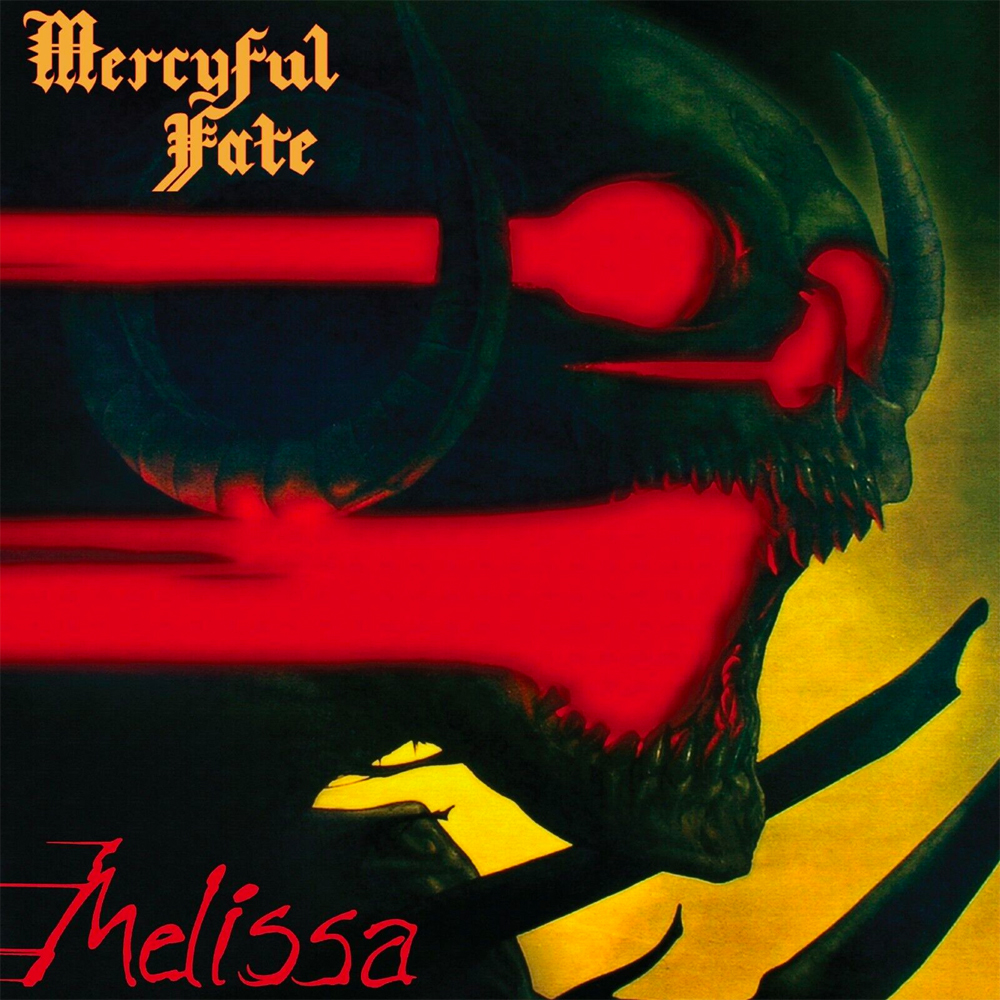 Mercyful Fate “Melissa”
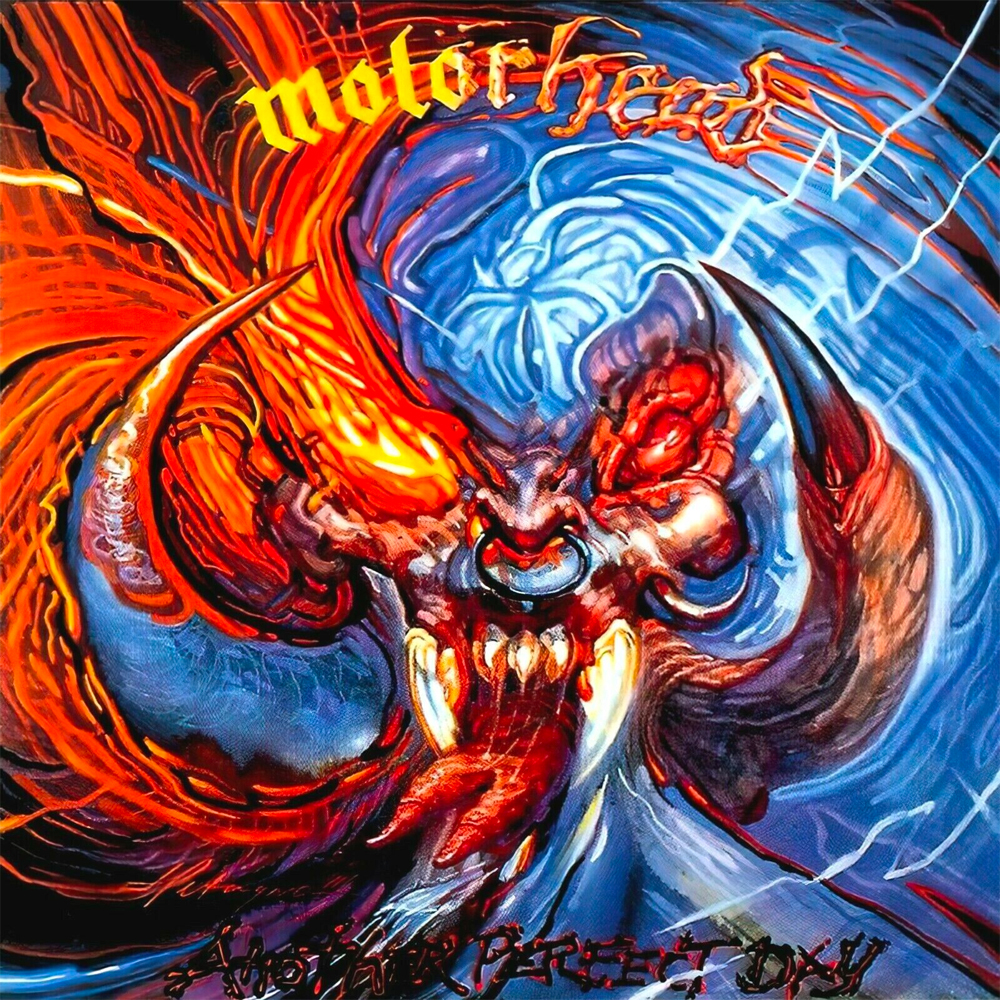 Motörhead “Another Perfect Day”
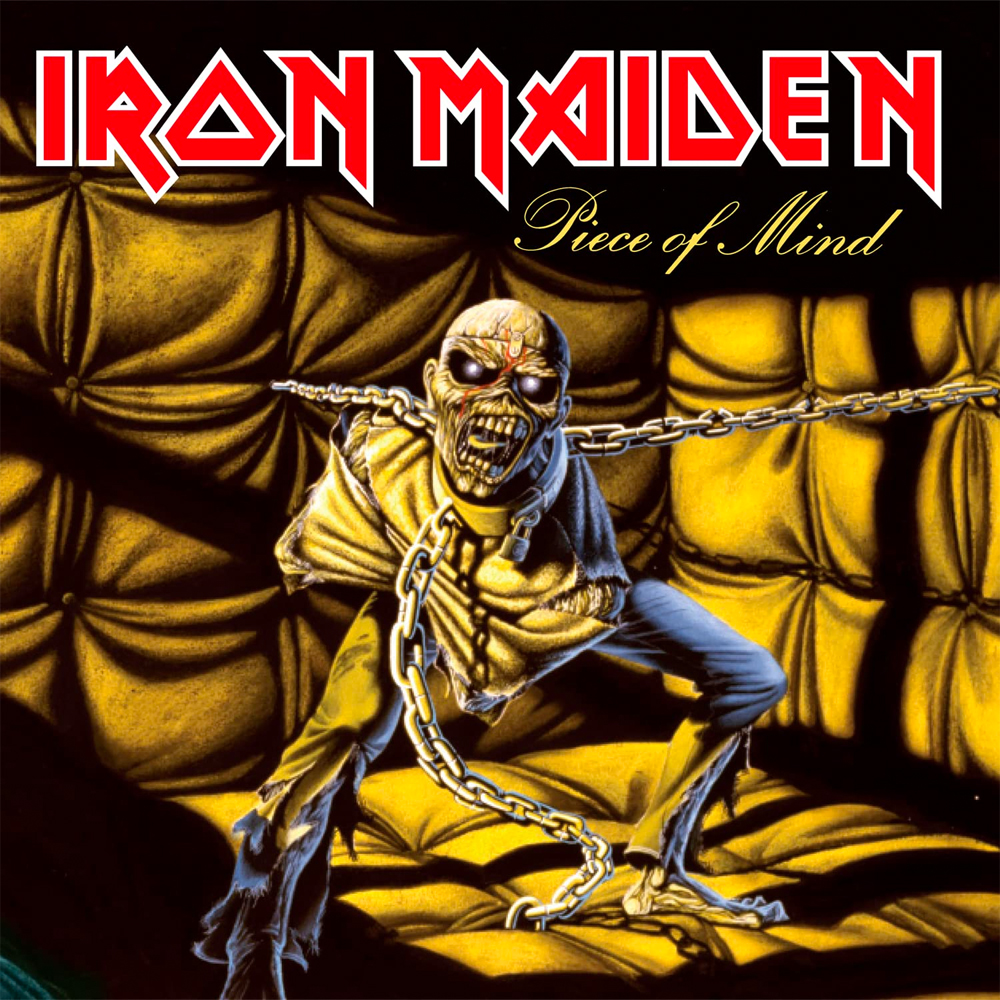 Iron Maiden “Piece of Mind”
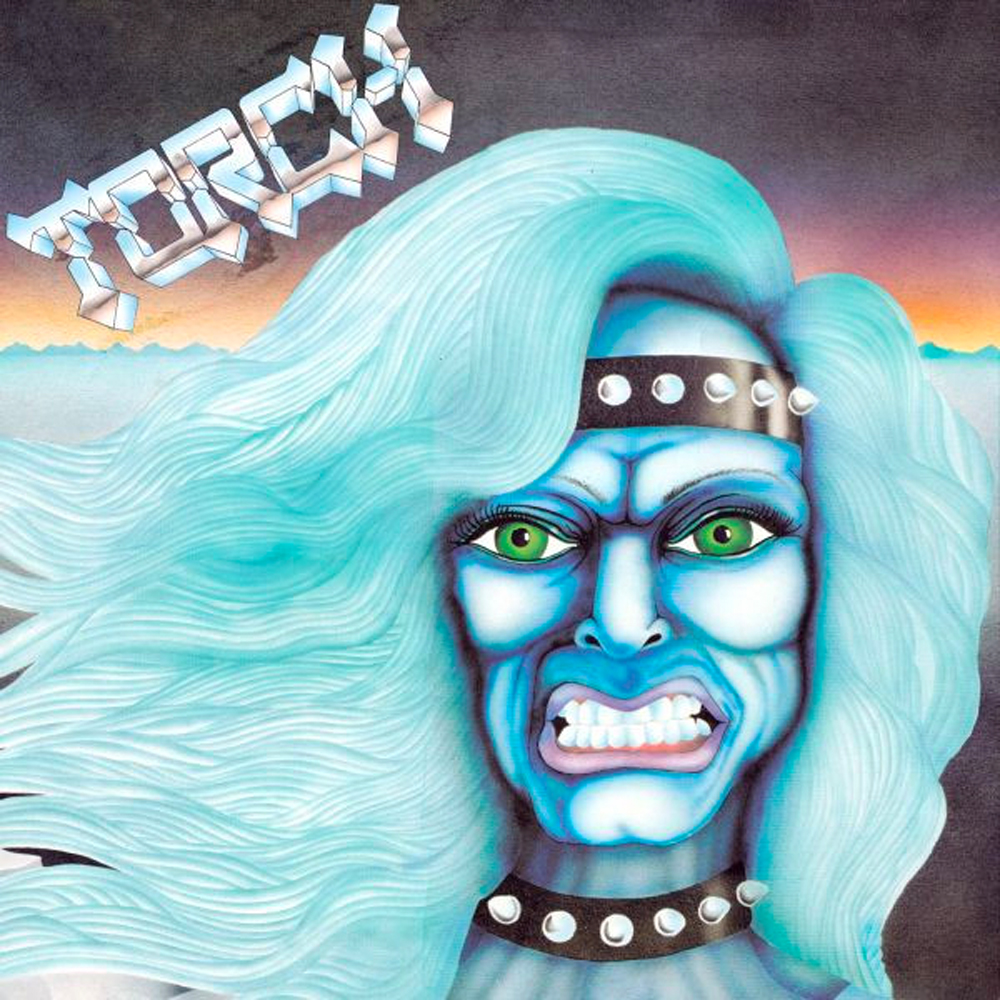 Torch “S/T”
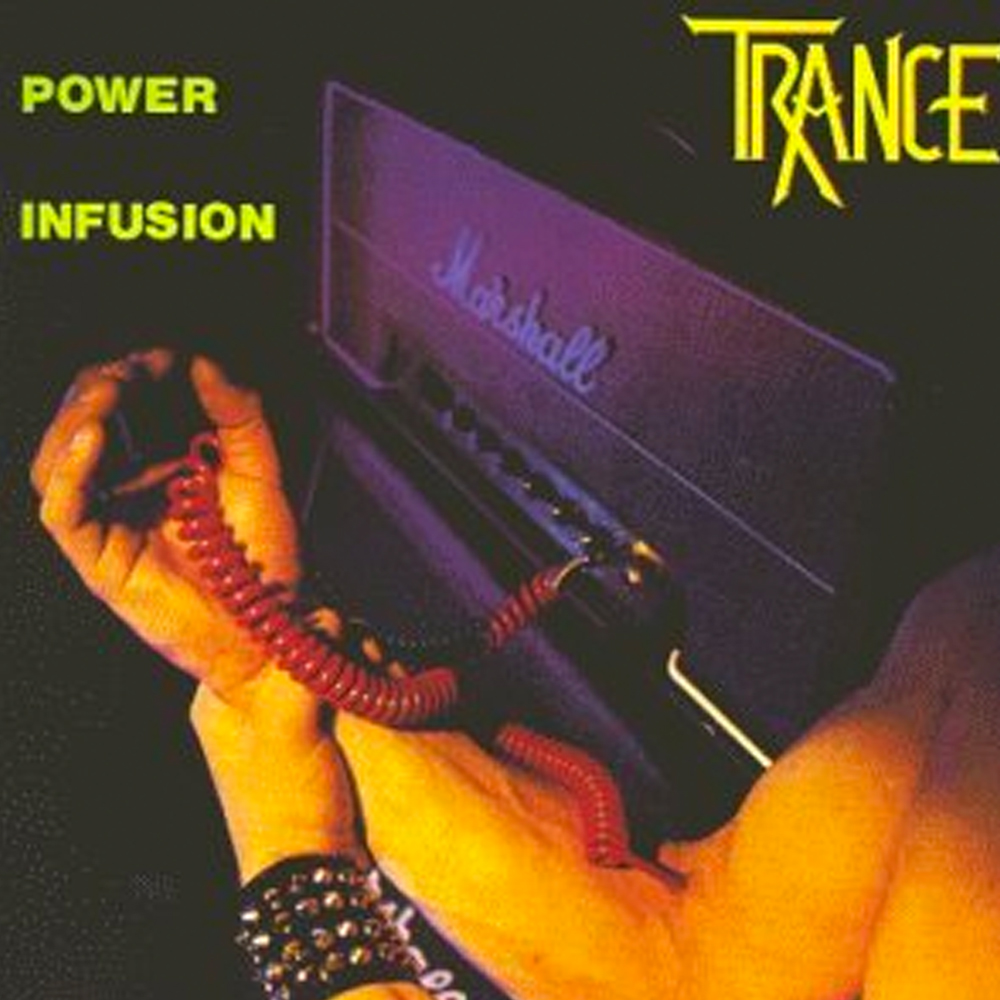 Trance “Power Infusion”
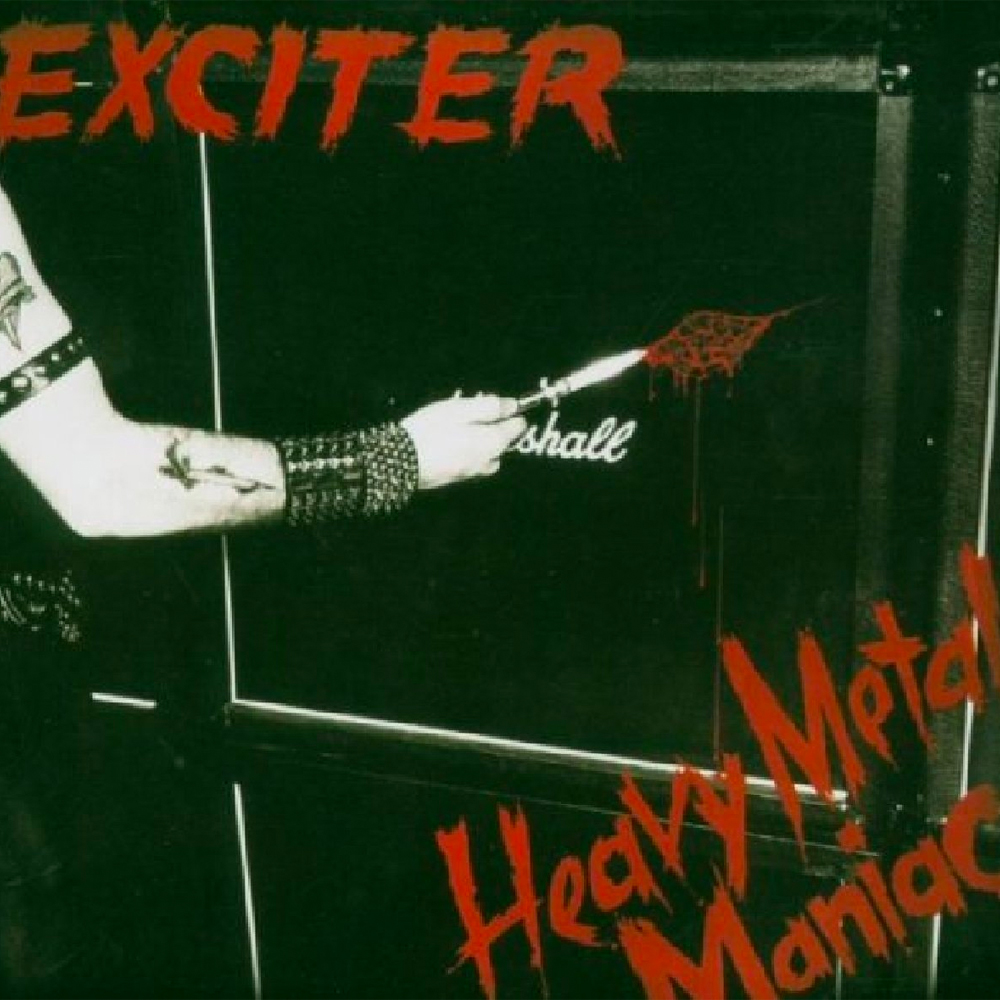 Exciter “Heavy Metal Maniac”
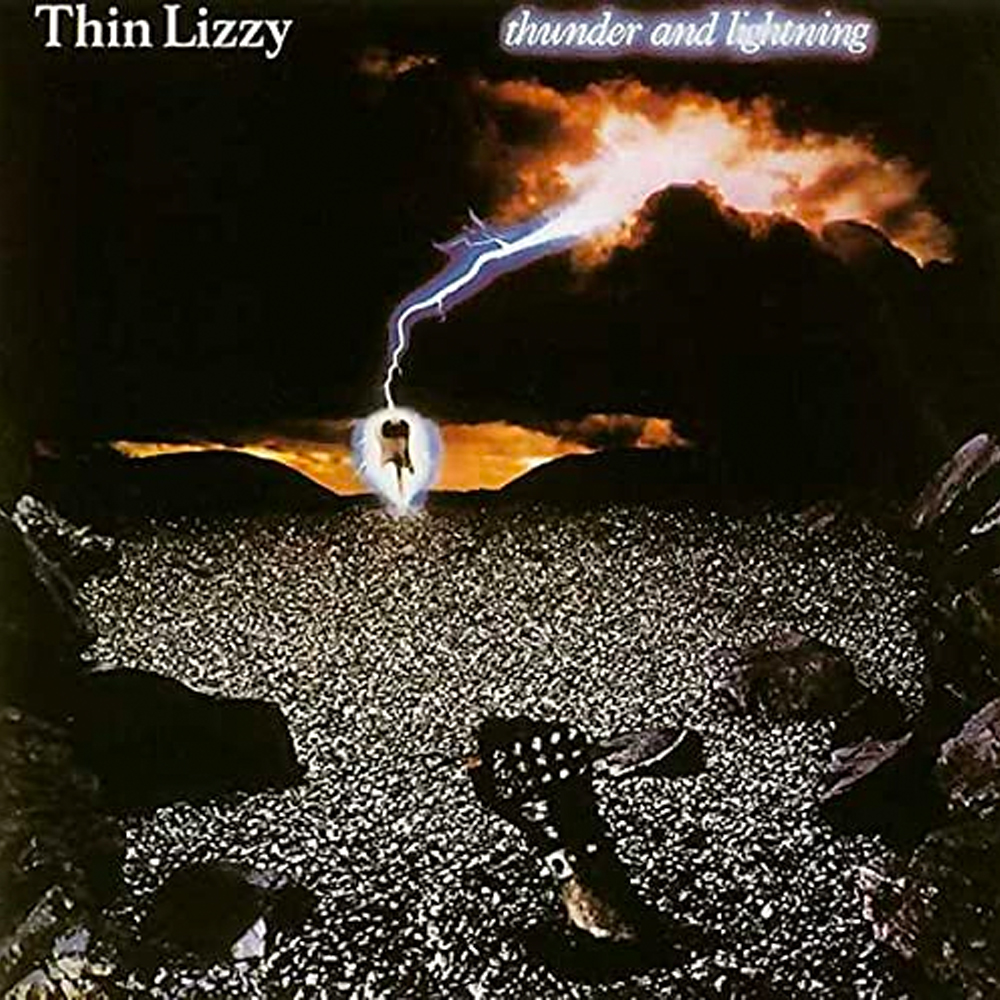 Thin Lizzy “Thunder and Lightning”
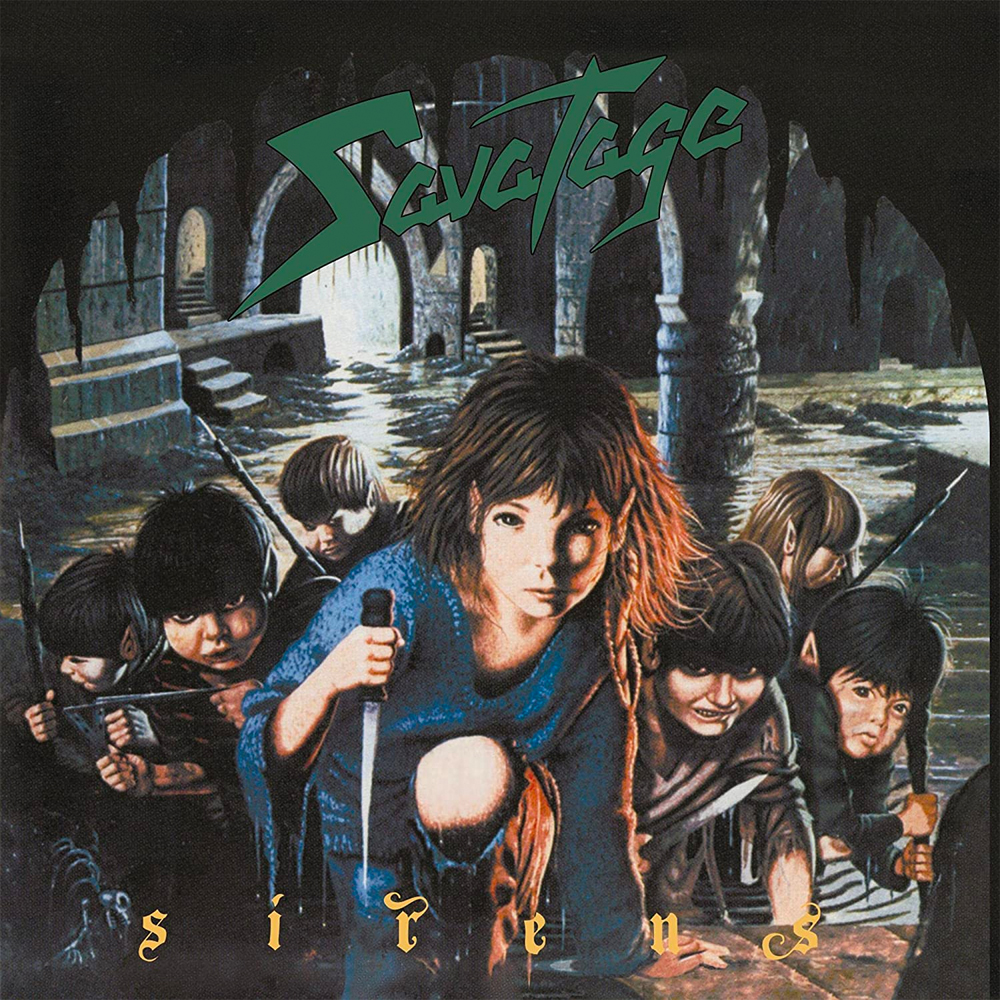 Savatage “Sirens”
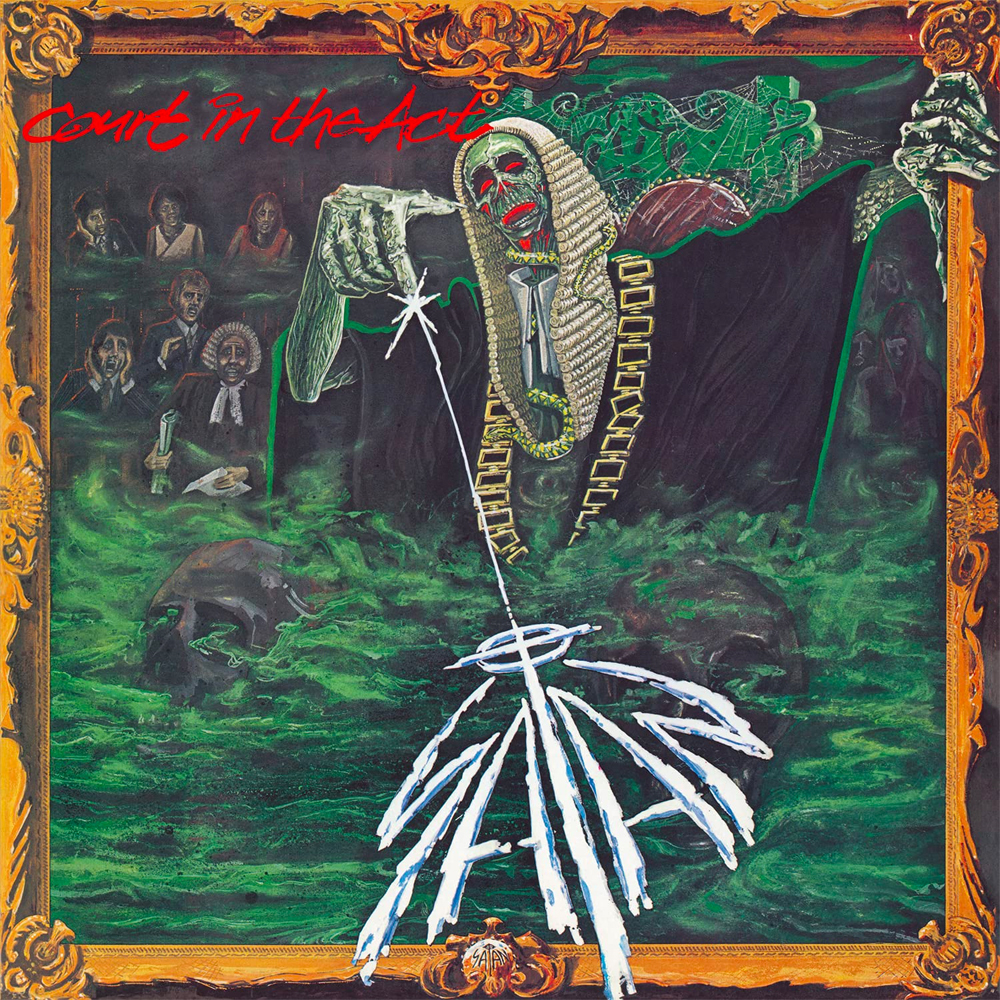 Satan “Court in the Act”
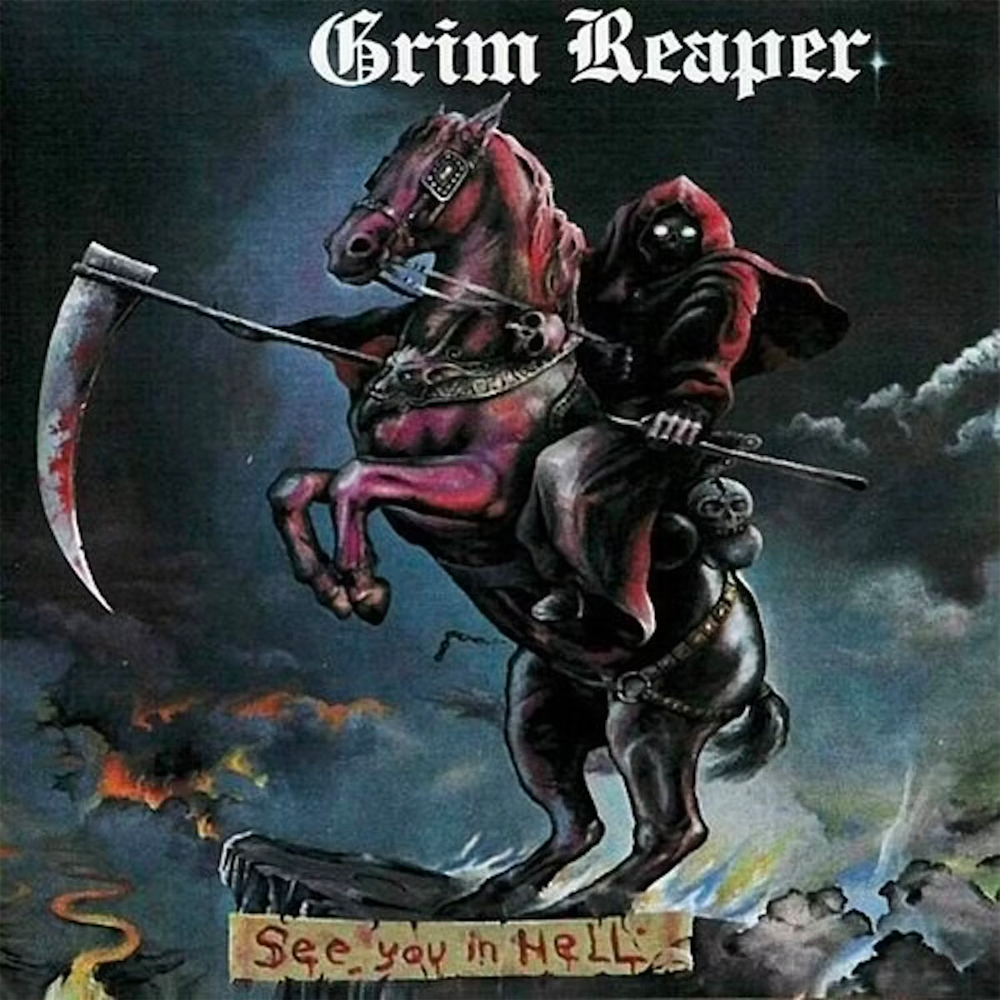 Grim Reaper “See You in Hell”
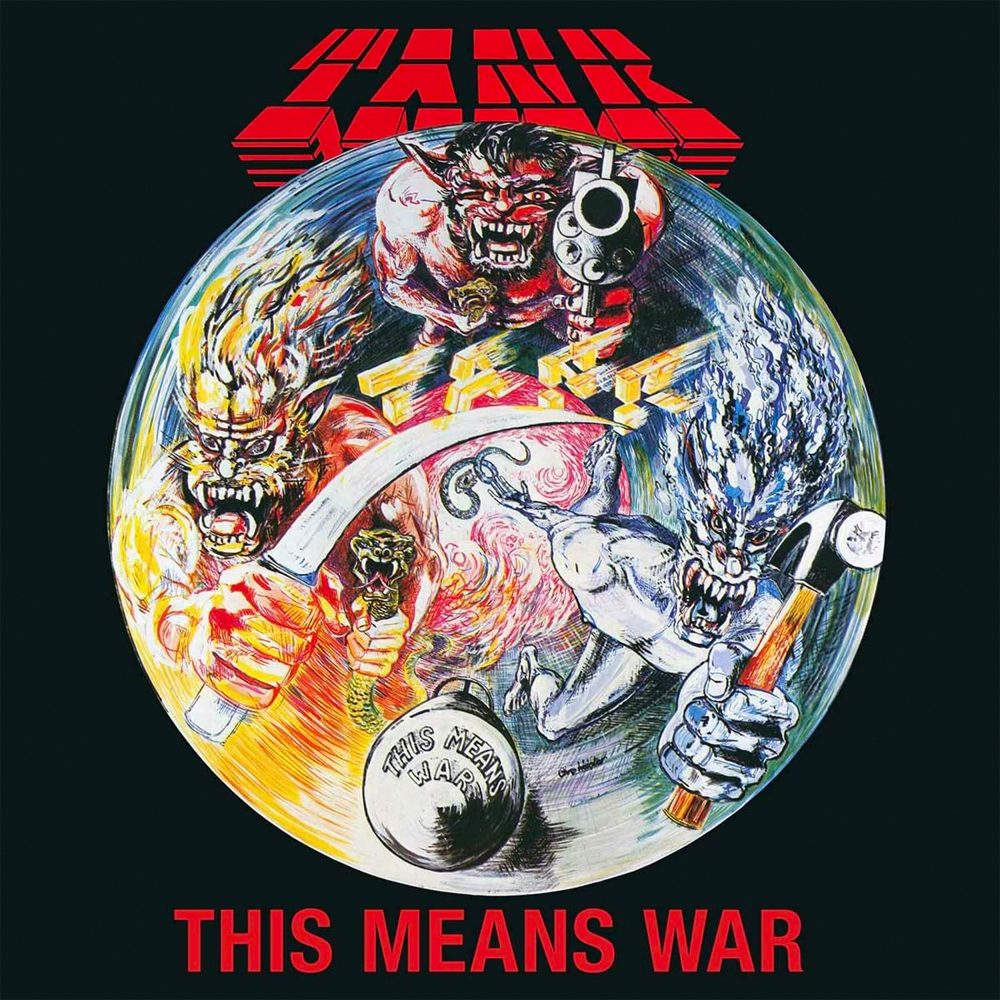 Tank “This Means War”
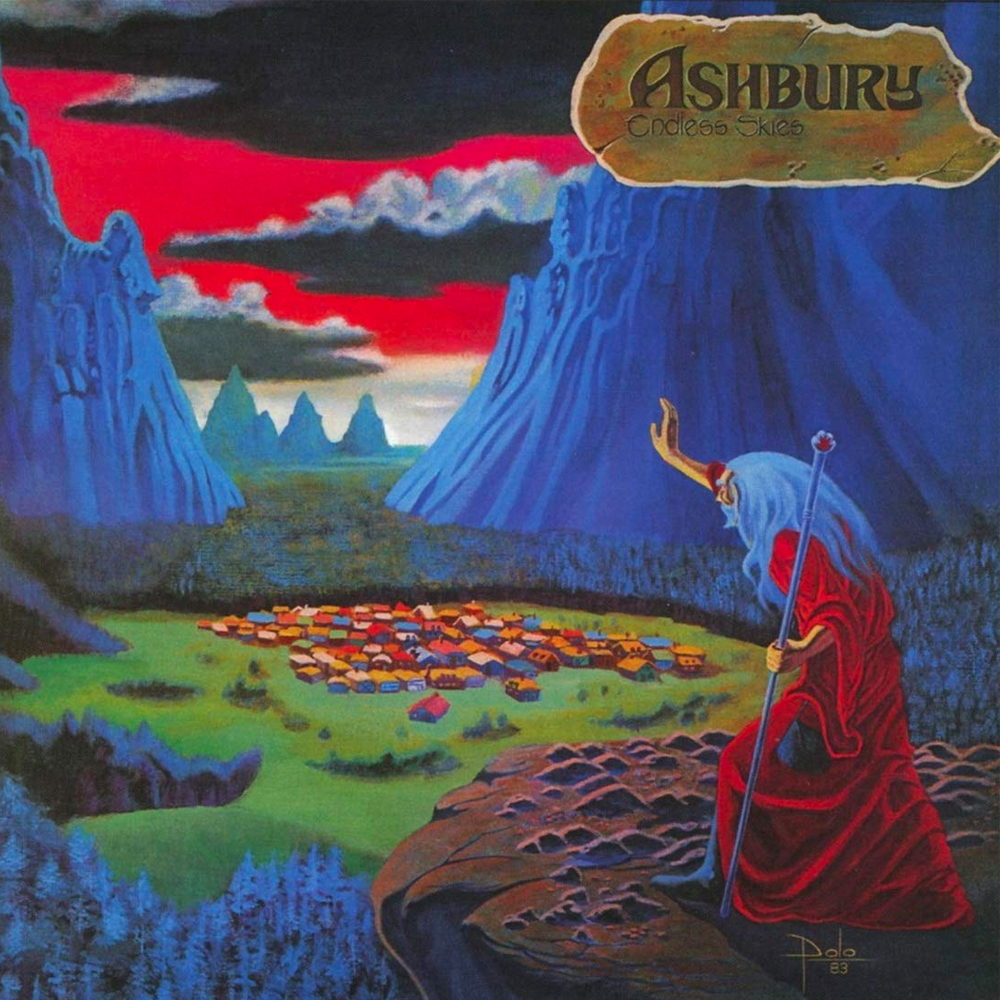 Ashbury “Endless Skies”
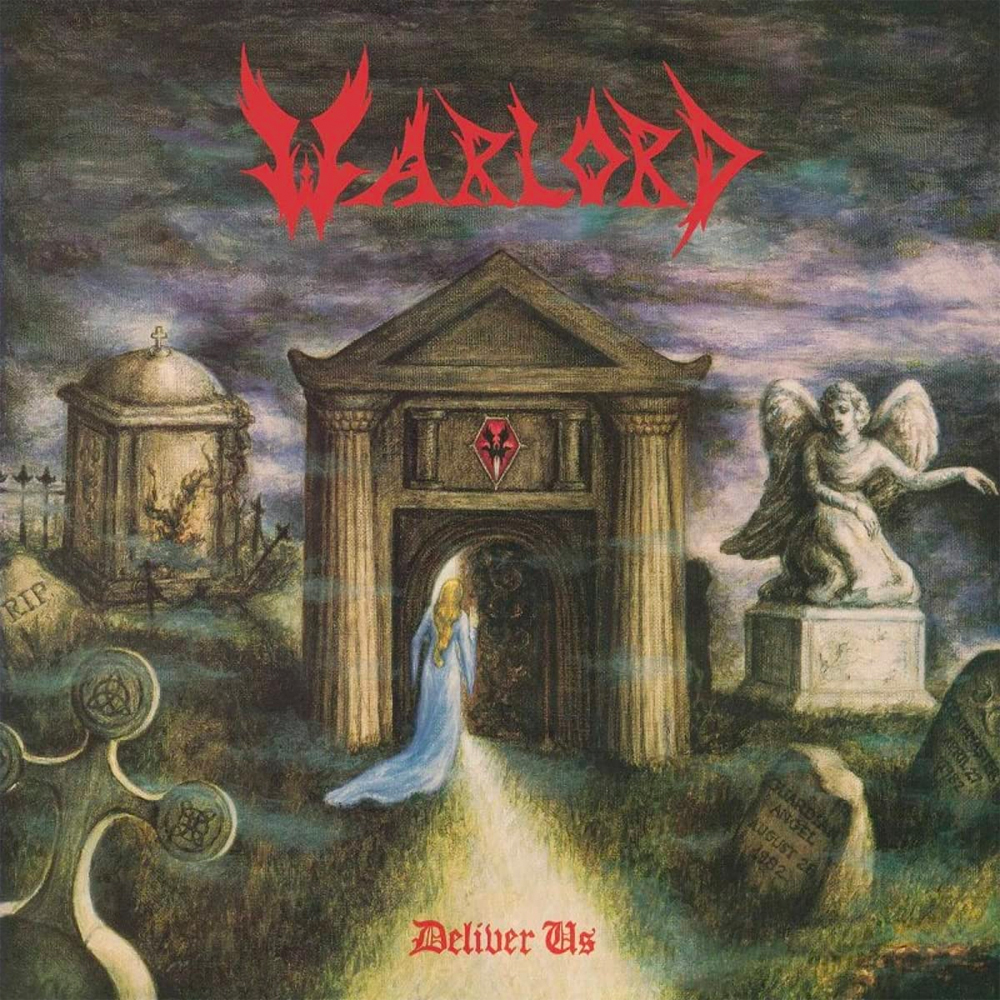 Warlord “Deliver Us” EP