MTV had it all figured out during the ‘80s and ‘90s. The music video is the ideal art form, the one that stands atop all other creative endeavors. While MTV has forgotten that core truth of the world, PUP has not. Let’s be absolutely clear here, PUP has no bad music videos. But, we’ve been assigned by higher powers to rank them, so it’s our heavenly duty to do so. It also gives us a chance to blow off work, which is much more enticing than the whole chosen by God thing. Anyway, enough talking, let’s get into it!
Honorable Mentions:
“My Shadow” (Jay Reatard Cover)
In what would become their second music video released, the band pays tribute to Jay Reatard with an exhilarating performance filmed in black and white. This was both an exhibition of PUP’s amazing live shows and a reality check for us, after realizing we were out of breath just watching the video.
“It’s Christmas and I Fucking Miss You”
Released late 2020, this Charly Bliss + PUP collaboration was a well-needed pick-me-up after the shitshow of a year society went through. Unfortunately, a few years later, everything still sucks and the novelty of Zoom has turned into the monotony of hearing your boss passive-aggressively ask if you can turn your camera on.
20.” PUPTHEBAND Is Filing For Bankruptcy”
While this compilation of Instagram stories and vertically shot videos showcase the band’s energetic live shows, we’re putting it dead last on our list. Partly because the other 19 music videos are better but mostly because we’re still pissed off that our extremely grainy footage of Nestor’s shoes didn’t make the final cut.
19. “Morbid Stuff”
We know what you’re thinking. You think that the music video for Morbid Stuff is the same as PUPTHEBAND Is Filing For Bankruptcy and you’re wondering why this is placed higher. First of all, thank you for taking this list as seriously as we are. Secondly, PUP handed out shitty camcorders to audience members to film their set in London, which is already much cooler than the previous entry. Also, they filmed horizontally this time, which is the correct way.
18. “Back Against the Wall”
The last two entries showed viewers what a PUP show is like from the audience, but what if you wanted to see the show from the perspective of a 12-foot omniscient being hovering over the shoulders of the band? Well, you’re in luck because that’s what you’ll find here, along with an electrifying timelapse of the band loading up their tour van. What more could you ask for?
17. “Lionheart”
There’s a lot happening in this video. You may be asking, “Why is there duct tape on the couch?”. We don’t know, maybe somebody invited a Korn fan to the party and he punched a hole in the couch instead of shattering his hand on the brick wall. There’s a lot of uncertainty, but what we do know is that basement definitely smells like someone who uses sawdust as deodorant.
16. “Robot Writes a Love Song”
Just when you thought there were enough love songs in the world, PUP hits us with a video with two human-like beings with digital screen cubes for heads falling in love. And then losing that love because of society, man. It’s fucked up, that’s why we here at The Hard Times are pro-computer sex. Go ahead, link those dongles, we won’t tell.
15. “Sibling Rivalry”
Ah siblings, we all have them. Well, unless you’re an only child. Maybe you should’ve been a better kid so your parents would’ve had another. Anyway, this is a heartwarming music video that mixes a lot of art styles to depict the adventures lead singer Stefan Babcock and his sister have been through together. Maybe send this to your sibling, see if they’ll forgive you for the time you put ketchup in their lotion bottle.
14. “Free At Last”
Before anyone knew what it sounded like, PUP asked their fans to cover this song using only a basic chord chart and lyrics. The end result? “The Free At Last” music video, featuring 253 submissions that cover a wide variety of genres. The only thing that’s missing is that one anonymous asshole on the internet who says he could’ve done way better, but never actually uploaded any proof of him doing any better.
13. “If This Tour Doesn’t Kill You, I Will”
In this music video, we see the band engage in a gory free-for-all featuring a broken beer bottle, third-degree burns, and an intense hatred for each other. Most prominently, we see the Canadian healthcare system at work, fixing the band members up so they can go fight again. This is why American bands have famously never hated each other, because they can’t let out their anger with their bandmates without racking up serious debt.
12. “Totally Fine”
This is a fun one, especially if you’re a fan of pausing the video every second to read the fine print. If you don’t like doing that, you might miss out on seeing, “…metaphysical pit of abstract salacity or prurient erotic frottage” written on the stenograph. Sure, we have no idea what any of that means, but we were able to sound it out and that’s half the battle. Regardless, the video is full of hilarious text and is well worth the watch.
11. “Anaphylaxis”
Move over Manchester by the Sea and Puss in Boots, PUP perfected the art of depicting a panic attack better than Hollywood ever could. Like the title suggests, the main character is severely allergic to bees and rightfully freaks the fuck out after getting stung. The video itself was made using claymation, which proves PUP is able to conquer all mediums.
10. “See You At Your Funeral”
We like this video because we like horror. It’s really that simple. There’s also a dog dressed as a mummy, how could you not like that? And if you’re looking for something on the scarier side, don’t worry! There are brain-eating ghouls, gory smoothies, and worst of all, actual life advice that could help better yourself and get you out of the continuous loop of despair from years and years of learned helplessness. Oh, and there’s also zit popping if you’re still not shitting your pants.
9. “Dark Days”
If there’s one lesson to learn from PUP music videos, it’s that the tour life is fucking hard. In this wonderfully animated video, we see the band struggle through hangovers, a broken van window, and a fight with a Dutch bouncer. So, next time you’re upset they’re adamantly against encores, shut the fuck up and be grateful they even showed up.
8. “Mabu”
Featuring a nearly indestructible passenger side window, Norman the chameleon, and a call for a posthumous Amy Winehouse presidency campaign, PUP will force you to the edge of tears over a beat-up Toyota Camry’s last rodeo in a demolition derby. Maybe now you’ll think twice about trading yours in and take the chance of having permanent neck pain.
7. “Matilda”
Here’s another one about saying goodbye to an inanimate object, but this time it’s a guitar named Matilda. We see multiple people sell sentimental items to make some money to presumably pay for some capitalist bullshit like apartment application fees. It’s a pretty bleak video, until we see a young customer in a Phoebe Bridgers costume pluck a string on Matilda which makes the shop come alive with color.
6. “Guilt Trip”
We can’t talk about PUP music videos without mentioning Finn Wolfhard. Before he landed that big music video for Weezer and some small indie thing on Netflix, Finn portrayed a young Babcock meeting his future bandmates for the first time. It’s a really great video that shows how strong the bond is between the band. They also kill a cop for being a dick with mutton chops, so that’s pretty cool too.
5. “Reservoir”
PUP came out of the gates running with their first music video with broken drumsticks, broken glasses, and broken bones. There’s also a glimpse of the great community PUP has fostered at their shows. There are audience members helping out Zack on drums, soloing for Steve, and even resuscitating Stefan using a defibrillator. Although not an ideal scenario, it’s definitely much better than the usual audience participation tactics lesser bands rely on.
4. “DVP”
Look, we’re not complete nerds like the guys from Hard Drive, but we’ve played our fair share of video games too. Even if you’ve never played any of these retro games, you can still admire the project, which was led by frequent PUP collaborator Jeremy Schaulin-Rioux. Little known fact, the alternate ending for the recently released Mario movie can be found at 1:02, where Mario essentially tells Princess Peach to kick rocks.
3. “Sleep in the Heat”
A few years after the events of Guilt Trip, Finn Wolfhard makes his triumphant return to the PUP cinematic universe in this heart wrenching music video about losing a pet. It’s a very emotional video and it’s clear why fans love it so much. We’re crying because of the thousands and thousands of similar stories being shared in the comments, but also because this was released in 2016, which feels like a lifetime ago.
2. “Kids”
This is a pretty special one. Not only are there references to past music videos like the blood pact between Steve and Zach, there are also hints toward future music videos and lyrical themes seen on The Unraveling of PUPTheBand. Or at least that’s what we think, we’re not mind readers here. What we can say is that the band will always be pals, even in an abysmal dystopian future world where pizza is dehydrated.
1. “Old Wounds”
The pinnacle of PUP music videos, and therefore all music videos, is actually not a singular video. Instead, it’s a video game where you play as the band’s tour manager, trying to make sure they get through the night safely. Depending on the route you take, you’ll be facing bears, alien dinosaur creatures, or a drunk Warriors fan. Go on, we give you permission. Tell your boss to fuck off and spend the rest of the afternoon trying to finish all four difficulties.
And there you have it, all of PUP’s music videos ranked for your viewing pleasure. What do you think? Did we get it 100% correct or did we royally fuck it up? Either way, go ahead and yell at us in the comments, it’s okay we can handle it.
Photo by Vladimir.



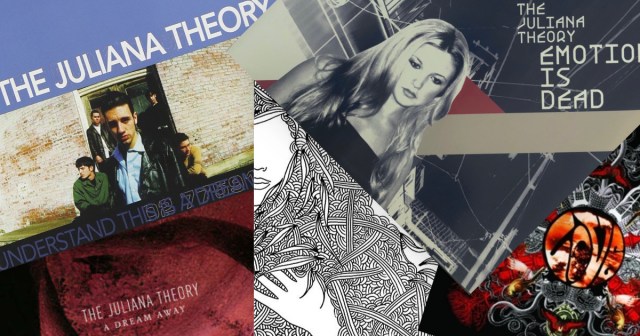
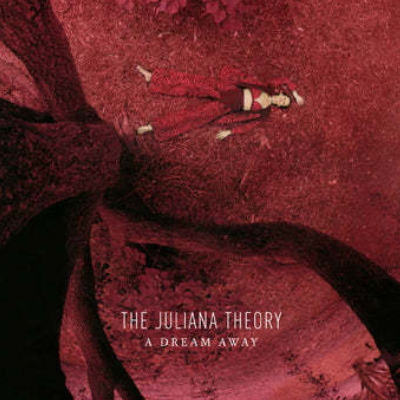 After reforming, Brett Detar and Joshua Fielder released this album consisting of one new song and an acoustic/folk/orchestral “reimagining” of many TJT classics. It’s a great listen for diehard fans who want to hear a softer version of songs they love. In general, however, it’s only just okay. And since it’s full of beloved songs, that’s not the best endorsement. It doesn’t ruin the songs at least. It sounds more like a YouTuber doing genre-swap videos. Alex Melton could have crushed this is all I’m saying. The beginning of the video for “We’re at the Top of the World” is pretty sweet though. I won’t spoil it, so definitely check it out. “A Dream Away” showcases how well-written some of these songs are. Personally, my biggest takeaway from this record is that I’m dying for an entire album of different versions of “If I Told You This Was Killing Me, Would You Stop?”
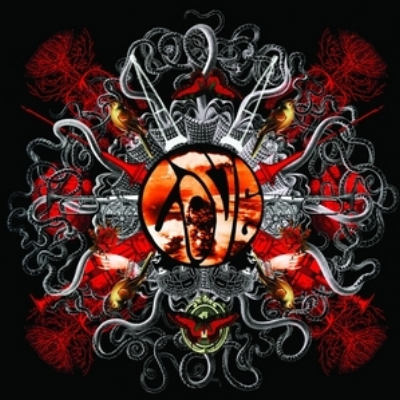 Eternally beloved by some, bitterly hated by others. This is Juliana Theory’s most controversial record. It’s likely due to the combination of its ’90s alt-rock influence and the fact that TJT’s third record had to follow up two melodic emo albums that were way ahead of their time. “Do You Believe Me” is an undeniable hit regardless, and the album has grown on many fans over the years. Unfortunately, a lot of tracks on this record really feel phoned in. It’s almost as if the band felt like they were at the top of the world and coasted after the success of that super poppy song from “Emotion is Dead.”
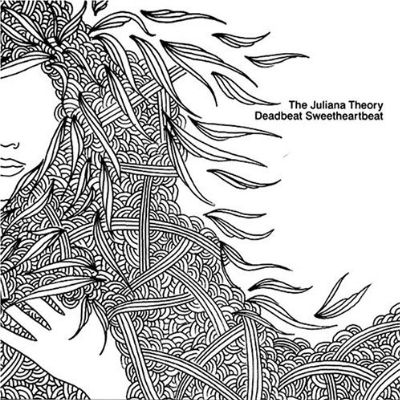 Talk about a fucking sleeper hit album. The Juliana Theory figured out the perfect mix of emo and alternative rock on “Deadbeat Sweetheart.” The energy and raw sound of a band rocking out in one room are captured beautifully on this record. Unfortunately, this was in the twilight of the band’s stint in mainstream relevancy so the record didn’t get the chance it deserved. Fortunately, they didn’t “reimagine” any of these gut-punch masterpieces as toothless, whimpering acoustic tracks on their latest album. Don’t get me wrong, toothless and whimpering are great qualities for an acoustic emo track, just not for these songs. If you were a Juliana Theory fan who passed over this one, go back and give it another chance. Especially songs like “Shotgun Serenade,” “Leave Like a Ghost (Drive Away),” and “My Heart is a Soldier.”
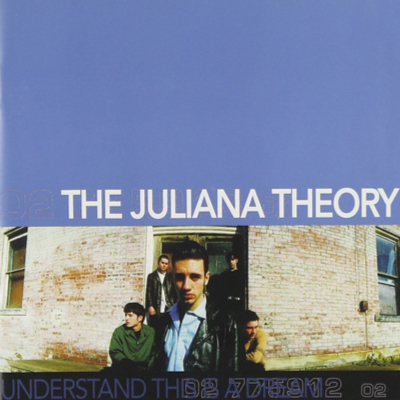 This album is far more influential than it gets credit for. Often, 2000s emo/pop punk bands will cite The Get Up Kids and A New Found Glory (back when they had the “A” in their name) as early influences. One listen to “Understand This Is A Dream” and it’s clear TJT has a place in the Mount Rushmore of bands that inspired the soundtrack to many teens’ 2000s. The fourth spot goes to “I hate myself” by the way. The songs are pretty pitchy and recorded a little loose, which is PERFECT for the genre mix on this album. The slower tracks helped lay the blueprint for the exact type of “emo ballad” that you can still hear in emo and emo-adjacent genres to this day. Check out any early Juliana Theory live recordings you can find to hear these songs at their absolute best.
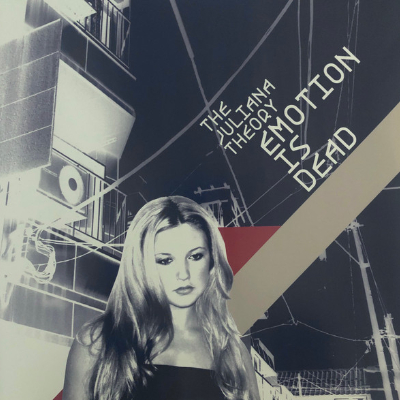 So… who’s ready to cry? “Emotion Is Dead” is a non-stop emotional campfire singalong over catchy melodies and earworm hooks. It incorporates even more elements into their sound that countless 2000s emo bands would adopt such as carefully placed screams. TJT plays with structure, harmony, and time signature on this record, with a pop sensibility that nearly no bands in their genre could match at the time. While it would seem to be a cruel fate that the bands this record helped inspire would vastly eclipse TJT in a few short years, at least the band can rest easy knowing their importance in helping shape a mainstream musical revolution that would eventually make “alternative” music the norm. Ya know, or they can rehash their old stuff and tour as half a band. Either way.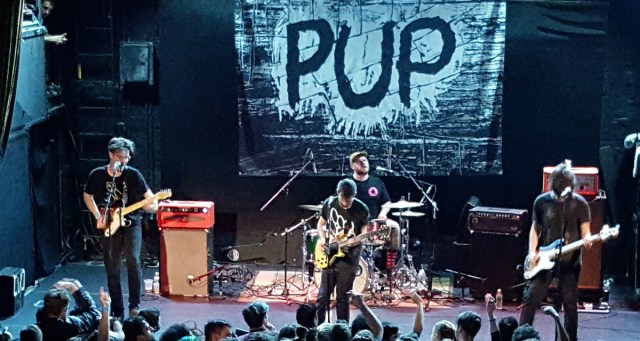


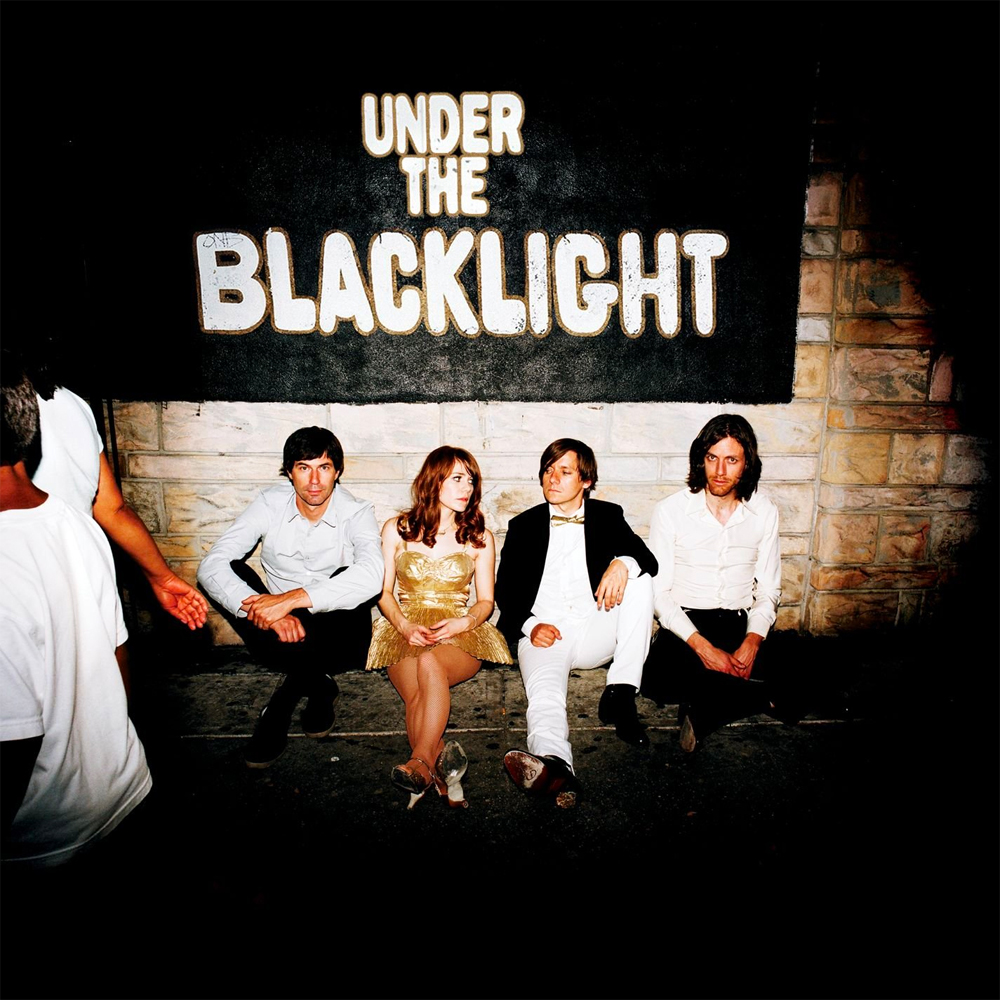 A lot of longtime fans reflexively hated this album for dumb reasons: It was on a big record label (the horror!), the band’s sound had veered into a more polished pop with danceable moments, and the outfits Jenny Lewis was wearing were “too short.” Guys, the lyrical theme and aesthetic were literally the seedy Las Vegas underworld. Also, women can wear whatever they want. Anyway, embrace the evolution — it’s still a solid album, especially the first half, which includes the very boppy (and sadly prescient) “Breakin’ Up.”
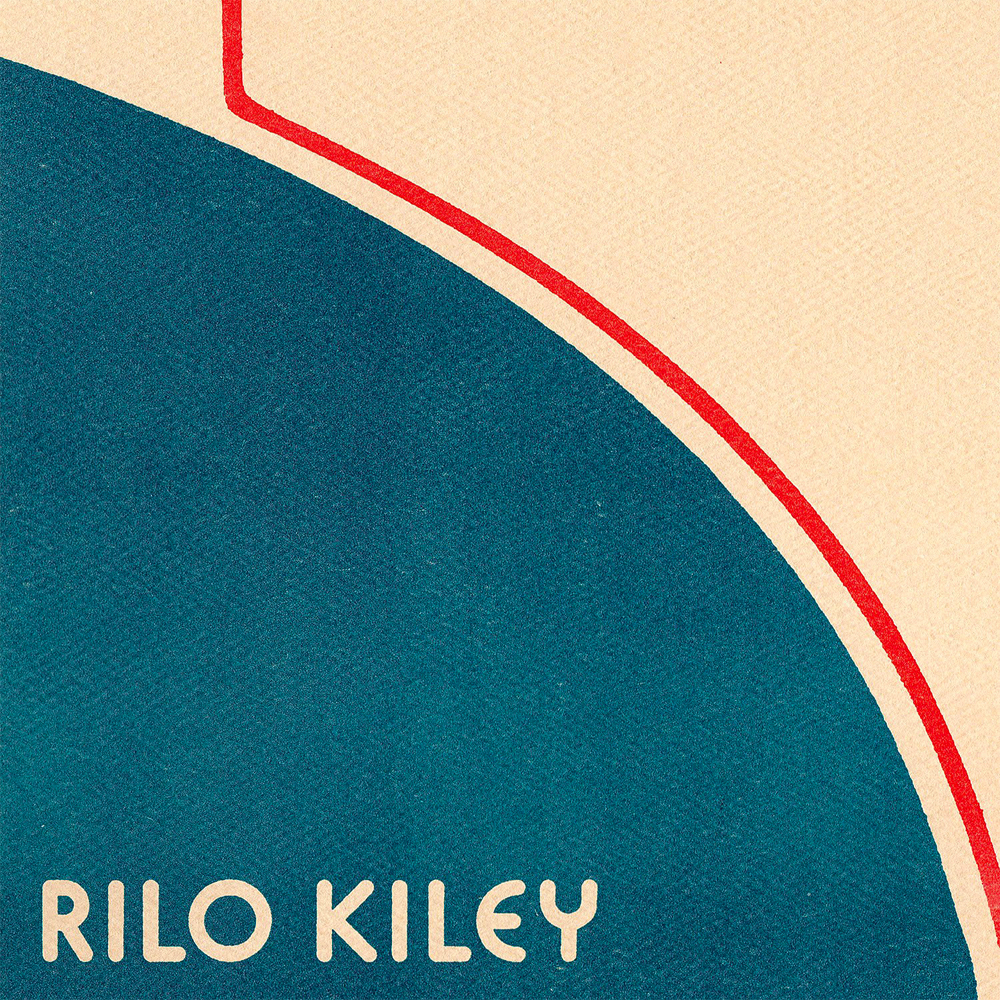 The famously rare debut album. For decades, the only version that many of us “owned” was cobbled together from low-bitrate mp3s circulated on fan sites. Do you feel old just reading that? Now anyone can just listen to the entire thing on Spotify whenever. Magic! Overall, this album still sounds like a debut. Which isn’t a bad thing. Later on, we’d see the band hone their sound, but the stylistic unevenness and extra-kooky metaphors on here are also fun. And luckily that lyrical rawness stuck around.
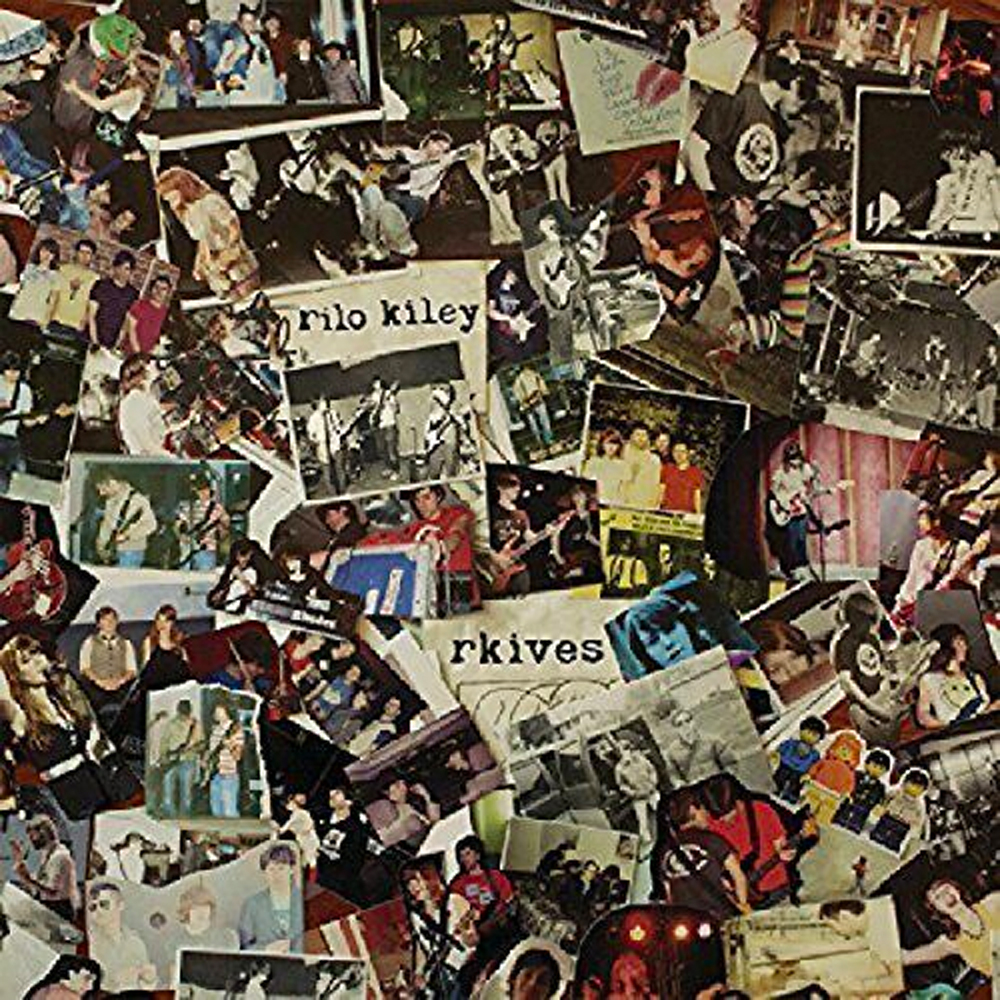 Compilations are usually throwaways in one of two categories: 1) Repackaged nothingness. Or 2) “Whoops, the whole band hates each other now, but we owe one more album in our contract.” This is the exception. We’ve got energetic rockers like “It’ll Get You There” and “Patiently,” the catchy “I Remember You,” and many other gems that deserved to be scooped up from the cutting-room floor. Maybe some band members weren’t on great terms at this point — just listen to those thinly veiled lyrical digs in their non-RK songs — but hey, we got a “new” album and they made more money. Everyone won.
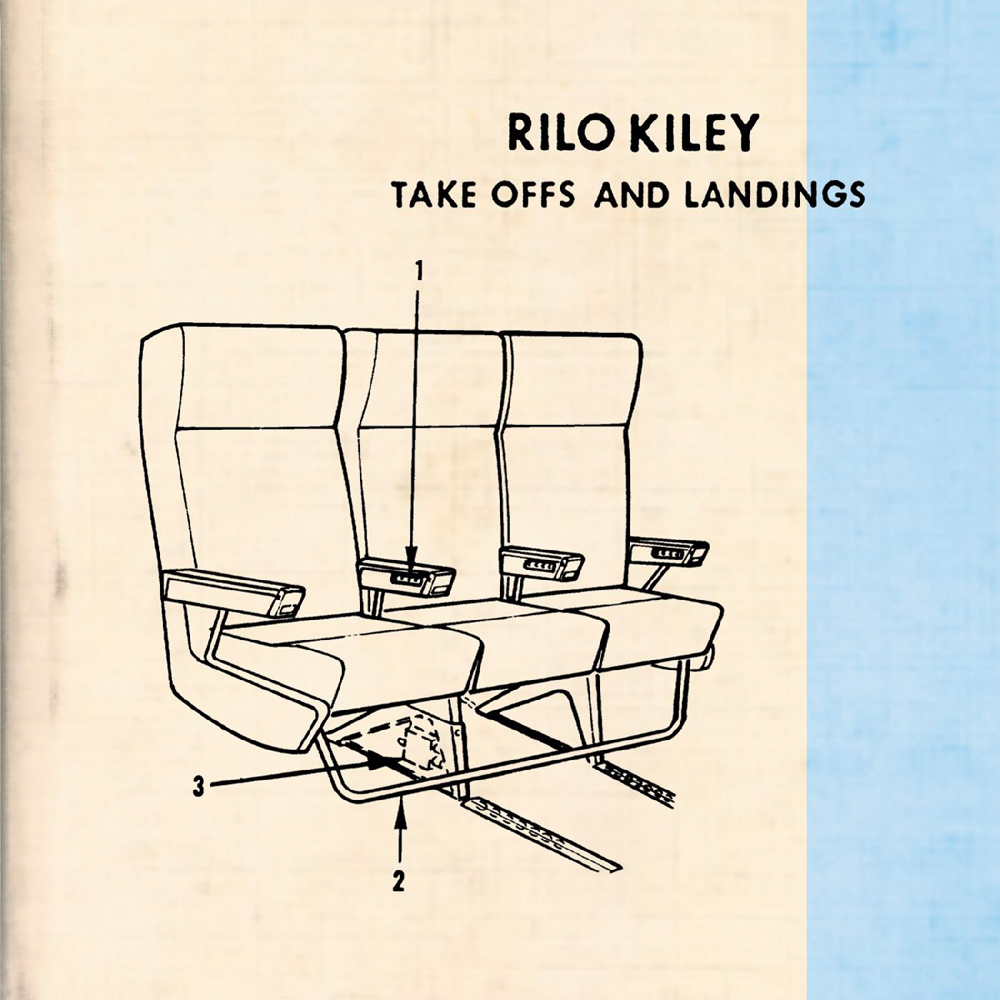 The era of 2001 to 2004 is known for some pretty bad things (low-rise jeans, 9/11, etc.). But it was a phenomenal time for the Rilo Kiley discography. All three albums from this chapter feature, in differing ratios, the band’s signature sound elements: guitar-driven rock, hushed twangy folk, pop, blip-bloop electronic weirdness, and vintage flourishes. This one tilts slightly more toward the folky and little offbeat instrumental bits, which might be more your thing and that’s valid. You will not convince me low-rise jeans (or 9/11, just for the record) are good, though.
 Before you freak out because this very popular album, which features Rilo Kiley’s most well-known song “Portions for Foxes,” is not ranked number one, please keep in mind that one time at a show, Jenny Lewis personally handed me flowers from the stage. I’m pretty sure this means that we’re married and also that my all rankings are indisputably correct. Anyway, “More Adventurous” effortlessly covers everything from messy annoying romances to existential crises, with even more lush strings and brass sections chiming in. But not so polished and poppy that it upset the highly upsettable indie kids! Whew. Way to thread that needle!
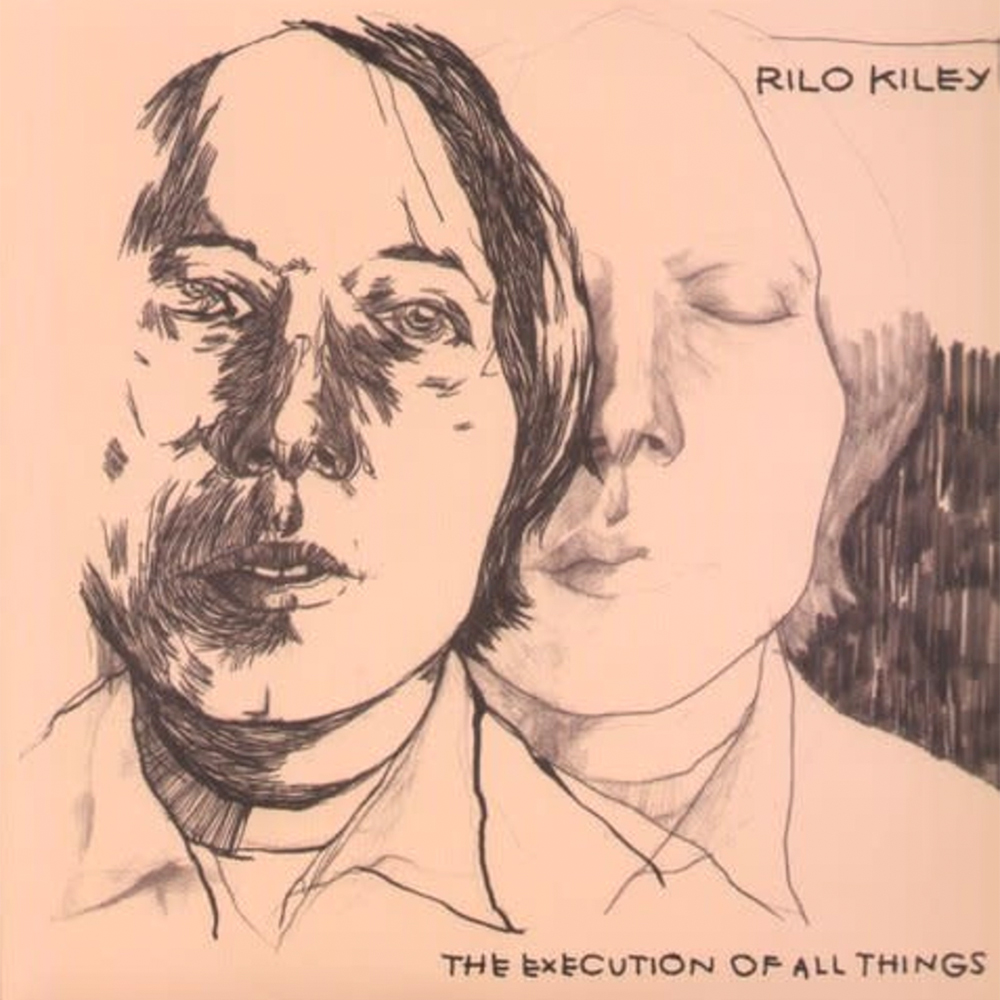 Just like how the closing track “Spectacular Views” says “There are no bad words for the coast today,” there are no bad words to say about this album. The lyrics crash into your soul like those ocean waves, built on restrained slow builds, delicate verses, big shouting choruses, and beautifully layered arrangements. It all hits as hard in adulthood as it did when we were confused teens and college kids. You might even still consider tattooing an entire song etched across your back even though that sounds like it’d hurt a lot. But not as much as the fact that the band no longer … never mind, we’ve done that one enough at this point and we’re all sobbing already.
 “iF YOu do n0t PaId us we Wil send VIdEo to Everys enerGy,.. USer in AMeRic?a Yuo NaughtY boY”
 “The biggest threat, the best threat, huge.”
 Or should we say, comrades? LOL, love you Russia! xoxoxo😘😘😘
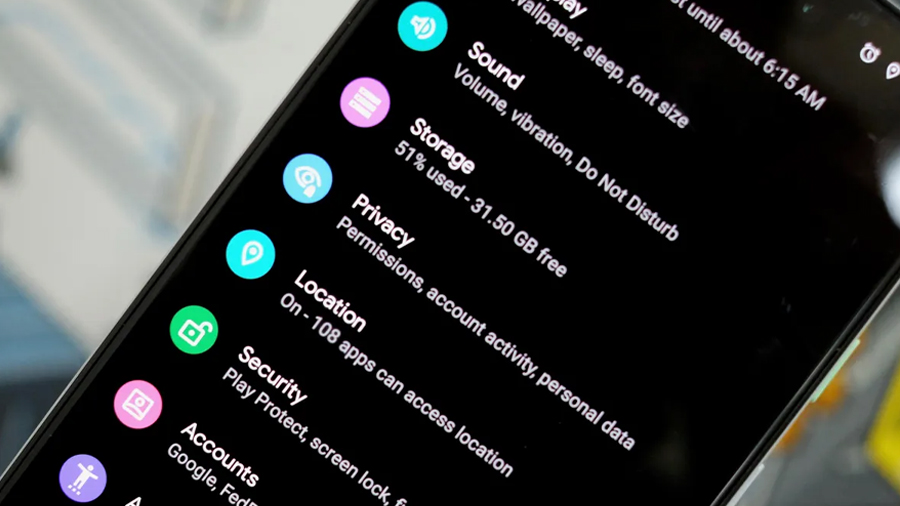 “They really should make “off” the default.”
 “MOVE it along, nothing to see here.”
 This could compromise America’s ability to “unleash the beast” in the event of an emergency.
 Lock your doors, get a gun, and make your peace with God.
 They may actually be better now.
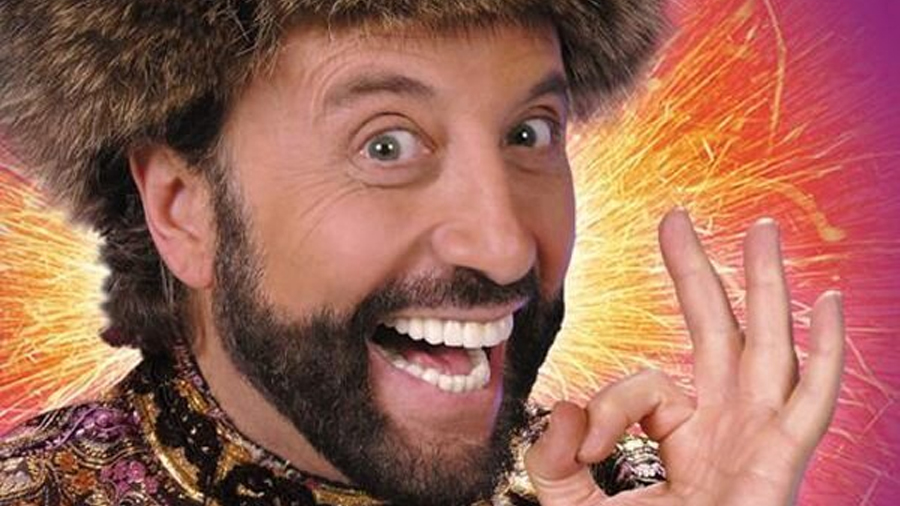 “In 800 feet, in Soviet Russia, left turns you?”
 “Or the Chinese, but not Russians!”
 “We don’t know why “load size” is such a selling point but all in all this is exciting news for the Department of Energy.”