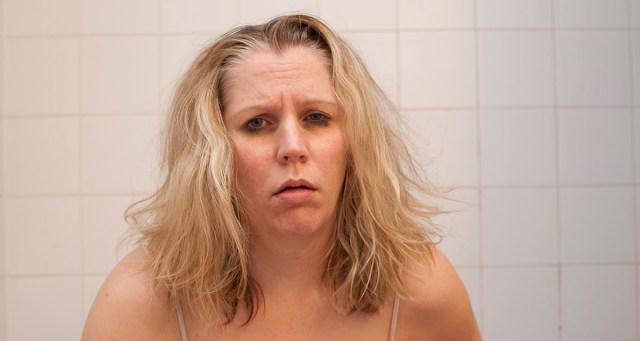
You did it again. The allure of drinking until you blackout was just too tempting, so here you are on another Tuesday, waking up at 4 p.m. with a hangover so bad you think your skeleton might explode. Your friends want to grab a bite to eat, but you know if you touch anything that resembles food for the next hour you’re going to ralph and your so-called friends will stage another intervention. Here are 10 quick lies to keep in your pocket so they don’t suspect a thing.
“Oh, No Thank You––I Actually Ripped SO MUCH Ozempic on the Way here”
Trust us, your friends will be SUPER impressed that you had the funds to score some Ozempic. And if they aren’t, they’ll be so friggin’ jealous of your new “self-care” routine that it’ll send ‘em into a shame spiral for the ages. Yep! Dinner’s canceled––let’s all go home and drink some hot water.
“Yeah, I Think Those PBRs Gave Me Food Poisoning or Something.”
Ok, the “food poisoning” excuse can be a little flimsy, especially because your friends are acutely aware of the fact that you ate absolutely NOTHING last night and went straight for the brewskis. So that’s why we’re doubling down by blaming your food poisoning on the PBRs. And if anyone tells you that it’s impossible to get food poisoning from some beers you just say, “Hey Brian. I know for A FACT that you got food poisoning last week from that beer-battered cod at Long John Silvers. And why were you so quick to blame the fish? Maybe it was the beer batter! Are you anti-fish, Brian? Are you?” Look, Brian probably won’t be your friend anymore, but at least no one will wanna coerce you into eating.
“Andrew Huberman Says That Eating Isn’t Actually That Good for You”
Cut the crap. We know you’ve been bragging to your friends about all the “studies” you’ve been “reading.” And by “reading” we mean listening to podcasts from which you retain zero information. So while you’re at it, you might as well drop this little nugget from Dr. Huberman. It’ll either totally impress your friends or send your buddy Brian on a super boring tangent about zone two cardio. Either way, no one will even notice that you’ve slipped away to vomit into a Chipotle guac container.
“You Guys Need FOOD for SUSTENANCE? That’s So Soft”
Now, this is where you need to be ready to drop your manifesto about living in a post-food reality. While the rest of your friends chomp on so called “protein,” you need to be talking about how you’re subsisting off of vibes (*so much Pedialyte*) alone like the biohacking badass that you are. It doesn’t matter if your spiel doesn’t make any sense. What matters is that your friends don’t ever wanna eat food in front of you ever again.
“How DARE You Eat When *Insert Literally Any Global Crisis* Is Going On?”
Look, if the world’s going to shit, you might as well use it to your personal gain! Plus! This excuse will make you look like a really cool and awesome person (*totally and inherently self-righteous*). So yeah, when you drop this suck on your friends, you’ll either guilt them into chucking their açaí bowls in the trash or kill the vibe so hard that you’ll magically send everyone into a depression nap.
“I’m Not Hungry But Here! Let Me Buy You a Snack!”
If you don’t make it to the restaurant and need to tell your friend to pull over so that you can *discreetly* blow chunks in a gas station bathroom, this excuse is perfect. Everybody knows you gotta buy a snack to get access to the puke palace, so you might as well feed your hungry friend in the process! They can’t ask you questions about why you’re still rockin’ your piss-stained skinny jeans when they’re munchin’ on Corn Nuts! Oh! And you should buy them a Liquid Death cuz we just learned that those suckers are actually just sparkling water and not ballistic, gasoline-infused energy drinks.
“If I’m Eating, How Can I Tell You My Story About How I Bought a Sentient Being on Temu Last Week?”
Ok, so we’re not super sure if this one will work. But hey, we’d LOVE to see you try it out. Just tell your friends that you were trying to buy a pair of knockoff AirPods on Temu, and next thing you know a fucking alien chrysalis pops up on your doorstep and guess what? It hatches immediately and now you’re responsible for a random-ass alien named “Maurice.” And, apparently you can’t send Maurice back. That’s not a Temu rule, but it IS a Maurice Rule.
“I Just Haven’t Been Eating Since ‘Cowboy Carter’ Dropped”
WHO’S GONNA GO AGAINST BEYONCE? WHO? I mean, probably your stupid friend Brian.
“According to Gwyneth Paltrow, I’ve Already Eaten Enough Food This Year”
So we’re not sure if our gal Gwyneth actually said this, but the subtext is that you are now the kind of person who eats a single almond for dessert and buys stuff from a skincare brand that rhymes with poop. And yeah. None of your friends gonna want to dine with you ever again.
“I’m Saving My Appetite for a Big, Fat, Healthy Salad Later”
Your friends might’ve dragged you to a godforsaken Sweetgreen, but that doesn’t matter because you’re about to tell your friends about a salad so big and so healthy, it’s gonna have both macro AND micro greens. And NO DRESSING because that’s how healthy THIS fucker’s gonna be. And yeah, it’s gonna be like 90 percent Kale and Swiss chard. So much chard. By the time you’re done explaining this salad to your friends, it’s gonna make their miso glazed salmon look like beer-battered Long John Silvers cod. So take that, BRIAN.
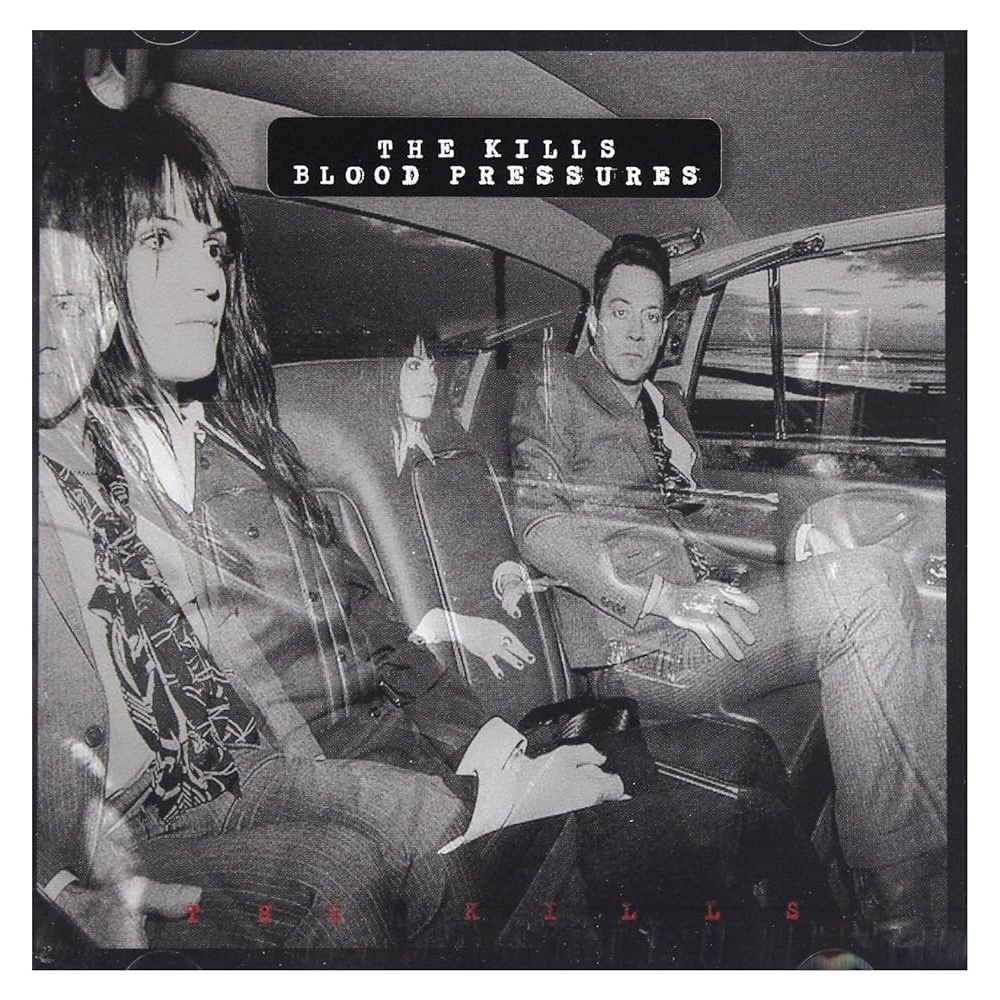 Toning down the punk and garage rock influences of prior releases, instead focusing on the Blues-Rock and some Hip-Hop influences, there is a sameness to these songs that detracts from the record as a whole. But that’s ok, every band goes through something of a midlife crisis, and there are worse ways to deal with it than monotony, and you must learn to deal with monotony to grow as a person. But the good ones here are just as good as anything The Kills have ever released, so while it’s not reinventing the wheel, it’s still solid as a record.
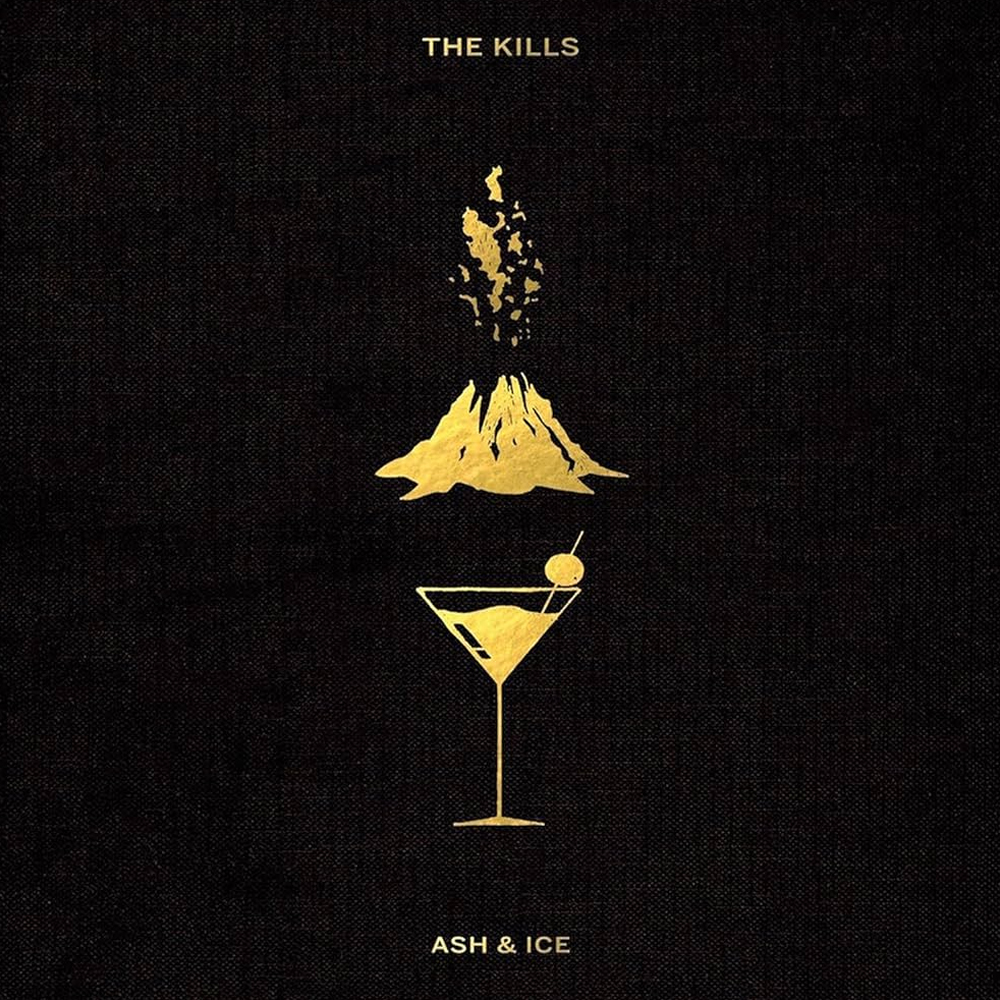 Released in the year of Trump, the fifth Kills album neither breaks new ground or regresses at all, and it’s not a bad record (just like all their other releases), bit it feels too typical for a band who has spent their career being anything but. However, considering the shocking changes that changed the world forever after the death of Harambe that fateful morning at the Cincinnati Zoo, maybe this wasn’t the record we wanted, but the record we needed to ground ourselves from the shitstorm that was about to hit the world of politics and decency, with its typical but safe sound.
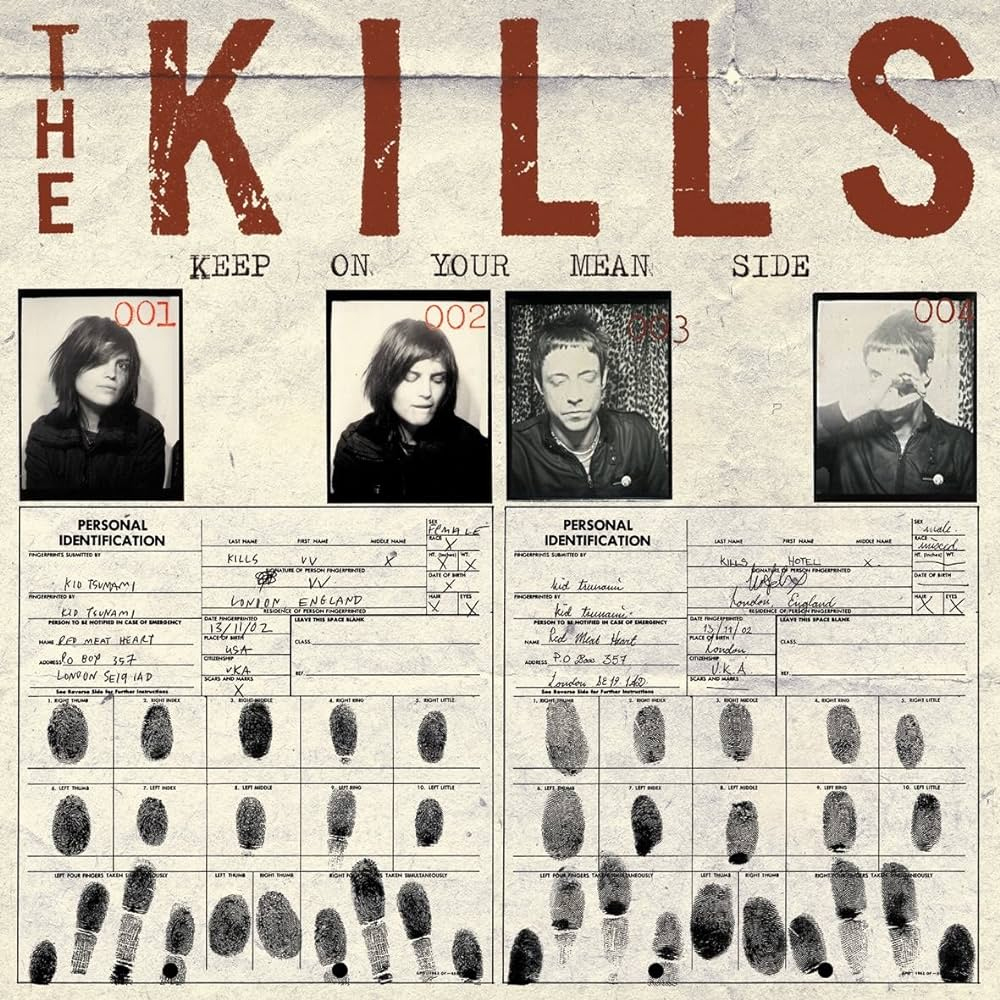 The Kills pounced onto the music scene in 2003 with this record, and unlike many debut albums, this one sees the band kick things off with their sound fully formed, just like a beast with two backs. But there’s nothing to back down from here, and the record keeps its promise by bringing in straight shooting, bluesy indie rock straight from New York and England, with Jaime Hince bringing that distinctively British Guitar playing back to its American Roots in sort of a reverse British Invasion, while Alison Mosshart expands from her days with Discount to become an absolute force of nature vocalist. A must listen for anyone who is an indie rock lover, this was the album that started it all.
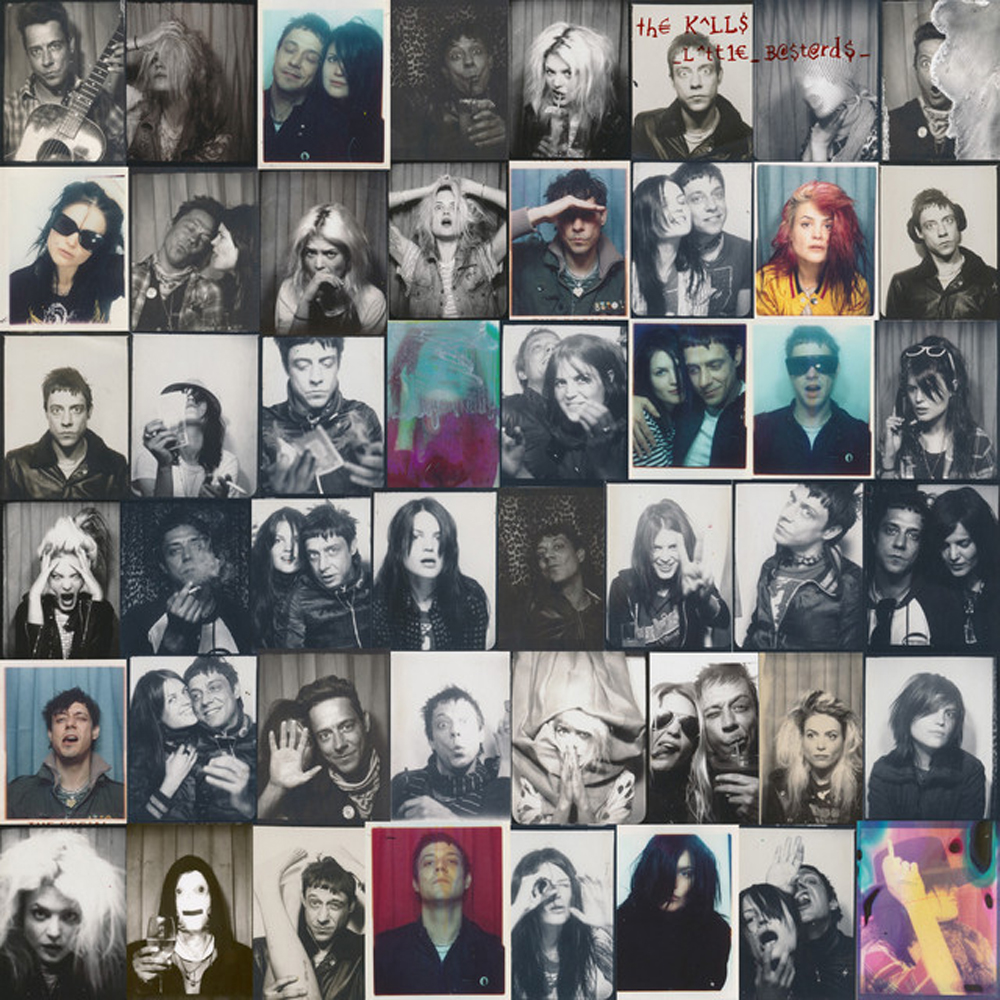 A collection of B-Sides and outtakes, this compilation is actually pretty awesome, with some more experimental tracks when compared to the official releases. Every genre from acoustic, electronic, and everything in between, this album was released during the pandemic, possibly out of generosity, which is itself a form of love. This compilation is a perfect starting point for anyone looking to get into The Kills whether it be for a one-time session of fun, or a dedicated, long-term commitment.
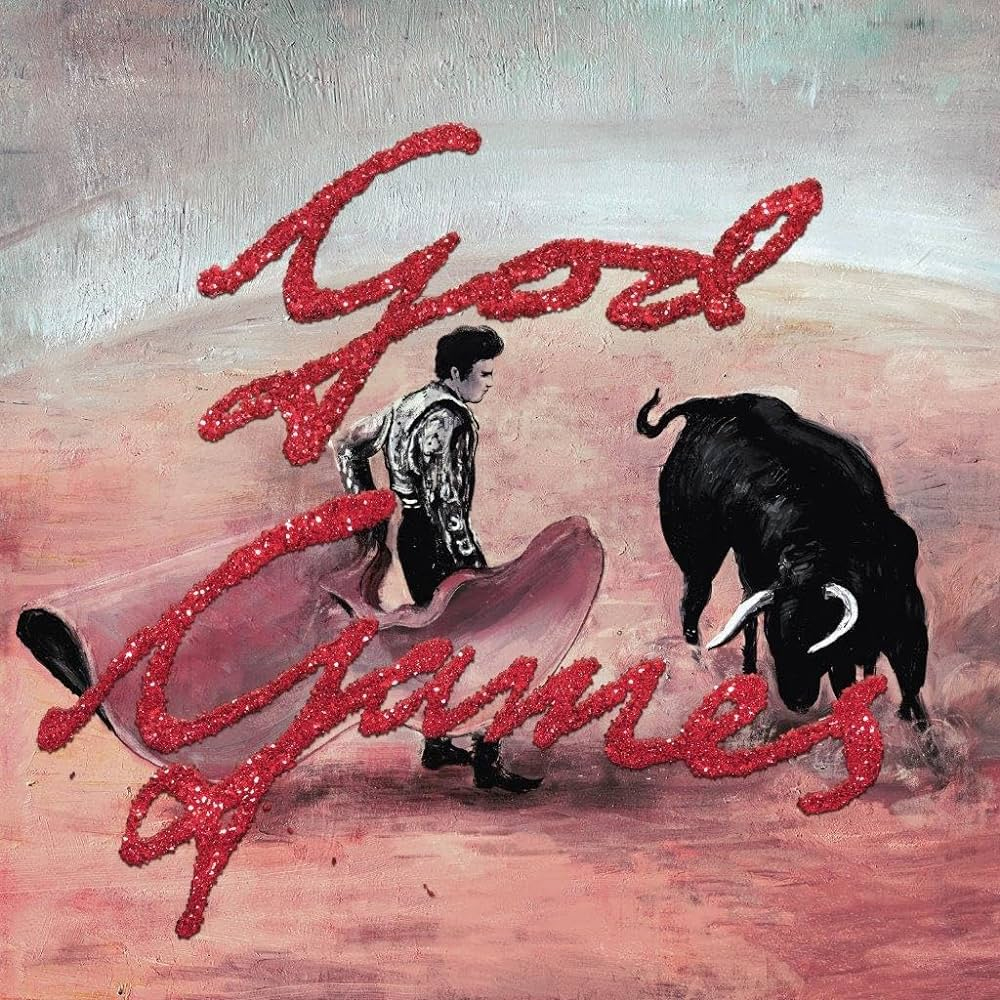 Released almost a decade after “Ash and Ice,” and oh boy was this worth the wait. Satisfies like a hookup after a painful dry spell, this album draws from every era of “The Kills” in terms of sound, mood and most importantly, sexiness. Strutting in and giving Derek Zoolander level performance on the catwalk, after a long hiatus, the Kills deliver a “Magnum” opus level performance, and a welcome return after those dry years, and this record is a perfect extension of sounds the band perfected upon their debut.
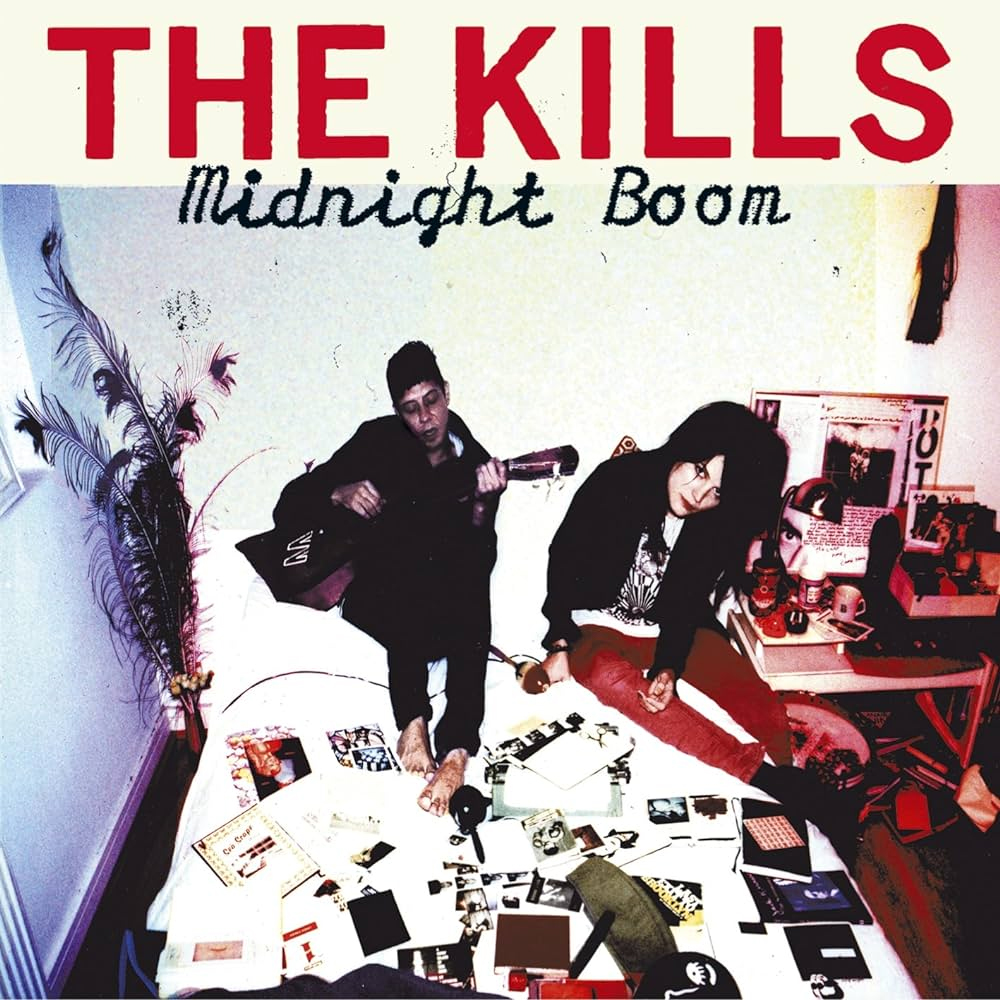 This album is a journey through the gamut of human emotion, and by this point in their career, The Kills had perfected their sound and were performing like two lovers in lockstep. “URA Fever” starts hot and heavy, and the rest of the album keeps that smokey vibe perfect for “Getting Down,” and you just can’t help but boogie to the tunes. While it may be a bit slower than its predecessor, sometimes slower means it’s all the sweeter, and that you should take the time to enjoy it.
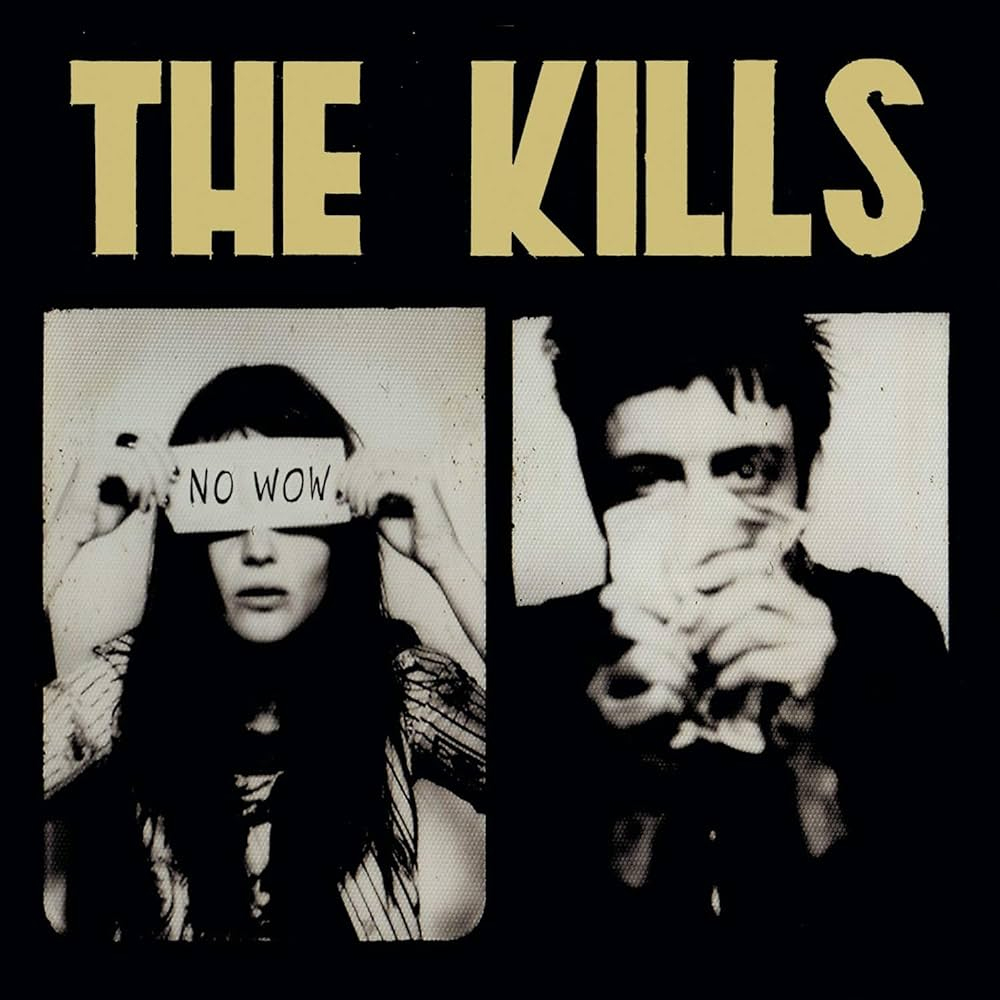 Originally supposed to be recorded on a MOOG synthesizer which broke right before the recording sessions, Alison and Jaime were forced to rearrange the album as their typically blues-tinted indie rock style to compensate for their technical difficulties. Possibly the best electronic record never made, but for sure it’s one of the best records to come out of the Indie Rock scene of the 2000s, meaner, and tougher than many of the acts, while also just as capable of being vulnerable and sensitive, marking The Kills as not just capable musicians, but lovers as well, and if you dislike this album, we may have to get the guns out, I say again, get the guns out.