Throughout the early to mid-aughts, seeing your favorite emo band perform meant either attending a live show, or turning on Fuse TV and hoping their latest music video would air. The emotion in the music was high, video production budgets were low, and it all came together in some memorable cinematography. After evaluating hundreds of music videos, we’ve noted several themes and commonalities: the unofficial color scheme of the emo music video is white, black, and red, with hints of indigo blue. Narratives tend to center around hospitals, churches, and either dilapidated buildings or the most ornate mansions you’ve ever seen—all abandoned. Nurses, children, clergy members, fighting couples, and wall clocks are recurring characters.
The following have been ranked by their expert use of these tropes, or their creative departures into originality. Here are the 10 Best Emo Music Videos of all time:
10. (Tie) The Academy Is… “We’ve Got A Big Mess On Our Hands”
It’s clear this music video benefited from a larger budget than most others of the time, which likely has something to do with the overt placement of Nokia slider phones. The cellphone-centric narrative tightly centers around singer William Beckett, who is being taunted and impersonated by his doppelganger. After Doppelganger William punches through a mirror and steps over Real William’s glass-strewn body, he takes off to menace the streets, find some groupies, and clear Real William’s bank account. This video is before its time not just with the use of product placement, but also with its addition of intra-song dialogue, which features a cameo by Pete Wentz and some well-dressed chimpanzees. The ending shows the two Williams fist-fighting on stage in front of a crowd, which is the most literal possible depiction of being at war with oneself, and by nature very emo.
10. (Tie) Alexisonfire “This Could Be Anywhere In The World”
This video can only be described as elemental. It focuses entirely on the band performing, among roaring flames, torrential bursts of water, whipping gusts of wind, and crumbling concrete skyscrapers against heavily shadowed lighting. The movements are perfectly timed to the song, which goes just as hard today as it did in 2006.
9. Hawthorne Heights “Saying Sorry”
Hawthorne Heights shook the very foundation of the emo genre with “Ohio Is For Lovers,” a track so unapologetically Emo with a capital “E” that it was nearly laughable even at the time of its release. Yet, it’s the video for “Saying Sorry” that earns a rightful place on this list. The creative direction nails the requisite emo color scheme by dressing the band in white suits and staging them on a heavenly backdrop with black guitars. It also hits many of the compulsory emo motifs, with interspersed scenes of kids playing “doctor” and young adults fighting in a decrepit house. Yes, the makeup artists did beautiful work on the angelic characters that appear behind the band, but what really makes this video special is the multiple cuts to J.T. Woodruff obliterating the fourth wall and singing directly into the camera.
8. Coheed and Cambria “The Suffering”
Much like Coheed’s music, which has never quite fit into any specific genre, this cinematic music video is a departure from the aforementioned emo tropes. Not only does it look like it was shot inside the Indiana Jones Adventure after hours at Disneyland, but it also features amusingly low-budget CGI of half a dozen mythological creatures. While a centaur lusts after a particular mermaid in a pack of sirens, the band plays, massive scorpions fight to the death, and a winged horse flies overhead. When a giant sea monster takes the mermaid in its grasp, the centaur shoots it down with a bow and arrow, rescuing her in a rare happily ever after.
7. Chiodos “Baby, You Wouldn’t Last A Minute On The Creek”
Shot in a deep vignette to appear as though on film, this video follows an urban foot quest between a woman wearing a papier-mâché mouse head and singer Anthony Green outfitted in a full yellow tracksuit and bird-like mask. Mouse Woman scours the city with a tin hospital box filled with Polaroid photos she hands out to passersby, then takes off running with newly acquired stacks of newspapers and a map. Birdman does a bit of parkour before acquiring a map of his own. Flashbacks of a bedroom wall lined with those same polaroids lead us to believe that Mouse Woman and Birdman are former lovers, which is confirmed when the two find each other in a back alley and have it out in a physical street fight. By 2005 emo standards, this is fine art.
6. Say Anything “Wow! I Can Get Sexual Too”
This unapologetically bizarre and X-rated song is something of an emo classic, and it’s matched by a mildly chaotic music video. While the band performs in front of a solid white backdrop adorned with red landline phones, singer Max Bemis places a phone call to a group of desi women who lead off a Bollywood dance sequence. Meanwhile, as a butler pushes around a bar cart, an unmarked silver sedan appears in the frame along with the words “Blatant Vehicular Endorsement.” Bemis throws some $10 bills toward the camera as he dances in front of it, indicating that the whole thing may be parodying a rap video. After Coby Linder licks his drumstick and Parker Case spanks his keyboard, Bemis slides around in a white sweatsuit with a technicolor LED wall behind him, closing out this quasi-parody fever dream of a video.
5. Fall Out Boy “Dance, Dance”
The bassline of this track alone is enough to bring any elder emo right back to 2007, a year quite perfectly encapsulated in this video. Taking place at a high school dance, it has it all—representation of every clique archetype, sexual tension, misogyny, dance battles, and sequin dresses. The opening scene shows a boy asking a girl to the dance by writing “homecoming?” in open flames on her family’s lawn, which is basically avant-garde, considering prom-posals wouldn’t become popular for at least another five years. Is it unsettling to think about how the band members were in their mid-twenties when they conceptualized and filmed this video? We’d say about as unsettling as binge-watching a season of “Euphoria.”
4. Panic! At The Disco “But It’s Better If You Do”
Back when Panic! At the Disco was still a four-piece band of teenagers making techno-influenced cabaret-rock, they filmed this video for “But It’s Better If You Do,” a song about burlesque queens giving lap dances to men drinking peach and lime daiquiris. After a black and white opening that sets the video in the 1930s with a couple having a domestic argument, the picture turns to full color and cuts to a strip club. While the band plays on a stage looking dapper in three-piece suits, they’re surrounded by half-naked ne’er-do-wells dressed in every fishnet, feather boa, and Venetian mask the wardrobe stylist could find at Spencer’s Gifts. No notes.
3. Cute Is What We Aim For “Curse Of Curves”
This video by lesser-known emo band CIWWAF is a study in emo idealism, fashion, and haircuts. It’s everything we’d ever want for a song boasting a rhyme scheme that could only be outdone by Dr. Seuss or most rappers. Set in an opulent mansion, a group of teenagers gather around a pearlescent dining table. Boys dressed in black and white tuxedos hold conversation with girls in blood red gowns while drinking red wine and maintaining heads of precisely angled side bangs. Lead singer Shaant Hacikyan exaggerates the lyrics into the camera between making eyes at—then hooking up with—every girl in the room. When he ultimately falls backwards in his chair and dies a dramatic death by presumed poisoning, we’re left with the question of, “how did production afford this filming location?”
2. Paramore “Emergency”
Few emo bands have grown and evolved over the last two decades in the way Paramore has, and the video for “Emergency,” the second single off their debut album, is a testament to their emo reign. It plays out in the quintessential location—a building that appears to have once been a mansion but has since become a weather-worn abandoned structure. The band is outfitted in distressed black and white formalwear, with red rose corsages that perfectly match the blood coming from gashes the makeup artist did a passable job of painting on their faces. We’re fairly certain the concept intends to portray the physical manifestation of inner turmoil, and with the lyric, “these scars, they will not fade away,” it exudes emo excellence.
1. Underoath “Writing On The Walls”
Securing the number one spot on this list is a video that’s wholly unique in both concept and execution. The impressive set design of a claustrophobic life-sized dollhouse creates unsettling disproportions with a cast of vintage horror-inspired characters. The band plays in the basement as the characters eerily devolve into various states of mental breakdown and discover a dead body in the attic. The timely choreography of it all makes this video reminiscent of a Wes Anderson film if Wes Anderson made horror movies and was really mad at his parents. Ending in a wide pan to the surface of an Earth shrouded in darkness, it’s as enigmatic and memorable as the emo era itself.
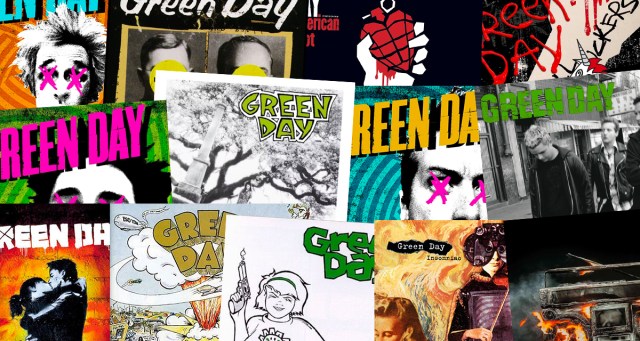
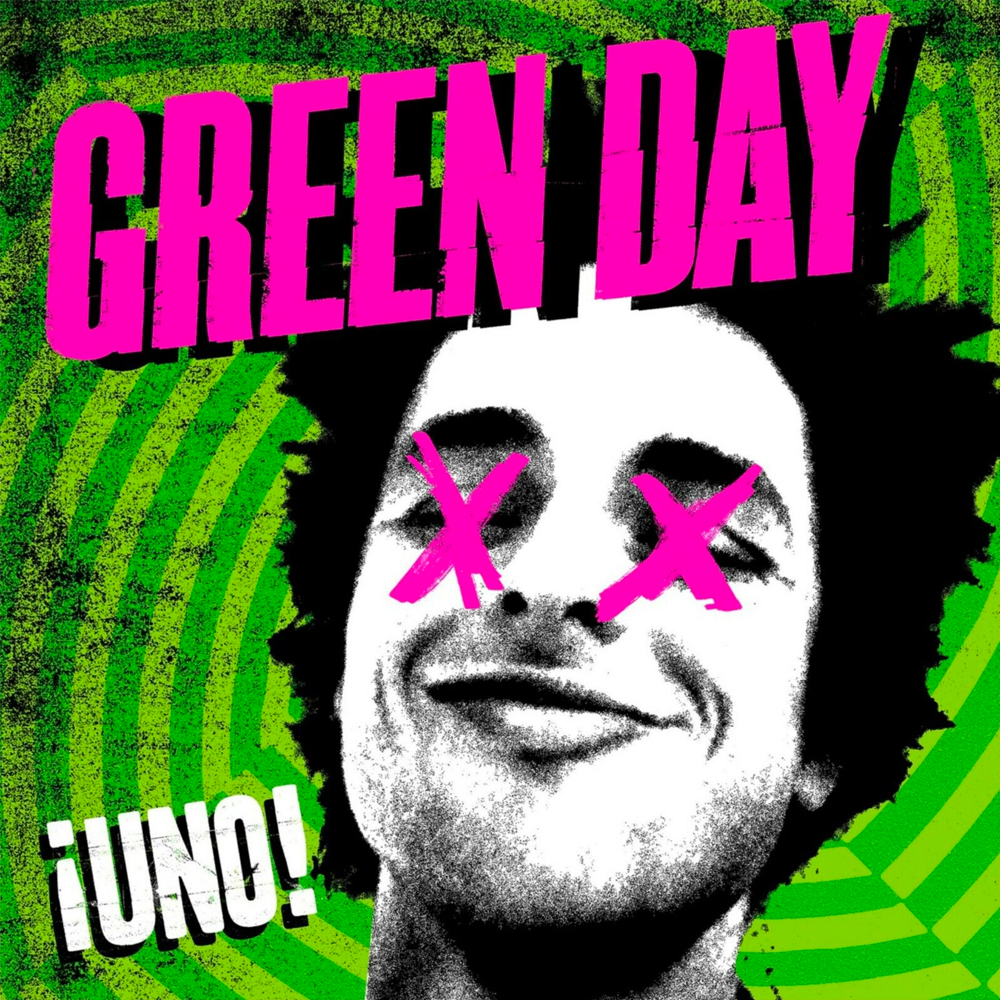 The only truly disappointing Green Day record. 37 songs were recorded in the sessions for “¡Uno!,” “¡Dos!,” and “¡Tré!,” and released within three months of each other as a piecemeal triple album, and frankly, it sounds like it. Lyrics, chord progressions, and themes are recycled from other Green Day songs. Potentially promising tracks like “Let Yourself Go” and “Kill the DJ” are exposed as woefully underwritten, with lyrics that are repetitive or cringy or both. It’s been said about every triple album ever released, but there is a killer single album hiding within “¡Uno!,” “¡Dos!,” and “¡Tré!,” and probably a great double album with the benefit of a little lyrical editing. But stopping at “¡Uno!,” or even “¡Uno!” and “¡Dos!,” would have deprived fans of the hilarity of the gringo-Spanish pun where the third album’s name sort of syncs up with the drummer’s stage name. And that’s the price of comedy, folks.
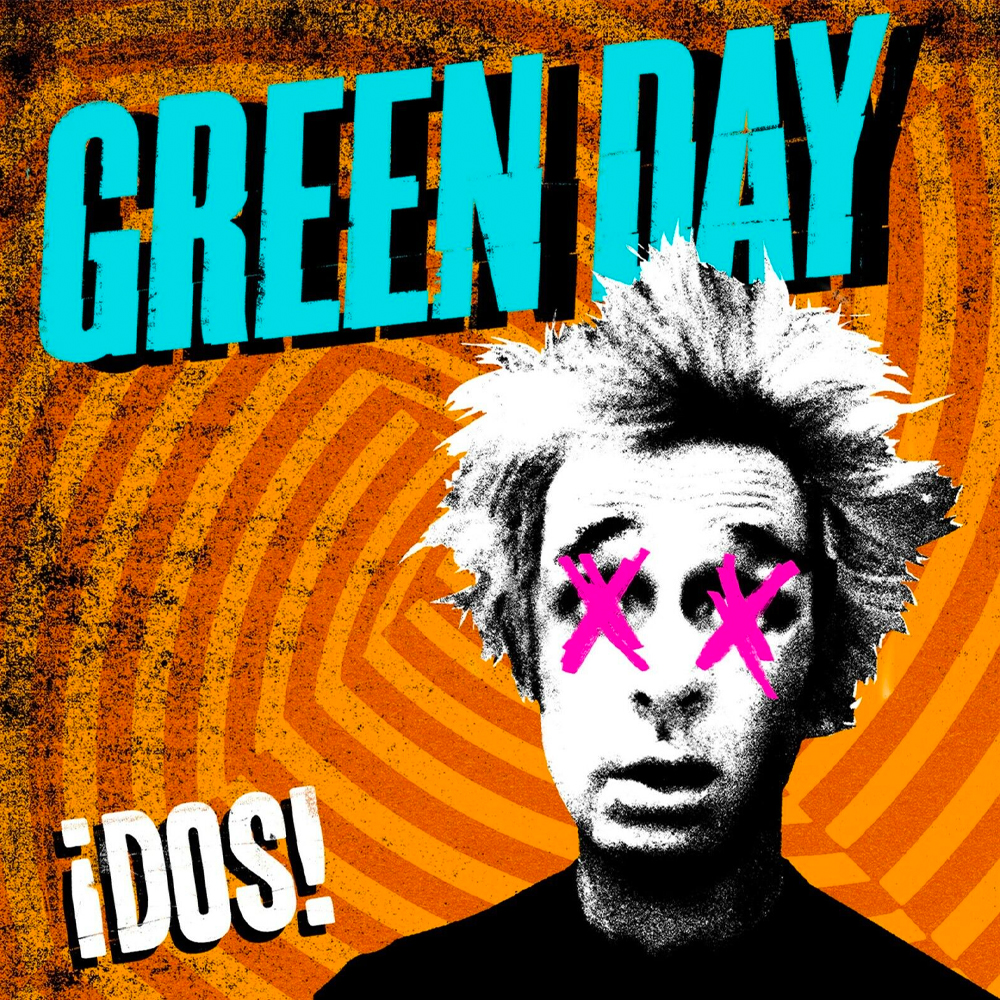 What to say about “¡Dos!?” The lowered expectations brought on by “¡Uno!,” released just seven weeks prior, certainly helped, but this installment is more fun and has a certain charm that helps it stand on its own. It has faux British Invasion garage rock vibes, with the band going as far as to call it “the second Foxboro Hot Tubs album” (more on that below). The missteps in the weaker tracks still keep “¡Dos!” from being ranked any higher, with lazy lyricism dragging down musically solid entries such as “Stop When the Red Lights Flash” and “Fuck Time” (yes, that’s a real song title). It’s a bit of a turd by Green Day’s standards, but the rest of us should be so lucky as to drop a ¡dos! this palatable.
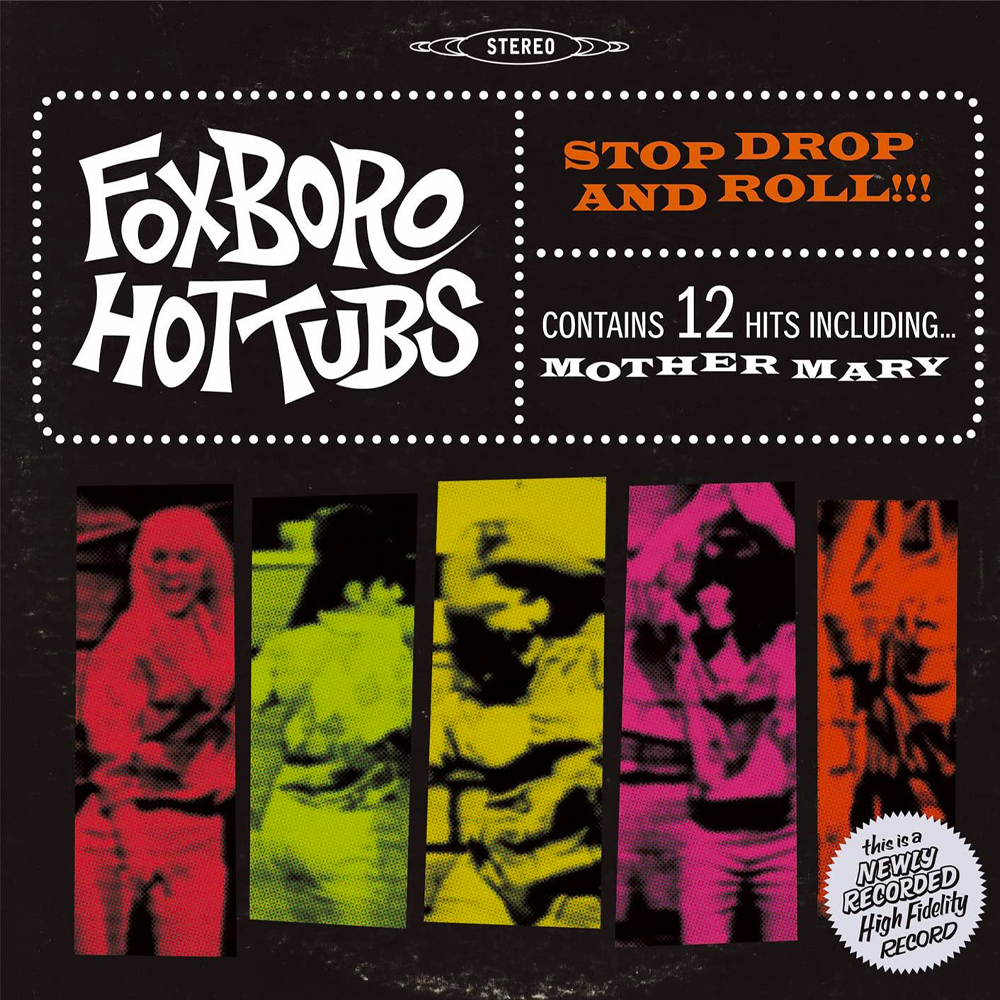 Foxboro Hot Tubs has been called a side project, but since it includes all of Green Day, plus touring members Jason White, Jason Freese, and Kevin Preston, it’s really more of an alter ego, where Green Day dives into their ‘60s garage rock influences. “Stop Drop and Roll!!!” doesn’t break any new musical ground, but it’s not supposed to. It plays like a half-hour rock’n’roll party where the boys are audibly having a good time. Standout tracks “Mother Mary” and “The Pedestrian” could easily hold their own on a proper Green Day album, and the record succeeds as a cohesive whole. We don’t rank non-canonical albums here at The Hard Times, but if we did, this is where “Stop Drop and Roll!!!” would land. Did I just break the rules?
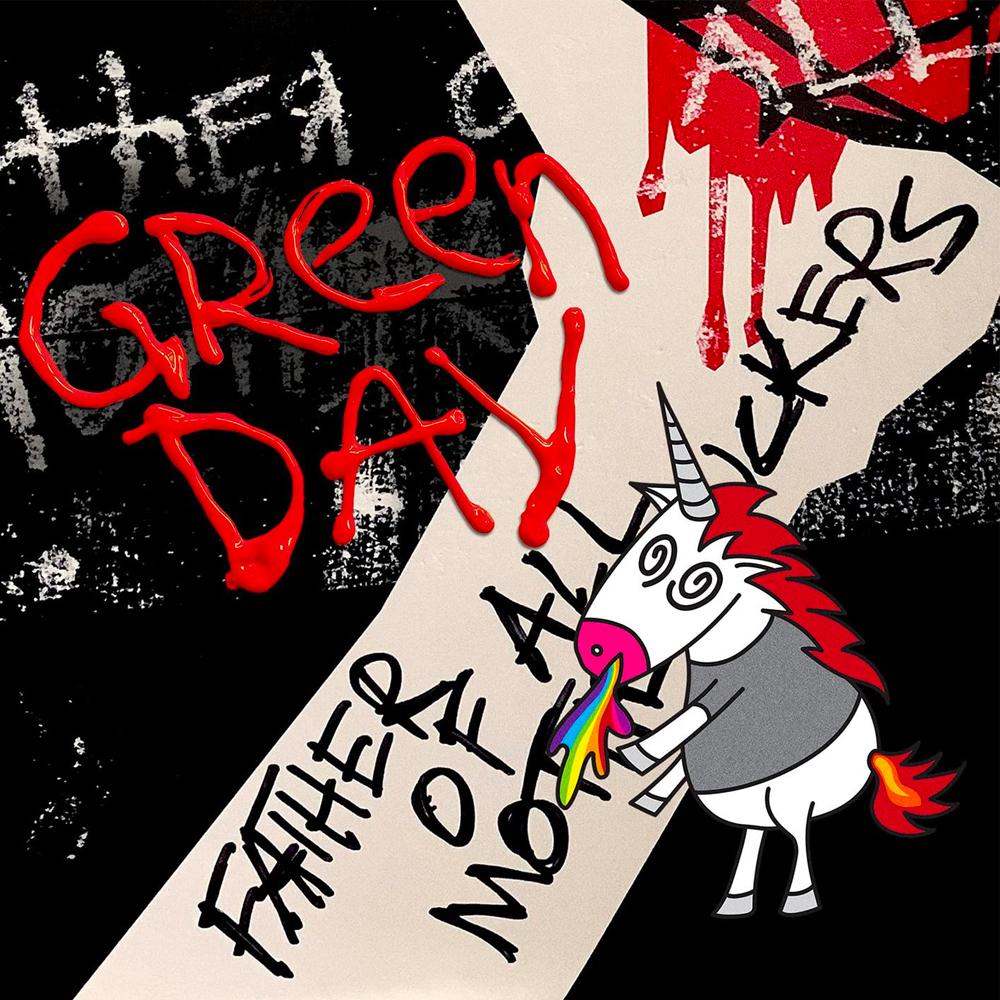 The “Father of All…” cover depicts the agitprop heart-as-hand-grenade artwork from “American Idiot,” defaced to include the new album title and a vomiting cartoon unicorn. The message seems to be that nobody needs another serious political sermon right now–this world’s on fire, so let’s dance on the ashes. And as it was released weeks before Covid shut down the planet, maybe they were onto something. Stylistically, the album sees the band again revisit the garage feel employed on “¡Dos!” and “Stop Drop and Roll!!!,” with a few glammy touches, and Billie Joe singing complete songs in a falsetto. It’s not their best, it’s not their worst, and it’s not very long, clocking in at 10 songs and 26 minutes total, which is maybe the best part of it all.
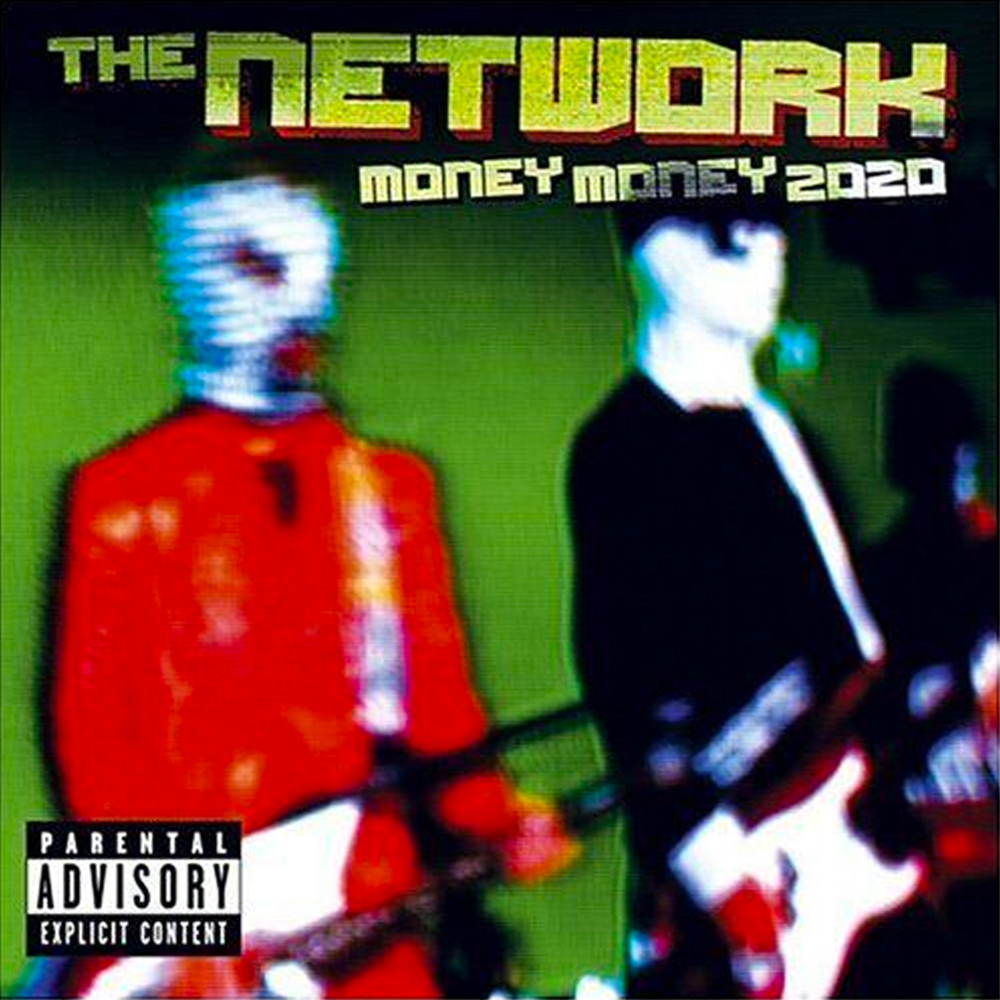 In 2003, Billie Joe offered assistance to a cryptic foreign new wave band called The Network, and ended up being contractually forced to release their debut album, “Money Money 2020,” on his label, Adeline Records. The Network repaid the favor by antagonizing Green Day in the press and hiding behind masks and pseudonyms to conceal their true identities. The feud between the bands persists to this day. Musically, “Money Money 2020” serves up a determined slice of latter day new wave/synthpunk, bolstered by tracks like “Roshambo”, “Transistors Gone Wild”, and the title track. Some might ask why a ranking of Green Day records would include an album by any other band, let alone one embroiled in a decades-long feud with Green Day. It’s a fair question. And not one that we’re going to answer.
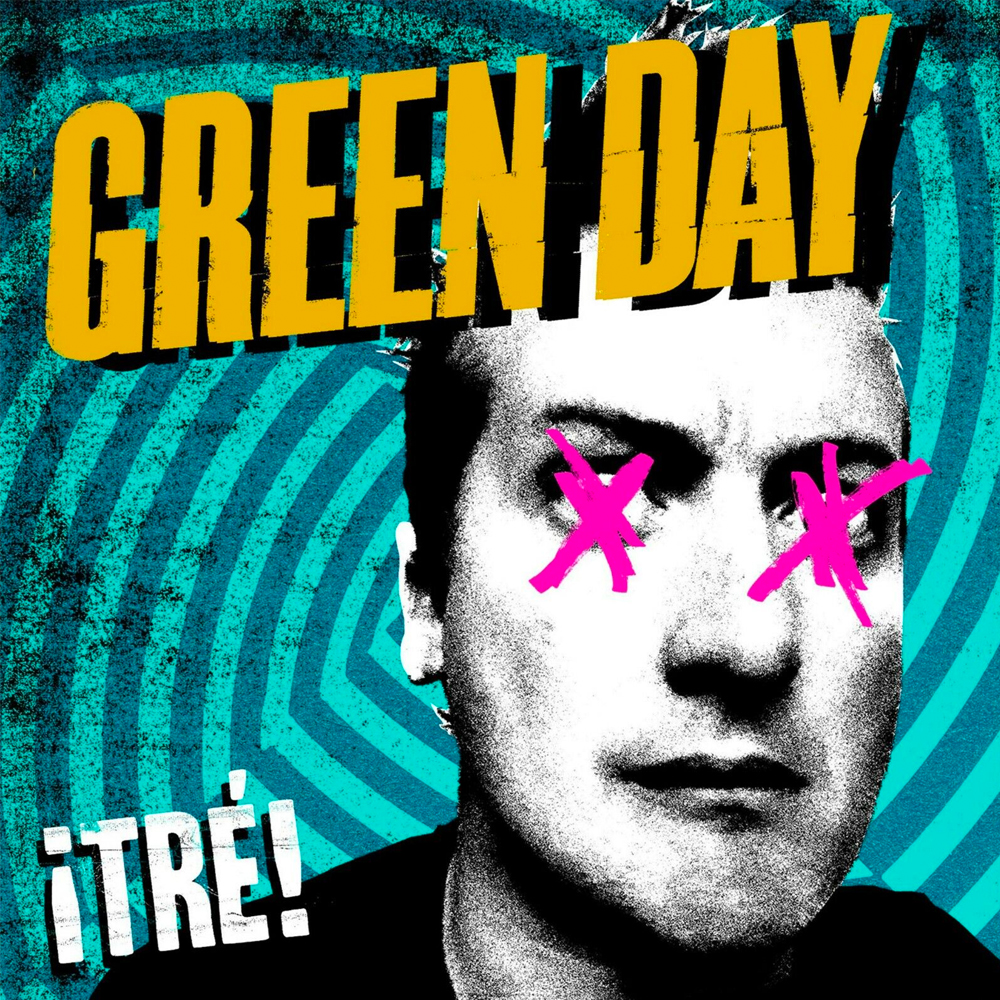 The ill-fated “¡Uno!/¡Dos!/¡Tré!” trilogy concludes a trajectory where each installment slightly improves on its predecessor, meaning that by “¡Tré!,” whichever listeners have actually stuck around get a decent album. “¡Tré!” sounds like the record that logically would have come out after “Warning,” if the guys hadn’t veered into concept albums and formalwear. The cringy missteps are fewer and further between than on ‘¡Uno!” and “¡Dos!,” and the strong entries are fresher and more heartfelt. “Brutal Love” sees Green Day try on Sam Cooke-style crooning with success, “Amanda” hints at early Beatles, and “99 Revolutions” rages against the 1%. But more importantly, we finally get to the big reveal, that the title is not ¡Tres! but ¡Tré!, with a leering Tré Cool on the album cover! You suckers never saw it coming.
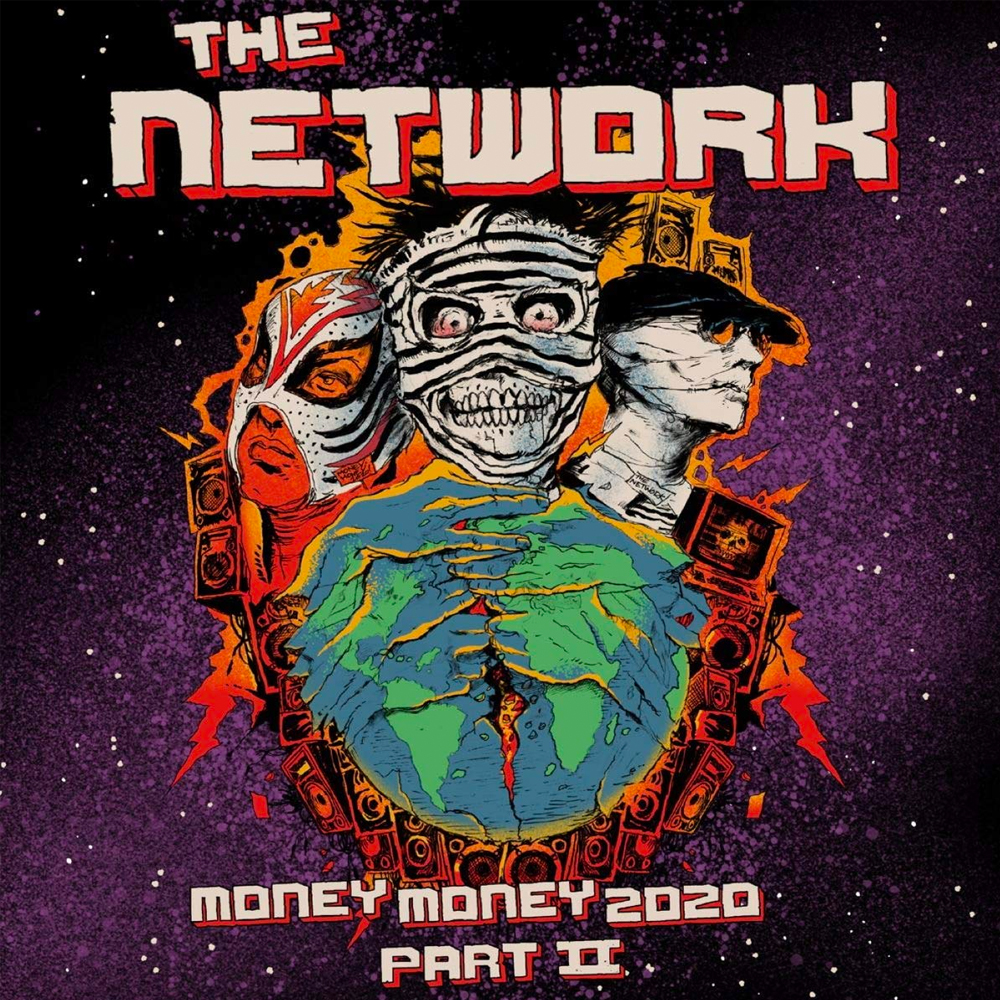 You can’t say they didn’t warn us. The Network gave 17 years advance notice of dark times to come when they issued “Money Money 2020” way back in 2003. When the titular year itself greeted us with deadly disease, heightened police brutality, and a wannabe-dictator gameshow grifter trying to reclaim the White House, The Network emerged from the shadows to gloat. Containing 25 songs and released just 8 months into Covid-19 isolation, “Money Money 2020 Part II: We Told Ya So!” ranks with the best of real-time commentaries on life during pandemic. References to flat earthers, autocratic con artists, herd immunity, hydroxychloroquine, apocalypse, Elon Musk, and anti-maskers abound. Why do we continue to include bands that aren’t Green Day on this list? Blame the Deep State.
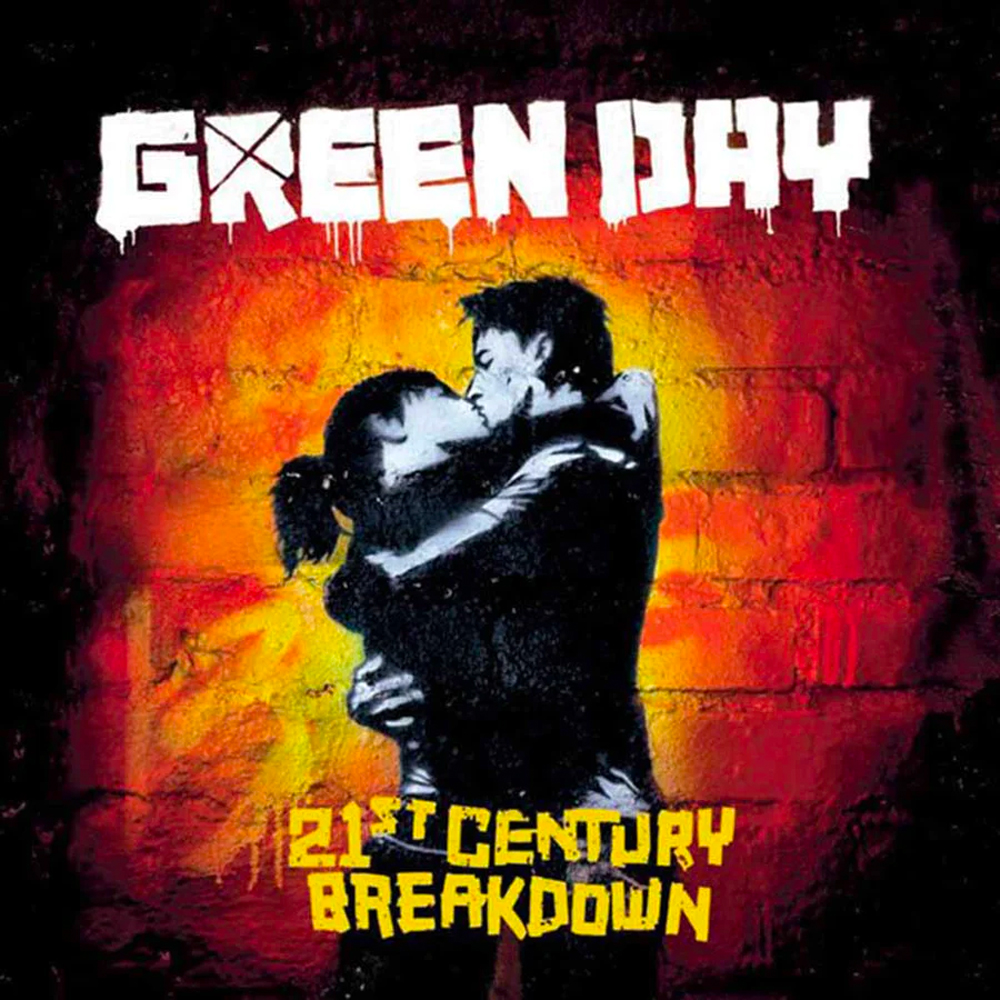 Green Day shifted their paradigm when they released the critical and commercial smash “American Idiot” in 2004. Then they followed with “21st Century Breakdown,” a second consecutive politically-charged rock opera, which largely feels like “American Idiot Part 2.” Not surprisingly, five songs from “21CB” were included in the Broadway stage adaptation of “American Idiot.” “21st Century Breakdown” features protagonists named Christian and Gloria, and while it pales slightly in direct comparison to its predecessor, it’s a strong entry in the discography when judged on its own merit. Had the two albums come out in reverse order, they likely both would have been hailed as triumphal leaps forward. As it stands, I’m not sure what Christian’s motivation is, I don’t know what drives Gloria, and I have no idea why Will Ferrell performed “East Jesus Nowhere” with the band on SNL in 2009, but I’m here for it all.
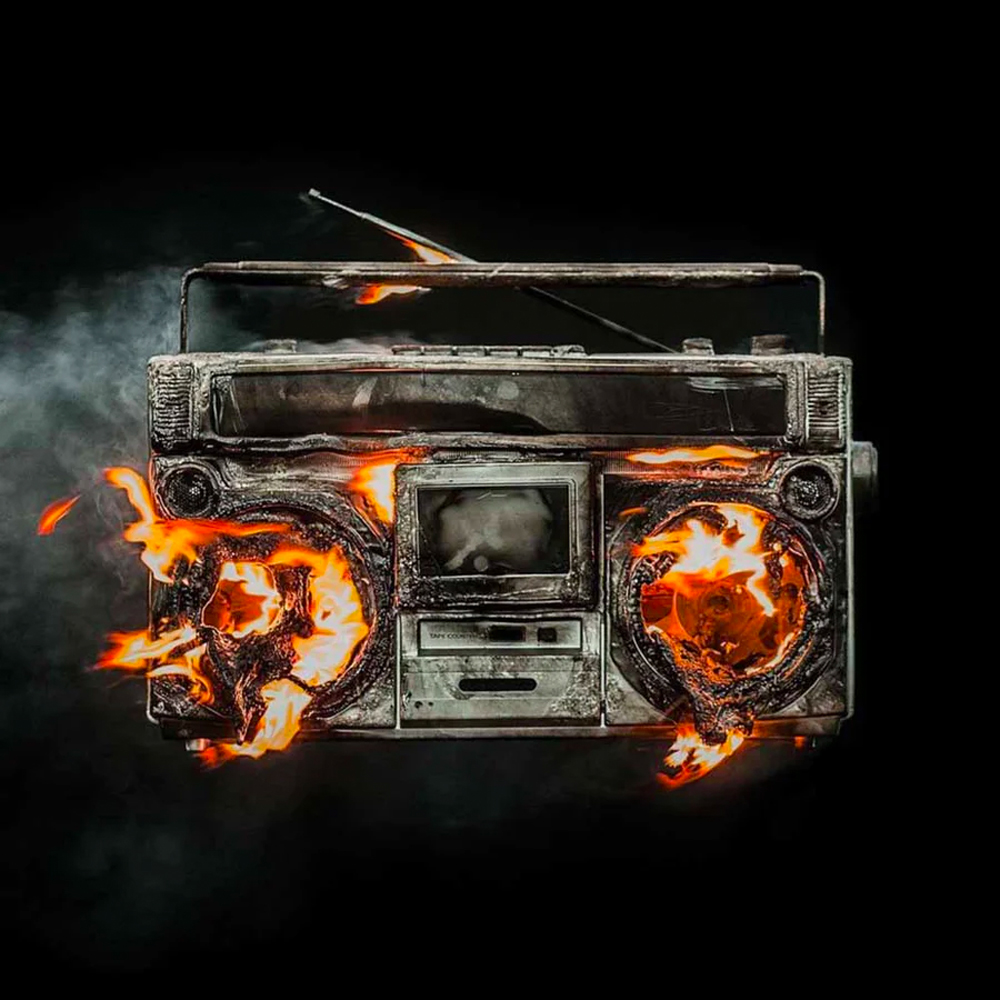 “Revolution Radio” may sound like the name of a Clash B-side, but it’s actually a Green Day record, and considering it’s the 12th studio album by a band approaching three decades together, “RevRad” still manages to check the right boxes. “Bang Bang,” a gun culture commentary, is as aggressive as anything the band ever released, “Still Breathing” was a mid-tempo radio hit, and “Forever Now” is a bombastic multi-part number with nods to Queen and the Who. The album’s release shortly preceded a World Series win by the Chicago Cubs, a revolutionary feat in itself that was apparently on Billie Joe’s radar. This reviewer knows, because he was in the audience for an Aragon Ballroom album release show the day after the Cubs won the pennant, when Mr. Armstrong declared, “I guess you finally killed that fucking goat!”* *No goats were harmed in the making of this list.
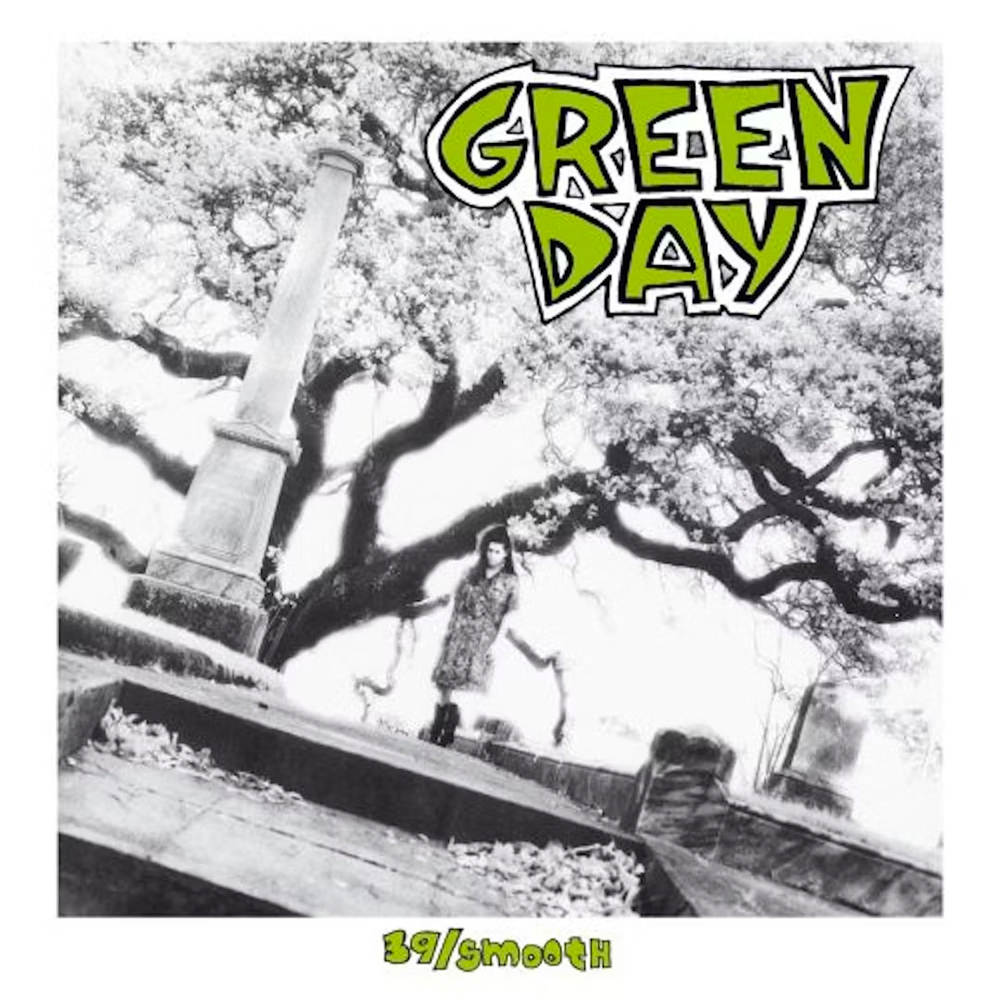 It’s Green Day’s first full length and it slays. You likely know it as ‘1,039 Smoothed Out Slappy Hours,” the CD version that combined the “39/Smooth” LP, the “Slappy” EP, and the “1,000 Hours” EP. “At the Library,” “Going to Pasalacqua,” “The Judge’s Daughter,” and “Paper Lanterns” are absolute classics. That the album came out when Green Day was still on Lookout! Records only adds to the enjoyment. Can we just take this opportunity to give it up for Lookout! in the ‘90s? Operation Ivy, Screeching Weasel, The Queers, Rancid, The Groovie Ghoulies, Pinhead Gunpowder, Crimpshrine, Fifteen, Mr. T Experience, Riverdales, and on and on. Those days were full of hope and excitement, because the music inspired, and also because we were 30 years younger.
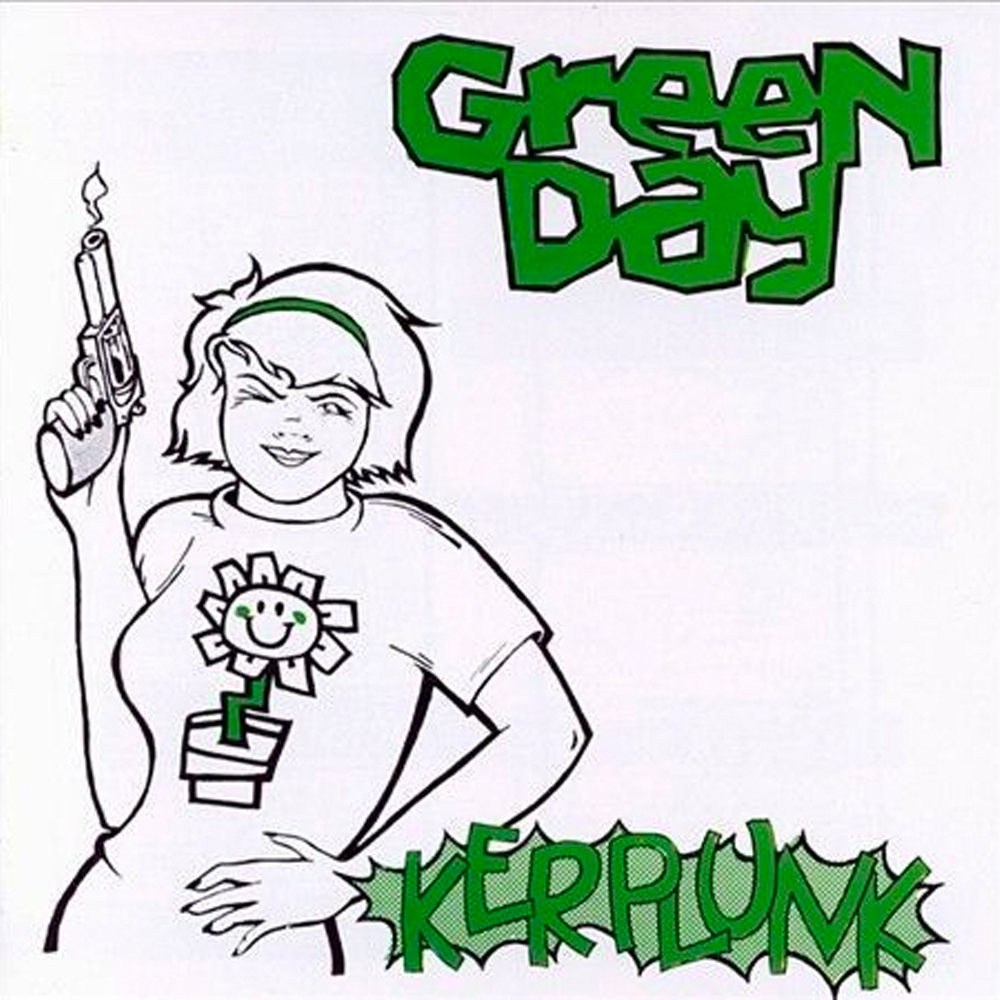 Another Lookout! album, and another banger. Tré Cool had just joined, so this is the first album by the classic Green Day lineup. Billie Joe has called “Kerplunk” his favorite Green Day record; many early fans will agree. For all intents and purposes, this is the album that gave the world Green Day. Sales were huge for an album on a small punk label, leading to a major label frenzy and eventual superstardom. “Kerplunk” includes the original version of “Welcome to Paradise” and if you want to sound cool and edgy, you tell people it’s the superior version. “Kerplunk’s” insert also includes the diary entry of Laurie L., a teenage girl who chopped up her parents so she could go on the road with Green Day. It’s probably fictional, but if your daughter ever asks if she can tour with her favorite band, it’s best not to take any chances.
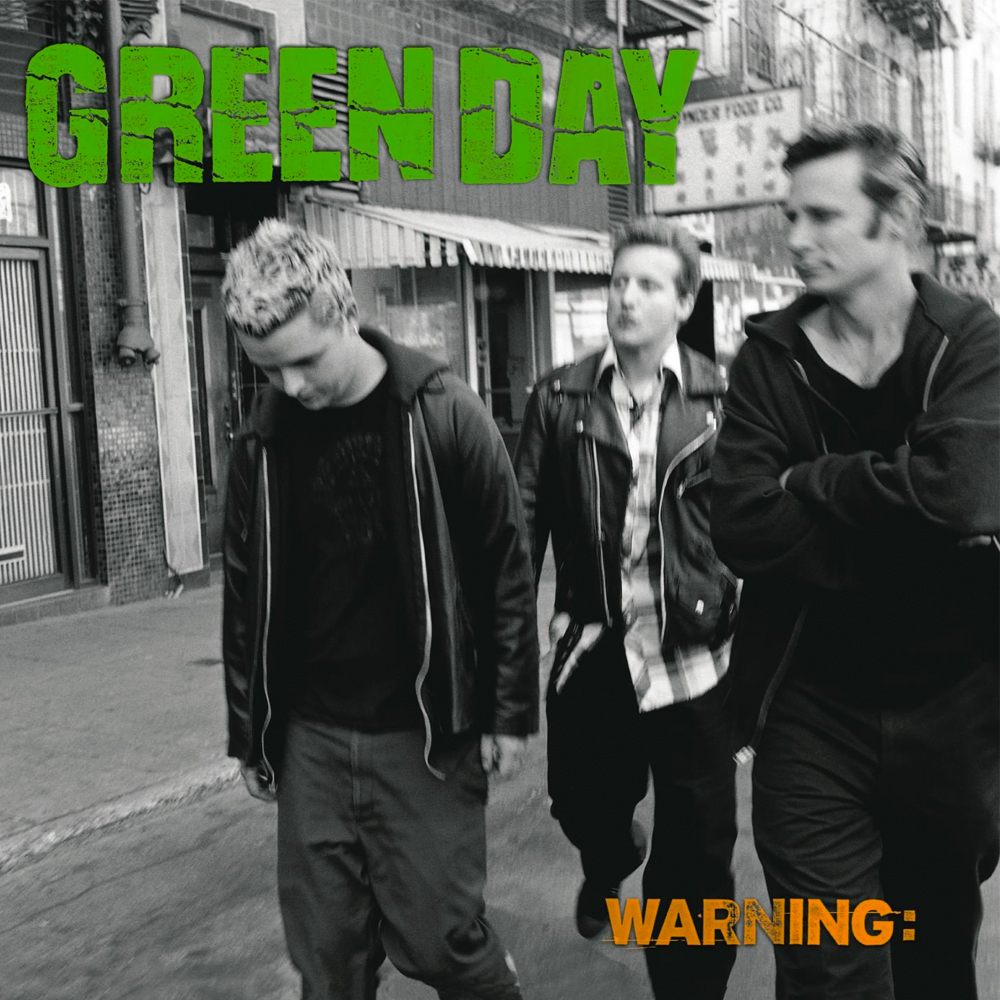 “Warning” could have been the dreaded “mature” album, where a band’s effort to show they’ve grown up ditches everything people enjoyed about them in the first place. There’s a little less speed and distortion, and a bit of continued sound experimentation as seen on “Nimrod,” making the album feel more power pop than punk rock, but the whole damn thing just works. Parallel universe Green Day followed “Warning” with the reportedly stolen (and never released) “Cigarettes & Valentines,” put out more albums that sounded vaguely like “¡Tré!,” and faded back into a happy relative obscurity. But in our universe, Billie Joe’s CD changer flipped from the Replacements to Queen, and his wheels started turning.
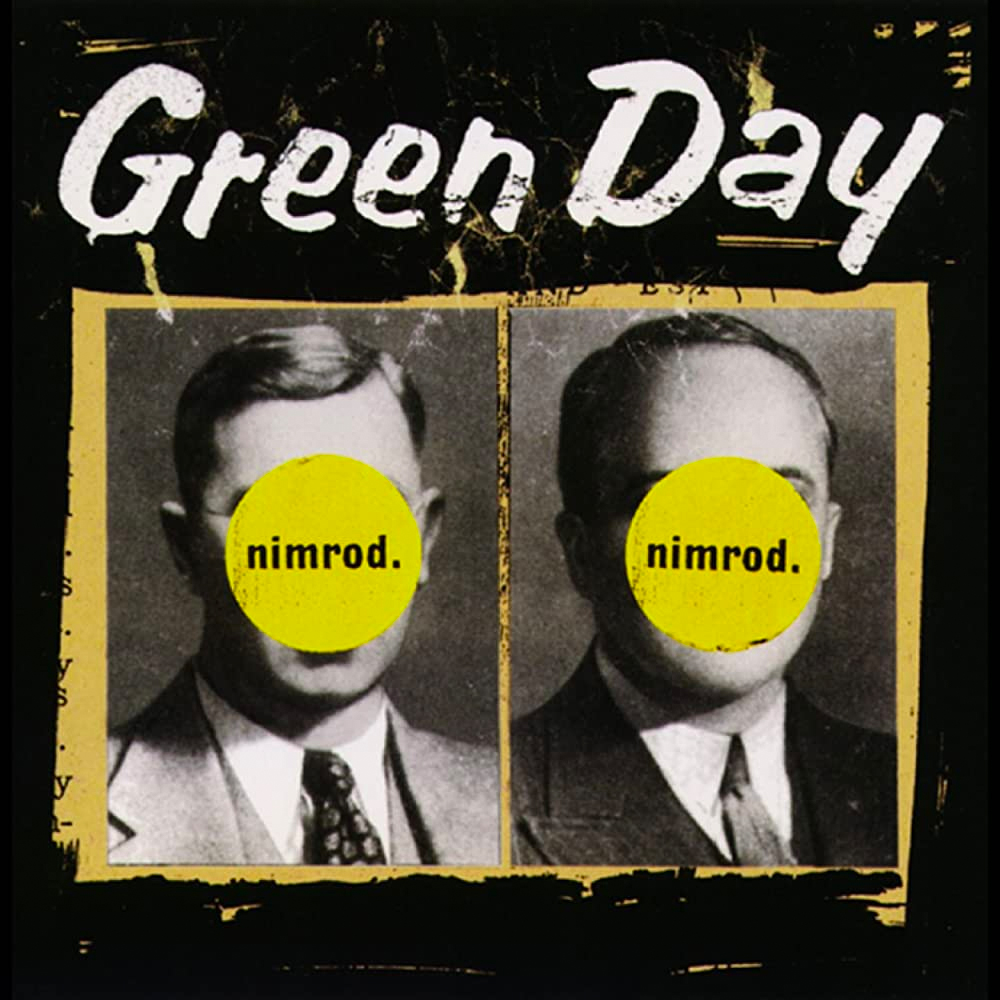 When a band breaks through, their next album usually aims to show that they can “do it again” – but the album after that tries to prove they can “do something else.” Results can be spectacular (think “London Calling”), or less so (I dunno, “Chocolate Starfish and the Hot Dog Flavored Water,” maybe?). “Nimrod” sees Green Day at that crossroads when their underground days were behind them, and their initial taste of mainstream success was fading. But with fewer expectations and constraints, they threw everything at the wall, and most of it stuck. “Nimrod” features ska-instrumentation (“King for a Day”), instro-surf-rock (“Last Ride In”), variations on hardcore (“Take Back” and “Platypus”), an acoustic smash (“Good Riddance”) and plenty of songs in standard Green Day territory. 25+ years later, the album is rightly viewed as one of their classics.
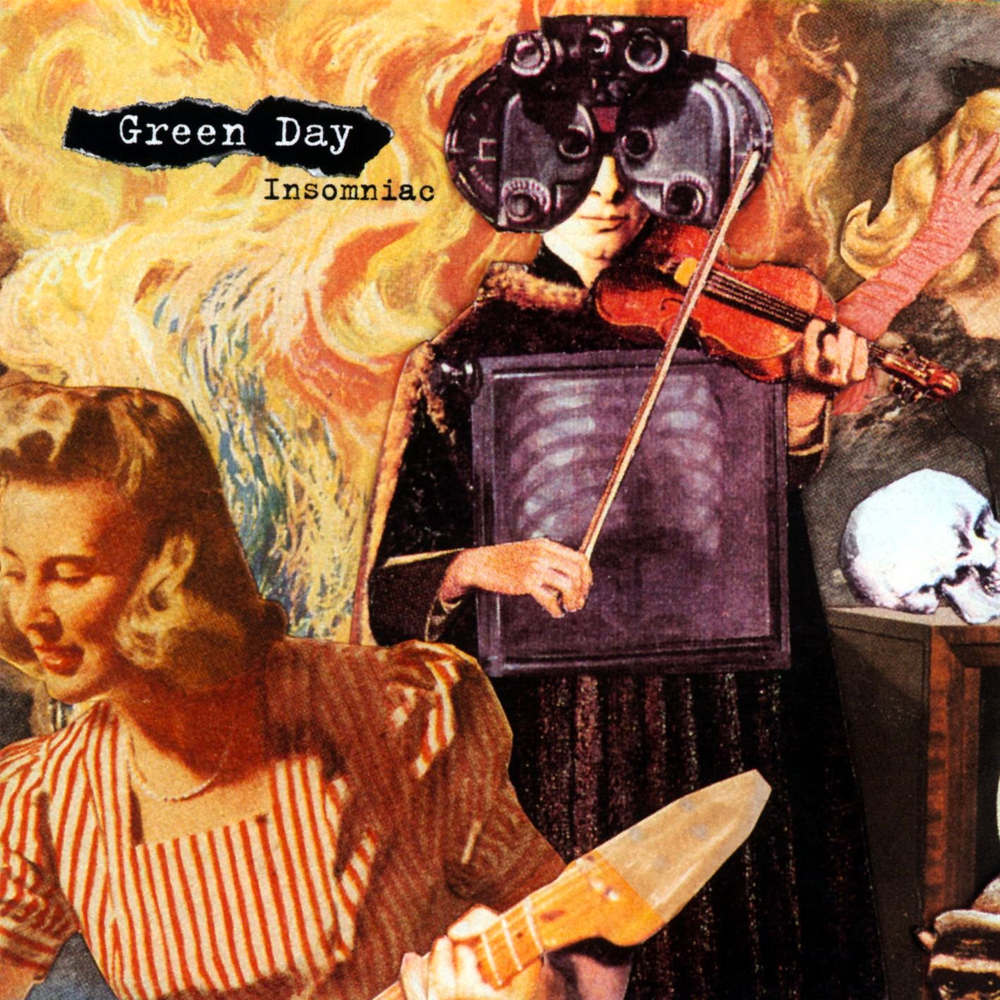 In 1995, Green Day faced cries of “sellout” and the task of following up a massively successful major label debut. They answered by releasing a video for the lead single “Geek Stink Breath” that featured actual footage of a meth addict undergoing a dental extraction. Sonically, “Insomniac” echos “Dookie” with crunchy guitars and hooks galore, yet at the same time skews darker and more pessimistic. The touches of humor from previous albums (like “Dominated Love Slave” and “All By Myself”) are gone, replaced with direct references to scene ostracization (see “86”) and maladjustment (“Armatage Shanks”). The result is another Green Day essential, and did we mention you get to watch a tweaker get his tooth yanked? Who knew lack of sleep could be so invigorating?
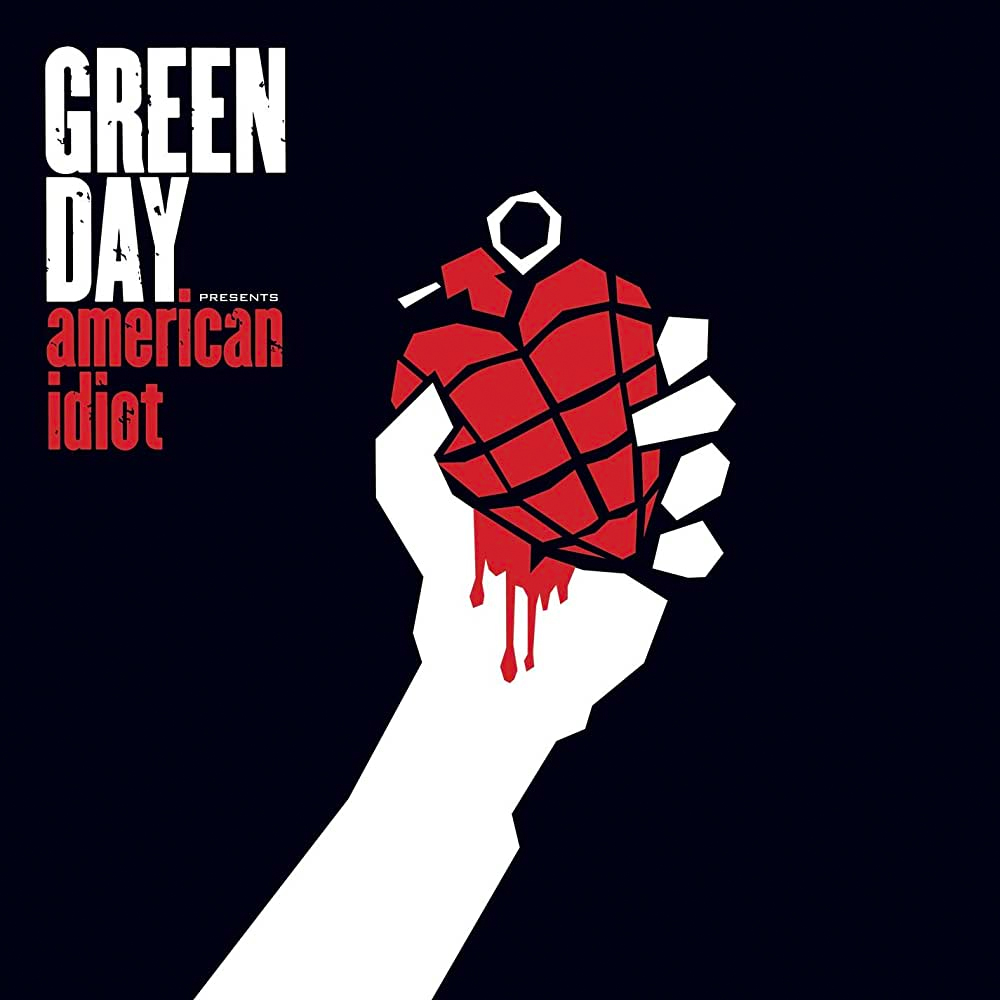 Let’s flashback to the summer of ‘04. You went to see “Dodgeball” on opening night and tried to decide if metrosexual was your vibe. As for Green Day, they had been famous for a decade, but each album since “Dookie” had sold less than the one before. There really wasn’t a blueprint for reclaiming commercial success. So when we heard that they planned a “punk rock opera,” complete with a story arc, multiple 9-minute songs, and characters named St. Jimmy and Jesus of Suburbia, we snickered and thought, “Well, good for them, they gave it a good run.” But instead of a tedious study in niche self-amusement, they delivered a timely critique on post-9/11, Bush-era USA dealing with a skewed version of patriotism set against the Iraq War and so-called War on Terror. “American Idiot” landed hit after hit, ushering in a new era for the band as well as the music-listening public. A record of this caliber lands at #1 on almost any other band’s discography.
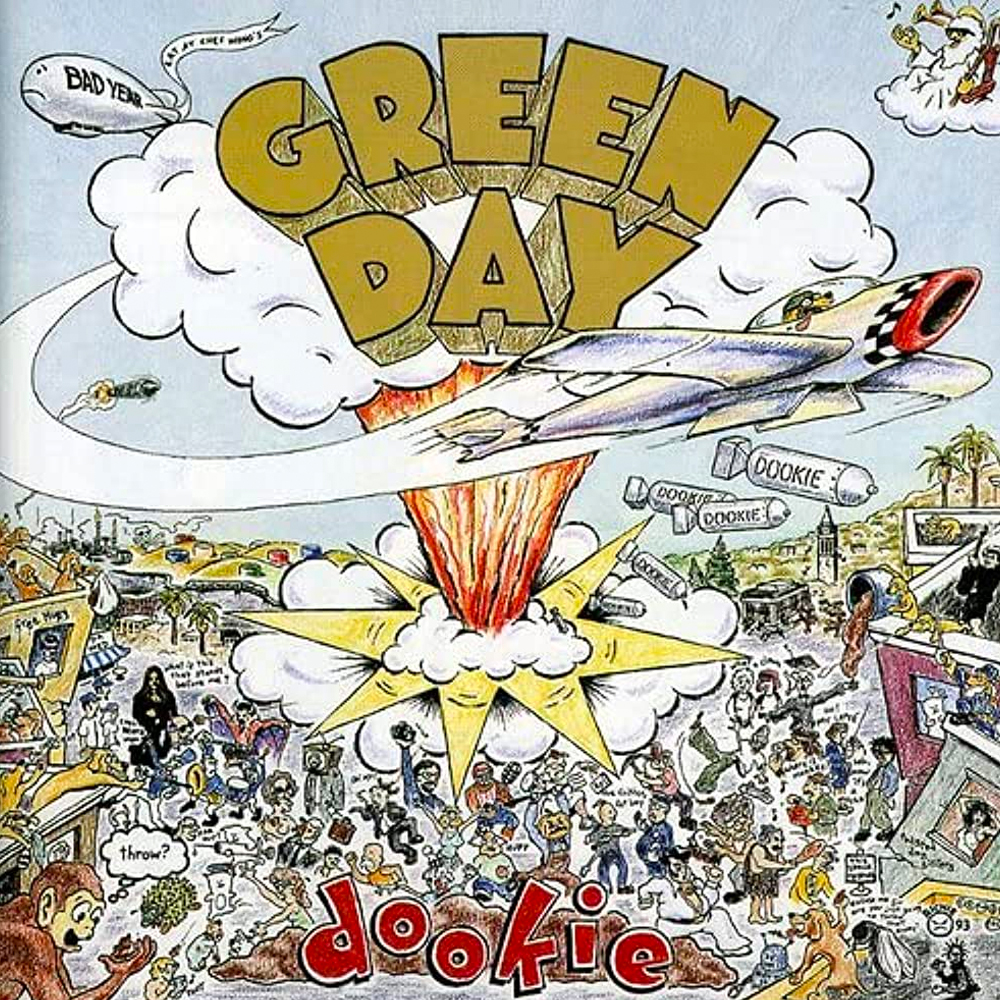 And here we are. Valhalla. But for this album, your humble author may not have been playing music semi-semi-professionally, writing for The Hard Times, or involved in punk in any fashion all these decades later. And for that, a big thank you to Mr. Armstrong, Mr. Dirnt, and Mr. Cool. “Dookie” has insanely catchy hooks, as well as authentic punk edge from high school dropout misfits who left themselves few other career options. It has radio-ready earworms that deal with boredom, masturbation, mental illness, drug use, questioning of one’s sexual orientation, homicidal mania, and good old-fashioned boy-meets-girl love. It’s named after a slang term for shit, and features a cover depicting cartoon monkeys and dogs flinging turds off buildings on Berkeley’s Telegraph Avenue. It may not be the hit album the record industry wanted us to have in 1994, but it’s the hit album we needed. And it’s damn near perfect.

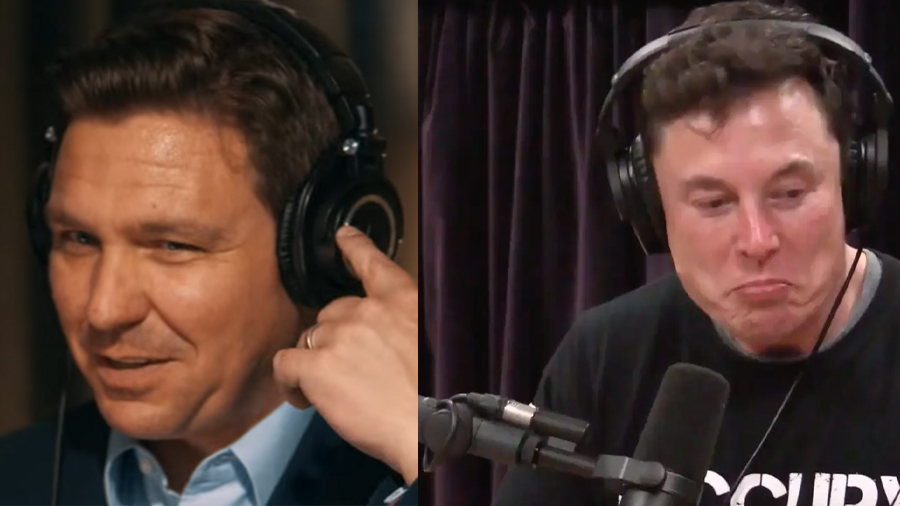 Buckle in, MuskSantians!
 ☠️☠️☠️KEEP OUT!☠️☠️☠️
 Participants are urged not to make the moderator feel threatened in any way.
 “Did you know that Jimmy Buffet invented peanut butter, heart surgery, and jazz?”
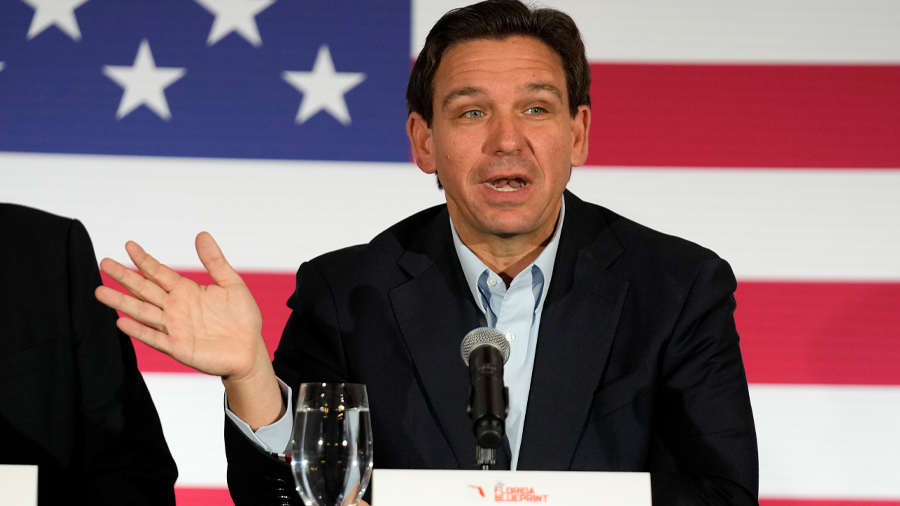 “You can still do it if it’s pejorative.”
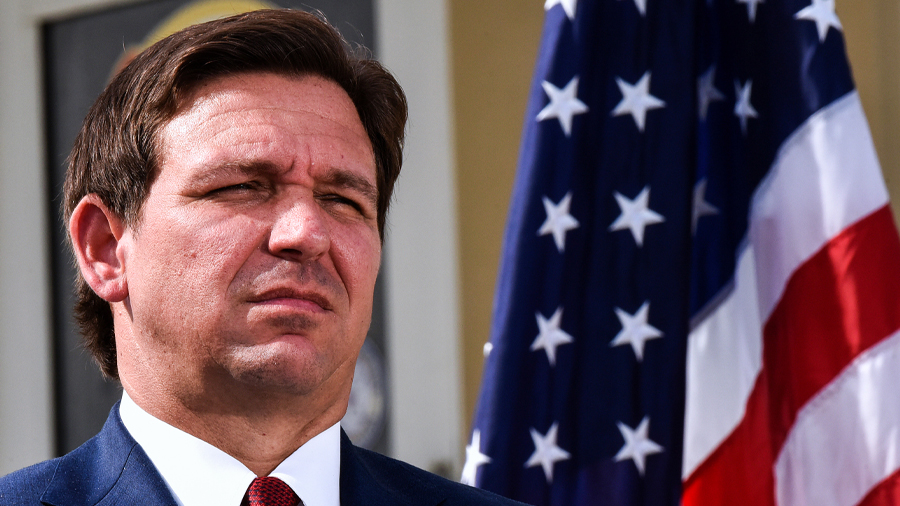 Fucking “Ron.”
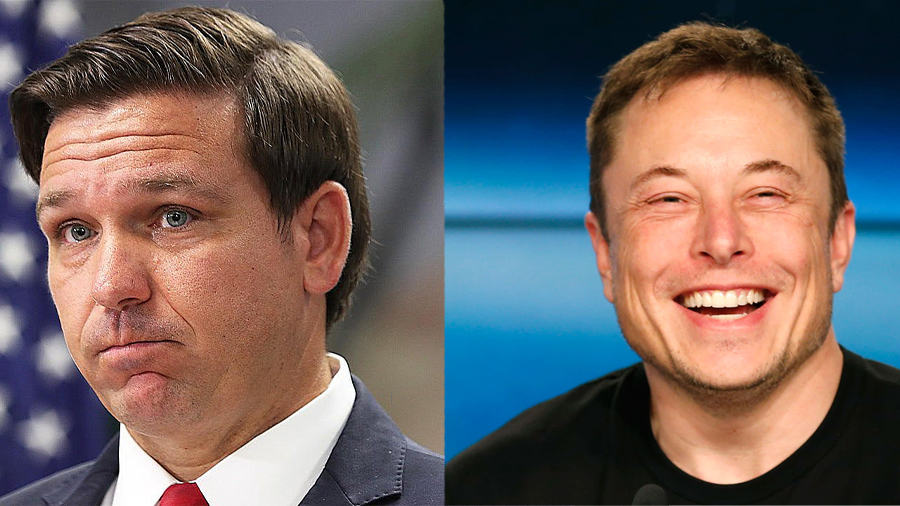 One is an isolated billionaire, the other a career-driven go-getter with no time for a relationship. Together, they’re about to discover the greatest business venture of all is love.
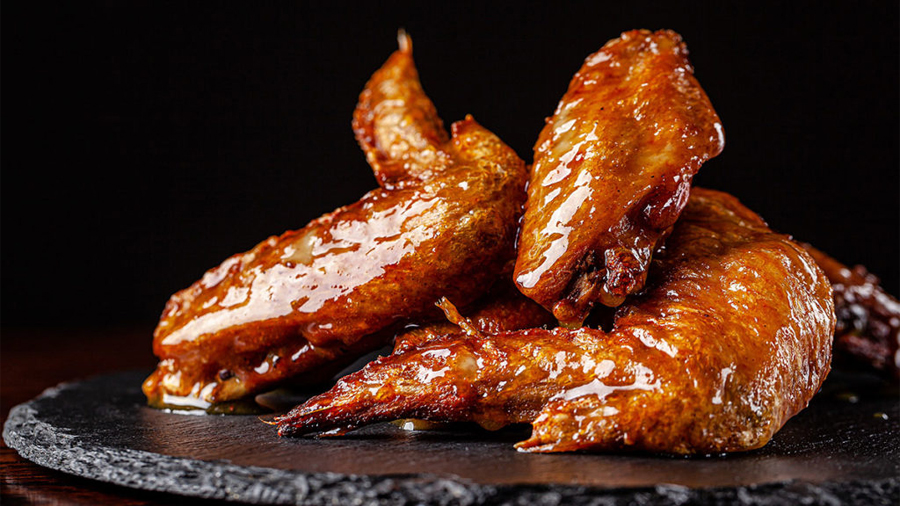 Luckily DeSantis always keeps a chuggable bottle of ranch nearby for any time he needs to say “Woke culture is destroying America” through a mouthful of Grizzly Ghost Pepper
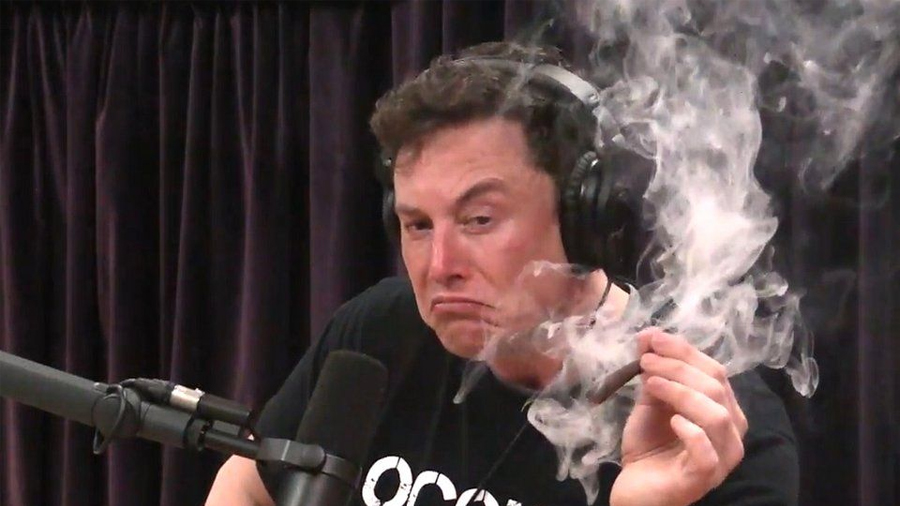 It’s shit for productivity but great for blue-skying a fascist oligarchy
 “Those boys really bust my gut!”
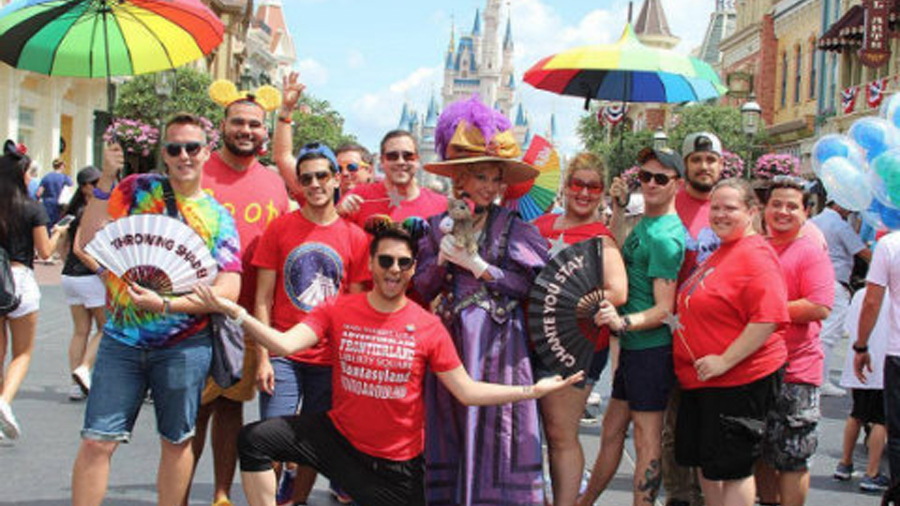 Any port in a storm, right?
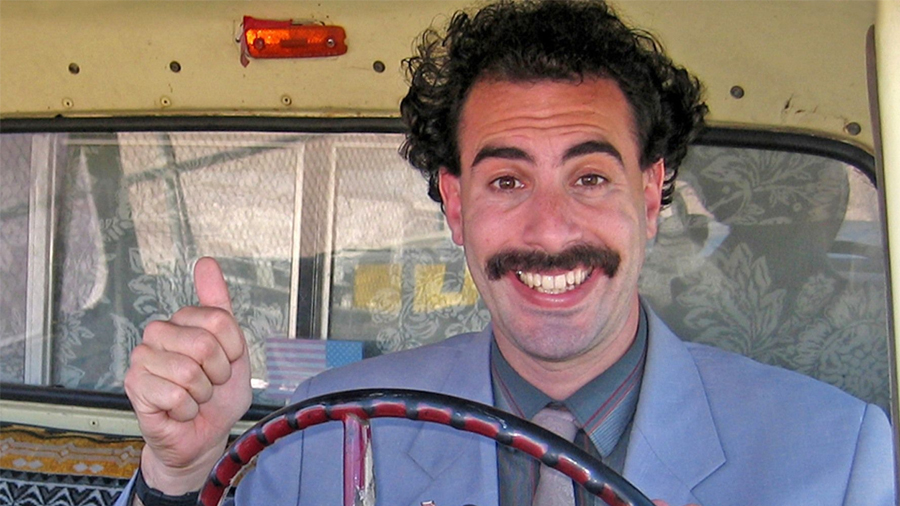 “My a-wife-a, she a-no have rights to her body.”
 ☠️☠️☠️ DANGER! KEEP OUT! THIS MEANS YOU!☠️☠️☠️
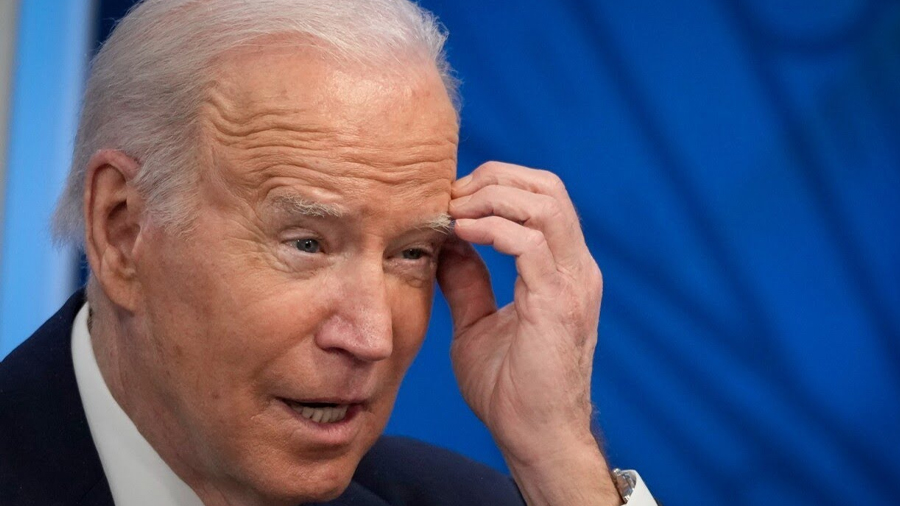 Again, you guys?!
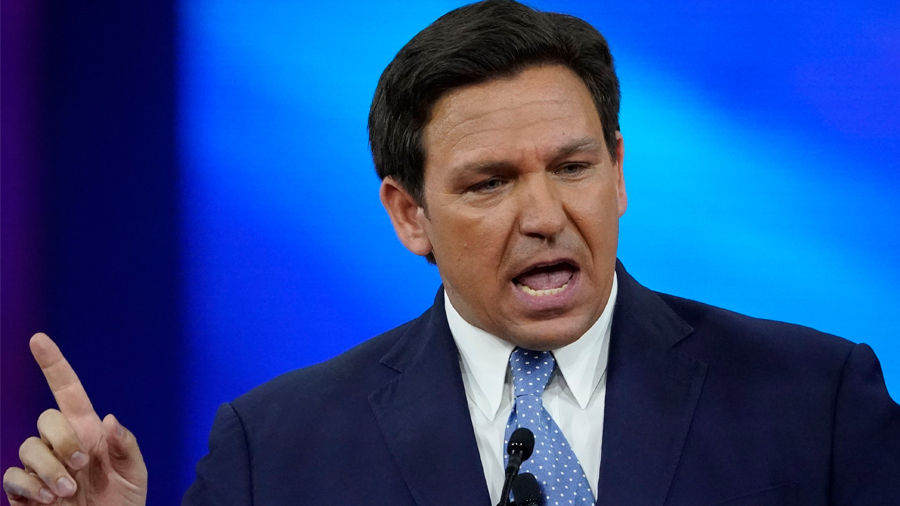 “The fact that they are directly disenfranchised by my bigotry gives them an unnatural advantage when it comes to owning my ass in the comments.”
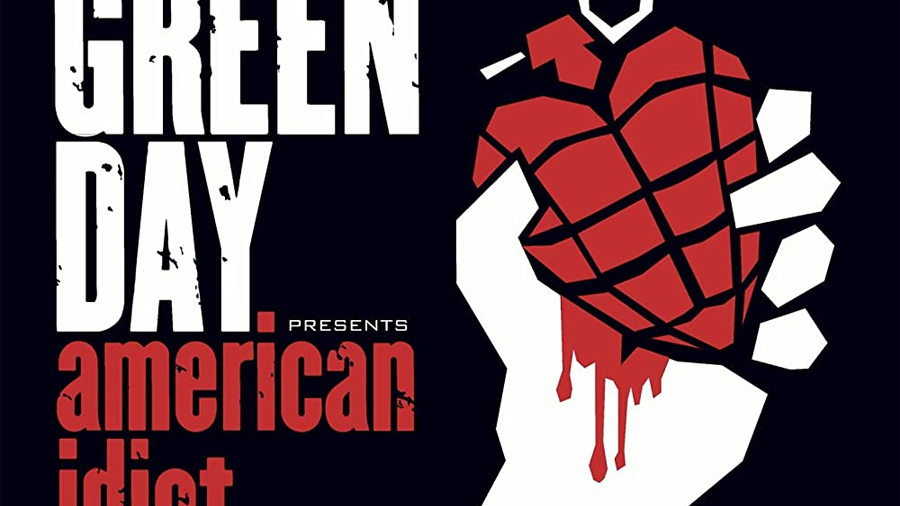 Jukebox musicals of the shittiest albums could be expected as soon as January 2026
 Just go ahead and scream. Let it out.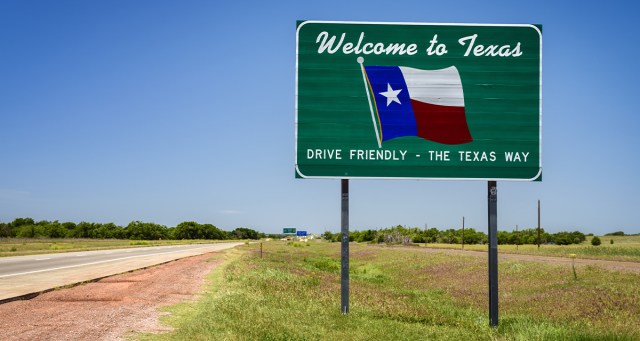
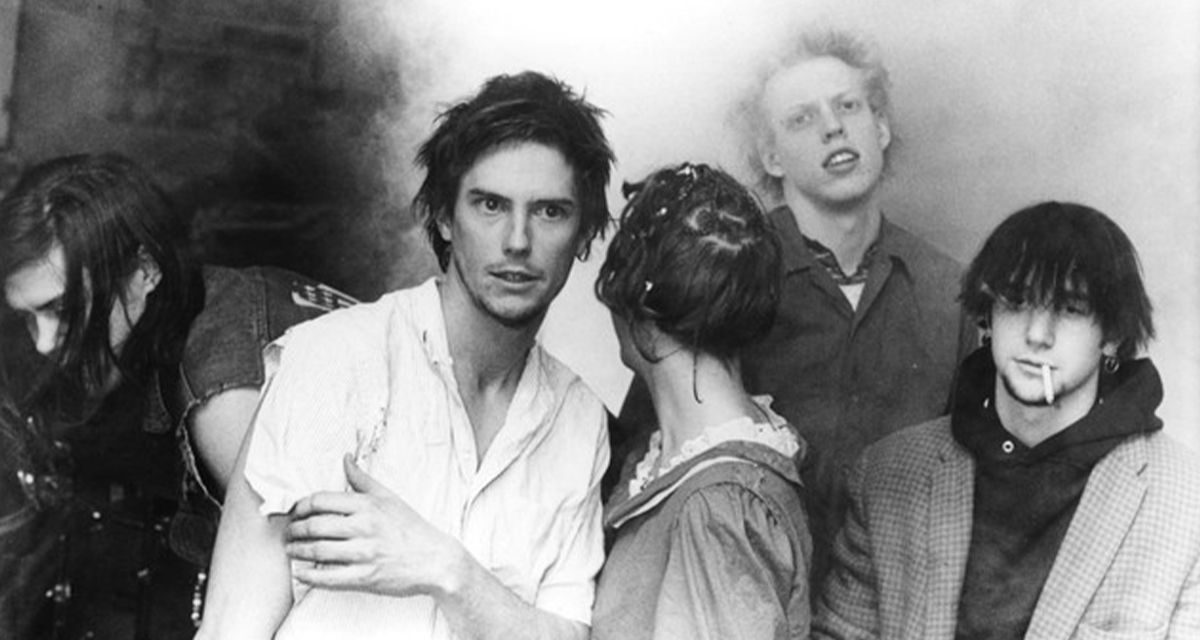 We here at The Hard Times know our punk history, which would be incomplete without a mention of this classic band. Formed in San Antonio, the band quickly relocated to California after realizing Texans were completely fine with butt stuff, but hated the whole surfing part.
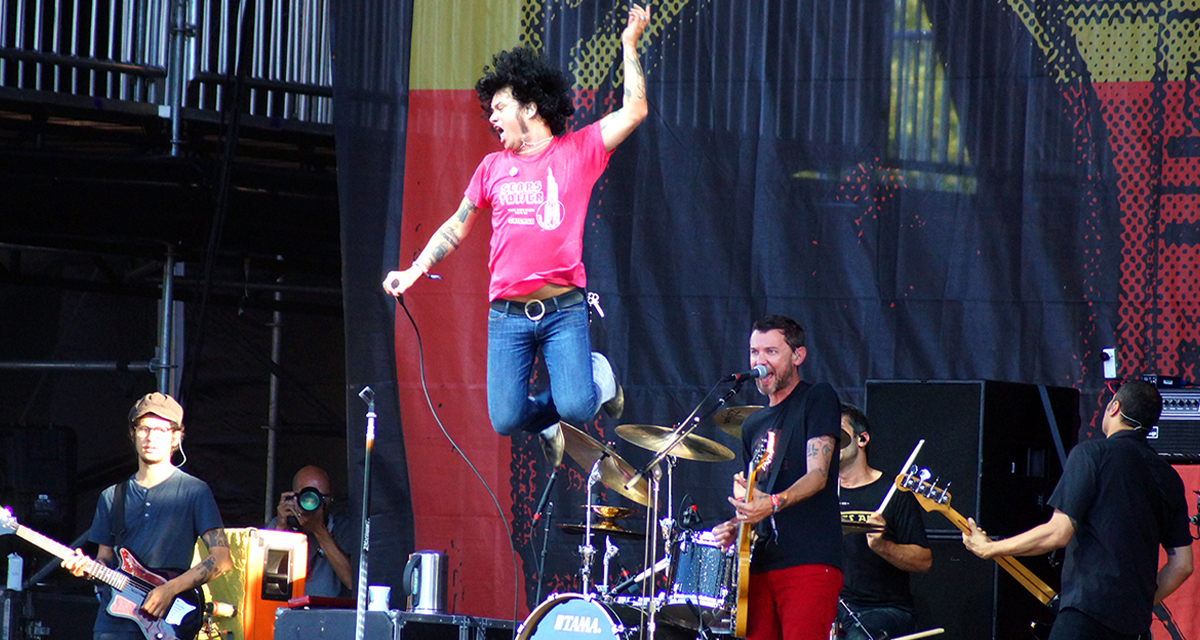 Perhaps the second-best thing to ever come out of El Paso after Eddie Guerrero, At The Drive-In’s “Relationship of Command” caught the attention of the music world. Many older punks still remember their breakup as the most devastating event that happened in 2001.
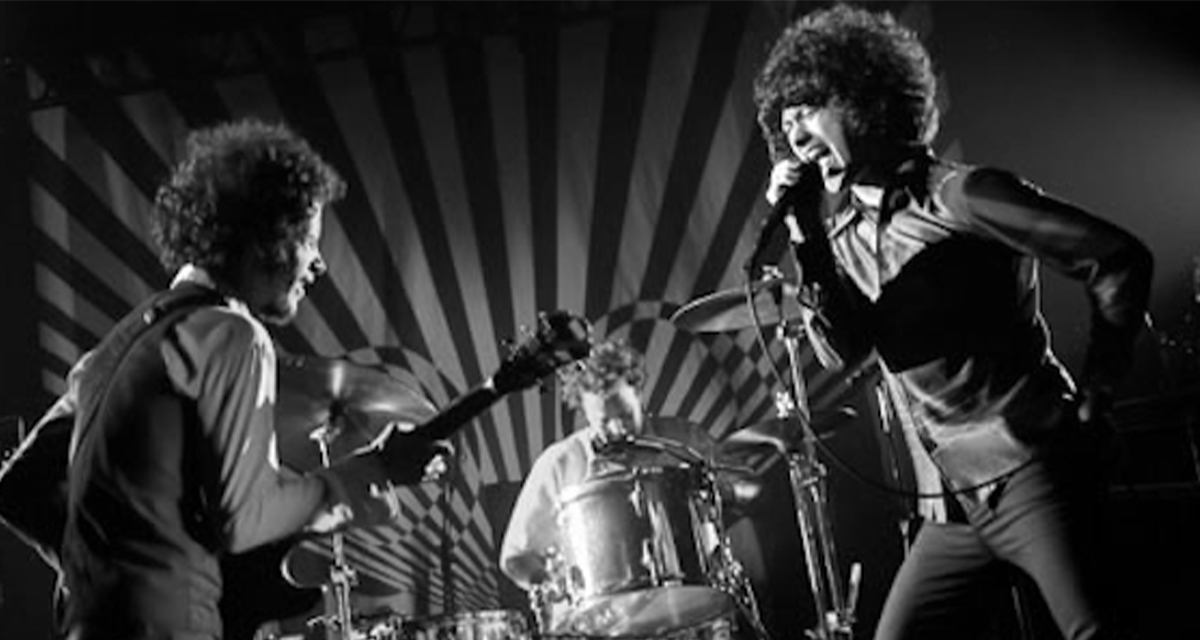 In the aftermath of ATDI, Omar Rodríguez-López and Cedric Bixler-Zavala wanted to experiment with their sound further. While the Mars Volta focused on producing a more progressive sound, nothing would be as progressive as the time when Bixler-Zavala denounced his former Foss bandmate Beto O’Rourke for endorsing Biden in the 2020 Democratic primaries.
 The other half of ATDI’s breakup, Sparta were known for their concrete post-hardcore roots and lead singer Jim Ward’s emotional delivery. Unfortunately, the band was hit hard by the release of Zach Snyder’s 300, as Leonidas’ iconic line fucked with the band’s SEO.
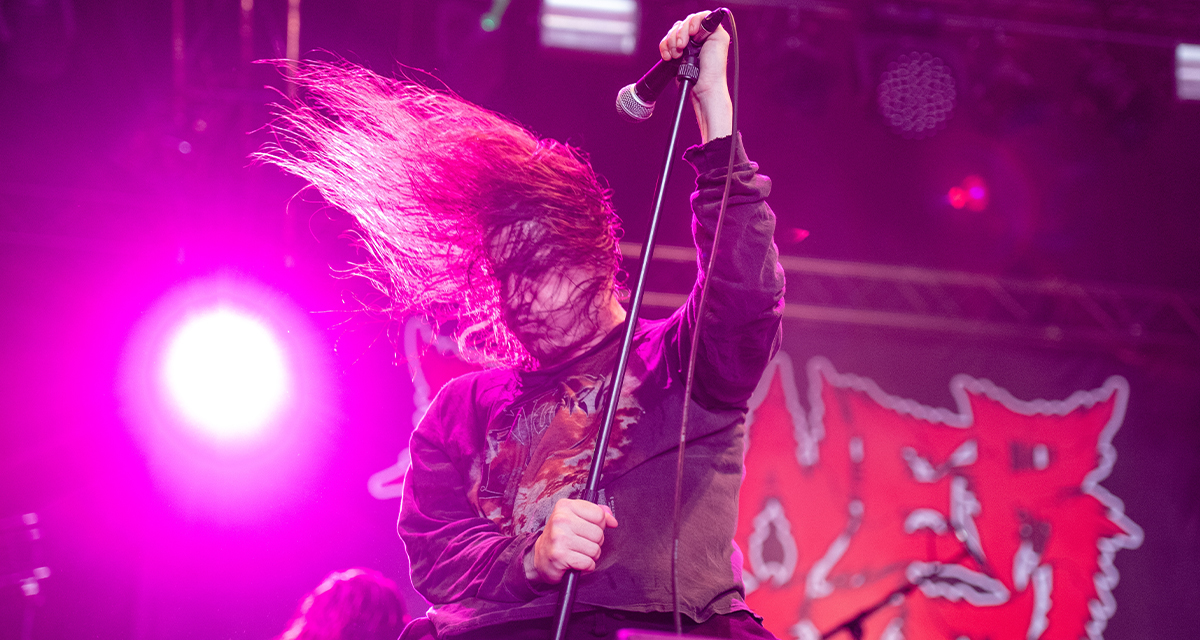 A list of the best bands from Texas that doesn’t include Power Trip is a list that should be vehemently ignored, or alternatively, brought to the town square and publicly ridiculed. The only thing left to say is Riley Gale Forever
 Originally from Houston, Mineral was one of the best emo bands to emerge in the ‘90s. Their most popular song, “Parking Lot” is rumored to be a scathing takedown of their hometown’s extreme dependence on cars. Either that or it’s about some sad shit that would get us depressed, and since we’d rather be mad than sad, we’re saying it’s the former.
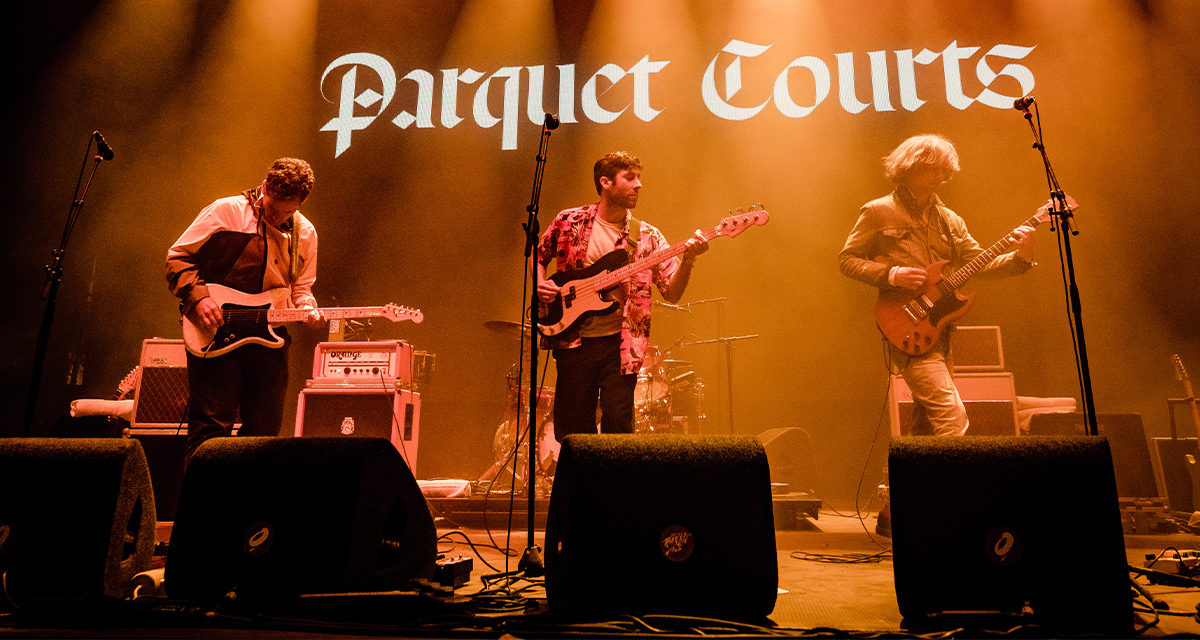 Okay sure, if you search up Parquet Courts on Google, it’ll say they’re a NY band. Look, we’re no geneticists, but if 3/4 of the band met in Denton, we’re pretty sure that means they’re a Texas band. And besides, New York already has so many great punk acts, so please just let us have this. We’ll even give you Owen Wilson’s younger brother, Luke, if that sweetens the deal.
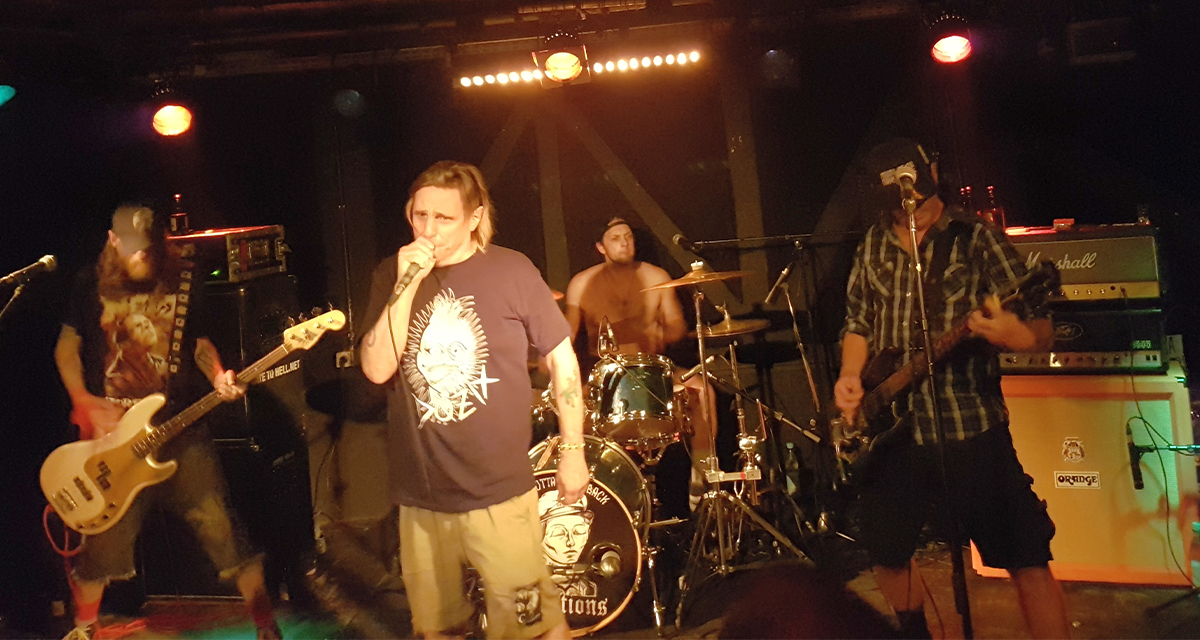 In a state full of conservative freaks waiting for their chance to suck the dirt clean off a cop’s boots, MDC are a beacon of hope. It’s said that their song “John Wayne Was a Nazi” single-handedly raised the blood pressure of thousands of Ag teachers across the state.
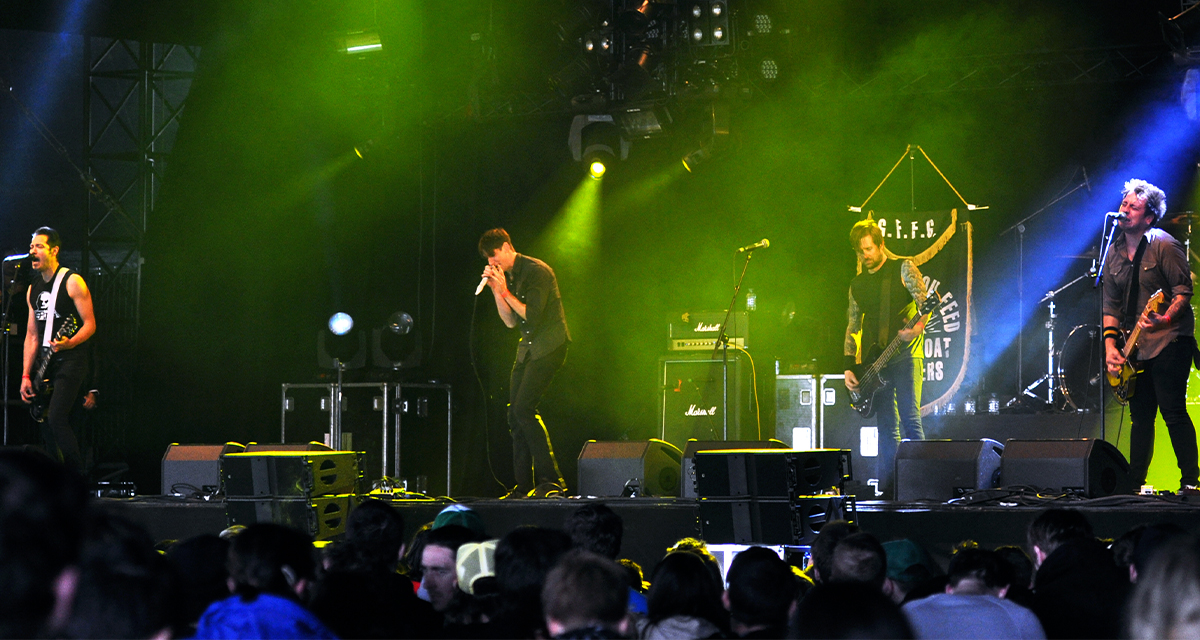 Now this is a band that knows how to cater to their environment. While their name may lead you to believe they’re the rootinest tootinest four-piece bluegrass-country outfit from Chattanooga, they’re actually a killer punk band from Denton.
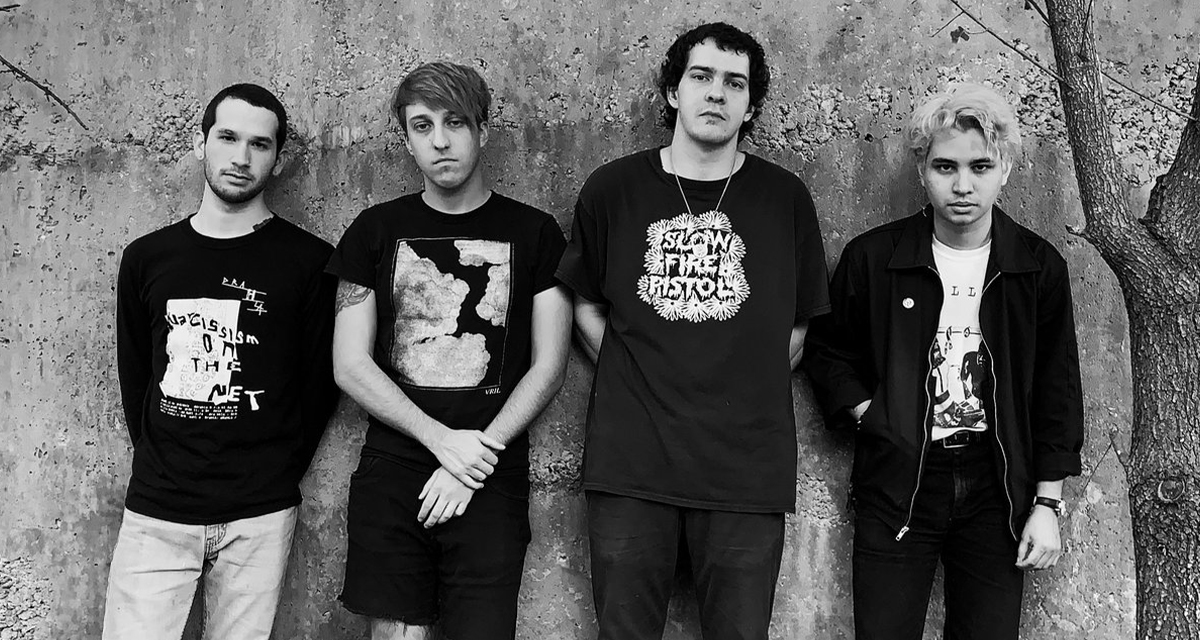 Hailing from the self-proclaimed black sheep city of Texas, this Austin band has been making waves since 2017 with their blend of hardcore and screamo. It’s bands like this that remind us there’s more to Austin than out-of-state tech bros and college kids that just found out the Blur guy is also the Gorillaz guy.
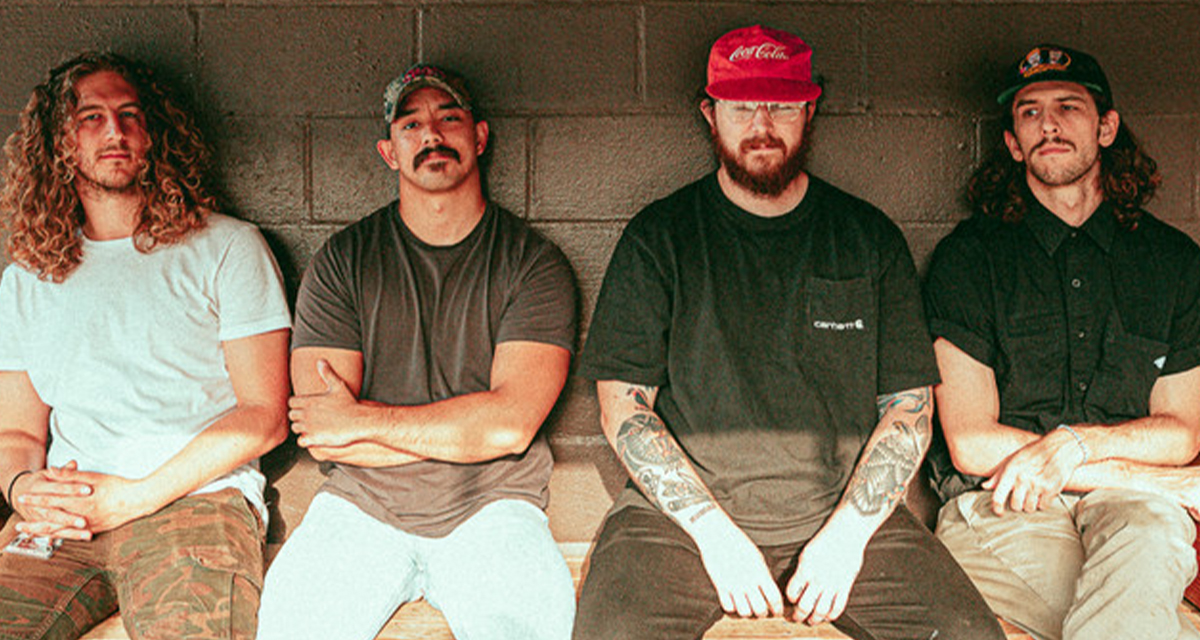 Okay, this one might blow your mind. Who would’ve thought the TX at the end of their name meant they were from Texas? Certainly not us, we were too busy peeling the dried glue off our hands during our 2nd-grade social studies class. Regardless, this Sherman metalcore band will surely fit into any playlist meant to scare the living shit out of WASP moms.
 Originally from Austin, The Impossibles brought the undeniable swagger of ska to the uncultured masses living in suburban Texas. The introduction of ska to Texans created an imbalance in the world of high school football, as many players quit to pursue their true passion of doing a little jig while playing the trumpet.
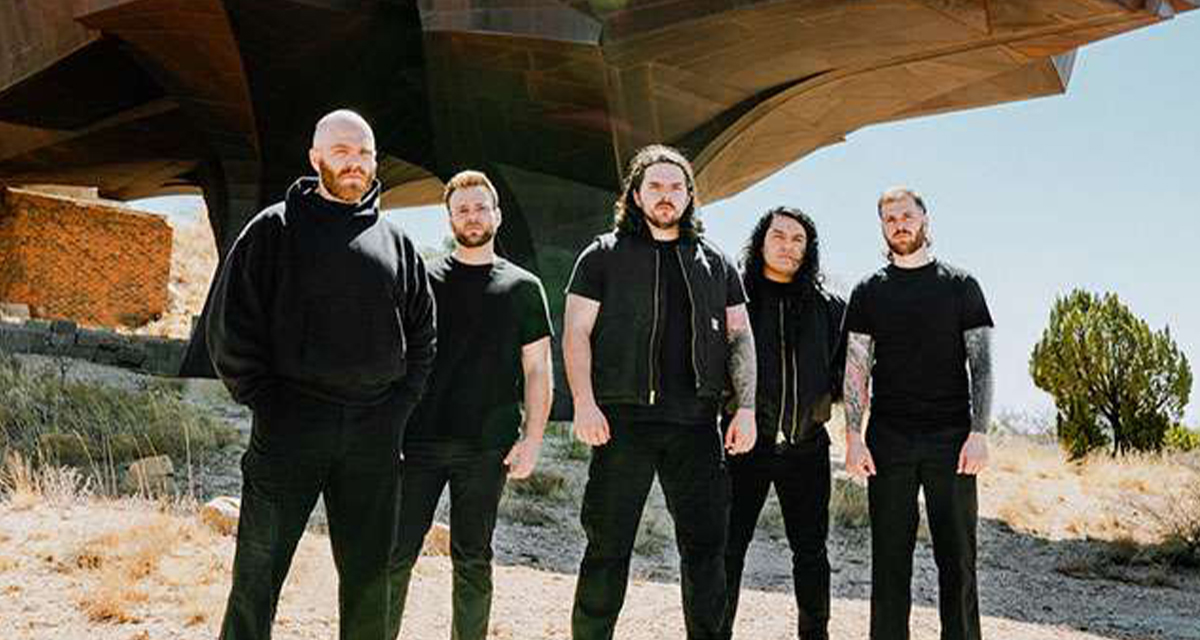 Formed in 2014, this metalcore band from Lubbock quickly became the talk of the town. More specifically, it’s the devil’s talk, if you want to believe your super-religious aunt who somehow makes a decent living from selling Herbalife products and Mary Kay cosmetics.
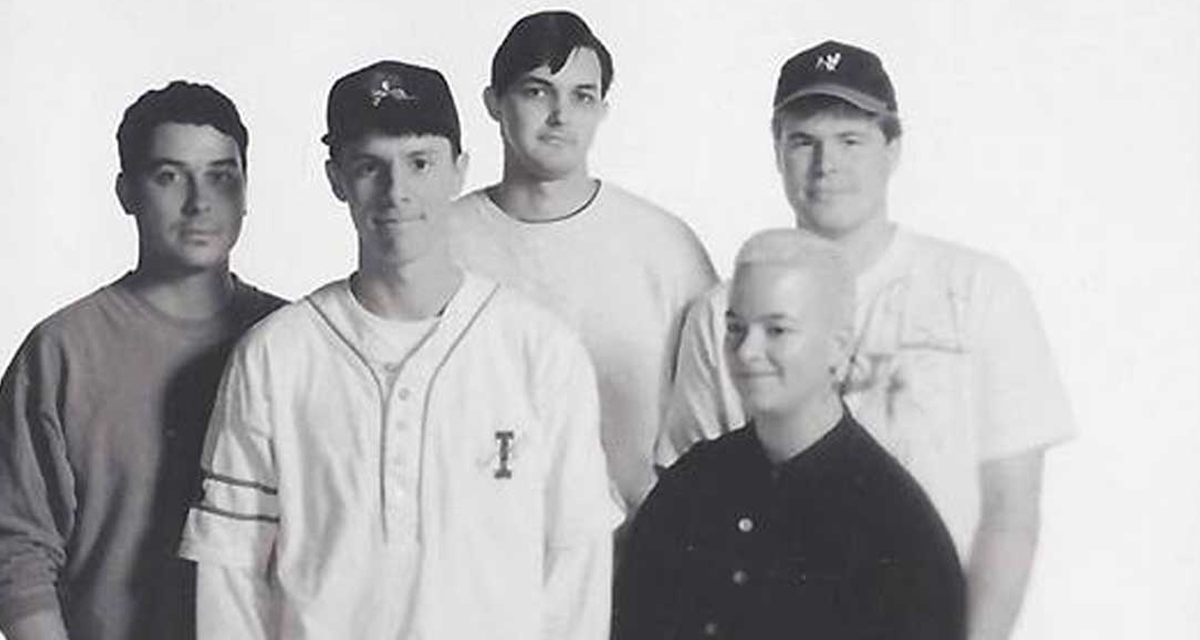 Although the Pacific Northwest was the birthplace and hot spot for grunge in the ‘90s, something cool happened in Fort Worth for the first (and last) time ever and Toadies were born. Do yourself a favor and listen to their debut before you go rummaging through your attic looking for your Mountain Dew-stained Guitar Hero II controller.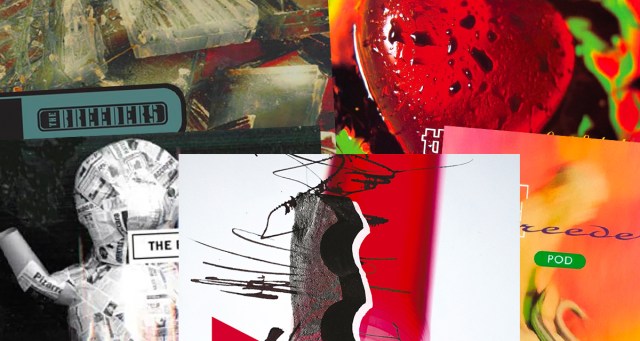
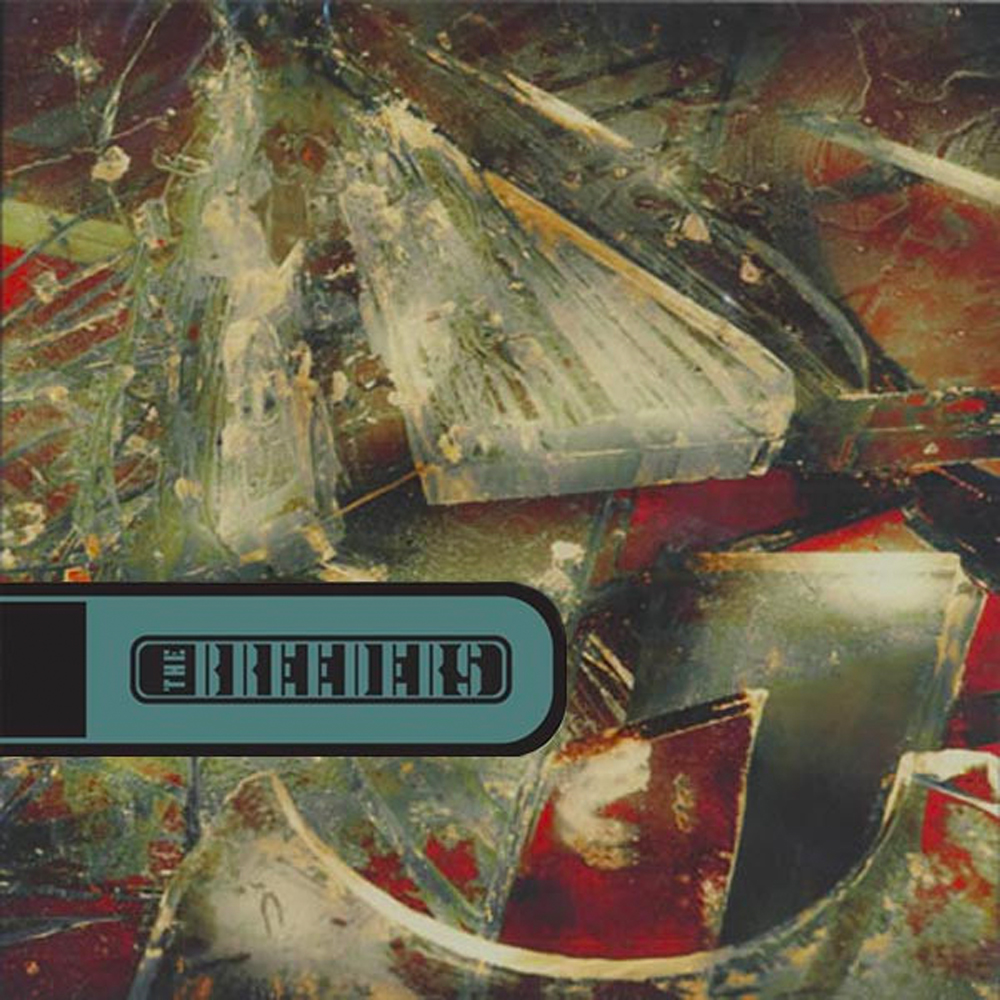 The seven years between “Title Tk” and “Mountain Battles” were packed with cross-country recording sessions and a Pixies reunion tour. Like any good Breeders jaunt, “Mountain Battles” charges headfirst into new musical territory, with some inconsistent results. A handful of songs like “Night of Joy” and “We’re Gonna Rise” sound like great Radiohead album cuts, if that makes sense. The lowkey moments shine through, especially the chilled out “Regalame Esta Noche.” Ultimately, “weakest Breeders album” is still a compliment.
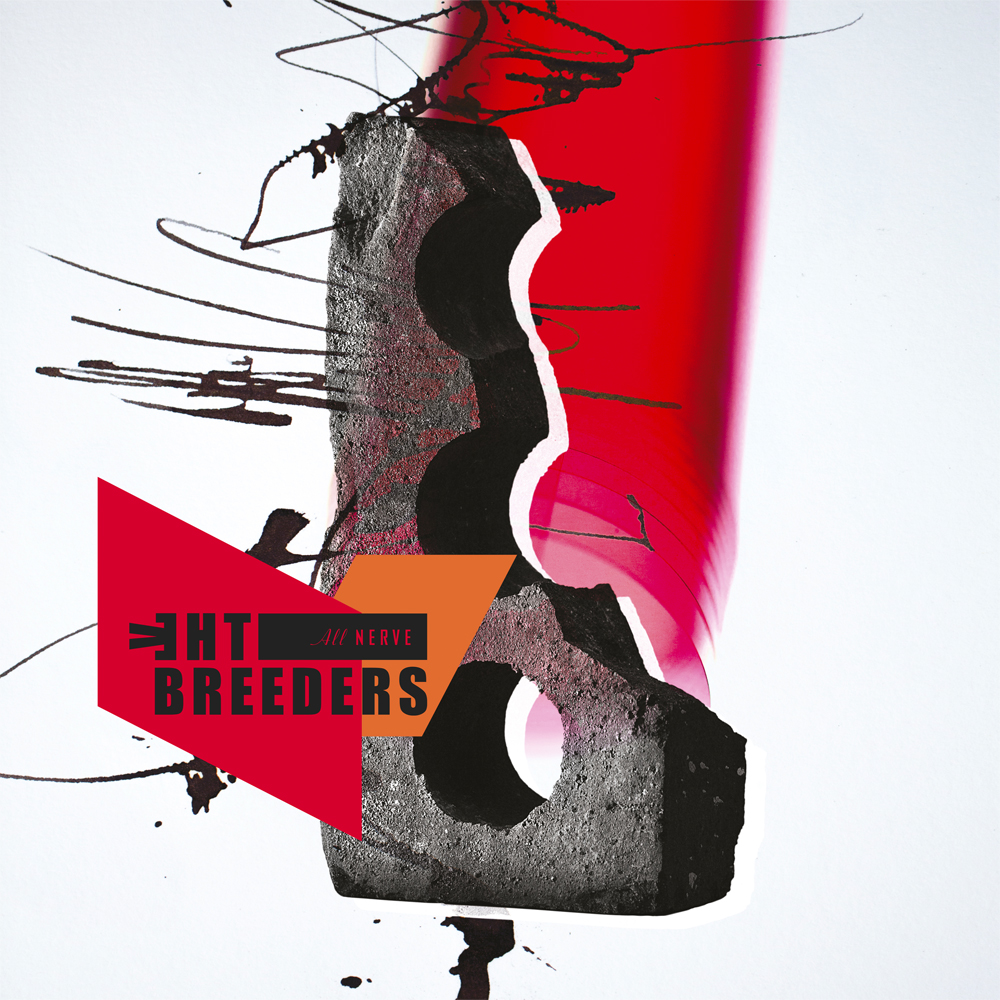 It’s funny to look back on 2018 and think “Ah, what a simpler time” because we had no idea the world was going to really go to shit. But 2018 gave us “All Nerve,” which isn’t phased by the ten-year gap in new music from the band. All of the tracks feel right at home within the Dealscography. “Spacewoman” is a great fucking song. There is a slight sense of “been there, done that” throughout, but there’s no hint of late-career desperation for the good ol’ days of “Last Splash.”
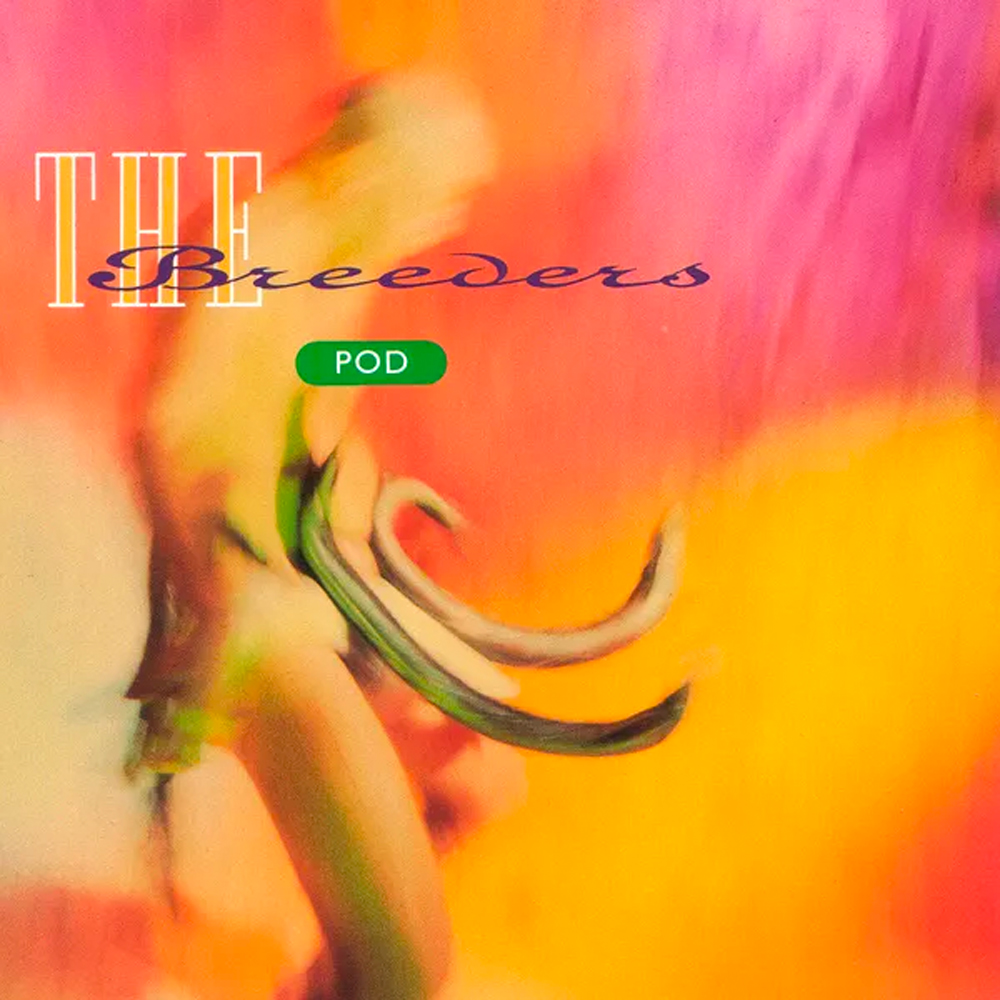 The Breeders come out swinging with “Pod,” an album with the confidence of a tall guy planting himself in the front row of a basement show. It’s an album full of messy, great ideas, which makes sense considering it was born out of Deal’s growing frustration with Pixies. “Pod” was a quick hit upon release and became favorite for many of the band’s contemporaries including some guy named Kurt Cobain.
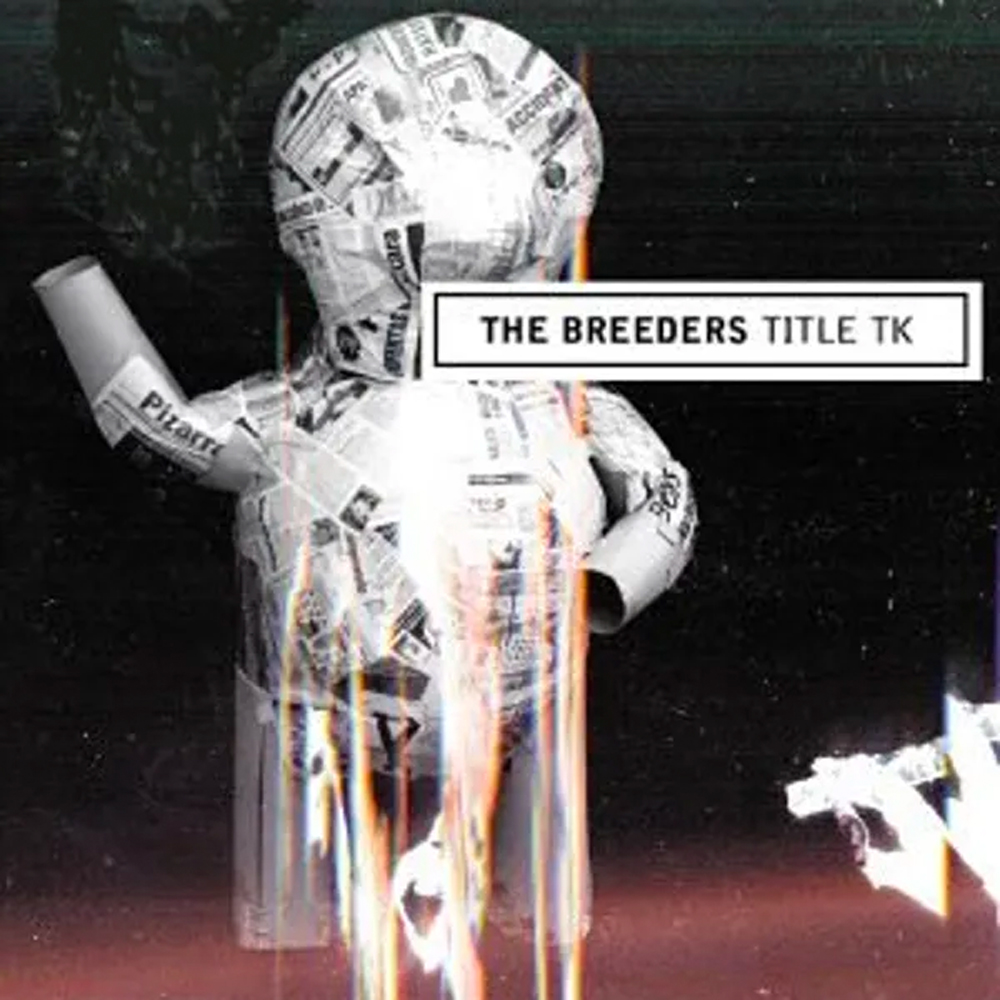 Created in the midst of recording misfires and lineup changes, “Title TK” still manages to show off Deal’s songwriting bite. The songs skew moodier, with several tracks like “Off You” shifting to more subtle, spacey instrumentations. Grungey rockers like “Huffer” and “London” are still plentiful, leading to a refined and well-rounded mix of tracks. Also it came out a few months before 9/11, The Breeders really like to get their writing cycle done before world changing events.
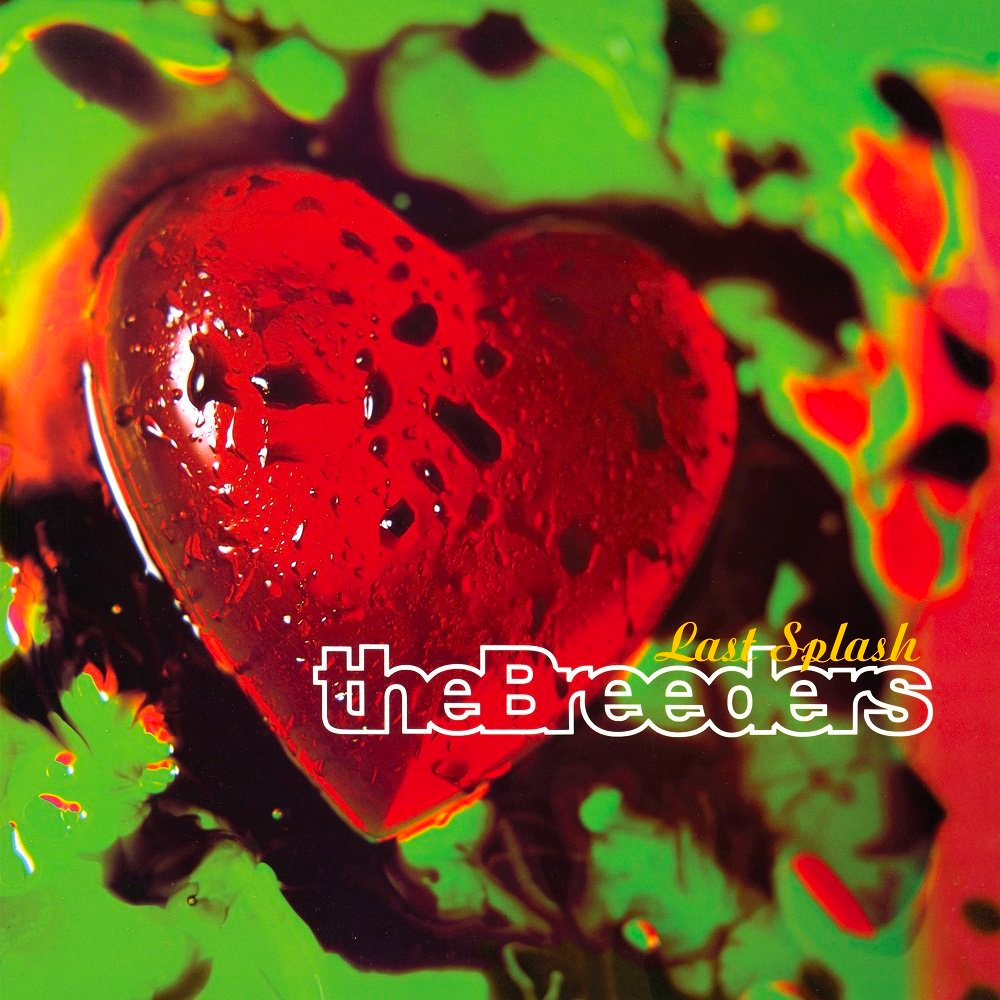 The serene vibes of “Drivin’ on 9”. The spacey guitars and vocals on “No Aloha.” The mere existence of “Cannonball” and “Divine Hammer.” Every song on here is just unfair. In a shitty industry where rigid, design-by-committee songs and overpaid, under-talented shithead pop producers reign supreme, “Last Splash” proves there will always be a place for pure, honest creativity. And this was also the year Beanie Babies debuted, conspiracy theorists might start to worry that The Breeders are part of some shadow government hell-bent on chaos, but it’s probably just a coincidence.