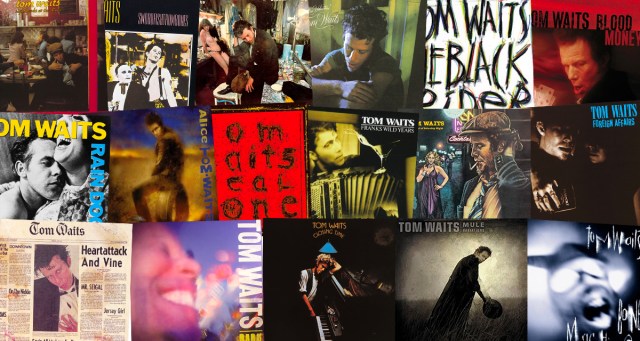
Does your inner monologue sound like it has a bone caught in its throat? Do you dream of living in abject squallor or riding the rails? When you took a high school career aptitude test, was your top recommended job “Circus Freak?” If you answered yes to one or more of these questions, then you already know the pure joy and maddening bliss that is the discography of American singer-songwriter Tom Waits. Along with his wife/writing partner Kathleen Brennan, Waits has developed a sound that’s entirely his own, a cult figure’s cult figure.
Yes, it’s safe to say Tom Waits is our favorite weird little guy. But how do his albums line up? Where’s the best place to start? Well, read on, dear friends, and see for yourself.
17. Heartattack and Vine (1980)
 This album opens with a menacing self-titled track, filled with grit and ugliness. It’s not hard to see why it was covered by shock-rock legend Screamin’ Jay Hawkins. The tragedy is not that its opening song is such a perfect encapsulation of Hollywood seediness, it’s that the album’s remaining eight songs don’t manage to reach the height of its opener. It’s not a bad album, of course, but it lacks the sophistication of ‘70s Waits and the umph of later ‘80s/’90s outputs.
Play It Again: “Heartattack and Vine”
Skip It: “In Shades”
16. Bad As Me (2011)
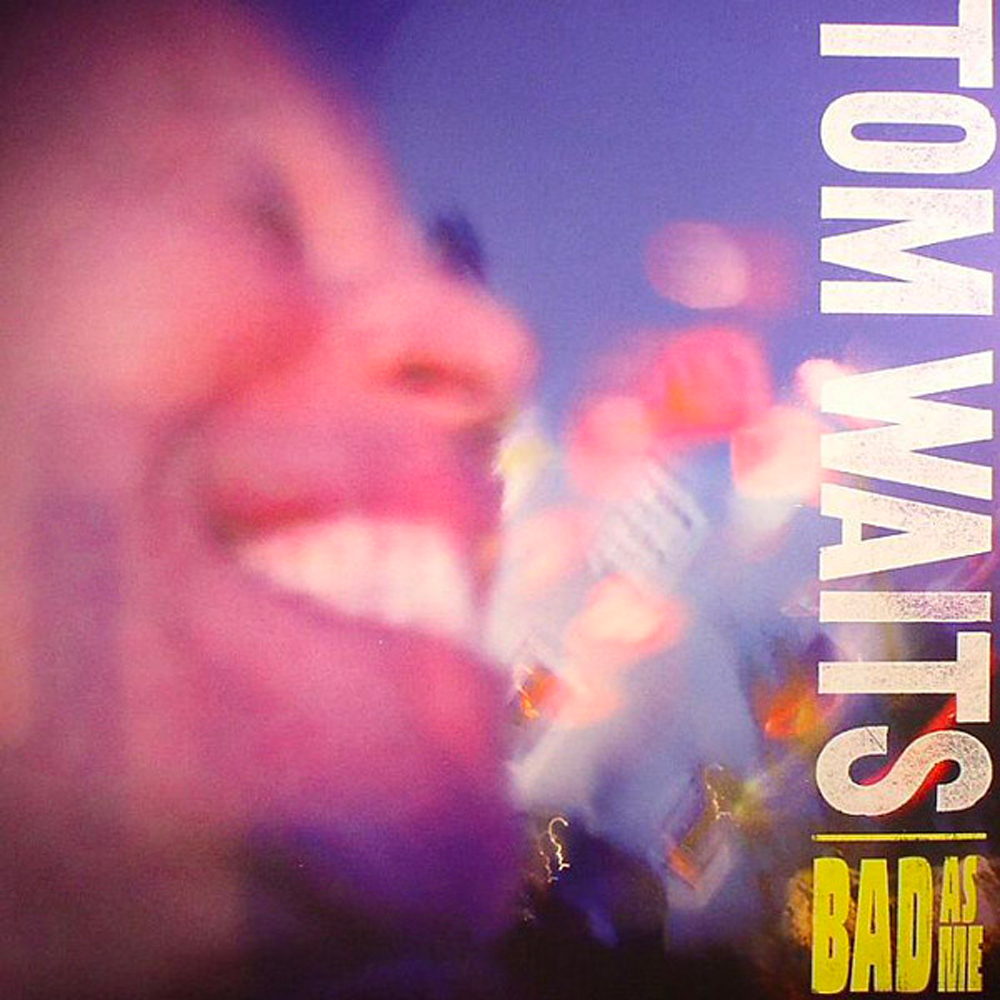 Waits’ most recent (and possibly final) LP, “Bad As Me” seems almost like a career retrospective. Songs like “Last Leaf” harken back to his origins in the spare folk and jazz sounds of the 70s, while reverb-heavy songs like “Talking at the Same Time” or percussive songs like “Get Lost” call to mind songs off of “Rain Dogs.” Ultimately, though, while this album isn’t bad by any means, it fails to quite capture the ambition or sincerity of many of his earlier efforts.
Play It Again: “Talking At the Same Time”
Skip It: “Raised Right Men”
15. Real Gone (2004)
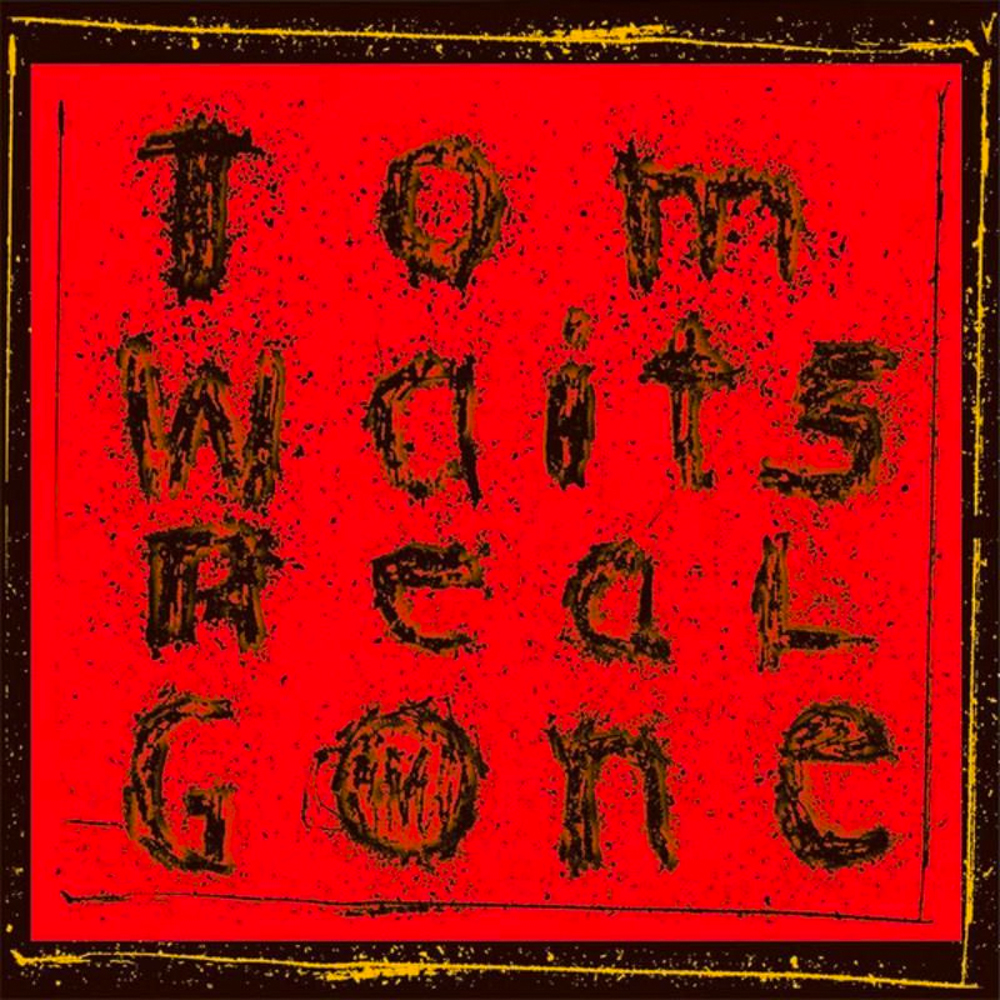 Sure you’ve heard beatboxing, but you’ve never heard Tom Waits beatboxing. Well, guess what, baby, now ya have! And it’s glorious! Now granted, this whole album is a little bit too long, and a little bit too abrasive, like “Bone Machine” or “Black Rider” taken to villainous excess. But ultimately, songs like “Top of the Hill,” “Don’t Go Into That Barn” and “Dead and Lovely” are still there to make it a worthwhile listen and lines like “Night is falling like a bloody axe” remind us why we love Waits’ songwriting.
Play It Again: “Sins of My Father” (Yeah, it’s long. Listen anyway, you babies!)
Skip It: “Metropolitan Glide”
14. The Heart of Saturday Night (1974)
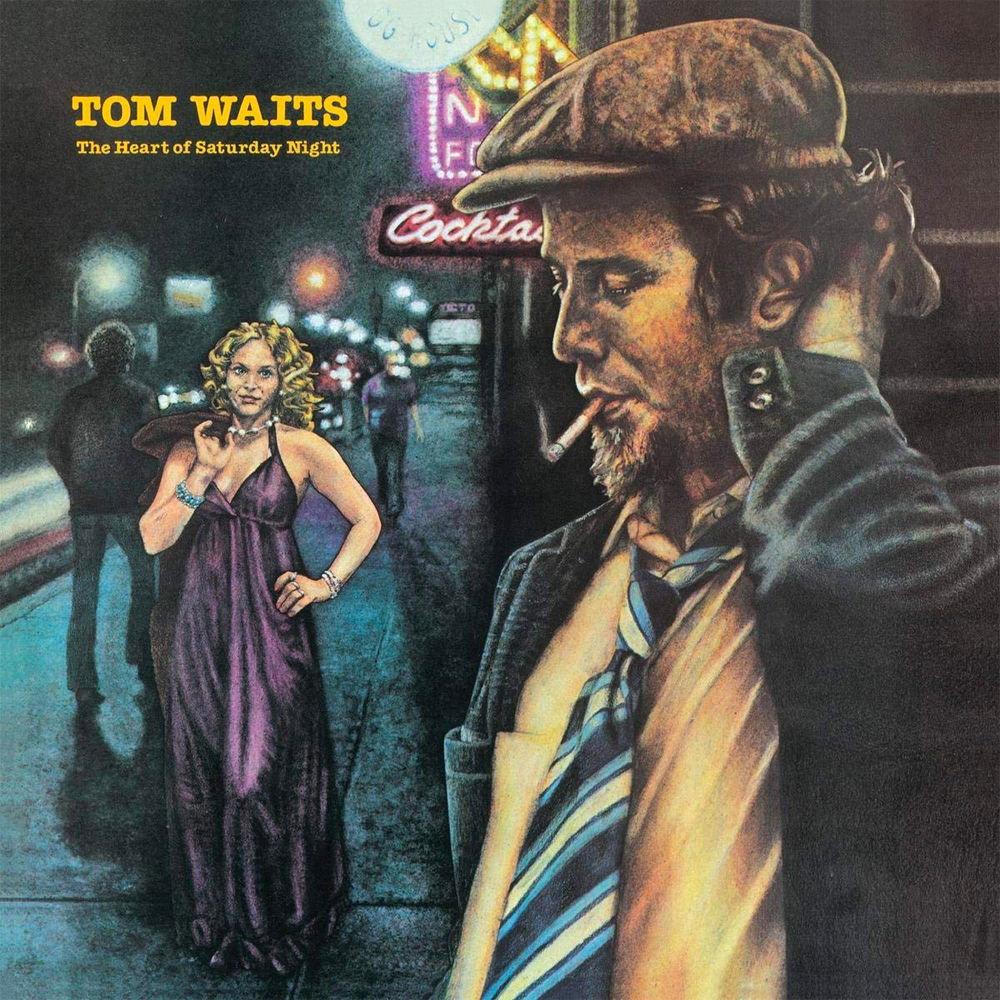 Tom Waits’ sophomore effort is, in many ways, a distillation of his first. A true jazz record, this album opens with “New Coat of Paint,” a seedy, dancy number, before offering an emotional gut punch with “San Diego Serenade.” It’s not as inventive as “Closing Time” was before it or as fun as “Nighthawks at the Diner” right after, but “The Heart of Saturday Night” offers an earnest and beautiful listening experience, an oddly lovely addition to the Waits canon.
Play It Again: “New Coat of Paint”
Skip It: “Diamonds On My Windshield”
13. Foreign Affairs (1977)
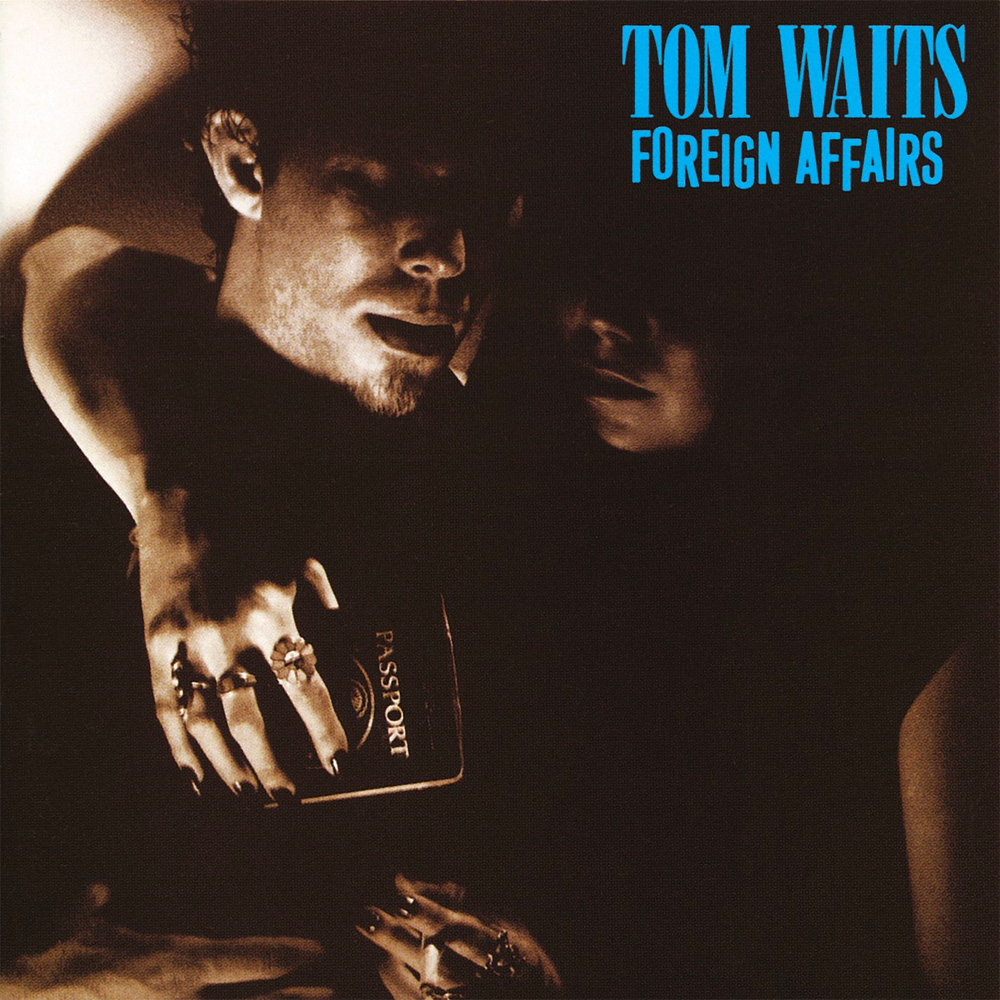 Often written off as Waits’ weakest work, “Foreign Affairs” is an album I will defend to my last, mostly because I firmly believe its messiness is a big part of its charm. The opener “Cinny’s Waltz,” sets the tone for an odd, if deeply relaxing experience, while “I Never Talk To Strangers,” features a rare duet with Waits and his then partner Bette Midler (you read that correctly). Ultimately, it’s not his strongest effort, but there’s never a moment to doubt that it’s vintage Waits, having some incredible fun.
Play It Again: “A Sight For Sore Eyes”
Skip It: “Foreign Affair”
12. Nighthawks at the Diner (1975)
 Waits’ third album is one that’s designed to leave the listener with a sense of “something’s off about this dude, but I don’t know what.” In Nighthawks, Waits recreates the feel of a live recording in the studio, with long, often wryly comedic monologues prefacing each song, a studio audience and improvisation galore, this album feels like a perverse reincarnation of Sarah Vaughan’s “At Mr. Kelly’s,” with lines like “Hubba hubba, ding ding dong, baby it sure didn’t last too long” and “I’m so goddamn horny, the crack of dawn better be careful around me,” strewn in like little gems. Ultimately, though, it is a very long album and one that overstays its welcome quicker than one might like.
Play It Again: “Emotional Weather Report”
Skip It: “Nobody”
11. The Black Rider (1993)
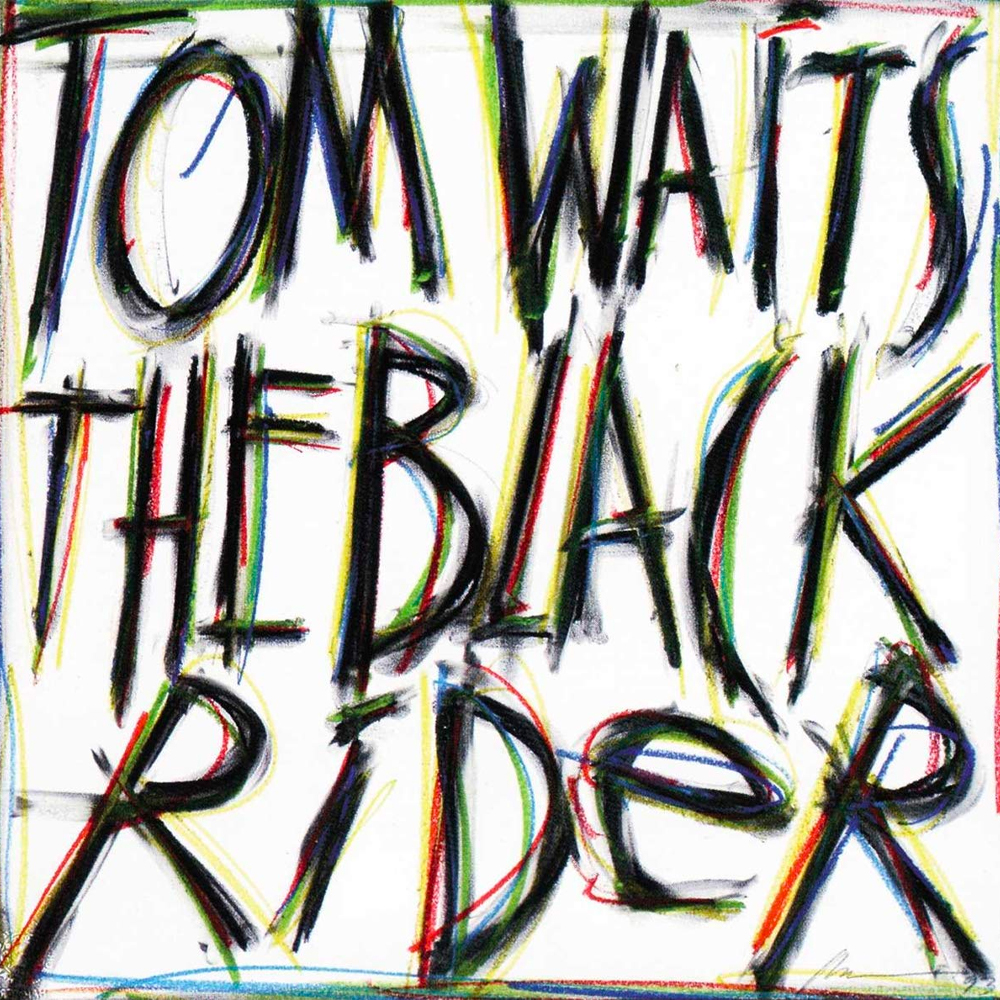 Tom Waits… theater kid? Oh yeah, theater kid. “The Black Rider” is a unique artifact, probably more appreciated than enjoyed. The first collaboration with avant-garde director Robert Wilson, “The Black Rider” is a horror adaptation of a German folktale, and a not so coded “oopsie-poopsie, sorry I shot my own wife, it was the heroin, I swear” apology letter from William S. Burroughs. Ultimately, this album isn’t the easiest to get through, but the run of the first four songs is an absolutely flawless tour of insanity from Waits. So if you think you’d enjoy dark carnival music or simply want to hear Tom Waits sing in a militantly unplaceable European accent, then just come on along with “The Black Rider.”
Play It Again: “November”
Skip It: “‘T’Aint No Sin” (Listen, it’s fun to hear William S. Burroughs whimper this song, but he should’ve probably just stuck to writing terrible books.)
10. Small Change (1976)
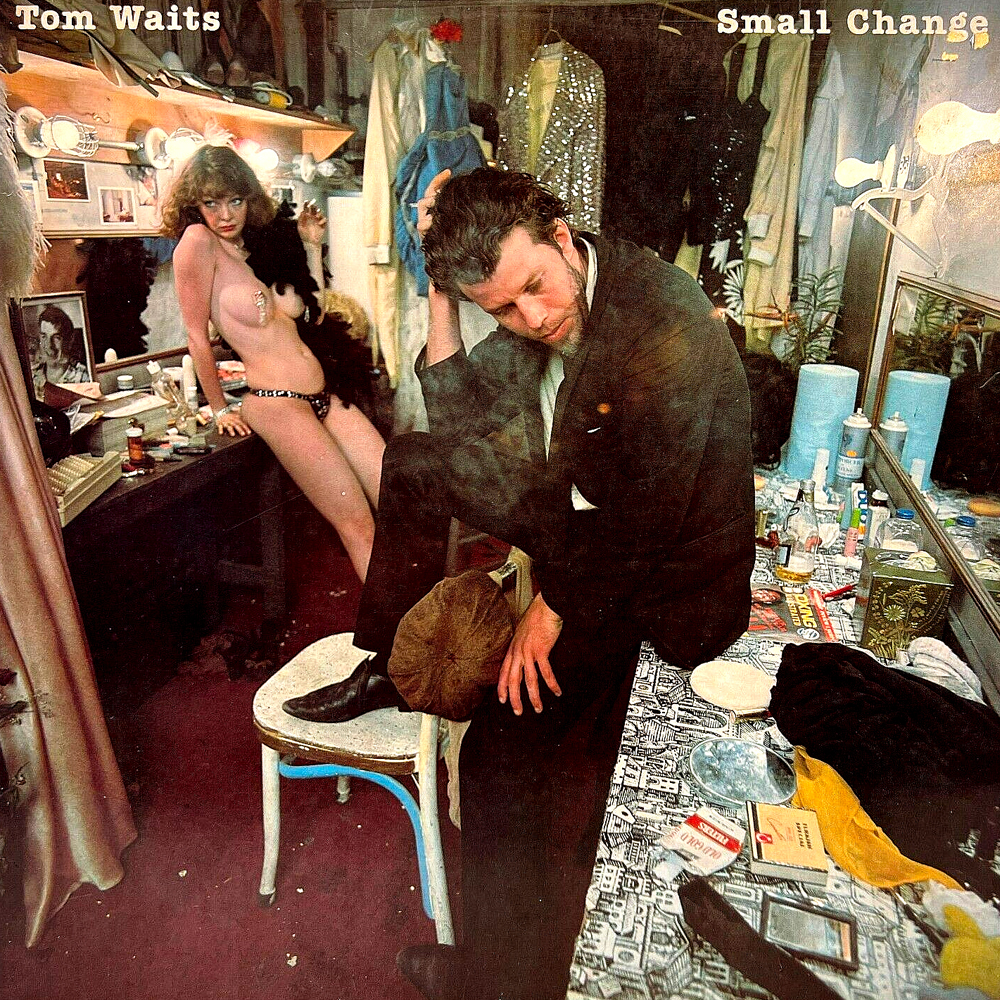 Of all the personas Waits has worn in his career, one of his favorites seems to be “drunk philosopher at the bar who smells like stew and looks potentially rabid.” “Small Change” is perhaps the best portrayal of this character. The opener, “Tom Traubert’s Blues” is a travelogue from Hell, while the infomercial-esque “Step Right Up” allows the bass to have an ecstatic religious vision and “The Piano Has Been Drinking (Not Me) (An Evening With Pete King)” features some of Waits’ best drunken ramblings.
Play It Again: “Tom Traubert’s Blues (Four Sheets to the Wind in Copenhagen)”
Skip It: “The One That Got Away”
9. Blue Valentine (1978)
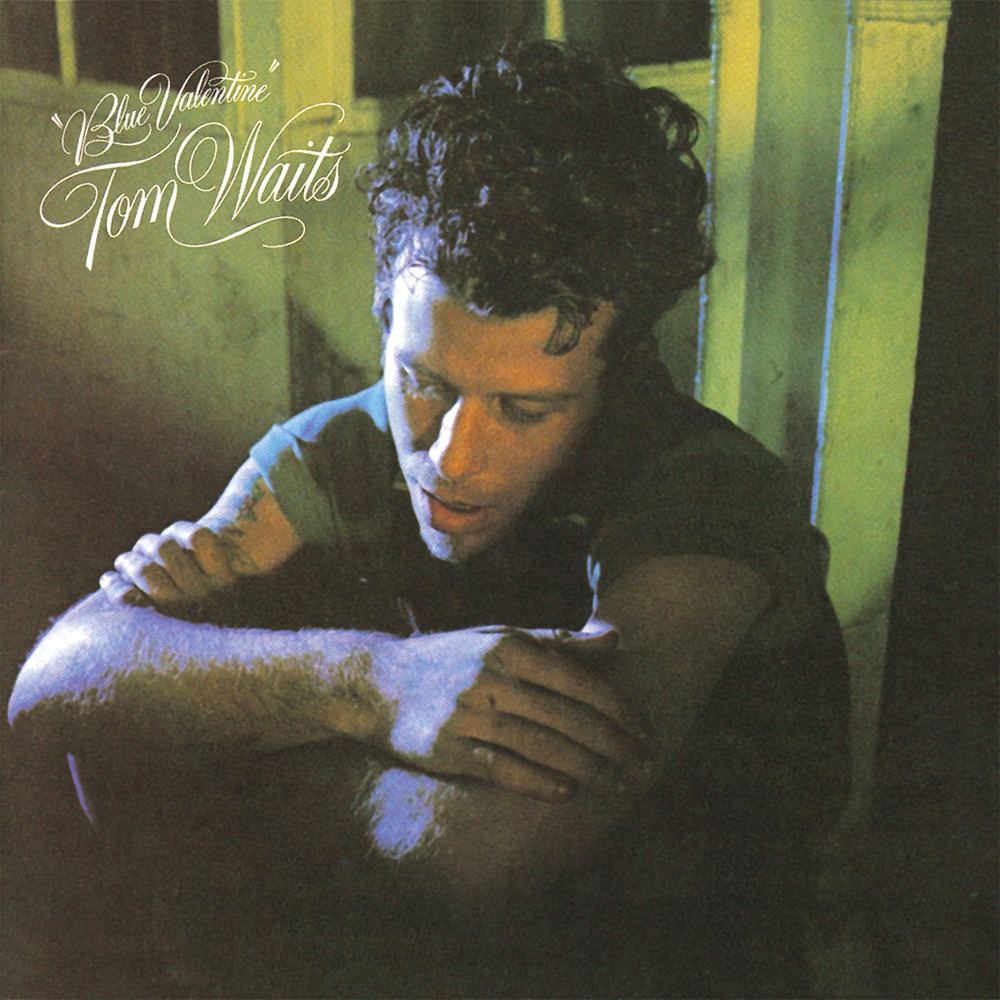 This album marks a transitional period for Waits, a sort of, dare I say… Cosmic Gumbo of his ‘70s jazz and ‘80s avant-rock phase. Like Eugene V. Debs, most of these songs are of a criminal element, which makes it doubly odd to think that the opener is a cover of a song from “West Side Story.” But leave it to Waits to pull it off. Ultimately, though, the album isn’t quite as fun or pleasant as some of his other works and comes off as just slightly overrated in the longrun.
Play It Again: “Christmas Card From a Hooker in Minneapolis”
Skip It: “$29.00”
8. Swordfishtrombones (1983)
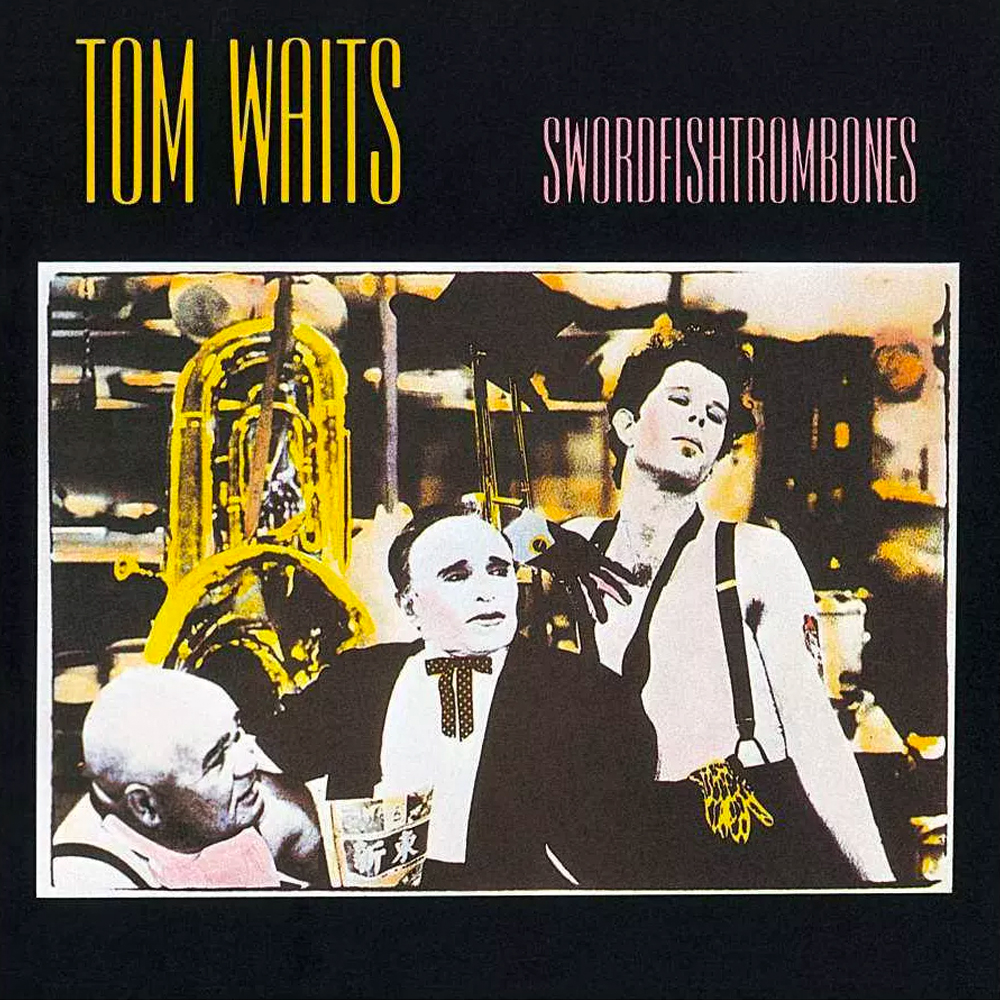 The first of his experimental 80s trilogy, “Swordfishtrombones” truly shows a new side of Waits, a more performative, character-based side than had previously been seen. In “16 Shells From a Thirty-Ought-Six,” he tells the story of a Faustian guitar bargain, while in “In the Neighborhood,” he plays the role of a deranged suburbanite ranting and raving about garbage trucks and butter. While it still feels a little uneven at times, this album is the perfect accompaniment for a dinner party with all the people you hate.
Play It Again: “In the Neighbourhood”
Skip It: “Trouble’s Braids”
7. Blood Money (2002)
 If “Mule Variations” is Waits’ Bergmanian struggle with God, this is his holy war against the devil. This album is yet another theatrical excursion by the Waits/Brennen songwriting team with Robert Wilson for the play “Woyzeck.” Released the same year as the jazzy and balletic “Alice,” this album counters it beautifully with crunchy and evil abrasiveness that begs the question: Should we really get our ten-year-old son that drum set?
Play It Again: “All the World is Green”
Skip It: “Knife Chase”
6. Closing Time (1973)
 A debut for the ages, and a great intro for first time listeners, Waits’ first album features songs like “Grapefruit Moon,” “Martha” and his classic “Ol’ 55,” which served as his first breakout song and was (unfortunately) covered by the Eagles a short time later. Ultimately, while this is a pretty simple folk/country/jazz LP, odd songs like the uptempo (and strangely deeply sexual) “Ice Cream Man” are a welcome indication of the directions Waits would eventually turn towards.
Play It Again: “Rosie”
Skip It: “Little Trip to Heaven (on the Wings of Your Love)”
5. Mule Variations (1999)
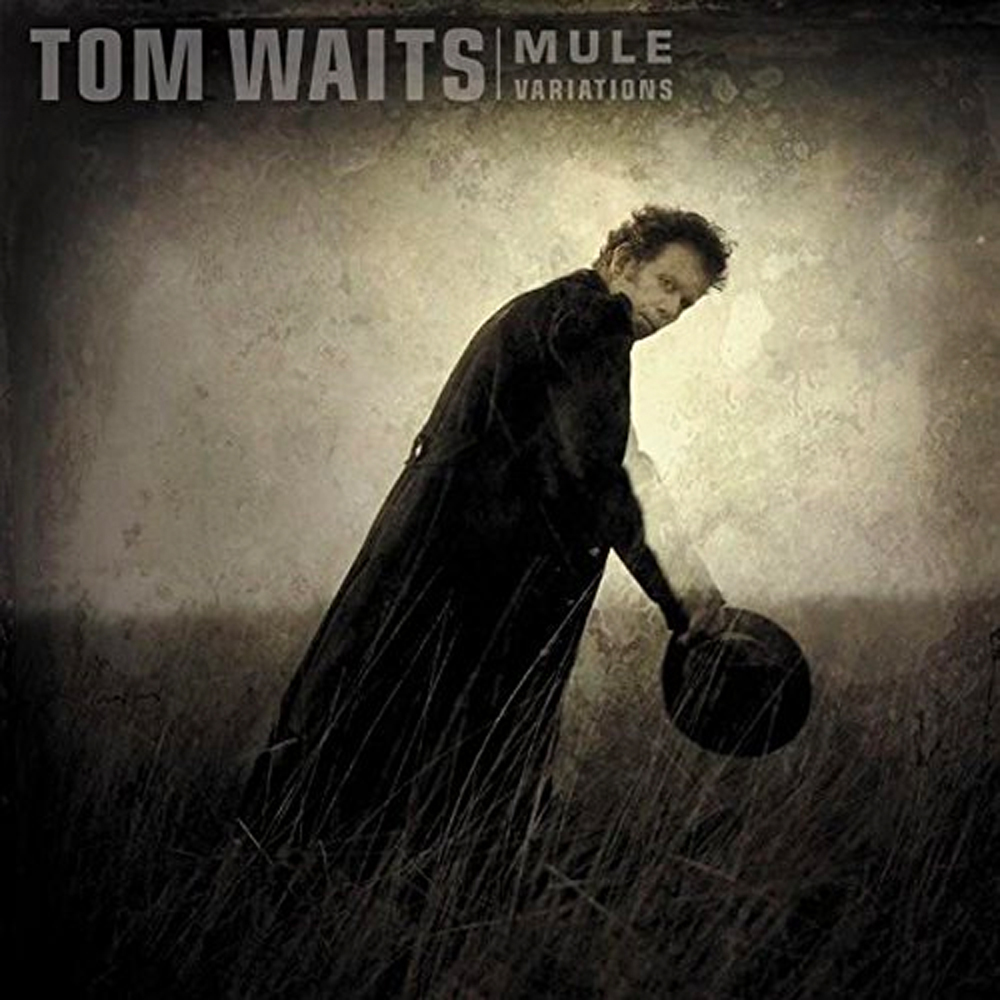 A lot of people would likely argue that “Mule Variations” deserves the top spot on this list. They’re wrong, but they can argue that. Still, “Mule Variations” is an ambitious work, with country and blues sounds featured prominently. This album reckons strongly with religion, with songs like “Georgia Lee” and “Come on Up to the House,” skewer American piety, while “Chocolate Jesus” pokes fun at the commercialization of faith. Ultimately, “Mule Variations” is a masterwork that serves to remind us that while Tom Waits might want to be a circus freak, he is not an unenlightened one.
Play It Again: “Come on up to the House”
Skip It: “Filipino Box Spring Hog”
4. Franks Wild Years (1987)
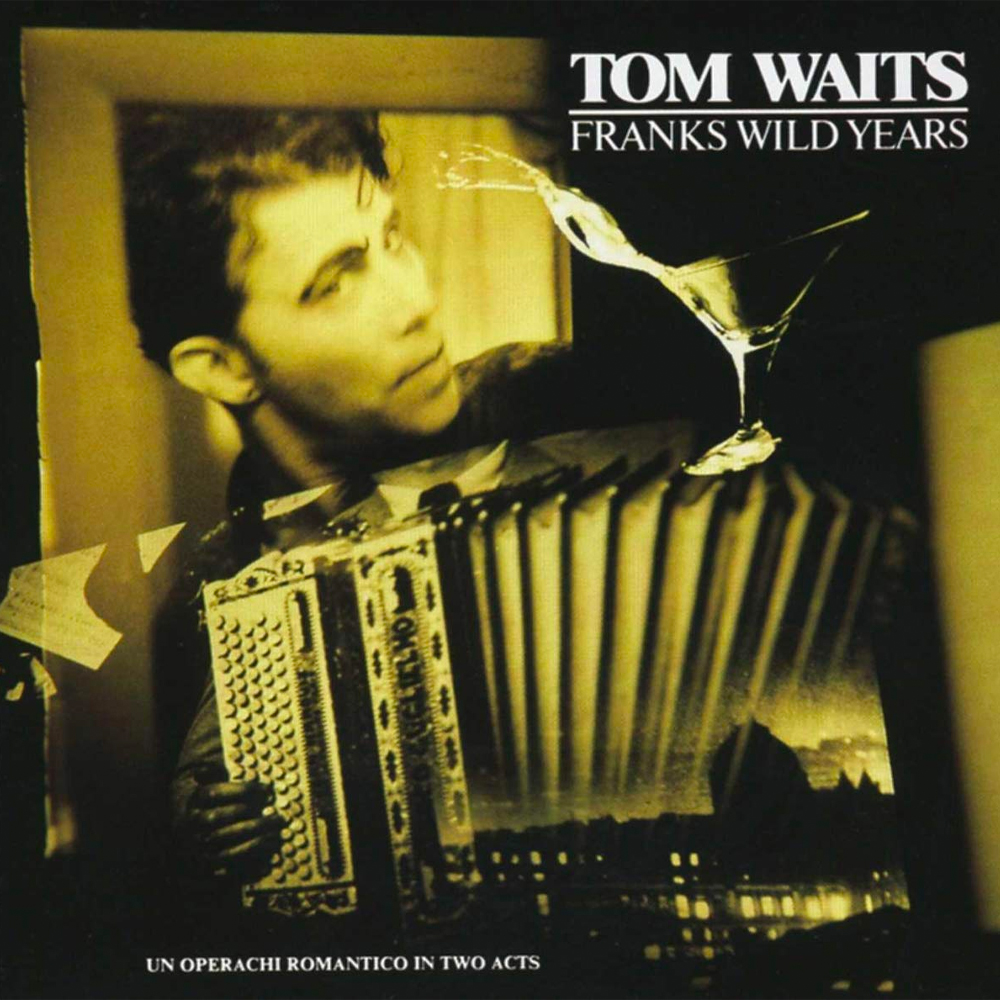 Subtitled “Un Operachi Romantico in Two Acts,” (we don’t know either), this is another one of Waits’ theater soundtracks. This time, it’s to a play that he wrote about his father, which was staged by the Steppenwolf Theater Company. This album is a treat all the way through, with a sort of freedom and looseness of a true artist. “Way Down in the Hole,” is the album’s breakout song, serving as inspiration for Nick Cave’s “Red Right Hand,” and as the theme to “The Wire,” but the entire album is absolutely stunning.
Play It Again: “Temptation”
Skip It: “I’ll Take New York”
3. Alice (2002)
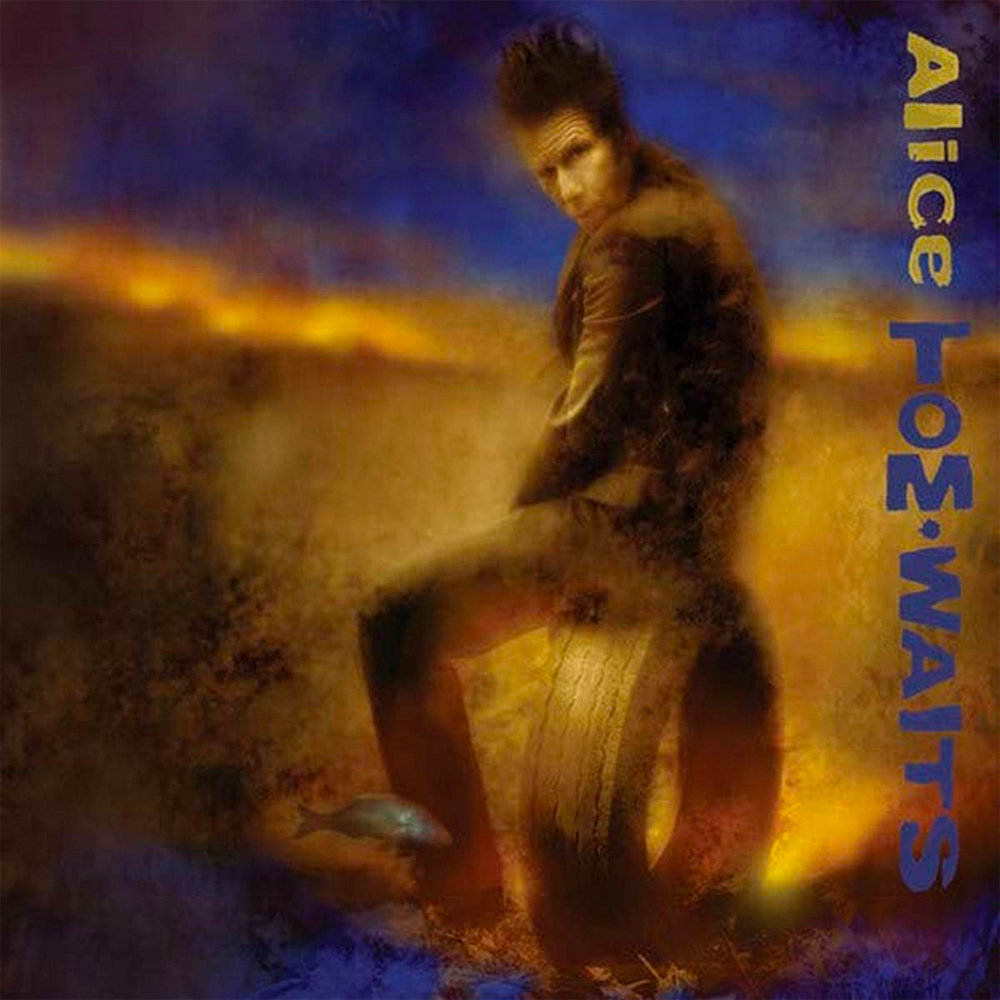 Waits’ second collaboration with theater director Robert Wilson, “Alice” is the soundtrack for a play of the same name, about “Alice in Wonderland” author Lewis Carroll’s obsession with young Alice Liddell and subsequent psychological breakdown. From its wintery, jazzy opener to the raucous fake German rollercoaster of “Kommienezuspadt,” to the dark cabaret sounds of “Reeperbahn,” “Alice” is Waits at his most diabolical and his most elegant. An absolutely rapturous experience, start to finish.
Play It Again: “Kommienezuspadt”
Skip It: “Fish and Bird”
2. Rain Dogs (1985)
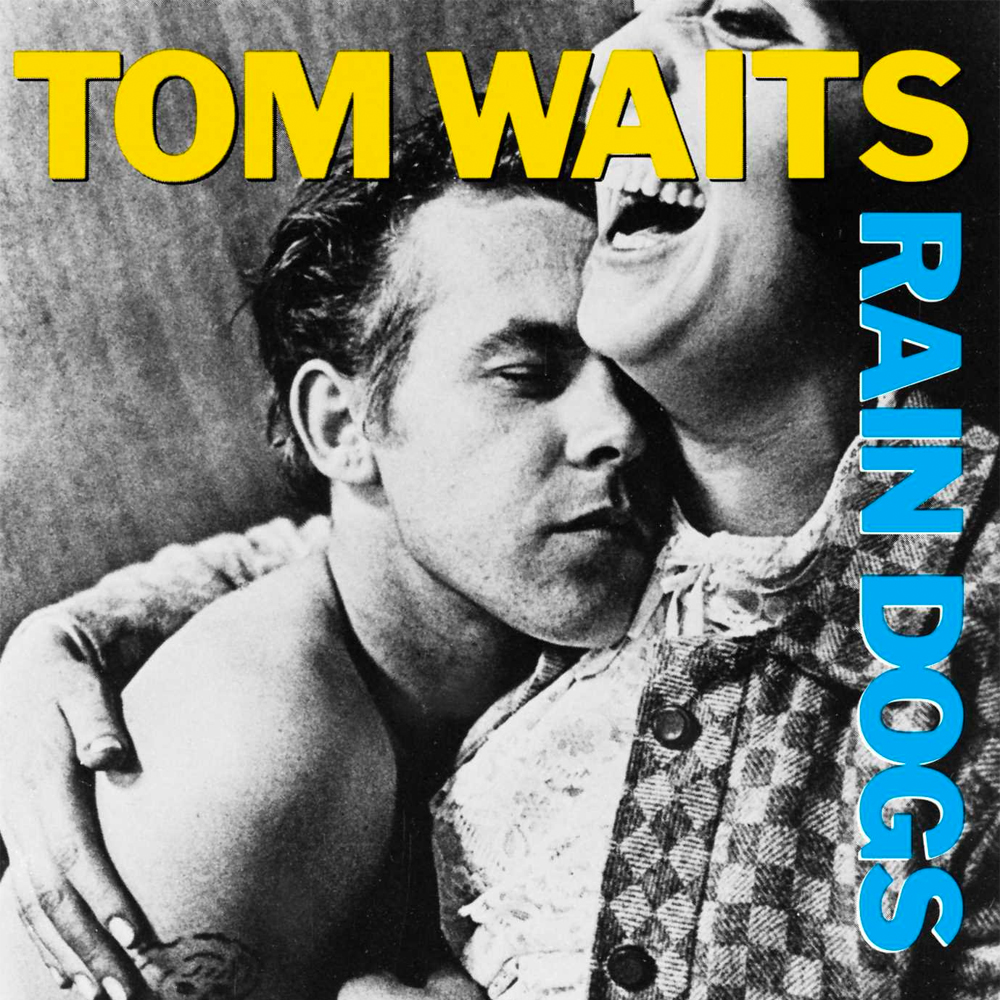 An absolute masterpiece in almost every conceivable way, “Rain Dogs” blends Waits’ avant-garde sensibilities with ‘80s rock almost perfectly. The album kicks off on a magnificently horrifying note with “Singapore,” which sounds like skeleton pirates out on the prowl, and includes songs like “Cemetery Polka,” which takes one through a greed-fueled wonderland of dying family members. Ultimately, though, songs like “Jockey Full of Bourbon,” “Time” and “Downtown Train,” will make the most lasting impressions. This is Waits at the height of his power, churning out an absolutely phenomenal experience, beaten only by one album.
Play It Again: ‘Jockey Full of Bourbon”
Skip It: “Walking Spanish”
1. Bone Machine (1992)
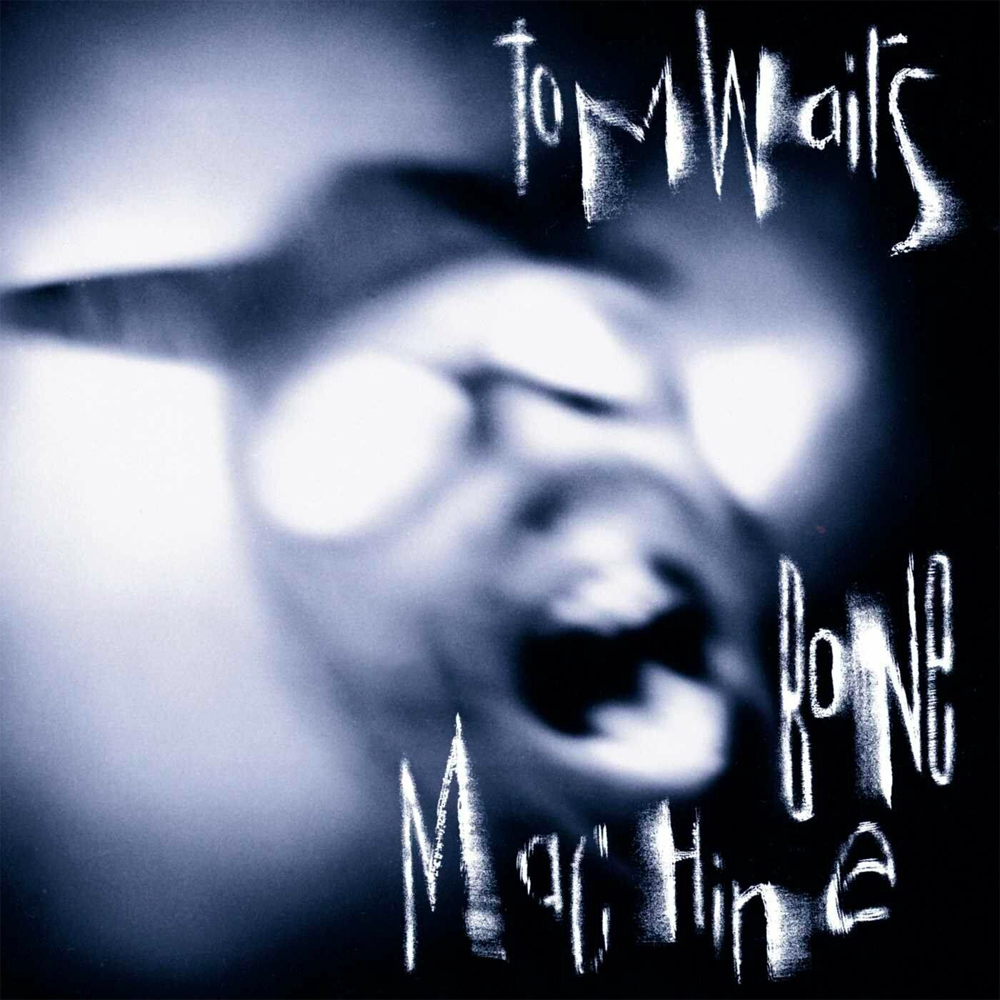 If you absotively, posolutely, need to have a gutting existential experience, “Bone Machine” gets the job done. From its opening abrasiveness on “Earth Died Screaming,” this album is Tom Waits undergoing a midlife crisis with stellar aplomb. There’s your usual fare, like “Dirt in the Ground,” which sounds like a funeral dirge, but there are also soaring songs like “Who Are You” and “Black Wings,” loud cries into the darkness like “I Don’t Wanna Grow Up” and minor tragedies like “Whistle Down the Wind” and “A Little Rain,” which begins surreally and culminates in the murder of a teenage girl. Ultimately, though, it is the album’s closer, “That Feel,” a cry into the darkness, a statement that no matter how horrific life becomes, we can never lose the feel of how wonderful it is to just be alive that makes the whole thing perfect.
Play It Again: “Who Are You”
Skip It: “Let Me Get Up on It”


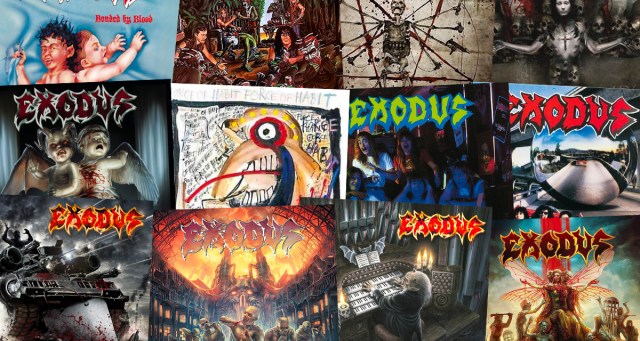
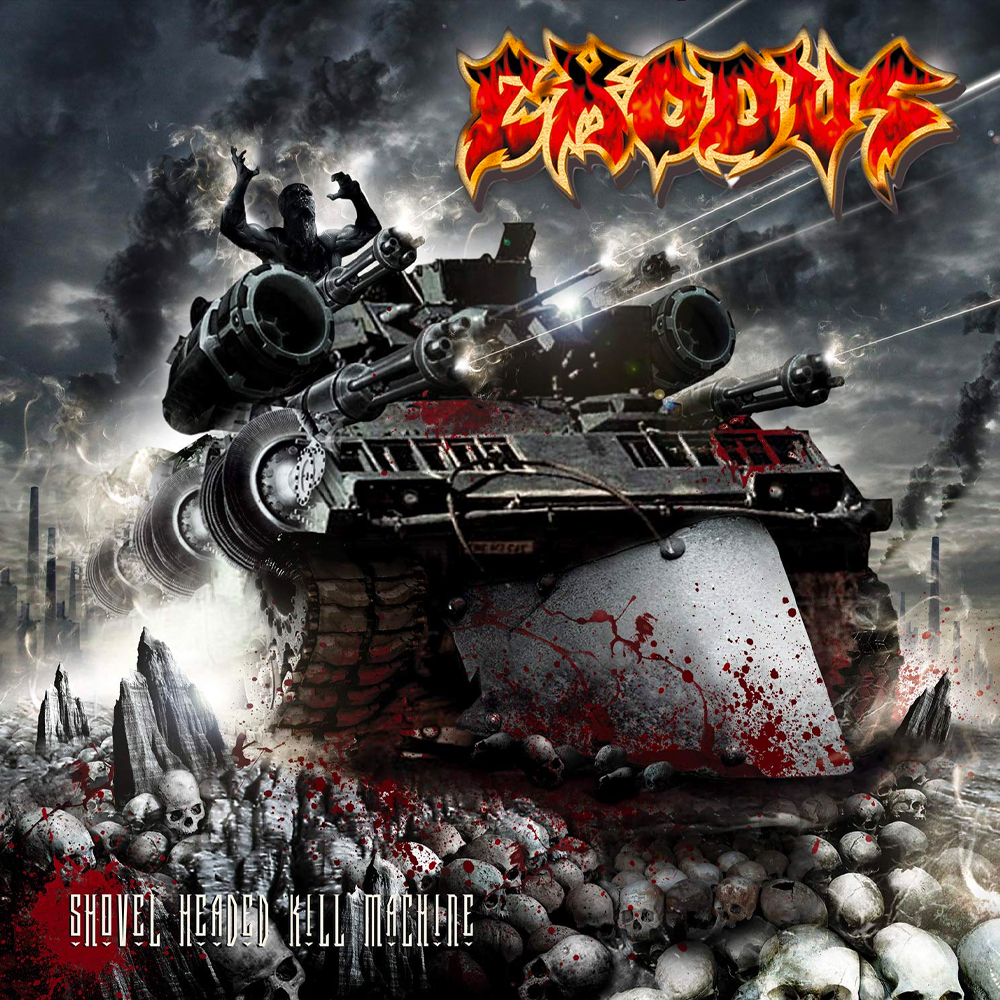 So we lost the original lead singer, Steve “Zetro” Souza and guitarist Rick Hunolt, so what does this mean for the band? Unfortunately, I’d say this band rushed back into the studio after “Tempo of the Damned” a little prematurely and this is the least Exodus album of them all. Everything about this album feels sloppy, from the album title to the vocals, and even the guitars feel stilted. It feels like no one actually wanted to be there for this album. This album is as clunky as a Shovel Headed Kill Machine must be to drive.
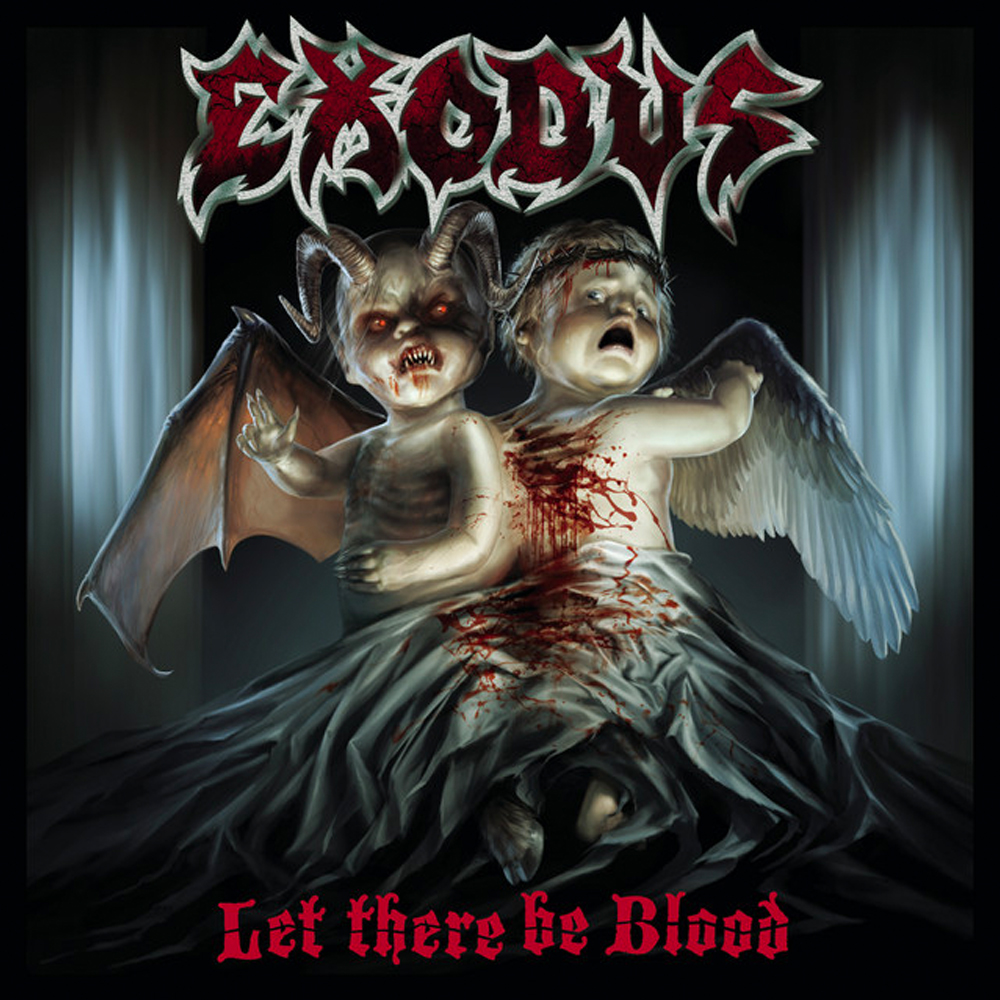 They re-recorded “Bonded By Blood” for some reason, maybe because most of the lineup had changed since 1985. I guess it is kind of an interesting experiment but side-by-side the albums are very similar, so I’m really not sure why this happened. Is this like a high school football player trying to relive his glory days? I mean what’s the point? Not just of this album but of life in general.
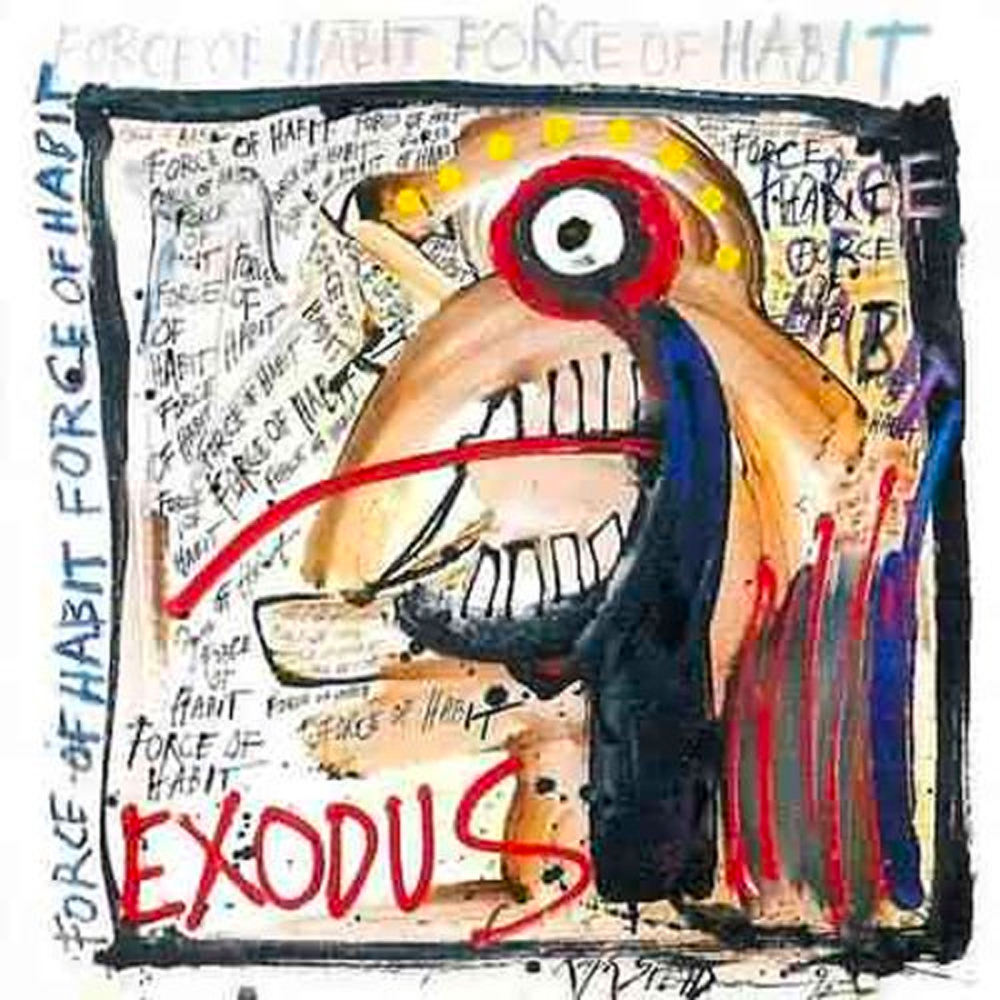 This heavier output from the band (just before breaking up for the first time) at times reminds me of C-list mental bands like Ugly Kid Joe and Slaughter but when the tracks hit I would compare them to Megadeth at their best. Every song feels like it is not only from a different album but from a different band. They have truly uncomfortable songs to sit through like a painful cover of Rolling Stones’ “Bitch” only to follow it up with a face melting track like “Fuel for the Fire.” I was worried by the Ralph Steadman inspired cover art that this was going to be a Grunge album like Metallica’s “Load.” This feels like a participation trophy of metal albums.
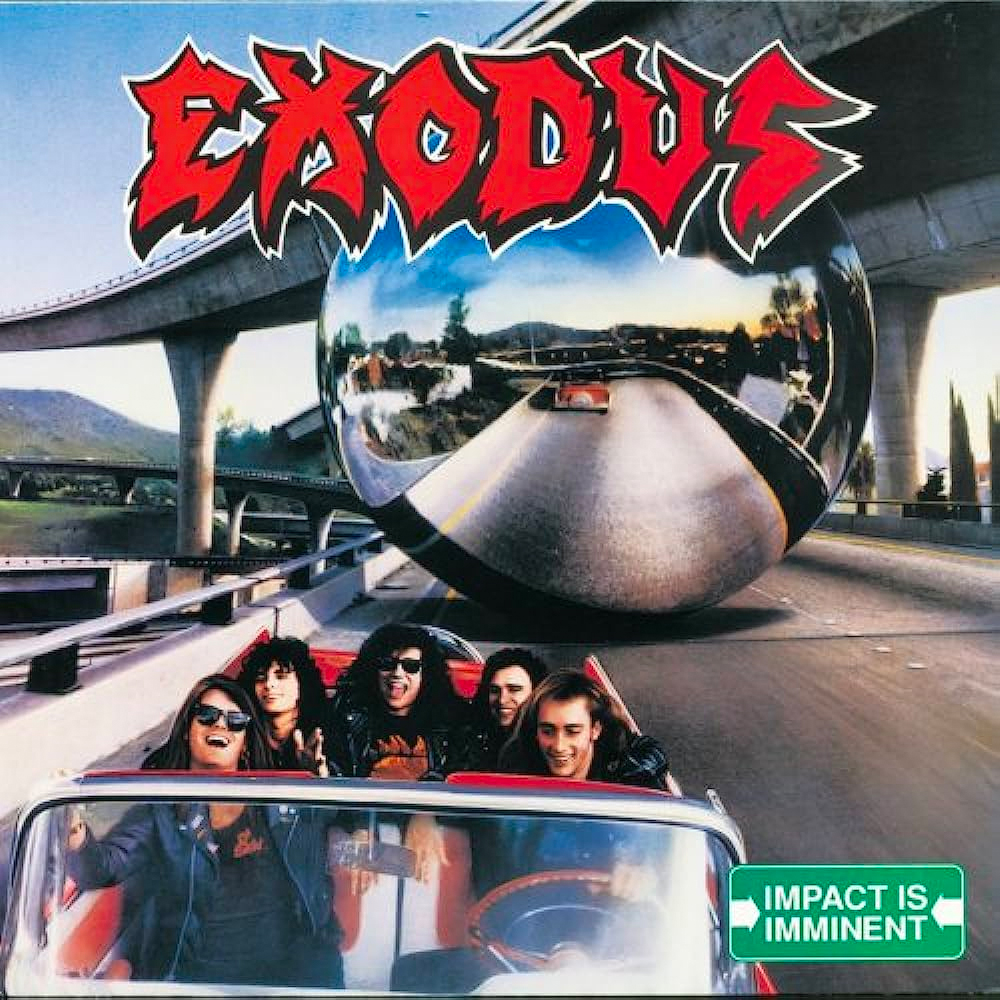 Oh, I get it, this is their Pantera album. I think that is the problem I am having with Exodus. It is quality thrash metal but I just can’t nail down what “their” sound actually is. Every album sounds like a different band. They really don’t seem to be having as much fun on this album as they did before.
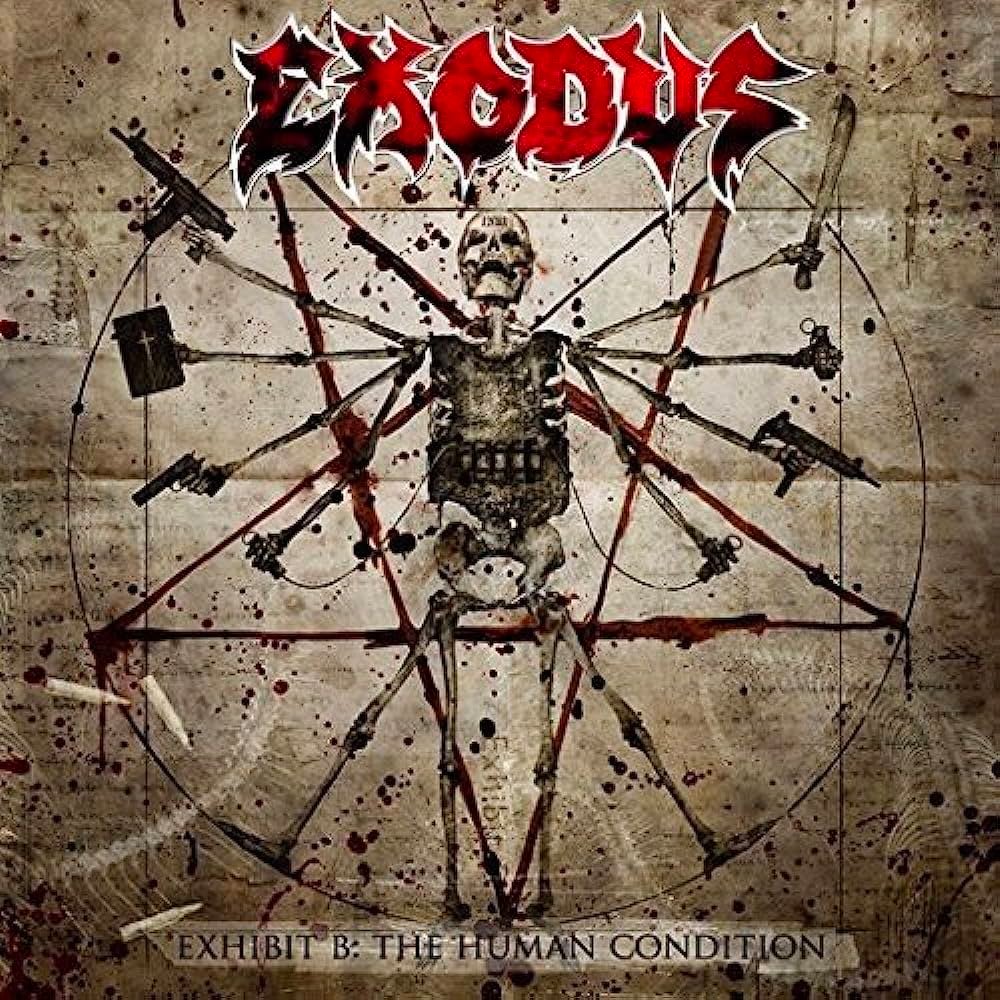 The companion piece to “The Atrocity Exhibition,” I assume. It is clear that the single “Downfalls” is the heart of this album and everything else feels like it was built up around it. Exodus is like the Target Superstore of thrash metal; it’s a good quality product that you can rely on but it doesn’t feel like a name brand. This might be why they struggle to get themselves on the Mount Rushmore of thrash metal. I will give the band credit, they never change their sound with the times, they never attempt to sound like whatever metal-genre-of-the-week is happening at the time, they are thrash through-and-through.
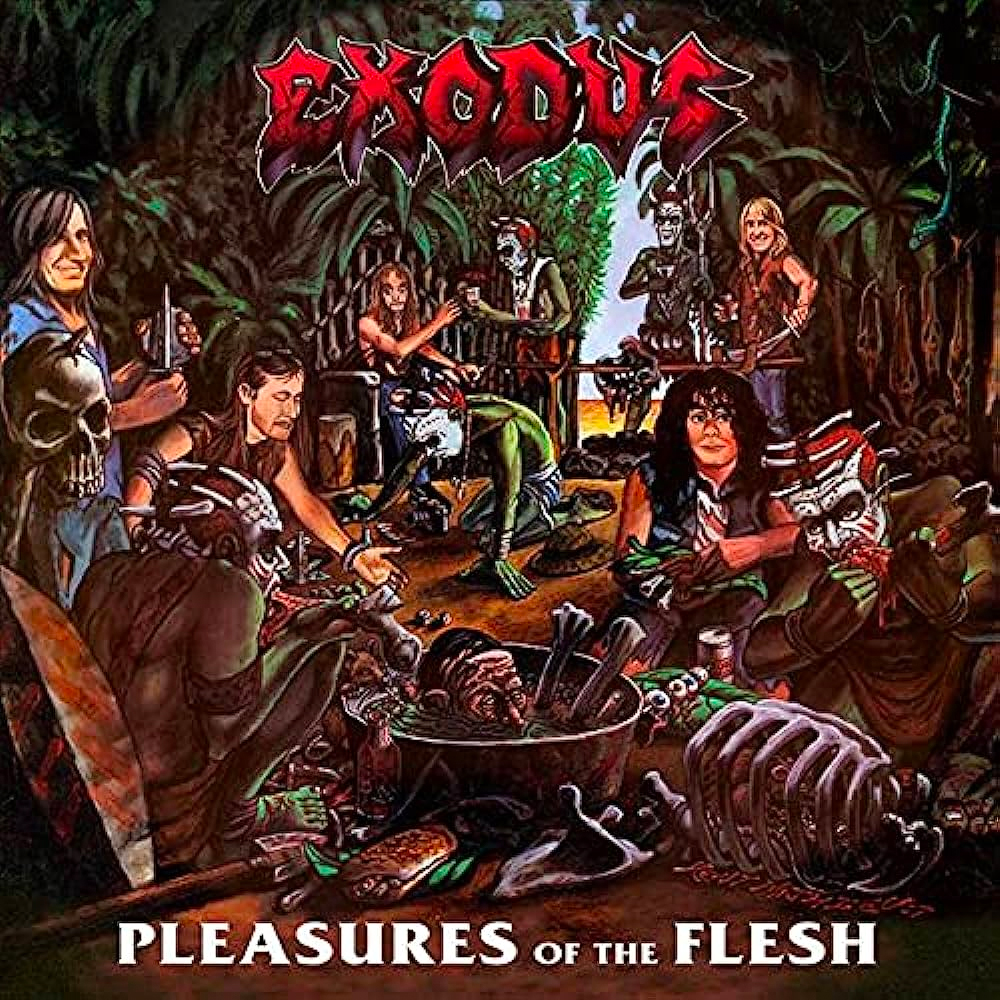 There is something about this album that sounds like if Dead Kennedys were a thrash metal band. While the production is of a much higher quality than “Bonded by Blood” and the riffs start to show some genuine inspiration yet I found the whole album sluggish. They also tack on these throwaway intros that really pull the album down.
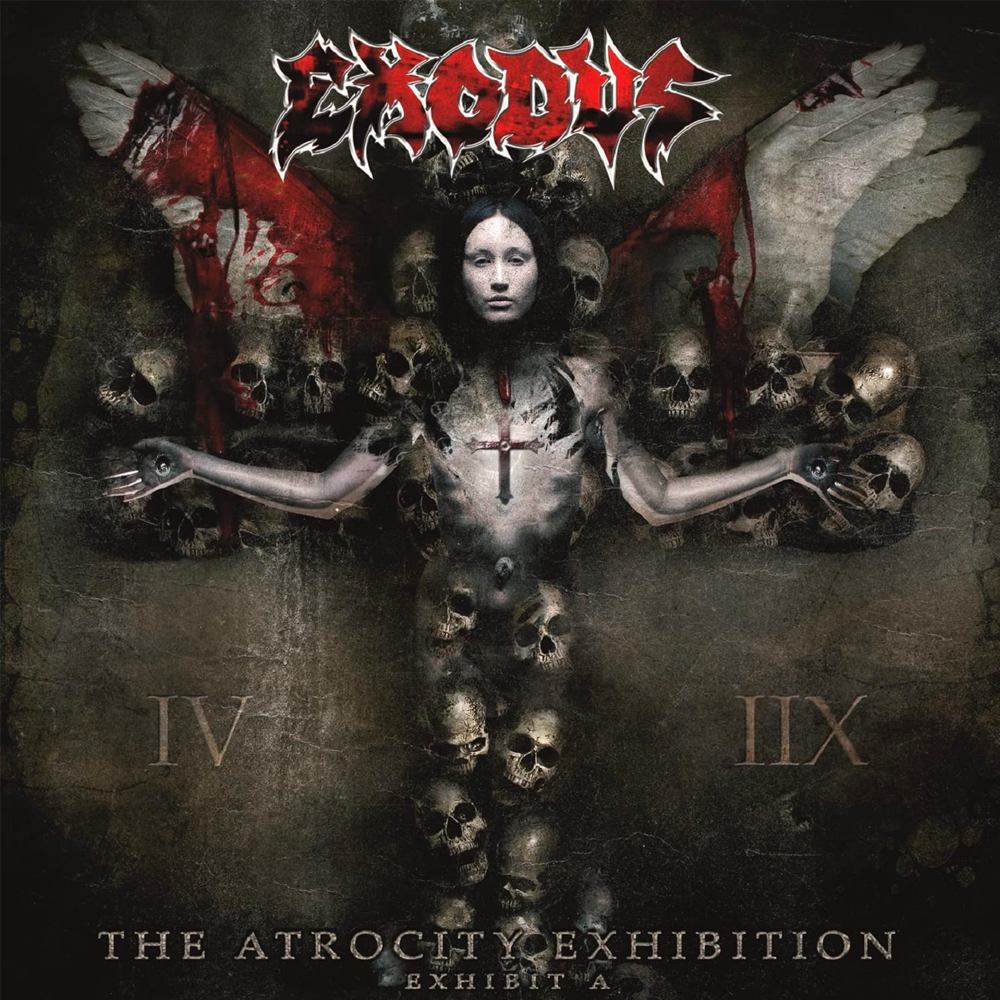 This is the cleanest production Exodus has had up to this point. Rob Dukes sounds like he has settled into being the lead singer and Lee Altus is picking up the slack on guitars. Using Exhibit A in the album title comes off as really pompous, like something Tool would do – so I was worried we were going to get something laced with “experimentation” and take themselves too seriously and with almost every track clocking in at over eight minutes there is a bit of hubris involved with this album, but at its core it is an Exodus album and a decent one at that. While a guitar-forward band, I am beginning to think drummer Tom Hunting is the linchpin of this band, looking back at what albums I liked and didn’t like, when Hunting is missing I liked the album less than when he is behind the kit.
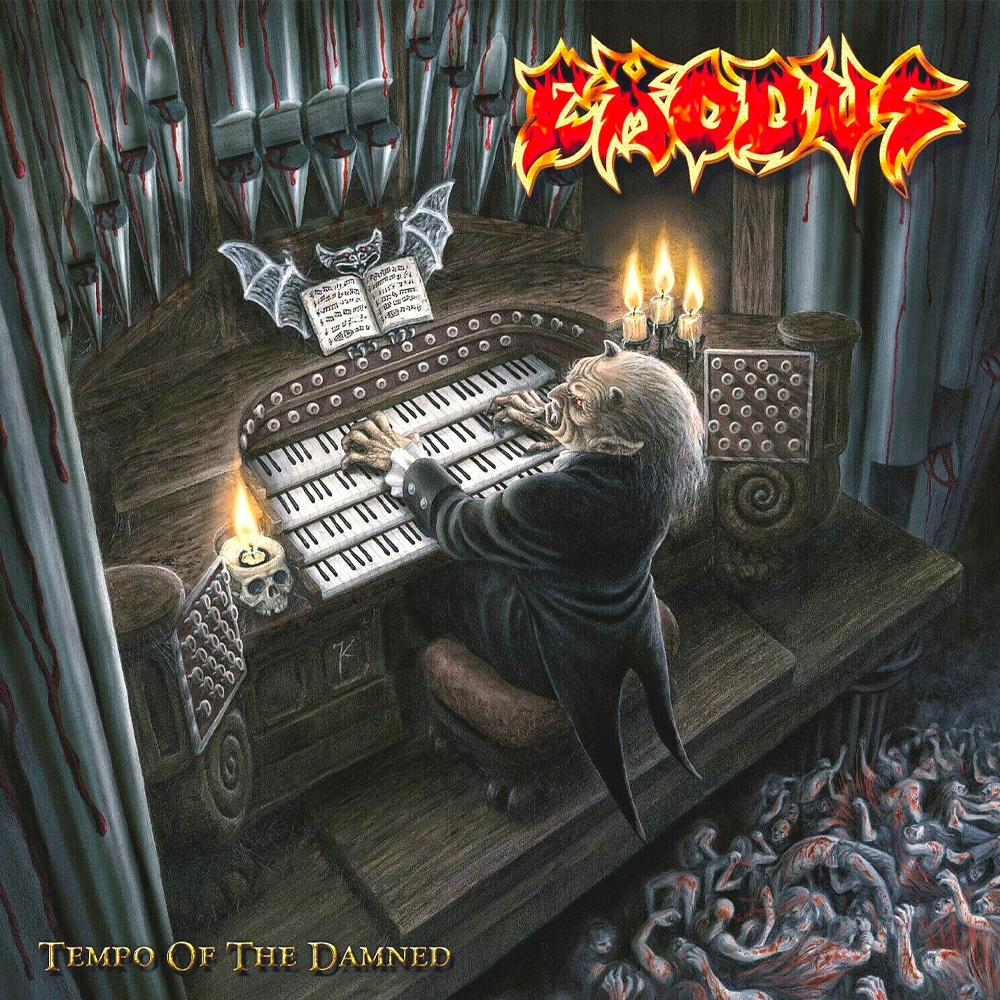 Was it worth it to wait 12 years for a new Exodus album? Honestly, yes. The band sounds refreshed and ready to rock again, as opposed to the sluggish “Force of Habit” record. Although, it took me this long to realize that I find that the vocals of Steve “Zetro” Souza just never meld with the band and that I much prefer the OG singer-the late Paul Baloff, who was only recorded with the band on “Bonded by Blood.” Exodus is first and foremost a guitar-driven band, Rick Hunolt and Gary Holt with vocals and lyrics an afterthought. “Tempo of the Damned” does what Exodus does best and that is to let the guitars speak. And don’t worry, not only is the title of the album a dad joke, almost all the track titles are as well.
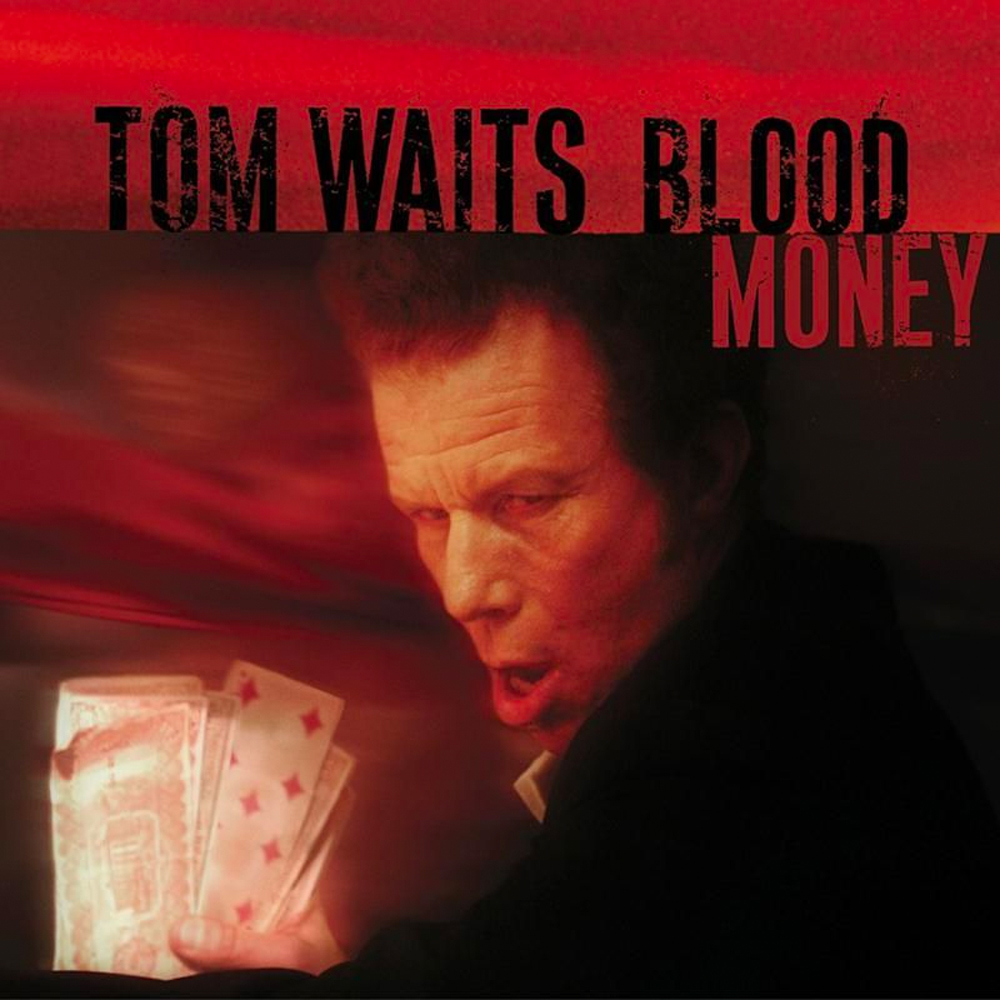 It turns out this is not a thematic album about the 1993 epic Latino film “Blood In Blood Out: Bound By Honor,” which is disappointing. But I finally figured out what it is that bothers me about Exodus. They are a thrash metal band with a black metal singer. That is why it never really gelled with me. Even so, I now feel that Zestro is a better match with Exodus, after having to deal with listening to Rob Dukes, and I’m glad he’s back on this album. Dare I say that Exodus is getting better with age, like a fine wine.
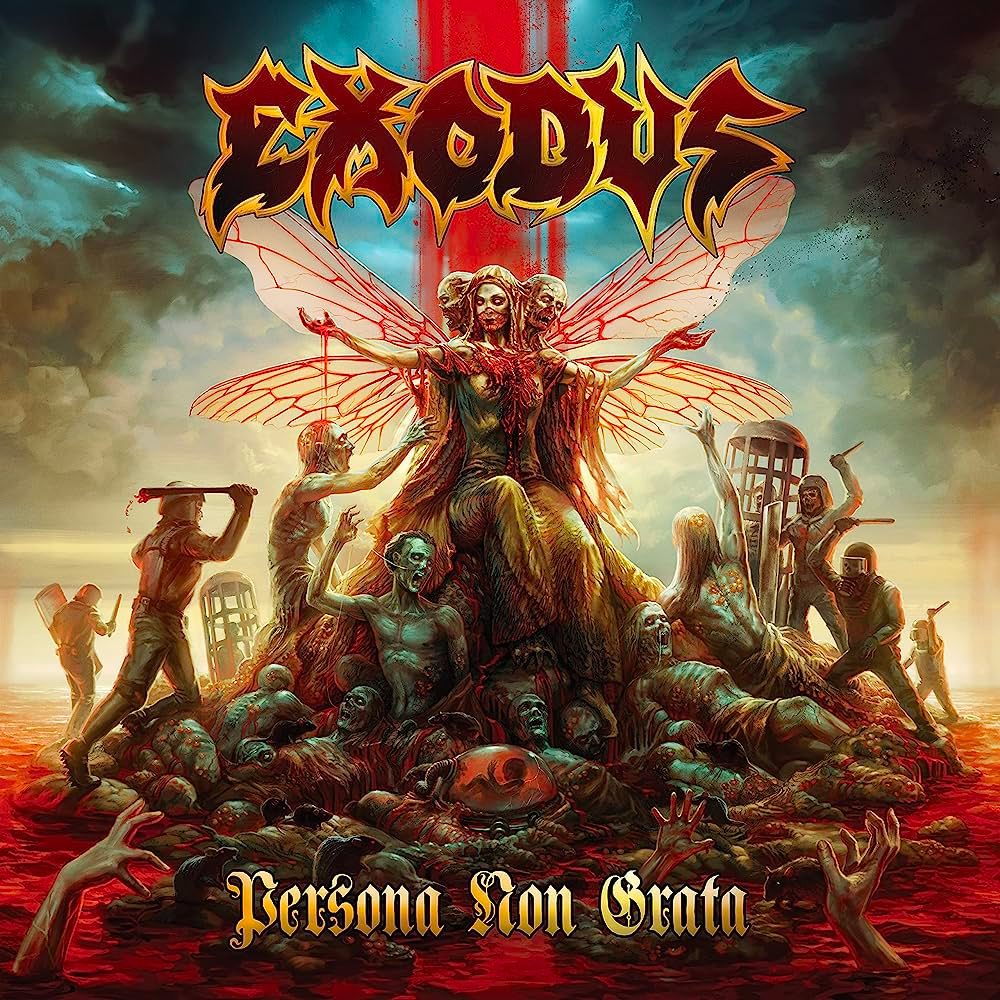 Exodus definitely does better when the lineup doesn’t change between albums. This album is like a runaway train that only builds up momentum as it goes along. Everyone is firing on all cylinders, this feels like it could be a flagship album for Exodus, and any other metaphor having to do with transportation. This album is also heavier than many of their other albums, even heavier than “Force of Habit,” which lends itself more to Zestro’s sharp vocals. Few bands can say that they’ve existed for 40 years and still put out music as passionate as this album feels.
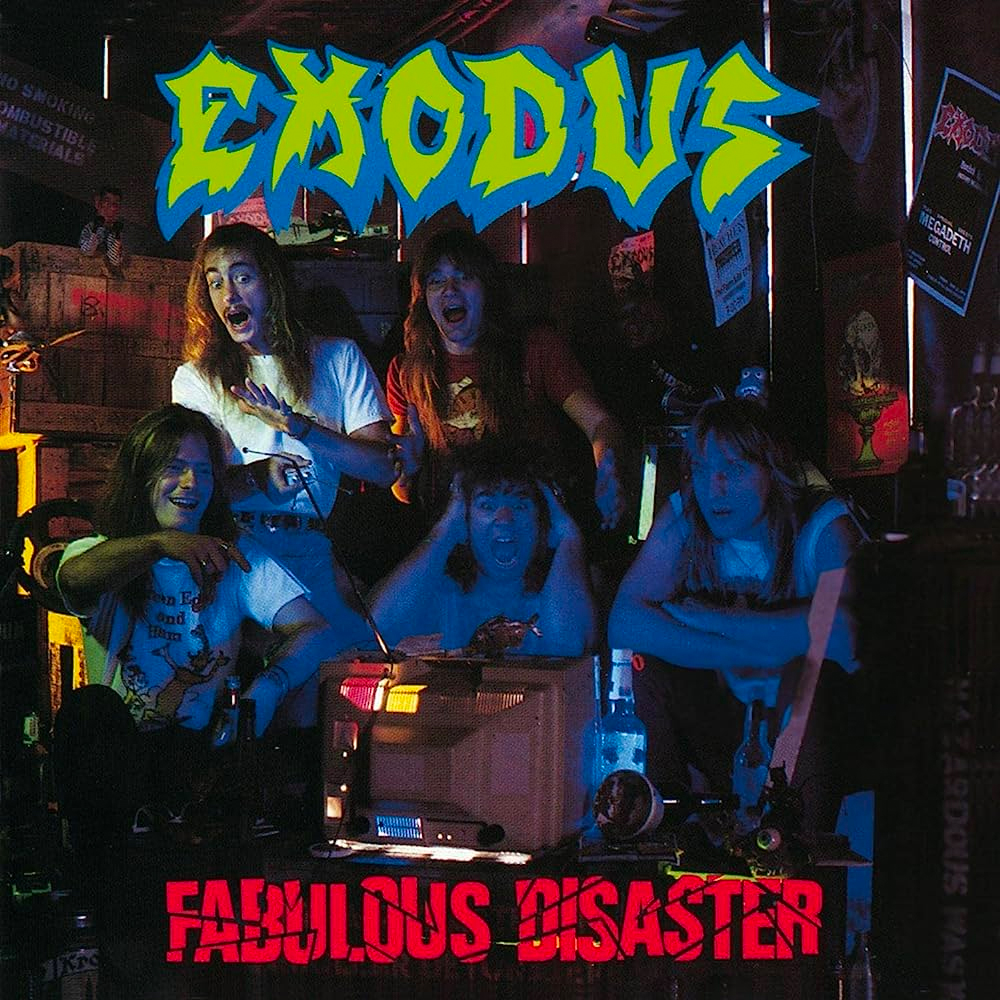 This is an Exodus album that sounds like Exodus, although one might say there is a lot of Anthrax in this album, or is there an Exodus influence in Anthrax? I am beginning to think the constant lineup changes are what hurt Exodus in the long run. Every album feels almost like a new band. That being said Gary Holt and Rick Hunolt are doing a lot of heavy lifting on every album and they should be applauded for it. That being said, this album is just tons of fun and the band seems to have come (finally) to some kind of cohesion.
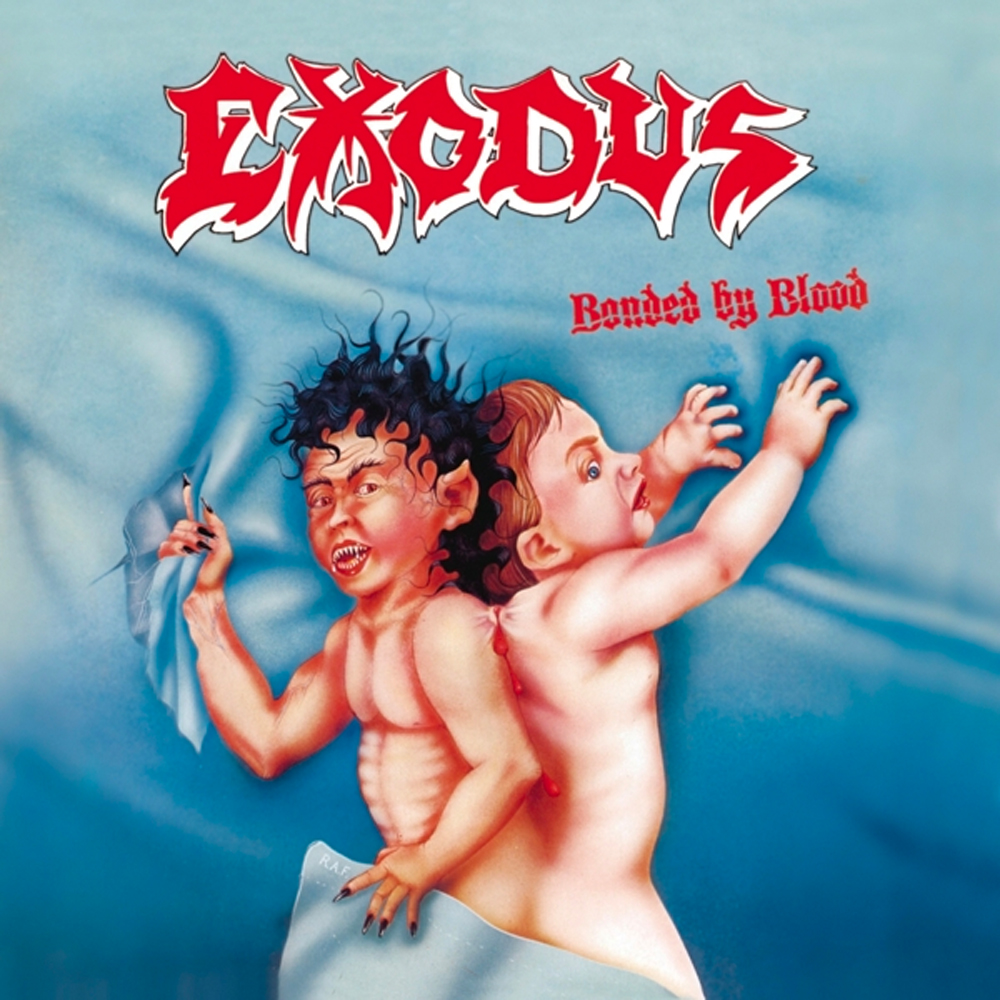 Many people say that this album rivals Metallica’s “Kill ‘Em All” and had it come out before Metallica’s debut album that Exodus would be in the Big 4, not Metallica. This is a quality trash album and my only critique is that it lacks the personality that the debuts of bands like Anthrax and Megadeth. This isn’t to say that Exodus peaked with the first album, but god damn this album is technically perfection but I have a hard time pointing to a single track and being like, “That… That right there, that’s Exodus.” But I wonder what would have been had it not been for lineup change after lineup change; would I be able to buy an Exodus t-shirt at Hot Topic instead of Metallica.
 Delicate pink and pale blue contrast with dark botanical accents and detailed geometric linework. It’s a look that spells elegance, grace, and a giant hearty “Haha no, I still haven’t managed to even fake my way through the opening riffs of our new single, and with these new talons glued my fingers, you should know I have now officially decided to stop trying.” Welp. Looks like your band will be posting a help wanted ad.
 You thought you were playing it safe with this one. Nice, low-key solid color. Reasonable-length rounded tips for safety. No wimpy pastels or anything, and it all still matches your ripped jeans and now-more-duct-tape-than-canvas Converse high tops. Guess what? You still just told everyone your guitar-playing days are finito. Maybe you can learn to sing or something? Just try not to scratch up the mic.
 So you’re a dude who tripped a little too hard one day and decided to get iridescent butterflies applied to his nails because of a “vision.” That’s cool, and we totally support that self-expression, man. What we can’t support is how you lied to your bandmates and said you’d practice this week before your show. We hate to say it, but either those butterflies or your guitar strings are gonna break five strums in, tops. And you’ll choose to save the butterflies.
 Is it arguably a sorta punk design? Maybe. But even though the songs you’re playing only have two chords, that’s two chords too many now that you’ve got these plastic babies superglued to your digits. And everyone knows it. Poser.
 A fantastic look for Pride Weekend. Unfortunately it’s now Monday. You’re hungover, you’re covered in glitter, and you have your guitar lesson in four hours. Just send the kid’s mom whom you teach a pic of this fretboard-busting manicure and they’ll surely understand. Bonus points if you also have the stones to still ask to be paid for this week.
 Okay. Apparently even TAB notation for the most basic rendition of “House of the Rising Sun” was too much for you to handle with these raven’s talons attached to your digits. So now you’ve decided you’re going to become physically unable to pick up a guitar pick. Or put in contacts. Or type a text that doesn’t look like drunken gibberish on the first three tries. Nice metallic red color, though.
 Sorry, this isn’t even a nice look. Wouldn’t it have been easier to just come out and admit that after you impulsively guitar and told everyone you were starting a band and purchased that app that was going to teach you to play in 90 days, you couldn’t figure out downstrokes and upstrokes and gave up and stuffed the guitar in your closet along with your bread maker and the silk screen kit you never use?
 Wow. You really went all out, huh? Hope you enjoy fishing out tiny plastic flowers from your poor guitar’s body when they immediately fall off your nails and start rattling like a poor man’s egg shaker.
 Two weeks ago, you had neatly trimmed nails and the will to learn to play guitar. As if these pointy monstrosities didn’t already broadcast that your music dream is kaput, you also had your nail tech file off those finger calluses you’d been building while trying to figure out the F major chord. Come on, it wasn’t that hard!
 This blindingly bright metallic design makes a real statement! When you walk into a room, these nails will certainly do the talking. You won’t even need to respond any time someone asks how that guitar playing is coming along. Just raise a single finger and let those eye-poppingly long tips and minuscule sequins shout it out: The ol’ axe is definitely collecting dust in a corner now.


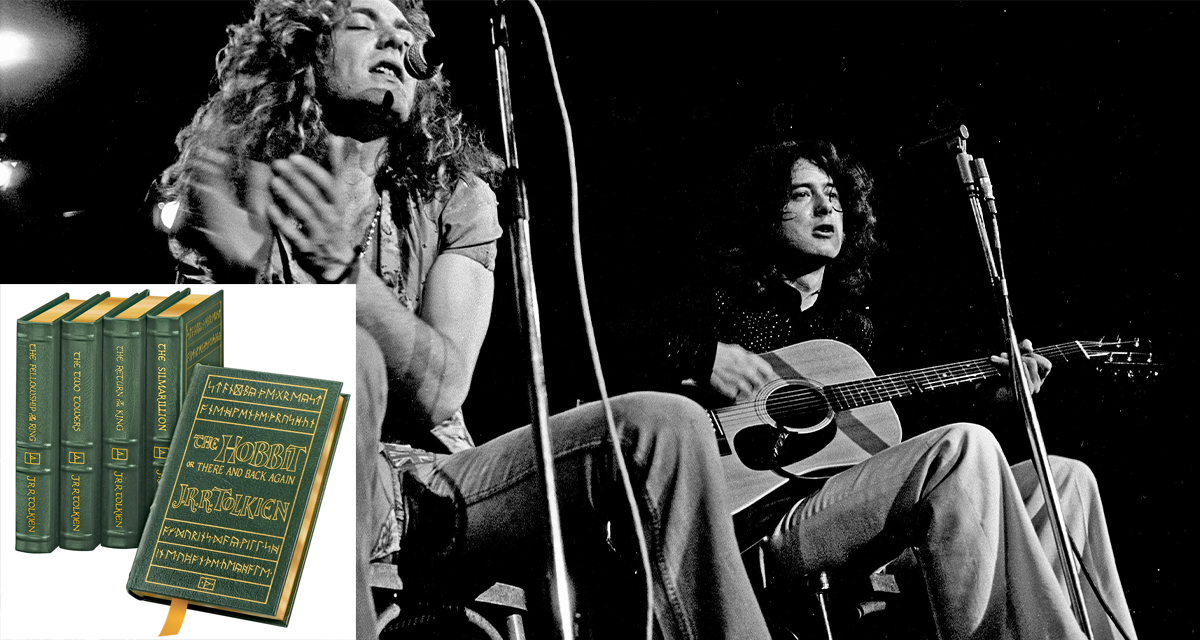 When Robert Plant took a break from singing about the devious and duplicitous nature of women, it was almost always to reflect on the vast and mythical nature of JRR Tolkien’s Middle Earth. Not content to simply steal the blues, Zeppelin also mined Mordor for all it was worth on their eponymous albums II, III, and IV. If you’re thinking “The Lord of the Rings” is such an old book that it’s fair game, keep in mind that the series was only about 15 years old at the time of the band’s heyday — which might explain why the still at large human monster Jimmy Page was interested in them in the first place (look it up.) Eventually the band would get back to more grounded topics like doing drugs and worshiping Satan, but not before they made us all sit through their book reports on “Return of the King.”
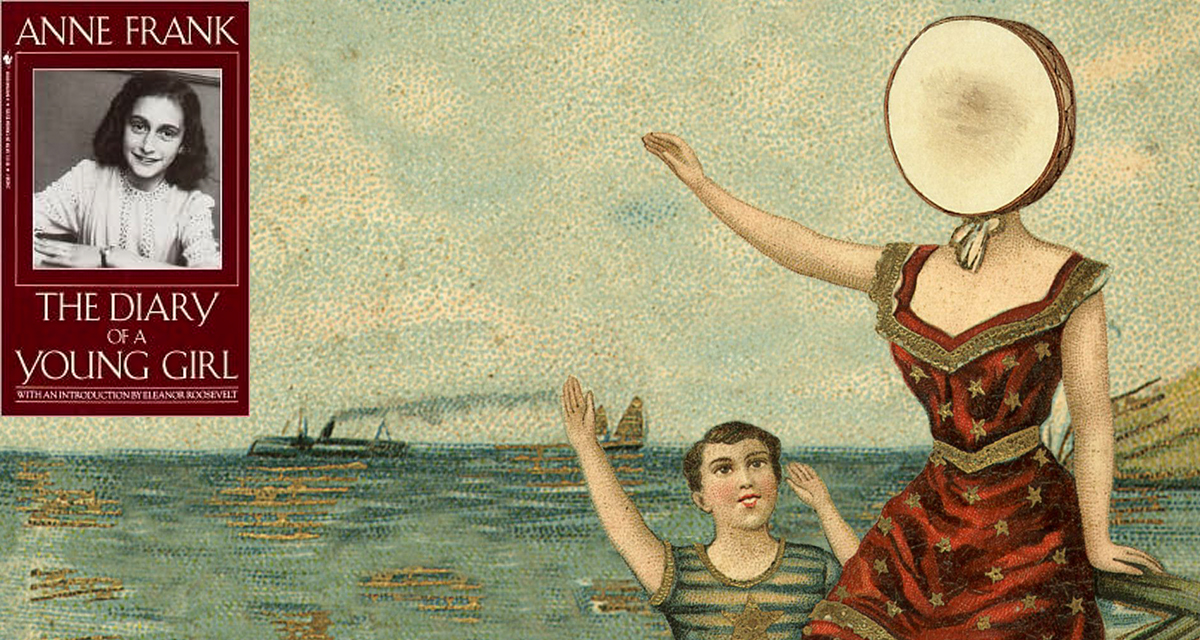 Jeff Mangum was recording Neutral Milk Hotel’s first LP when he picked up “The Diary of Anne Frank,” read it in two days and, according to him, “completely flipped out.” The experience inspired his lo-fi indie rock opus “In the Aeroplane Over the Sea,” which weaves references to Frank throughout the album. Mangum became preoccupied with the young holocaust victim to the point of obsession, the heaviness of which may have contributed to his disappearance from the music industry and public life a few years later. To which we say: please read a second book, Jeff! Maybe one that’s less of a bummer this time? Because as much as we love the radical empathy contained on “Aeroplane,” mostly we’d like some new tunes.
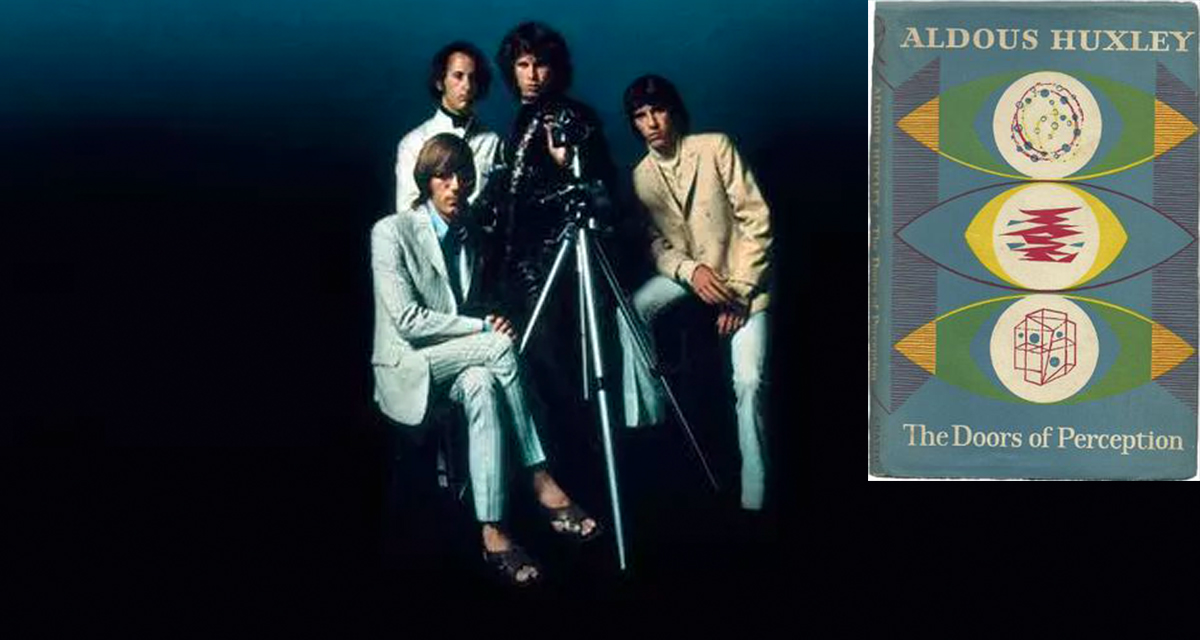 We don’t believe in banning books, but there may have been a case for banning Jim Morrison from reading books — especially the one that would help him start the shittiest band of the 1960s. If Aldous Huxley had known how much keyboard noodling his mescaline scribblings would inspire, he might have gone straight edge.
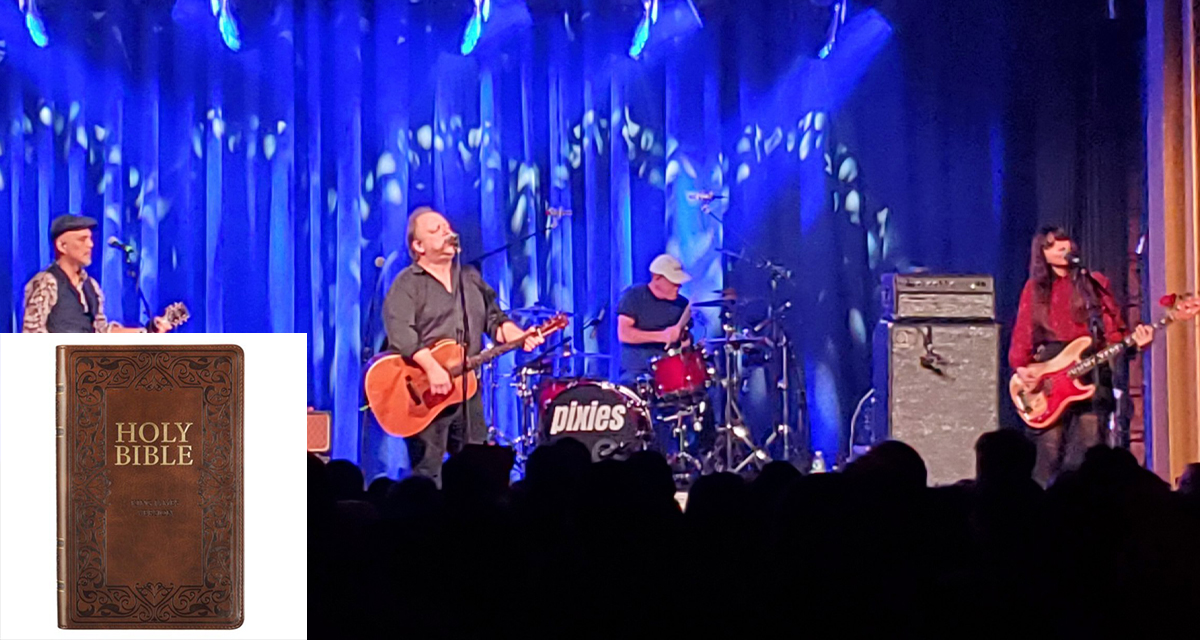 At least the book Frank Black is stealing from is in the public domain, but do we really need another song about Samson and Delilah? Didn’t Leonard Cohen cover this when he did that Shrek song? Pixies’ “Doolittle” contains at least three Sunday School lessons. The aforementioned “Gouge Away” tells the story of Samson’s brutal end. “Dead” warns us all of the possible consequences of being too horny ala David and Bathsheba, and Biblical numerology is used to paint a picture of climate disaster in “Monkey Gone to Heaven.” All three are bangers, but it’s quite a departure from the songs about superheroes and big dicks that populated the band’s previous album “Surfer Rosa.” Church gave us all hang-ups Frank — you don’t have to yell about it!
 These days, George Orwell is most recognizable as a reference used by right-wingers to describe any form of tolerance they don’t like, which is all of them. The leftist, anti-authoritarian author is most known for his novels “Animal Farm” and “1984.” Both books are strong warnings about the dangers of fascism, which modern fascists have interpreted to be about how mad it makes them when they are politely asked to use someone’s preferred pronouns. However, before the conservatives stole him, Orwell belonged to rock ‘n’ roll — so much so that it makes you wonder if musicians have read anything else. Most famously, Pink Floyd took “Animal Farm” and made it into a concept album called “Animals,” an LP that serves as the bridge from the band’s good, lean records to their shitty, overstuffed ones. Bowie got in on the fun, too, with “1984” — a song that nods subtly to the author’s most famous book by stealing its title. In the 1900s and early 2000s, Rage Against the Machine and Radiohead quote Big Brother himself — the former in “Testify” and the latter in “2+2=5” (which, for the record, is not true.) Orwell’s two biggest hits are well-trodden territory at this point, which begs the question — can’t these songwriters dig a little deeper? Orwell had non-fiction too! How about a concept album about the essay collection “Shooting the Elephant”? Or a rap-rock recap of “Homage to Catalonia.” Let’s face it, though: musicians are lazy. If most of them read Orwell at all, it was probably on audiobook.