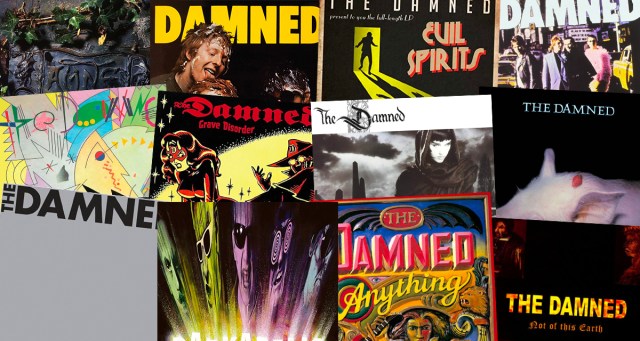
The Damned are sort of like punk rock’s perpetual cautionary tale. The landscape of the modern punk scene likely wouldn’t exist without them, and yet through the band’s constant shooting-themselves-in-the-footery they never quite seemed to get their due. And every time it seems like they are finally able to pull out of the tailspin, Captain Sensible takes his dick out in front of Grandma again and we’re right back where we were before. Here’s our definitive ranking of every Damned album.
Honorable Mention: Darkadelic (2023)
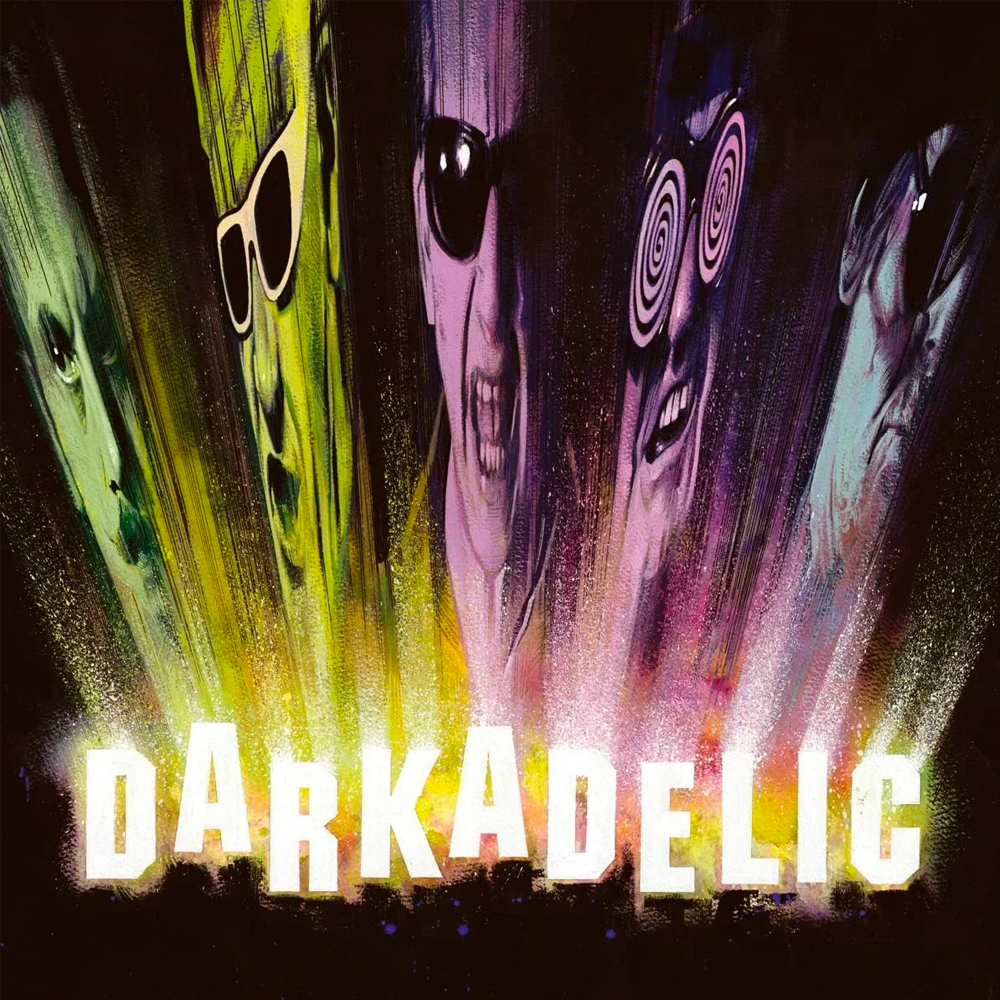 I wanted to wait until after “Darkadelic” came out before writing this review so I could include it in this ranking. But then I listened to it last Friday and I was like… “Whoa.” Bottom line, it’s just too soon to make a definitive placement for it – but go check it out anyways.
Play on repeat: “Beware of the Clown”
Skip it: “Girl I’ll Stop at Nothing”
11. So, Who’s Paranoid? (2008)
 Is that a rhetorical question? Because not me. I have seen through the bullshit. If you wanna take this album’s title as a sincere query then I would guess it was whoever produced this bland, monotonous slog, who was likely afraid that any hint of excitement might alert an unseen secret police to their presence. Who was this mystery producer? What was their imagined crime? Suppose we’ll never know, ‘cause there’s no way I’m going to listen to this drag again looking for clues.
Play on repeat: “Perfect Sunday”
Skip it: “Maid For Pleasure”
10. Anything (1986)
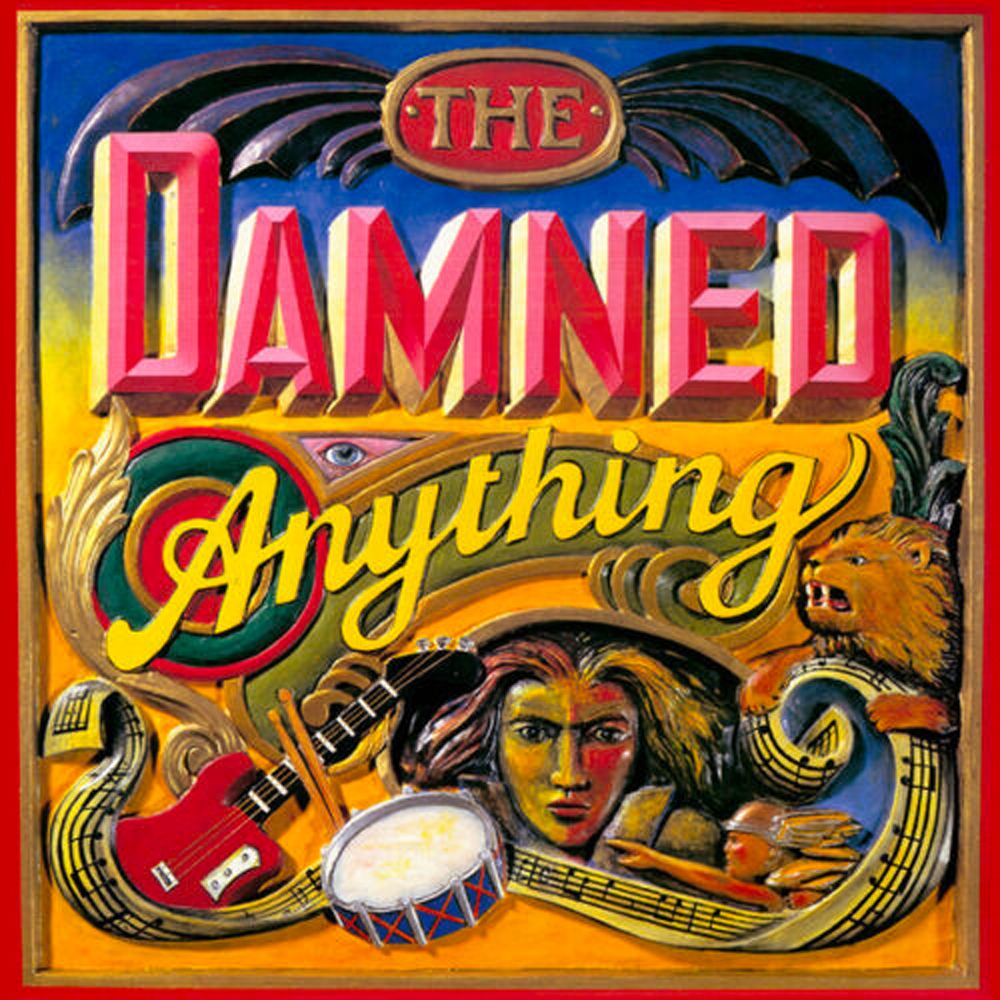 The Damned kinda have a habit of reinventing their sound about once every three years. In one way it’s very impressive to have that kind of musical elasticity – in another way, you end up with “Anything” and are forced to listen to low-rent ABBA for forty minutes. I suppose you could make an argument for it if that’s your thing, but if you’re mostly a fan of Triple D era Damned then it’s safe to give this one a miss.
Play on repeat: “In Dulce Decorum”
Skip it: “Alone Again Or”
9. Grave Disorder (2001)
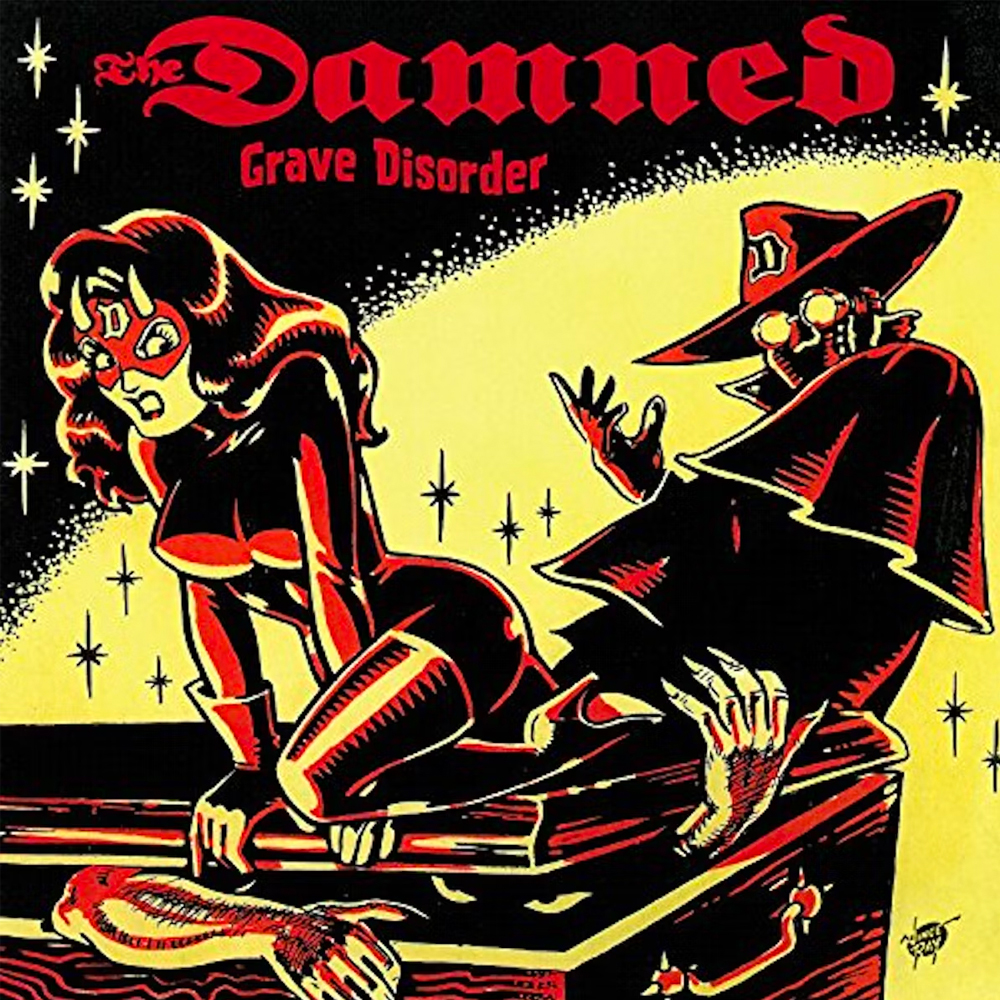 Personally, I enjoy this record. It is fun and in a way reminds me of the Groovie Ghoulies if they were Britpop. But held up to a lot of other Damned albums it just can’t hold its own with that style. So, yeah, I’m not sure what that leaves “Grave Disorder” as. “Unfortunately enjoyable,” maybe?
Play on repeat: “Democracy?”
Skip it: “She”
8. Not of This Earth (1995)
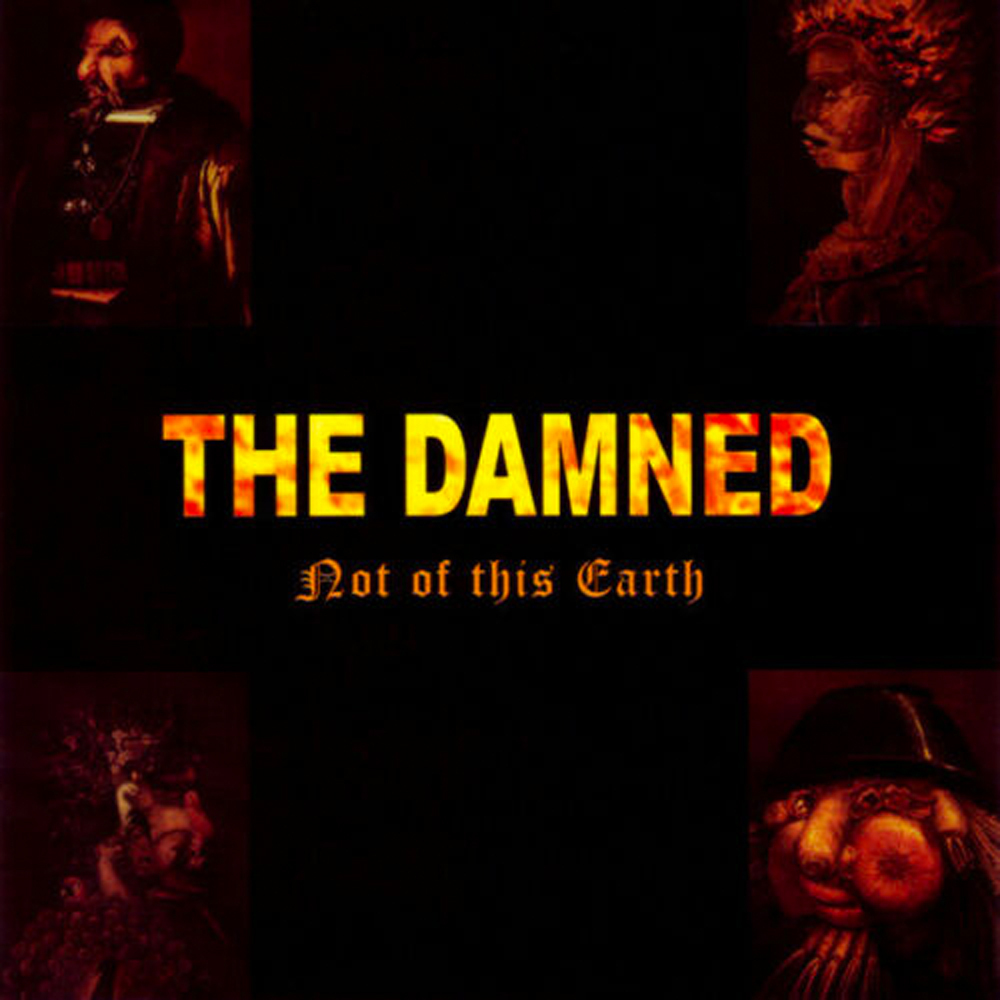 I genuinely forgot that this record exists. So I listened to it again before writing this and my consensus is: pretty good. Yeah, dude. A lot of the songs still preserve that original lineup edge (despite being like nineteen Damned lineups down the road) and the songs don’t feel as samey as their more pop-oriented albums. Still, the fact that I didn’t even remember it until bringing up Wikipedia to check release dates means I can’t really go higher than here in the ranking. Sorry, that’s my bad.
Play on repeat: “Shut It”
Skip it: “Never Could Believe”
7. Phantasmagoria (1985)
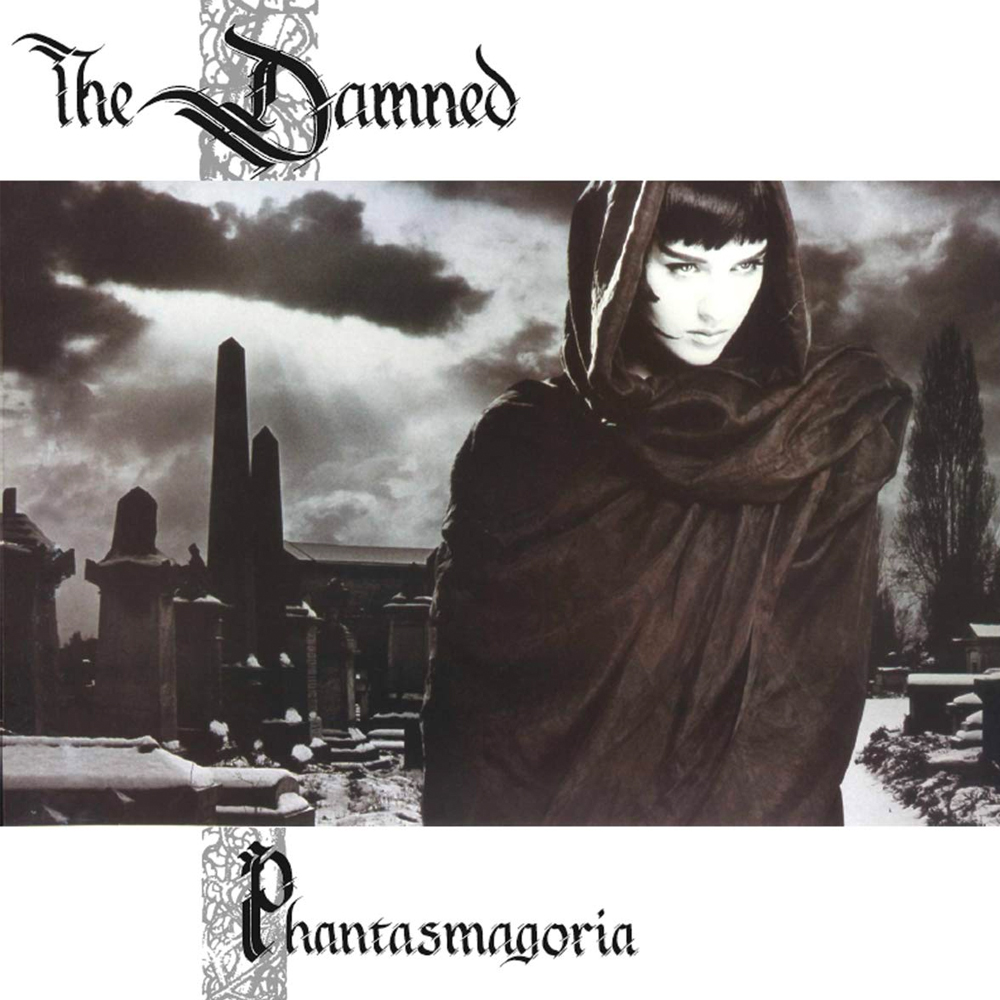 Anyone else get the feeling like Dave Vanian might really be a Dracula? I mean, that would be fucking cool if he was, but, like that’s true of a lot of people. I’m saying he’s the guy who might legit just be a goddamn vampire. Also, don’t ever spill holy water on this album or it will burst into flames and a part of your soul is forever lost. Pretty cool how they worked that into the production.
Play on repeat: “There’ll Come a Day”
Skip it: “Trojans”
6. Music For Pleasure (1977)
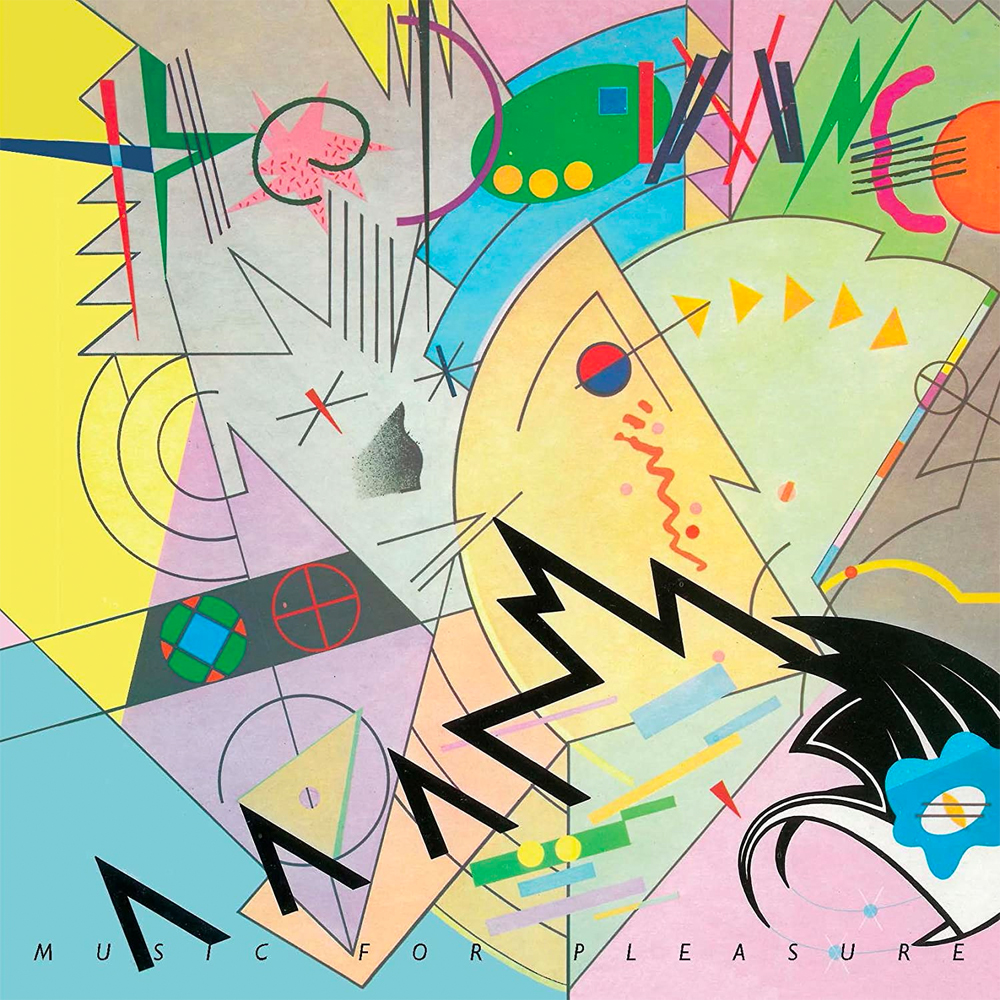 “Music For Pleasure” was released roughly nine months after the band’s previous album and oh boy does it show. We’ll just let this one be an example of “strike while the iron is hot” not always being the best career advice. That being said, there’s nothing sonically wrong when compared with triple D – this is just more of the same, albeit feeling a bit less inspired. But particularly when put up against “Black Album” or “MGE,” this one just doesn’t have the stuff.
Play on repeat: “Idiot Box”
Skip it: “Politics”
5. Evil Spirits (2018)
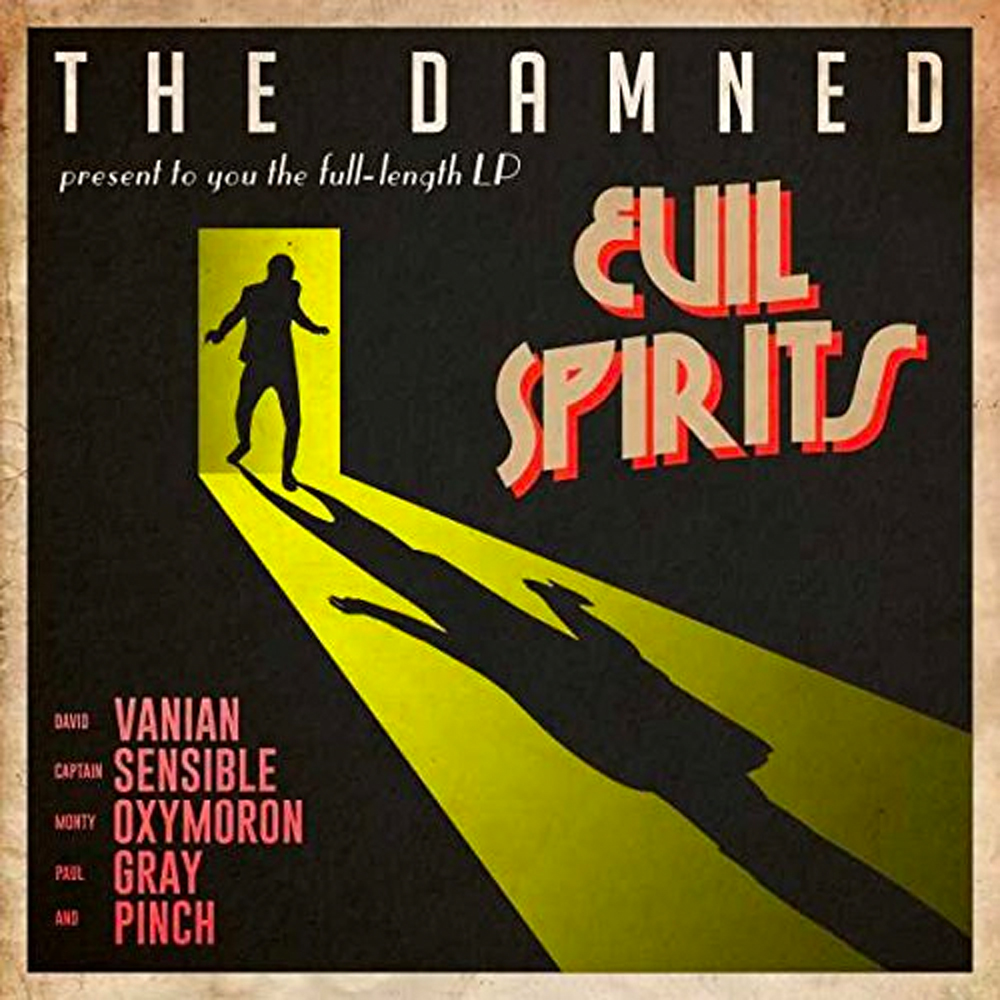 Here we have the later-era dark horse inclusion high in the list. “Evil Spirits” feels like it came out of nowhere, much in a way a spooky ghost will suddenly appear before whispering something to you like “fear the alleycat” before disappearing into a nearby aviary. I’ll call this a well-deserved comeback for the band after a few so-so offerings, and if you gave up on the Damned years ago, this album certainly demands your appreciation.
Play on repeat: “Evil Spirits”
Skip it: “We’re So Nice”
4. Strawberries (1982)
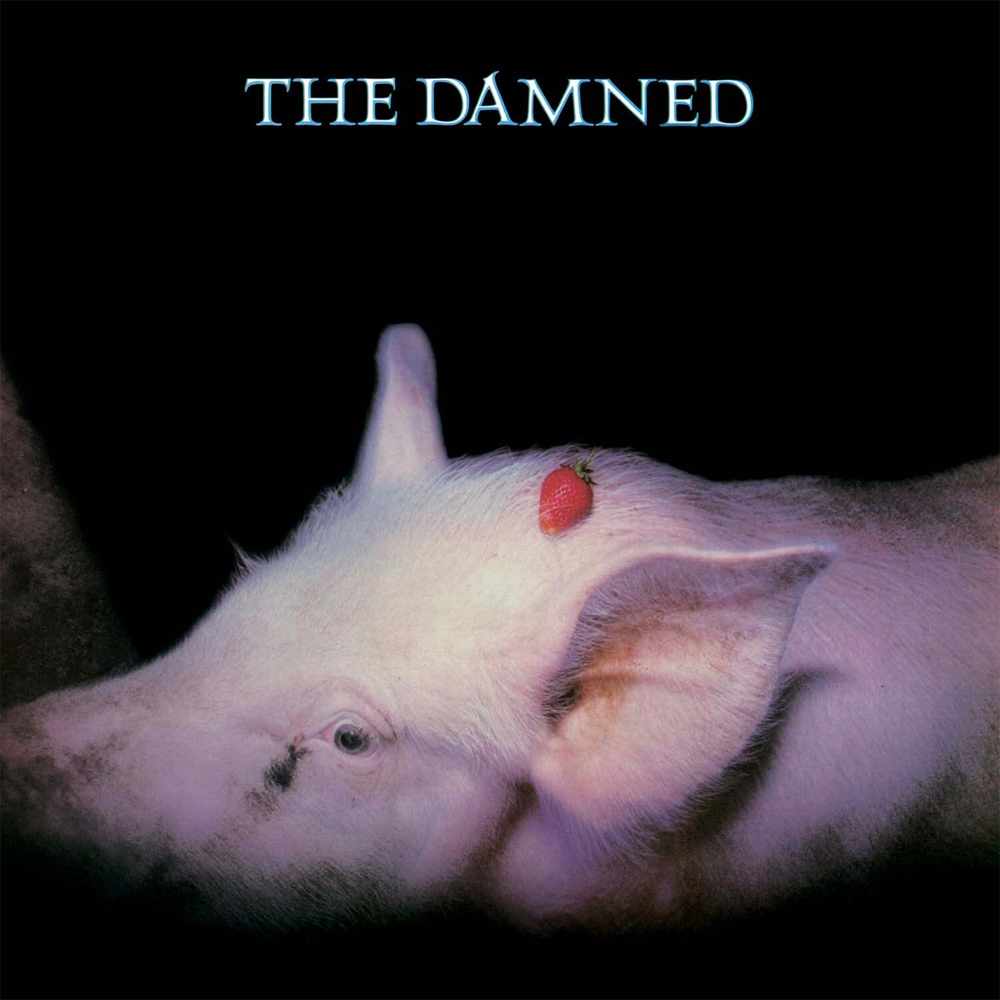 I wanted to make this entry just a picture of Dave Vanian singing while wearing the pirate shirt from “Seinfeld” with his hair done up exactly like Bride of Frankenstein but I was told “no, James, you actually have to write something.” So anyways there it is – now stop reading and go look up that picture immediately.
Play on repeat: “Dozen Girls”
Skip it: “Bad Time For Bonzo”
3. The Black Album (1980)
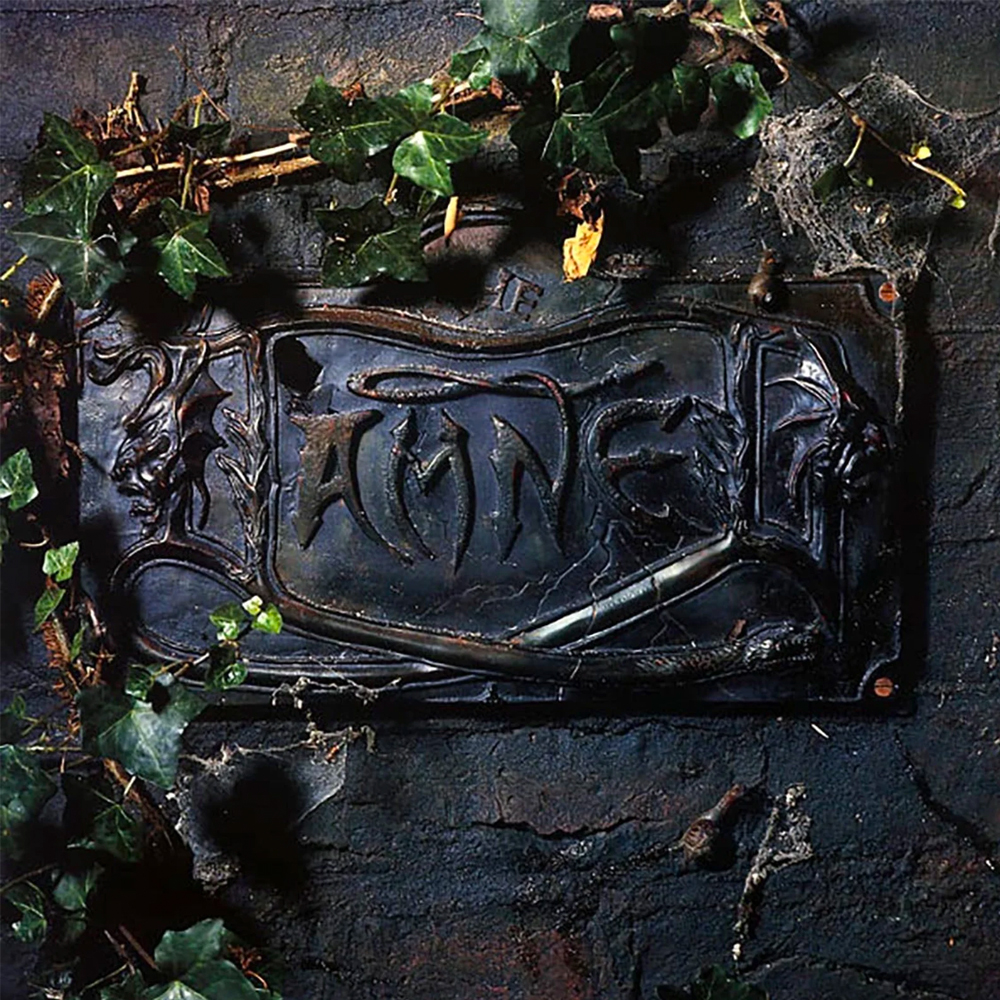 “The Black Album” rests on that perfect liaison between the sneering punk rock of the early Damned and the ethereal goth rock the band later consumed like the heart of an undead concubine. And they did it phenomenally. Most bands are lucky if they ever even get one truly great album out of a lifetime of struggle and dedication in the fickle and thoughtless music industry. The Damned have three, and this is the third.
Play on repeat: “Wait For the Blackout”
Skip it: What part of “great album” don’t you understand?
2. Damned Damned Damned (1977)
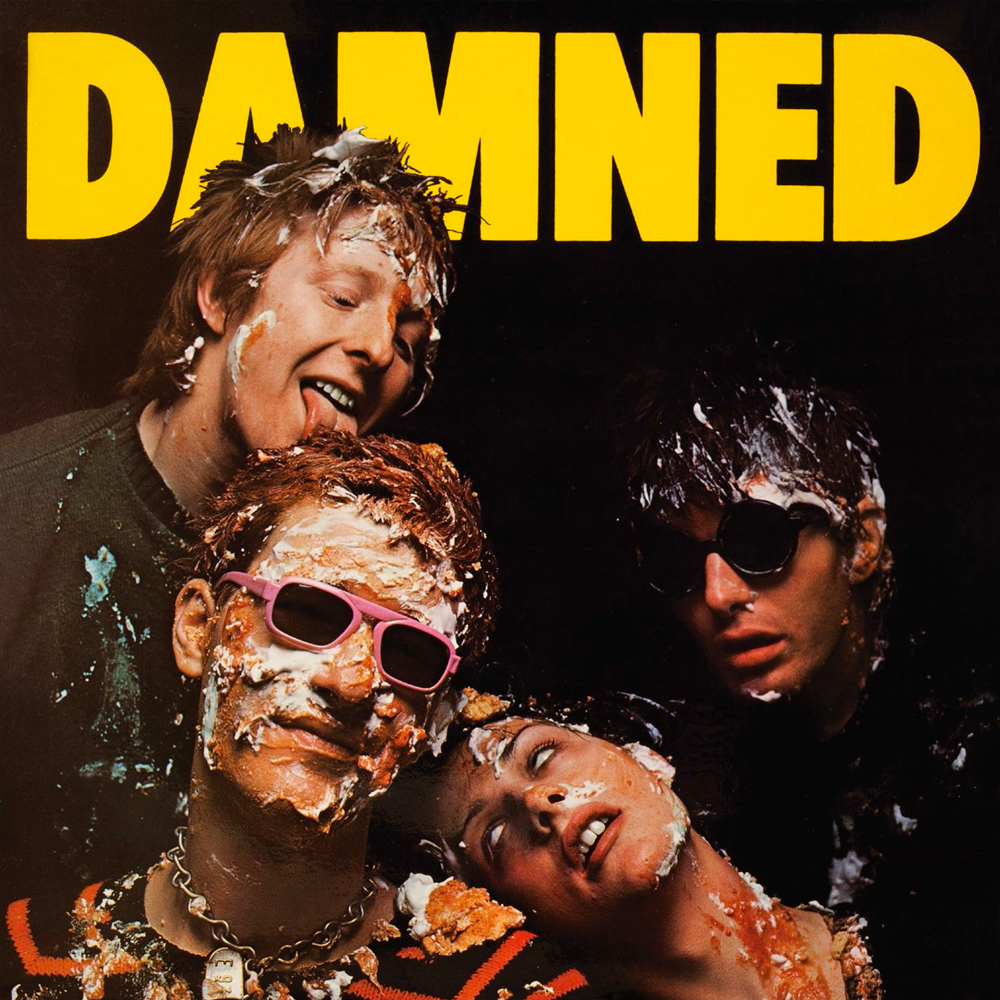 This is the second. Also, it’s the only truly great record that had the classic lineup. And if you really still don’t see what set the Damned apart from other early UK punk bands, then compare this album’s cover to The Clash and see how it’s like fucking night and day. Triple D is punk without ego. It’s the true embrace of the weird and the rebellious, and above all, it’s just fucking fun. As any true Damned fan knows this was the first full-length punk record from any UK punk band and the cover art is a goddamn pie fight. Suck on that with all your seriousness and political shit, Joe Strummer.
Play on repeat: “New Rose”
Skip it: …
1. Machine Gun Etiquette (1979)
 And here’s the first. This is everything that was great about the early Damned except that, without Brian James serving as musical director, everyone finally got to do their own thing. Captain got to play guitar, Dave went full nosferatu, and Rat Scabies successfully lobbied to change his name to Hamster Healthy-Skin. Truly it was a golden age of the Damned.
But the main thing is the shift in songwriting. The collaborative effort is apparent and the album does show some maturity, but thankfully the band doesn’t stray too far from what made them fun in the first place.
Play on repeat: “Melody Lee”
Skip it: …really?
 The story was exposed as a hoax when truthers proved such a radical color scheme was impossible in the vacuum of space.
 “You’re telling me I learned how to wear sunglasses for nothing?!”
 Cobain’s body was found in a house in Seattle home Friday morning, dead of an apparent self-inflicted gunshot blast to the head. He was 27.
 Some artists use words instead of brushes.
 “Just keep your heads down and play that wacky jazz, or, whatever.”
 And we still like him more than Dave Holmes.
 What happens when 25% of a major conglomerate’s staff gets laid off and agrees to have their lives filmed?
 They add up over time!
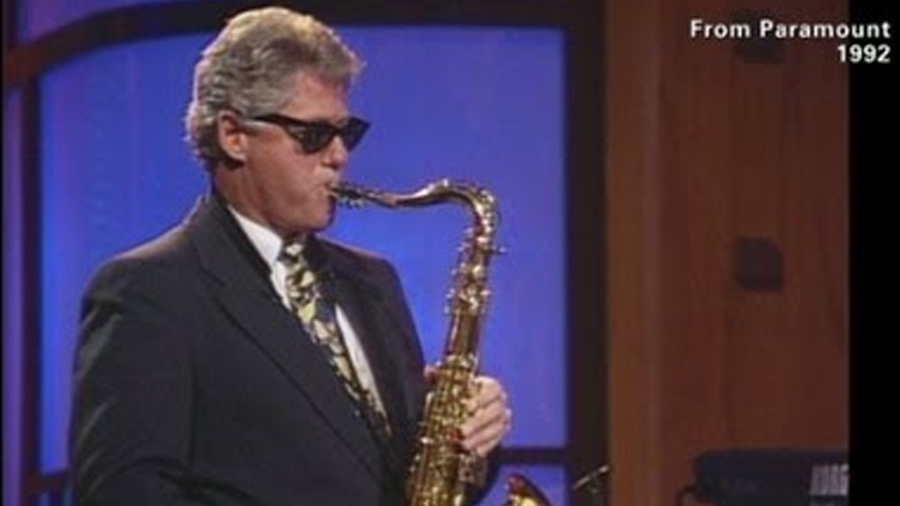 He’s just like us, the young people.
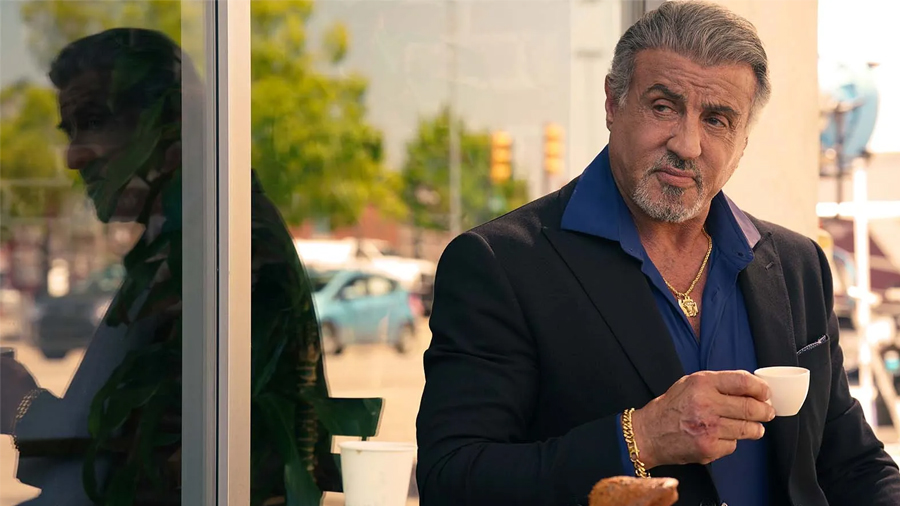 All music fans really need to know is that Sylvester Stallone is loyal but dangerous.
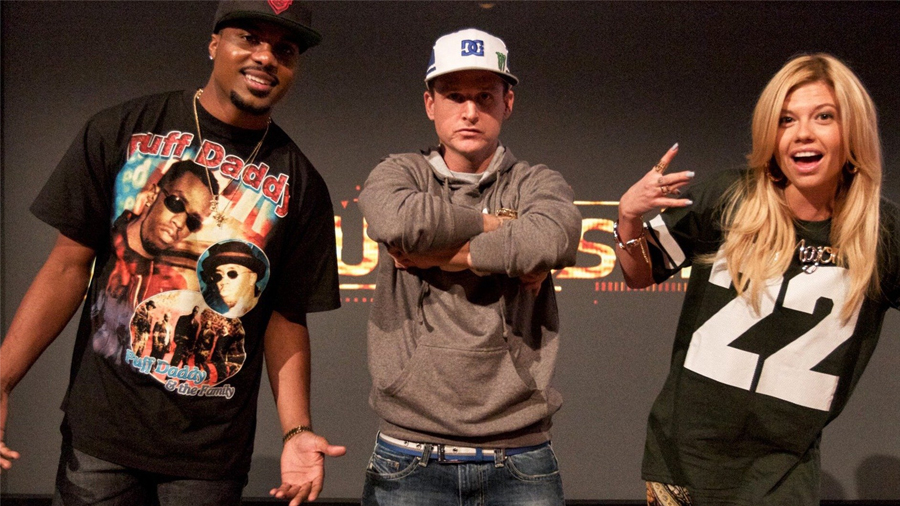 It’s time to take this whole YouTube thing down a peg.
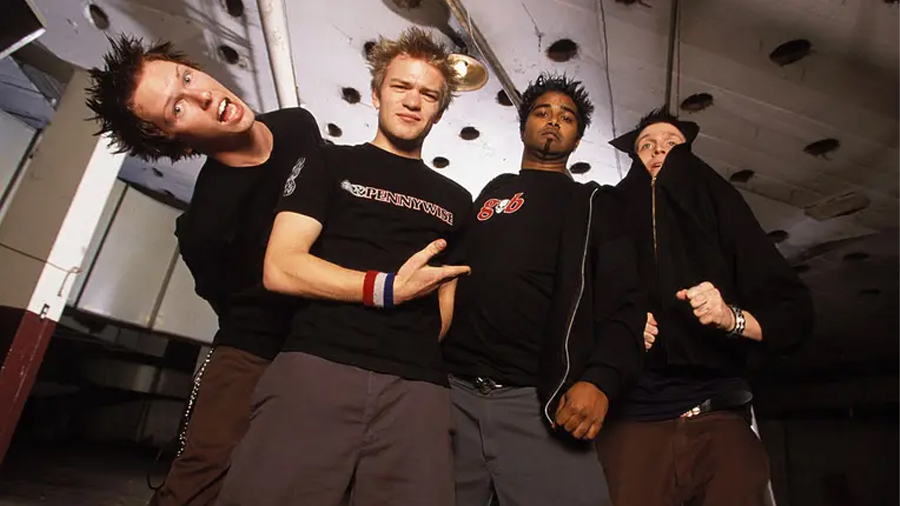 From the legend of Orpheus to “Fat Lip,” it’s been one hell of a run, music.
 Until such a time that the Loderforce is recharged and he may rule again.
 Okay he pretty much looks the same. Older though! And still more appealing than Dave Holmes.
 There can be only one.
 If you cared enough to click on this and have read this far you are at least 35.


 “I don’t think the verdict went far enough. The only form of punishment I accept is complete castration.”
 “There was always something about Trump I didn’t like, I couldn’t quite put my finger on it. I guess it was his pattern of abusive behavior that he openly admitted to multiple times.”
 “Finally, the Mueller Report worked.”
 “I bet the liberal media is going to spin this to make Trump somehow look bad.”
 “I prefer Presidents who don’t sexually abuse people. One day I hope to get a president who doesn’t.”
 “This is only going to make his base angrier and worse to be around at Thanksgiving. Something I didn’t think was possible.”
 “This makes me wonder how many other powerful rich white men are total shitheads.”
 “I’ve been saying this for a long time, we need to believe women. Unless it’s my ex-girlfriend, please don’t listen to anything she has to say.”