Punk rock is overflowing with creativity across its seemingly endless sub-genres, but few bands have created such a remarkably inimitable sound as A Wilhelm Scream. Over the past two decades, the New Bedford, MA-based quintet has become known for their technical prowess, harmonizing vocals, and energetic live shows that can blow your fucking hair back – and thankfully, they show no signs of slowing down.
Their sound can initially be a bit inaccessible to new listeners due to unconventional song structures that can only be described as “progressive” or “too advanced for dummies.” But with repeated listens, the constant tempo and chord changes that once sounded like chaos reveal themselves to be genius compositions. With the exception of their debut release – which suffers from sounding like it was recorded in a high school bathroom – the extraordinary quality of their discography makes ranking the albums a challenging affair, but here goes nothing.
6. Benefits of Thinking Out Loud (2001)
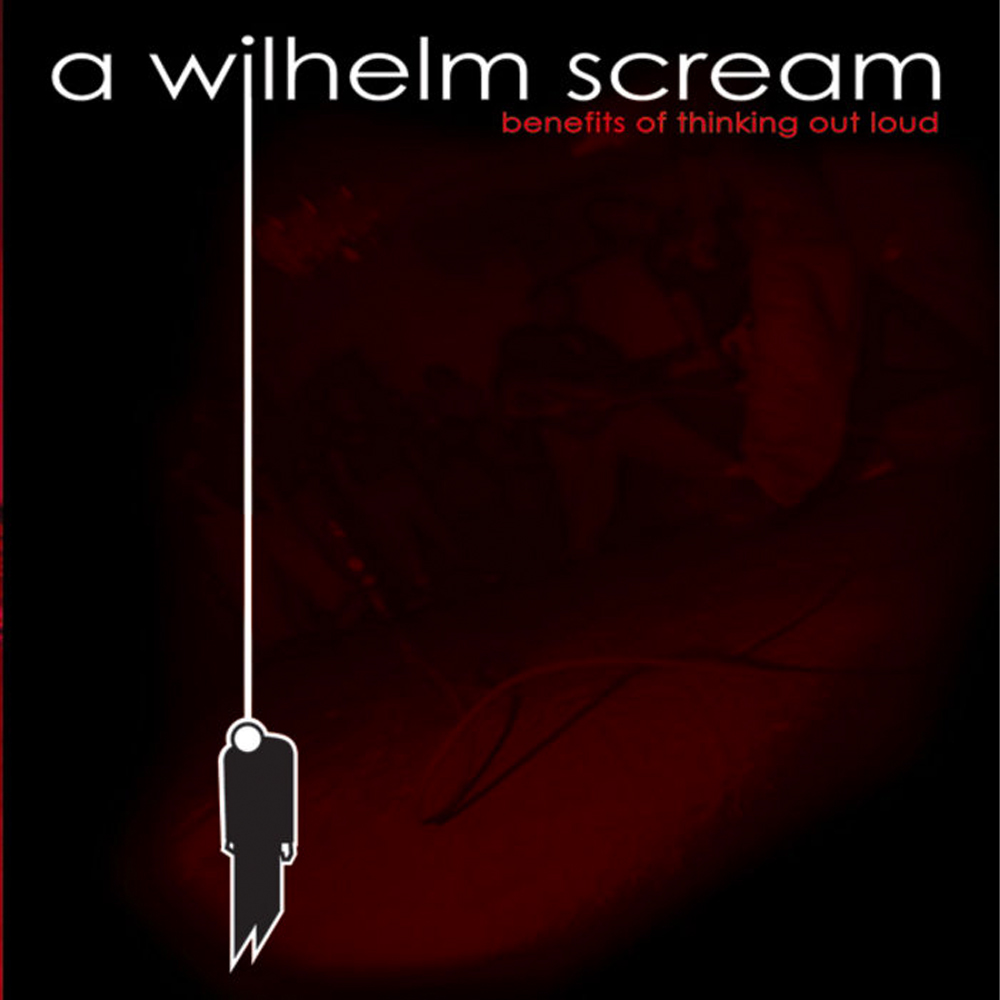 The songs on A Wilhelm Scream’s debut album are as catchy as you would expect from the group, and it’s easy to see the bones of what they would eventually become with the release of “Mute Print” three years later. But even the catchiest songs can’t shine to their full potential when the recording quality is awful and the vocal harmony attempts sound worse than beheading videos, so it can be tough to sit through for anyone who doesn’t have an existing love for the band. Consider this an official call for a 25th-anniversary redo from the guys, as it’d be a delight to hear these top-tier songs revived with some recording equipment released in the years since World War II.
Play It Again: “Catharsis for Dummies”
Skip It: “You Make Me Feel Like I Need A Drink” is too short to really make any kind of statement on the album.
5. Lose Your Delusion (2022)
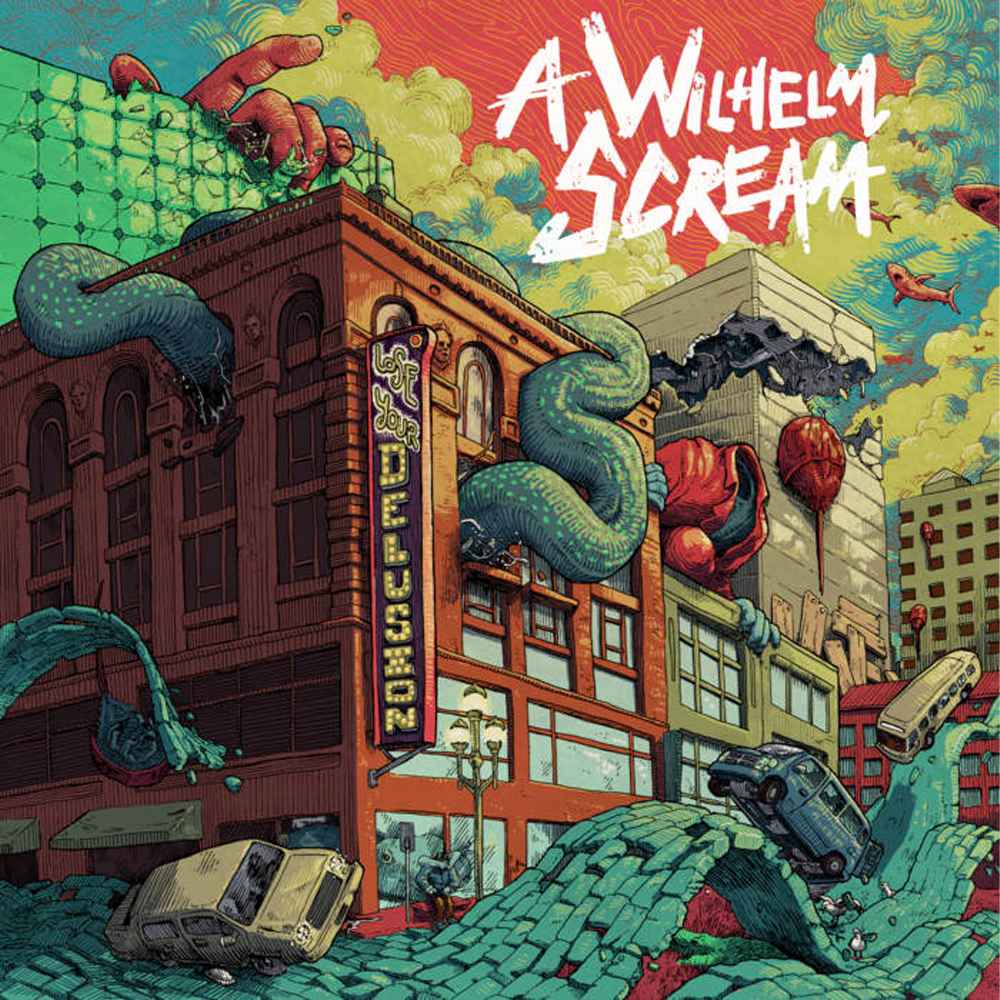 Landing nearly a full decade after 2013’s “Partycrasher,” “Lose Your Delusion” is A Wilhelm Scream’s most mature album – but the group is also clearly taking themselves a bit less seriously and having the most fun of their career here. The mix of brighter-sounding riffs, slower tempos, and lyrics that tackle subjects like friendship and childhood nostalgia are a major shift from what fans have come to expect. As such, when the two more traditional hardcore tunes make appearances during the otherwise upbeat 11-song romp can have the type of jarring effect one might experience from seeing Bob Ross get angry and throw one of his paintings at a group of birds. But even those tonal inconsistencies can’t derail such a creative outing, so here’s to hoping we don’t have to wait another decade for more AWS,
Play It Again: “The Enigma”
Skip It: “I’m Gonna Work It Out” feels a bit incohesive and meandering, but it’s still somehow an earworm, and that really pisses me the fuck off.
4. Ruiner (2005)
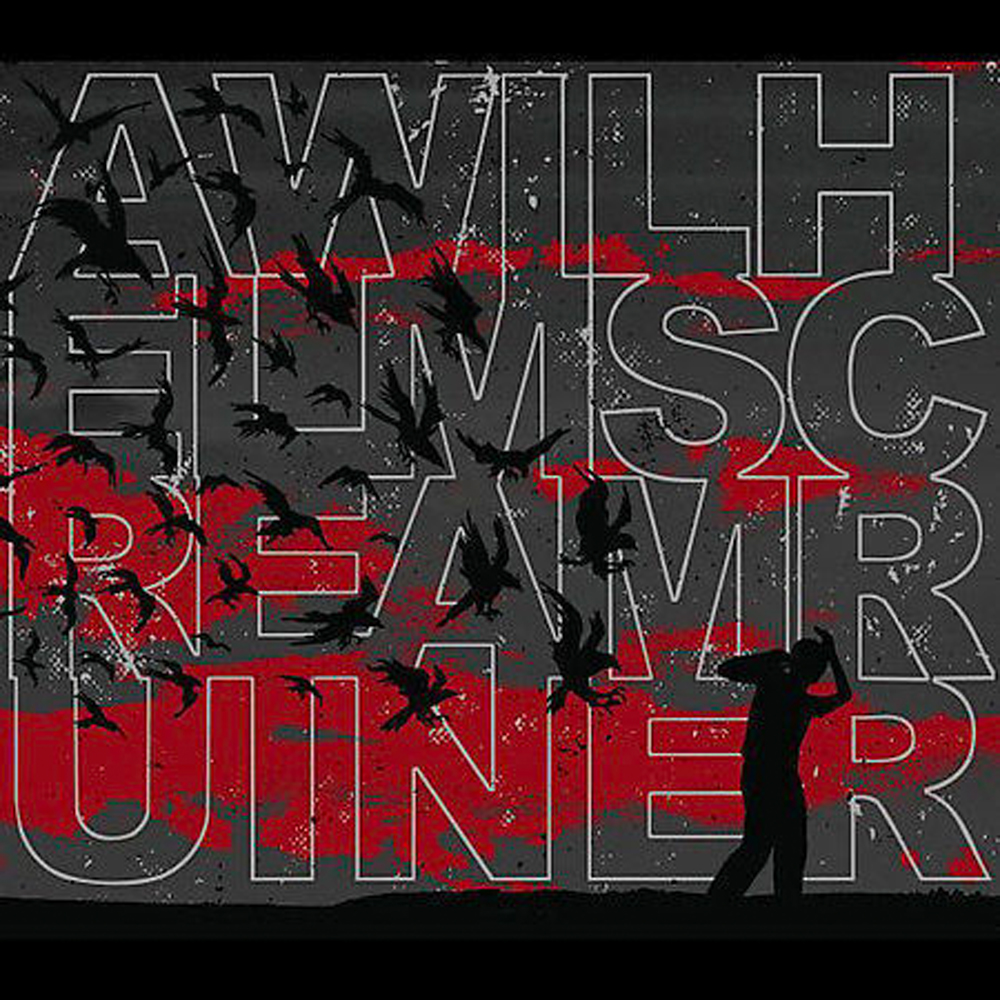 Ruiner is filled to the brim with some of the catchiest melodies and riffs the group has ever pieced together (“The King is Dead” is probably the best fucking opener of any punk album ever) – but it’s definitely a product of its time. Everyone in the band was clearly on some mid-2000s emo shit, so there’s a blend of their signature sound with intimately bleak lyrical content and warm, thick guitar tones perfect for applying thick black eyeliner to. But while Ruiner no doubt flirted with Hot Topic vibes more than any of their other albums, it remains an awesome nostalgia bomb for those of us who grew up with these face-melting songs.
Play It Again: “The Kids Can Eat A Bag of Dicks”
Skip It: “In Vino Veritas II” isn’t a bad song by any means, but it’s unequivocally emo, so don’t be shocked if you feel a strange urge to break out your old studded belt and jelly bracelets.
3. Mute Print (2004)
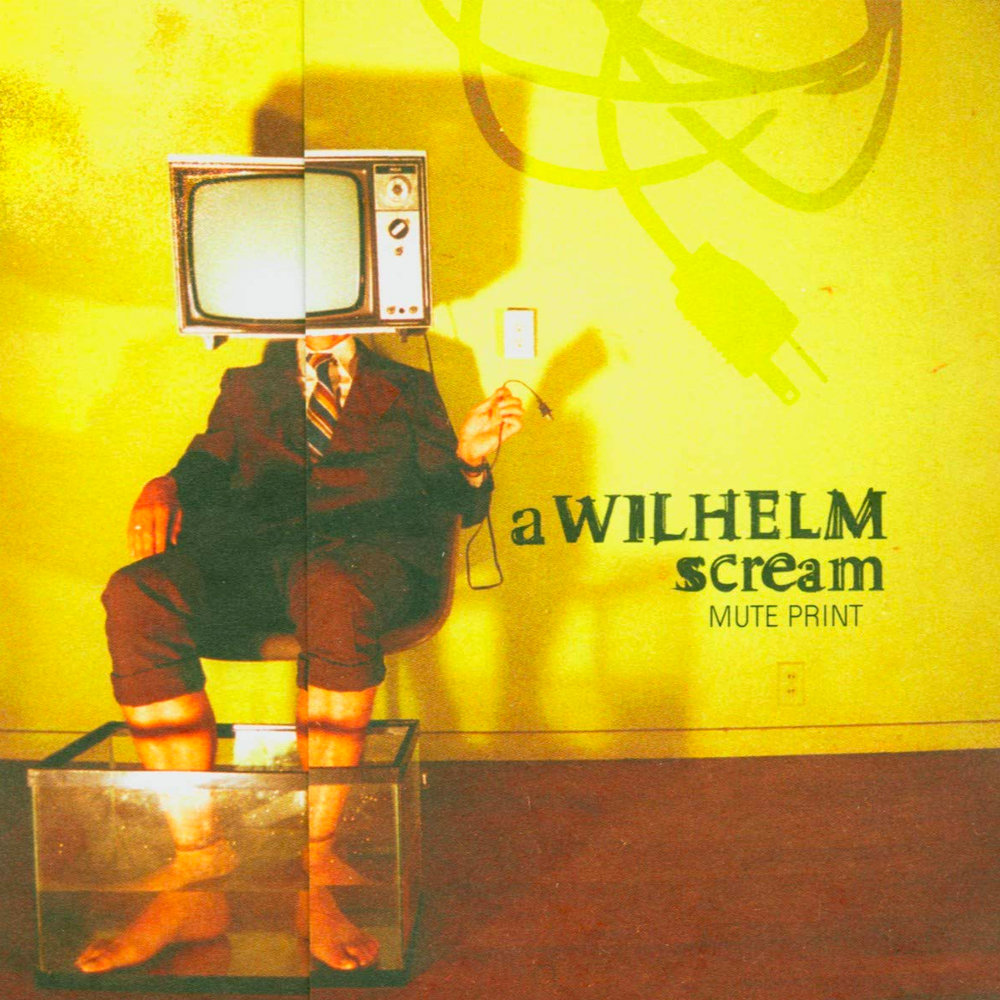 While A Wilhelm Scream may be best known for their later work, “Mute Print” was many fans’ introduction to the New Bedford punk rockers. It’s here that they debuted the level of technical proficiency that would continue to define them for the following two decades, effortlessly combining intricate dual lead guitars with aggressive punk rhythms and fierce vocals to create a sound unmatched by their contemporaries. It’s also the home of “Rip,” which has long been a fan-favorite track to chant along to at live shows due to its heavy and lyrically-powerful outro.
Play It Again: “The Rip”
Skip It: “Picture of the World” has great riffs, but avoid it if you can’t handle the somewhat whiny melodies.
2. Partycrasher (2013)
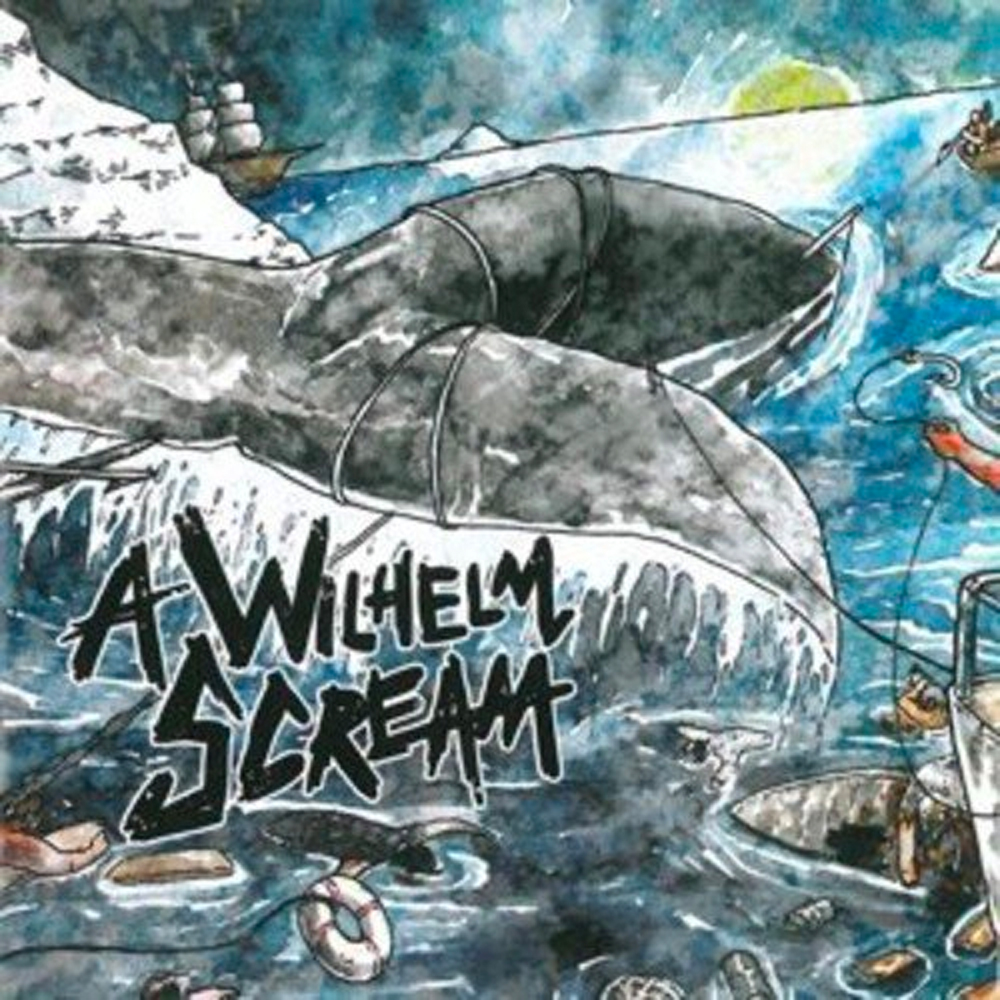 With a predecessor like the career-defining release of “Career Suicide,” “Partycrasher” had a high bar to clear, so it’s surprising that A Wilhelm Scream managed to pull off an album so reminiscent of its predecessor at all. It features a handful of the best tracks in the band’s decades-spanning catalog and serves as a fantastic onboarding album for your friends with shitty music taste who are always trying to make you listen to Alkaline Trio. Hitting hard out of the gate with the anthemic “Boat Builders” and going out strong with the melodic mastery of “Born A Wise Man,” “Partycrasher” somehow manages to never relent at any point in-between.
Play It Again: “Devil Don’t Know”
Skip It: “Wild Turkey” is a great song that hits hard with its hooks, but it’s still the weakest link here.
1. Career Suicide (2007)
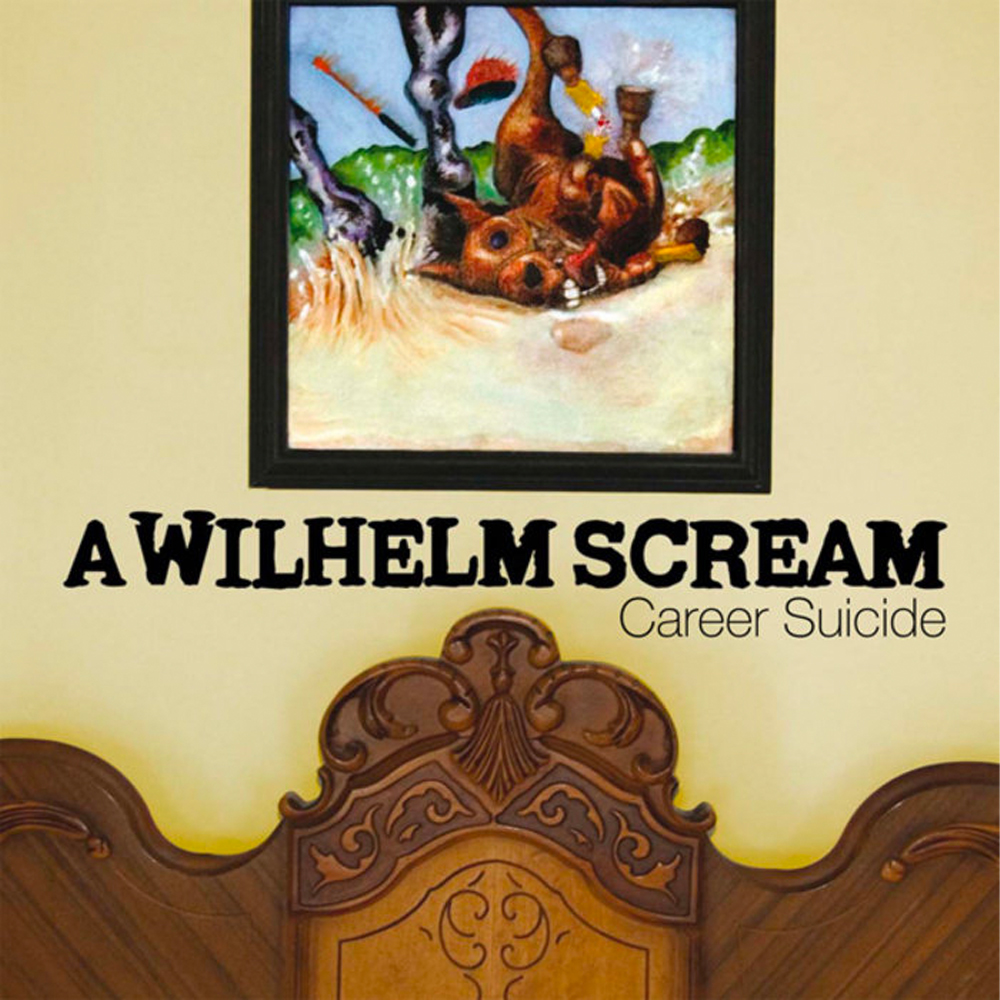 “Career Suicide” is widely accepted as A Wilhelm Scream’s magnum opus, showcasing the best and most consistent implementation of their progressive punk rock sound. The group’s fourth album just refuses to give you a moment to breathe with its relentlessly energetic collection of technical masterpieces. Singer Nuno Pereira sounds more comfortable than ever as he belts memorable lyrics with his signature intensity in between the staggeringly complex guitars and bass, never a missing a step across thirty-five minutes of thundering aggression. This is undoubtedly the album to show crusty punk kids what they could achieve if they’d spend more time practicing and less time sewing patches onto their jackets.
Play It Again: “5 To 9”
Skip It: Don’t even think about it. You’ll listen to every song, and you’ll fucking love it.



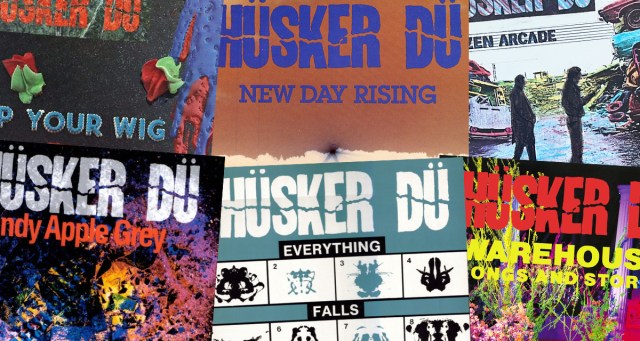
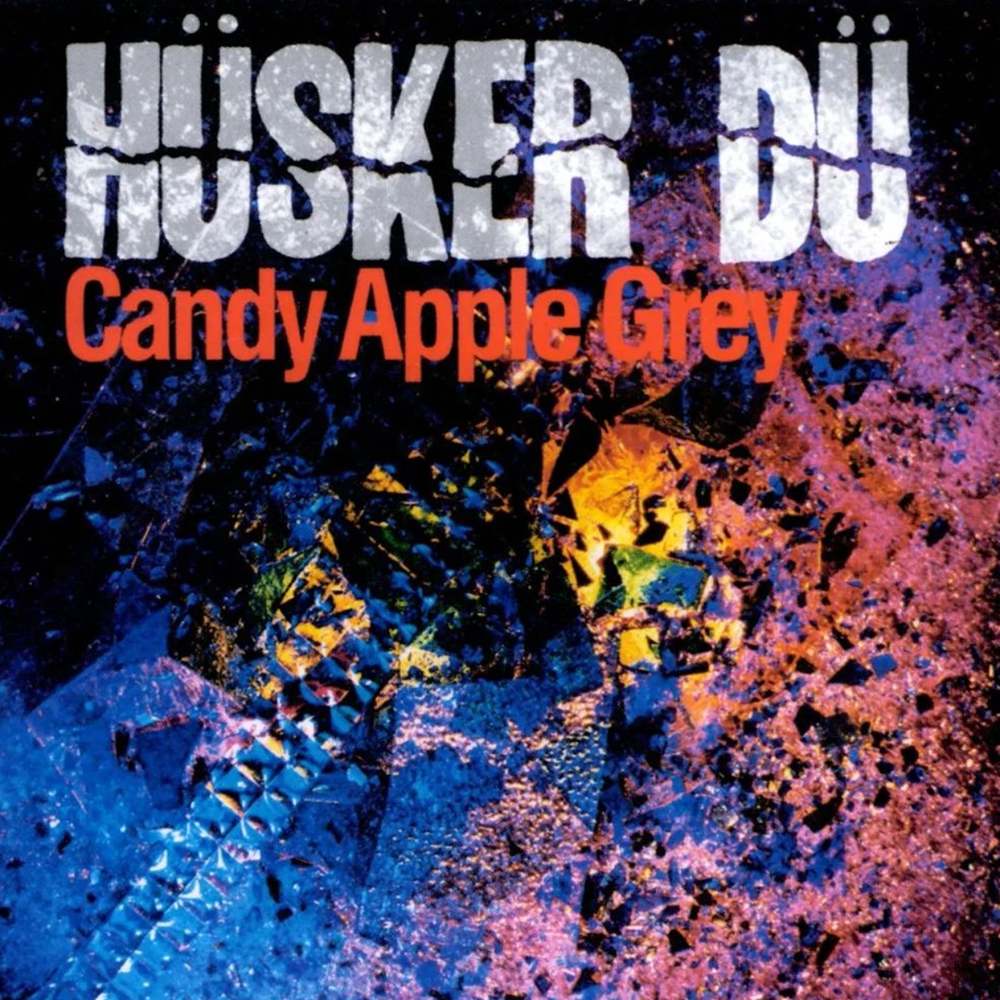 We’re kicking things off with the album that should’ve been the band’s greatest success and is by no means a “bad” album but certainly is a little… uneven? Their first major label release shows signs of the fracture that would ultimately lead to their disbandment. Apart from “Don’t Want To Know If You’re Lonely” which is arguably one of their best-known songs (Kristen Stewart and Jesse Eisenberg wordlessly driving while listening to it in ‘Adventureland’ probably introduced the band to a whole new generation) the rest of the album for the most part feels unfocused and retreads a lot of the same ideas. The aforementioned “Don’t Want To Know…” is followed by “I Don’t Know For Sure” and “Sorry Somehow” which all three use the same Grant Hart rolling snare as an intro.
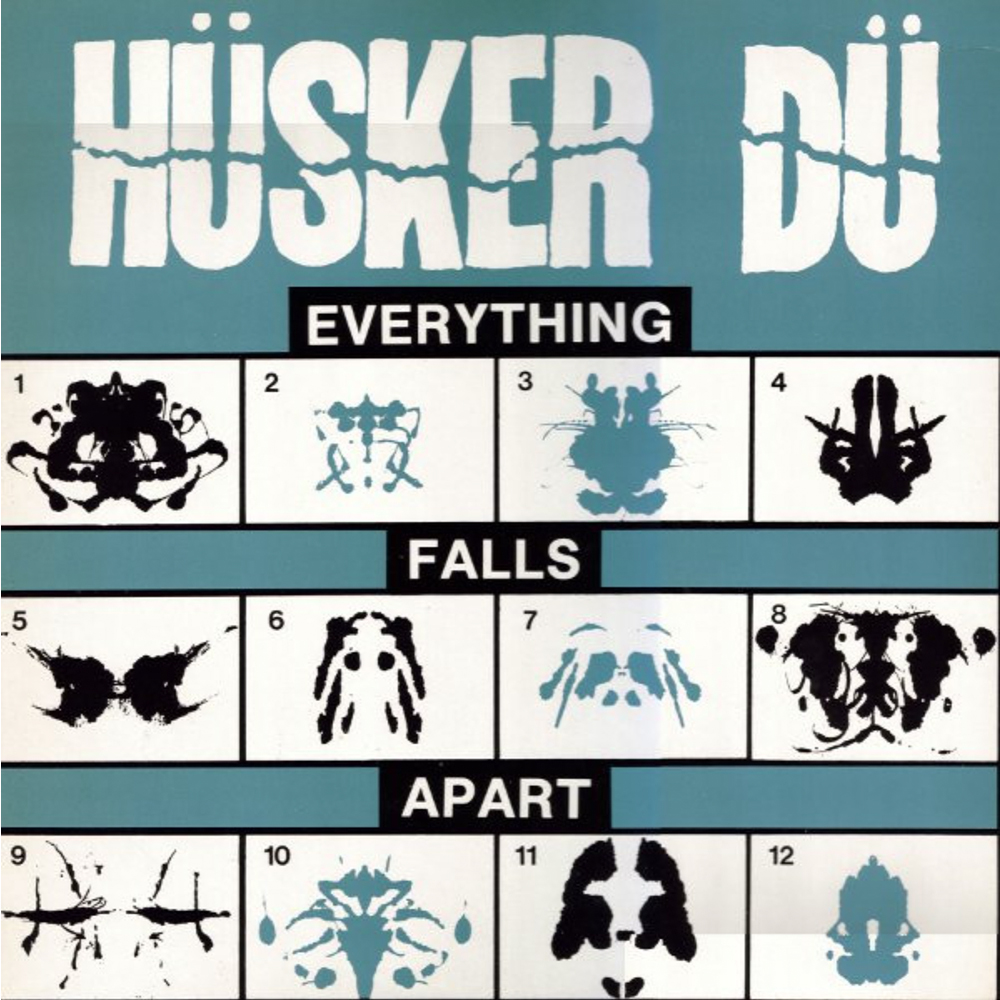 It’s surely heresy to not have their most punk album further up on the list or even number one and we’ll definitely be losing street cred for this but we’re smart and so are you for reading an article and not watching some hack YouTuber rank the Dü’s albums. Be sure to smash that “whatever” button! Yes, this is their first full-length and their most explicitly punk with “Afraid of Being Wrong” and “Target” just being straight-up hardcore complete with finger-pointing gang vocals. Hidden in the borrowed, angular chords are the seeds of the sound that the boys from Minnesota would become known for. The album ender “Gravity” sounds like a rough sketch of what was to come.
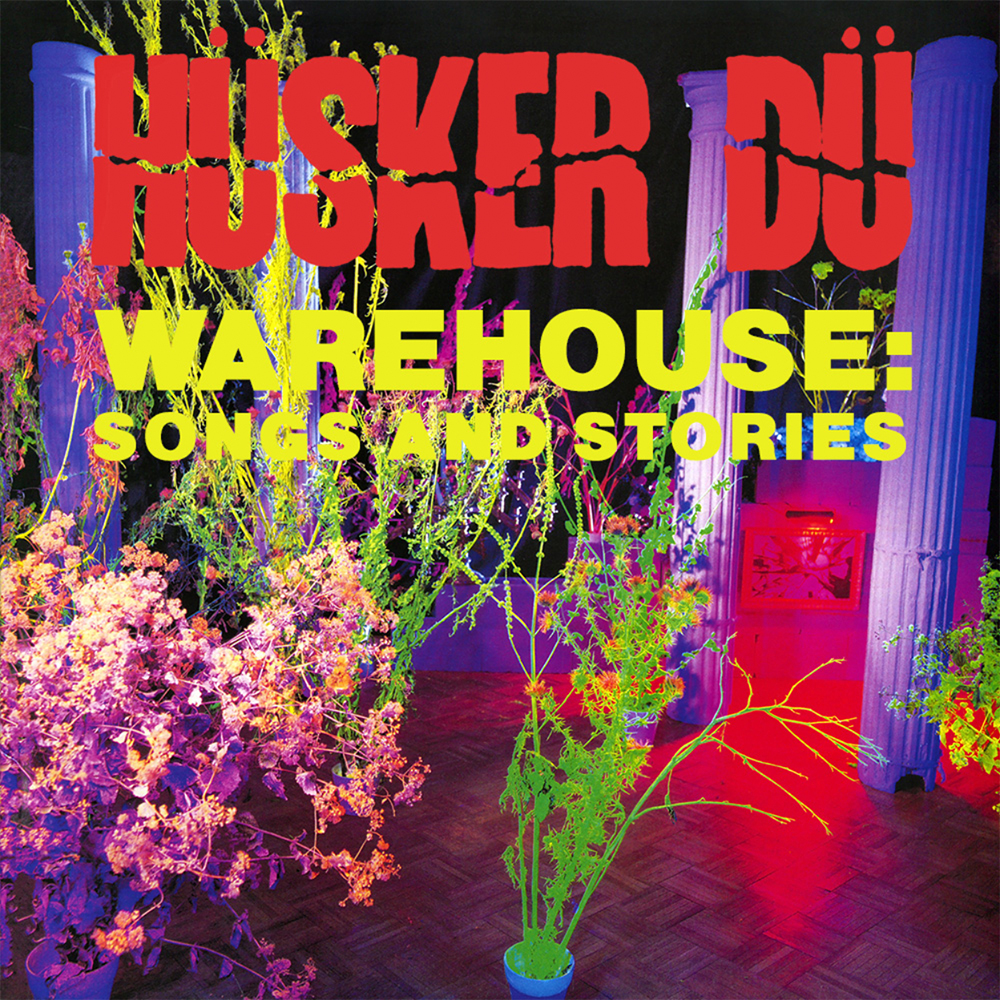 You know how you have that one uncle at family gatherings who would explain how you can always tell the difference between a Lennon song and a McCartney song but you can’t really tell the difference because all Beatles songs sound like pseudo-psychedelic nursery rhymes for Boomers? Well on Warehouse the difference between a Mould song and a Hart song is very discernable and more apparent than on any other release. Their final release is a double album that could almost be considered a split LP since it sounds like two different bands. With “Could You Be The One?” and “Friend You’ve Got To Fall” Bob Mould is solidifying the sound that would eventually become Sugar. While Grant Hart’s “She Floated Away” feels like an ethereal Irish pub singalong.
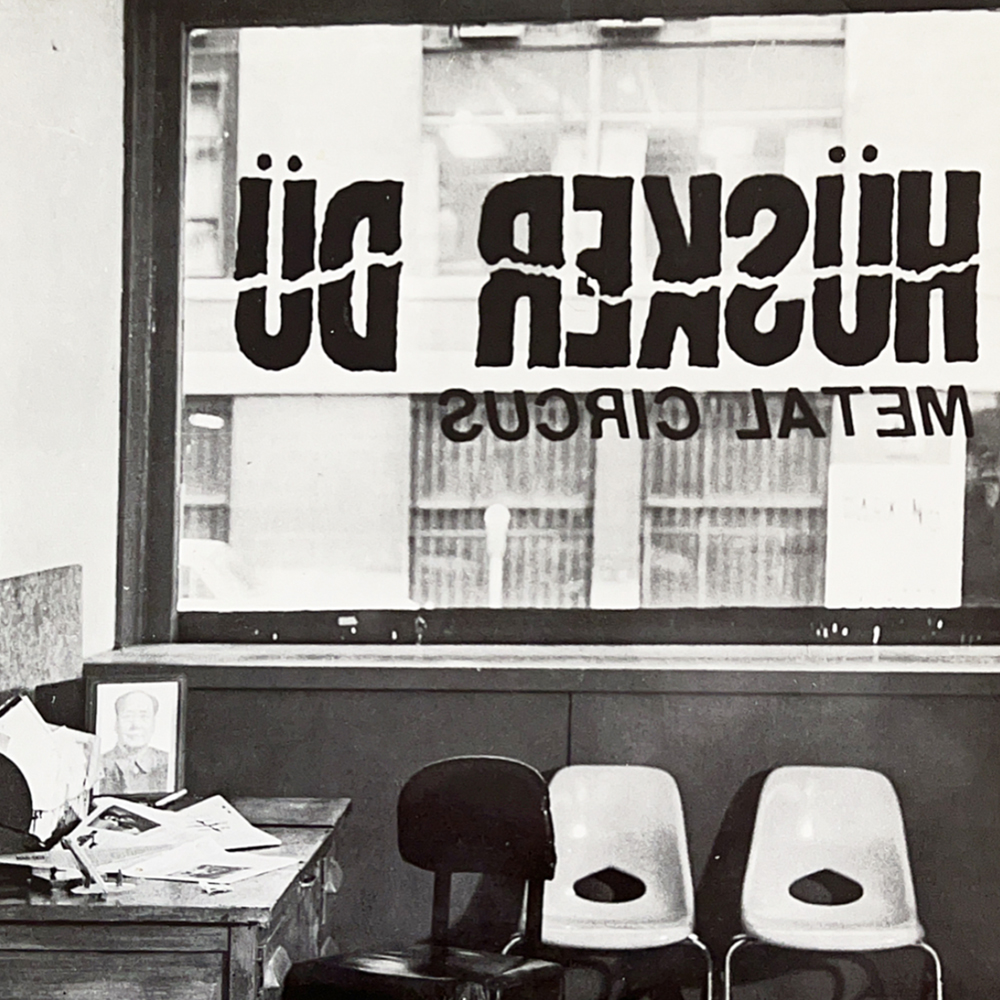 Not included in the official ranking since it is an EP (which the overlords here at The Hard Times deem to be “unworthy”) but it still needs to be talked about. The opening seconds of wailing guitar sound like Bob Mould announcing “Hey, I figured out how to perfect that tone I’ve been toying with for the past few years and it’s going to turn all your guitarist friends into insufferable fuckwits trying to explain how I do it.” If you were going to recommend Hüsker Dü to a first-time listener, this would be the release to start with. It’s a seven-song starter pack that plays like a sampler of all the differing song styles that would come to define their career.
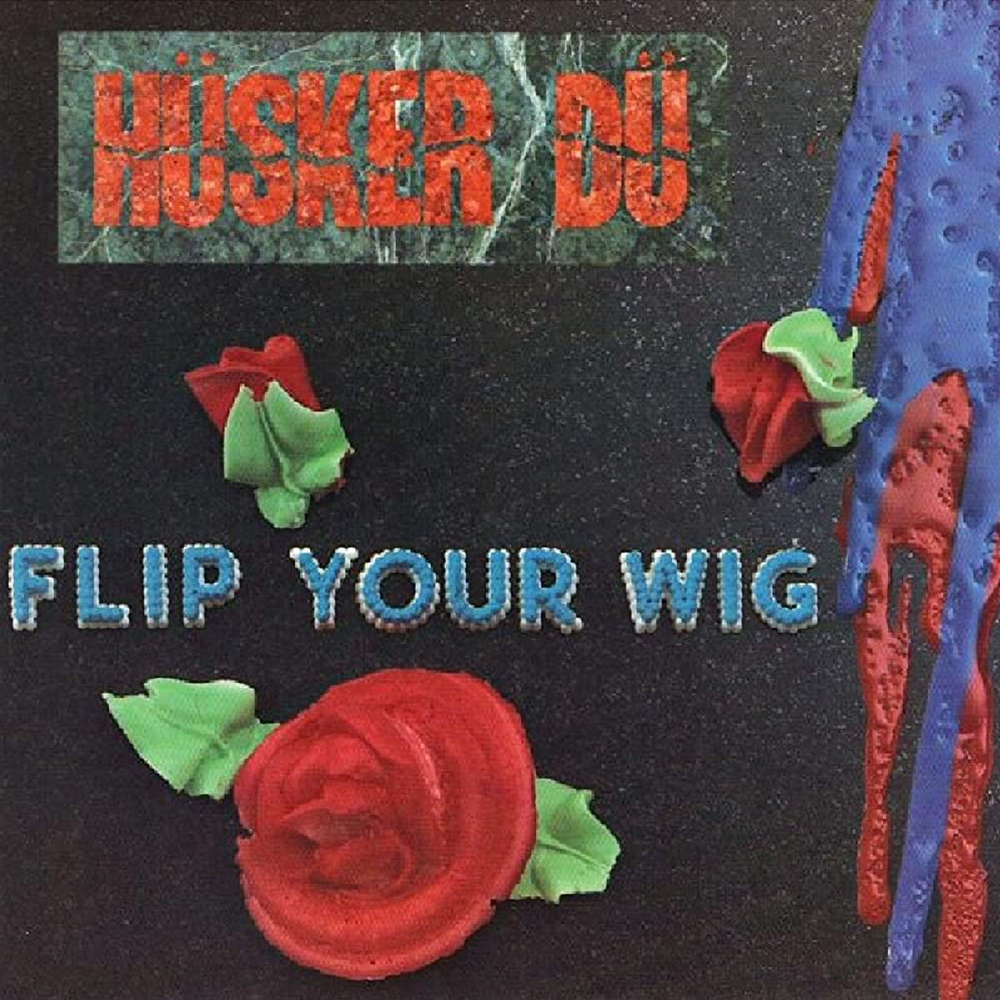 If you were a young Hüsker Dü fan in the ‘90s this would be the album you would pull songs from for the mix tape you made for that pixie in your Psych class who wore overalls and ringer tees (hypothetically speaking). That’s not to say it’s all sappy lovelorn songs but it is the band at their most upbeat and accessible with “Makes No Sense At All” leading the charge on a number of sun-drenched power pop tunes that would make those Fluevog-covered feet of a certain someone toe-tap along to it. (Again, totally not based on a real person). “Games” and “Private Plane” laid the groundwork for what bands like Seaweed and Samiam would continue a decade later. This is a ’90s alt record written five years too early.
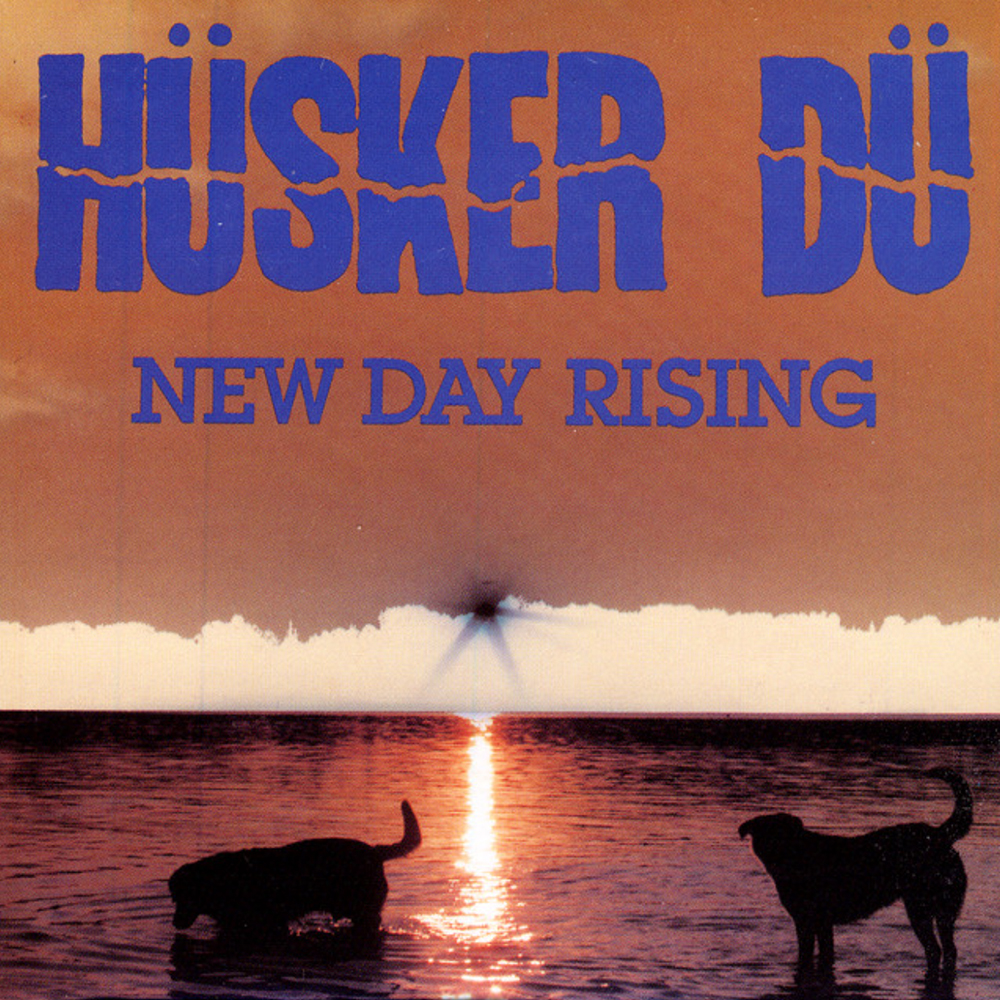 The first of two albums they released in the same year starts off with a title track and Mould’s sing-scream vocals repeating “New Day Rising” like a spiritual mantra and that is exactly what this album feels like, a rebirth, an awakening. If Zen Arcade is the band at their most brooding and introspective this is them emerging from a winter depression to find the sun is up and the meds are kicking in. This is the moment the trio perfected power pop (if that’s even what it can be defined as). “Celebrated Summer” with its lyrics: “Getting drunk out on the beach or playing in a band / And getting out of school meant getting out of hand” was surely the anthem to many slacker summer nights. “The Girl Who Lives On Heaven Hill” is a perfect example of pop song structure taken right up the edge of aggression without losing its singalong hook or charm.
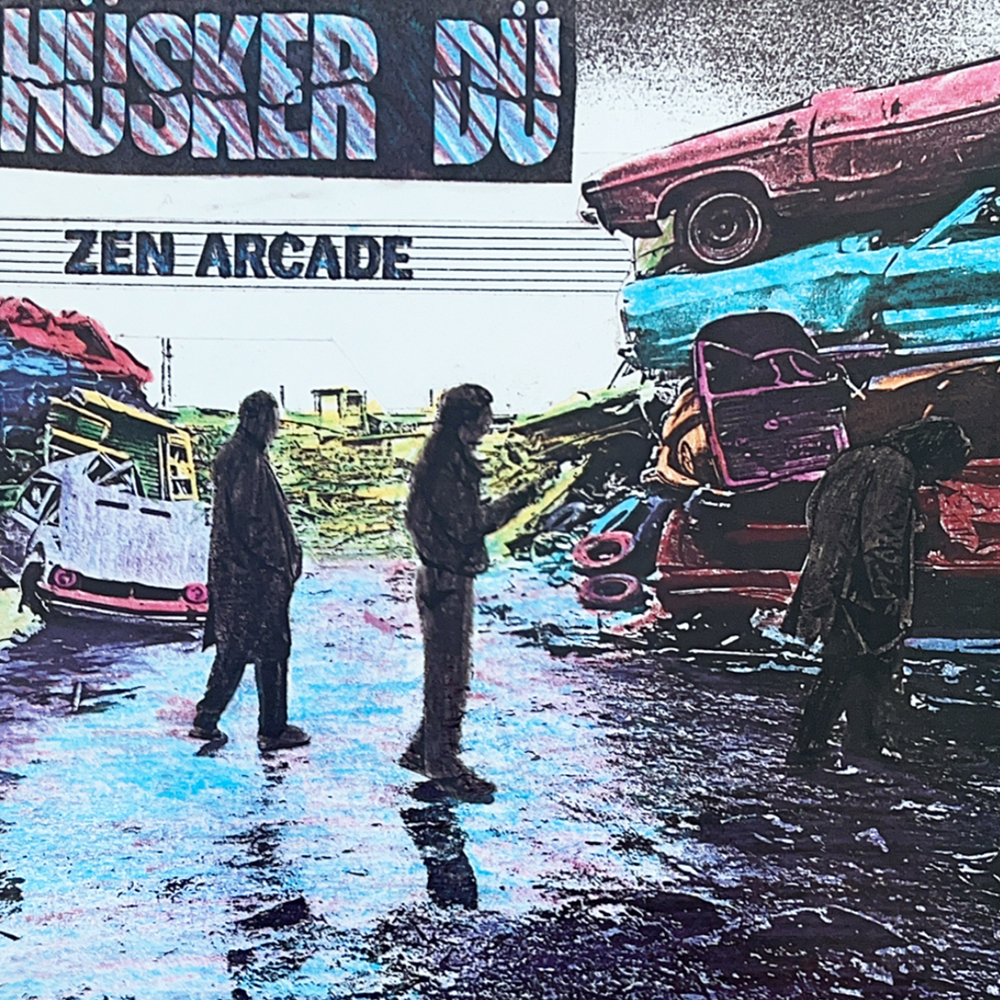 There are so many tales of the “Sophomore Slump” in the music industry of a band’s second album being so lackluster it is almost completely forgotten about *cough* Jimmy Eat World *cough*. But there are very few bands who not only return for their second go to redefine a genre but maybe even create a new one of their own. In the pre-Wikipedia days, you could have someone describe to you the loose narrative of this double concept album opus if they were on the right amount of drugs. And yes, there is a story of a wayward, drug-obsessed youth hidden within but it is overshadowed by the quantum leap in genre-bending songwriting and musicianship. “Never Talking To You Again”, an acoustic treatise of betrayal and “Beyond The Threshold”, a distorted vocal assault on small-town boredom somehow make sense together. And not to be a production queen, but this album just sounds incredible. Every instrument has its place to play, even the oft-misrepresented bass. Greg Norton’s 4-string takes the lead on a number of tracks here with grit and just the right amount of gain. On the Mount Rushmore of disaffected punk albums by bands who wouldn’t even identify themselves as punk, this is surely in contention.