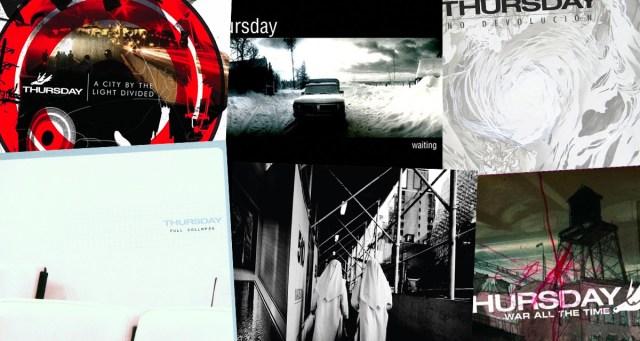
Thursday is one of those bands with a perfect discography, and ranking their six studio albums is not something that we took lightly. On one hand, there’s no denying the impact that their early work had on the post-hardcore and emo scenes. On the other hand, Thursday’s later work leans heavily into post-rock and new-wave influences without ever losing their signature sound, and is most certainly worthy of a look. Thursday matured with their audience, and their music is in many ways indicative of growth, exploration, and never resting on their laurels. You should thank them for maturing, because if they hadn’t you still might be wearing skin-tight Diesel jeans and doing that dumb hair swoop thing.
That is to say, if we could put every single Thursday album in first place, we would. But since that’s not how rankings work, we’re going to rank their six studio albums by the impact they had upon their release.
6. Common Existence (2009)
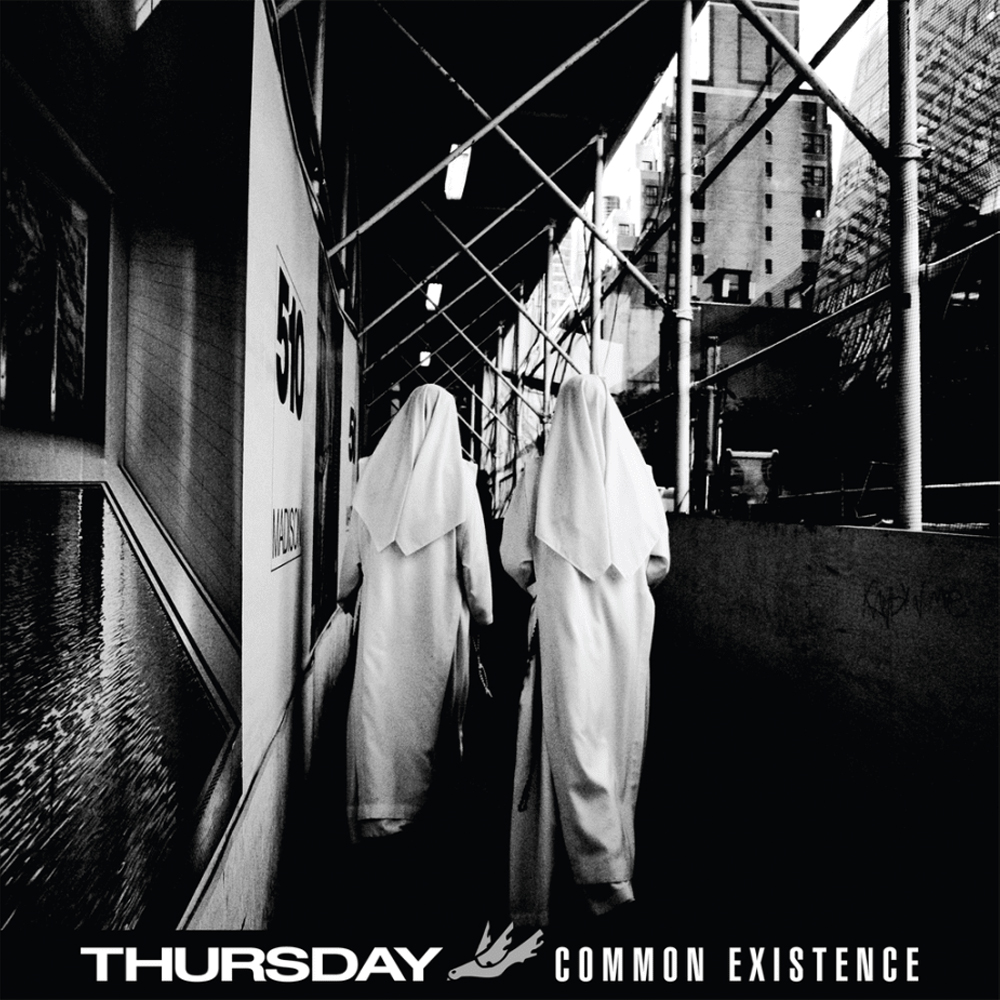 After a few quiet years (and an amazing split EP with Envy), Thursday continued to push their sound into the territory that was first explored on “A City by the Light Divided.” One major difference that we hear on “Common Existence” comes in the form of how this energy is focused. “A City by the Light Divided” broke into post-rock territory on quite a few tracks, and we have the thousand-mile stare to prove it. Trust us, we were almost put in lock up because we would zone out so much that our family became concerned. Anyway, “Common Existence” stripped off some of the reverb, somehow made the bass guitar even more distorted, and the result is an album full of contemplative bangers that showed us how Thursday was still a cut above their contemporaries.
Play it again: “Beyond the Visible Spectrum”
Skip it: “Friends in the Armed Forces”
5. No Devolución (2011)
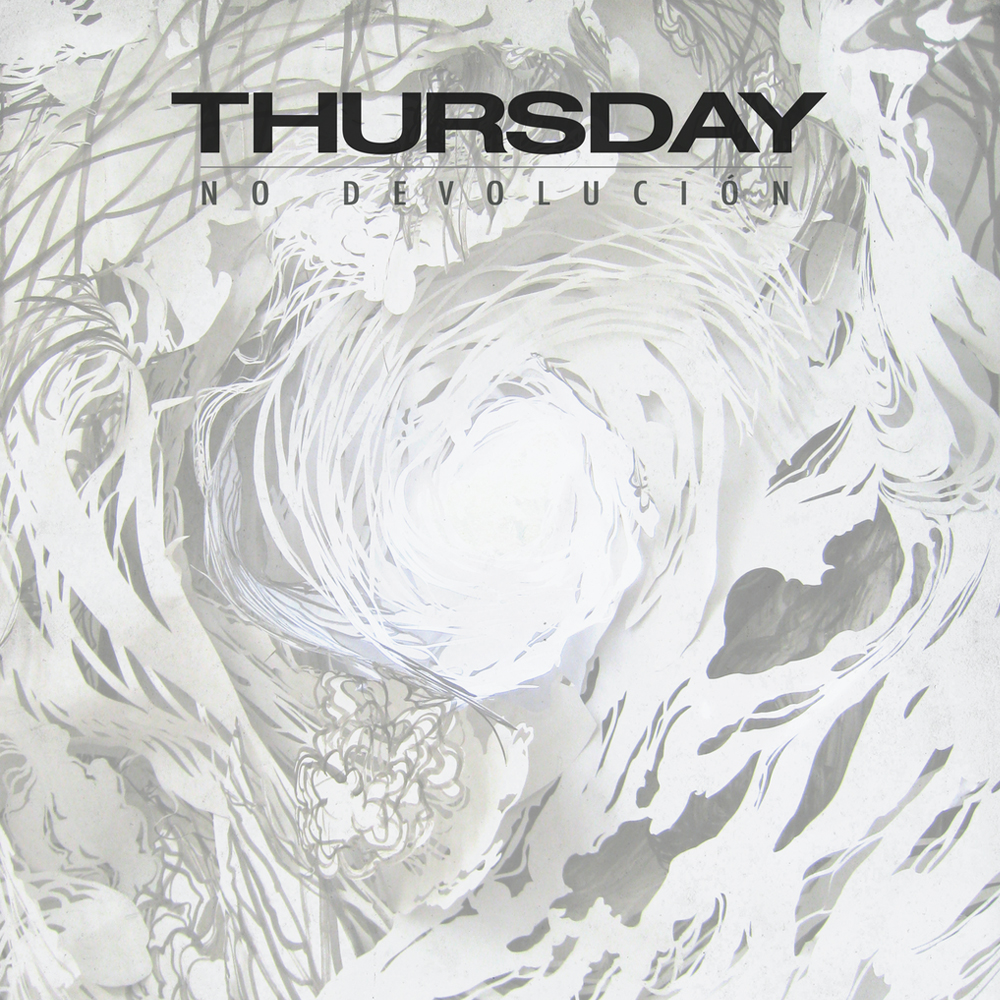 If you look up “swan song” in the dictionary, you’ll see the album cover for “No Devolución.” Thursday knew they were going to break up before we did, and it sounds very much like this is the album they wanted to be remembered for. Sitting perfectly between their latter-day sonic explorations and the iconic sound from “Full Collapse” that gave them mainstream popularity, “No Devolución” is a career-spanning sound jammed into a single LP. Thursday ended their studio career with an album that’s as heavy as it is pretty; as challenging as it is thoughtful; as focused as it is exploratory. It’s the complete opposite of how our first band ended. We can’t say too much, but an entire bass cab was filling with dog shit and dropped into a pool.
Play it again: “A Gun in the First Act,” the ending riff is the mother of all fat riffs.
Skip it: “Empty Glass,” somebody hurt Geoff, and we’re not okay with it.
4. Waiting (1999)
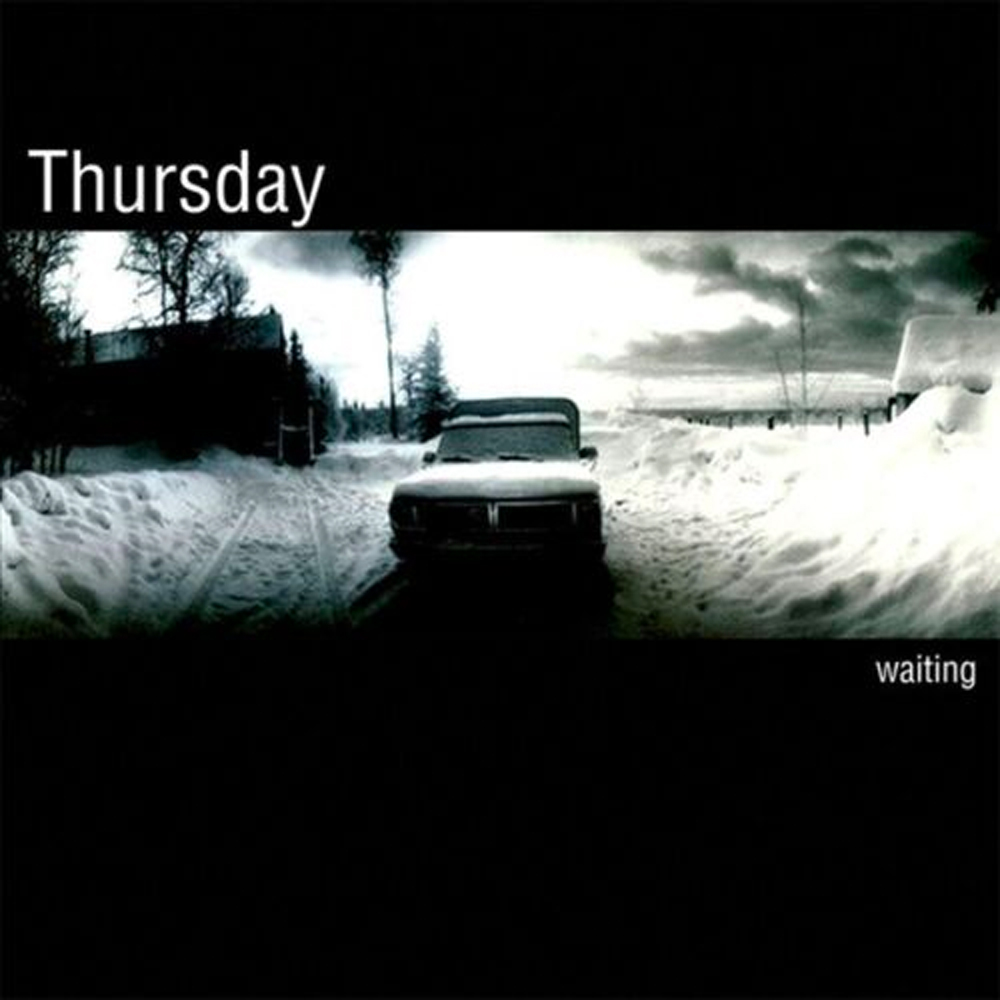 “Waiting” embodies the spirit of the basement show that Thursday was known for in their early days. At the end of the day, Thursday has been and always will be a tight group of friends who just wanted to play music together. As inexperienced as they were musically, their potential was evident right off the rip. “Waiting” is Thursday in their purest form, and it’s their naïveté and sincerity that shines through as they’re all learning how to write their songs, and in some cases how to play their instruments.
Play it again: “This Side of Brightness,” an early nod to Thursday’s larger-than-life sound that’s found in their later work.
Skip it: “Introduction,” there’s nothing wrong with it, but if we had to cut one, the album would still be cohesive without it.
3. A City by the Light Divided (2006)
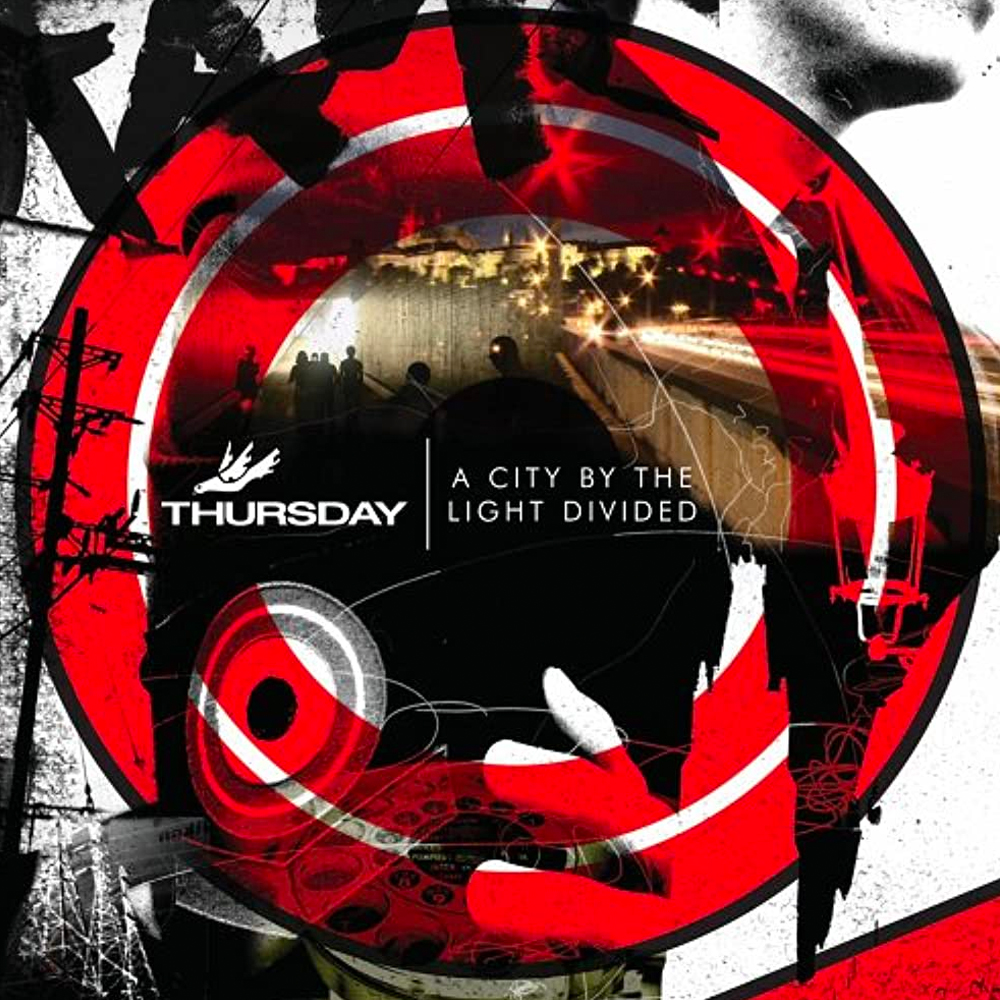 It goes without question that Thursday has always been a moody band. Unlike its predecessors, “A City by the Light Divided” delivers a moodiness that’s simultaneously subdued and grandiose, which is a far cry from their more tense and frenetic delivery that we were used to at this point in Thursday’s career. Considered by many to be Thursday’s departure album, we are given a production that lends itself to textural guitars, an absolutely unrelenting rhythm section, acrobatic vocals, and synths that sound like a Robert Smith wet dream. Now if you know anything about Robert Smith you know those wet dreams could flood an apartment. The guy never got a security deposit back if you catch our drift. Back to Thursday, if you haven’t yet listened to this one with a good set of headphones, we strongly recommend that you do so.
Play it again: “Autumn Leaves Revisited”
Skip it: “The Lovesong Writer”
2. War All the Time (2003)
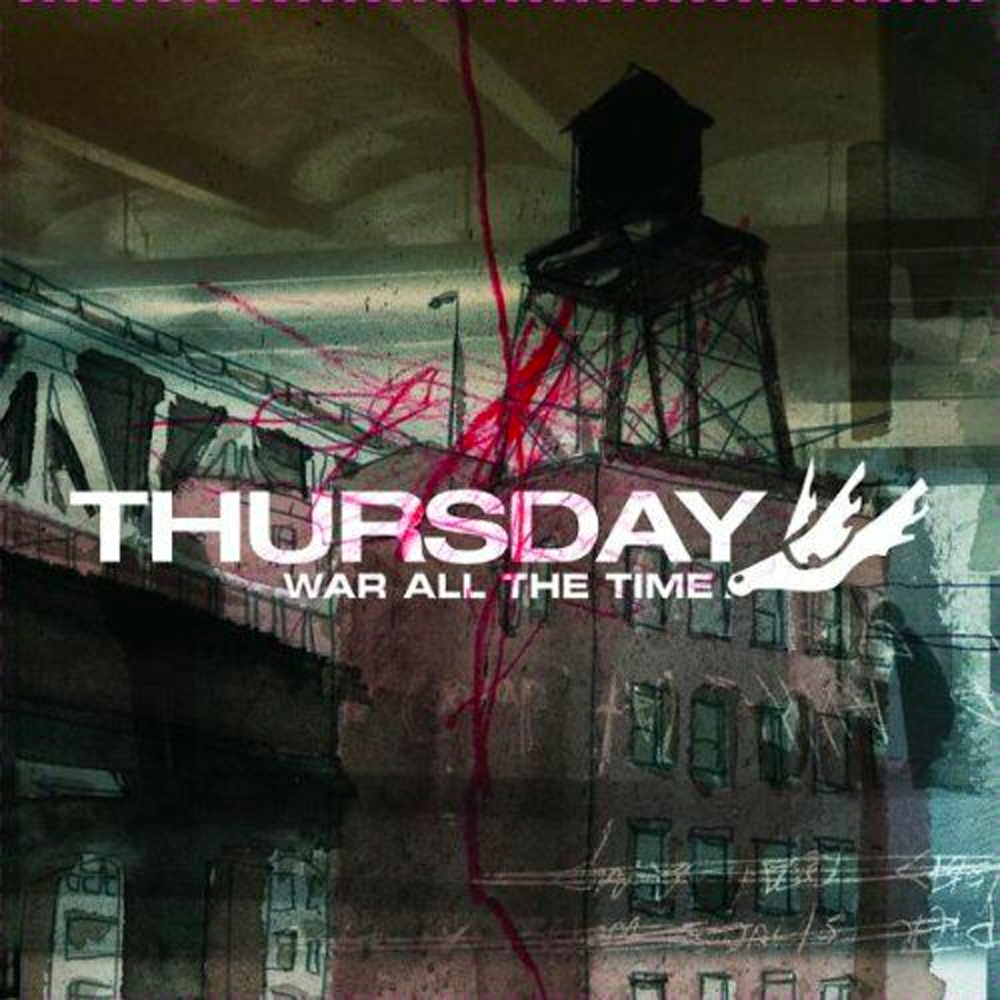 We’re working our way back to black hair dye, skinny jeans, and Geoff Rickly breaking his own nose with the mic swings. “War All the Time” was Thursday’s first major label release, and they clearly took full advantage of the resources they had at their disposal. “War All the Time” is personal, political, ambitious, and anthemic. If you listened to this album in your teens, it’s safe to say you wanted people to see you as a deep thinker. Just look at your collection of Vonnegut books. Fortunately for you, “War All the Time” holds up better than those tight t-shirts in the back of your closet that you still convince yourself you’ll be able to fit back into some day.
Play it again: “Tomorrow I’ll be You”
Skip it: “Marches and Maneuvers”
1. Full Collapse (2001)
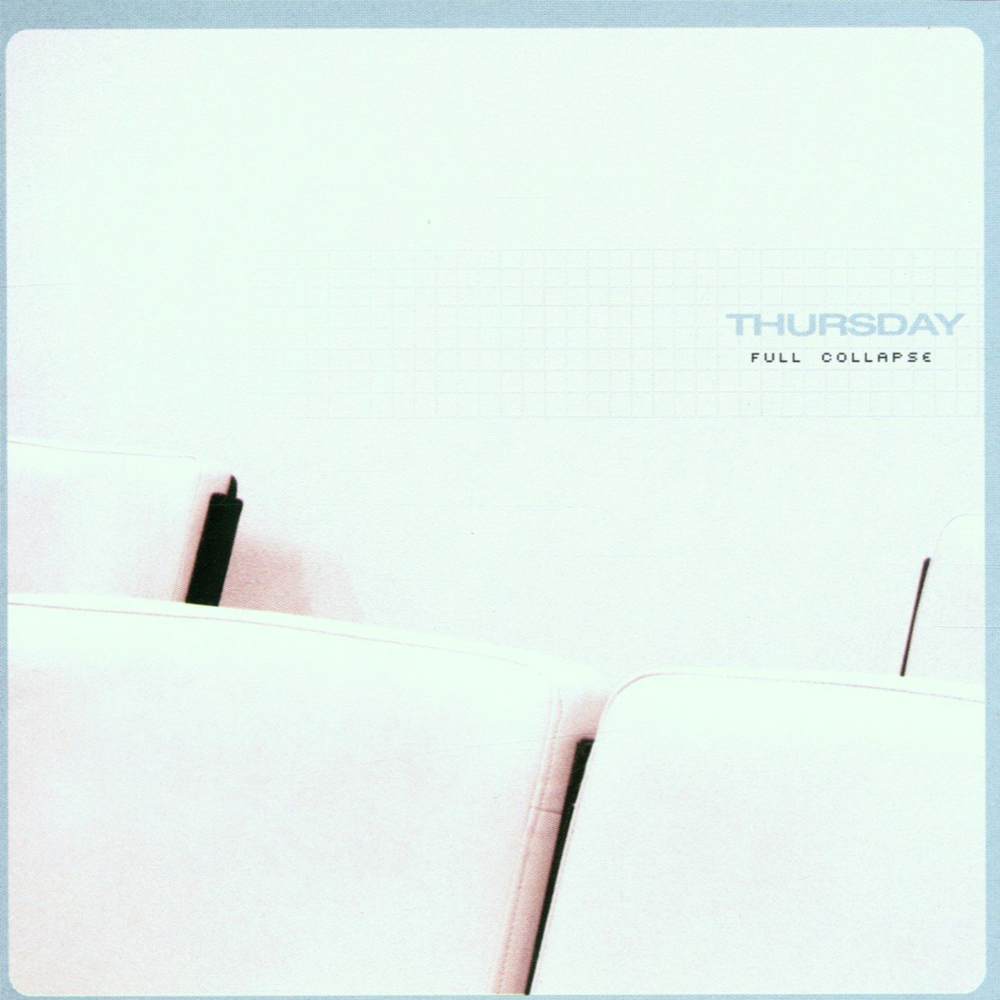 I was told by the Hard Times editors that if I didn’t end this list with “Full Collapse,” they’d have to put me in a witness relocation program after all the death threats posted exclusively on Livejournal that I’d receive. Listen, I have the dove tattoo… and I may have even said off-record that “A City by the Light Divided” is my personal favorite album. But speaking objectively, “Full Collapse” is Thursday’s most important album, and we can’t deny its impact. “Full Collapse” is responsible for most of us hearing about Thursday, and it’s safe to say that a lot of us downloaded it off of Limewire before it was released because we were that fucking excited about it. “Full Collapse” pulled at our heartstrings upon its release, and the nostalgia is stronger than ever with this one in 2023.
Play it again: “Paris in Flames,” the spoken word section was written on all of our binders in high school.
Skip it: Just play the whole damn album on repeat.
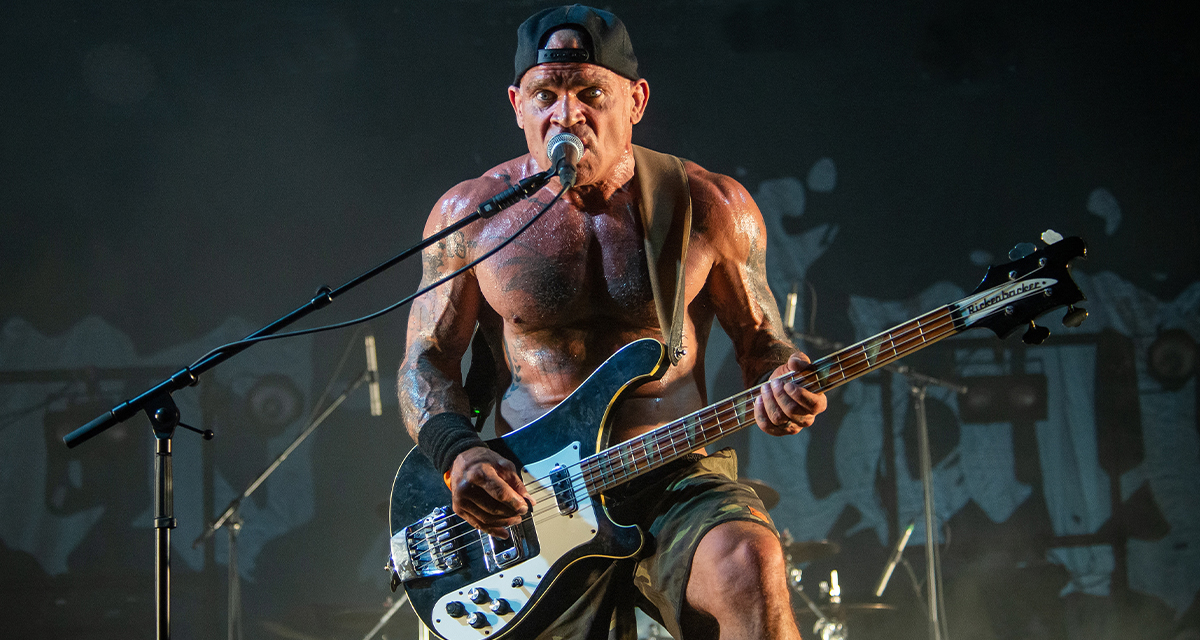 In 2012, the founder and primary songwriter of New York hardcore legends, the Cro-Mags, found himself on the outside of a competing version of the band, fronted by John Joseph. He allegedly turned up at their show at NYC’s Webster Hall, gained access to the VIP section courtesy of a hunting knife, and proceeded to stab and bite then-current members of the band. Flanagan himself was also stabbed during the melee, and claimed that he only bared his teeth in self-defense. The fact that the Cro-Mags’ debut and best-known album is entitled “The Age of Quarrel” is probably just a coincidence. Flanagan’s charges were later dropped due to lack of cooperating witnesses.
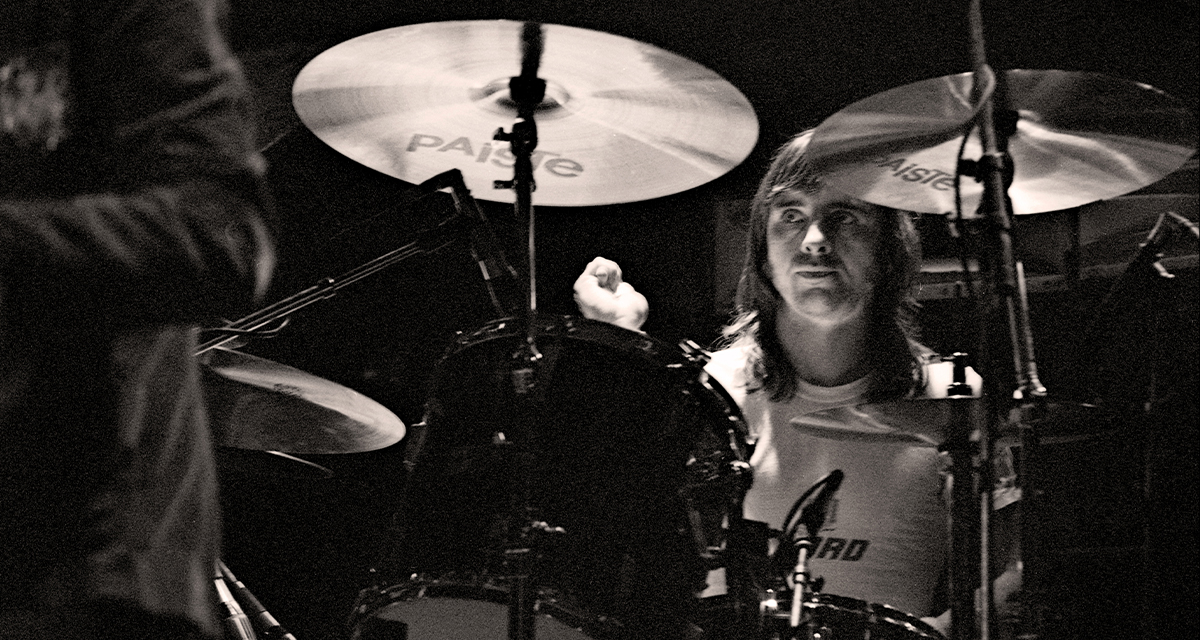 The AC/DC drummer was arrested in New Zealand in 2014 and charged with attempting to procure the murder of two associates. You read that correctly – the man who played on “Dirty Deeds Done Dirt Cheap” (the most famous song ever written about hiring a hitman) was arrested for trying to hire a hitman. That’s the type of shit you can’t make up. The murder-for-hire charge was dropped due to “insufficient evidence,” although Rudd was still sentenced to eight months of home detention after pleading guilty to threatening to kill a man and possession of methamphetamine and marijuana. No word on whether the would-be murder plot involved concrete shoes or high voltage.
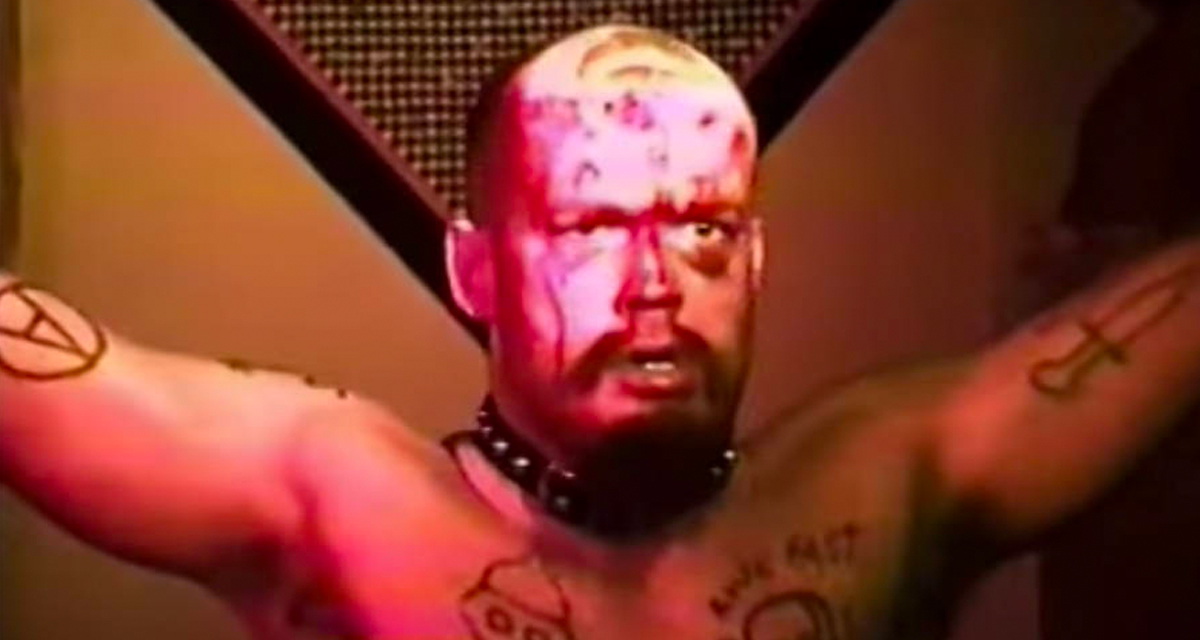 In 1989, the outlaw scumfuc, projectile defecator, and all around fun guy born Jesus Christ Allin, was charged with “assault with intent to do great bodily harm less than murder” stemming from an amorous encounter gone awry in Ann Arbor, Michigan, though he plea-bargained to the less severe, and less verbose, infraction of “felonious assault.” He admitted to burning, cutting, and drinking the blood of a female companion, but insisted that the acts were consensual and that she had done the same to him. The experience earned the transgressive Romeo 15 months in prison.
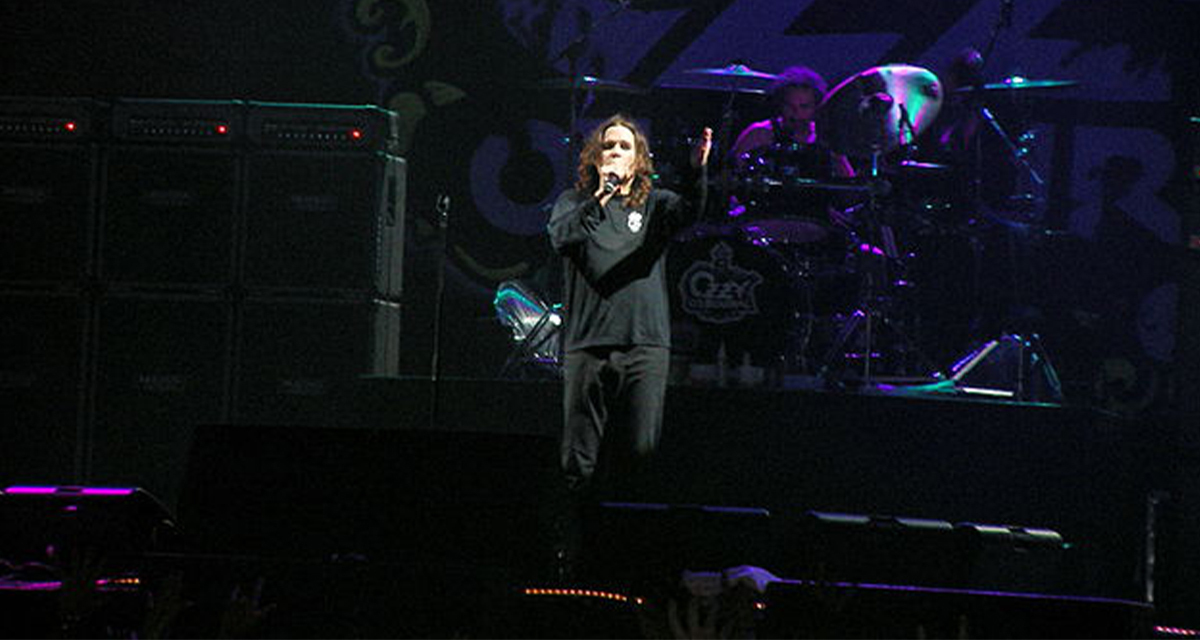 We like to have fun here at The Hard Times. But if you’re a regular reader, you already know that one thing we take seriously is desecration of 18th-century Spanish missions and their surrounding plazas. Which is why it isn’t funny that the Prince of Darkness messed with Texas in the most Ozzy way possible – by drunkenly pissing on the Cenotaph, a monument commemorating the Battle of the Alamo. Or that he was wearing only his future wife Sharon’s dress when he did so. Not funny at all. To this day, when one of our contributors binges on White Claw before touring historical sites, we sit them down and warn them to “Remember the Alamo.”
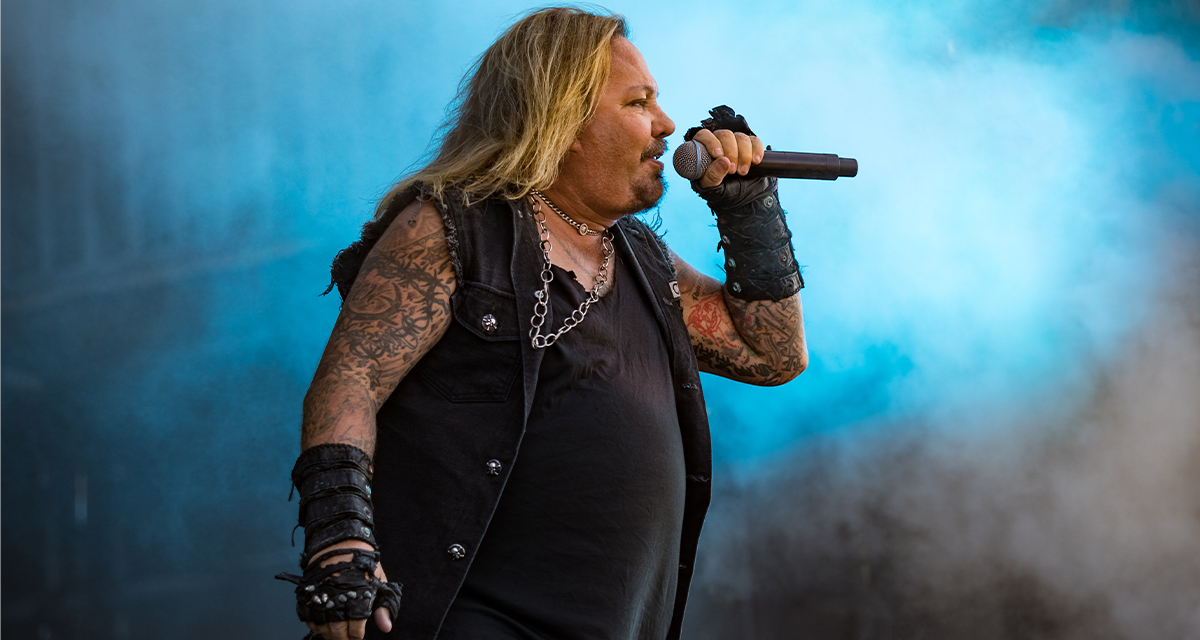 In 1984, the Mötley Crüe vocalist spent a day with Dr. Feelgood before he and Hanoi Rocks drummer, Nicholas “Razzle” Dingley, hopped into his De Tomaso Pantera to visit a liquor store for more booze. In his intoxicated state, Neil lost control and struck an oncoming vehicle head-on, killing Dingley and causing brain damage to the occupants of the other car. He was charged with vehicular manslaughter and DUI, sentenced to 30 days in jail and 5 years probation, and ordered to pay $2.6 million restitution and perform 200 hours of community service. Alas, sometimes when you shout at the devil, he shouts back. So dear reader, keep your eyes peeled for drunken glam metal singers and buckle up because it’s all murder from here on in.
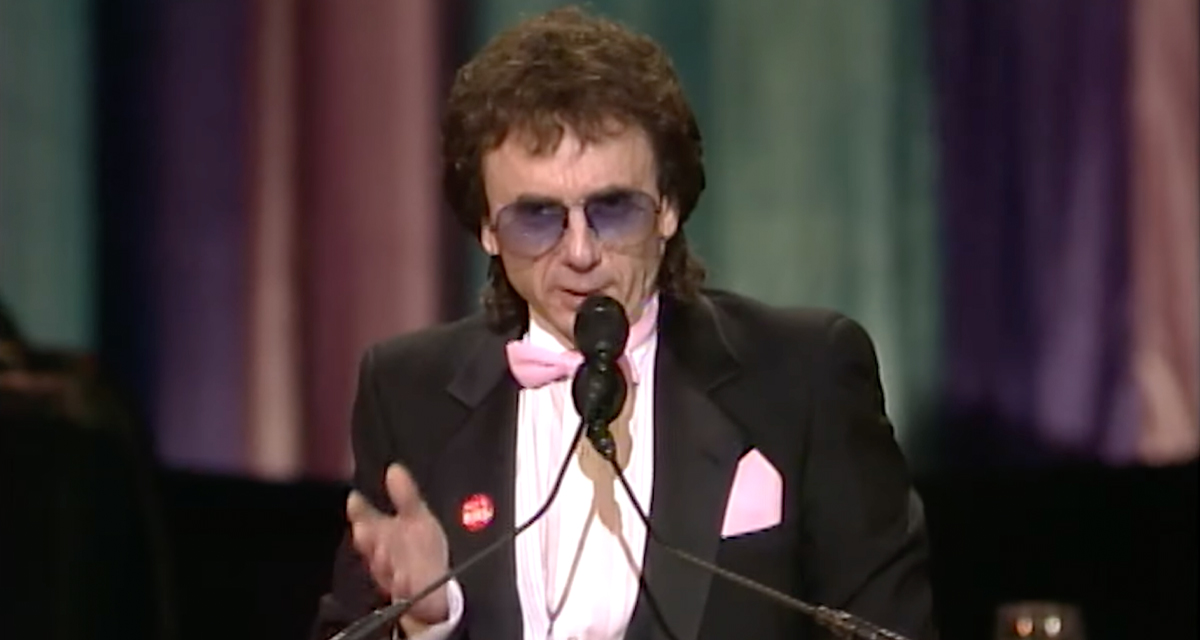 You: Isn’t this a list for punk and metal artists? Us: How many Ramones albums did you produce? Spector, the legendary producer who worked with the Crystals, the Ronettes, Ike & Tina Turner, and the Beatles, among others, also produced the 1980 Ramones album, “End of the Century,” allegedly holding the band at gunpoint during the sessions. Unfortunately, his 2A fetish didn’t end there. Spector shot and killed actress Lana Clarkson in 2003, for which he was convicted of second-degree murder and sentenced to 19 years to life. He died in 2021 while still incarcerated, proving that sometimes a wall of steel is mightier than a wall of sound.
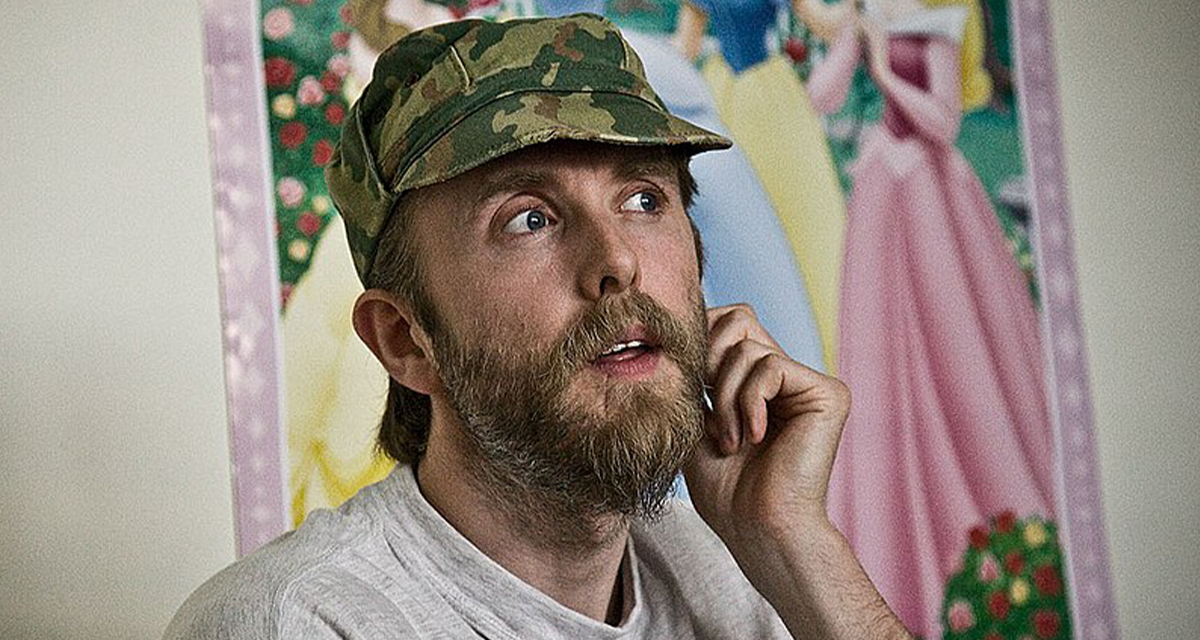 The Norwegian white supremacist, church burning enthusiast, and sole member of pioneering black metal project Burzum, has been called “the most notorious metal musician of all time.” In 1992, he joined Mayhem, replacing bassist Necrobutcher, who took issue with guitarist Euronymous’s callous treatment of vocalist Dead’s suicide (including rearranging the scene and taking photographs for later use as an album cover). Vikernes had no such qualms, playing with Euronymous in Mayhem and inviting him to guest on Burzum albums. Sadly, the bromance was not to last. In 1993, the relationship between Vikernes and Euronymous became acrimonious, and Vikernes stabbed Euronymous to death in his apartment. He unsuccessfully claimed self-defense and was sentenced to 21 years in prison for murder, arson of three churches, attempted arson of a fourth church, theft, and storage of explosives. Vikernes now considers himself retired from music, enjoys long walks on the beach, and spends his free time being a complete piece of shit.
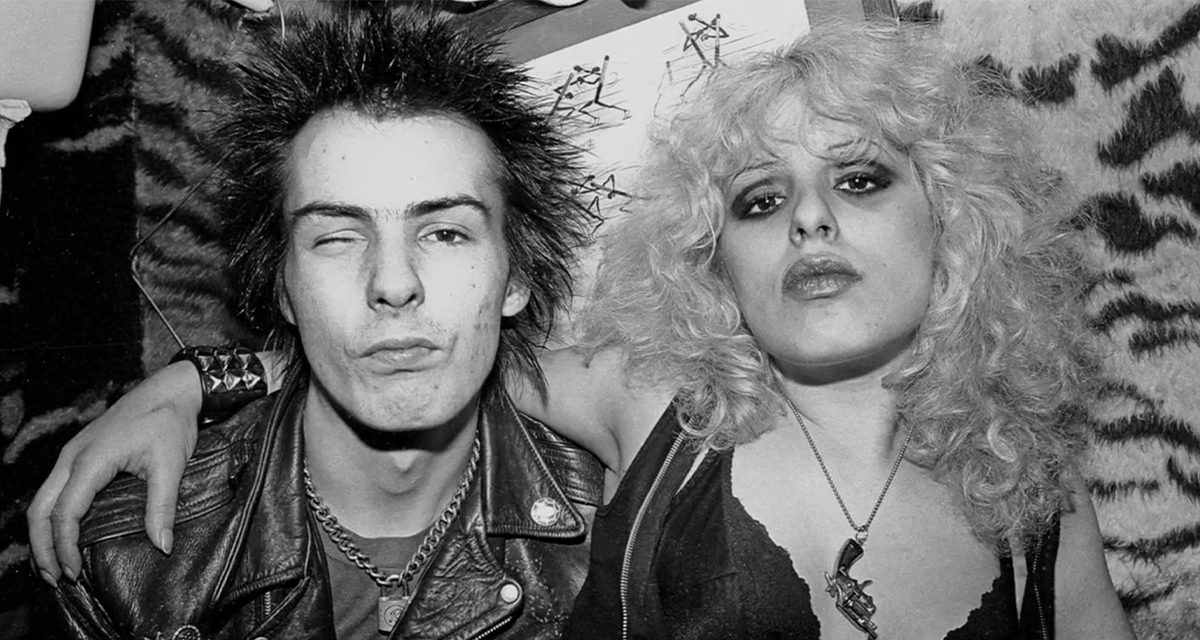 Let’s be honest, you read this far to make sure he was on the list, right? On the night of October 11, 1978, the erstwhile Sex Pistols bassist, and girlfriend Nancy Spungen, partied in their room at NYC’s Chelsea Hotel. By 11:00 the next morning, Nancy was found dead of a stab wound. Sid alternately claimed that he remembered nothing, that Nancy had fallen on his knife, and that he had stabbed her but not meant to kill her. Many have speculated a suicide pact gone wrong. Sid was charged with Nancy’s murder, but released on bail awaiting trial. On December 5, 1978, Vicious went to the Hurrah nightclub to see the band Skafish, where he flirted with the girlfriend of Patti Smith’s brother, Todd Smith. A fracas ensued in which Smith was stabbed in the face with a broken beer bottle by Vicious, sending him back to Rikers Island for assault and parole violation. On February 1, 1979, Vicious was again released on bail, having completed seven weeks of heroin detox. He celebrated his freedom and independence from heroin by, naturally, acquiring and shooting some heroin. His mother found him dead of an overdose the next morning, ending a sordid but defining chapter in the history of punk rock. We’ll never know for sure if Sid “did it” – we only know that he did it his way.



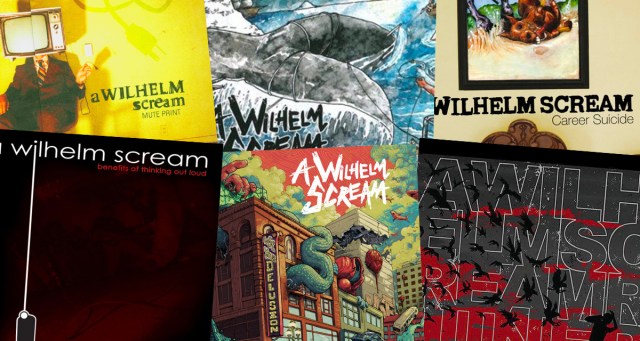
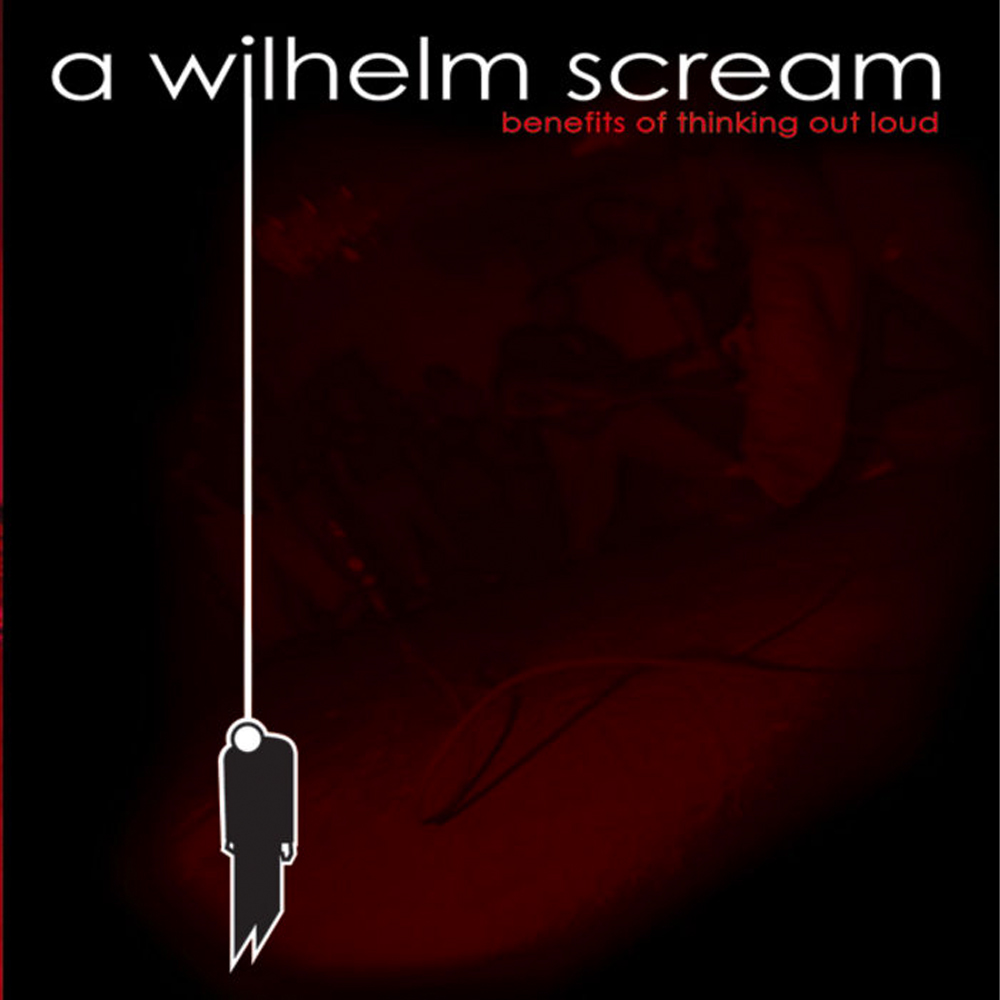 The songs on A Wilhelm Scream’s debut album are as catchy as you would expect from the group, and it’s easy to see the bones of what they would eventually become with the release of “Mute Print” three years later. But even the catchiest songs can’t shine to their full potential when the recording quality is awful and the vocal harmony attempts sound worse than beheading videos, so it can be tough to sit through for anyone who doesn’t have an existing love for the band. Consider this an official call for a 25th-anniversary redo from the guys, as it’d be a delight to hear these top-tier songs revived with some recording equipment released in the years since World War II.
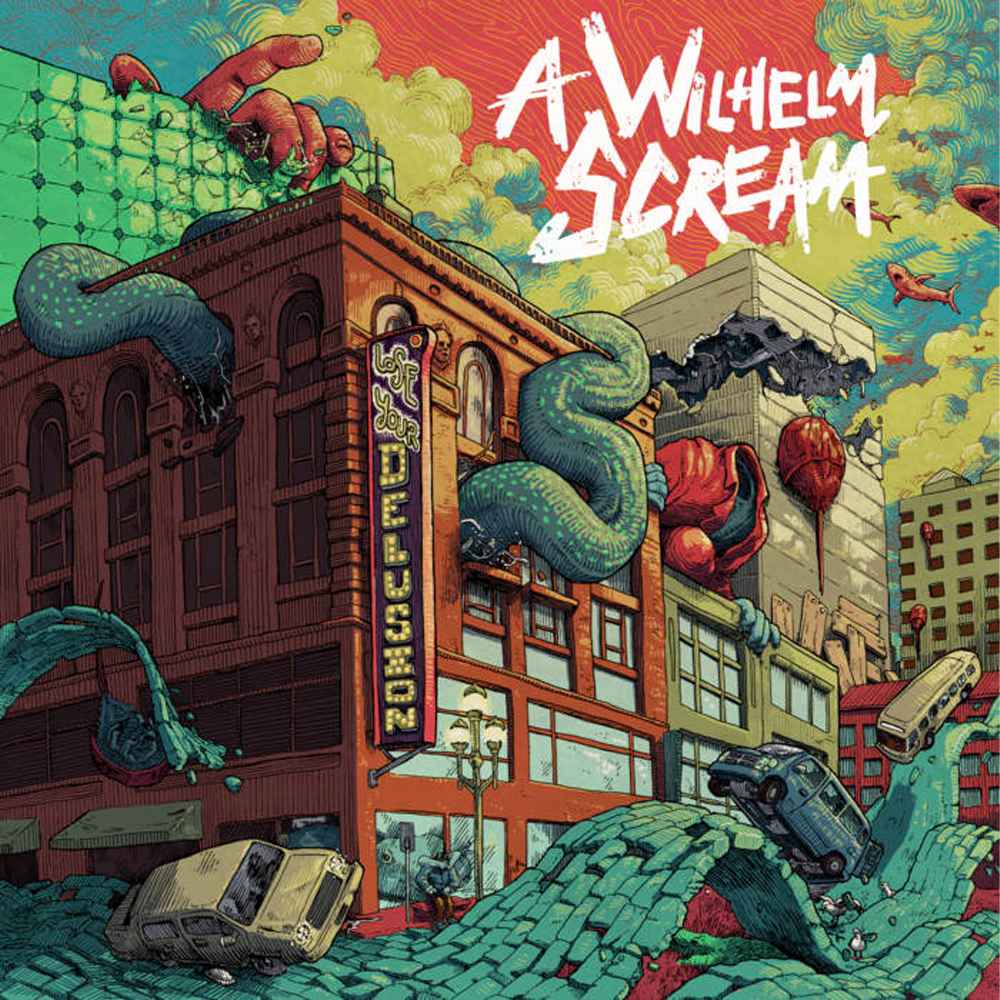 Landing nearly a full decade after 2013’s “Partycrasher,” “Lose Your Delusion” is A Wilhelm Scream’s most mature album – but the group is also clearly taking themselves a bit less seriously and having the most fun of their career here. The mix of brighter-sounding riffs, slower tempos, and lyrics that tackle subjects like friendship and childhood nostalgia are a major shift from what fans have come to expect. As such, when the two more traditional hardcore tunes make appearances during the otherwise upbeat 11-song romp can have the type of jarring effect one might experience from seeing Bob Ross get angry and throw one of his paintings at a group of birds. But even those tonal inconsistencies can’t derail such a creative outing, so here’s to hoping we don’t have to wait another decade for more AWS,
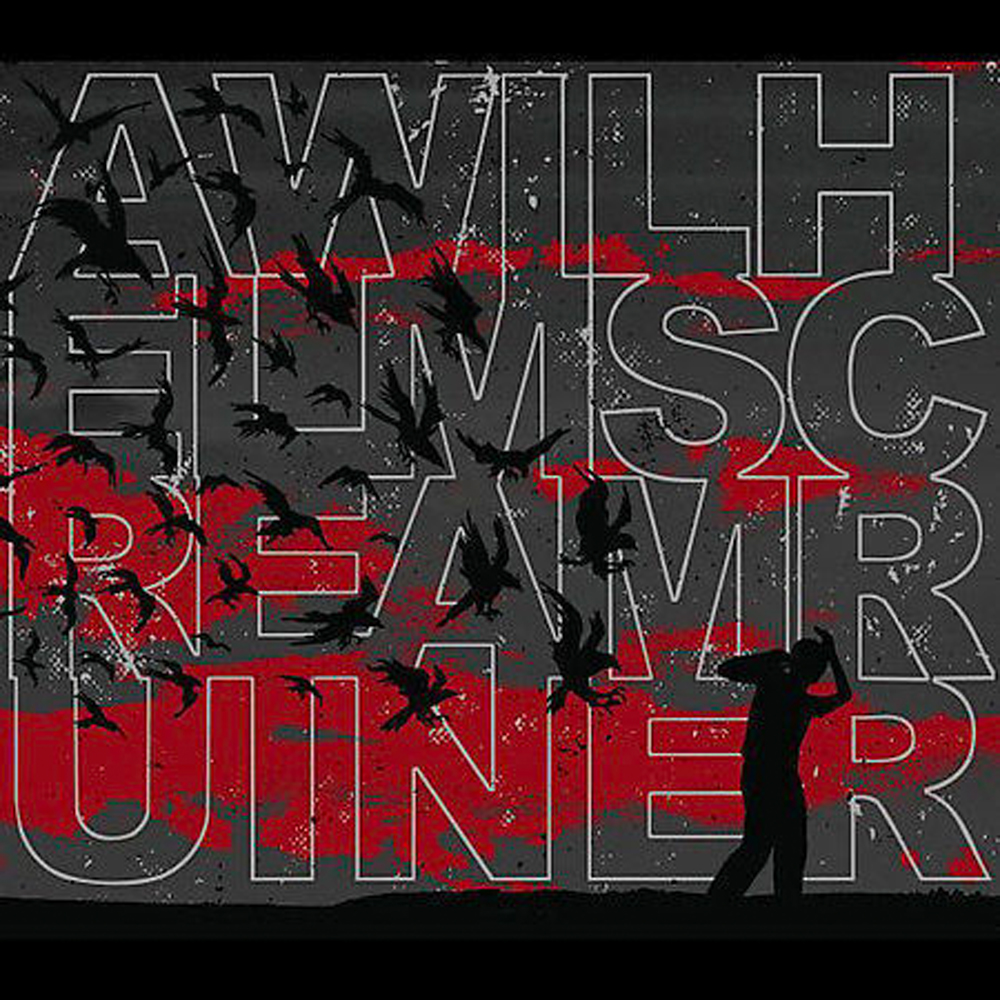 Ruiner is filled to the brim with some of the catchiest melodies and riffs the group has ever pieced together (“The King is Dead” is probably the best fucking opener of any punk album ever) – but it’s definitely a product of its time. Everyone in the band was clearly on some mid-2000s emo shit, so there’s a blend of their signature sound with intimately bleak lyrical content and warm, thick guitar tones perfect for applying thick black eyeliner to. But while Ruiner no doubt flirted with Hot Topic vibes more than any of their other albums, it remains an awesome nostalgia bomb for those of us who grew up with these face-melting songs.
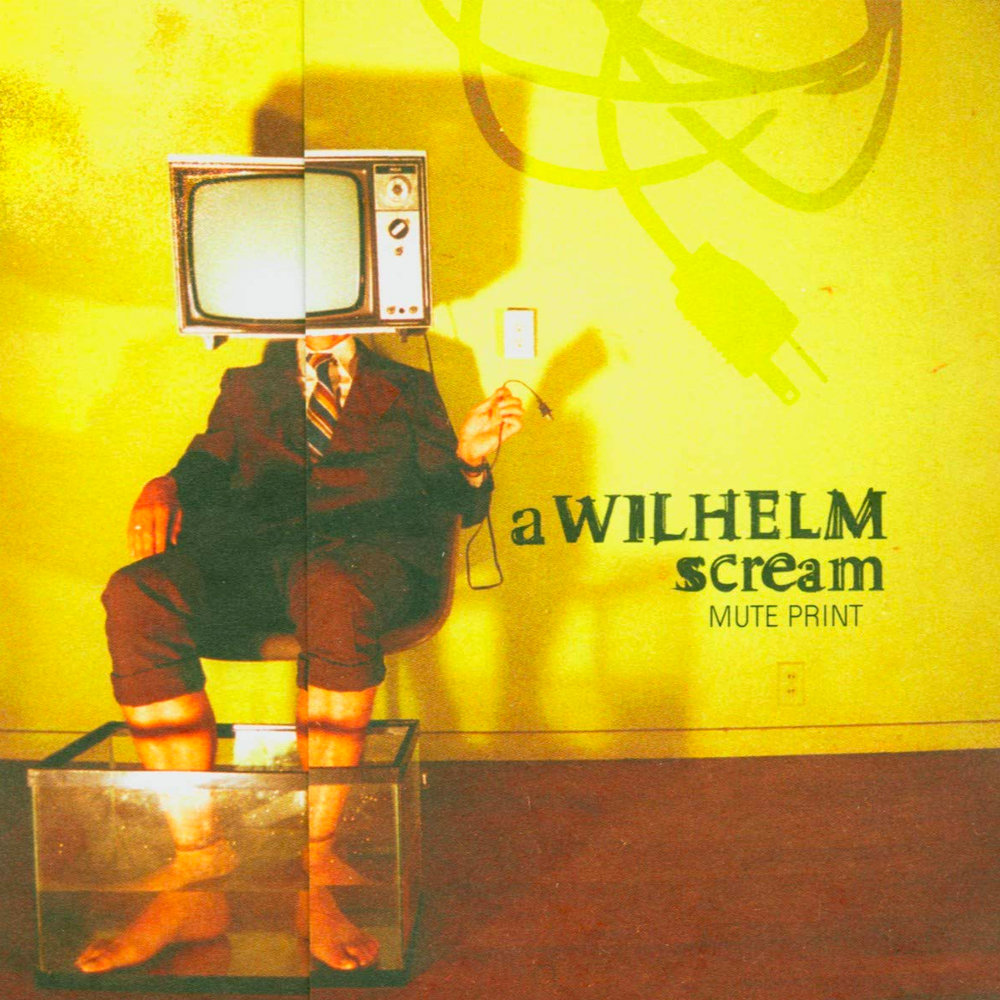 While A Wilhelm Scream may be best known for their later work, “Mute Print” was many fans’ introduction to the New Bedford punk rockers. It’s here that they debuted the level of technical proficiency that would continue to define them for the following two decades, effortlessly combining intricate dual lead guitars with aggressive punk rhythms and fierce vocals to create a sound unmatched by their contemporaries. It’s also the home of “Rip,” which has long been a fan-favorite track to chant along to at live shows due to its heavy and lyrically-powerful outro.
 With a predecessor like the career-defining release of “Career Suicide,” “Partycrasher” had a high bar to clear, so it’s surprising that A Wilhelm Scream managed to pull off an album so reminiscent of its predecessor at all. It features a handful of the best tracks in the band’s decades-spanning catalog and serves as a fantastic onboarding album for your friends with shitty music taste who are always trying to make you listen to Alkaline Trio. Hitting hard out of the gate with the anthemic “Boat Builders” and going out strong with the melodic mastery of “Born A Wise Man,” “Partycrasher” somehow manages to never relent at any point in-between.
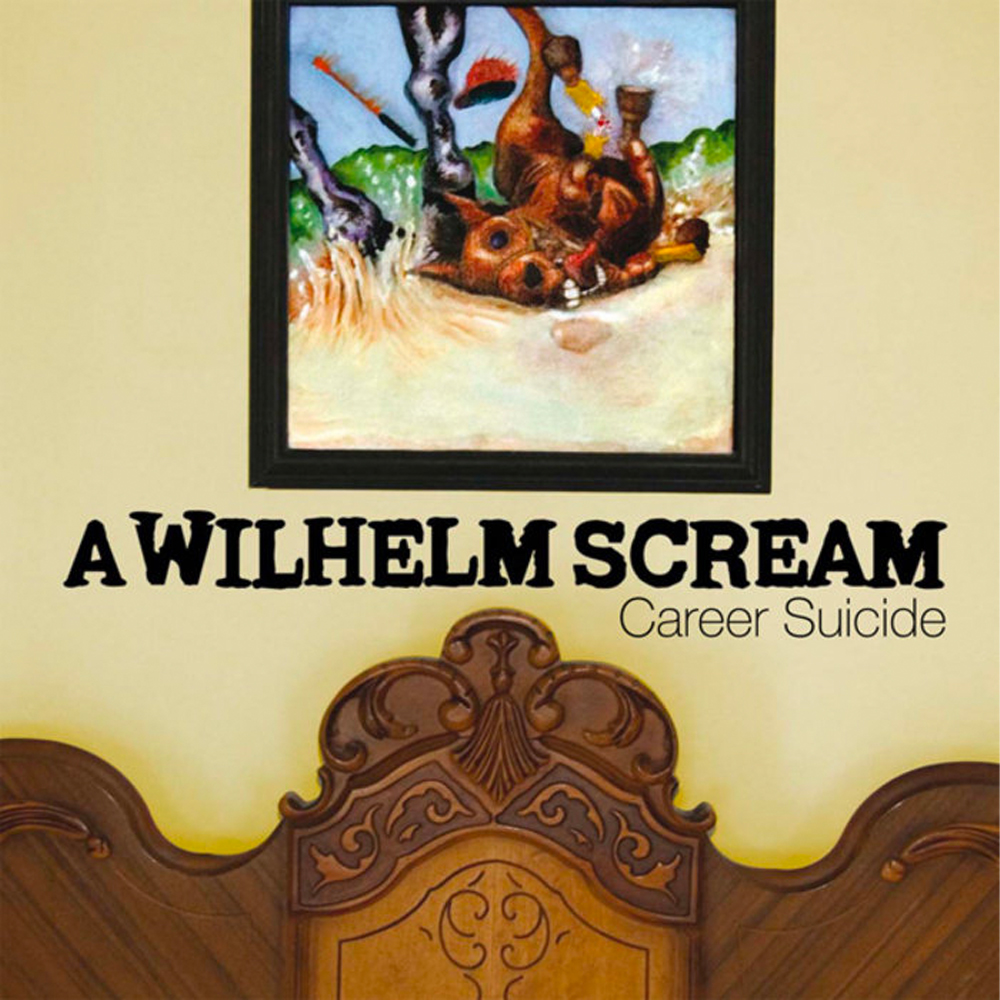 “Career Suicide” is widely accepted as A Wilhelm Scream’s magnum opus, showcasing the best and most consistent implementation of their progressive punk rock sound. The group’s fourth album just refuses to give you a moment to breathe with its relentlessly energetic collection of technical masterpieces. Singer Nuno Pereira sounds more comfortable than ever as he belts memorable lyrics with his signature intensity in between the staggeringly complex guitars and bass, never a missing a step across thirty-five minutes of thundering aggression. This is undoubtedly the album to show crusty punk kids what they could achieve if they’d spend more time practicing and less time sewing patches onto their jackets.