Australia’s most prized possession known as Silverchair made five completely different studio albums showcasing grit, growth, melody, and a crapload of Vegemite over the course of their prolific career from 1992-2011, which includes the band’s short hiatus between 2003-2005 wherein the three piece’s frontman/svengali Daniel Johns got a two-year dissociative degree. Casual fans and the typical unoriginal troller scamps who infect the interweb daily will say that “Tomorrow” is Silverchair’s only song, whilst a plethora of other superfans of the literal thunder down under will cause a pure massacre on said schmohawks by fighting ‘em to the death for such a cliched remark. Whether you’re a radio fan, a Silverchair dork, undecided, or a combination of all of the above/none of the above, this list is for no one, and you should stop reading it right now. Regardless, we spiced up each album entry with an analogous album comparison. Open fire:
5. Freak Show (1997)
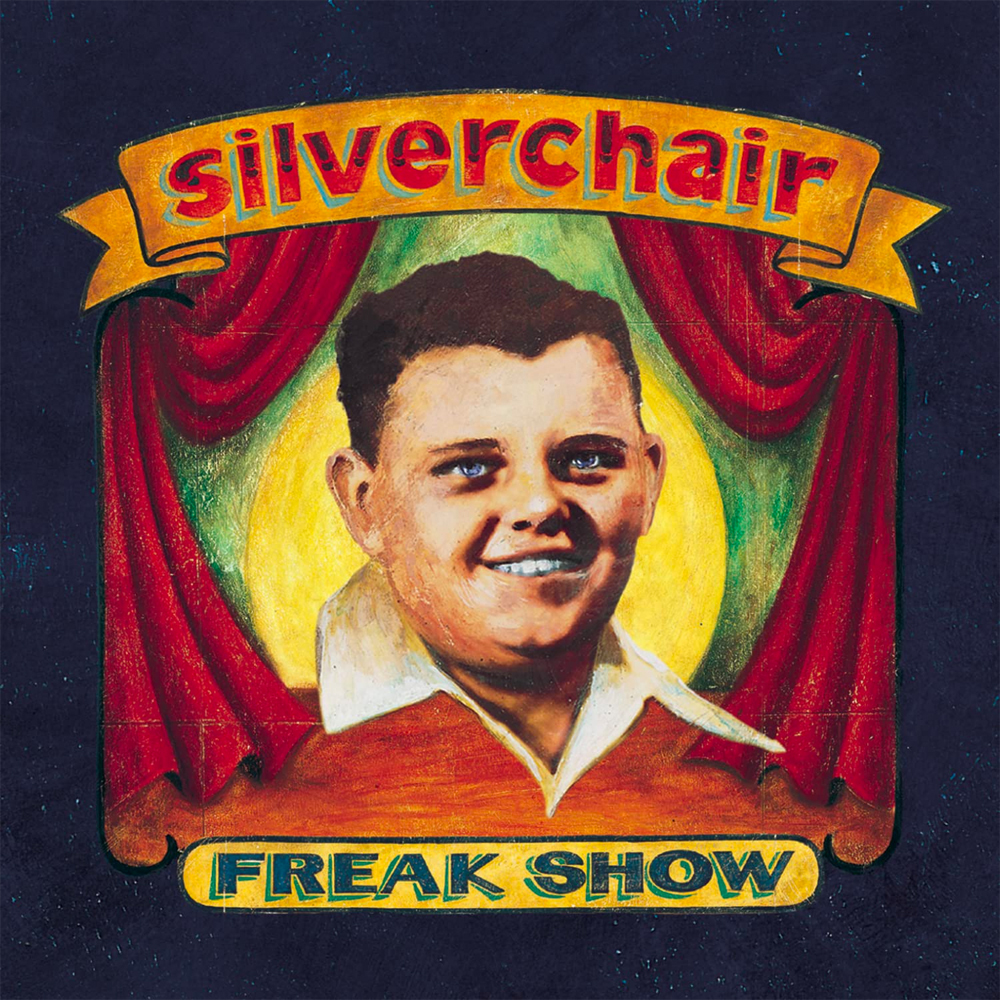 Let’s open the allegorical door right from the get-go: Silverchair truly doesn’t have a bad album, and their sophomore LP “Freak Show” still shines brighter than most ‘90s records and a carefully cultivated combination of blue-green petrol and piss yellow-green chlorine. Still, one entry had to be listed last, so we encourage you to start freaking out both your body and soul right now and for the rest of your lives. 1997’s “Freak Show” is the equivalent of Green Day’s underrated “Insomniac,” which came out just two years before. Why? Well, “Insomniac” is also a second major label release, and both “Freak Show” and “Insomniac” are angry follow-ups to breakout studio albums with better production but slightly worse songs. Another note worth mentioning is that all of the pieces but one listed here’s “play it again” sections highlight said album’s opening tracks; Silverchair sure knows how to start a party.
Play it again: “Slave”
Skip it: “Learn to Hate”
4. Young Modern (2007)
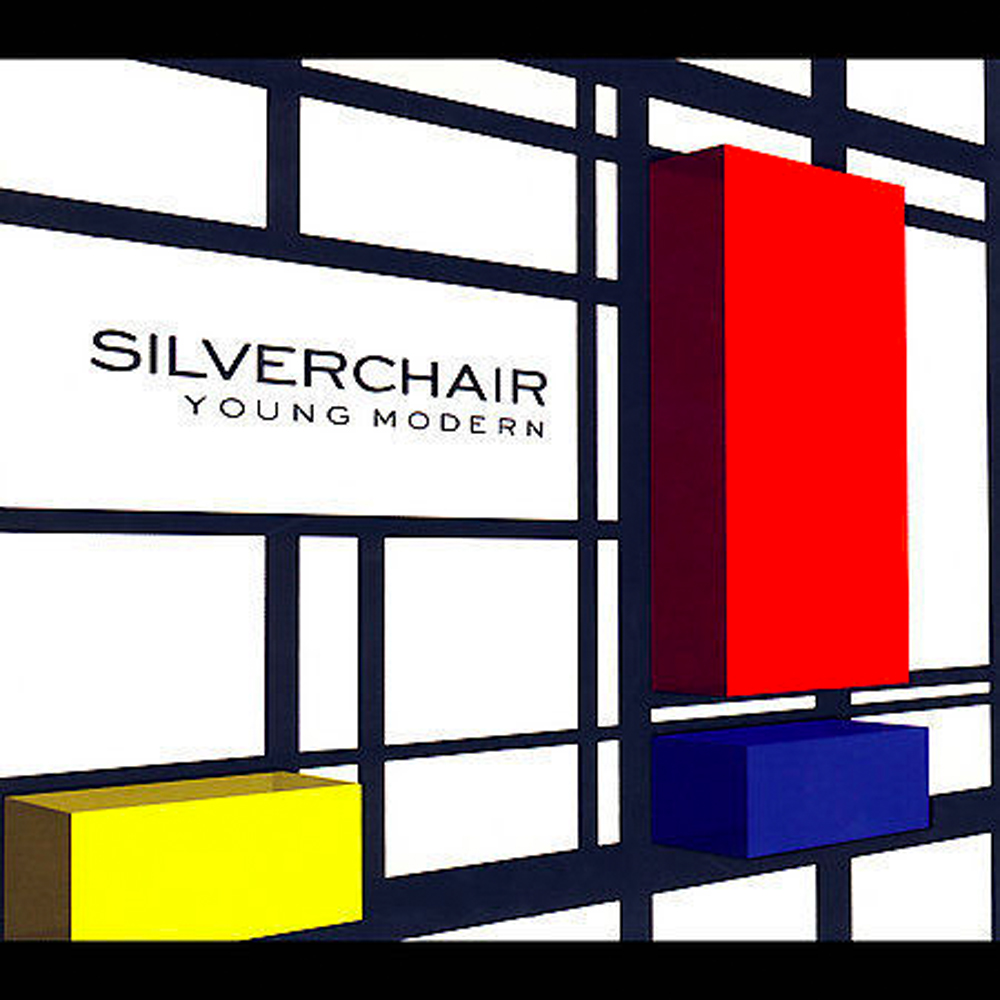 While Silverchair obsessors low, high, down yonder, and up above clamor for more and more records, we sadly still think that it’s good that they never had a chance to make a universally known stinker like several post-“Pinkerton” Weezer LPs and every single album and song from Lil Xan. Silverchair’s as-of-now 2007 studio album finale “Young Modern” is their version of Title Fight’s third and also final-as-of-now studio album “Hyperview” in that it was a total divergence record that was both unique and cool, but not as enjoyable as the album that came before it. We’re not sorry at all for saying this, and we know that that previous sentence’s opinion that doubles as a fact will cause you to keep losing sleep; insomnia is for the birds… Swan songs are also literally for the birds.
Play it again: “If You Keep Losing Sleep”
Skip it: “All Across the World”
3. Frogstomp (1995)
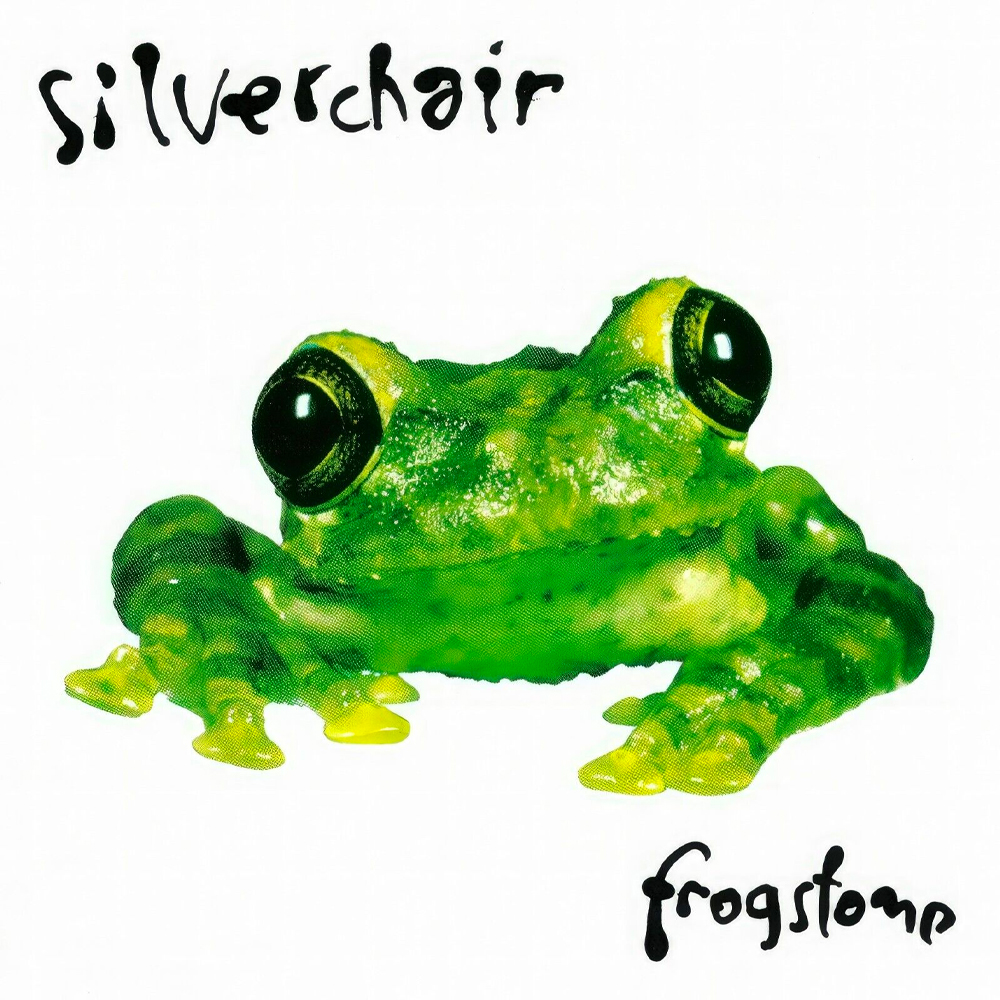 There are happily no “skip it” tracks for the rest of these album rankings, but we sadly know that this specific sticky slot is going to ruffle some frog feathers. However, you’re always going to be wrong yesterday, today, and tomorrow. In a potentially or kinetically strong take, 1995’s multi-platinum Silverchair effort “Frogstomp” is the band’s “In Utero”. Basically, it isn’t clean enough to be quite like “Nevermind,” but it’s dirty and melodic enough to be mainstream like the previously referenced Seattle three-piece Blissful Heavenly Awakenings Of Ecstasy could only be. Power trios can truly rock hard, and this teenage dirtbag effort deservedly gets its flowers, even if Daniel Johns publicly disavows much of it. Oh well. Bassist Chris Joannou and drummer Ben Gillies probably still privately rock this and find a way to do so with the rest of the band’s extensive and brilliant catalog!
Play it again: “Israel’s Son”
Skip it: Nothing
2. Neon Ballroom (1999)
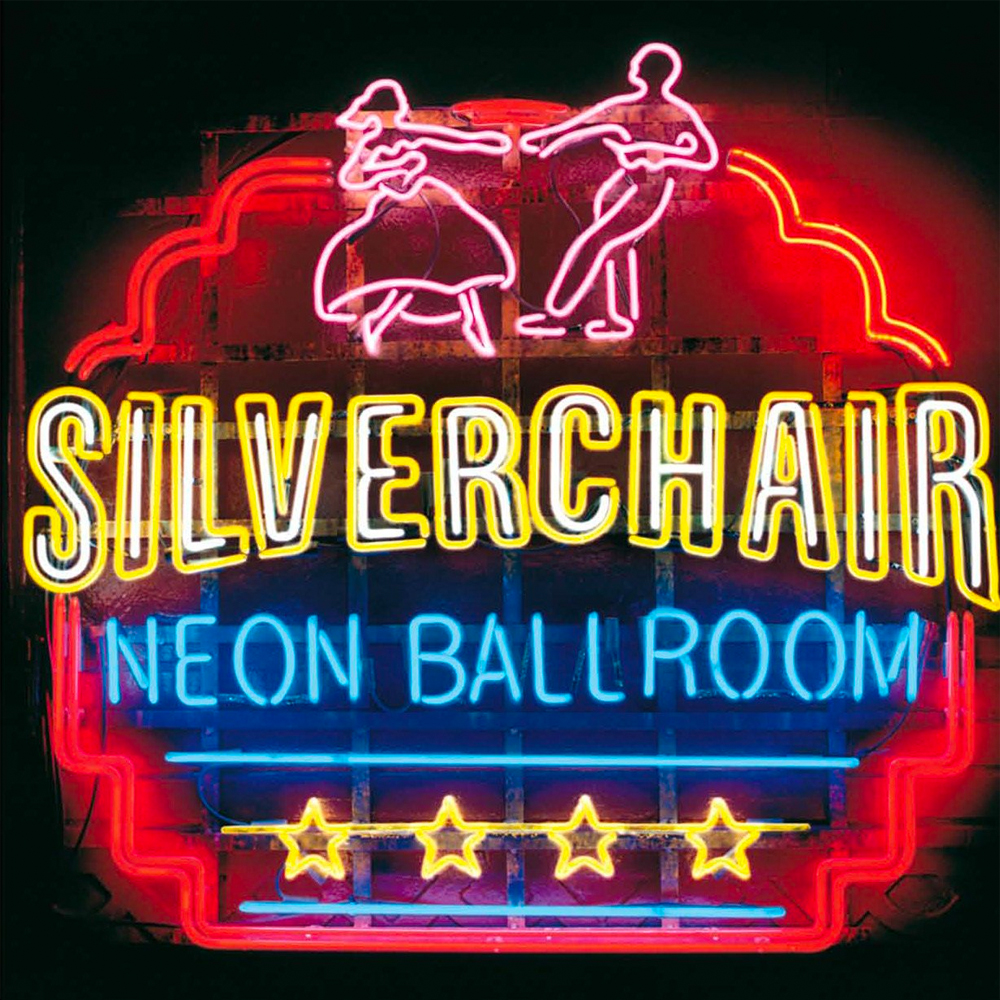 Our point of view: 1999’s “Neon Ballroom” is Silverchair’s “Revolver” in terms of a sound sonic progression that still keeps much of the band’s character, but is far more complex, and, dare we say it, adult. Gasp! Do you feel the same? Regardless, said puberty maturation changes completely make sense as the band were literally not old enough to register for the American military during the release of their previous two albums, but could now legally harm foreigners like all members of the Fab Four. Fun fact: The actual pianist who inspired “Shine,” David Helfgott, for lack of a better word, absolutely freaking shines on “Emotion Sickness” in a haunting and powerful fashion. Don’t Geoffrey Rush through this LP, do not pass go, do not collect $1999 Australian dollars, and please build it up in the year 2023.
Play it again: “Emotion Sickness”
Skip it: Nada
1. Diorama (2002)
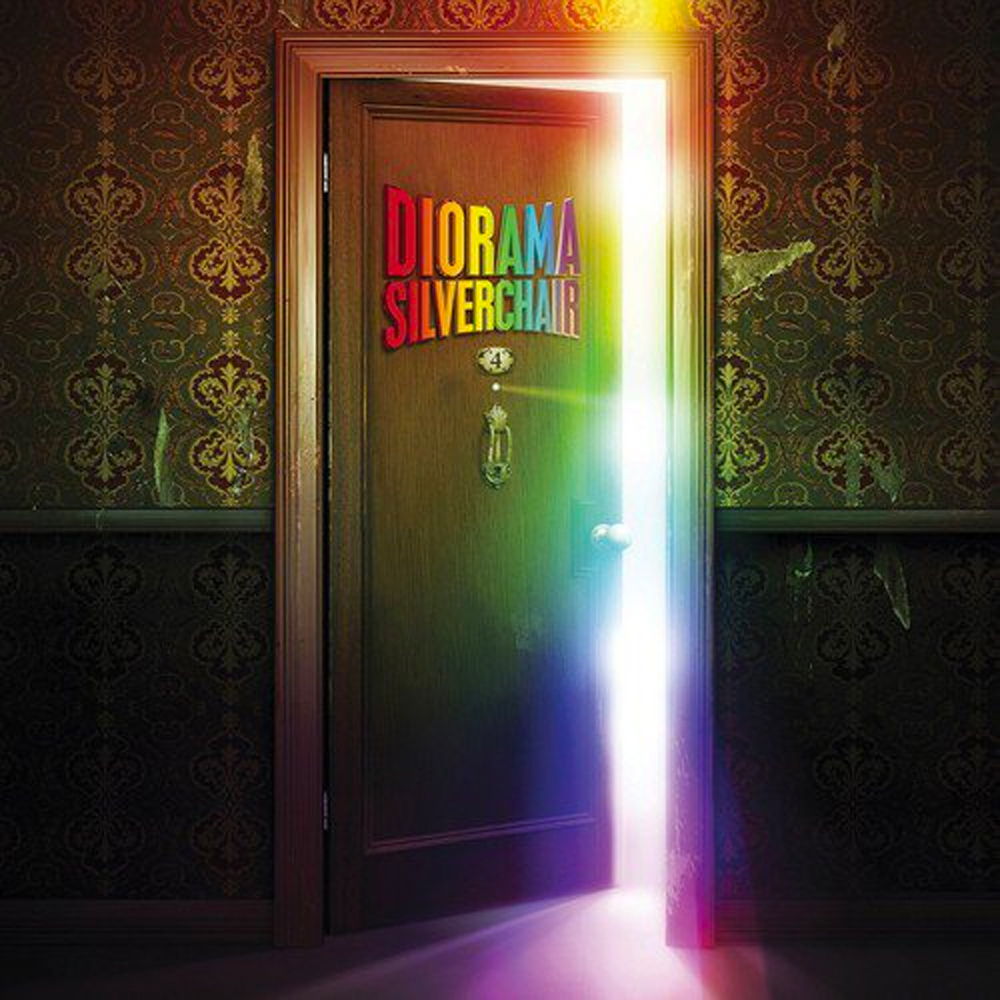 After all these years, 2002’s “Diorama” still holds up, and is the band’s “Pet Sounds.” Bold posit? Yes. True? Well you don’t know the truth and Jack Nicholson’s iconic character in “A Few Good Men” knows! Anyway, The Beach Boys, and particularly Brian Wilson, would be honored that a post-grunge band not only also worked with Van Dyke Parks, but created a timeless album filled with a constant flow of good vibrations. Also, it doesn’t get mentioned enough that Silverchair absolutely crushed live, as evidenced by the epic tour on this LP’s album cycle. Still, wouldn’t it be nice if this record received as much love stateside as it did globally? Don’t answer that, as God only knows why. In closing, despite not spelling the word “favorite” with a “u,” it’s clear that a majority of U.S. Americans are idiots, and “Diorama” should have been much more revered here.
Play it again: “Across The Night” and don’t stop till the last second of the entire record
Skip it: Zilch

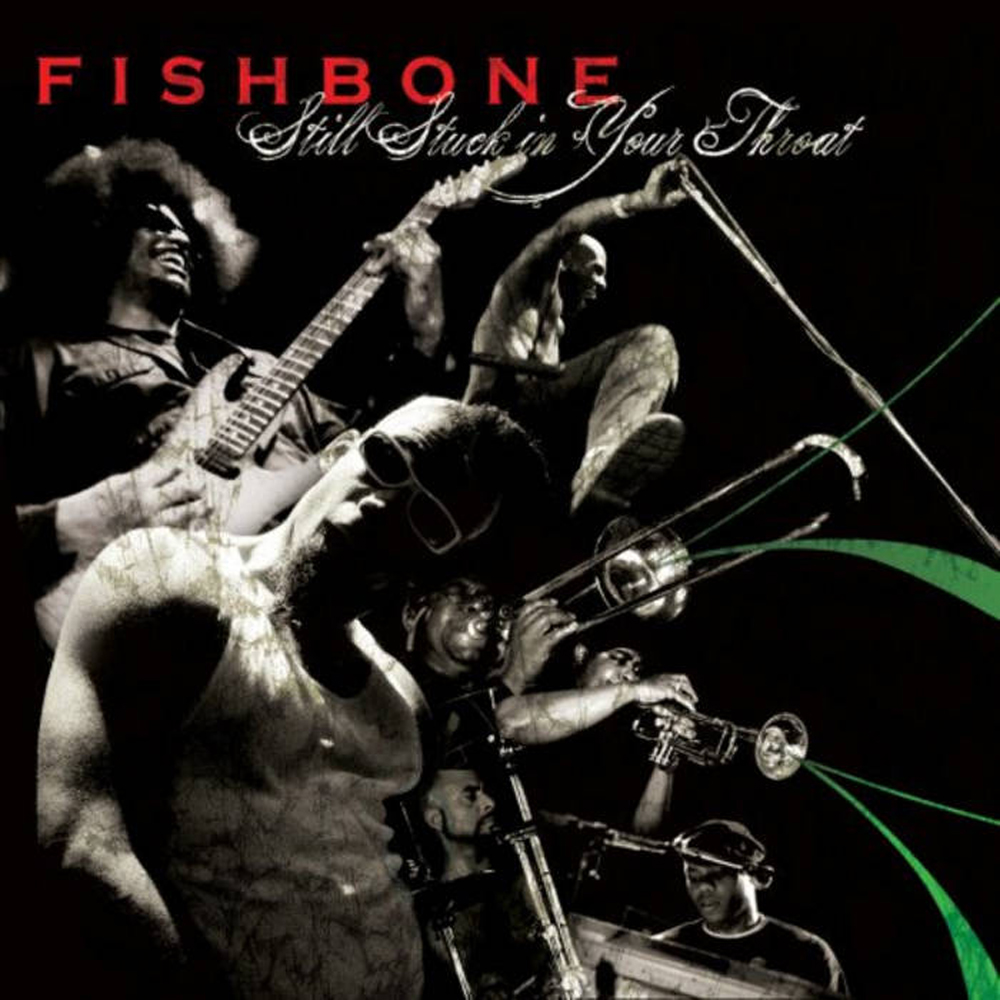 The problem with being a true original is when you do the same thing for 40 years, it comes off tired, even for a band known for their frantic high-energy style. Perhaps because it was a combination of unreleased tracks, including a dated song about Saddam Hussein three years after his death, but this album does not come together. The standout is their cover of Sublime’s “Date Rape.” They add gravitas and a much improved guitar solo to one of the dumbest songs from one of the dumbest bands ever. It’s not so much “their earlier stuff was better,” but they did the same things better earlier.
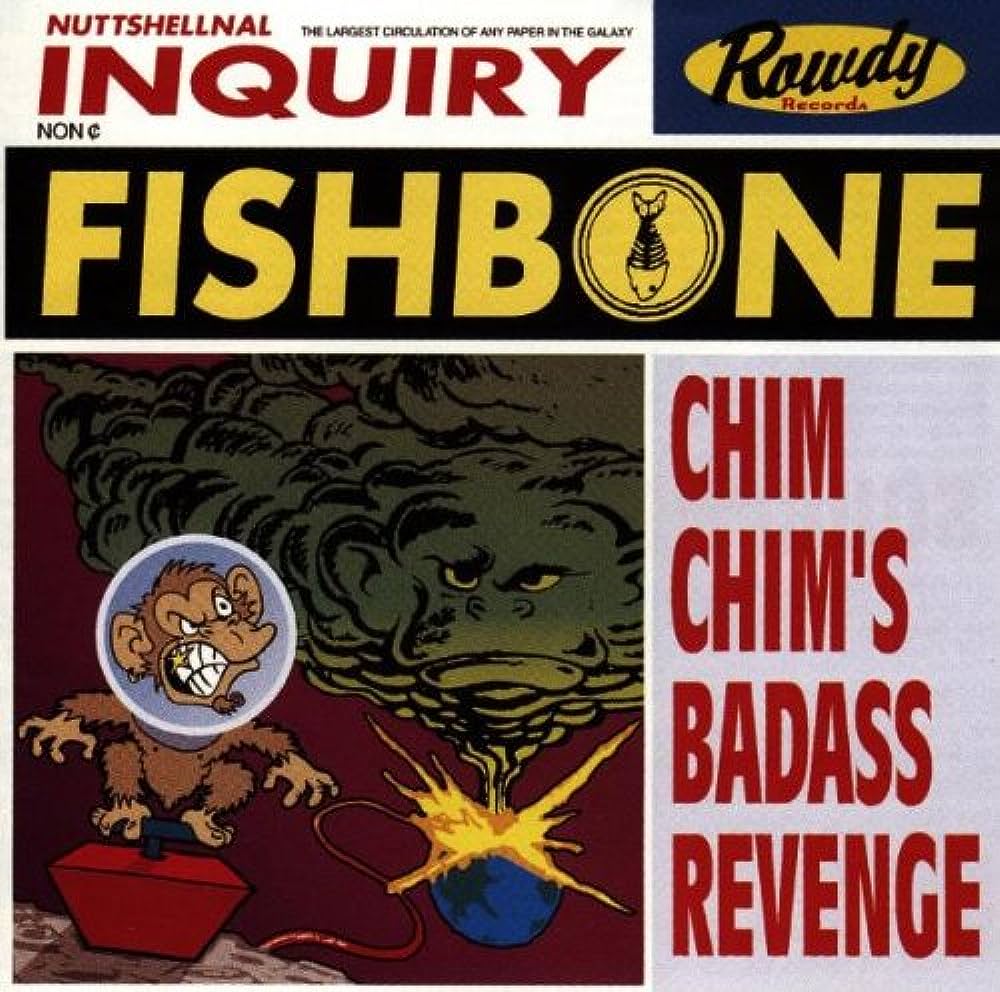 With a long-running band, members have a tendency to get frustrated and quit. Or in Fishbone’s case, quit, join a cult only to have another member try to rescue them and be brought up on kidnapping charges. Nevertheless, this album suffers from the loss of two key songwriters, Chris Dowd and Kendall Jones. Dowd’s departure is painful, but luckily the band still has one of the most charismatic frontmen of all time. Angelo Moore makes Mick Jagger and David Lee Roth look like a stack of bones bound with stringy hair. It’s no surprise he has writing credit on the album’s best two tracks. However, the production is muddled. With a funk influenced band, the bass is the star, and Norwood Fisher is one of the best, but the bass parts are buried! This is a bit of a concept album, but the concept is also completely muddled. The narrative, spread over multiple introductions, interludes, and jams, appears to be about how a space monkey’s genitals are free from corporate overlords.
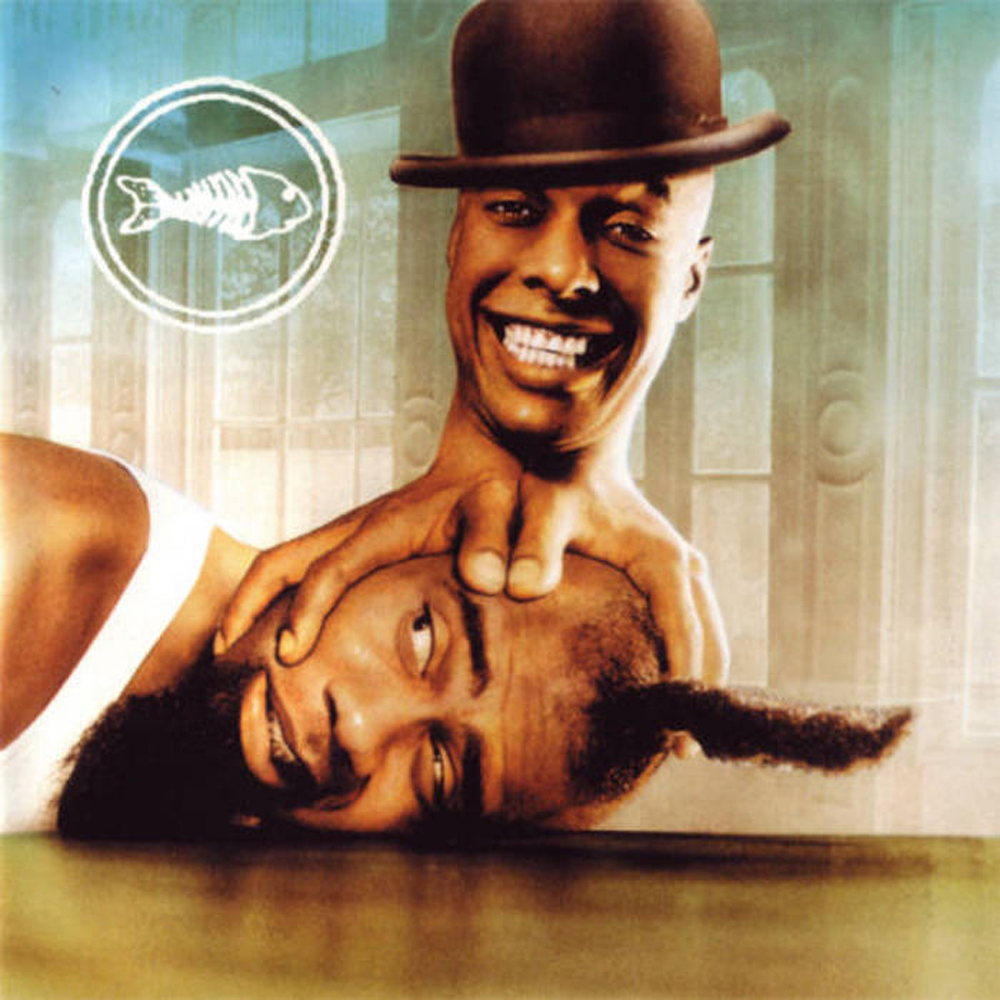 Being innovators was the curse of Fishbone’s career. Album after album they blazed a new trail, only to be discarded by the market, while bands like the Red Hot Chili Peppers steal the playbook and replace their humorous and incisive lyrics with off-key “scabby-dooby California” nonsense. But in this case, the album of reggae, ska, and pop hooks came four years too late. They luckily released a best of compilation to stay top of mind with the ‘90s ska revival, but this could have been a hallmark of third wave ska, with the bass lead reggae groove combined with vaudeville jokes in the Suffering. This album is notable for the variety of guest musicians – Gwen Stefani, George Clinton, the aforementioned RHCP (thankfully only the talented members), and Donnie Osmond, but the album is strictly for friends and fans.
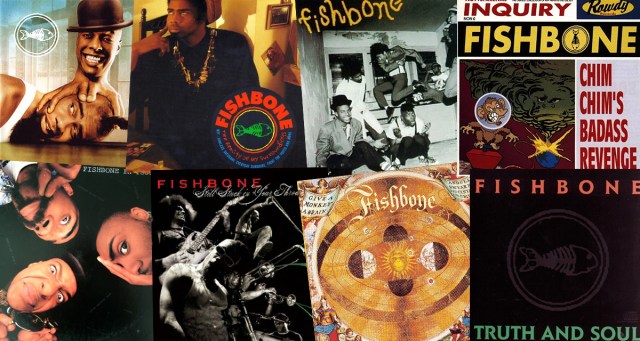
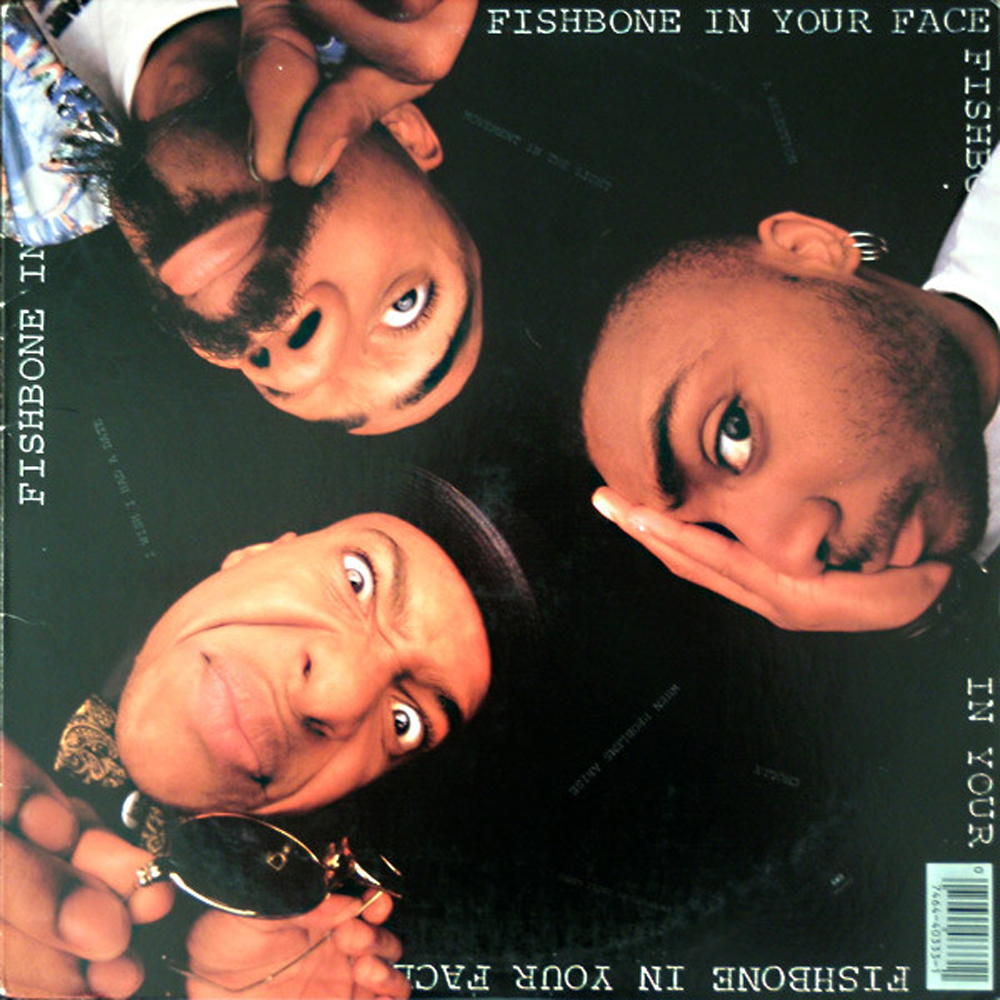 Sophomore releases either stay the course or make a drastic change in their sound, but Fishbone went deeper. Not only musically by adding soul and jazz influences to their ska/funk/rock/reggae/new wave repertoire, but also as a personal exploration of the environment that produced them. Though it’s far from the best track on this album, but if you want to impress people with your knowledge of trivia, tell them “Turn The Other Way” was the original song playing on John Cusack‘s boombox in “Say Anything,” so be prepared to be carried out of the room with a crowd of people chanting your name.
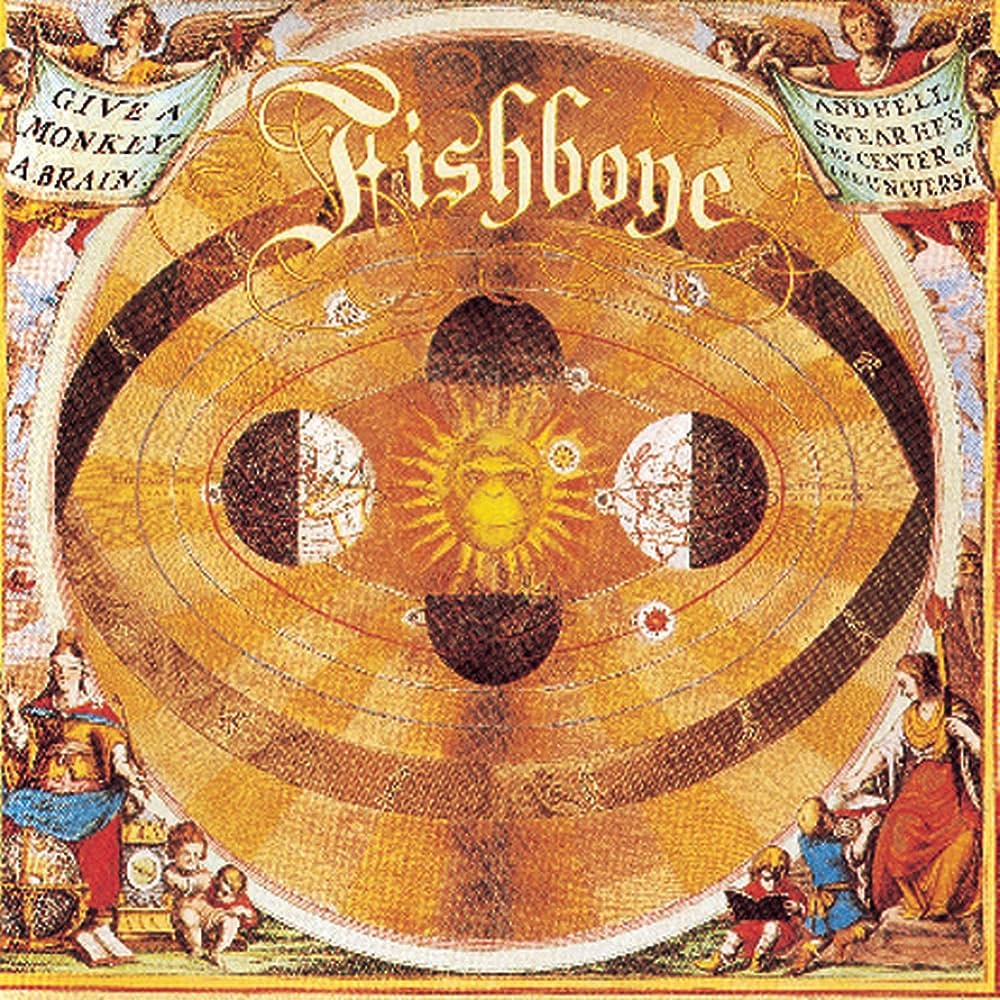 This album is noteworthy for two things: It is the last recording with the six original members, and it is HEAVY. The band does their usual exploration of genre and maturity of style, and even with everyone at the top of their game, the chunky guitar stands out as a giant step into a new world. In retrospect, the cracks in the foundation were starting to show, every member was given the spotlight, but that might have been a peacekeeping measure. The album starts with three metal songs that rock harder than anything on “Headbangers Ball,” before easing into the giddy pop-ska of “Unyielding Conditioning.” This is a stew where every ingredient shines, except the potatoes wanted to go solo and the onions were having a nervous breakdown.
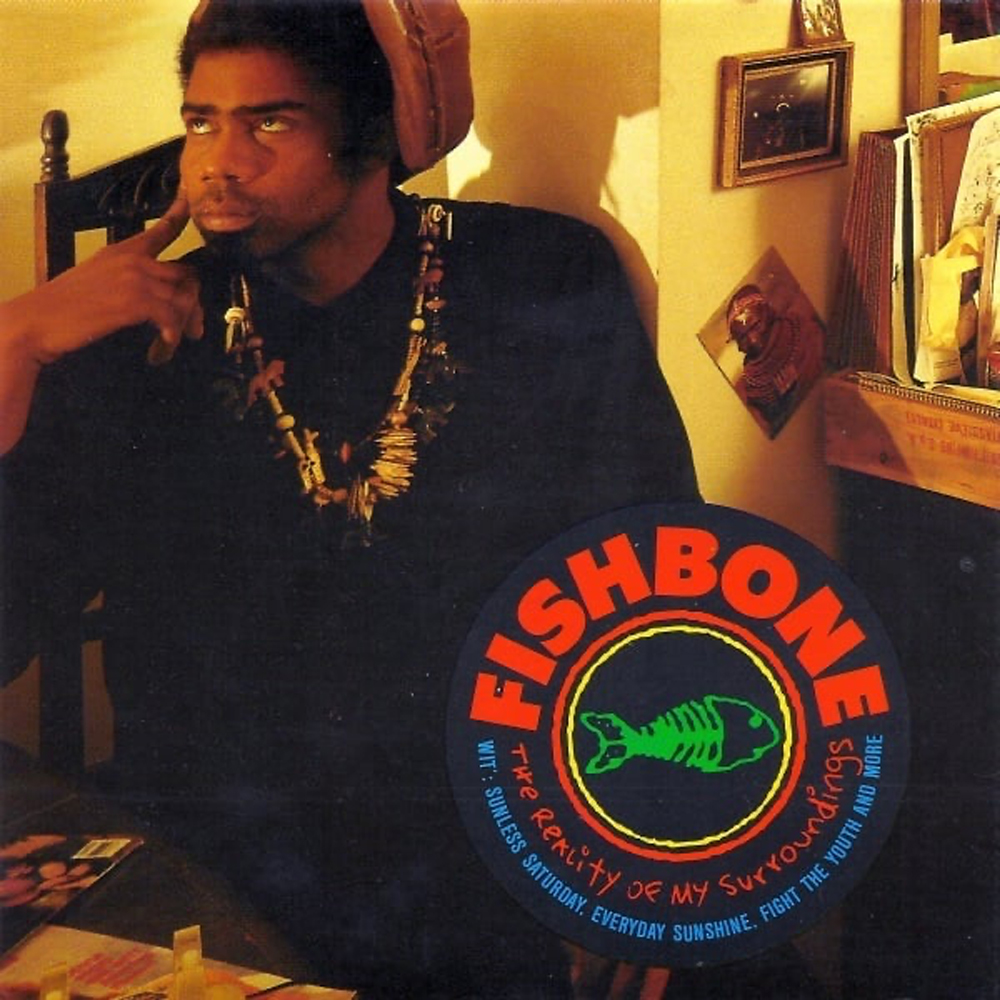 This is Fishbone’s most ambitious and highest charting album, and it’s not hard to see why: the genre blending (and genre bending), the social commentary, the political fearlessness, the energy, the humor, and the musicianship were all presented in a flawless package. Each member plays multiple instruments, but keyboardist/trombonist/vocalist Chris Dowd shines on this outing as the ultimate utility player, getting featured as lead vocalist on a few tracks and proving that keyboards can rock. Shockingly, even the poetry interludes are impressive as Angelo Moore hints at his future controversial Dr. Madd Vibe persona. They pulled out all the stops, having Spike Lee direct their videos and hitting all the late night shows, but once again, being trailblazers hurt them. If released later in the ‘90s, the gospel-influenced “Everyday Sunshine” would have been a Clinton-era ska breakthrough, and “Fight The Youth” would be the lead track on the “Tony Hawk’s Pro Skater” soundtrack. They will have to live on as the t-shirt for every John Cusack character and as a band that can tour forever everywhere to a devoted fanbase.
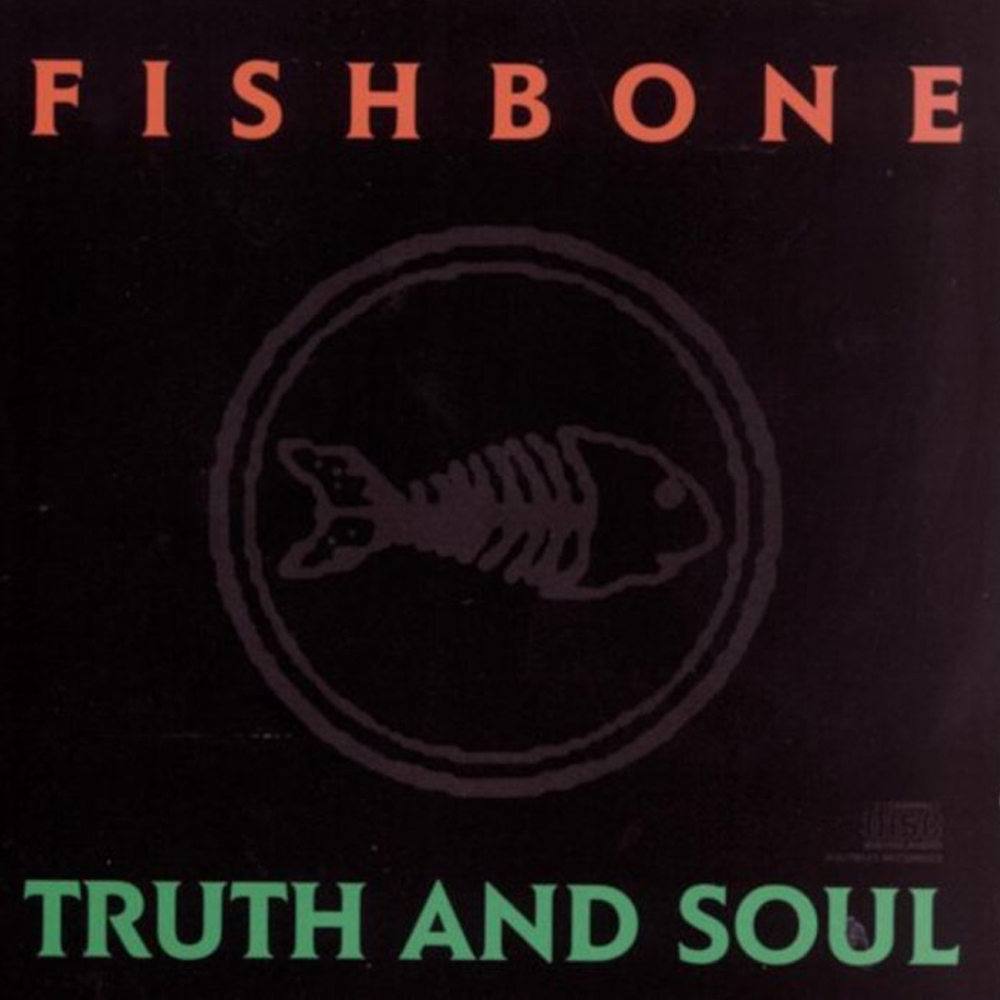 On their second full-length release, Fishbone melded together as a group, as a band, and as a team. Everyone is absolutely at the top of their game from the songwriting to the bass lines, the horns licks, the harder edged guitar solos, and even the ad libs and yelps are on point. They showed how they can interpret a world of influences into their own sound by taking Curtis Mayfield’s classic “Freddy’s Dead” from a funky, mournful lament into a hard-driving cautionary tale. That is the essence of Fishbone: absorb sounds from everywhere, take a lifetime of socially conscious observations, mash it together and create something even better. And then include a song about boning in a boneyard.
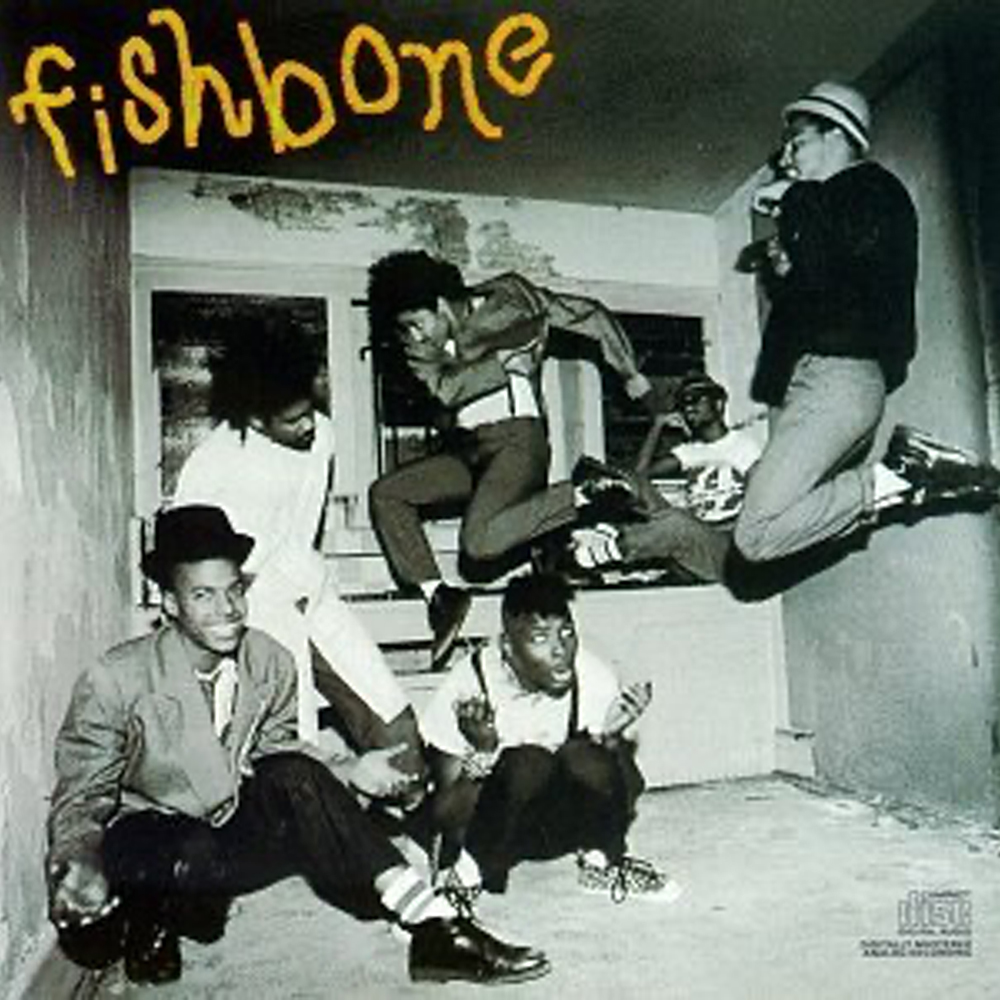 As a rule, these rankings don’t include live albums, compilations, or EPs, but this is Fishbone’s best release. A six song EP contains two of the greatest ska songs ever written, and are guaranteed to win over the biggest ska skeptic. The album turns a cheerleader chant into an anti-Reagan anthem, a sci-fi tinged jam calling out radio stations by name, a pop nugget, a nuclear party epic, a bouncy anti-love song, and a scatalogical gem which debunks the conspiracy that the World War II attacks in Japan weren’t atomic bombs but Godzilla’s farts. The standout is “Lyin’ Ass Bitch,” a song which made headlines when the Roots played it as the entrance music for Republican ghoul Michele Bachman on Jimmy Fallon causing such an uproar that Fallon vowed to never to be political, funny, or interesting.