The 1990s were a golden age for television. Sitcoms drew massive ratings, networks were programming shows for viewers of all ages, and a good theme song could really set you apart. But what makes for a good theme song? Is it the melody, a catchy hook maybe? The only thing we care about is how hard we can mosh to it. We pulled our vintage Bane hoodie out of storage, put on our favorite camo shorts, and cleared our space in our bedroom because it is time to put these theme songs to the test and see which one reigns supreme when it comes to moshing.
100. The Sopranos
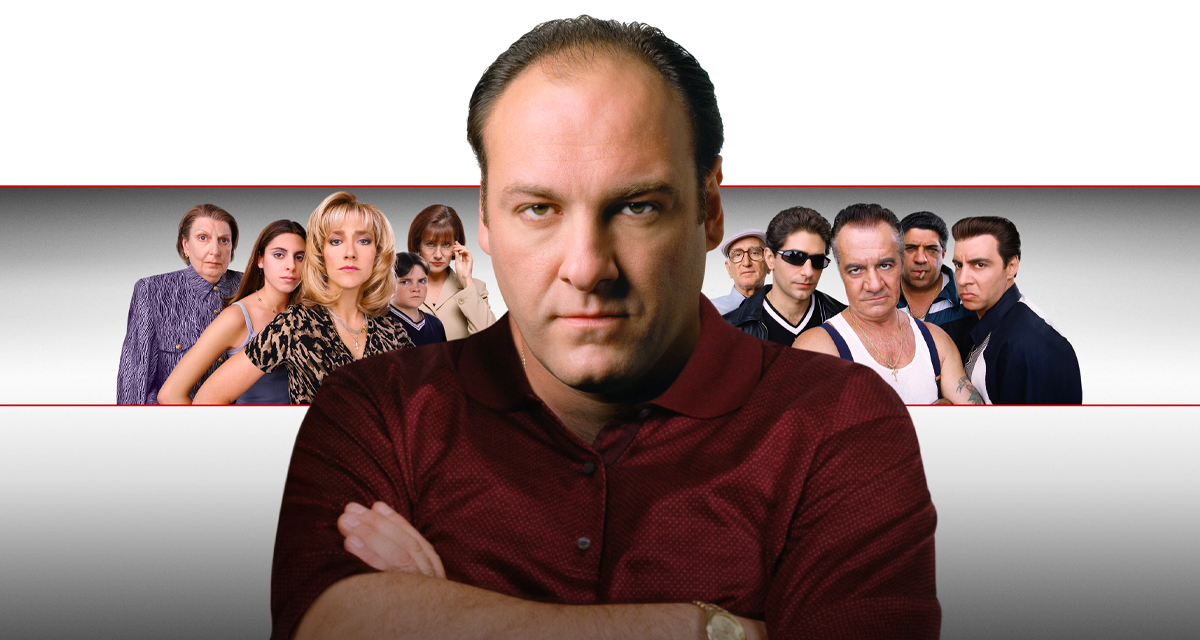
“The Sopranos” is more of an early 2000s show, but it premiered in 1999 so it makes the list. The show has a theme song so un-moshable that it makes me physically ill. You might expect a show about hard dudes to have a hard theme song, but this lacks in every dimension. Not a single spin kick was thrown while listening. Listen here
99. Frasier
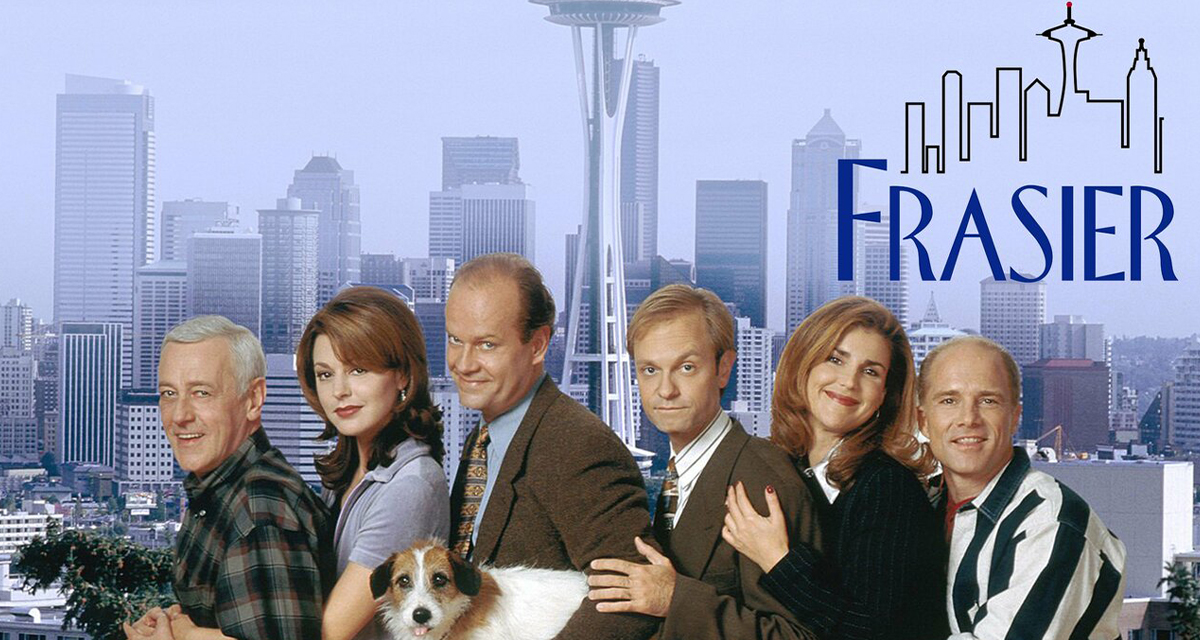
This is absolute fucking horseshit from start to finish. What is this guy singing about? Where are the lyrics about brotherhood, unity, respect? The fact this show takes place in Seattle and this is the theme song is a crime against humanity. Listen here
98. ER
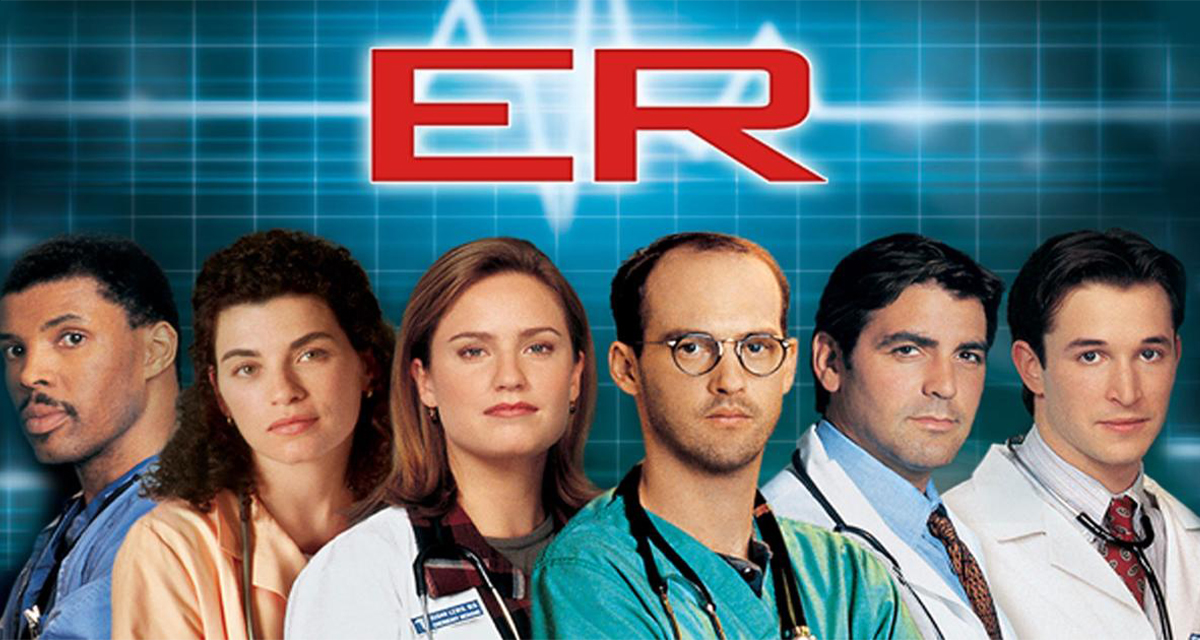
Just because something is synth-heavy doesn’t mean you can’t mosh to it, unless it’s this trash bag song. My feet never moved while listening to this boring piece of dog crap, no windmills, nothing. Listen here
97. The X-Files
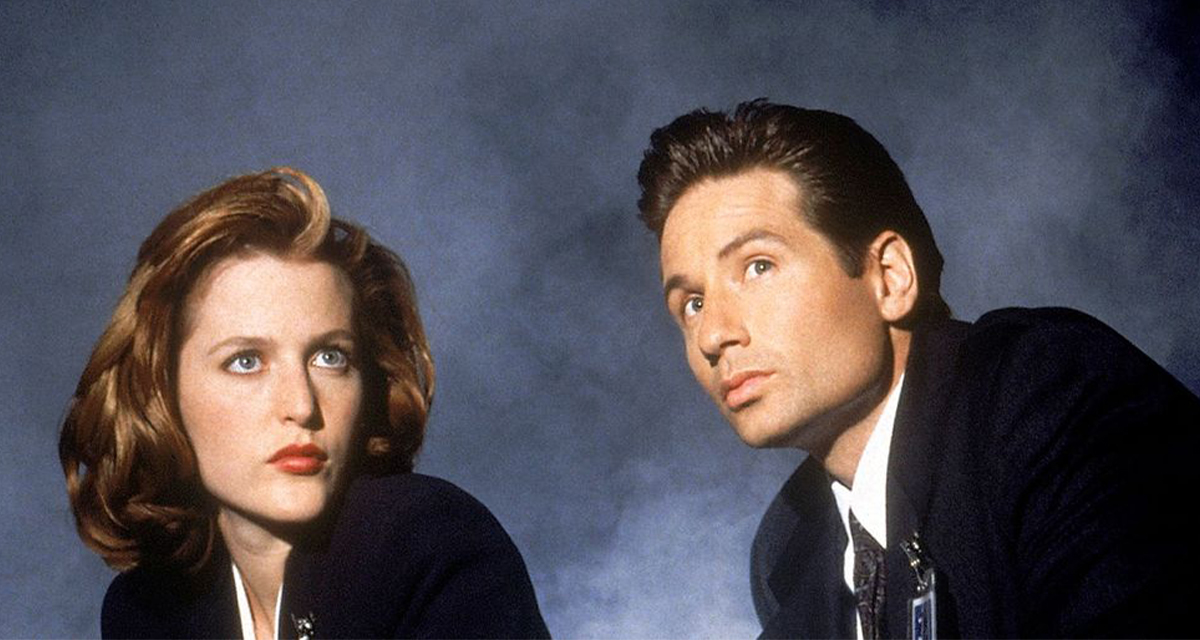
The X-Files should have had a ’90s straight edge band create their theme song, it’s just too easy. But they didn’t they have a semi-spooky ambient theme that has never inspired anyone to stage dive. Listen to XFilesX instead. Listen here
96. Are You Afraid of the Dark?
This theme song would be perfect to play as an intro to a heavier song, right as the theme finishes the drummer should hit their China cymbal to start off a brutal breakdown, but as it stands right now there is nothing here worth moshing to. Listen here
95. Hangin’ With Mr. Cooper
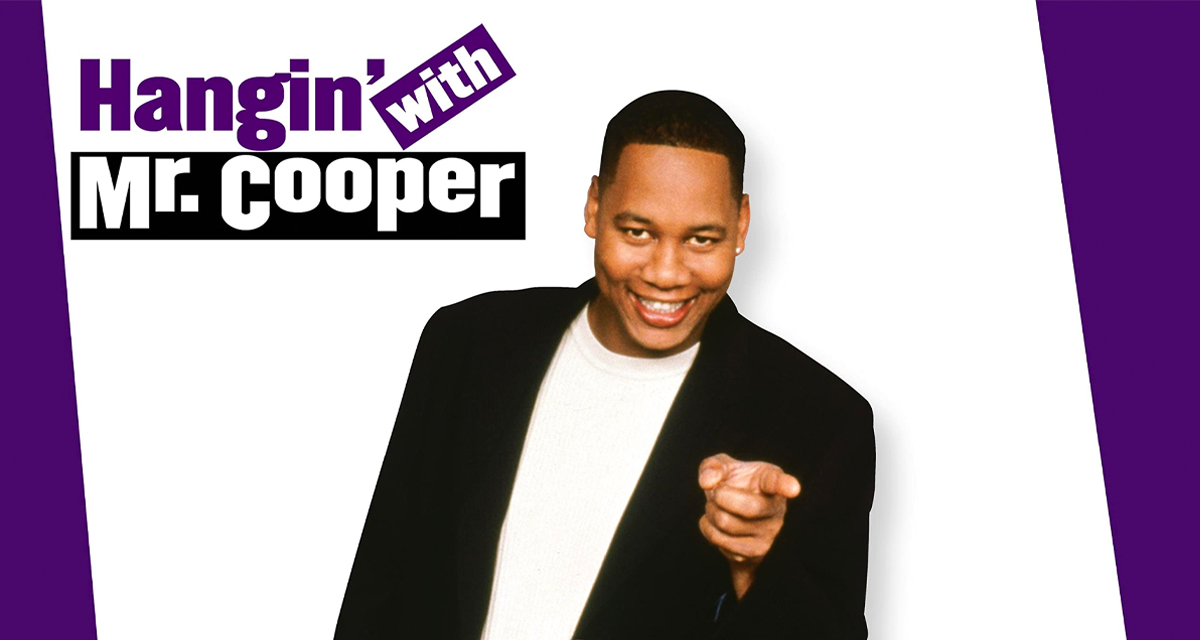
If you can mosh to this song then you are a better person than me. I tried everything I could, but I got nowhere. This song is on my sex playlist though, because nostalgia gets me in the mood. Listen here
94. Blossom
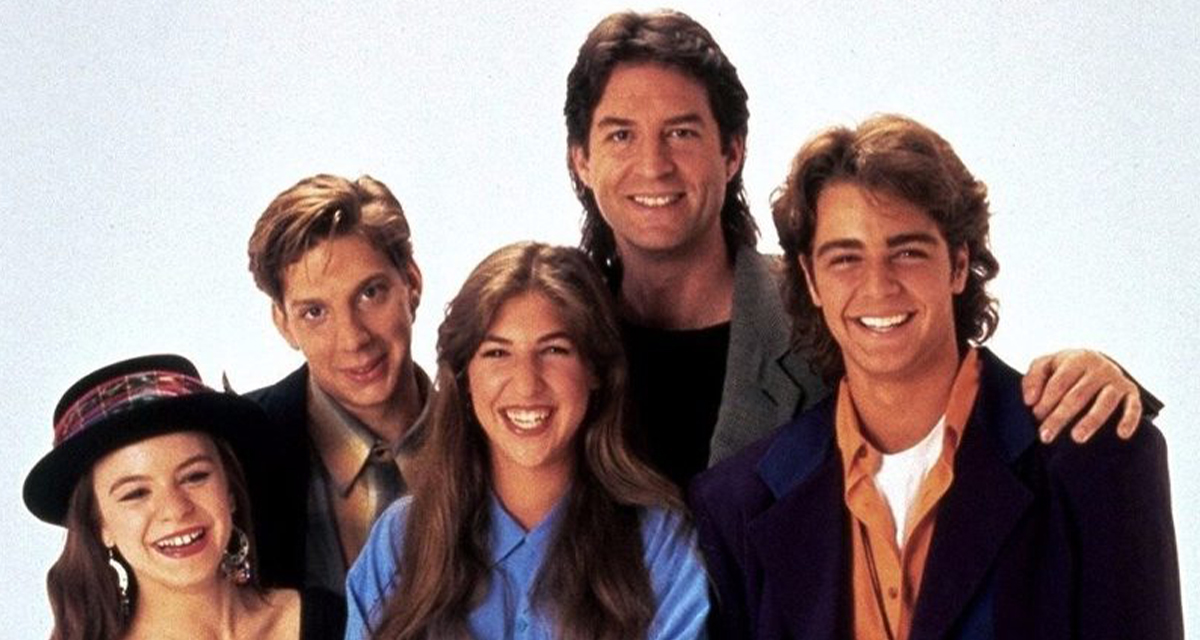
Despite the fact the titular character of Blossom is doing mosh-adjacent moves in her bedroom during this theme the fact remains this song absolutely blows. It’s like ’90s shows didn’t want me to crowdkill my entire family while we all gathered around the television for light-hearted laughs. Listen here
93. Northern Exposure
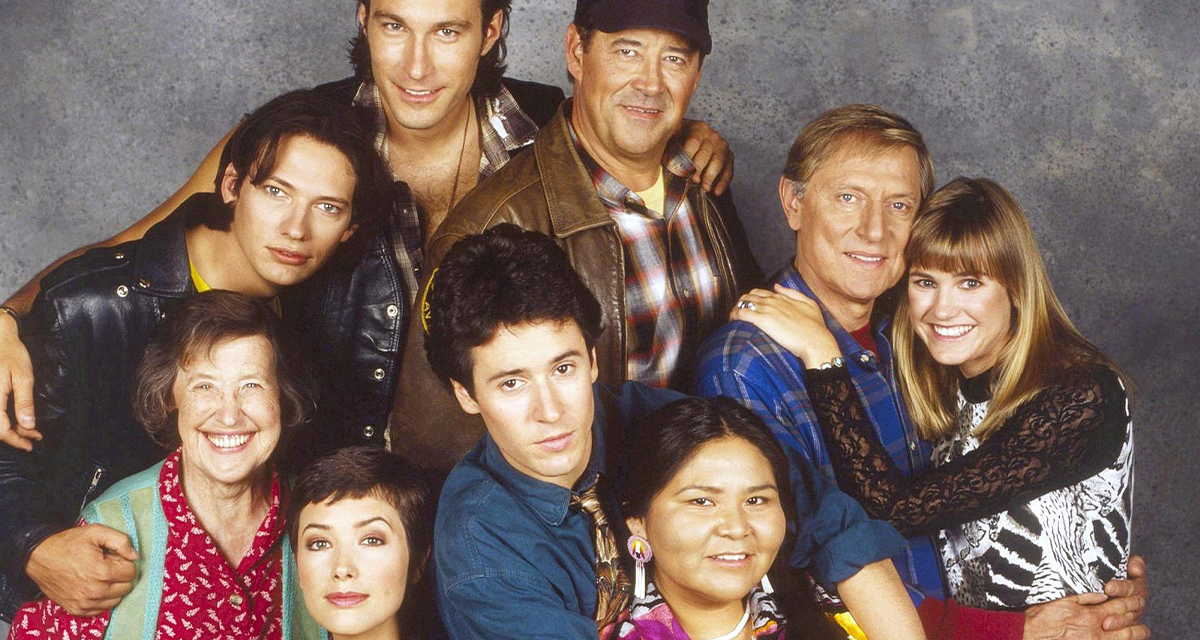
No surprise here. A show about Alaska doesn’t have a moshable theme. Name one hardcore band from Alaska, I’ll wait. Listen here
92. Twin Peaks
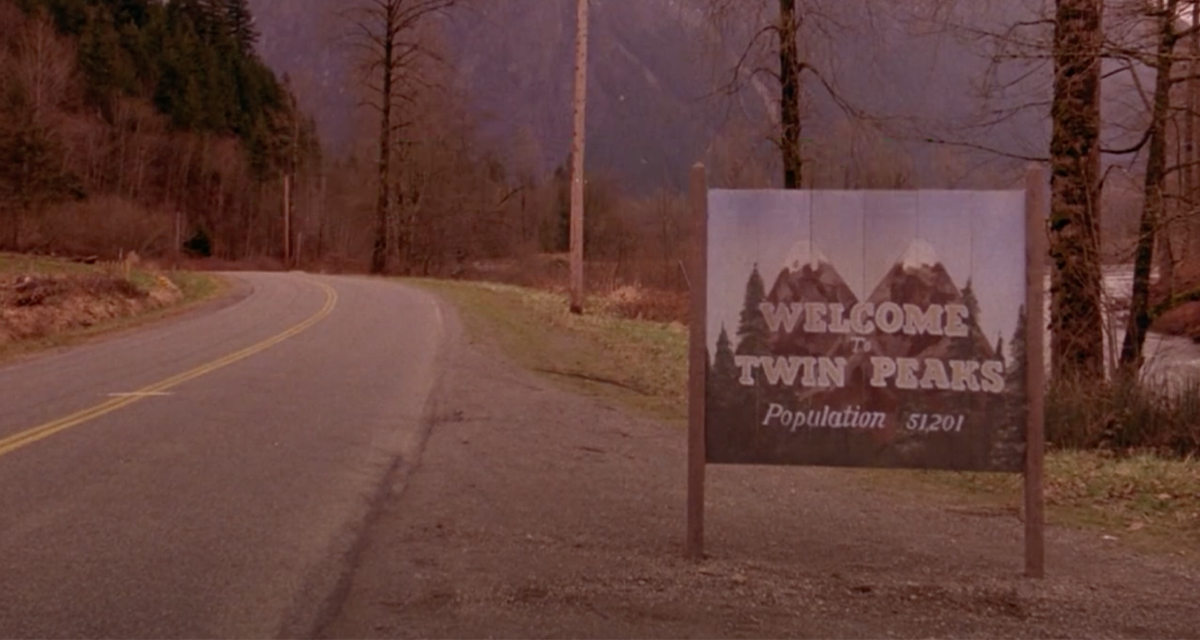
I’m starting to get tired standing around so much. If a doctor checked my pulse they would say “Hey, you are so bored by this song you are legally dead, let me prescribe you some Shattered Realm.” Thanks “Twin Peaks” theme song, you killed me. Listen here
91. Everybody Loves Raymond
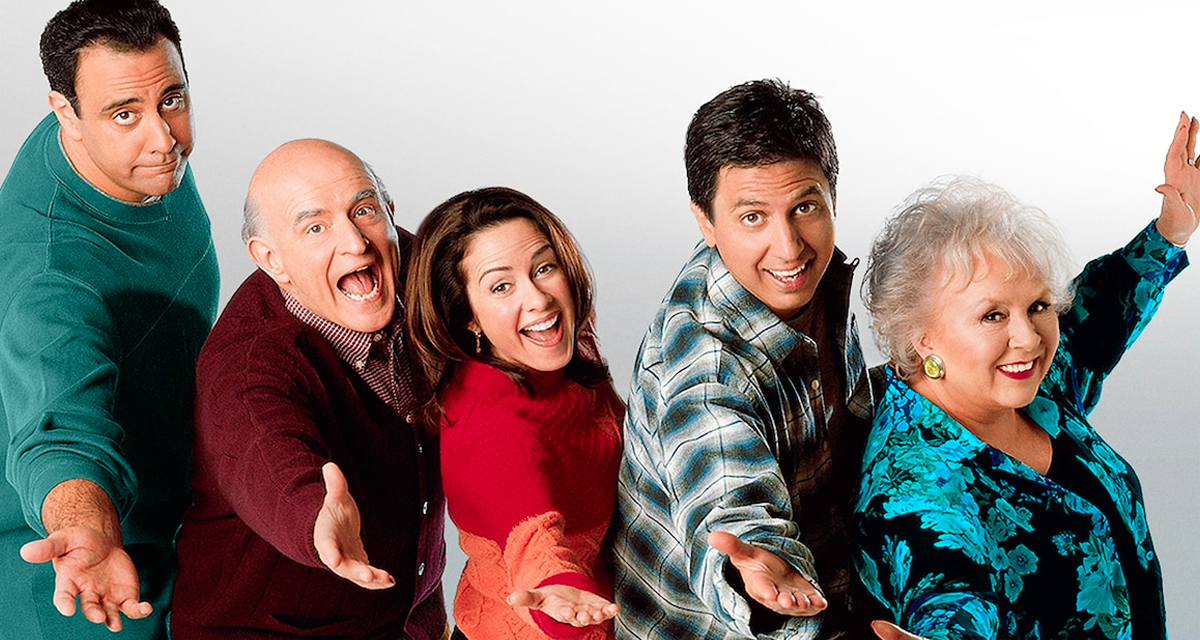
More fucking jazz. “Everybody Loves Raymond” is another show that falls victim to the scourge of piano intros. The only reason this isn’t dead last is because it sort of reminds me of a Vulgar Pigeons song. Listen here
90. The West Wing
Alright a show about Washington D.C. Surely they will use a D.C. hardcore band for their theme right? Not even close. They decided to go with a song that sounds like it should play over an In Memoriam segment at an award show. Listen here
89. J.A.G.
This song starts off promising with some drums, then the horns kick in and all of a sudden you are left standing around looking like a complete prick. You just want one fast riff for a circle pit, but it won’t happen here. Listen here
88. Mad About You
 The “Mad About You” theme song is one of the worst examples of white guy jazz there is. And nobody has ever moshed to white guy jazz. Listen here
87. Lois and Clark: The New Adventures of Superman
 All horns and strings in this theme song. But somehow it’s even worse than ska, at least you can skank to ska. There is no skanking to this theme, not even close. Listen here
86. Hercules: The Legendary Journeys
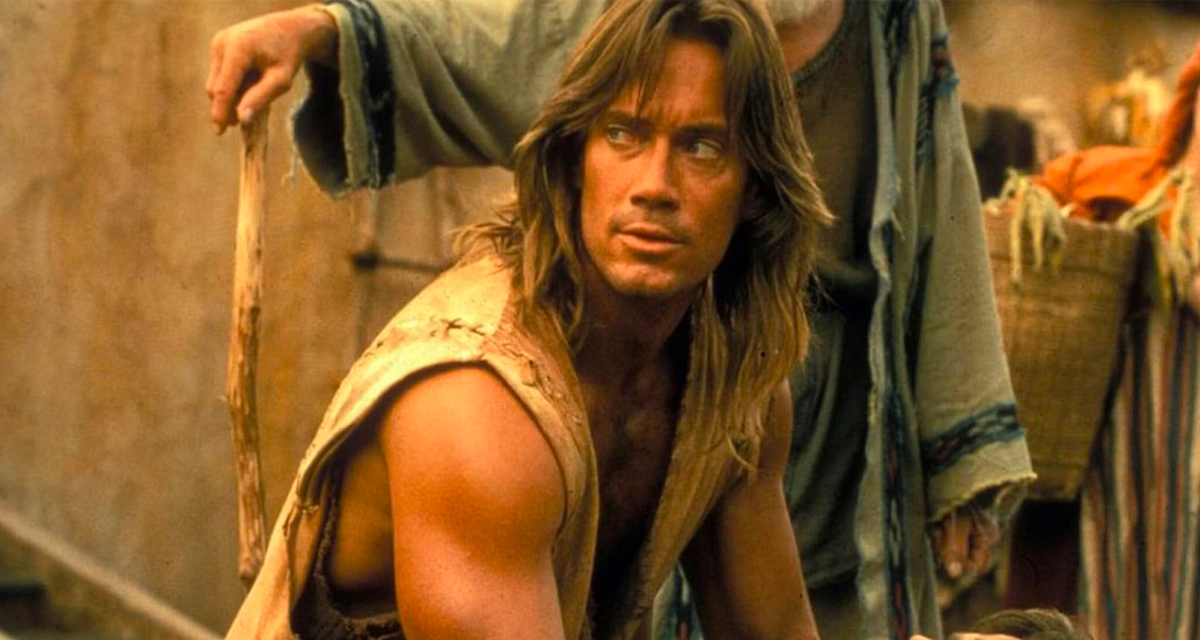
If you expected a show about a legendary fighter to have a great theme song that primes you for merciless beatings you would be sorely mistaken. Another “fantastic score” by some band geeks. Listen here
85. Ally McBeal
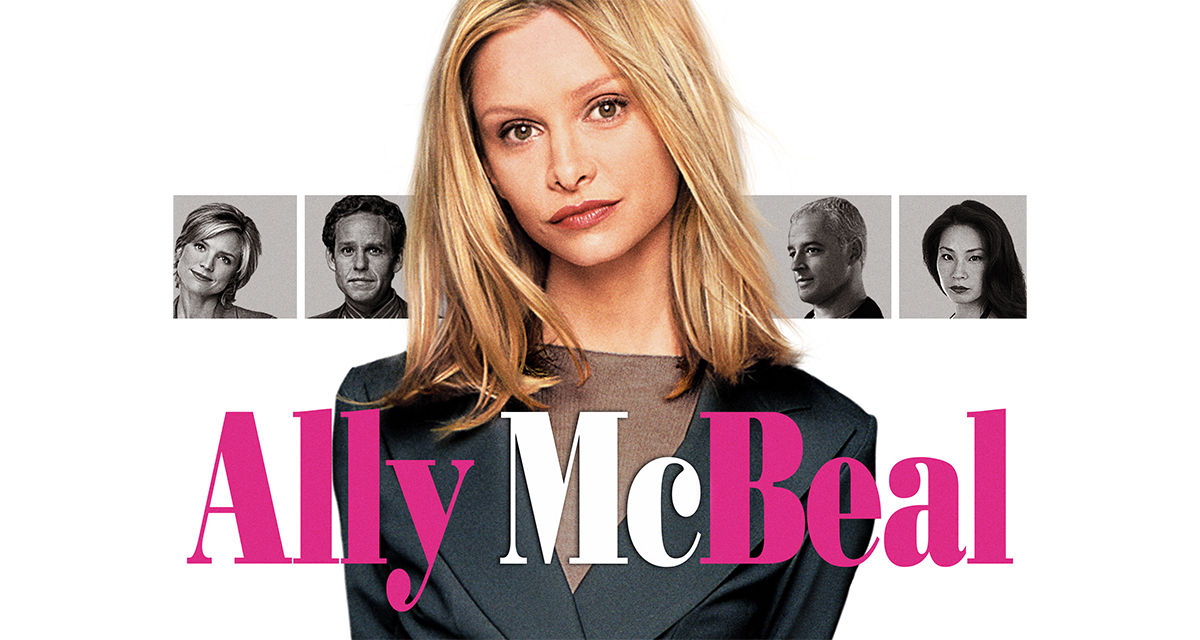
The year is 1997 and this theme song sounds like something your mother would listen to on cassette when she’s driving alone and thinking about how much better her life would be without kids. Mom music is not mosh music. Listen here
84. The Nanny
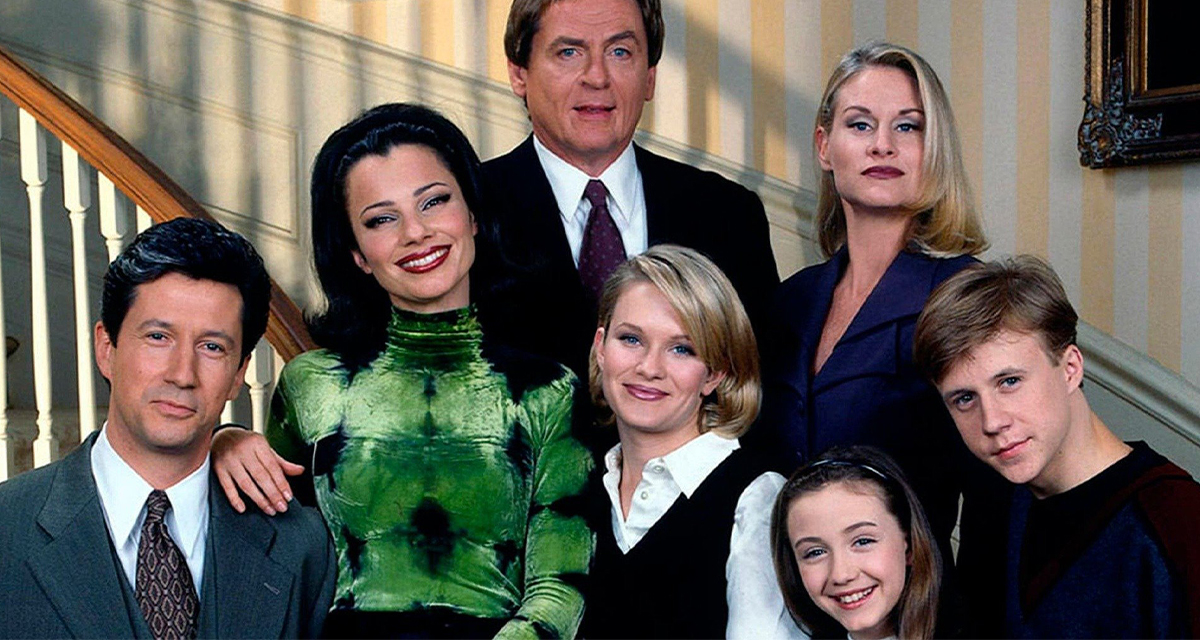
I had high hopes for this one, because I’m ready to mosh. Believe me, I want to mosh fucking hard. But the best this theme song can do is get a toe tap, which I guess is better than nothing at this point. Listen here
83. Sex and the City
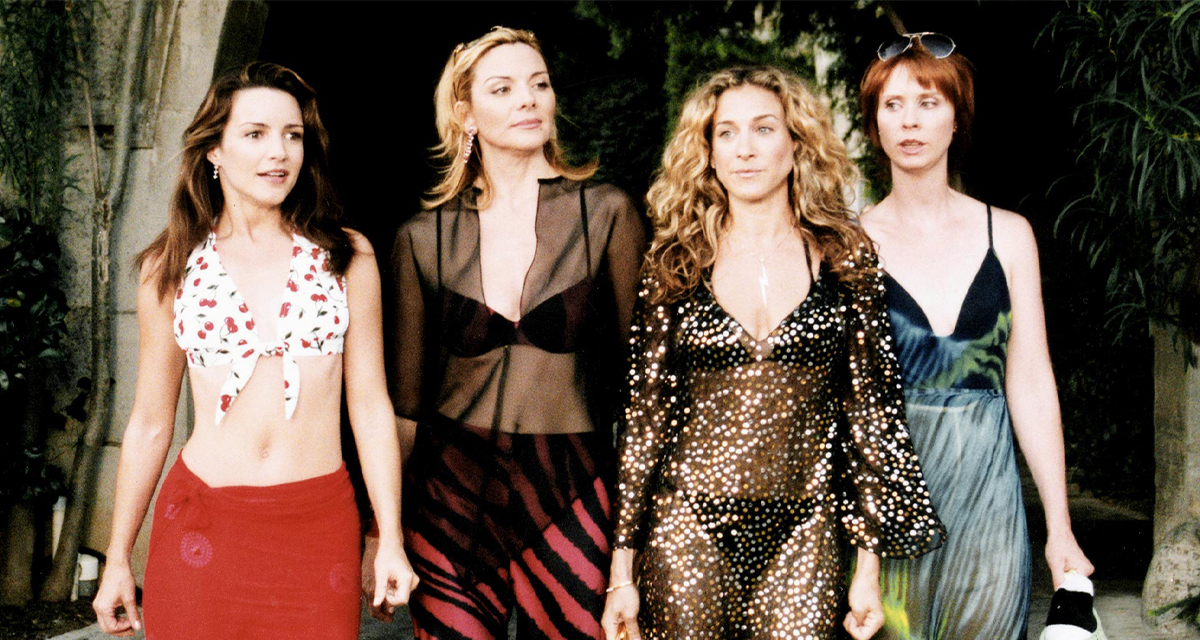
More jazz. It’s like people running Hollywood completely ignored the great hardcore bands of the ’90s on purpose. How hard would it have been to get Madball to do the theme? Listen here
82. Rugrats
Another theme song that starts off promising with a drum roll and then devolves into chaos, but not in a good way that makes me want to cartwheel into people standing around by the merch table. Listen here
81. Seinfeld
This is some solid slap bass, and hell if this devolved into a nu-metal song I wouldn’t even be that mad. Unfortunately it doesn’t and we are left with nothing to swing our fists to. Listen here
80. King of Queens
A portly guy with a blue-collar job in New York? Ok, here we go. This theme is probably going to be performed by Sworn Enemy or something right? Wrong again. It’s just a guy fucking whining about his bad back, I guess I can relate. Listen here
79. The Tick
More jazz, this time with some vocal scatting. It’s the heaviest jazz song so far, but still jazz. If there is one thing we know for sure it’s that nobody can mosh to jazz. Listen here
78. The Critic
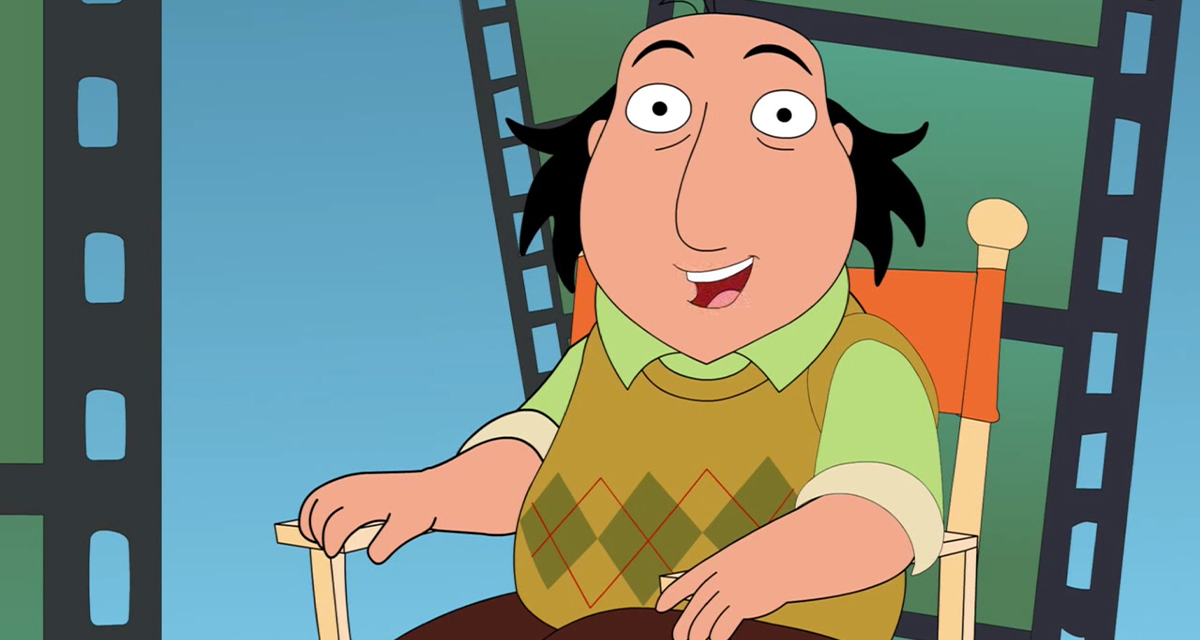
God fucking damn it, if I could go back in time I’d join a jazz ensemble that specializes in tv show theme songs. But as it stands now I spent most of my time in the ’90s Xing up my hands and making sure I had a canned good to bring to shows. Listen here
77. Sister Sister

If a hardcore band wanted to cover the “Sister Sister” theme they could slow it down, throw some Misfits ‘woahs” in there, and have a decent track, but in its original form it’s a lost cause. Listen here
76. Law and Order
 The “Law and Order” theme kind of goes hard, but it never gets you over the hump. Ideally, you are compelled to mosh by sheer force of will, not because you’ve been standing around for an hour and your knees hurt. Listen here


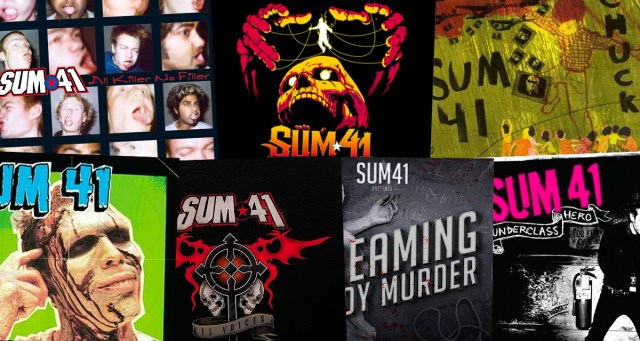
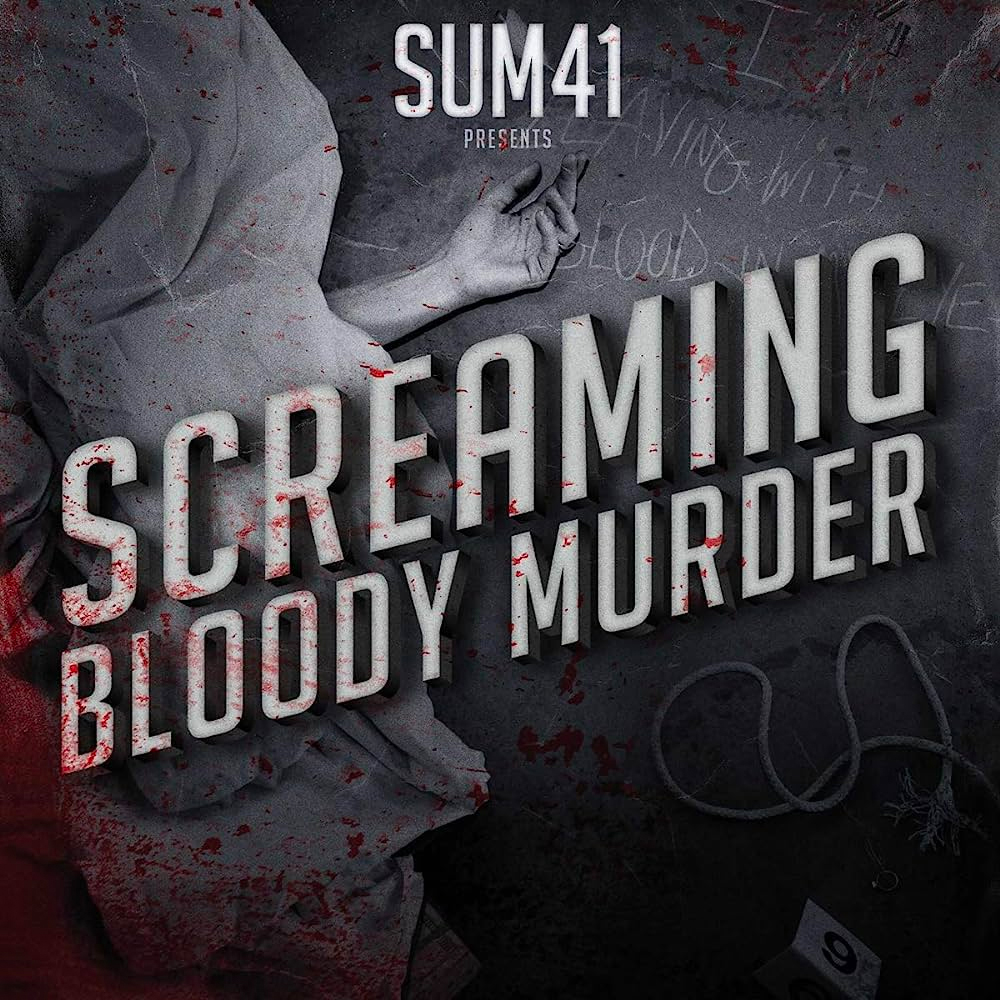 For an album with such a bold title, there’s not much going on here. It bounces around in a lot of directions, but none of them are very interesting. It’s one of those albums that seems like it was made just to trip up Name That Tune players, because few of these tracks will stick in your brain. They should’ve called it “Punk Goes Elevator Music.”
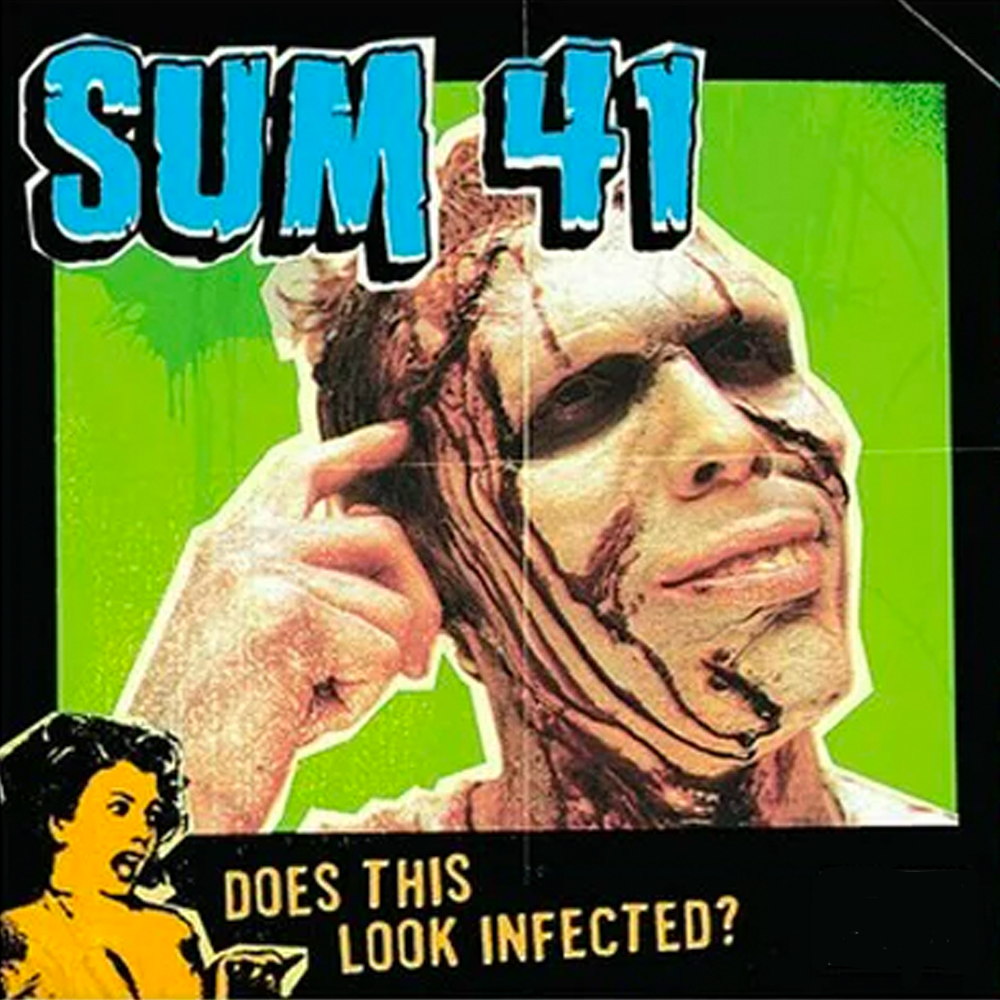 “Does This Look Infected?” was an intentional attempt to grow beyond the pop-punk sound that the band established in their breakout debut album. The result is a record stuck in an eternal, awkward adolescence, like it’s got a wispy little mustache on the cover. Sure, it’s “more mature” than their previous work, but when your last record’s hit single had a line about laughing at old people falling over, does that really mean anything?
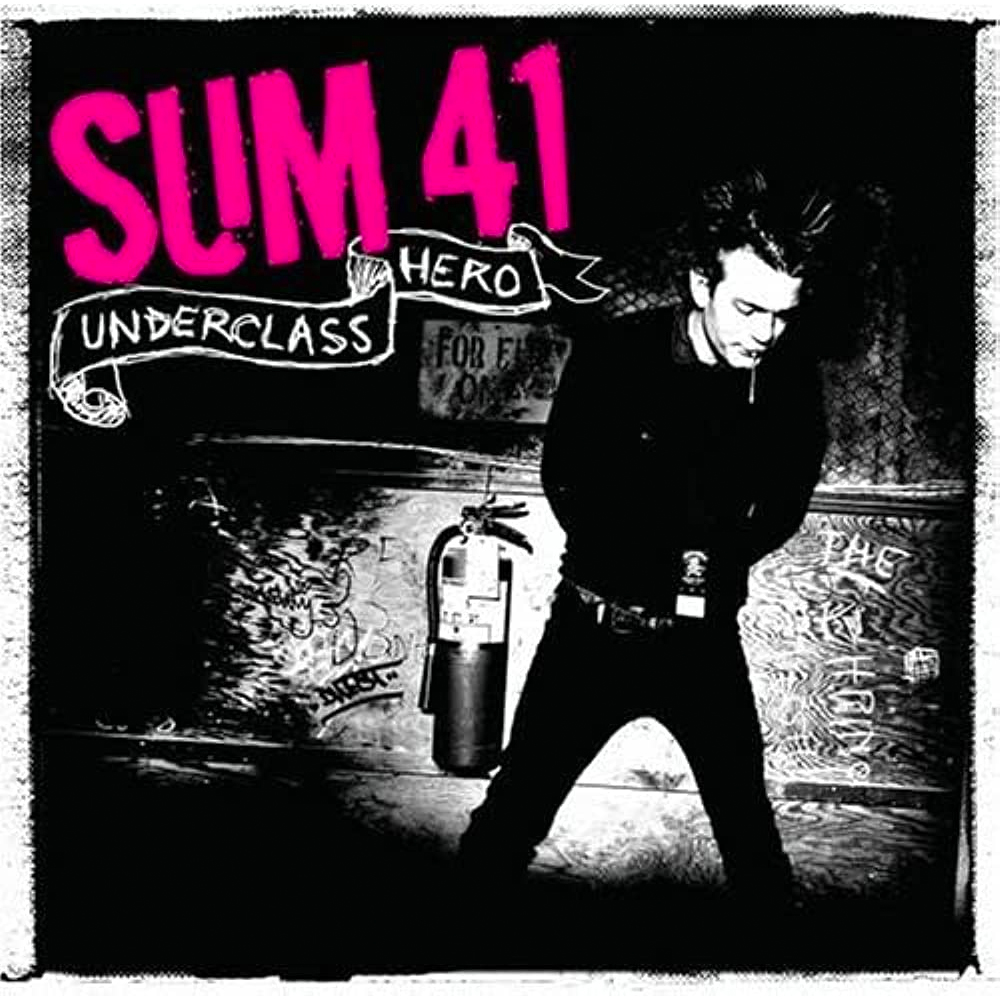 If you need evidence that these guys are more than just Canadian Blink-182, look no further than this album: they’re also Canadian Greenday, circa “American Idiot.” Sum 41 has never been afraid to be a little derivative — sometimes to their benefit — but it doesn’t quite work out for them here. The production feels a little low rent at times, like the tracks were just normalized in Audacity. Still, one of the songs almost got frontman Deryck Whibley deported because some Republicans thought he was threatening to kill Bush, which is pretty fuckin’ cool.
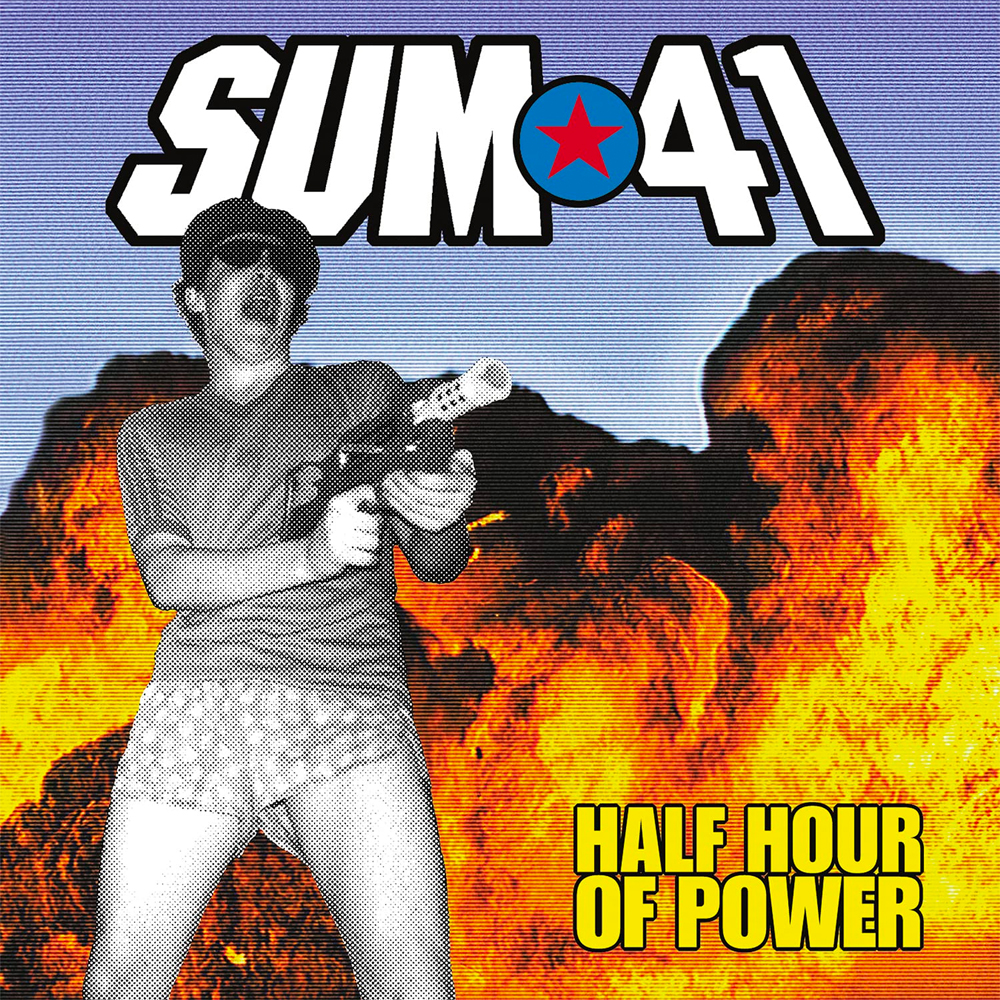 You can’t really discuss Sum 41 without mentioning this EP. I probably got a dozen computer viruses trying to track it down on Kazaa. It was a pretty prescient glimpse of the band’s future, being a mainly punk work with a couple of metal songs tossed in for good measure. Fun fact: since the total playtime comes in at 26 minutes and 27 seconds, the title of the record is the most accurate accounting of time in punk history.
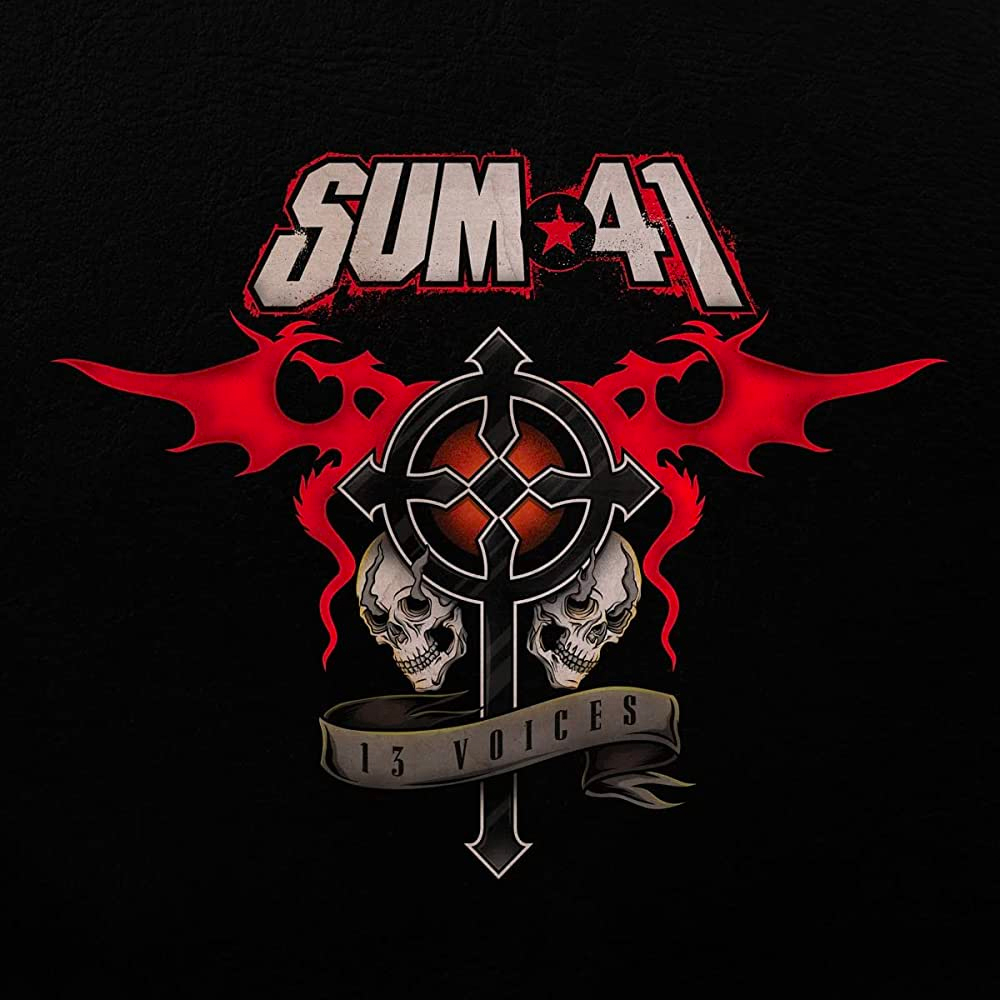 It’s a small tragedy that the moment Sum 41 had largely evaporated from the public consciousness, they started releasing some excellent albums. It took them a decade and a half, but these boys figured out how to fuse pop-punk and metal, and it freakin’ rips. The return of guitarist Dave Baksh certainly helps — the solos might not quite melt your face, but they’ll for sure soften it up a bit.
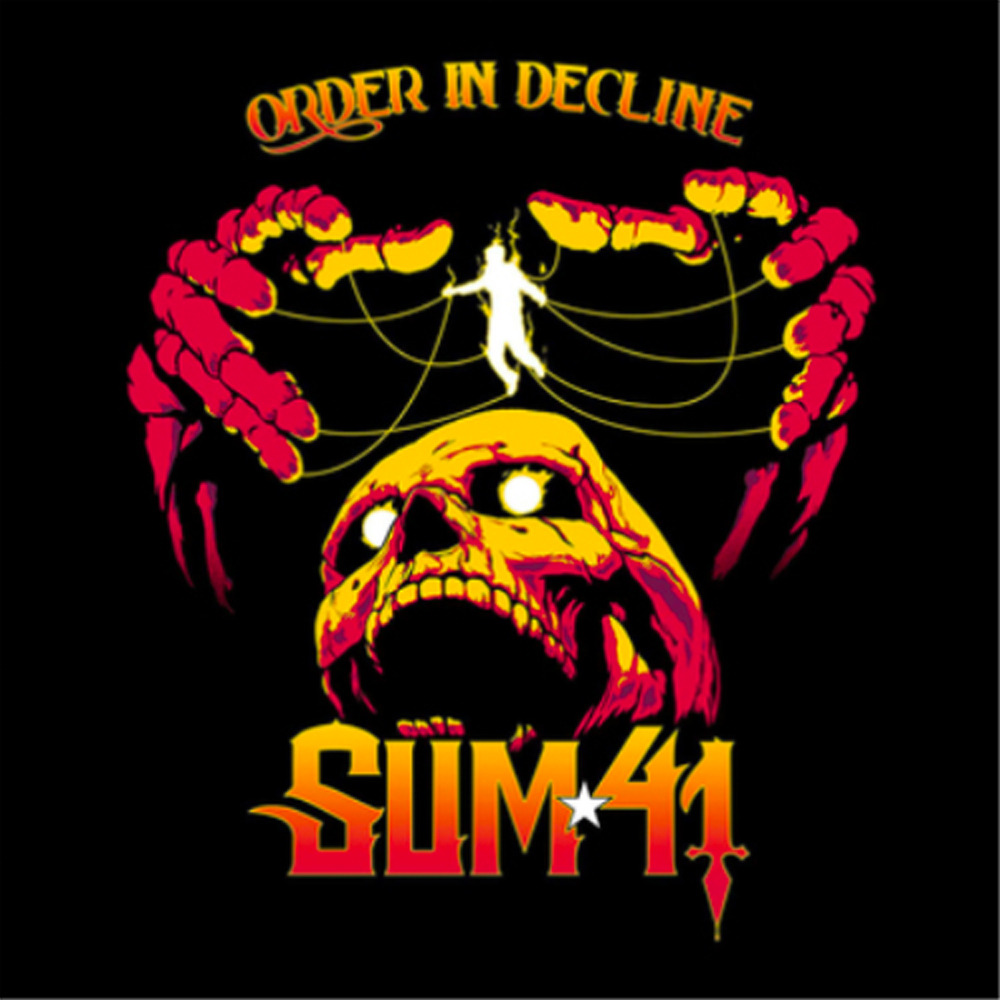 If I told you Sum 41 wrote an album about how divisive politics are these days, you’d probably roll your eyes and do a jerk-off motion. But it actually works! Okay, maybe not as genuine commentary, but it’s a crystallized, laser-focused distillation of everything the band has been trying to do. It’s driving and intense, but still catchy. Plus, have you seen how divisive politics are these days?
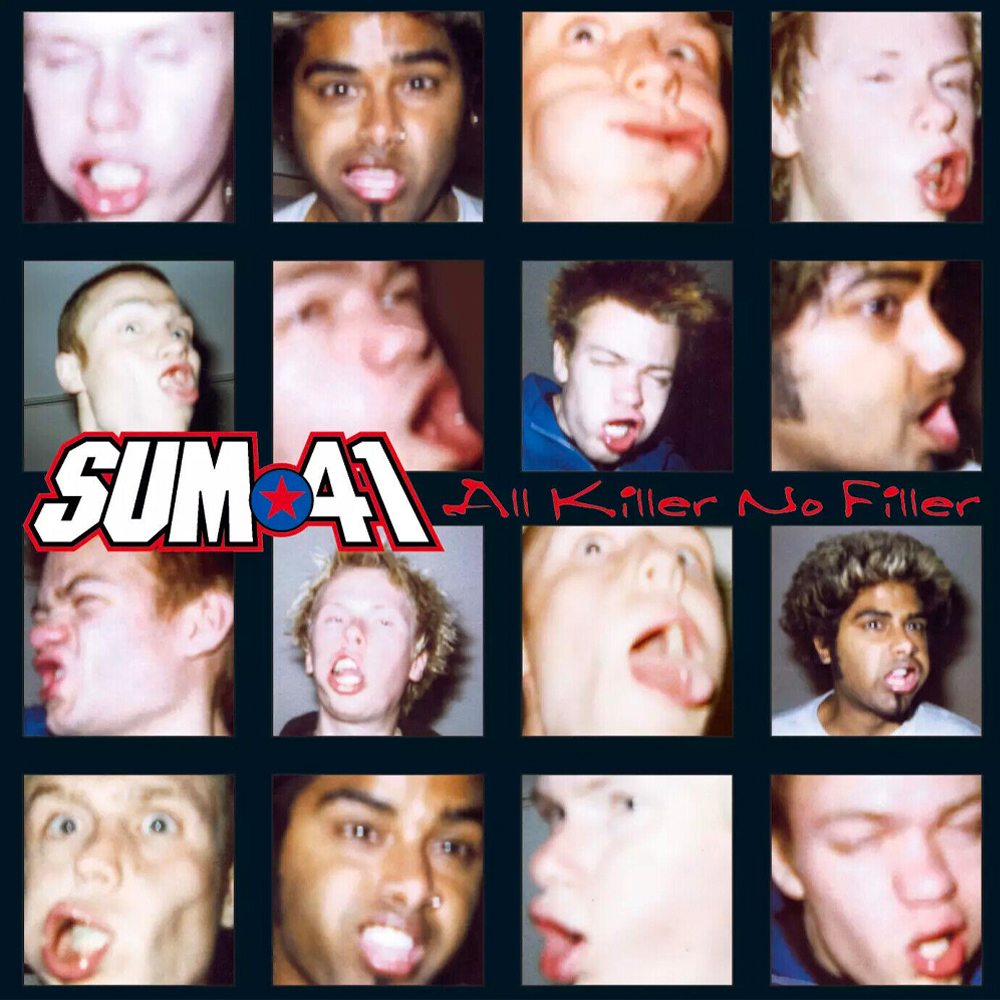 “All Killer No Filler” may have been the biggest thing to happen in 2001. Well, top three, anyway. It was impossible to escape this album. I’m pretty sure every single track was featured in a movie or TV show at some point. It’s the kind of album that could convince a 34-year-old comedy writer that he could still learn how to skateboard, despite the fact that he’s never done so much as an ollie. It is pure magic.
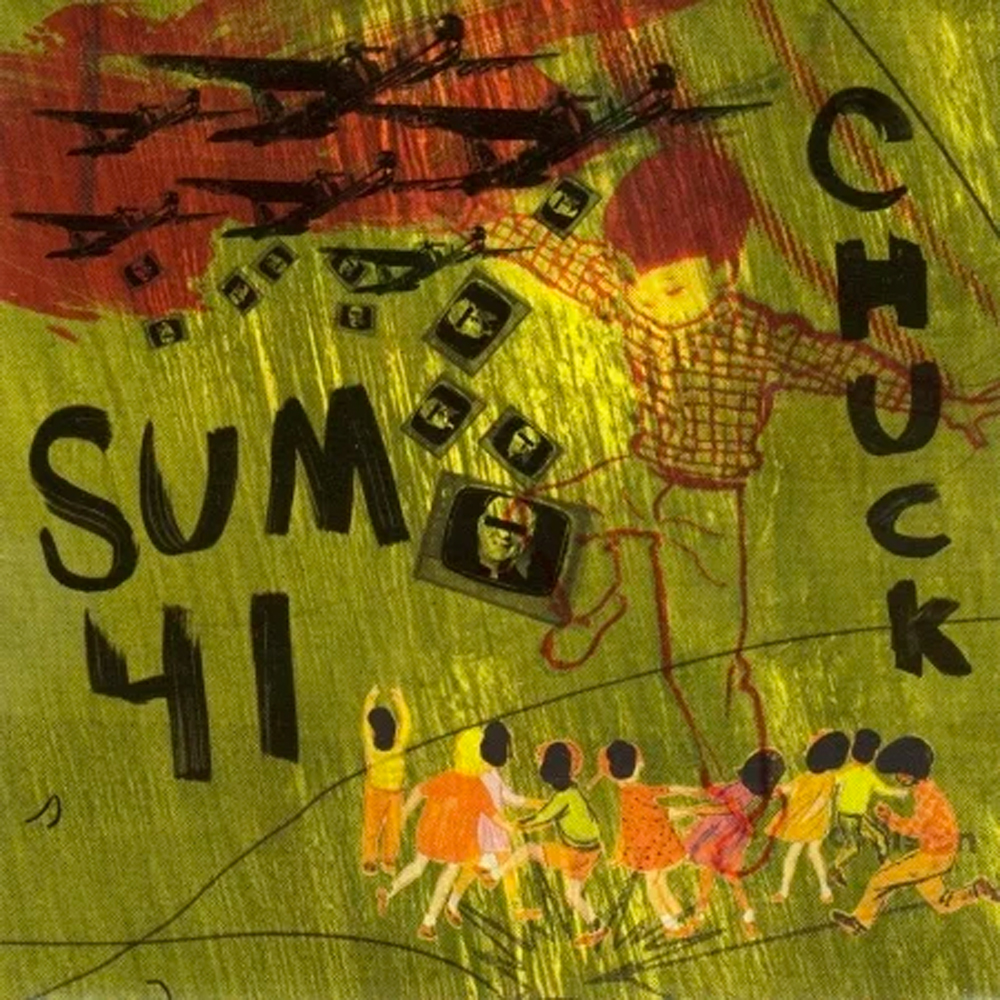 After dragging themselves through the crucible that was “Does This Look Infected?” Sum 41 emerged on the other side ready to craft their masterwork. Part of me sometimes wonders if my affection for this album is just a vain attempt to gain cred on long-defunct online music forums, but my concerns fall away immediately whenever I listen to it. It’s varied without feeling directionless, intense without becoming grating. Exactly like everyone on the old message boards said.
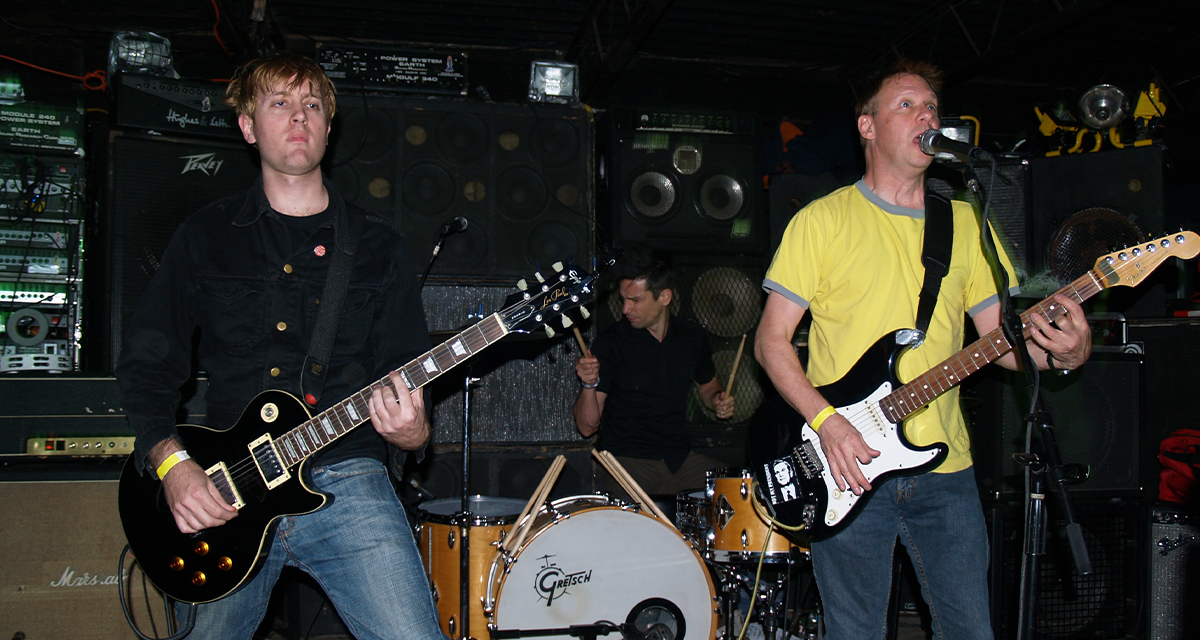 When it comes to queercore, these guys are the daddies so to speak. I don’t mean that in the fetish sense, more they were one of the first and best queer punk bands out there. Though, given their advanced age, I suppose they technically fall into the daddy category.
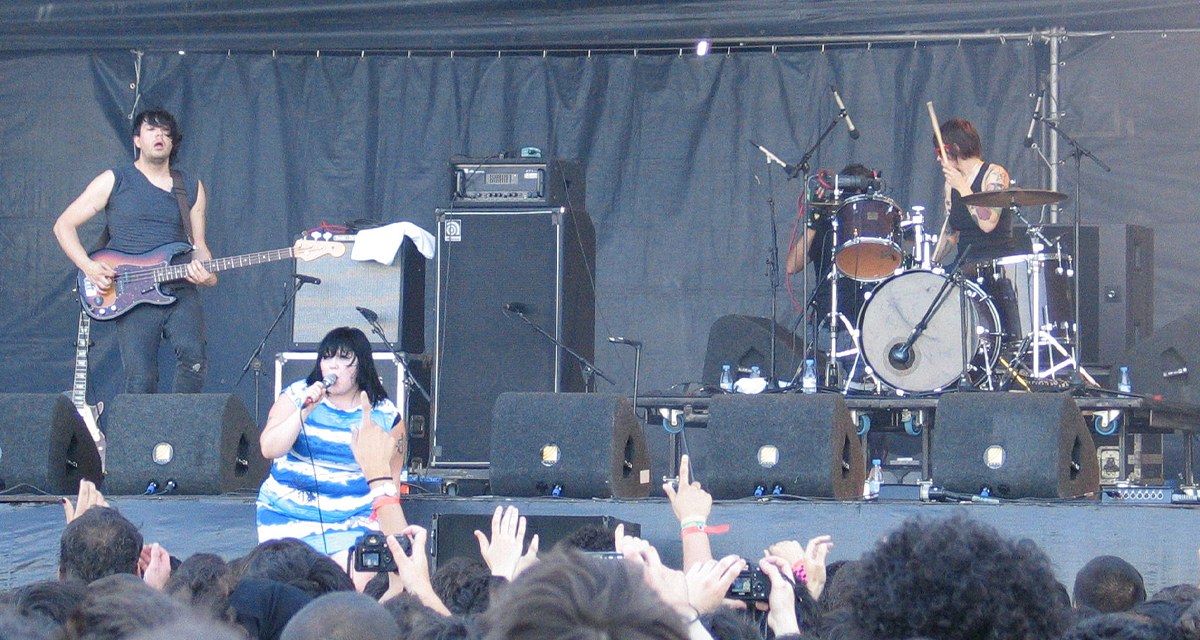 Fronted by LGBTQ icon Beth Ditto, these Arkansas punks met at Evergreen State College and were a part of the Kill Rock Stars lineup. Their sound is perfect for the more dance-oriented queer clubs. You could theoretically open a pit on the dance floor but best to read the room before trying.
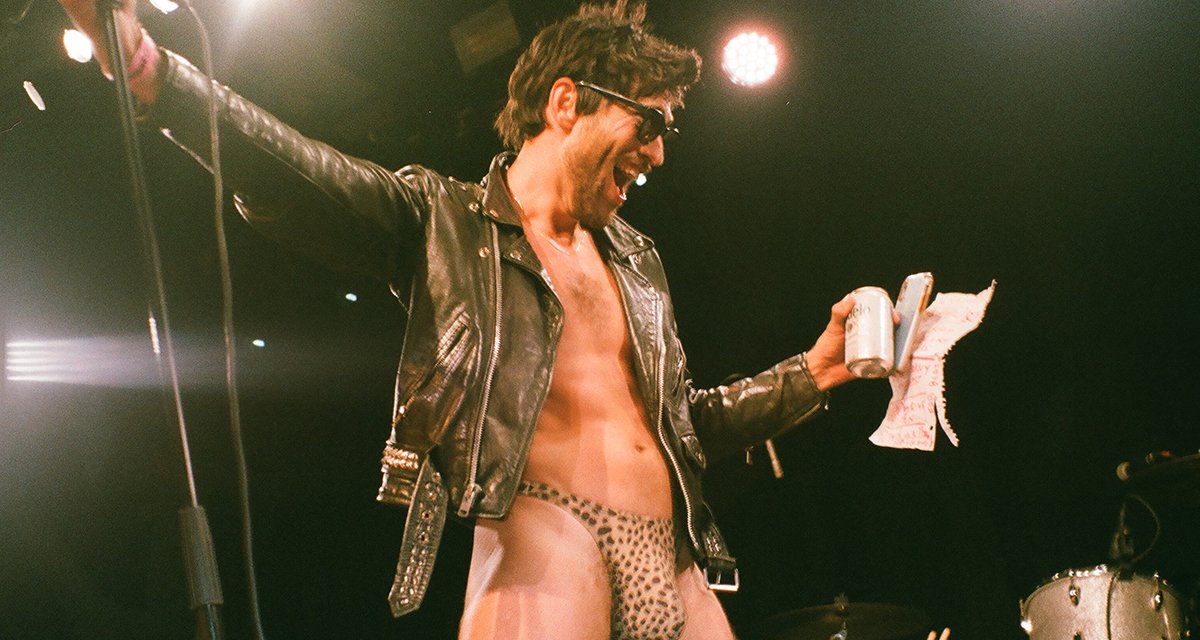 Frontman Seth Bogart frequently performs in nothing but a leather jacket and a leopard print thong. Hunx takes the late 70s snotty sound of Richard Hell and The Dead Boys and adds more than a touch of John Waters-style camp and ’60s girl group hooks. Though you’d be forgiven if you spent the whole time just staring at his beautiful ass.
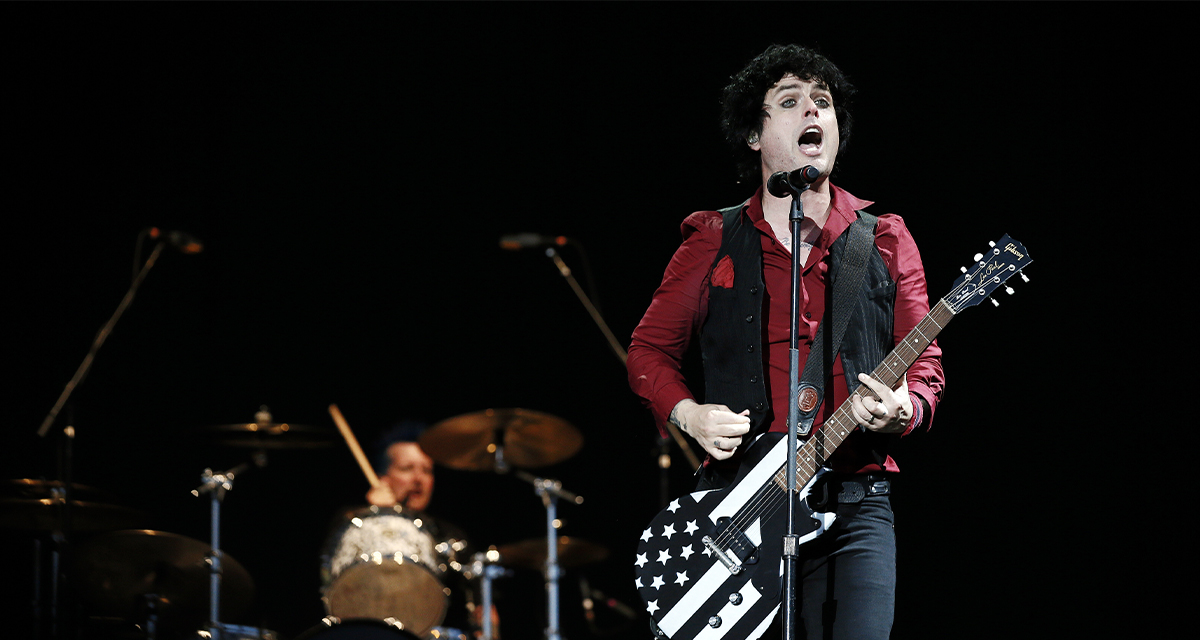 As we do not do bi-erasure here, we’re including the iconic ‘90s punks fronted by openly bisexual Billie Joe Armstrong. “Coming Clean” is an introspective track about one’s sexuality. Also, let’s not forget that ode to gender benders “King for a Day.” So now that you know Armstrong is bi, that one line in “Basket Case” kind of makes more sense, yeah? Way to be heteronormative.
 I guess this is a bit of a stretch as they didn’t sing about queer topics, though their lyrics had that sort of detached shade that only gay men are capable of. I guess that’s why Joe Genarro wrote such great lyrics. It was kind of nice to learn that the frontman of one of the best ’80s bands is a fellow butt boy.
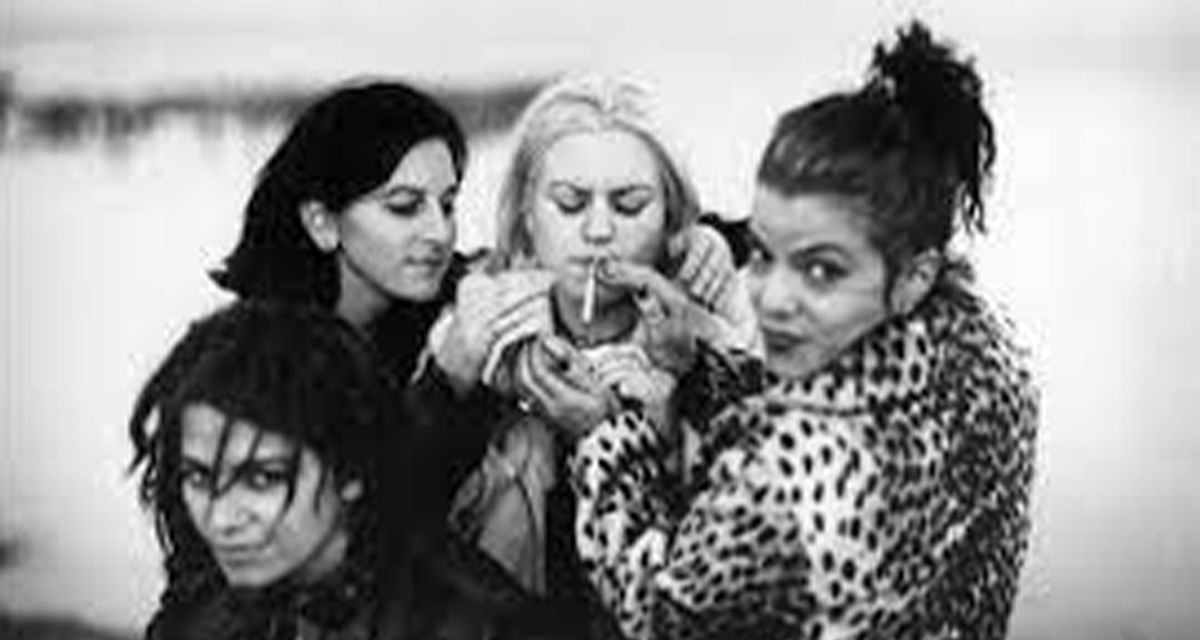 Before St. Vincent, Portlandia, and even Sleater-Kinney, punk legend Carrie Brownstein played in this early riot grrrl outfit out of Portland that also was rooted in the queercore scene. So I guess they were a twofer? Anyway, listen to this album anytime you hear a more recent Sleater-Kinney record and are wondering what went wrong. This or any of Sleater-Kinney first eight albums.
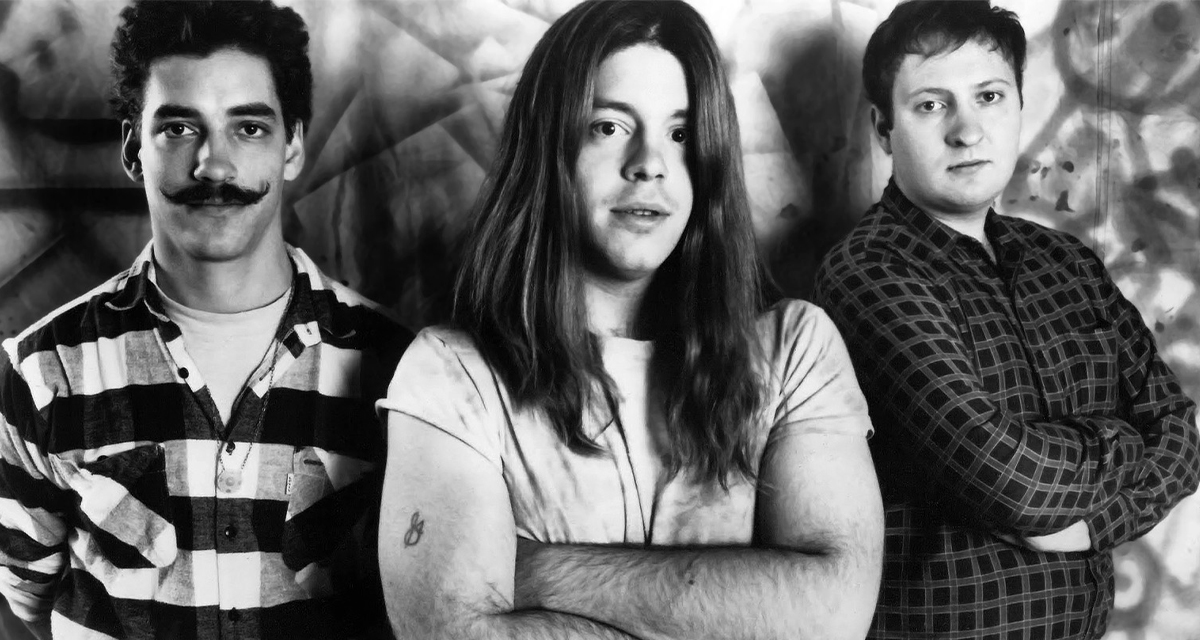 Grant Hart and Bob Mould are bisexual and gay icons. But more than that, they made some of the best guitar music of the ’80s. Mould and Hart later clashed over creative control and drugs, which, if you’ve ever been out on a Saturday night in Bushwick or West Hollywood, you’d know is pretty gay. If your favorite bear night has been overrun by twinks, consider seeing a Bob Mould show.
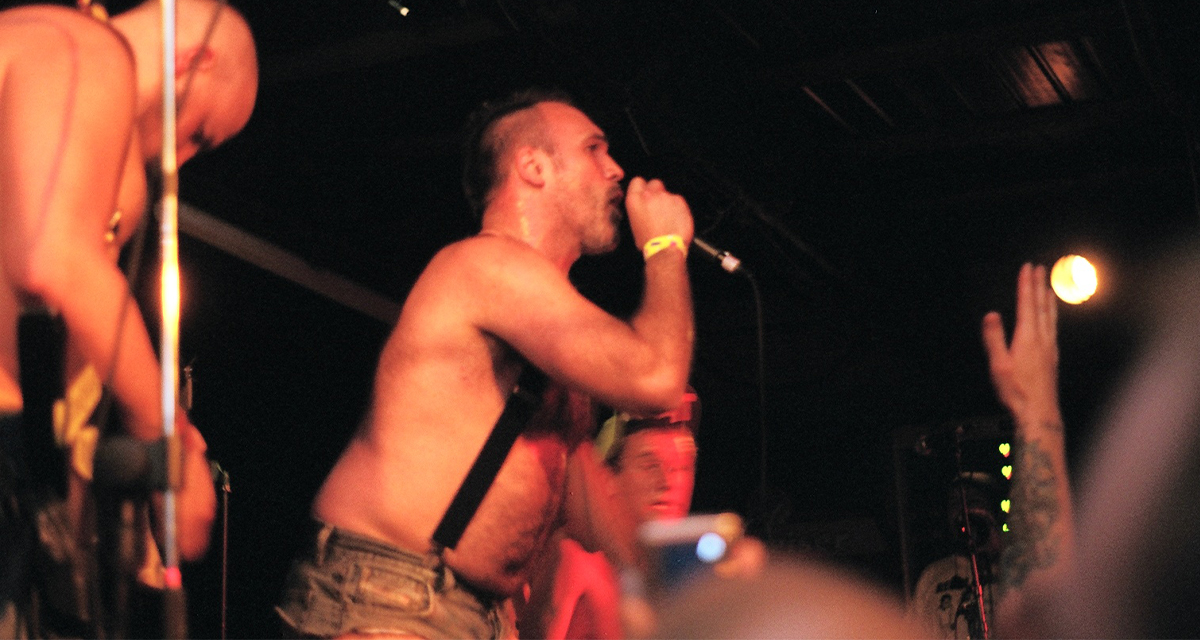 Taking their cues from early queer punk legends Randy Turner and Gary Floyd, they brought a queer sensibility to the otherwise macho hardcore scene. So keep that in mind before queuing them up on the jukebox, the bartender will likely skip them for killing the place’s “vibe.”
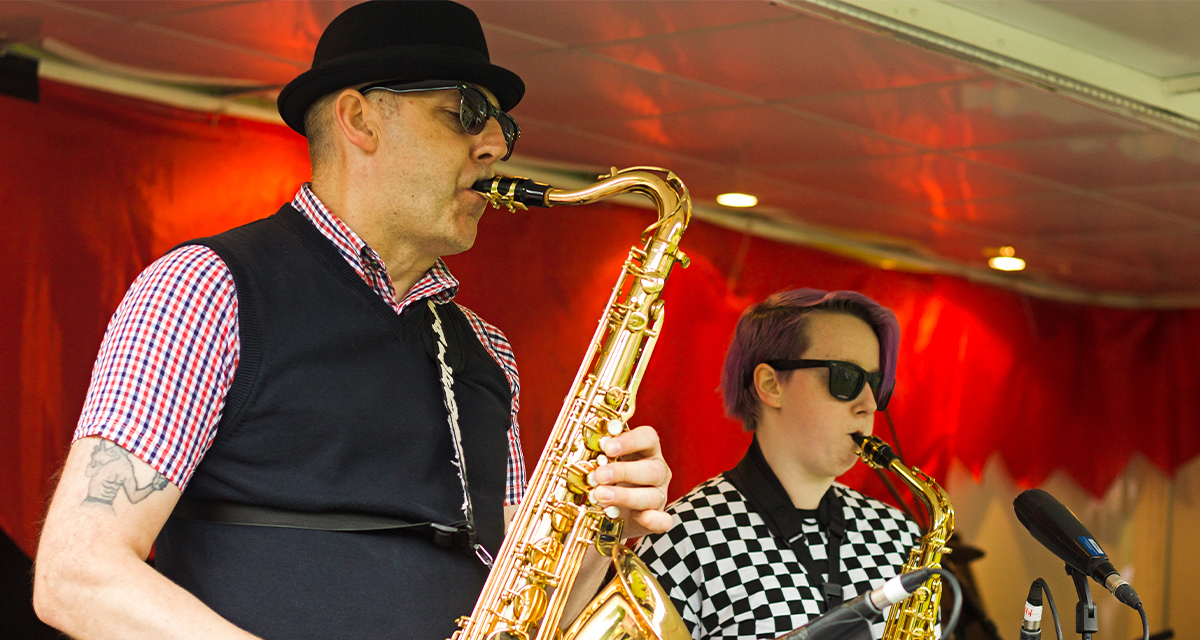 Coming out of the Olympia, WA scene, these riot grrls were brash, loud, and unapologetic in singing their truth. Play “One More Hour” a track written about Corin Tucker and Carrie Brownstein’s romantic relationship coming to an end and try not to feel heartbroken as well.
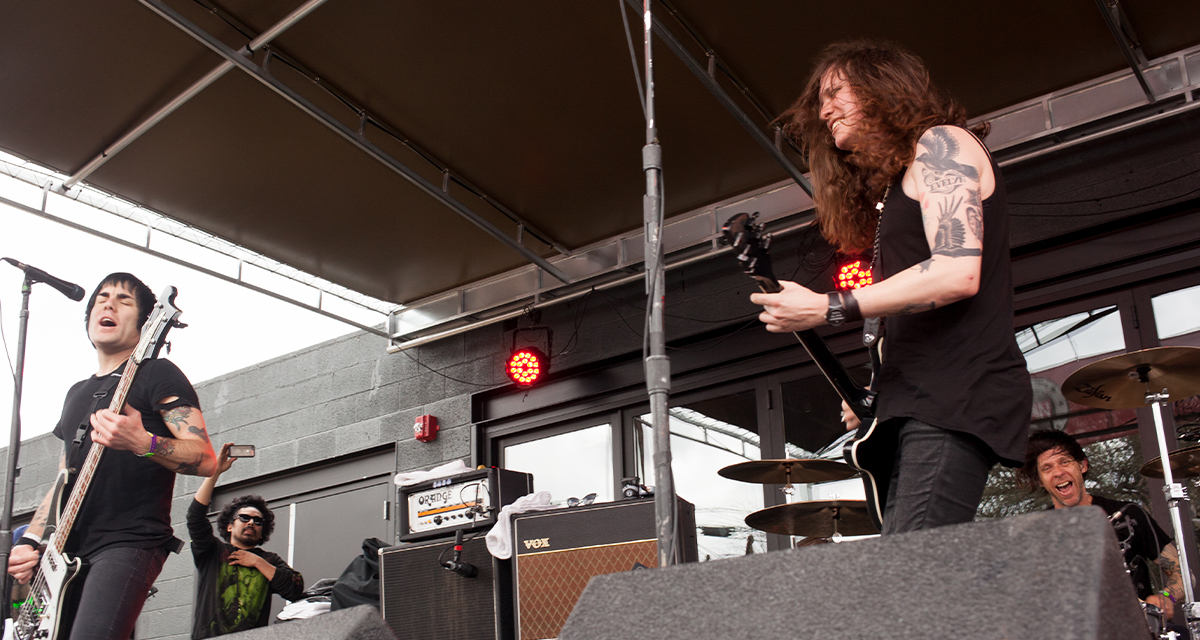 Fronted by all-around badass Laura Jane Grace, Against Me! May possibly be Florida’s only positive contribution to contemporary music. Transgender Dysphoria Blues is a modern punk classic dealing with Grace’s gender transition. Play them as a nice fuck you to any Daily Wire spewing aunts you have to deal with.

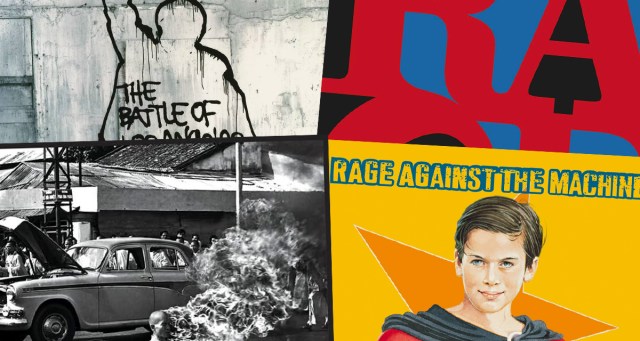
 “Renegades” has to go last, right? I am fond of this collection of off-the-wall covers, as Rage branched out musically to take on the likes of Eric B. and Rakim (sure), Minor Threat (yup), and Devo (wait, what?). You could always hear varied funk, punk, and hip-hop influences incorporated in Rage’s music, but “Renegades” is the furthest they ever leaned away from riff-heavy rap/rock to dip into those other genres. Some tracks are pretty forgettable (“Kick Out the Jams” is just a lesser version of the original, “Street Fighting Man” whiffs), but most of the album delivers, including standouts like “Microphone Fiend,” “The Ghost of Tom Joad,” and “How I Could Just Kill a Man.”
 Released when I was 12, “The Battle of Los Angeles” was my introduction to Rage. Buoyed by massive radio hits “Guerrilla Radio,” “Testify,” and “Sleep Now in the Fire,” the first half of the album is as KROQ-ready as their debut. The second half is full of B-sides in which de la Rocha’s insightful, literary verses serve as the fuse that lights Morello’s monumental riffs and eccentric solos (“Maria,” “New Millenium Homes,” and “Ashes in the Fall”). I love this album, which features some of the band’s biggest and best songs, but I have it third because there’s an element of familiarity. If the first album originated Rage’s sound and the second album evolved it, this one serves as a refinement of what came before. But it still rips.
 RATM returned from the unexpected success of their debut with a classic second album attitude: “Evil Empire” is tighter and darker than its more enthusiastically pissed-off predecessor. Although it features one of their biggest hits (“Bulls on Parade”), the rest of the album is less radio-friendly (albeit still plenty accessible to the target audience of rebellious 7th graders who just learned about the concept of out-of-school suspension). Instead of simple anthemic refrains like “Fuck you, I won’t do what ya tell me!” Zack’s rallying cries on “Evil Empire” are cryptic, almost nightmarish (on “Tire Me,” he yelps, “I wanna be Jackie Onassis/I wanna wear a pair of dark sunglasses/I wanna be Jackie O/Oh, oh, oh, oh please don’t die!”). The album closes with my vote for most underrated RATM song, “Year of Tha Boomerang,” a groove-heavy track torn apart by a furious hardcore breakdown.
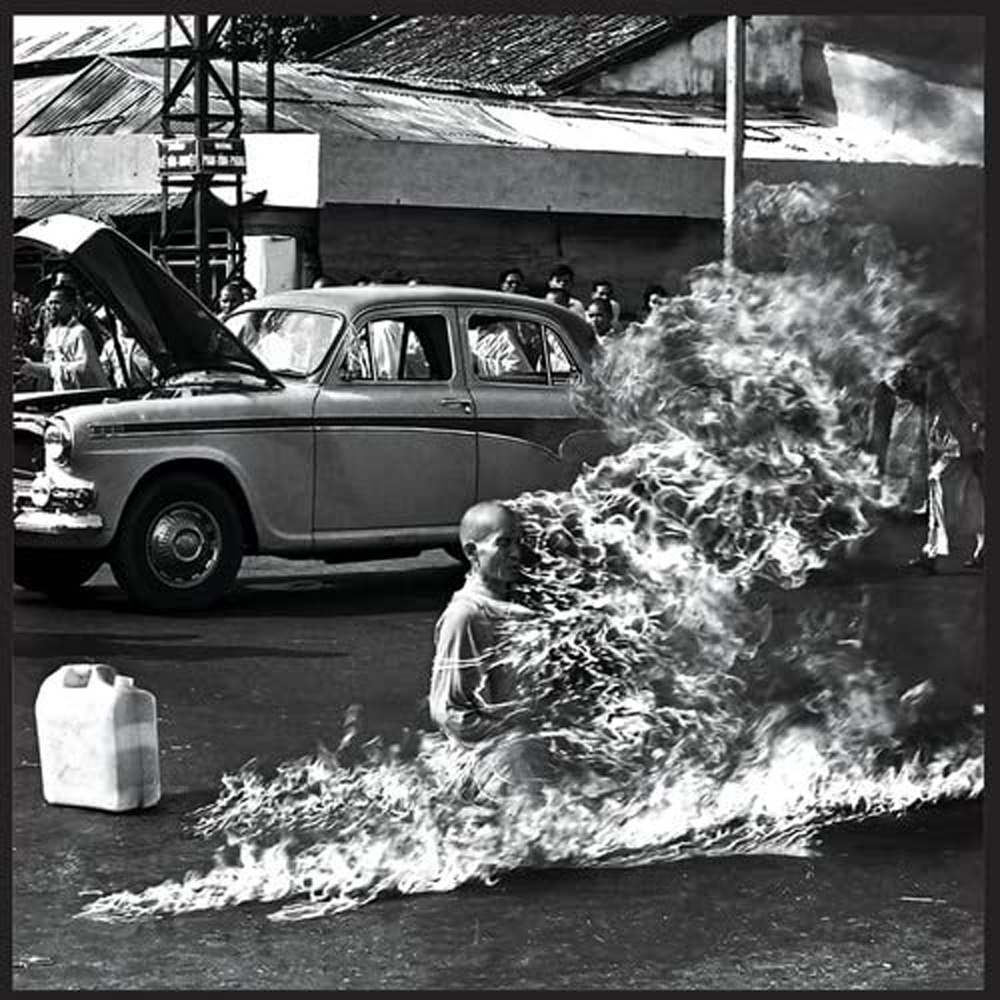 Ranking a band’s albums in reverse chronological order is classic old-guy nostalgia pandering, but it’s also accurate in this case. You’ve gotta admire the confidence Rage had right out of the gate: Using a famous photograph of a monk lighting himself on fire for your debut album cover is, among other things, pretty brash. Like, I bet Weezer wasn’t sitting around debating whether to use pictures of Vietnam War napalm attacks as the Blue Album cover art. Though I love the entirety of their succinct discography, RATM’s self-titled ranks first. From the bombast of opener “Bombtrack,” to the angsty rebellion of “Killing in the Name,” to the funky breakdown of “Bullet in the Head,” Rage was already conceptually focused and sonically dynamic on this album released just one year after their formation. Garth Richardson’s production is stellar, perfectly capturing each guttural growl, towering riff, and radical bassline.
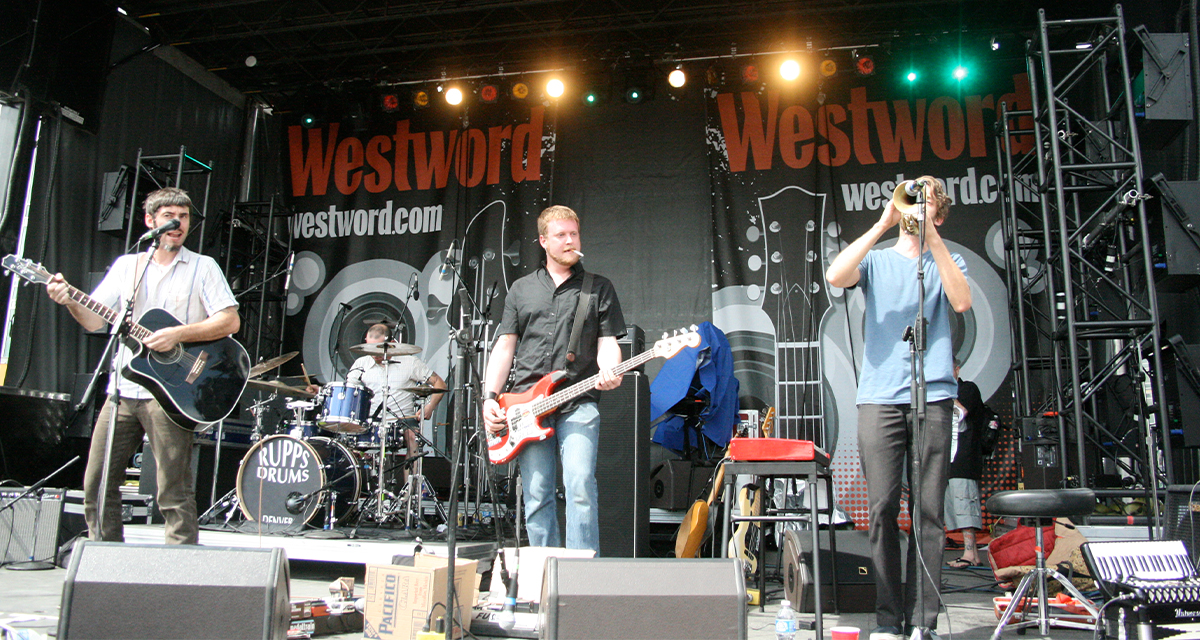 WHAT YOU EXPECT: The heaviest, most pants-shittingest death metal.
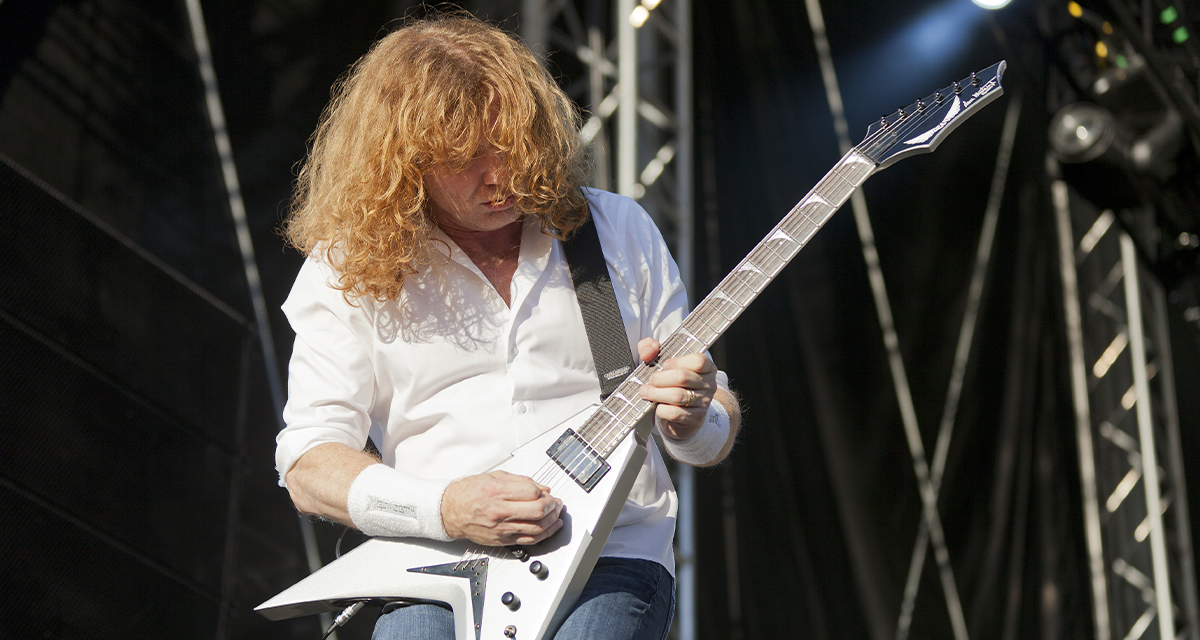 WHAT YOU EXPECT: Tthroat-shredding, vomitous vocals gurgling above chainsaw guitar tones, all backed with heinous blast beats.
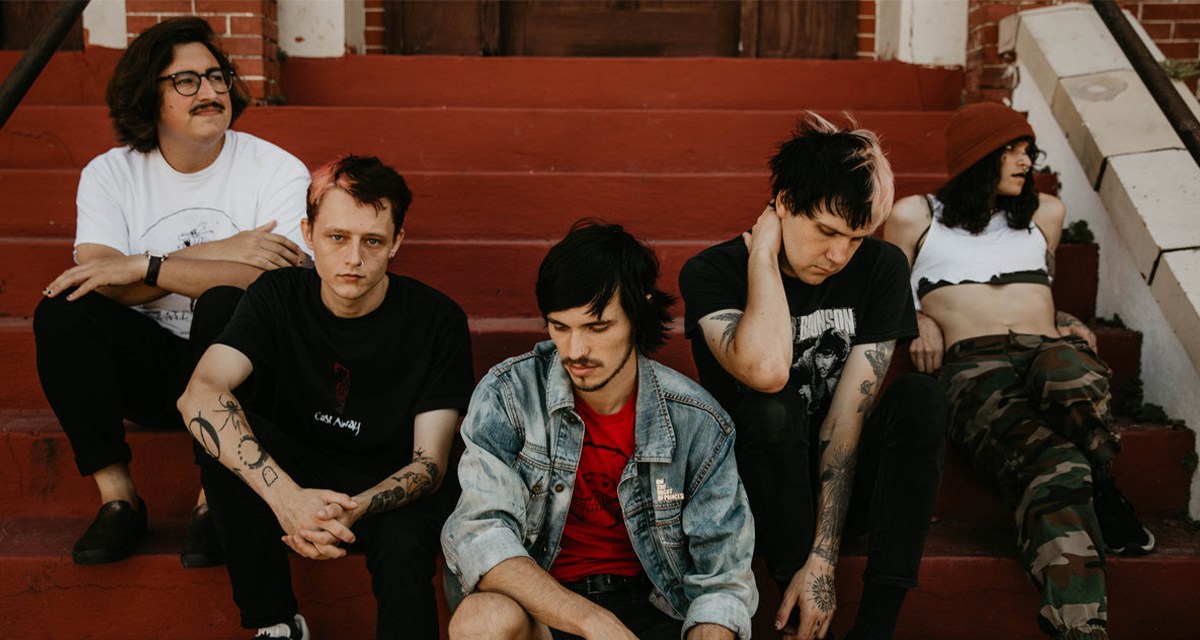 WHAT YOU EXPECT: Anime-influenced techno pop possibly with Iron Maiden-esque galloping guitars and dueling solos.
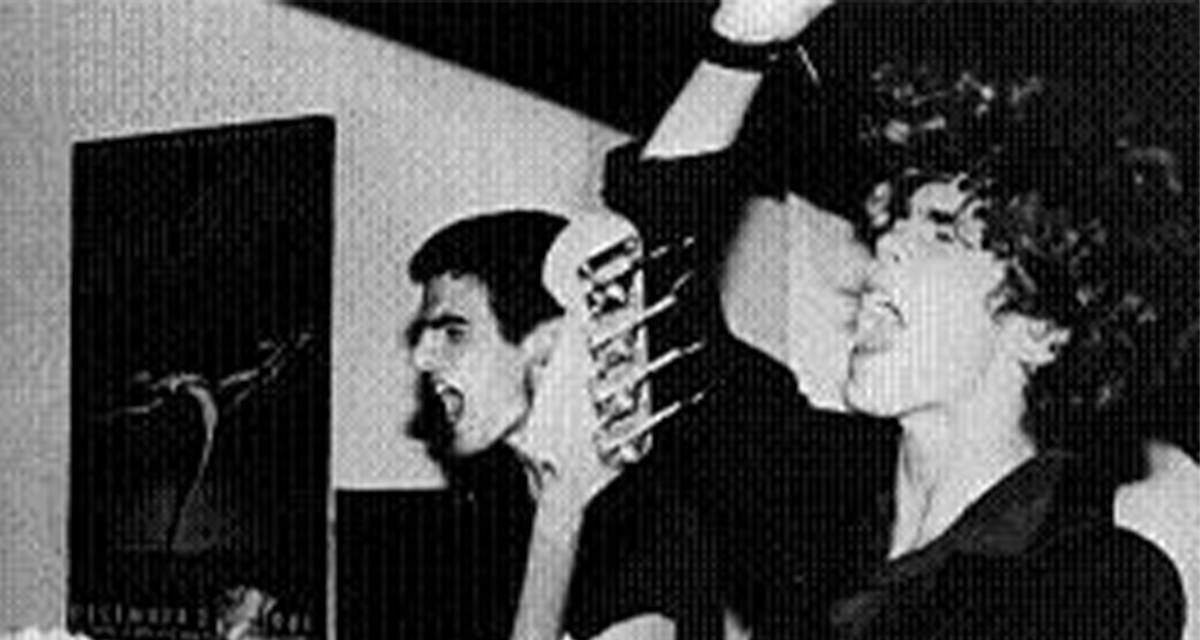 WHAT YOU EXPECT: Either straight-up classical or pastoral ambient primitive folk music.
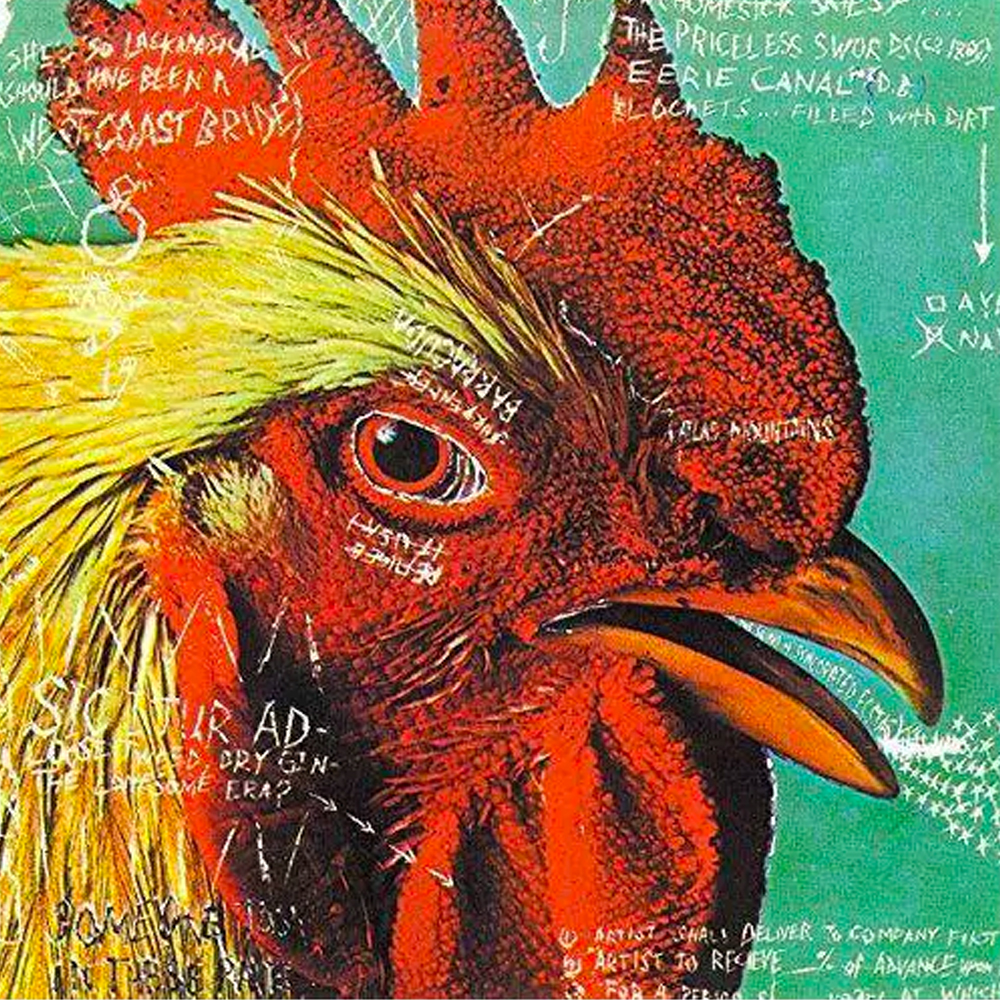 WHAT YOU EXPECT: Either NYHC or some variation of slam/beatdown hardcore.
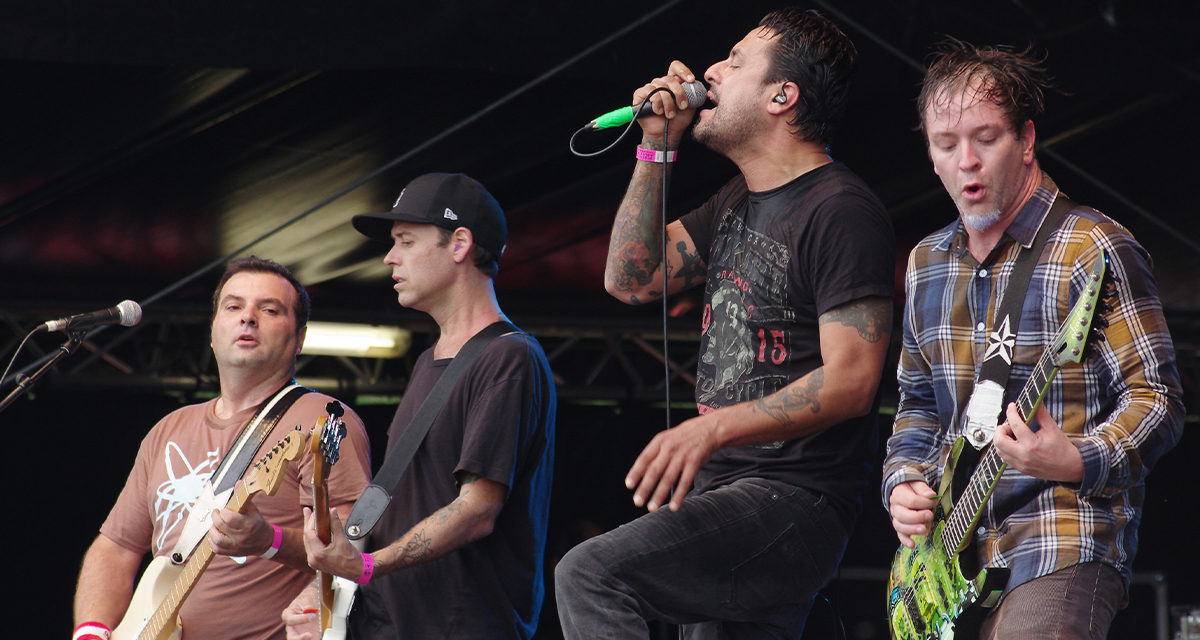 WHAT YOU EXPECT: Slacker indie a la Pavement, or lazy whiteboy reggae like 311, Pepper, or Slightly Stoopid.
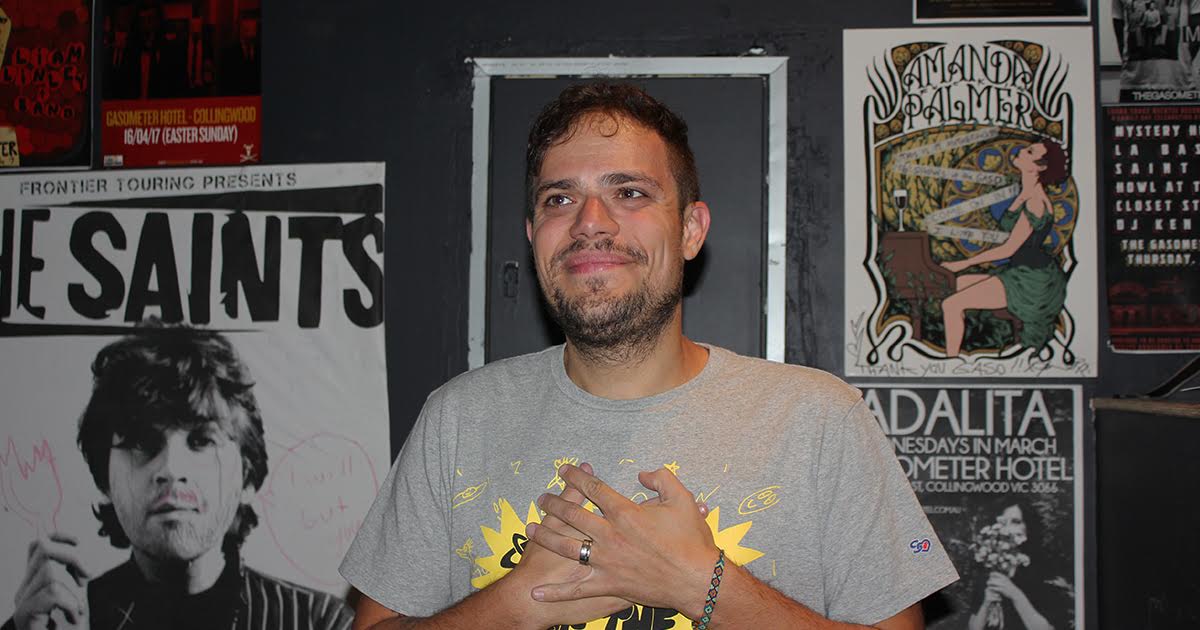 WHAT YOU EXPECT: Anytime a musician just goes by their first and last name, I expect to hear a singer/songwriter with an acoustic guitar and a Masters Degree in English.
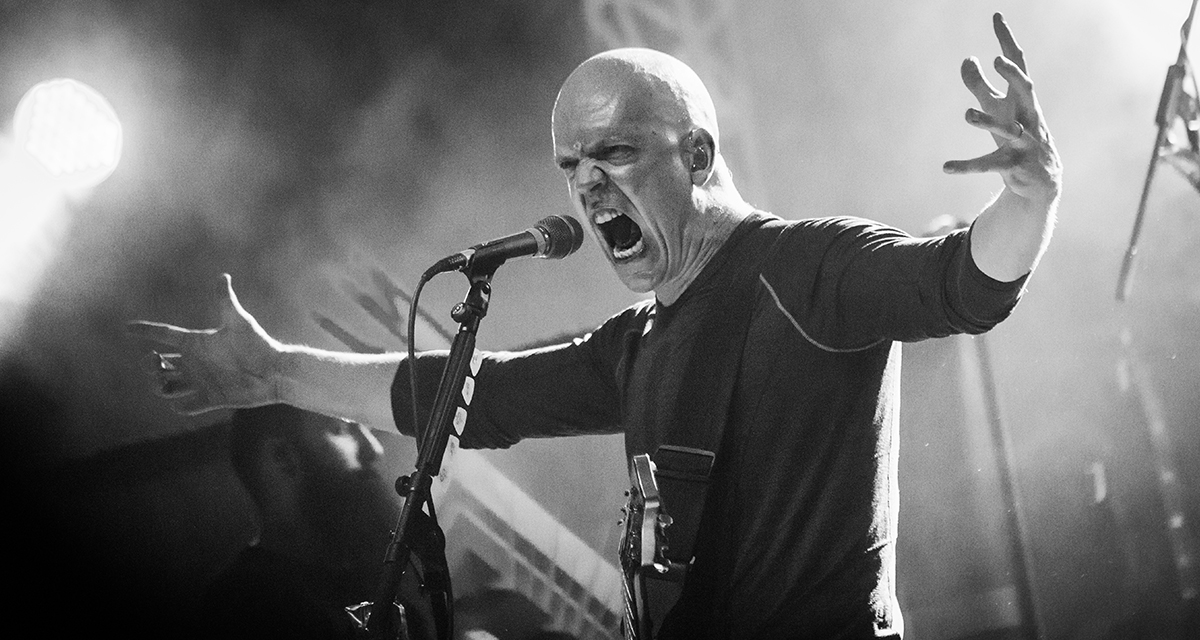 WHAT YOU EXPECT: The most anemic, sexless, technically impressive jazz quartet this side of the Mahavishnu Orchestra.
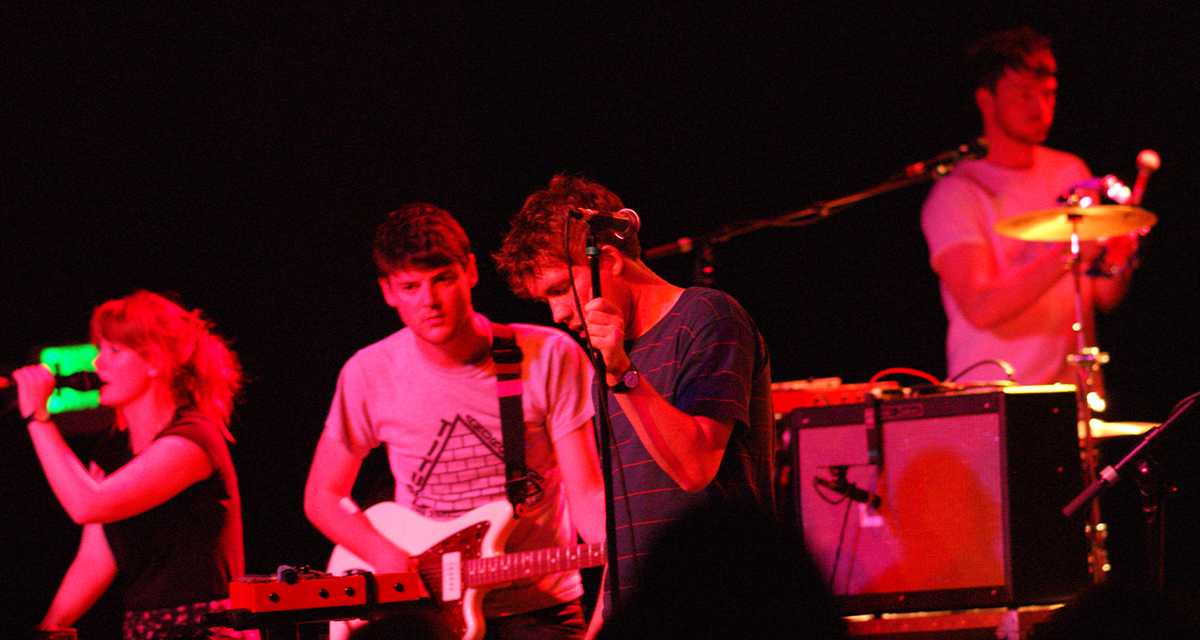 WHAT YOU EXPECT: Either some Latin-influenced jazz, or a very throwback ’80s punk sound.
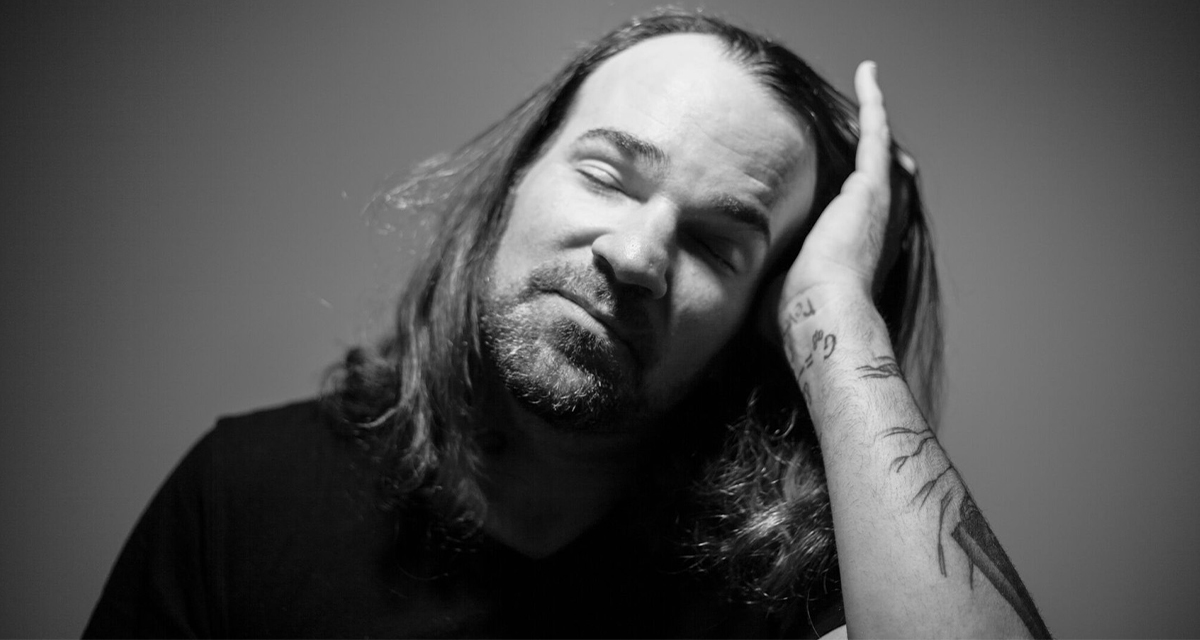 WHAT YOU EXPECT: Funk. Glorious funk so groovy that it makes you mom get up and dance at a wedding.