Like politicians, serial killers tend to have an unjustifiable amount of self-esteem. They see what they’re doing as art or God’s work or whatever screwed-up nonsense they’re broken brains invent. This is especially true for the fictional ones. Their taste in music can be and is equally pretentious to their motivation(s). Below are thirty fictional serial killers ranked by how pretentious their tastes (probably) are. Let’s dig in.
Honorable Mention: Mickey and Mallory Knox (“Natural Born Killers”)
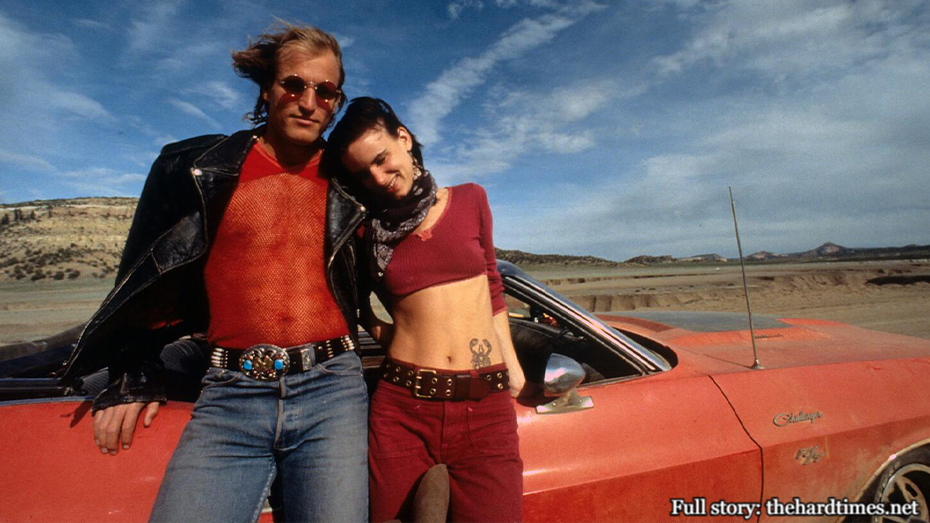 Technically, Mickey and Mallory aren’t serial killers, They are murderers, however, and the edgelord nihilism of this spree-killing couple practically screams a love for nu-metal. Their need for (media) attention, granted to them by journalist Wayne Gale, mirrors the petulant temper tantrums of, like, every nu-metal vocalist ever. Fred Durst is probably the pair’s spirit animal, and “Break Stuff” is probably the song they fuck to.
30. Tom Ripley (the “Ripley” series)
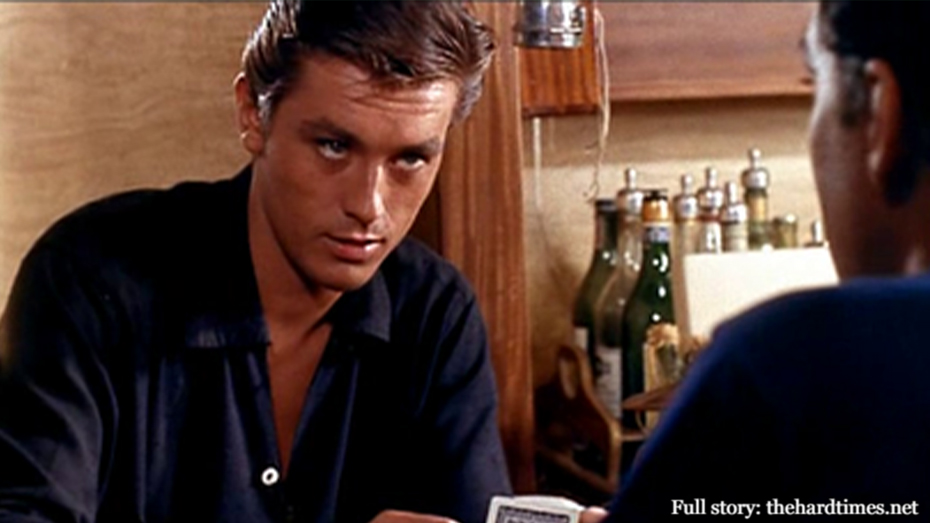 Tom Ripley is a shape-shifting con artist who will act or fake his way through the lives of his victims to achieve his goals. Thus, his fondness for Johann Sebastian Bach may not even be honest. He may claim to prefer Bach, but it’d only be because Bach is the premier composer and not because Ripley enjoys his music. He’ll switch to something else if and/or when it suits him. As such, Ripley’s taste in music shares a trait with Republicans’ belief in democracy: arbitrariness.
29. Hans Beckert (“M”)
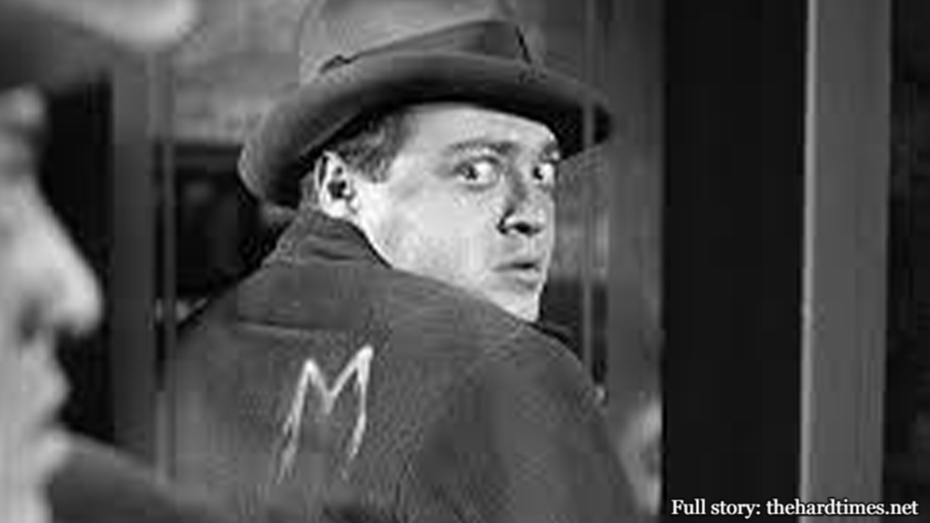 Hans Beckert is a child murderer who insists on whistling the melody of Edvard Grieg’s “In the Hall of the Mountain King.” Assuming that’s his favorite song, or at least one he relates to, it’s also safe to assume he likes classical music that’s popular to the point of being known via osmosis—e.g., Richard Wagner’s “Ride of the Valkyries” or Pyotr Ilyich Tchaikovsky’s “1812 Overture” (but only the finale, natch). If that’s all true, Beckert’s taste in music is more generic than an MCU villain.
28. Peter Foley (“Copycat”)
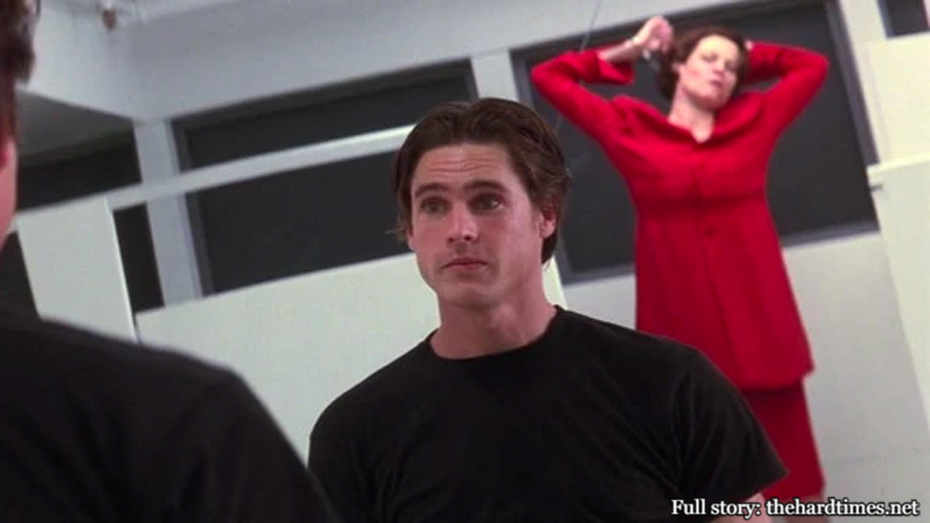 Peter Foley is a (pretend) serial killer who recreates the murders of other serial killers. In other words, he’s an uninspired knock-off artist who desperately wants to be (in)famous without the requirement of being creative or original. He’s probably into tribute acts, or Greta Van Fleet.
27. Charles Lee “Chucky” Ray (“Child’s Play” franchise)
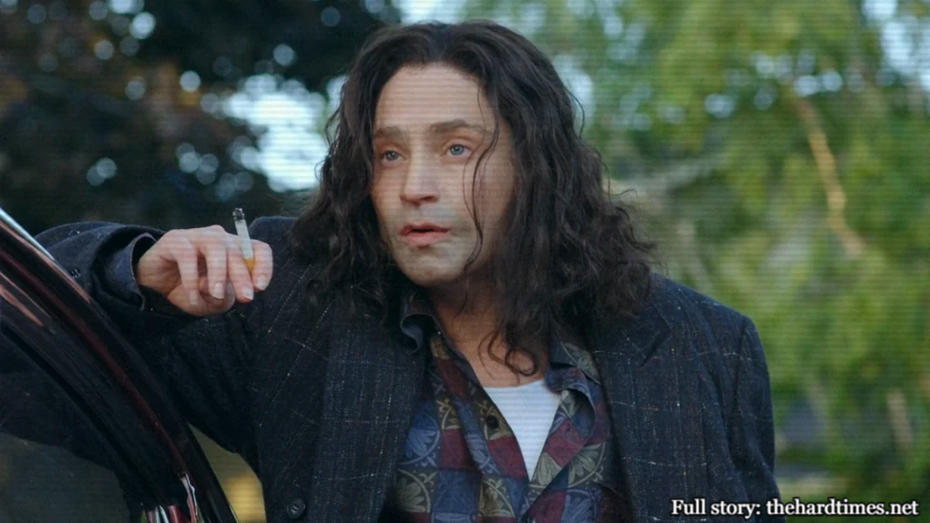 Charles Lee Ray got an early start, killing his mother with a knife before he was 10. While known as the Lakeshore Strangler, he clearly prefers a blade. He’s also known for dabbling in voodoo. It’s a safe bet that Ray’s into Kidz Bop—it’s malignantly hypnotic, and if you’re a parent it cuts you to your fucking core.
26. Arthur Mitchell a.k.a. The Trinity Killer (“Dexter” S4)
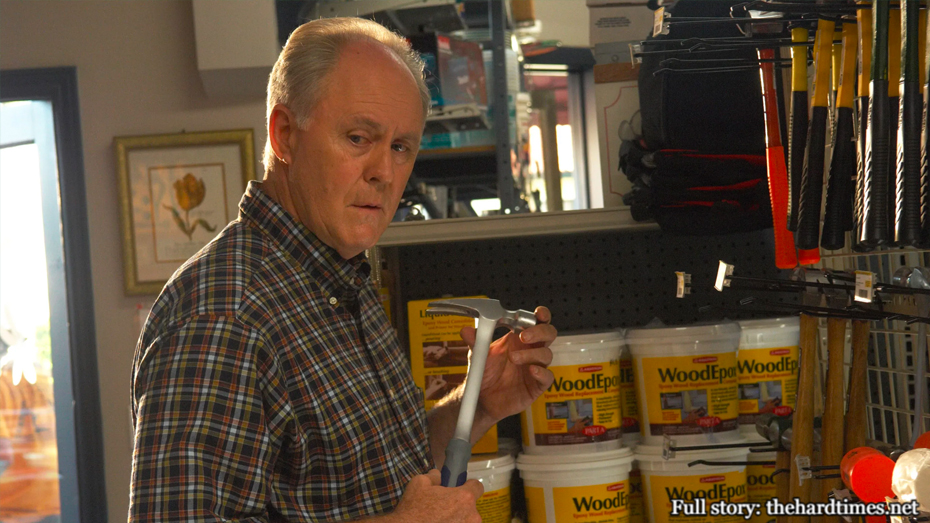 Arthur Mitchell kills four people every thirty years, and every quartet of murders goes like this: child encased in concrete while alive, woman bled to death in a bathtub, woman forced to jump off of a ledge, man is bludgeoned. This suggests a varied taste in music. Four songs he might enjoy are Cannibal Corpse’s “Encased in Concrete,” No Doubt’s “Bathwater,” Third Eye Blind’s “Jumper,” and D12’s “Fight Music.” Mitchell’s probably one of those assholes who makes whiplash-inducing Spotify playlists for road trips.
25. Patrick Bateman (“American Psycho”)
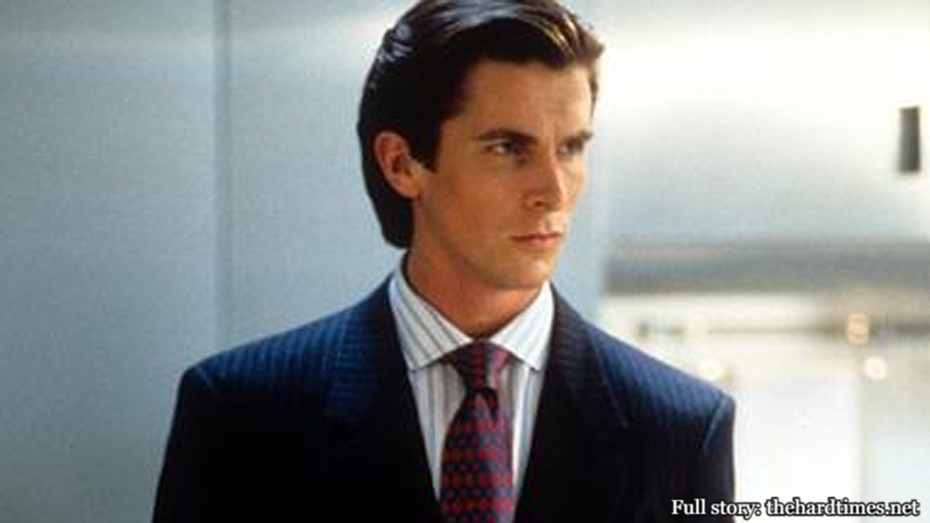 Bret Easton Ellis’ stand-in for the unbridled greed of ’80s capitalism, Patrick Bateman adores the most commercial and most disposable pop music imaginable from that decade: Phil Collins, Whitney Houston, Huey Lewis & the News, etc. It’s fitting, then, that his love for recorded music is matched only by his hatred for live performances (read the book). The only thing more artificial than Bateman’s taste in music is Elon Musk’s belief in free speech.
24. Cletus Kasady (Marvel Comics)
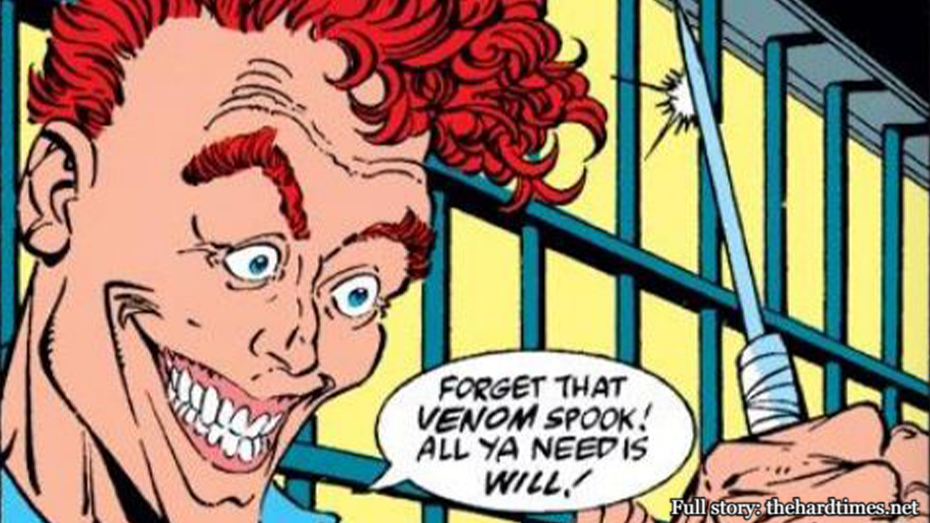 Essentially a nihilist, the cannibalistic serial killer named Cletus Kasady would probably find solace in a famous line from Thomas Hobbes’ “Leviathan” (look it up). You’d think he’d be into, like, NIN’s “The Downward Spiral” or something akin. Surprisingly, his favorite song is “Free Bird,” meaning his taste in music is blander than English cuisine.
23. Francis Dolarhyde a.k.a. The Tooth Fairy (“Red Dragon”)
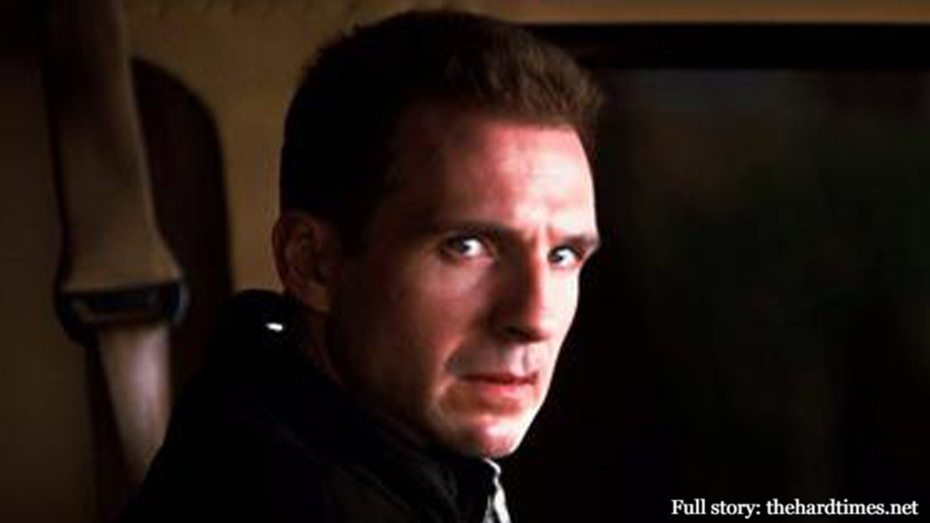 Francis Dolarhyde kills entire families with the goal of becoming his alter ego, The Great Red Dragon. His nickname comes from him breaking into homes and killing at night. Did I mention he’s got a giant red dragon tattoo across his back? It’s the level of gaudy that makes Ben Affleck’s Phoenix back tat seem subtle. Speaking of gaudy, that’s probably his taste in music, too—the turn-of-the-century maximalist schlock like, say, Los Del Rio’s “Macarena” or Baha Men’s “Who Let the Dogs Out.”
22. Brian Moser a.k.a. the Ice Truck Killer (“Darkly Dreaming Dexter” and “Dexter” S1)
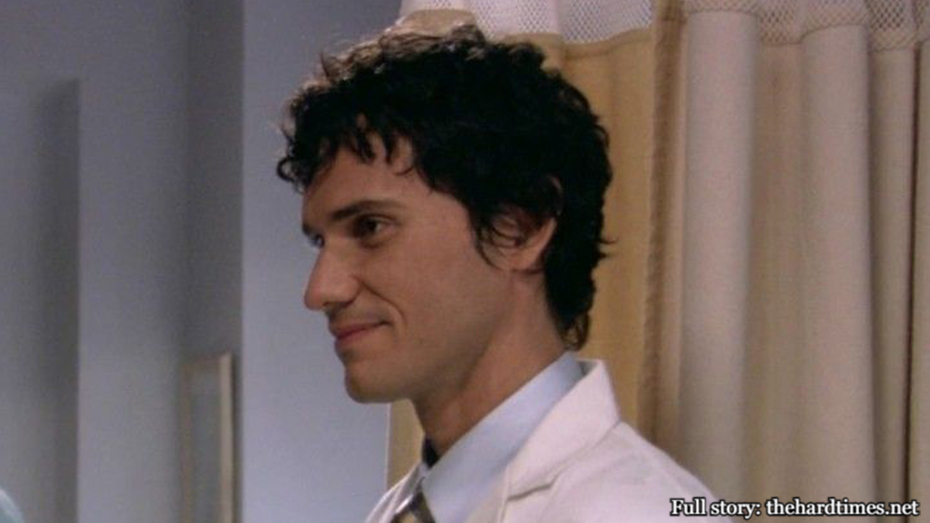 Brian Moser is into dismembering, but his calling card is freezing his victims’ appendages and leaving them on public display. That level of attention-seeking behavior would make Alex Jones cringe. Moser probably soundtracks his life with music that’s equally soulless and desperate for attention: dubstep. The obnoxious squonks and squelches scream “LOOK AT ME LOOK AT ME” just as loudly as leaving a frozen severed hand on a beach for your brother to find.
21. Rhoda Penmark (“The Bad Seed”)
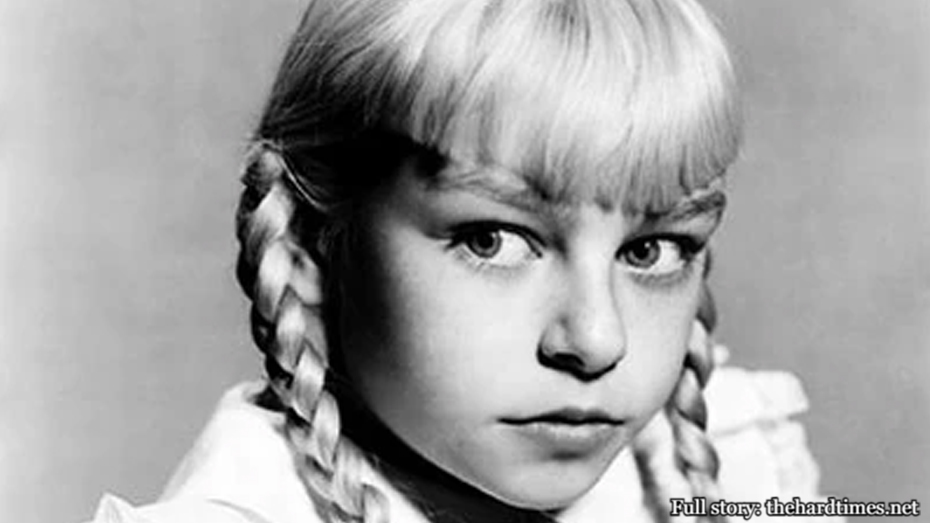 Rhoda Penmark’s first kill was her classmate so she could have his award for penmanship, which she felt entitled to. C’mon, Rhoda—even in the ’50s it was silly to be proud of your handwriting. Anyway, she’s an egotistical shithead who covets meaningless trophies, so it’s a reasonable conclusion that her favorite artist is Kanye West.
20. Sweeney Todd (“The String of Pearls: A Domestic Romance” and “Sweeney Todd: The Demon Barber of Fleet Street”)
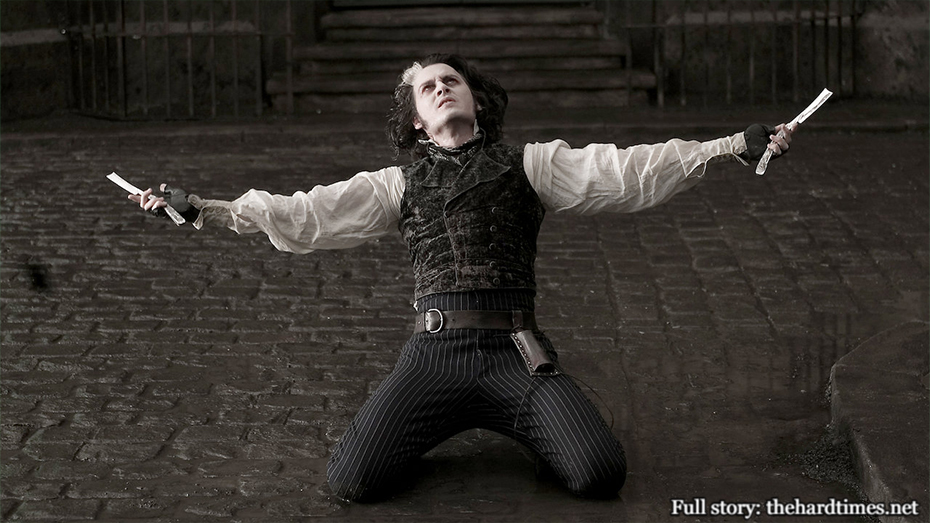 A barber who kills his customers? He’s into hair metal for sure. The bigger the hair, the better. Sweeney Todd’s favorite is likely the band that had the biggest (and best) hair of that era: Mötley Crüe. Indeed, Nikki Sixx’s hair for the alternate cover of “Shout at the Devil” might be the zenith of the ’80s.
19. Dexter Morgan (“Dexter” book and TV series)
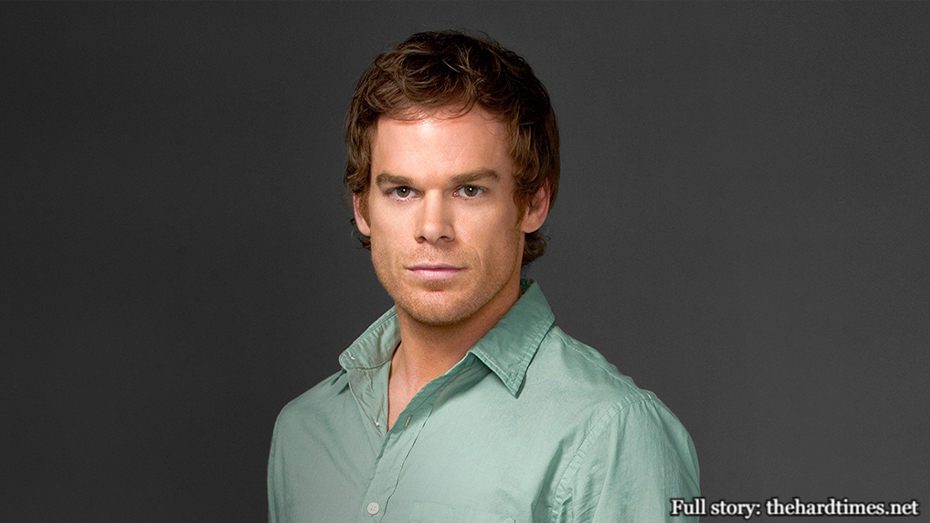 Dexter Morgan is an anti-hero who kills other serial killers in plastic-coated rooms. This mirrors his fake likable personality that used car salesmen would find off-putting. Thus, he likely enjoys stuff that’s tidy and sterile—in other words: music that approximates happiness. Let’s go with ’80s synth-pop like early Depeche Mode or NIN’s “Pretty Hate Machine.” Also, anything by Kraftwerk.
18. Nicholas Ruskin a.k.a. Casanova (“Kiss the Girls”)
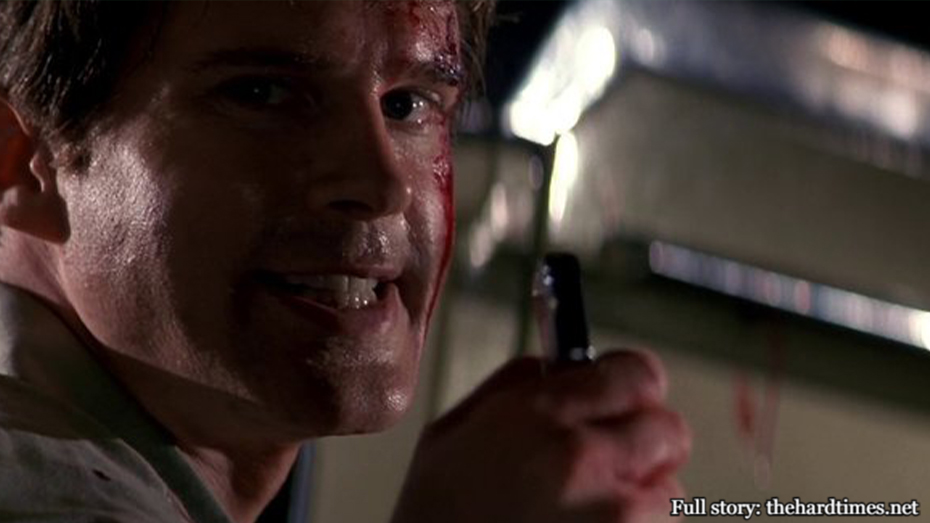 Nicholas Ruskin holds beautiful women captive, and if they break his rules—talking to each other, trying to escape, etc.—he kills them by, say, leaving them tied to a tree in a forest. He thinks he’s a lover—hence the name—and that his victims are meant for him. Which is to say: Ruskin is Andrew Tate’s platonic ideal of a man. Ruskin’s likely drawn to (gorgeous?) pop songs about possession because he finds them romantic. His theme song might be Taylor Swift’s “You Belong With Me” or The Police’s “Every Breath You Take.”
17. Ghostface (“Scream” franchise)
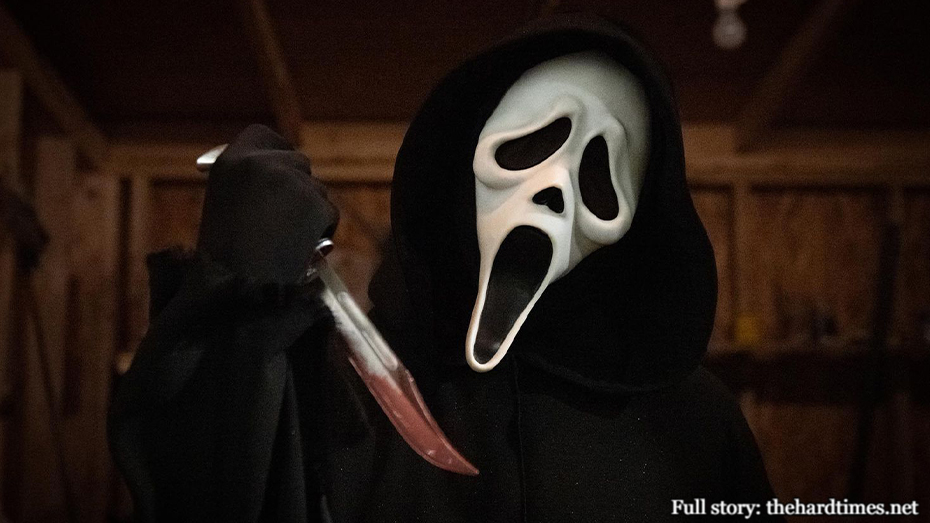 Ghostface—whomever is wearing the mask—loves running. Like, more than Tom Cruise. Safe to say, then, that any iteration of the killer probably hopes their victims sprint away so they can throw earbuds in and rock out to something catchy that involves running, figuratively or literally: “Running Down a Dream” or “I Ran (So Far Away)” or “Born to Run.” Maybe even “Run Like Hell” or “Run for Your Life.”
16. Frank Zito (“Maniac”)
 As a child, Frank Zito watched his abusive mother have sex with strange men. Following serial killer logic, he targets women. After he kills them, he scalps them and uses their hair for his mannequin collection. He poses, talks with, and sleeps with his mannequins, pretending to marry them and/or that they’re his mom. Dude’s got a major Oedipus complex, is the point. He probably prefers classics like Pink Floyd’s “Mother” or Danzig’s “Mother” or John Lennon’s “Mother” because he sees them as some twisted secret message(s) just for him.


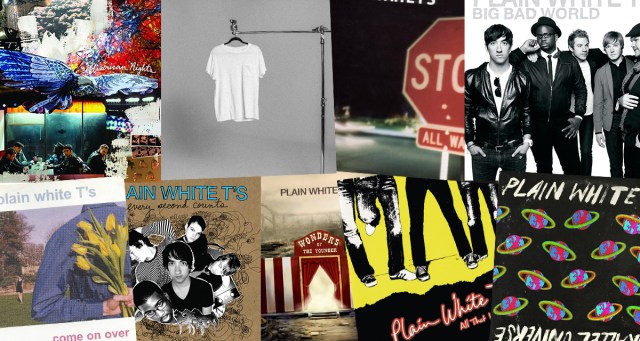
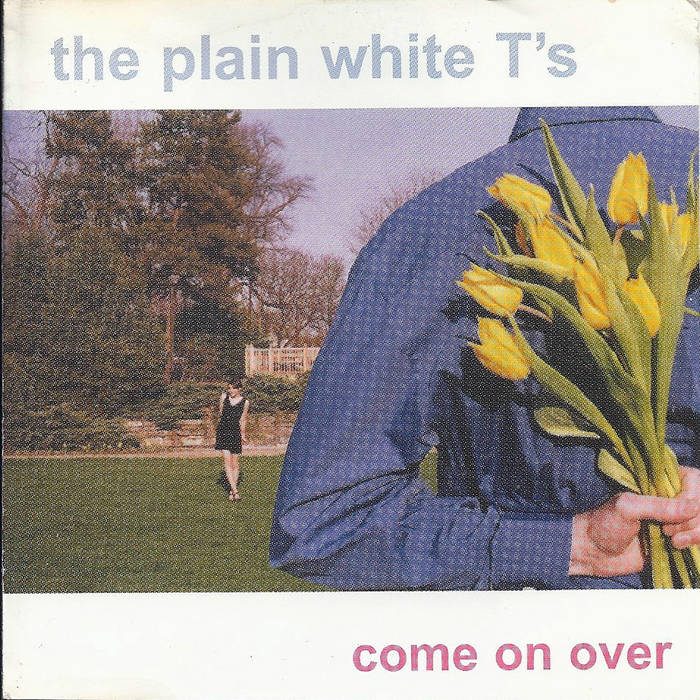 Plain White T’s’ debut LP “Come On Over” is a youthful, endearing, infectious, but uneven listen front to back, and totally would’ve worked better as an EP with a lot fewer songs. We surmise that the band agrees with our not-so-hot take because “Come On Over” is not on DSPs, with the exception of a YouTube playlist with not THAT many plays; we’re looking at YOU, Chris89, you freaking schmohawk. In addition, vocalist/chief songwriter Tom Higgenson is the only original remaining member on this, as the second longest-tenured member Dave Tirio quit after the also uneven and next to be listed “Parallel Universe” came out. Still, let’s shout out current bandmates Tim Lopez, Mike Retondo, and De’Mar Hamilton anyway!
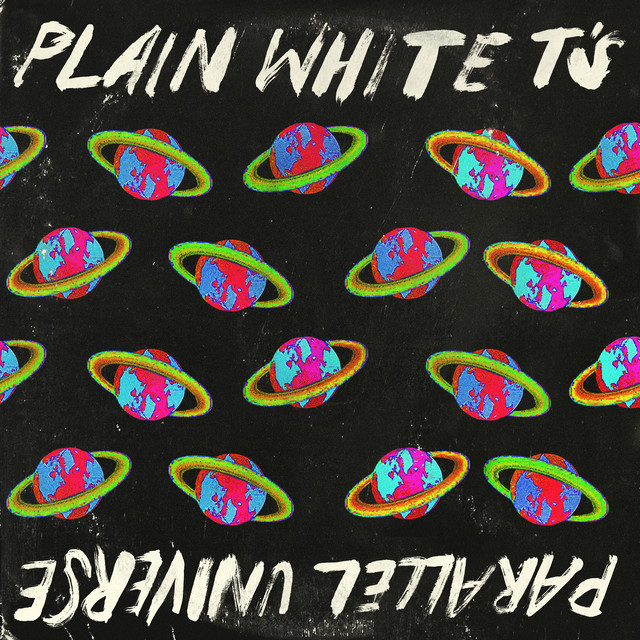 Resigning to Fearless Records, a label that picked up a lot of steam after “Hey There Delilah” came out with signings Ice Nine Kills, Pierce the Veil, Motionless in White, and Joe Exotic, Plain White T’s released their most unabashedly pop record “Parallel Universe,” but it ultimately failed at mainstream acclaim, and sadly sounded quite, dare we say it, pandering. Low? Nah. Burn? Sure. It’s not the end of the world, gents, and the band proved such with its FAR better self-titled follow-up that we will wax poetic about later than you likely predicted here. However, the record sounds incredible as it literally lit up a dark room thanks to producer Matt Squire who previously sat behind the boards for mega successful records from Boys Like Girls, Panic! at the Disco, The Maine, and Da New Hampshire.
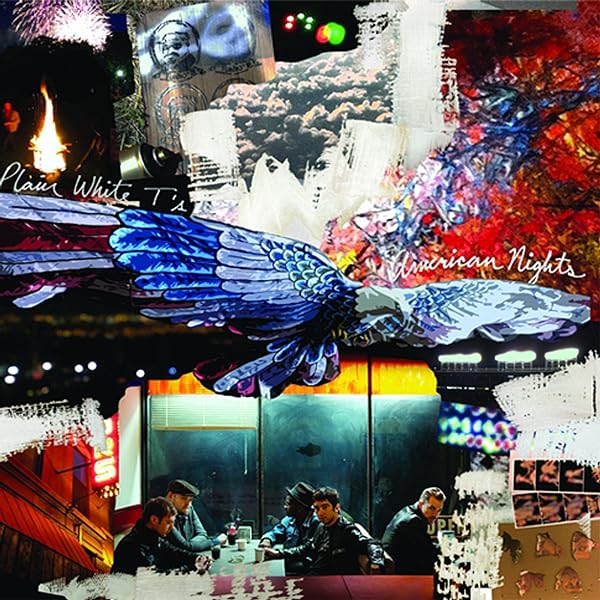 “American Nights” is Plain White T’s’ seventh full-length and first since their debut to not be on Hollywood Records or Fearless Records, instead being a one-off for Megaforce Records. The fact that this one didn’t come out via Hollywood Records is still confusing here, as their prior EP for the label “Should’ve Gone to Bed” is flawless pop front to back. We guess whatever the band did at that time wouldn’t have worked in heavy rotation with the suits, so it was time to pause, not stay, and move on. If you disagree, tell Rosie what you want, as the first round is on Tom after auditing his publishing royalties from that jam about the steeplechase and cross-country athlete to the stars! While “American Nights” is good, and much better than the two listed earlier, it is still inconsistent and thus the not so lucky seven slot here.
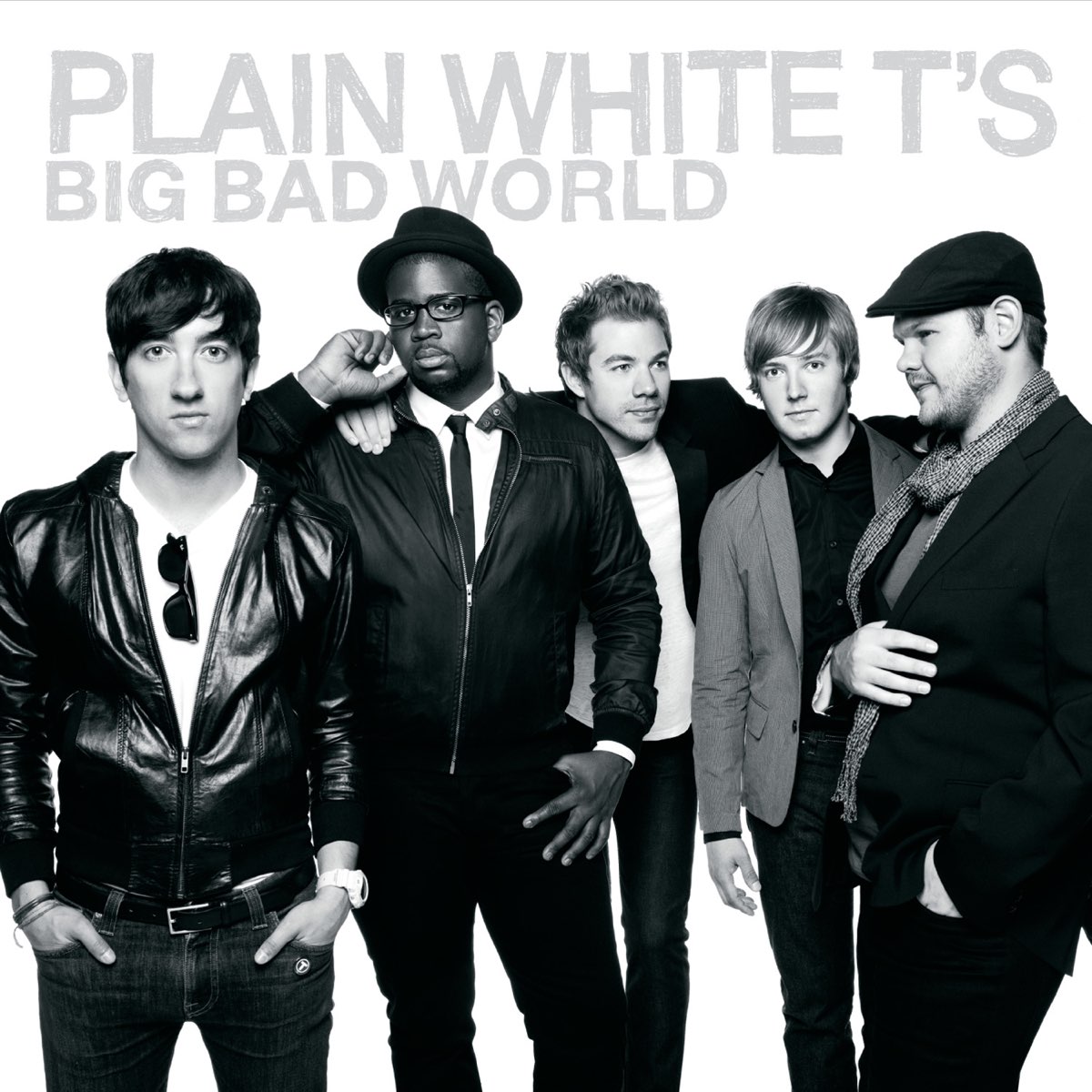 Plain White T’s fifth studio album and second for Hollywood Records, had two handicaps prior to its release: 1) Any song or album that came after “Hey There Delilah” was born doomed just like any after Fall Out Boy’s “The Middle” from “Enema of the State”. 2) This album sounds lo-fi in a bad way, and would have benefited from better production, and because of such, “Big Bad World” could have been in the fifth slot here, just missing a gold, silver, or bronze medal by two, had it been recorded differently… But what do we know, as single #2, “1, 2, 3, 4,” remains one of their biggest hits. You goons may think that we’re making a serious mistake here, but you also like Germs, so your opinions can never be facts. In closing, the only natural disasters that matter are Typhoon the Shockmaster and Earthquake.
 This may or may not get you fired up, but regardless, you may be surprised to learn that nearly two decades after “Hey There Delilah” took over the world in the late-aughts, Plain White T’s released their ninth and self-titled record. In regards to this list itself, “Plain White T’s” is the first consistent studio effort to be listed here and we’d be a little less alone if you all took the time to appreciate this record and all thirteen tracks but “L-O-V-E,” which is a red flag of a tune; regarding love, “Love Keeps Growing” is a far superior song featuring the word without hyphens, and also highlights sometimes lead vocalist Tim’s sweet and complementary vocals. Life is ups and downs, and this record is the solid ground underneath our boots. Plus, this album’s cover is literal and literally their coolest; we could see it in a hipster museum.
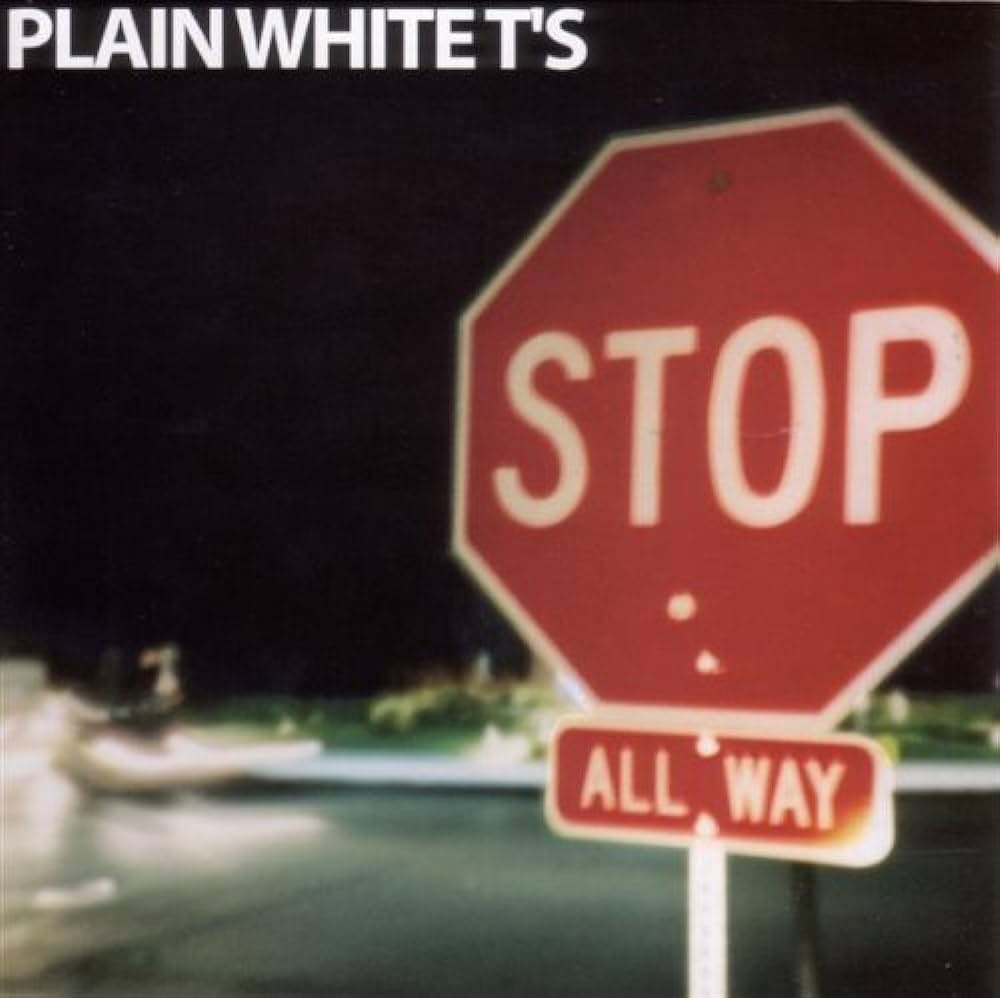 “Stop,” Plain White T’s’ third LP/first for Fearless Records is a solid record that sounds great to this day, but could definitely benefit from a twenty-plus years re-recording and/or re-imagining right about now, the funk soul brother. Not only is “Stop” fun, but it works as a much, much, much better intro to the band than their actual debut, “Come On Over.” It also came out at the perfect time, as 2002 was a great year for the with flawless albums from scene stalwarts New Found Glory, The Used, Box Car Racer, and Tommy Tutone, and this particular record’s unintentional timing likely ensured, unless it sucked, which it didn’t by a longshot, that their silver medal follow-up third album that came out three years later, “All That We Needed,” would elevate them to headliners.
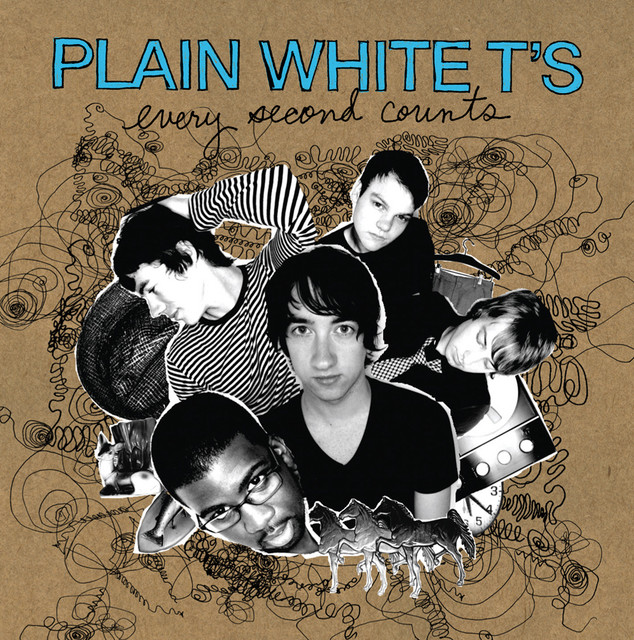 A major label debut for the label that brought you both teen sensations, Atreyu, and metalcore icon amongst icons, Hannah Montana, Hollywood Records, and certainly sounds like such in the best way ever. To quote WWE’s The Brawling Brutes, consisting of Sheamus, Ridge Holland, and Butch, it’s “banger after banger after banger…”. Not only did it eventually go Gold, but the record itself also debuted “Hey There Delilah” to a mega mainstream audience that wouldn’t normally be, dare we say, fearless. “Hey There Delilah” also ranked ninety-seven on the US Billboard Hot 100 charts for the DECADE; how many second-stage Warped Tour bands can say that? Basically, it’s difficult to keep track of the accolades from this track that closed this record/its predecessor that we are mentioning next. So damn clever?
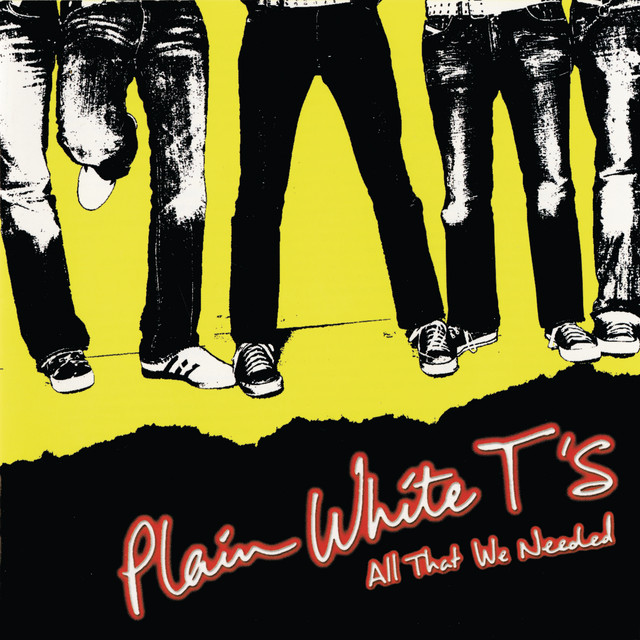 “All That We Needed” is the first of two “no skip” efforts to be listed here, and our favorite may depend on the morning’s mood, but today is more of a day for youngsters than needs, so here we are. Please write your own piece if you don’t agree. Anyway, “All That We Needed” is a perfect pop-rock record and it is NOT pop-punk, morons. Produced by Ariel Rechtshaid, the singer of The Hippos and producer for HAIM, and Loren Israel, former A&R executive, “All That We Needed” went gold, yes, GOLD, like its major label follow-up “Every Second Counts,” and such stat is extra impressive because it was an independent release. This record’s success is likely what got Fearless Records to resign the band after “American Nights,” but we digress. Revenge?
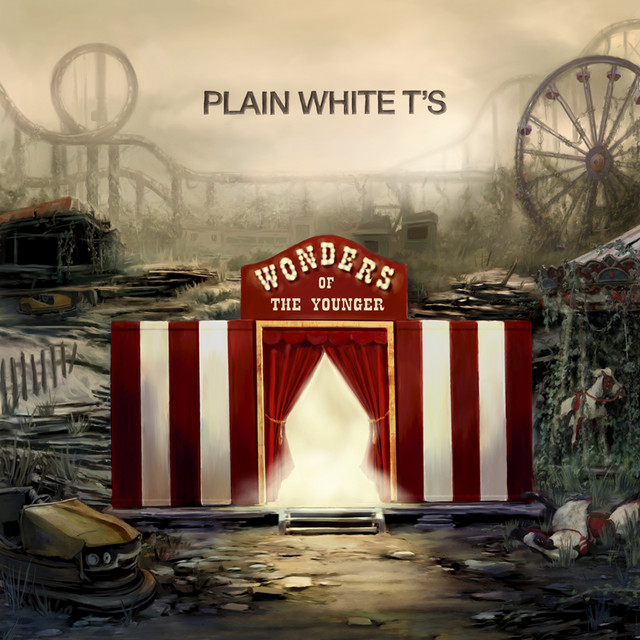 How the hell did everyone on earth miss this one? After the inconsistent misfire “Big Bad World,” many in the scene and beyond wrote the PWTs off, and all you have to do is look at this album’s Billboard peak at one-hundred-and-forty-nine, which is a modern tragedy, but they were wrong, oh yes, they were wrong… “Wonders of the Younger” is Plain White T’s’ “Sgt. Pepper’s Lonely Hearts Club Band” for crying out loud! Yes, the record had a hit in “Rhythm of Love,” but many casual and non-casual listeners didn’t even know that it was a Plain White T’s song due to its different singer! Why are we yelling? We don’t know!