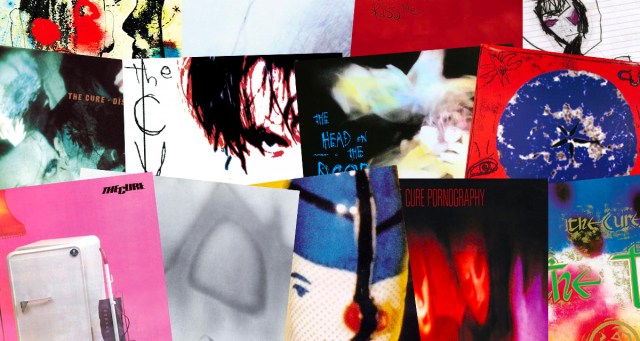
The Cure rule. If you’re reading this, you probably agree with that statement. You also probably spent some time in your teenage years, smoking cloves in a Denny’s parking lot at 1 a.m., buying ecstasy from a guy wearing a Jamiroquai hat. Or maybe that was just me and my friends. In any case, here is the definitive ranking of all The Cure’s studio albums by a pretend journalist.
13. Three Imaginary Boys (1979)
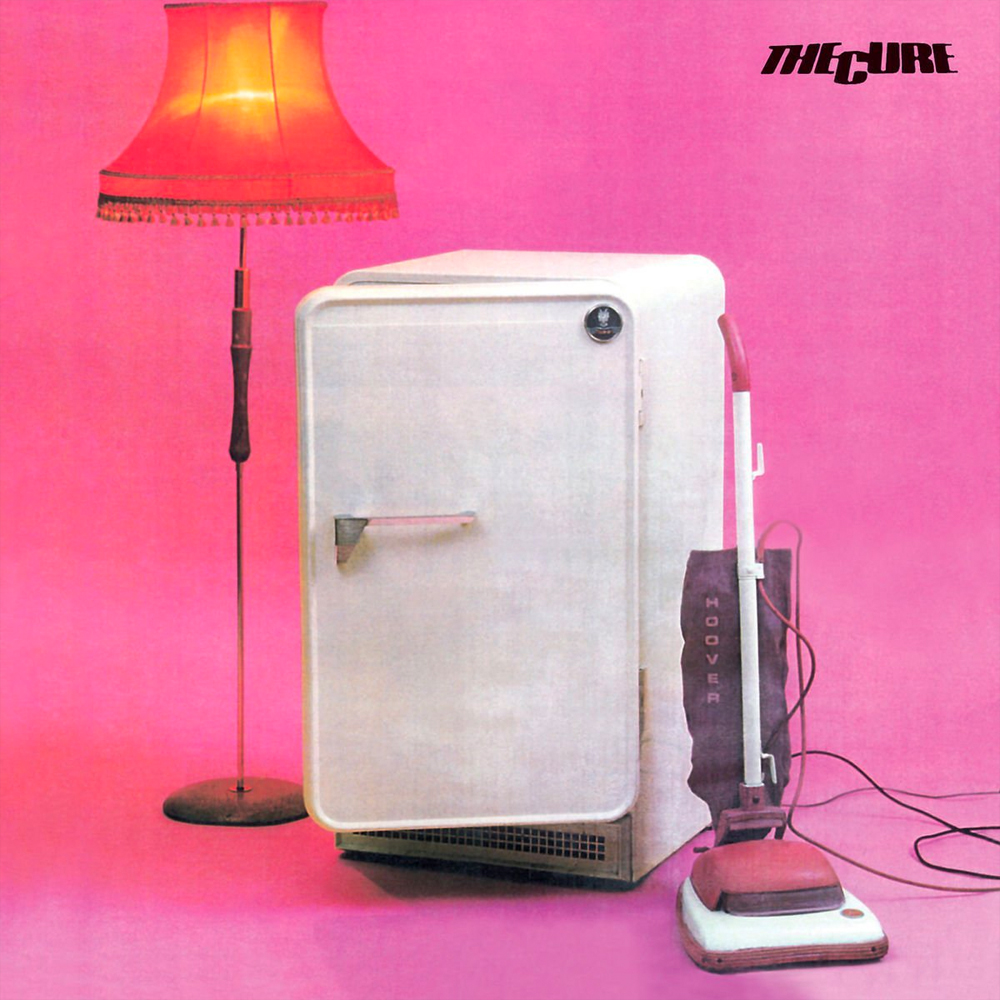 The Cure never made a “bad” album, but you gotta start somewhere with these lists, so here we are. This is a fine record, it’s just not really the Cure. It’s a fun post-punk pop band that would eventually become The Cure. So as far as we’re concerned: no hairspray, no lipstick, no Cure.
Play it again: “Grinding Halt”
Skip it: “Foxy Lady” (Not sure what the hell is going on here…)
12. Wild Mood Swings (1996)
 This was the follow-up to The Cure’s most successful record “Wish.” And most of us wished that it was as good. It’s kind of even keel gothy-pop with a hit song called “Mint Car,” which isn’t about cars at all, but sex as a metaphor for fleeting happiness. Shocker. The production sounds good, and, well, there’s not much more to say about this one. The Cure has a lot of fucking albums, so there is no sense in focusing too much time on the weaker ones.
Play it again: “Mint Car” (it’s a good song damn it!)
Skip it: “Numb” (aptly named)
11. The Top (1984)
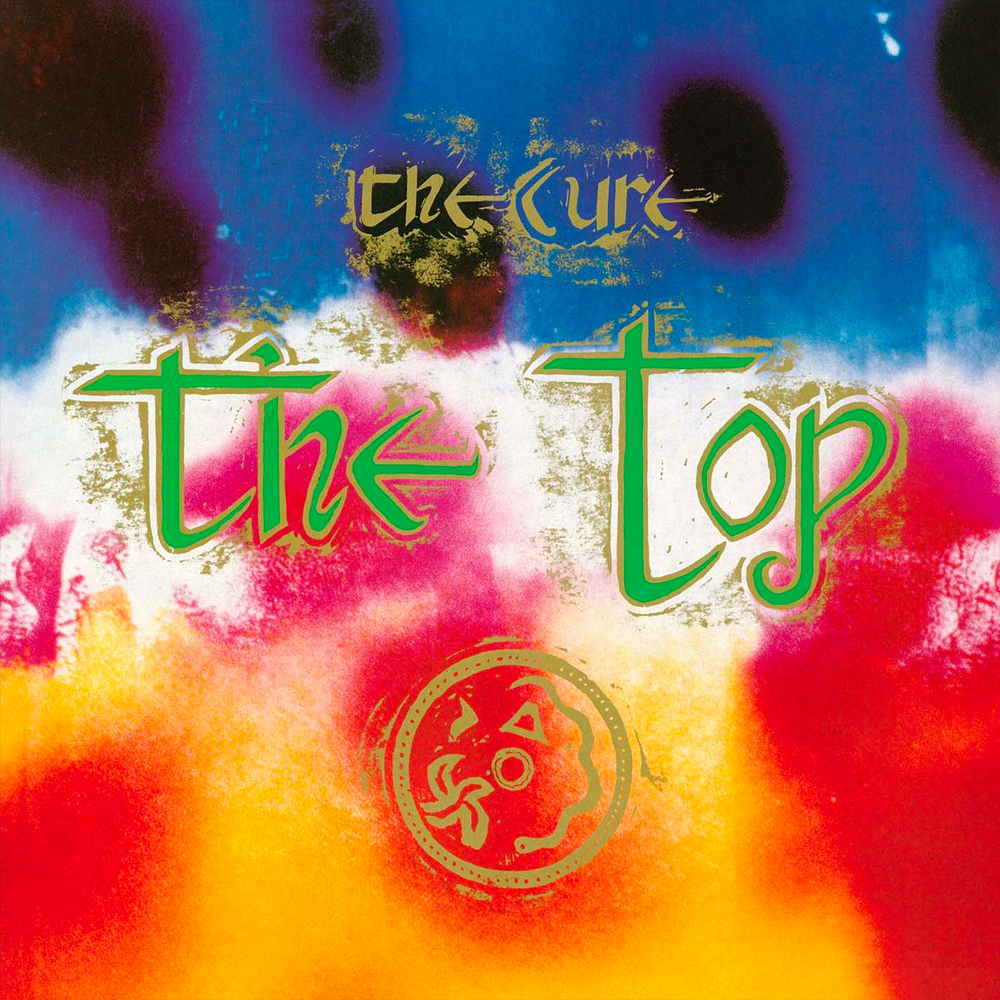 After the abyssal gloom of “Pornography,” most of the band quit, leaving Robert Smith to make most of this record himself. It’s weird and has all the psychedelic playfulness of a “Zoobilee Zoo” episode. This was also the record that started introducing “world music” elements to The Cure’s sonic palate, for better or worse. It’s a rainstick of a Cure album, that has its moments, but certainly not the place to start.
Play it Again: “Wailing Wall”
Skip it: “Bananafishbones”
10. Bloodflowers (2000)
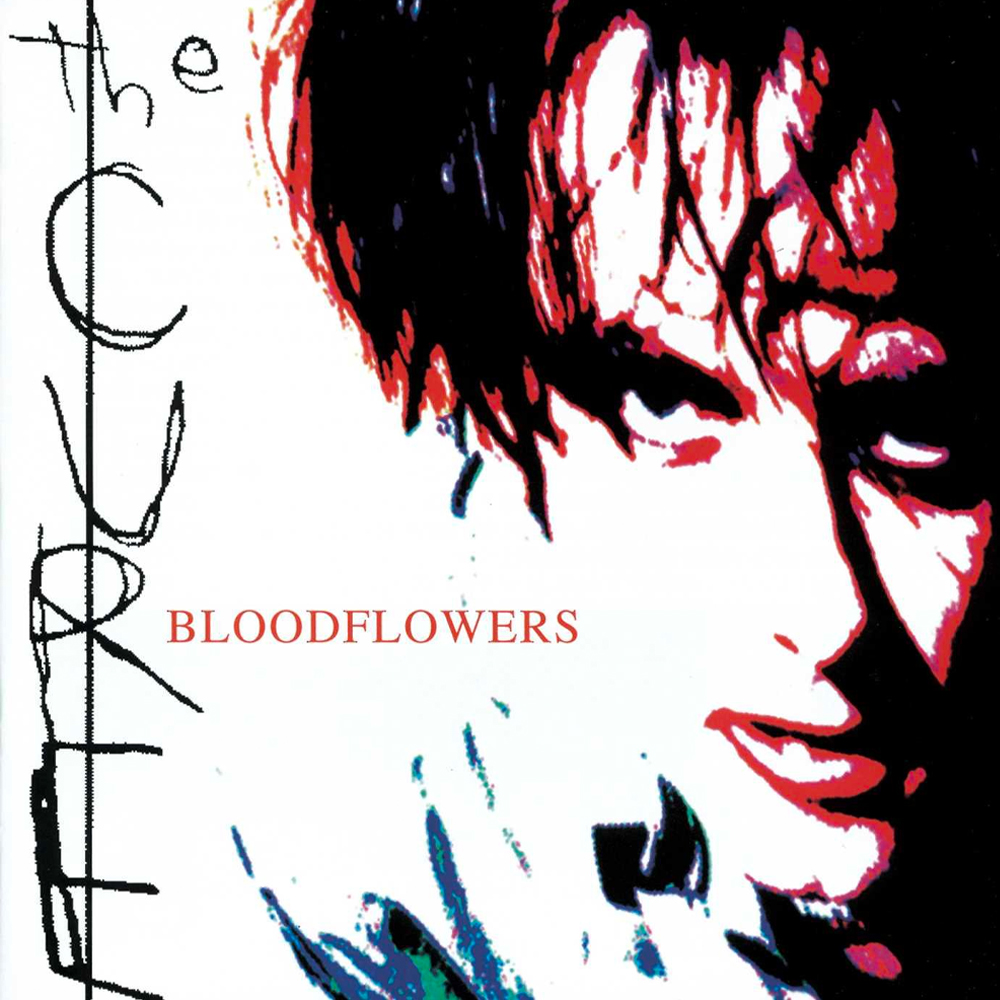 This is the third in a “trilogy” of albums that included “Pornography” and “Disintegration.” And it is definitely the “Return of the Jedi” of the bunch. This one is riddled with late-90s production tricks that have not aged well. I’m talking tiny techno drums, phased-out keyboards, and reverse guitar intros. It’s as if Butch Vig took a bunch of ketamine and drooled all over a Garbage album. And yes, that makes total sense.
Play it Again: “Bloodflowers”
Skip it: “The Loudest Sound”
9. 4:13 Dream (2008)
 This is the most recent album from The Cure and it’s actually pretty good. Most folks have probably never listened to it. It has the sad, it has the happy, and then it has more of the sad. Just what you want from a Cure record. The cover art is pretty bad though. Sort of like an AI Lars Ulrich painting.
Play it again: “The Hungry Ghost”
Skip it: “Freakshow” (really, skip this one.)
8. Kiss Me Kiss Me Kiss Me (1987)
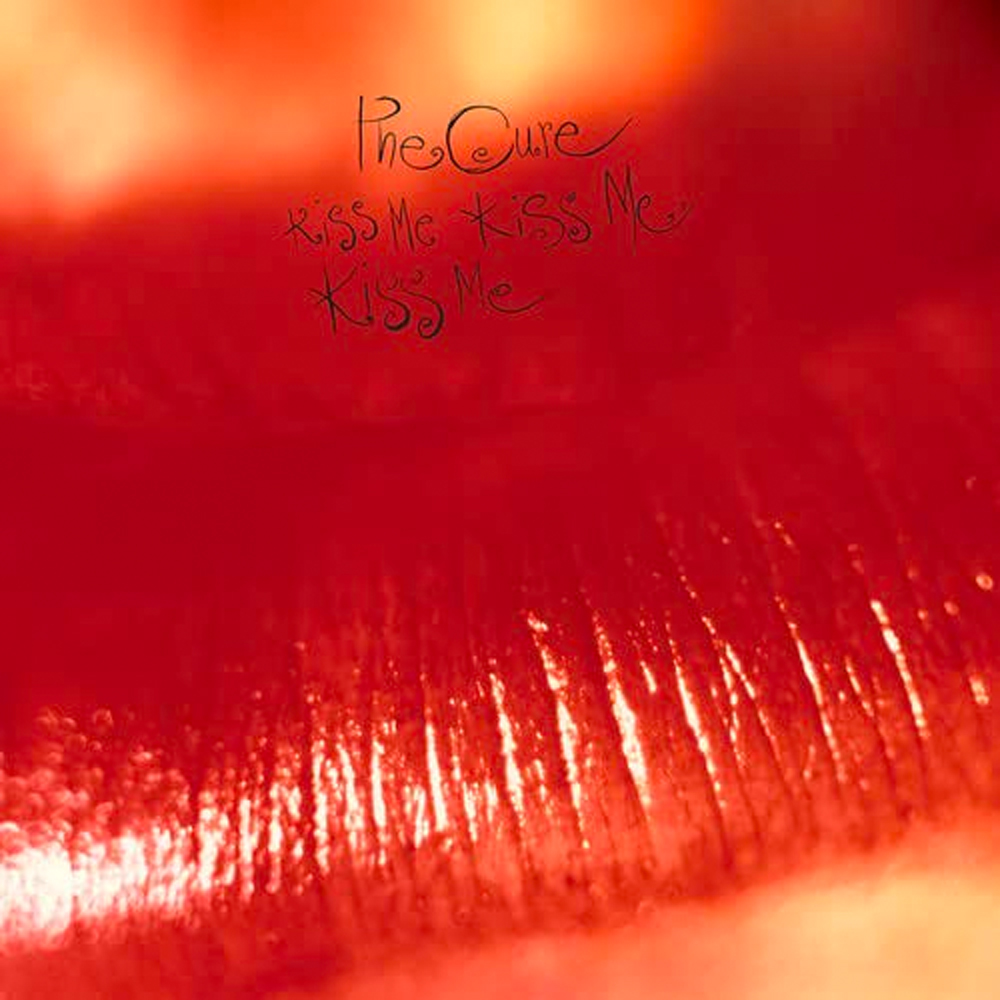 This is The Cure’s “Sandinista” – some real bangers here, but a few too many tracks. Home to “Just Like Heaven” most of these songs are fairly upbeat. It’s like the Welbutren has finally kicked in and Bobby and the boys are here to have a good time. This is also one of those records where the ’80s production sound actually enhances the songs, especially the synth horns in “Why Can’t I Be You?” It’s like a red Maserati with the top down, tearing down the cocaine highway to Malibu.
Play it again: “Catch”
Skip it: “The Snake Pit”
7. The Cure (2004)
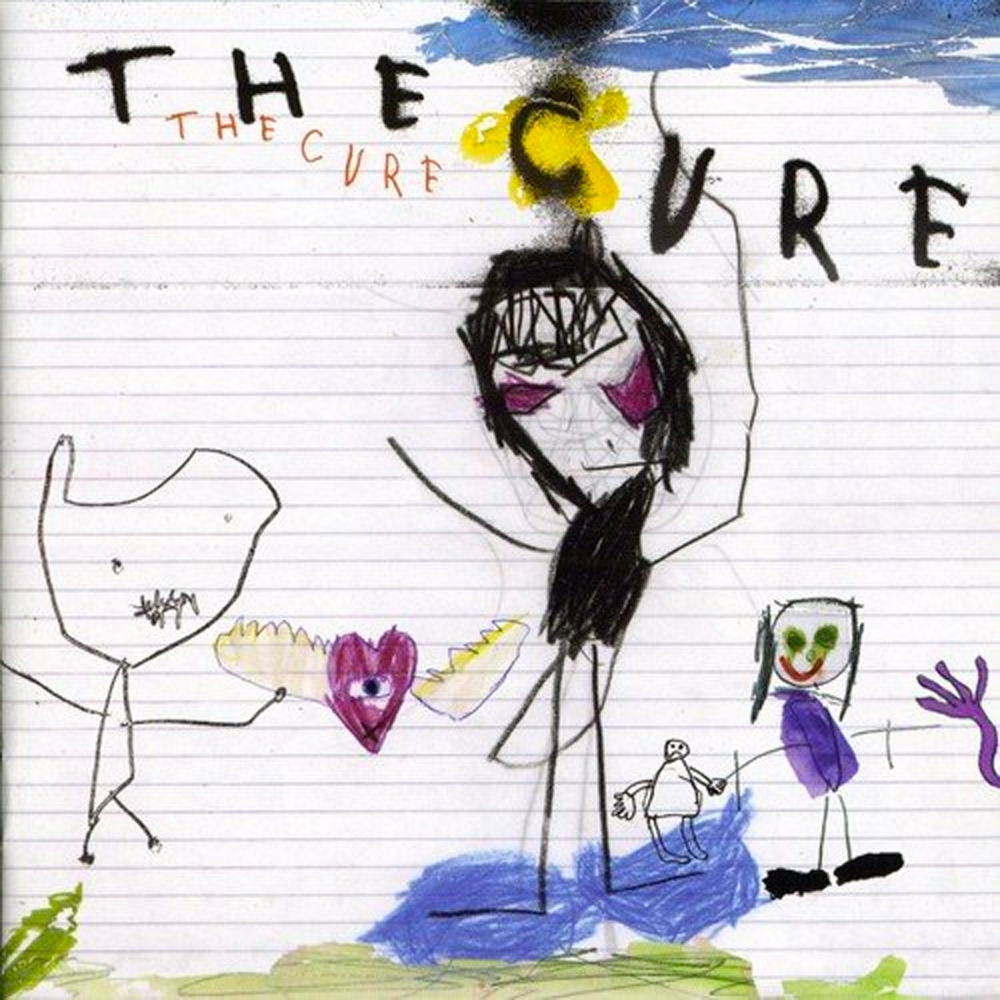 This is an album that some music sites have chosen to shit on. But not this one. This is the edgiest record in their catalog. They traded out the chorus pedals on this one and replaced them with some Boss Distortion. Robert Smith’s voice even approaches something close to a growl at times, which actually rules. Fuck you, Stereogum.
Play it again: “End of the World”
Skip it: “Anniversary”
6. Faith (1981)
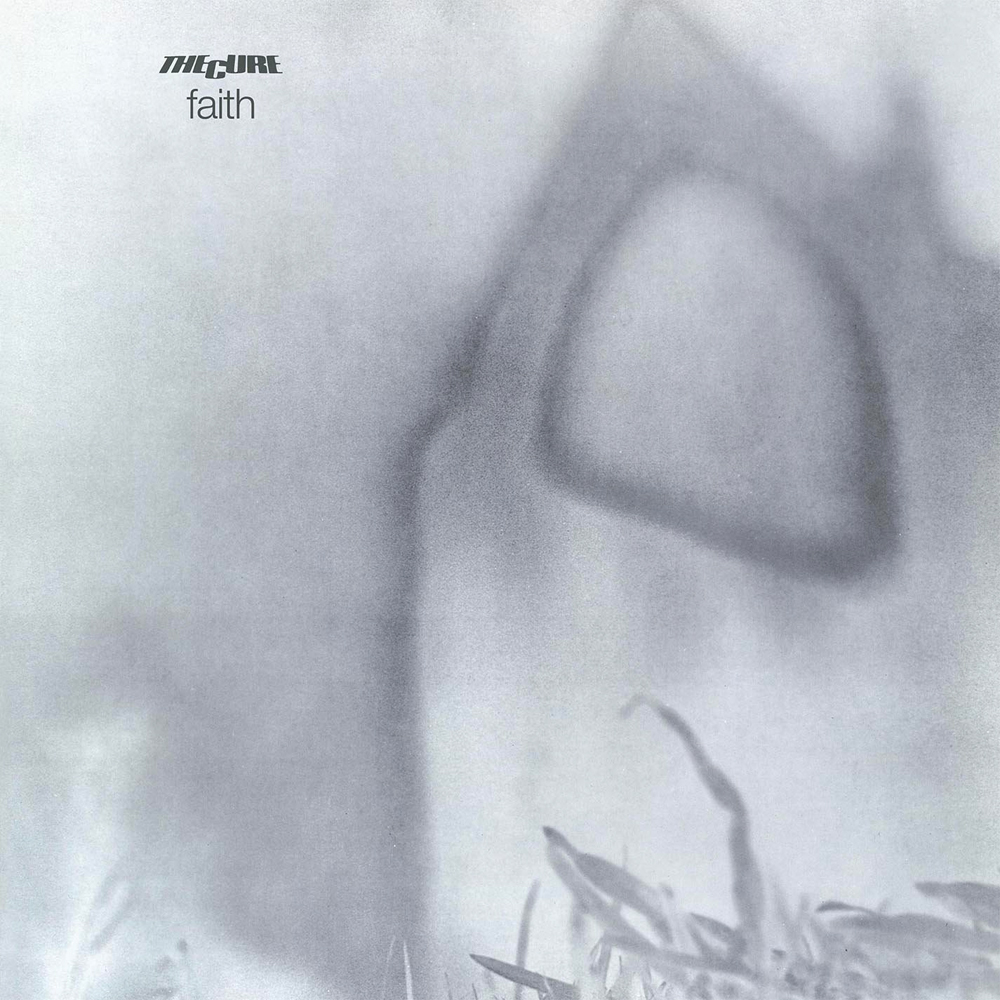 This is where shit gets real. From here on out, it’s all glorious gloom. “Faith” is the dark twin to “Seventeen Seconds” in sound, mood, and amount of grey on the album cover. “The Funeral Party” might go down as the most Cure song to ever Cure. I can imagine the Chris Kattan character in the Goth Talk SNL sketch being based entirely on the vibe of this song. Full goth abandon.
Play it again: “The Funeral Party,” duh
Skip it: “All the Cats are Grey” (only for the title)
5. Pornography (1982)
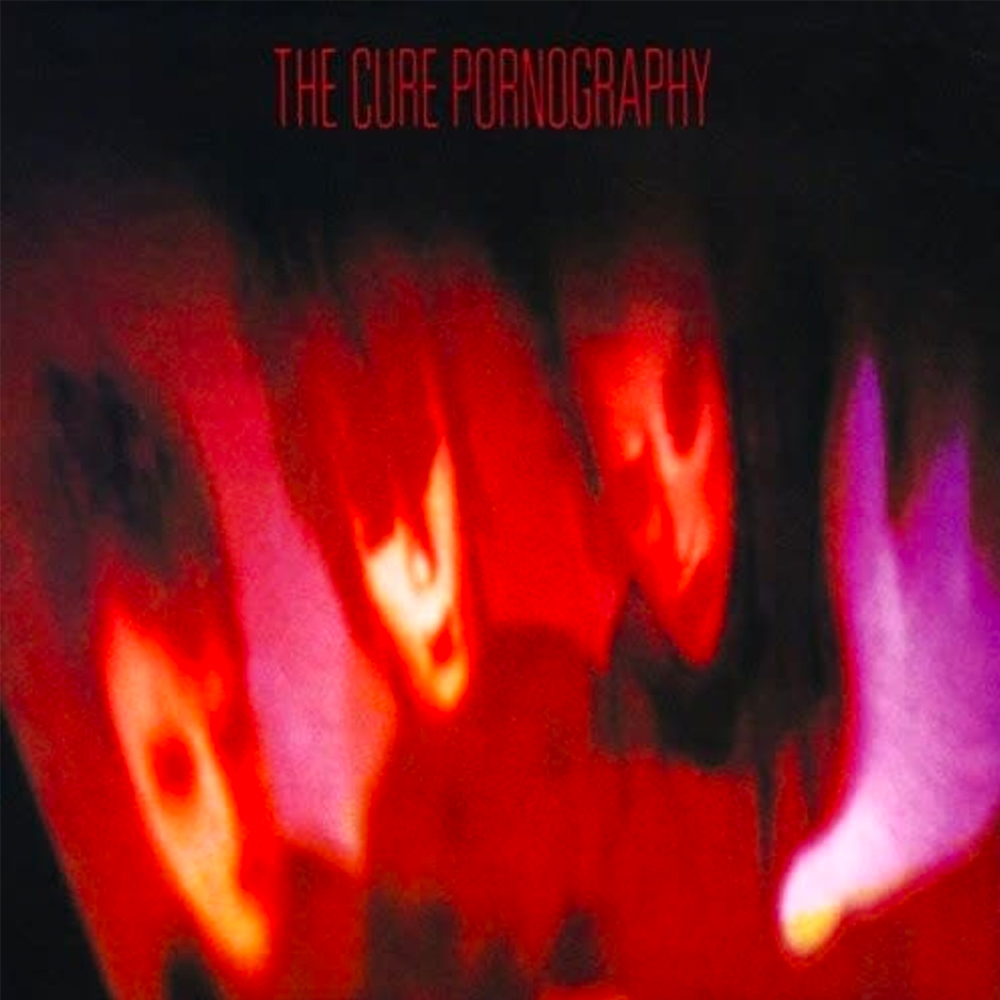 Any record that has an opening line of “It doesn’t matter if we all die” has a lot of despair to sustain, and boy does this one do just that. “Pornography” is one of those records that if it stopped answering the phone, you’d definitely want emergency services to go and check on it. Despite the despair, it’s also the most rhythmically interesting record The Cure ever did. The drums are front and center on this one, like some proto-industrial Blue Man Group shit. But instead of performers catching marshmallows in their mouths, they’re catching quaaludes.
Play it again: “Siamese Twins”
Skip it: the whole record if your depression is flaring up
4. Wish (1992)
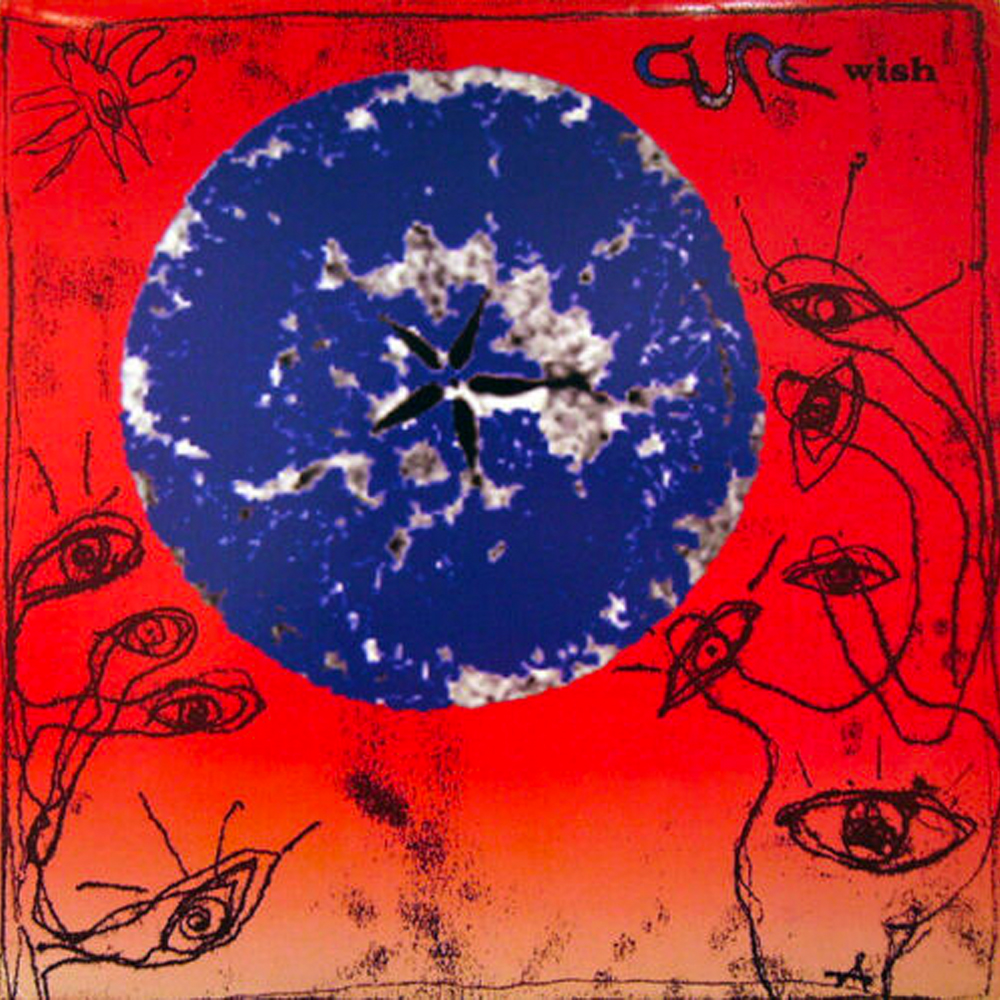 Everyone loves this record and for good reason – it continues the tradition of windchime use on a rock record. “Wish” is like if “Disintegration” got its shit together and finally finished that Psychology degree it started fifteen years ago. “Wish” always has money for rent and is an album you’d feel comfortable having cat-sit while you’re out of town. “Friday I’m in Love” is the one Cure song your norm-friends will know and for that, this record deserves a spot near the top of the list.
Play it again: “A Letter to Elise”
Skip it: “Wendy Time”
3. Head on the Door (1985)
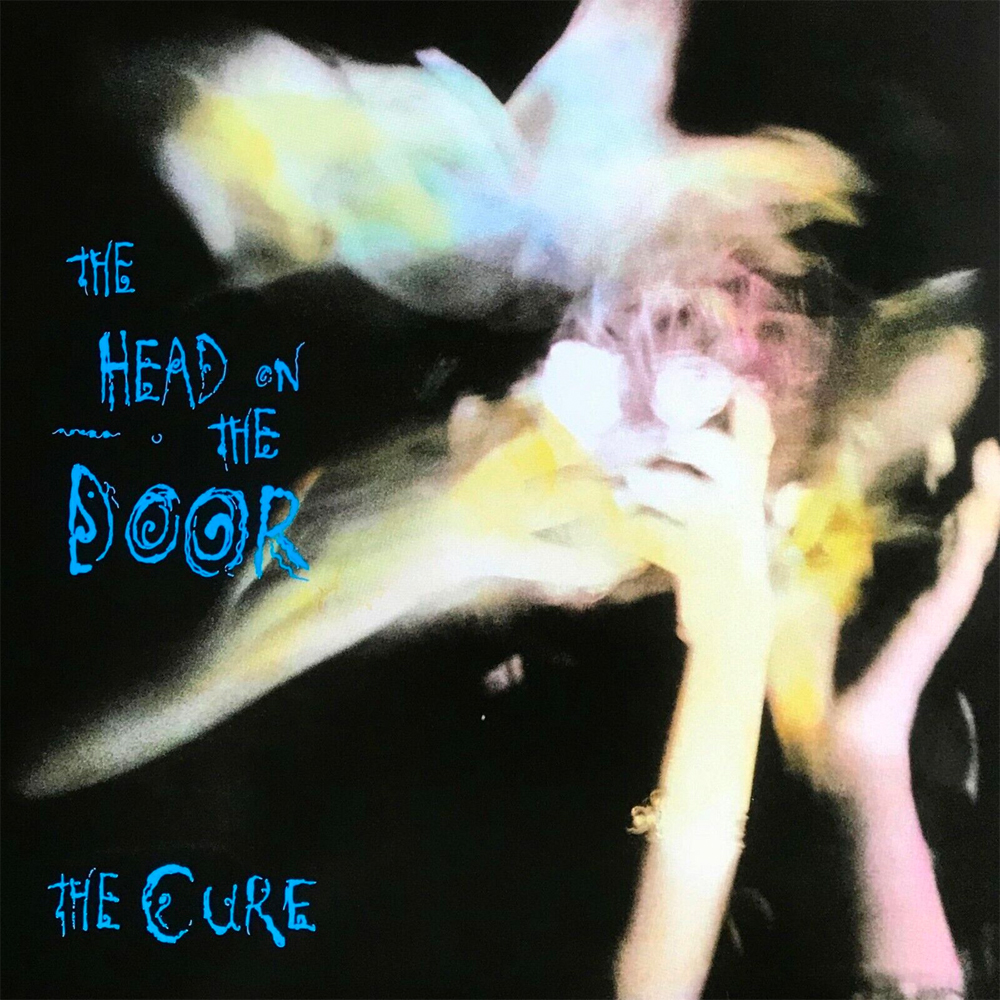 This one finds the band reformed after The Top, and their sound has a decidedly more approachable vibe. It has one of the strongest openers in the Cure’s catalog (In Between Days) and is the first to use a very rare wooden instrument that would feature prominently on future records – the acoustic guitar. “Close to Me” remains one of the band’s danciest jams and a reminder that the term “goth” is about as effective at characterizing the Cure as long sleeve fishnet shirts are in getting you laid.
Play it again: “In Between Days”
Skip it: “Kyoto Song”
2. Disintegration (1989)
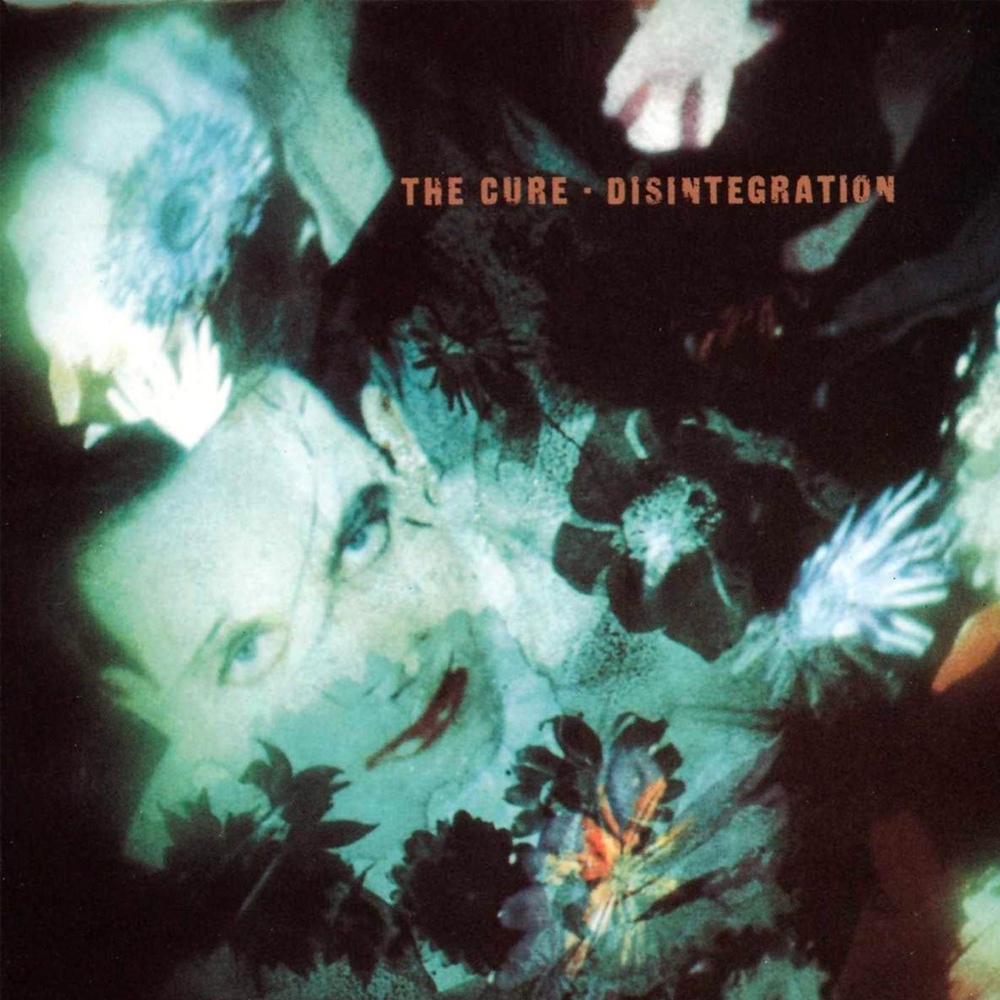 I know, I know… this should be number one. Ranking “Disintegration” number 2 is some contrarian-Pitchfork bullshit and I should be stripped of my black fingernail polish and Aquanet for doing so. But hear me out – yes, it’s The Cure at their absolute highest powers. Yes, there’s not an album in their catalog that captures the band’s essence as well as this one does. And yes every song is a dark magic jewel in the crown of sad rock. But “Disintegration” is the logical culmination of a decade’s worth of solid songwriting and development, and for that, I let this one fall at number 2. Feel free to pour absinthe in my gas tank.
Play it again: And again
Skip it: Don’t
1. Seventeen Seconds (1980)
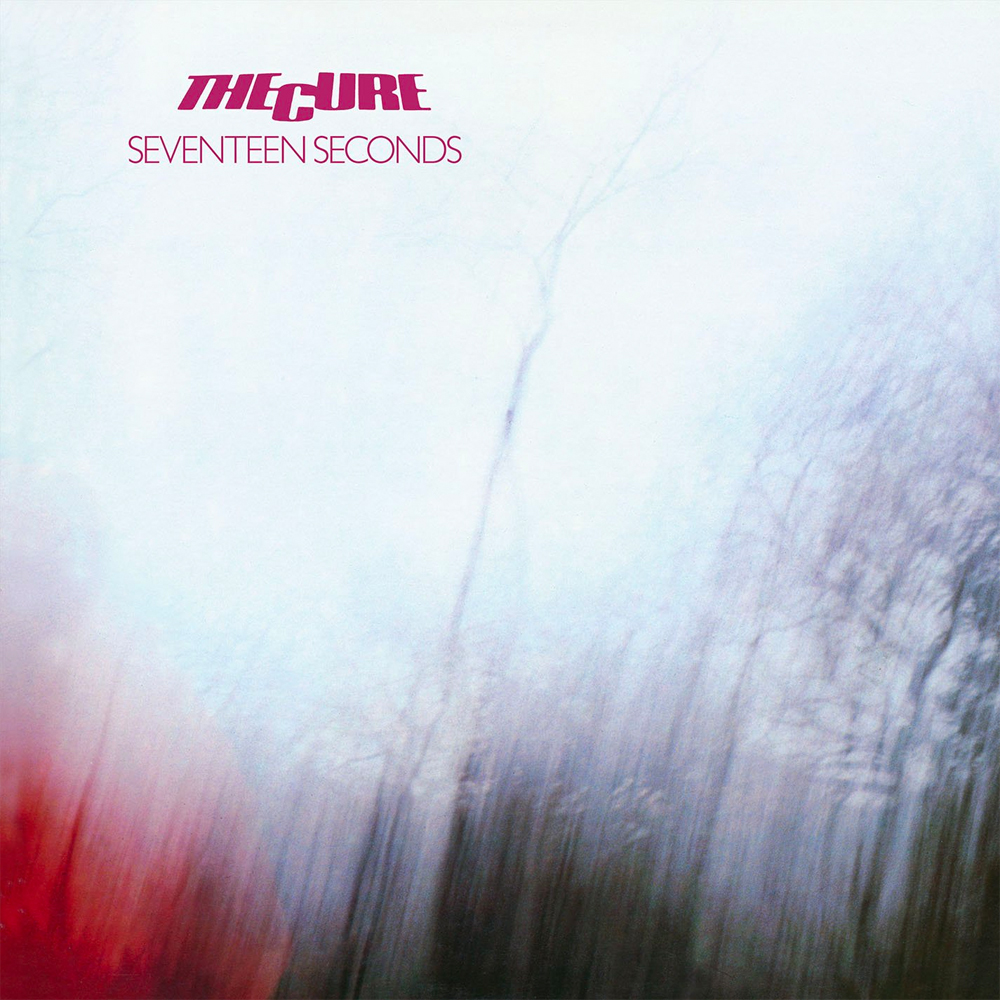 We will end this list the way we started it – by using abstractions to rate music rather than the music itself. The Cure’s second record is a wild departure from its predecessor in like, every way. It’d be like if U2’s second record sounded like Depeche Mode, if Depeche Mode didn’t exist, and they continued to sound like that for the next 40 years. To try something so different and unique, and to nail it so perfectly on a single album is a feat rarely seen in music. And for that, I rank this number 1. Come at me, nerds.
Play it again: “A Forest” is the greatest Cure song
Skip it: Only if you put on “Disintegration” instead


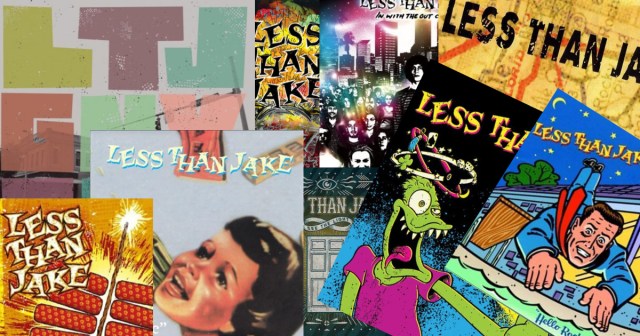
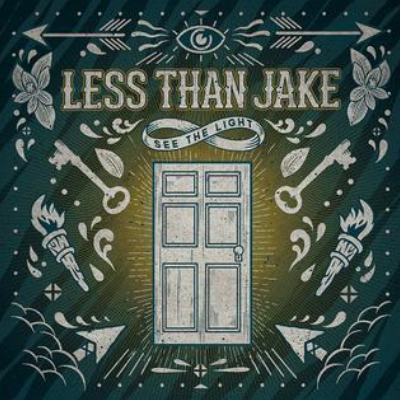 This entire album is a disappointing listen. With the exception of one song that sounds just as huge and emotional as some of the more epic tracks on “Anthem,” the rest of the album plays like a collection of the blandest songs across their entire catalog. They’re not bad but they’re not nearly up to par with the rest of the discography. This record suffers from a massive influence of a bland type of modern punk rock that many people call “Fest Punk.” Just don’t call it that around anyone who actually goes to Fest.
 This is the only other Less Than Jake record that isn’t amazing. They’re a fantastic band so let’s get this out of the way before gushing over the rest of their catalog. “In With the Out Crowd” is LTJ’s major label follow-up to “Anthem” and gets the nod over “See the Light” simply because it’s a major departure from the band’s typical sound. It’s at least an interesting collection of iffy songs as opposed to a boring collection of iffy songs. This record made me want to call cry “Sellouts!” but my voice was still hoarse from doing that when they put out “Anthem” (except I was wrong that time).
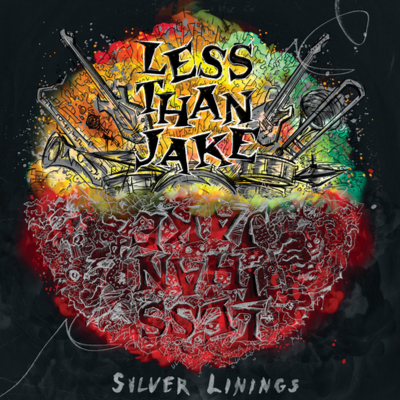 It’s wild how Less Than Jake’s musical palette is expanding while Reel Big Fish’s is shrinking. In the ’90s, LTJ was the distant 4th on the Mount Rushmore of ska behind No Doubt, Mighty Mighty Bosstones, and RBF. That changed drastically with the success of “Anthem” and Less Than Jake has continued to be a major force in keeping ska alive, and even pushing the genre forward, ever since. “Silver Linings” does an incredible job showing that LTJ can still experiment and modify their core sound in a way that’s classic yet fresh. There are a lot of corny lyrics and the Fest Punk-vibe is strong, which holds it back a bit.
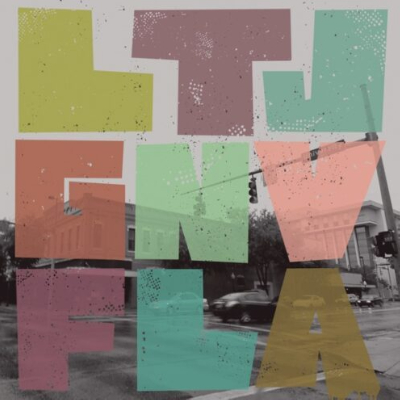 Once the band was freed from the ska-hating shackles of a major label, they released GNV FLA. This album is a complete return to form (and genre). This record is rawly produced, which matches the songwriting. The less-polished production works perfectly as a (likely accidental) throwback to how their early records sounded. Lyrically, this album doesn’t hold a candle to LTJ’s top 5, but musically it’s right up there with their truly S-tier records.
 Now we’re fucking talking! The rest of this list is primo-LTJ gold. “Pezcore” sounds like a local band at times (which they were when they made it) but it sounds like the best local band of all time. The songs are incredibly well-written, lightning-fast ska classics, recorded exactly how you’d expect for an unsigned ska band in 1995. It’s full of little flaws but that’s part of what makes it perfect. Catch 22 often gets credit for popularizing “hyperstrokes,” but “Pezcore” led the way. This is a game-changing record if you care about ska. So I guess it’s not that game-changing for most of you. But it is to me, dammit.
 “Borders & Boundaries” is the album where Less Than Jake truly came into their own as writers of, let’s say, anthems. The songs on this record sound gigantic. Many of the songs are instant campfire sing-a-long classics. Oh, also, this album has a lyric about how people in the punk scene aren’t funny. The only other time I’ve heard a lyric like that was in a song by Against Me!, who are from the same city. Damn, the Gainesville Florida punk scene must have the worst sense of humor. I wouldn’t worry about it though, Gainesville isn’t a big punk town.
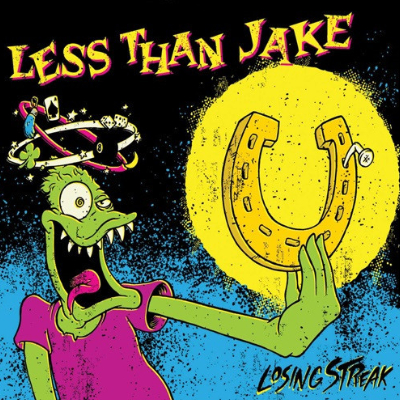 There is a special place in my heart for any ska album that came out between 1995-1998. This was when 3rd wave ska had its largest influence in the music world and the records that were produced during this period were so inspired and advanced the genre so massively. For instance, on “Losing Streak” you can hear countless ska tropes that were basically created while making this album. The singers learned how to synergize their vocals in a way they’d continue to perfect throughout their career. It’s a real shame the only radio hit they had during this era was “We’re All Dudes.” Just kidding, that’s worth a million “Sellout”s.
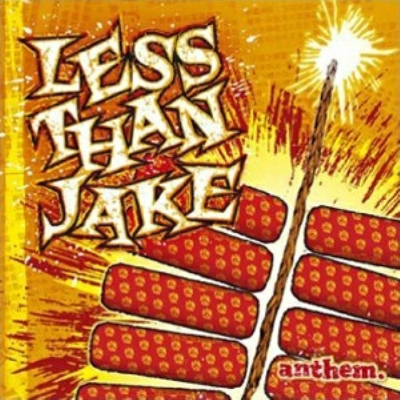 Long-time fans know that this record was a fucking force. Even longer-time fans know it was not initially well-received. As a major label release that was almost entirely stripped of ska, hardcore fans were initially put off by the album’s radio rock vibes. Hell, there’s an entire album of B-sides from this record that sound like the ska album the band intended to make as a follow-up to “Borders & Boundaries.” “Anthem” is a prime example of how limitation breeds creativity. Go listen to this record, especially if you’re not into ska. It’s also pretty sick how they called their shot by naming this record “Anthem” and then wrote like 14 songs that were damn sure anthems.
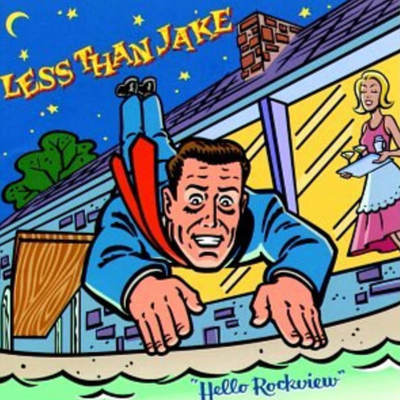 Ungodly-catchy hooks, perfect instrumental and vocal synergy, and lyrics that still make me want to scream off the rooftop that I’m leaving this town, nobody gets me, and fuck you Mom and Dad. If you can find the CD booklet, open it up and immediately listen to this album even if you’ve heard it a million times before. The booklet re-orders the songs and turns them into comic book pages with the lyrics serving as dialogue and exposition. In this context, “Hello Rockview” tells the story of an adolescent re-visiting everything in his hometown and contemplating his past, future, and self before finally leaving for good. Though you can get the same basic story from listening to it in the regular order too, I guess.