Started and based in New Brunswick, New Jersey, Screaming Females is the best rock band to come from the Garden State since the Misfits, and perhaps the best thing from Jersey in general since Philip Roth or disco fries. The definition of a power trio, the lineup has been unchanged since their formation— Jarrett Dougherty on drums, Mike Abbate on bass, and Marissa Paternoster on guitar/vocals. The threesome are an almost constantly touring operation, so if you’re a punk about town, there’s a good chance you’ve caught them on the road without even hearing their records. If you haven’t caught a show yet, their eight albums manage to capture the bombast, excitement, and proficiency of their live sound better than most bands working, so dig into their discography while waiting for them to come to a town near you. Here is every Screaming Females album ranked.
8. Baby Teeth (2006)
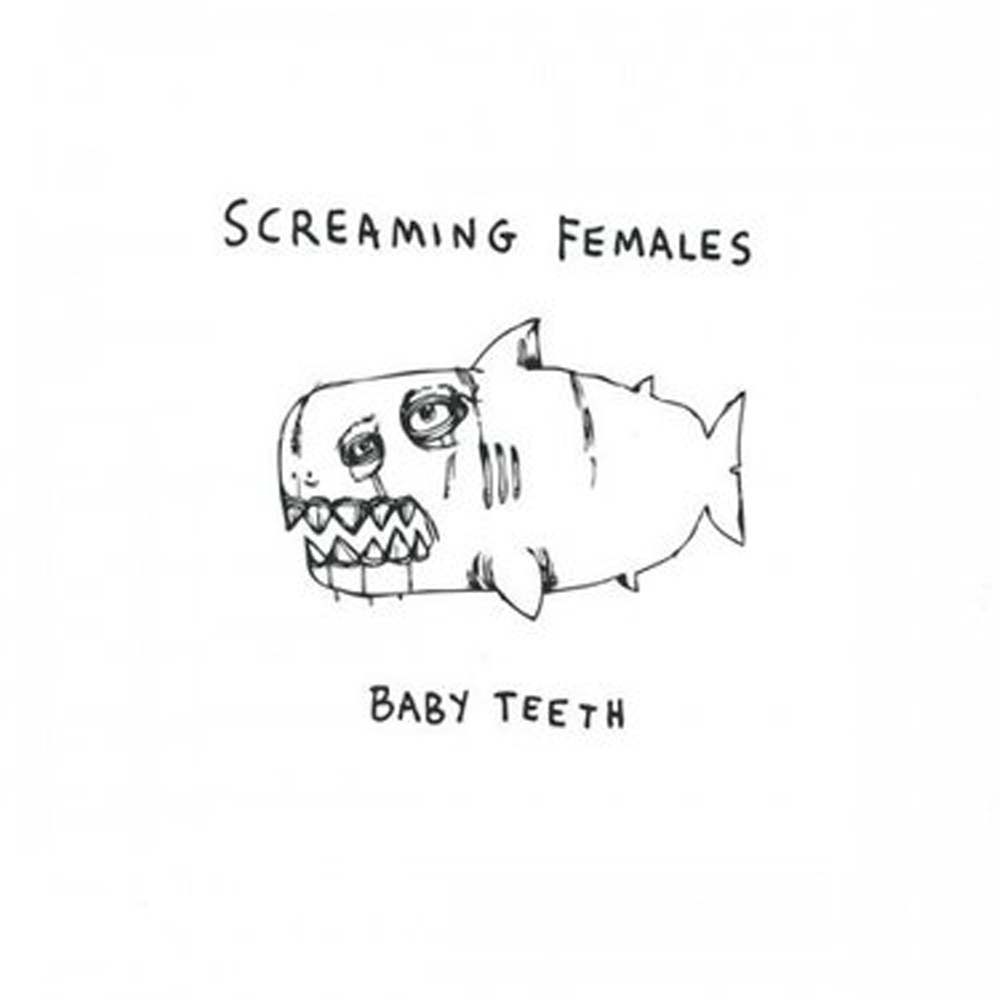 Screaming Females came out swinging with their scrappy self-recorded and self-released debut. Paternoster cites some of her early musical heroes as Nirvana and Pearl Jam, but the influence of 90s alternative rock would be more apparent on later releases. Instead, “Baby Teeth” revels in its youthful exuberance with thrashy garage-pop, lots of silly lyrics, and even a few forays into ska. Paternoster’s terrific, distinct vocals get much stronger after “Baby Teeth,” though, which means it probably isn’t the album to start with. But if you can’t get enough of this band, it’s a great one to go back to.
Play it again: “Bus Driver Man”
Skip it: None. They all rip.
7. What If Someone Is Watching Their T.V.? (2007)
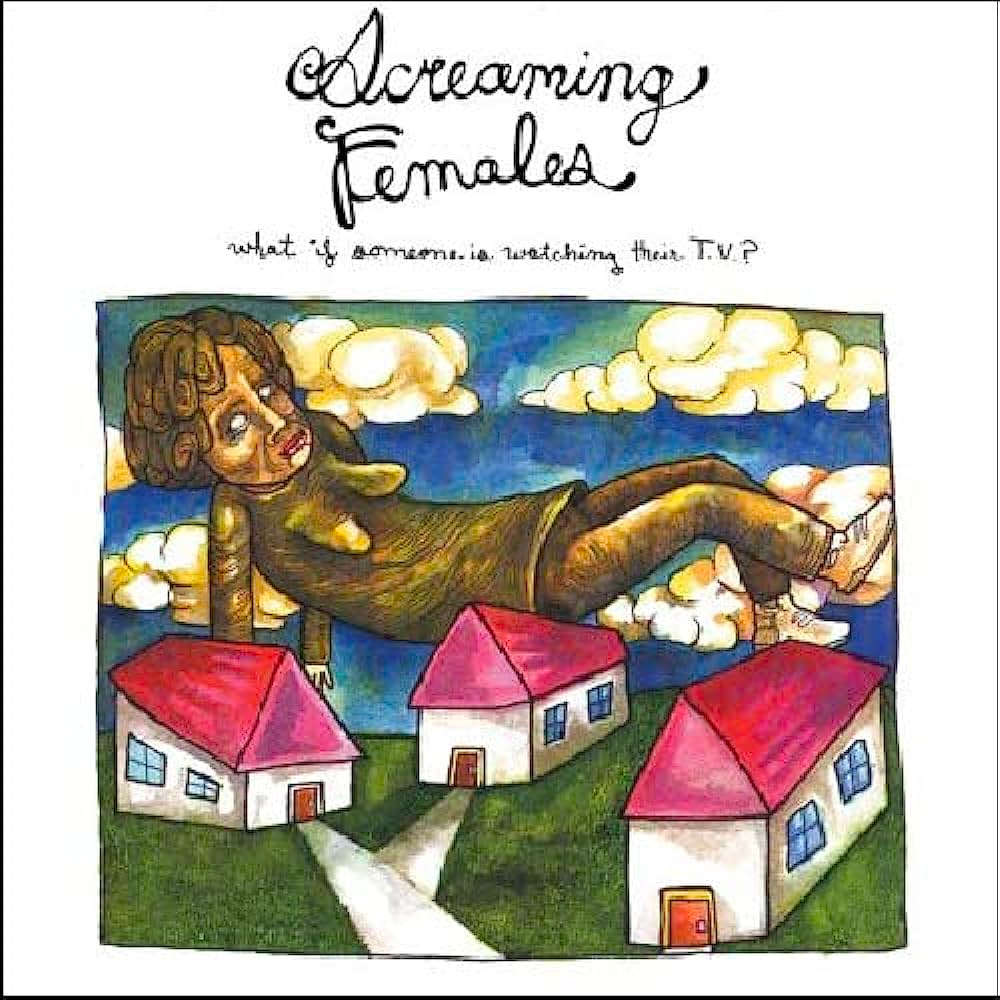 The band lives up to their name on their second LP, also self-recorded/released. Paternoster is shouting her head off on the excellent, Pixiesesque opener “Theme Song,” and the record doesn’t let up from there. The band itself sounds harder and meaner, but retains the charm of a group willing to try any song that’s fun to play. Will someone sign these kids already?
Play it again: “Humanity Arranged”
Skip it: None. They all rip.
6. Power Move (2009)
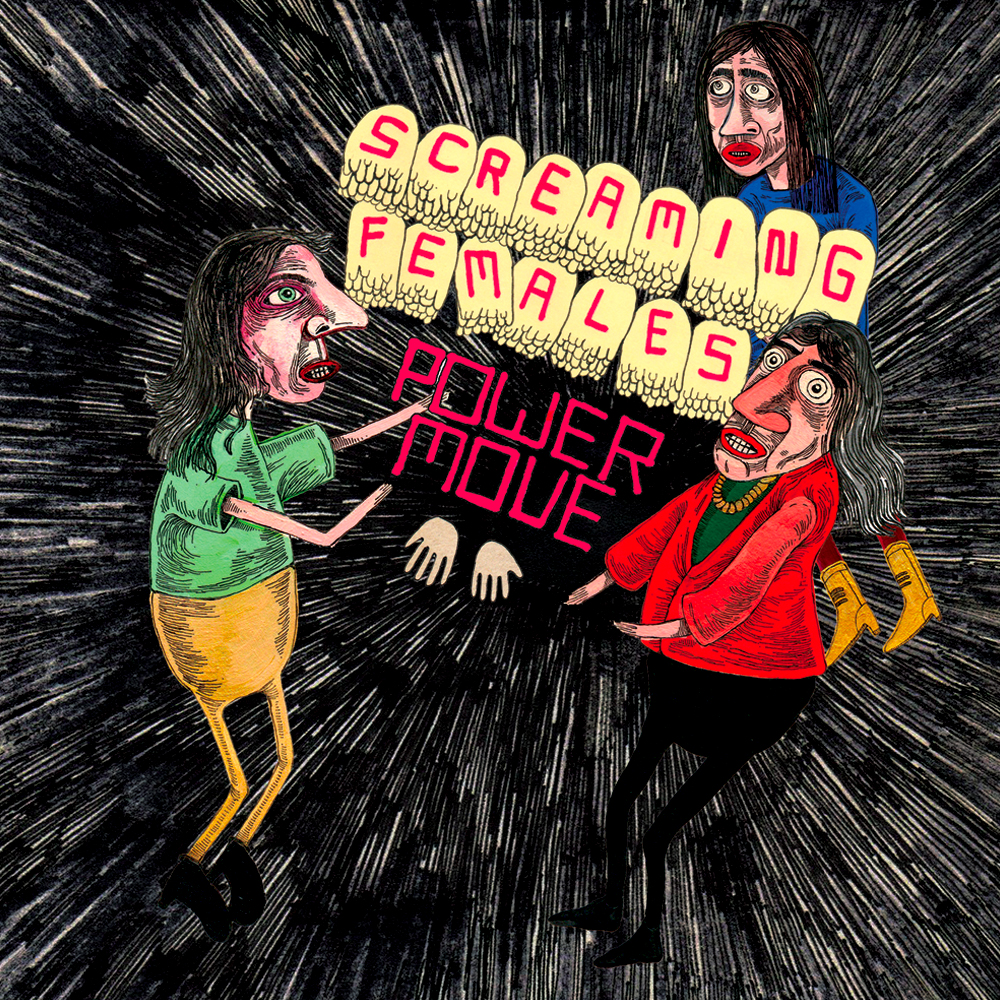 Someone did. “Power Move” is the first Screaming Females record to be released on a label— Don Giovanni Records, also based in their home scene of New Brunswick, N.J.— and gives the band the perfect amount of upgrade by improving the sound quality without changing the recipe. It’s the most punk-sounding of the albums listed so far, with loud-quiet-loud dynamics, major keys anchoring melt-your-face guitar riffs, and lyrics that will make your mom ask if you’re doing okay (“The curtains part/The shades are flesh/Second hands turn to knives/You are buried in the nude”). All of this rocking is still accomplished with little to no overdubbing, so good luck being mad that your favorite band is signed now.
Play it again: “Adult Army”
Skip it: None. They all rip.
5. Castle Talk (2010)
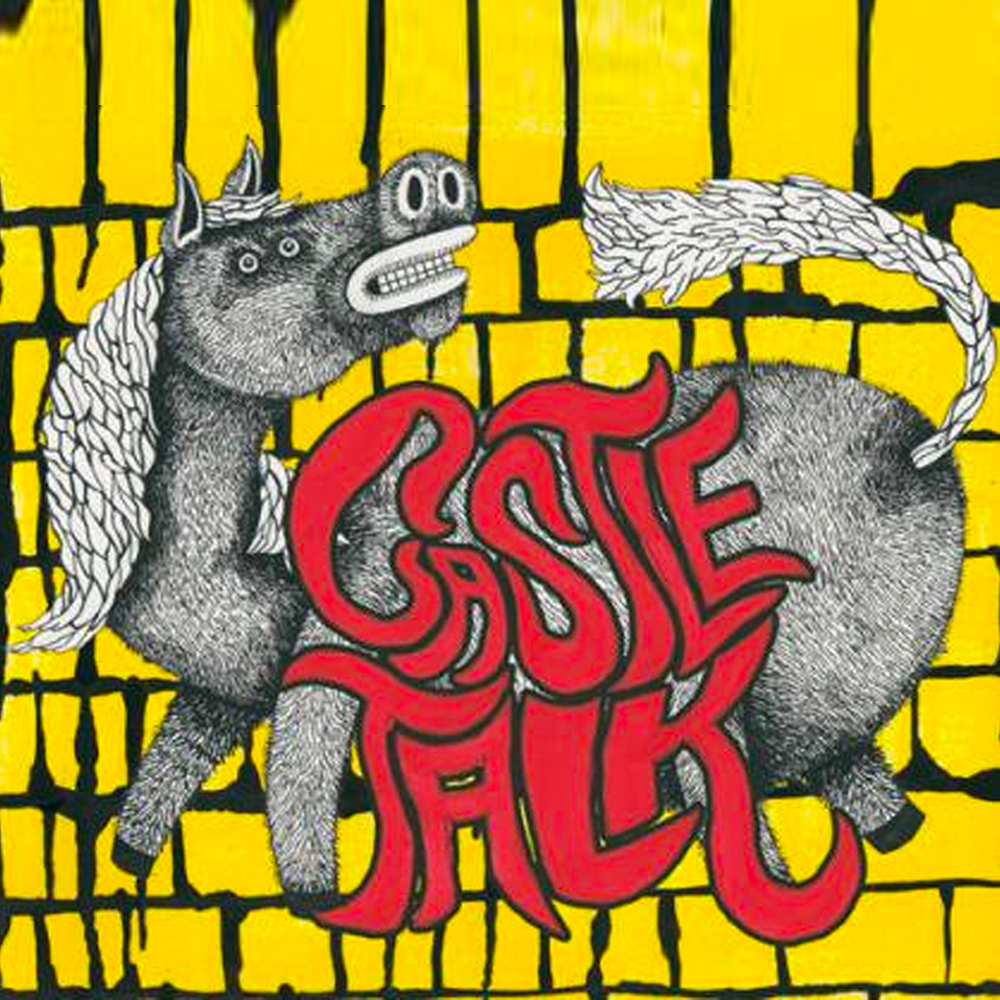 If you’re a Screaming Females superfan like I am (or a “Screamer” as I have just unfortunately dubbed us), you’ve probably noticed that so far we’re listing their albums in chronological order. That’s not happenstance or laziness, (we Screamers [this is going to catch on] are notoriously precise and hardworking!), but because for the first half-decade of their career, SF just got stronger with each release. On 2010’s “Castle Talk,” Paternoster’s voice has reached full power, effortlessly shifting from Stevie Nicks warble to wraith-like shriek mid-song. The drums, bass, and guitar are in lockstep with each other from years of sharing the same stage. Musically the songs are more adventurous here— with pretty, emo-ish chord progressions mixed into the record’s hardcore stew. The band started to gain some critical attention from this one, so time to get on the horse or be trampled underfoot. I truly apologize for naming us Screamers (no I don’t).
Play it again: “Wild”
Skip it: None. They all rip.
4. Desire Pathway (2023)
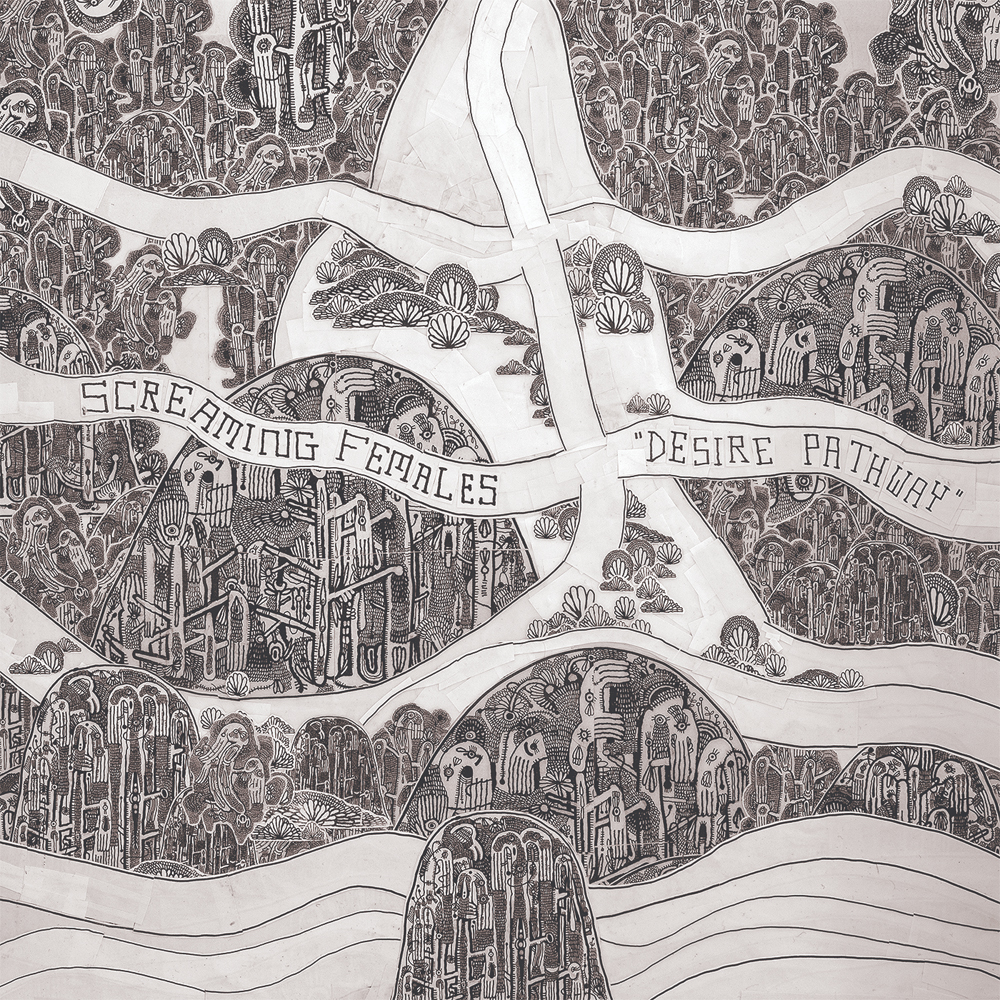 And now we exit the chronological and enter the preferential! The offerings in the latter half of Screaming Females’ discography are more diverse, so ranking them depends on what your favorite flavor is. Their most recent album is the band’s third with producer Matt Bayles, and though the production is the slickest it’s ever been it manages not to sacrifice the raw power of their sound or make a record that can’t be reproduced live. Paternoster is harmonizing with herself more on this one while taking fun departures into old-school punk (“Desert Train”), hooky radio-rock (“Ornament”) and power-pop that could turn Blondie green with envy (“Mourning Dove”). “Desire Pathway” isn’t afraid to be catchy, and serves as a perfect entry point to the band.
Play it again: “Brass Bell”
Skip it: None. They all rip.
3. All At Once (2018)
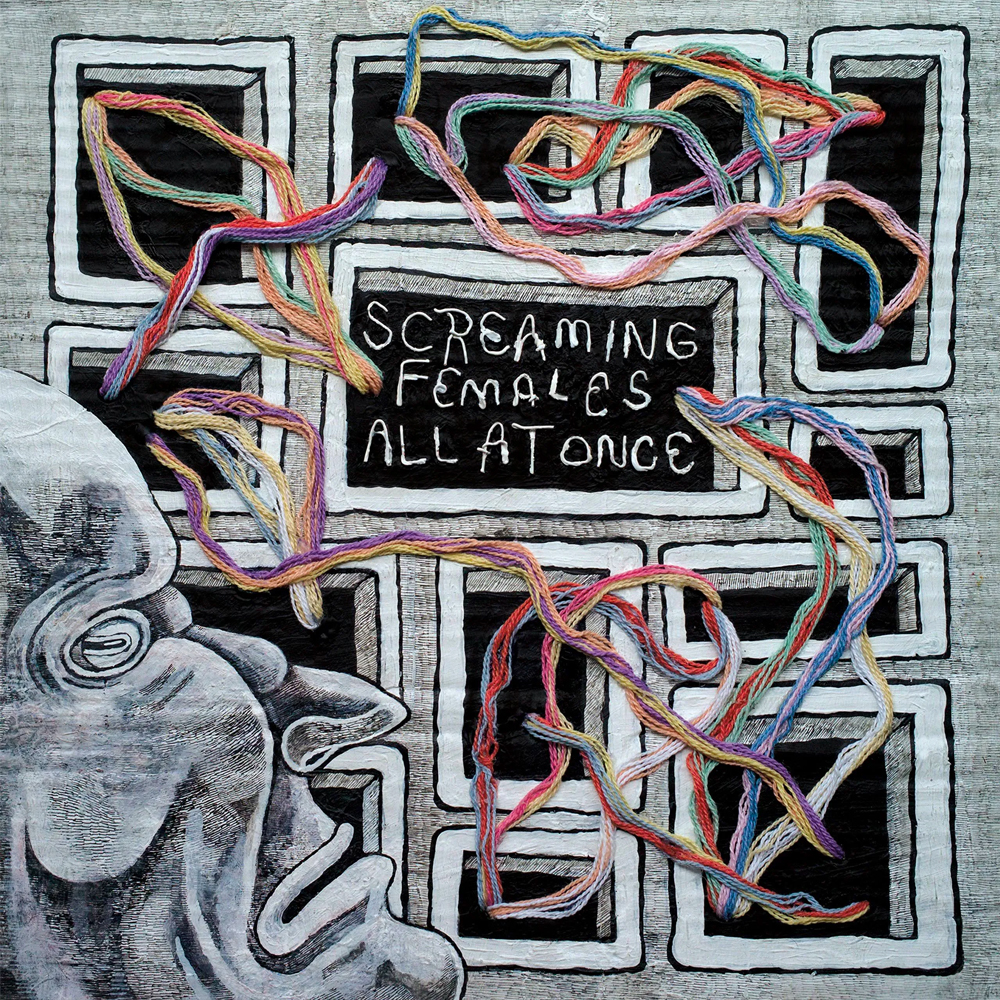 Way back in high school, Marissa Paternoster and Mike Abbate started playing music together under the tutelage of a math teacher who forced them to learn Phish songs and called it “Music Club.” The alternative/punk-leaning pair found themselves immune to the charms of the hippy jam band institution (but do yourself a favor and check out the Sugarbush 07/16/1994 rendition of “Run Like an Antelope.” Tell me your third eye doesn’t open a little bit!), but they would credit these early lessons with teaching them to improvise. Much later, in 2018, those skills show up big time on the weird and ambitious masterpiece “All At Once.” The band absolutely shreds on this one– their proggiest record by far. It starts with their best opener before or since (“Glass House”) and over its 15 tracks it leaves few stones unturned in its gleeful classic rock revelry (there’s even a Skynardesque, neo-soul ballad with “Bird In Space”). In less deft hands the result could be messy, but every Music Club indulgence yields beautiful results here.
Play it again: “Anges Martin”
Skip it: None. They all rip.
2. Ugly (2012)
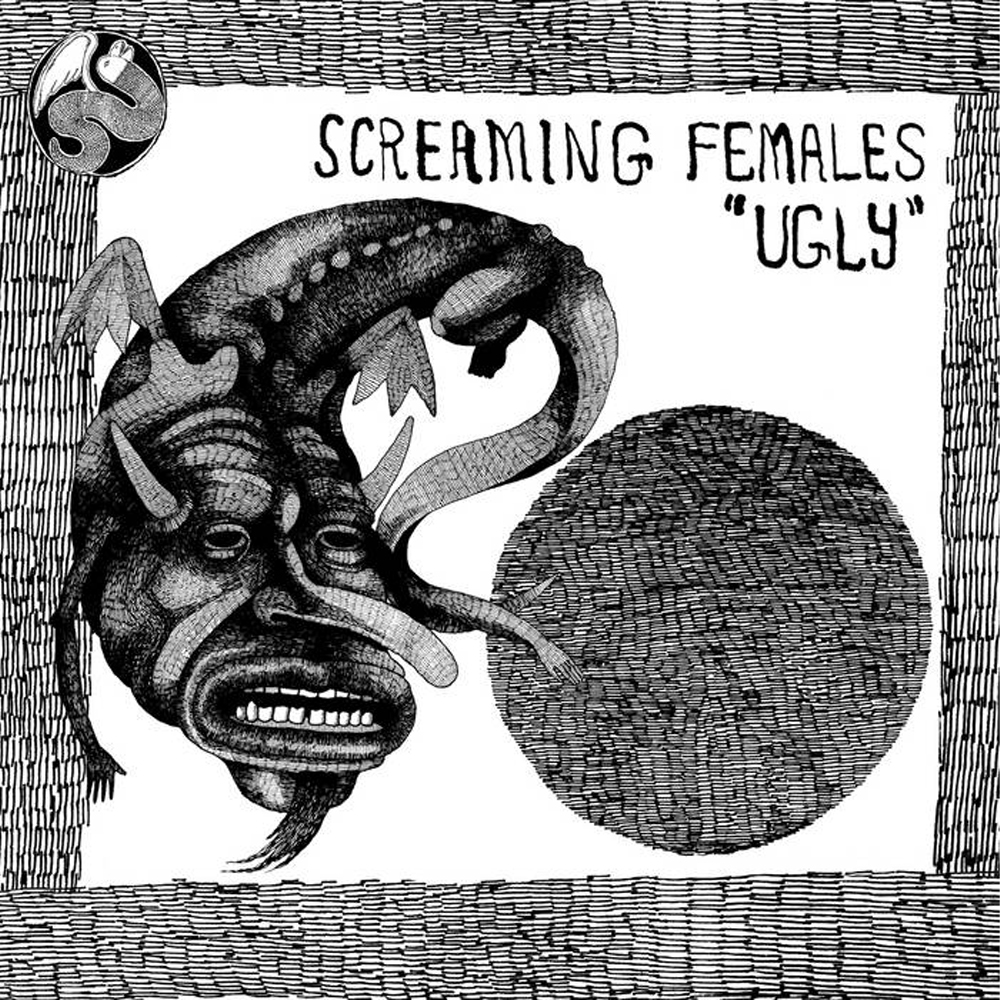 With the heat of “Castle Talk” and years of touring behind them, Screaming Females finally got the Steve Albini Treatment. Since there wasn’t much frill here for Albini to trim, “Ugly” goes straight to the work of capturing the live feel of Screaming Females, and gives the listener the sense of hearing them play to a big room with a mosh pit for one. More than anything, “Ugly” sounds loud— Dougherty’s drums are more to the front of the mix than they’ve ever been, Abbate’s bass is rattling with fuzz, and Pasternator takes many gain-drenched, feedback-squealing guitar solos way into the red. The songs are the most abrasive of the band’s career, and it’s their longest album at 54 minutes, rewarding multiple plays through with the volume as loud as you can stand it.
Play it again: “Doom 84”
Skip it: None. They all rip.
1. Rose Mountain (2015)
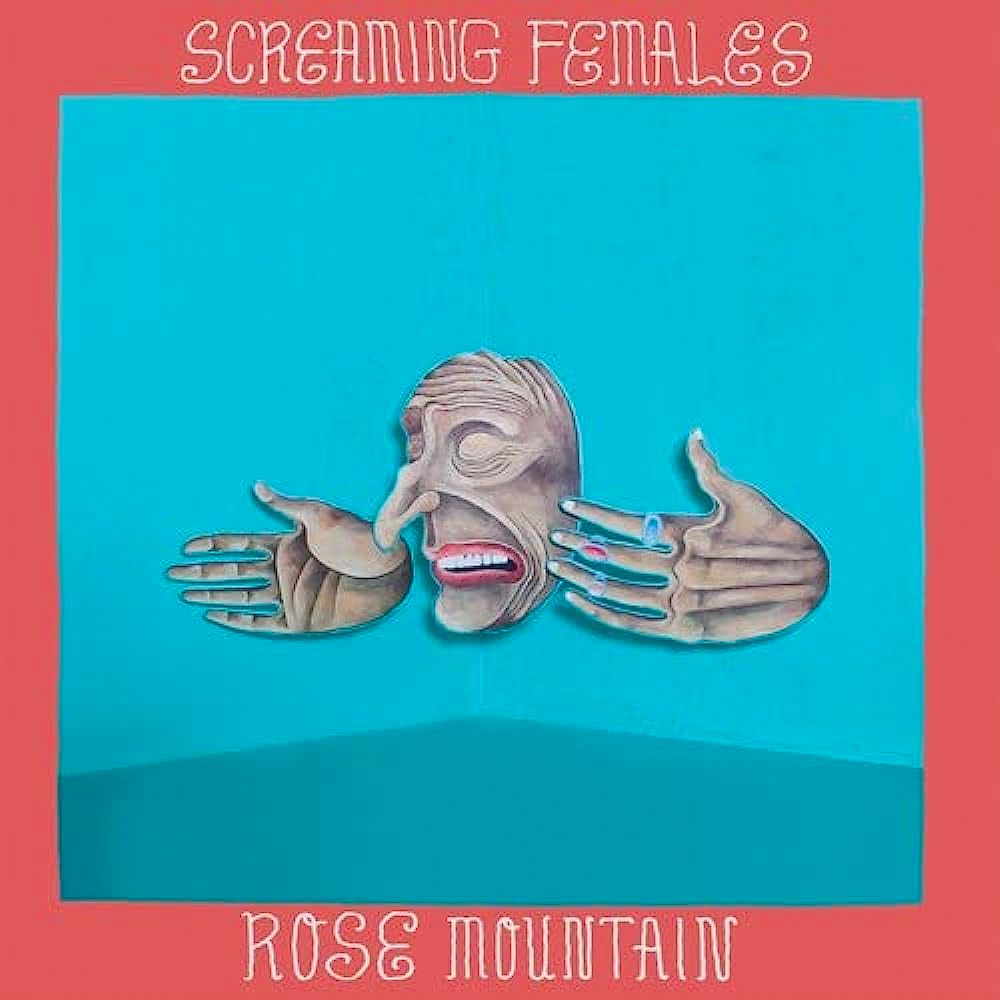 For a songwriter who has said she doesn’t write songs that are about one thing in particular, “Rose Mountain” contains Marissa Paternoster’s most evocative lyrics yet. The record addresses dealing with chronic sickness and pain, after cutting the tour supporting “Ugly” short to deal with Paternoster’s initially undiagnosed illness of fibromyalgia. “Hopeless” is a break-up song addressed to one’s own body. “Ripe” practically dares an unnamed assailant to do their worst, with a repeated plea to “peel the skin raw,” and “pinch ‘til the feeling’s gone.” The only title track of the band’s career is named after Rose Mountain Care Center, a rehab in Paternoster’s native North Jersey that she saw as a child and dreamed of one day going to to get well. It’s not surprising that music so preoccupied with bodies and pain is among the band’s most visceral; it’s lean and direct at 35 minutes, only coming up for air long enough in a few spots to plunge you right back into its seething rage. Paternoster’s guitar work here pays homage to the ‘90s rock legends that inspired her to pick the instrument up as a teenager, and the album’s stellar closer “Criminal Image” wouldn’t sound out of place nestled with the best tracks on Siamese Dream. From the peak of “Rose Mountain” you can see everything the band has done before and after perfectly coalescing into their most cohesive, confident, and yearning collection of songs.
Play it again: “Triumph”
Skip it: Come on. They all rip!





 “As long as it doesn’t come pre-loaded with a U2 album I’ll be happy.”
 “I can’t wait. The Vision Pro is about to revolutionize the way I stare at a screen all day.”
 “No thanks. I’m happy with my Google Glass.”
 “This is really going to be an upgrade from my iPod Nano.”
 “Great, now I’ll be subject to a 360-degree panoramic view of unsolicited dick pics.”
 “And yet no word on whether I can get mine with prescription lenses.”
 “I’ll wait for the refurbished ones to come out, so I can save 80 bucks.”
 “But how will this upgrade my PornHub experience?”
 “For $3500, I can look like the dorkiest passenger on an American Airlines flight.”
 “Finally, a screen that is two inches away from my face and covers my eyes entirely.”
 “Your move, Android.”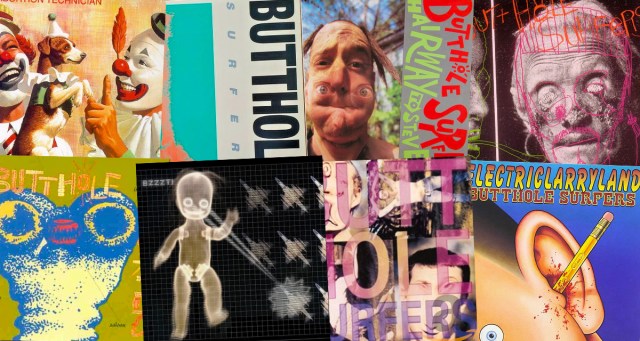
 Bands rarely get to leave on a high note and Weird Revolution is sadly another example. There are some good tracks but overall it feels way too easy for radio play. The biggest song on here, “The Shame of Life,” (written in collaboration with uh… Kid Rock) belongs in a sleazy nightclub run by a guy who brags about his investments in Crypto. “Dracula From Houston” meanwhile feels like it was written by Smash Mouth. At the same time however, this is a band where nothing feels too drastic a choice.
 This is the first album to contain only one drummer which sadly brings them too close to becoming a normal band. Still, if any other band had produced this album, people would have that band either honored or given medication. “Revolution Part 2” ends with a hypnotic chant of the name Garry Shandling. It can only be assumed that Garry struck a deal with the Surfers to seep his name into the subconscious of America in order to get “The Larry Sanders Show” picked up.
 If Gibby Haynes has a sister-in-law, it would be fascinating to hear her thoughts on the track “My Brother’s Wife.’ Their biggest single, “Pepper,” shows that the Anus Skaters know how to write a good normal song if they want to. A much easier to digest record than previous ones which is good or bad depending on who’s listening. Despite being their most commercial record at the moment, it doesn’t stop them from including four minutes of French people talking about cars.
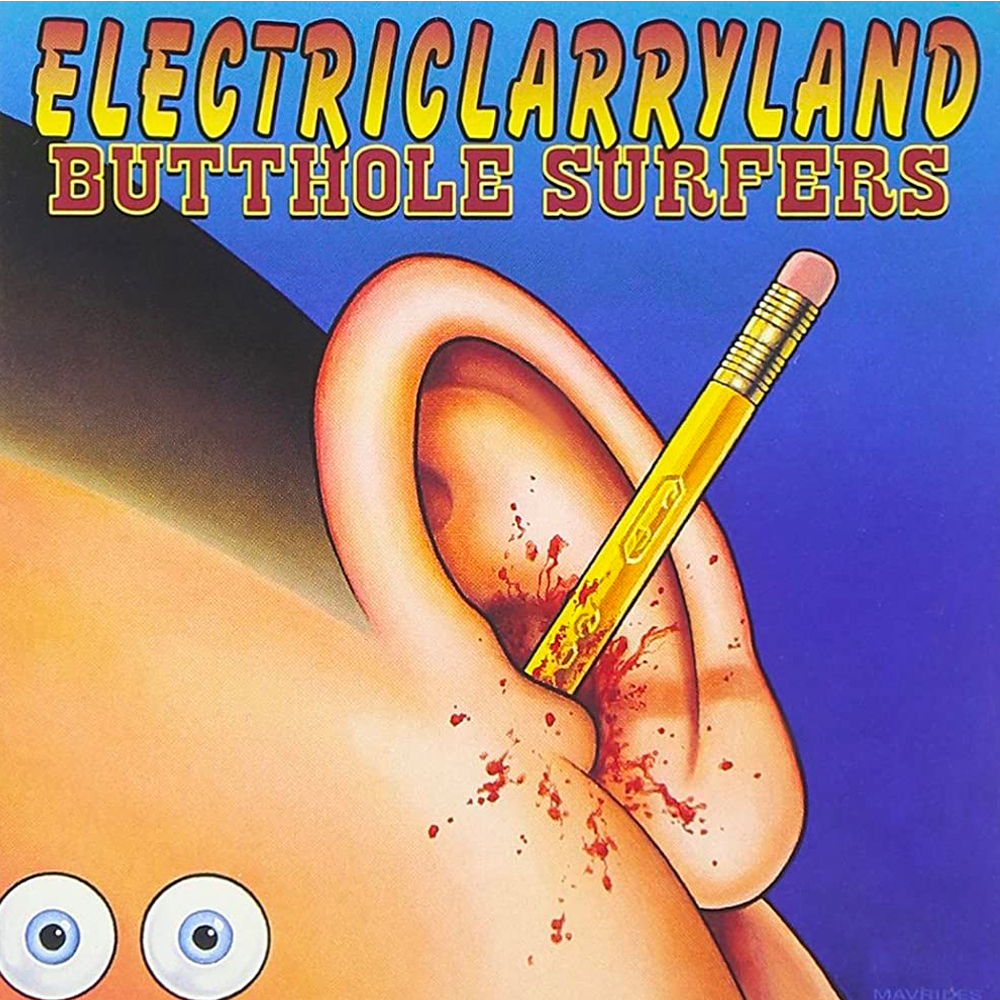
 This one’s still got plenty of Butthole Surfers energy but the songs have less genre jumping and tape sampling. “Tongue” has the classic distorted Hippie vibe of previous albums. Lots of good sludge metal vibes throughout. Worst thing about the album is that there’s seventeen songs so after a while it’s harder for some tracks to stand out. The album is produced by Led Zeppelin’s John Paul Jones, possibly because he wanted to prevent any more titles like “Hairway To Steven.”
 Their first official album starts the record with enough psychotic noises for turning off anyone who might be expecting another “Pepper” track. “Another Man’s Sac” jumps from noise to psychedelic to punk to country so fast that you are either on board or you’re not. “Lady Sniff” uses sound effects in a musical manner that can only be compared to Weird Al’s “Smells Like Nirvana.” Only 35 minutes long so never has a moment to get stale.
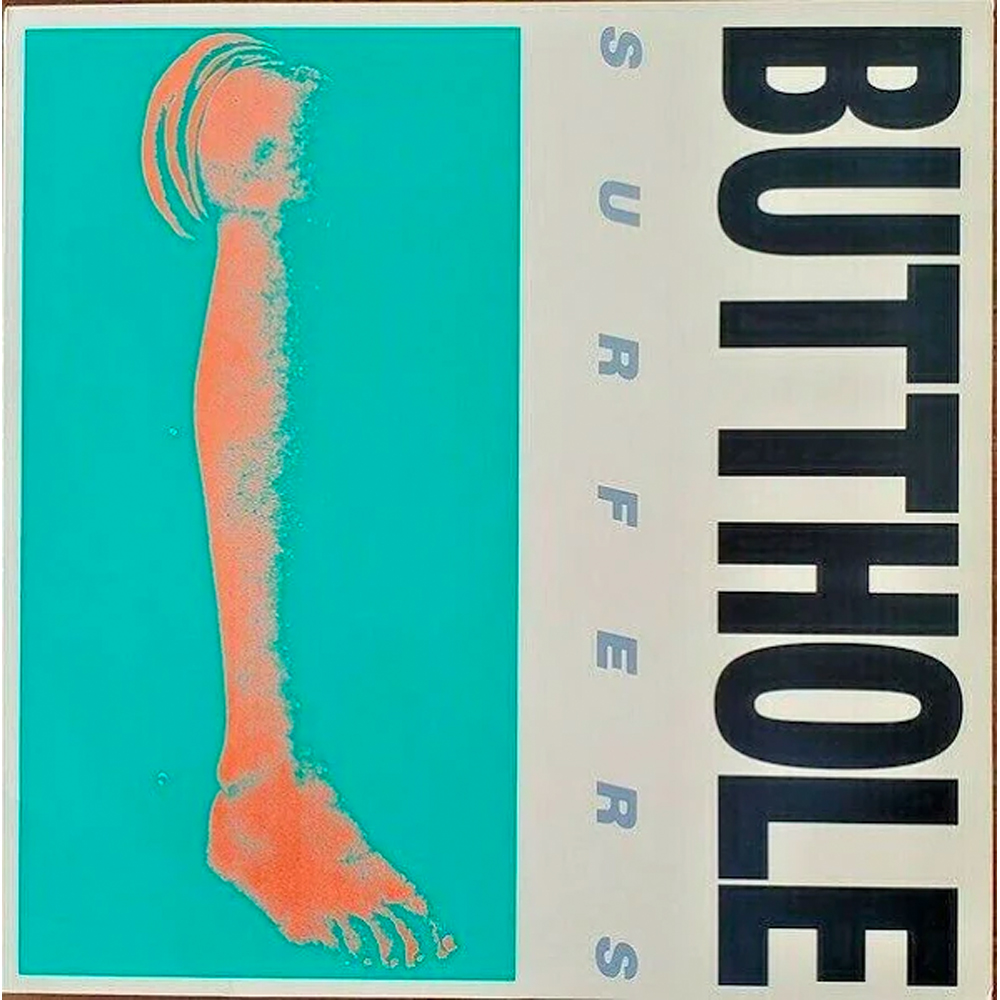 Nearly every track on “Rembrandt Pussyhorse” creeps in the mind like a haunting entity luring you to die of dehydration in the middle of the desert. The band treats the song “American Woman” like their fellow Texan alumni Leatherface by cutting it up and wearing its skin poorly over their own. The album comes attached with the EP “Cream Corn From The Socket of Davis” which includes the must-hear track “To Parter.”
 The second “Jimi” starts playing with headphones, it allows the dual drums to play tug of war with your eardrums like two dogs fighting over a steak. Some great occasional rockabilly vibes in Paul Leary’s psychedelic guitars and Gibby’s rambling nonsense works perfectly. Very few bands can make a song called “I Saw An X-ray Of A Girl Passing Gas” sound so beautiful. The best way to listen to this is while having a staring contest with the album cover.
 Many burnouts in a Dunkin Donuts parking lot will claim this is the peak of Butthole Surfers. It’s hard to argue against this when the album kicks off with a maniacal regurgitated cover of Black Sabbath’s “Sweet Leaf” known as “Sweat Loaf.” Daniel Johnston had such a reaction to that song he regurgitated the regurgitated version with “Sweat Loafed.” The album is riddled with heavy doom and speed perfect for blasting while your enemies are experiencing a panic attack.