SpongeBob Squarepants. What do we know about him? He lives in a pineapple, but then again, who doesn’t? Said pineapple happens to be under the sea. Odd, but half the world’s real estate will be sub-aquatic in another thirty years. He’s absorbent, yellow and porous. A friend to starfish, a hindrance to squids, a platonic male friend to Texan rodents.
But what are his labor politics? Would our favorite underwater invertebrate be in support of the SAG/WGA strikes? Would he line up to picket outside Warner Brothers or his parent company of Paramount? Or would he scab like the knee of a toddler that fell off a trike? And what about his friends?
That’s what this article aims to find out. So press on, dear friends. And find out which of your favorite sea friends supports your favorite actors and writers and which ones just want to get them back to work.
50. The Sea Bear
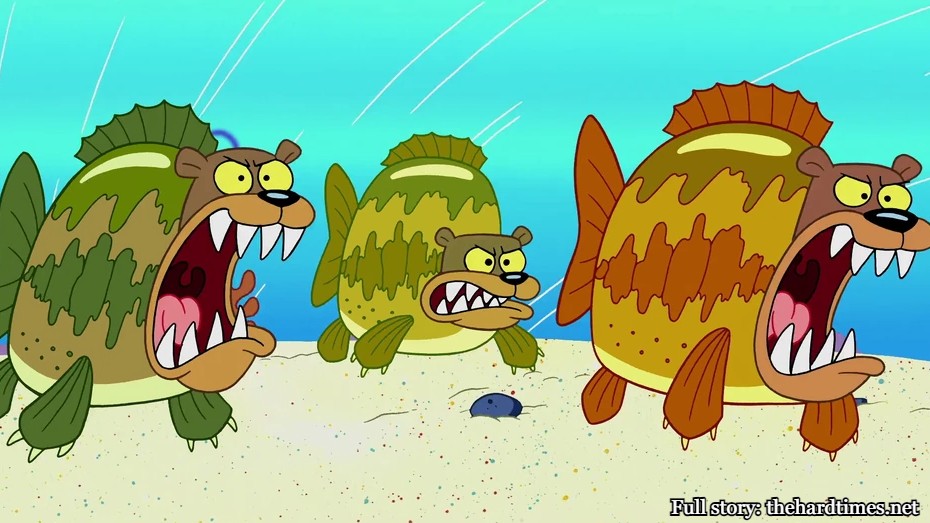 This animal is ungovernable. The Sea Bear heard “eat the rich” and took the job to task. It’s not even part of any union. It has simply embraced the chaos.
49. Sandy Cheeks
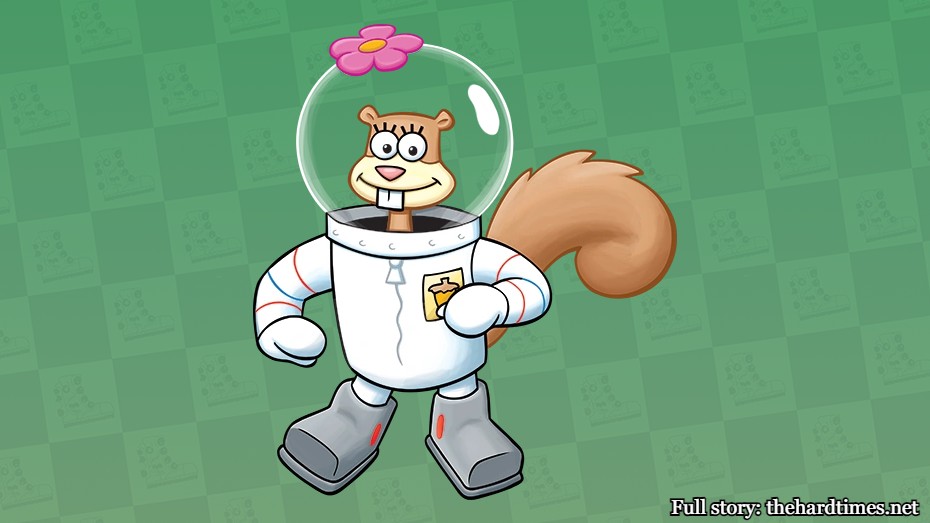 Sandy Cheeks ain’t no damn scab. She knows what it’s like to punch up in an industry. She’s a woman in STEM, a land mammal living in the ocean. She may be a brilliant scientist, but she’s unfailingly true to her blue-collar, Texan routes. She likely comes from a family of union squirrels. Plus, as a skilled guitarist, you just know she’s started writing protest songs to rival Ochs and Guthrie. And if people started harassing her, she’d happily use that guitar as a blunt instrument.
48. Larry the Lobster
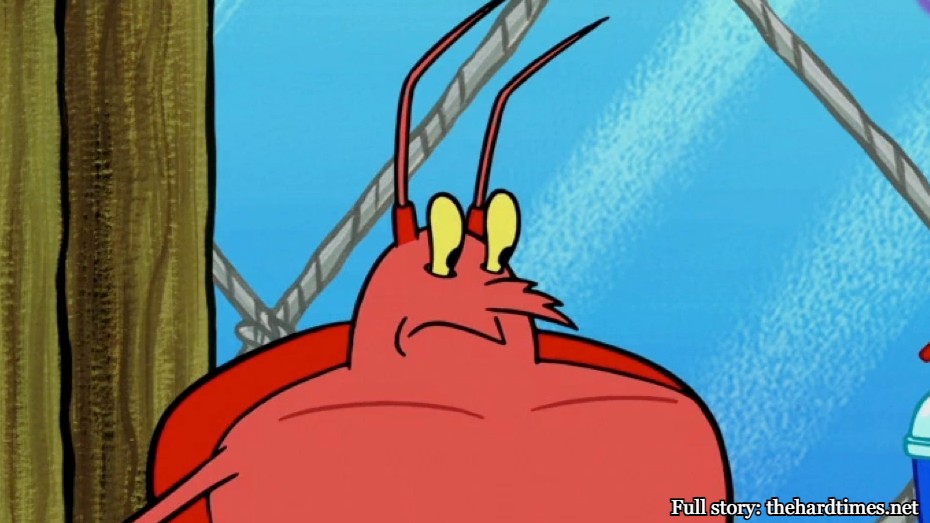 Larry is the John Cena of the SpongeBob universe. A good-looking, jacked dude who made the transition to acting… and it worked for him. Because Larry has range. Larry has vulnerability. Larry’s funny. And Larry knows that what makes him look good are the WGA members writing the parts. He’s been out picketing with them since May.
47. The French Narrator
 Unflinching in his commitment to document sea life, the French Narrator has been unfailingly vocal about his support for the WGA. He has the vibe of a director, the man running the show, but when the DGA refused to strike last minute, he publicly called them all cowards. However, as a documentary filmmaker, he’s never not aware that he doesn’t benefit from union protections the same way others do. Once the strike is over, he’ll fight like hell to change that.
46. The REAL Gorilla
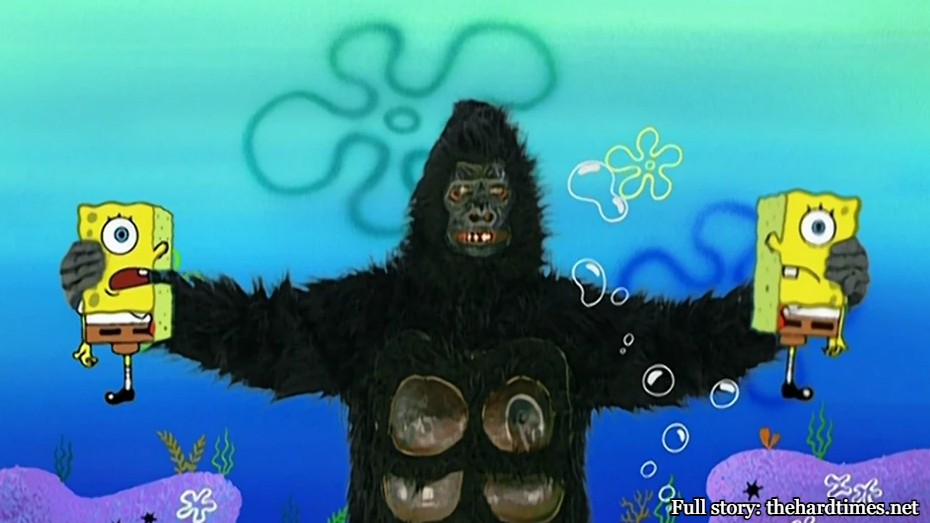 Hollywood is built on guys who, for whatever reason, were foolhardy enough to put on a gorilla suit or monster make-up and get on camera. Hell, SAG was founded partially because Boris Karloff developed permanent back problems making Frankenstein. This costume-clad Gorilla is a friend to creature actors everywhere. He advocates for safe stunts, practical effects and NO AI. An absolutely legendary primate.
45. Perch Perkins
 Perch Perkins is not an actor, he’s a field reporter. But as a field reporter, Perch knows how important proper safety considerations and compensation are. He’s been covering the strikes since day one and has been quietly nodding along with everything that’s been said.
44. The Tattletale Strangler
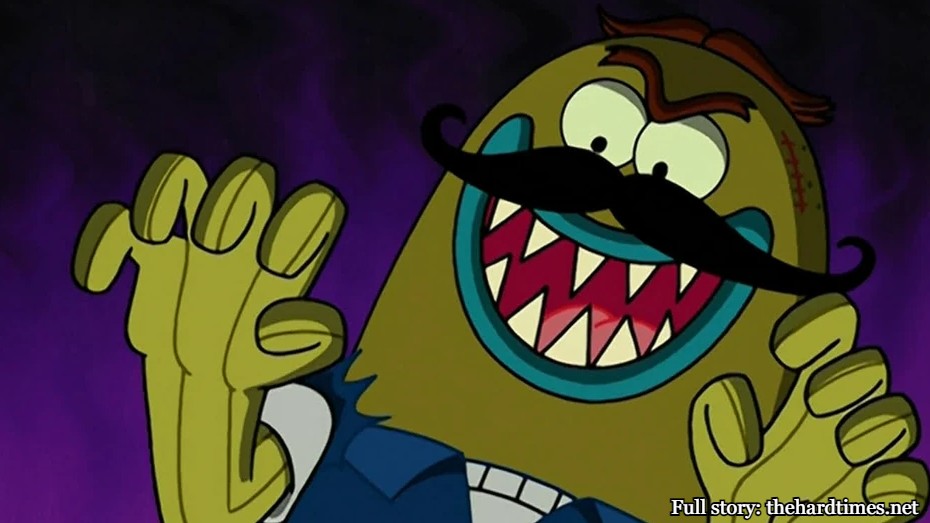 This man is neither an actor nor a writer, but he does seem like he would be more than a little bit at home on a film set, as a grip or a gaffer or a generally well-regarded member of the crew. He’s blue-collar, but he’s been in support of the SAG/WGA strikes the whole time because he worked on a set where the actors turned out in total support of IATSE.
43. Potty the Parrot
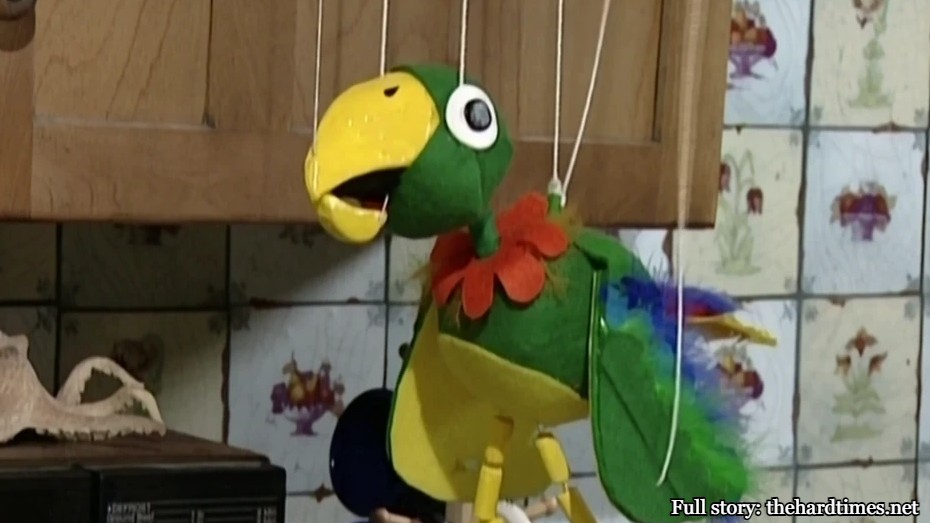 Potty the Parrot made it through the entire pandemic without having to watch any of the low-end garbage shows that streamers cranked out. She routinely spends time with Patchy in an attempt to save him from his destructive, overconsumption of popular culture. She’s an anarchist, true and true who supports the creation of better working conditions and the decimation of the current studio system.
42. The Flying Dutchman
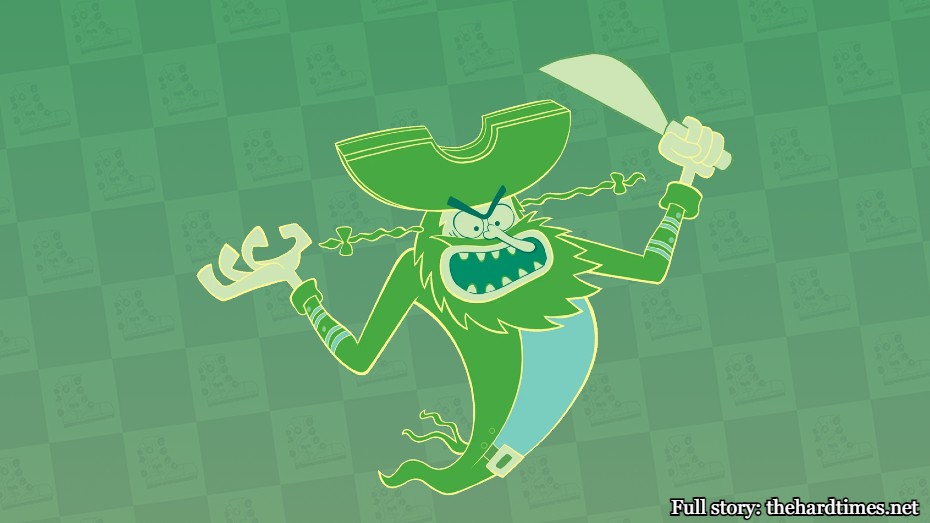 This one could’ve gone either way, I think. After all, the Dutchman is a pirate captain. He’s motivated by money, but he’s also a man of tremendous principle, who loves a good deal. He’s likely traded in his position as ship captain for that of strike captain.
41. Gary the Snail
 Gary is, fundamentally, a lot like Michael Shannon. He will not pretend to be excited about things that don’t interest him. Even if he was paid to be in them. Also like Michael Shannon, he’s an incredible and deeply serious actor who isn’t lifting a finger back on a set until the strike ends. And that could be now or in a hundred years.
40. Dennis
 Dennis is the violent, angry, mob-connected union man that your H.R. rep warned you about. Don’t fuck with him.
39. Mindy the Mermaid
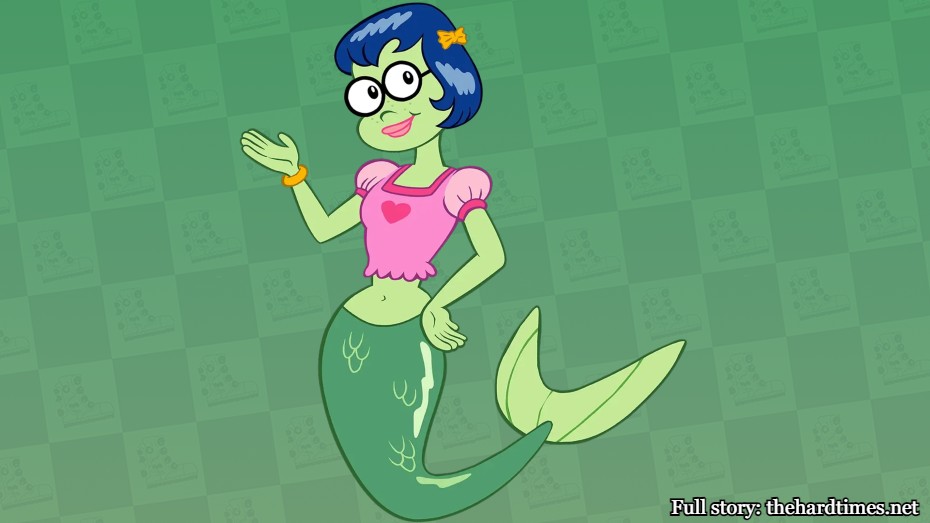 As the daughter of Triton, Mindy is a nepo baby, sure. But she’s not out here pretending that her parents never supported her acting or her music career. She’s not out here ignoring the fact that her parents’ names are blue on her Wikipedia page. She embraces that. She knows all the crap that goes on in the industry all too well.
38. Sergeant Roderick
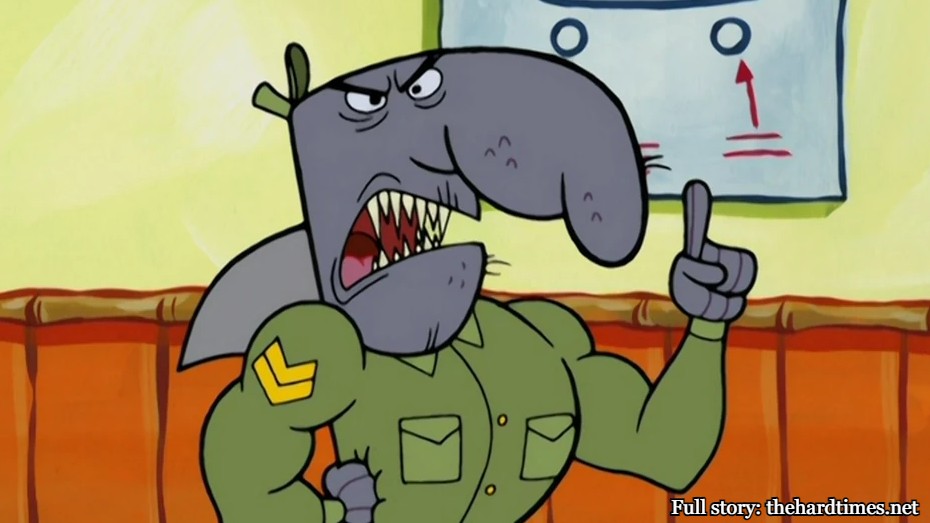 This hatchet-faced driving instructor isn’t the most progressive of guys, but he’s not going to not strike. He’s been acting in films since the 1970s, and yes, they’re mostly right-wing fever dreams, but he’s been union strong since ‘77 and not about to go boot-licking to the studio heads.
37. Mermaid Man
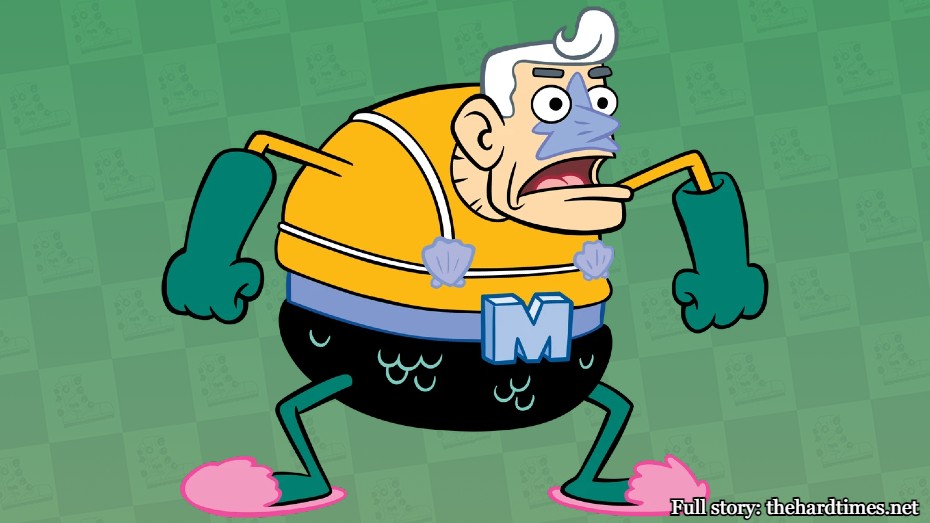 Mermaid Man is older than God. He’s been in the industry since studio heads were saying that “These talkies are gonna be a passing fad, Doris, you mark my words.” He may be old, senile and borderline abusively delusional, but he’s still going out all day in the hot sun to strike. And you gotta give him props for that.
36. The Dirty Bubble
 The Dirty Bubble started his career giving pop-jobs in nudie-flicks and he’s not afraid to go back there. Some days, he even misses it.
35. Fred the Fish
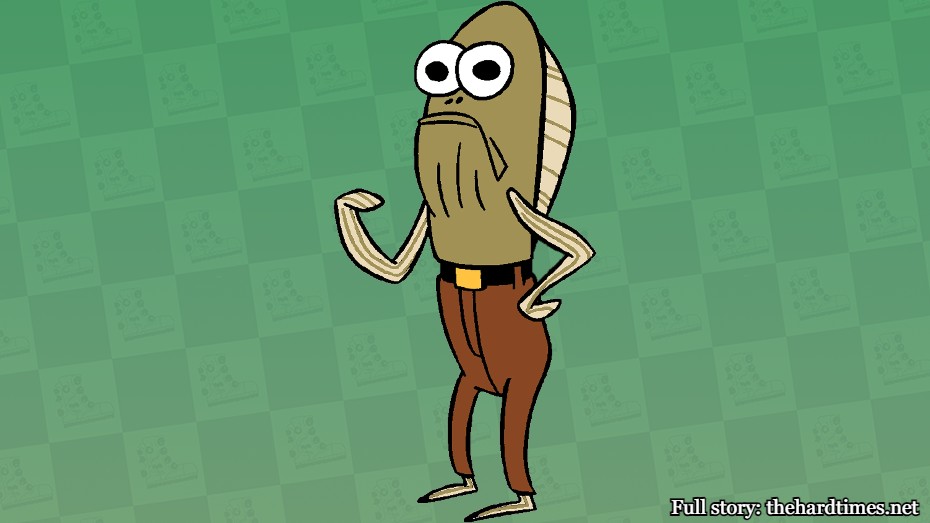 Better known as the “MY LEG!” guy, Fred has been injured on too many unsafe sets to stop striking now.
34. The Jellyfish
 The Jellyfish are testaments to the long history of animal abuse in Hollywood. One that desperately needs to change. The version of “Nope” that exists in the SpongeBob universe definitely has a scene where one of these guys goes postal in a sitcom taping.
33. Jack Kahuna Laguna
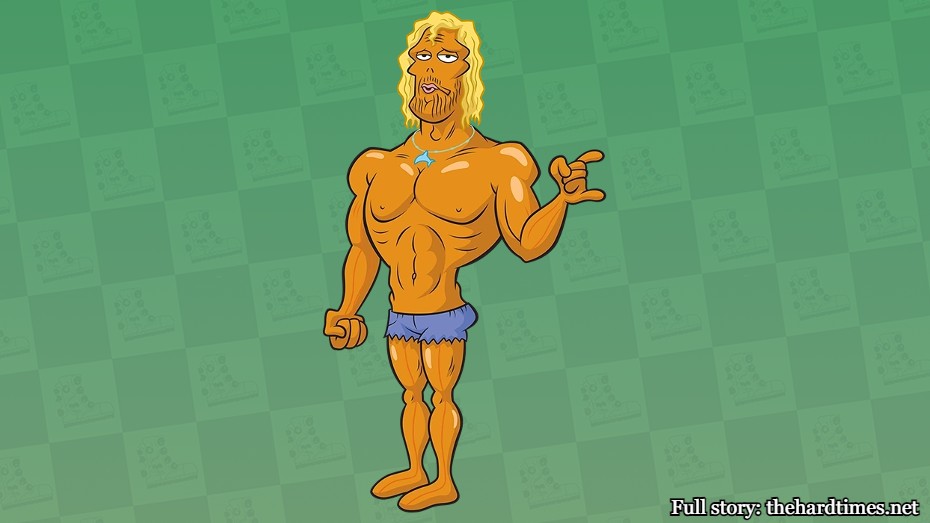 Jack Kahuna Laguna (or JKL) was one of the biggest stars of the ‘90s. A total teen heartthrob. Granted, things haven’t been going too well for Jack… lately. But even though he’s in films of lesser and lesser prestige lately, he’s still not gonna break the picket line.
32. Sheldon J. Plankton
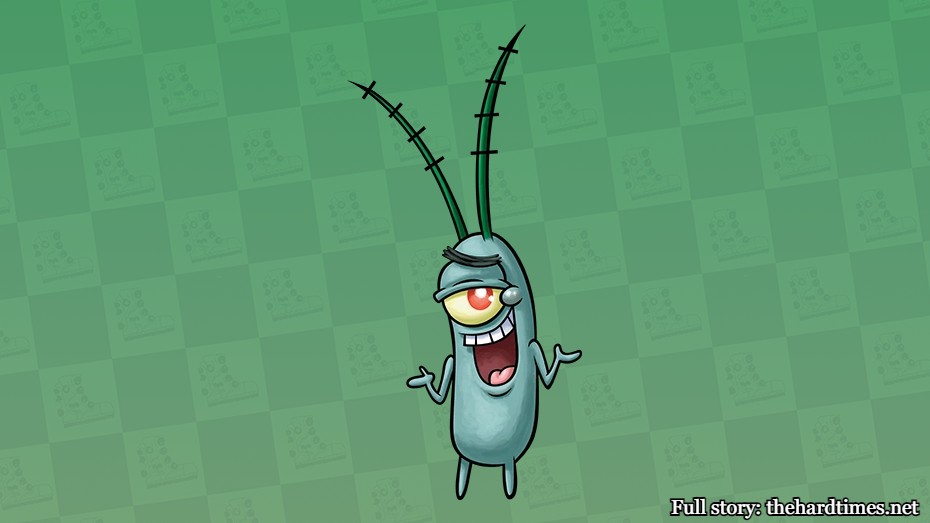 If Mr. Krabs is the head of a major studio, Plankton is the head of a minor one. I don’t just mean that he runs A24 of Neon, though. He’s not making cool indie films. His version of SAG compliance is making the kind of films that show up on Casting Networks and kind of freak you out. The kind that say: “No Pay + Shoots Tomorrow Morning + Non-Union + Nudity Required + Some Simulated Sexual Content + No Intimacy Coordinator…” like… wow. Where do I sign up for that fun, fun time?
31. Squidward Tentacles
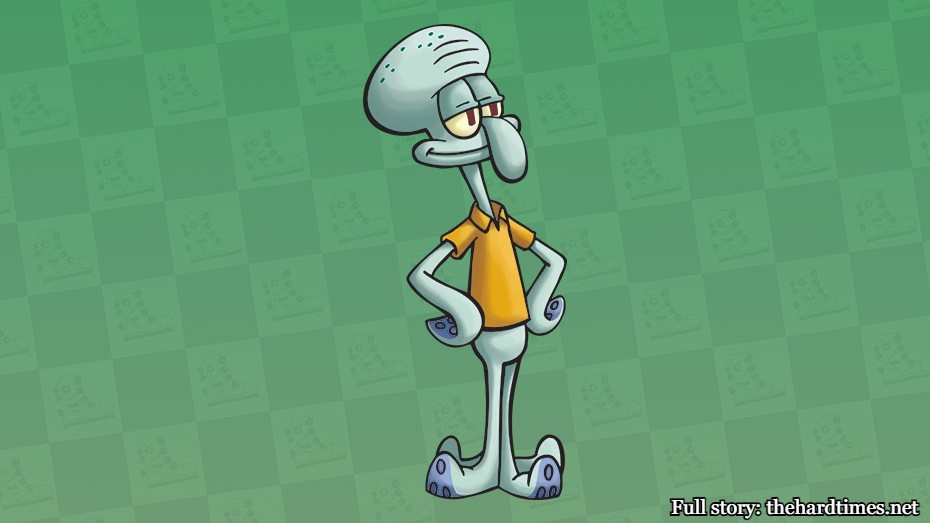 Squidward is an artist. He’s a musician, a painter, a performer, a would-be renaissance man. The great tragedy of Squidward’s life, however, is how relentlessly empty it is of anything outside of his artistic pursuits. He would be at the picket line, mostly trying to connect with actors and writers. But the minute, he’s offered the lead in something major, or a chance to write the next big movie, he’s scabbing. You just know he is.


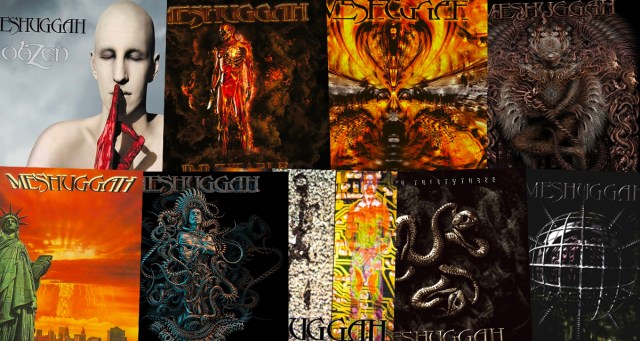
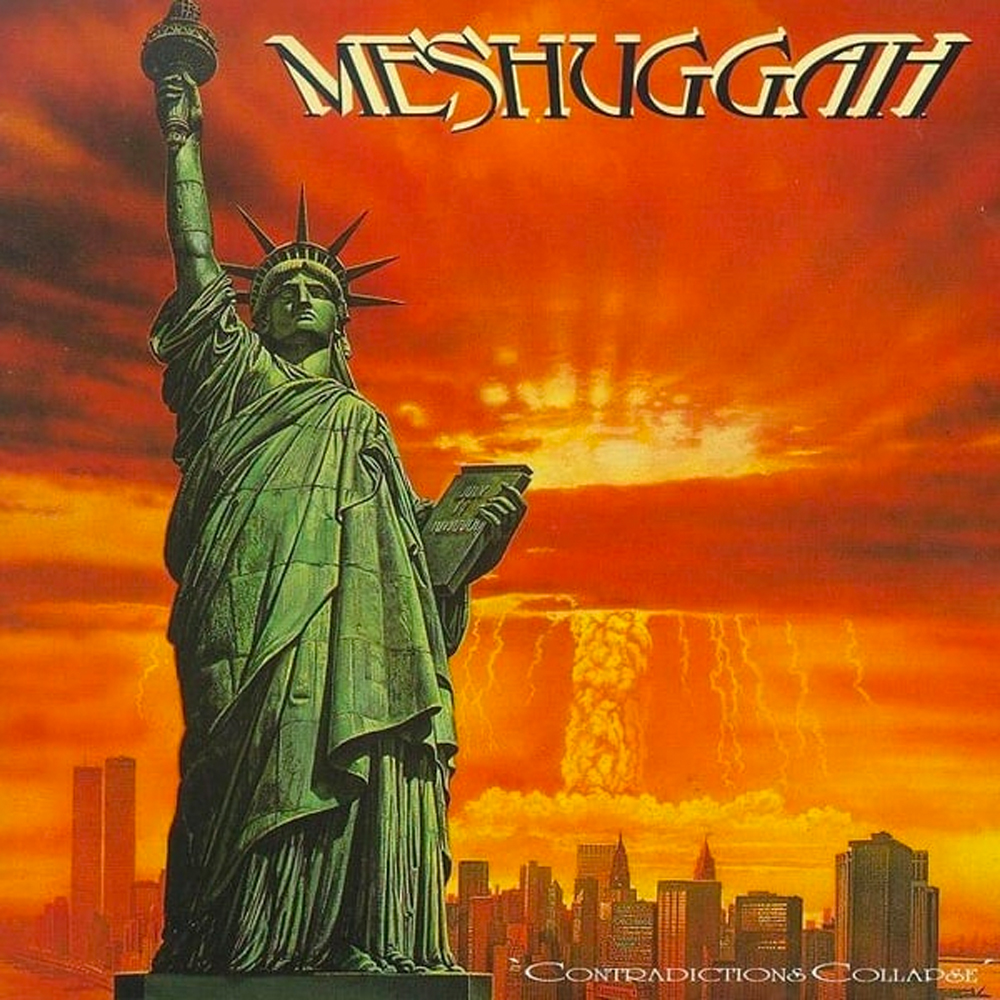 In 1991, Metallica released their behemoth self-titled classic (often colloquially referred to as The Black Album), which would become their best-selling. A little-known fact is that they also issued a collaboration with Pantera called “Contradictions Collapse by Meshuggah.” By no means is this a bad album, but you don’t listen to Meshuggah for mediocre thrash. On the bright side, a Swedish band got me to look up English words, so now I know what abnegating cecity is.
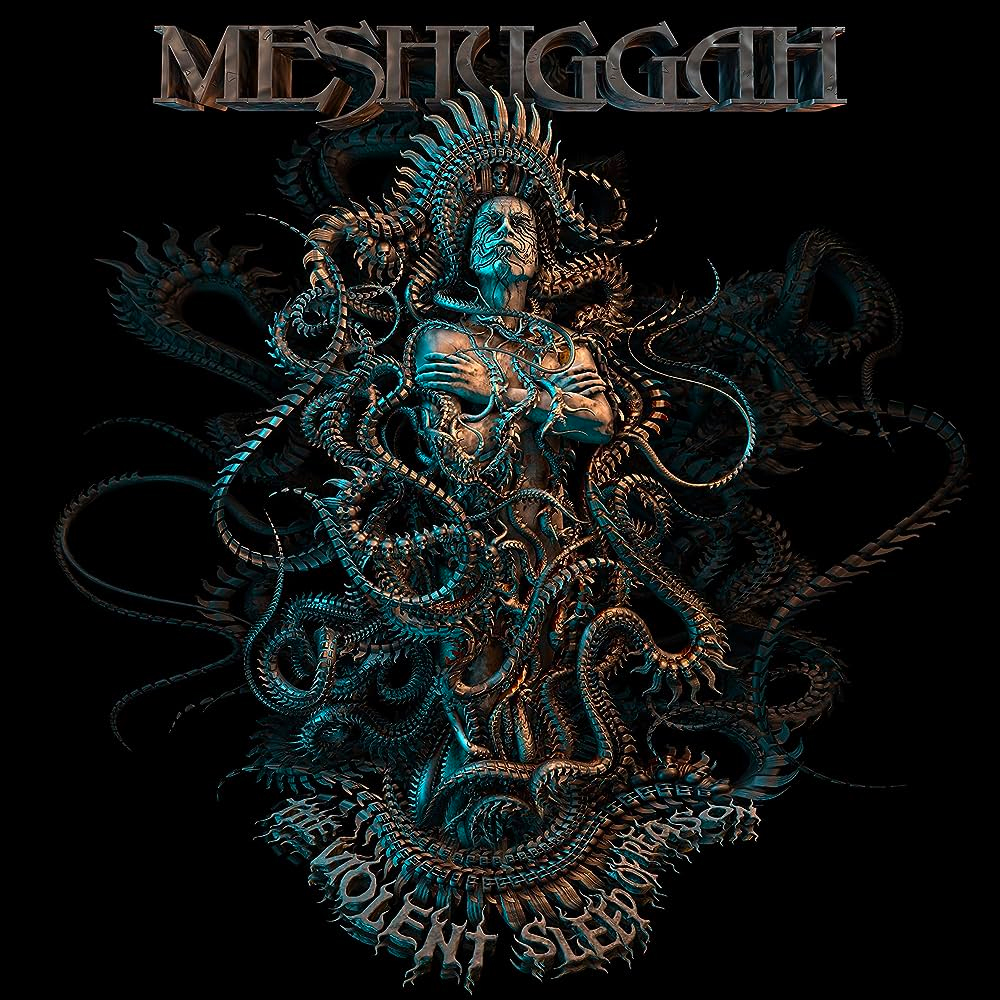 Finally, we can now start to split Fredrik Thordendal’s hairs and scrutinize the rest of this revolutionary band’s discography. For the shitload of Meshuggah copycats out there, “The Violent Sleep of Reason” would hands down be their best album. In fact, “Clockworks” earned a Grammy nomination. However, by my admittedly high standards for the rest of Meshuggah’s work, it is a slight step down (like many of their guitar tunings.) This album does boast their best cover, and I would somehow like to listen to it if it were at all possible by the laws of physics.
 They followed this album title’s advice to a T. They Destroyed their generic sound, Erased their lack of innovation, and Improved to become leaders instead of followers. Meshuggah, which means “crazy” in Yiddish, began to make sense as their band name here.
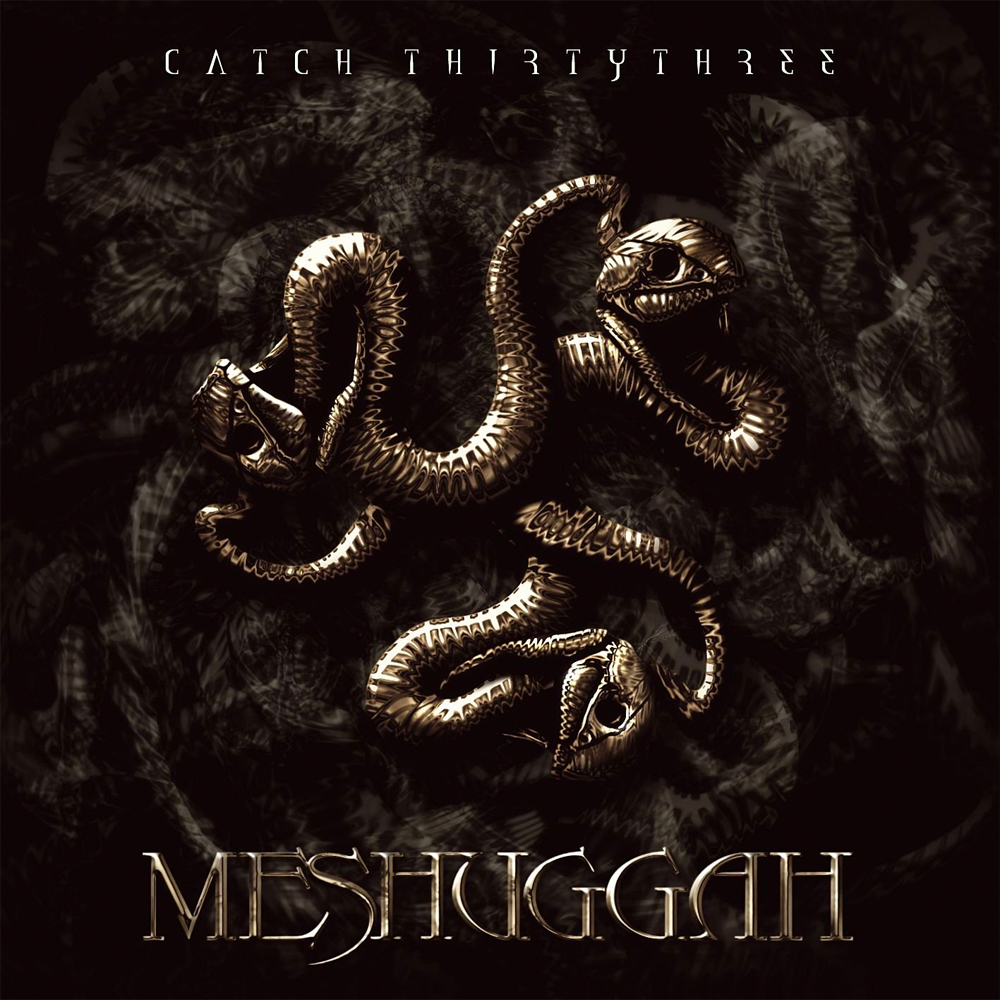 The word “cohesive” comes to mind when it comes to this record. It’s a bit of an oddball – even by their specifications – but they make 0-0-0-0-0-0-0 actually sound interesting. This album is the one they would most likely play over the loudspeakers at Ikea, but what do I know? I barely have anything most people would call “furniture.”
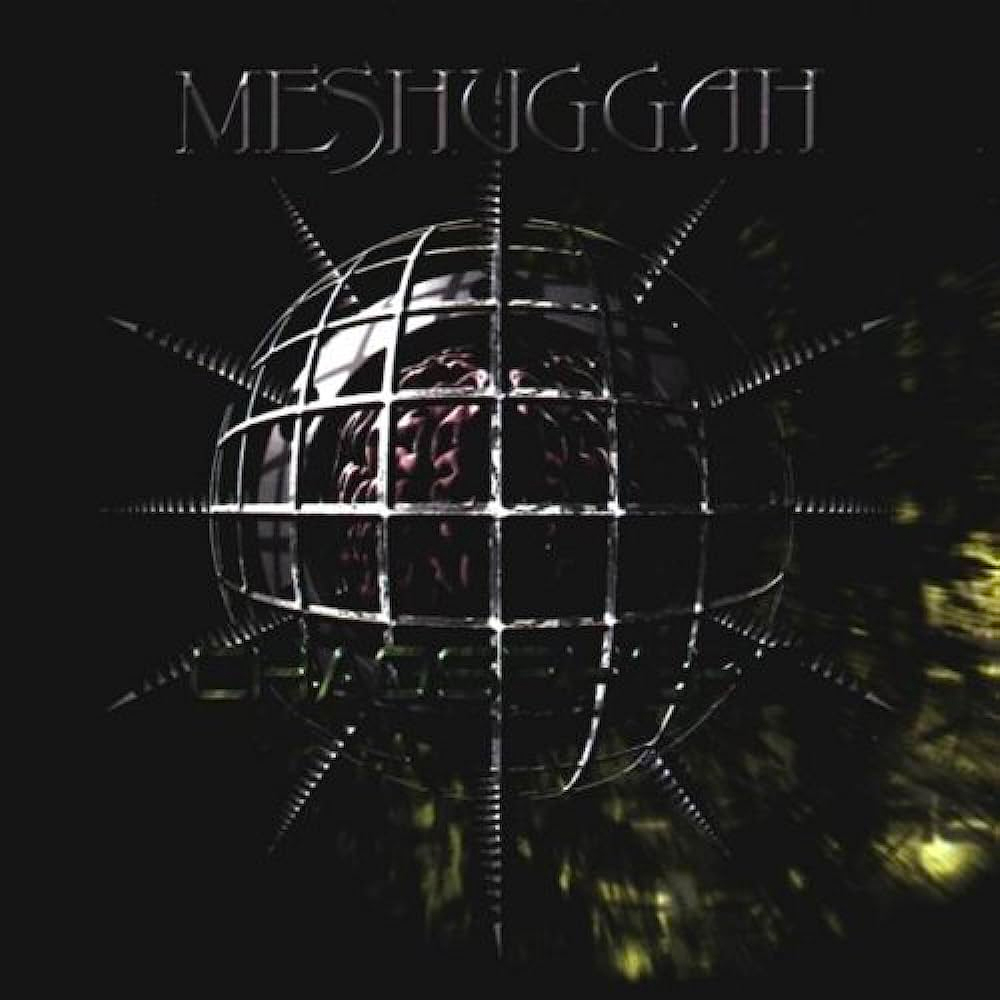 This album took everything “Destroy Erase Improve” did right and kept it going. They finally sounded like they got their own instruments and gave their hand-me-downs to another struggling Swedish metal band. “Chaosphere” is so good that it almost got me to look up the difference between a polyrhythm and a polymeter.
 After more than 30 years since their debut album, Meshuggah shows here that they haven’t lost a step – literally. Drummer Tomas Haake continues to do shit with his feet that only animals with more than two legs can dream of. Although the band is known for the high number of strings on their guitars, Haake’s gotta have at least 8 bass drums down there based on how much sound he generates. After “The Violent Sleep of Reason” hinted at a possible drop in quality in the future, “Immutable” put those doubts to bed.
 For many Meshuggah fans, obZen is the group’s magnum opus – and for good reason. It’s smooth, funky, catastrophic, and enigmatic – sometimes all at once. Fellow Swedes ABBA have their warm, charming anthem “Dancing Queen.” Meshuggah is no different with their tender ballad “Bleed.” It may sound like a scary song, but it is actually a heartwarming tale about people living in developed countries where they can suffer brain hemorrhaging without having to worry about going bankrupt.
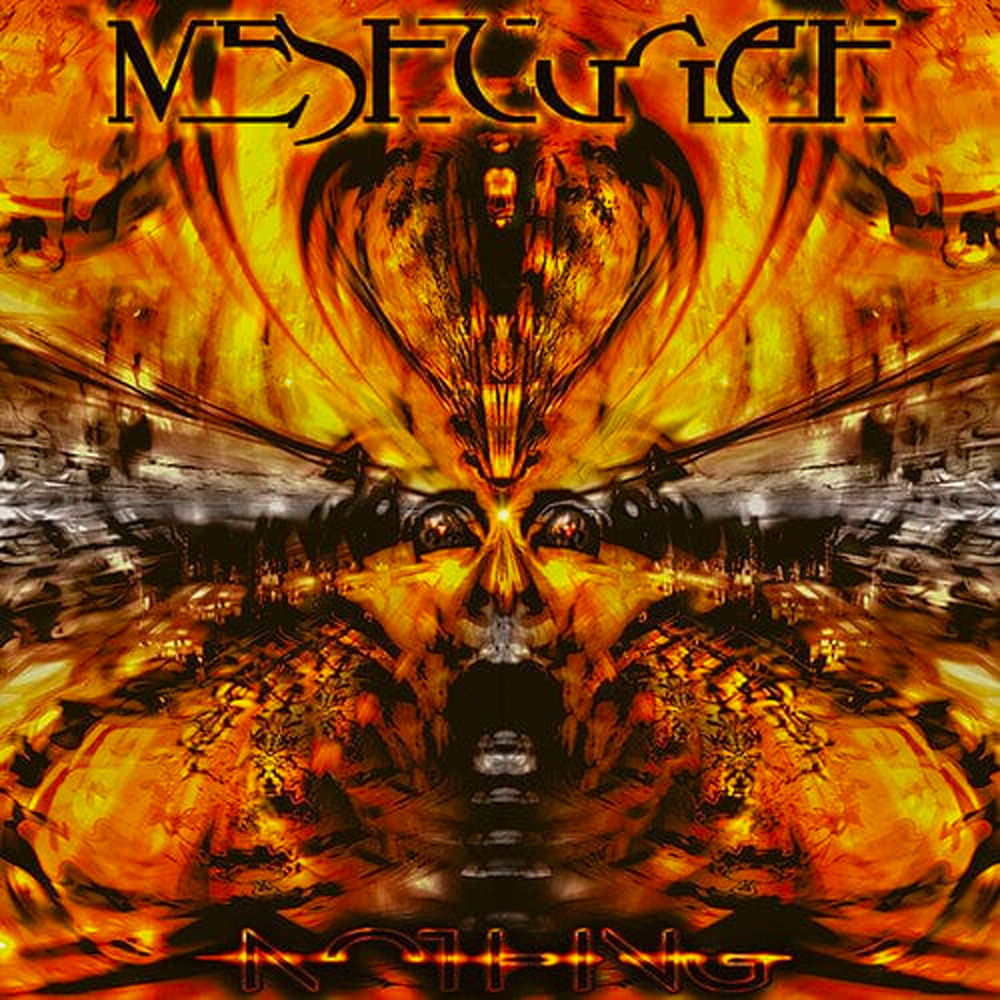 It’s ironic that this album’s title is “Nothing” when it was everything and more for them (I want to apologize for the opening line, I went to night school for Album Ranking and this sort of wordplay is the first thing they teach). It shares many qualities with obZen, both in sound and clout. The band demonstrated how they were ahead of the game in 2002 by pointing out that even shadows can be organic. When it comes to shadows, always buy organic! Non-organic shadows are definitely not as healthy for you.
 Fans of their earlier material may not be thrilled with this choice. Come to think of it, fans of their middle period or even their latest efforts probably won’t like this choice. However, they are wrong. I have always wanted to hear what two galaxies colliding sounds like, and “Behind the Sun” gives me the opportunity to do just that. From the beginning, they were flexing on us, explaining to us rookies that “Koloss” and “Colossus” mean the same thing. However, I wouldn’t expect anything less from a Swedish band named in Yiddish screaming in English about a Greek wonder.



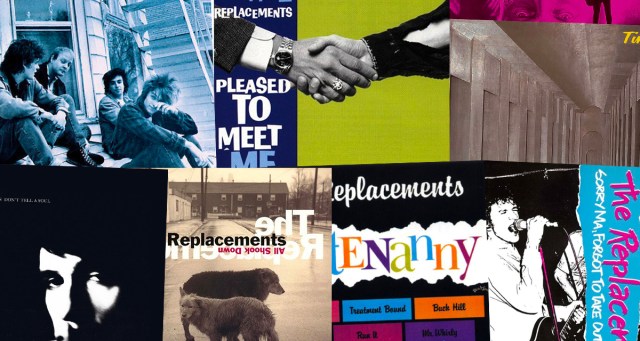
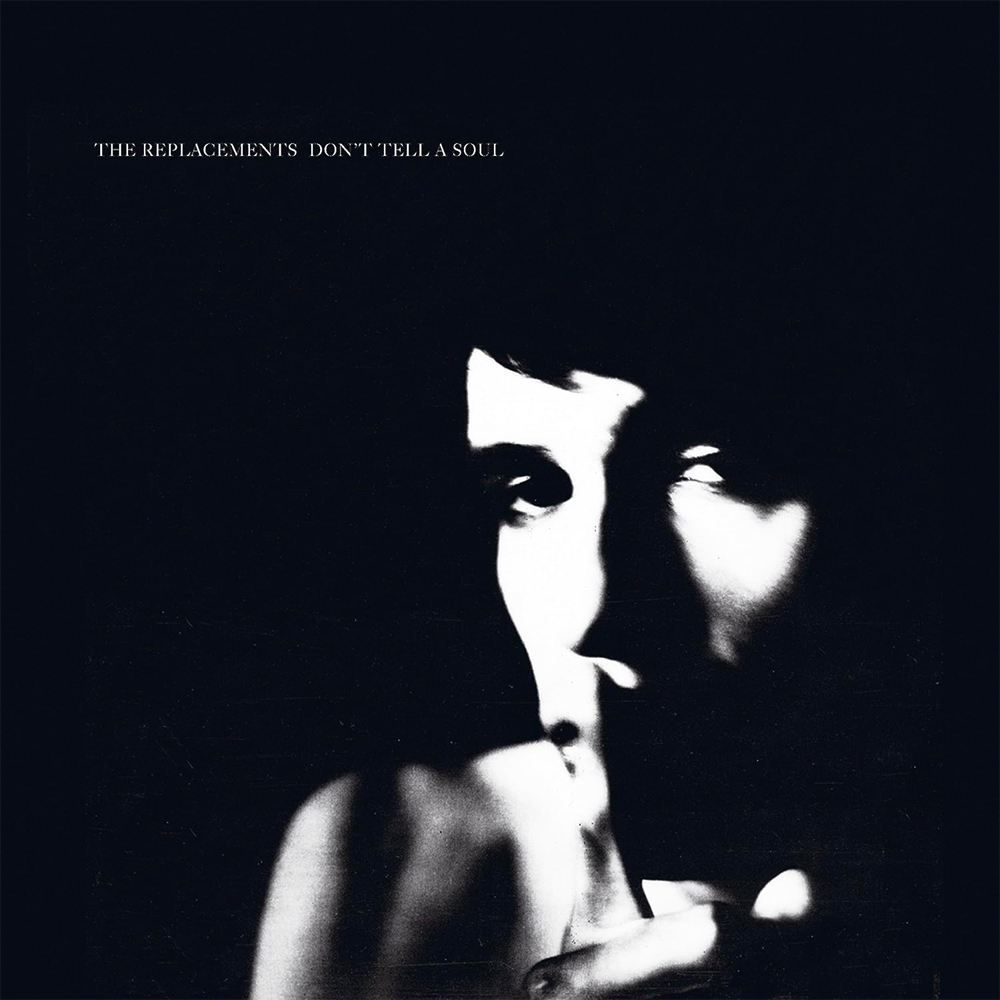 There is a theme of disillusionment in the lyrics, hinting at all the discontentment behind the scenes. Guitarist Bob Stinson was Dave Mustaine’d out for being too drunk by a group of notorious abusers of alcohol. His absence is palatable as the earlier drunken DIY vibes are gone, and the album reeks of “Fine, we’ll do it your way, dick!” The earlier roaring guitars and primal screams are replaced with overproduced pop rock and whispery vocals. The word most associated with The Replacements is “influential” as their style and sound led to the grunge movement. But in terms of the alternative wuss rock of the late ‘90s, “Don’t Tell a Soul” is the blueprint. On it the Replacements crawled so the Goo Goo Dolls could suck.
 Legend has it the Replacements formed after Paul Westerberg kept stopping by after hearing the bandmates playing in their garage, and worked his way into the group. With “All Shook Down” Westerberg shoved the rest of the band out. Set to be a solo record, management convinced him to brand it as a Replacements album as an afterthought after recording had started. There are solid tracks on this folky-alternative record, but do not expect anything hardcore, if the band wore leather and spikes, they would be worn down to a nub. This is the album the high school art teacher put on when he’d go to in the yearbook darkroom to smoke weed.
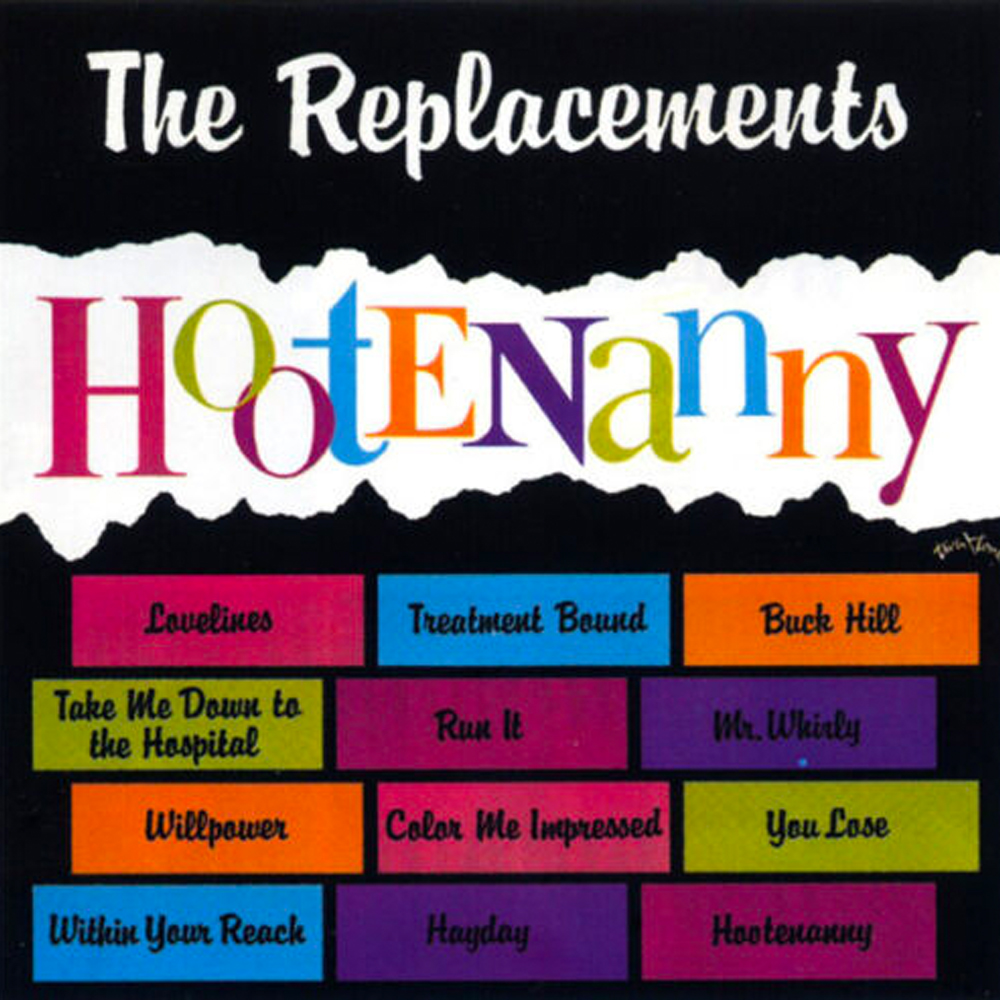 The words “mature” and “experimental” are the kiss of death of the sophomore album, but while expanding their playbook, the Replacements cemented their reputation as losers who sing songs about losers. They flirted with country, rockabilly, and surf (thankfully on separate songs) while leveling up their playing, songwriting, and humor. The lyrics included clever, but not cloying wordplay, and there’s a level of infectious alcohol-soaked fun on this album. The Replacements shows had a reputation of being either an elevated experience or a drunken trainwreck, this album captures both. The tighter songs live on as classics, some of the sillier stuff works (“Lovelines”), but others go over as well as a broccoli fart (“Mr. Whirly”). Fuckarounds can be fun, but it reaches a point where you just want Andy Kaufman to do something funny.
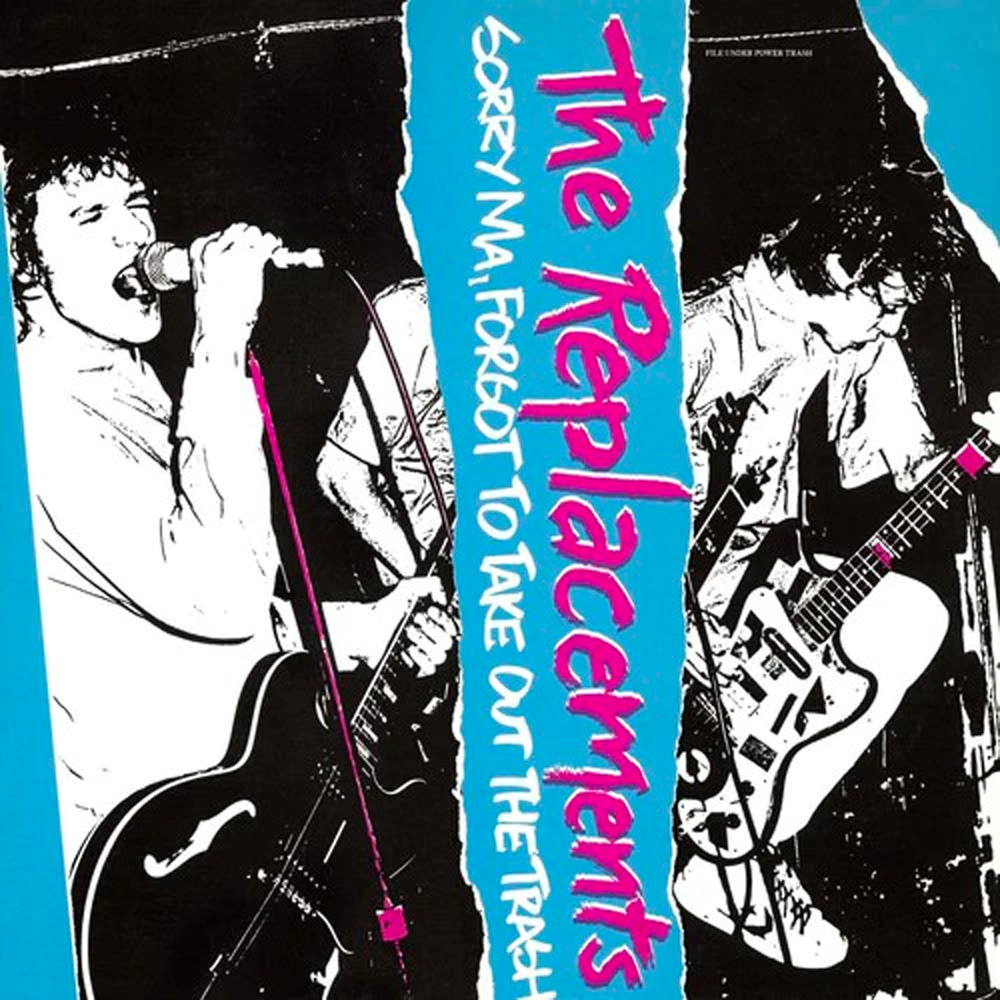 The Replacements were considered “College Rock,” but a more apt genre would be “Music Your Cousin Bill Plays When He Offers to Take You for Ice Cream, but is Really Just Looking for an Excuse to Leave the House to Smoke Cigarettes Rock.” The Replacements were two brothers and two other guys who were fans of British Invasion, folk, and ‘70s arena rock but lacked the skills, found punk, decided that was the road. The result is speedy, snotty punk that comes out a bit like DC Hardcore, from guys who look like extras from “Dazed and Confused.” The tracks are short melodic bursts where the choruses are just the song title repeated twice. A solid debut that cemented their “Lil’ stinker” attitude, they could have toured for years on this alone until they all sue each other for songwriting credit 40 years later.
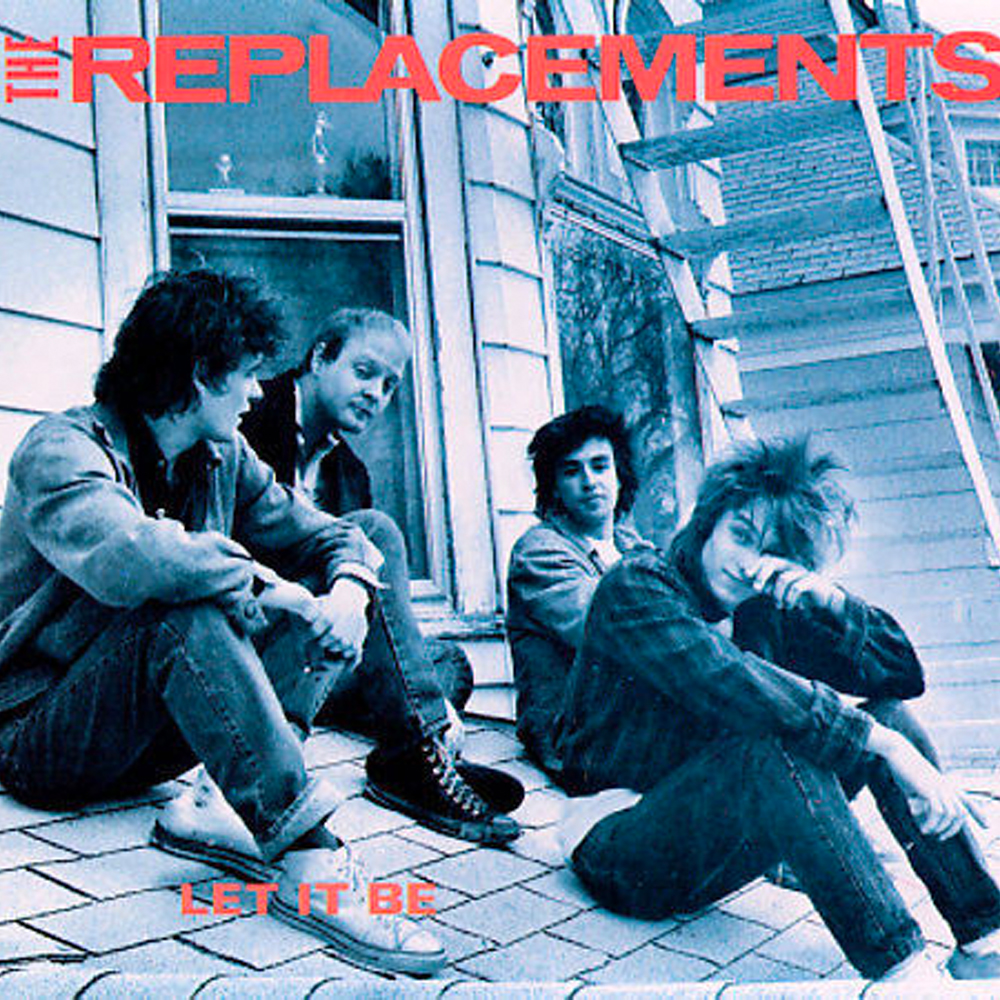 “Let It Be” is the rare case where too many cooks made a delicious broth. This one has it all– goofpunk (a term I just invented to describe “Tommy Gets His Tonsils Out” and “Gary’s Got A Boner”), a song shitting on Hair Metal followed by a KISS cover. And when NPR produces a podcast series about jangly rock, the opening chords of this album will warrant a two-parter. The rest of the tracks are the best encapsulation of adolescent angst by men in their 20s who don’t have nefarious intentions with children. For other acts, the answering machine became fodder for dopey skits, but they wrote a song about how much they hate answering machines. In 1984. I assume this is what they mean when they say the Replacements were before their time, rather than being grunge before grunge was grunge.
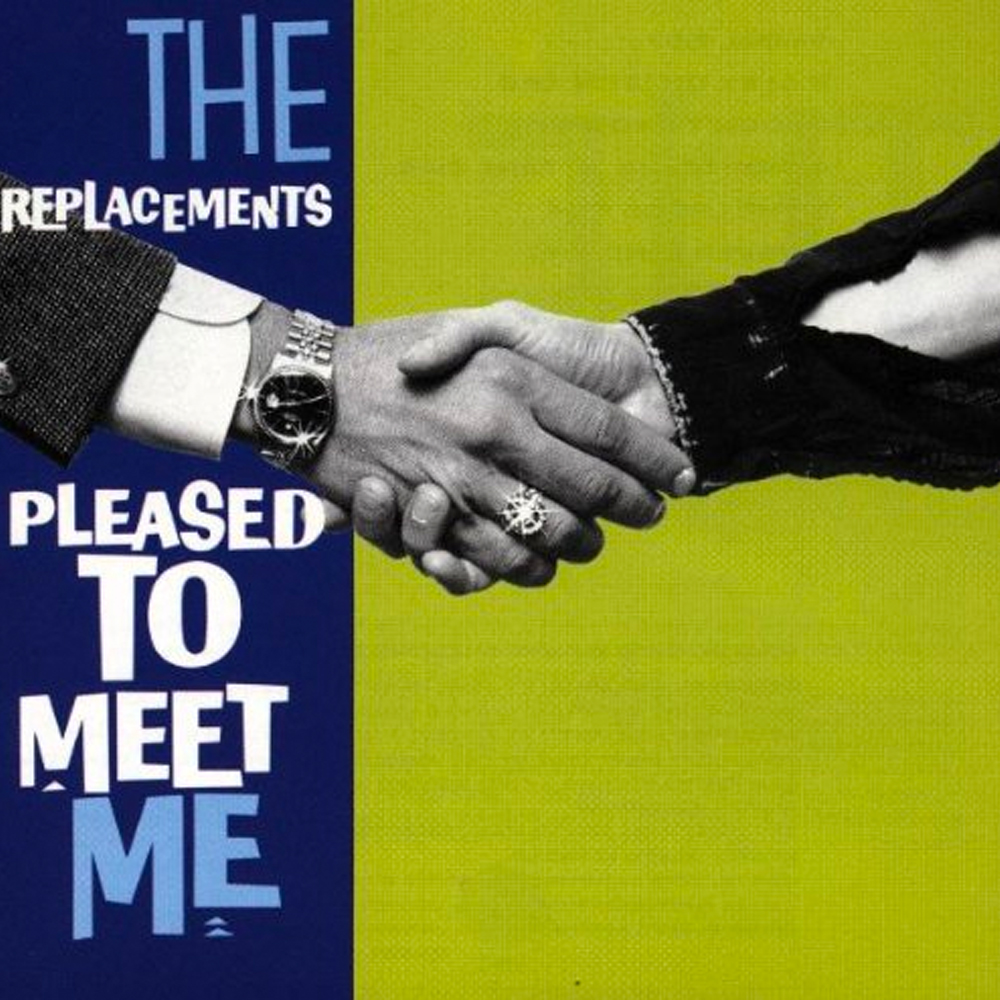 On a Replacements album, you could look forward to a mix of hard-driving songs about drinking and soft piano-driven ballads about drunks. They regularly played in two sandboxes of cynicism and emotion, displaying sincerity while pulling the modern edgy podcaster excuse of, “You don’t get it? I was just joking.” This album went straight down the middle—heart-on-your-sleeve lyrics under a facade of a don’t give a fuck attitude, but knowing their reputation of being drunken rapscallions, they took the sloppier songs a bit more seriously, loud and loose but with a bit of studio sheen. Everything about this album is an exercise in contrasts, from the album art to the album title which is why the most recognized track, “Can’t Hardly Wait,” the perfect mix of oil and vinegar, was used on the soundtrack to the movie of the same name and every high school movie since.
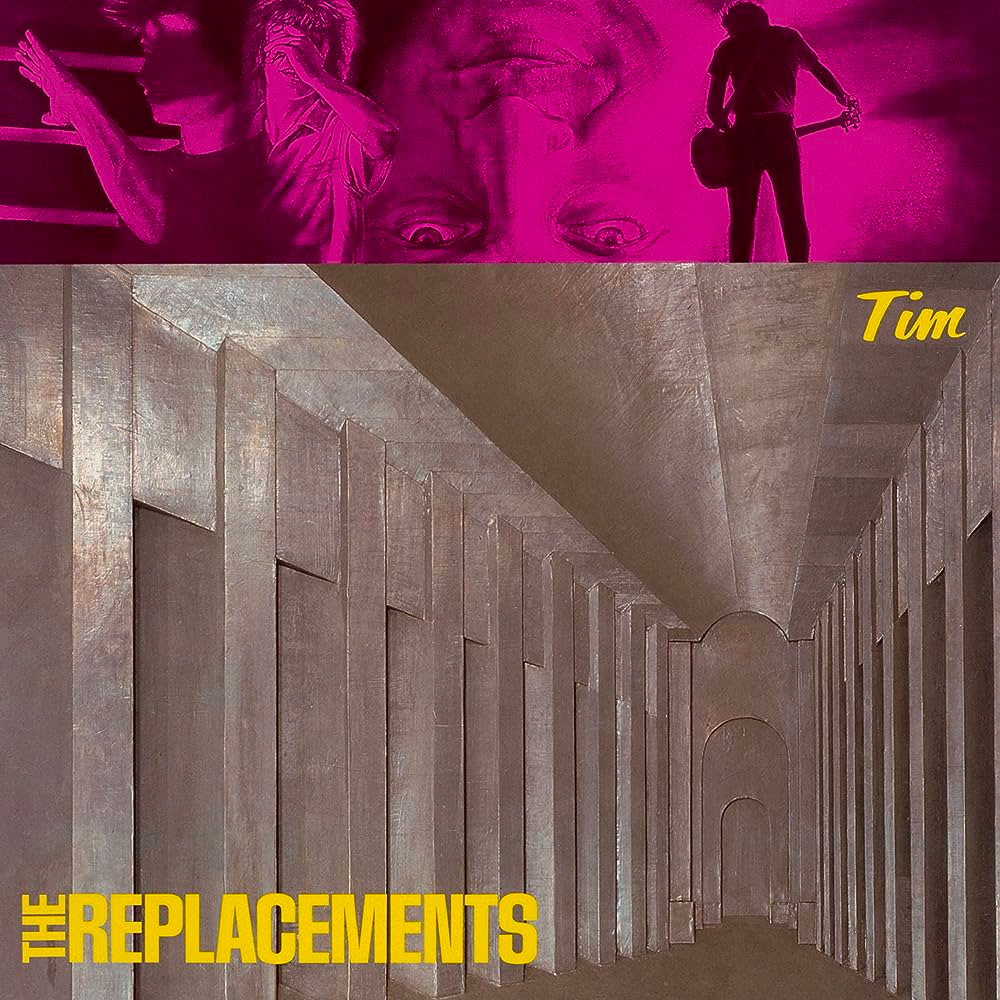 If you’re reading this, you’re obviously old enough to have read print magazines’ rankings of the best albums. “Tim” is always there, confounding record store dicks who claim signing to a major label ruins everything. Not with the Replacements, they’ll put out one of the most critically acclaimed albums of all time, and torpedo themselves. When forced to make videos, they released a single shot of a stereo. They also botched their gigs as a touring support act, and notoriously performed drunk and swore on-mic on Saturday Night Live. If there’s one thing the racist, plagiarizing cokeheads at SNL can’t stand, it’s musicians who drink and swear. The album feels like a night of drinking: getting ready, meeting up with friends at the bar, drinking too much, getting loud, and leaving sad and remorseful. But even with their self-sabotage, the Tommy Ramone-produced album reeks of unreached potential, which is probably why “Bastards of Young” was featured on “The Bear” along with an on-screen monologue about their legacy.