
We know that the year in which Indie-Rock was dominating the charts feels like it was just yesterday, but it was actually twenty years ago and you are officially old as fuck. Surely we’re not the only ones who have told you this, but you’ve wasted your life living in the past. It’s not an easy thing to hear, we know, but we can’t really blame you. 2003 was an incredible year for Indie bands named ‘The Something’ and our collective joint health. To celebrate the twentieth year of trying to figure out what the hell ‘Indie-Rock’ even means, we’ve compiled a list of fifteen of the genre’s finest albums that are doing the same.
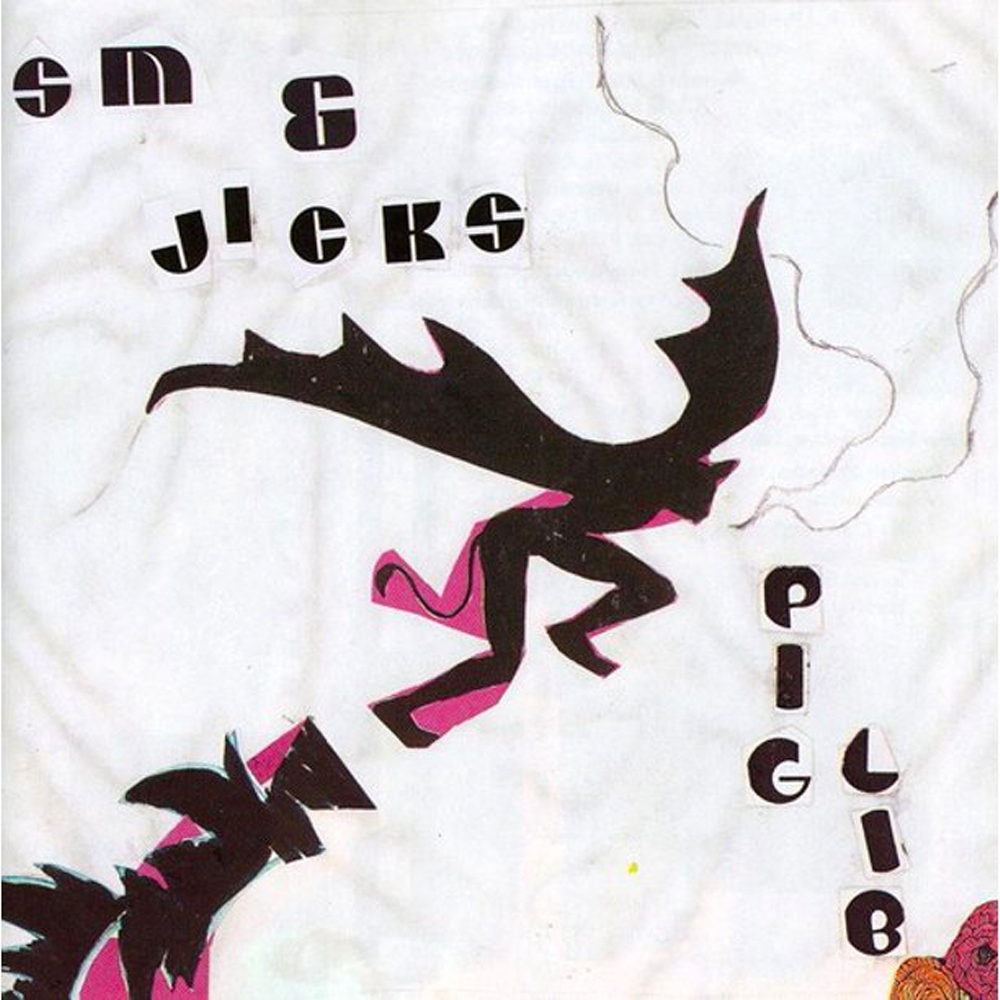 Stephen Malkmus & The Jicks “Pig Lib”
Stephen Malkmus’ second release after the dissolution of Pavement found the songwriter exploring his jammy side more than ever. After a near continuation of the aforementioned group’s signature sound on Malkmus’ first solo outing, ‘Pig Lib’ added a shitload more guitar solos, a new group of players to the fold, and expanded his repertoire into music your dad would probably like.
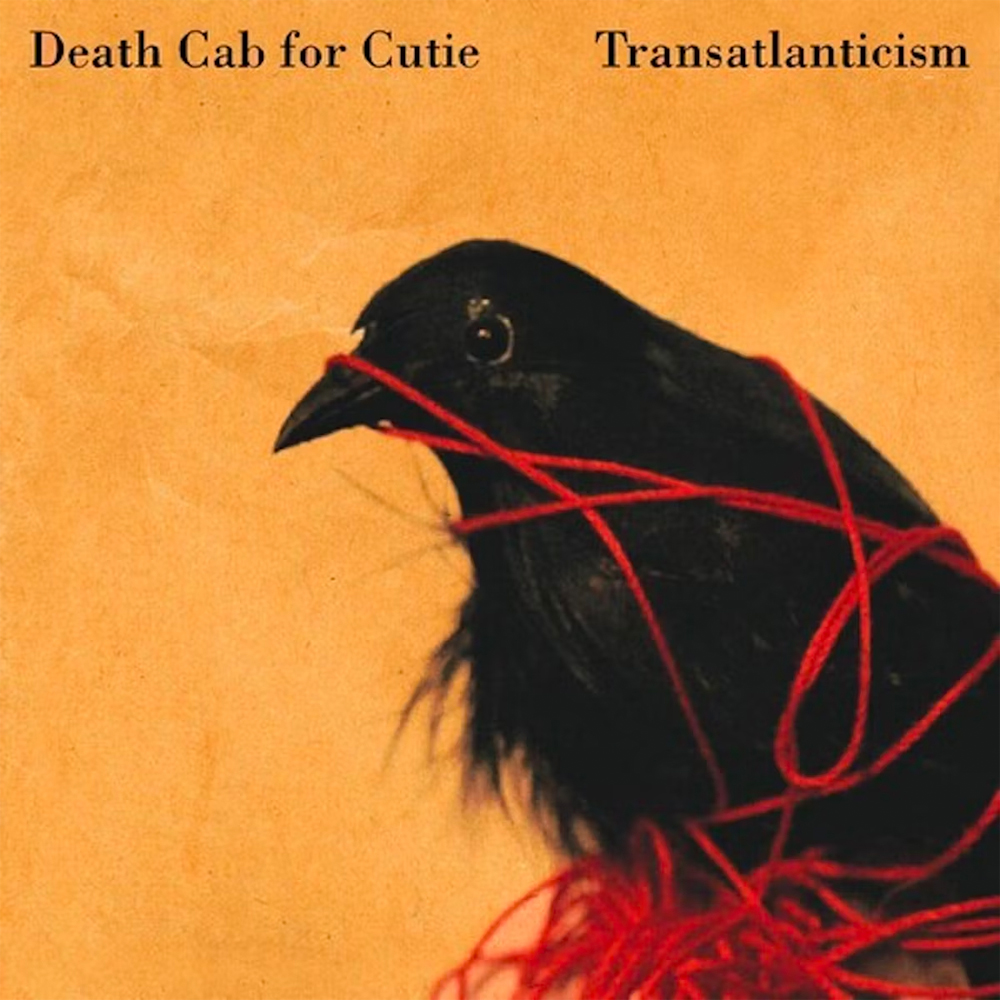 Death Cab For Cutie “Transatlanticism”
You probably remember this album as the soundtrack to the most devastating breakup of your life. Or maybe you were a dick and really related to songs like ‘Tiny Vessels,’ and ‘We Looked Like Giants.’ If it’s the latter, you were probably a monster and we hope you’ve had time to reflect since. Either way, in just five years this album will be old enough to rent itself a gray sub-compact and drive even further into your heart.
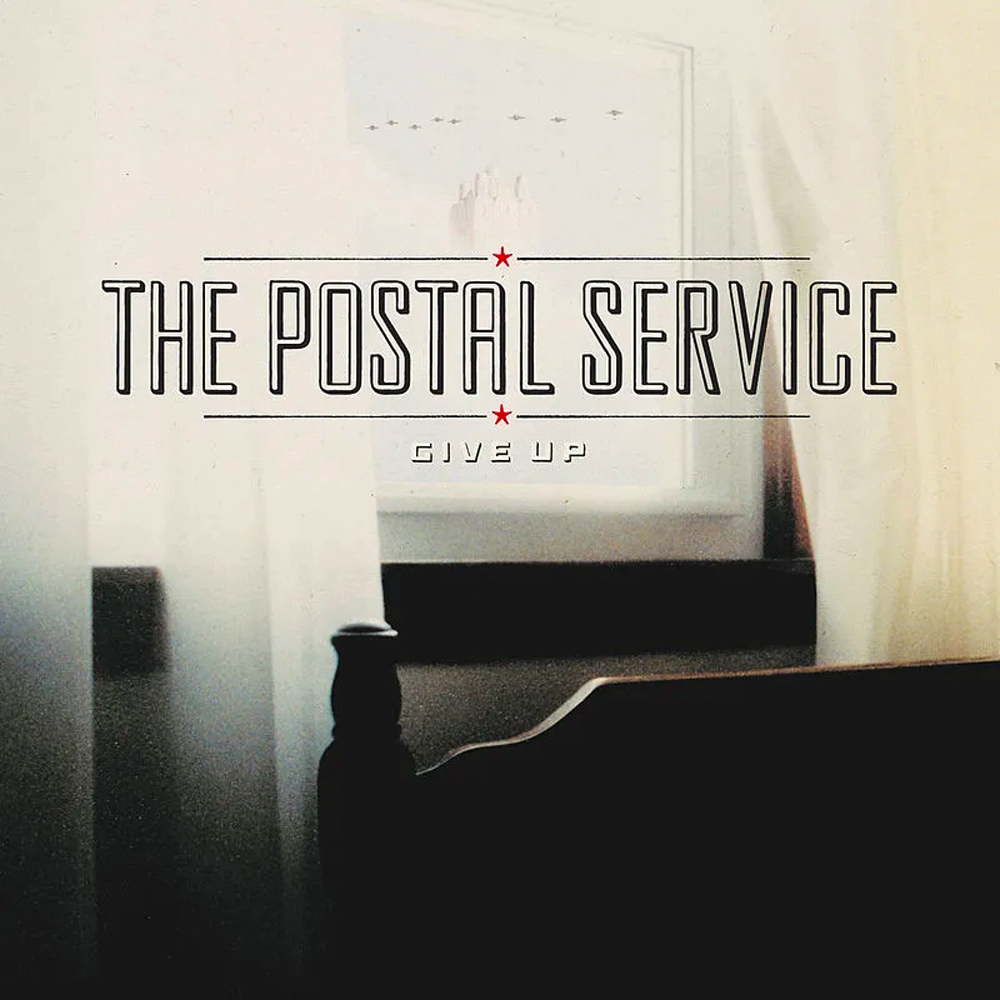 The Postal Service “Give Up”
Ben Gibbard wasn’t satisfied with releasing just one magnum opus in 2003, so he whipped this masterpiece together with assistance from Jimmy Tamborello and Jenny Lewis. What a fucking asshole. Chances are no other album in the history of music makes you as nostalgic for your college dorm room and all of the emotionally devastating things that occurred there as ‘Give Up’ does.
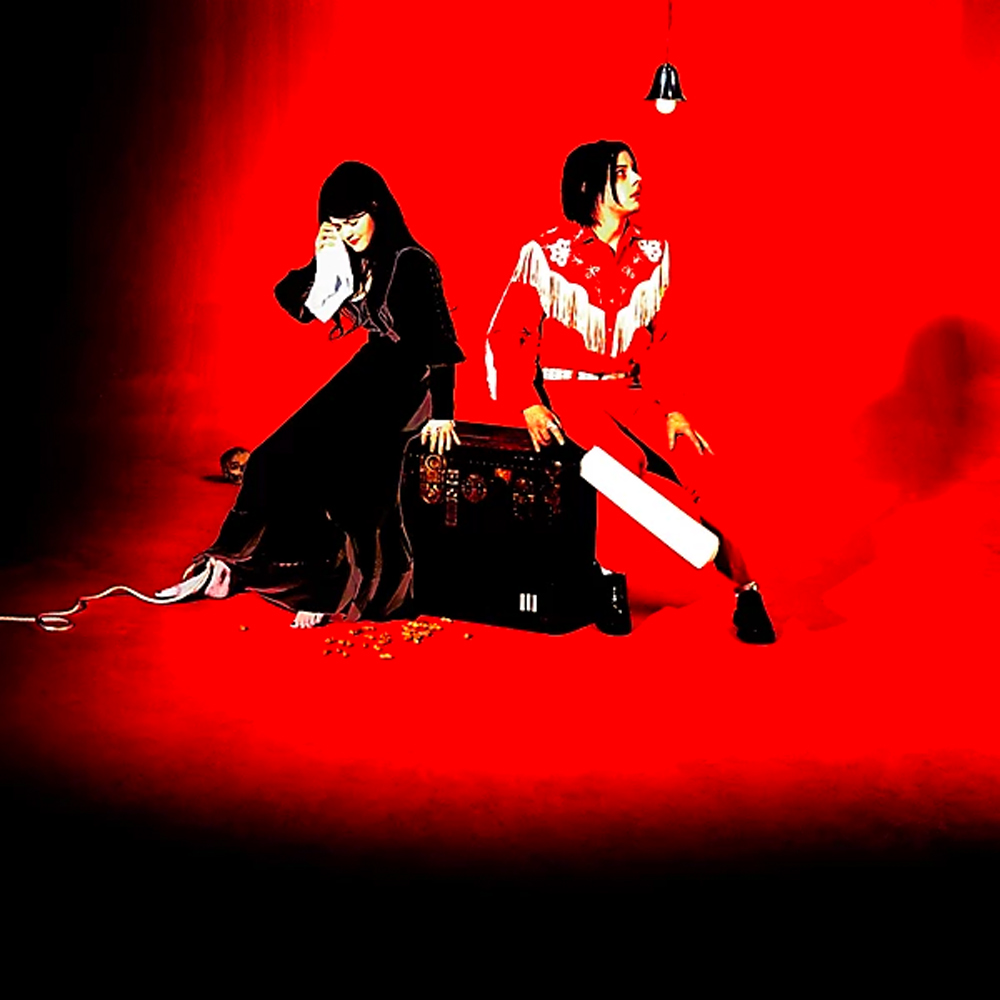 The White Stripes “Elephant”
This album was so wildly successful that Jack White can do pretty much whatever the fuck he wants to now. That’s either a great thing or a horrifyingly bad thing depending on your feelings about his later output. One thing’s for certain though, this album practically made his goofy hat budget infinite, subsequently giving us years of material.
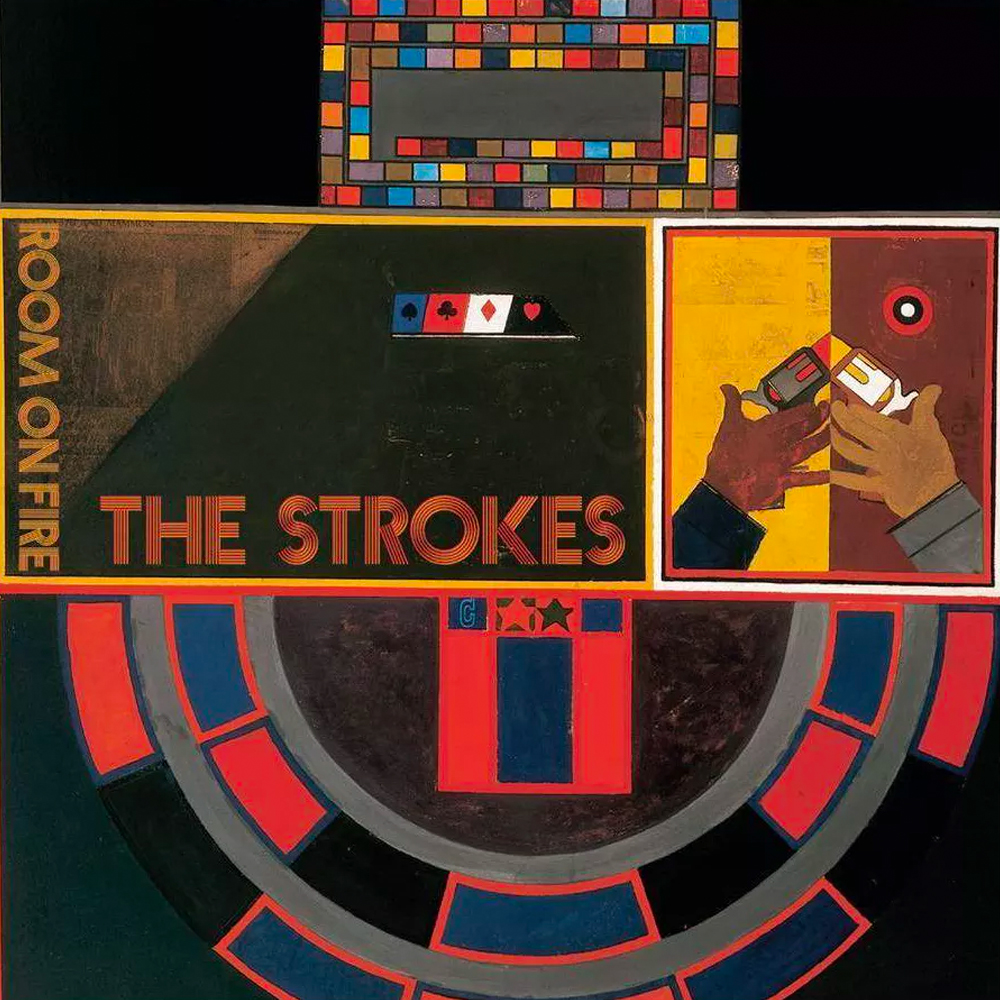 The Strokes “Room on Fire”
Most overhyped bands drop the ball on their second record, but the Strokes are not your average indie darlings, or at least they weren’t at that time. ‘Room On Fire’ saw their star rapidly on the rise. A trend that would follow for at least one more album until they got sick of being perfect. Put this one on and reminisce about that time you scored 100% on ‘Reptilia’ in ‘Guitar Hero 3.’ You told everyone you did it on Expert, but Medium is just as impressive.
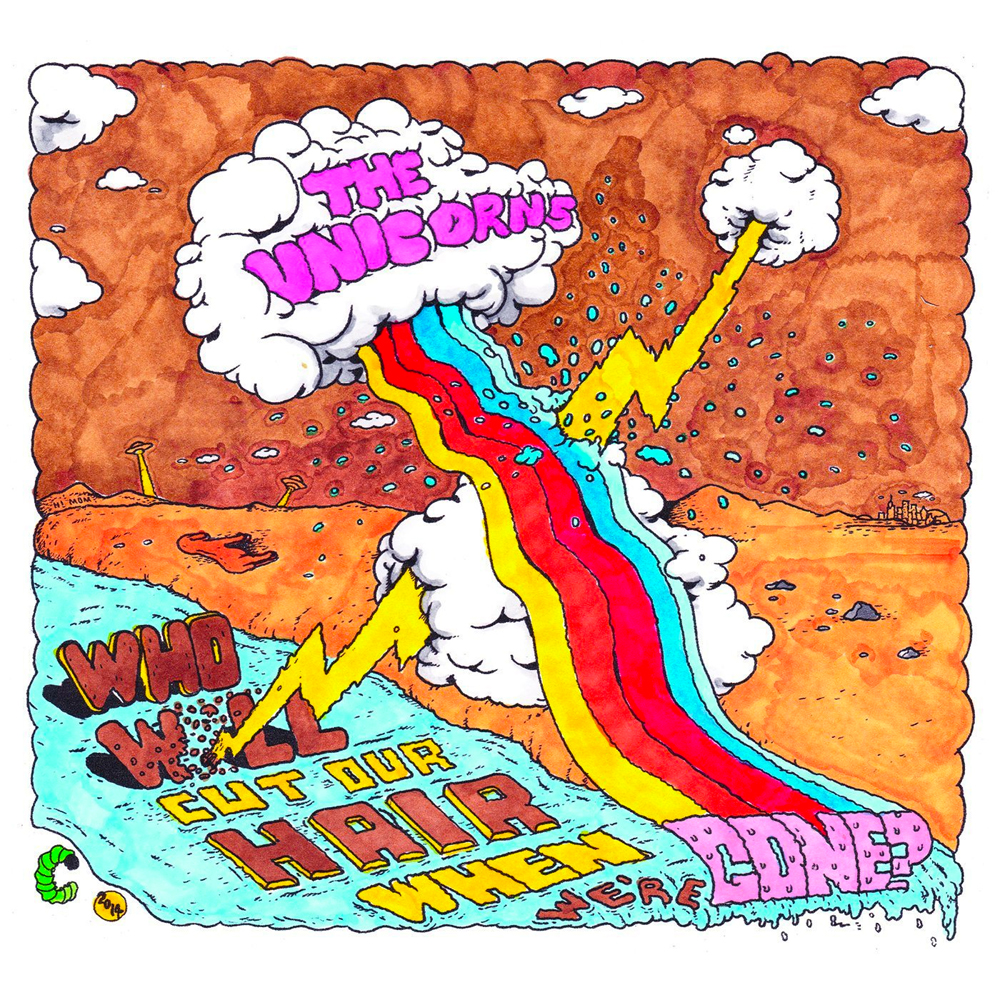 The Unicorns “Who Will Cut Our Hair When We’re Gone?”
The Unicorns proved to be as elusive and legendary as the mythical creature that lended the band their name. You probably don’t remember this one because no great art is ever appreciated in its time and you didn’t have Spotify yet. However, if you’ve ever seen a Crayola commercial or a handful of indie films from the early 2000s, you’ve definitely heard the opening riff of ‘I Was Born (A Unicorn),’ though you likely thought it was Vampire Weekend.
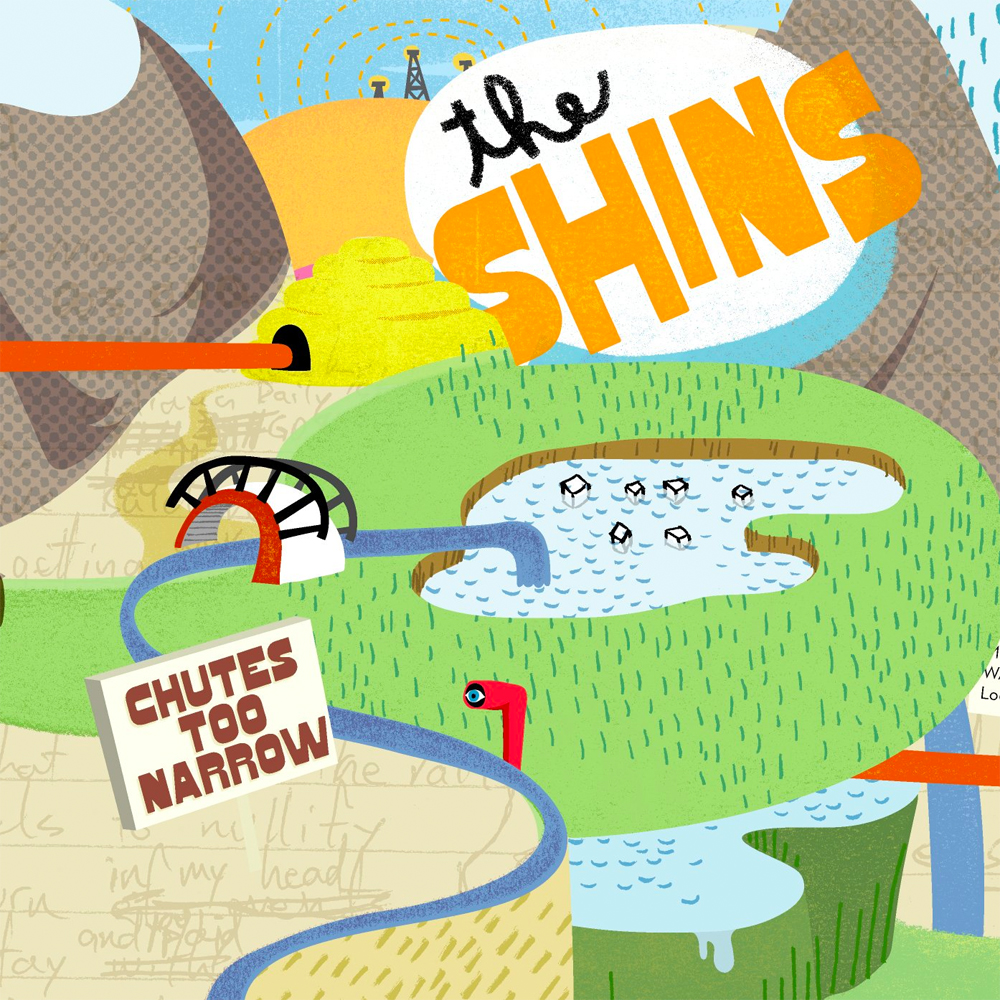 The Shins “Chutes Too Narrow”
The unofficial soundtrack to the lives of sensitive Zach Braff fans, ‘Chutes Too Narrow’ was an instant classic the moment it was released. There is rarely an imperfect note on this one, and its influence continues to carry weight. Fans of James Mercer’s dulcet tones listen to this one instead of going to therapy to this day.
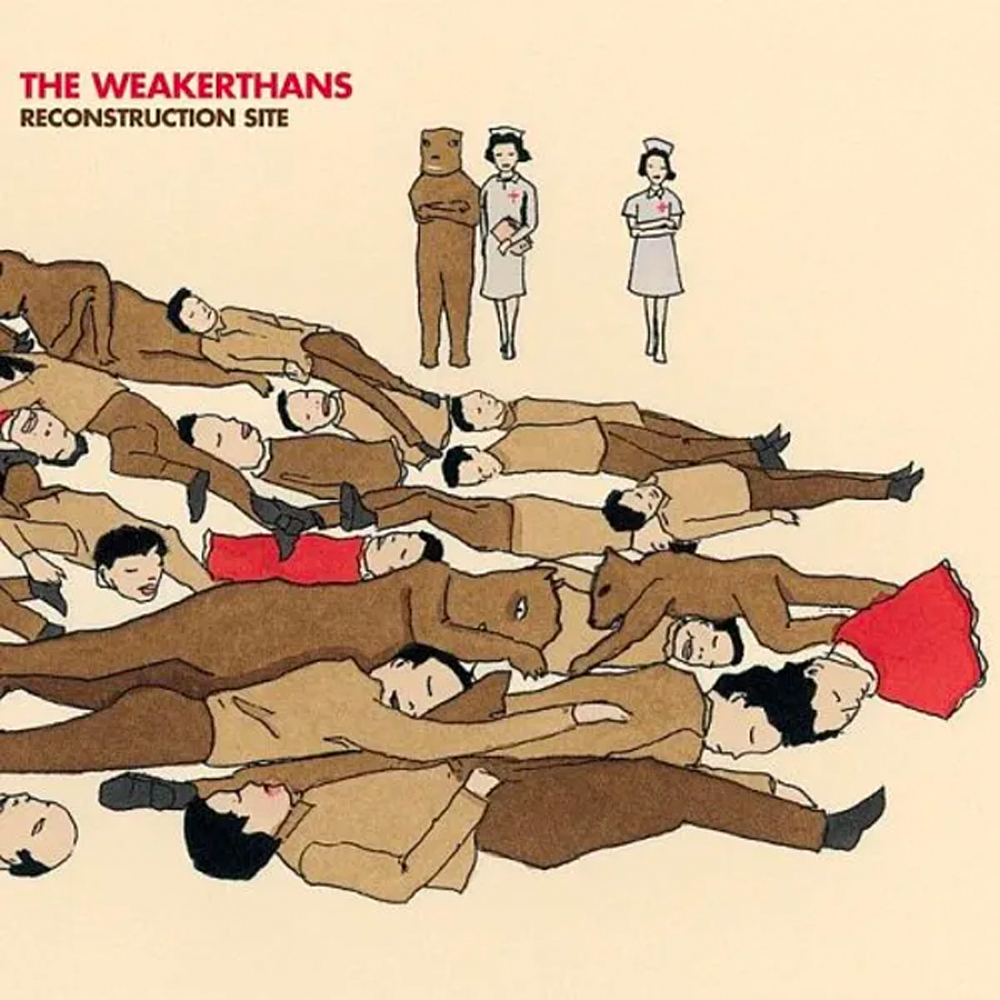 The Weakerthans “Reconstruction Site”
If you’re a pet owner and have ever been depressed, chances are you’ve wept to ‘A Plea From A Cat Named Virtue’ at least a thousand times. If not, perhaps you were endeared to the band out of a need for an even nerdier version of Propagandhi. However you cut it, considering the fact that John K. Samson and company’s excellent ‘Reconstruction Site’ has touched you in any way, it’s probably time to take your blood pressure medication.
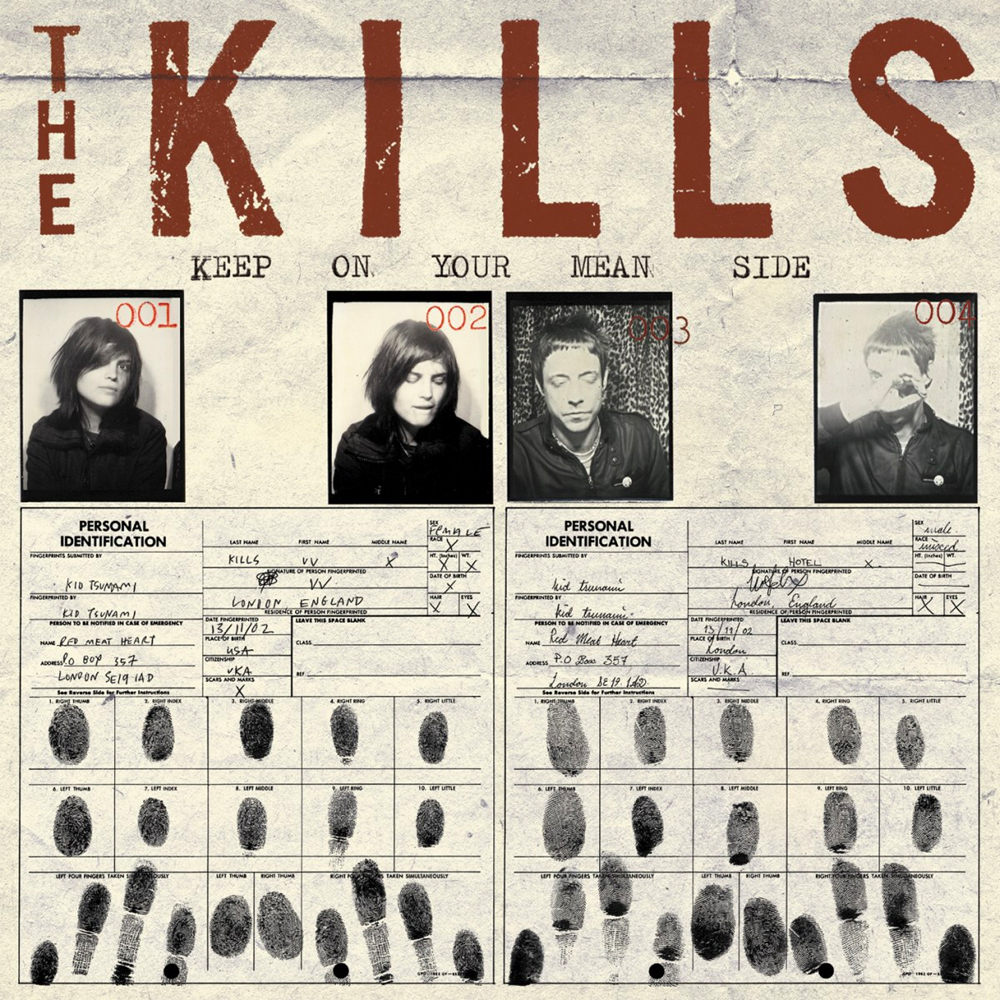 The Kills “Keep On Your Mean Side”
Launched out of the Garage Rock Revival started by The White Stripes, the Kills were locked and loaded from the moment they hit the UK indie scene. Their debut album borrowed the simplicity from their contemparies while ingesting it with a drum machine and more psychedelic soundscapes. Please note, we cannot be held responsible for reigniting your smoking habit by reminding you of this one.
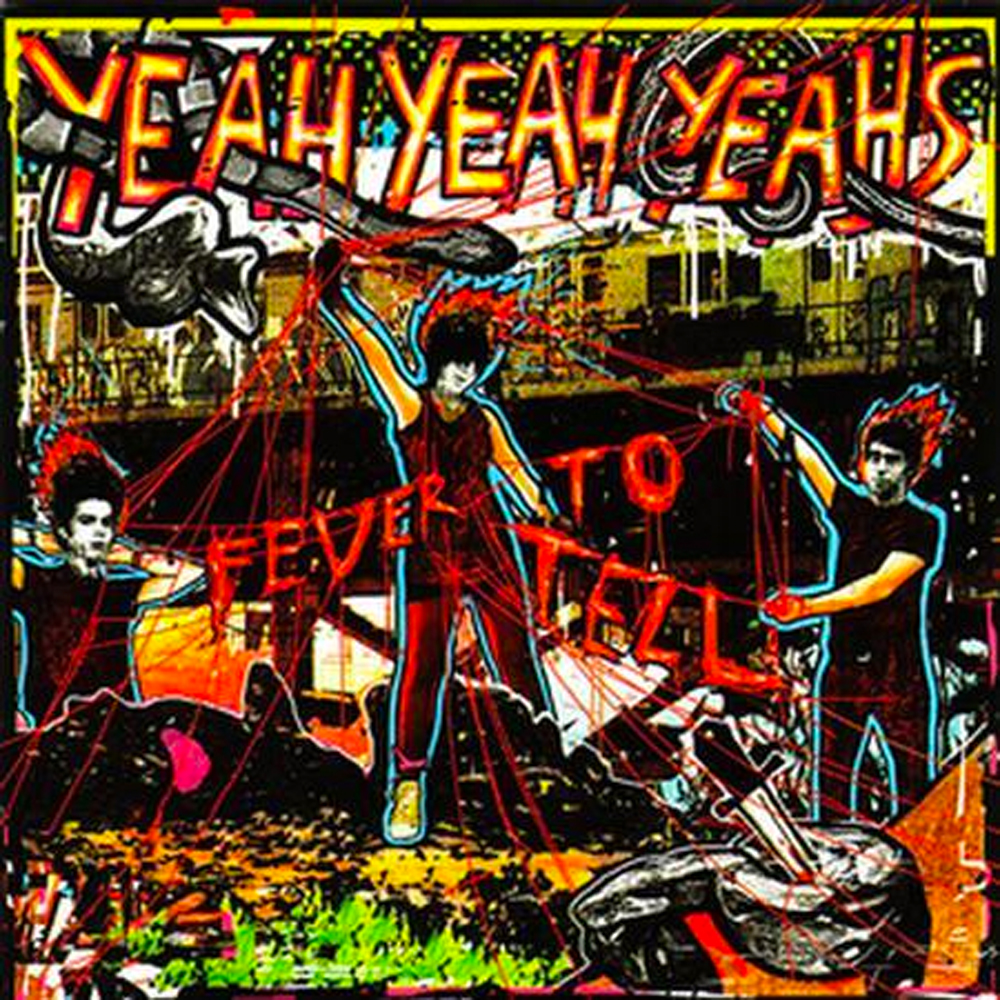 Yeah Yeah Yeahs “Fever to Tell”
In Green Day’s concert film, ‘Bullet In A Bible,’ a bit of B-roll features bassist Mike Dirnt performing a satiric version of ‘Maps.’ It was a charming moment, but we’re not buying his vitriol for even a second. ‘Maps’ is just one of twelve indisputable classics on this behemoth of a debut album. We apologize for probably reminding you of your college ex with this entry. Don’t call them, we doubt their number is the same.
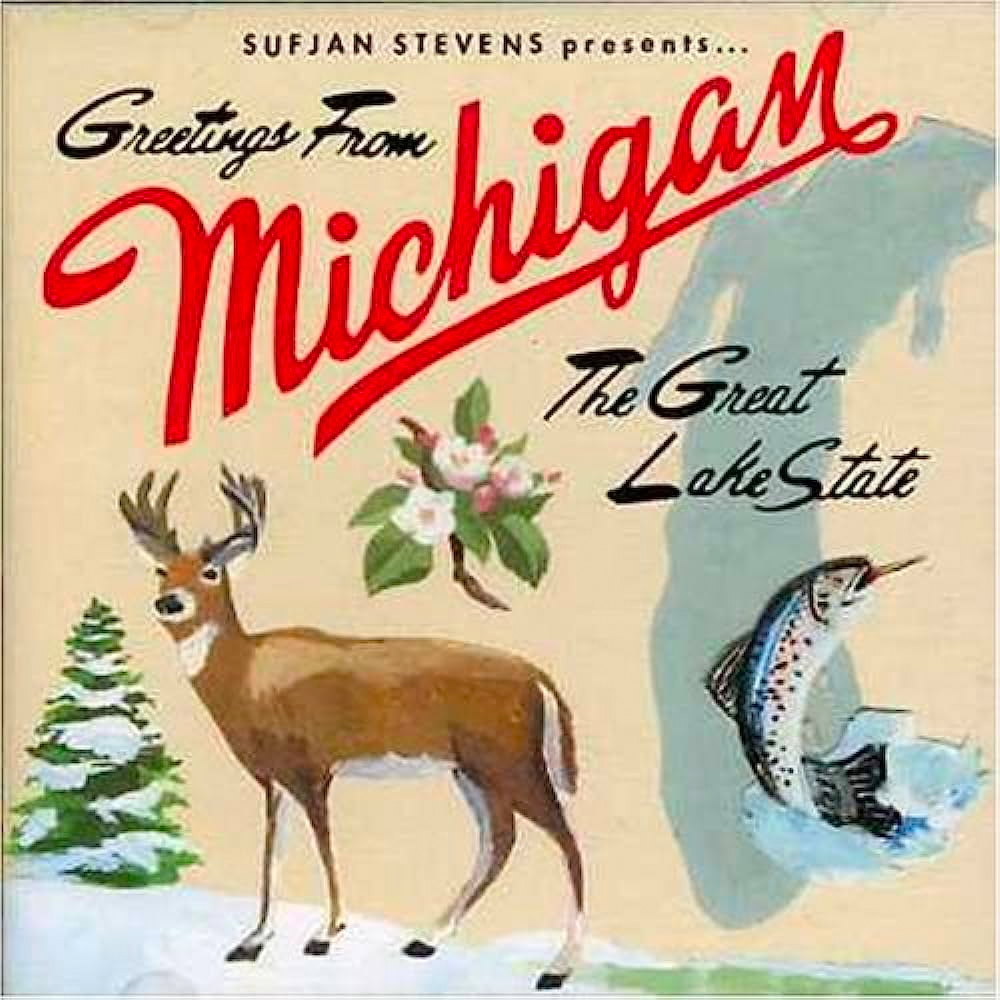 Sufjan Stevens “Michigan”
The first installment of an ambitious project involving making an album about every state in America, ‘Michigan’ is so old that Sufjan probably thinks we’ve forgotten he still owes us 48 more. Guess what, fucker, we haven’t forgotten, and no, we don’t care how great this one or Illinois turned out to be. The clock is ticking, Stevens. You have 24 hours.
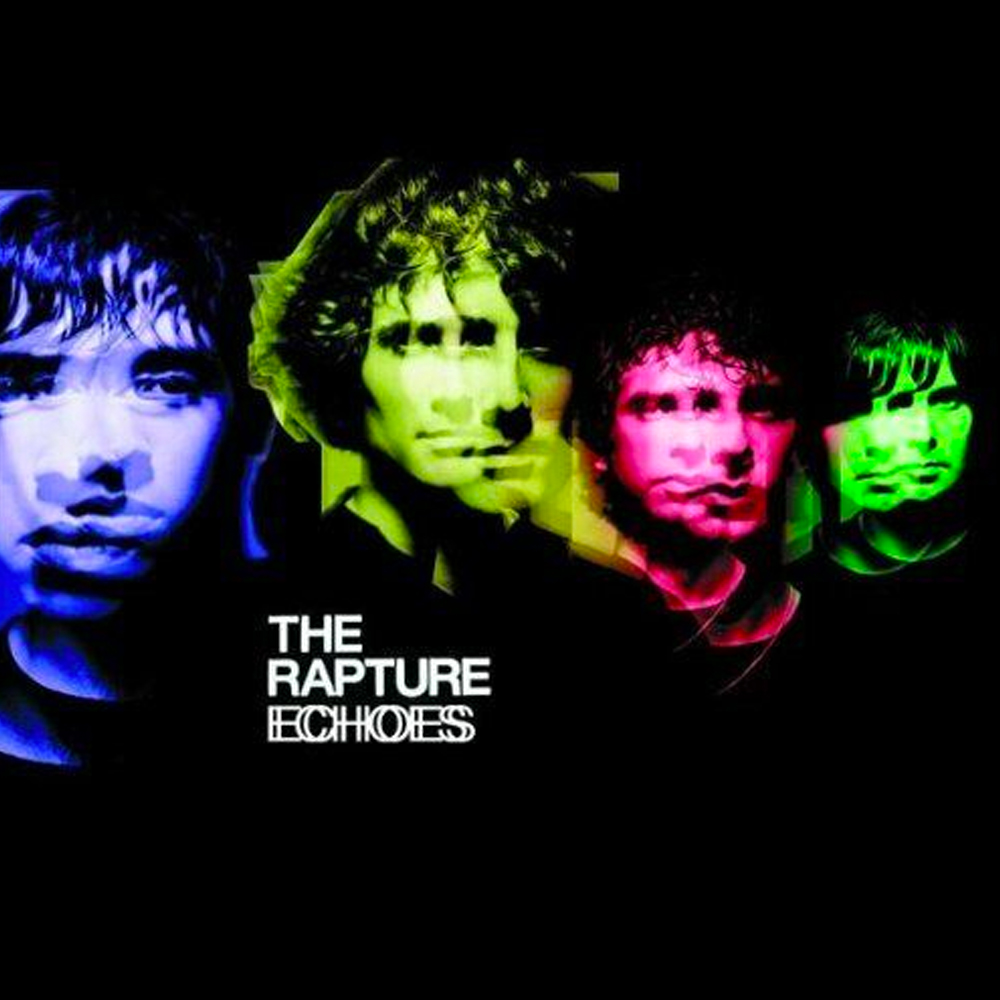 The Rapture “Echoes”
Back in 2003 when you could bust a move without busting a hip, the indie-dance-rock craze was in full bloom thanks to trailblazers like the Rapture. If you could walk into a room without hearing ‘House of Jealous Lovers’ in the early aughts, chances are you didn’t have cool enough friends, but we’re not here to judge you for that, you tasteless loser.
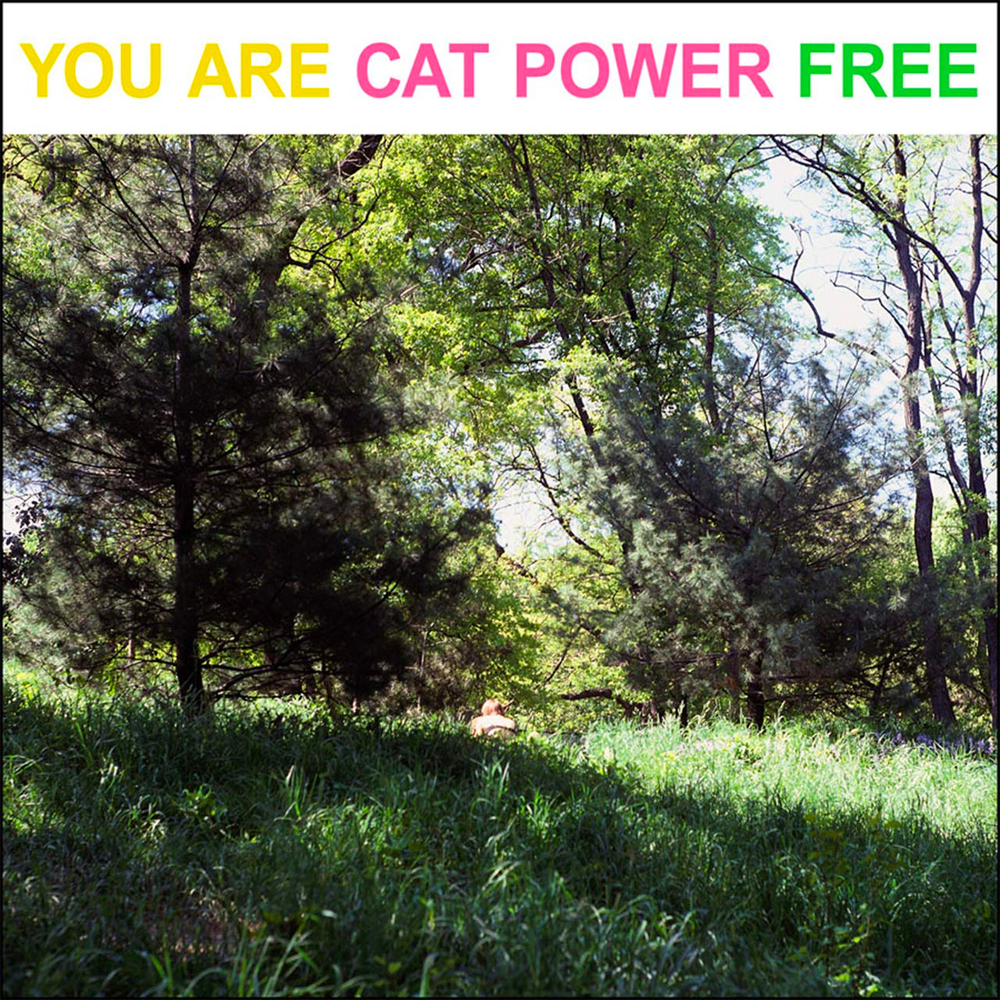 Cat Power “You Are Free”
Whittled down from sporadic sessions that produced 40 songs, Cat Power’s ‘You Are Free’ is a sparse and heady 56 minute listen that was rather ahead of its time. Cameos from Eddie Vedder and Dave Grohl are practically unrecognizable in the moody haze that permeates this record. If you were overly concerned about looking niche and unique twenty years ago, chances are ‘He War’ was your MySpace profile song for a while, showing all of your Top 8 how free you truly were.
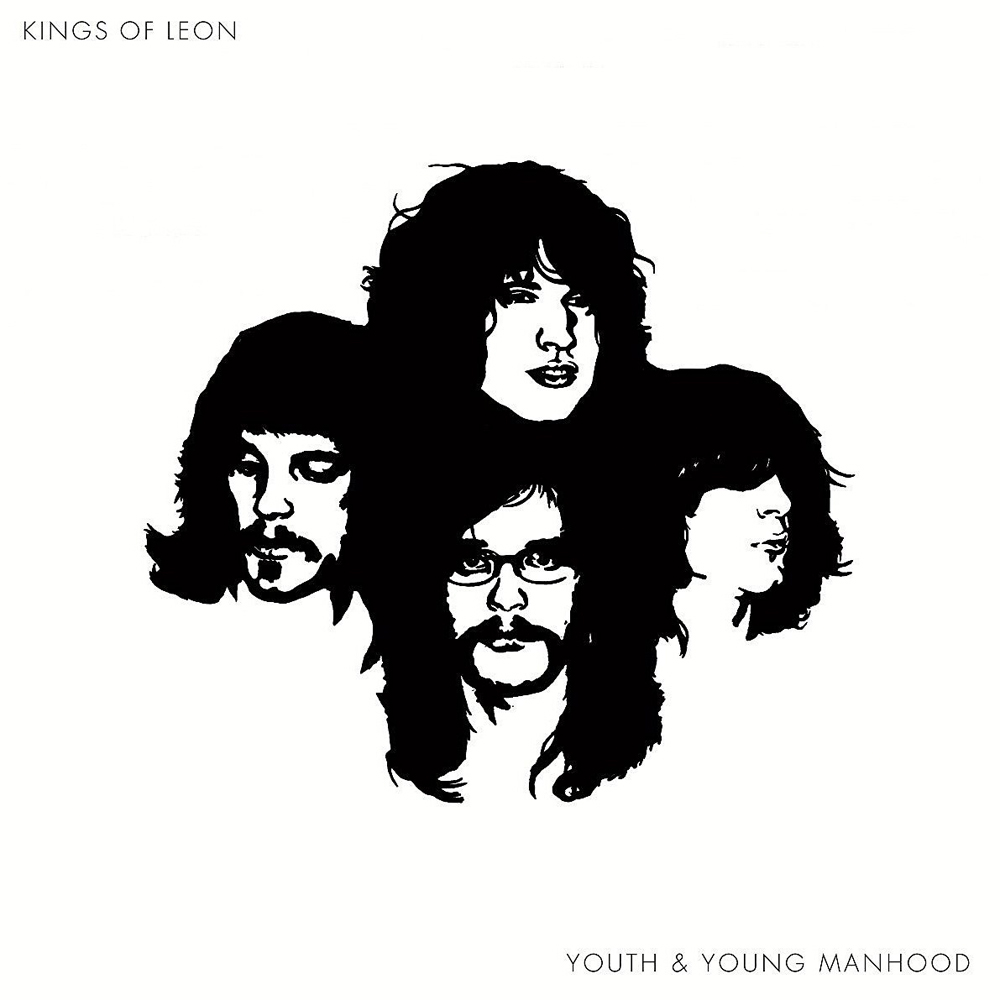 Kings of Leon “Youth and Young Manhood”
Believe it or not, before Kings of Leon were one of the blandest bands you have ever heard, they were dubbed as ‘the Southern Strokes.’ Their rough-edged guitar sound and retro leanings could have just as easily placed this album in ’73, and their debut is so good you can almost forget how fucking lame ‘Sex On Fire’ when it was released four years later.
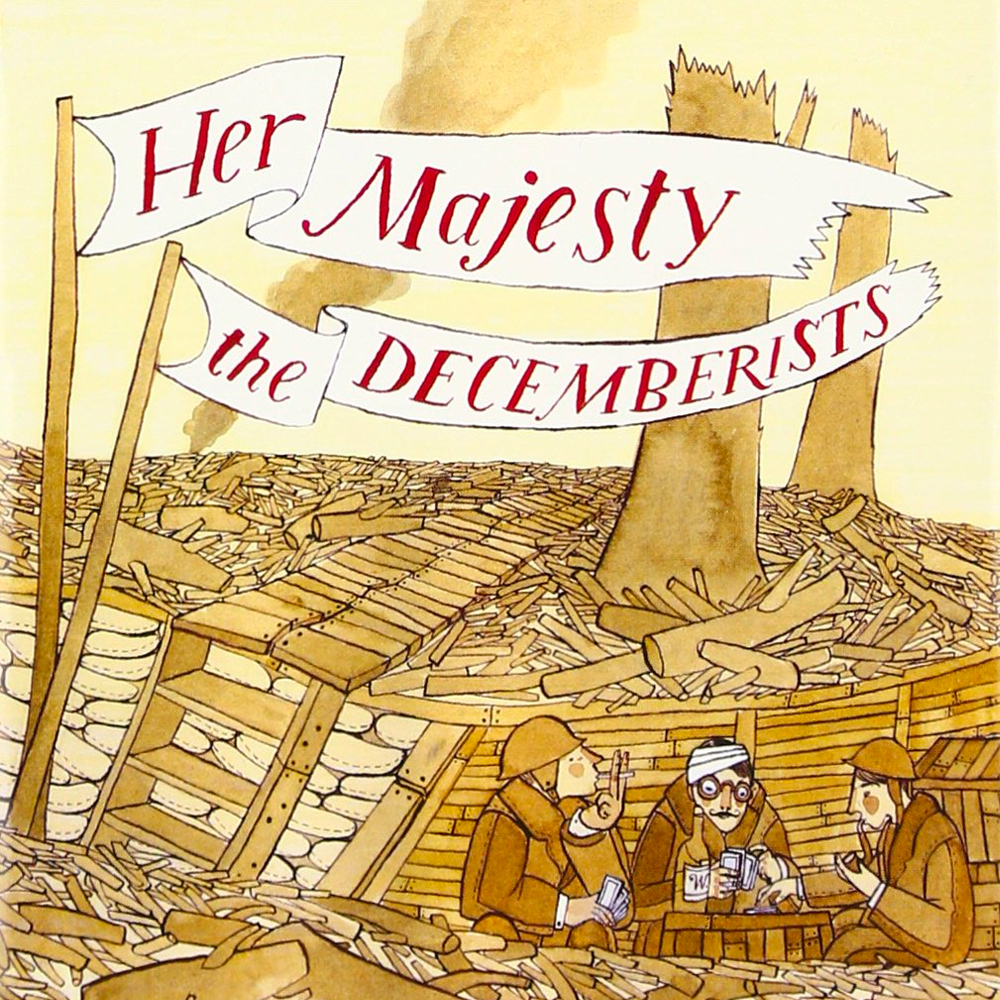 The Decemberists “Her Majesty”
This album is so literate that we’d be surprised if your English professor didn’t burn this one on CDs for the entire class, which was another thing that happened twenty years ago. ‘Her Majesty’ kick-started the Decemberists’ long career of making you feel like an idiot for the entirety of each of their records, but deserves praise for propelling the equally insufferable indie-folk revolution.



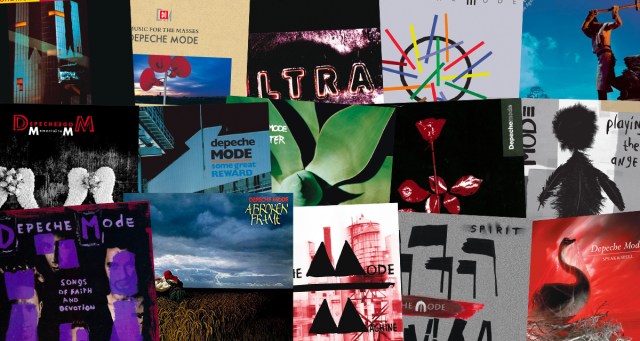
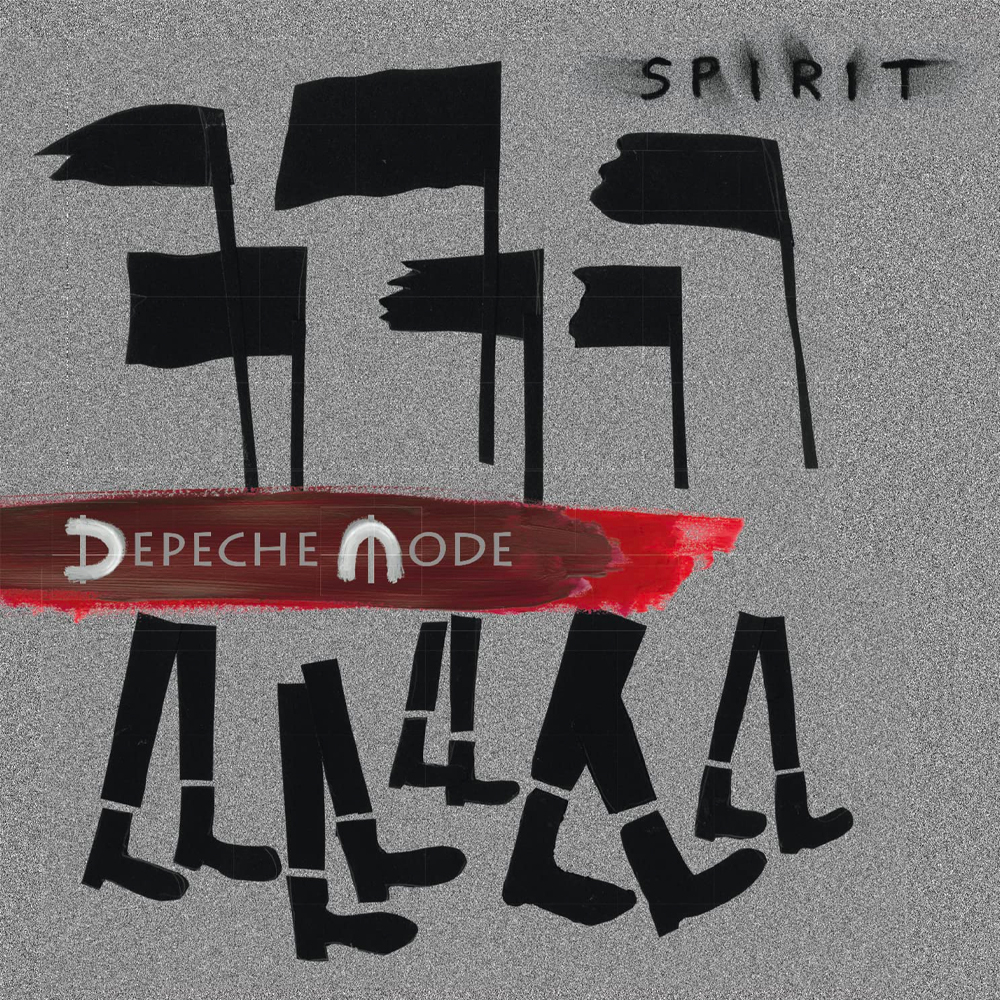 Depeche Mode has often been dismissed as a cultural lightweight, alternatingly for producing mindless pop music or for melodramatically gloomy dirges. It’s pretty weird that the band decided to hit back against that image a full fourteen albums in, producing the politically strident, musically soporific “Spirit.” It’s as if this collection of millionaire goth rock stars were trying to outdo U2 in terms of earnest, Marxist-lite songs about climate change and the Arab Spring, only to somehow wind up even more embarrassing. We’re not saying Depeche Mode needs to stick to songs about weird sexual power dynamics, but if they wanted to get political, the time to do so was a long time before this.
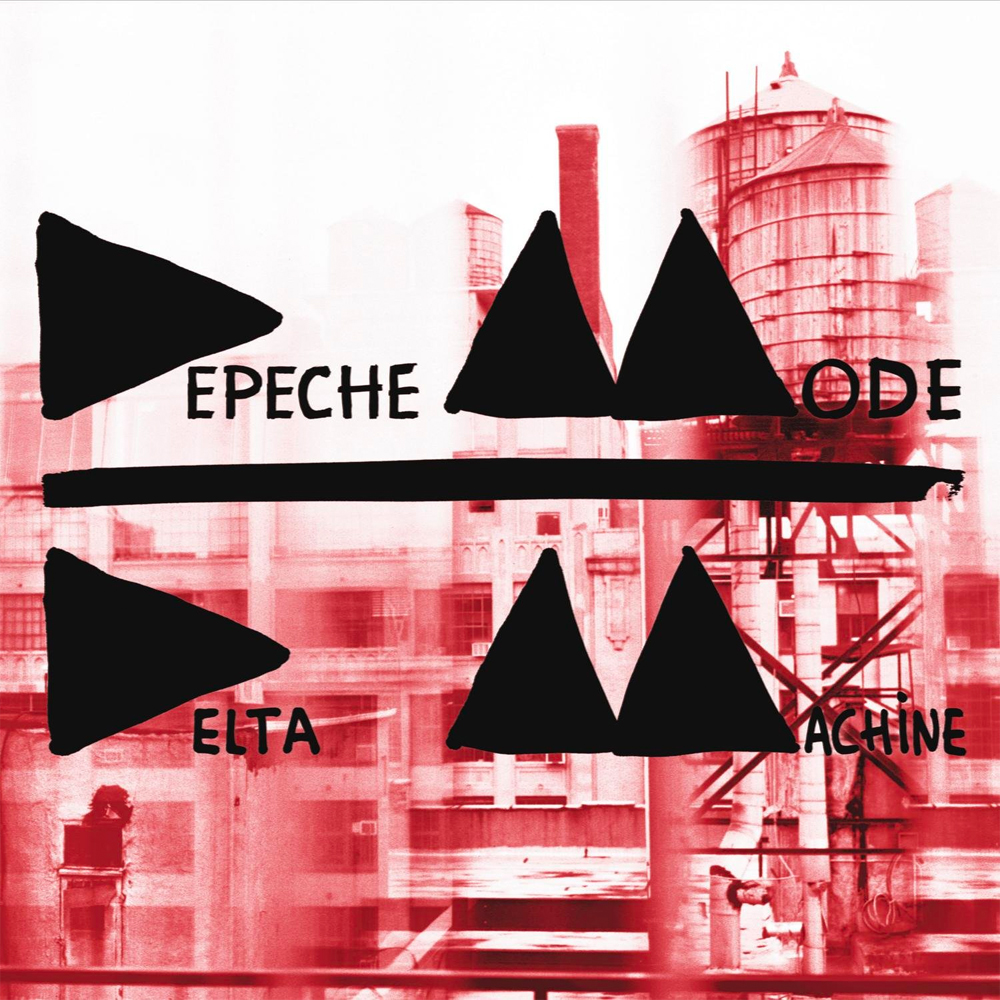 By the 2000s, Depeche Mode’s new album release strategy had become pretty rote: the new collection of songs would be described as the most lyrically personal ever, while returning to their seductively dark analog roots. However, that doesn’t mean that said songs can’t be boring as fuck, like in the case of “Delta Machine,” an album saddled with a title that should rightfully belong to a knockoff Robert Ludlum novel. The band’s thirteenth album is pretty much the definition of resting on one’s laurels, with even the best tracks little but distant reminder of what heights DM can rise to when they’re bothered to.
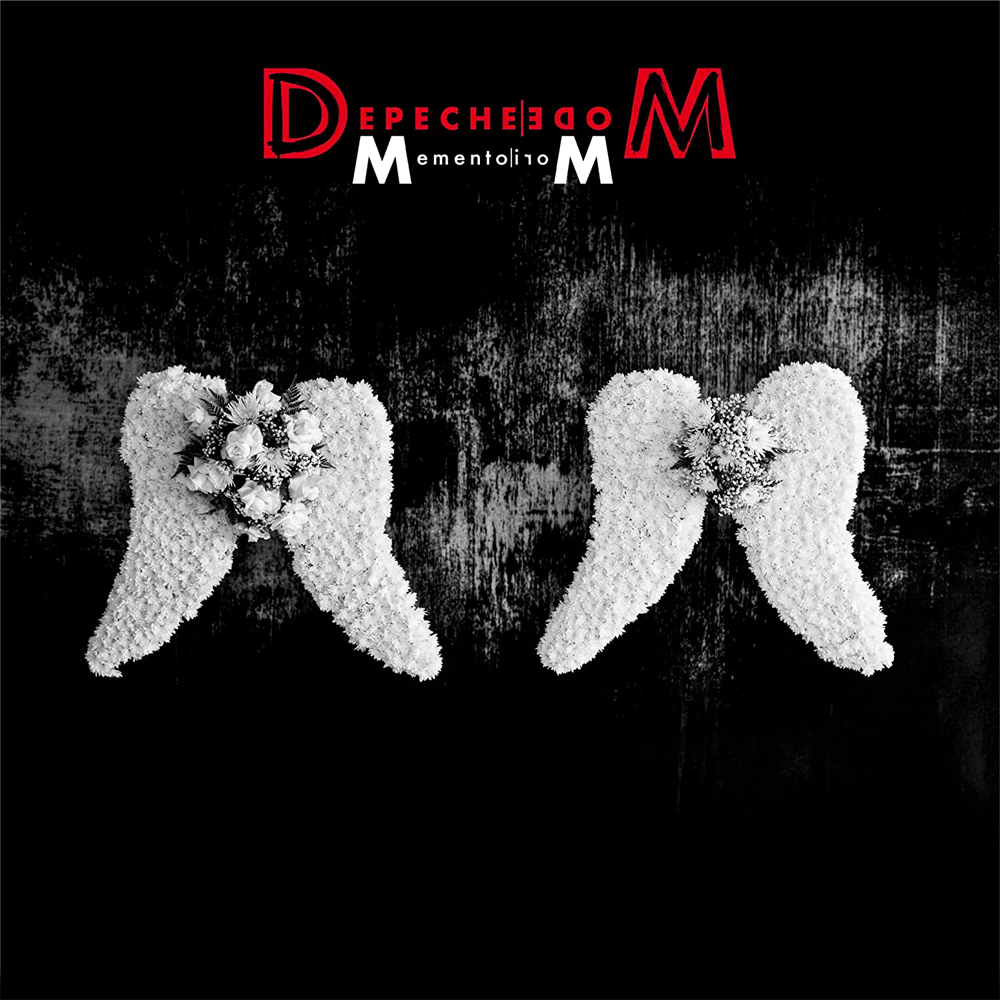 It’s difficult not to read the shocking death of Andy Fletcher into “Memento Mori,” the album released after the longtime member (and reported peacemaker of the band) passed away due to a heart condition. But Depeche Mode has always been inclined to an absurd level of morbid introspection (or navel-gazing, depending on who you ask), so who’s to say how much that truly affected the album? At the very least, the addition of the Psychedelic Furs’ Richard Butler as a co-songwriter added some much-needed fresh blood to the mix, resulting in some of the band’s most energetic music in years.
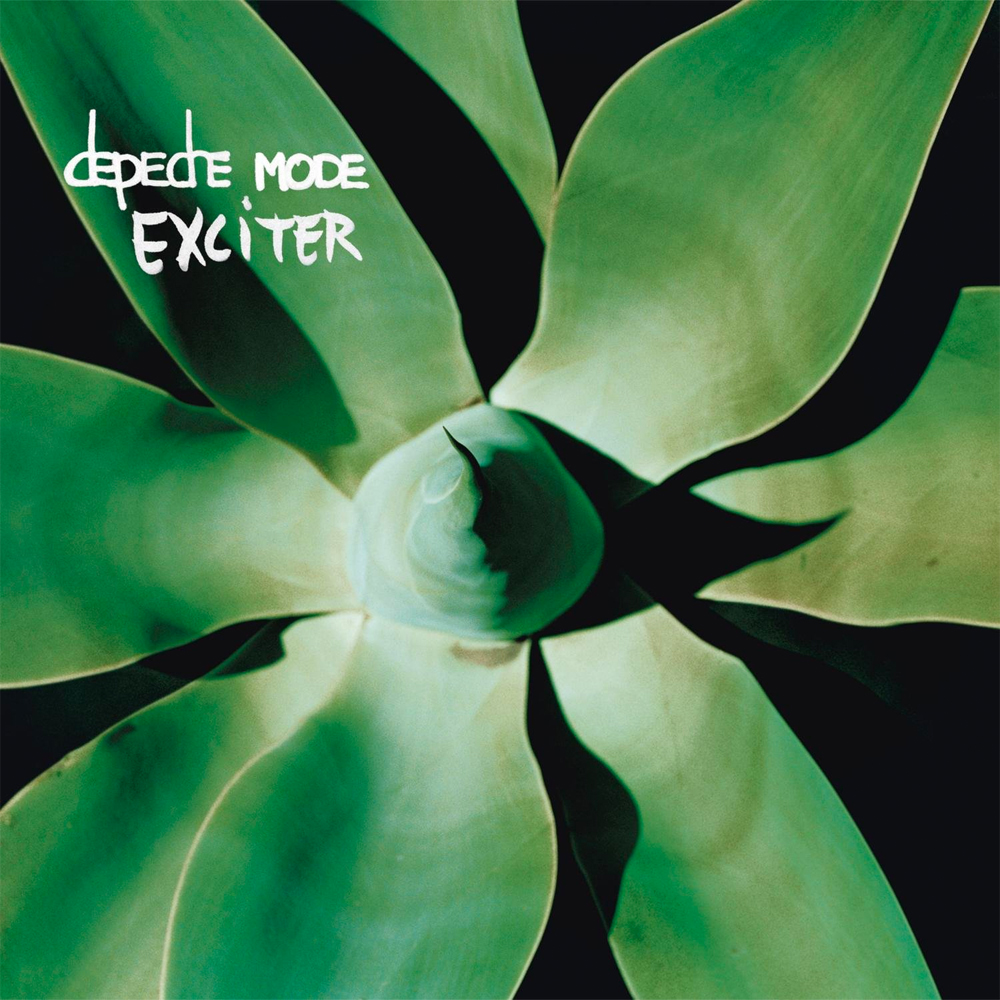 Sometimes it’s easy to tell when a band is ready to cash in on accumulated fan appreciation and just try to recycle the hits. For Depeche Mode, that’s 2001’s “Exciter,” a tired-sounding album that saw the group semi-reusing title ideas like “Freelove” (see: “Strangelove”) and “The Sweetest Condition” (i.e., “The Sweetest Perfection Part 2”). This is a consummately professional album, in that its production sounds about as good as the band ever has and has very little under the hood.
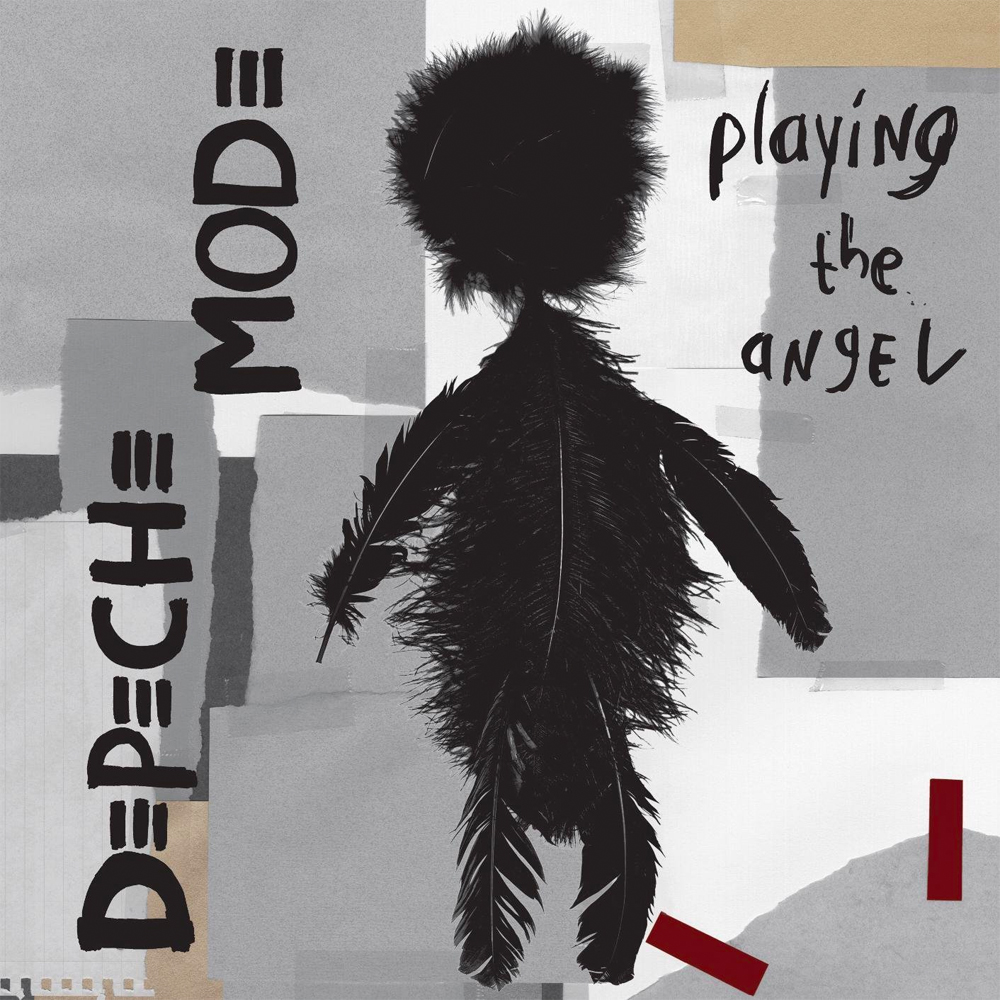 While it’s not going to break the top ten list of any sane Depeche Mode fan, “Playing the Angel” at least sounds like Gore and Gahan weren’t actively falling asleep in the studio. After “Exciter,” we’d take anything we can get, which made the unexpectedly harsh noise blast of opener “A Pain I’m Used To” that much more exciting. Some of that likely has to do with Gahan being allowed to contribute songs for the first time, presumably having years of work stocked up for the day Gore stopped shoving him in a locker after vocals were recorded.
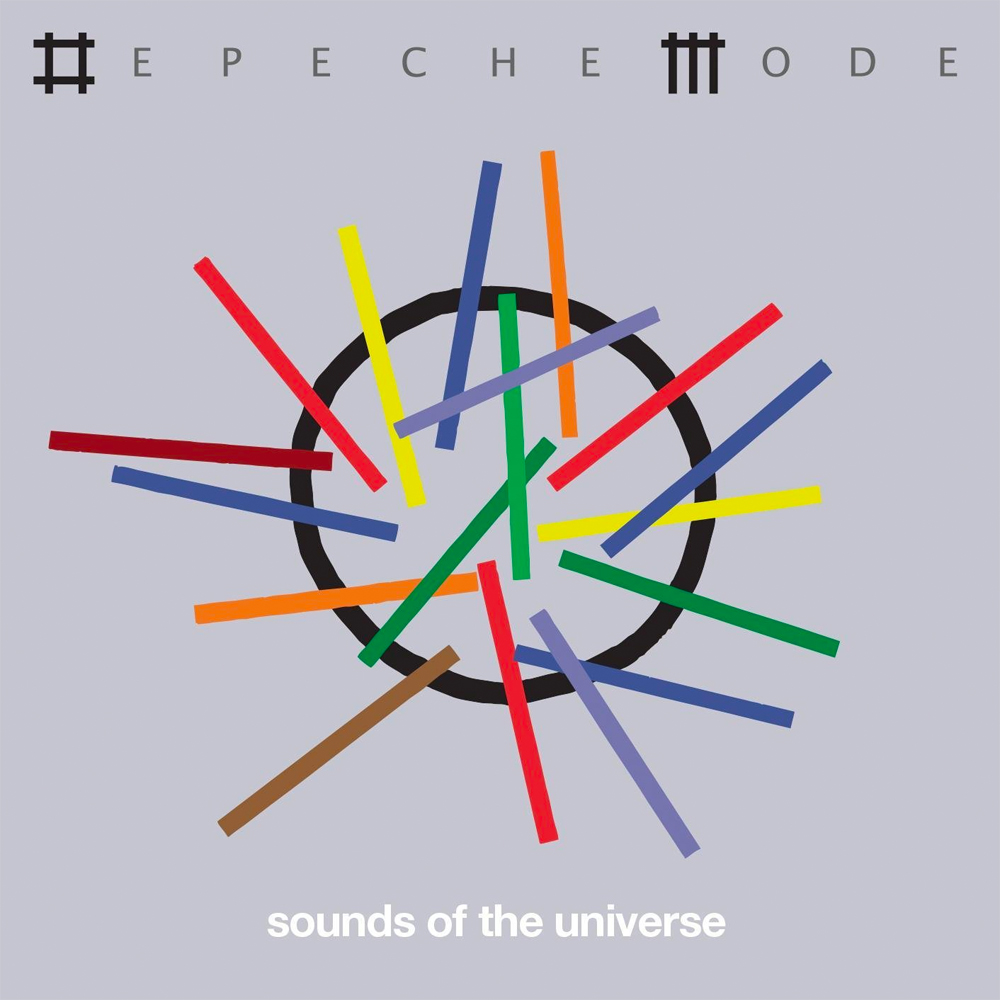 “Sounds of the Universe” picks up on the resurgent energy of “Playing the Angel” and takes it a step further, right down to the opening wave of discordant synth noise on the lead track “In Chains.” Pound for pound, it’s the strongest of Depeche Mode’s latter-day albums, with Gore and Gahan seeming like equals in the studios for perhaps the first time. In particular, the singer sounds in great form, even if someone should have told him that shouting “WRONG” over and over doesn’t constitute a catchy chorus.
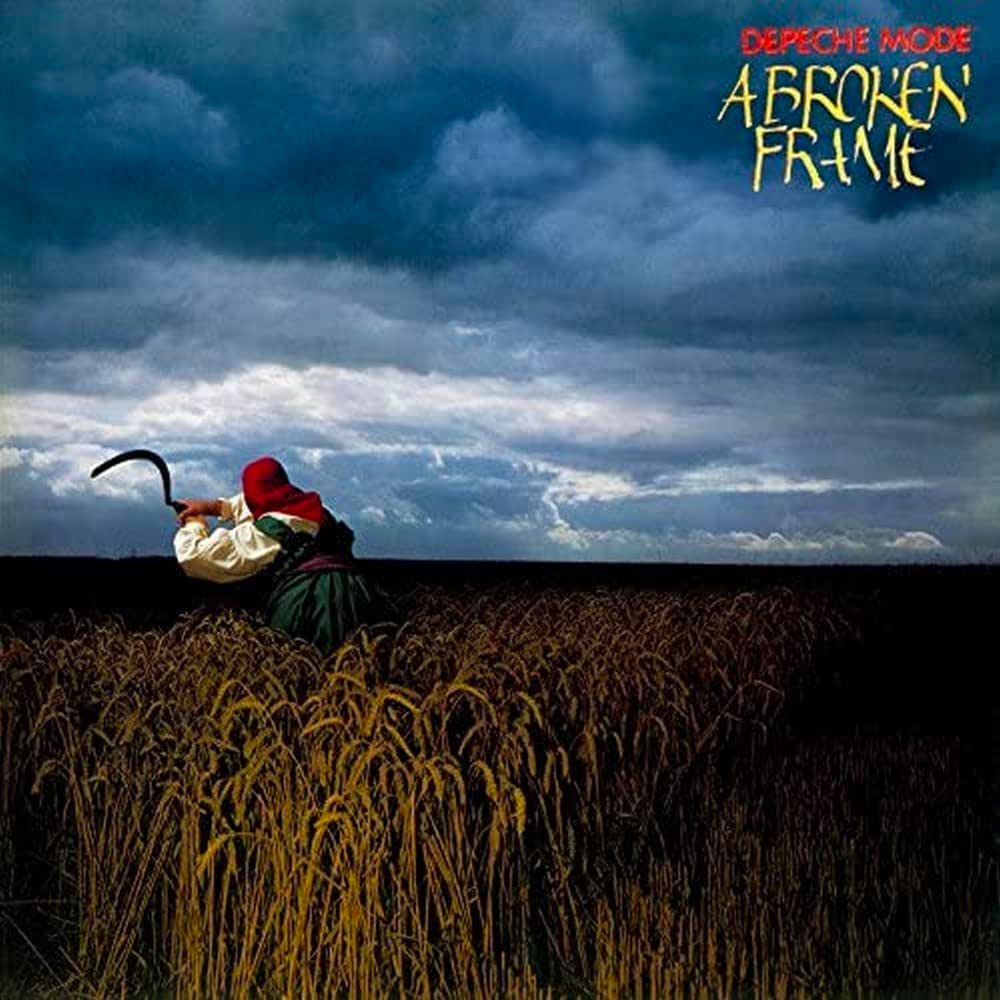 Legendarily, when original bandleader Vince Clarke decided to piss off and start Yaz, the rest of Depeche Mode essentially shrugged and figured they didn’t really need the guy who wrote all the songs anyway. For a band of teenagers unexpectedly having to throw together a sophomore album on their lonesomes, “A Broken Frame” is shockingly strong. The darkness that would eventually become caricature seeps in here, but it’s also the work of a band not quite sure exactly what they’ll be yet.
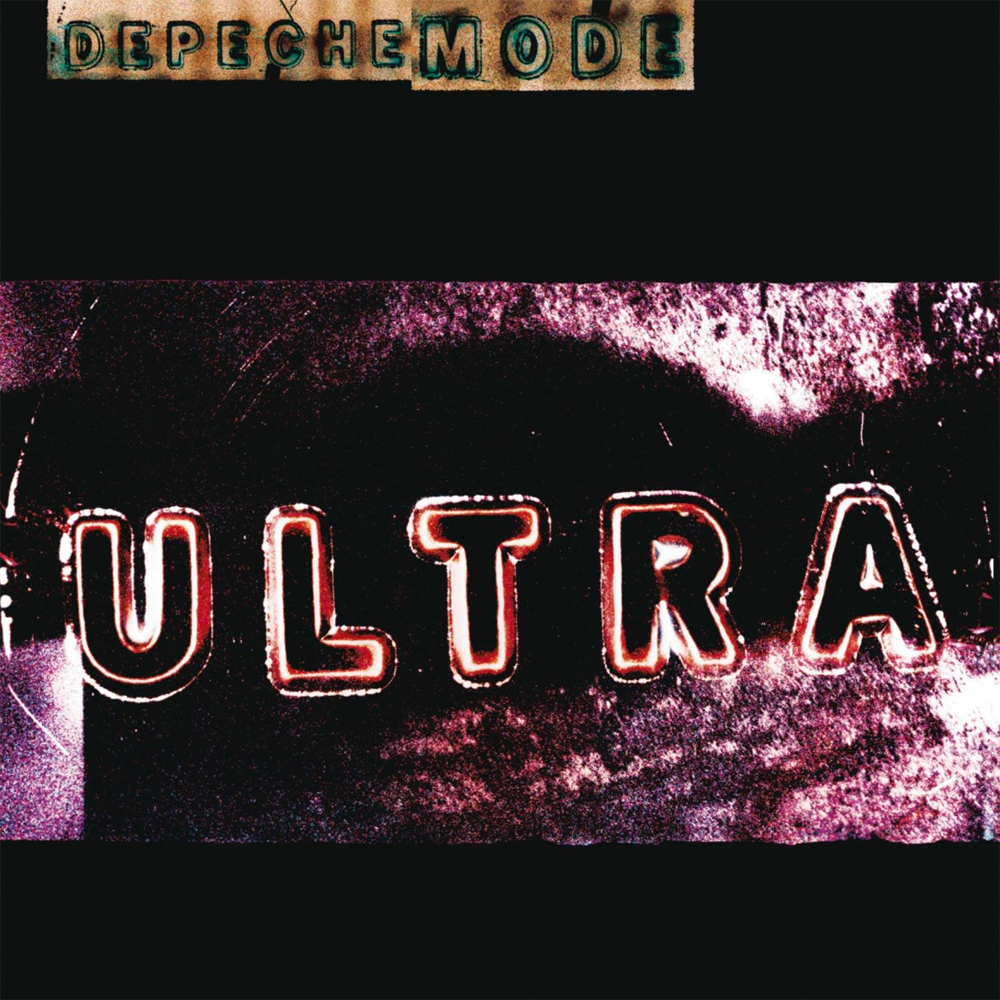 “Ultra” came after Depeche Mode’s titanic commercial successes of the early 1990s, when they transformed from a popular but critically derided synth group to one of the biggest bands in the world. It also came after the departure of Alan Wilder and Gahan’s near-fatal heroin overdose, so it’s safe to say that these were some tumultuous times. It can’t be denied that the eerie groove of “It’s Not Good” is one of the best the band has ever produced, while “Home” sees one of Gore’s finest-ever vocal performances. The band might have been fucked up at the time, but they could still bring it in 1997.
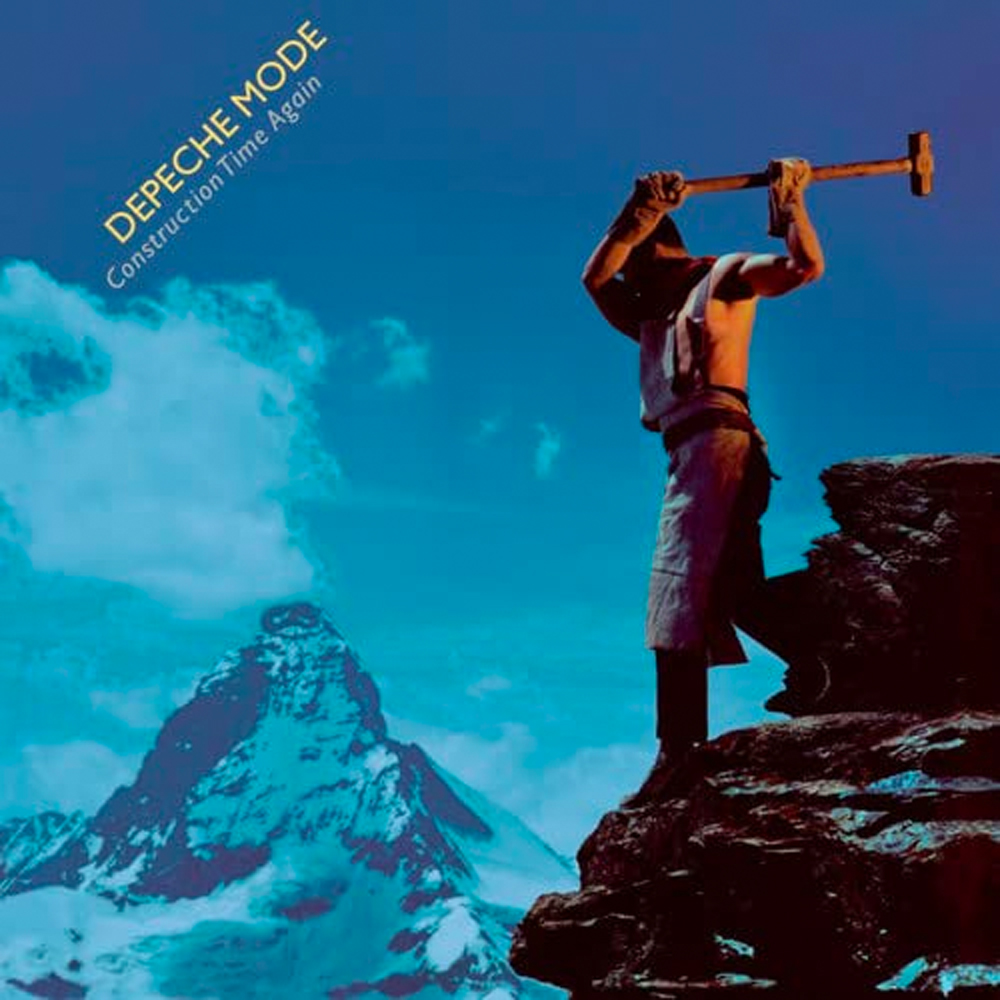 By 1983, Depeche Mode was solidifying into the gloomy, infectiously dance behemoth it would become, and “Construction Time Again” is the proof. Alan Wilder joined the band, bringing in a new level of musical sophistication with his arrangments, while Gore’s songwriting leveled up significantly, particularly on the ridiculously catchy opener “Love, in Itself” and the anthemic “Everything Counts.” After the departure of Clarke, DM was getting weird with some of its experimental sounds, which would eventually lead to even greater gains, but not quite yet.
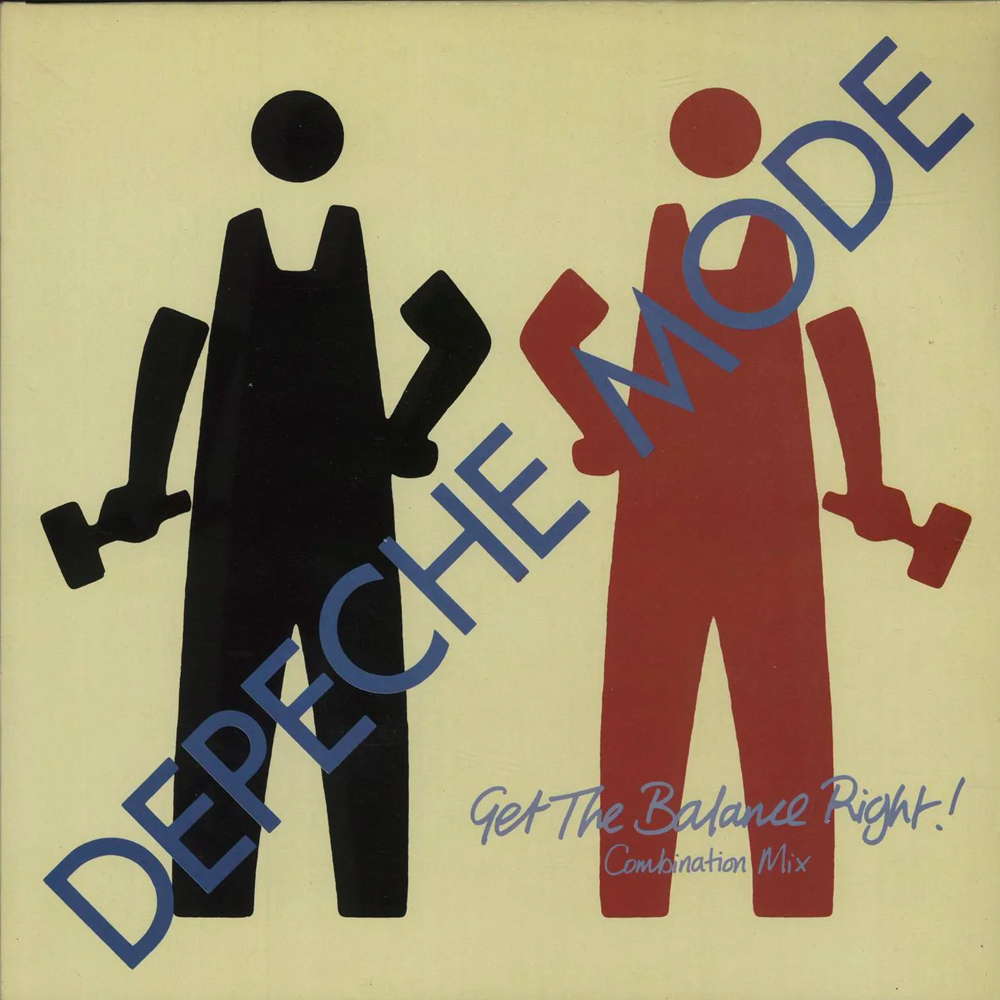 This standalone single is debatably their greatest and most representative work of the period, a perfect suspnesion of post-disco rhythm, Gore’s knack for synth hooks, and Gahan’s increasingly layered, seductive vocals. In other words, it fucking rocks.
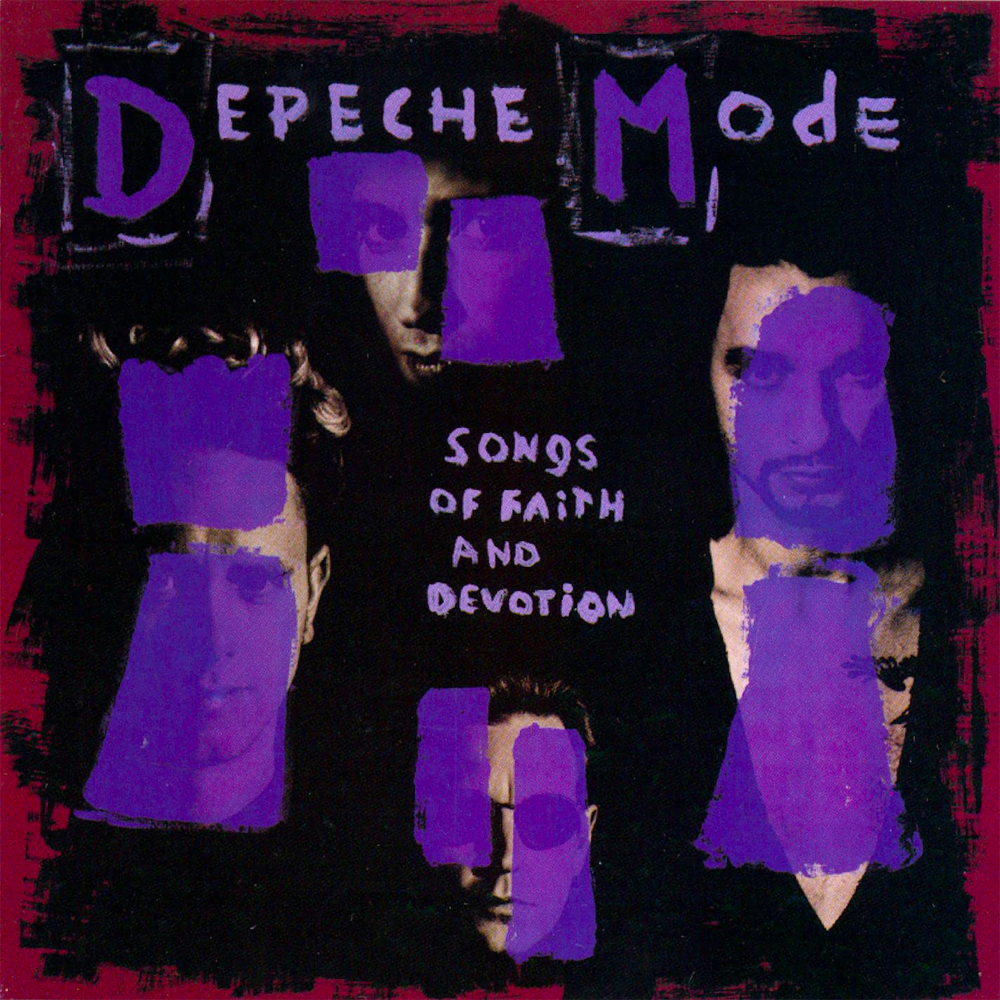 “Songs of Faith and Devotion” is the sound of a band at the absolute peak of its powers, beginning to lose the plot. Despite Gahan’s increasing descent into addiction, the band’s sense of alienation from each other, and the risk of emerging alternative rock turning their synth-heavy sound passé, the songs on this album are some of the most powerful they’ve ever produced, from the gloomy balladry of “In Your Room” to the gospel-inflected “Condemnation” to the chilly hooks of “Walking in My Shoes.” They have pretty much never been quite this good again, but at least we got this before things got really bad for a while.
 The only album to feature original Depeche Mode mastermind Vince Clarke (also the guy behind Yaz, Erasure, the Assembly, and that one song that goes duh-duh-duh-duh that you can’t get out of your head), “Speak & Spell” is a bit different from the rest. While the irrepressibly effervescent, immortal bop “Just Can’t Get Enough” essentially defines the sound of the original Depeche Mode, there’s enough edge to tracks like “Boys Say Go!” and “Nodisco” that the sharp turn into darkness ahead is not out of nowhere. C’mon, they already had a song called “I Sometimes Wish I Was Dead,” is it all that shocking they went goth?
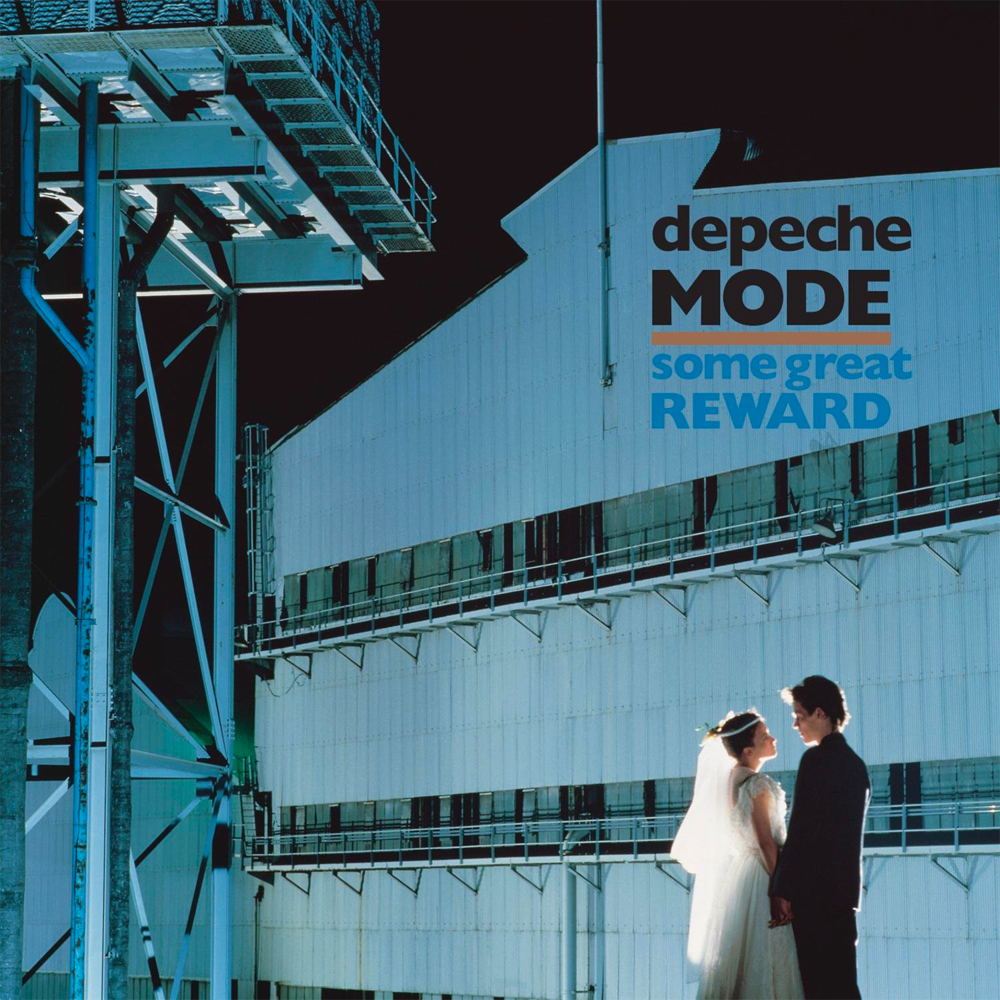 We’ll admit this first, just to get it out of the way: the lyrics to “People Are People” are pretty fucking stupid; even Martin Gore says so. However, the music is as leanly muscular and undeniably catchy as anything the 1980s produced, as is the rest of the album. Try listening to the robotic call-and-response intro of “Master and Servant” and not be astounded by the sheer weirdness of the band at the time. Then sit back and enjoy, perv.
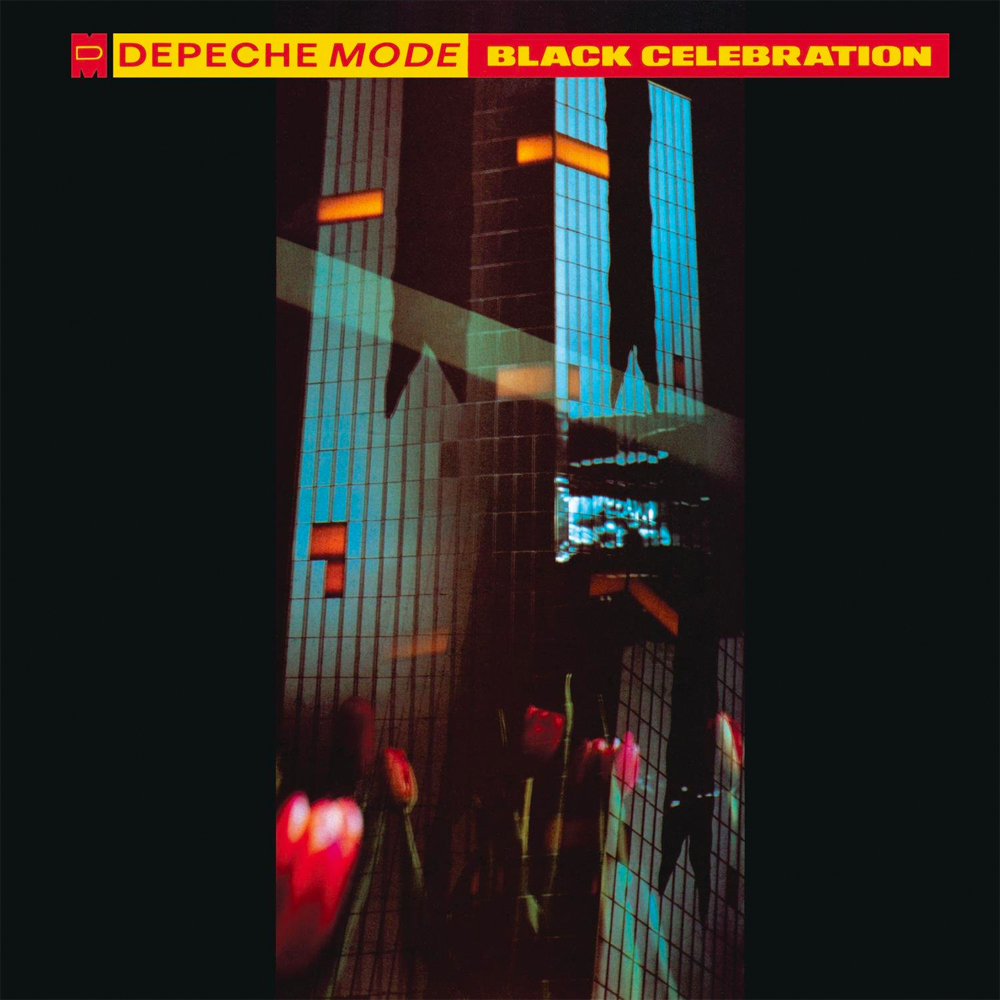 Okay, this is where Depeche Mode stopped fucking around and dived fully into the guilt-sex-drenched psychodrama that has defined the band ever since. “Black Celebration” is 11 tracks of unceasingly gripping melancholia and festering shame, but y’know, in a cool way. Songs like the chugging creep of “Stripped” and “Fly on the Windscreen – Final” are high points for the band, not just an album, while Gore took lead vocals on nearly half the tracks, including the heartbreaking insecurity ballad “A Question of Lust.” The band would make far bigger (both in terms of sales and in sheer sonic grandeur) albums, but never a better one.
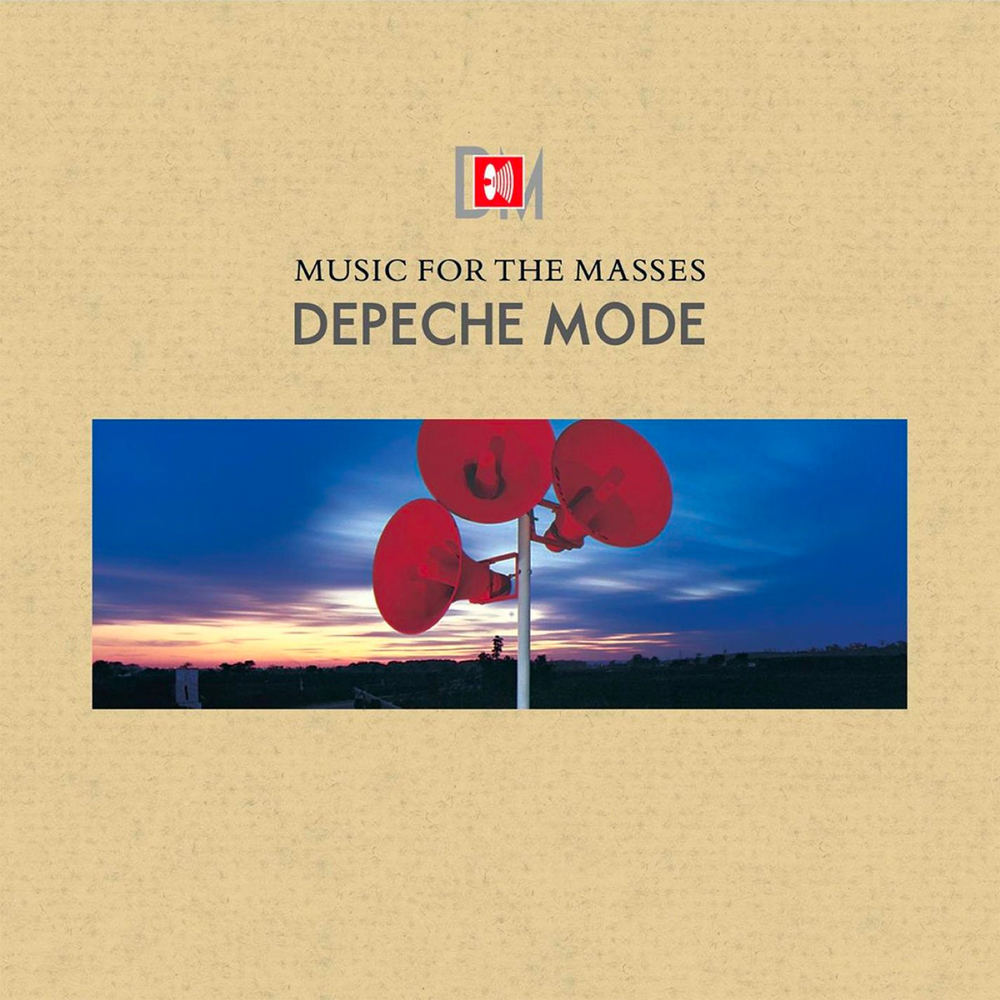 “Music for the Masses” took everything Depeche Mode had done up to that point and cranked it up to 11, then said fuck it, and cranked it up even higher. The band’s sixth album is a massive step up in pretty much every way imaginable, which is especially impressive coming immediately after the triumph of “Black Celebration.” The darkness, the incredible pop hooks, the blend of guitar rock, industrial noise, and synth-pop; all hit a new peak on this album, with all the corresponding fame and success that comes along. Most importantly, Gore finally nailed how to write an anthem that would make a packed stadium sing along, the key part of any world-demolishing group of rock gods.
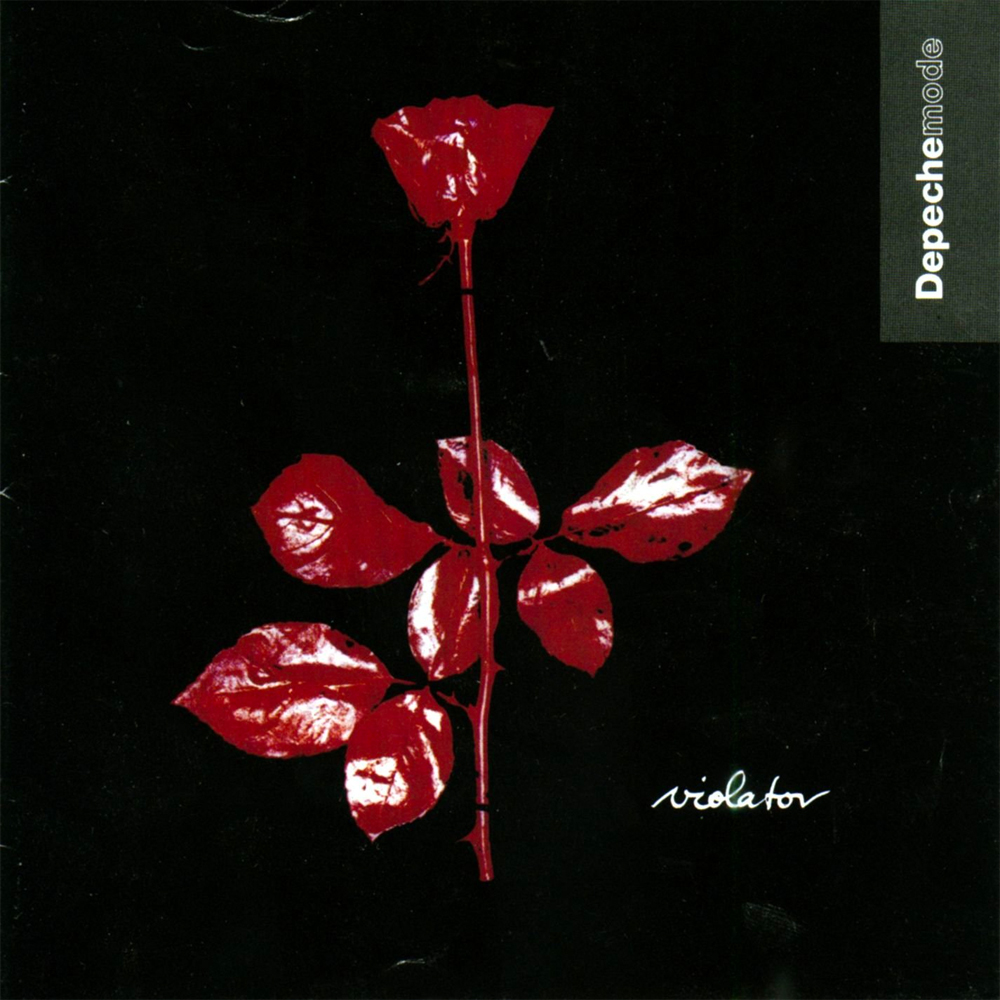 Very few bands get to make a completely perfect statement. For Depeche Mode, it’s “Violator,” the album they will forever (and correctly) known for. There’s really no way to describe the album other than the moment of every element of the band hitting full capacity at the same moment, and achieving a sound unlike anyone else. Nobody else was making something like the bizarre obsessive blues riff and electronic beat of “Personal Jesus” or the ineffable delicacy of “Waiting for the Night.” Nobody else created the insanely compelling intensity of “Halo” or “Policy of Truth,” let alone made their bruised, over-the-top emotionality somehow feel right and true. You think any other band could have made “Enjoy the Silence?” Don’t be silly.