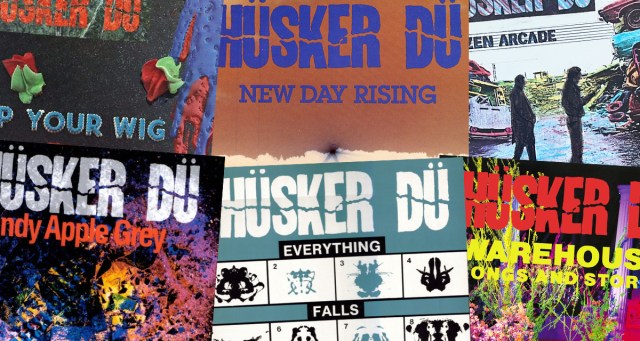
To arrive on the scene and put a stake in the ground the way Hüsker Dü did in the early ‘80s at the height of the genesis of hardcore from the middle of the country while the Black Flags of the west coast and the Minor Threats of the east were the dominant forces in punk and hardcore all while eschewing the trappings of said genres is a remarkable feat. To try to discern which of their releases is better than another is almost as remarkable but we will humbly attempt to do so. With almost any band you can look back retrospectively on their career and their albums and have almost complete fan agreement on which are the bangers and which are the duds. But with Hüsker Dü you could probably reorder these albums at random ranking and have people still agree with it. What puts one release ahead of the other is razor-thin and almost arbitrary. Here is our attempt though to rank their catalog and since we were able to figure out how to make umlauts on our keyboard and spell the band’s name correctly we invite you to read on.
6. Candy Apple Grey (1986)
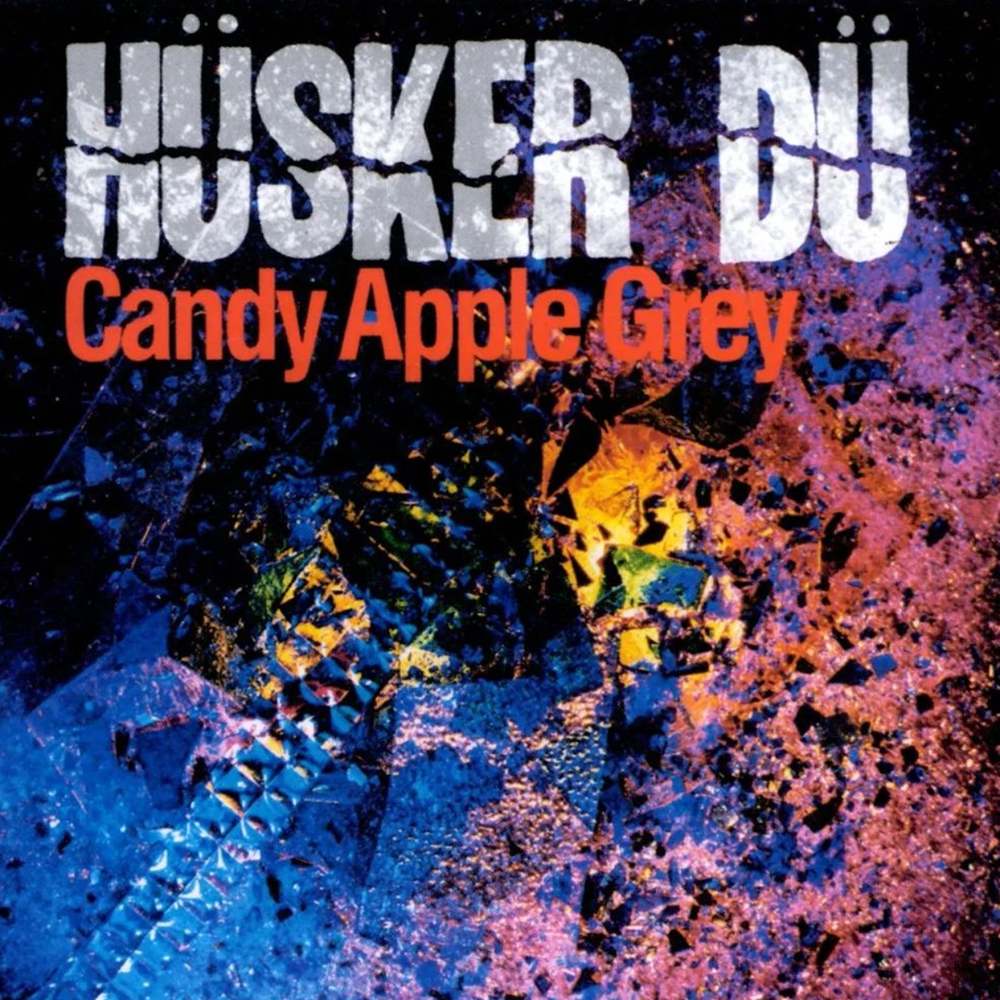 We’re kicking things off with the album that should’ve been the band’s greatest success and is by no means a “bad” album but certainly is a little… uneven? Their first major label release shows signs of the fracture that would ultimately lead to their disbandment. Apart from “Don’t Want To Know If You’re Lonely” which is arguably one of their best-known songs (Kristen Stewart and Jesse Eisenberg wordlessly driving while listening to it in ‘Adventureland’ probably introduced the band to a whole new generation) the rest of the album for the most part feels unfocused and retreads a lot of the same ideas. The aforementioned “Don’t Want To Know…” is followed by “I Don’t Know For Sure” and “Sorry Somehow” which all three use the same Grant Hart rolling snare as an intro.
Play it again: “All This I’ve Done for You”
Skip it: “No Promises Have I Made”
5. Everything Falls Apart (1983)
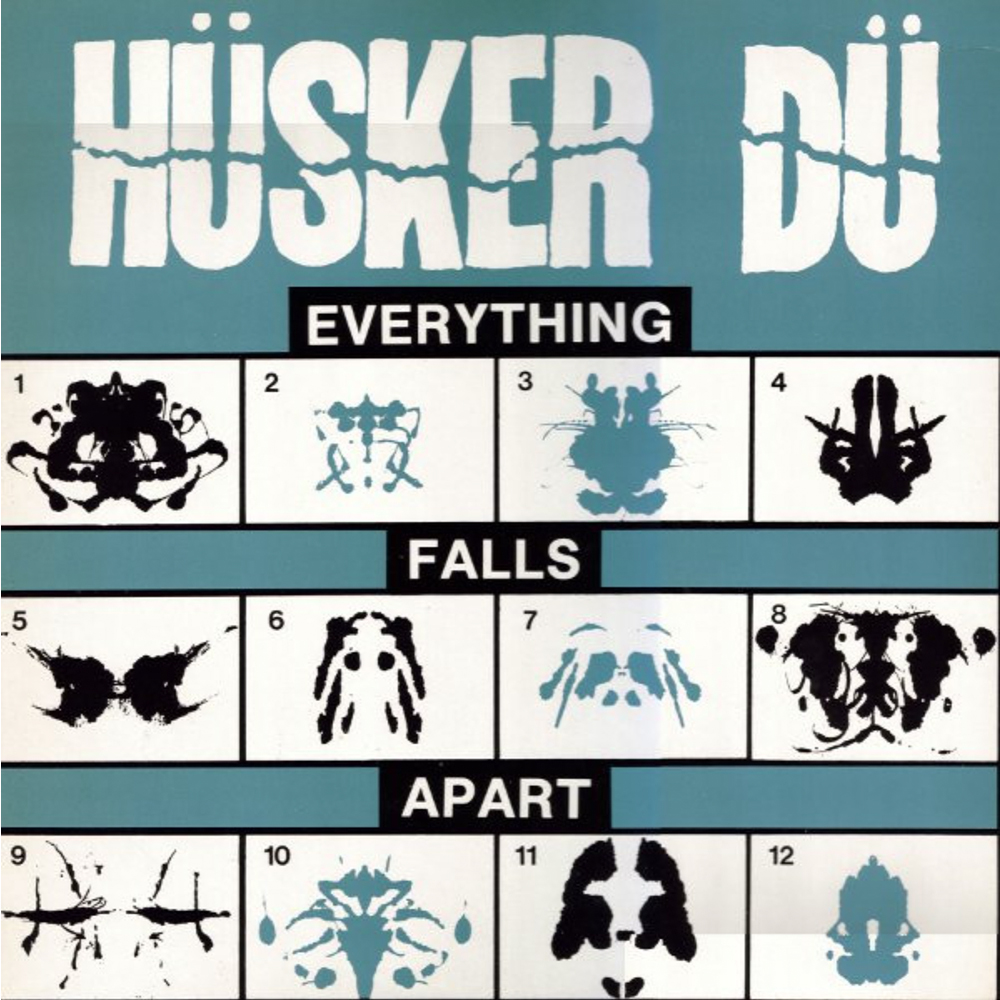 It’s surely heresy to not have their most punk album further up on the list or even number one and we’ll definitely be losing street cred for this but we’re smart and so are you for reading an article and not watching some hack YouTuber rank the Dü’s albums. Be sure to smash that “whatever” button! Yes, this is their first full-length and their most explicitly punk with “Afraid of Being Wrong” and “Target” just being straight-up hardcore complete with finger-pointing gang vocals. Hidden in the borrowed, angular chords are the seeds of the sound that the boys from Minnesota would become known for. The album ender “Gravity” sounds like a rough sketch of what was to come.
Play it again: “Punch Drunk”
Skip it: “Sunshine Superman” Ironic Donovan covers will be lost on your 21st-century sensibilities.
4. Warehouse: Songs and Stories (1987)
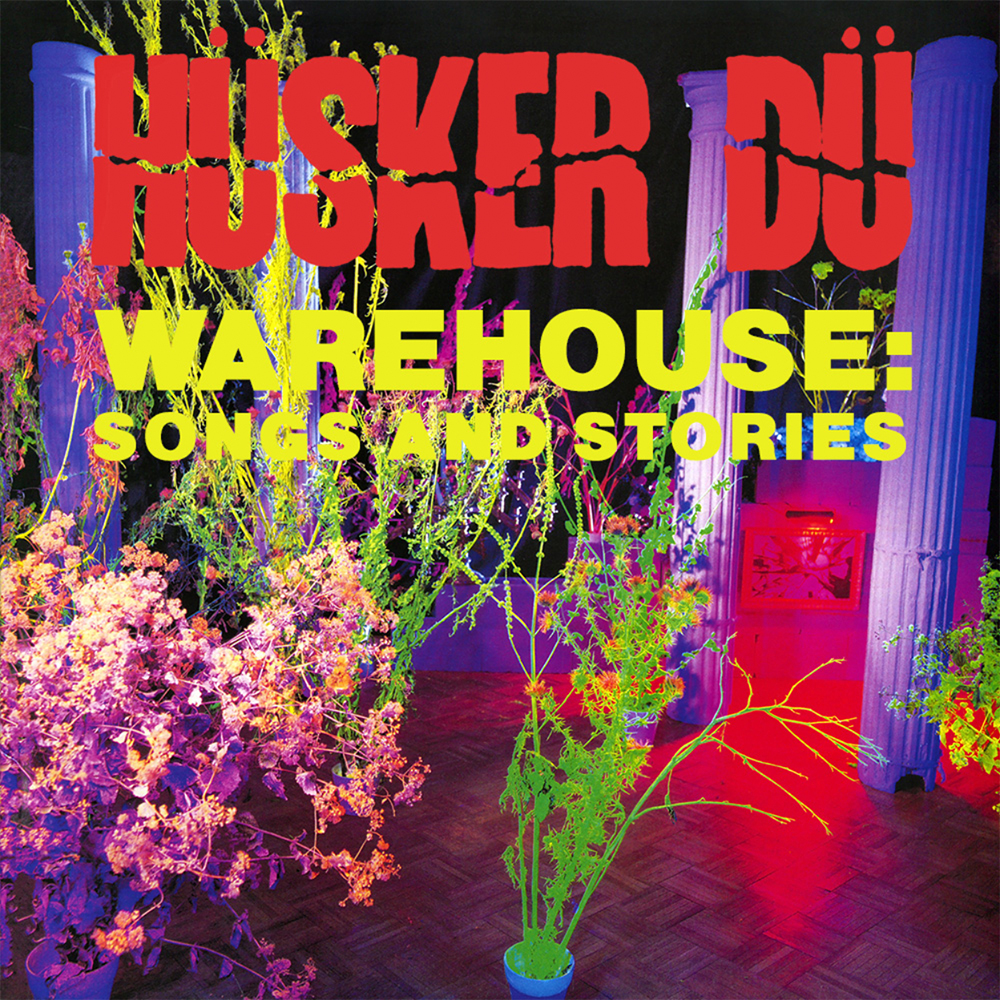 You know how you have that one uncle at family gatherings who would explain how you can always tell the difference between a Lennon song and a McCartney song but you can’t really tell the difference because all Beatles songs sound like pseudo-psychedelic nursery rhymes for Boomers? Well on Warehouse the difference between a Mould song and a Hart song is very discernable and more apparent than on any other release. Their final release is a double album that could almost be considered a split LP since it sounds like two different bands. With “Could You Be The One?” and “Friend You’ve Got To Fall” Bob Mould is solidifying the sound that would eventually become Sugar. While Grant Hart’s “She Floated Away” feels like an ethereal Irish pub singalong.
Play it again: “Visionary”
Skip it: “Ice Cold Ice” This sounds like REM which is pseudo-intellectual nursery rhymes for Gen-Xers.
Honorable Mention: Metal Circus (1983)
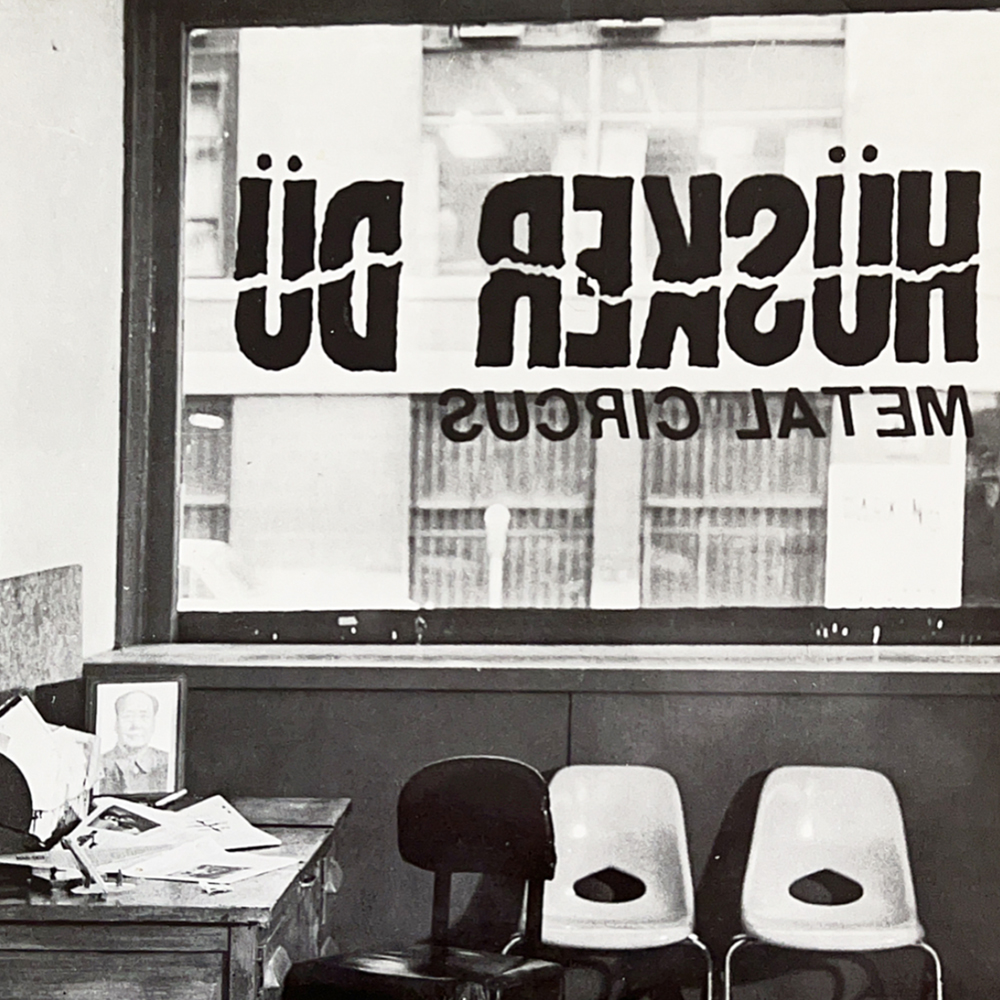 Not included in the official ranking since it is an EP (which the overlords here at The Hard Times deem to be “unworthy”) but it still needs to be talked about. The opening seconds of wailing guitar sound like Bob Mould announcing “Hey, I figured out how to perfect that tone I’ve been toying with for the past few years and it’s going to turn all your guitarist friends into insufferable fuckwits trying to explain how I do it.” If you were going to recommend Hüsker Dü to a first-time listener, this would be the release to start with. It’s a seven-song starter pack that plays like a sampler of all the differing song styles that would come to define their career.
Play it again: “It’s Not Funny Anymore” Lifetime deftly covered this over a decade later.
Skip it: Trying to make your guitar have “that Bob Mould sound”
3. Flip Your Wig (1985)
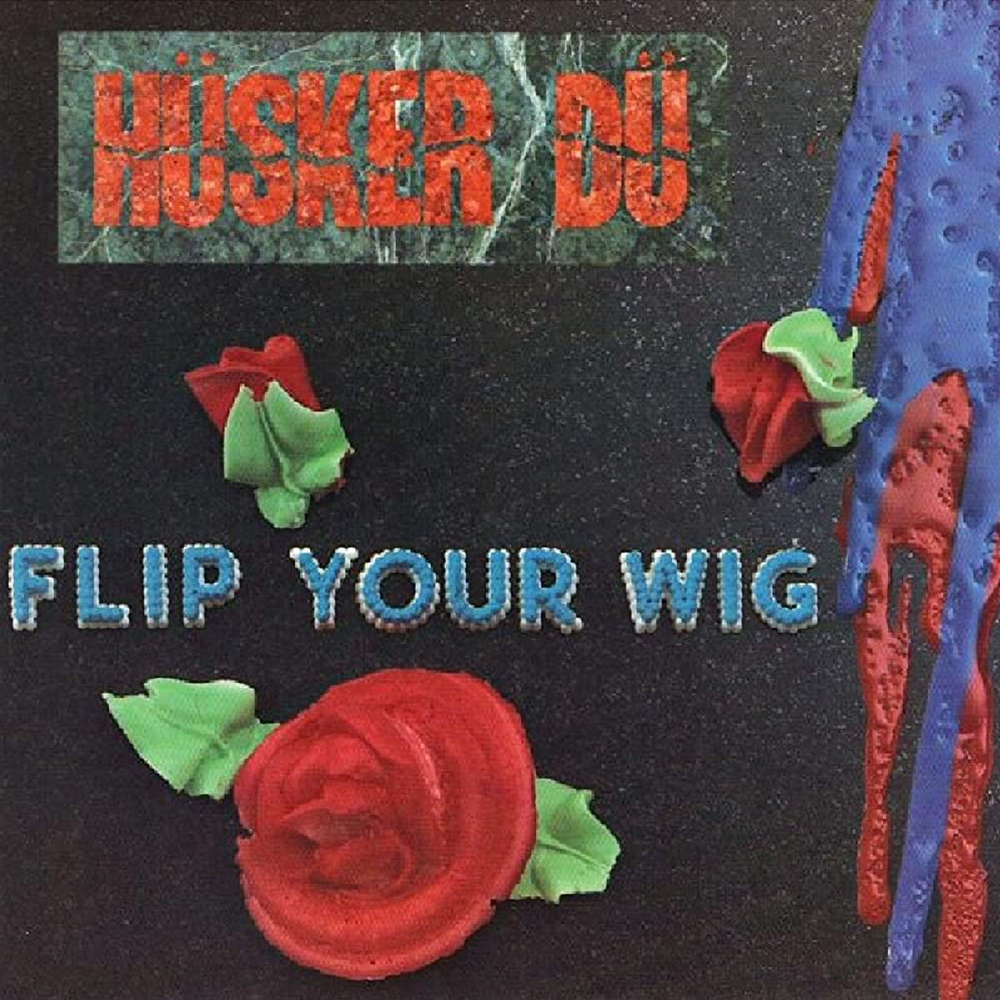 If you were a young Hüsker Dü fan in the ‘90s this would be the album you would pull songs from for the mix tape you made for that pixie in your Psych class who wore overalls and ringer tees (hypothetically speaking). That’s not to say it’s all sappy lovelorn songs but it is the band at their most upbeat and accessible with “Makes No Sense At All” leading the charge on a number of sun-drenched power pop tunes that would make those Fluevog-covered feet of a certain someone toe-tap along to it. (Again, totally not based on a real person). “Games” and “Private Plane” laid the groundwork for what bands like Seaweed and Samiam would continue a decade later. This is a ’90s alt record written five years too early.
Play it again: “Divide And Conquer”
Skip it: “The Baby Song” Maybe the longest 46-second song ever written.
2. New Day Rising (1985)
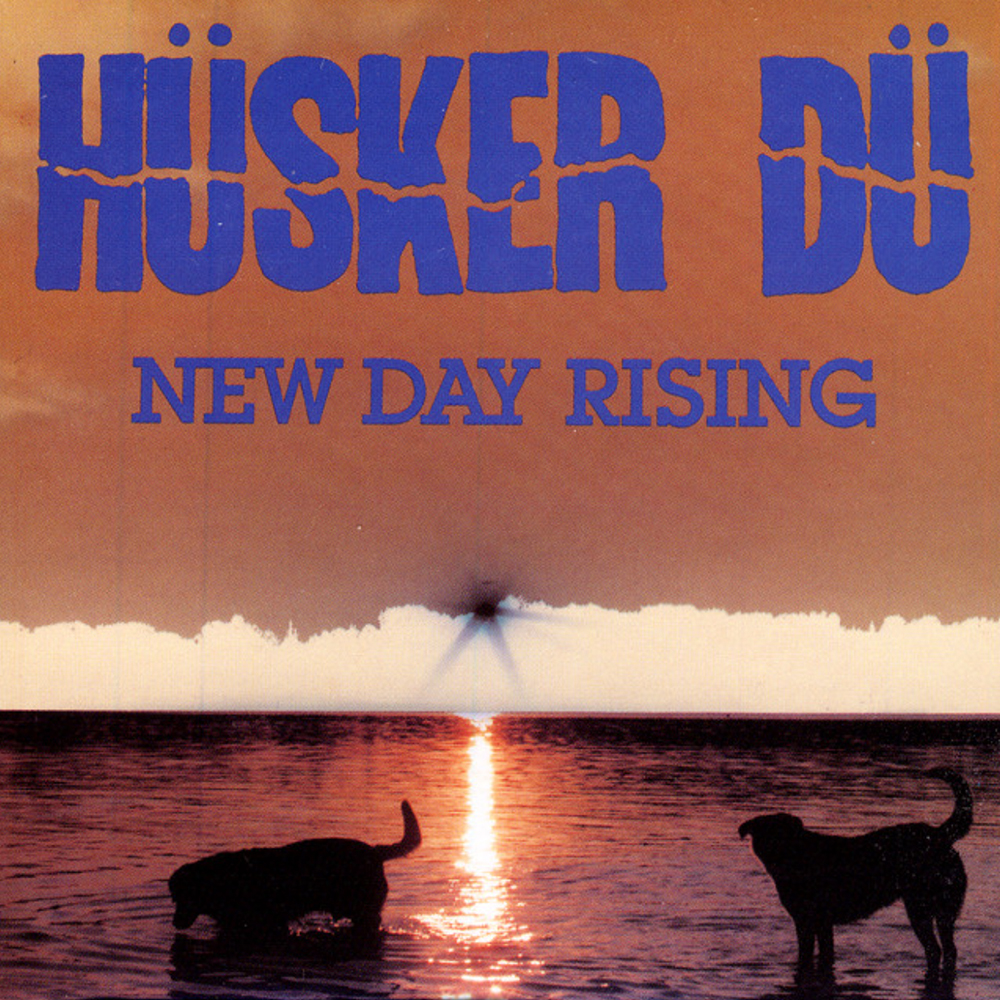 The first of two albums they released in the same year starts off with a title track and Mould’s sing-scream vocals repeating “New Day Rising” like a spiritual mantra and that is exactly what this album feels like, a rebirth, an awakening. If Zen Arcade is the band at their most brooding and introspective this is them emerging from a winter depression to find the sun is up and the meds are kicking in. This is the moment the trio perfected power pop (if that’s even what it can be defined as). “Celebrated Summer” with its lyrics: “Getting drunk out on the beach or playing in a band / And getting out of school meant getting out of hand” was surely the anthem to many slacker summer nights. “The Girl Who Lives On Heaven Hill” is a perfect example of pop song structure taken right up the edge of aggression without losing its singalong hook or charm.
Play it again: “If I Told You”
Skip it: “How To Skin A Cat”
1. Zen Arcade (1984)
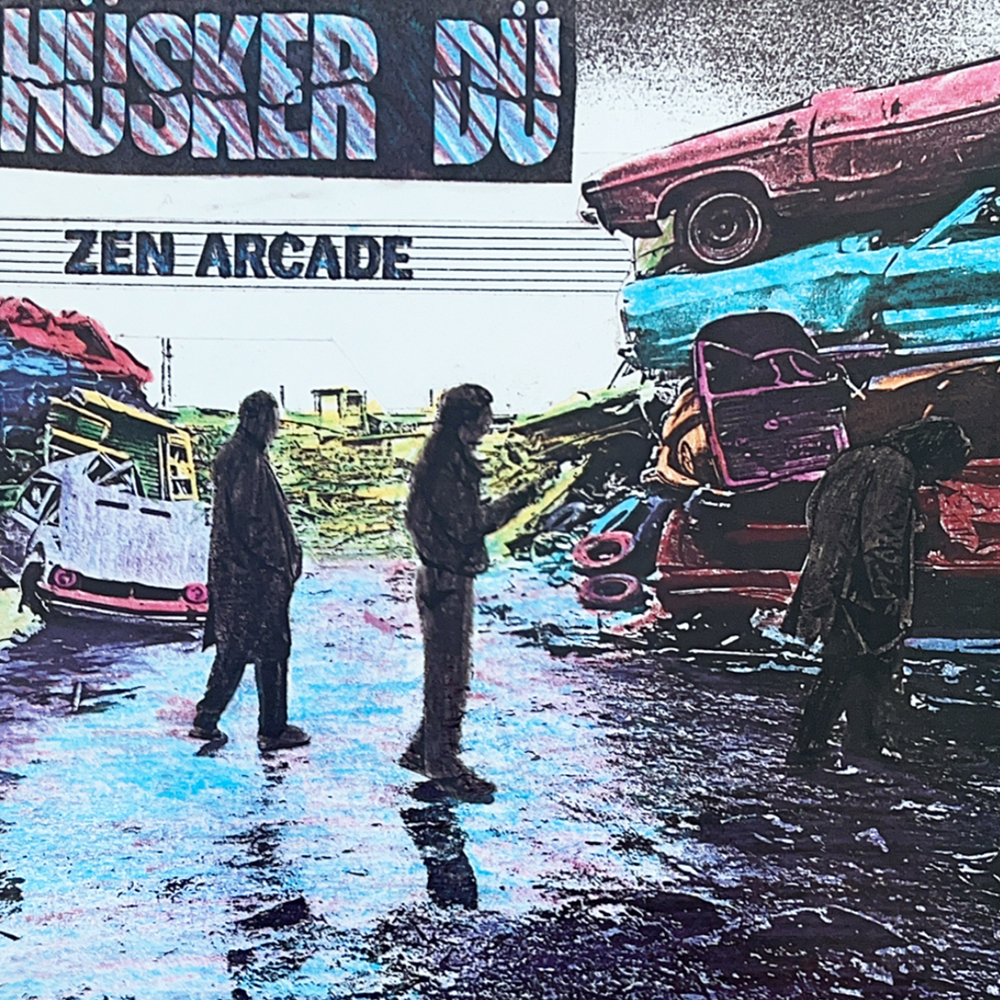 There are so many tales of the “Sophomore Slump” in the music industry of a band’s second album being so lackluster it is almost completely forgotten about *cough* Jimmy Eat World *cough*. But there are very few bands who not only return for their second go to redefine a genre but maybe even create a new one of their own. In the pre-Wikipedia days, you could have someone describe to you the loose narrative of this double concept album opus if they were on the right amount of drugs. And yes, there is a story of a wayward, drug-obsessed youth hidden within but it is overshadowed by the quantum leap in genre-bending songwriting and musicianship. “Never Talking To You Again”, an acoustic treatise of betrayal and “Beyond The Threshold”, a distorted vocal assault on small-town boredom somehow make sense together. And not to be a production queen, but this album just sounds incredible. Every instrument has its place to play, even the oft-misrepresented bass. Greg Norton’s 4-string takes the lead on a number of tracks here with grit and just the right amount of gain. On the Mount Rushmore of disaffected punk albums by bands who wouldn’t even identify themselves as punk, this is surely in contention.
Play it again: “Chartered Trips”
Skip it: “Reoccurring Dreams” But only if you’re the type of impatient dullard who can’t hang with fourteen minutes of free jazz-inspired guitar noodling and blistering drum work. Seriously, you should at least listen to it once.




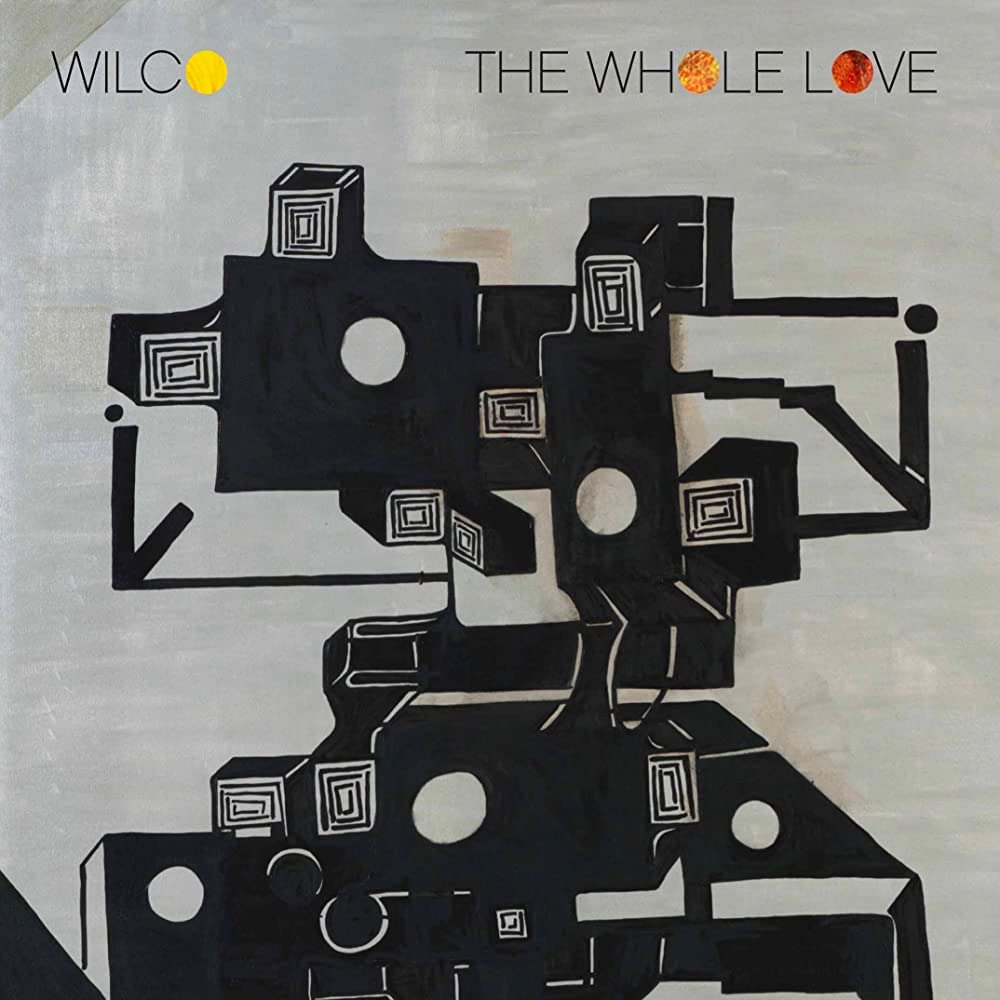 Wilco may not have a bad record, but every band has their least good one. For Tweedy and Co., it’s “The Whole Love.” The band is in an experimental mode here, with mixed results. On TWL, a layer of industrial, electronic atmosphere is painted on to their usual assortment of country, rock, and folk tunes. It’s sonically interesting, but the melodies are hard to find and the band is playing like they’re a little bored. There are plenty of gems here, but with 11 other albums to go back to, we won’t blame you if you only half-like “The Whole Love.”
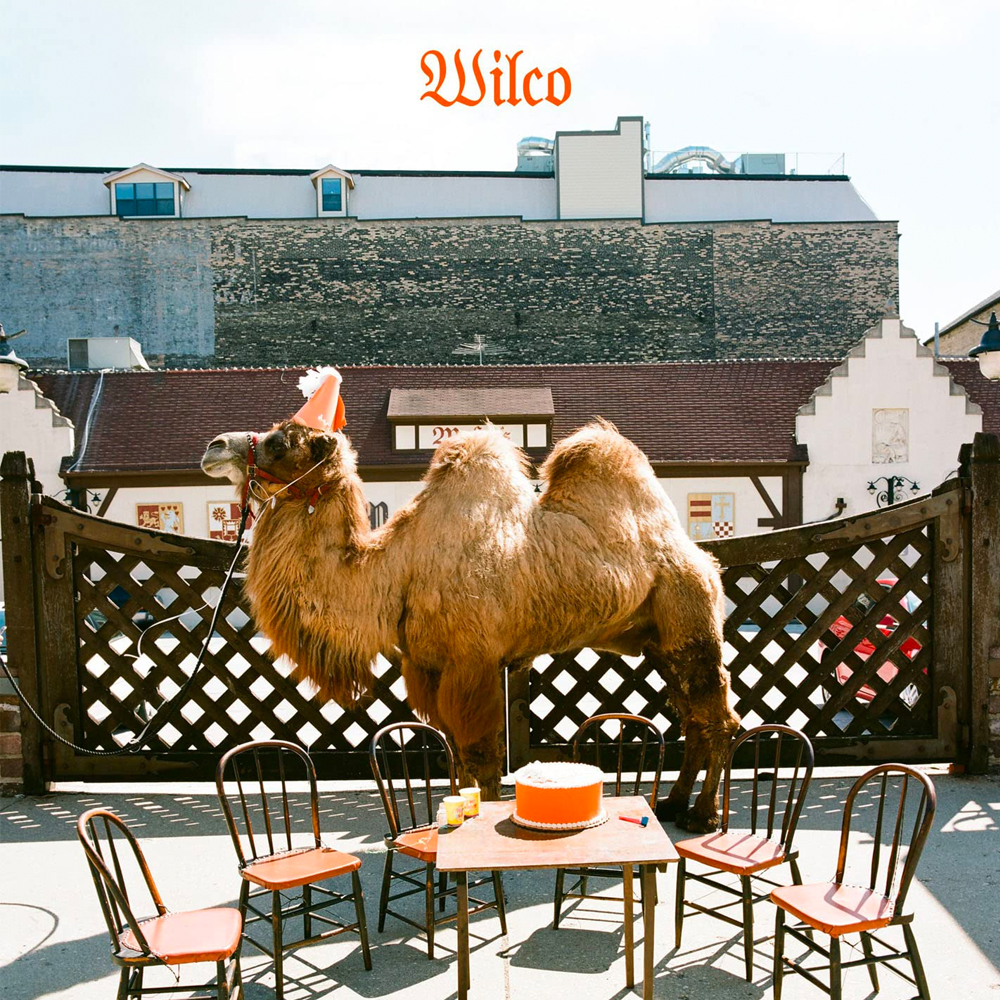 Not content to simply have an eponymous album, Wilco dropped “Eponymous Album… THE ALBUM!!” Wilco (The Album) is the band at their least daring, and you know what? It’s pretty good! Critics gave them some shit for nestling so comfortably into straight ahead country/rock, and for opening “Wilco (The Album)” with “Wilco (The Song),” but most of the tunes on this one are a toe-tapping nice time played by guys who really know what they’re doing. I’m sorry, is Jeff Tweedy not allowed to have a little fun once in a while? The man wrote “Jesus, Etc.” Give him a fucking break!
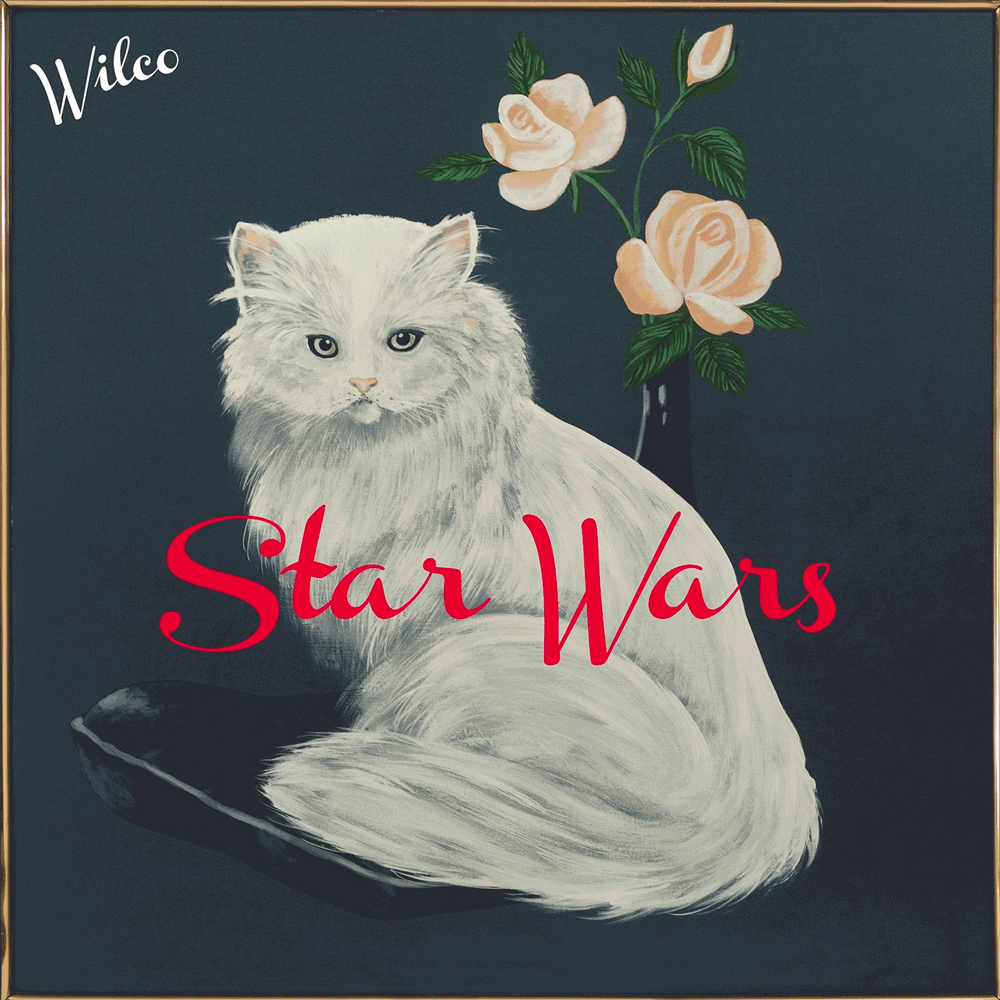 Wilco goes garage rock on the lawsuit-courting “Star Wars,” released as a free download on their website in 2015. Like almost all their albums, “Star Wars” was recorded in the band’s Chicago loft, and the sprawling sessions produced another record that they released the following year— the tighter, folkier “Schmilco.” This highly active era was a real treat for fans. “Star Wars’ is drenched in fuzzy guitars, joyfully messy jamming, and loose, off-the-cuff-sounding lyrics (“I never knelt at the news/My parrot perished in the pews/I climb back into the yolk/It always ends in a tie” …Uuuuuh, okay, Jeff!). It’s the kind of record you don’t have to think too much about, which always makes it a charming surprise to go back to. And since Wilco forced their way into the LucasFilm canon, we’re expecting a Disney+ series starring them any day now.
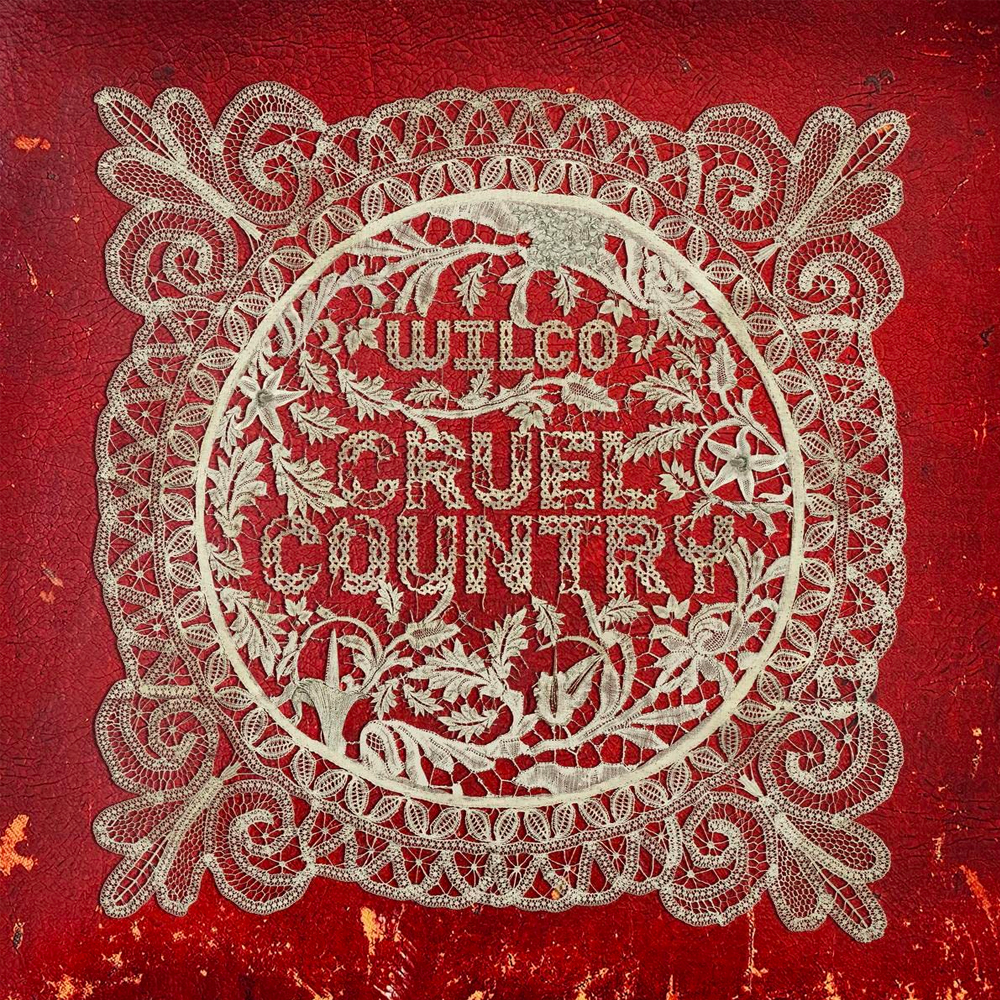 Wilco’s most recent effort is a double album of exactly what it sounds like: country western music with an edge of critique for the western country that spawned it. “Cruel Country” leans into its influences with equal relish and discomfort, and the result is 21 songs of gorgeous longing that you could play at your local redneck bar without getting beat up. It’s an exploration of the American musical tradition Tweedy loves while examining its unsavory connections to right wing nationalism, in the vein of protest artists like John Prine and Neil Young, all delivered beautifully over alternating bass lines, sliding guitars, and honky tonk pianos. You and your Republican uncle might find common ground on this one if he doesn’t read the lyrics too closely.
 “Star Wars “gets a sequel, and similarly to “The Empire Strikes Back,” this one is even better than the first. Like its predecessor, the title of this record indicates the band isn’t taking things too seriously, (“Schmilco” is a play on the fantastic album “Schmilsson” by Harry Nilsson— a man who famously loved to get silly and sing about coconuts from the perspective of multiple characters, some with borderline offensive accents) but the chaos is more controlled here. Most of “Schmilco’s” 12 tracks are acoustic guitar-driven meditations on being young, growing old, and wondering what the hell it all means. It’s not depressing, it’s not uplifting, it just is.
 Wilco’s strongest record in a decade hits with a murmur. Opting for open-tuned, cheap-o guitars and, according to Tweedy, “drums so depressed they can hardly walk,” “Ode To Joy” takes the minimal approach to achieve the most intimate record of the band’s career. They also continue their streak of borrowing titles, this time repurposing the name of Beethoven’s “9th Symphony” as an ironic underline of the record’s melancholic slow burn. “Ode To Joy” plays like a collection of the most well-produced demo tracks you’ve ever heard, and rewards thorough re-listens.
 In 1996, Jeff Tweedy quit smoking weed and then made a perfect double album. The last time I quit the devil’s lettuce, I realized “Adventure Time” is not as funny as I thought it was when I was high. It’s up for debate which of these accomplishments is greater, but what is not debatable is how well “Being There” has stood the test of time. The album is full of fun genre exercises, from shoe-gazey alternative to Pet Soundsian baroque pop, all tinged with the psychedelic weirdness that would define their next few releases. And I can hear you screaming “ThEN wHy iS It rANkEd #6?!?!?!” into the phone you’re skimming this on. Relax. It’s because 5-1 are that. fucking. good.
 The sobriety album. This one divided fans and critics alike, but for my money, it’s the most underrated record of the bunch. It’s the first album the band made after Tweedy received treatment for opioid addiction, and some listeners bristled at the departure from the esoteric songwriting and deconstructed arrangements of its predecessors. Others of us, however, felt that slightly longer guitar solos and more abstract lyrics were not worth a man dying over. Wilco would get weird again later, but “Sky Blue Sky” is vulnerable and direct, giving itself over to the gratitude (and occasional boredom) that comes with seeing the world through clear eyes for the first time in a long time.
 It’s the last Wilco album of the 90s, and the first to sound expensive. “Summerteeth” is heavily overdubbed compared to mostly-recorded-live early stuff, and the record goes all over the place searching for the radio hit it ultimately failed to produce. The album may have never reached its intended destination at the top of the alternative rock charts, but the meandering journey is truly amazing. Gosh, guys— I guess it really is about the friends we made along the way!
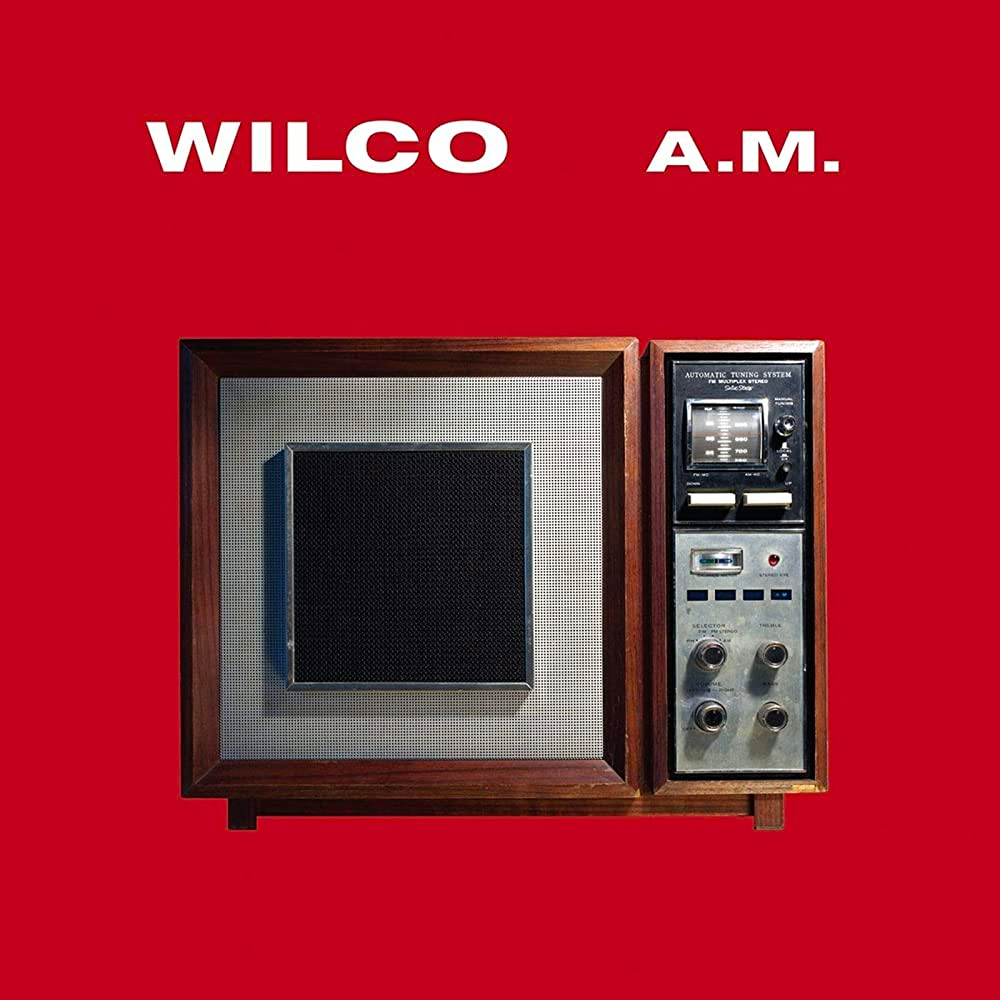 “A.M.” is Wilco’s debut after forming from the ashes of Tweedy’s former band Uncle Tupelo. Like many impressive introductions, this is the opening statement of a group sitting on a treasure trove of good tunes, and you can hear the excitement. Aptly titled, “A.M.” is their most radio-friendly record, and consists of big, power-pop arrangements with catchy hooks, plus a lot of steel guitar. The production is less polished than everything after, and the lower-fi sound gives you the feeling of sitting in on band practice with the countless cigarette breaks and tuning of guitars edited out. Recently, “A.M.” has been the subject of controversy by being placed higher on this list than “Summerteeth” and “Being There,” enraging Gen-X audiophiles everywhere. Don’t get your flannels in a bunch about it, Brad— it’s only the definitive and unequivocal ranking.
 Wilco at their weirdest. It’s got two songs that clock in over the ten-minute mark (“Spiders (Kidsmoke),” “Less Than You Think”). It’s got long stretches of quietude that erupt into trashy, panic-stricken guitar solos from Tweedy (“At Least That’s What You Said,” “Handshake Drugs”). It’s got punky, uptempo bar-rock (“I’m a Wheel”) and pure-pretty indulgence (“Hummingbird”). If you don’t like it, you don’t like Wilco, in which case, I don’t know why you’re still reading this.
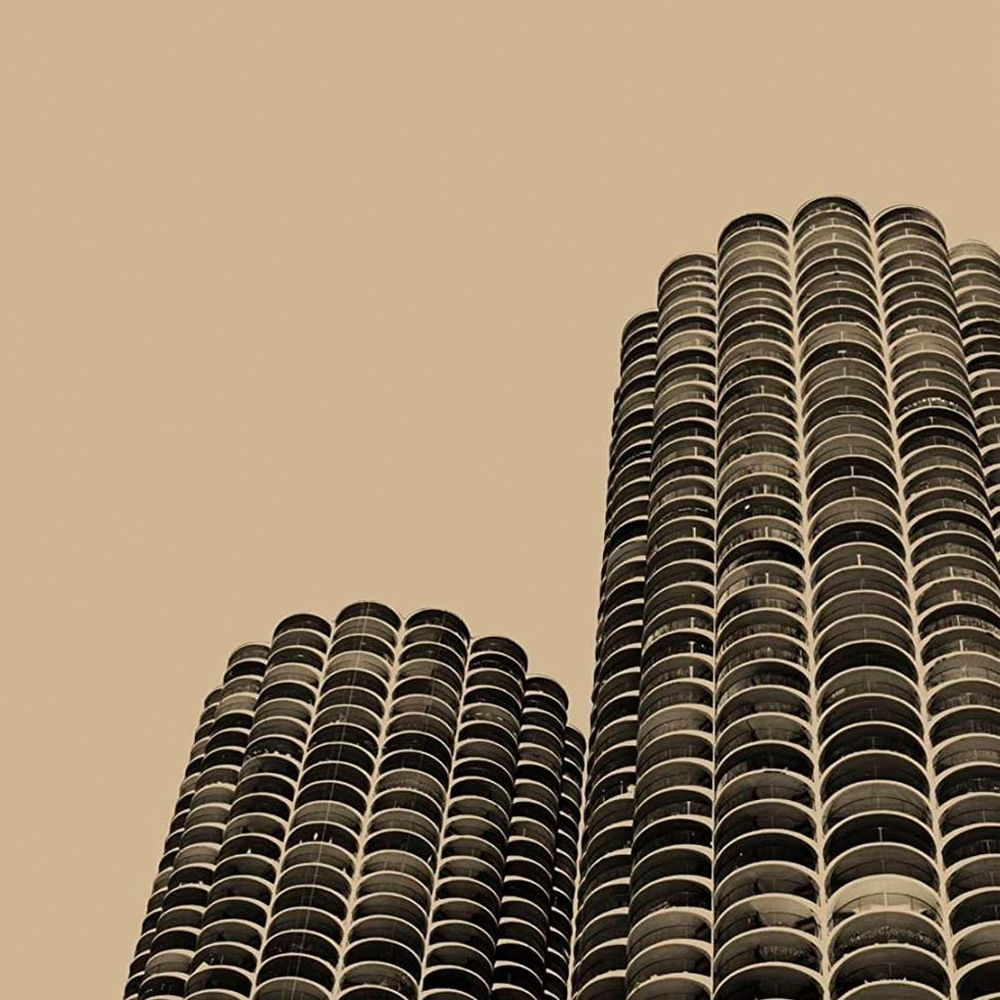 If you scrolled all the way to the end just to make sure we got this one right, congrats on the validation. “Yankee Hotel Foxtrot” was infamous before it was famous— the band was given total creative control from Reprise Records, only to be dropped by the label when the suits didn’t like the results. The label’s lack of vision (or, apparently, working ears) resulted in a lengthy fight from which the band emerged owning the masters to YHF, eventually finding a home at Nonesuch Records— a label that, in the greatest irony since the “Gift of the Magi” (I think? I haven’t actually read it), is owned by Reprise. None of these contract disputes are as interesting as the music itself though. “Yankee Hotel Foxtrot” is the band’s “Kid A,” their “Dark Side of the Moon,” their “Punk Goes Pop Vol. 5”— an opus that will be adored, pored over, and held up as a masterpiece for decades to come. Not many albums are cool enough to get the band that made it fired, but this one is, and you’ll feel cool for getting it.
 Brief contributions by Mike Patton on an EP (who appears later in this article) notwithstanding, Puciato remains the definitive DEP singer…even if Minakakis lends his talents to the classic “Calculating Infinity.” Puciato not only added a new vocal range but the dude is jacked as hell and is sort of a circus freak that could blow fire which added an element of danger to the already chaotic shows.
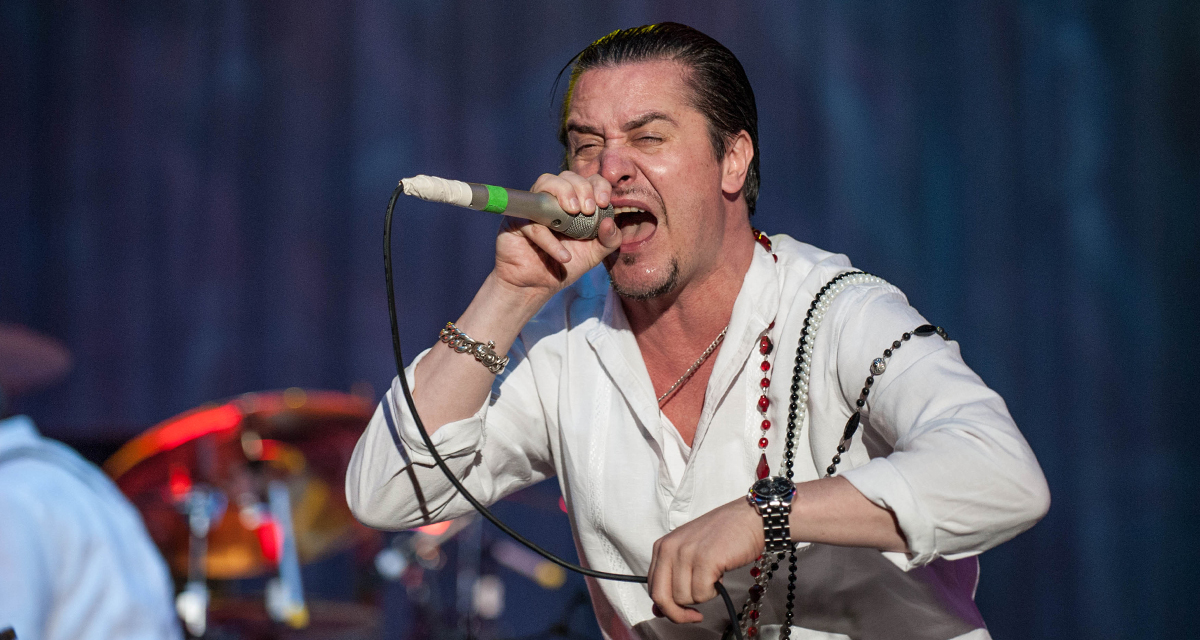 After two albums from the California rock group, Mosley was ditched by Faith No More in favor of musical maverick Mike Patton. They went on to record four albums with the singer before a long hiatus, in which Patton proceeded to play with the rest of the bands in the world.
 Picking up the torch so that AC/DC could continue making the two-chord arena staples we know and love, Johnson got his time in the band off to an immaculate start with the “Back In Black” album. With a perfect send-off from Scott on their previous album, “Highway to Hell,” things went as well as they could have considering a tragically early death was involved.
 There is no better frontman to deliver a history lesson of sorts alongside galloping bass and exquisitely-harmonized guitars. Dickinson’s legendary stage presence pumped up Iron Maiden to the giant that it is today – and his part-time gig as an airline pilot ensures that they don’t have to bother with such trivial trials and tribulations as tour vans.
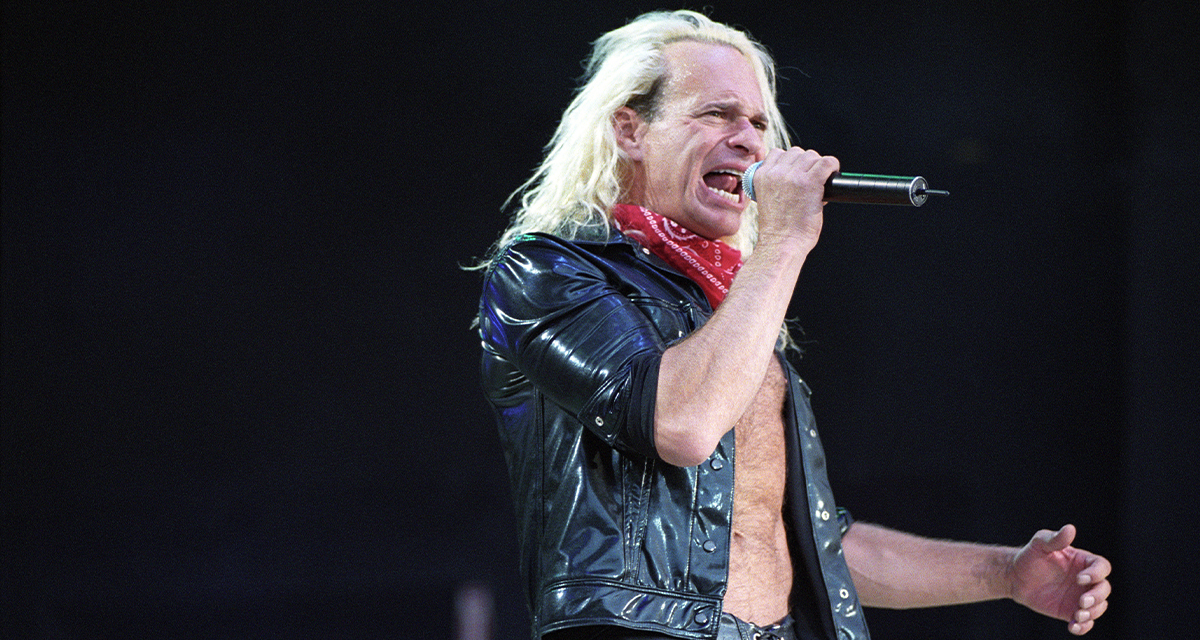 It only took 22 years for this one to play out. Following 1984, Van Halen lost the schoolboyish yelping of Roth in favor of Hagar. A bitter rivalry between “Van Halen” and “Van Hagar” fans broke out, with the band choosing to settle the matter by recruiting Extreme singer Gary Cherone for Van Halen III. Ultimately, Roth rejoined for the band’s final album, A Different Kind of Truth. A fitting final chapter.
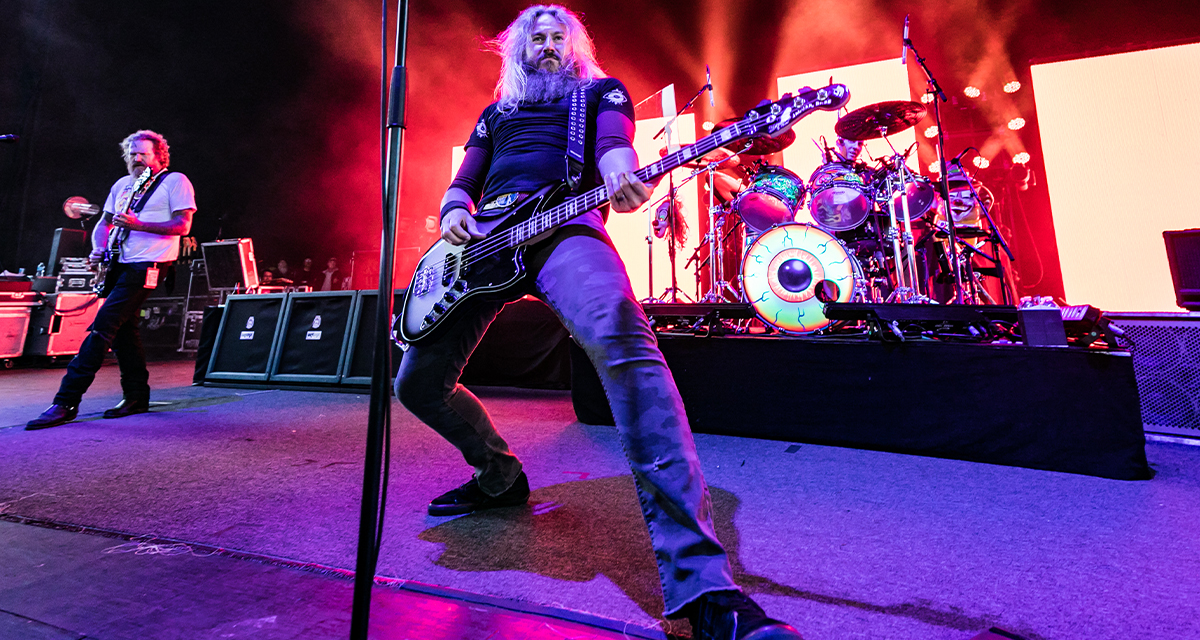 Yes, really. After Saner left the group during their earliest days, lead guitarist Brent Hinds and bassist Troy Sanders took it upon themselves to take over vocal duties, with rhythm guitarist Bill Kelliher adding more growls during live performances. From their fourth album, Crack the Skye, onward, drummer Brann Dailor added his more nuanced vocals to the fray. Here’s hoping for a Mastodon barbershop quartet album down the line.