
Scientific research suggests that music impacts the limbic system in such a profound way that it mimics the effects of cocaine. We’re pretty sure that’s bullshit, though. We can’t remember the last time a song made us shit our pants, lose fifteen hundred dollars, and never speak to our friend Zach again.
Despite our rebuttal, we can’t deny that a great new song has the ability to make us feel good. We definitely don’t want you to think we’re holding out, so here’s a free taste of what we’ve been bumping this week.
Fall Out Boy “We Didn’t Start the Fire”
Like prying eyes glued to a catastrophic trainwreck, our ears can’t seem to be pulled away from this monstrosity. We didn’t ask for this, you didn’t ask for this, literally no one asked for this. Billy Joel doesn’t even really like the original version, and he wrote the damn song. Still, for some reason unbeknownst to us, Fall Out Boy have decided to update Joel’s questionable classic, ‘We Didn’t Start the Fire,’ effectively ruining what little charm the original had left. In an interview about the abysmal cover, Pete Wentz stated that they “just wanted to give the internet something new to complain about” and in his defense, we’ll probably be hate-listening to this one until the second someone releases something more embarrassing.
M. Ward, First Aid Kit “too young to die”
Indie elder-statesman and troubadour M. Ward recently released his star-studded follow-up to 2020’s Migration Stories. It’s a chaotic trek through multiple genres and production styles all featuring Ward’s airtight songwriting sensibilities. A major highlight comes in the form of the track ‘too young to die’ which features the inimitable vocal stylings of Swedish folk duo First Aid Kit. Armed with their dulcet tones and Ward’s optimistic lyricism, this track is absolutely gorgeous. With lines like ‘teach a kid guitar, he’ll be broke the rest of his life, but too young to die’ it’s sure to be the feel-good hit of the summer.
The Dead Milkmen “How Do You Even Manage to Exist”
At the risk of sounding political and alienating some of our readership… restaurant customers are the fucking worst. Especially those who take too long to order once they finally get to the counter of our favorite sandwich shop. We’ve always hoped someone would come along and release a scathing protest track about what we consider to be the greatest problem facing the nation today. Personally, we didn’t feel like this was too much to ask, but we were starting to lose faith that it would ever happen. That is until The Dead Milkmen released their new record, ‘Quaker City Quiet Pills,’ a few weeks ago. Apparently, they too felt so charged about this issue that they broke a nine-year studio hibernation to cut the Suicidal Tendencies-esque ‘How Do You Even Manage to Exist.’ If only the government would wake up to the plight of efficient deli patrons and take action.
Jeff Rosenstock “Doubt”
The cat’s out of the bag. After days of taunting us on social media with cryptic posts written in wingdings, Jeff Rosenstock has finally announced his latest full-length ‘HELLMODE,’ which is set to be released on September 1st. Accompanying this announcement is the new single ‘Doubt,’ which pulls listeners in with a wonderfully melancholy and repetitive post-punky riff before devolving into the fuzzy noise-pop that has become Rosenstock’s M.O. It’s a wild ride that will make you feel like you’re listening to every song on your Punk Discovery playlist simultaneously, freeing up precious time to sit listlessly on the couch while pondering life’s mistakes. It’s not our fault you didn’t listen to the lyrics.
Joanna Sternberg “The Song”
New York City’s best kept secret, Joanna Sternberg, released their long awaited sophomore album ‘I’ve Got Me’ on Friday, and it did not disappoint. Weaving folk-punk sensibilities atop brilliant melodies and heartbreaking lyrics of a love gone sour, Sternberg’s voice evokes Joni Mitchell as much as it does Daniel Johnston. If you happen to be working on your new ‘solo’ album at the time of this pressing, you may want to skip the album’s closing track ‘The Song.’ Unless, of course, you want to scrap the entire project and throw your laptop in a river upon the realization that nothing you create could even come close to how goddamn beautiful this closing track is. If your ego happens to be less fragile, though, it can’t be missed.
It’s not just new music that makes us feel invincible while getting temporarily banned from all of our favorite bars. Sometimes less contemporary jams get us buzzing too. Here are a few of our tried and true hits we’ve been spinning just to take the edge off. We can quit anytime we want to.
Fishbone “Sunless Saturday”
One of our writers has been pretty quiet this week, with the only sound coming from his office being this Fishbone classic. It’s an insanely fun funk-metal burner with melancholy lyrics about the state of the world. Compounding the somber nature of the track is the fact that the lyrics are just as relevant today as they were 32 years ago. When we asked if he wanted to talk about anything, our depressed writer stated he was just looking forward to the weekend, which was forecasted to be cloudy at the time. Can’t say we didn’t try, though!
Rage Against the Machine “How I Could Just Kill A Man”
ICYMI, we recently just ranked RATM’s studio output. Everyone agreed with it because we were completely correct and a heartwarming parade of praise graced our comment sections for days. The only problem is that we can’t stop listening to them now, which has made the writer’s room notably aggro. We’re not sure when we can replace all the desks that have been broken and the editing team is unsure how long the barricades in their offices will hold the next time Rage’s excellent Cypress Hill cover, ‘How I Could Just Kill A Man,’ comes up in the rotation.
Fugazi “Smallpox Champion”
Fugazi’s seminal masterpiece ‘In On The Killtaker’ celebrated its thirtieth anniversary this week. We were going to do a lengthy think-piece about how influential and groundbreaking the album was, but then we started thinking about how old we’ve been getting. To be honest, this led to a pretty lengthy funk that we’re still getting out of. Existentialism aside, ‘Smallpox Champion’ rips almost hard enough to make us feel things again. That is until some of the album’s headier tunes come on, of course. Anyway, happy birthday, IOTK!




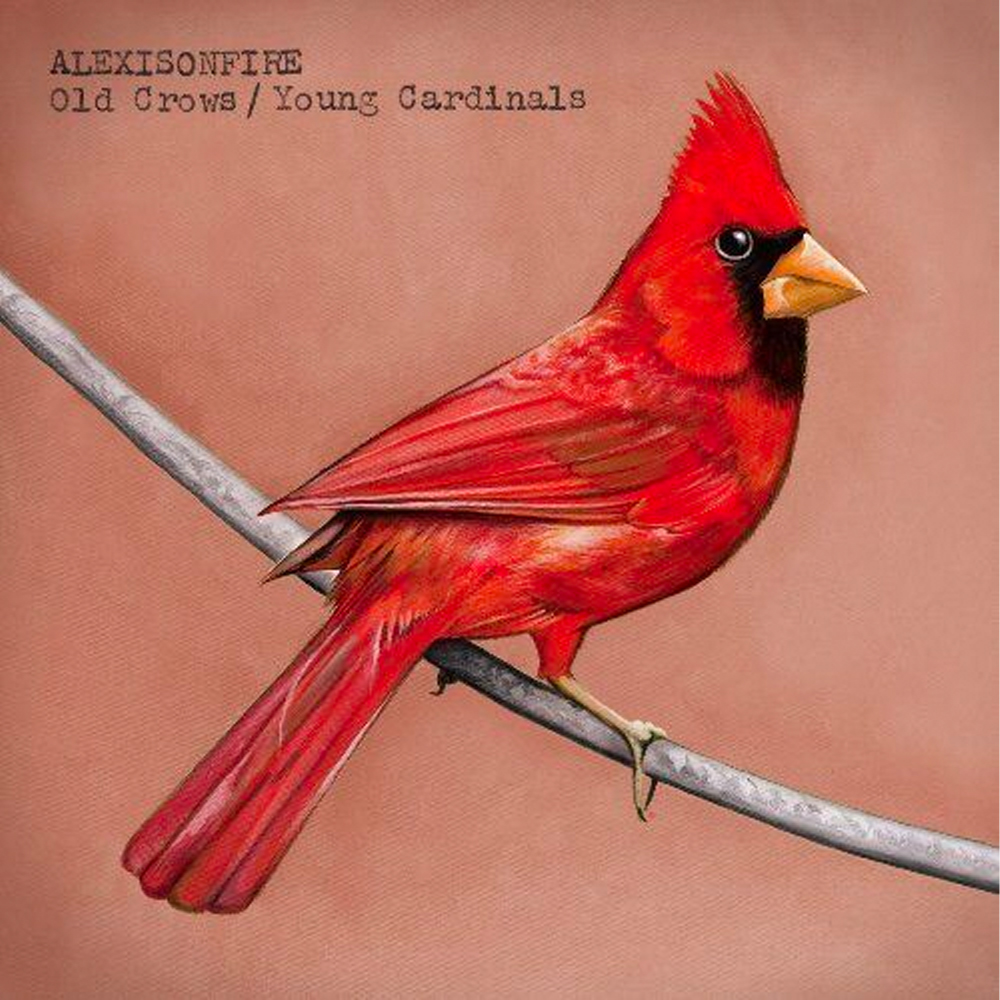 I can’t stand when bands churn out the same album repeatedly, but I also hate when bands change their sound in any way. I dislike Old Crows/Young Cardinals for both reasons. OC/YC finds Alexisonfire retreading similar ground explored on “Crisis” but with more of an alt-rock influence than ever before. It’s not a favorite of mine. I’m not a lyrics guy so maybe this album’s words are amazing and they mean a lot to you, but Zeus gave me a brain that doesn’t understand lyrics after even 200 listens so… sorry. This could be a concept album about comparing various Cheez-It flavors and it wouldn’t affect my enjoyment in the slightest. (White Cheddar is the best.)
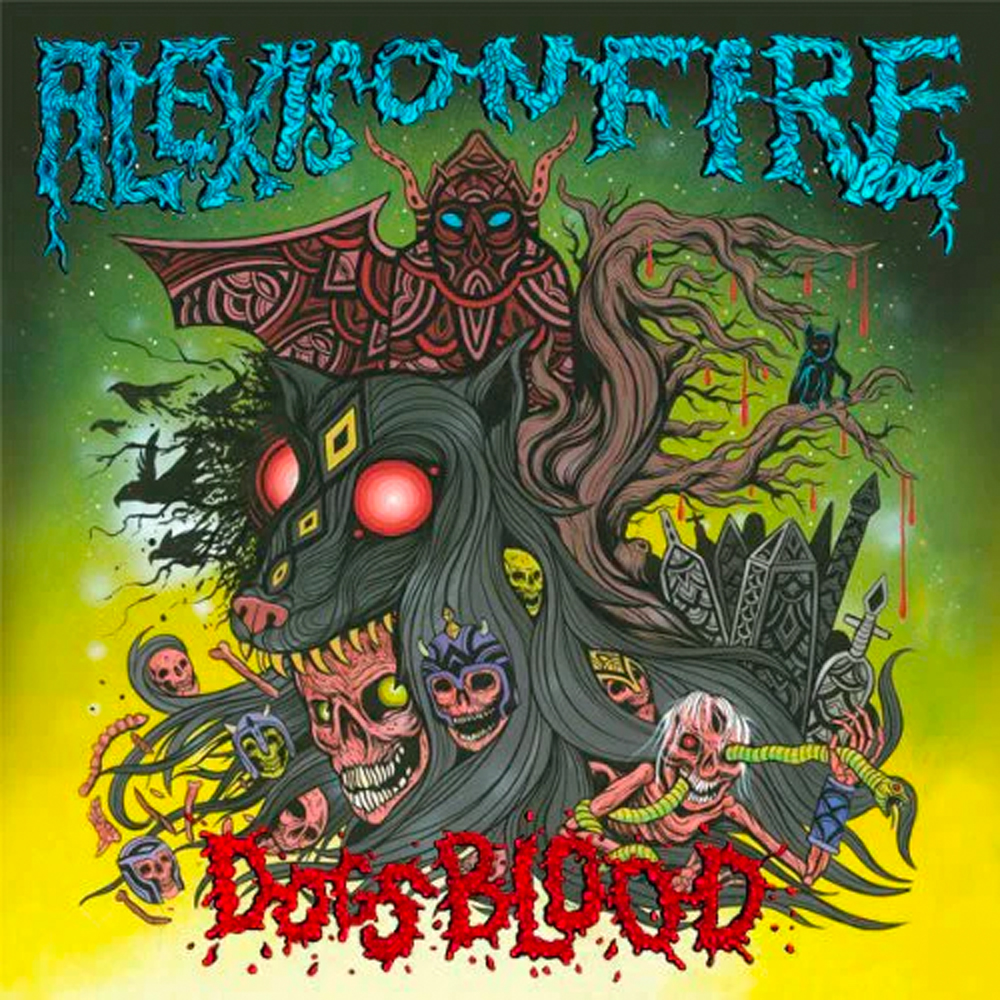 This EP finds Alexisonfire rediscovering some youthful recklessness after the relatively restrained and mature “Old Crows/Young Cardinals.” You’ll find 4 pretty solid songs here with a lot of long guitar solos and instrumental passages. Possibly too many. Also, this EP may have had a hand in popularizing that colorful, cartoon-y art style that dominated post-hardcore and metalcore for the next half-decade. Minus five points.
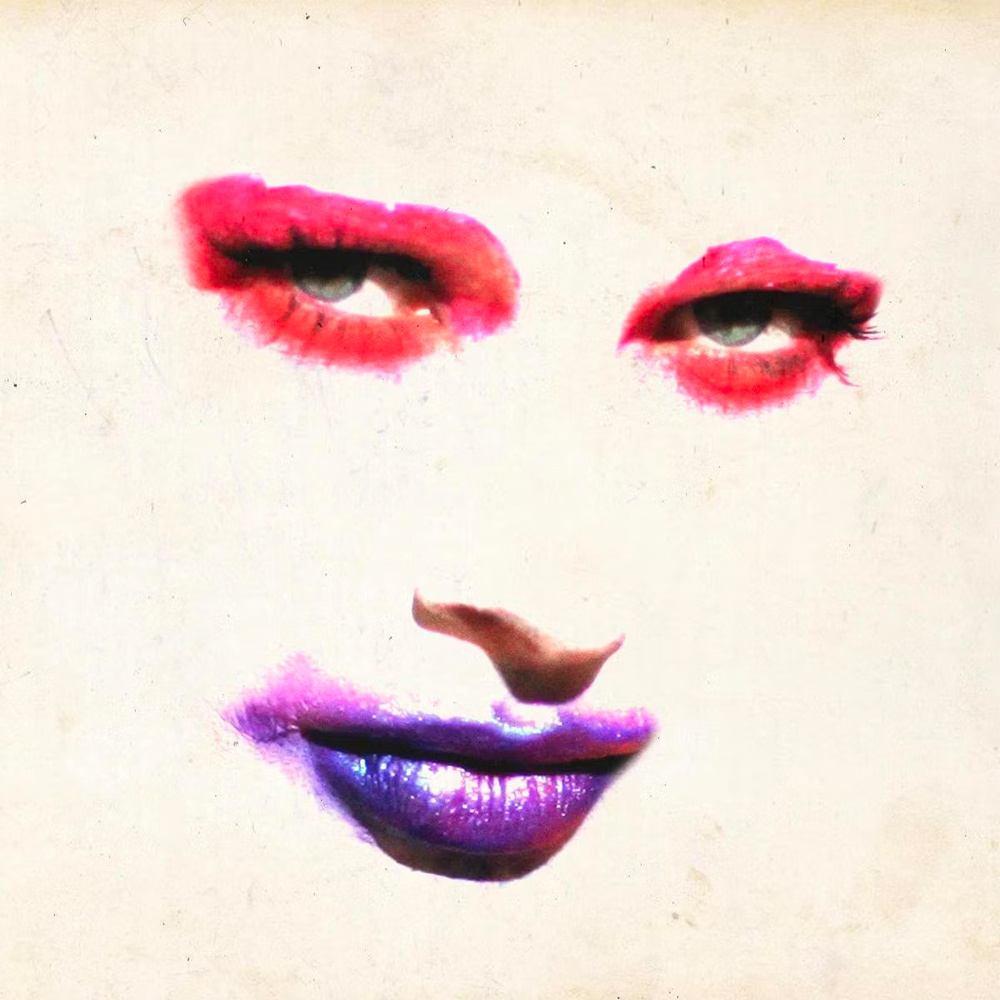 My main gripe with “Otherness” is tempo. Most of the songs here are mid-tempo rockers. That’s fine sometimes, but I listen to Alexisonfire for energy and thrills. I understand that bands mature, get older, and chill out. But if anyone could buck the trend, I’d hope it would be AOF. We already have City and Colour for when we need to put on reasonable music in a carpool. If you’re going to listen to “Otherness,” pull it up on YouTube and listen at 1.25x speed. Bands love it when you do this to their music.
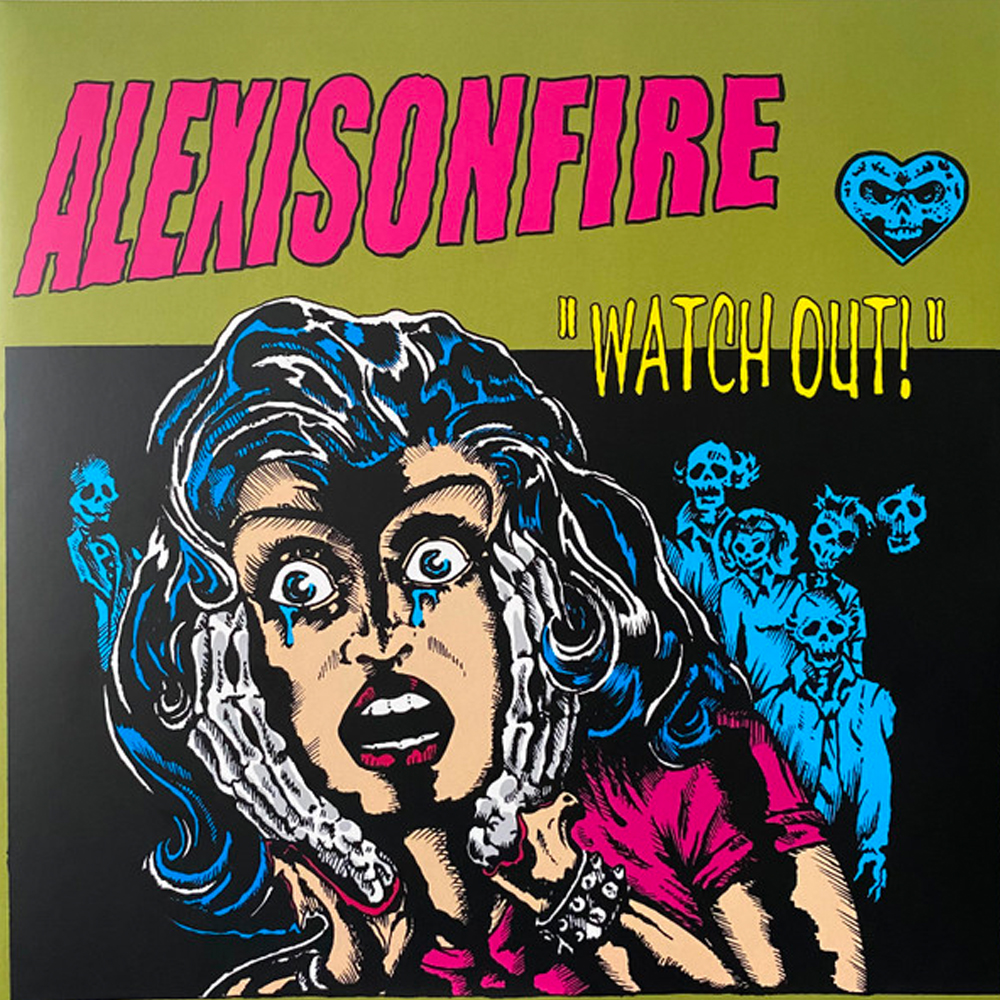 Choosing the top 3 here is very difficult. When I first volunteered to rank Alexisonfire’s catalog, I planned on ranking “Watch Out!” at the top spot. And while it’s still my personal favorite on most days, I have to admit upon relisten that it isn’t the strongest album in their repertoire. It starts off magnificently with “Accidents” but the middle third lags behind the rest in the songwriting department. The stretch from “Hey It’s Your Funeral Mama” to “White Devil” just isn’t quite as memorable as the rest. I’m happy to report that the band sticks the landing with an amazing one-two punch to close out the whole shebang. The cymbal that starts off “Get Fighted” makes me want to walk down my street smashing side windows off parked cars. In a good way.
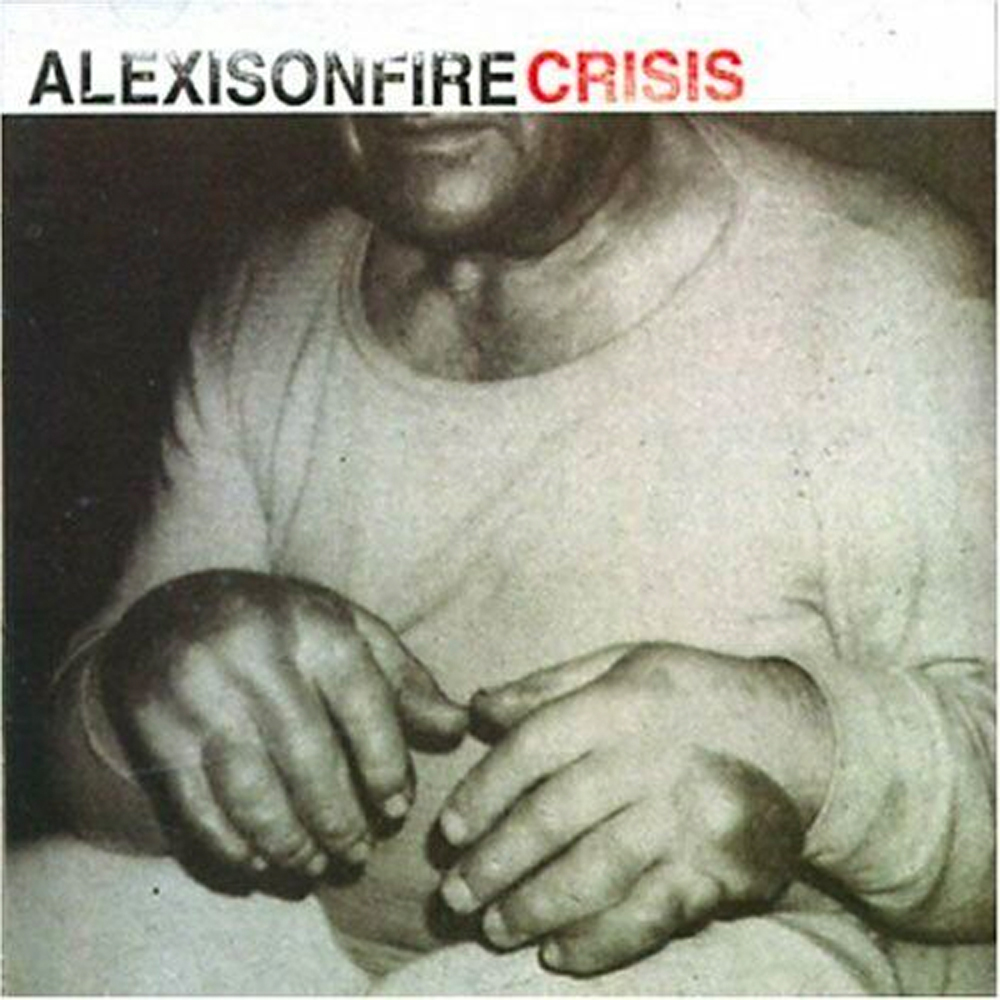 This album is great. Phenomenal, even. Almost… too perfect. Is that a valid criticism? That it’s too good? It’s almost so clinically exact in its execution of Alexisonfire’s sound that I don’t reach for it as much as their “amateurish” debut. Whatever, you should have known by this point in the article that I have no idea what the fuck I’m talking about. Damnit, if I weren’t severely hungover and depressed that I finished my rewatch of “Two Guys, a Girl, and a Pizza Place” last night, I’d change the ordering and bring “Watch Out!’ into second place. But nah. It stays here.
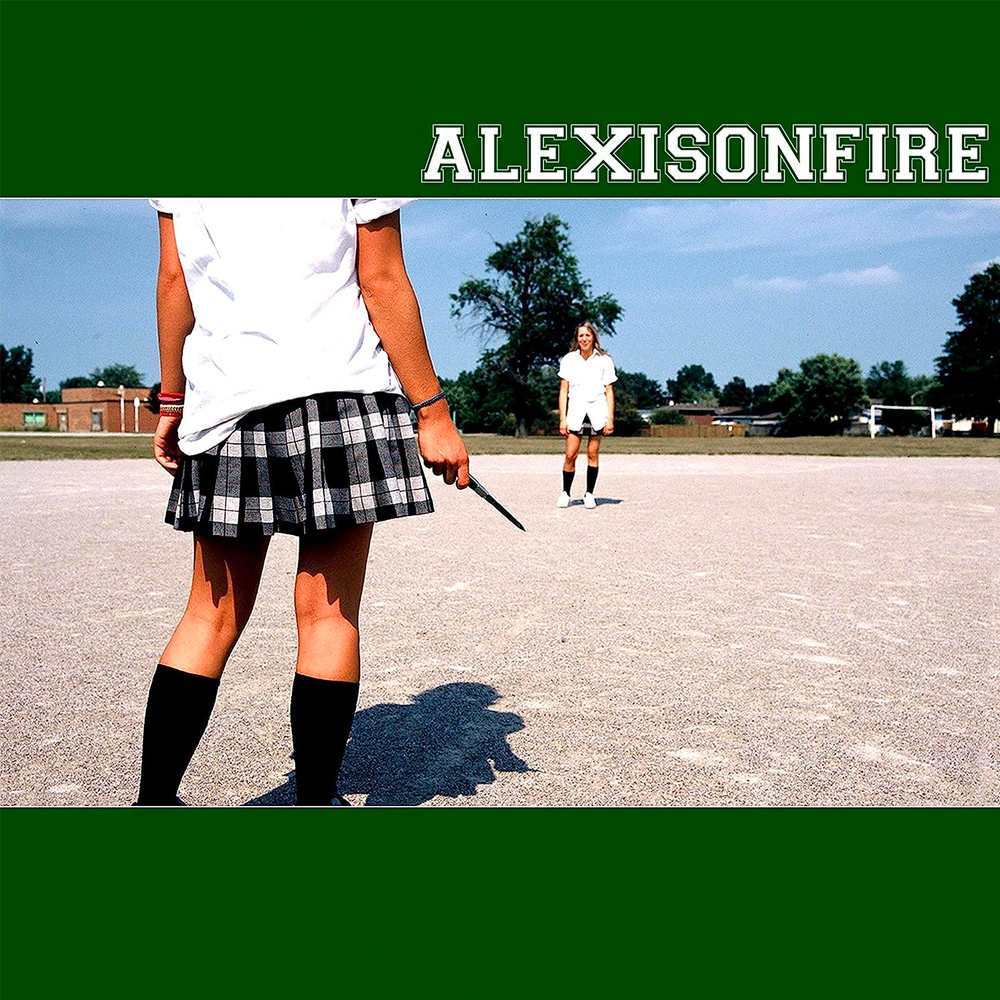 This is one of those debut albums that seems to get mentioned by its creators with a sense of embarrassment. I couldn’t tell you why. It has everything I want in music: chunky rhythm guitars, memorable melodies, creative lead guitar parts, a great balance of screaming and singing, youthful abandon, and a production style that actually sounds like a bunch of people playing music together. It also came out in a time in my life when I still had hope, which is nice to remember. Anyways, this is a Canadian classic and a grand opening statement from the only band ever.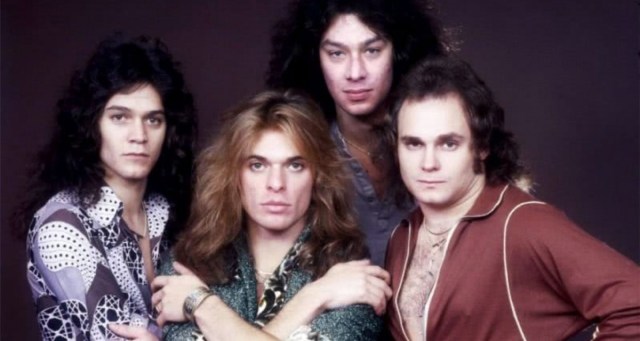
 1. Have at Least One Member of the Band Ready To Receive the Heimlich
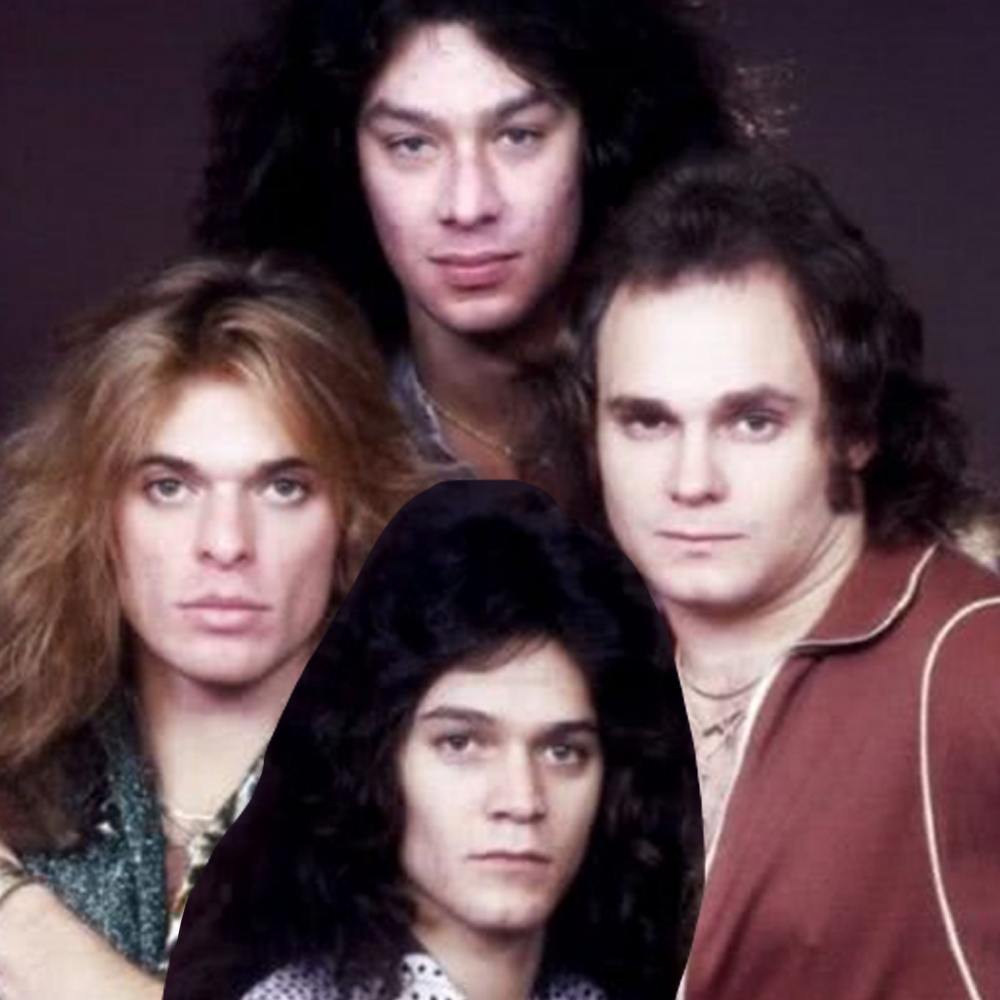 2. Go 100% On Hair, 0% On Makeup
 3. Never Let Anybody See the Tip of Michael Anthony’s Left Elbow
 4. Counteract Impending Baldness With an Abundance of Hair Elsewhere
 5. Alex Stands In Back.



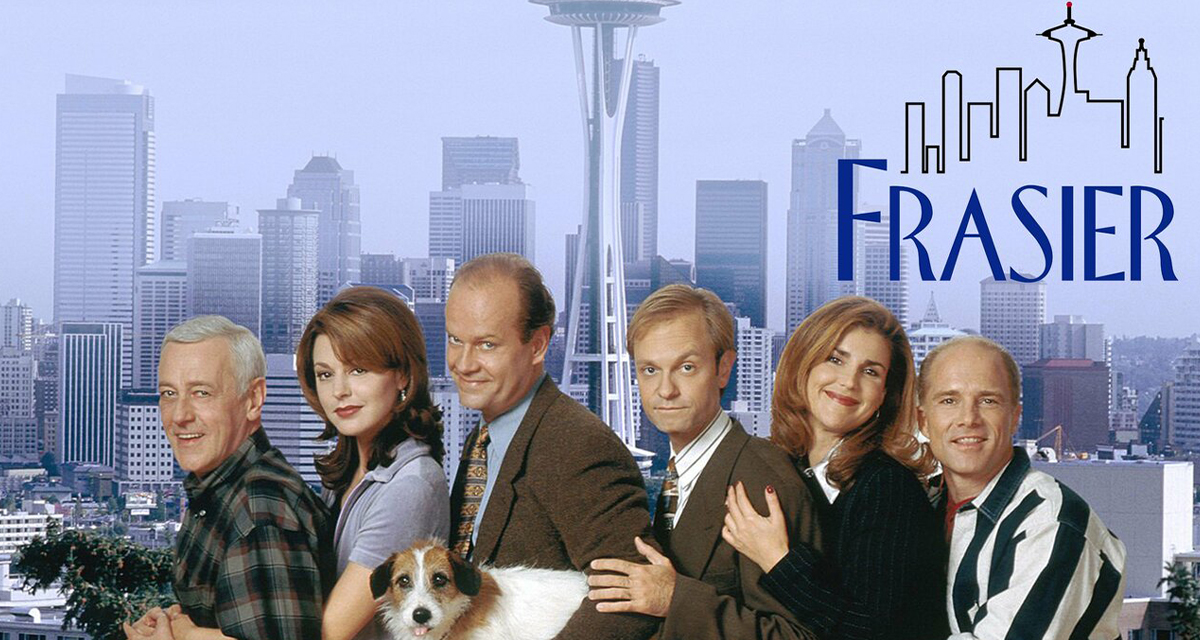
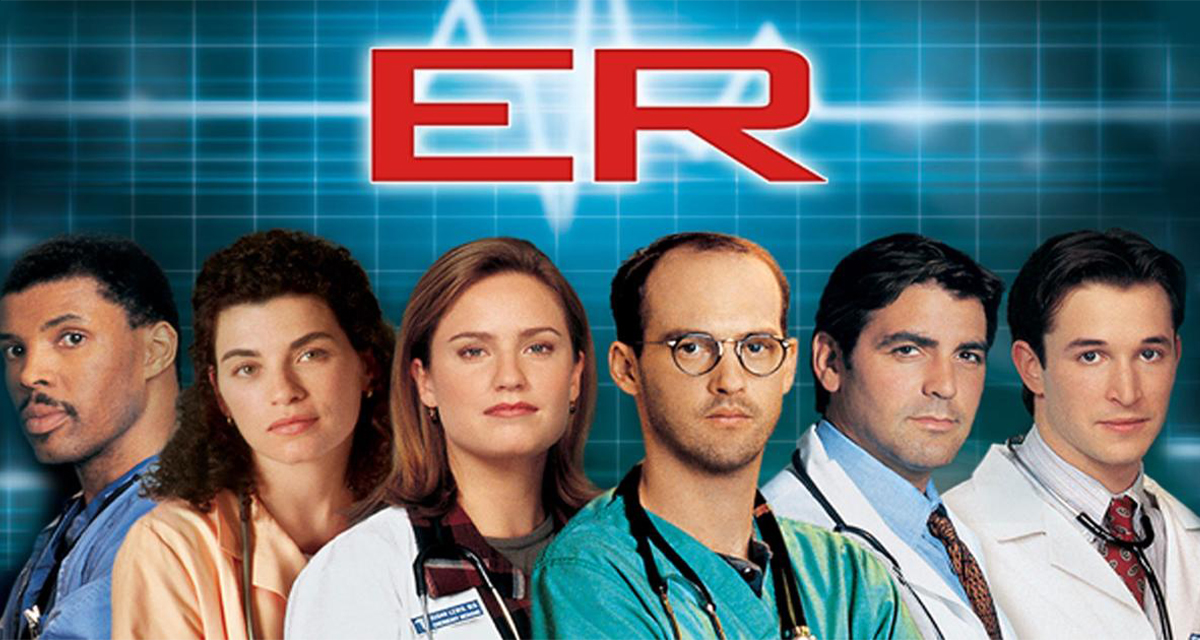
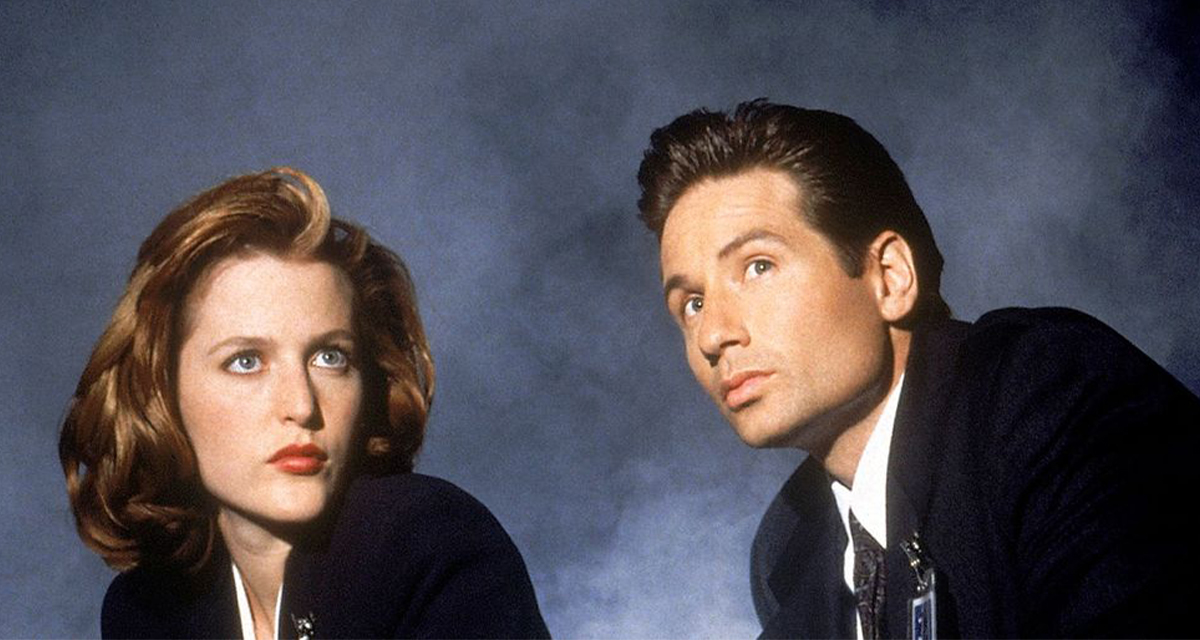
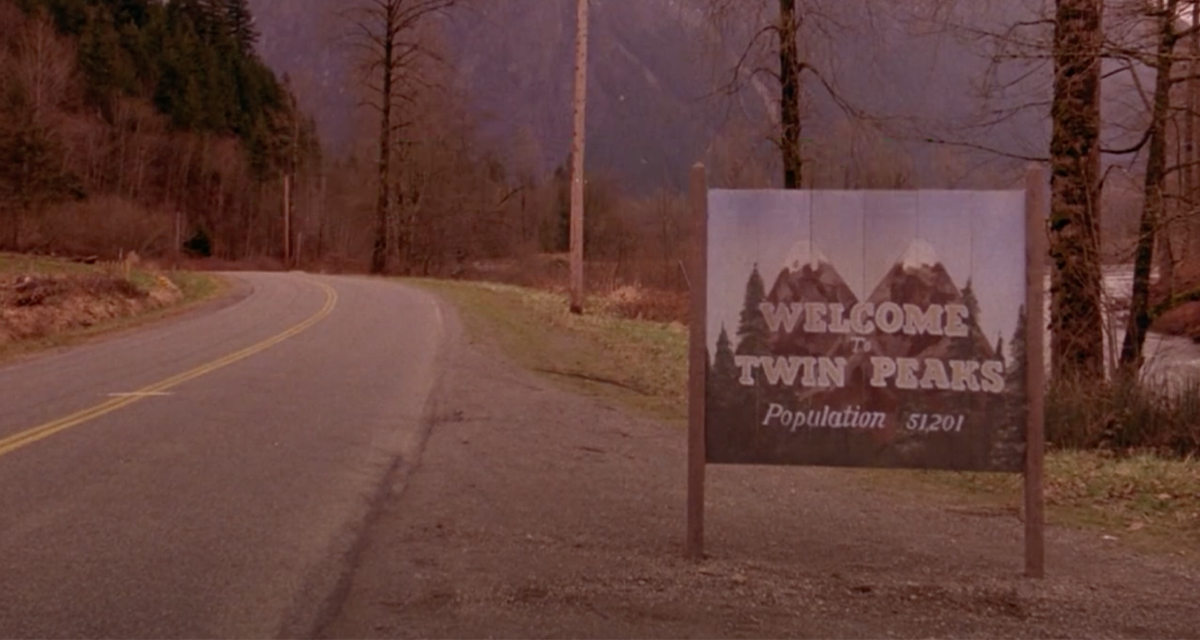

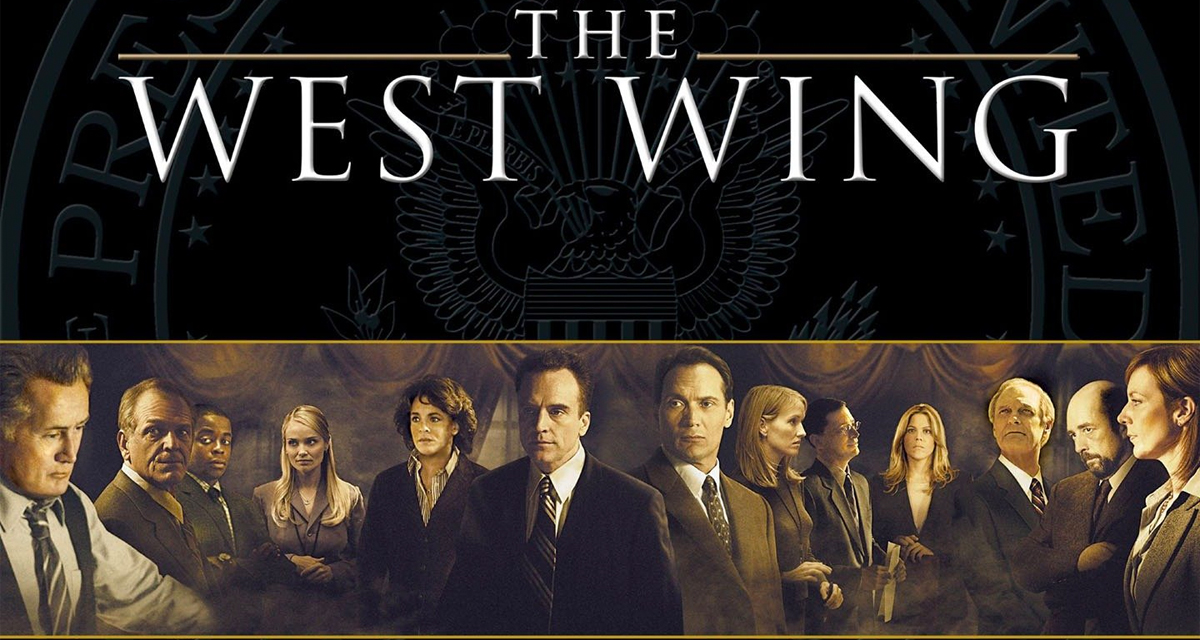

 The “Mad About You” theme song is one of the worst examples of white guy jazz there is. And nobody has ever moshed to white guy jazz.
 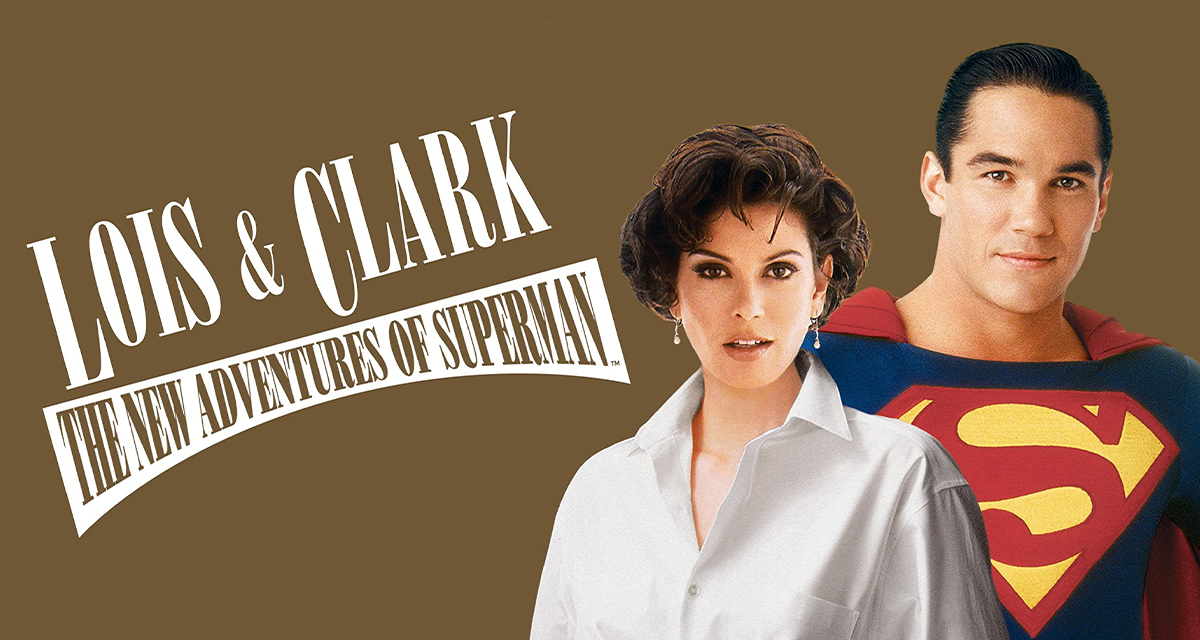 All horns and strings in this theme song. But somehow it’s even worse than ska, at least you can skank to ska. There is no skanking to this theme, not even close.
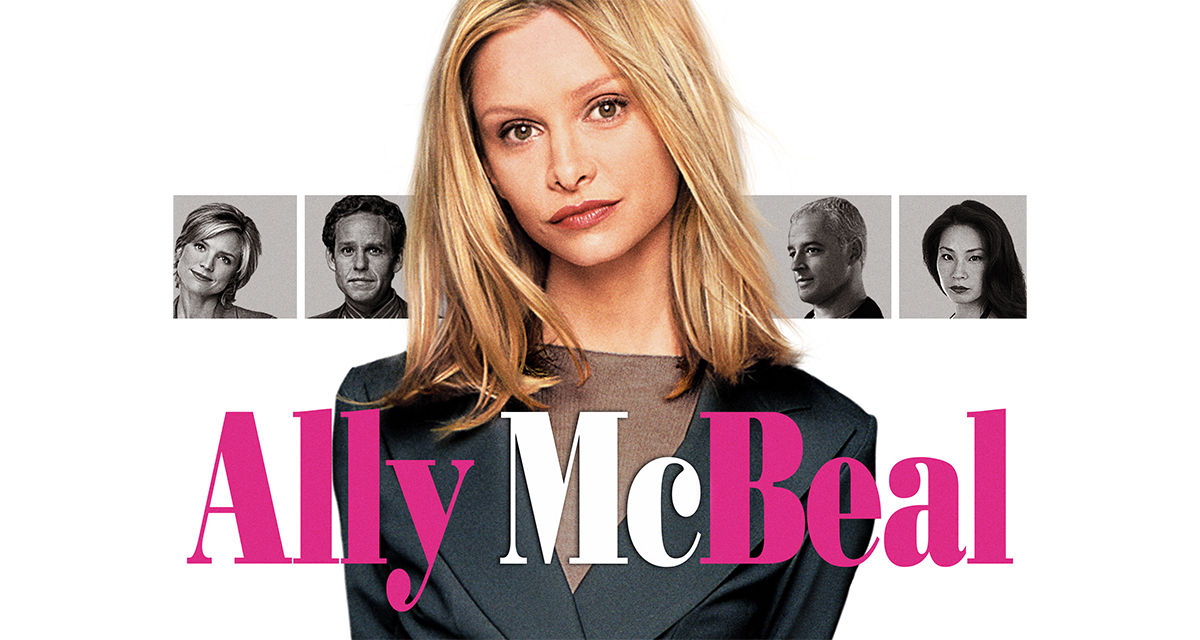




 The “Law and Order” theme kind of goes hard, but it never gets you over the hump. Ideally, you are compelled to mosh by sheer force of will, not because you’ve been standing around for an hour and your knees hurt.