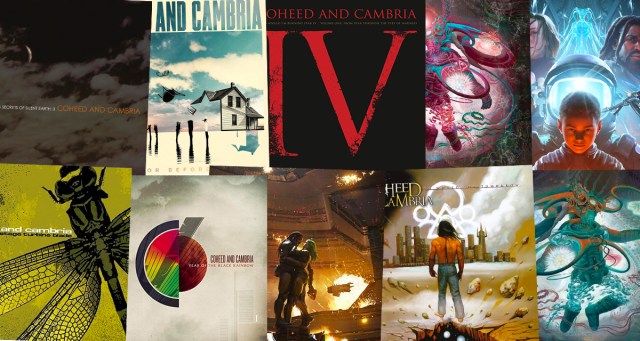
To be a Coheed and Cambria fan is no casual experience. Beyond the distinctively long songs, there are alternate galactic universes to inhabit, multiple album-spanning character arcs to follow, deeply psychological mythologies to interpret, and deafeningly loud, nearly operatic live shows to attend. Their music may not be for everyone, but it is impressively enduring, intricate, and original. By no stretch of the imagination is Coheed a punk band, but their overall ethos is definitively punk—in that if there is one thing you can count on them to do, it’s whatever the fuck they want. So far in their twenty-five-year career, the band has released ten full-length studio albums, so let’s rank them.
10. The Second Stage Turbine Blade (2002)
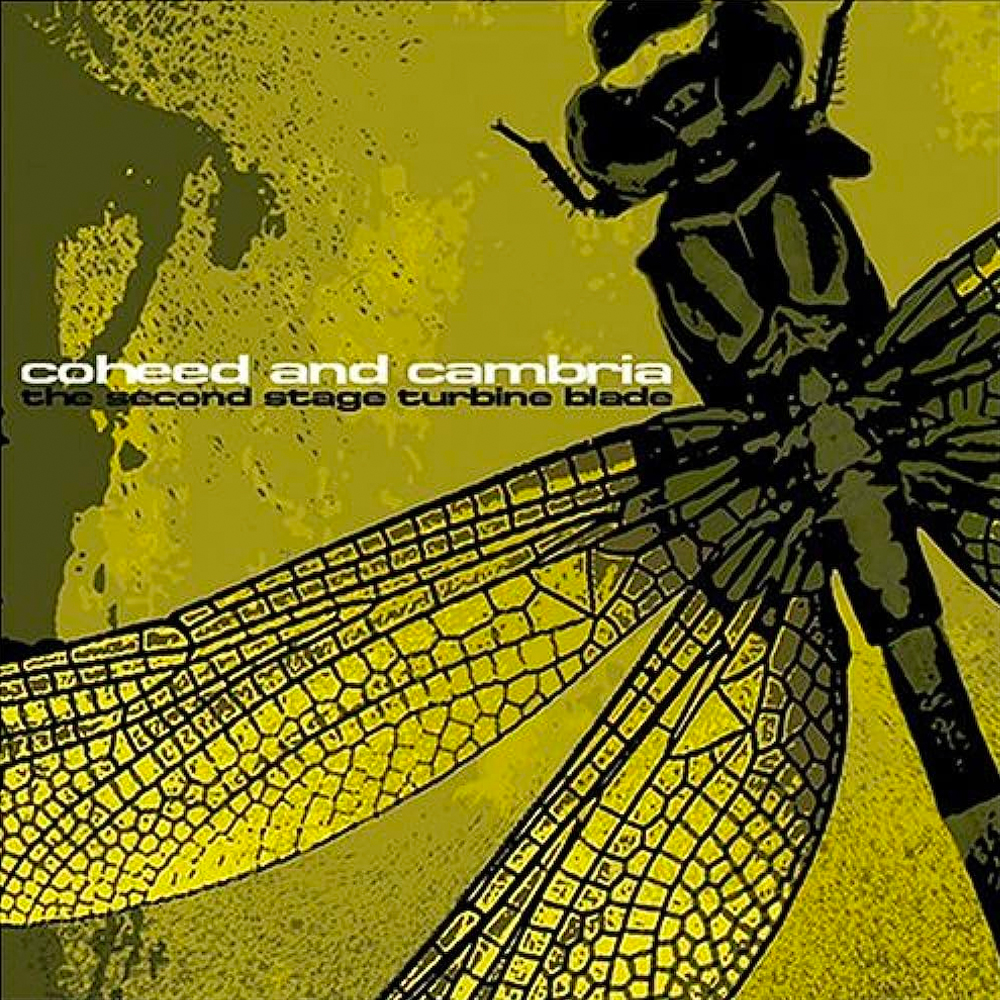 As this is Coheed’s first full-length album, ranking at the bottom of their discography is to be expected—it’s just a warm-up for the next two decades of increasingly creative and nuanced work that will develop the story of The Armory Wars. All the songs pretty much melt together in an unremarkable sonic landscape not unlike many other post-hardcore bands of the early 2000s, if other post-hardcore bands were singing about pretend galaxies. The fact that no song title is longer than four words is evidence enough of just how far this debut is from the super unique and technically impressive nerd-metal that would emerge in the following years.
Play It Again: “Devil In Jersey City”
Skip It: “Heartshot Kid Disaster”
9. Year of the Black Rainbow (2010)
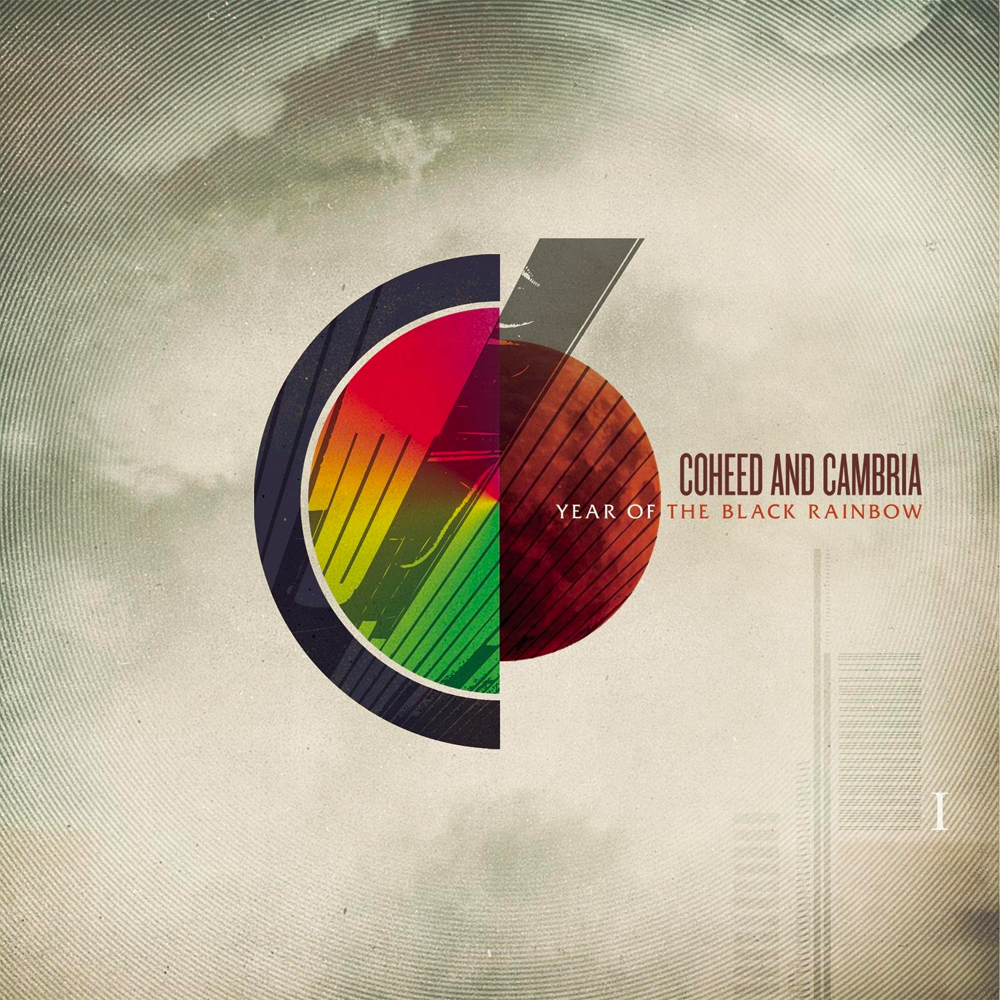 This is the band’s fifth album, but as the first chapter of The Amory Wars arc, it feels like somewhat of a regression not just in plot, but musically as well. To be fair, it’s about bots and revenge—topics that have a ceiling on their listenability. It’s pretty safe to say most of the population isn’t able to have a personal relationship with these themes. Although I did have an uncle who claimed to travel to the future to fight mega-bots. The family doesn’t talk with him much anymore. Anyway, there is some great heavy metal-leaning guitar work across all tracks, but it lacks any real standouts or hits.
Play It Again: “The Black Rainbow”
Skip It: “This Shattered Symphony”
8. In Keeping Secrets of the Silent Earth: 3 (2003)
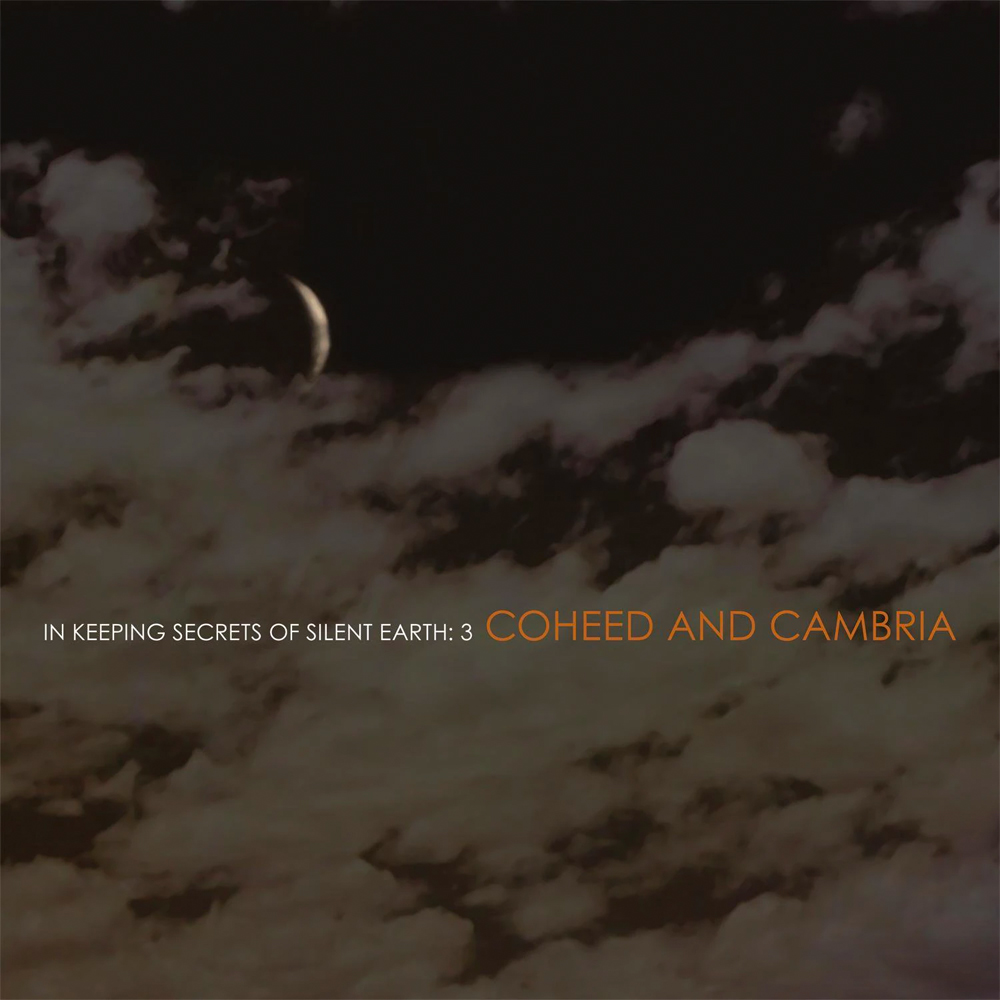 It’s fair to say that this is the album in which Coheed really came into their sound. Although, the original release did include eleven tracks of complete silence, a creative choice so insane that fans were reassured this band could never sell out even if they wanted to. A number of audible songs take place on a ship steered by the narrative of a vendetta, so that’s something. But it’s the singable singles that really carry this record, which is otherwise just okay musically.
Play It Again: “A Favor House Atlantic”
Skip It: “21:13”
7. The Afterman: Ascension (2012)
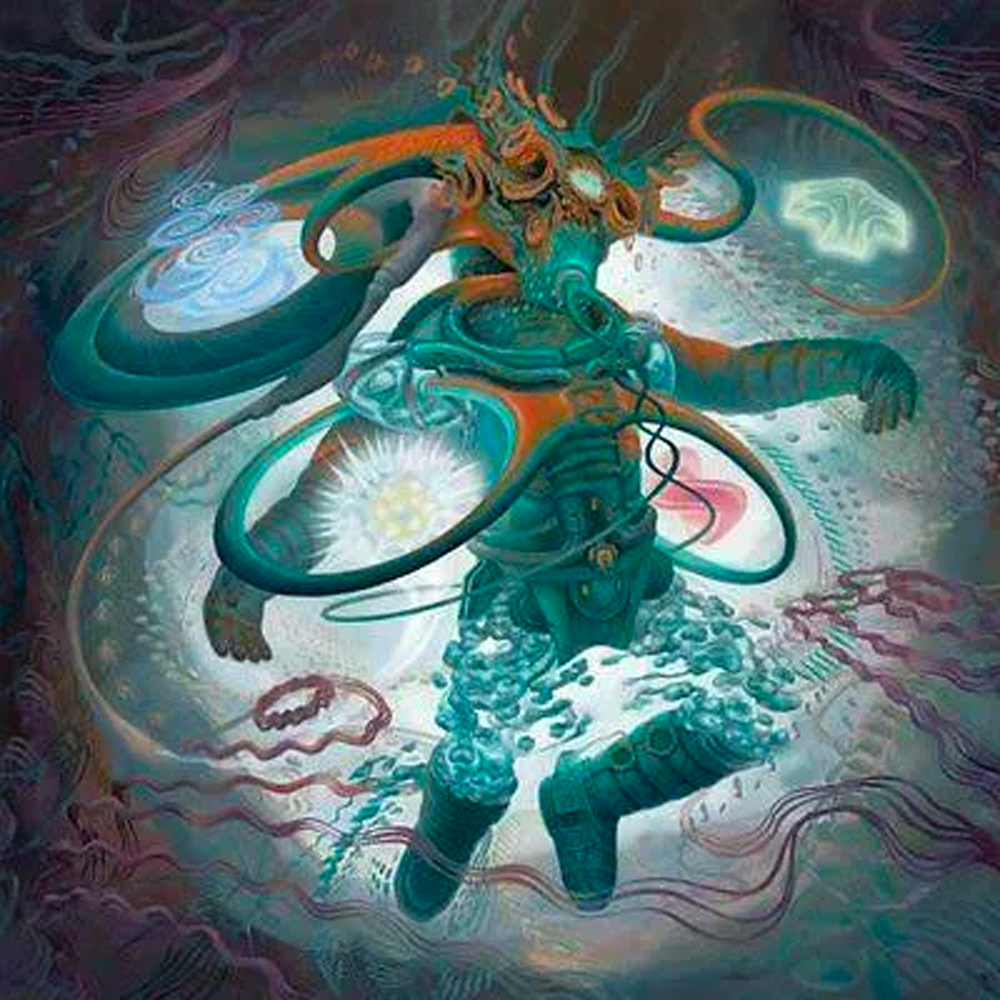 Coming in at only nine songs and a run time of forty minutes, by Coheed standards this is basically an EP. It’s the first half of the double album prequel-to-the-prequel of The Amory Wars, which follows the saga’s namesake character on a big old existential quest. Many of the tracks have an industrial rock feel to them, with a few electronic beeps and boops thrown in for good measure. It’s a solid album, if not super memorable.
Play It Again: “Goodnight, Fair Lady”
Skip It: “Subtraction”
6. The Color Before the Sun (2015)
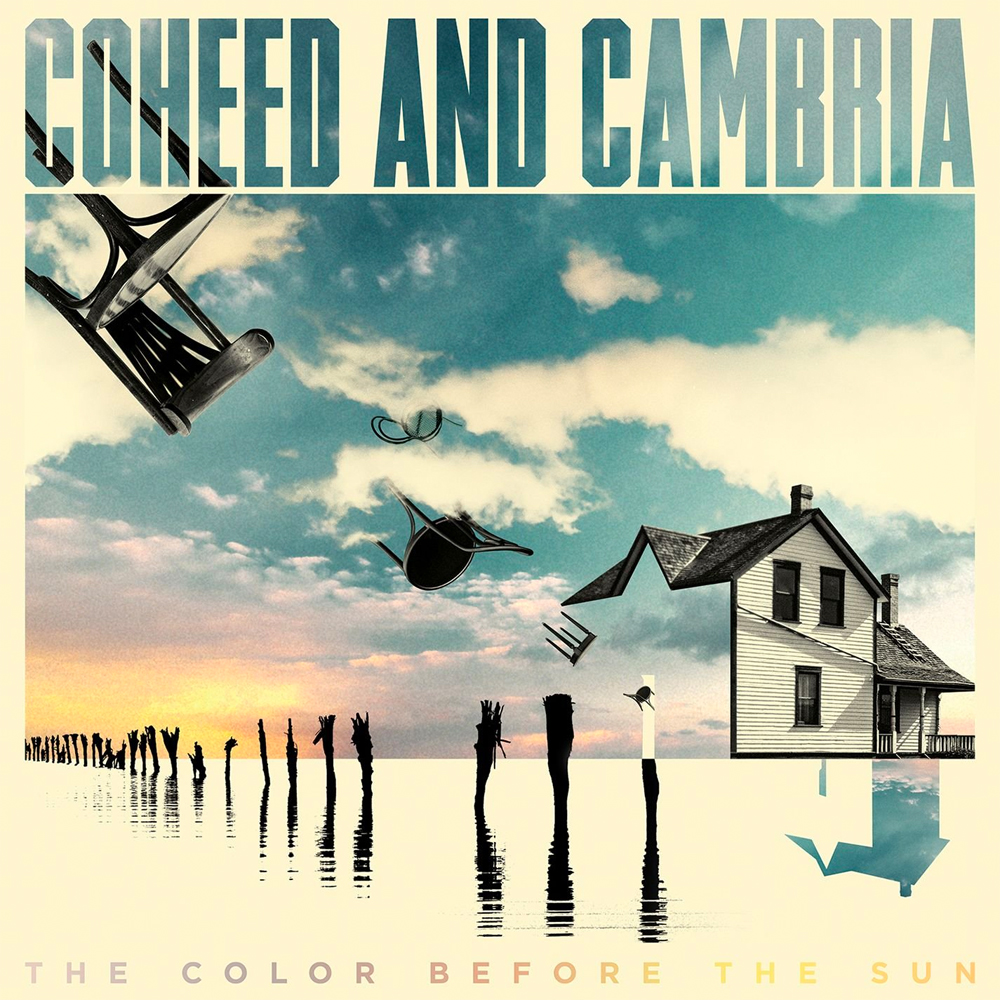 Okay, with this being the only album in Coheed’s full-length discography that’s about, like, normal life, it’s an obvious outlier. It has a rightful place in the band’s timeline, but something about Sanchez’s fantastical writing style when applied to topics of the mundane world comes off as a bit saccharine. There’s a layer of pop-punk to many of the tracks that could appeal to a certain crowd, but at times seems to dull the uniqueness that’s always at the core of Coheed’s sound. However, it does have moments of sincerity that are beautiful enough to remind fans it’s okay to step beyond The Keywork every now and then.
Play It Again: “Ghost”
Skip It: “Island”
5. The Afterman: Descension (2013)
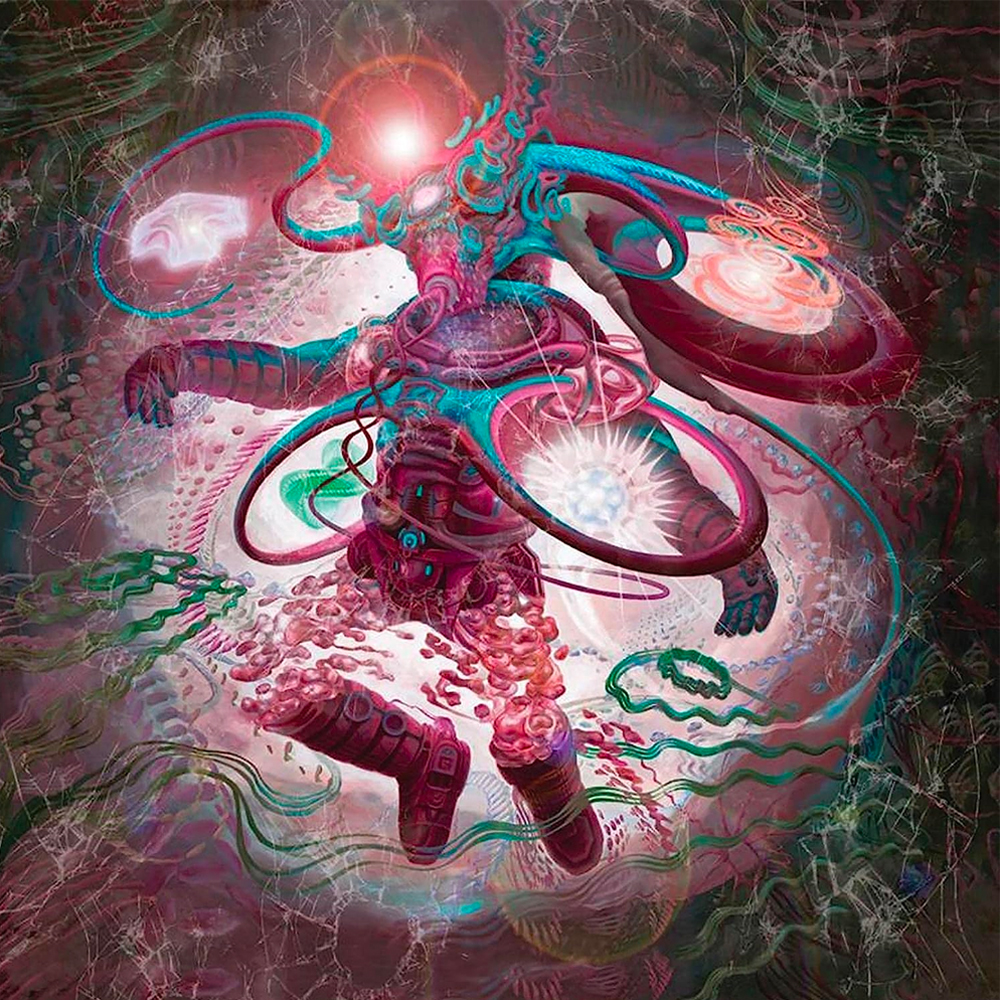 This second half of “The Afterman” hits more deeply than the first—musically it has a wider emotional range, big guitar riffs, and nice melodicism throughout all tracks. It also lays a trumpet track on one song without sounding the least bit ska, marching band, or symphonic—no easy feat, if you ask us.
Play It Again: “Key Entity Extraction V: Sentry the Defiant”
Skip It: “2’s My Favorite 1”
4. Vaxis – Act II: A Window of the Waking Mind (2022)
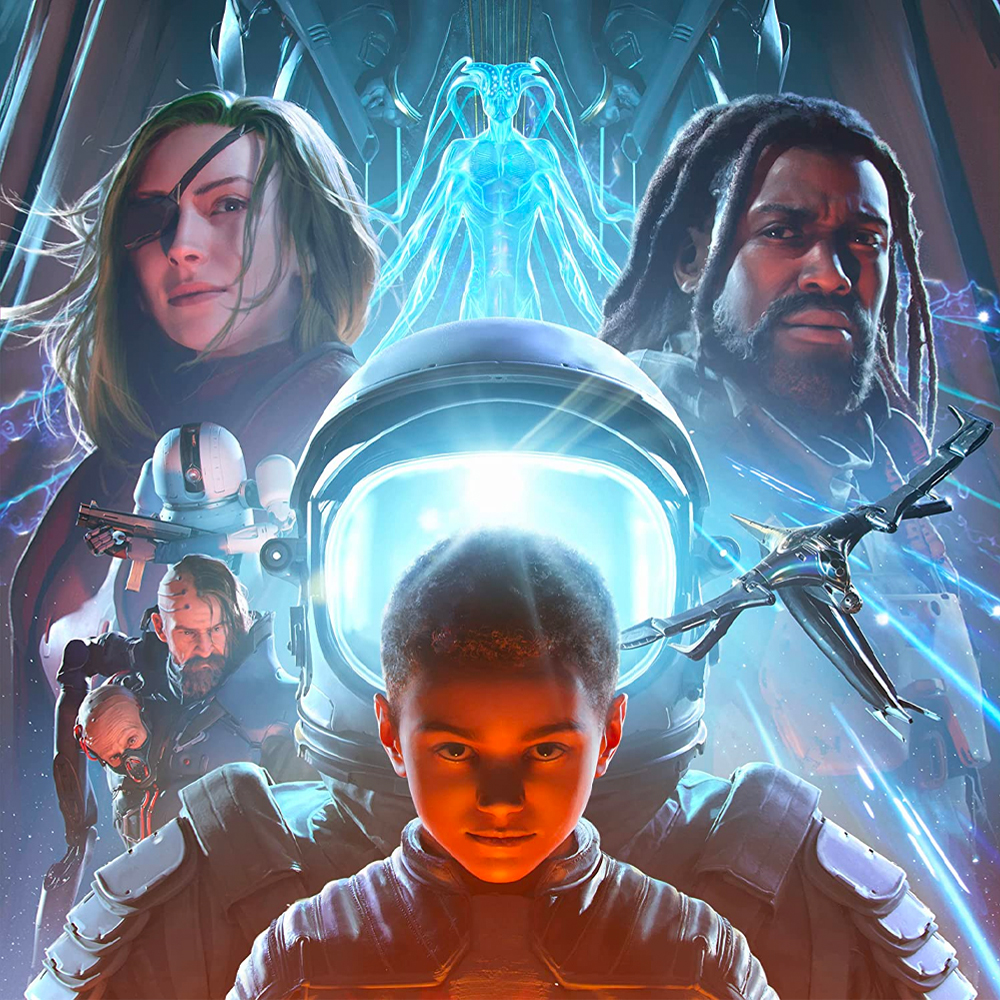 Oh, you “like their old stuff better?” Well, we like their old stuff and their new stuff, because Coheed’s most recent effort is a venture into new musical territory that serves as an exciting premise for what will come with the remaining three Vaxis albums. There’s an early-80s arena rock feel to this record, with its explosive guitar parts and synthesizer elements. While many of the lyrics draw inspiration from the hellscape of the pandemic, true to Coheed form, the songs still suspend the listener in a place between reality and zealously detailed fantasy. We might even dare to call this album danceable.
Play It Again: “Shoulders”
Skip It: “Window of the Waking Mind”
3. Good Apollo, I’m Burning Star IV: Vol. 2 – No World For Tomorrow (2007)
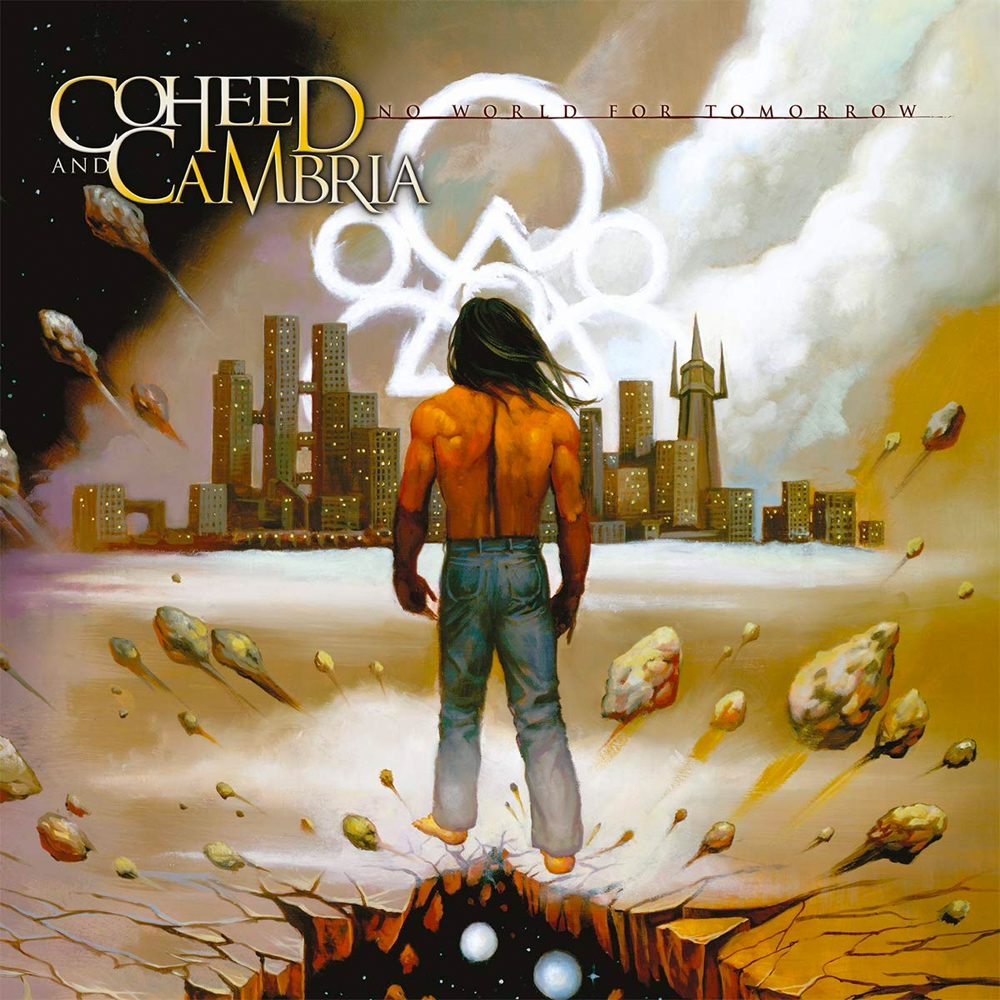 Written and recorded at a tumultuous point in the band’s career, this album is nevertheless an extremely satisfying sequel to their previous release and a triumphant conclusion to the main The Amory Wars tetralogy—a word we would never need to know, if not for Coheed and now I use it daily whether I need to or not. It evokes the spirit of early heavy metal, and with the energy running high from beginning to end, not one track feels contrived or out of place. Plus, let us not forget that the late Taylor Hawkins recorded all the drums on this release—a baffling fact that is almost definitely proof of a parallel universe.
Play It Again: “Feathers’
Skip It: “III – The End Complete”
2. Vaxis – Act I: The Unheavenly Creatures (2018)
 As the first installment of the five-part Vaxis saga, this album was much anticipated by Coheed’s fandom. And with fifteen bona fide anthems about two new characters attempting to flee imprisonment at the hands of an antagonistic interstellar empire, it exceeded all r/TheFence expectations. The opening bars of “The Dark Sentencer” are nothing if not a signal to listeners to buckle up, because it’s about to get real Coheed-y. Released twenty years after the band’s beginnings, Vaxis – Act I is a testament to what can happen when you pair passion for weird, niche, hard rock music with consistency and time: it gets weirder, stays niche, and rocks harder than ever before.
Play It Again: “The Gutter”
Skip It: “Toys”
1. Good Apollo, I’m Burning Star IV: Vol. 1 – From Fear Through the Eyes of Madness (2005)
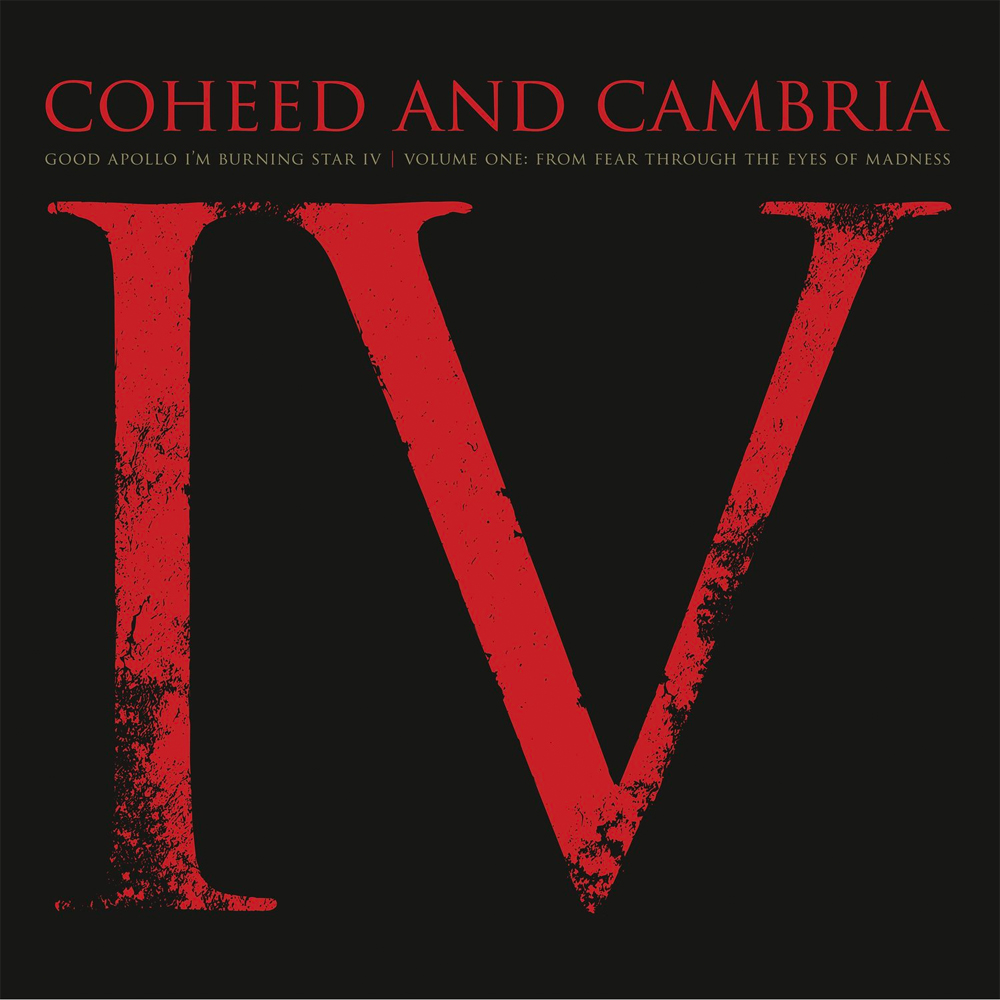 While Coheed has continued to make several highly enjoyable, deeply interesting albums in the eighteen years since the release of Good Apollo…Vol. 1, it stands as their defining and most essential effort. Yes, it’s their most commercially successful record to date, but that’s probably because it’s about kidnapping and murder and poison, and people love true crime. Moreover, Coheed has never sounded more like Coheed than they do in these songs. As the “hero’s journey” album of The Amory Wars arc, it’s literally and figuratively epic, and overall just exciting to listen to. There’s a reason “Welcome Home” and “The Suffering” are still Coheed’s chosen live encore nearly two decades later; this record rocks in all twelve sectors of Heaven’s Fence, and here on Earth.
Play It Again: “Apollo I: The Writing Writer”
Skip It: “The Willing Well I: Fuel for Feeding the End”




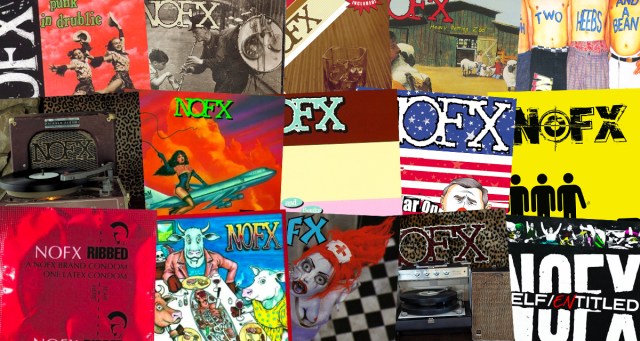
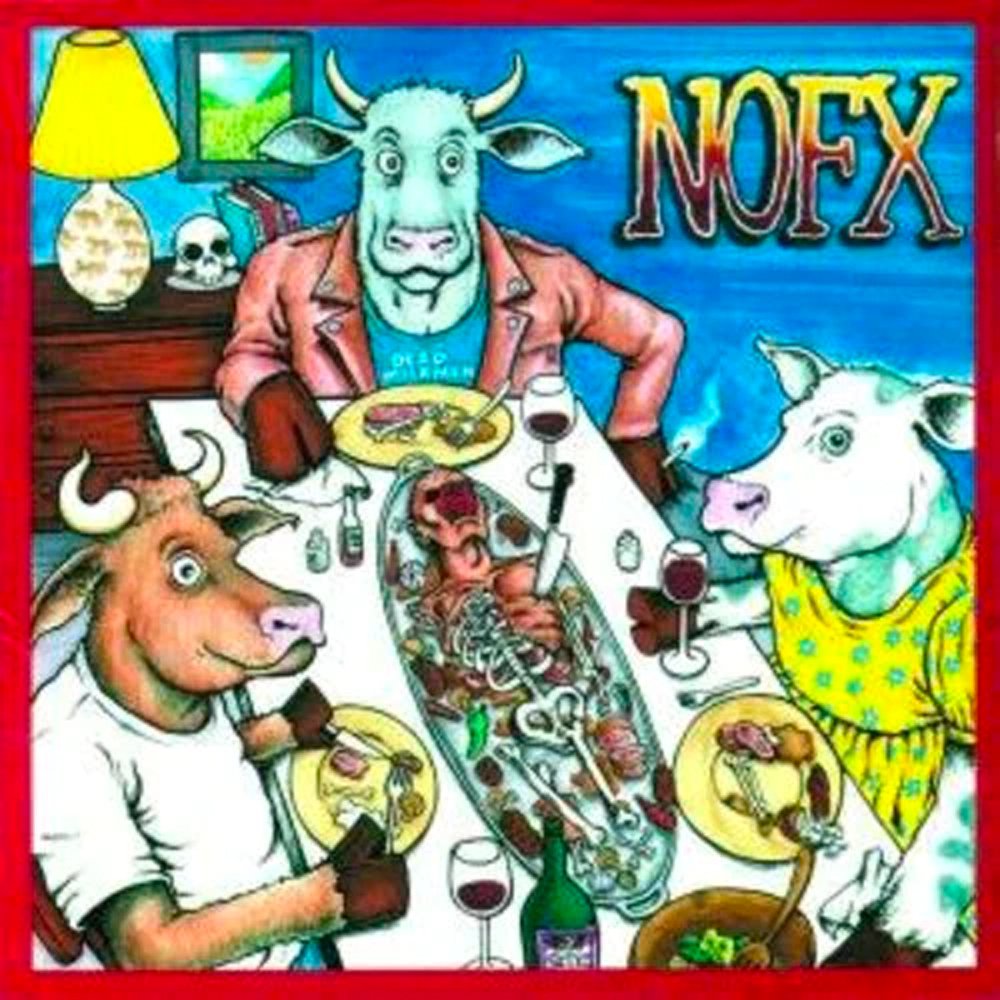 This album may seem to be as far from NOFX’s sound today as it ever could. Long before Fat Mike dabbled with being vegetarian, long before NOFX had enjoyed any radio play, they were, by definition, 100% an ‘80s hardcore band. Like most ‘80s hardcore it has its time and place for older white dudes on their way to the podiatrist because they’ve only worn Vans and Doc Martens for three decades. The most coherent messages here are vegetarians are dumb, beer is good.
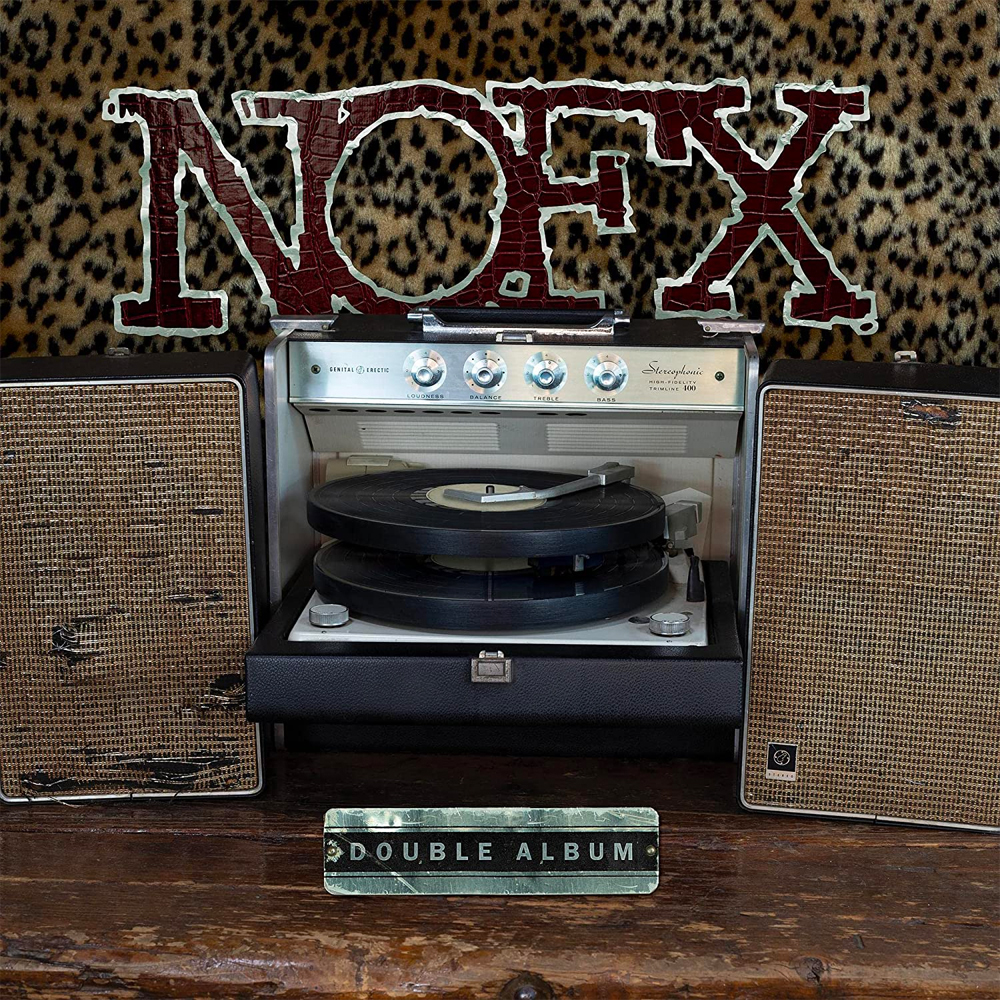 The second half of what was supposed to be a double album, and clearly the red-headed stepchild of the two is neither of the kids were wanted. If this is going to be the last studio album from NOFX it will be a stain on the legacy in the same way a freshly 21-year-old person gets a novelty bar shot with a chaser that is nasty and then follows it with a mat shot. It contains another song addressing an attempt at sobriety, and it hits harder than most of the other songs about Fat Mike trying to get sober because anyone who has gone to detox knows that those first few days feel like cake and then it crashes down about as hard as this album.
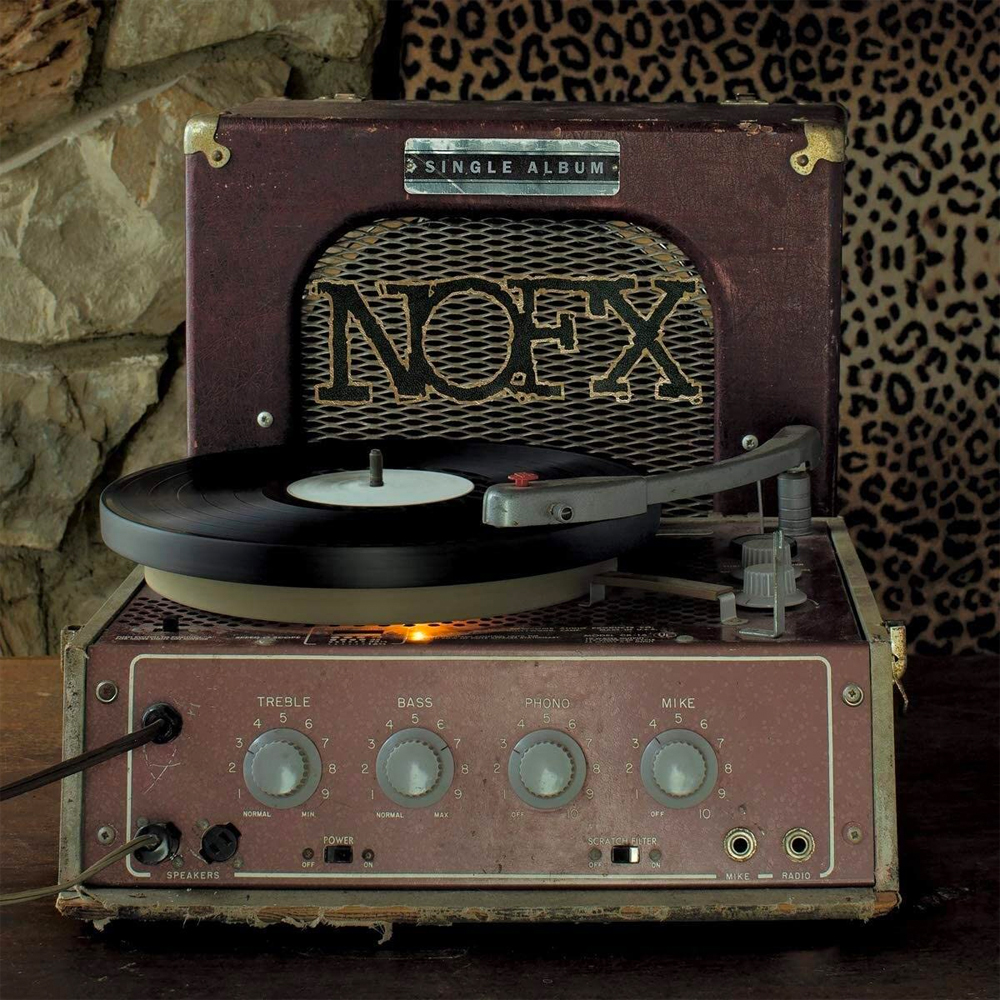 The first half of what was supposed to be the aforementioned double album. “Fuck Euphemism” is one of the strongest tracks for these releases, taking place at the Eagle, a legendary LGBTQ+ bar in San Francisco that hosts punk shows, and all 17 punks left in San Francisco who haven’t been priced out appreciate the nod. “Grieve Soto” is a masterclass in writing a song about losing a friend, but also a stern reminder of Exene of X and Penelope of the Avengers dropping hard Rs in their songs. The album contains one of the most self-referential songs to exist in the entire NOFX catalog, “Linewleum,” poking fun at the popularity of “Linoleum,” the countless covers of the song, Le Tigre, and like all great NOFX songs, pee drinking. The few standouts do not save the rest of the album.
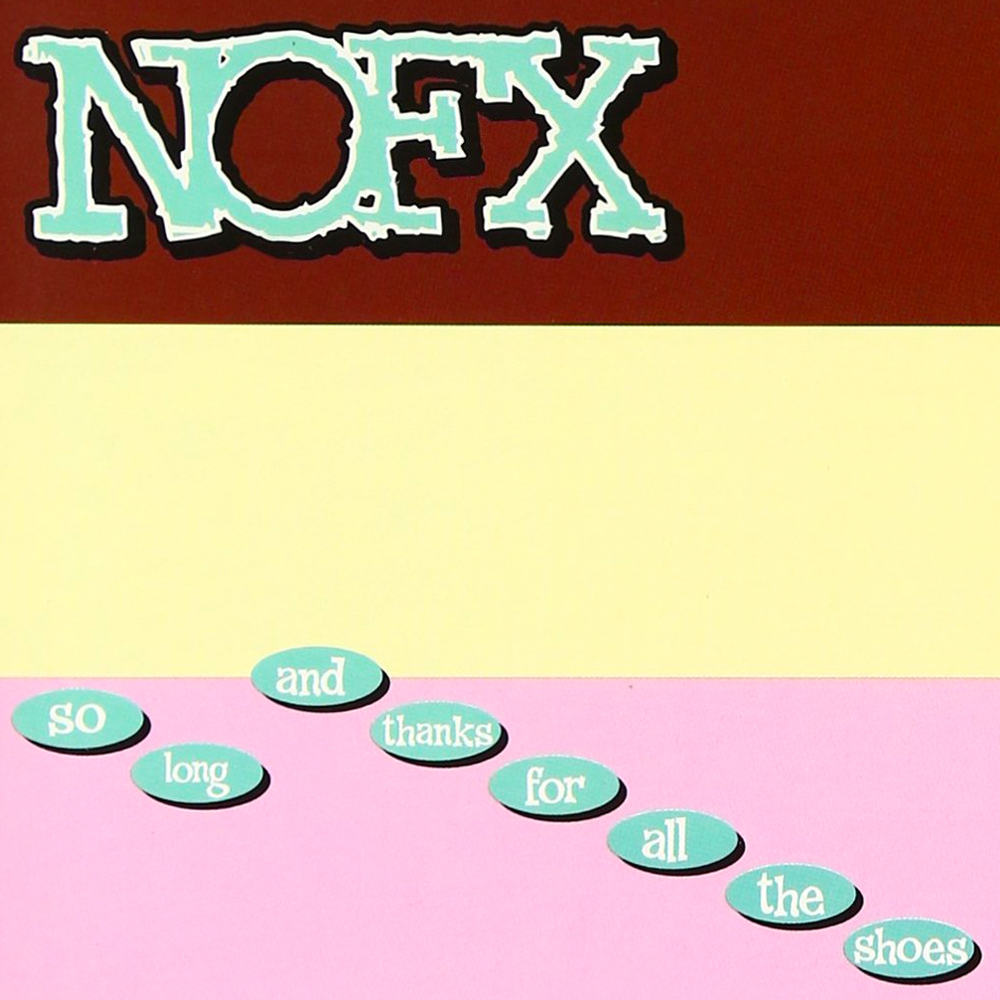 Establishing that gatekeeping is a 24/7 job, and a necessary evil is an unpopular and hard thing to do, but who can be mad when it’s this catchy? This album is one of the least surprising, run-of-the-mill NOFX albums, but it’s still got everything a person could want. It has some catchy songs, some goofy puns, some fast songs with funny ska parts. If Fat Mike is your preacher, then this album is the sacrament bread you eat. You eat it not because it’s good on its own, but because of the community around it and the joy it brings you.
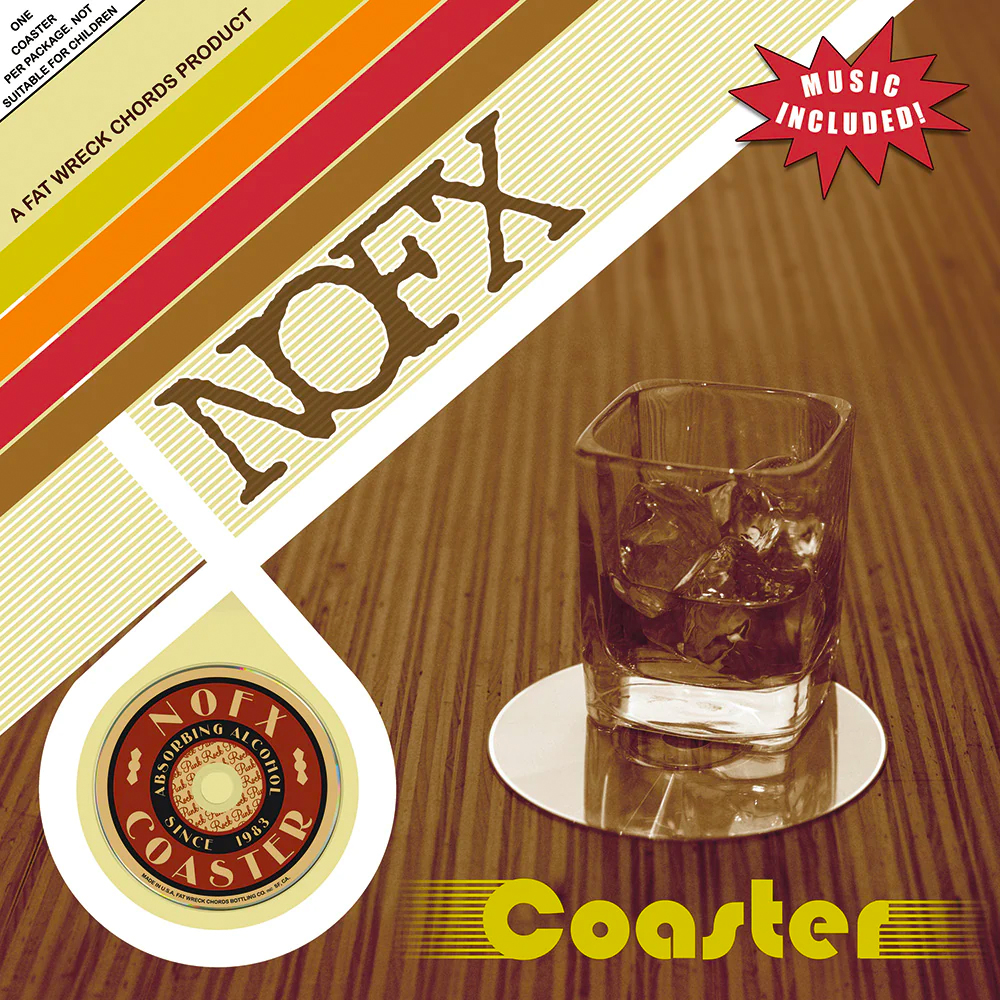 The vinyl version is called “Frisbee.” These two names may be the most honest album names to ever exist. Depending on which version of the album you got, there were some alternative tracks and takes on songs. It’s like Pokemon Blue and Pokemon Red, you’ll need to buy both to catch them all. The covers are branded as being a coaster/frisbee with “Music Included” and The Hard Times has independently verified that the respective releases perform perfectly well.
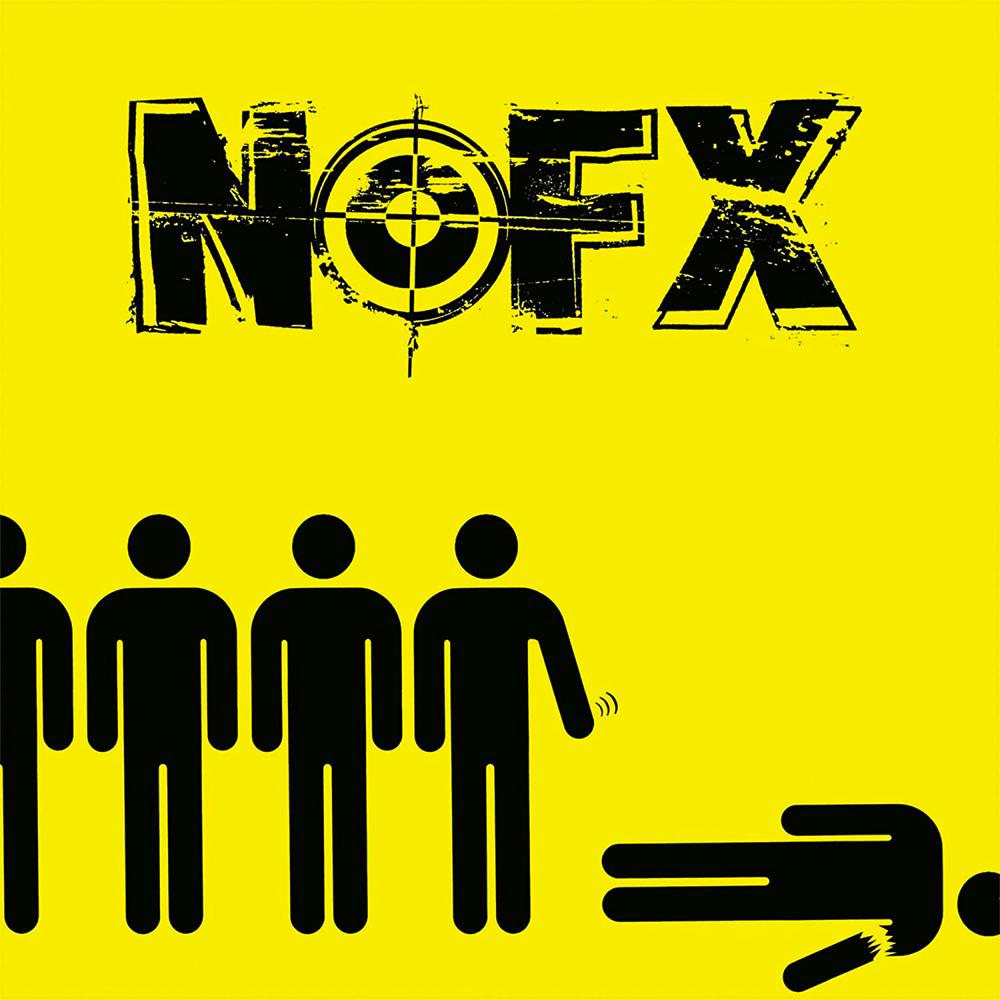 It may be hard to discern an overarching theme that ties “Wolves in Wolves’ Clothing” into a cohesive album, but it’s hard to say that the Mistress Bar in Roppongi isn’t on your must do in Tokyo list now. This album is all over the place, but not necessarily in a bad or overwhelming way, more like in a getting drunk and riding random bus lines and happening to just roll through into cool neighborhoods. Anti-Religious themes, politics, and poking fun at other bands are present, checking every single NOFX checkbox for an album. Apparently, there are multiple references to beef with Propagandhi on this album, which is rich especially when you consider Propagandhi is on Fat Wreck. Hopefully, everyone got to laugh it all the way to the bank!
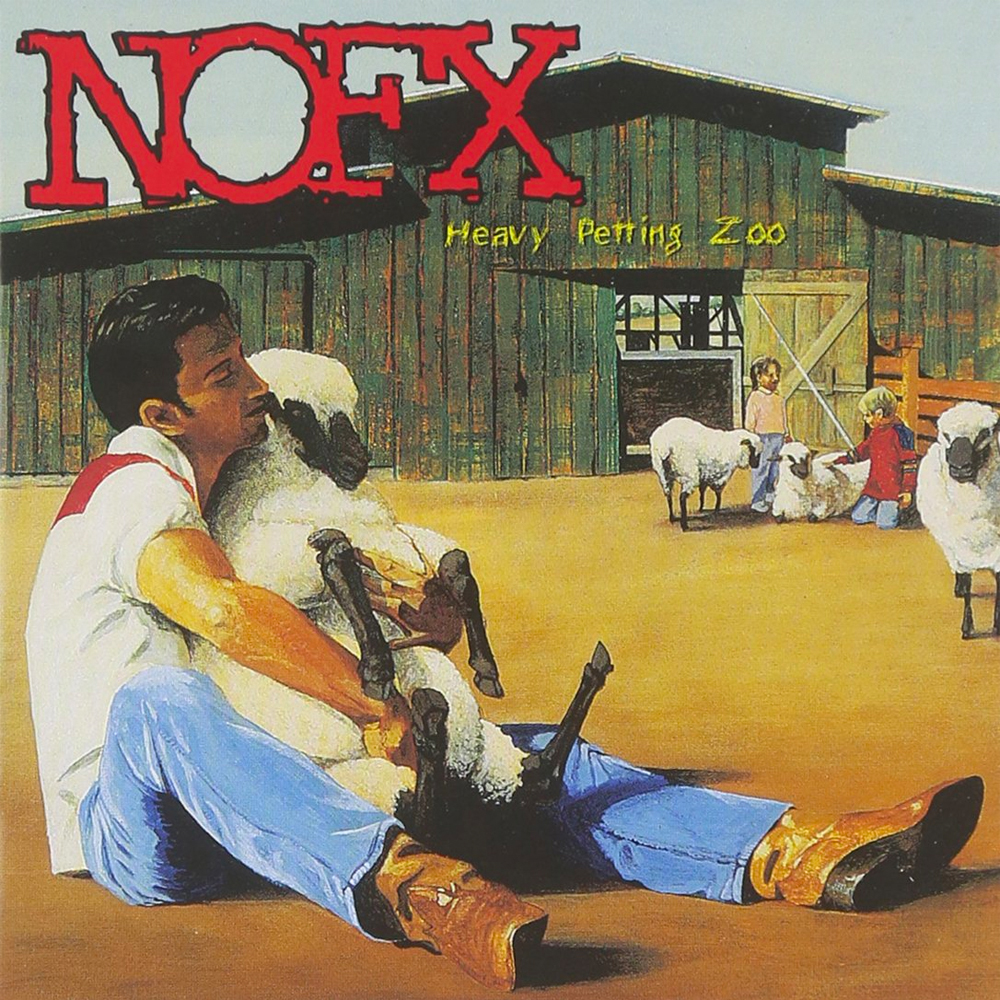 What’s better than an album with timeless art that depicts a man fingering a sheep in front of a barn? There is also an alternative cover art depicting the same man with his pants down in a 69 position with a sheep. Is it the same sheep? Don’t sheep mate for life? Did this man have to fight a ram for the right to sexually indulge in the sheep? If this album isn’t a fan favorite, it fuckin’ should be. It’s equal parts adolescent humor, part addressing coming of age, while being vindictive to multiple groups of people, all while missing out on any other animal fucking puns outside of the title. Perhaps the animal fucking is an allusion to the image that Fat Mike presents in “The Black And White” when the image of Catherine McKinnon and Andrea Dworkin fucking each other is presented in song. Not content at only attacking cartoon-level scholars, the album goes after dead heads, a plague across San Francisco, and mocks the death of Jerry Garcia singing about what a great day his death was, even though Fat Mike got the date wrong. Fingers crossed we see hippies exterminated from San Francisco in the next decade or so, if you hate them, NOFX is here to let you know, you’re not alone.
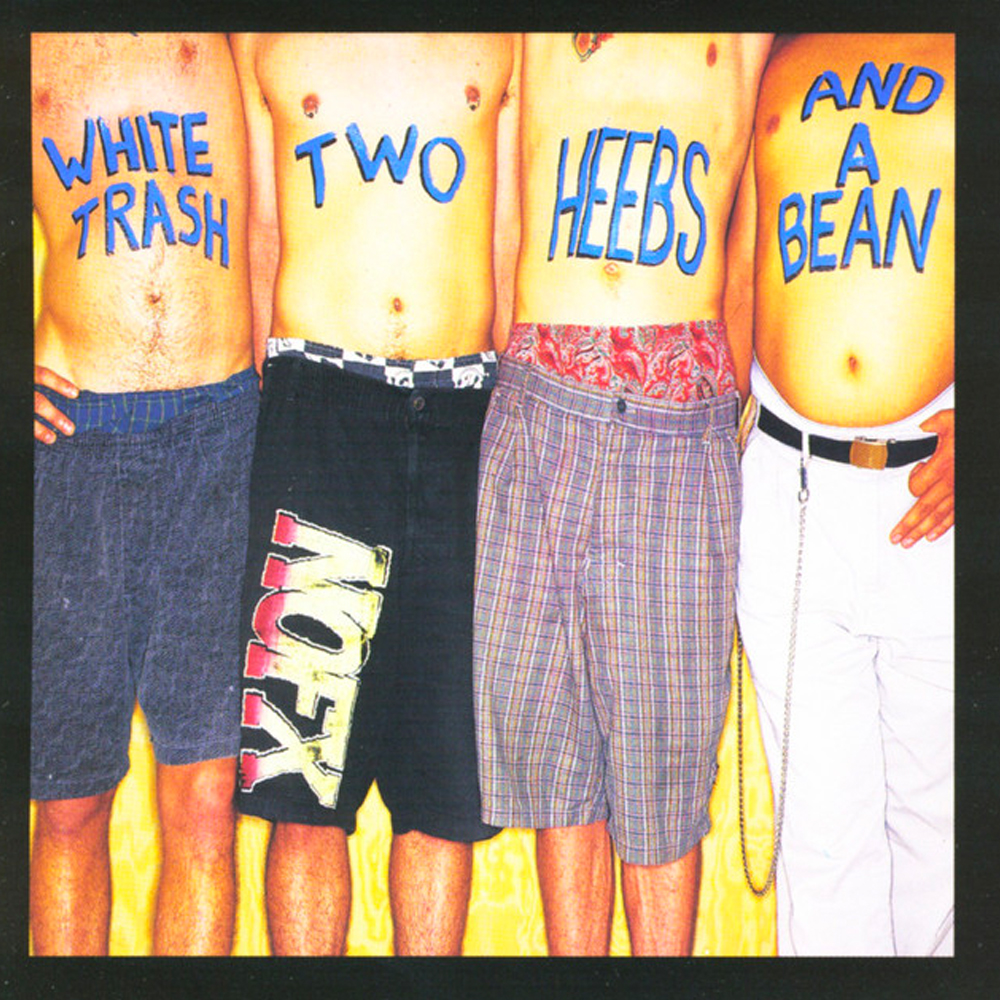 Originally titled “White Trash, Two Kikes and a Spic,” the cover for this album reveals that Fat Mike is hardly fat, and in fact, he’s not even the fattest person in the band!. Arguably, this may be the first album where NOFX really begins to feel like NOFX and approaches the more poppy sound they’re known for. Most importantly this album taught many young punk men everything they decided they needed to know about lesbian relationships via “Liza and Louise.” Every fisting begins with a first kiss, the cardinal rule. Despite the name, the album hardly touches the subject of race in any way, possibly this is for the best.
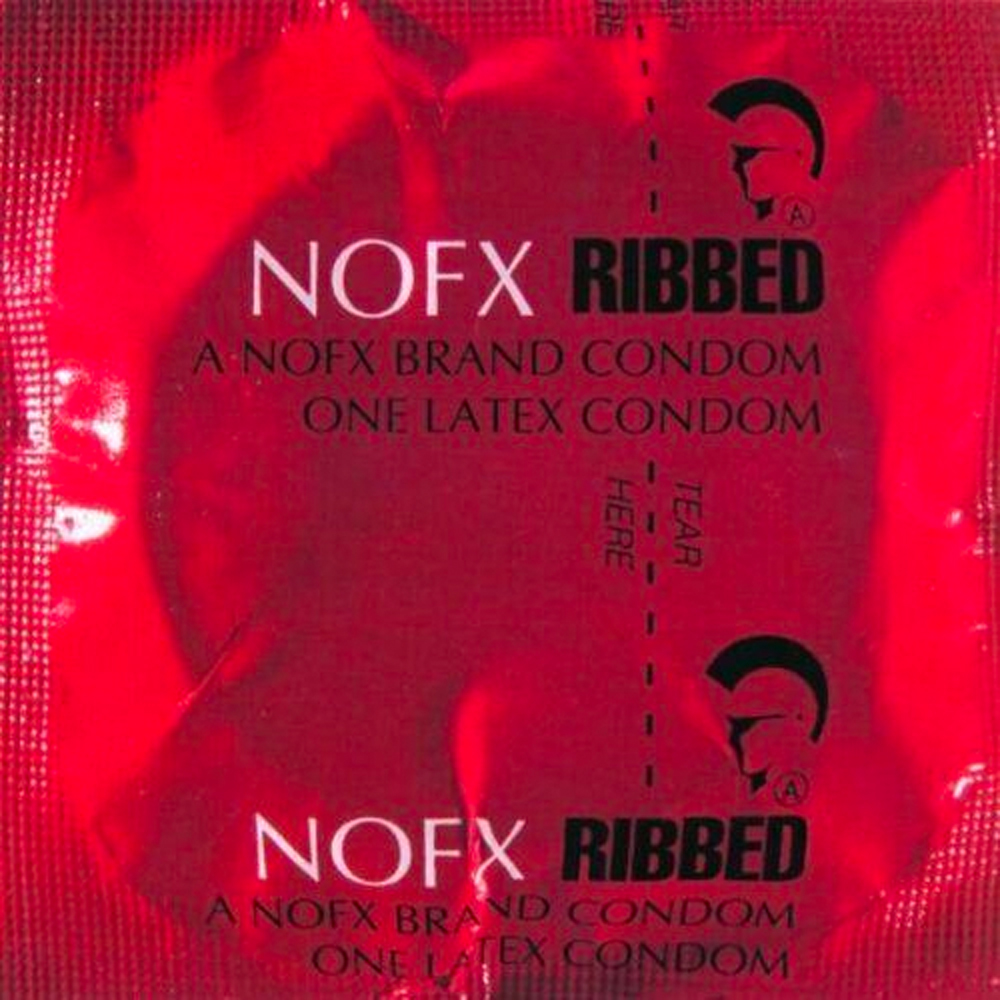 This album is perfect if you need a community college version of Bad Religion. Instead of the commentary on humanity and American culture that Bad Religion effortlessly weaves into their music, NOFX does this by complaining about people who live in LA and how bathing once every 24 hours is too much. There are some catchy, vaguely political songs, and not for nothing, you won’t need a dictionary to understand the lyrics. Aside from how anyone feels about the album, it also has art you will never forget.
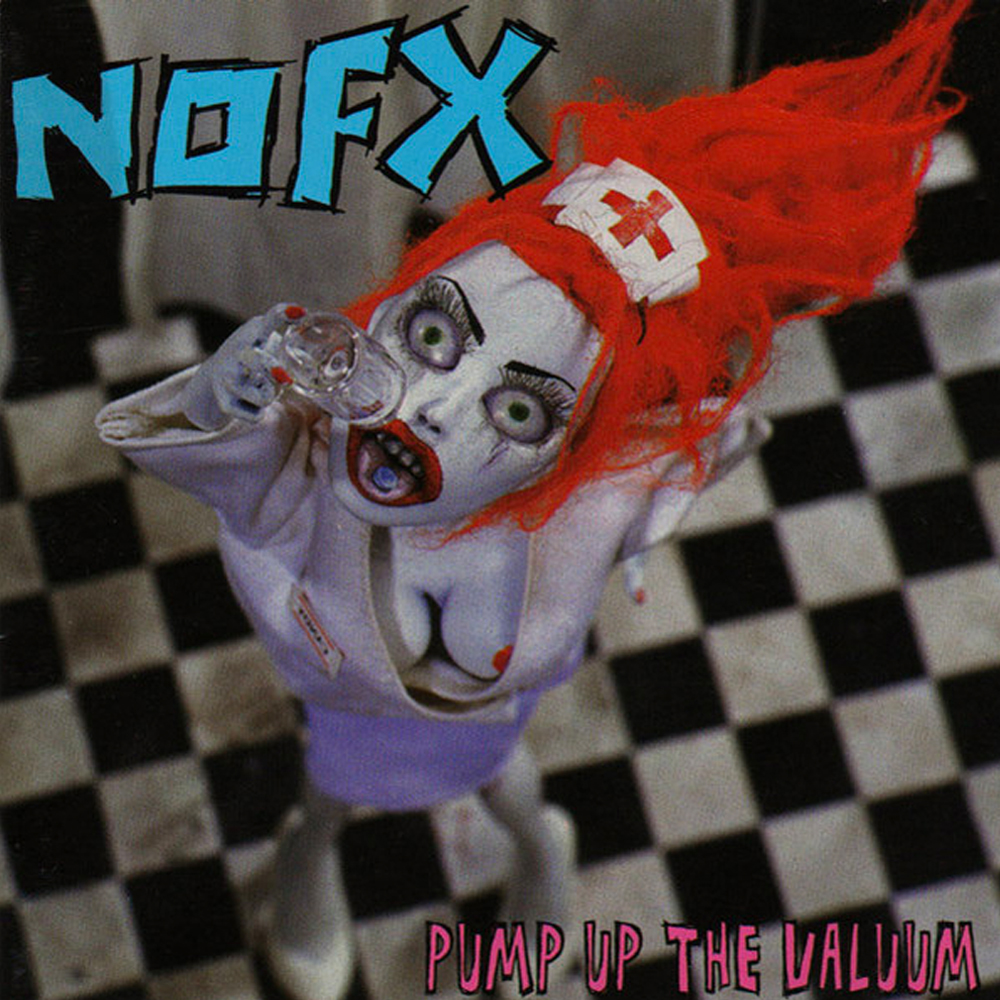 The last release on Epitaph, and you should play it loud. A valium drip is a great thing, if you’ve ever had one, you know this album was doomed to never be as good as the namesake. Any 14-year-old would love this album with timeless hits like “My Vagina,” “Dinosaurs Will Die,” and “What’s The Matter With Parents Today?” like seriously, it mentions vaginas in multiple songs. By this point in time, Fat Mike was probably rolling in the dough and still riding the high from “Punk In Drublic,” among some other substances probably. “Thank God it’s Monday” at face value of the song title may suggest it’s pro-rise and grind, but it’s really just about not having to work because you have sold a million copies of your biggest record. Must be nice!
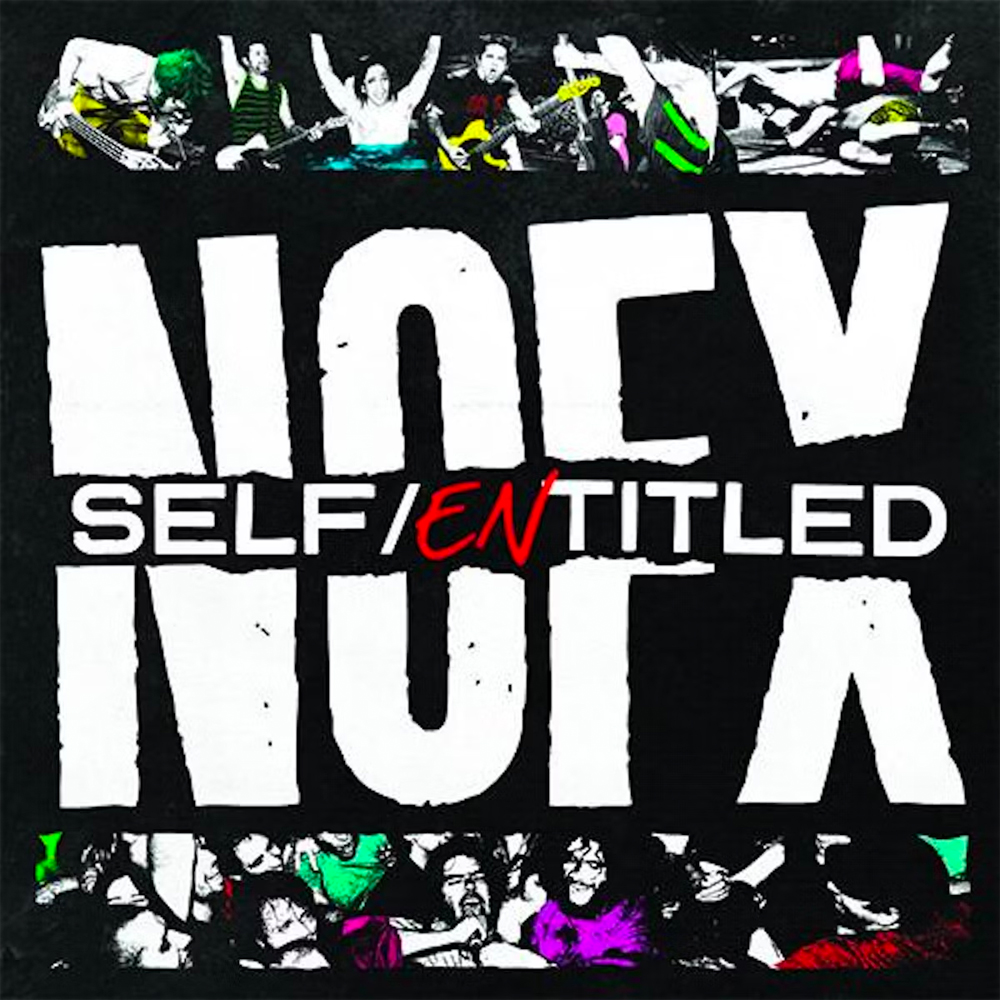 This album is seen as a return to form after the prior effort, “Coaster” (or “Frisbee” if you purchased the 12”). Fat Mike takes on a handful of geo-political issues including terrorism, imperialism, secret societies, before getting deeply personal and ambiguous for the remainder of the album. The album starts off with a bang with “72 Hookers,” which depending on how you look at it, is just a punk version of the “love wins” slogan. Except remove the love part, and replace it with blowjobs as a way to stop extremists from detonating the vest. The strongest flex may come in “My Sycophant Others” where Fat Mike calls out the yes men and pee drinks around him. Self-referencing has always been a strong point of NOFX, if you recall “We Got Two Jealous Agains” from ‘The War on Errorism,” Mike dives into his divorce with “I’ve Got One Jealous Again, Again” which rings true for anyone who lost a long relationship and had to divvy up a mixed record collection. Seriously, never, ever mix record collections.
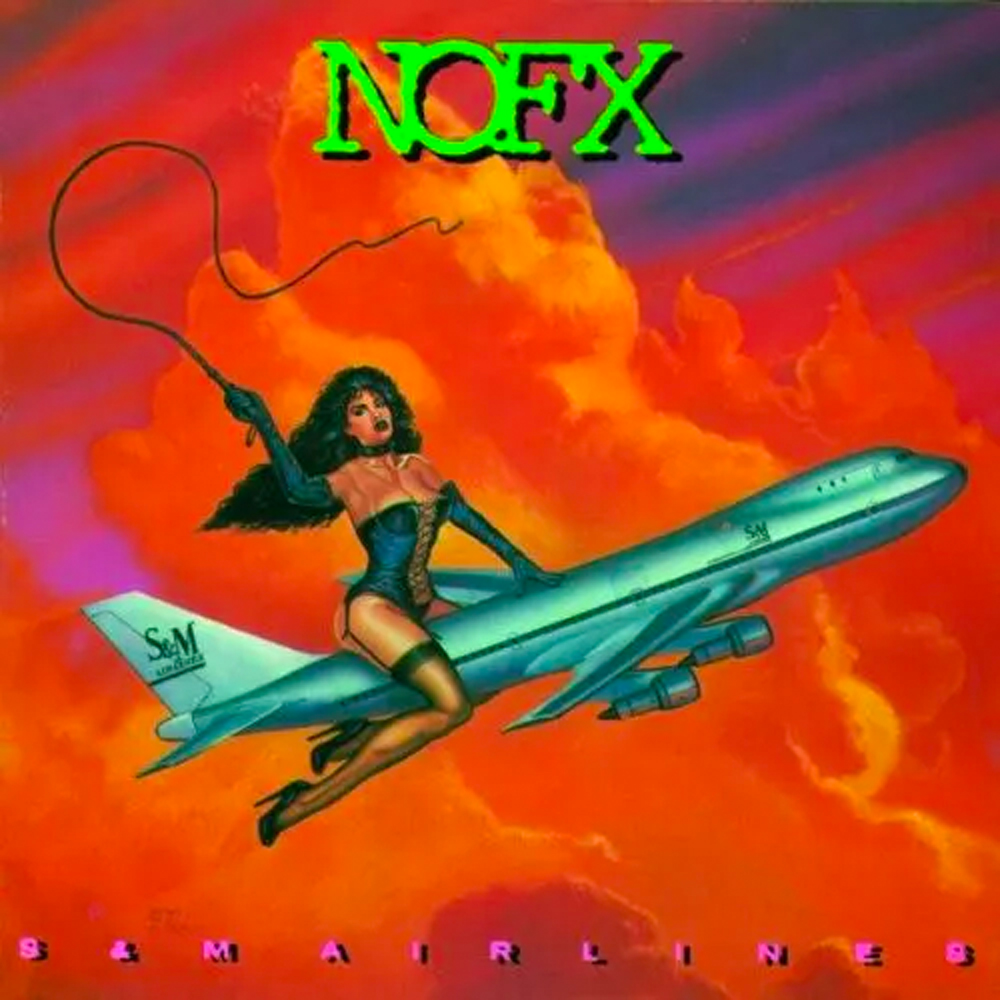 This was NOFX’s first release on Epitaph records and features a dominatrix riding on top of an airplane as if it was a mechanical bull. Curious minds may enquire, is the dominatrix really big, or is the plane really small? Are there people inside the plane? Are they not worried about the massive scantily clad woman wielding a whip, straddling the vehicle they are in? “S&M Airlines” has a lot of references to travel especially the title track reads like a wet dream and may include the earliest (and only) reference to a rimjob in a punk song that features Greg Graffin and Brett Gurewitz doing harmonies. “You Drink, You Drive, You Spill,” while notably less horny than the title track, does touch on the dangers of sober driving citing statistics that show a majority of accidents are not alcohol-related. The result of a deep dive of this album, you may find yourself in a coach seat hopeful the stewardess is going to strap you in.
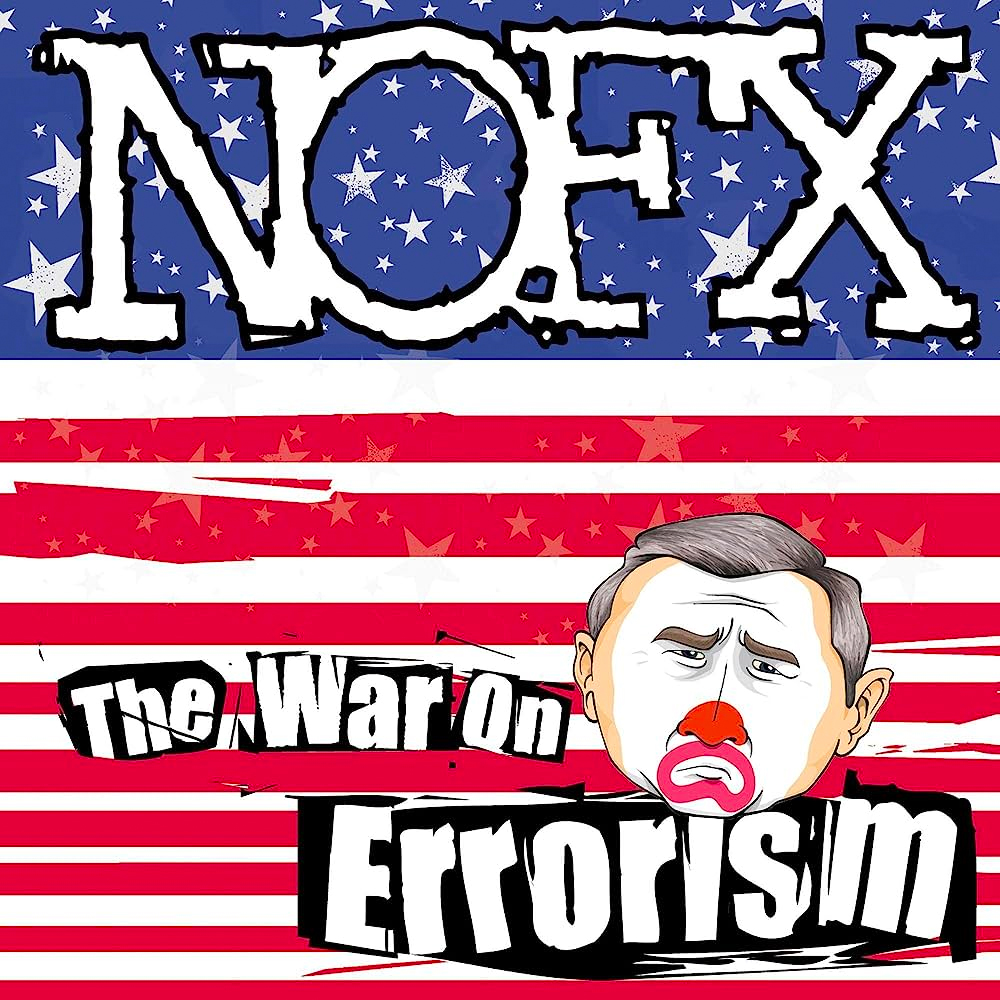 America’s worst president, George W. Bush, clearly kicked up a lot of negative sentiment among punks and NOFX were the clear torchbearers in fighting him through music. For many kids born in the ‘90s, this album was their first that seriously took on politics, and it was released while they were simultaneously going through puberty, unfortunately it was also long before they reached voting age. To say this album was exclusively political couldn’t be further from the truth however. Breaking out of the duality of the two punk rock retirement plans, being a skinhead or a rockabilly guy (which is exclusively based on how bad they get hit by male pattern baldness), and suggesting that there is in fact a retirement community for old punks in “Mattersville”. The album closes on a somber note with “Whoops, I OD’d” and it’s strongly reminiscent of a time when you may have been in your teens and had to get your stomach pumped with your parents looking at you sideways.
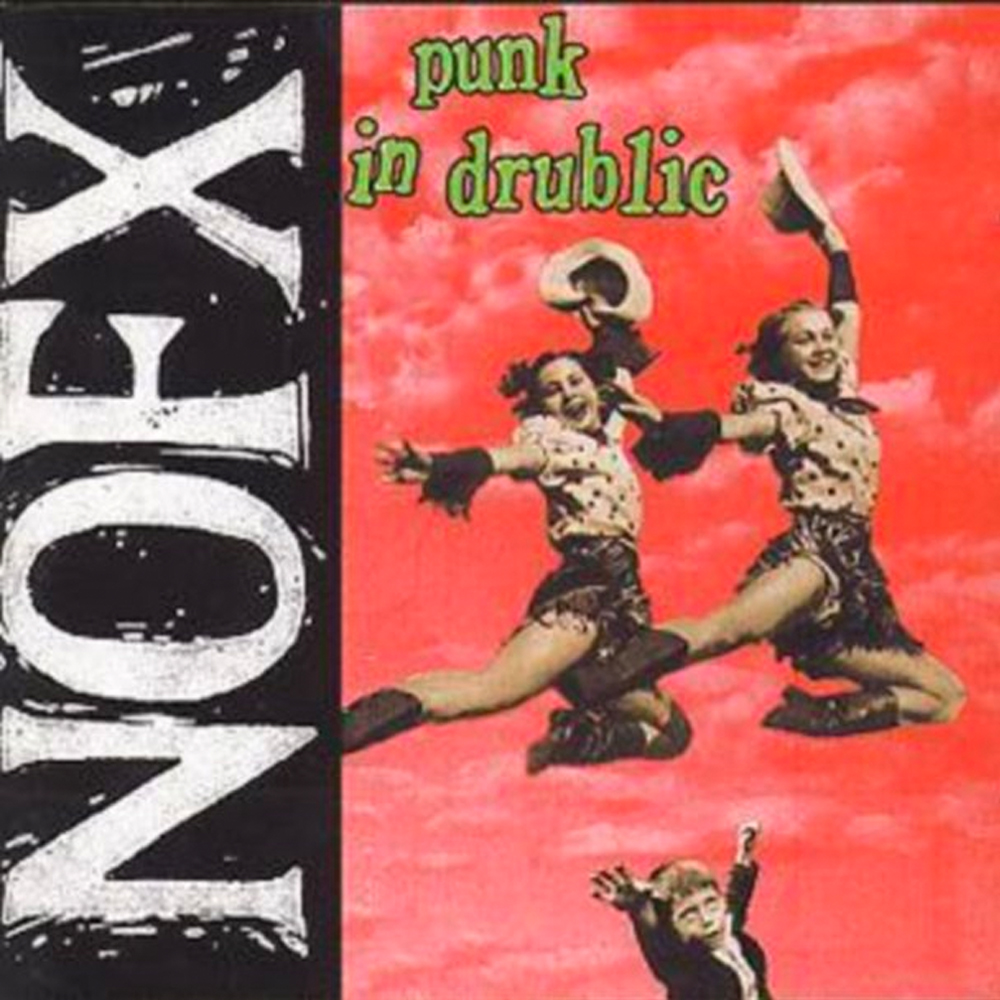 The year is 1994, and just a few short months after Green Day released “Dookie,” “Punk In Drublic” is released. One can easily ascertain that this is NOFX’s most well-known, and commercially successful release without even looking it up. The album is fondly remembered as some of the band’s best work by people who still ride skateboards in their late 30s. Hooks aside, Fat Mike may subtly be foreshadowing the cultural zeitgeist of why people should rightfully be embarrassed for being white with “Don’t Call Me White,” still the foresight he had did not save him from releasing this on Fat Wreck over Epitaph. If you’re only going to get one NOFX album, this is probably the one you want.
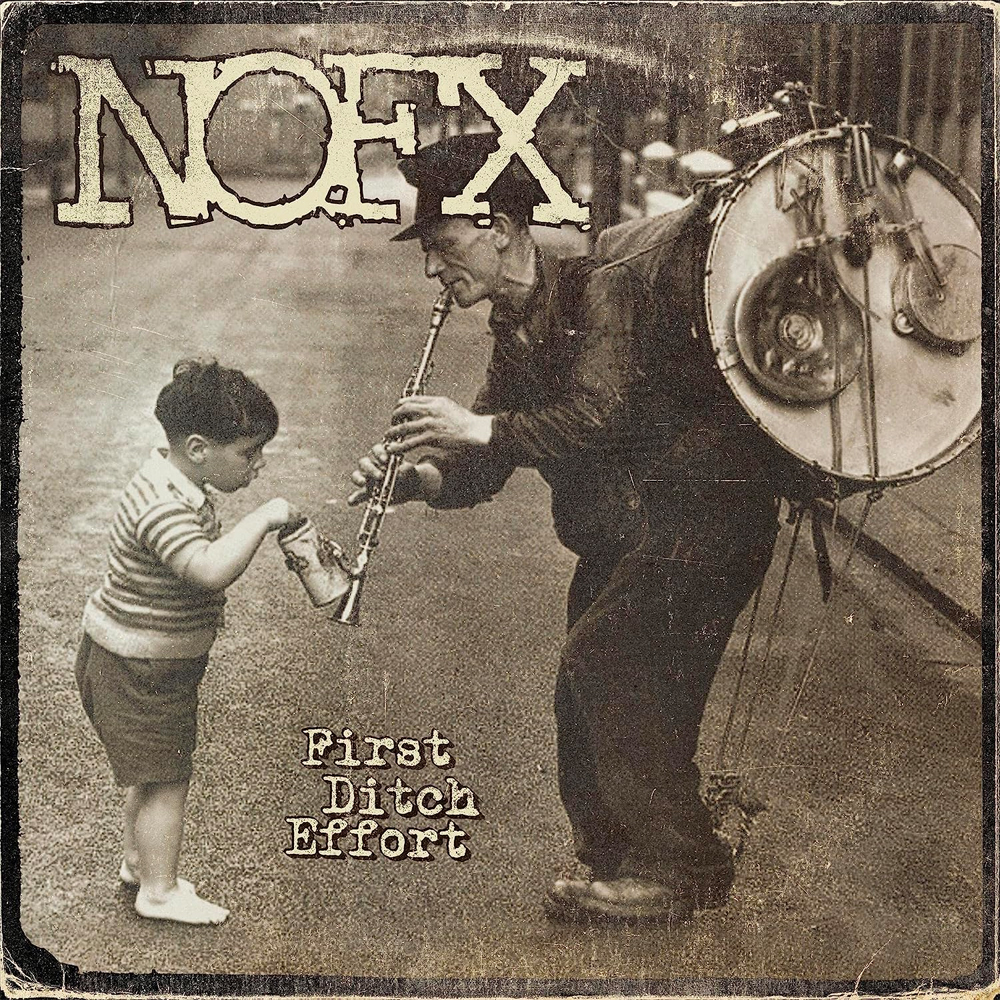 An oft-overlooked album in the NOFX catalog that captured a lot of the 2016 milieu surrounding the band. Seemingly Fat Mike makes attempts at sobriety, opens up about performing in drag, sings about STDs, and tackles drug use (okay every NOFX album tackles drug use but still). This may be the deepest, most personal NOFX album, and easily the biggest bummer of an album. Not being content with making you feel bad about your relationship with your parents, your drug use, the times you should have used a condom, it touches on the death of Tony Sly, hanging with a friend who has cancer, and the end of the world. Pour yourself a drink, you’ll need it.
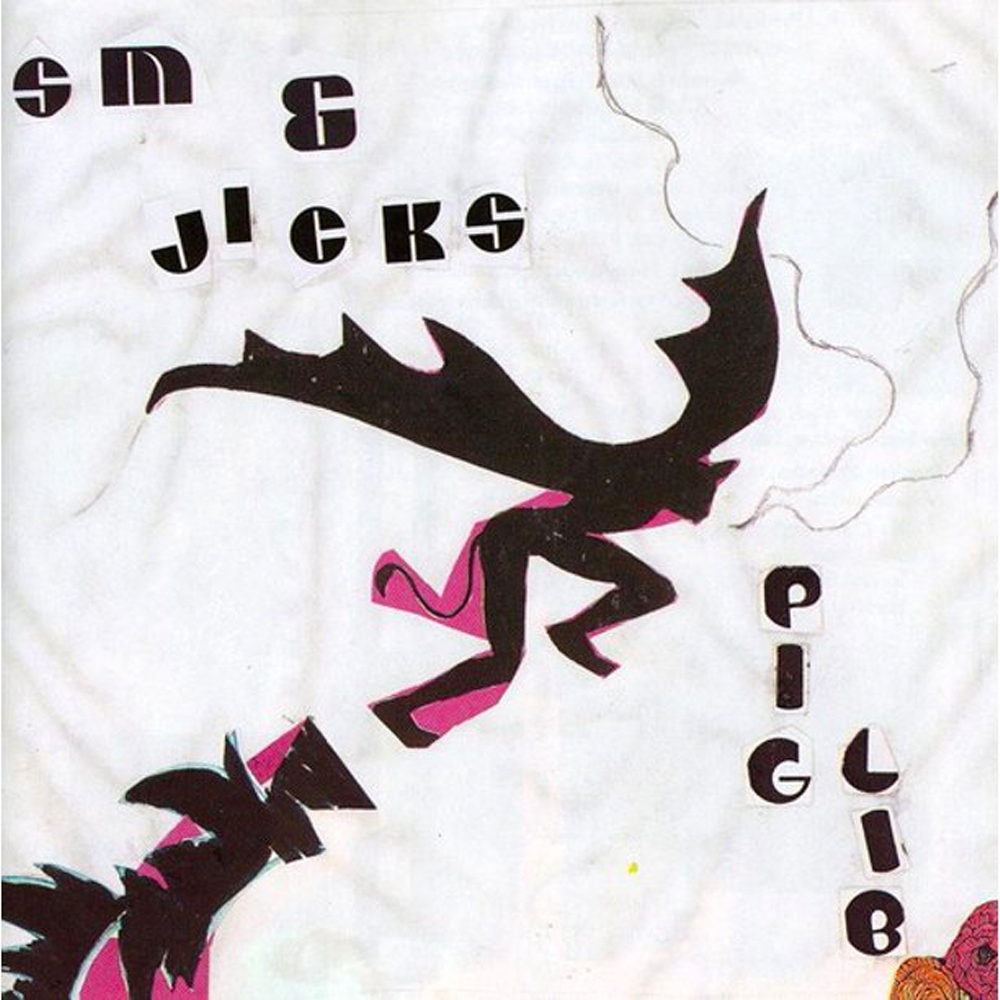 Stephen Malkmus & The Jicks “Pig Lib”
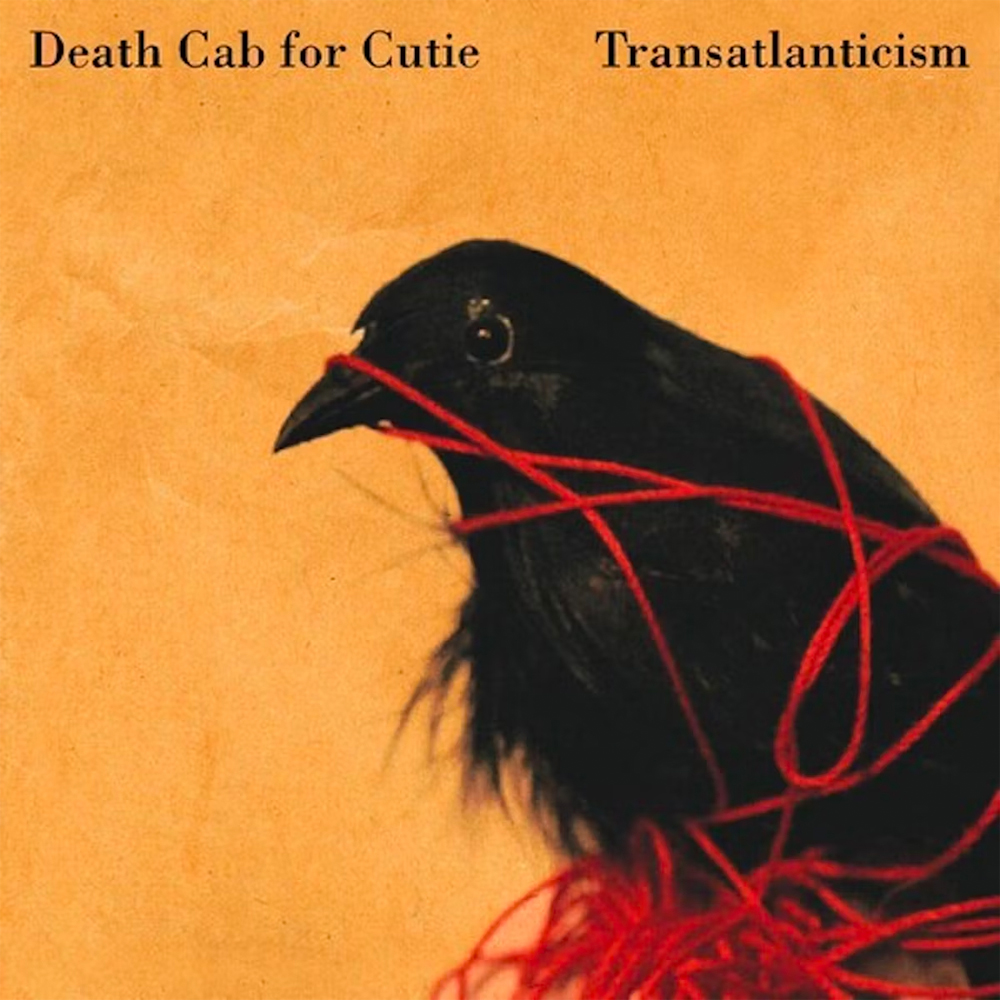 Death Cab For Cutie “Transatlanticism”
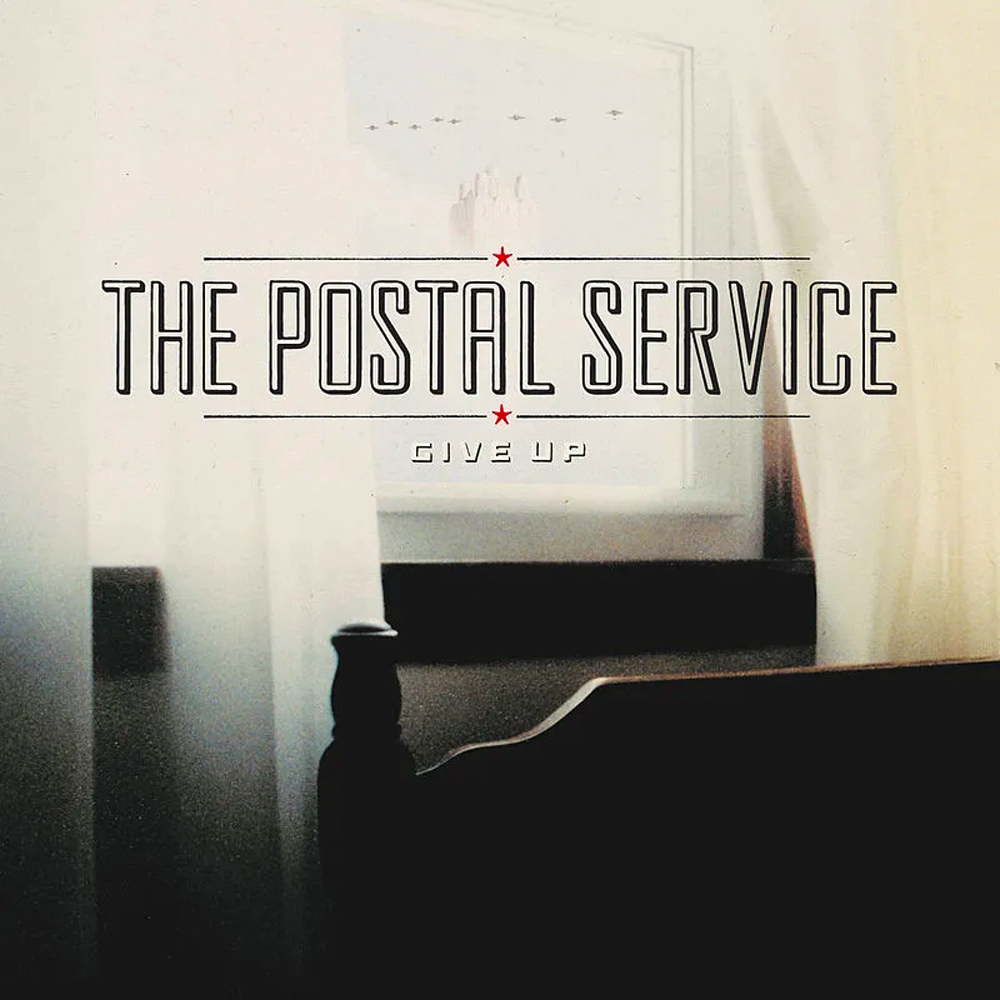 The Postal Service “Give Up”
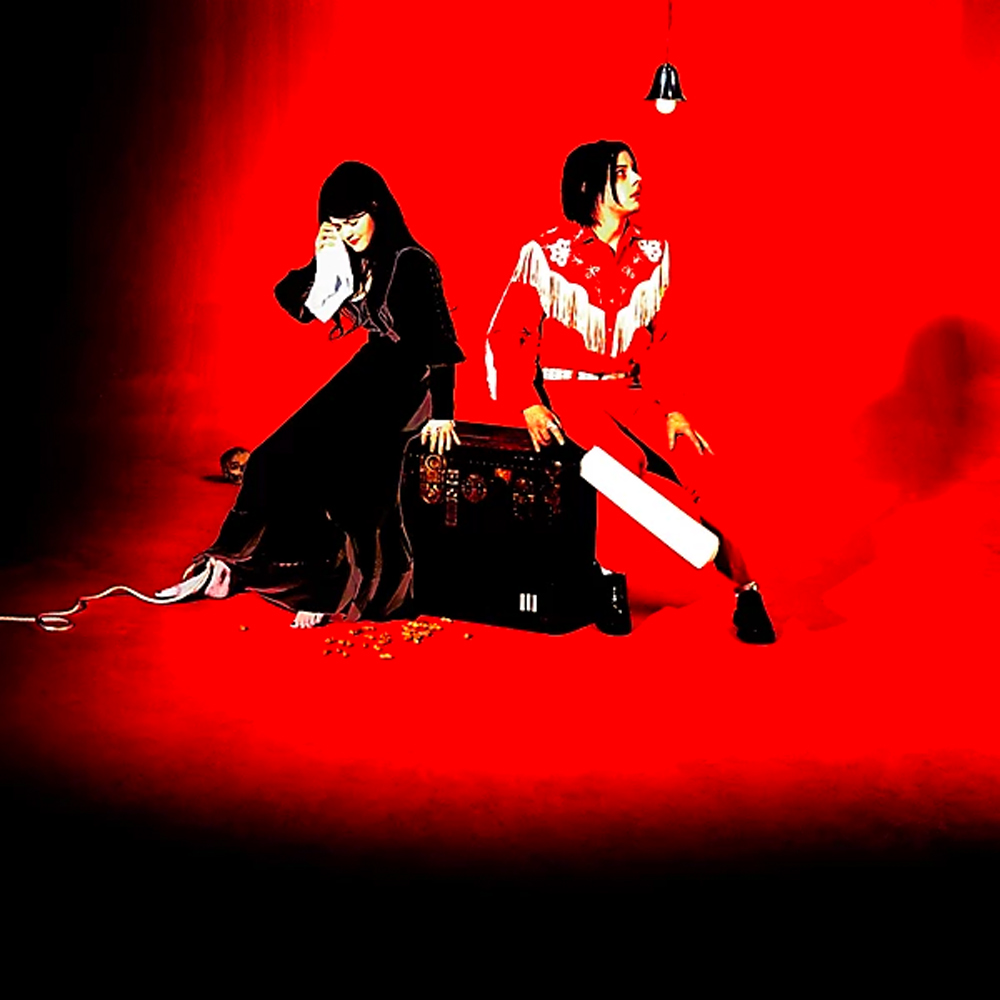 The White Stripes “Elephant”
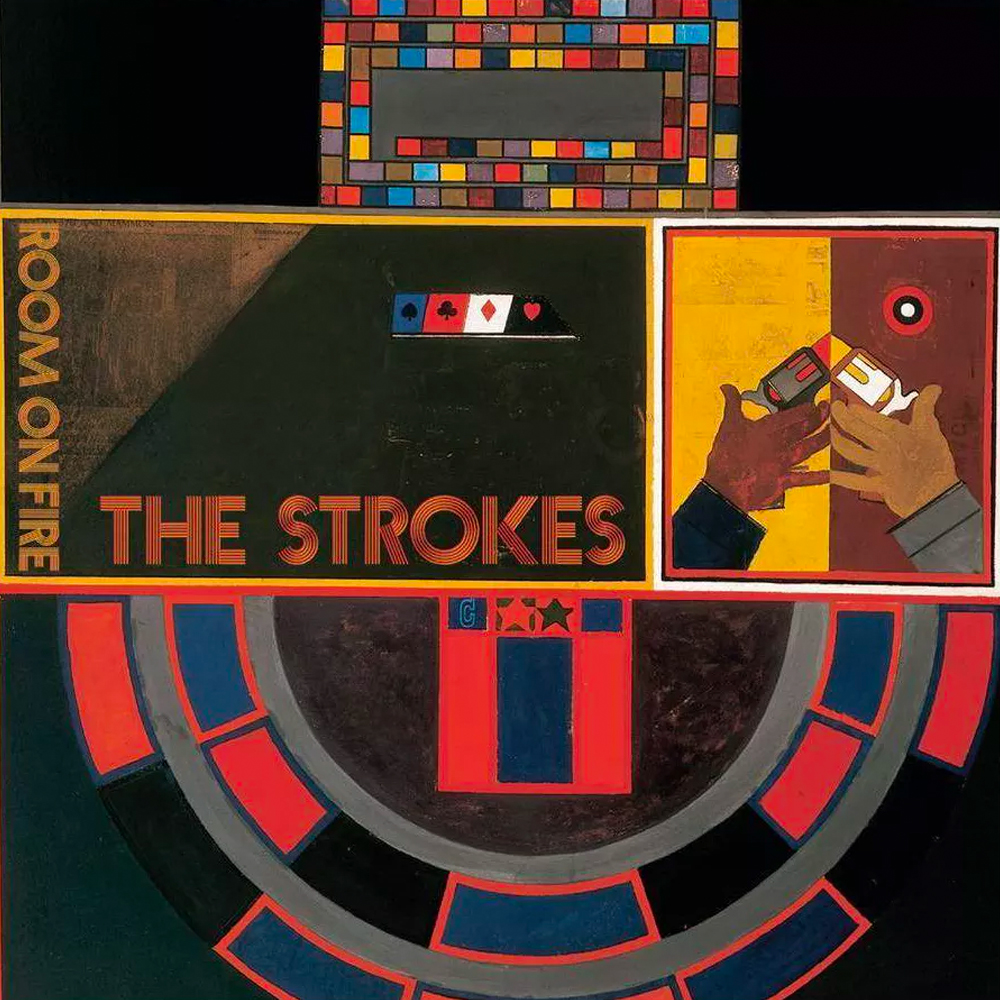 The Strokes “Room on Fire”
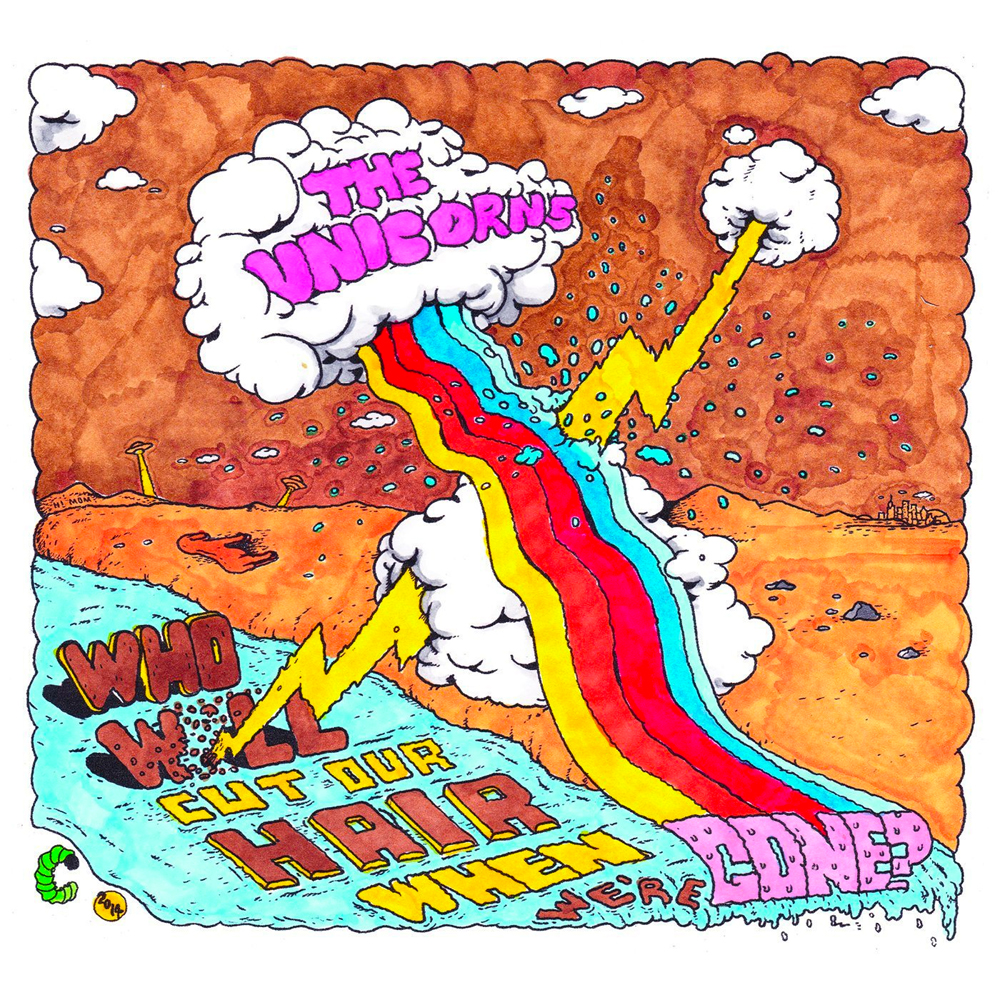 The Unicorns “Who Will Cut Our Hair When We’re Gone?”
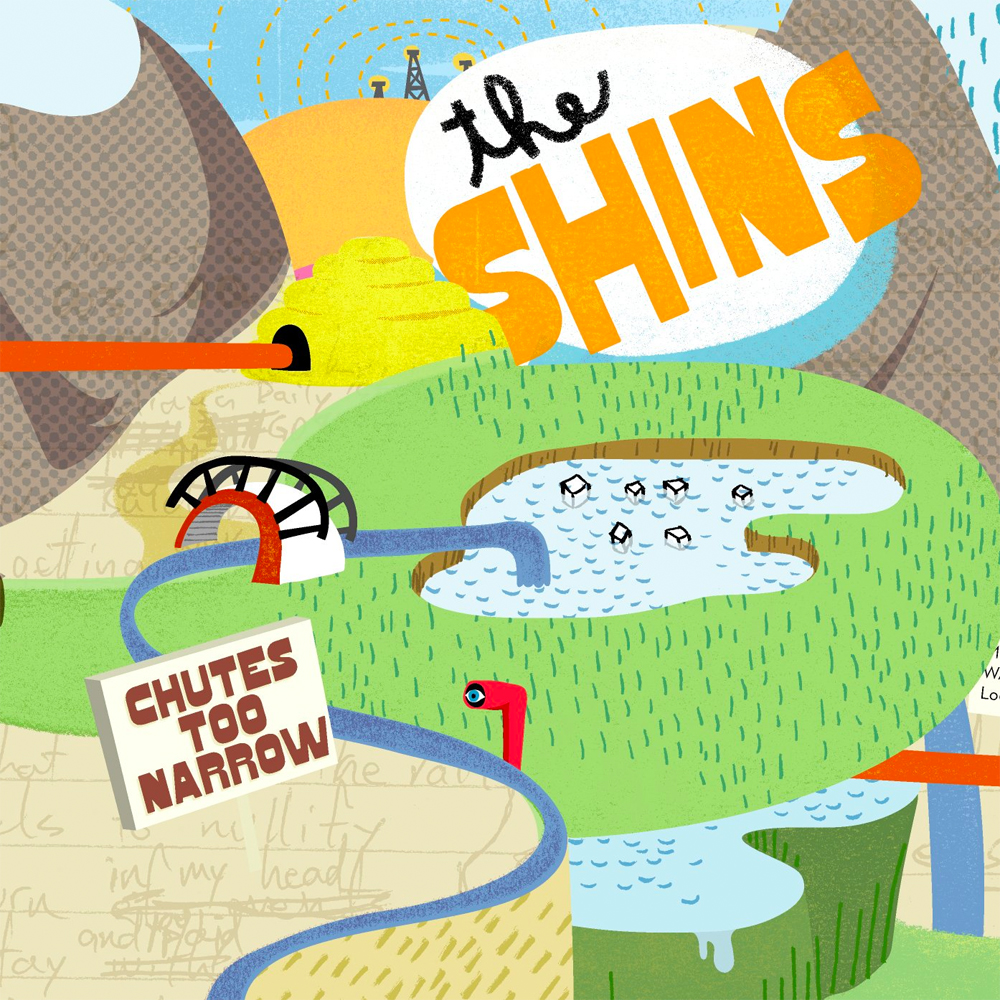 The Shins “Chutes Too Narrow”
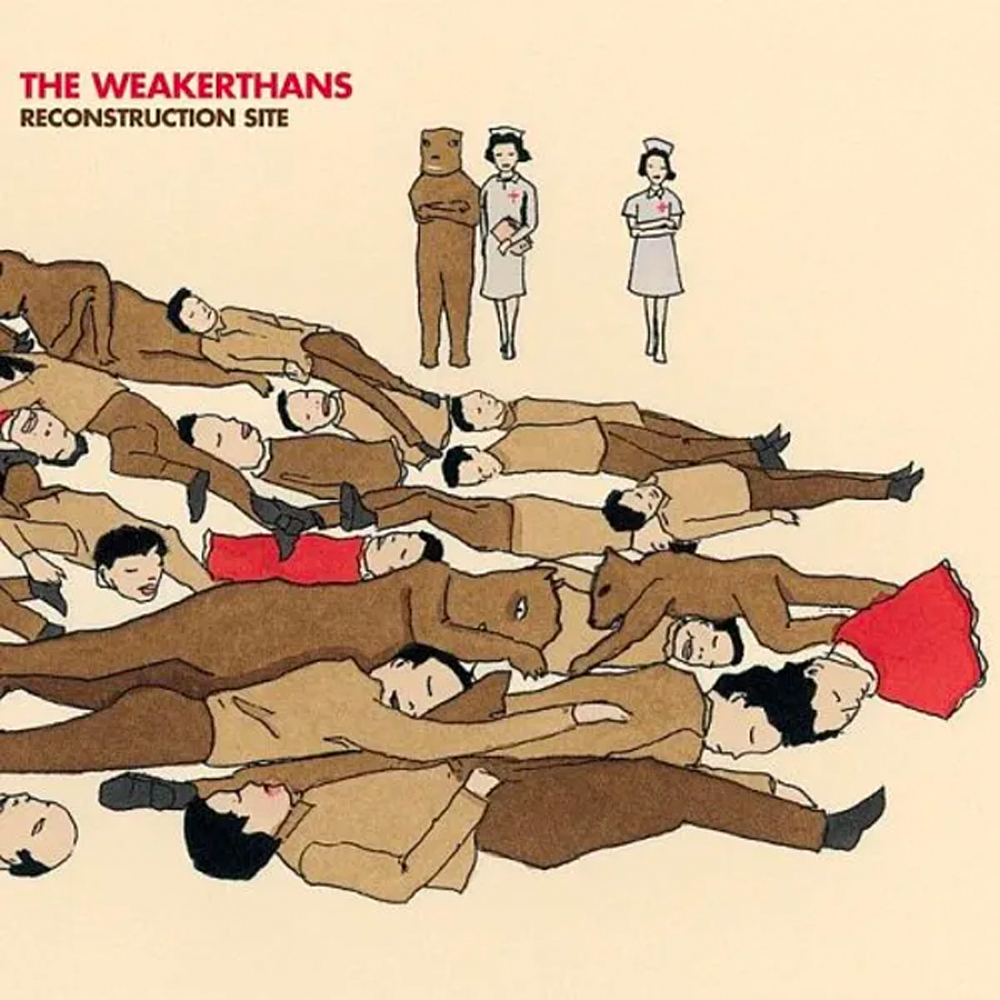 The Weakerthans “Reconstruction Site”
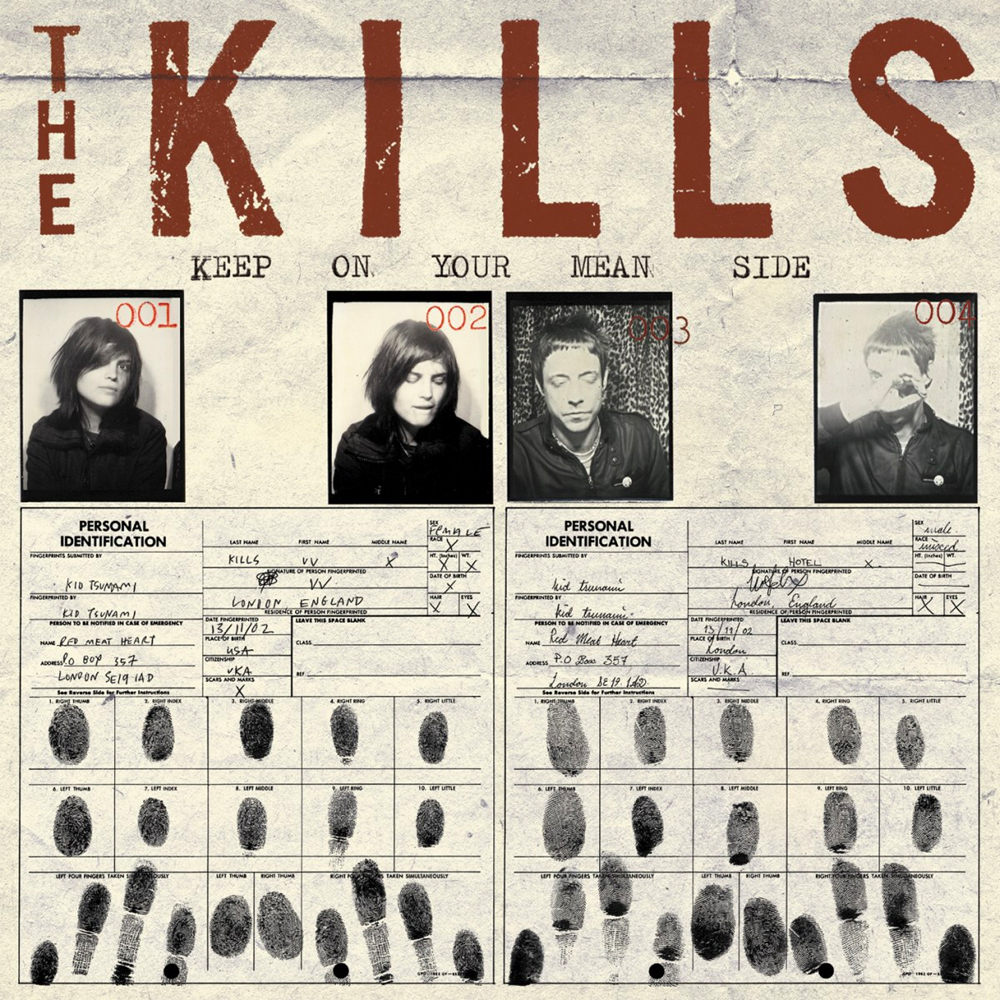 The Kills “Keep On Your Mean Side”
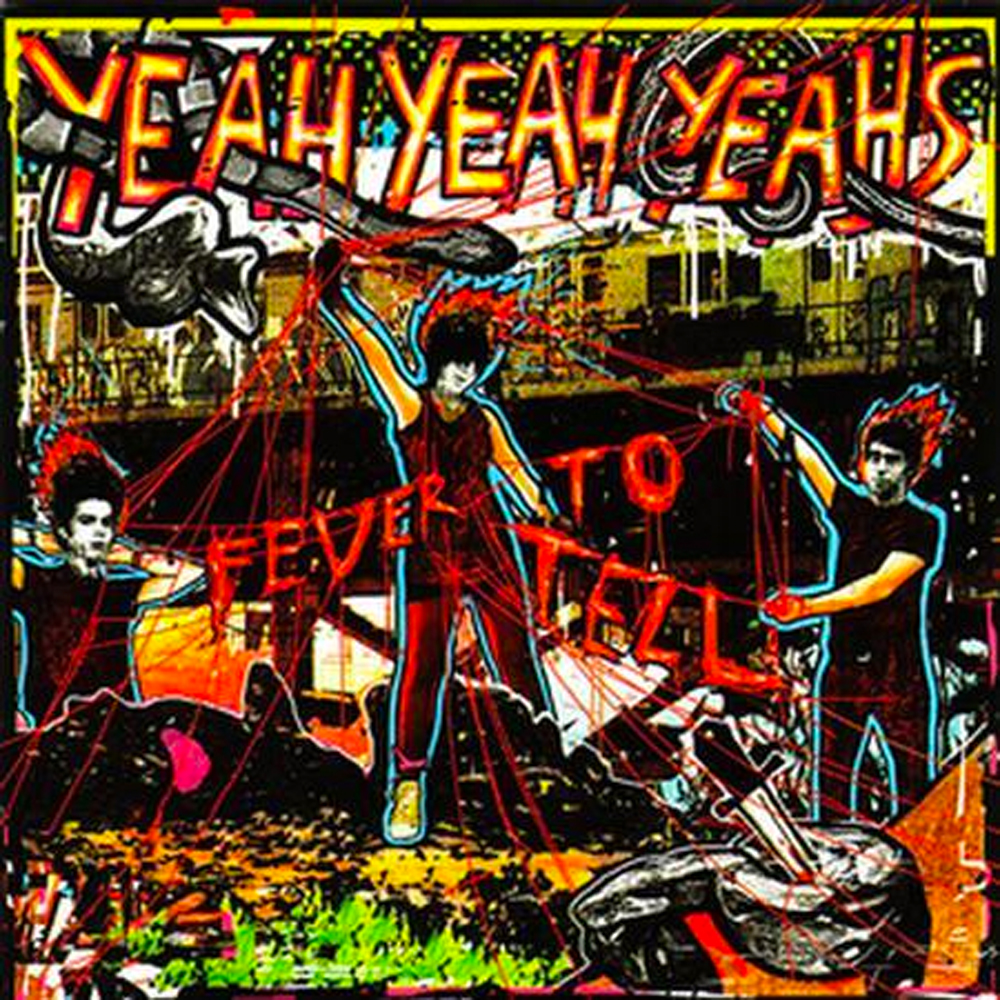 Yeah Yeah Yeahs “Fever to Tell”
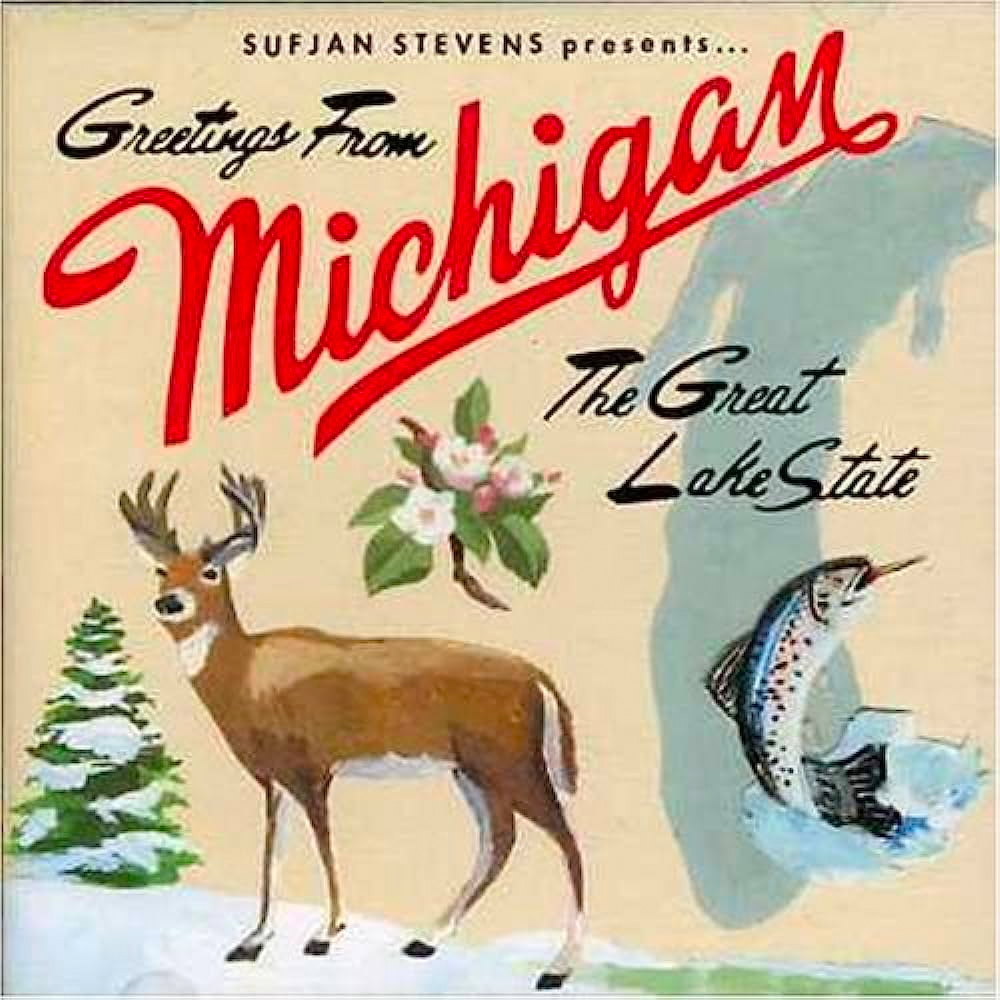 Sufjan Stevens “Michigan”
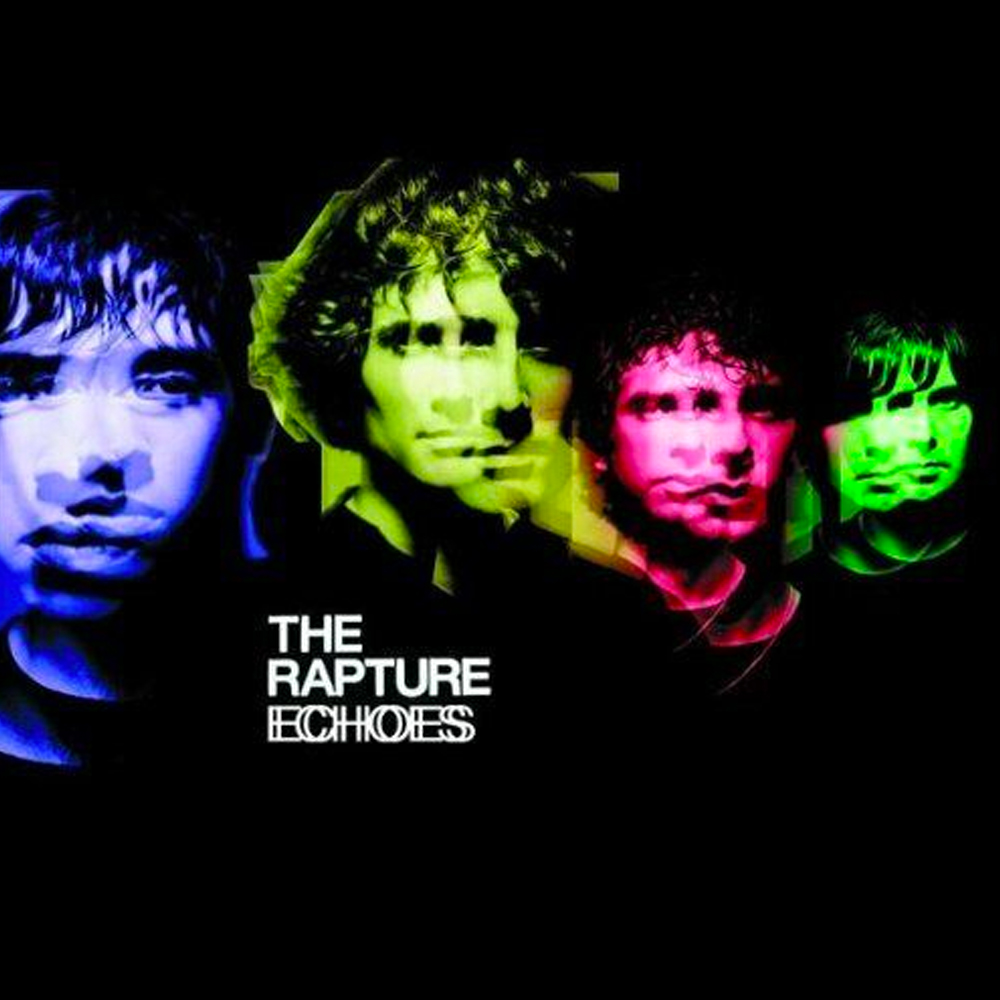 The Rapture “Echoes”
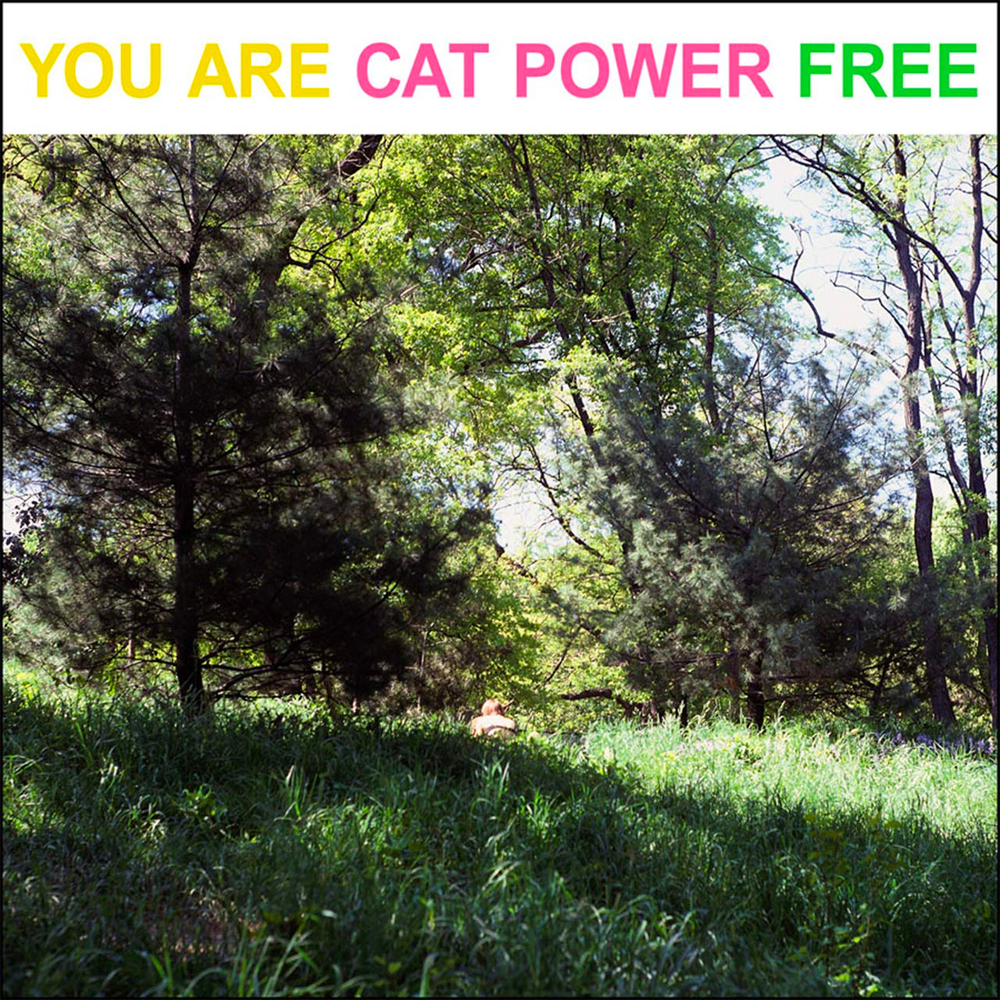 Cat Power “You Are Free”
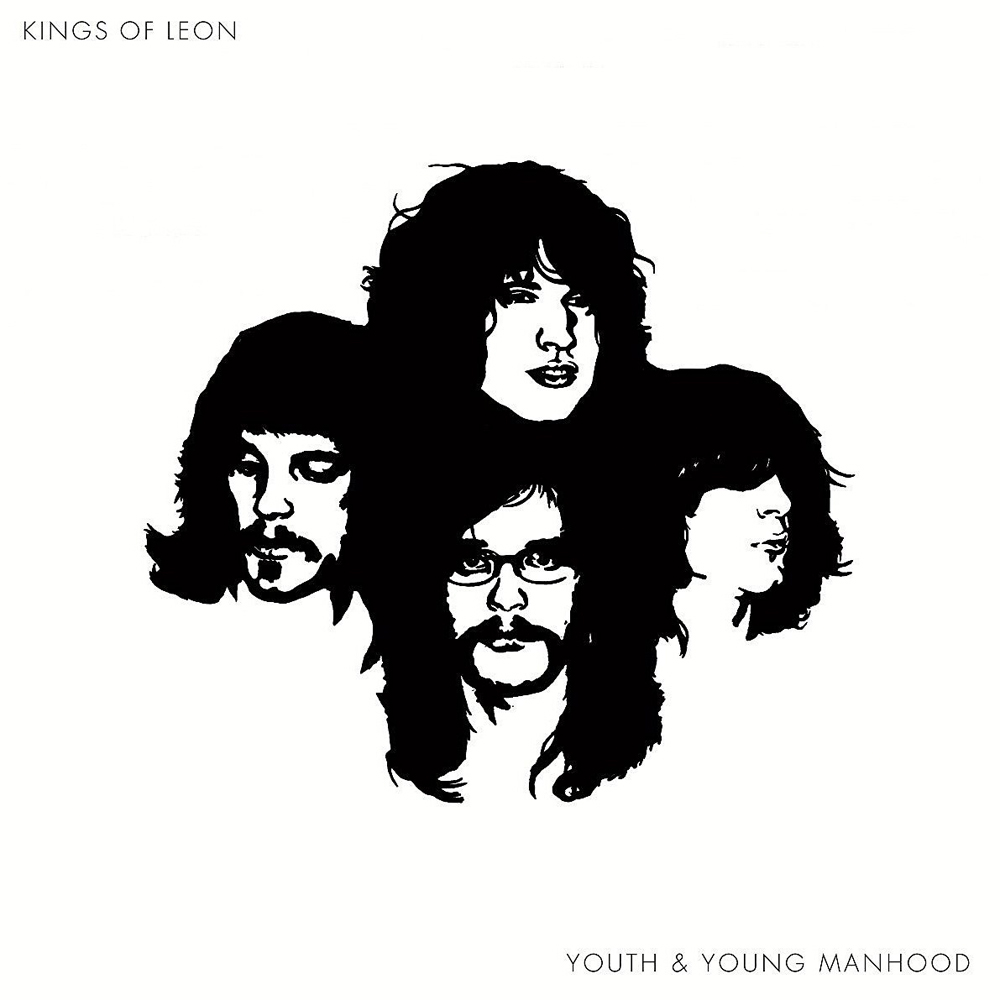 Kings of Leon “Youth and Young Manhood”
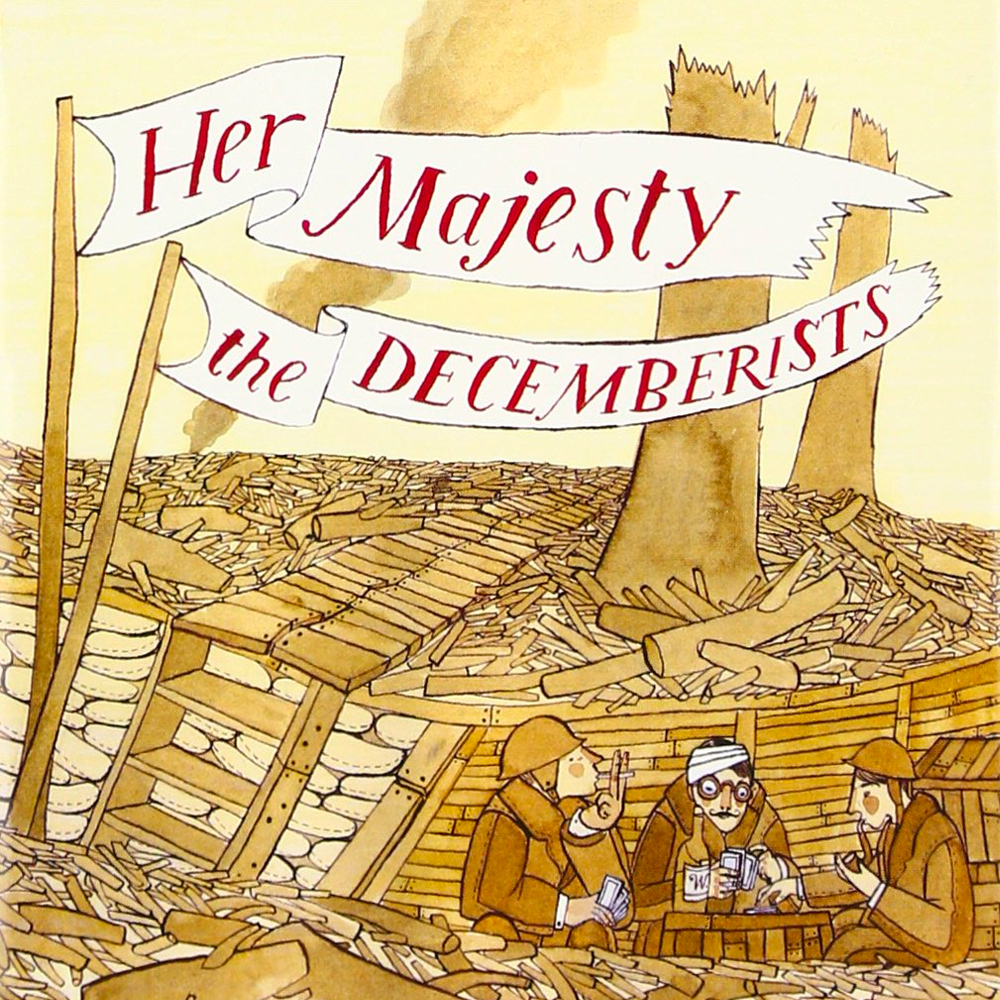 The Decemberists “Her Majesty”