Despite what one may think, nobody, not even you, knows exactly what the hell post-hardcore is. Please stop lying. However, some of you, but not likely you, know what the hell the word “post” means. Please keep lying. Subsequent to your pondering, pandering, or any word starting with “P” regarding the sentences above, here is a question to commiserate over: Is post-hardcore a reaction to hardcore punk, or is it anything that came out after hardcore? Please don’t answer that. In the meantime, we implore you to kick your heels up, dine alone, and enjoy the handy dandy alphabetized top fifteen ‘90s post-hardcore bands that we are completely and totally wrong about below, or continue to solely listen to Crass, wanker(s):
At the Drive-In
 El Paso, Texas has more than meth, fam. Forming in 1994, the year that punk broke, Western Texas’ own At the Drive-In put its own original stamp on the aggressive music world with a frenetic and sweaty bang, winning fan-by-fan over with their extremely buck wild live show and oft-difficult to pronounce song titles. The band released two full-length albums and four EPs this century before its 2000 break-out LP “Relationship of Command,” imploding shortly after, reforming, breaking up again, coming back together, and finally going on a possibly permanent hiatus in 2018. That’s a lot of skips on the record, but we still spin The Mars Volta more than Sparta.
Drive Like Jehu
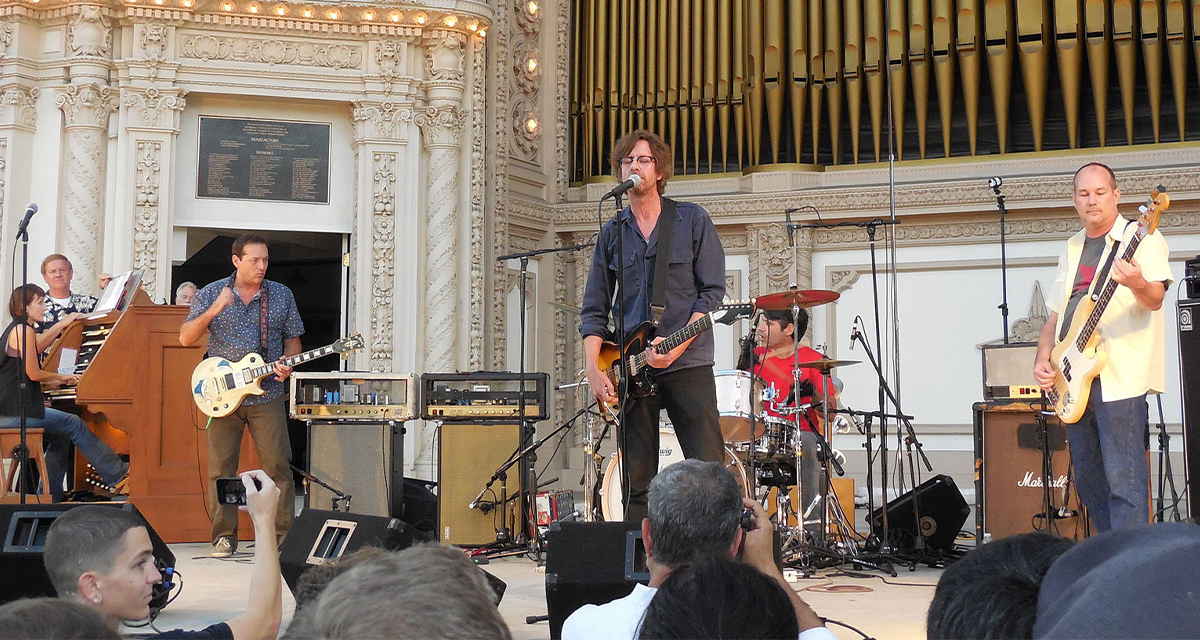 Drive Like Jehu is easily the least major-label sounding band to cut a record for a huge conglomerate group, and that’s post-hardcore as all get out; up the post-hardcores! Essentially a San Diego punk rock supergroup consisting of Mark Trombino on drums, John “Swami” Reis of Rocket from the Crypt on lead guitar, and more, Drive Like Jehu put its own angular stamp on the genre with 1994’s never-hated-upon-record-even-by-your-bitter-ass “Yank Crime.” It certainly is criminal behavior that this LP was the band’s swan song, and even sadder that another one will never come out; R.I.P. to DLJ and Hot Snakes vocalist Rick Froberg, who passed away earlier this year.
Far
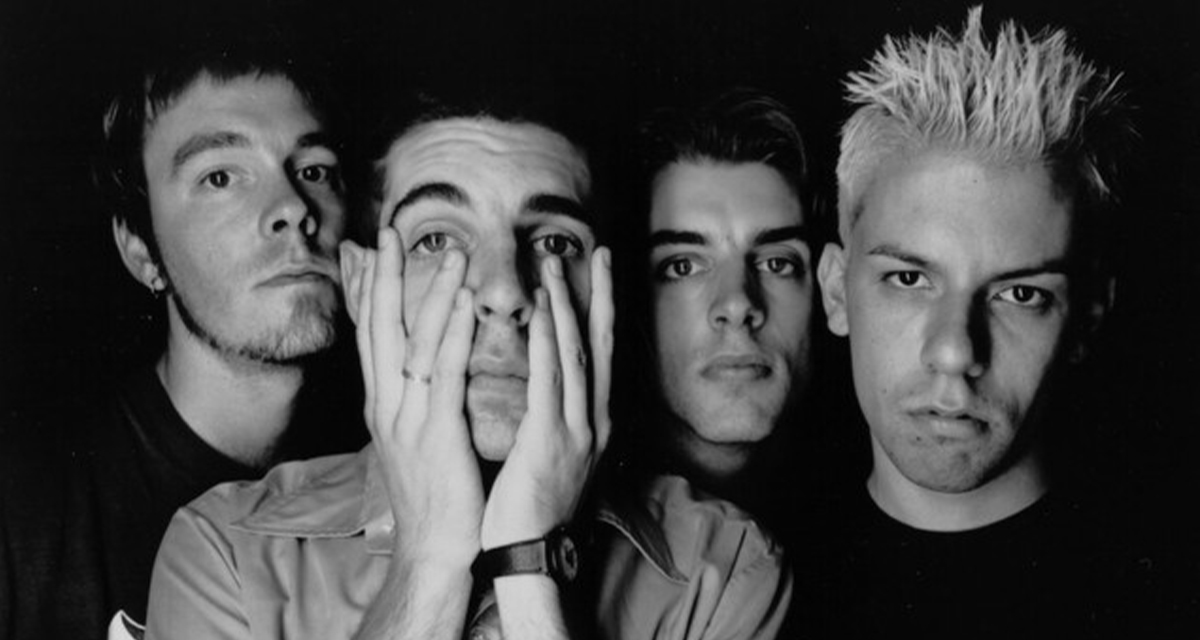 Real talk: Sacramento’s Far is tied for the most underrated band on any emo/post-hardcore list ever written along with the last band to be mentioned in this piece back and to the left. Scroll down any time that you want, Johnny! Anyway, forming in 1991, the year that grunge broke, Far released four LPs and one EP in the ‘90s to a lot of underground acclaim. However, despite the group releasing two of its albums on a major label, not many outside of the post-hardcore scene heard the group. 1998’s “Water & Solutions” is a masterpiece, and we don’t use that word unless we mean it; stop overusing superlatives, dweebs. In closing, Far created the ultimate post-hardcore blueprint record that sadly got an abundance of high praise a tad too late. Such is the system.
Fugazi
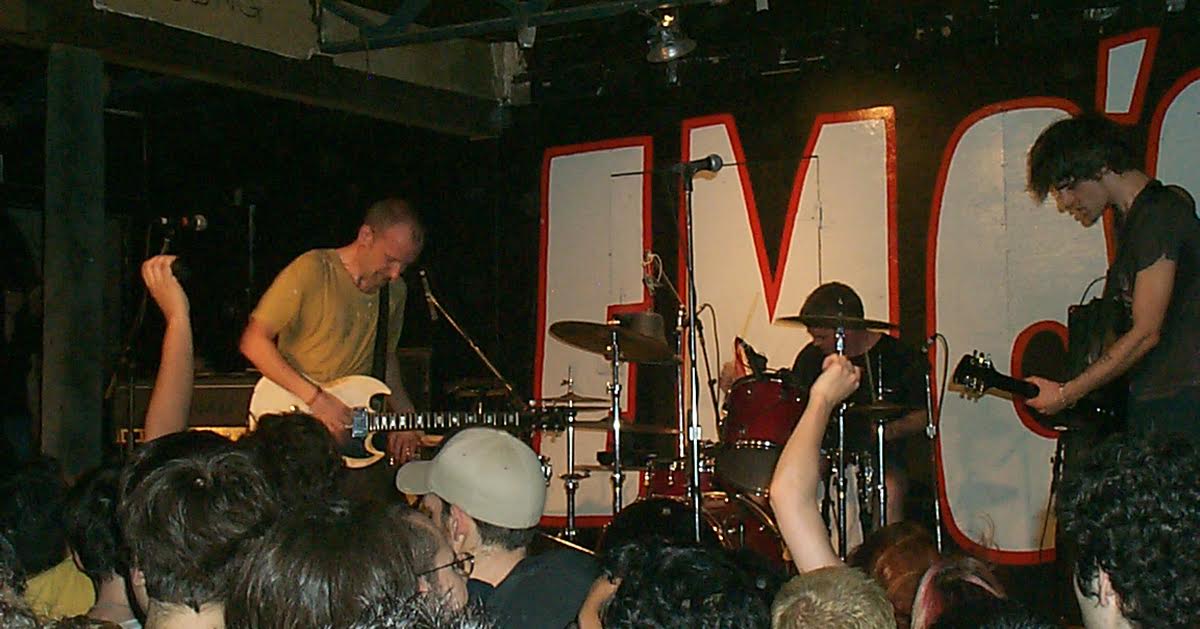 Rising from the ashes of ‘80s post-hardcore forefathers Rites of Spring and Embrace, the latter of which came from the legendary and incomparable Minor Threat, Washington, D.C.’s revered four-piece Fugazi formed in 1986, and released its first full-length in 1990. If you claim post-hardcore-DIY-till-you-die credibility, you’re obnoxious by trade and definition, but certainly know that it is illegal and punishable by hourly ridicule to spout a negative word about this band, and we are more than cool with such smug elitism and rigid rules for being a punk. Every single popular rock group that you truly, truly hate claims and namechecks Fugazi as a major influence in more ways than one, leading to the questions, “Why?” and “How?” Shut the door.
Helmet
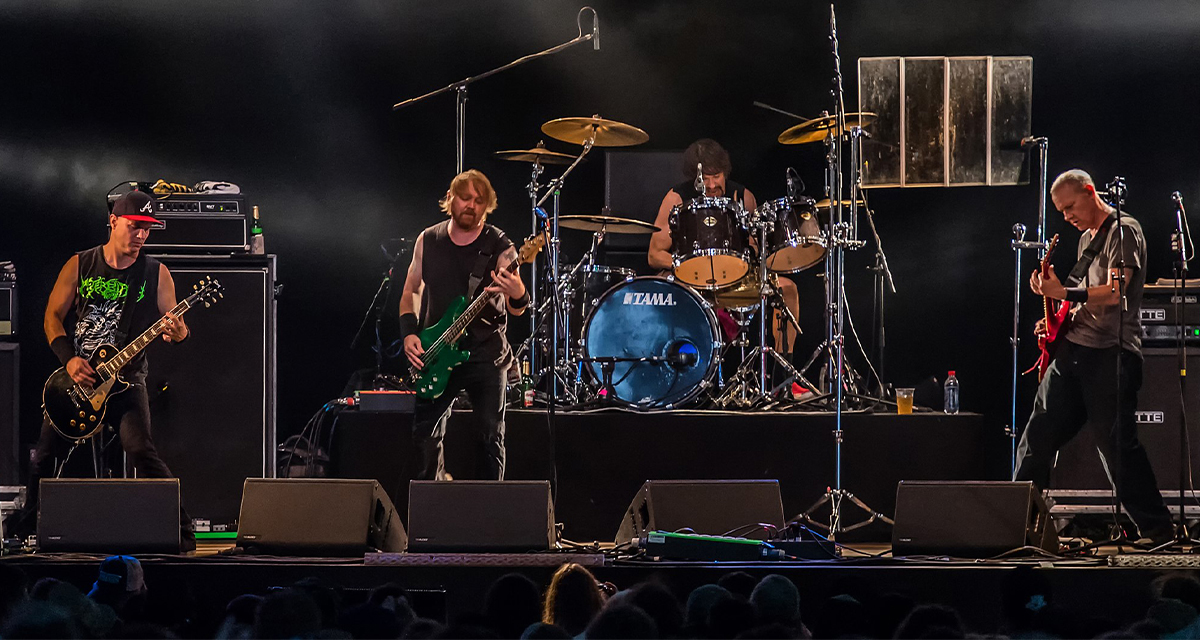 The band’s band Helmet formed in NYC in 1989, and released its first four critically acclaimed full-lengths in the ‘90s to modest sales and an ardently loyal fan base. Still, like pretty much all of the fifteen rock and roll groups on this here list, Helmet should be as large as its influence is, even if you despise some or all of the early-aughts rapping goons in white tank tops. If you’re reading this post-hardcore piece, you likely do, cool kid.
Hum
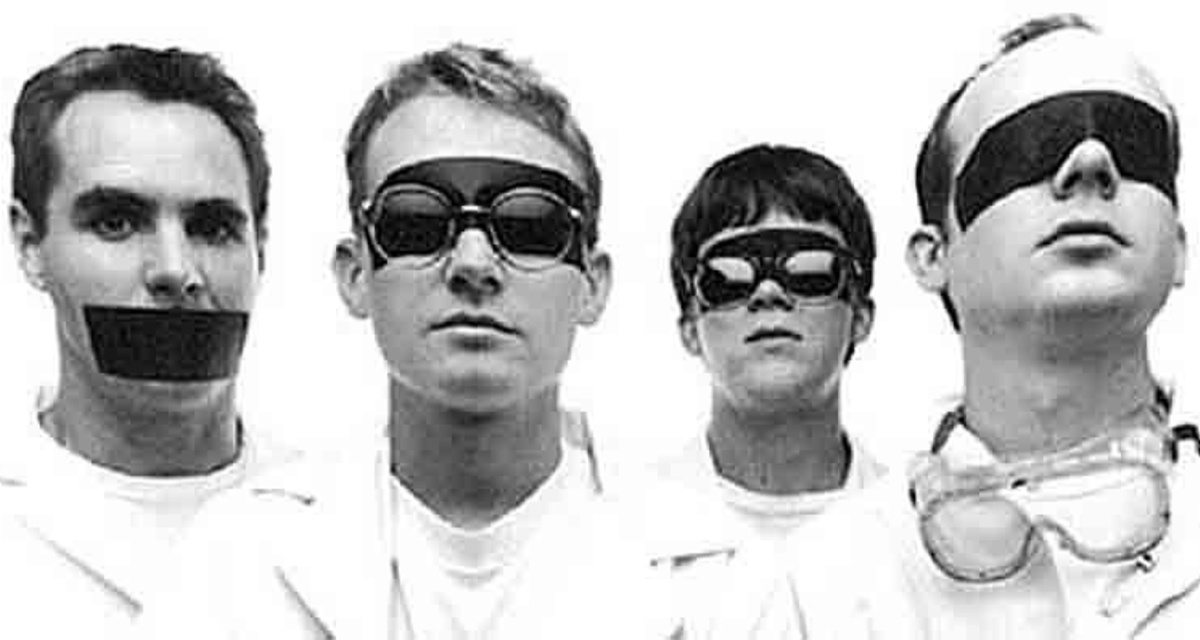 If you like a large side of atmospheric space with your generous ‘90s post-hardcore helping, then Champaign, Illinois’ Hum is for both you and Tom Hanks’ character in Apollo 13. The band reunited in 2020 for a record just after Covid took the airwaves, but released four albums from 1991-1998, the last two of which are classics to both hipsters and alternative rock heads. Although we hate the stupid, smelly, and just plain rude word “shoegaze” for more than fifteen reasons, Hum is a Mount Rushmore act in that immaturely named genre. Come home soon.
Jawbox
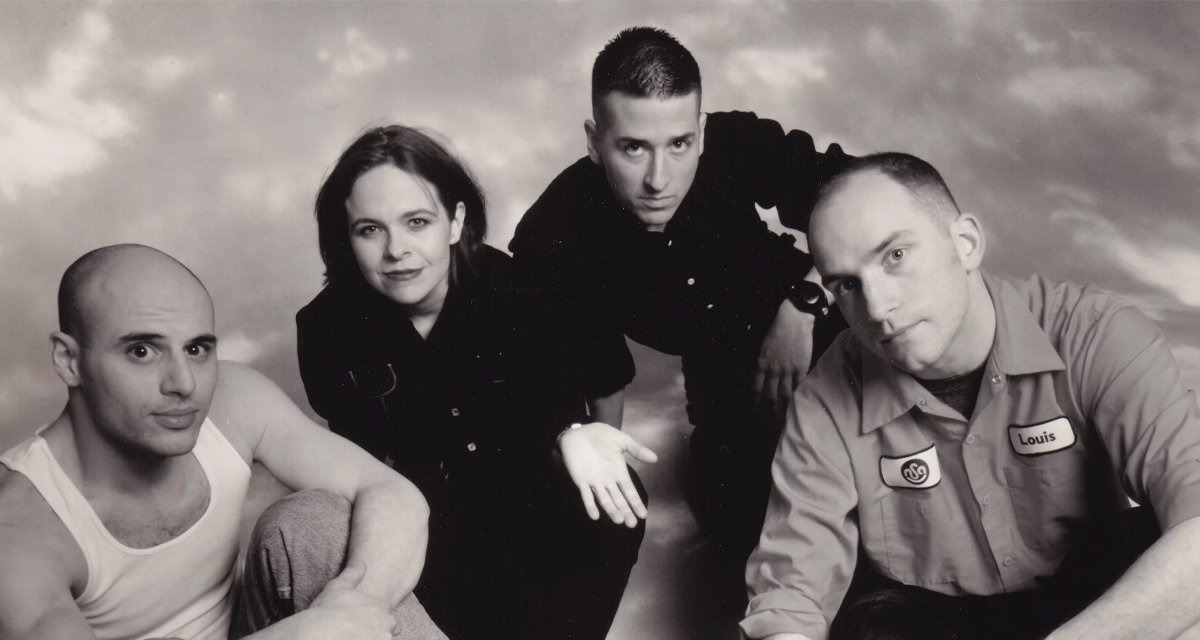 When the first of two bands listed here starting with “Jaw” known as Jawbox broke up, some of its members formed a band called Burning Airlines. There is a joke below about this clever statistic in the next section that is so witty, you are gonna plotz. Anyway, Washington, D.C.’s Jawbox released all four of its full-lengths in the 1990s to hardcore Dischord Record fans and major label rock heads, if the latter one is a thing. Jawbox had a strong influence amongst bands as well, as their catchy single “Savory” from 1994’s “For Your Own Special Sweetheart” was covered by the aforementioned Far and the-influenced-by-all-bands-listed-above-and- below-and-illegal-to-dislike Deftones. In a weird and unpredictable flex, the band played its first show since its 1997 breakup on “Late Night With Jimmy Fallon” in 2009 before splitting up again, and reforming ten years later. We’re still scratching our heads at that one.
Jawbreaker
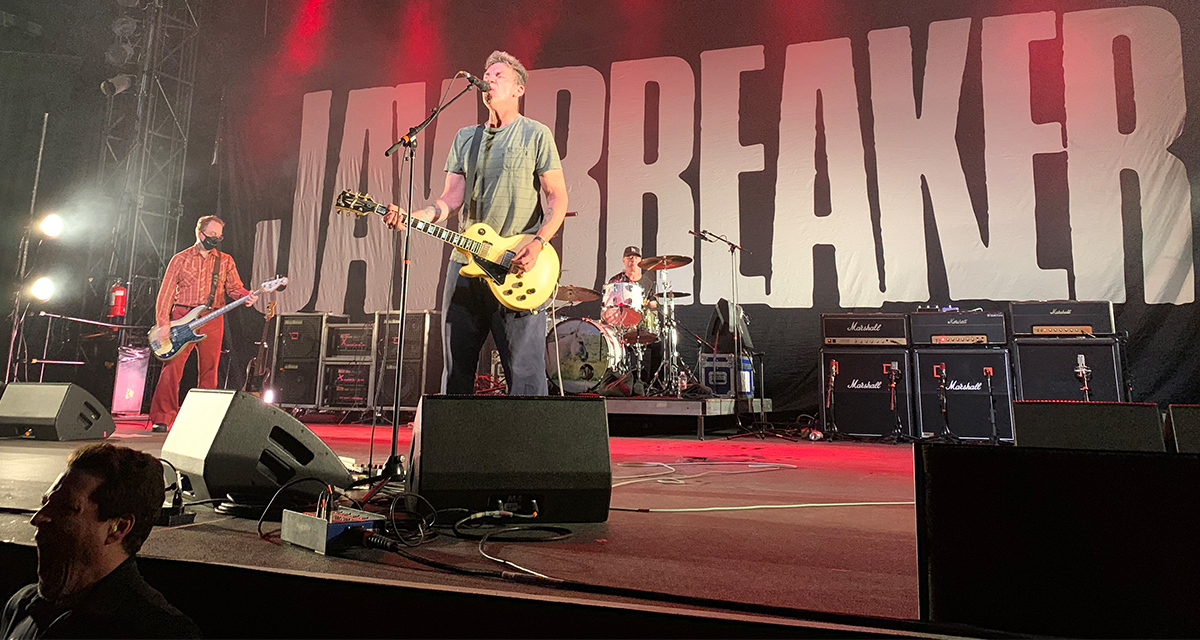 When the second of two bands listed here starting with “Jaw” known as Jawbreaker broke up, one of its members formed a band called Jets to Brazil. Jets to Brazil. Burning Airlines. Jawbreaker. Jawbox. Coincidence? Possibly the largest band on this list, Jawbreaker released three independent record favorites before its final and most hated major label 1995 album “Dear You” pissed off punk rock fans more than The Offspring ever could. Proving that all things must pass, the same posers who scoffed at said record that broke up the band now sing its praises en masse. We see you, oysters. Who’s punk? What’s the score?
Orange 9mm
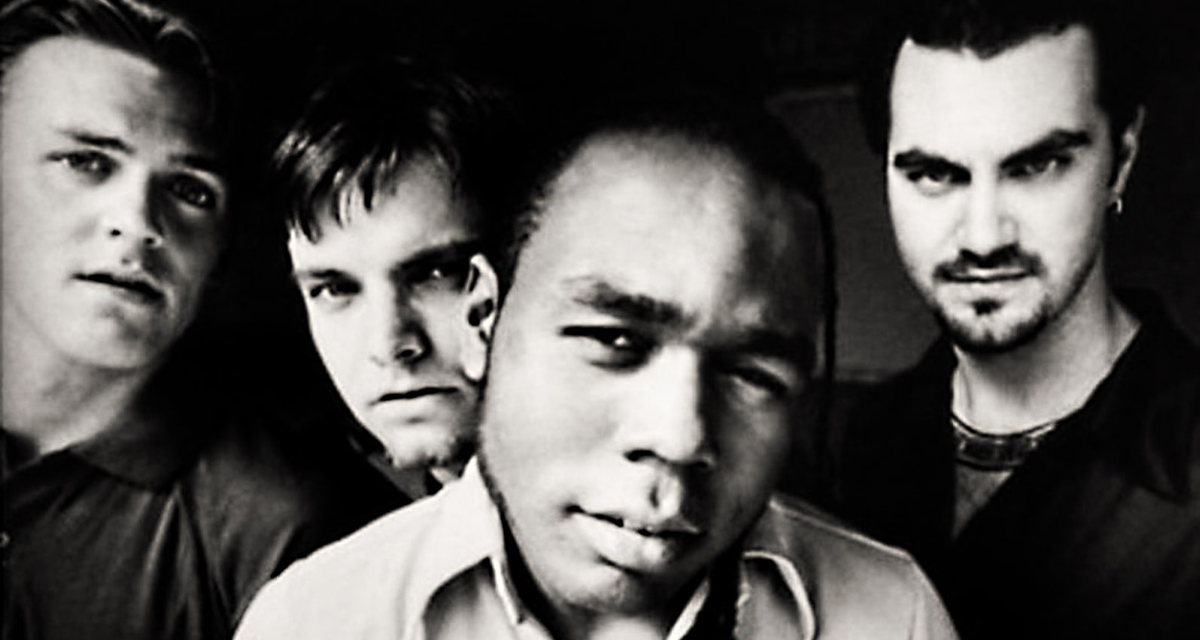 Like we mentioned in the intro, knowing our extremely intelligent and never critically off-base audience, all fifteen bands listed here suck ass and/or don’t fit the post-hardcore mold, in any way, shape, or form. However, this one may top the list of our questionable gaffes. Our bad. You’re good. Fugazi isn’t the only band listed here to rise from the ashes of a notable hardcore punk group, as Orange 9mm featured a former member of Burn, an underground cult favorite NYHC aggressive act. Also, Orange 9mm brought a different swag and groove to the sometimes uniform post-hardcore world, and it’s tragic that the band didn’t last that long. Plus, the band has a song called “Toilet”.
Quicksand
 All hail Walter Schreifels from every single rock band that ever formed prior to and post-post-hardcore not listed here! You’re a gem. If you like Walter’s older act Gorilla Biscuits but wished that they were a tad more metal with a far less posi vocalist, then Quicksand is the act for you, but you already knew that! If not, why are you here? Not cool, bro(s). Anyway, acclaimed indie label Iodine Records recently repressed Quicksand’s debut major-label 1993 studio album “Slip” on vinyl and post-hardcores across the globe that likely don’t own a record player rejoiced. Head to wall.
Refused
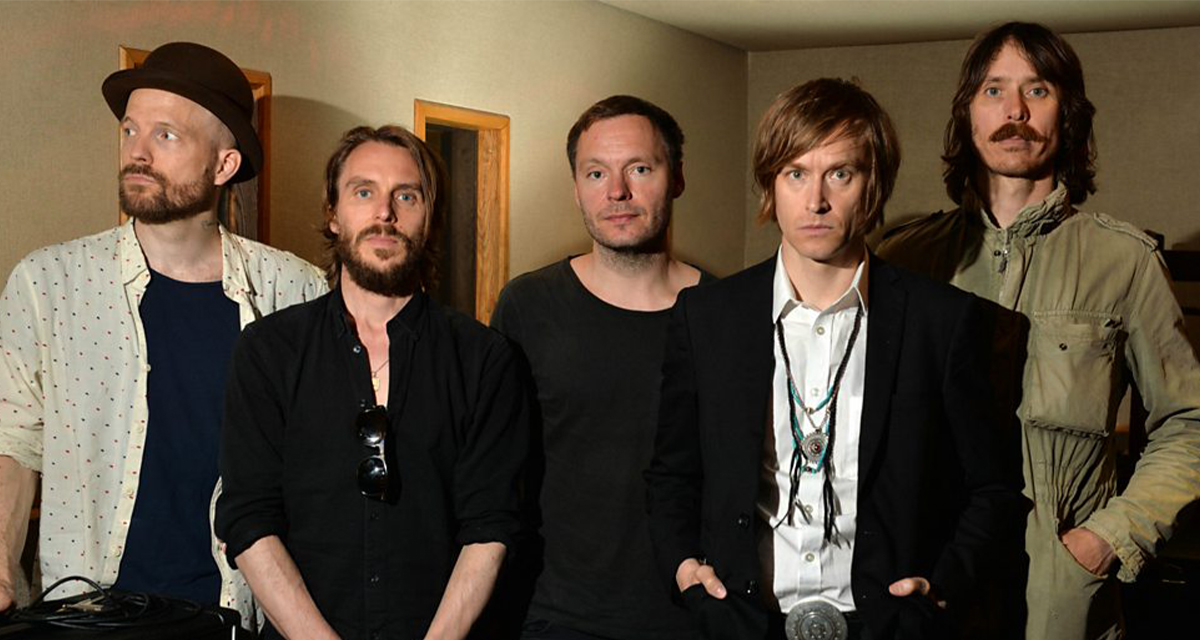 Much like the Orange 9mm, the unintentionally listed number 9 act mentioned above, this might be a more polarizing entry due to its strong influence on nu-metal and other things you hate, but we don’t care: Refused rocks harder than you and you’re not as post-hardcore as you think you are, pleeb. Possibly the most revered album on this list, 1998’s “The Shape of Punk to Come” was an accurate and strong sonic statement, but the band didn’t get to taste the fruits of its collective labors as it disbanded later that very year. The fact that the group literally refused (low, low hanging fruit) to make new noise (even lower, lower hanging fruit) together again till 2012, fourteen years later, is a travesty. Go ahead, give yourself permission to scream, and watch the scene in 2004’s “Friday Night Lights” film that features “New Noise” if you don’t believe us.
Sense Field
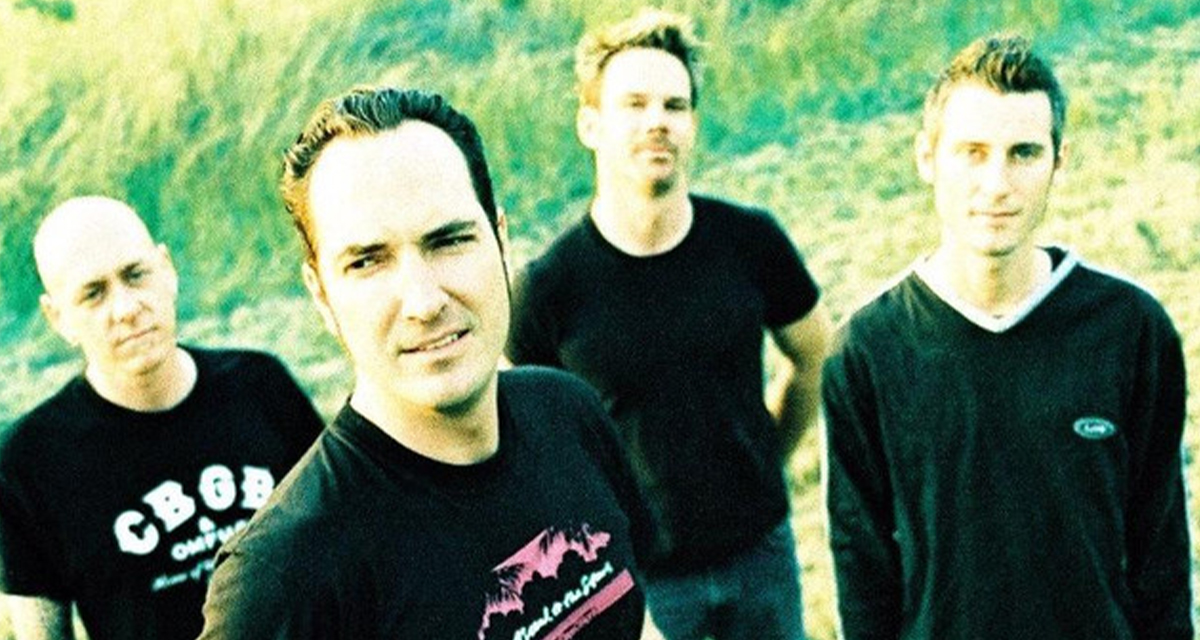 For those of you who need a wallop of sensitivity with your rough-around-the-edges post-hardcore, then do we have the band for you: Sense Field. The word “sweet” doesn’t get justifiably mentioned enough with acts of this ilk, but Jon Bunch’s smooth vocals definitely provide some sugar and smiles to the regular aggressive music listener. Fiesta. Releasing three full-lengths in the ‘90s, the band didn’t have much commercial and radio success until the following decade with 2001’s “Save Yourself,” but the group broke up not too long after. This section of the article doesn’t contain much wit or humor as Bunch left this world in 2016. Thankfully, the band’s material got a new lease on life, especially 1996’s brilliant “Building,” which, in light of things, you should spin right now.
Shades Apart
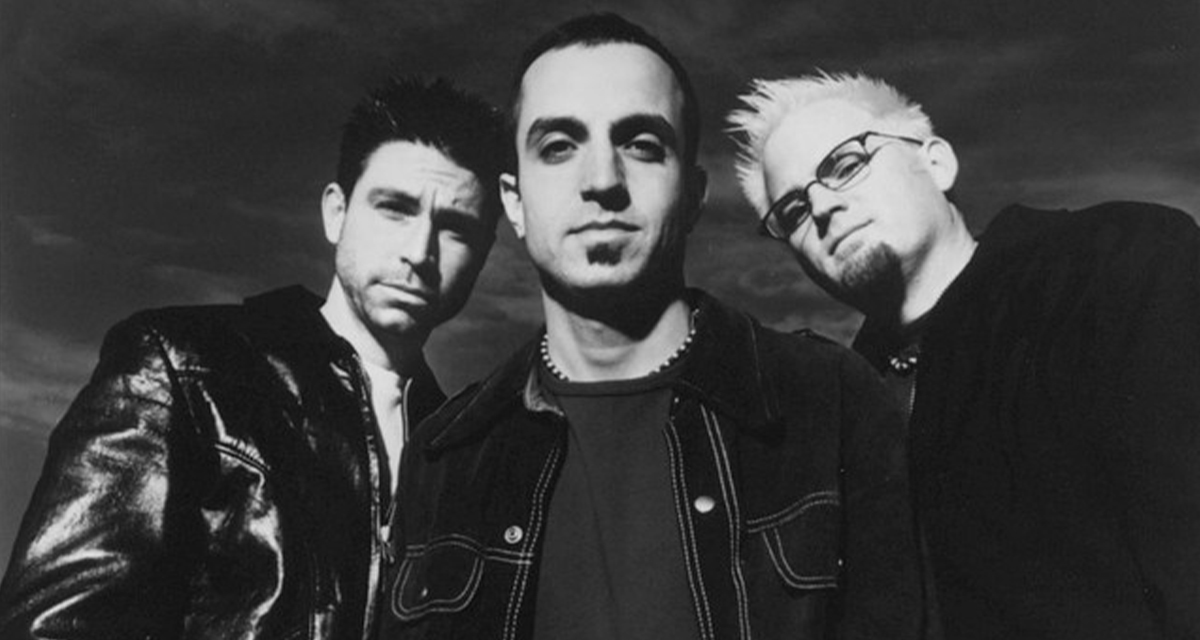 We’re wrong. This is a straight up punk band. Actually, you’re wrong. This is a post-hardcore act in a straight up punk world. Save it. Like the band mentioned in the last section and one yet-to-be-mentioned later, the power trio known as Shades Apart was an integral part of the highly influential Revelation Records roster. Try saying those last three words starting with “R” five times fast; spoiler alert: you can’t. Showing that the band is so much more than their rockin’ “Tainted Love” cover, spin the band’s final Revelation Records LP, 1997’s “Seeing Things” from beginning-to-end and immediately put on 1999’s Universal Records’ major label debut “Eyewitness” for all twelve tracks. Thank you, New Jersey! Thank you, New Jersey?
Shellac
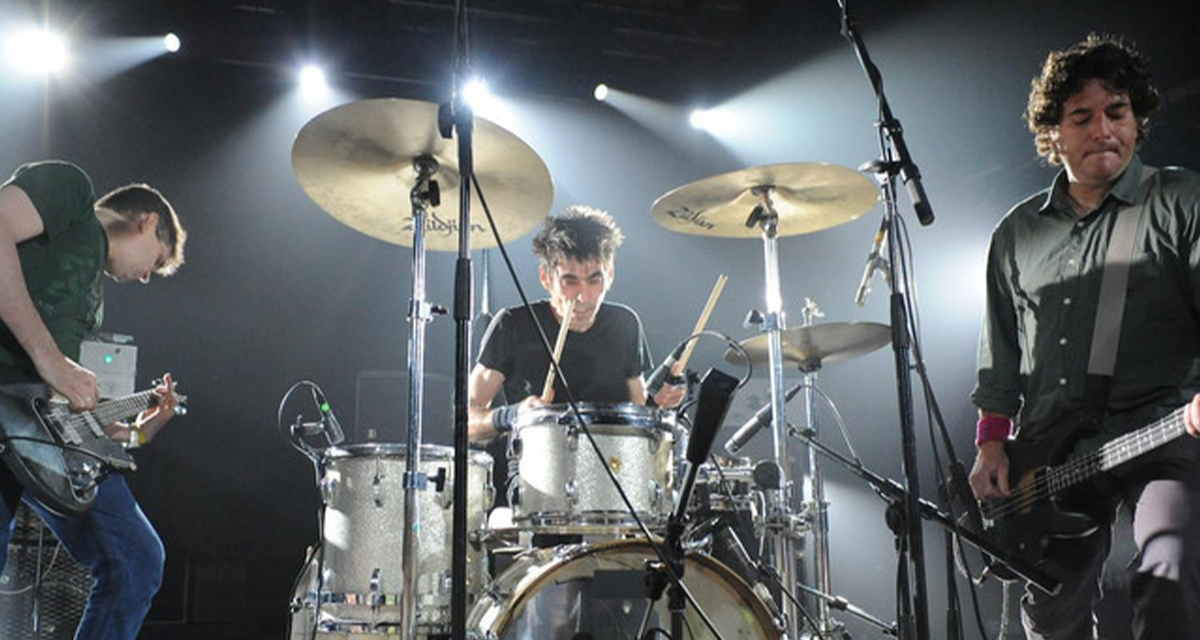 Listen to “In Utero”. If you don’t understand this reference, stop reading this right now and reevaluate your rock cred on Google just before shitting yourself. If you do, stop reading this article right now and book a session with Steve Albini to record your awful band, as he won’t take any royalties! Ready to move on? Good! Shellac’s 1994 LP “At Action Park” is a noisy post-hardcore album that is a solid combo of two acts referenced above, Drive Like Jehu and Quicksand. It is also quite similar to an early-90s trip to New Jersey’s dangerous and surprisingly popular Action Park; watch 2020’s painful and wtf-worthy documentary “Class Action Park” if you don’t believe us. Furthermore, the awesome trio known as Shellac should be called Shred-lac. Yeah.
Texas is the Reason
 Along with entry number three, the aforementioned (and a-far-mentioned) Far, the band known as Texas is the Reason should’ve been much, much bigger than the four-piece actually was. Sadly, the group released just one album before calling it a day one year after its release, and in a crazy twist of fate, the band was just about to sign with Capitol fucking Records for a follow-up (and more). How post-hardcore is that? Damn the man. To end this piece on an upper, 1996’s “Do You Know Who You Are?” is unquestionably (get it?) a perfect album from track one to nine, and is the highest selling LP on Revelation Records, every little girl’s dream.



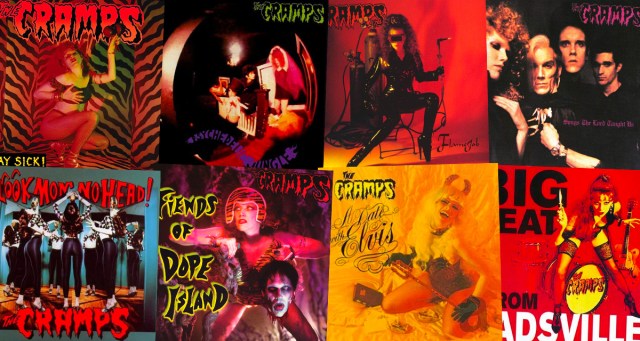
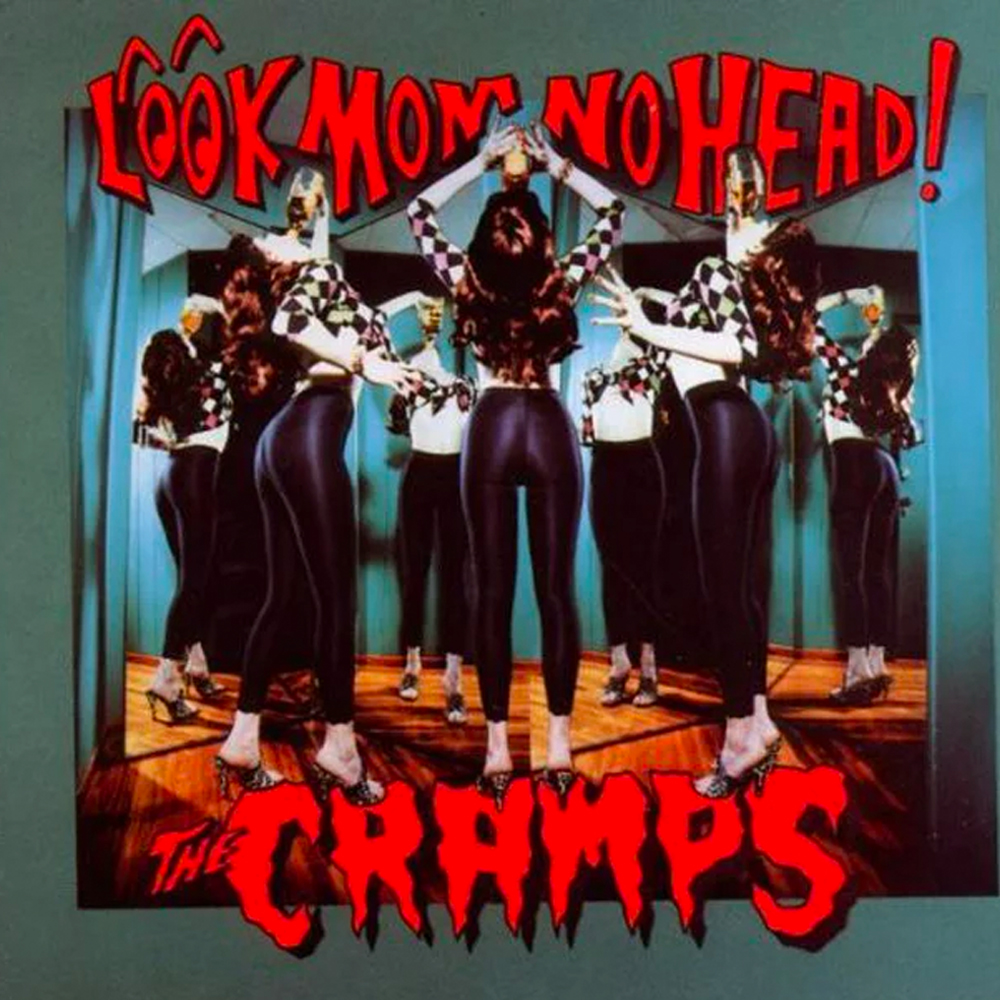 Honestly, it’s tough picking the worst Cramps album. They’re so consistently the SAME that it’s a real chore to consider what’s the bottom of the barrel (or in their case, dynamite powderkeg) “Look Mom No Head” fills the role though, in just being the most “more of the same” offering they ever served up. But, there are positives: An Iggy Pop appearance on “Miniskirt Blues” is fun, where he trades snotty vocals with Interior like two kids on the playground. Poison Ivy really cooks on tracks like “Eyeballs in my Martini.” Lux livens up his standard yowy-growly vocals by sometimes sounding like a wayward Cookie Monster who requires his cookies with a side of hooch. But, overall this one’s as “computer, load up a Cramps album” as they come.
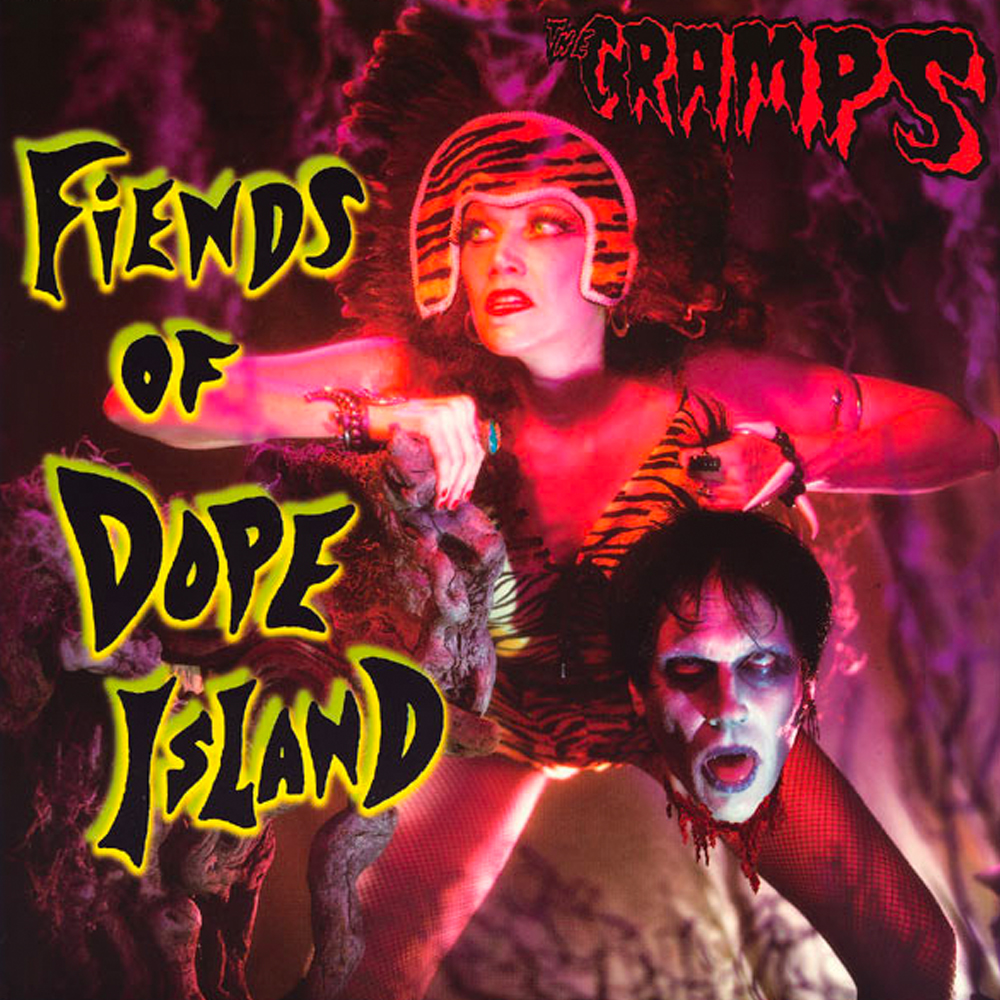 Hey, a middling Cramps album is still a Cramps album, damn it! “Fiends of Dope Island” is what ended up being the final Cramps record before the passing of Lux Interior, and it’s a credit to the group that they can still sound the same as ever after all those years. Convincingly aping juvenile delinquents while theoretically being able to use a senior citizen discount has gotta be difficult, but Lux and Ivy make it look easy. If you can ignore the lame ChatGPT-vibes cover art, this is a more-than-respectable final transmission from one of rock’s most enduring oddballs…but c’mon, we’re not going to put it above second-to-last place!
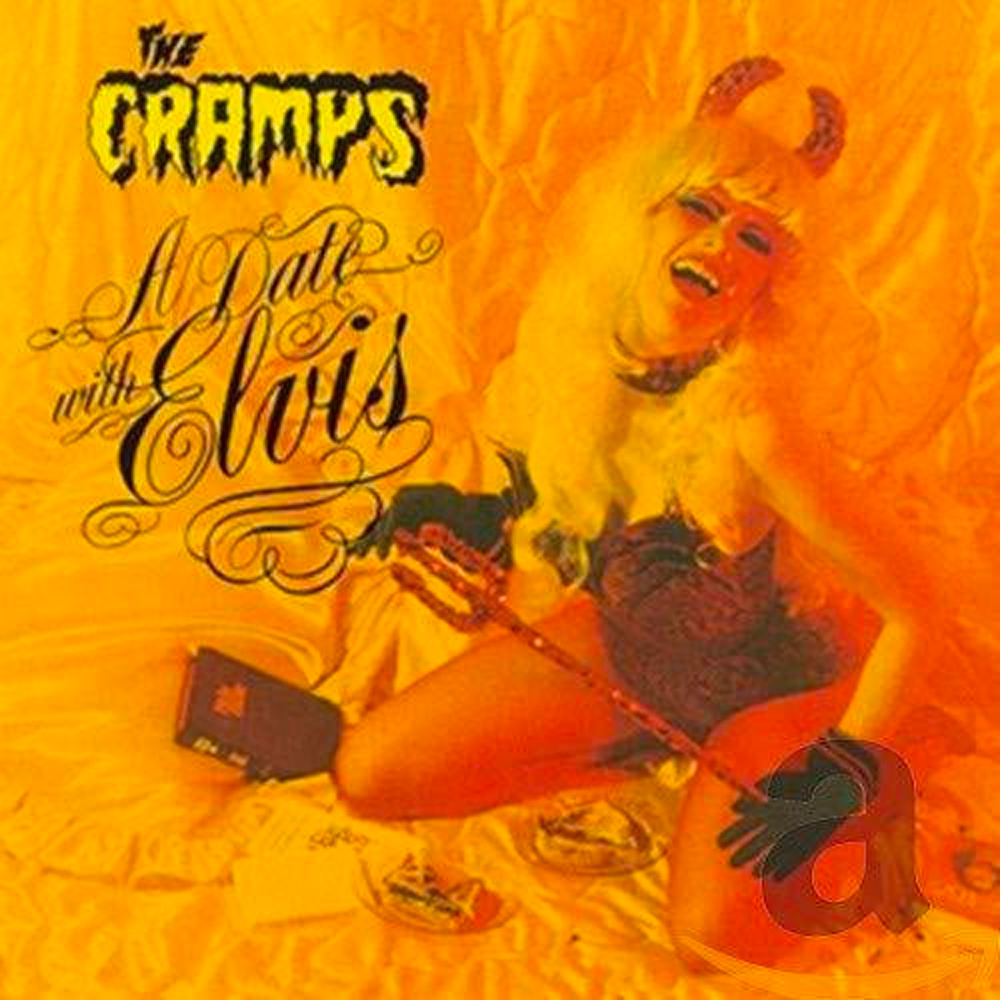 Recorded after a far-too-long label dispute, “A Date with Elvis” shows the Cramps’ interests turning from the trash-horror subject matter of their infancy, to the trash-sexploitation stuff that would guide them through the rest of their careers, as if they started hanging out with a different crowd in the summer break between elementary and middle school. Highlights this go-round are that we finally get to hear Poison Ivy sing a little bit (delightfully off-key) on “Kizmiaz” and “Get Off the Road,” and it’s interesting to see a real concerted emphasis on jacked-up country/western with songs like “Cornfed Dames.” But, unlike a real date with Elvis Presley, this unfortunately won’t leave you feeling quite as satisfied as a belly full of Monte Cristos.
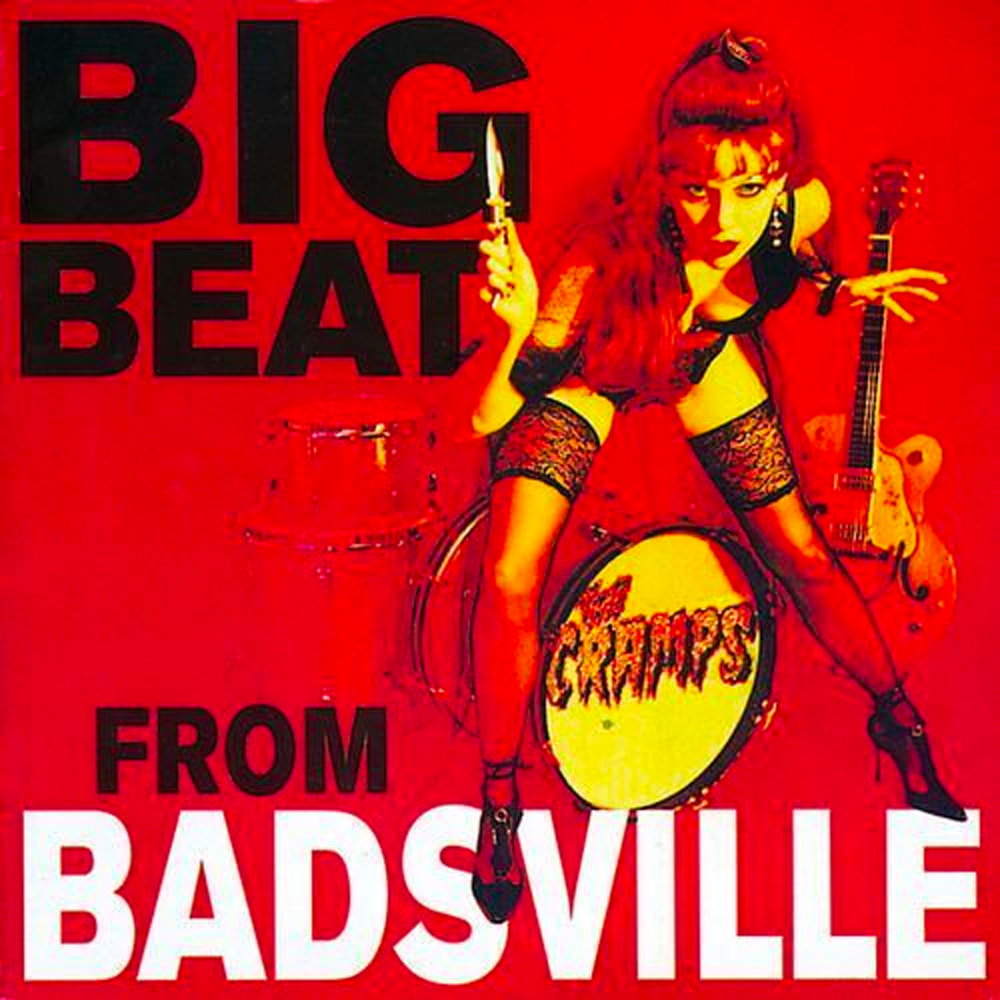 Another batch of tunes that would make John Waters weep with trashy joy, “Big Beat From Badsville” proves yet again that the Cramps didn’t mess with their successful formula. With a tracklist that includes more animal songs than a Raffi concert (come to think of it, what a shame we never got a Cramps rendition of “Baby Beluga”) Badsville historically remains the only Cramps LP to consist of entirely original material. And for a band that clings to their covers more than a kid who thinks there’s a monster under the bed, we take our hats off to them!
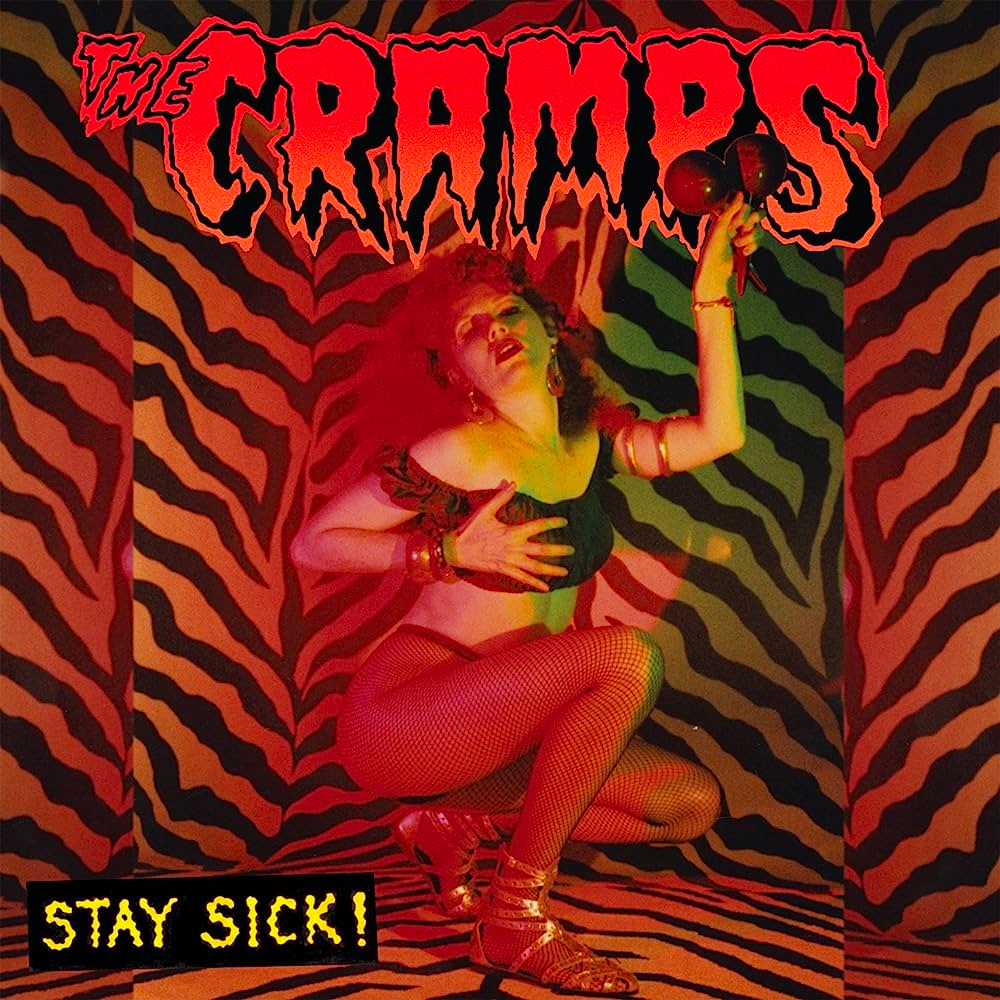 An apt title to say the least, this one’s sick indeed! The last album with their incredibly stoic drummer Nick Knox, the Cramps burst down the door of the ‘90s full force with “Stay Sick!” The band is in absurdly fine form, with “God Damn Rock ‘n Roll” sounding like they’re snidely turning that one Bob Seger track upside down and dangling it over a highway overpass. Ivy’s production is appropriately ‘50s drenched, and she makes Interior sound exactly like he’s using exclusively those rectangular “crooner” style microphones the entire time. Good luck swallowing one of those, Lux!
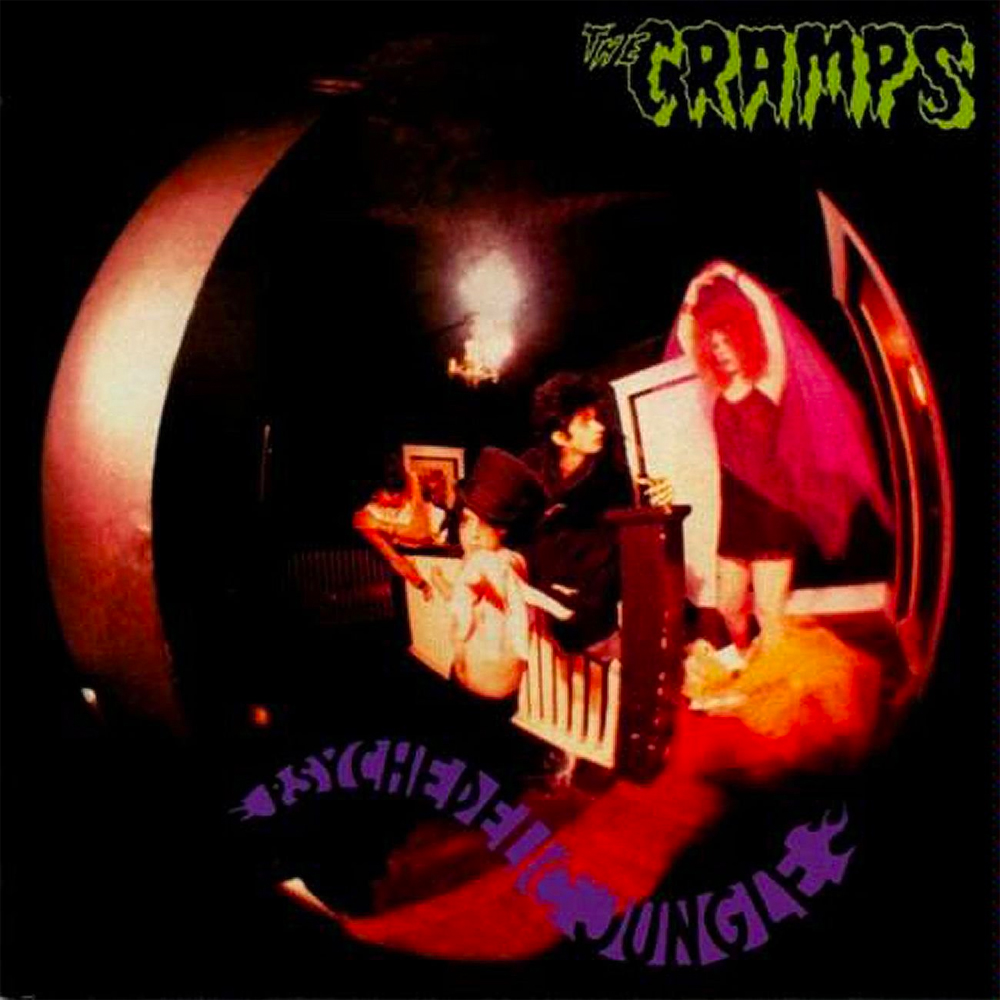 Coming to the Cramps for nuance is like going to a pet store for airline tickets, and while their second album is light on variety (let’s face it, most Cramps albums are and we love them for it), it more than makes up in pure slimy style. Every track oozes effortlessly into the next one, proving you don’t need to play at a breakneck pace to break necks (you can break them from nodding “hell yeah” too much in this case.) Plus, it even doles out sage advice in the process…I mean, you really shouldn’t eat stuff off the sidewalk…Thanks, Lux ‘n Ivy!
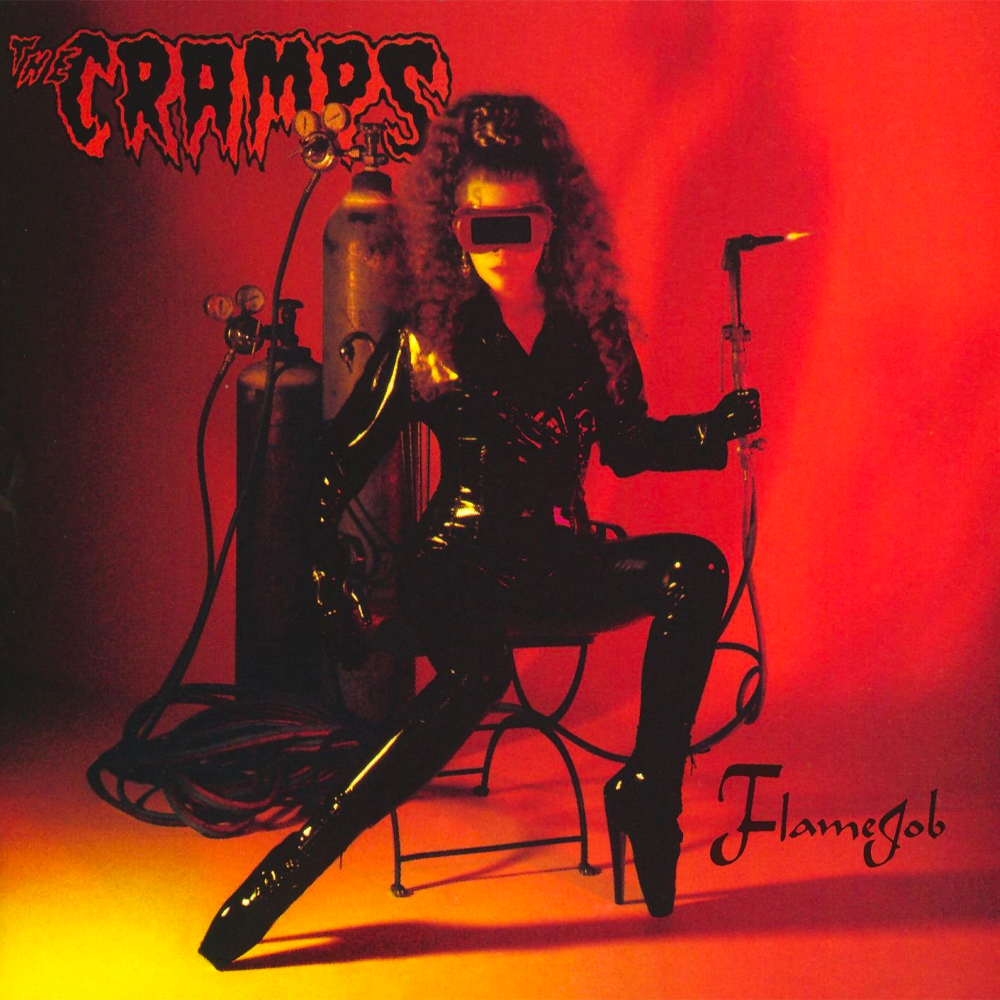 It’s certainly apt that Flamejob is packed with its fair share of automotive songs, because it absolutely makes you want to crank up while hauling ass down the open highway. Incorporating some hauntingly faithful covers like “Strange Love,” and their take on “Route 66” that sounds uncannily like something you’d hear while being shuffled out of a dive bar at last call, with pint glasses sneakily tucked into your pockets. There’s just something about “Flamejob” that edges it over ‘Psychedelic Jungle,” and if you don’t agree, who cares – we’re already 30 miles down the road in a cloud of dust.
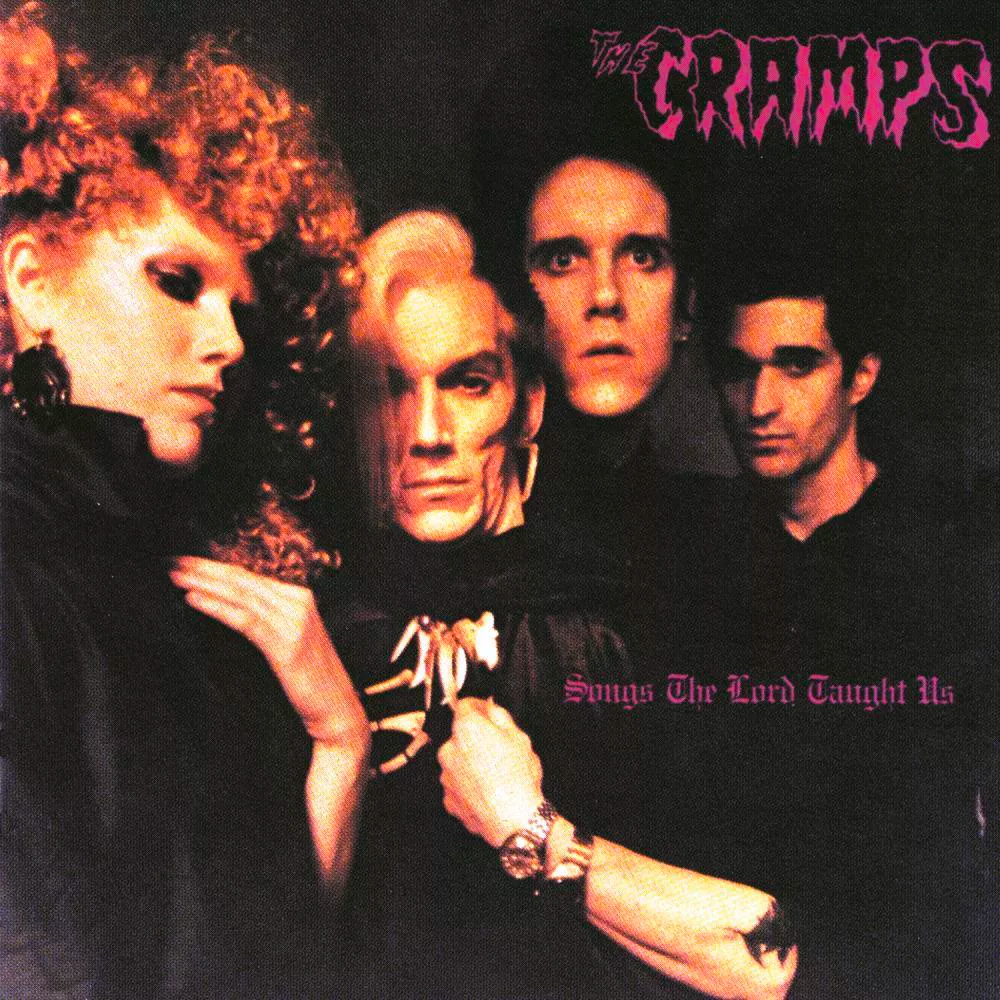 The Cramps burst (or, rather, slithered) onto the scene with this incredible collection of electrified sleaze that cemented them as punk mainstays. Inventing psychobilly seemingly without batting an eye, they throw the ultimate party with a guest list teeming with werewolves, zombies, sanitation trucks…the gang’s all here! Somehow they managed to dumb down a Sonics song even further, which is a salutable feat in anyone’s book. “Songs the Lord Taught Us” may have been named ironically, but if you ask us, there’s no question that this record is sent from heaven.


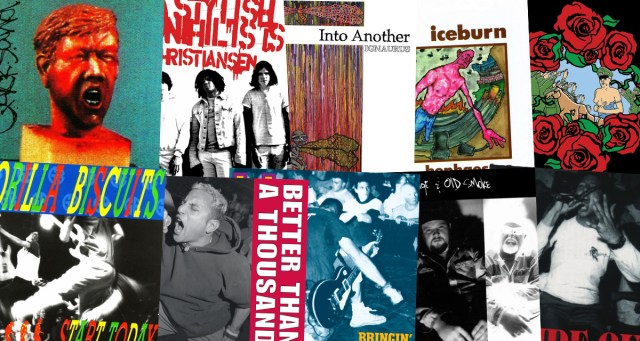
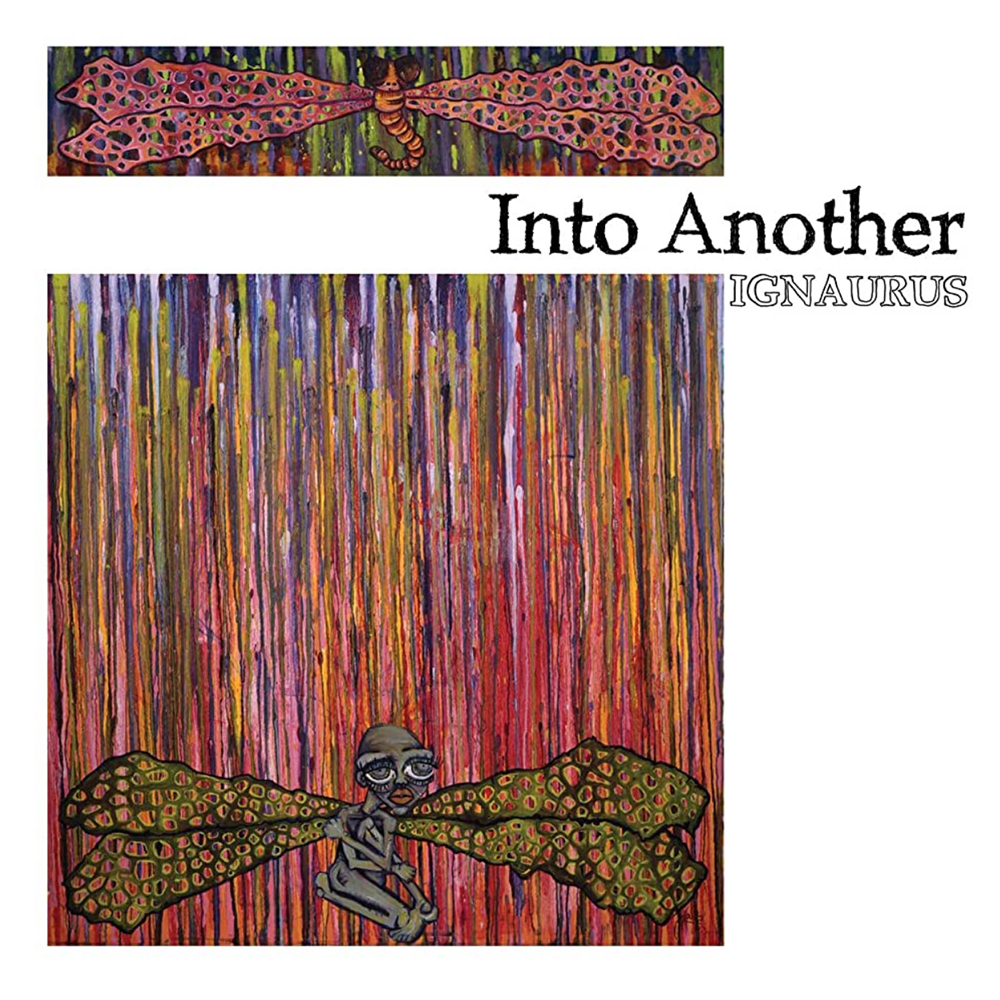 When Into Another first arrived on the scene in 1991 with their self-titled album on Revelation most everyone took one look at their long hair and their shiny shirts and gave it a hearty “Nah, I’m good.” It wasn’t really until “Ignaurus” came out and their sound came together that people really started to take notice. If you can hear that opening chord ringing out in “Drowning” with the running bass and drum lines and you don’t want to do that hand-waiving, side-stutter mosh thing that all the kids were doing back then there is something wrong with you.
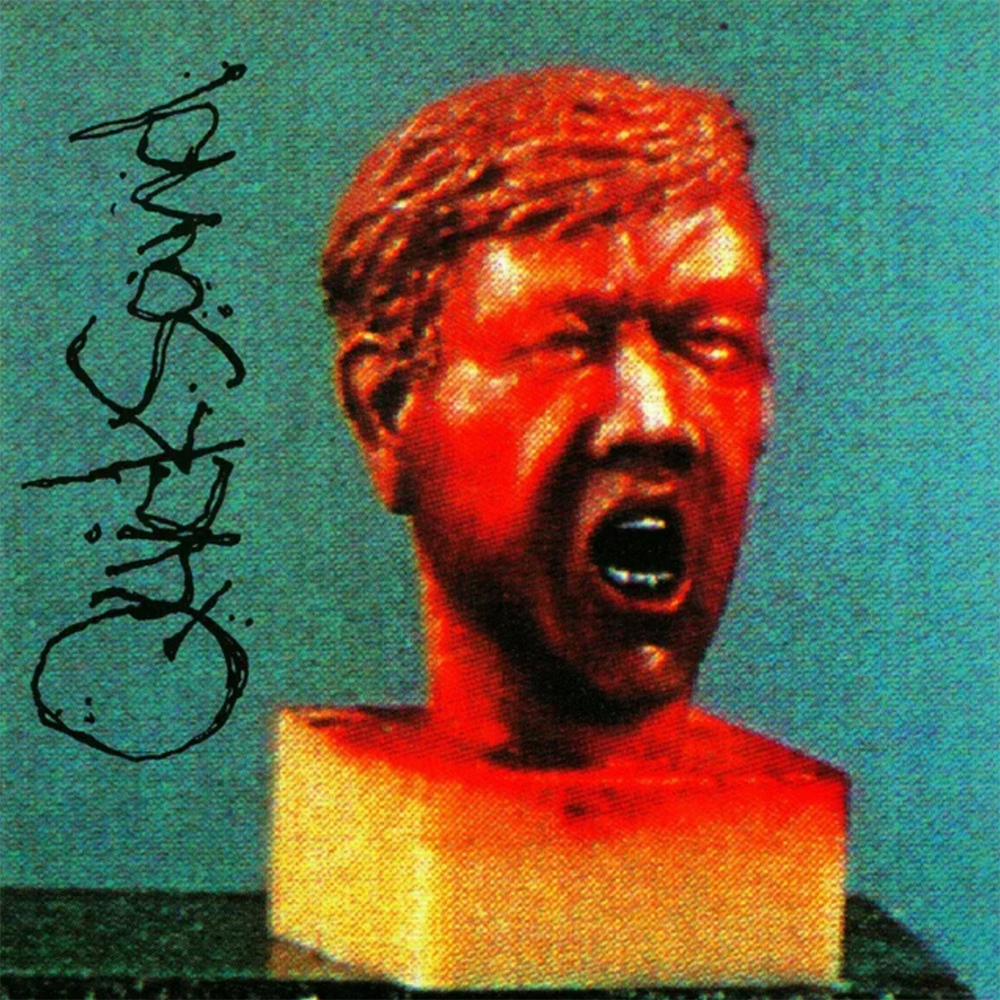 This supergroup of sorts formed from the fallout of several NYHC bands and released this 7” that seemingly invented a new genre. The slower, drop-D grooves must have ruffled some feathers when it first came out but goddamn does it still hold up to this day. And yes, you could probably draw a straight line from this to something like Breaking Benjamin or any of those early 2000’s Matrix-core bands but you can’t really blame Quicksand for letting that post-hardcore genie out of the bottle.
 At the height of posi “society is fucked because of drugs but let’s plaster on a fake smile and pretend we’re all friends” hardcore, these dudes came along to drop some hard truths. This was the soundtrack for a generation of straight edge kids who fantasized about smashing in the face of those partying popular kids in their high school and is really a precursor to the militant X DRUG FREE X chugga bands that would dominate the ‘90s.
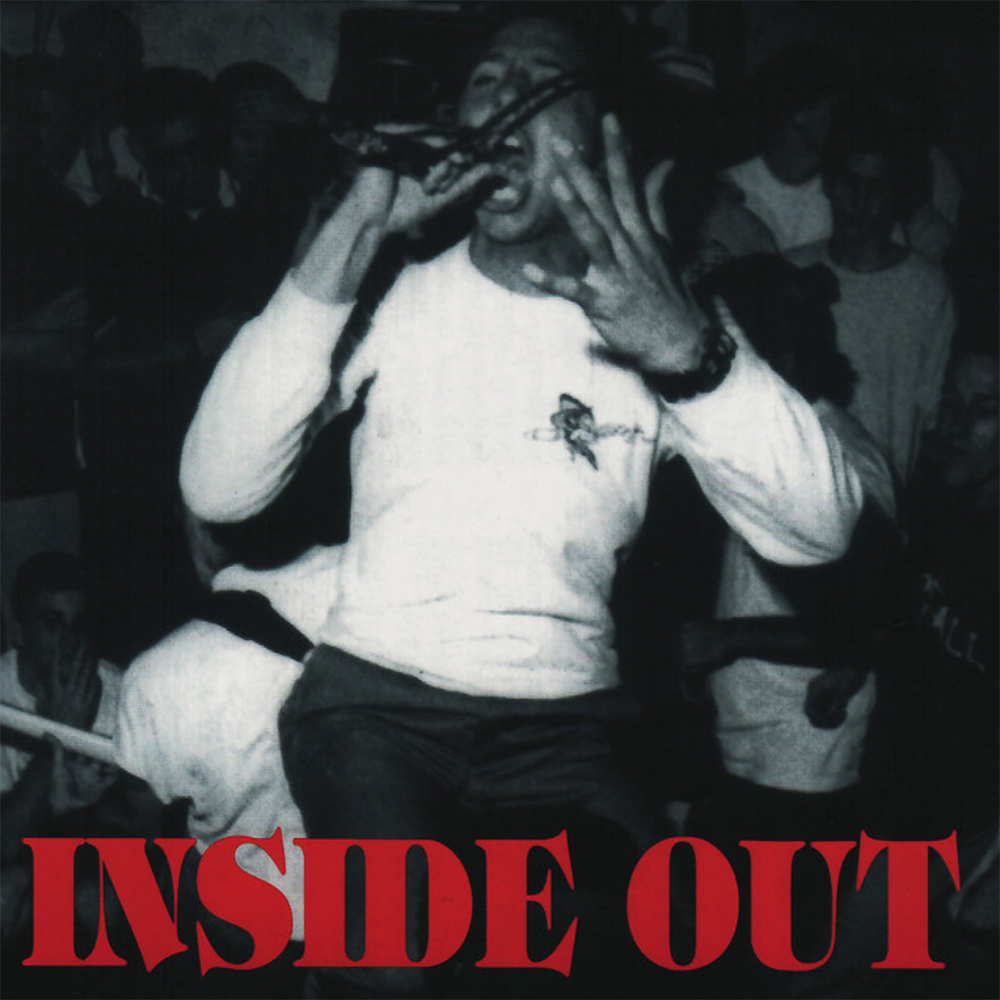 Before Vic Dicara became the angriest Krishna alive and formed 108 and also before Zach de la Rocha started up some rap metal band, there was Inside Out. On their only official release, Dicara’s raw wailing guitar sound mixed with Zach’s pure fucking fury scratched a lot of itches. Out there on the world wide web you can find a live set of theirs with an unreleased song called “Rage Against The Machine” and frankly, we’re glad it went unreleased since anything after these six songs would’ve been a letdown.
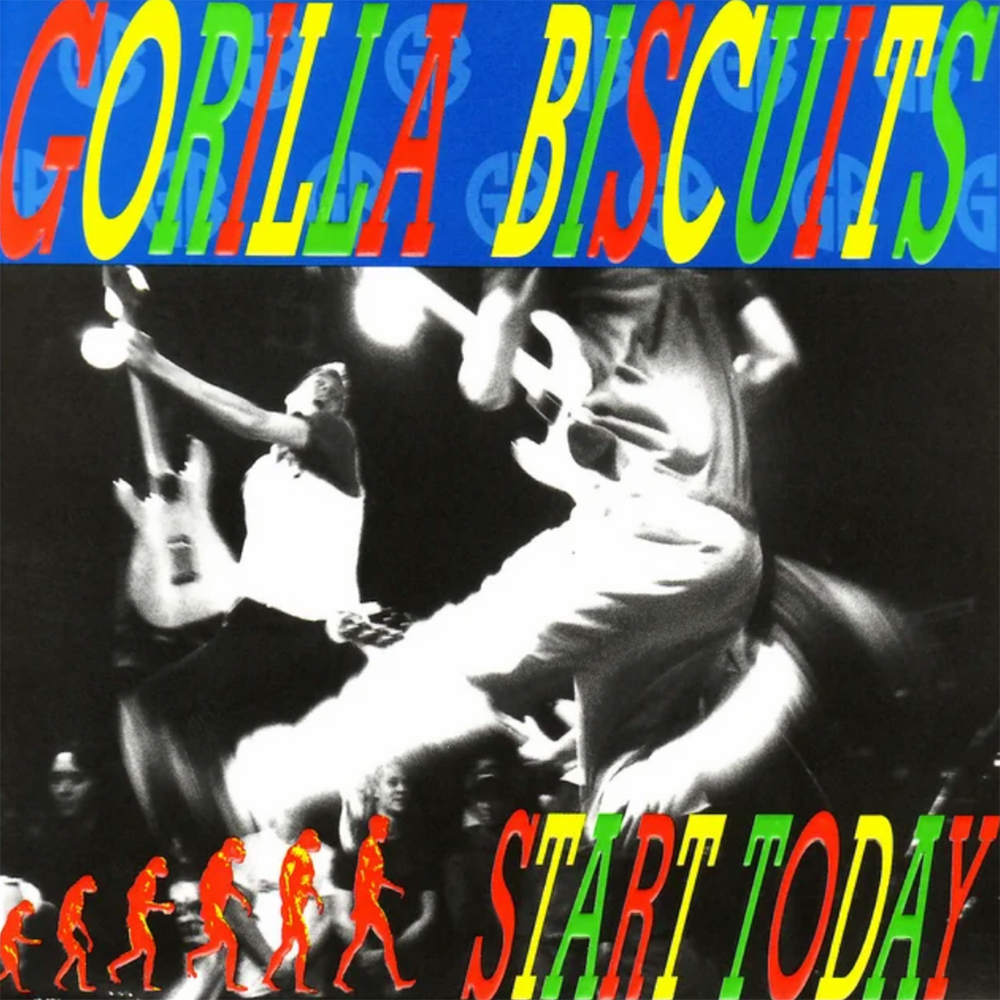 Trumpets, whistling, harmonica – this album’s got it all! In fact, it’s so good that 34+ years later you can still find GB playing sold-out shows to venues full of both the young and old alike (assuming the olds have found a sitter for the night). It’s both fun and serious, melodic and moshy, and the perfect album to remind you stage dives make you feel alive (again, only if you can get a sitter).