
You remember 2003, don’t ya? Sure you do. September 11th was still fresh in everyone’s minds, the Devils won the Stanley Cup, you and your high school ex got back together for a month or so in the summer. Simpler times. Has it really been 20 years since S.A.R.S. caused massive panic all over the world? Luckily we learned our lesson, and that was the absolute last time that would ever happen.
You know who definitely remembers 2003? Your parents. They got so used to you living away at college for the semester (or living in your punk house) that when you came back over break (or got evicted), it gave them a major headache. They finally had peace and quiet to be able to listen to their Eagles records undisturbed… that is, until the punk/hardcore/metal/metalcore/ post-hardcore/prog metal/thrash metal scene decided that this was the year to go OFF. Hard to believe all these records turn 20 this year; one more year and they can legally drink without their parents saying shit to them.
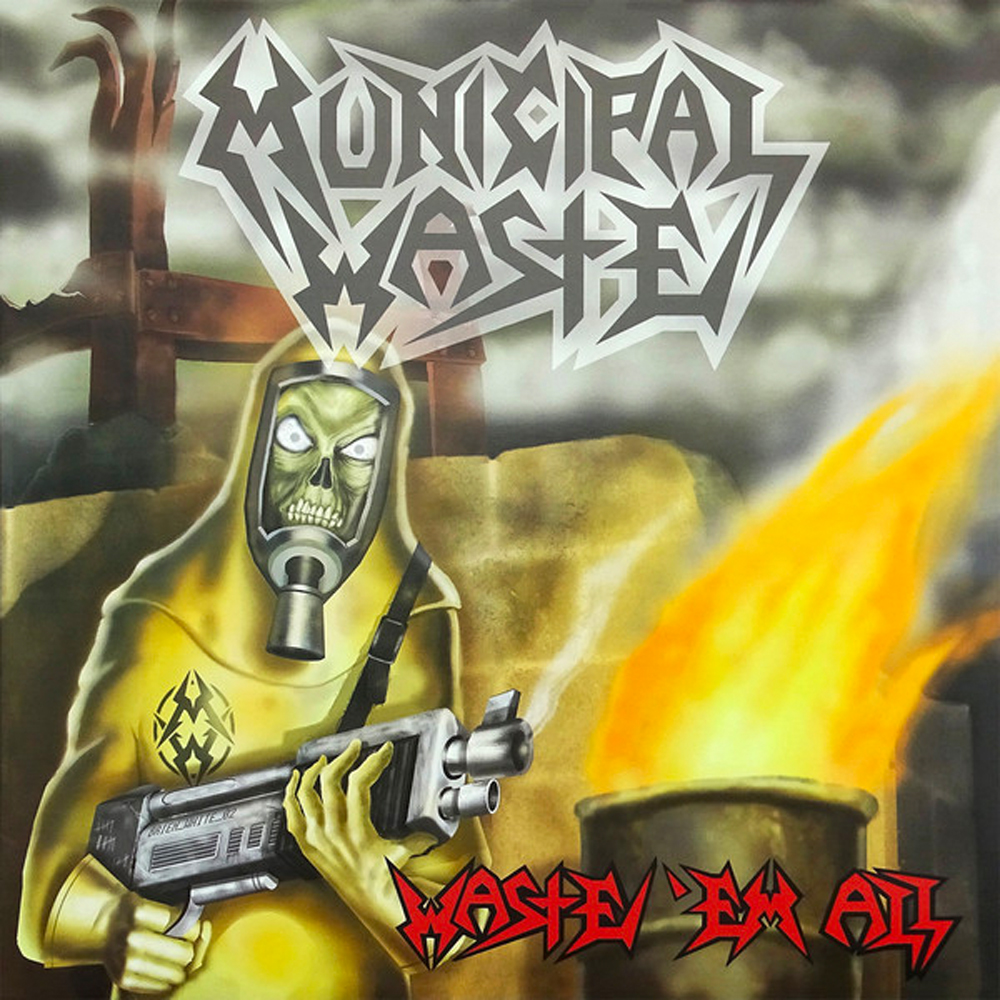 Municipal Waste “Waste ‘Em All” (1/27/2003)
The debut album from thrash’s nastiest riff masters and holy SHIT we weren’t ready. January isn’t even over yet, can we have a minute to digest New Year’s first? This should have been the first signal to our parents that their life was going to be miserable.
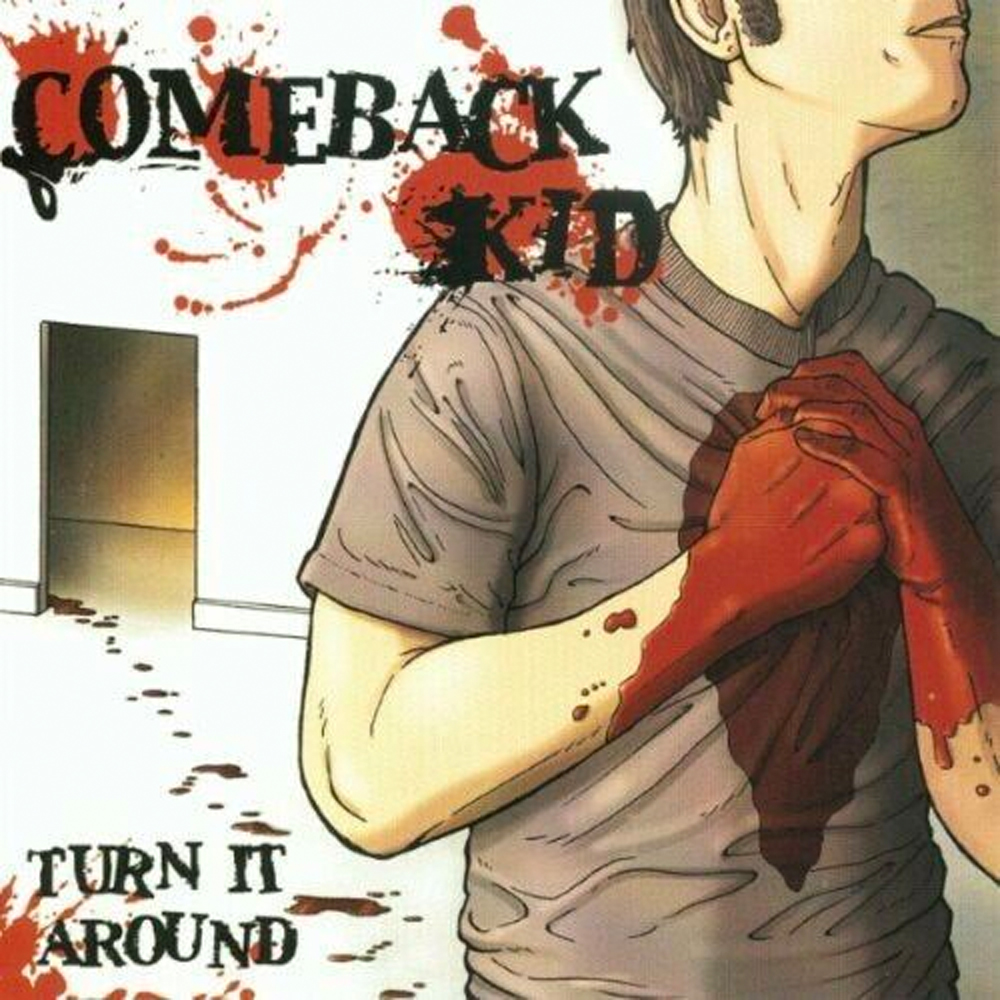 Comeback Kid “Turn it Around” (3/4/2003)
When Comeback Kid dropped this album every college-aged hardcore fan stopped to marvel at the heaviness of the breakdowns. It wasn’t a reinvention of the genre, it was a slight tweak that made your dad wish his new man cave had soundproofing.
 AFI “Sing the Sorrow” (3/11/2003)
AFI already won hardcore with their last 2.5 albums, then 9/11 happened and they got sad and decided to change it up. Mom heard me play this album and said she actually liked some of the songs. Which made me not like them as much and claim they sold out.
 Cave In “Antenna” (3/18/2003)
By 2003 Cave In had (rightfully) blown up and gotten recognition for their eclectic style, to the point that they signed a record deal with RCA. I need every band to pay attention right now: if you are going to put out EXACTLY one album on a major label… this is how it’s done.
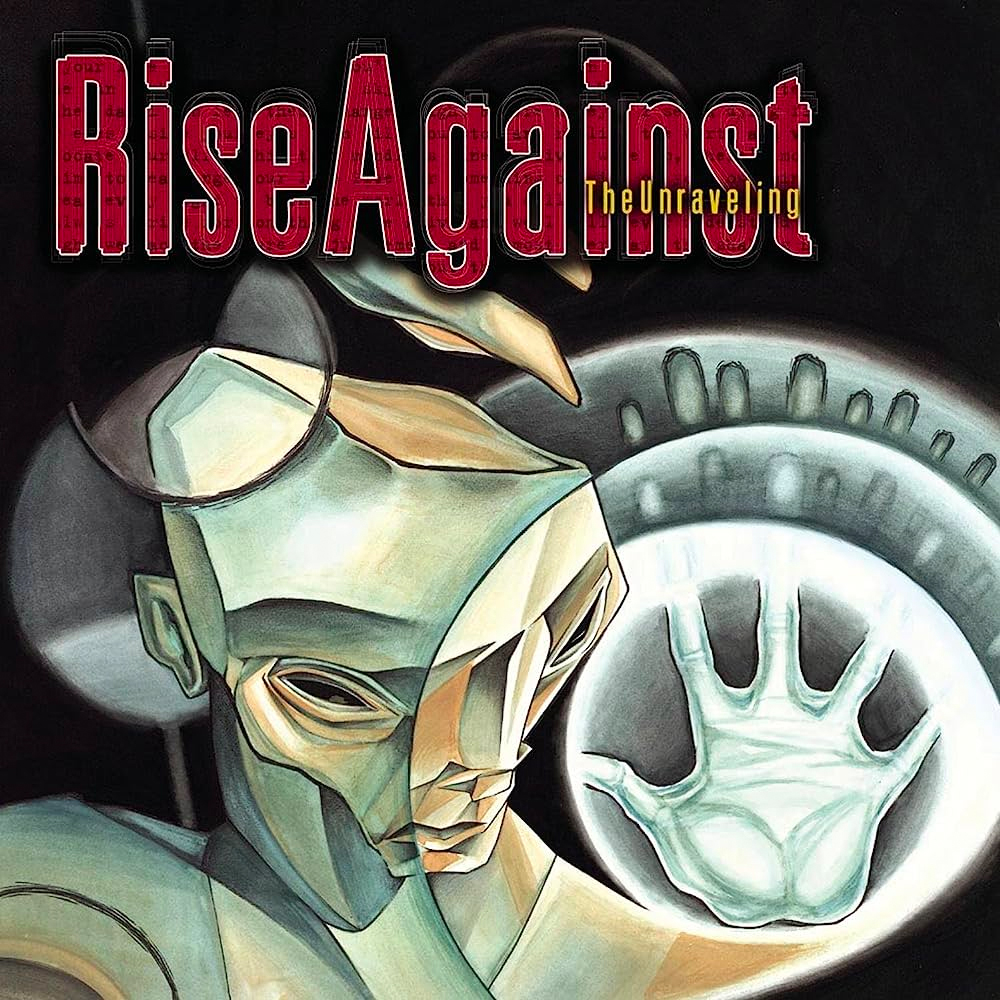
 Rise Against “Revolutions Per Minute” (4/8/2003)
I guess 2003 is the year we decide to start following politics, thanks to Rise Against’s politically-charged brand of skate punk. Sucks that we quit skating the same year we got our driver’s license, but that doesn’t mean we couldn’t blast a pure skate punk album as we rode our longboard through town.
 Lamb of God “As the Palaces Burn” (5/6/2003)
Everyone knew Lamb of God was pure American metal from their debut “New American Gospel” in 2000, but this shit blew the doors off everything. Still holds up as their best album 20 years later. There’s no quip in this entry because Lamb of God is no fucking joke.
 Deftones “Self-Titled” (5/20/2003)
Oof, good luck trying to follow up “White Pony.” Be honest, you didn’t give Deftones the respect they deserved in high school because the one kid that was obsessed with them also liked Mudvayne. And by 2003 it was too late, so you had to wait until “Diamond Eyes” came out to pretend you’d been down forever.
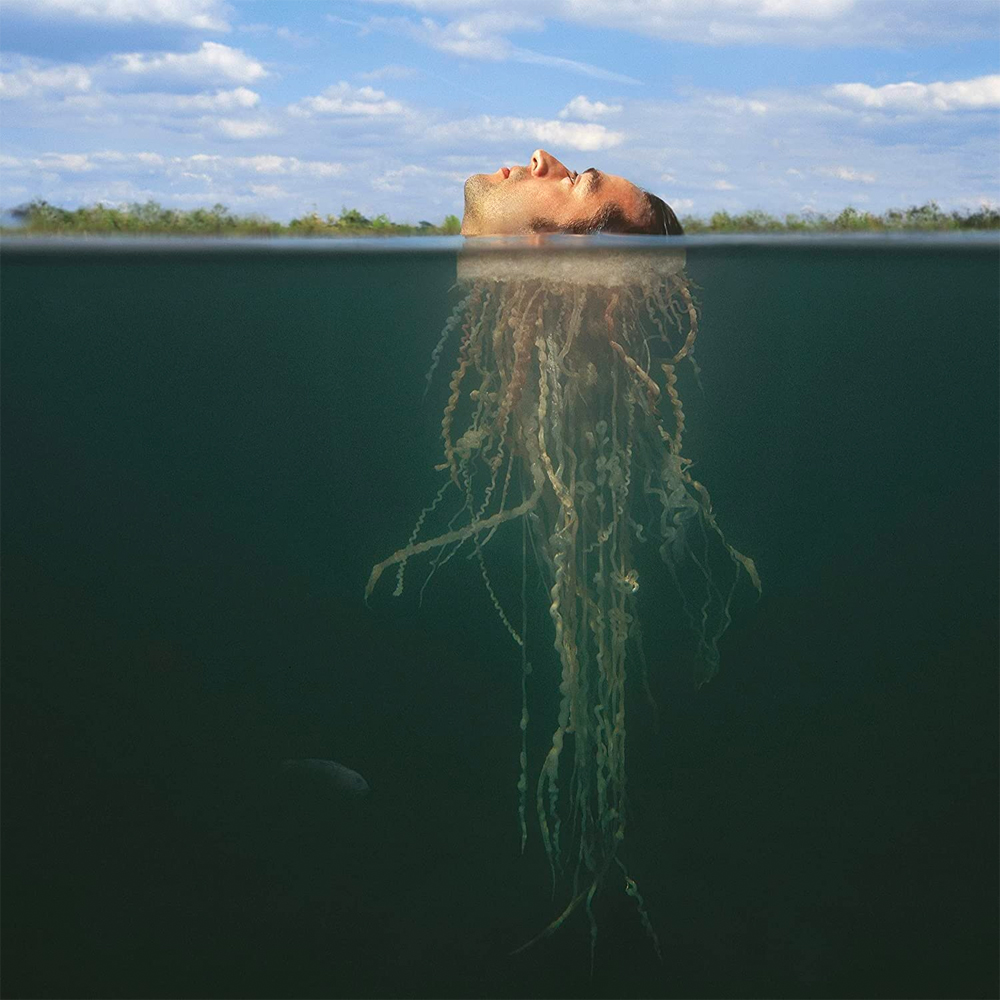 The Mars Volta “Deloused in the Comatorium” (6/24/2003)
Ok hear me out… the core members of At the Drive In are going to record a concept album with Rick Rubin. Not gonna say this is the best album of all time, but not NOT gonna say it either. An hour of just wondering if they ever get tired of playing their instruments so fast. What a banger.
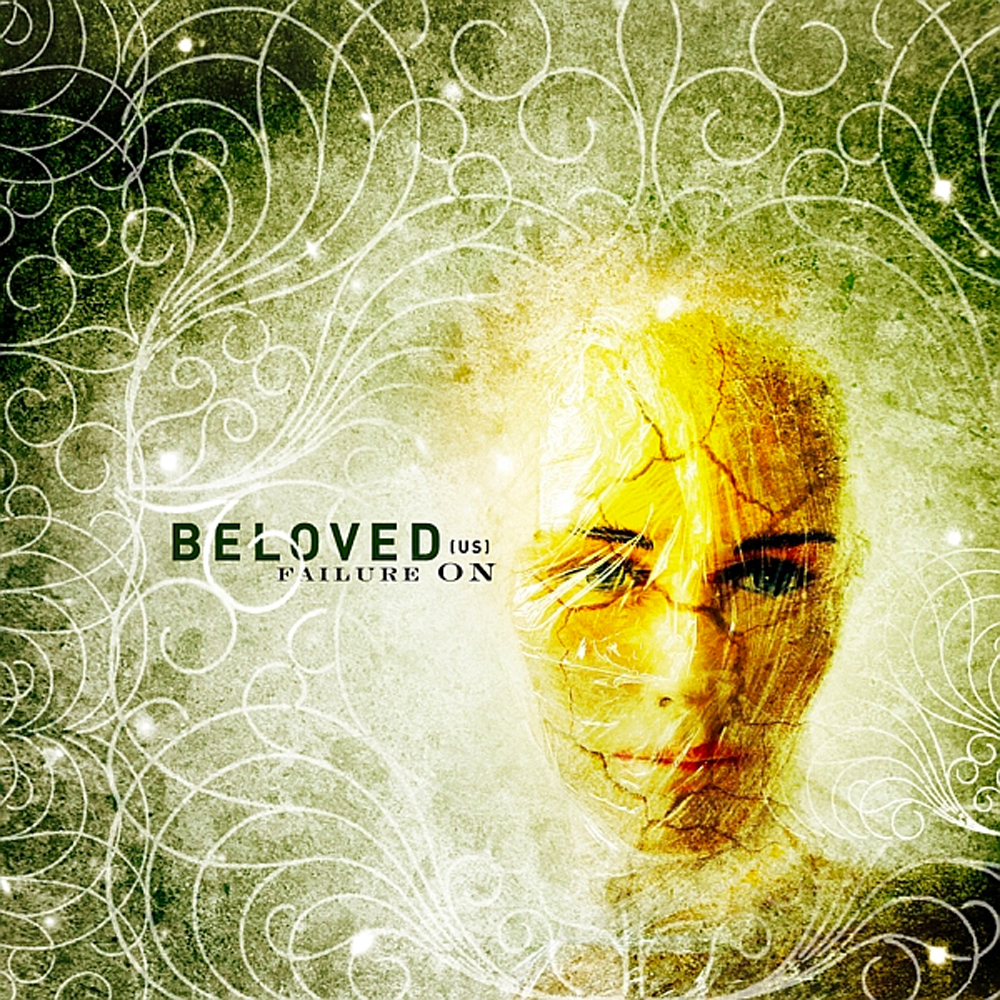 Beloved “Failure On” (6/24/2003)
How did this band know this is exactly what we were looking for? Melodic hardcore and screamo all in one. Two things that could very well be true: Beloved is the most underrated/underappreciated hardcore band of all time, and this album perfectly encapsulates the sound of the time. An icon, even if our dad ended up using our Beloved shirt as an oil rag.
 Every Time I Die “Hot Damn!” (7/1/2003)
Even for those who were fans of ETID before 2003, “Hot Damn!” was a revelation. The album taught us how good lyrics, riffs, and breakdowns could be, and we were never the same. Absolutely groundbreaking record. May they RIP.
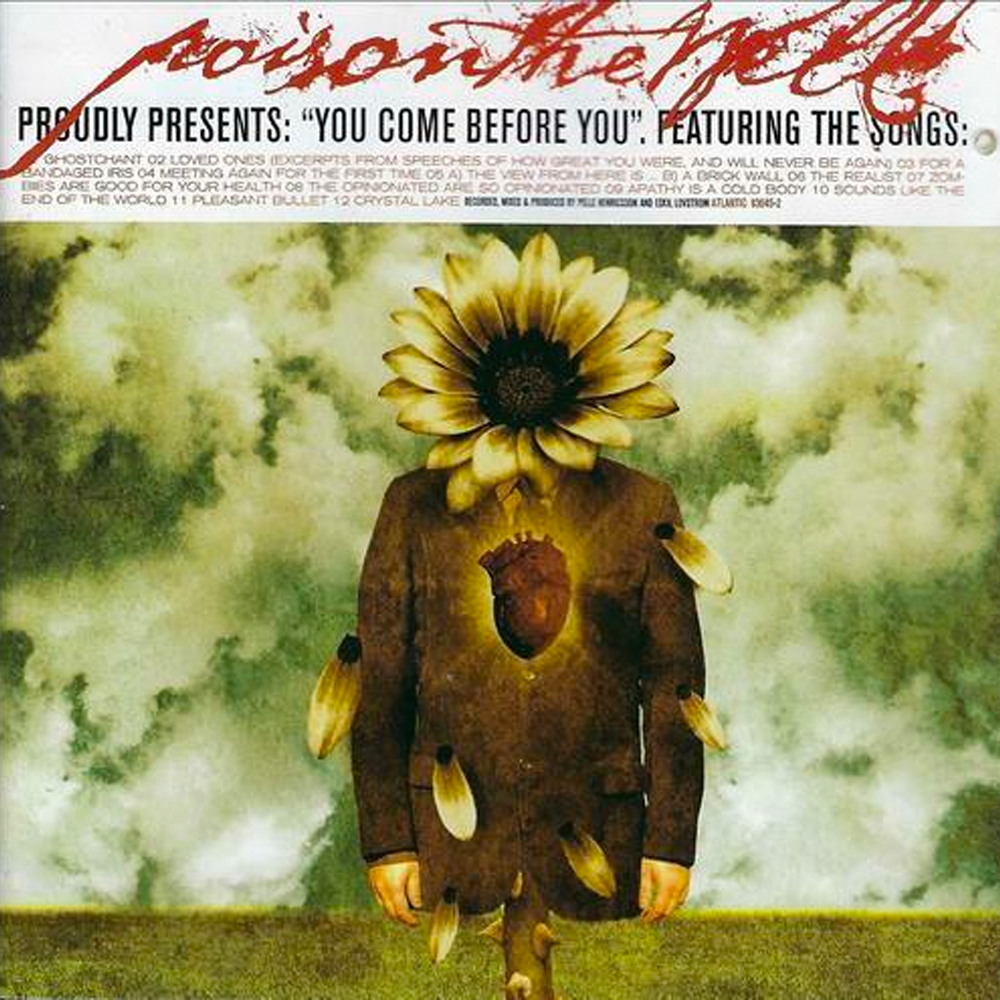 Poison the Well “You Come Before You” (7/1/2003)
Is July 1, 2003 the best date in hardcore history? Both ETID and PTW released the best albums of their careers. But wait a minute… where are the breakdowns?! You mean I’m going to have to wait 20 years to realize this is the best album by the best hardcore band ever? I don’t have that kind of time.
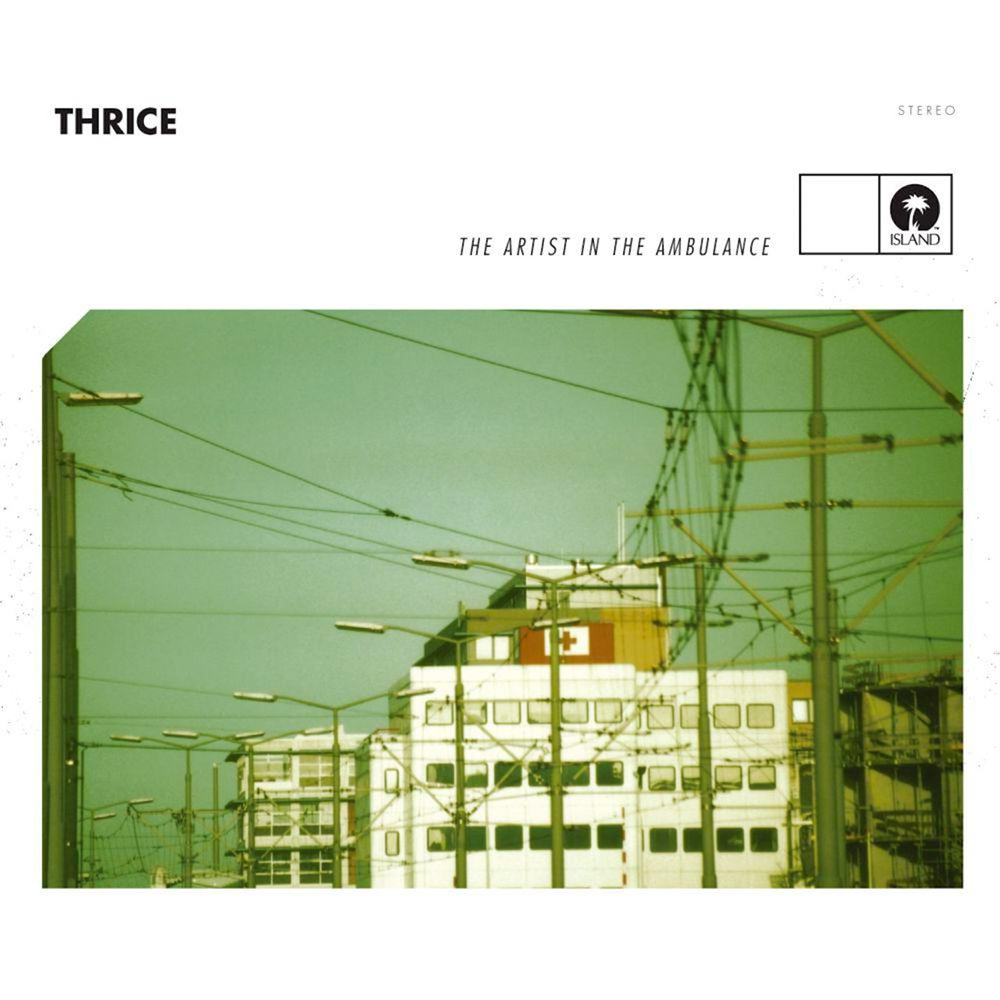 Thrice “Artist in the Ambulance” (7/22/3003)
How do you follow the best album of all time? TAITA is good, but you know what would be really sweet? If they had some guest vocalists from some of our favorite bands, including some that don’t even exist yet, on like half the songs. A boy can dream…
 The Bled “Pass the Flask” (7/29/2003)
Best breakdowns of the year and best song names in the game. They probably named it “Pass the Flask” cause this is the album that made us break edge. Or maybe that was part of a rough break up, either way, scraping off all our straight edge bumper stickers was a pain in the ass.
 The Bouncing Souls “Anchors Aweigh” (8/26/2003)
The New Jersey punkers had already been a band for 15 years and had released 5 albums before this monument. Boy do I hope this brand of melodic, old school punk rock becomes popular and the Souls get all the credit. Would hate for them to get gaslighted by another band from New Brunswick.
 The Bronx “The Bronx” (8/26/2003)
2003 was the year of the monster, genre-defining debuts it would seem. This is a fun one, eh? Where the hell did these guys come from? I’m assuming the Bronx. It also reminds me that my parents never wanted me to go to New York City because they thought I’d be pushed in front of a train.
 Avenged Sevenfold “Waking the Fallen” (8/26/2003)
Like their forefathers before them, A7X put out a serious Metalcore masterpiece for their second album. Unfortunately for them, the genre will never catch on and they’ll never play a big venue like Madison Square Garden or anything.
 Thursday “War All the Time” (9/16/2003)
How do you follow the best post-hardcore album of all time? Just put out another one. Easy peasy Jersey squeezy. The inspiration for the album title came from the constant battle of not wanting to clean your room before company came over.
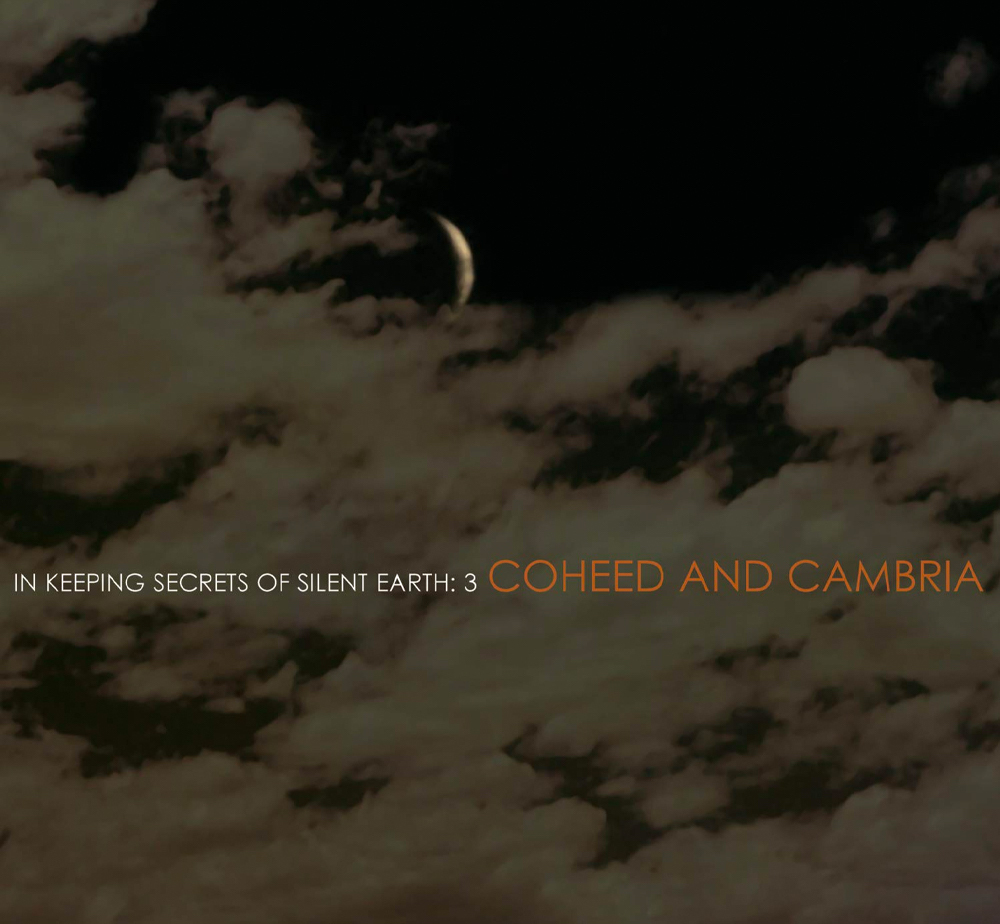 Coheed & Cambria “In Keeping Secrets of Silent Earth: 3” (10/7/2003)
Okay, lightning can strike twice I guess. After their 2002 debut album “The Second Stage Turbine Blade,” they come out with this monster record and solidify themselves in the genre of… uhh, damned if I know. SURELY lightning can’t strike a third time with their next album though, can it? Either way, dad said we’re too old for comic books.
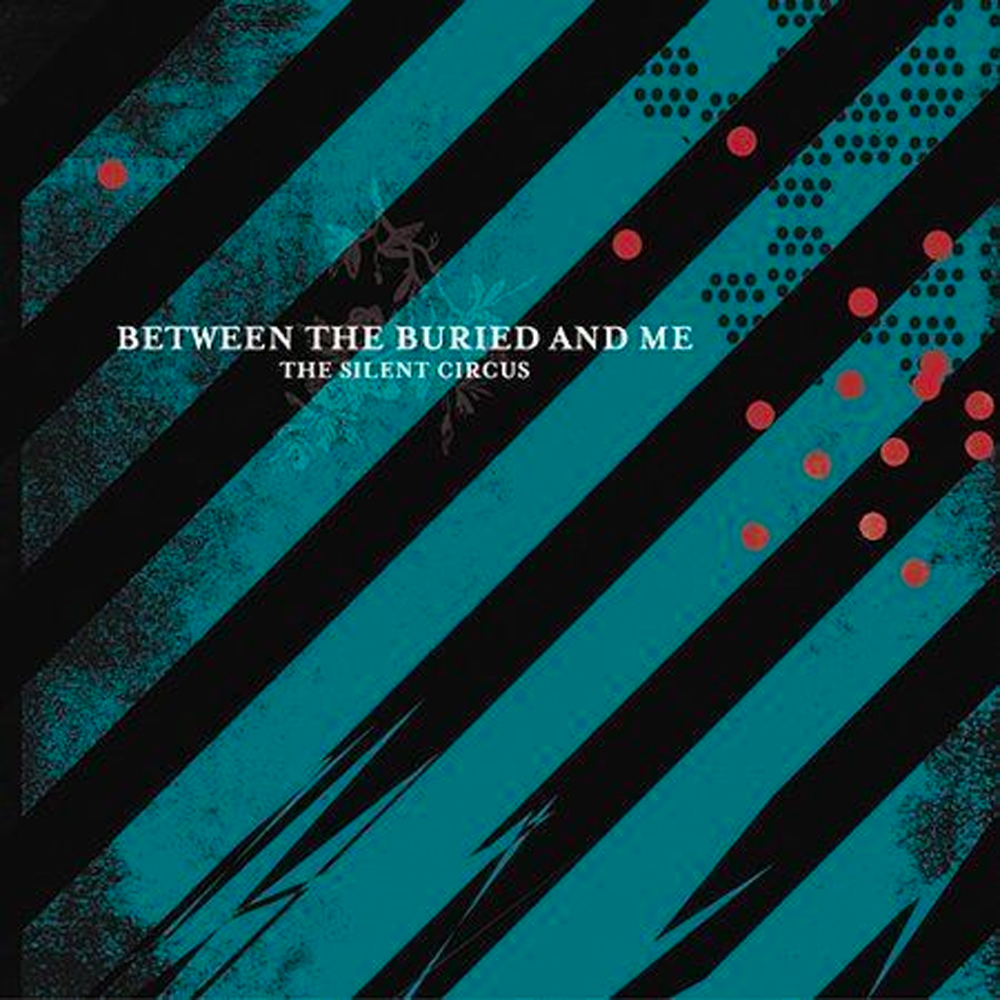 Between the Buried and Me “The Silent Circus” (10/21/2003)
The second album for this hardcore/metal hybrid group is quite the doozy. I wonder where they will go from here. I mean this album is sweet, but what’s next? Space prog metal? If that happens maybe my dad will actually check it out.
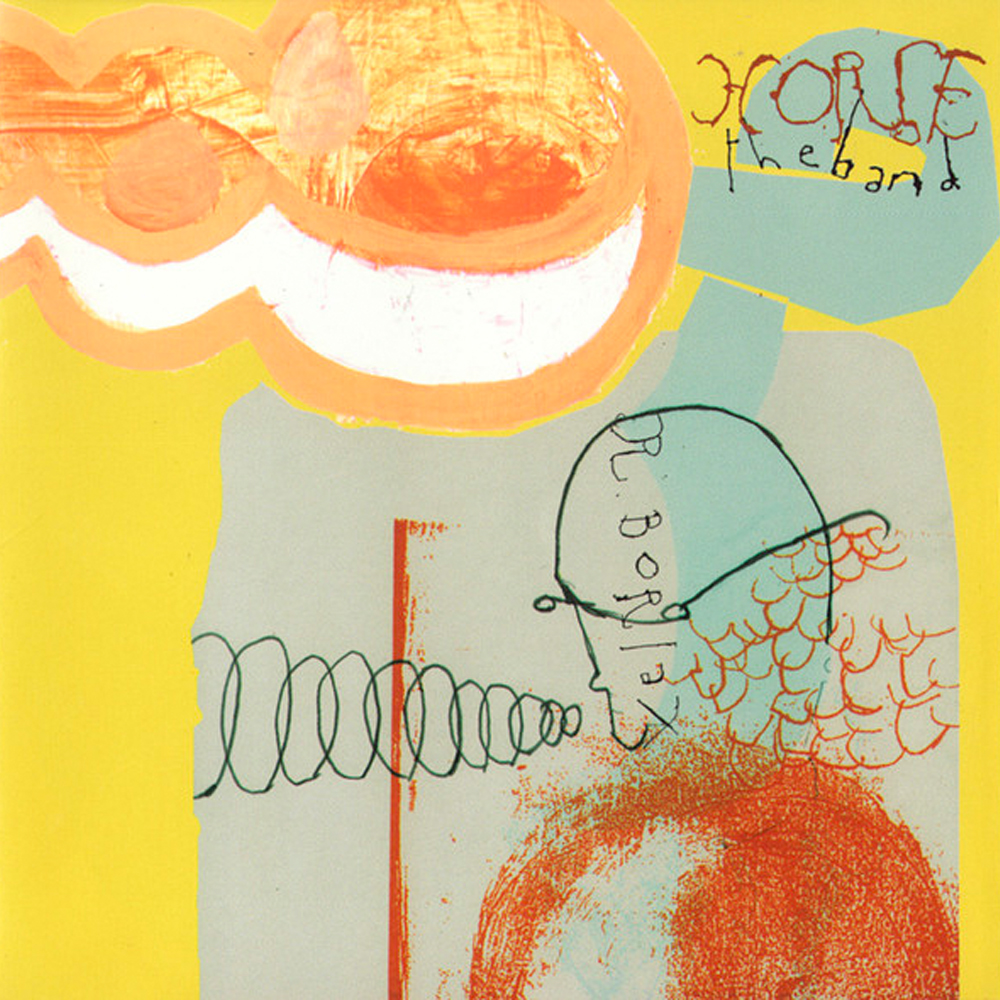 Horse the Band “R. Borlax” (11/25/2003)
Another album, another debut. At this point, 2003 has to be up there with 1986 as the best year in hardcore history. As for Horse the Band… remember how much you loved the music in all the video games you played as a kid? Well, I’ve got some great news.
Honorable Mention:
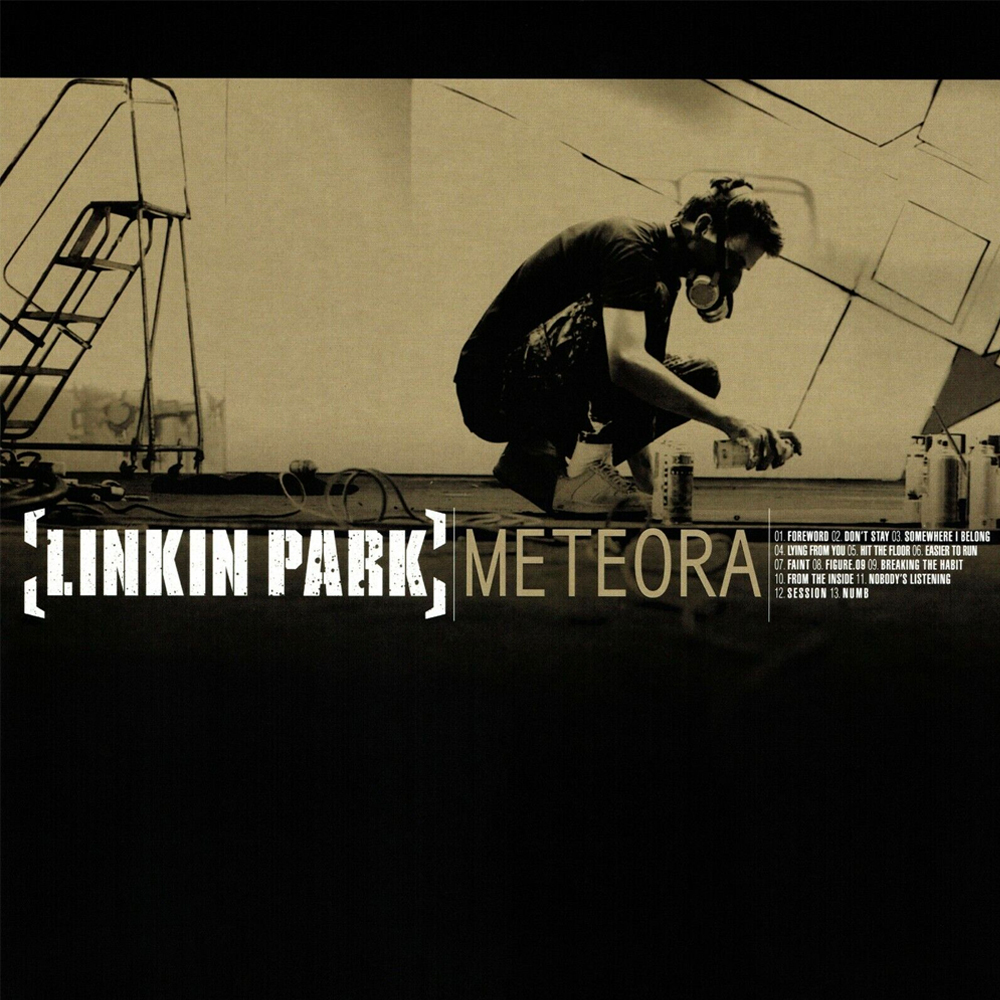 Linkin Park “Meteora” (3/25/2003)
I know, I know… “Radio rap/rock sucks! The Mudvayne kid also liked Linkin Park!” It was fun and games until you actually listened to it and realized that it actually goes pretty hard.
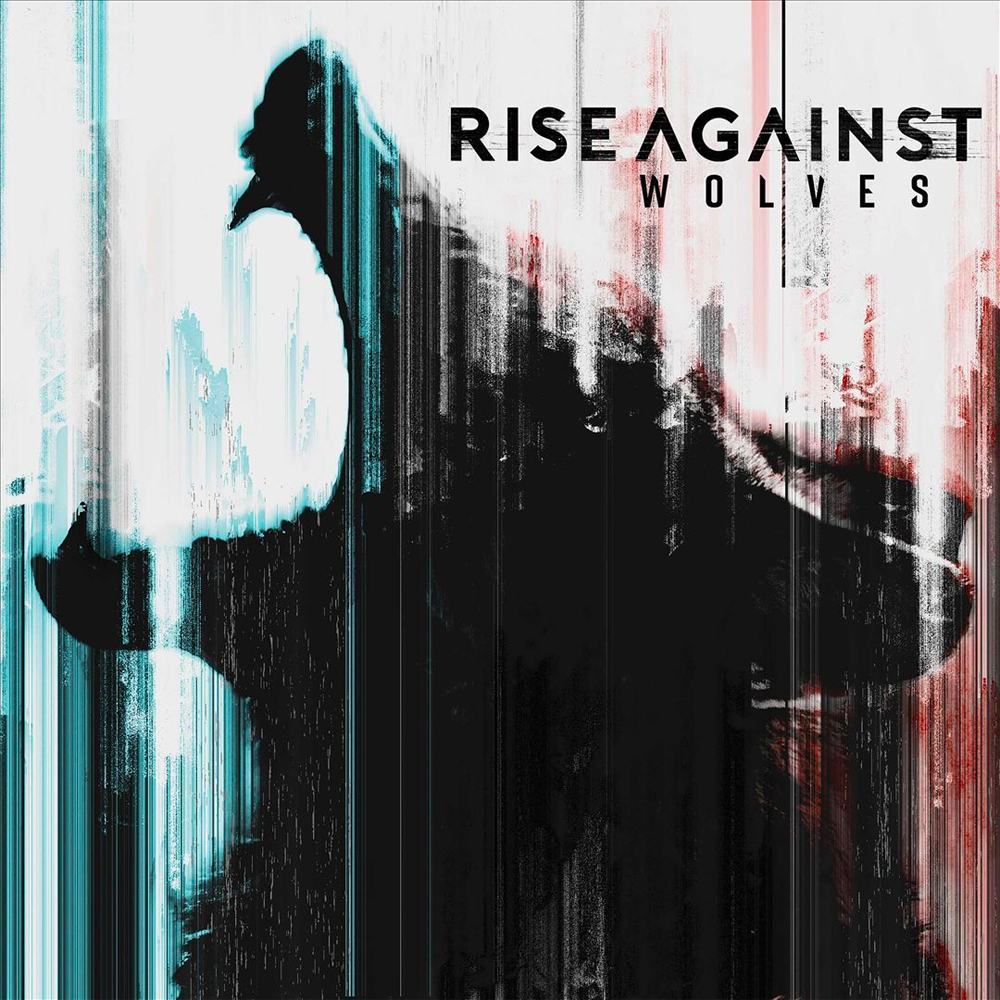 While “Wolves” itself is “Far From Perfect,” it definitely includes some tracks worth blasting on your headphones while stuck sandwiched against yet another group of Chicago tourists on the L train arguing over what deep dish pizza they should try. “Bullshit” comes to mind immediately, as it features ska-punk legend Jesse Michaels delivering killer backup vocals. “The Violence” on the other hand successfully plays to the band’s strength of producing kick ass guitar-led melodies. Much of the fun seems to stop there though. While other tracks like “How Many Walls” and “Welcome to the Breakdown” were meant to call out the atrocities of a burger-gobbling former president, they didn’t quite pack the punch needed for it to garner as much controversy and widespread appeal as the rest of their discography.
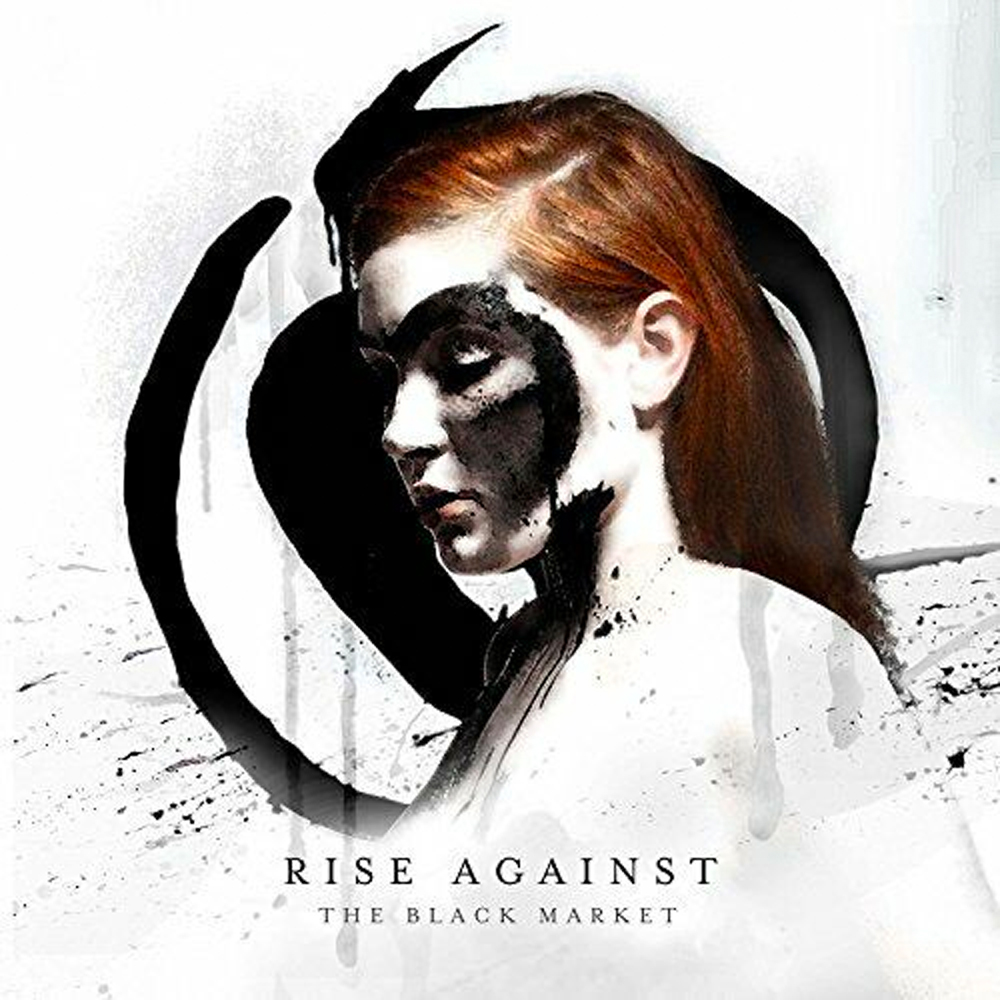 This was the album where Tim McIlrath decided to approach his songwriting with a deep introspective tone. While the album is solid with notable songs like “Bridges,” it’s no surprise that the politically-charged protest songs are more fun than ones where things get so personal. That’s right, fast-paced songs like “The Eco-Terrorist In Me” about burning down factory farms are more fun than the more “thoughtful” songs like “Methadone” which doesn’t have a single mention of arson. Go figure.
 Kicking off with a soundbite from 1996 psychological thriller film “The Cable Guy” with Jack Black questioning, “Are you ready to rock?” Rise Against’s 2001 debut album instantly set them apart from the pop punk sound that was already dominating the new millennium. This album featured heavy, but controlled, chaos. You know – the kind of hardcore album that you would want to experience live while dodging drop kicks in the pit of a lively Chicago punk bar. It also revealed tracks like “My Life Inside Your Heart” and “Everchanging,” both offering a first glimpse of the melodic tendencies that would shape the band’s future releases.
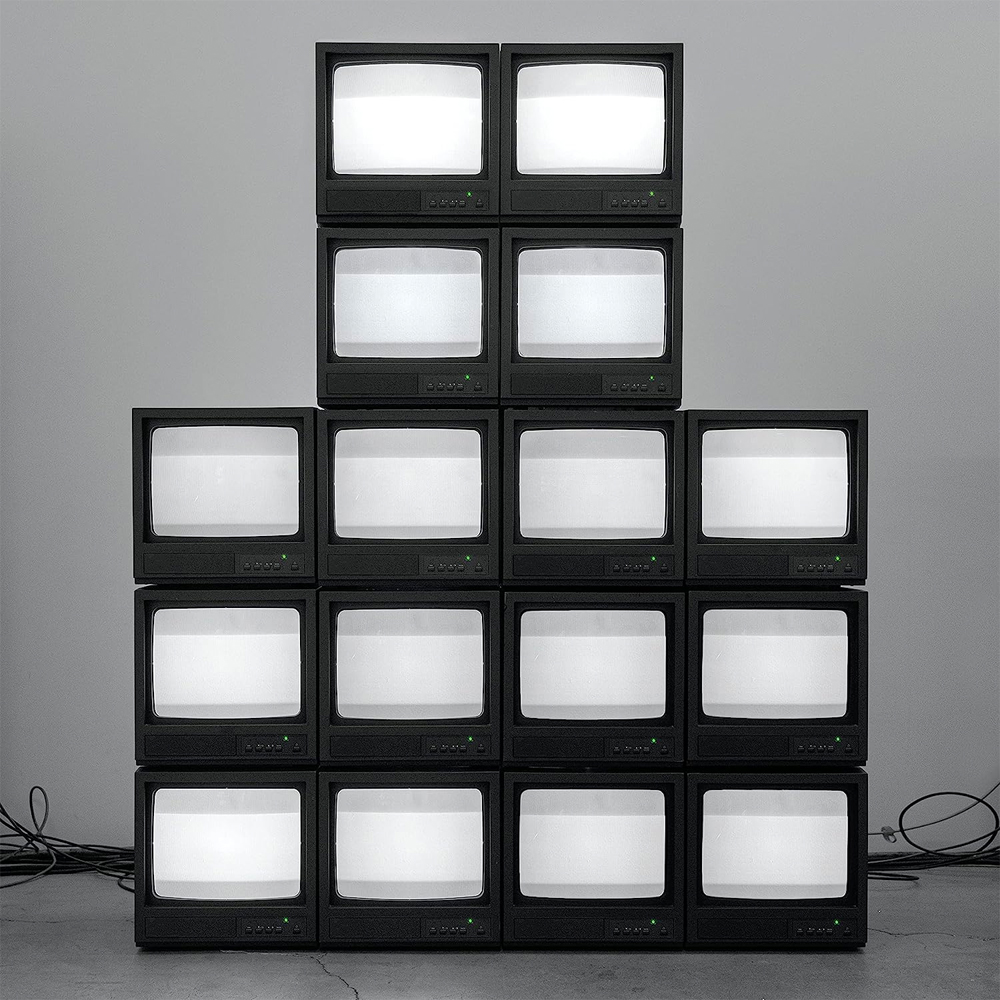 Spotlighting the failing promise of the American Dream, 2021’s “Nowhere Generation” brought Rise Against’s sound into the complete shitshow that we all find ourselves in today. Opening with a spooky line from the French anarchist anthem “L’Internationale” before thrashing into some of the band’s most in-your-face tracks yet, this album features Rise Against doing what they do best – delivering their hardcore sound complete with pain-stoked melodies that highlight the hypocrisy of the times. Leveraging days of intricate socio-economic research and even interviews with the band’s own children, “Nowhere Generation” successfully captures the hopeless and fractured society today’s youth find themselves struggling to survive.
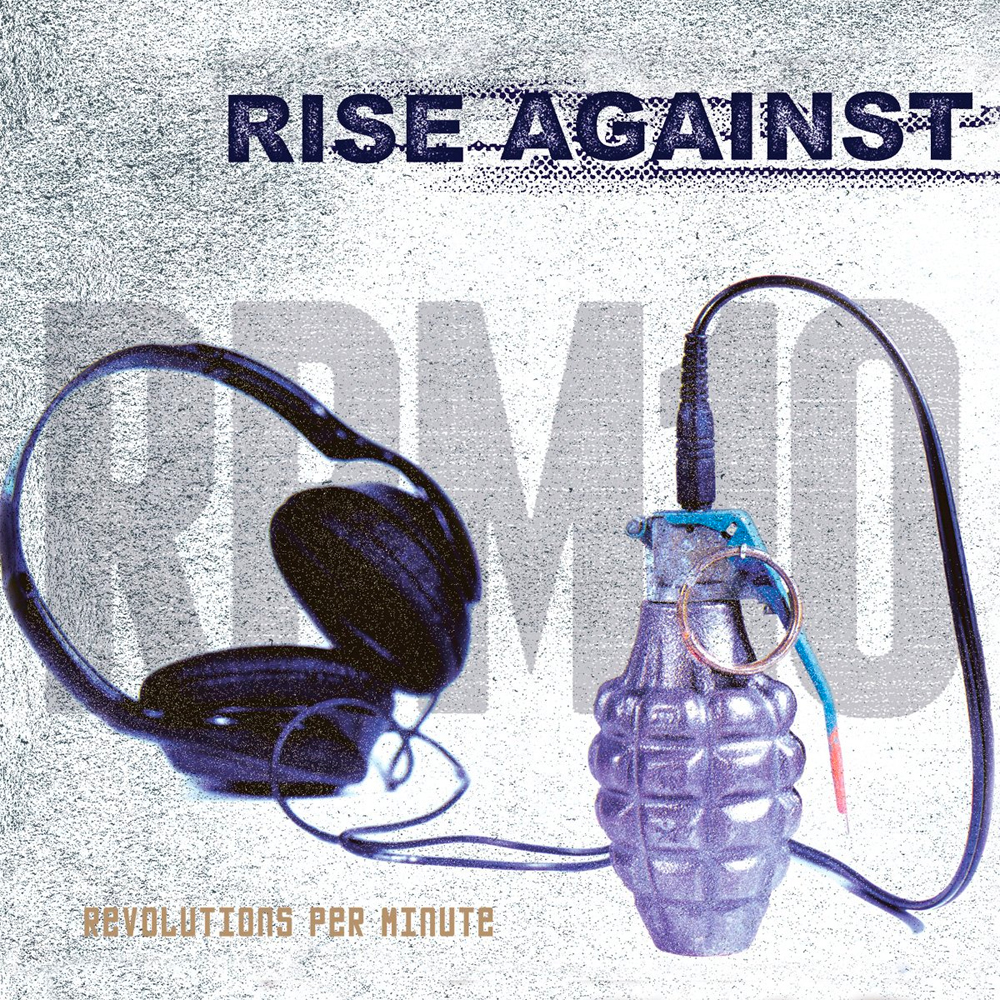 After gathering a respectably sized fanbase with their debut, the pressure was on for Rise Against when it came to make their follow up album, “Revolutions per Minute.” Fortunately, what they delivered was a relentless call for revolution featuring impressive songwriting that even their biggest fans never saw coming. Right off the bat this album is noticeably more melodic than its predecessor. It’s as if the band realized that Tim McIlrath can in fact sing, and that they should leverage the hell out of that. From tracks like “Dead Ringer” addressing dumbass claims that they “sold out” to “Blood-Red, White & Blue” covering everything fucked up about 9/11, this album showcases the band’s over-the-top musicianship and dark perspective on society. One of the album’s tracks, “Like the Angel,” also secured a spot on the “Tony Hawk Underground” soundtrack, which was a right of passage for any self-respecting punk band of the time. As far as second albums go, it’s hard to get better than this.
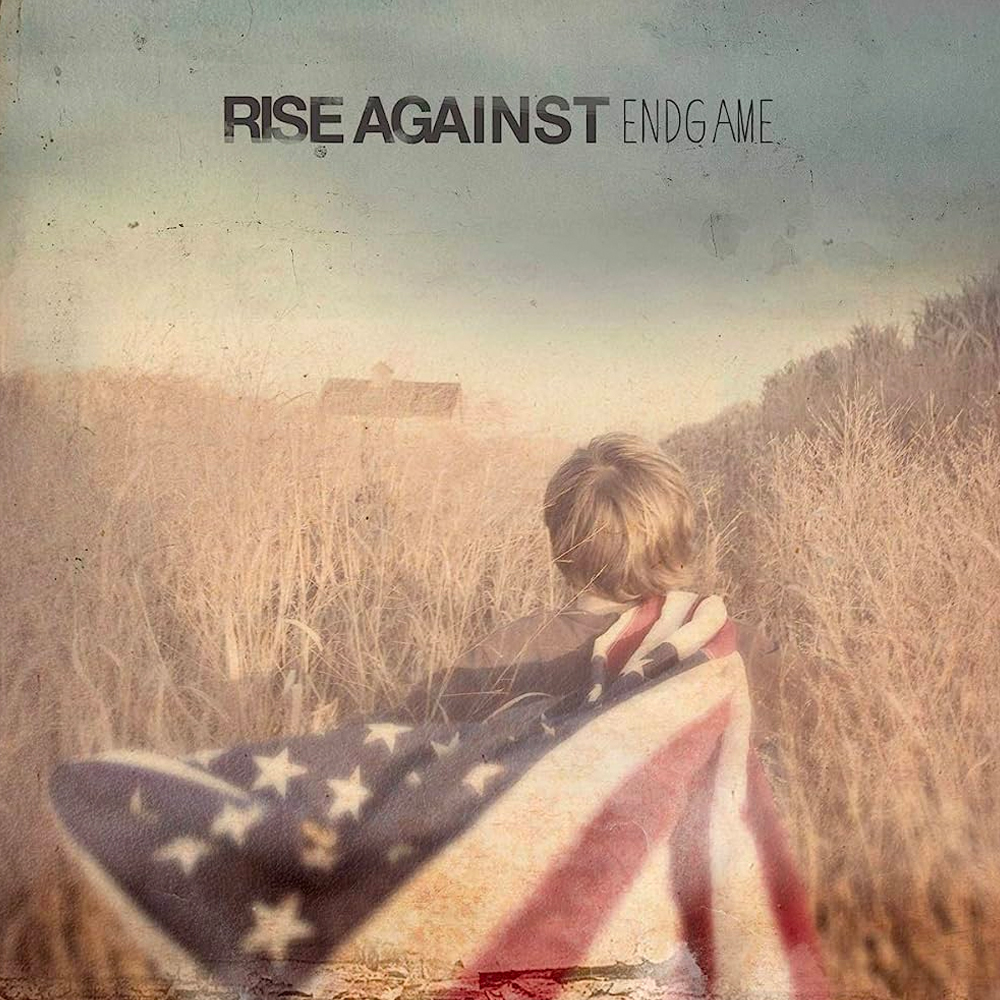 “Endgame” gets a lot of hate and I can’t for the life of me see why. Sure – plenty of the album’s tracks sound structured for radio, but that doesn’t make them bad at all. Besides, there’s a reason why this album was their biggest commercial success – that reason being that it features some legit smashes. With lyrics like, “We are the orphans of the American dream, so shine your light on me,” and a song directly linking rising teen suicide rates with homophobia, “Endgame” features some of Rise Against’s most powerful songwriting in their entire catalogue. It rightfully belongs ranked just below their most celebrated albums, even if you got burnt out from hearing “Help Is On the Way” on the radio during every morning commute.
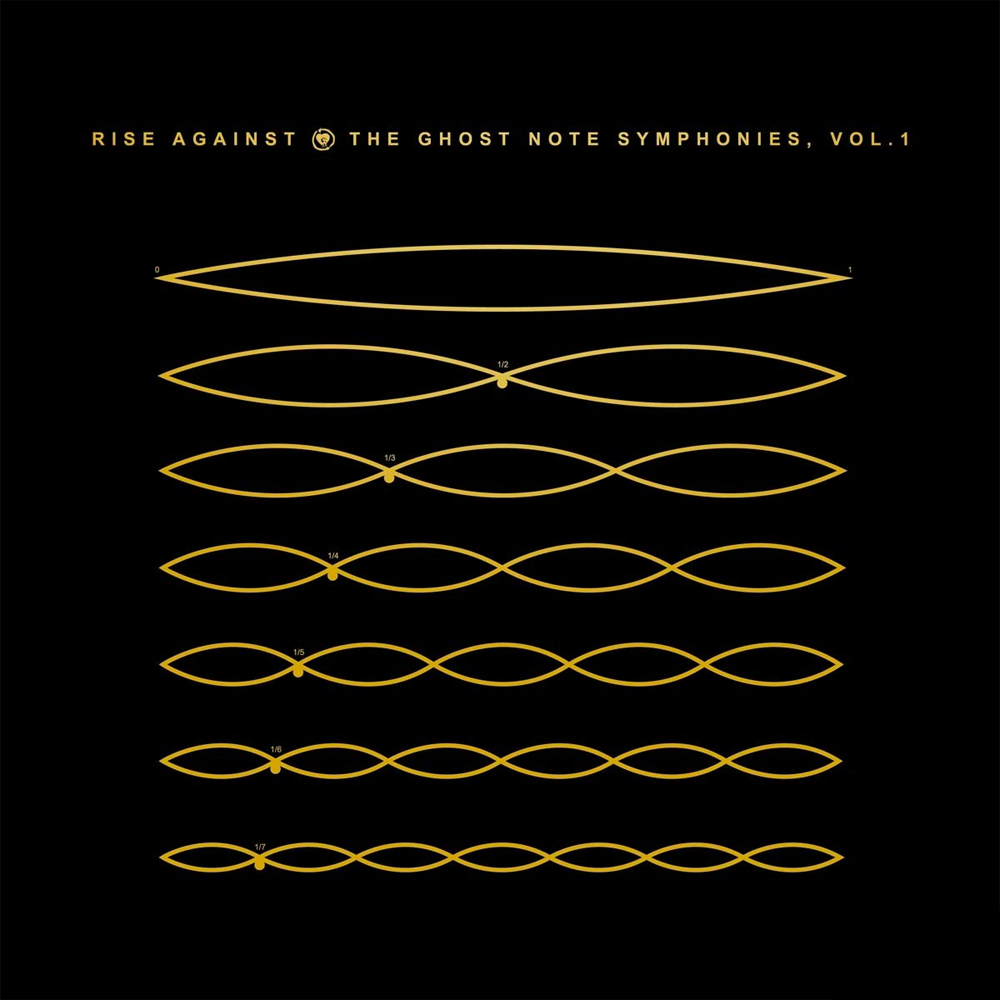 By 2018, Rise Against fans had been requesting an acoustic album for quite some time, so Tim McIlrath and the crew decided to deliver just that with “The Ghost Note Symphonies, Vol. 1”. It’s no surprise that this album turned out so great, seeing how several of the band’s stripped-down acoustic-led songs like “Swing Life Away” and “Hero of War” already were among their most beloved songs. The end result is a fun and extremely listenable album with a flawless and fresh take on plenty of Rise Against favorites that at least deserves a mention in our list.
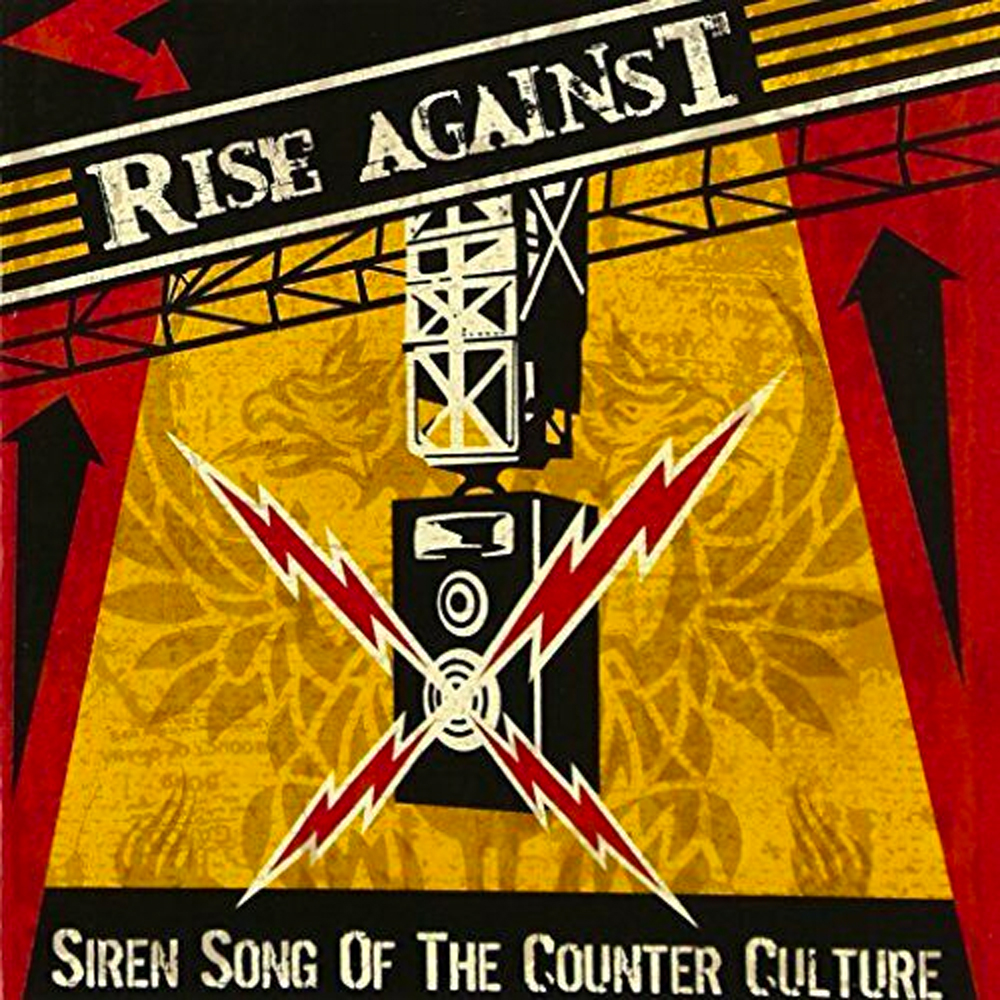 “Siren Song of the Counter Culture” was the first Rise Against album I ever heard, and that means it was probably the same for you because there was no way you knew about them before me, ok? The album completely evolved the band from a Chicago sensation into a breakthrough act thanks to several hits featuring a distinctive sound that still holds up today. Whether you’re looking at the solemn but ever-hopeful story of a couple struggling to make ends meet in “Swing Life Away,” the brightly euphoric opening guitar riff of “Paper Wings,” or the unorthodoxly positive but still batshit wild rager that is “Give It All,” it’s easy to see why this album helped Rise Against truly dip their toes into the national spotlight for the first time.
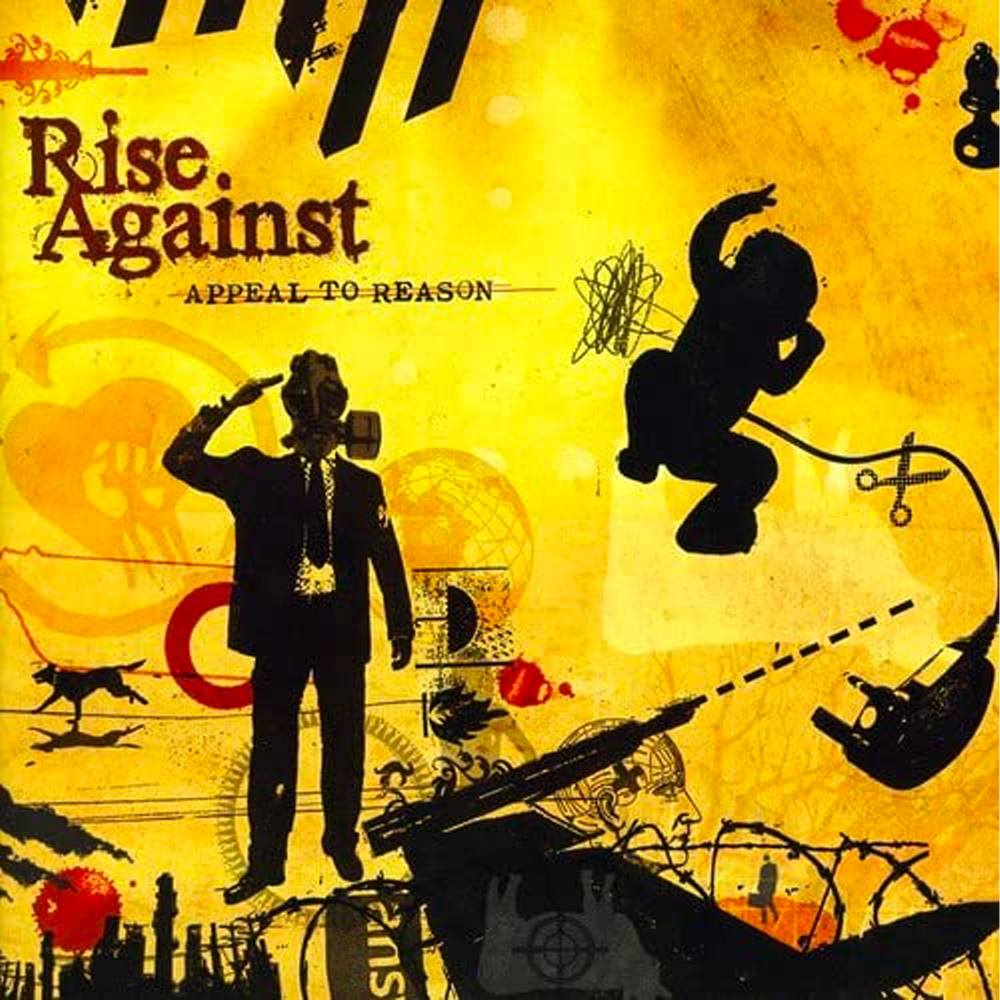 “Appeal to Reason” strayed away from the underground hardcore punk sound Rise Against perfected in previous releases. While this made plenty of longtime fans cautious at first, the album fortunately turned out to be a total banger. Notable hits include “Re-Education (Through Labor)” serving as a fist-pumping anthem for the world’s exploited working class, “Savior” covering a struggling relationship in the most delightfully dramatic way possible, and the band’s arguably saddest song ever, “Hero of War,” sharing a soldier’s journey from an underprivileged teenager targeted by military recruiters to a PTSD suffering veteran so haunted by the horrors of war to the point that he’s on the verge of suicide. Seeing that the album peaked at number 3 on the Billboard 200, “Appeal to Reason” is proof that there will always be an international audience ready to celebrate punk bands rooted in activism – as long as they produce some fucking jams.
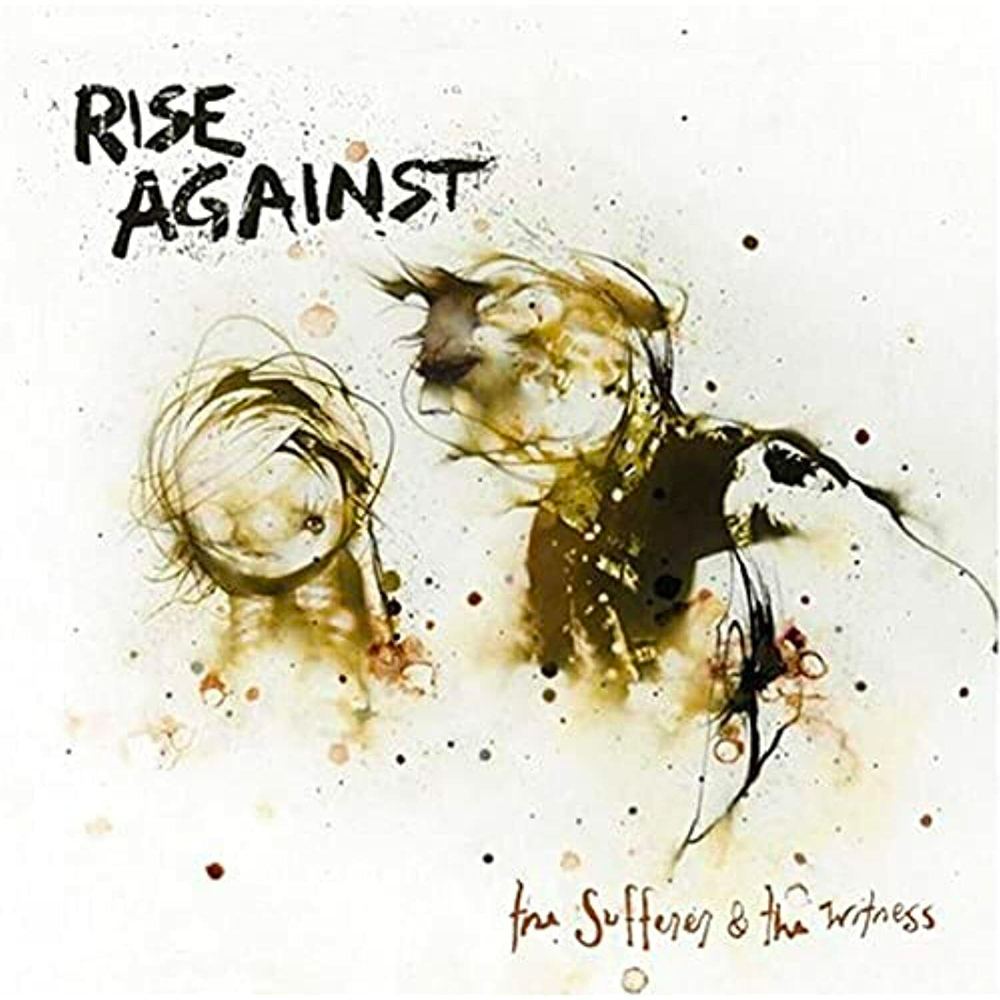 As a proud resident of Chicago, I knew this would be the Rise Against album for me the second I heard it open with “Intro/Chamber The Cartridge” parodying the intercom voice of the Chicago L train with, “This is Noise.” Oozing with showmanship and genuine dedication to the hometown that built them up, “The Sufferer & the Witness” is a damn perfect album full of distinctive nods to the band’s punk activist roots while featuring an evolved sound that drew in all kinds of new fans. While nothing dates a band more today than having albums from the midst of the Bush administration, the cries for action driven by powerfully urgent shouts from Tim McIlrath and wailing guitar featured on “The Sufferer & the Witness” feel timeless. You could also say it’s eerie how much the lyrics of Rise Against’s globally-acclaimed song “Prayer of the Refugee” match with the conflicts of today, such as the totally-fucked war in Ukraine. The song almost comes off as a warning that the wars of tomorrow will always bring forced displacement and discrimination – while somehow still pulling off being one of the most contagiously explosive punk anthems of all time.
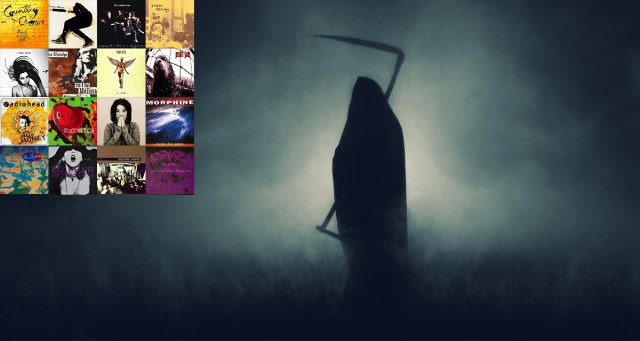
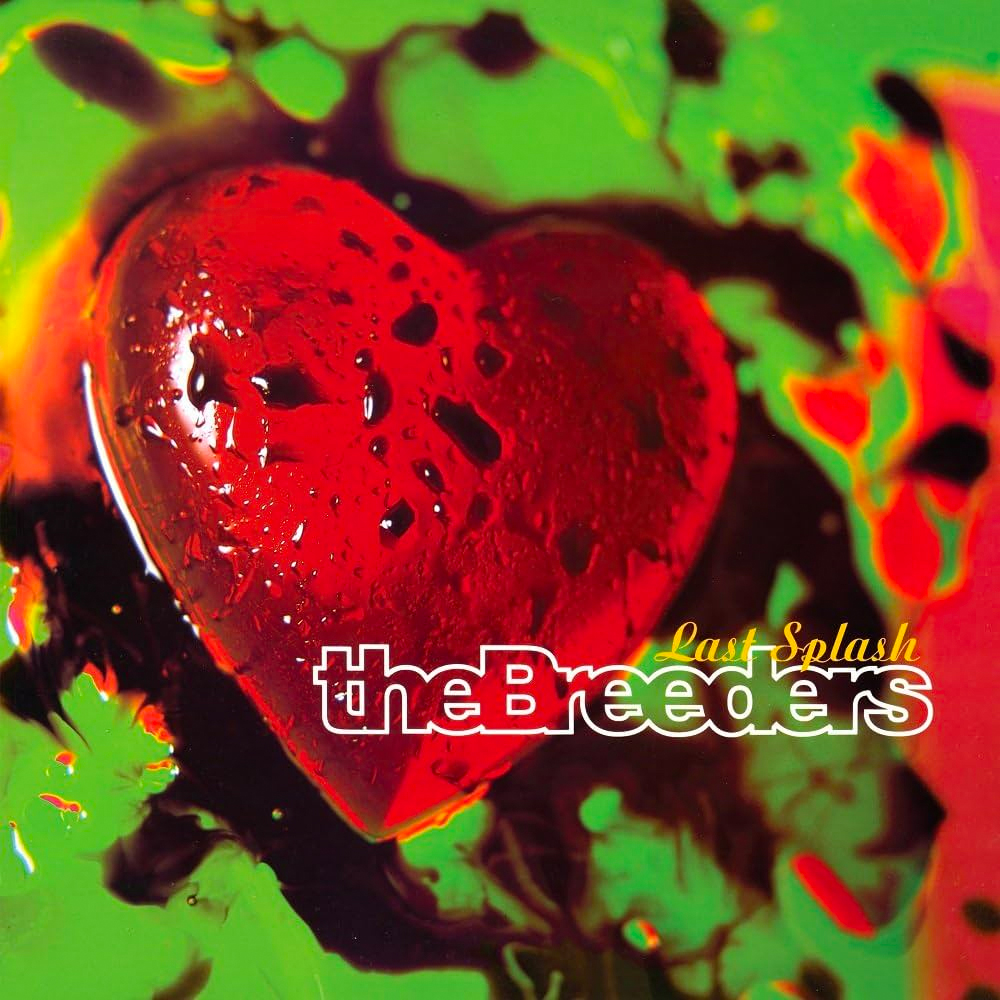 The Breeders are pure ‘90s goodness. Kim Deal from the Pixies? Check. Tanya Donelly from Belly? Check. Kinda. She’s a minimal presence on this album, appearing only on the tie-in EP. But still, this second album by The Breeders combines grunge, punk, garage rock and surf rock, as well as Deal’s icy and detached vocal delivery in an absolutely exquisite way.
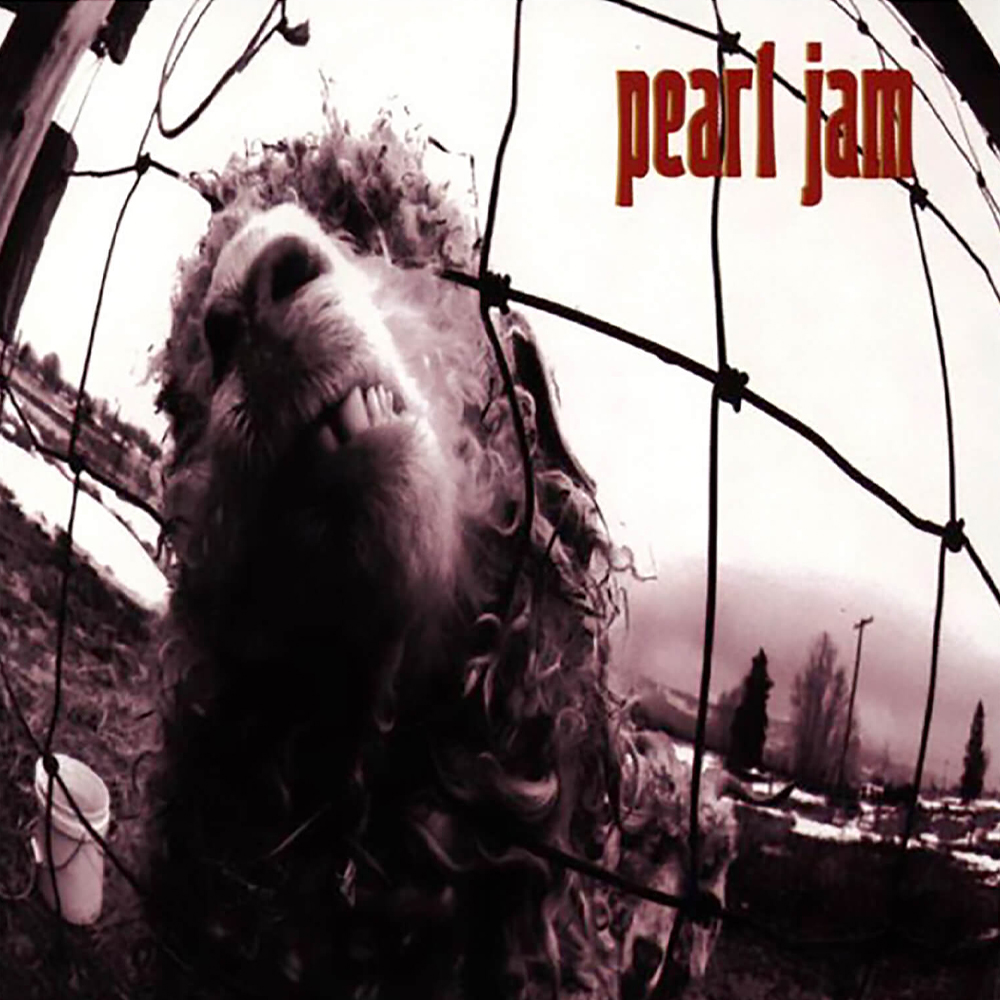 It’s interesting to consider that this album came out the same year as “In Utero.” Like the Nirvana album, this is pure grunge chaos with Eddie Vedder at times doing more wailing than singing, on songs like “Animal.” But where “In Utero” is pure anarchy, screaming and misery, “Vs.” is an exercise in control and style, with songs like the more mellow “Daughter,” showing an enormous ability to bend style and create a diverse and engaging listening experience.
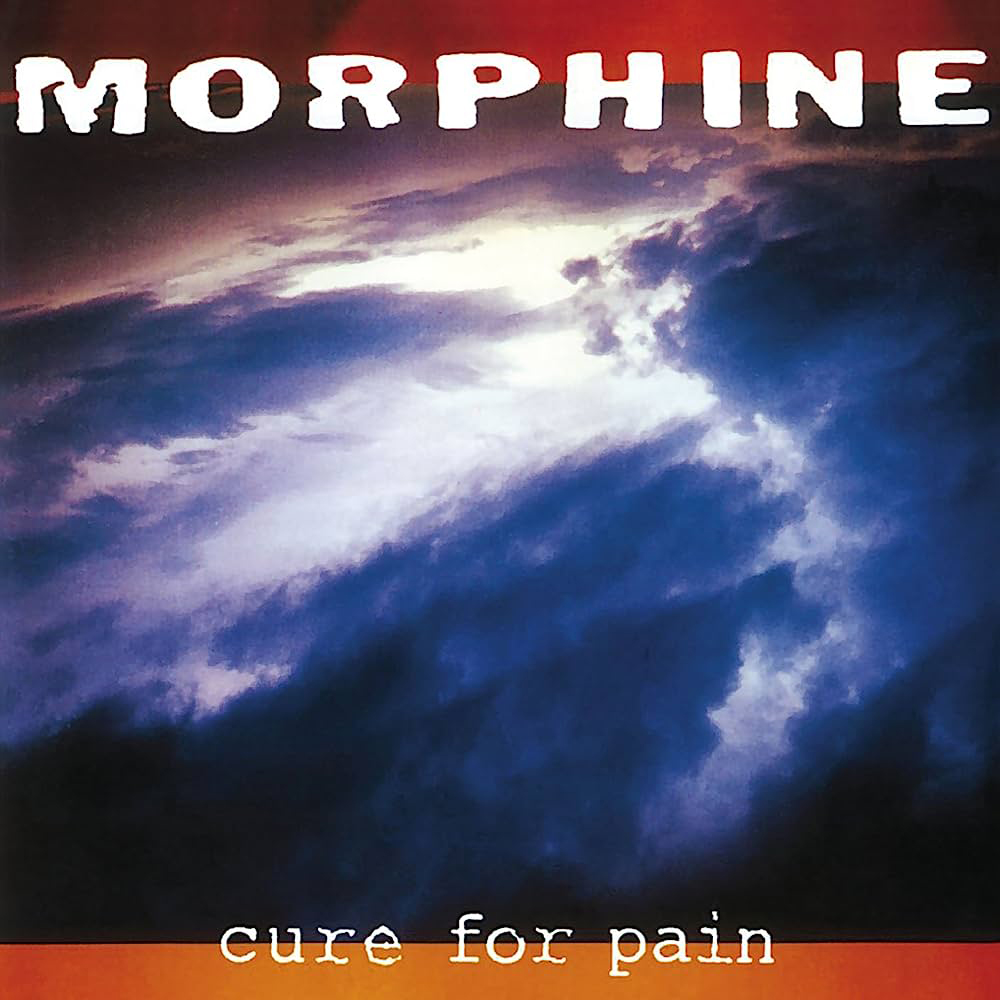 There is something vaguely evil (in a good way) about the slinky, bass-driven, jazz-rock conjured here. Mark Sandman’s writing and playing are enticing and coldly detached, while the music itself carries almost a jam-band like spirit. It’s not hard to see why a song like “Buena” left the imprint it did, with its effortless cool, but even for the deep cuts, this album is well-worth revisiting. Side note: how cool of a last name is “Sandman” though? It’s like getting a new license plate that randomly says “666 420.”
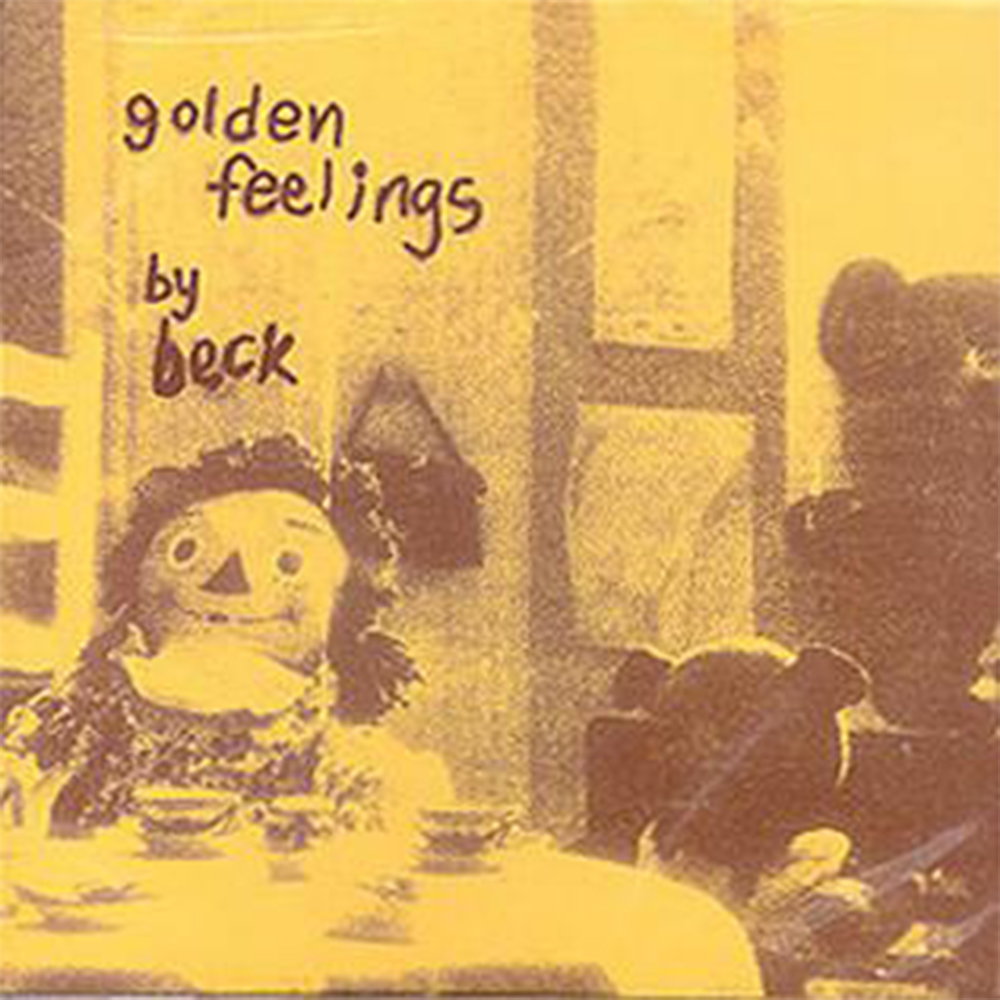 Yes, it’s finally happened. The debut album by anti-folk troubadour, erstwhile Scientologist and one-time “Futurama” guest-star Beck has finally turned 30. Really, “Golden Feelings” feels as much like a musical shitpost as it does an actual album, with Beck’s distorted vocals and warped playing. It’s astonishing, listening to it, how in just a few years, Beck was able to go from the bizarre sound on songs like “The Fucked Up Blues” to the rollicking, rock of “Midnite Vultures,” but Beck has always been a musical chameleon.
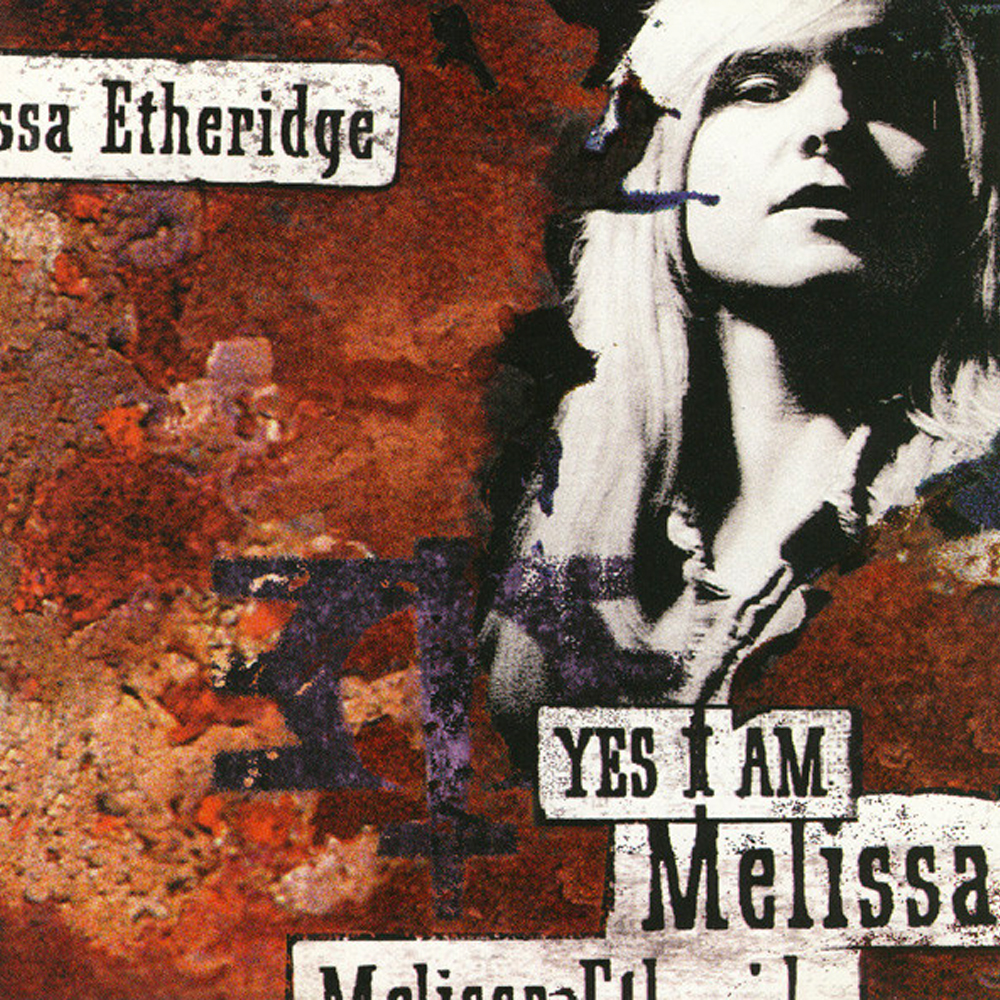 Oh sure, to some of you, it’s just “that CD that Mom has in her car,” but on listening to Melissa Etheridge’s “Yes I Am,” it’s not hard to imagine why this blues-rock album had the impact that it did, with singles like “Come to My Window,” “If I Wanted To” and “I’m the Only One” becoming her signature song, and the album itself has come to be remembered as Etheridge’s “coming out album.” On top of all that, it sounds fantastic and is well worth more modern attention.
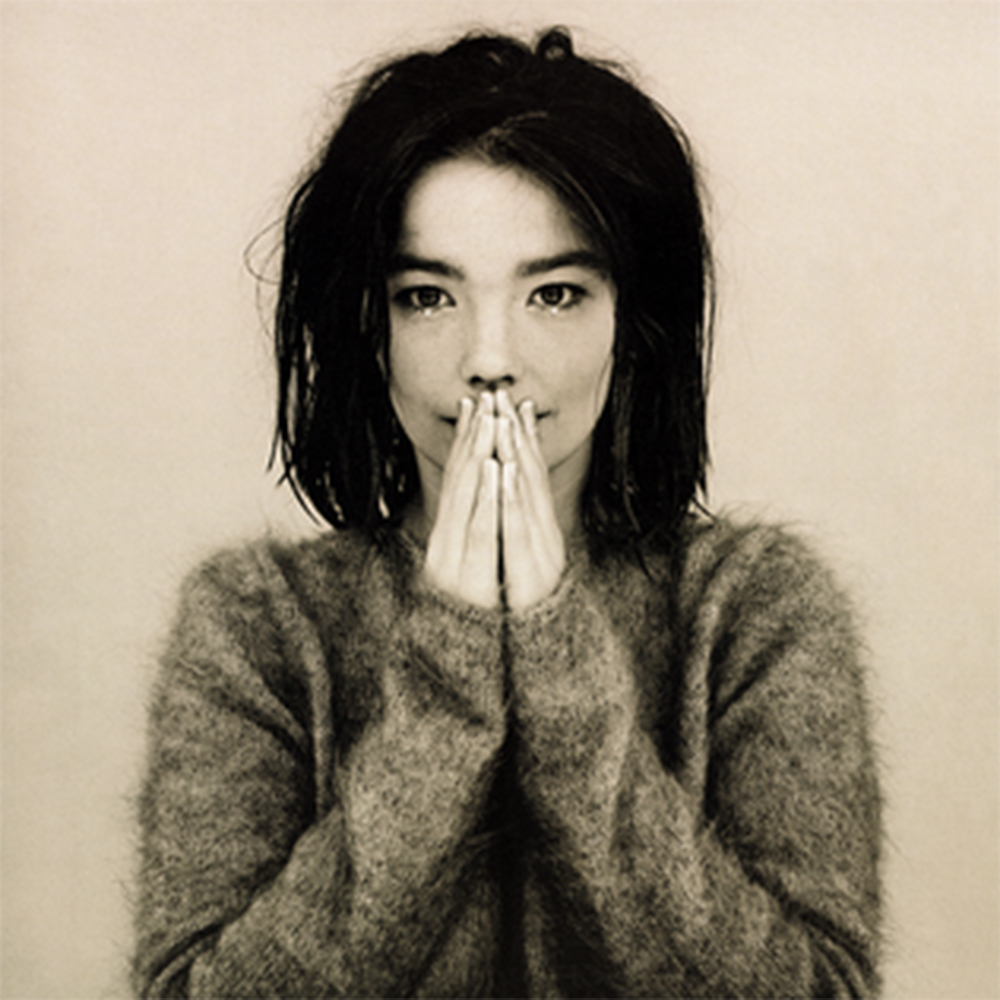 Icelandic singer-songwriter, Björk has had an incredible and varied career. Her songs contain the same weird, dreamy, experimental spirit of Kate Bush or Tori Amos and her song “Venus As a Boy” is probably one of the best to come out of this year. (Remember when it was in “Léon: The Professional?” Wasn’t that a great movie?) But ultimately, whether she’s acting for Lars Von Trier or Robert Eggers or being played by Winona Ryder pissing off Alex Tribeck, everything stems from this international debut, an album so sophisticated and wide-reaching it’s almost shattering to remember her only prior releases were as a member of a jazz combo and as a child artist releasing novelty songs.
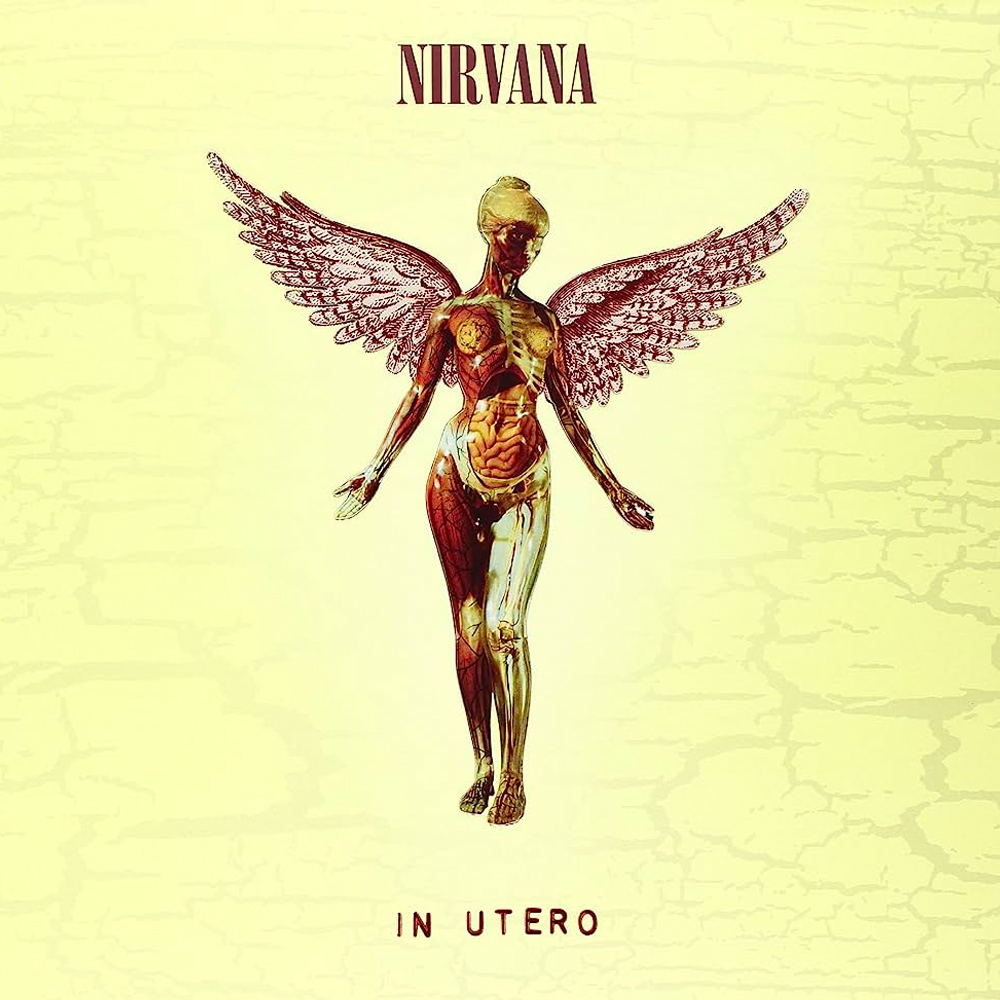 On Nirvana’s third and final album, it’s impossible not to hear the pain and self-destructiveness that plagued the final months of Kurt Cobain’s life. The original title, after all, was “I Hate Myself and I Want to Die.” As far as the band’s grunge sound goes, this is the grungiest, with distorted, reverb-heavy guitars and vocal performance from Cobain that feels more like tortured wailing than singing. This is something that feels horrific at first, but becomes oddly soothing the longer one listens.
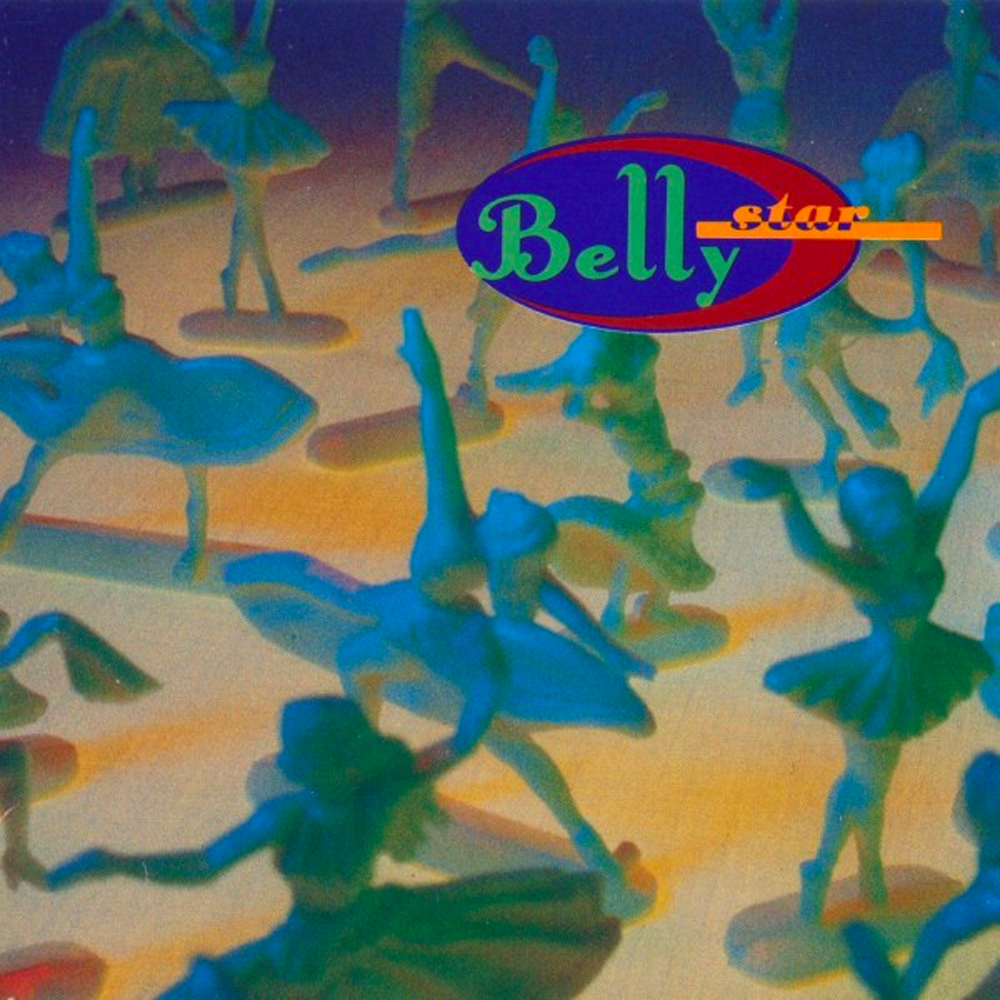 Eerie, jangly, abrasive and oddly soothing, “Star” – the first album by the Tanya Donelly fronted band Belly – is a truly indispensable ‘90s relic. On this record, Belly truly feels like a slightly harder, drone-heavy, American answer of the witchy jangle pop of the Cranberries, with Donnelly’s distinct, often detached vocals perfectly countering hard-driving guitar. With odd song structures and strange lyrics, Star isn’t necessarily easy to get into. The album, and the band that made it, seem overlooked today, which is both odd and a little sad, since both “Star” and Belly were nominated for Grammys. Standout songs include singles “Feed the Tree” and “Slow Dog,” as well as the witchy “Low Red Moon.” This album is well worth your time, especially in one sitting on a cold, overcast afternoon.
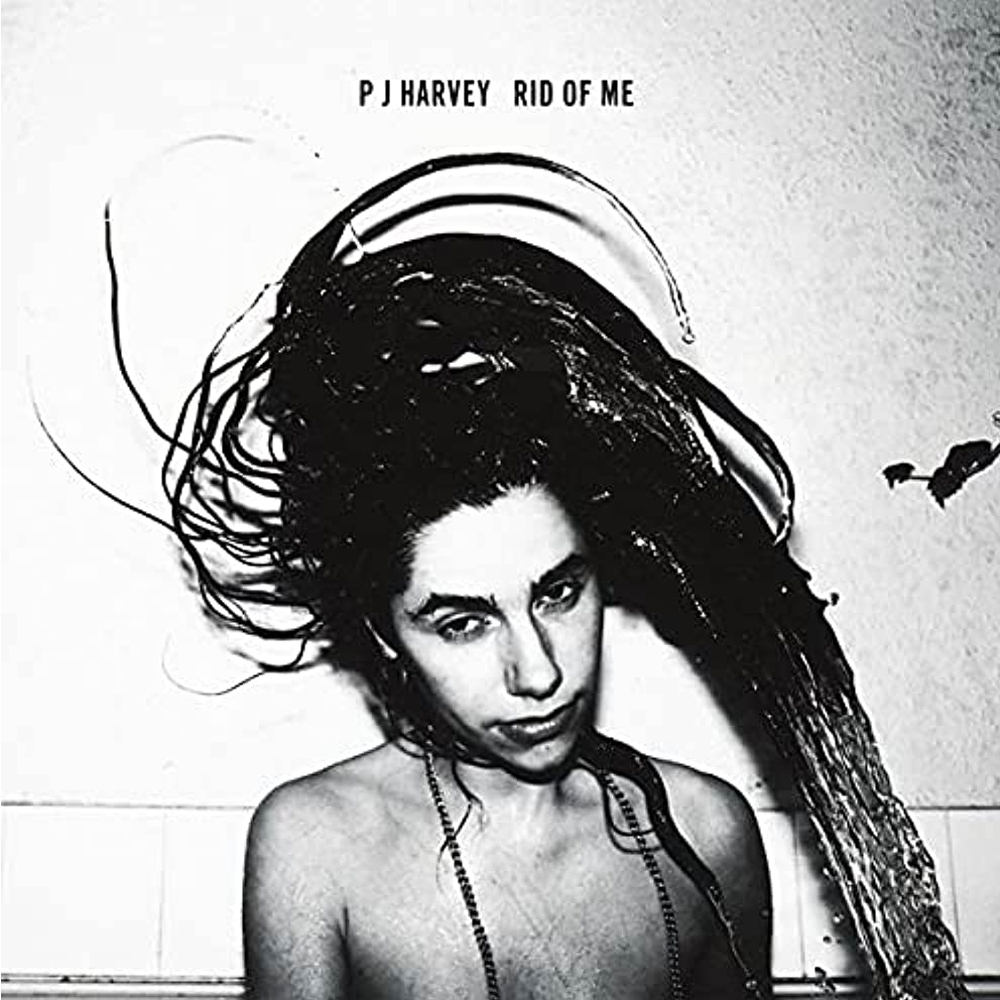 PJ Harvey is the coolest. Like Tom Waits or Leonard Cohen, she seems almost to be a genre in and of herself, where each of her albums feel strikingly different from each other, each imbued with their own artistic personas, but each one feeling like they could only be made by her.“Rid of Me” Harvey’s sophomore album, is different even by her standards. This is evident in the songs with “Man-Size Sextet” sounding like a lost Bernard Herrmann score, and an eerie re-working of Bob Dylan’s “Highway 61 Revisted,” as well as the almost over-the-top “Rub ‘til It Bleeds.” These are droning, deranged, sexual songs that are pure PJ Harvey and show an artist with a fearlessness to rival her true talent.
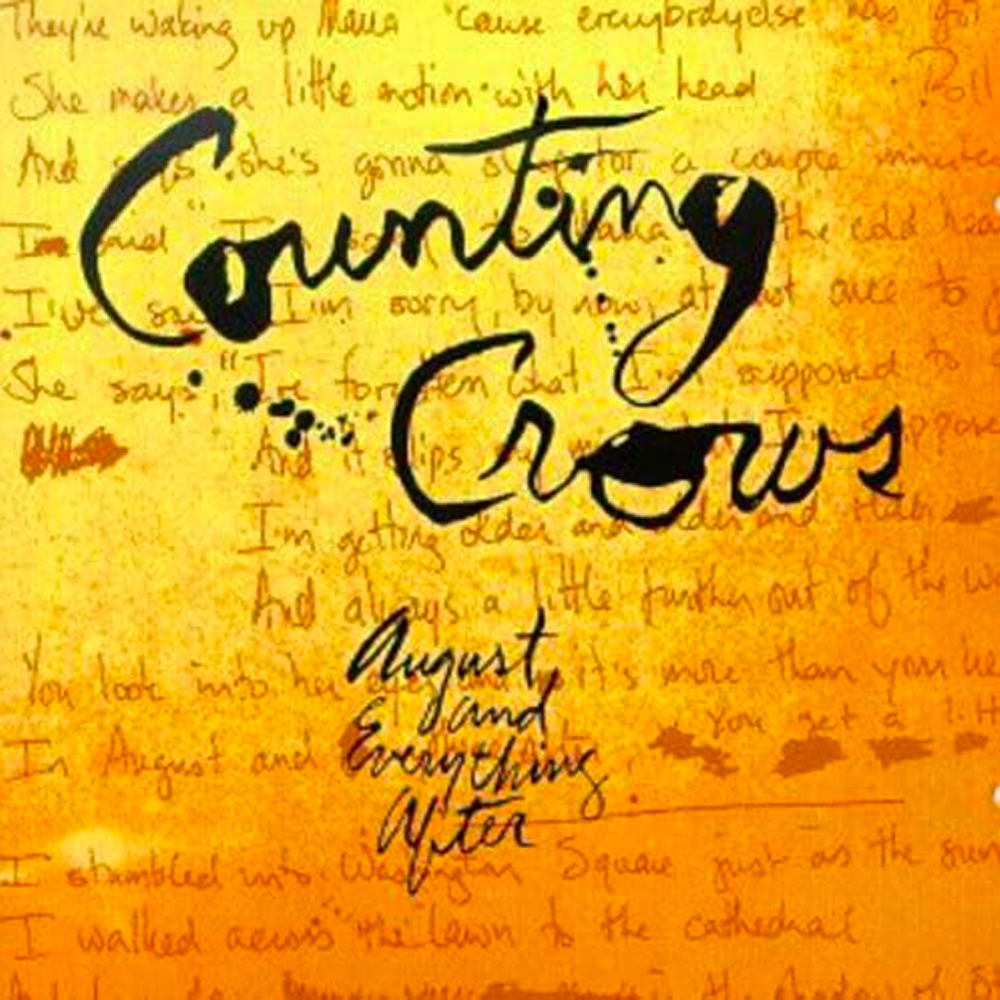 The most interesting thing about getting into Counting Crows is realizing that the best part of any of their songs is Adam Duritz’s heroic, belting voice, while the worst part is Adam Durtiz’s freakish, caterwalling seal-bark. Often, these two versions of Duritz co-exist within the same song. Sometimes they happen at the exact same moment. Duritz’s ability to bring us into his world is best felt in the first three songs, “Round Here,” “Omaha” and “Mr. Jones.” His delivery on “Anna Begins” has, at points in my life, actually made me tear up. On the whole, “August and Everything After” is ghostly, strangely uplifting and relentlessly nostalgic. A perfect early Fall album.
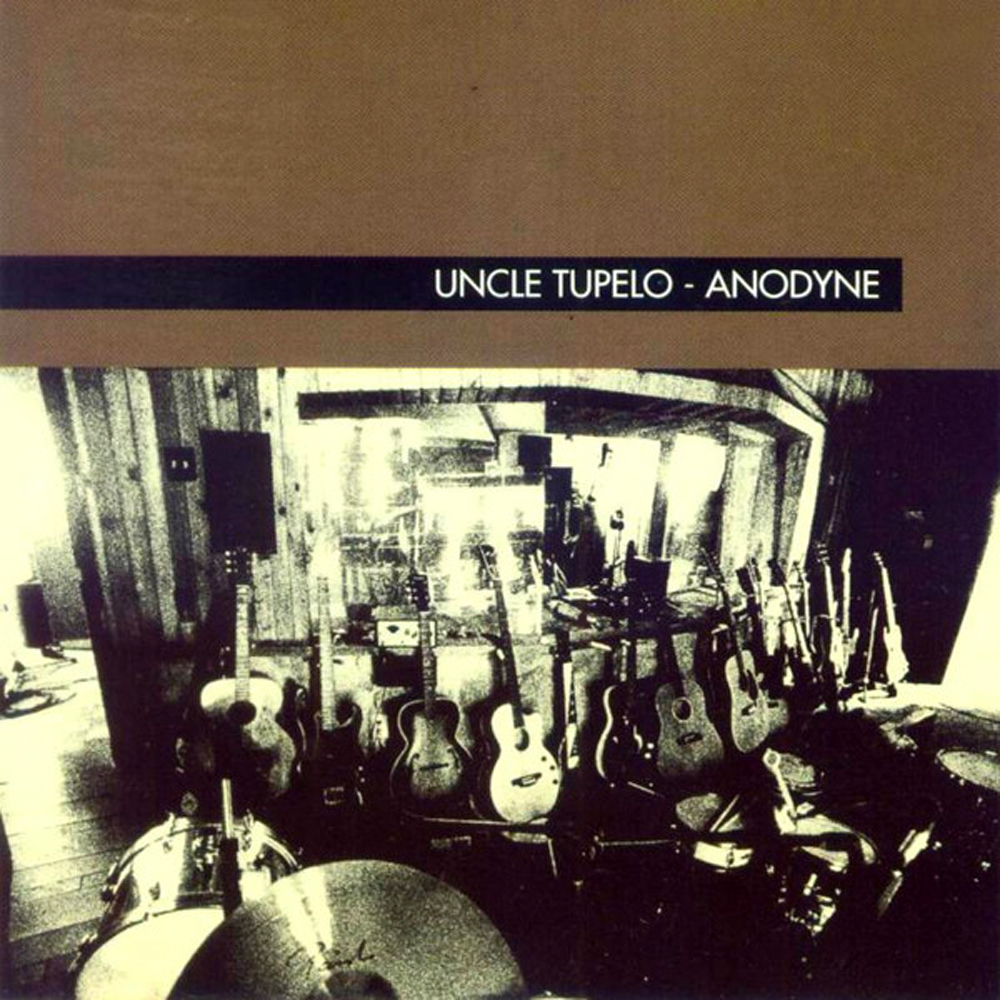 The fourth and final album by the Illinois-based Roots Rock/Alt-Country band is, in many ways, an oddity in their discography. With Jeff Tweedy as one of Uncle Tupelo’s co-frontmen, the band spent the first chunk of their career making more or less straight punk music, with country/folk inflections. Its opener, “Slate,” is a fiddle-driven tune that feels almost aggressively nostalgic, while tracks like “The Long Cut” feel like the perfect accompaniment for a country road trip. Ultimately, though it does drag at points, tracks like “New Madrid” and “Give Me Back the Key to My Heart” are worth every slow moment. “Anodyne” is a brilliant slice of alt-country/roots rock, a great swan song for Jay Farrer and Jeff Tweedy’s creative partnership and a great intro piece to a band that was often so much more punk than expected.
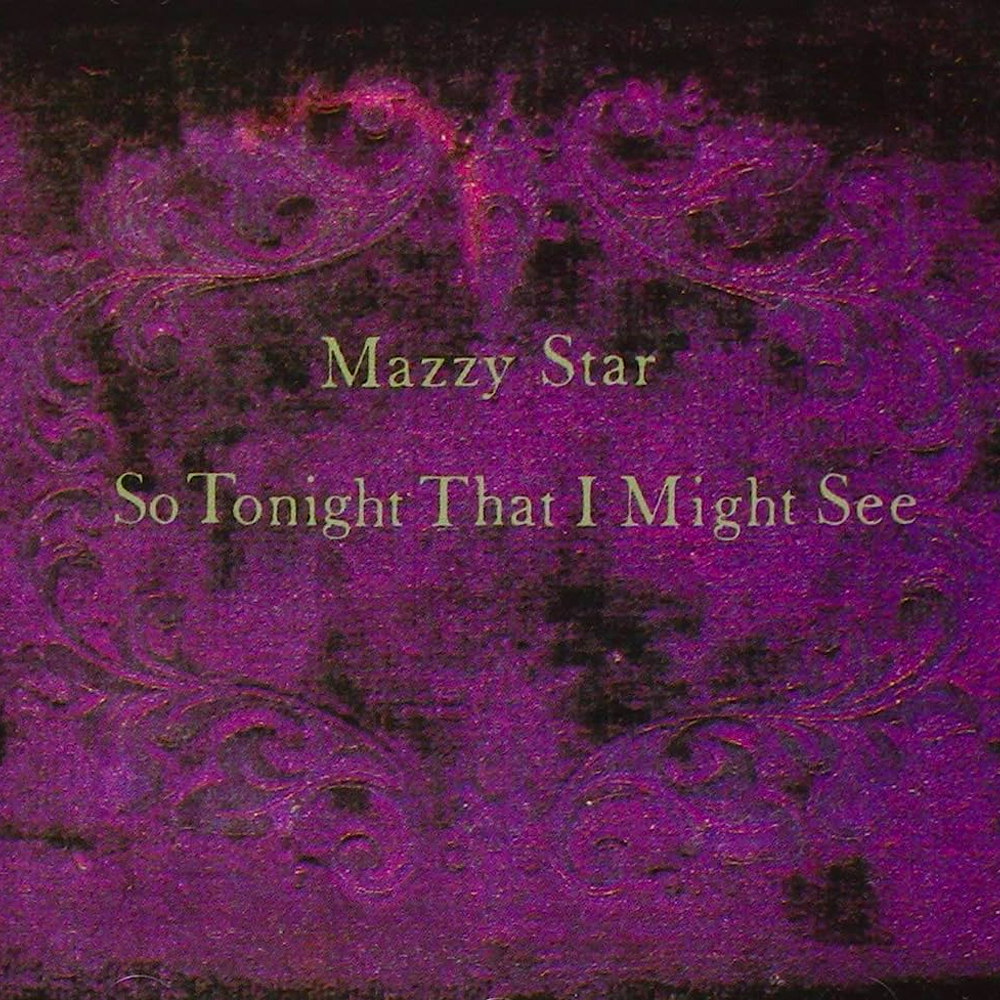 In many ways, the sophomore album by California-based dream-pop/psych rock duo Mazzy Star has a lot in common with “Blacklisted” by Neko Case, despite the almost decade in between their release. Both are psychedelic and reverb-heavy, both conjure up not just country and rock images, but an oddly chaotic desert-like sonic landscape. “So Tonight That I Might See” feels like the soundtrack to an unmade David Lynch film. A noirish, luxurious album of midnight images that calls to mind lonely nights out in the desert, with scorpions and tarantulas on the prowl and forgotten corners of U.S. states you’ve never been to.
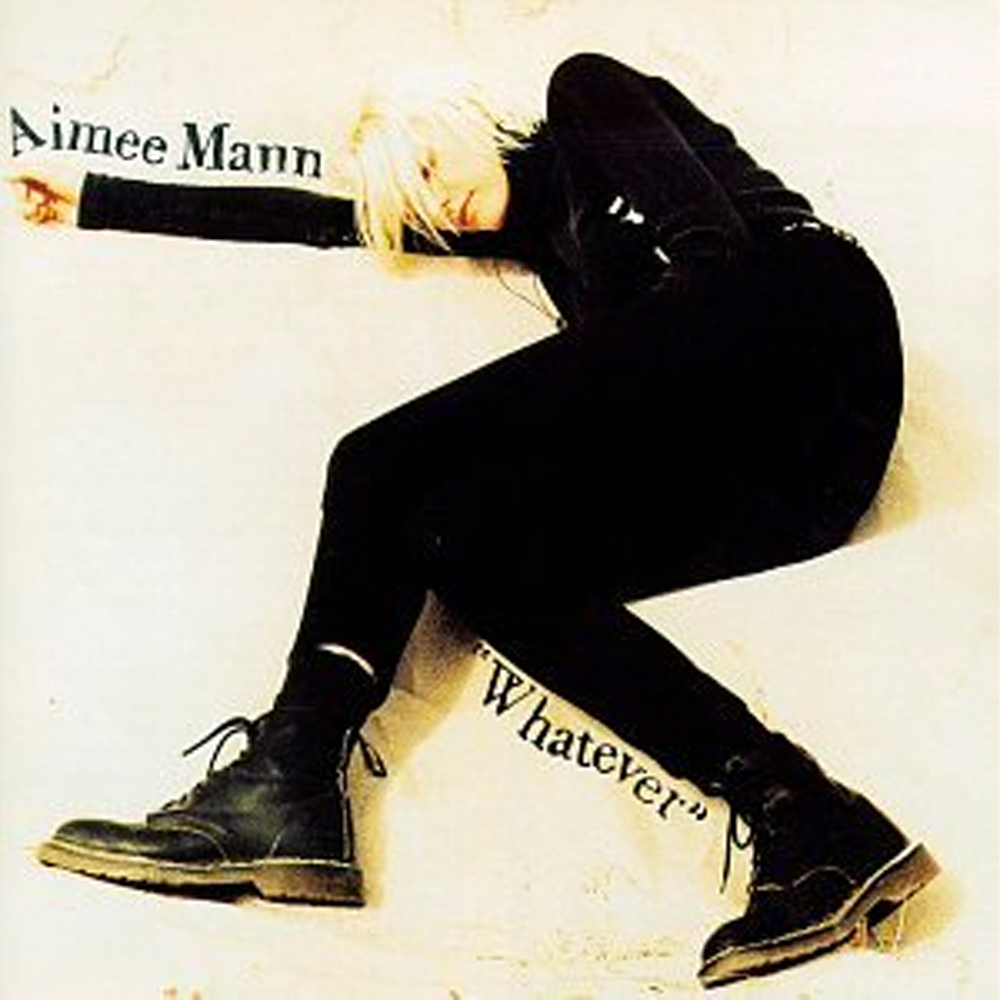 Aimee Mann is one of the few artists that seems genuinely impossible to dislike once you’ve given her a fair chance. Like Tom Waits by way of Daria, Mann’s lyrics often balance extreme darkness (see “Home by Now,” “Just Like Anyone” or “Philly Drinks”) with extreme, acerbic, deadpan humor. “Whatever” is Mann’s solo debut, and a supremely confident debut album for an artist who has always stayed true to her style and convictions, even as her sound has evolved drastically over the years.
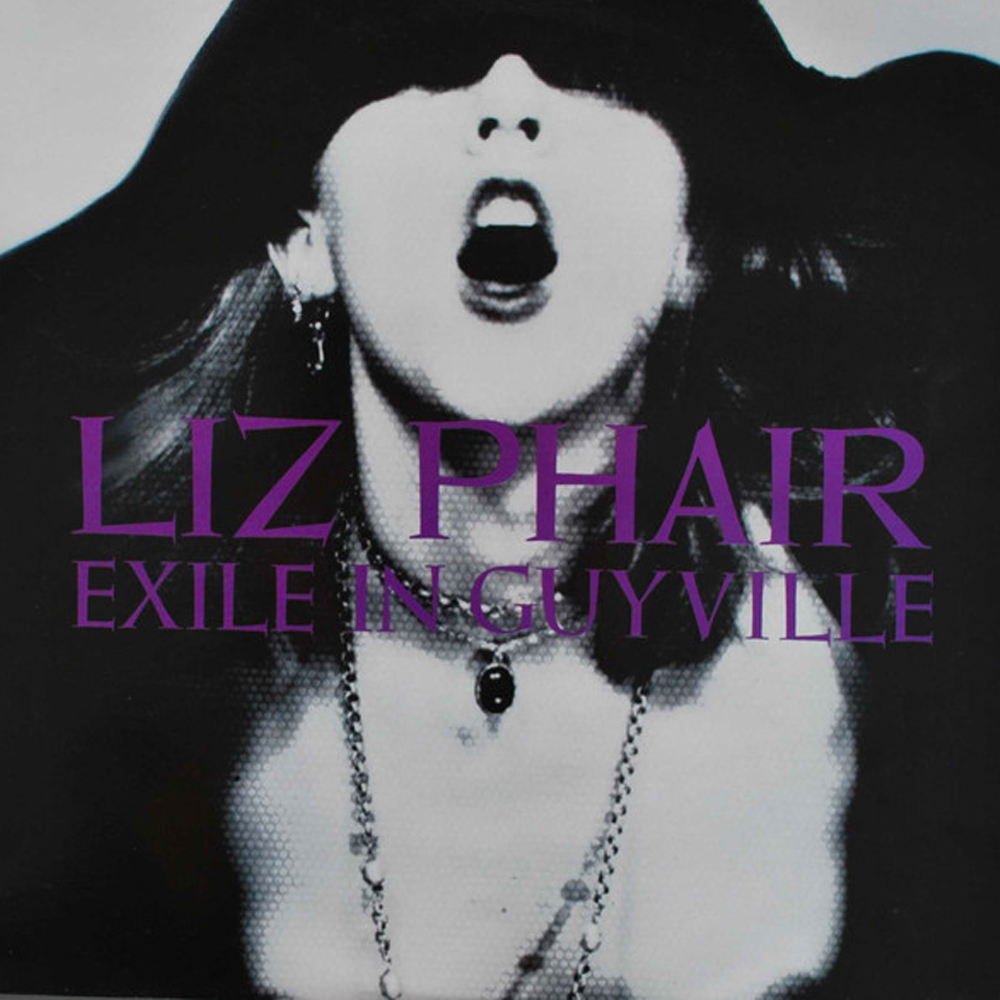 There’s no doubt this album rocked a lot of dorm rooms at Wellesley when it first debuted, with opener “6’1” and lead single “Never Said” serving up shredding guitar and a blunt delivery that permeates through the album. Songs like “Help Me Mary,” “Girls! Girls! Girls!,” “Divorce Song” and “Johnny Sunshine” pack the album with strangely catchy bops, while “Dance of the Seven Veils,” “Fuck and Run” and especially “Flower,” pack the album with a raw, almost supernaturally frank sexuality. “Exile in Guyville” is a perfect mixture of Riot Grrrl, Grunge and Punk Rock, as well as something uniquely original that only a first-time artist with no more fucks to give could muster.
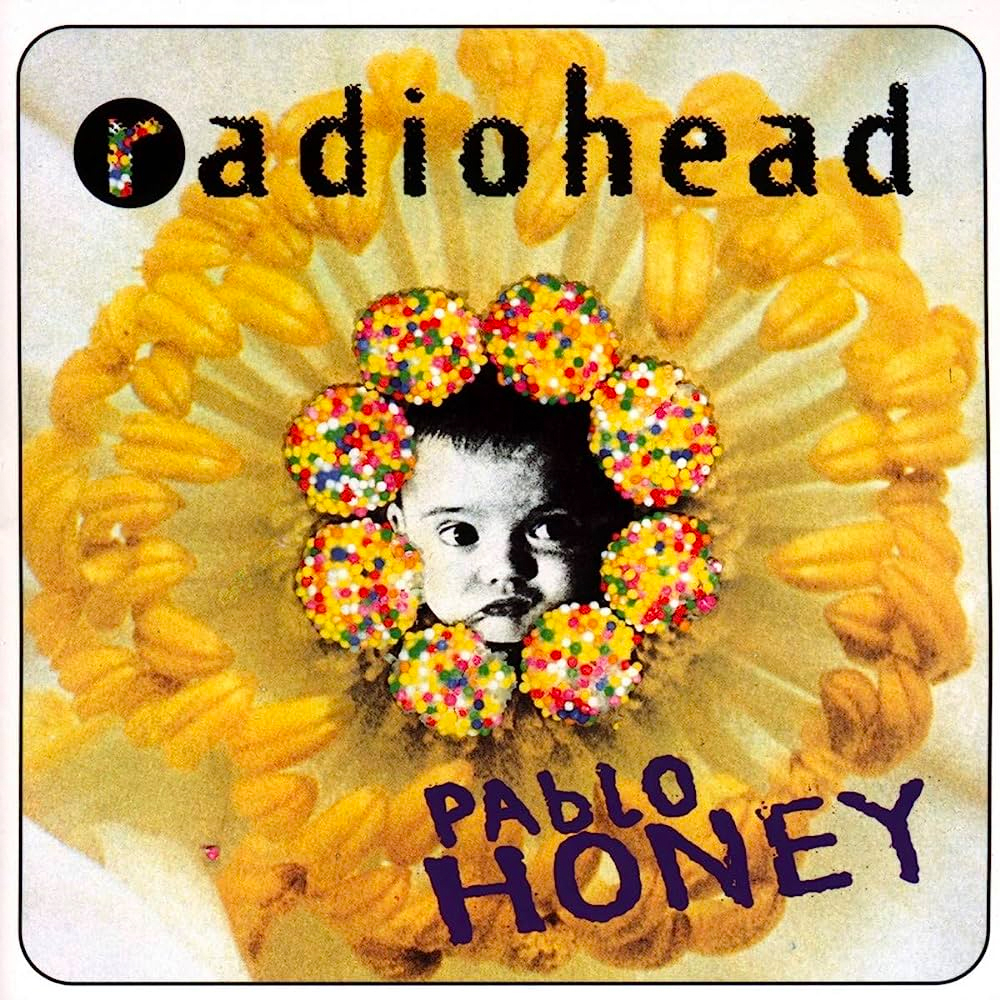 From its opener “You,” this debut by English male-manipulator – I mean – rock band Radiohead is crunchy, staticky and almost industrial. Thom Yorke’s vocals feel more like a rigid and fragile Jeff Buckley than the “ghost of Victorian boy who was drowned in a well by his governess” tones they would become by the time he made the “Suspiria” soundtrack, or even “OK Computer.” On the whole, while the album isn’t as polished as later outputs by the group, there is a lot here, with break-out single “Creep,” feeling like a festering, oozing send-up to Leonard Cohen’s song “The Future,” while “How Do You?” plays like a lost track off of “Ziggy Stardust” if Ziggy had been really into paint thinner. (I mean that in a good way.)
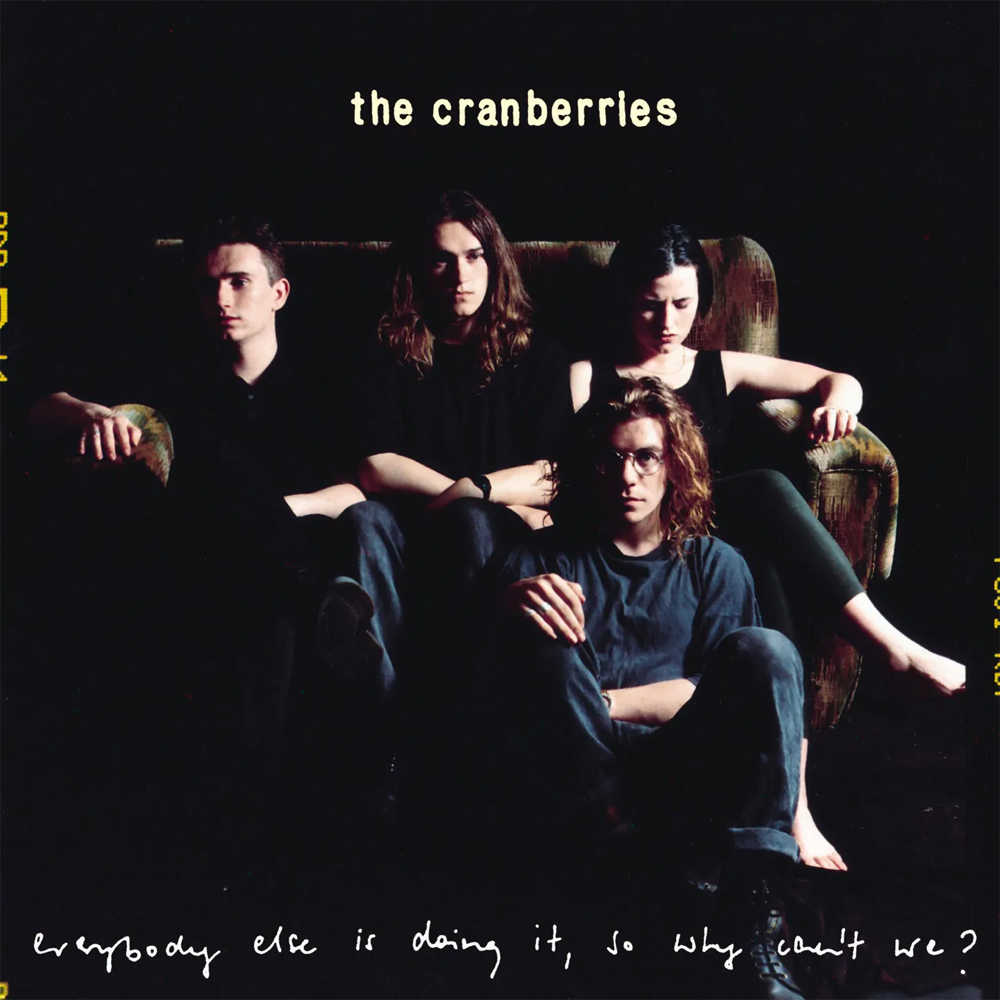 Quite simply one of the greatest albums of all time, the debut by the Irish alt-rock band The Cranberries produced two all time hits in “Dreams” and “Linger,” as well as a minor masterpiece in “Sunday,” which seems to be gaining new life on TikTok. Throughout their career, the jangly sounds of the Cranberries remained consistent even as Dolores O’Riordan nuanced her punk-infused “angry Irish woman” persona. As such, even though they never made a bad album, it’s forgivable and understandable to think of this one as their best. Even the deep cuts, songs like “I Still Do,” “Waltzing Back,” “Pretty” and “Wanted” shimmer.
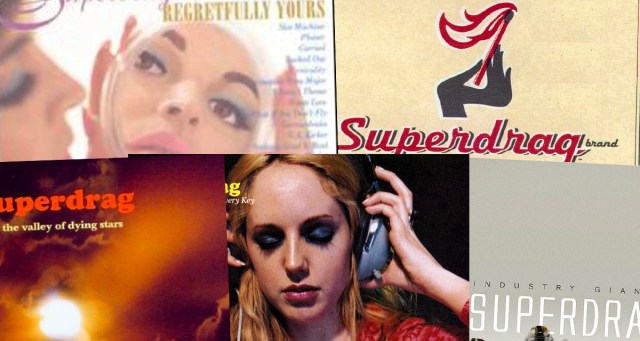
 Reunion records are tough, as time off from a (sometimes well-deserved) hiatus can bring out the very, very good gems or the brutally, brutally ugly stinkers of a recently reformed act. Luckily, it is difficult for frontman and chief songwriter John Davis to write a bad hook, so the worst Superdrag LP is better than most bands’ best efforts. Screw off, Rembrandts. Anyway, it’s quite sad that the band’s swan song effort went out with a whimper. Hopefully, they try to cut another album, or with any luck they don’t; whatever.
 “Last Call for Vitriol,” Superdrag’s final album before the band’s hiatus in 2003 has some solid gems like their beloved sleeper track “Feeling Like I Do,” but it’s an overall inconsistent listen front-to-back. The album starts off super strong with “Baby Goes to 11” but rolls into eleven tracks that woefully take the listener on an overly frenetic ride. Luckily the next three records listed have no filler whatsoever and are extremely re-listenable.
 This bronze metal slot for the band’s debut LP “Regretfully Yours” may shock both casual and hardcore fans of the band, but the silver and gold medal winners listed below are simply (much or slightly) better; nostalgia is a hell of a drug, and y’all need to sober up. Admittedly, the band’s debut and only radio semi-smash “Sucked Out” is a perfect single (and an incredible combination of sweet and sour). If you wish that The Beatles and The Kinks used more bass-heavy, fuzzy, and slightly dissonant distortion, then this record has your name written all over it. If you don’t wish the same, then this record is for you as well as it is undeniable in the best way ever; suckers.
 Superdrag kicked off the century with a stripped-down and back-to-basics record that counterbalanced the lush album (just you wait) mentioned next. “I want to rock and roll, but I don’t want to deal with the hassle” is one of the most bitter and biting opening lines to ANY album, and we’re all here for it (and the subsequent rock-age that happens immediately afterward). Palm muted power chords rule, fam. Plus, the gorgeous and haunting masterpiece “Unprepared” might be the band’s best song in its extensive and incredible catalog; if you disagree gimme animosity.
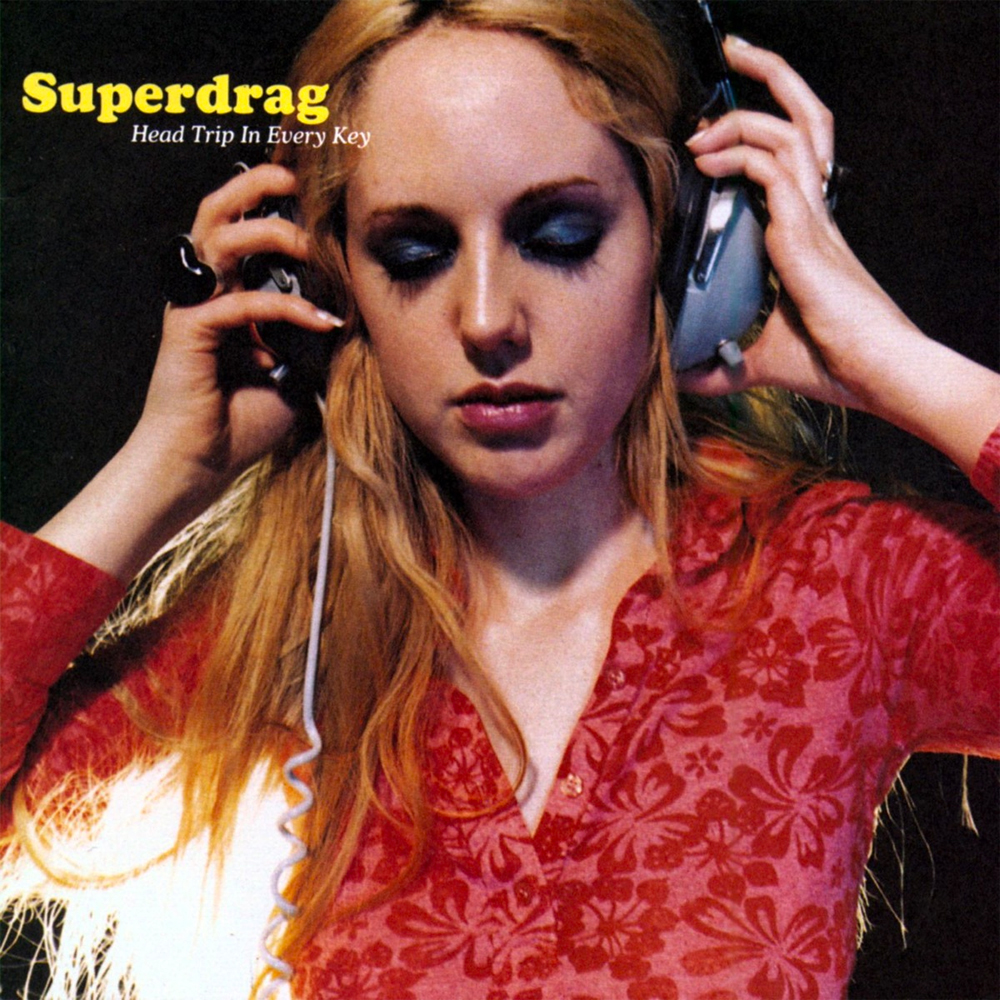 The late and great Jerry Finn (producer of incredible albums by Blink-182, AFI, and many, many more) helped shape and visualize thirteen tracks to perfection on the band’s sophomore effort “Head Trip in Every Key.” Often appearing on many snooty hipster writers that try too hard to be cool’s best-of-album lists, this record is truly, truly deserving of such. Well played, snobs. The album was a big-budget project, and it certainly sounds like such in a non-contrived way from start to finish. In closing, the many tracks and instruments on each song make the band sound huge as fuck, and we would’ve killed to see this masterpiece played with a full symphony in 1998 (or now; bros, it’s the 25th anniversary of the album this year).