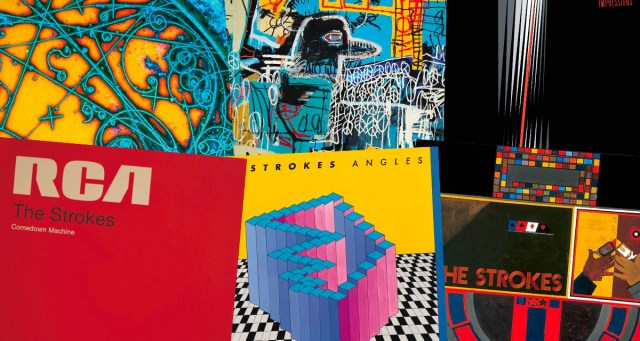
The Strokes, everyone’s favorite contemporary rock band that surprisingly isn’t British. Their award-winning career has spanned 25+ years and 6 full-length albums. From iconic songs and stoic performances to predictable curmudgeonly on-stage rants, multiple solo careers, side projects, and most recently, a Grammy. Not bad for a group of boarding school punks, whose fathers include millionaire business moguls and famous songwriters, and whose mothers are literally beauty queens and international models. The Strokes are what happens when the Gallagher brothers have a wealthy, privileged childhood and for that, we’re thankful.
So whether you’re a fan or not, strap in for this rundown of their records. As always, if you don’t agree with this definitive ranking, please refer to the words of vocalist Julian Casablancas on “Razorblade” – “My feelings are more important than yours. Drop dead, I don’t care, I won’t worry.”
6. Comedown Machine (2013)
 It’s ok to like this album, but if this is anywhere near your favorite Strokes record you are officially required to burn that Urban Outfitters band tee you’re wearing and attend an actual show. Past Strokes albums have been defined by the band’s consistency and signature thinned-out sound, but this time around an array of diverse production techniques and synths has buried the band’s real charm in much less thoughtful noise than listeners are used to. The record starts out as a spiritual successor to 2011’s “Angles,” with its bouncy synths and experimental elements, but ultimately delivers a less enjoyable experience. Like a third cup of tea made with the same leaves, this one will leave you feeling unfulfilled.
Play it again: “Welcome to Japan”
Skip it: “Chances”
5. Angles (2011)
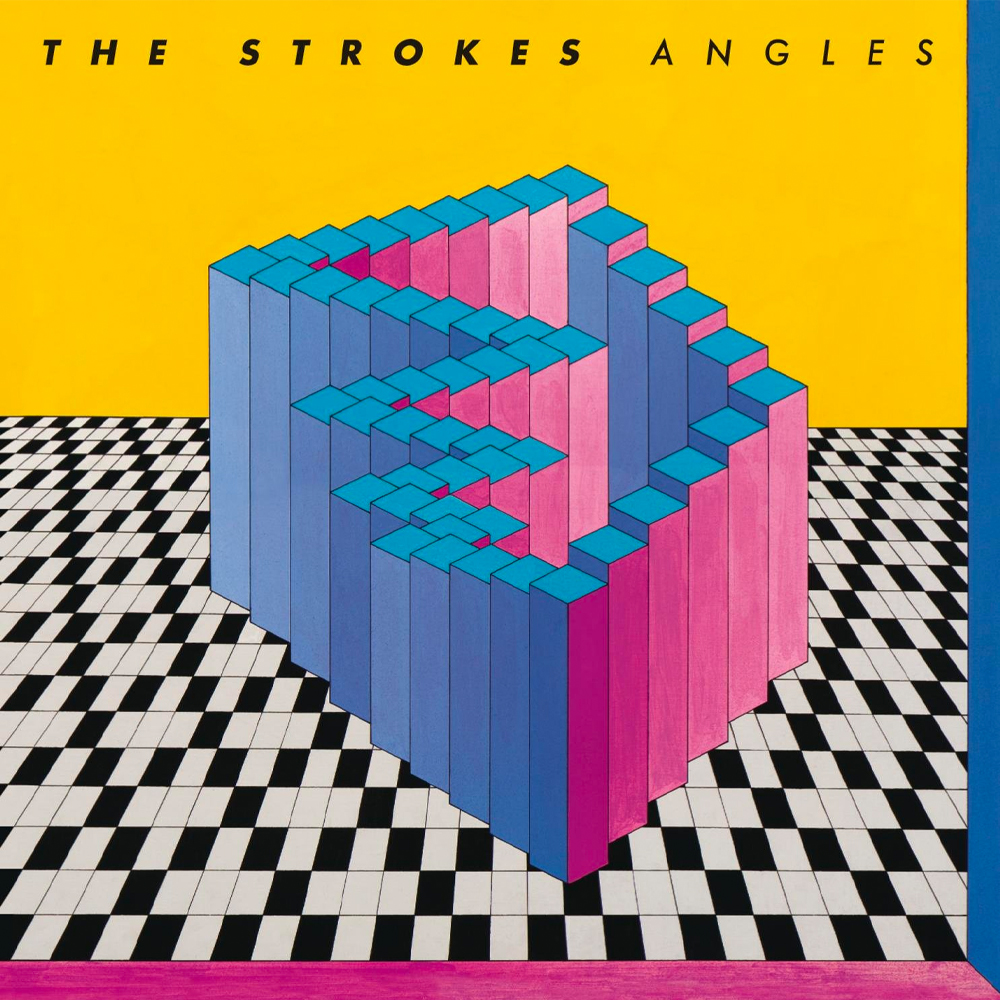 Fresh off a lengthy hiatus, “Angles” sought to introduce a fresh new take on the band’s iconic sound by immediately going back in time 30 years. “Angles” sees the Strokes coming out of their hibernation sounding a lot like Minus The Bear for some reason and admittedly it works, at times… Despite a strong start, “Angles” quickly loses the plot as it descends into full ‘80s synth nostalgia where speculation of drum machine usage from their early days became reality. Fans and the band alike don’t seem to care for this one too much, seeing how it’s been largely absent for tour setlists.
Play it again: “Taken for a Fool” or, if you’re a purist, “Under Cover of Darkness”
Skip it: “Call Me Back”
4. Room on Fire (2003)
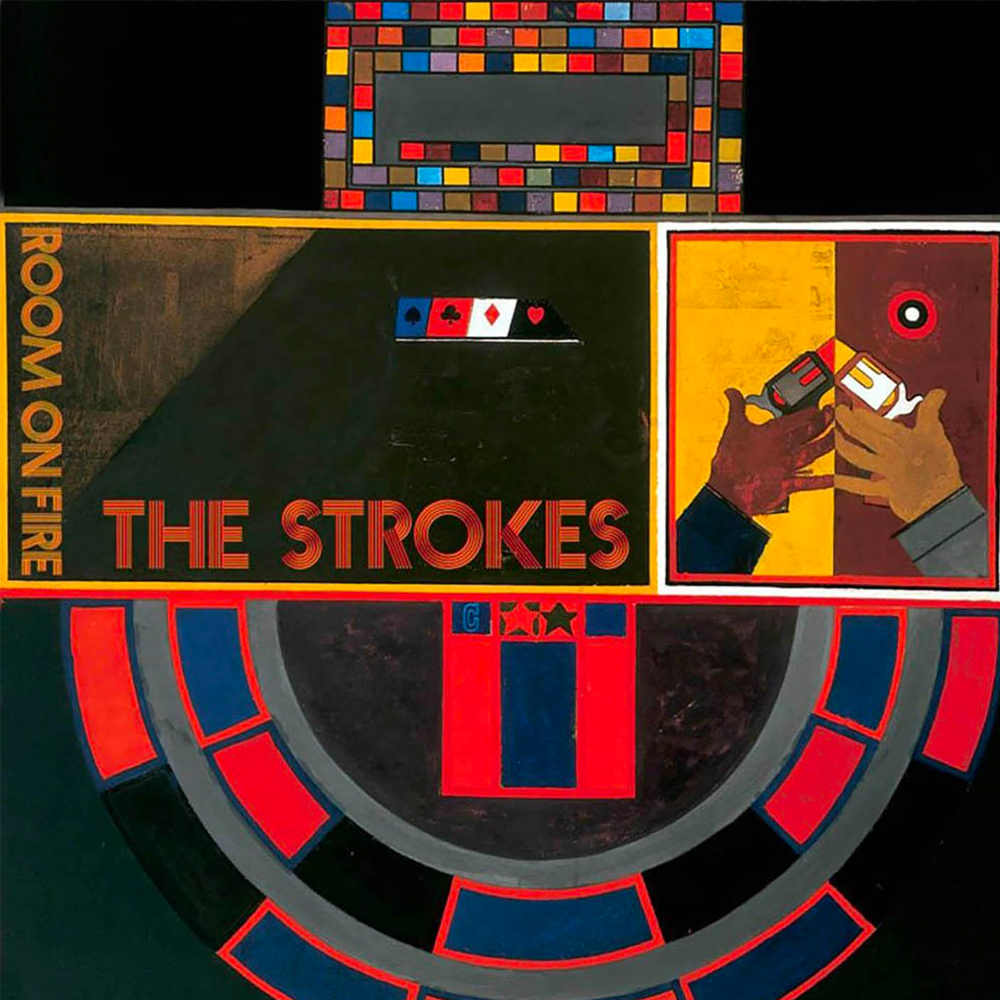 Picking up where their debut left off, “Room on Fire” has some definite heat, with iconic songs like “Reptilia,” but to be honest a lot of this record could have been “Is This It” B-sides. “Room on Fire” is still beloved, and for good reason, but like an old friend that shows up to a party empty-handed, it’s predictably good company with a few shortcomings. Some people will call this album 1B to their debut’s 1A, but those people are stuck in the past and they know it.
Play it again: “Reptilia”
Skip it: “Under Control”
3. The New Abnormal (2020)
 Despite their longest break in releases to date, the band ultimately made the smart decision not to hang it up after “Comedown Machine,” henceforth referred to as “Letdown Machine.” In fact, “The New Abnormal” is the comeback album “Angles” wishes it was–giving the band’s second chapter something sturdy to stand on. But, like “Star Wars” before it, the second trilogy will never live up to the original. The band teamed up with legendary producer, the famously homeless-looking Rick Ruben, to capture an extremely well-put-together album that is equal parts nostalgic and modern with some fun self-referential moments to boot. We love this record because it essentially puts the prior two through rigorous distillation to produce one of their most palatable releases to date. Despite coming out in the darkest months of a pandemic, this record is a summer-y, beach-rock Strokes record if the band could ever have one. There are some melodies that border on annoying and childish, but overall this is a fun one that old-school and new-era Strokes fans can easily appreciate.
Play it again: “Brooklyn Bridge to Chrous”
Skip it: “Why Are Sundays So Depressing”
2. First Impressions of Earth (2006)
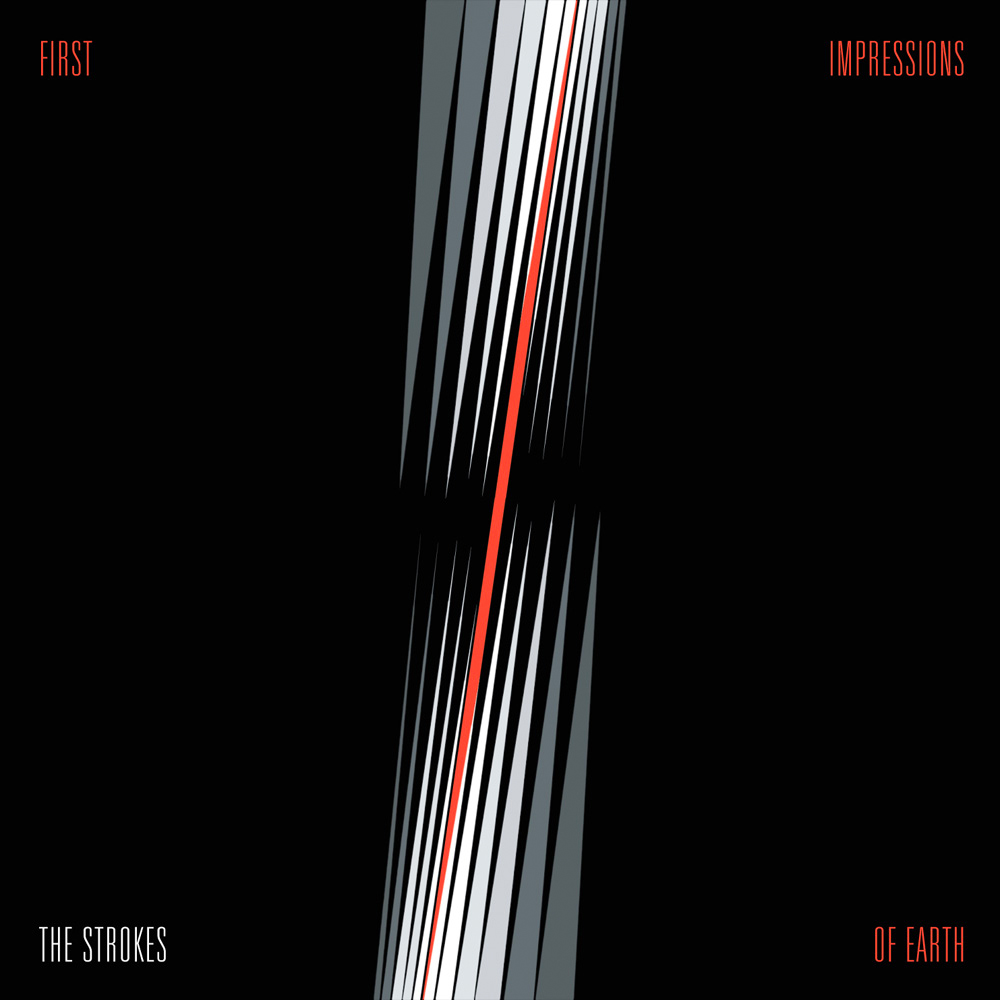 Dialing back the compression a little and driving up the tempos and distortion, this record takes what The Strokes do well and pours a 16oz coffee right down its throat. Tracks like “You Only Live Once” bring their classic sound in its highest form before yoloing (sorry) into some of their heaviest tracks ever recorded. “First Impressions of Earth” led to many discoveries including the popularity of the Arctic Monkeys, Julian Casabalanca’s solo career, and the band’s first Billboard Hot 100 hit with “Juicebox.” But despite the record’s notable energy boost, the center cuts actually drag a bit. The aptly titled “15 Minutes” sort of feels like it, and at nearly an hour in length, the album’s runtime is double that of the band’s other releases. Fortunately this is the only real criticism of the band’s most rock-centric album.
Play it again: “Heart In a Cage,” “Juicebox,” and the iconic “You Only Live Once” #yolo
Skip It: “Evening Sun”
1. Is This It (2001)
 “Is This It” is a certified classic for a reason so we’re not going to sit here and risk crapping on it. The band struck gold with their debut release, delivering hit-after-hit and some of the genre’s most-iconic songs. Casual music fans will recognize 70% of these tracks–even if they mistakenly attribute one to some nineties one-hit wonder or The Killers. Hell, if a song from this album plays at a wedding everyone from your grandmother to your 5-year-old niece will legitimately “bop to it” and the only complaints will come from audiophiles and bedroom producers blathering on about telephone effects and envelope filters. Who invited them anyway? Like any good rock record, this one burst onto the scene unexpectedly and was the subject of not one, but TWO, scandals—leading to re-releases with alternate album art and the removal of “New York City Cops” from the tracklist following 9/11. All in a days work for this legendary piece of rock history.
Play it again: Good advice. If you were born after 2001, play it twice.
Skip it: If you’re too pretentious to enjoy a universally-beloved, genre-defining, iconic post-rock record.
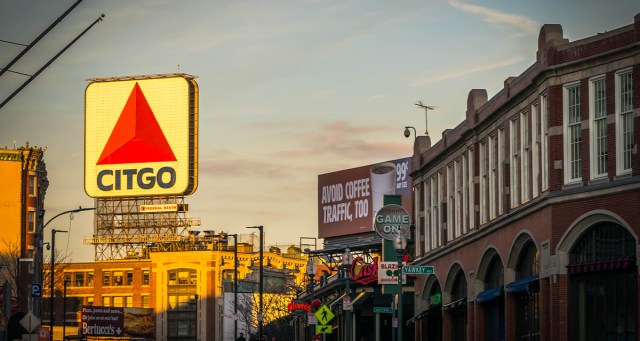
 Metalcore godfathers Converge have been pummeling audiences with their frenzied cacophony for over 30 years. If you haven’t lost a tooth in a Converge pit, can you even call yourself a Boston hardcore fan?
 One of the early third-wave ska bands to crossover to mainstream success, the Bosstones would likely still be playing sold out shows to huge crowds if Dicky hadn’t broken up the band by being an anti-vax meatball.
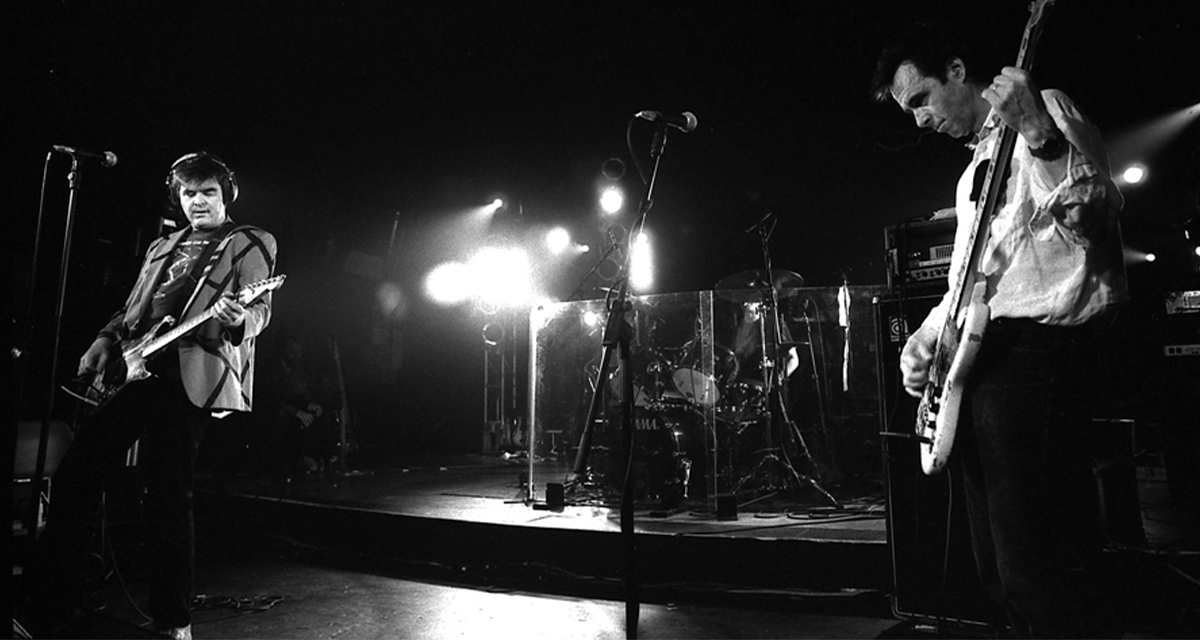 Who knew that post punk needed live tape manipulation? No one, at the time—but the loops and delays added an integral layer of surreality to Mission of Burma’s innovative, baroque songwriting.
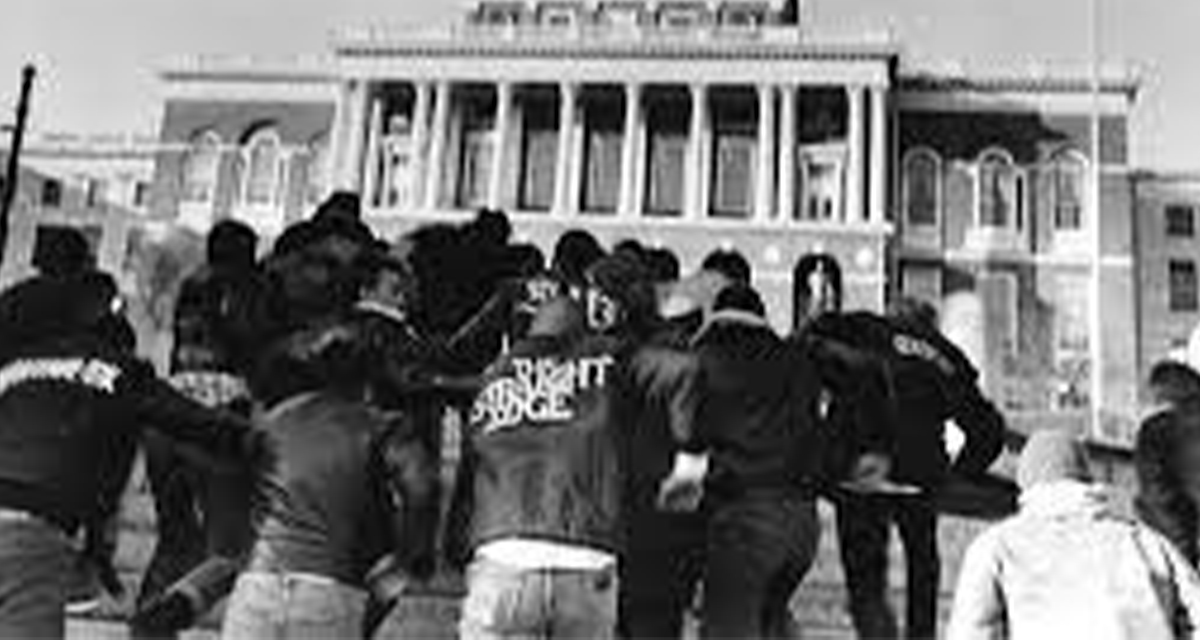 Apologies for lumping these guys together, but we’re tight on space, and these crucial OG Boston hardcore knuckleheads are peas in a pod.
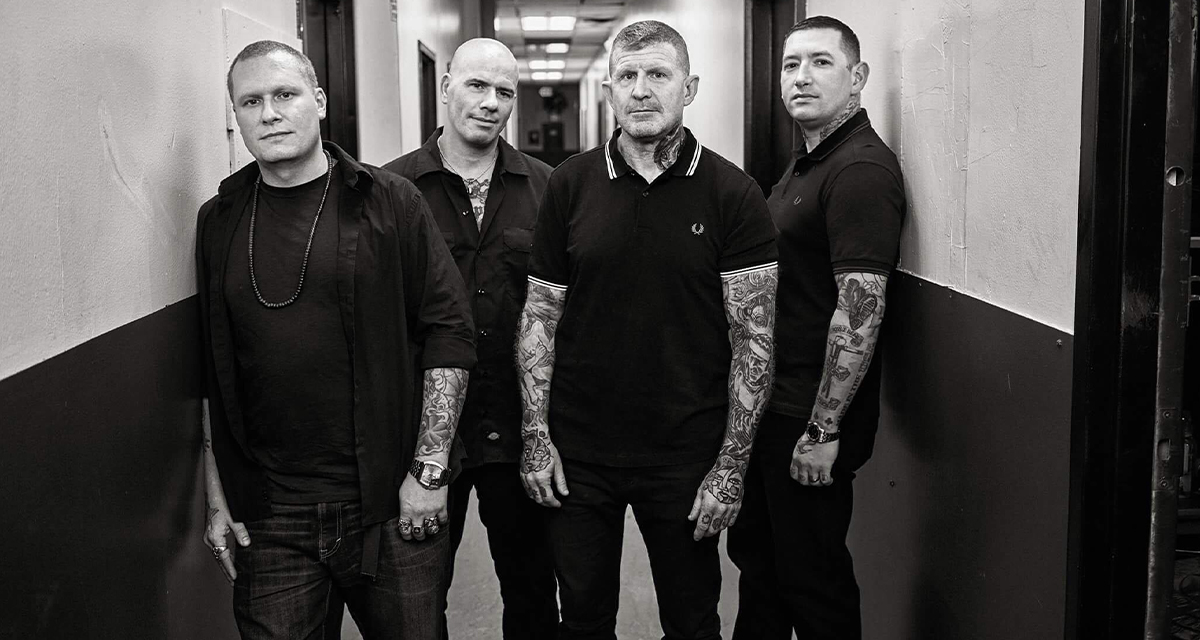 Are there any two things that Boston loves more than hardcore and hockey? Slapshot got their hardcore chocolate in your hockey fan peanut butter and became legends in the process.
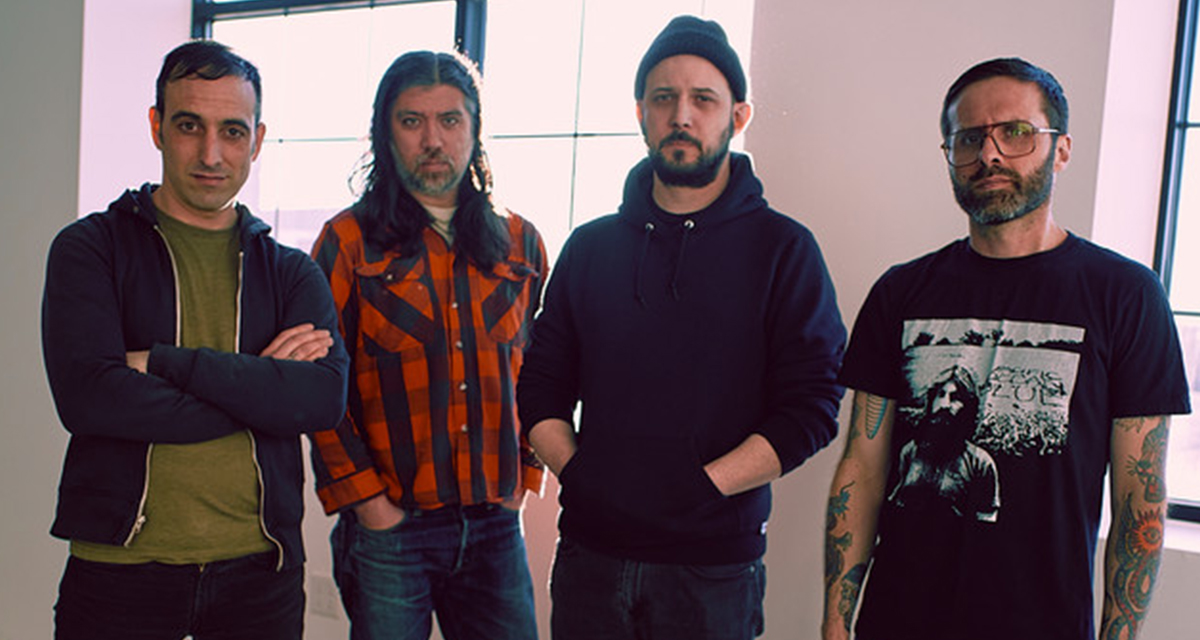 Cave In helped define metalcore, and then defied expectation by going all weird and proggy—and most surprisingly, they stayed good.
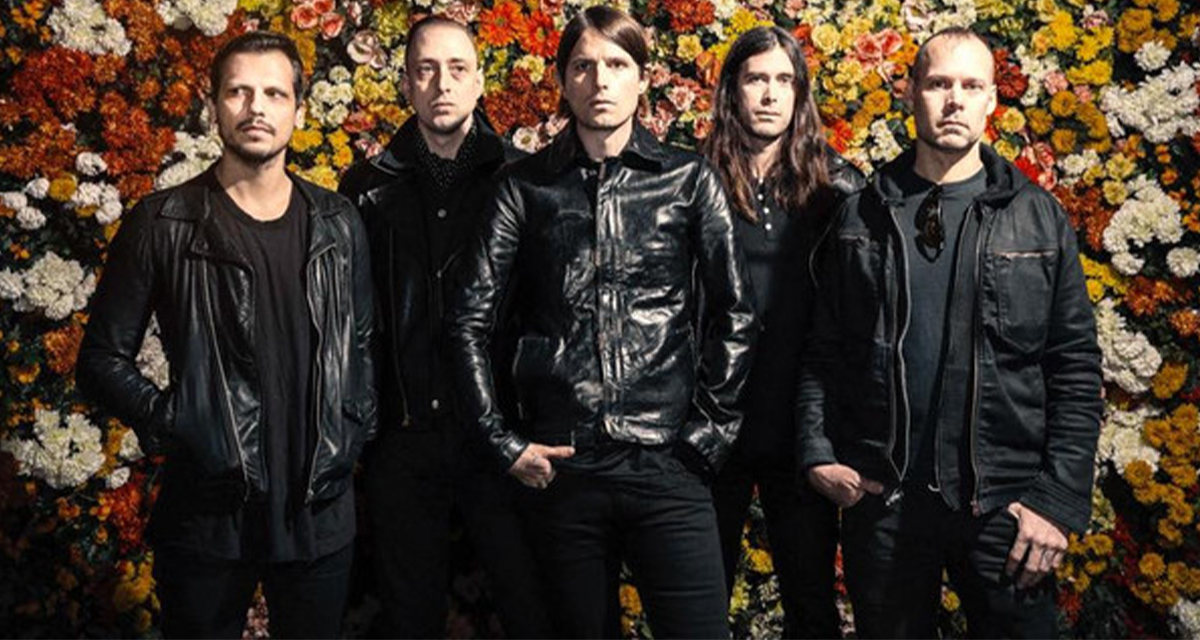 These guys came out of the womb pissed off, and their dark themes were a refreshing antidote to the Youth Crew-inspired positivity that was on the rise at the time. Even the most posi kid would find it hard to deny the catharsis of lines like “Fuck everyone I’ve ever known” when shit goes south.
 We’re pretty sure Frank Black bought a private island based on “Where Is My Mind?” licensing alone. The reunited lineup has been chugging along for far longer now than their first run as a band, Deal or no Deal.
 Siege’s global influence on grindcore is pretty astounding considering the original lineup only produced 20 minutes of recorded material. Four more songs were recorded in 1991 with Anal Cunt’s Seth Putnam on vocals (just mentioning this because we wanted to include Anal Cunt somewhere).
 We were abducted by the NSA for discussing Isis shows at the Middle East nightclub online. It was worth the enhanced interrogations because these post-rock metal titans ruled. Now we’re pretty good friends with our kidnappers—though that might just be Stockholm Syndrome.
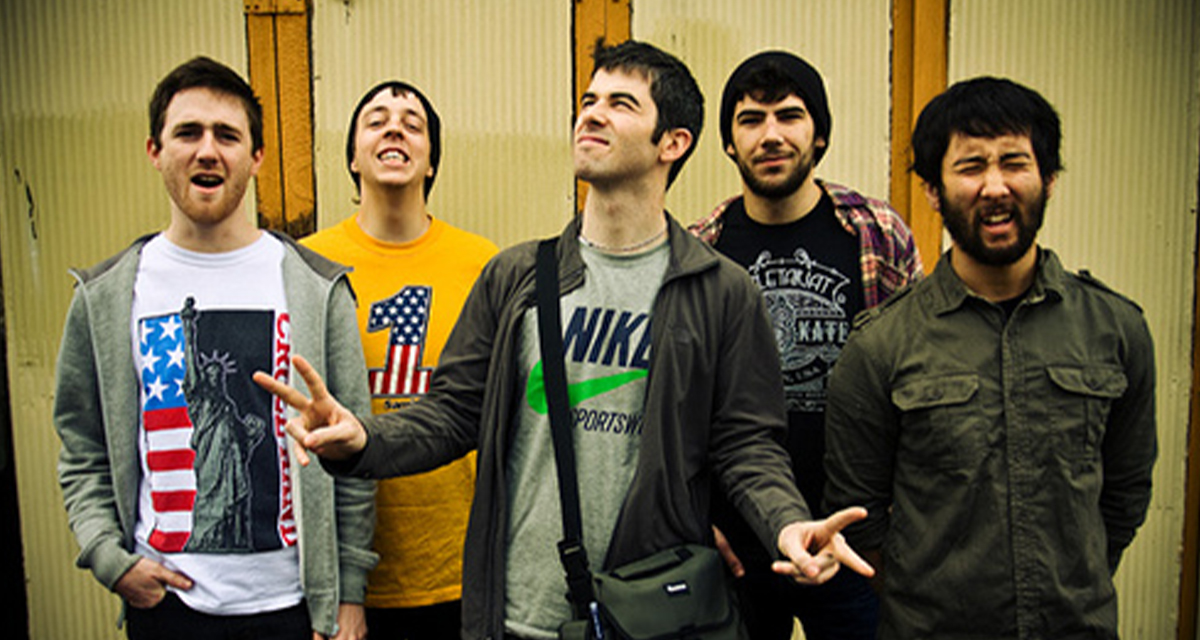 Despite only putting out two full-lengths, these straight edge heavy hitters had a huge impact on hardcore. They broke up too soon, but thankfully, a couple of the guys went on to form the awesome Fiddlehead.
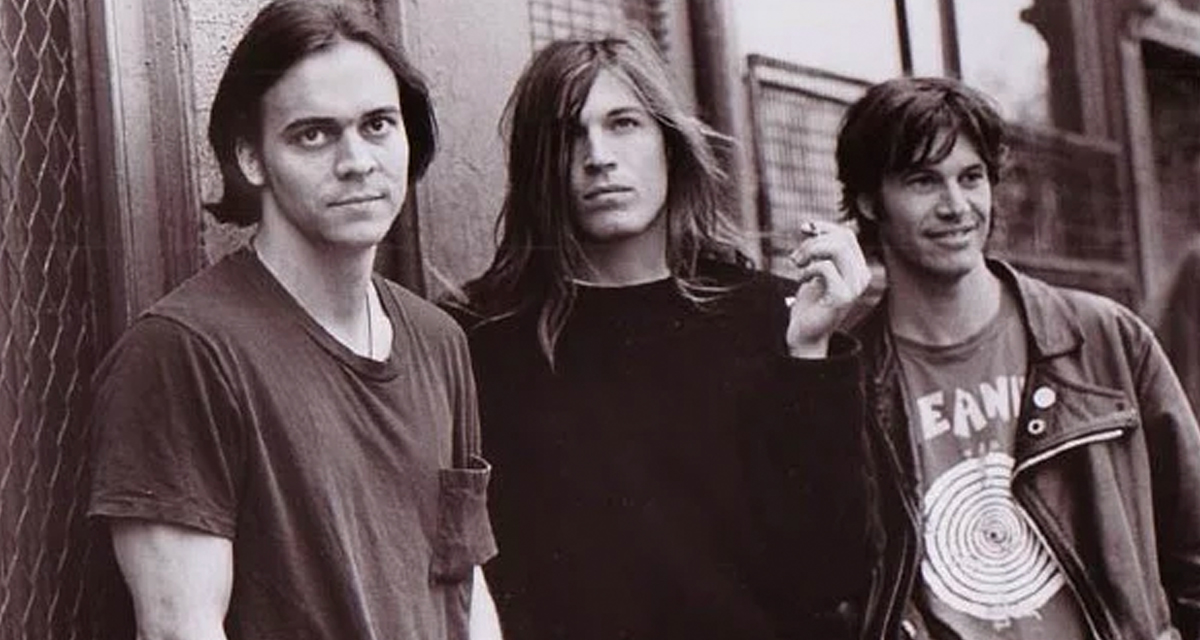 If you’re of a certain age, you’ve probably sobbed while holding a photo of your ex with “Into Your Arms” on repeat. While you may associate Lemonheads with fuzzy twee pop, their debut “Hate Your Friends” has serious Hüsker Dü energy.
 We may be confused, but these are the guys that broke Batman’s back, right? Bane seems to be in an informal contest with The Who to see who can have more farewells and comebacks.
 If there’s another Voyager mission, “I’m Shipping Up to Boston” will certainly be on the golden record they send into space to represent humanity. The song is so ubiquitous that Biden used it for walkout music, for Christ’s sake.
 How’s this for influence? A young Fat Mike and his nascent band were such fans of Negative FX that they named their group NOFX in tribute.
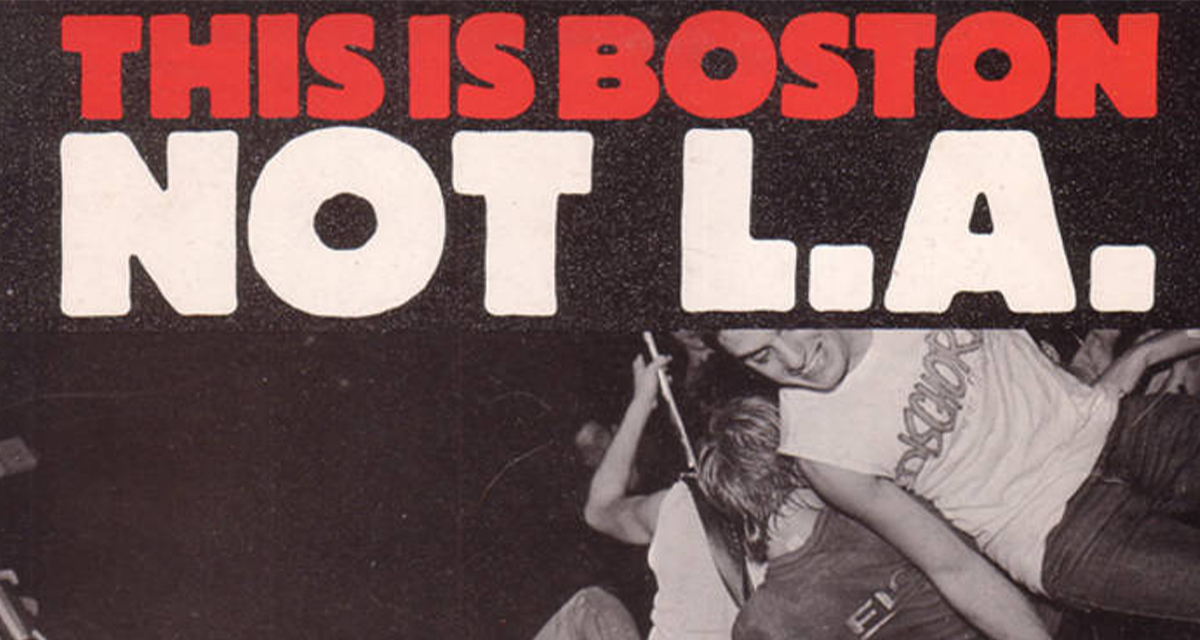 The Freeze might be from Cape Cod, but their massively influential title track on 1982’s “This Is Boston, Not L.A.” comp cements their place on the Mount Rushmore of Boston punk. Singer Clif Hanger’s extralegal antics embody punk’s disregard for authority and personal safety possibly more than anyone else on this list.


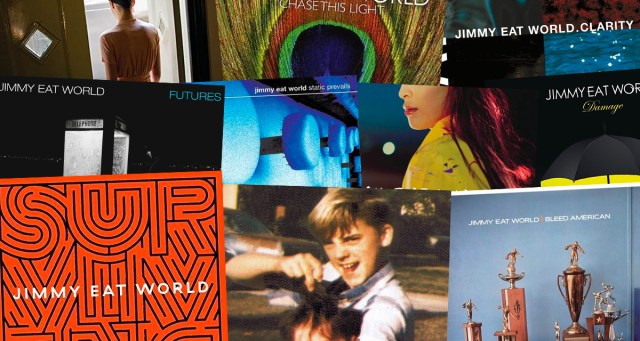
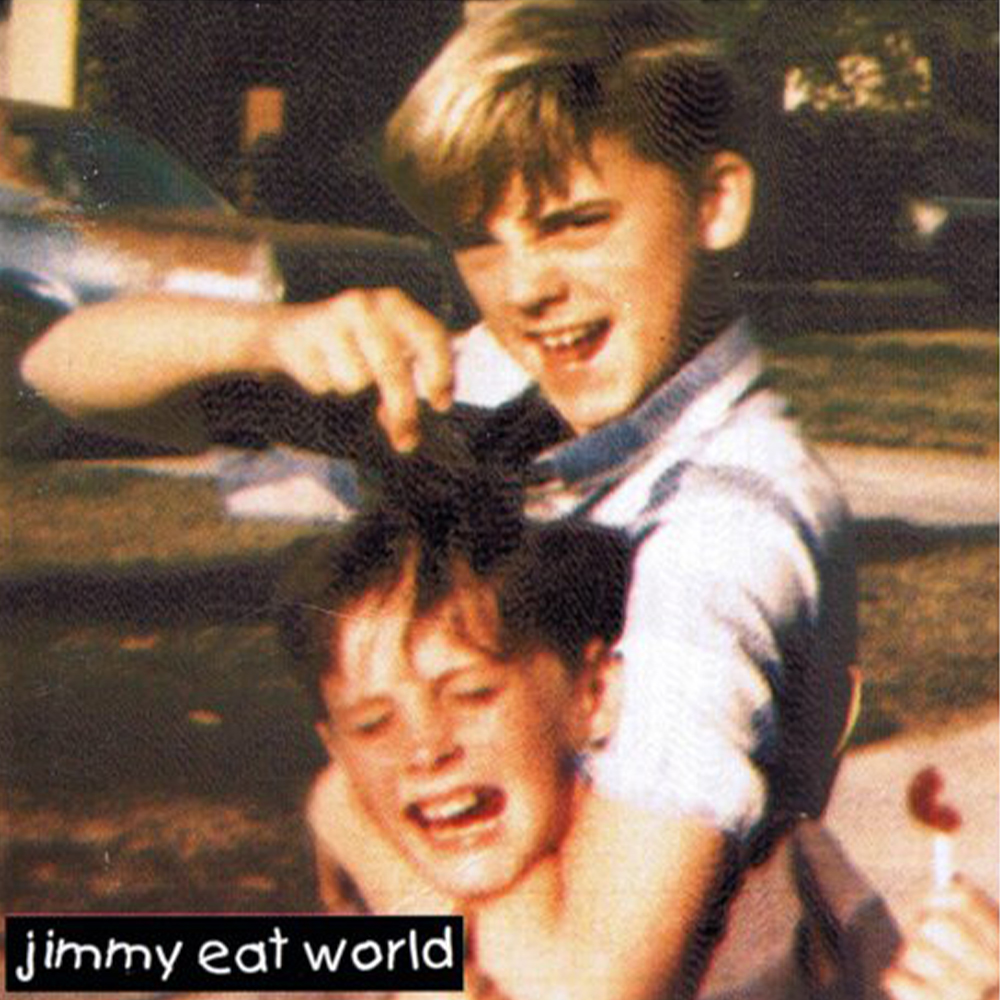 If you’re not Neil Young, or one of the only other people still refusing to use Spotify in 2023, then you probably didn’t know this album even existed. It seems like the only platform to listen to it on nowadays is YouTube, which is great if you somehow like trying to decipher inaudible lyrics that are frequently interrupted by BetterHelp commercials. But for the rest of us that aren’t batshit insane, tracking down and listening to this album just feels like a chore. So the real question is–is it worth finding obscure ways to listen to “Jimmy Eat World (Self-Titled)” today? No. In fact–not at all. Jimmy Eat World appear to have gone out of their way to make sure that no one listens to this album, and it’s pretty easy to understand why. Guitarist and backing singer Tom Linton sings lead vocals on the entire album, except for one song that’s fortunately performed by future frontman Jim Adkins. While Tom’s great and all, his vocals are just not nearly up-to-par with Jim Adkins, and never will be. Sorry Tom, but you don’t sing weirdly angelic like Jim does.
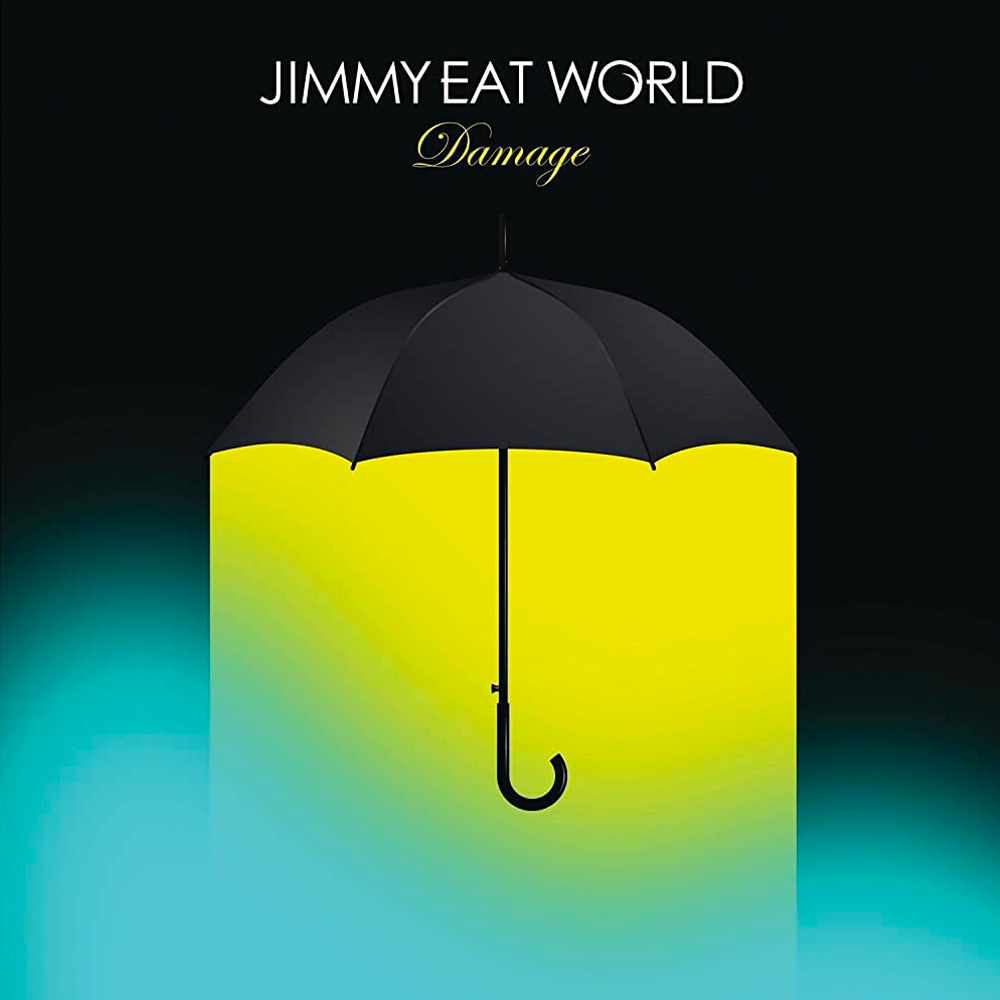 Breaking up is a hard thing to do, but breaking up as an adult? That’s fucking unbearable. Just ask Jim Adkins, who obviously was going through some deep shit when writing an entire album about adult breakups with 2013’s “Damage.” While its single “I Will Steal You Back” is more than listenable, some of the album’s use of mellow acoustic guitar makes too many songs struggle to stray away from sounding like easy listening. Look, I’ve got nothing against easy listening, but the subject matter of these songs is far from easy to listen to without getting depressed. Unless you unfortunately just had your heart ripped out unexpectedly after forming your life around someone and need a soundtrack to help cope with it, then this album is most likely not for you.
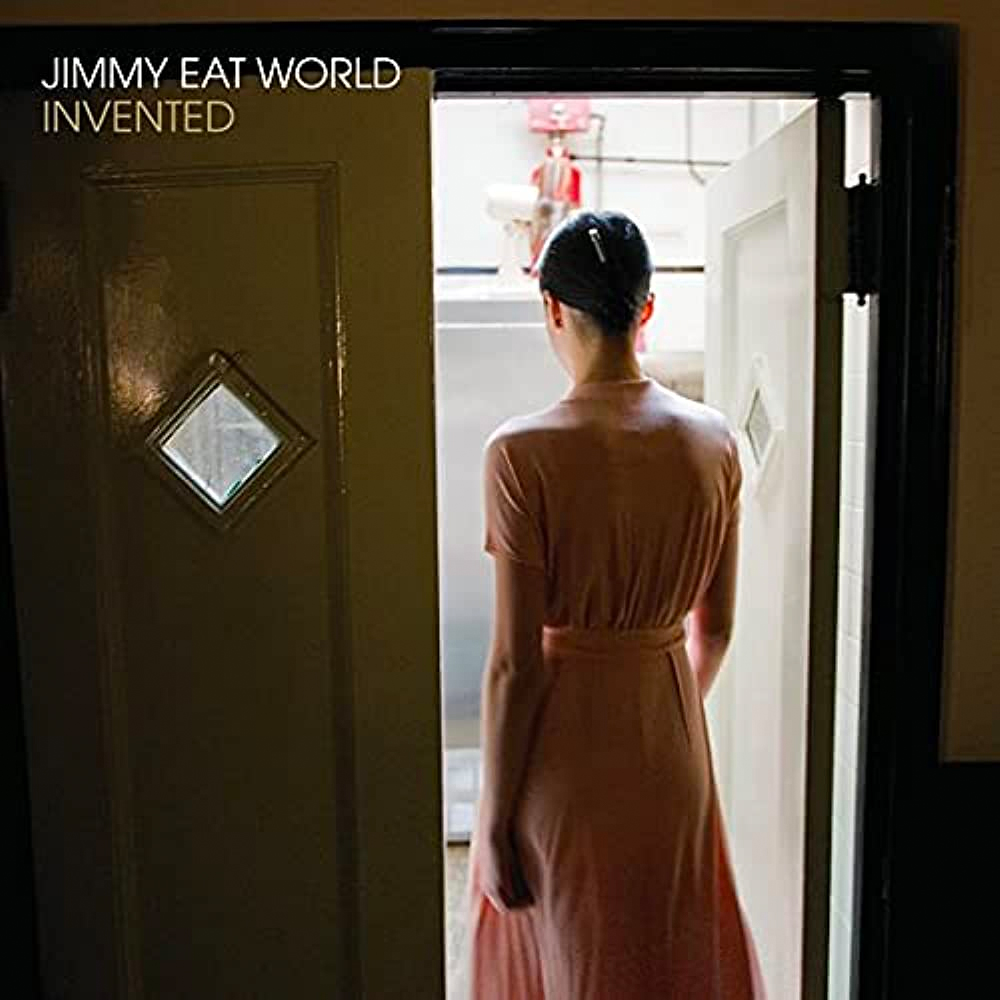 “Invented” seems like the album where Jimmy Eat World tried to reinvent themselves but accidentally ended up playing it safe instead. While the album was supposed to showcase the band’s transition into new sounds, the resulting songs sadly came off as the band trying too hard to structure songs for radio play instead of being full of the emotion-powered big rock moments Jimmy Eat World fans were told to expect. Jim Adkins wrote this album solely referencing a series of photographs, which you think would make things more interesting. However, that also could be what made the songwriting come off as oddly boxed in. The album’s true saving grace is one of its singles, “My Best Theory,” which you might remember getting solid airplay in 2010. While it can be a bit repetitive, it’s still a banger nonetheless. There just isn’t enough variation in this album’s top tracks to give them the replayability that Jimmy Eat World’s greatest hits enjoy. To be fair, 2010 was a weird time to release a rock album though. For example, Maroon 5’s ear-bleeding “Moves Like Jagger” was somehow dubbed a “top rock” song that year.
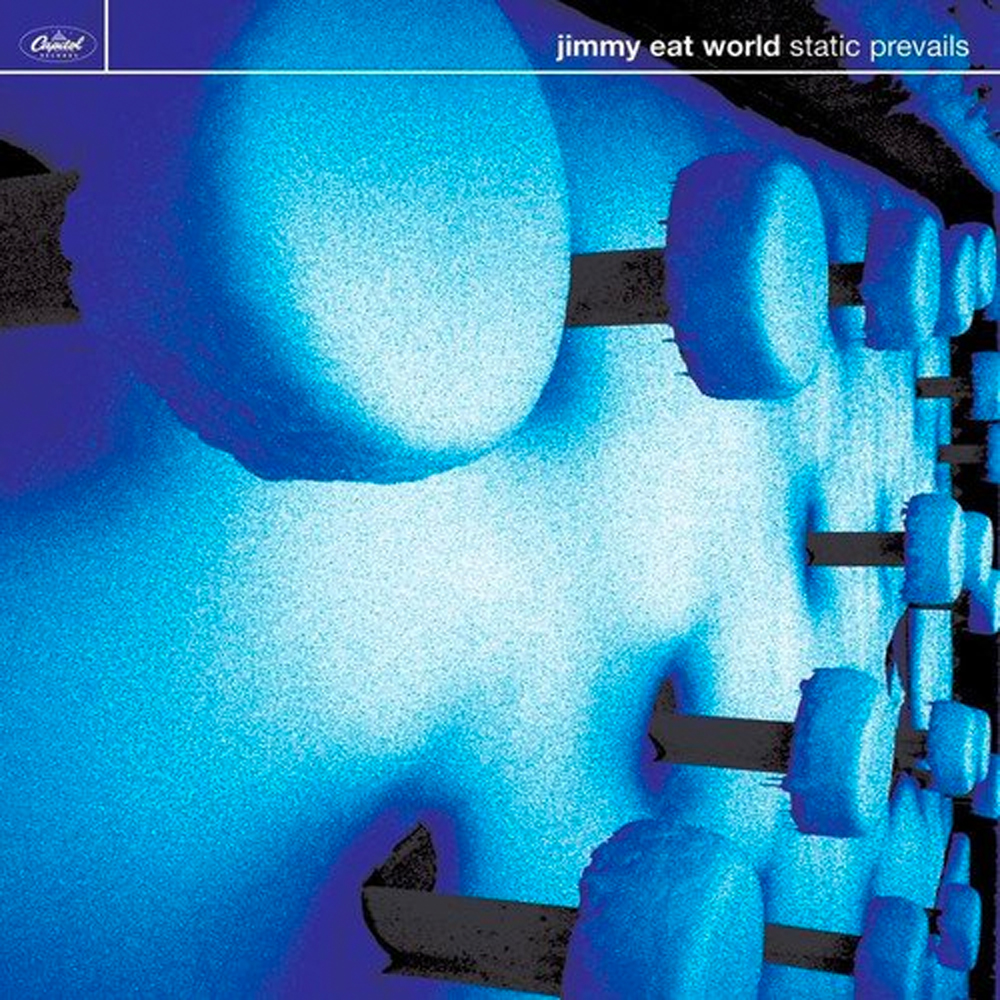 Do you like Sunny Day Real Estate? If so, then you might actually enjoy Jimmy Eat World’s attempt to emulate them in 1996 with “Static Prevails.” While this album has a die-hard following, there’s no way in hell it is even close to being one of Jimmy Eat World’s greatest releases. I know this might piss off the bizarre niche of people that for some reason have declared that this is Jimmy Eat World’s only good album, and that the rest of their work is just bubblegum pop bullshit. But just take the time to give it a listen today and you’ll realize that in this album Jimmy Eat World’s influences are far outweighing their artistry. Don’t get me wrong, “Thinking, That’s All” opens the album with a contagiously unhinged rage that I’ve struggled to find in the band’s other releases, but much of the album just does not meet the incredibly high standard the band set later in their career. While it’s fun to hear Jim and Tom trade off vocals occasionally, the end result is just not a cohesive album that you’ll want to play on repeat.
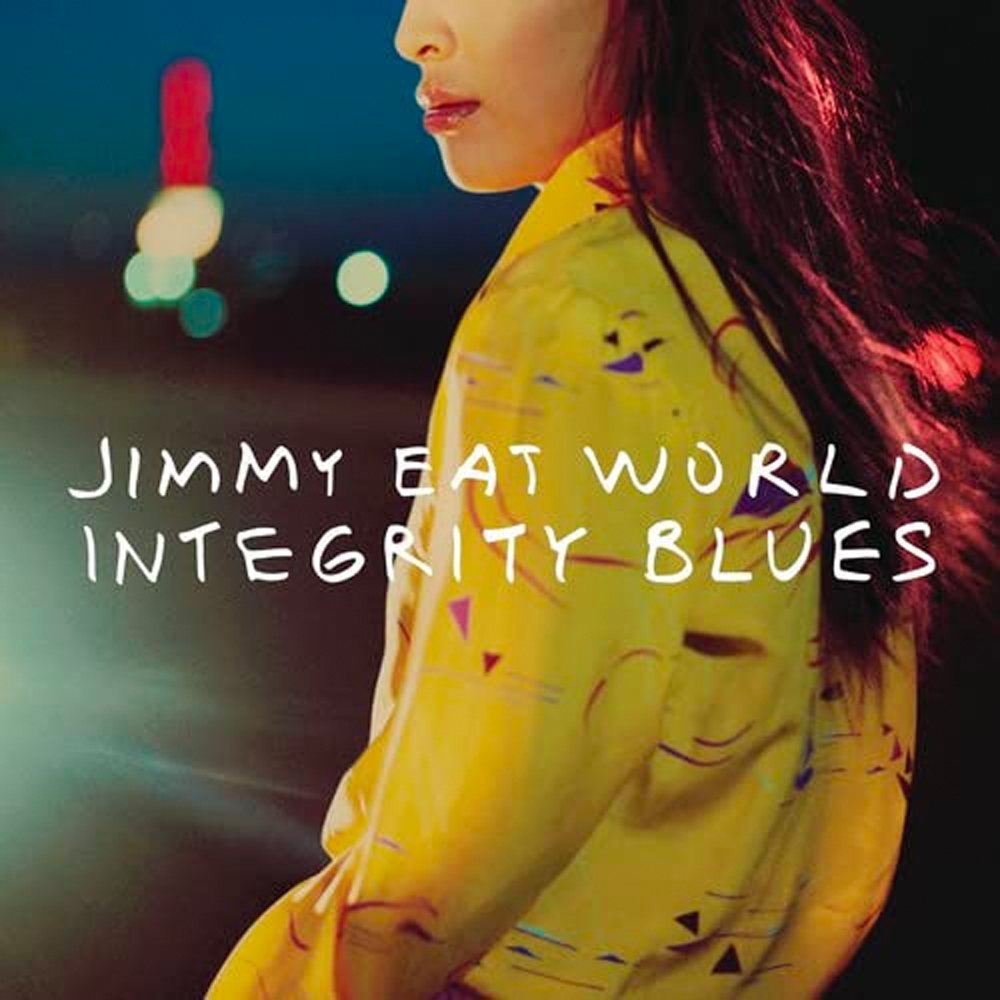 Three years after the release of 2013’s heart-crushing “Damage,” Jim Adkins and the band seemed to truly get the stride back in their step. One of the later releases of Jimmy Eat World’s discography, 2016’s “Integrity Blues” features catchy jams shamelessly at the pop end of the rock spectrum to bait you into the album’s more intricate songs that offer more depth. This is truly a winning songwriting formula for Jimmy Eat World, as they have proven by this point with other albums like “Bleed American,” “Futures,” and “Chase This Light.” Some of the instrumentals and choruses in this album just downright sound like Jimmy Eat World at their best. From the mysteriously spacy guitar in “Through” to the crowd-belting “Sure and Certain,” this album demonstrates the band’s ability to experiment and expand their sound without abandoning what made us Jimmy Eat World fans in the first place.
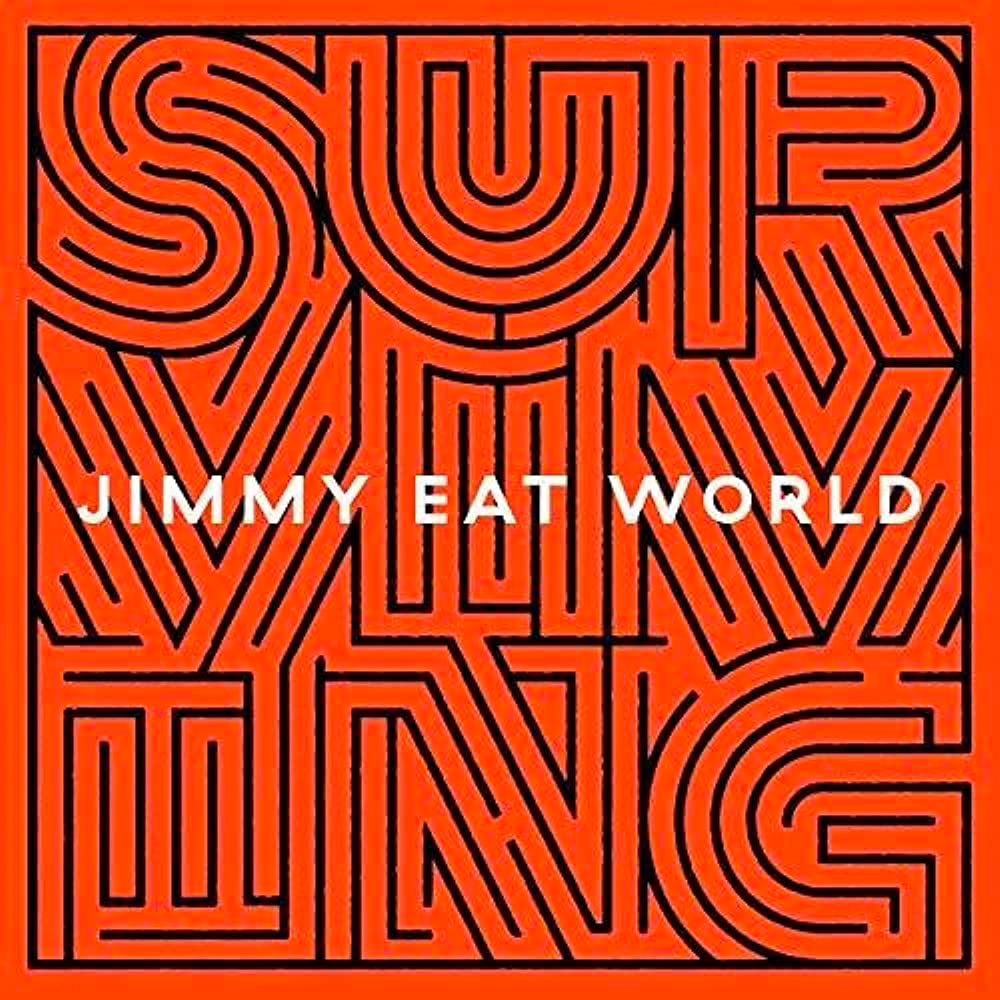 Repeat after me–Jimmy Eat World is still releasing great music today. That feels weird to say right? Well, it shouldn’t! It’s a shame that the world struggles to view Jimmy Eat World beyond the 2000s, because 2019’s “Surviving” is truly one of their greatest albums. Maybe it’s because the world shut down for two years right after it dropped, but it really feels like this album came out yesterday, and the modernity of its sound and themes still feels more relevant than ever. The album’s 80s electro-inspired hit, “555,” plays on the fake phone number always used in pop culture. In the song, the band uses someone attempting to dial the nonexistent number to illustrate the struggle to keep going when life just isn’t working out, excellently portraying that feeling of frustration when your desperate pleas are going to an uncaring universe. The song’s great concept paired with Jim Adkins fully dolled up as a sad boy intergalactic supervillain also makes for the best music video the band’s released since “The Middle.” Needless to say, the pandemic that followed its release made the title track’s lyrics, “Yeah, You can still survive but not exactly live” and the album’s overall theme of hopelessness truly resonates with fans.
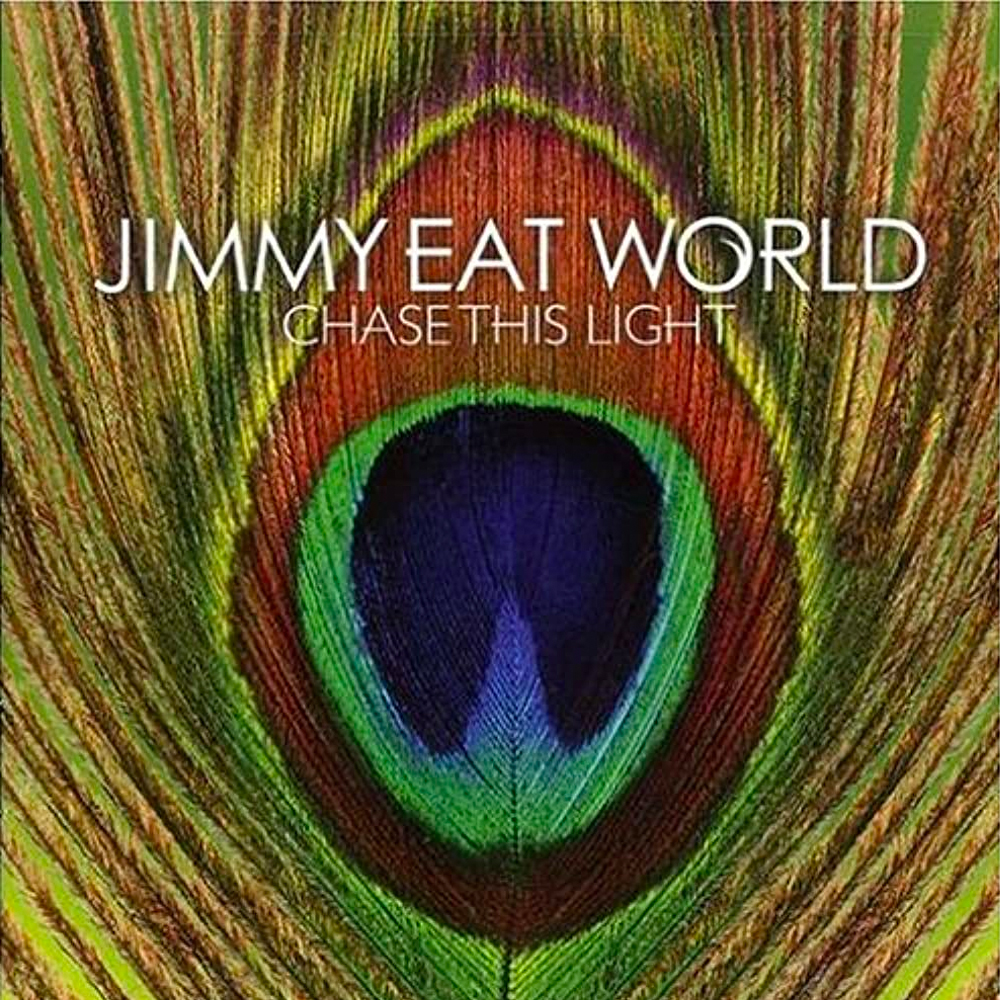 Many Jimmy Eat World fans view “Chase This Light” as their magnum opus of albums, and admittedly I was confused as to why at first. Sure, I thought “Big Casino” was a rock solid jam with face-melting guitar and all, but can we genuinely compare this album to “Bleed American,” “Clarity,” “Futures,” or even the recent addictingly experimental “Surviving” without feeling like we’re taking crazy pills? However, after finally giving the album the attention it deserves with a full listen-through, I’ll be the first to confess that I was wrong. In fact–holy hell was I wrong. This album is so damn good that I no longer would feel the need to challenge someone to fisty-cuffs if they ranked it above “Bleed American.” Yeah–it’s surprisingly that fucking good. From the clever Death Cab for Cutie-esque songwriting of “Let It Happen” to the emotional power ballad that is “Dizzy,” this album is a damn fun time all the way through.
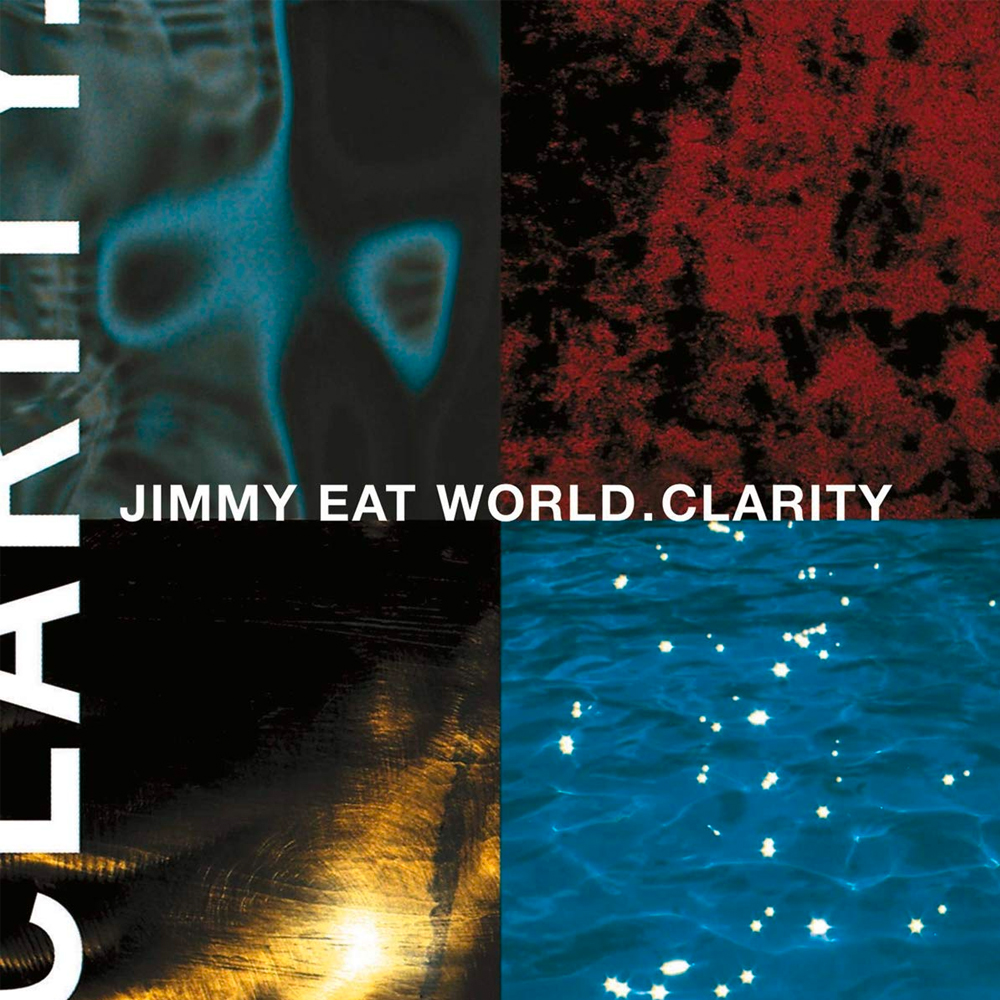 It’s hard to believe that “Clarity” is the album that got Jimmy Eat World dropped from Capitol Records. Apparently the label’s new CEO at the time was confused by its raw emotion and uniqueness from more pop-focused bands blowing up in the late ‘90s, making him disregard the band as not even worthy of being taken seriously. If this dude is still around today, then allow me to be the first person to offer him a nice roundhouse kick to the nuts, because “Clarity” is nothing short of a goddamn masterpiece. This album is just about as emo as it gets–so emo in fact, that it went on to be dubbed as one of most formative albums pioneering the whole fucking genre. While it was a commercial flop upon release, “Clarity” has lived on to build a well-deserved and borderline cult-like following. With powerhouse hits like the title track “Clarity,” “Lucky Denver Mint,” and “Crush” mixed in with emotionally raw and stripped ones like “Just Watch the Fireworks,” this can easily be considered one of the best Jimmy Eat World albums of all time–despite most people not even knowing it exists.
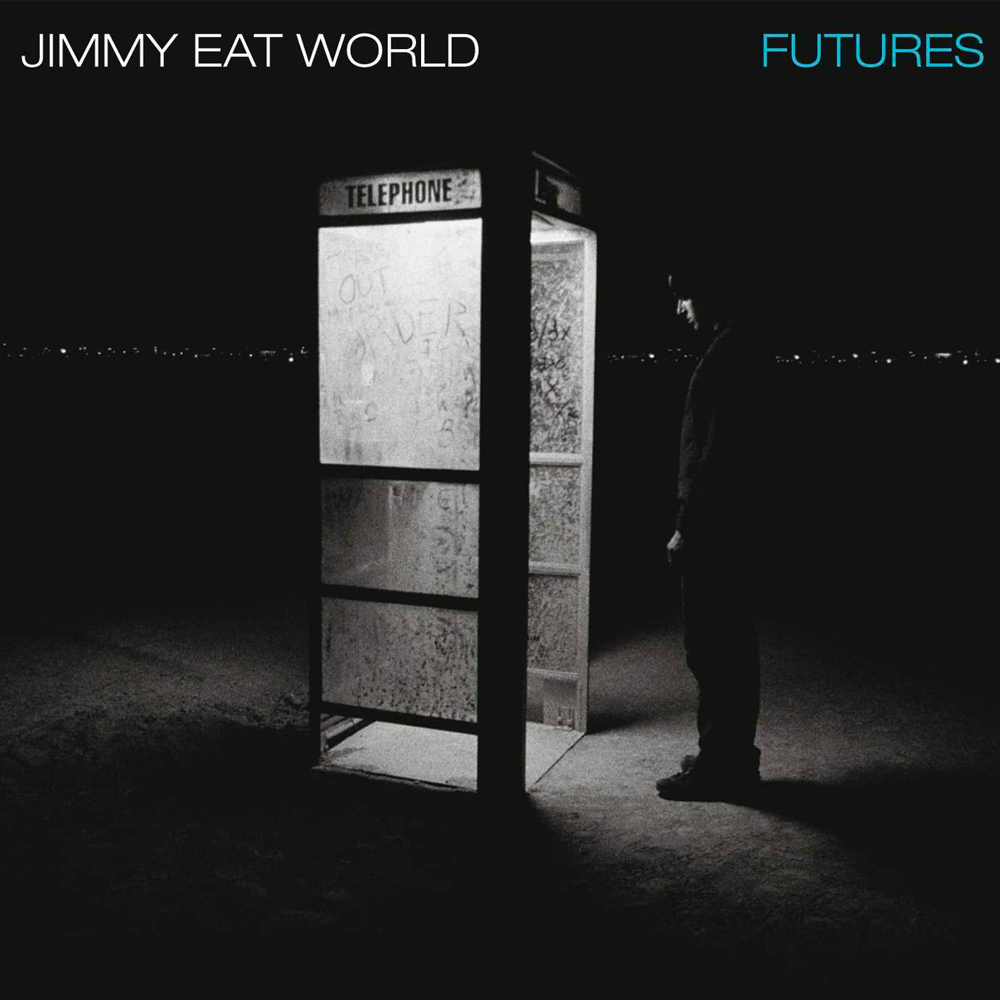 The pressure was real for Jimmy Eat World when it came time to make a follow-up to 2001’s “Bleed American.” Fortunately, they truly hit it out of the fucking park with 2004’s “Futures” though. This album definitely sounds the most alternative out of Jimmy Eat World’s discography, but the band somehow accomplished this while pulling from their quintessentially emo book of tricks that they perfected with “Clarity.” From opening with one of their best songs of all time, “Futures,” acting as a hopeful protest against the government to exploring the struggles of addiction in two completely different styles with the infectious lead single “Pain” and the tear-inducing “Drugs or Me,” this album feels as if Jim Adkins’ songwriting ability truly went full fucking super-Saiyan. Hardly anything sounds like filler on this album, which is especially impressive when you realize one of its top tracks, “23,” is a whopping seven minutes in length. Sure, Blink-182’s song about being 23 is way more popular, but does it make you tear up for seven whole fucking minutes? I didn’t think so.
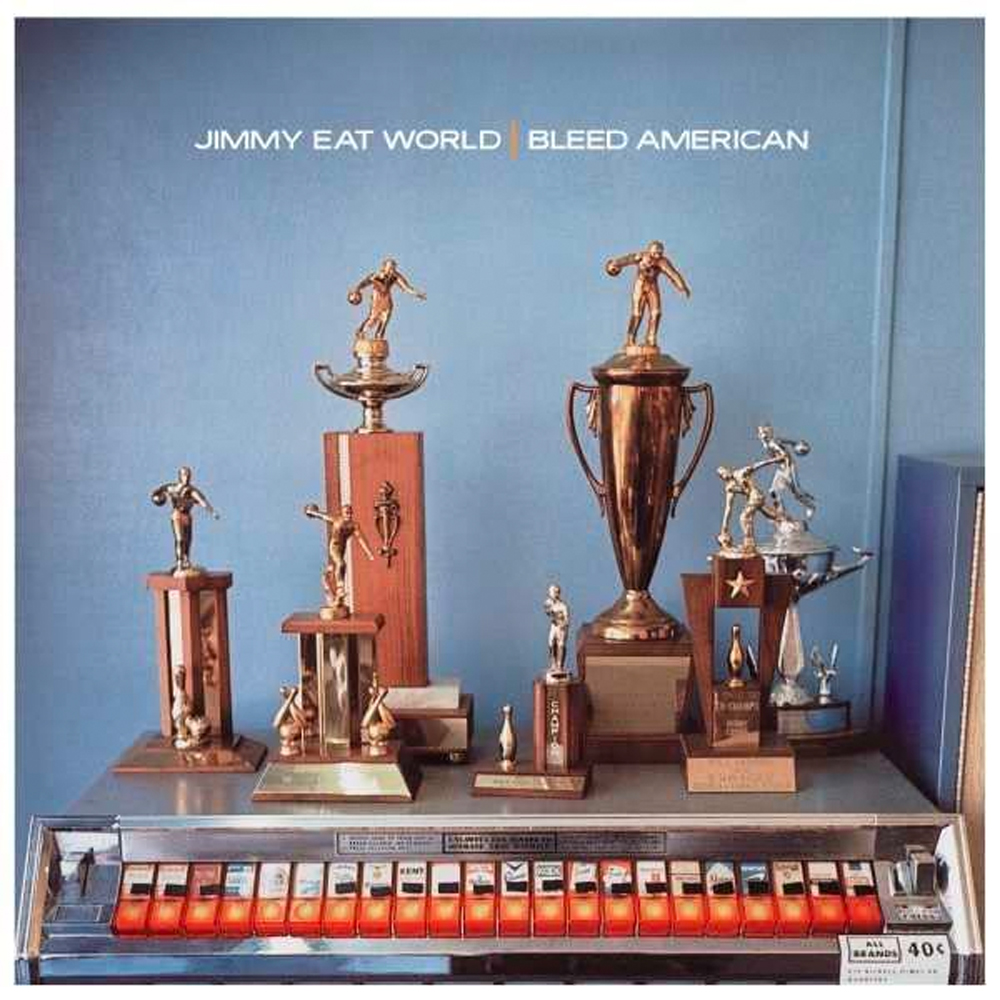 And here we are at number one. We all saw this coming. Did you think I’d be some edgelord that ranks this album second, third, or dare I say–fucking fourth–like I’ve seen plenty of neckbeards do on the internet? Hell no. “Bleed American” is Jimmy Eat World’s most popular album for a reason god dammit, and I’m willing to die on this hill. I mean–come on! With the albums featuring their greatest hits like “Bleed American,” “The Middle,” “A Praise Chorus,” and fucking “Sweetness” (also known as one of the greatest songs of all time), what’s not to love? And let’s not forget about “Hear You Me.” Even if you don’t love that song, I can sure as shit guarantee your girlfriend does. As incredible as the rest of Jimmy Eat World’s music is, this album just has too many good fucking songs to not take the crown.